Back Clinic Human physiology is the science of the functioning of organs and cells that compose them. It studies the mechanical, physical, and biochemical functions that determine the health of a person. Physiology studies function. It is broken into four levels of increasing physiological complexity. The most basic level is the molecular level, which includes all chemical substances necessary for cells to function. The study expands to examine the function of the basic types of tissue at the tissue level, including epithelial, muscle, nervous, and connective tissues.
The third level of study is the organ level. An organ consists of two or more tissues that perform a certain function. Typical organs studied include the heart, liver, lungs, and stomach. The fourth level of study is the system level, which studies the functions of the major systems of the human body: Digestive, Nervous, Endocrine, Circulatory, Respiratory, Urinary, and Reproductive. Many occupations incorporate human physiology. This includes fitness trainers who work in spas, gyms, and direct health and fitness programs. Biological scientists study living organisms and their relationship with the environment. Physical therapists provide treatment and recreation for individuals with disabilities.
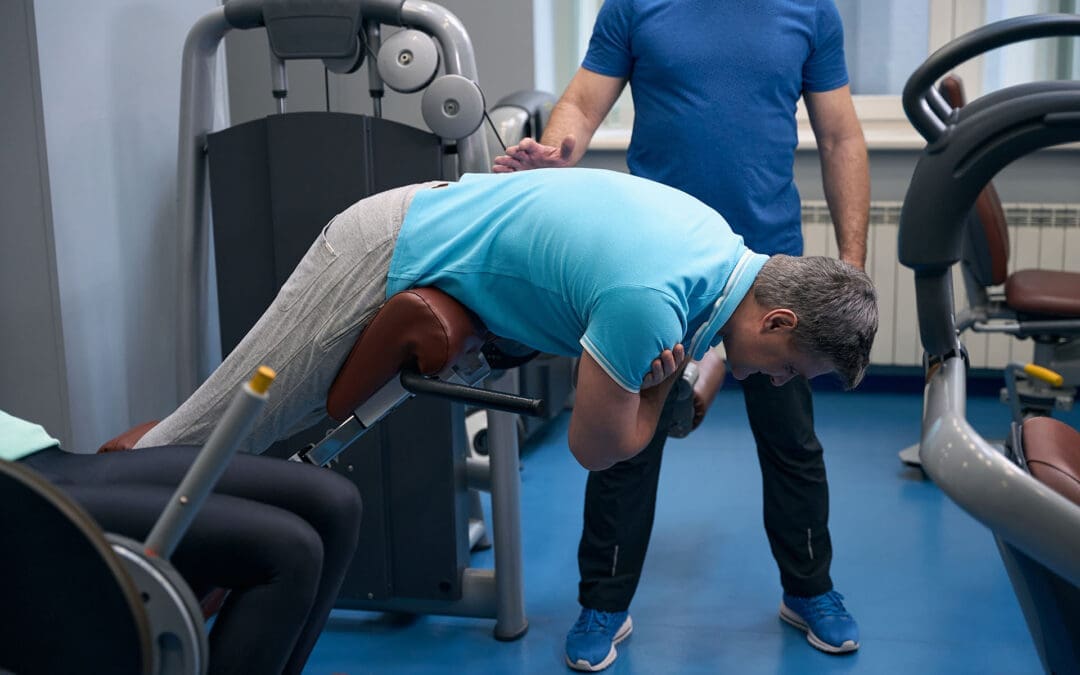
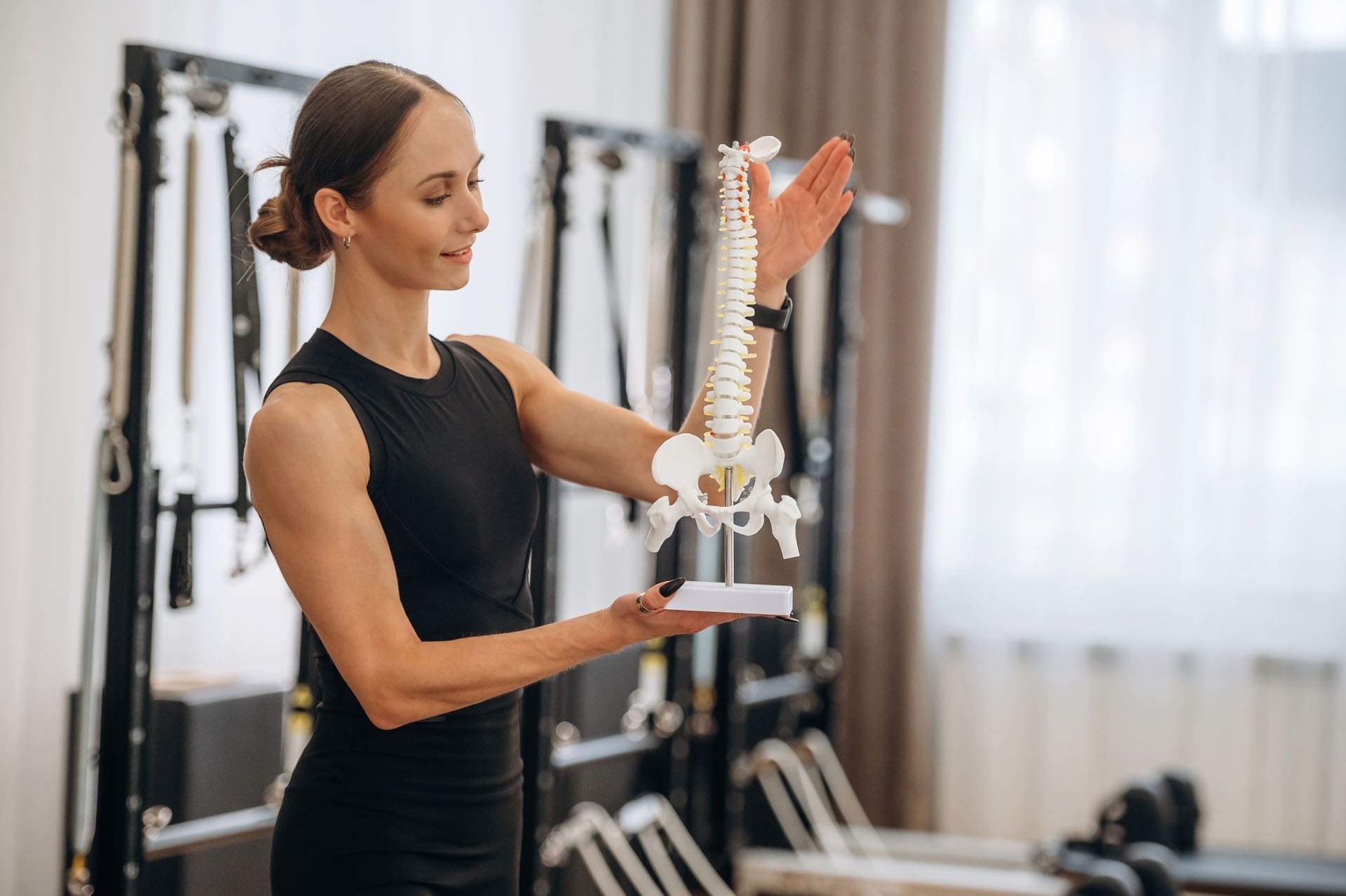
Back Extension Machine (Roman Chair) Training for a Stronger Back
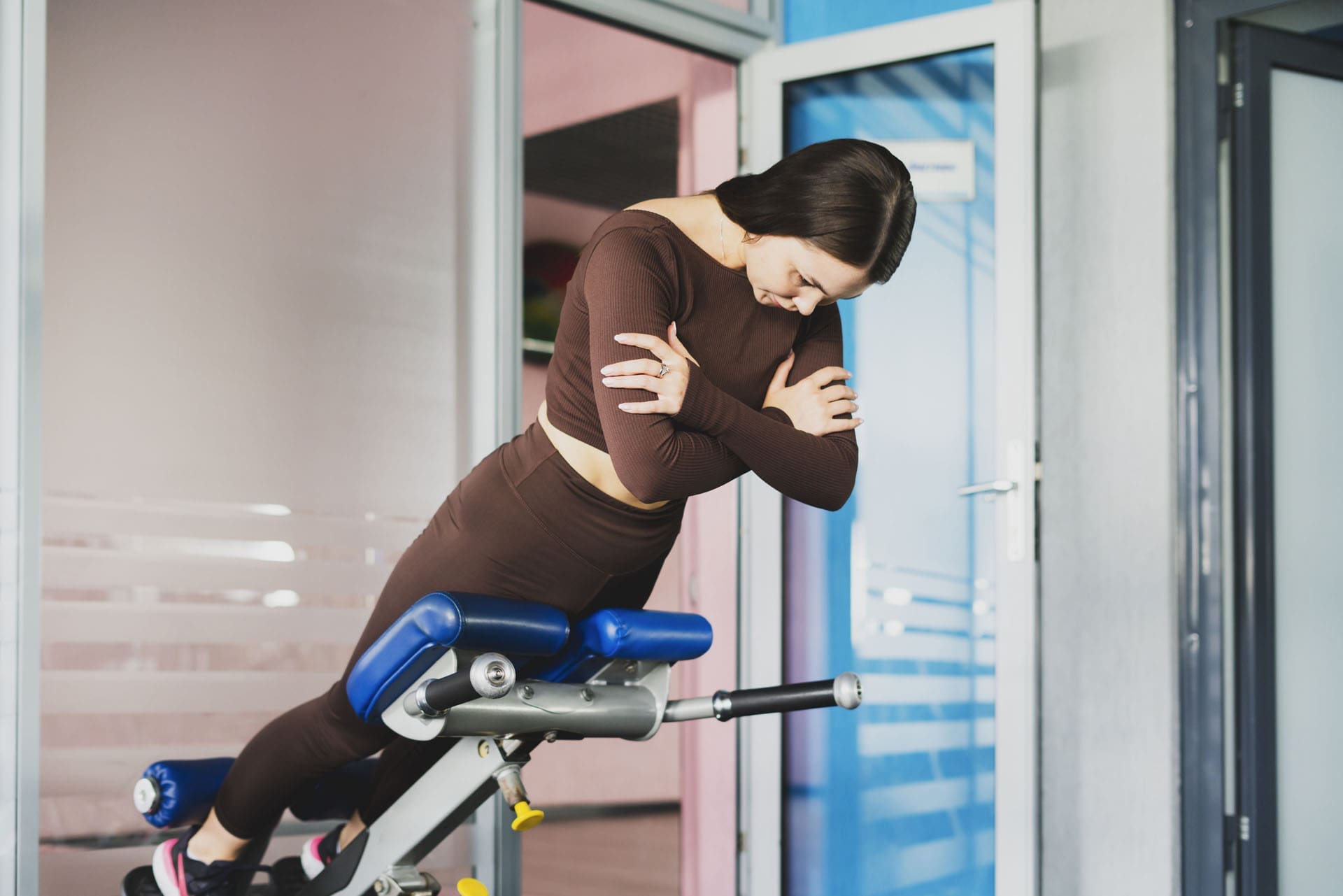
A woman engages in back extension exercises to strengthen back muscles, improve core stability, and relieve chronic back pain.
A practical, El Paso Back Clinic–style guide to core stability, safer form, and pain prevention
If you’ve ever used a back extension machine—also called a hyperextension bench or Roman chair—you already know it looks simple. You lock your feet, rest your hips on the pad, and hinge forward and back up.
But the best results come from how you do it.
At El Paso Back Clinic, the goal is not just “stronger muscles.” It’s a smarter plan that supports spine stability, hip power, and better movement habits—especially for people who deal with recurring low back tightness, desk-related stiffness, or training-related flare-ups. Dr. Alexander Jimenez, DC, APRN, FNP-BC, often emphasizes that many back problems improve when you combine movement quality, targeted strengthening, and a whole-person plan (Jimenez, n.d.-a; Jimenez, n.d.-b).
This article explains:
what the back extension machine actually trains,
how to set it up correctly,
how to avoid the common mistakes that irritate backs,
and how integrative care (chiropractic + NP-style whole-body support) fits into a complete plan.
What the Back Extension Machine Trains (and Why It Matters)
Back extensions are a posterior chain exercise. That means they train the muscles on the back side of your body, including:
Erector spinae (spinal extensor muscles that help you stay upright) (MasterClass, 2021).
Glutes (hip extension power and pelvic support) (MasterClass, 2021).
Hamstrings (help control the lowering phase and assist hip extension) (MasterClass, 2021).
Deep core stabilizers (the “bracing” muscles that keep the spine steady while the hips move) (WebMD, 2024).
This is important because many people think “core” means only the abs. In real life, core stability is about the ability to resist unwanted motion and control the spine while the hips move.
A back extension machine helps train that pattern if you do it as a hip hinge, not as a “low back bend.” (More on that below.)
Roman Chair vs. Back Extension Machine: Same Goal, Different Feel
You’ll see a few styles:
45-degree hyperextension bench (most common “Roman chair” style)
90-degree Roman chair (more upright)
Seated back extension machine (you sit and extend backward against resistance)
Verywell Fit notes that these machines are often grouped together because they train similar movement patterns and posterior chain muscles, even though the setup and feel can differ (Verywell Fit, 2025).
If you’re choosing equipment for home or clinic use, adjustability matters. Many benches are built to adjust pad position and angle so different body types can hinge correctly (Valor Fitness, n.d.).
Step 1: Set Up the Machine Correctly (This Is Where Most People Go Wrong)
Before you do a single rep, take 30 seconds to set it up.
The best setup checkpoints
Hip pad position: The pad should sit around your hip crease (where your hips fold). If it’s too high, you can’t hinge well. If it’s too low, you may feel unstable (WebMD, 2024).
Feet locked in: Your heels and feet should feel secure in the restraints (WebMD, 2024).
Top position posture: At the top, you want a straight line from head to hips—not a “lean back” pose (MasterClass, 2021).
Quick self-test
If you feel the movement mostly in your low back joints (pinchy or compressed) rather than in your glutes/hamstrings, your setup or technique needs adjustment.
Step 2: Use the Right Form (Neutral Spine + Hip Hinge)
A safer back extension is controlled and clean. The spine stays neutral, and the movement comes mostly from the hips.
How to do it (simple steps)
Brace first: Take a breath and tighten your midsection like you’re preparing to be lightly bumped.
Hinge down: Push your hips back and lower your chest slowly. Keep your neck neutral.
Drive up: Squeeze glutes and hamstrings to lift your torso back up.
Stop at neutral: Finish tall and braced. Do not crank into hyperextension (MasterClass, 2021; WebMD, 2024).
Good cues that help
“Hips back, not ribs up.”
“Move like a hinge, not a bendy straw.”
“Glutes finish the rep.”
Chuze Fitness also describes back extensions as a way to work against gravity and build strength in a simple, repeatable pattern, with the option to progress by adding load later (Chuze Fitness, n.d.-a).
The #1 Mistake: Hyperextending at the Top
One of the biggest errors is leaning back too far at the top. People do it to “feel” the lower back more, but it often adds compression where you don’t want it.
What you want instead: a neutral, stacked finish.
Ribs down
Glutes tight
Spine tall
No “backward bend” finish (MasterClass, 2021).
If you can’t stop at neutral, reduce the range of motion and slow the tempo.
Another Common Mistake: Turning It Into a Low-Back Exercise Only
Back extensions are often taught as if they only train the lower back. In reality, they work best when the hips do the job and the trunk stays braced.
A helpful way to think:
The hips create motion
The spine controls motion
That is a big reason back extensions can be useful for stability—when done correctly (WebMD, 2024).
Reps and Sets: Simple Programming That Works
The “right” plan depends on your goal and your history.
Beginner (control first)
2–3 sets of 8–12 reps
Bodyweight only
Slow lowering (2–3 seconds down)
General strength and pain prevention
3 sets of 10–15 reps
Add light load only if form stays clean (Chuze Fitness, n.d.-a).
Stronger posterior chain (experienced lifters)
3–5 sets of 6–10 reps
More rest
Still stop at neutral (no hyperextension)
Rule: load is earned by control.
Verywell Fit’s equipment review also highlights that comfort, stability, and fit matter for consistent training—especially for people using these tools as part of a back-strengthening routine (Verywell Fit, 2025).
Safer Progressions (If Your Back Is Sensitive)
If your back flares easily, you can still train the posterior chain—you just need smarter progressions.
Options that tend to be more back-friendly:
Shorter-range back extensions (only move where you can stay neutral)
Isometric holds at neutral (hold 10–20 seconds)
Lower load, slower tempo
Add glute-focused assistance work (like bridges) alongside back extensions
At El Paso Back Clinic, Dr. Jimenez often frames strengthening as part of a bigger plan: improve mechanics, build tolerance, and progress gradually based on the person’s symptoms and daily demands (Jimenez, n.d.-a; Jimenez, n.d.-c).
When to Pause and Get Checked (Red Flags)
Back extension training should feel like muscular effort, not nerve pain.
Stop and seek professional guidance if you have:
Pain shooting down the leg
Numbness or tingling
Weakness in the foot/leg
Pain that worsens over time with extension-based movements
WebMD also encourages careful form and smart choices when using back extensions, especially when they’re used for “back health” rather than just bodybuilding (WebMD, 2024).
How This Fits the El Paso Back Clinic Approach: Strength + Mobility + Whole-Person Support
Many people try one thing:
“I’ll just strengthen my back.”
Or:
“I’ll just stretch more.”
Or:
“I’ll just get adjusted.”
But most lasting results come from combining the right tools in the right order.
Chiropractic care to improve mechanics
Chiropractic-focused care often aims to:
improve joint motion where stiffness limits your hinge,
reduce irritation that changes how you move,
and help you restore better spinal and pelvic mechanics.
El Paso Back Clinic content emphasizes a whole-body view of pain and function, including movement habits and multi-step plans (Jimenez, n.d.-c).
Exercise to build stability and strength
Once movement is cleaner, exercises like the Roman chair can help you:
reinforce a strong hinge,
strengthen posterior chain muscles,
and build stability that carries into work, lifting, and sports (MasterClass, 2021).
Nurse practitioner support to address barriers to recovery
NP-style integrative support often helps by addressing factors that keep people “stuck,” such as:
sleep quality,
stress load,
inflammation drivers,
safe pain management planning (when appropriate),
and screening for problems that need further testing or referral.
In short: your back isn’t separate from the rest of you.
A Simple 3-Phase Plan You Can Follow
Here is a practical approach that matches how many integrative clinics structure back-pain recovery and performance.
Phase 1: Calm things down and restore motion (1–2 weeks)
Gentle mobility (hips + mid-back)
Light back extensions with short range
Walk daily if tolerated
Focus on bracing and hinge control
Phase 2: Build capacity (3–6 weeks)
Back extensions: 2–3 days/week
Add glute and hamstring work
Add core stability work
Slowly add reps before adding load
Phase 3: Build real-world resilience (ongoing)
Add load gradually (only if neutral form is automatic)
Transfer strength into squats, hinges, and carries
Keep a weekly routine of mobility + stability work
This kind of integrated plan—adjustments plus exercise and habit change—is also described in chiropractic-focused integration articles discussing the value of combining care approaches to improve outcomes (OPTMZ State, 2026).
Key Takeaways
The back extension machine is best used as a hip-hinge strength tool, not a “bend your spine” tool (MasterClass, 2021).
Proper setup (hip pad alignment + stable feet) helps you move safely (WebMD, 2024).
Avoid the big mistake: hyperextending at the top. Stop at neutral.
Strong results often come from a full plan: chiropractic mechanics + targeted exercise + whole-person support, a theme repeated across El Paso Back Clinic education from Dr. Jimenez (Jimenez, n.d.-a; Jimenez, n.d.-c).
Relieve Lower Back and Hip Pain with Squats, Core Exercises, and Chiropractic Care at El Paso Back Clinic®
Many people in El Paso suffer from lower back pain and hip discomfort due to daily activities, work demands, injuries, or long-term issues. These problems often stem from muscle strains, poor posture, tight hips or glutes, and weak supporting muscles. At El Paso Back Clinic® in El Paso, TX, we specialize in helping patients overcome these challenges through personalized chiropractic care, rehabilitation, and safe exercises.
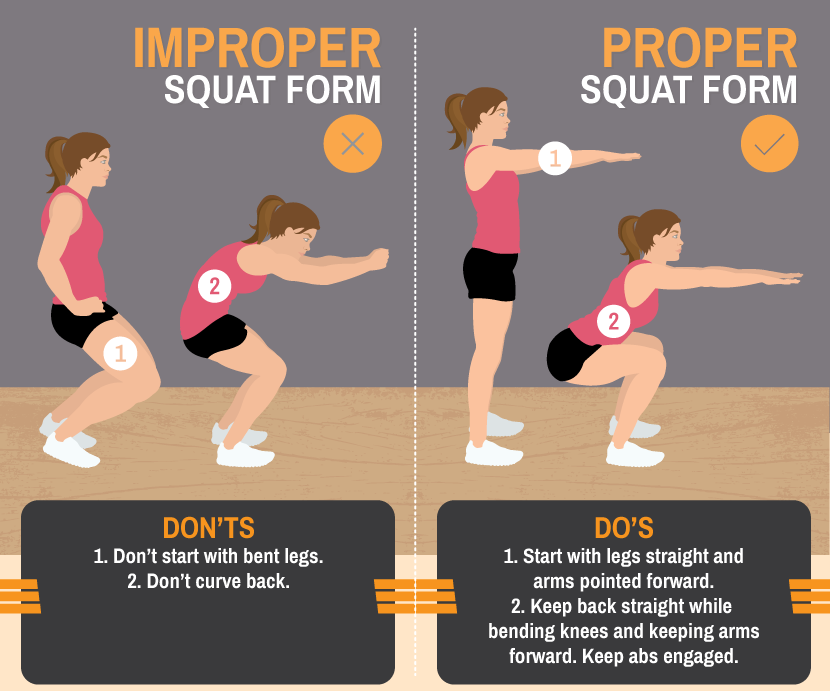
Squats and core exercises, performed correctly, strengthen the muscles that support the spine, improve alignment, and enhance hip mobility. This reduces stress on the back during movement. They are effective for chronic low back pain, mild sciatica, and general aches from weak muscles. Proper form is essential—sharp pain, numbness, or weakness means you should seek professional evaluation first.
Strong Core + Chiropractic for Lower Back and Hip Pain Relief
The lower back and hips are closely connected through shared muscles, joints, and nerves. Tight hips or glutes can tug on the back, leading to strain. Weak core muscles cause spinal instability and poor posture, leading to chronic pain.
Muscle imbalances force the back to overcompensate in everyday tasks.
Reduced hip mobility leads to excessive forward leaning, stressing the lower back.
Problems in ankle or upper back mobility contribute further.
These factors can result in lumbar instability or pain radiating from the hips to the back.
How Squats Benefit Lower Back and Hip Conditions
Squats strengthen the legs, glutes, and core. With proper technique, they relieve pressure from the lower back.
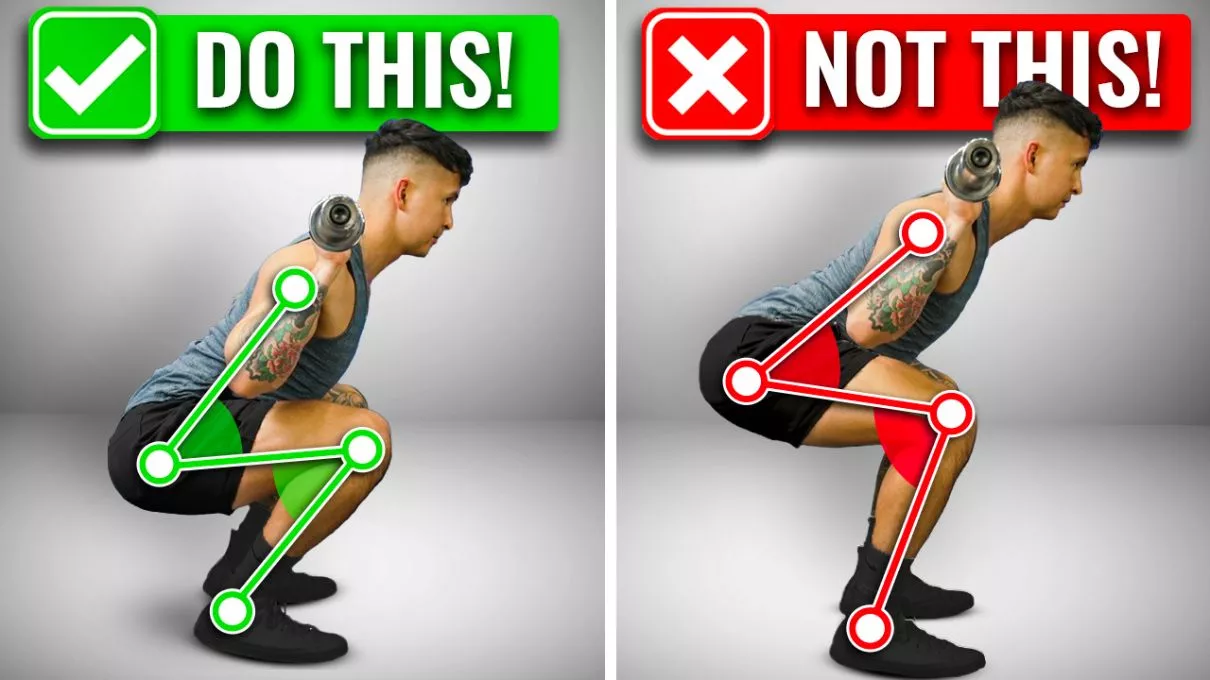
Proper squats maintain a neutral spine and engaged core, providing stability and minimizing lumbar strain. Activating core and hip muscles during squats supports the spine, preventing excessive arching or rounding.
Squats also increase hip mobility. Tight hip flexors are a common cause of back pain during deeper squats. Improved flexibility allows the hips to function better, sparing the back from overload.
Builds glutes and legs for stronger spinal support.
Enhances blood flow and reduces inflammation in the area.
Aids mild pain that improves with gentle activity.
Research supports that the correct form reduces risks associated with squats.
Core Exercises: A Key to Back and Hip Relief
Core exercises focus on deep muscles in the abdomen, back, and pelvis, acting as a natural spinal brace.
Strong core muscles enhance posture and balance, easing the load on spinal discs and preventing persistent pain from inadequate support. Studies show core stability exercises effectively reduce non-specific low back pain and improve function.
Core training also supports hip pain by stabilizing the pelvis, which is beneficial for conditions like arthritis or glute tightness.
Planks and bird-dogs develop endurance in stabilizing muscles.
Pelvic tilts and bridges safely activate deep muscles.
Standing core activities help relieve pain from prolonged sitting.
Evidence indicates that core exercises often outperform general workouts in reducing pain.
Mastering Proper Form for Safe Squats and Core Work
Incorrect squat form is a leading cause of lower back pain. Frequent mistakes include back rounding, knee collapse, or excessive weight.
Safe squat guidelines:
Position feet shoulder-width apart, toes slightly turned out.
Engage your core as if bracing for impact.
Hinge at the hips, keep the chest high, and descend until the thighs are parallel to the ground.
Drive up through heels, maintaining a neutral spine.
For core exercises, prioritize controlled movement. Hold planks straight with tight abs—avoid dipping or arching.
Begin with bodyweight versions and always warm up to boost circulation and lower injury risk.
Pain during squats typically indicates a weak core, tight hips, or mobility deficits. Address these with targeted stretches and progressive loading.
When Exercises Are Helpful and When to Get Professional Care
Squats and core exercises support:
Chronic low back pain from muscle weakness.
Mild sciatica by decreasing nerve pressure.
Hip tightness referring pain to the back.
Posture-related daily discomfort.
They foster long-term resilience and prevent compensatory back strain. Halt immediately if experiencing severe pain, numbness, weakness, or loss of balance—these may indicate serious conditions such as a disc herniation.
Consult a provider before beginning, especially if you have pre-existing injuries.
Integrative Care at El Paso Back Clinic®
At El Paso Back Clinic®, Dr. Alexander Jimenez, DC, APRN, FNP-BC, leads a team that delivers comprehensive, integrative chiropractic and wellness care for lower back and hip pain. Our approach combines squats and core exercises with chiropractic adjustments, spinal decompression, physical therapy, functional medicine, and rehabilitation programs.
Chiropractic adjustments correct misalignments and joint dysfunctions. A reinforced core helps maintain these corrections by enhancing spinal stability.
Dr. Jimenez creates tailored plans that address root causes through evidence-based protocols, drawing on over 30 years of experience in complex injuries, sciatica, and chronic pain. This multidisciplinary method often yields superior, sustained results compared to isolated treatments.
Visit our main location at 11860 Vista Del Sol, Suite 128, El Paso, TX 79936, or call (915) 850-0900 to schedule your consultation.
Beginner Exercises to Try Under Guidance
Start with these fundamentals, supervised by our team:
Bodyweight Squats: 3 sets of 10-15 repetitions, emphasizing technique.
Glute Bridges: Lie on your back, and elevate your hips by engaging your glutes.
Bird-Dog: On hands and knees, extend opposite arm and leg while bracing core.
Planks: Maintain position for 20-30 seconds, gradually increasing duration.
Pelvic Tilts: On the back, press the lower back into the floor via a pelvic tilt.
Incorporate 2-3 sessions weekly. Include hip mobility work and advance gradually.
Regain Comfort and Mobility Today
At El Paso Back Clinic®, squats and core exercises form integral components of our rehabilitation strategies for lower back and hip pain. They fortify stabilizing muscles, correct alignment, and promote mobility to manage strains, poor posture, instability, and tightness.
Combined with expert chiropractic and integrative care under Dr. Alexander Jimenez, they deliver lasting strength and relief.
Reach out to El Paso Back Clinic® today. Our team will assess your needs and develop a customized plan for optimal recovery.
When You Don’t Stretch: Why Muscles Get Stiff, Movement Gets Harder, and Injuries Become More Likely
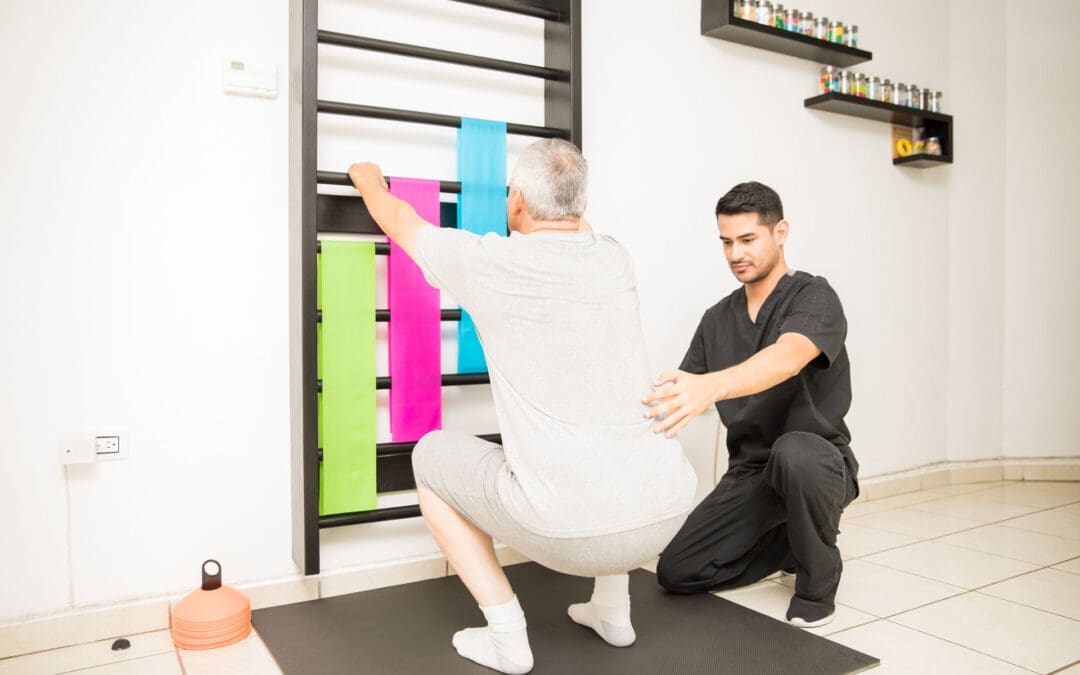
A patient with chronic back pain does targeted stretches.
If you rarely stretch, your body can start to feel “tight,” which can change how you move. Many people notice they can’t bend, twist, squat, reach overhead, or turn their head as easily as they used to. Over time, this can affect your flexibility, your range of motion (how far a joint can move), and how smooth and efficient your daily movements feel.
At El Paso Back Clinic, Dr. Alexander Jimenez, DC, APRN, FNP-BC, often explains this: when mobility decreases, the body starts to “compensate.” That means you move around a stiff area instead of through it, and those workarounds can build up stress in nearby joints and muscles (Jimenez, n.d.-a). This is one reason people can develop recurring back pain, neck stiffness, hip tightness, or shoulder irritation even without a single big injury.
What “Muscle Stiffness” Really Means
Muscle stiffness usually feels like tightness, soreness, or difficulty moving. It can happen after overuse, after you’ve been still for a long time, or when your muscles stay “stuck” in a more contracted state (Tarantino, 2025). Osmosis
Osmosis notes that stiffness can appear after a long period of minimal motion (such as bed rest or inactivity) or after new exercise that causes temporary muscle cell damage (Tarantino, 2025). Osmosis
Key idea: When your body doesn’t move a joint through its normal range often enough, the muscles and tissues around it can start to feel restricted. That restriction can make normal tasks think harder than they should.
Do Muscles Actually “Shorten” If You Don’t Stretch?
You’ll hear people say, “If you don’t stretch, your muscles will shorten.” That statement is partly true, but it needs context.
Adidas explains that the word “shorten” can be misleading: for most people, it feels like shortening because mobility and flexibility decrease when stretching is skipped, even if the muscle is not literally shrinking in everyday life (Adidas, 2025). adidas
Harvard Health adds an important clarification: without regular stretching, muscles can become tight, and when you need them for activity, they may not extend fully, increasing the risk of joint pain, strains, and muscle damage (Harvard Health Publishing, 2024). Harvard Health
So the practical takeaway is simple:
Skipping stretching often leads to less mobility and flexibility
Tight muscles can reduce how far joints can move
Tight muscles can make injuries more likely when you suddenly “ask more” of your body
How Tight Muscles Reduce Range of Motion
Range of motion (ROM) is the movement around a joint or body part. When ROM is limited, you can’t move that body part through its usual, healthy motion (Jimenez, n.d.-b). El Paso Back Clinic® • 915-850-0900
El Paso Back Clinic explains how tightness—especially in areas like the hips and ankles—can reduce ROM and limit potential for form and strength. When posture and form are compromised, pain and injury risk can rise (Jimenez, n.d.-b). El Paso Back Clinic® • 915-850-0900
What limited ROM can look like in real life
You might notice:
You can’t turn your head fully when driving
You bend from your lower back instead of your hips
You can’t squat without your heels lifting
Your shoulders feel “pinched” when reaching into a cabinet
Your hamstrings feel tight when you try to walk fast
And here’s the tricky part: your body still gets the job done—just with more strain.
Why Stiffness Can Raise Injury Risk
Harvard Health explains that tight muscles may be more easily damaged when they are suddenly stretched during strenuous activity (Harvard Health Publishing, 2024). Harvard Health
That’s why injuries often show up in moments like:
A weekend game after sitting all week
A sudden sprint to catch something
Lifting a heavy box with “cold” hips and hamstrings
A long drive followed by quick unloading or bending
Mayo Clinic also notes that better flexibility can help joints move through full ROM and may decrease injury risk, while emphasizing that stretching must be done correctly (Mayo Clinic Staff, n.d.). Mayo Clinic
Common Reasons People Stop Stretching (And How to Fix Them)
Most people don’t skip stretching because they don’t care. They skip it because it feels confusing, time-consuming, or uncomfortable.
Common barriers
“I don’t have time.”
“Stretching hurts.”
“I’m not flexible, so it doesn’t work for me.”
“I only need stretching if I work out.”
Better, more realistic reframes
You only need 5–10 minutes a few times a week to start seeing benefits (Mayo Clinic Staff, n.d.). Mayo Clinic
Stretching should create tension, not pain (Mayo Clinic Staff, n.d.). Mayo Clinic
Flexibility improves over weeks to months, not days (Harvard Health Publishing, 2024). Harvard Health
Stretching supports everyday movement, not just workouts (Harvard Health Publishing, 2024). Harvard Health
Safe Stretching Basics (So You Don’t Make Things Worse)
This matters: stretching done poorly can backfire.
Mayo Clinic recommends:
Don’t stretch cold muscles—warm up 5–10 minutes first
Don’t bounce
Hold stretches about 30 seconds (longer for problem areas)
Don’t stretch into pain (Mayo Clinic Staff, n.d.). Mayo Clinic
The American Heart Association adds:
Stretch when muscles are warm
Hold 10–30 seconds and repeat 3–5 times
Stretch slowly and smoothly (American Heart Association, 2024). www.heart.org
Quick safety checklist
Warm up first (easy walk, gentle movement)
Move slowly
Breathe
No bouncing
Stop if you feel sharp pain, numbness, or joint pain
A Simple 10-Minute Daily Stretch Routine for Real Life
This is designed for normal adults: busy schedules, stiff hips, tight neck, and lots of sitting.
Step 1: Warm up (1–2 minutes)
Walk around the house
March in place
Gentle arm circles
Step 2: Do these 6 stretches (about 8 minutes total)
1) Hip flexor stretch (1 minute each side) Helps if you sit a lot and feel tight in the front of your hips.
2) Hamstring stretch (1 minute each side) Harvard points out that tight hamstrings from sitting can limit how well you extend your leg and support walking mechanics (Harvard Health Publishing, 2024). Harvard Health
3) Calf stretch (45 seconds each side) Helpful for ankle mobility, walking, and squatting mechanics.
4) Chest opener (45 seconds) Stand in a doorway and gently open the chest to reduce rounded-shoulder posture.
5) Upper back reach (45 seconds) Hug yourself and gently pull your shoulder blades apart.
6) Neck side stretch (30 seconds each side) Gentle only—never crank your neck.
Step 3: Add “micro-mobility” during your day (optional but powerful)
Stand up every hour for 30–60 seconds
Do 5 bodyweight squats to a chair
Do 10 shoulder rolls
Take a 3-minute walk after meals
These small habits often matter as much as one long stretch session.
Stretching After Workouts: What You Should Know
Adidas explains the difference clearly:
Dynamic movement is best before workouts (prepares your body)
Static stretching is typically better after workouts, when you’re warm (Adidas, 2025). adidas
Mayo Clinic also cautions that stretching cold muscles can increase injury risk and notes that some intense activities may not benefit from heavy stretching right before performance (Mayo Clinic Staff, n.d.). Mayo Clinic
A balanced approach
Before exercise: warm up + dynamic mobility
After exercise: gentle static stretching + breathing
On rest days: short, consistent flexibility routine
When Stiffness Is a Sign You Need More Than Stretching
Sometimes the problem is not just “tight muscles.” You may have:
Joint restrictions that block movement
Spine or pelvis alignment issues affecting mechanics
Inflammation around a joint
Pain patterns that keep muscles “guarded”
A nerve-related problem (numbness, tingling, weakness)
El Paso Back Clinic notes that limited ROM in areas like the back, neck, or shoulders can be linked to the body being out of natural alignment, repetitive motions, or wear and tear (Jimenez, n.d.-b). El Paso Back Clinic® • 915-850-0900
If stretching doesn’t help—or makes symptoms worse—it’s smart to get assessed.
The El Paso Back Clinic Approach: Integrative Chiropractic + Nurse Practitioner Support
This is where integrative care can be a game-changer: you’re not only “stretching more,” you’re also finding out why you’re tight and building a plan that fits your body.
What chiropractic care can add
El Paso Back Clinic describes a “restoration” approach that may include:
Soft tissue work (to reduce tightness and improve circulation)
Adjustments (to address misalignments and support mobility)
Nurse practitioners are advanced practice clinicians who assess, diagnose, and treat illnesses and injuries and support chronic condition management (American Nurses Association, n.d.). ANA Healthgrades also describes NPs performing screenings and physical exams, ordering lab work, documenting care, and diagnosing certain conditions (Prosser, 2025). Healthgrades Resources
Why the combo helps stiffness and pain
Together, a chiropractor + NP team can:
Screen for red flags (nerve symptoms, systemic issues)
Decide when imaging or labs are appropriate
Build a movement plan that matches your pain level
Address sleep, stress, inflammation, and recovery habits
Track progress using measurable goals (like ROM improvements)
Dr. Jimenez’s Mobility & Flexibility materials emphasize that “great mobility” supports functional movement without ROM restrictions and that people who don’t stretch often may experience stiffened muscles that reduce effective movement (Jimenez, n.d.-a). El Paso Back Clinic® • 915-850-0900
Red Flags: When to Stop Stretching and Get Checked
Call a clinician promptly if you have:
Numbness, tingling, or weakness in an arm/leg
Loss of balance, clumsiness, or trouble walking
Severe pain that doesn’t improve
Pain after trauma (car accident, fall, sports collision)
Fever, unexplained swelling, or sudden intense stiffness
Muscle stiffness can sometimes be related to underlying medical issues, and diagnosis may require an exam and follow-up testing, depending on the cause (Tarantino, 2025). Osmosis
The Bottom Line
If you don’t stretch regularly, it’s common to feel tighter and less mobile over time. That stiffness can reduce range of motion, make daily tasks harder, and increase your risk of injury when you suddenly push your body. The good news is that you don’t need extreme flexibility. You need consistent, safe mobility work—and when required, professional support to restore movement and reduce pain.
A practical plan usually includes:
Small daily stretching habits
Better warm-ups and recovery routines
Strength + mobility (not stretching alone)
Integrative evaluation when pain, ROM loss, or repeated flare-ups keep returning
Fitness vs. Wellness: How Exercise and Chiropractic Care Can Boost Your Overall Health
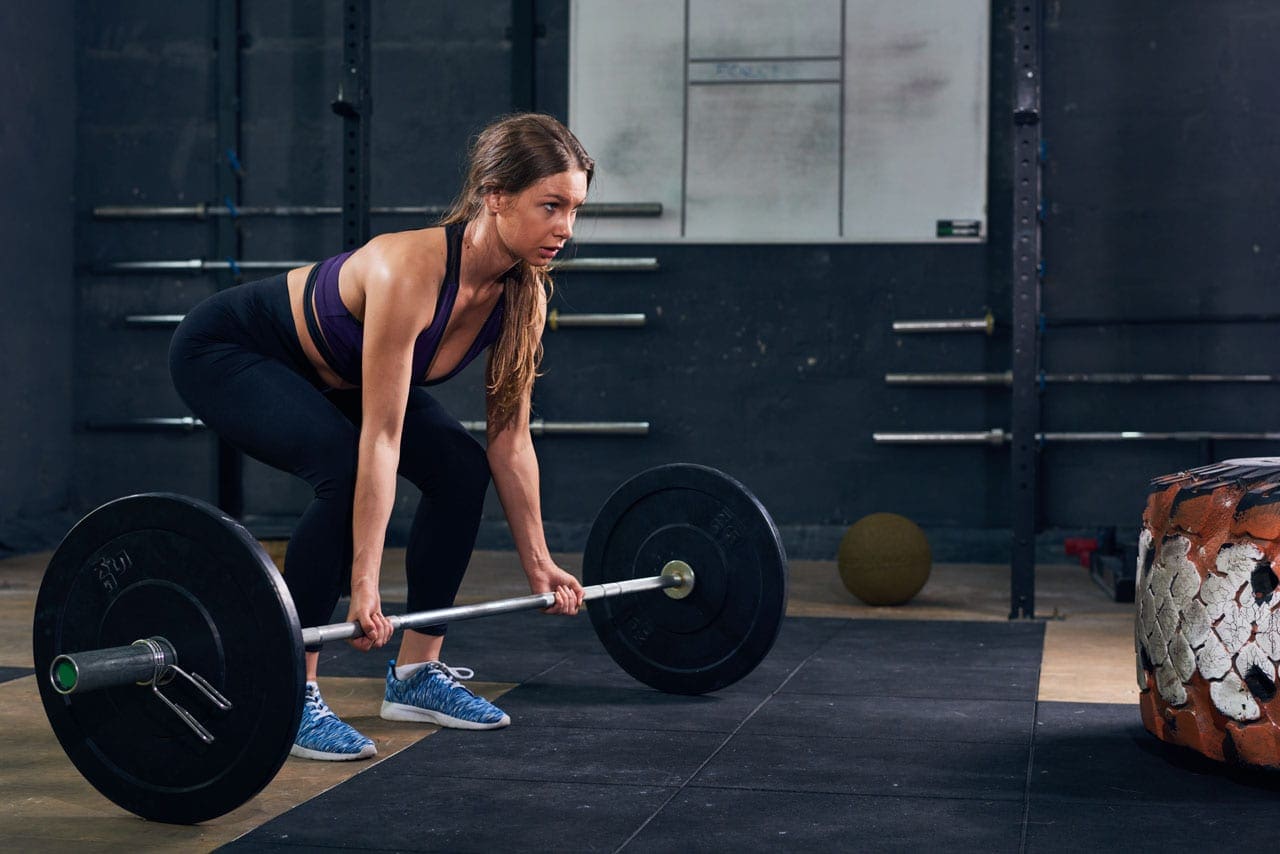
Strong woman lifts a barbell during a CrossFit workout
Many people talk about being fit or feeling well, but what do these terms really mean? Fitness is about your body’s ability to do physical tasks. It includes things like strength, endurance, and how well you can move. For example, if you can run a mile without getting too tired or lift heavy boxes, that’s fitness in action. Wellness, on the other hand, is bigger. It covers your whole health, including your body, mind, emotions, and even how you get along with others. It’s about feeling good in all parts of life, not just the physical side. Exercise is the key link between the two. When you move your body regularly, it builds strength for fitness and also helps your mind stay calm and your emotions balanced for wellness.
Think of fitness as the engine that powers your daily activities. Without it, simple things like walking up stairs or playing a game could feel difficult. Wellness is like a full car – it needs a good engine, fuel, maintenance, and a smooth ride to get you where you want to go. Exercise keeps everything running well. In this article, we’ll explore these ideas, examine how chiropractic care fits in, and see why combining them all leads to better health.
What Is Fitness?
Fitness focuses on the physical side of health. It’s your body’s capacity to handle activities without getting worn out or hurt. This includes strength, which helps you lift and carry things, and endurance, which lets you keep going for longer periods. Fitness also covers flexibility, balance, and how your heart and lungs work during movement.
Here are some key parts of fitness:
Cardio endurance: This is how well your heart and lungs supply oxygen during activities like running or biking. It helps you last longer without feeling out of breath.
Muscular strength: Built through things like weightlifting, it makes muscles stronger for tasks like pushing or pulling.
Flexibility: Stretching exercises improve the range of motion in your joints, reducing the risk of pulls or strains.
Body composition: The mix of fat and muscle in your body, which exercise can help balance for better health.
People often measure fitness by how they perform in sports or daily chores. For instance, if you can do push-ups or walk briskly for 30 minutes, you’re building fitness. Regular activities like swimming or yoga can improve these areas and lower the risk of conditions like heart disease or diabetes. But fitness alone isn’t enough for total health – that’s where wellness comes in.
What Is Wellness?
Wellness is a wider idea than fitness. It’s about achieving optimal health across all areas of life. While fitness is mostly physical, wellness includes mental, emotional, social, and even spiritual parts. It’s like a wheel with many spokes – if one is weak, the whole thing wobbles.
Key areas of wellness include:
Physical wellness: This overlaps with fitness and involves eating well, sleeping enough, and staying active to keep your body strong.
Mental wellness: Keeping your mind sharp through learning, stress management, and positive thinking.
Emotional wellness: Handling feelings like anger or sadness in healthy ways, often through speaking with friends or journaling.
Social wellness: Building positive relationships and feeling connected to others.
Other areas: like financial stability or environmental awareness, affect how you feel overall.
Wellness is a daily practice, not a one-time goal. It means making choices that help you thrive, not just survive. For example, someone might be fit from gym workouts but lack wellness if they’re stressed or lonely. True wellness balances everything for a happier life.
How Exercise Connects Fitness and Wellness
Exercise is the bridge between fitness and wellness. It’s any movement that gets your body working, like walking, dancing, or lifting weights. For fitness, exercise builds muscle, boosts heart health, and improves endurance. But it also touches wellness by reducing stress, lifting mood, and helping you sleep better.
Benefits of exercise for fitness:
Burns calories to control weight.
Strengthens bones and muscles to prevent injuries.
Improves heart function to lower disease risks.
Benefits for wellness:
Releases feel-good chemicals in the brain to fight depression and anxiety.
Boosts energy for daily tasks and social activities.
Enhances sleep, which supports mental clarity and emotional balance.
Types of exercise include aerobic (like running for heart health), strength training (like weights for muscle), and flexibility work (like yoga for movement). Aim for at least 150 minutes of moderate activity a week, plus strength work twice a week. Even small steps, like a daily walk, can make a big difference. Exercise doesn’t just make you stronger; it helps you feel more balanced overall.
The Role of Chiropractic Care in Fitness and Wellness
Chiropractic care is a natural way to support both fitness and wellness. It focuses on aligning your spine and improving the function of your nerves. This can ease pain, boost movement, and help your body heal itself. Chiropractors use adjustments – gentle pushes on the spine – to fix misalignments that cause issues like back pain or headaches.
How chiropractic helps fitness:
Improves joint mobility for better exercise performance.
Reduces injury risk by maintaining balance.
Speeds up recovery after workouts or strains.
For wellness, it goes deeper:
Lowers stress by relaxing tight muscles.
Boosts immune function through better nerve flow.
Supports overall health by addressing root causes rather than just symptoms.
Dr. Alexander Jimenez, a chiropractor and nurse practitioner, has observed in his practice that combining chiropractic with lifestyle changes leads to better outcomes. He notes that patients with chronic pain often improve faster when adjustments are paired with exercise and nutrition. His work shows how this approach prevents problems and promotes long-term wellness.
Integrating Chiropractic Care with Exercise for Better Results
When you mix chiropractic care with exercise, the results are even stronger. Chiropractic provides a solid base by aligning your body, while exercise builds on that with strength and heart health. This team-up reduces injury chances, improves how you move, and supports lasting wellness.
Steps to integrate them:
Start with a chiropractic check-up to fix any alignments.
Get personalized exercise tips, like stretches for flexibility or core work for stability.
Combine with other habits, such as healthy nutrition and stress relief.
Examples of exercises chiropractors recommend:
Core strengthening, like planks, supports the spine.
Stretches for the hips and back to ease tension.
Low-impact activities like swimming for overall fitness without strain.
Dr. Jimenez’s clinical work supports this. He uses integrative methods, like spinal decompression and tailored workouts, to help patients recover from injuries and stay active. His observations show that this holistic path leads to less pain, more energy, and a better quality of life.
In sports or daily life, this combo helps you perform better and feel great. For instance, athletes use chiropractic to stay aligned during training, while everyday people use it to handle desk jobs without back issues. It’s about prevention – catching problems early so you can keep moving.
Why This Matters for Long-Term Health
Focusing on fitness and wellness through exercise and chiropractic isn’t just for now; it’s for the future. Regular movement and care can prevent chronic issues like arthritis or heart problems. It also makes life more enjoyable, with more energy for hobbies and time with loved ones.
Challenges might include starting slow if you’re new, but small changes add up. Consult pros like chiropractors for safe plans. Remember, wellness is a journey – keep balancing all parts for the best results.
In summary, fitness builds your physical power, wellness covers your whole self, and exercise ties them together. Adding chiropractic care creates a strong foundation for health. As Dr. Jimenez’s practice shows, this integrated way leads to real improvements in how people feel and function.
Sport-Specific Training & Chiropractic in Back Injury Recovery
Introduction
Back injuries—whether from sports, auto accidents, work accidents, or daily strain—present a unique challenge. The spine supports nearly every movement, and when it’s compromised, strength, mobility, and balance suffer. For patients at a clinic offering advanced back care (like El Paso Back Clinic), the integration of sport-specific training with chiropractic and integrative modalities offers a powerful path toward recovery and long-term resilience.
Sport-specific training—customized drills that focus on strength, agility, and coordination—can rebuild function in a way that general rehabilitation often cannot. Paired with structural alignment, nerve health, soft tissue healing, and holistic support, this combination helps patients achieve more than just pain relief. They regain strength, flexibility, and control.
In this article, we will:
Define sport-specific training and its essential components
Show how it applies in a back-injury or spinal-rehab setting
Explain how chiropractic and integrative care complement and enhance outcomes
Illustrate how a multidisciplinary spinal/rehab clinic (such as El Paso Back Clinic) can deploy these strategies for complex cases
What Is Sport-Specific Training?
Sport-specific training consists of exercises and drills designed to mimic or approximate the demands of a particular sport or movement pattern. Rather than simply engaging in general strength training or cardio, the athlete (or rehab patient) practices movements that simulate the activities they actually perform in their sport (or daily life). (Simplifaster, 2023)
For example:
A soccer player might do cone drills, direction changes, and sprint cuts.
A basketball player might do jump-rebound drills, lateral slides, and shot motion under fatigue.
A person recovering from a back injury who intends to return to recreational tennis may benefit from training rotational core stability, hip control, and deceleration drills.
The principle is to condition not just muscles, but neuromuscular coordination, timing, balance, and movement patterns under stress. (Island Sports PT, 2024)
Core Elements of Sport-Specific Training
Strength & Conditioning Focused strength work for sports-relevant muscles. For instance, rotational core strength, hip extensors, and glutes are often critical, especially when the spine is recovering from injury. (Kinetics Performance, 2024)
Power/Explosive Work Plyometric movements, medicine-ball throws, jump training. These train fast-twitch fibers and increase force production. (Keiser, 2024; Physio Jersey, 2024)
Speed, Agility & Quickness Drills with cones, agility ladders, reaction tasks, shuttle runs—all aimed at improving the ability to change direction and speed efficiently. (Sensory Stepping Stones, 2024; Rockstar Academy, 2024)
Endurance/Conditioning Many sports or daily activities require sustained effort. Interval training, circuits, or sport-like conditioning help build stamina. (Adrenaline SPT, 2024)
Skill/Technical Drills Repetition of sport-specific moves—shooting in basketball, footwork in soccer, and throwing motion in baseball. (Island Sports PT, 2024)
Balance, Coordination & Core Stability Single-leg work, balance boards, unstable surfaces, control drills—all to enhance proprioception and stability (TRX Training, 2024).
Adapting Sport-Specific Training in Back Injury/Spinal Rehab
When someone has a back injury, it is not advisable to immediately engage in high-intensity sports drills. The approach must be staged, cautious, and progress gradually. Sport-specific training in this context helps by:
Rebuilding movement patterns in a safe, graduated way
Restoring control under load so that the spine can handle complex tasks
Bridging rehabilitation and performance so patients return stronger
Preventing reinjury by conditioning neuromuscular systems for the true demands of sport
Direction change, agility, weighted movement pattern mimicry
Maintain spinal control, avoid jerky motion
Performance/Return
Full sport drills, high intensity
Cutting, jumping, sprinting, full-range sport tasks
Ensure readiness, maintain recovery support
By layering work progressively, the spine adapts, and the patient regains confidence in movement.
Why Combine Chiropractic & Integrative Care?
Sport-specific training alone is powerful—but when combined with structural and holistic care, the results are far more robust. Particularly for back injuries, the spine, nerves, musculature, and soft tissues must all work in harmony.
1. Structural & Joint Alignment
Spinal misalignments or restricted joints (“subluxations” or hypomobilities) can alter loading patterns, leading to compensations that result in pain or injury. Chiropractic adjustments and mobilizations restore joint mechanics, which help patterns in training translate cleanly into movement (El Paso Back Clinic focus) (ElPasoBackClinic.com, 2024).
2. Soft Tissue Healing & Function
After injury, muscles, ligaments, and fascia often stiffen, scar, or become restricted. Therapies such as myofascial release, instrument-assisted soft tissue techniques, or therapeutic massage break up adhesions, improve circulation, and restore elasticity. This allows better movement and reduces the risk of overuse.
3. Nervous System & Proprioception
The spine is intimately linked to the nervous system. When spinal alignment and joint function are optimal, nerve signals travel more freely, which improves balance, reaction time, coordination, and fine motor control. Chiropractic care supports this neural integrity.
4. Pain Modulation & Inflammation
Manual therapies, acupuncture, electrotherapy, or low-level laser may reduce local inflammation, modulate pain, and speed recovery—allowing patients to train more consistently.
5. Systemic & Functional Health
Recovery is not just local—nutrition, hormonal balance, sleep, metabolic health, and inflammation status all impact tissue healing. Integrative methods (functional medicine, nutritional support, lifestyle modification) optimize these systemic factors, enabling better regeneration.
How El Paso Back Clinic Can Implement This Model
El Paso Back Clinic, as stated in its mission, provides care for back injuries, sports wellness, rehabilitative protocols, chiropractic services, functional medicine, acupuncture, and sports rehabilitation (ElPasoBackClinic.com, 2024). This makes it well-positioned to deploy a combined training and integrative care approach.
Here is how a clinic like this can operationalize the model:
Diagnostic & Assessment Phase
Use advanced imaging, postural and movement analysis, orthopedic tests, and functional assessments
Identify spinal misalignments, joint restrictions, muscular imbalances, and neuromuscular deficits
Use lab panels or metabolic analysis to pick up systemic inhibitors of healing (e.g., inflammation, nutritional deficiencies)
Treatment & Structural Rehabilitation
Begin with chiropractic adjustments and soft tissue work to restore alignment
Address compensatory tight muscles and weak stabilizers
Start with gentle neuromuscular re-education, core work, and movement foundations
Integrative Support
Provide nutritional counseling, anti-inflammatory protocols, and supplementation as needed
Use adjunctive therapies (acupuncture, electrotherapy, cold laser) to accelerate tissue healing
When foundational stability is sufficient, introduce sport-specific drills adapted to the patient’s goals
Progress through staged phases (as shown above)
Monitor compensation, form, pain response, and neuromuscular control
Maintenance & Prevention
Even after returning to activity, periodic check-ups, structural tuning sessions, and movement refreshers help prevent recurrence
Continued integrative support helps sustain joint health, muscular balance, and systemic resilience
Case Example (Hypothetical)
Patient Profile: A 28-year-old recreational soccer player suffered a lumbar disc strain while pivoting mid-game. After several weeks of pain control and basic rehab, she presents to the clinic wanting to return stronger than before.
Protocol:
Assessment: MRI, posture/gait/movement analysis. Detect slight rotational asymmetry in the pelvis and tight hamstrings.
Structural phase: Chiropractic adjustments to lumbar and pelvis, soft tissue work along paraspinals and hamstrings, nerve glides.
Intermediate loading: Hip bridges, split squats, controlled rotational medicine-ball passes
Sport transfer drills: Side shuffles, agility ladder, simple cuts, controlled acceleration
Full application: Simulated soccer drills, jumping, multi-directional change, in-field practice
Maintenance: Structural “tune-up” visits, integrative support, movement habit education
Over months, the patient regains performance while minimizing flare-ups.
Benefits & Outcomes
By integrating sport-specific training and chiropractic/integrative care in a back-focused clinic, patients can expect:
Faster, more complete recovery
Better movement control under stress
Reduced recurrence of back pain or injury
Enhanced performance in sport or daily tasks
A more holistic, systemic healing process
In El Paso Back Clinic’s model, this approach strengthens the spine and the entire neuromuscular system, rather than just patching symptoms.
Conclusion
Back injuries challenge the body’s core systems. Recovery is not just about stopping pain—it’s about restoring function, control, and resilience. Sport-specific training gives patients a roadmap to rebuild movement in a meaningful way. Chiropractic and integrative care corrects structure, optimizes nerve function, treats soft tissue, and supports systemic healing.
At a clinic like El Paso Back Clinic, which already embraces chiropractic, functional medicine, rehabilitative services, and sports wellness, the synergy of these approaches is a natural fit. By walking patients through assessment, structural restoration, staged sport-specific training, and integrative support, the clinic can help them not only return from injury—but come back stronger, more balanced, and more resilient.
Preventing Sports & Back Injuries: The El Paso Back Clinic Approach
Athletes, weekend warriors, and active individuals often push their bodies to the limit. Without smart preparation and care, minor misalignments or imbalances can lead to back pain, sprains, or more serious injuries. At El Paso Back Clinic, our mission is to prevent injuries before they occur, maintain spine health, and support long-term performance and wellness.
In this article, you’ll learn how a multifaceted strategy—involving movement, conditioning, chiropractic, integrative therapies, and recovery—can reduce injury risk. We’ll also show how El Paso Back Clinic applies these principles in real-world care.
Why Back & Sports Injuries Occur
Biomechanical Stress & Misalignment
Even small spinal misalignments or joint restrictions can change movement mechanics. Over time, stresses that should spread evenly across tissues become concentrated on certain discs, muscles, or ligaments, making them vulnerable (Mount Sinai, n.d.; Emery & Meeuwisse, 2008).
Overuse and Repetition
Playing the same sport repeatedly without variation often leads to overuse injuries—microtears that accumulate faster than the body can heal. Many youth and amateur athletes suffer from this because they skip rest phases (Nationwide Children’s, n.d.; CHOP, n.d.).
Fatigue, Poor Technique, and Weakness
When muscles fatigue, the muscle fibers break down. A runner might collapse inward at the knee, or a basketball player might land with improper form. These movement faults under fatigue cause injury (Walker Physical Therapy, n.d.; PWR Physio, n.d.).
Insufficient Recovery
Without proper rest, nutrition, and tissue repair, microdamage lingers. Eventually, the body’s threshold is crossed, and a dramatic injury occurs.
Core Prevention Pillars
At El Paso Back Clinic, we emphasize these foundational pillars:
1. Dynamic Warm-Up & Mobility Routines
Warm-ups aren’t just stretching—they’re activation drills, joint movements, and controlled progressions that prepare muscles and joints. Cooling down, stretching, and mobility work afterward help flush byproducts and reduce stiffness (First Physio Plus, n.d.; Garden State Pain, n.d.).
2. Technique Monitoring and Movement Quality
We routinely analyze movement—such as running gait, jumping, squatting, and twisting—to identify harmful patterns. By coaching technique and correcting faults, we reduce stress on the back and joints (GPOA, n.d.; Walker Physical Therapy, n.d.).
3. Balanced Strength, Stability & Flexibility
Having a strong core, glutes, and stabilizers protects the lumbar spine. We design programs that incorporate strength, balance, flexibility, and endurance to create a well-rounded system (PWR Physio, n.d.; Walker Physical Therapy, n.d.).
4. Strategic Rest and Load Management
We guide patients and athletes in periodization, which involves alternating high and low loads, scheduling rest days, and monitoring fatigue to prevent overtraining (Bayfront Health, n.d.; Fick PT & Performance, n.d.).
5. Nutrition, Hydration & Recovery Support
Good hydration and nutrients (protein, vitamins, minerals) are essential for tissue repair. A poor diet hinders recovery and increases the risk of injury (LI Spine Med, 2024).
The Role of Chiropractic & Back Clinic Services
El Paso Back Clinic (under Dr. Jimenez) stands out by combining back/spine care with integrative therapies. Here’s how chiropractic and back-clinic services help prevent injuries:
Spinal Alignment & Joint Function
Chiropractic adjustments and spinal mobilizations help maintain vertebral alignment, ease restrictions, and ensure joints move properly. This reduces compensatory stress on surrounding tissues (Dallas Accident & Injury Rehab, n.d.; Evolved Health Chiropractic, n.d.).
Posture, Movement Pattern Correction & Neuromuscular Feedback
We assess posture and movement patterns across the kinetic chain. Correcting compensations (e.g., pelvic tilt, scoliosis curves) helps protect the spine during sport demands (Dallas Accident & Injury Rehab, n.d.; Evolved Health Chiropractic, n.d.).
Proper nerve input from spinal segments supports muscle activation and timing. By improving the communication between the spine and joints and the surrounding muscles, we help the body respond more effectively under stress (Fremont Chiropractic, n.d.; Young Chiropractic, n.d.).
Versatile Soft-Tissue & Myofascial Work
Muscles, fascia, and connective tissues often tighten, pulling on the spine. Techniques, such as soft-tissue work, instrument-assisted release, and myofascial release, help reduce tension and restore balance (Garmon Chiropractic, n.d.).
Monitoring & Maintenance Care
We often schedule preventive “maintenance” visits. Even when patients feel fine, small dysfunctions can arise. Regular check-ins allow us to catch them early—before they develop into problems.
Integrative Therapies & Supportive Methods
To maximize prevention, El Paso Back Clinic layers on integrative and complementary care:
Physical Therapy & Exercise Therapy
Sometimes muscles need retraining. Our clinic can collaborate with or provide therapeutic exercise programs that focus on weakness, imbalance, mobility deficits, and sport-specific drills (Current Physical Therapy, 2025).
Massage, Trigger Point Work & Soft-Tissue Modulation
Massage and trigger point therapy enhance circulation, alleviate adhesions, and promote muscular recovery. These help tissues remain supple and resilient (Primary Health & Wellness, n.d.).
Acupuncture & Electro-Acupuncture
Using needles or micro-current stimulation, we stimulate healing, reduce inflammation, and modulate pain. These methods pair well with structural work (clinic’s integrative model).
Kinesio Taping & Supportive Bracing
Taping techniques provide gentle support, reduce stress on soft tissues, and enhance proprioception during dynamic phases of sports (Premier Injury Clinics of DFW, n.d.).
Nutritional & Functional Medicine Guidance
As part of Dr. Jimenez’s broader practice, we assess systemic contributors—such as nutrition, inflammation, and hormonal balance—to optimize the body’s healing environment.
Putting It Together: How El Paso Back Clinic Builds a Preventive Protocol
Here’s how our clinic might structure a prevention plan for an athlete or active individual:
Watch performance metrics, fatigue trends, and pain signals
Adjust load or interventions accordingly
Over time, this layered approach builds resilience—spines become more stable, tissues more durable, and neuromuscular control more refined.
Why Choose El Paso Back Clinic
Dual Expertise for Spine & Whole-Body Health
At El Paso Back Clinic, Dr. Jimenez offers both advanced back-centric care and integrative medicine. The clinic’s services extend beyond symptom relief to encompass systemic wellness, functional movement, and injury prevention (El Paso Back Clinic, n.d.).
Local Focus, Tailored to El Paso Athletes
We are familiar with the terrain, climate, demands, and sports culture in El Paso. Our protocols are adapted to local conditions—heat, elevation, sports trends—and we serve individuals, teams, schools, and sports clubs.
Evidence-Informed, Patient-Centered Approach
Our protocols integrate best practices from sports medicine, chiropractic research, and functional health models. We emphasize care plans unique to each patient—not cookie-cutter templates.
Support for Injury, Recovery & Prevention
Whether someone has already been injured or is simply seeking preventive care, our clinic handles a spectrum: back pain, sports injuries, work injuries, and even personal injury/auto trauma.
Summary & Next Steps
Preventing back and sports injuries is not about a single fix. It’s about a synergistic strategy: warm-ups, monitoring technique, balanced conditioning, spinal care, integrative therapies, and smart recovery. El Paso Back Clinic weaves these together in a real-world, locally tuned model.
If you are an athlete or an active person looking to protect your spine and enhance your performance, consider a preventive evaluation. Contact us to begin your tailored, resilience-building program.
Dr. Alex Jimenez: Pioneering Integrative Care as a Chiropractor and Nurse Practitioner
Dr. Alex Jimenez, a licensed chiropractor and board-certified nurse practitioner based in El Paso, Texas, brings over 25 years of expertise to his Injury Medical & Chiropractic Clinic practice. His dual licensure provides unique insights into the etiologies, pathogenesis, and treatment of complex clinical conditions, enabling him to deliver patient-centered, integrative care that bridges physical medicine, functional medicine, and advanced diagnostics. Combining chiropractic expertise with nurse practitioner-driven medical management, Dr. Jimenez offers comprehensive treatment protocols tailored to acute and chronic conditions, promoting metabolic resilience, longevity, and whole-person wellness.
Dual Expertise: Chiropractic and Nurse Practitioner Roles
Dr. Jimenez’s practice stands out due to his ability to integrate the biomechanical focus of chiropractic care with a nurse practitioner’s diagnostic and therapeutic scope. As a chiropractor, he specializes in restoring musculoskeletal function, particularly after trauma, neck, back, spine, and soft tissue injuries. His chiropractic interventions emphasize non-invasive techniques, such as spinal decompression, manual adjustments, and functional rehabilitation, to alleviate pain and enhance mobility.
As a board-certified nurse practitioner, Dr. Jimenez employs evidence-based medicine to address systemic and metabolic dysfunctions. His expertise extends to managing chronic degenerative disorders, hormonal imbalances, weight loss, sexual health, and pain syndromes. This dual perspective allows him to identify underlying disease causes, from biomechanical misalignments to physiological imbalances, and design treatment regimens that address symptoms and root causes.
The synergy of these roles enables Dr. Jimenez to offer a holistic approach that is particularly effective for complex conditions such as sciatica, fibromyalgia, disc herniation, spondylolisthesis, and chronic neck or back pain. His integrative protocols combine functional medicine assessments, lifestyle interventions, and advanced diagnostics to achieve homeostasis and physiological balance.
Treatment Protocols: Evidence-Based and Patient-Centered
Drawing from integrative protocols outlined on his website, www.chiromed.com, Dr. Jimenez employs a multidisciplinary approach to patient care. His treatment plans are grounded in evidence-based medicine, functional medicine, and lifestyle wellness strategies, tailored to each patient’s unique health profile, lifestyle, and medical history. Below are key components of his integrative care model:
1. Chiropractic Care and Functional Rehabilitation
Spinal Decompression: Non-surgical decompression therapy is used to relieve pressure on spinal discs, addressing conditions like disc herniation, sciatica, and spinal stenosis. This modality promotes healing by improving blood flow and nutrient delivery to affected areas.
Manual Adjustments: Targeted adjustments correct spinal misalignments, reduce nerve compression, and restore joint mobility. These are particularly effective for whiplash, scoliosis, and poor posture.
Functional Strength Training: Dr. Jimenez designs conditioning programs to enhance recovery and prevent re-injury. These programs are tailored for athletes and individuals seeking optimal performance and incorporate mobility, flexibility, and agility training.
2. Functional Medicine Assessments
Functional medicine tools evaluate metabolic, hormonal, and nutritional status. These assessments identify the root causes of conditions such as fatigue, weight gain, or chronic pain, enabling precise interventions.
Advanced diagnostic protocols, including blood panels and imaging, provide data-driven insights into etiologies and pathogenesis. This allows Dr. Jimenez to address underlying dysfunctions rather than merely masking symptoms.
3. Lifestyle and Nutritional Interventions
Weight Loss and Metabolic Resilience: Dr. Jimenez integrates nutritional counseling and metabolic optimization strategies to support sustainable weight loss and prevent chronic diseases like diabetes or cardiovascular disorders.
Hormone and Sexual Health: Personalized regimens address hormonal imbalances and sexual dysfunction, improving quality of life and overall wellness.
Pain Management: Nutritional and lifestyle modifications complement physical therapies to manage chronic pain syndromes, reducing reliance on pharmaceuticals.
4. Specialized Care for Complex Conditions
Sciatica and Disc Injuries: Dr. Jimenez employs targeted decompression and rehabilitation protocols to alleviate nerve compression and restore function.
Chronic Degenerative Disorders: Conditions like fibromyalgia, arthritis, and spondylolisthesis are managed through integrative plans that combine physical therapy, nutritional support, and metabolic optimization.
Sports and Auto Accident Injuries: Tailored rehabilitation programs address soft tissue damage, shoulder injuries, and whiplash, ensuring rapid recovery and long-term resilience.
5. Advanced Wellness Programs
Dr. Jimenez’s clinic offers comprehensive wellness programs on longevity, skin care, and hair loss. These programs integrate nutritional supplementation, lifestyle coaching, and cutting-edge therapies to promote vitality and aesthetic health.
High-level conditioning programs optimize performance for athletes, incorporating functional strength training and recovery-focused interventions.
Integrative Team and Clinic Highlights
Injury Medical & Chiropractic Clinic is El Paso’s largest mobility, flexibility, and agility center, integrating chiropractors, nurse practitioners, registered nurses, nutritionists, and physical performance trainers. The clinic’s multidisciplinary team collaborates to deliver personalized care, ensuring patients achieve measurable health outcomes. Key services include:
Acupuncture: A Complementary therapy to reduce pain and promote relaxation.
Advanced Nutritional Programs: Evidence-based dietary plans to support metabolic health and recovery.
Physical Performance Training: Programs to enhance fitness, prevent injuries, and optimize athletic performance.
The clinic accepts major insurances, including Aetna, Blue Cross Blue Shield, Cigna, and First Health, making care accessible to a broad patient base.
Insights from Dual Licensure
Dr. Jimenez’s licensure as both a chiropractor and nurse practitioner provides him with a comprehensive understanding of disease processes and treatment modalities. His chiropractic training equips him to address biomechanical dysfunctions, while his nurse practitioner expertise allows him to manage systemic conditions with a medical lens. This dual perspective enhances his ability to:
Clarify Etiologies: By combining musculoskeletal assessments with metabolic and hormonal evaluations, Dr. Jimenez identifies multifactorial causes of conditions, ensuring targeted interventions.
Understand Pathogenesis: His knowledge of disease progression informs proactive treatment plans that halt or reverse degenerative processes.
Design Appropriate Regimens: Integrating physical, nutritional, and medical therapies, Dr. Jimenez creates synergistic treatment plans that address both symptoms and underlying dysfunctions.
This integrative approach is particularly valuable for patients with chronic or multifactorial conditions, as it addresses the interplay between physical, metabolic, and lifestyle factors.
Patient-Centered Care: In-Person and Online
Dr. Jimenez’s practice emphasizes personalized attention, whether patients visit in person at 11860 Vista Del Sol, Suite 128, El Paso, TX 79936, or engage through telehealth. His functional medicine series, accessible via www.dralexjimenez.com, educates patients on holistic health principles, covering topics from spinal health to metabolic optimization. The website features:
Informative Content: Blog posts, articles, and videos provide insights into chiropractic care, functional medicine, and injury rehabilitation.
Patient Testimonials: Success stories highlight the transformative impact of Dr. Jimenez’s care, showcasing outcomes for conditions like sciatica, sports injuries, and chronic pain.
Appointment Booking: A user-friendly interface allows patients to schedule in-person or online consultations, with clear guidance on what to expect during their first visit.
Commitment to Education and Community Health
Dr. Jimenez is dedicated to empowering patients through education. His website is comprehensive, offering evidence-based information on health conditions, treatment options, and wellness strategies. By fostering health literacy, Dr. Jimenez enables patients to make informed decisions and take charge of their well-being.
His commitment extends to the El Paso community, where he aims to expand access to integrative care. Dr. Jimenez promotes proactive health management and preventive care through workshops, online content, and community outreach.
Conclusion
Dr. Alex Jimenez’s dual expertise as a chiropractor and nurse practitioner positions him as a leader in integrative medicine. His ability to bridge physical medicine with systemic health management allows him to address complex clinical issues with precision and compassion. Dr. Jimenez delivers personalized care that promotes healing, resilience, and longevity by leveraging evidence-based protocols, advanced diagnostics, and lifestyle interventions.
For more information or to schedule an appointment, visit www.dralexjimenez.com or contact the clinic at +1-915-412-6677.
IFM's Find A Practitioner tool is the largest referral network in Functional Medicine, created to help patients locate Functional Medicine practitioners anywhere in the world. IFM Certified Practitioners are listed first in the search results, given their extensive education in Functional Medicine