Back Clinic Human physiology is the science of the functioning of organs and cells that compose them. It studies the mechanical, physical, and biochemical functions that determine the health of a person. Physiology studies function. It is broken into four levels of increasing physiological complexity. The most basic level is the molecular level, which includes all chemical substances necessary for cells to function. The study expands to examine the function of the basic types of tissue at the tissue level, including epithelial, muscle, nervous, and connective tissues.
The third level of study is the organ level. An organ consists of two or more tissues that perform a certain function. Typical organs studied include the heart, liver, lungs, and stomach. The fourth level of study is the system level, which studies the functions of the major systems of the human body: Digestive, Nervous, Endocrine, Circulatory, Respiratory, Urinary, and Reproductive. Many occupations incorporate human physiology. This includes fitness trainers who work in spas, gyms, and direct health and fitness programs. Biological scientists study living organisms and their relationship with the environment. Physical therapists provide treatment and recreation for individuals with disabilities.
For individuals experiencing musculoskeletal issues and pain symptoms, can learning about biomechanics and how it applies to movement, physical training, and performance, help in injury treatment and prevention?
Biomechanics
Biomechanics studies all life forms and their mechanical workings. Many think of biomechanics in sports and athletic performance, but biomechanics helps create and improve technologies, equipment, and injury rehabilitation techniques. (Tung-Wu Lu, Chu-Fen Chang 2012) Scientists, sports medicine doctors, physiotherapists, chiropractors, and conditioning specialists utilize biomechanics to help develop training protocols and techniques to improve therapy outcomes.
Body Movement
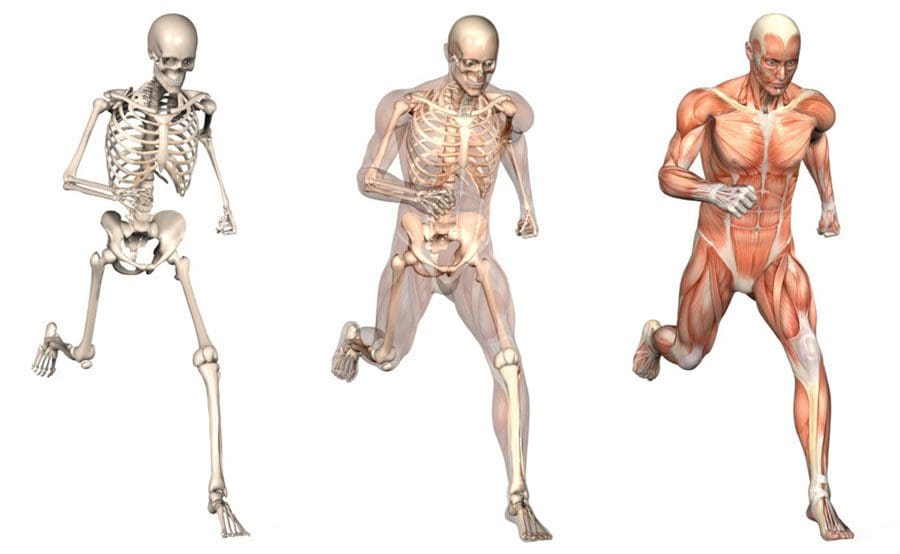
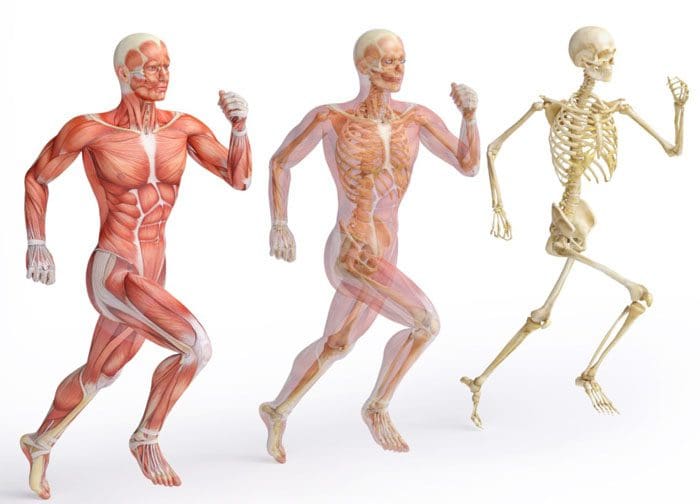
Biomechanics studies the movement of the body, including how muscles, bones, tendons, and ligaments work together, especially when movement is not optimal or correct. It is part of the larger field of kinesiology, specifically focusing on motion mechanics and analysis of how all the individual parts of the body work together to make up athletic and normal movements. (José M Vilar et al., 2013) Biomechanics includes:
Structure of bones and muscles.
Movement ability.
Mechanics of blood circulation, renal function, and other functions.
The study of forces and the effects of these forces on the tissues, fluid, or materials used for diagnosis, treatment, or research. (Jose I. Priego-Quesada 2021)
Sports
Sports biomechanics studies motion in exercising, training, and sports, which incorporates physics and the laws of mechanics. For example, the biomechanics of a specific exercise looks at:
Body position.
Movement of the feet, hips, knees, back, shoulders, and arms.
Knowing the correct movement patterns helps make the most of the exercise while preventing injuries, correcting form mistakes, informing training protocols, and increasing positive results. Understanding how the body moves and why it moves the way it does helps medical professionals prevent and treat injuries, alleviate pain symptoms, and improve performance.
Equipment
Biomechanics is used in the development of physical and sports equipment to improve performance. For example, a shoe can be designed for optimal performance for a skateboarder, long-distance runner, or soccer player. Playing surfaces are also studied for this purpose, such as how the surface stiffness of artificial turf affects athletic performance. (Jose I. Priego-Quesada 2021)
Individuals
Biomechanics can analyze an individual’s movements for more effective movement during training and games.
For example, an individual’s running gait or swing can be filmed with recommendations on what to change to improve.
Injuries
The science studies the causes, treatment, and prevention of neuromusculoskeletal injuries.
The research can analyze the forces that cause injuries and provide information for medical professionals on how to reduce the risk of injury.
Training
Biomechanics studies sports techniques and training systems to develop ways to improve efficiency.
This can include research on positioning, release, follow-through, etc.
It can analyze and help design new training techniques based on the mechanical demands of the sport, aimed at resulting in better performance.
For example, muscle activation is measured in cycling using electromyography and kinematics, which helps researchers analyze factors like posture, components, or exercise intensity that affect activation. (Jose I. Priego-Quesada 2021)
Motions
In biomechanics, the body’s motions are referred to from anatomical positioning:
Standing upright, with the gaze straight ahead
Arms at the sides
Palms facing forward
Feet spaced slightly apart, toes forward.
The three anatomical planes include:
Sagittal – median – Dividing the body into right and left halves is the sagittal/median plane. Flexion and extension occur in the sagittal plane.
Frontal – The frontal plane divides the body into front and back sides but also includes abduction, or moving a limb away from the center, and adduction, or moving a limb towards the center in the frontal plane.
Transverse – horizontal. – The upper and lower parts of the body are divided by the transverse/horizontal plane. Rotating movements occur here. (American Council on Exercise 2017)
Moving the body in all three planes occurs with daily activity. This is why performing exercises in each plane of motion to build strength, function, and stability is recommended.
Tools
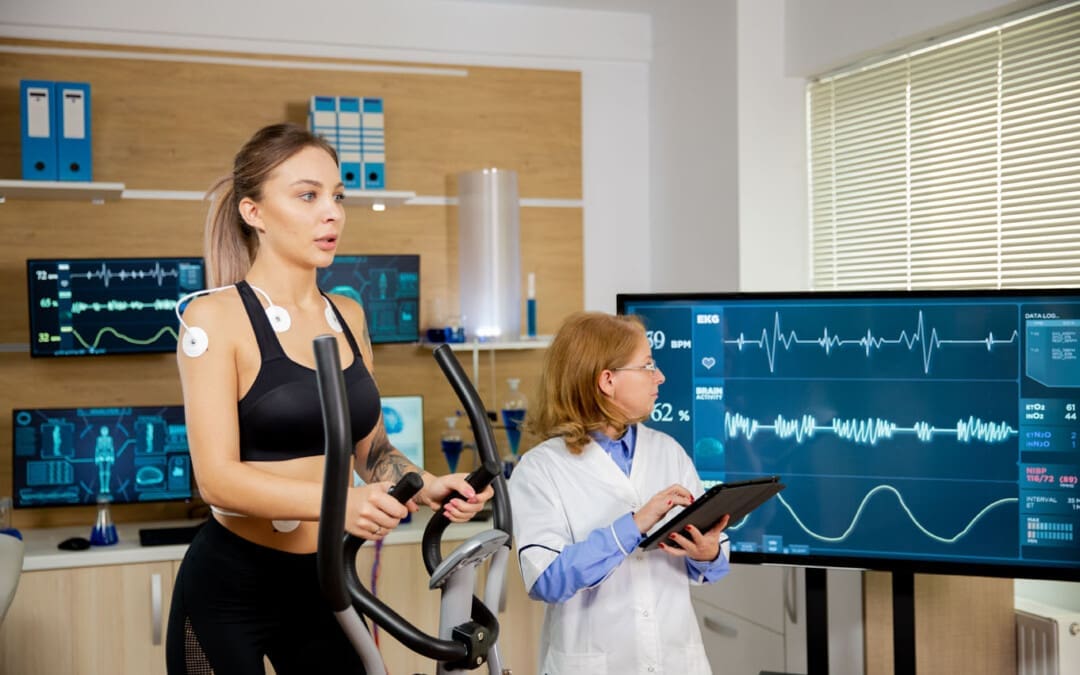
Various tools are used to study biomechanics. Studies are usually performed using a device known as electromyography or EMG sensors. Sensors are placed on the skin and measure the amount and degree of muscle fiber activation in certain muscles during test exercises. EMGs can help:
Researchers understand which exercises are more effective than others.
Therapists know whether patients’ muscles are properly operating and functioning.
Dynamometers are another tool that helps measure muscle strength.
They measure the force output generated during muscle contractions to see if the muscles are sufficiently strong.
They are used to measure grip strength, which can be an indicator of overall strength, health, and longevity. (Li Huang et al., 2022)
Beyond Adjustments: Chiropractic and Integrative Healthcare
References
Lu, T. W., & Chang, C. F. (2012). Biomechanics of human movement and its clinical applications. The Kaohsiung journal of medical sciences, 28(2 Suppl), S13–S25. https://doi.org/10.1016/j.kjms.2011.08.004
Vilar, J. M., Miró, F., Rivero, M. A., & Spinella, G. (2013). Biomechanics. BioMed research international, 2013, 271543. https://doi.org/10.1155/2013/271543
Priego-Quesada J. I. (2021). Exercise Biomechanics and Physiology. Life (Basel, Switzerland), 11(2), 159. https://doi.org/10.3390/life11020159
American Council on Exercise. Makeba Edwards. (2017). Planes of Motion Explained (Exercise Science, Issue. https://www.acefitness.org/fitness-certifications/ace-answers/exam-preparation-blog/2863/the-planes-of-motion-explained/
Huang, L., Liu, Y., Lin, T., Hou, L., Song, Q., Ge, N., & Yue, J. (2022). Reliability and validity of two hand dynamometers when used by community-dwelling adults aged over 50 years. BMC geriatrics, 22(1), 580. https://doi.org/10.1186/s12877-022-03270-6
Dr. Jimenez, D.C., presents how to implement exercise as part of your daily routine. Many factors and lifestyle habits tend to take over our daily lives, and in this 2-part series, we will look at how to implement exercise in a clinical setting. Part 2 will continue the presentation. We mention our patients to certified medical providers that provide available therapy treatments for individuals suffering from chronic conditions associated with Lyme disease. We encourage each patient when it is appropriate by referring them to associated medical providers based on their diagnosis or needs. We understand and accept that education is a marvelous way when asking our providers’ crucial questions at the patient’s request and acknowledgment. Dr. Alex Jimenez, D.C., uses this information as an educational service. Disclaimer
How To Implement Strategies?
Dr. Alex Jimenez, D.C., presents: Today we will discuss how to implement strategies using exercise as a prescription. Remember, just like we talked about how a healthy diet full of nutritious, whole foods can be used as a prescription, we want this science to make it to the patient and create outcomes because otherwise, this is just a bunch of things you know and not something that you know how to put into practice. So we’ve listened; we know that’s what you’re up to, so let’s get started. We will discuss some general aspects of implementing exercise as a prescription and some ideas we use in our practice. And then, of course, share the brilliant ideas with some of the other colleagues who also are figuring out ways to make this work in their practice. The first thing we want to share with you is when you’re approaching a patient with an exercise prescription, assuming the patient’s interested, you should ascertain first how this person is motivated.
Because it always makes sense to ride their motivation wave than to come from the standpoint that this is what I want from you, and this is why you need to do it. The first thing we want to put out there is that you want to ensure that this patient has a reason to want to exercise. So it’s less about a doctor’s orders or a provider’s recommendation, and you want to partner with our patients therapeutically, which means understanding their motivation. So for most people, there are two ways we can reinforce the outcome of a positive implementation of the exercise. First, we want to optimize those factors related to one-on-one communication with our patients. And then, number two, optimize the environment in our practice for success. Okay, so we’ll go over these things in detail now.
It only sometimes works if we give them a prescription and assume they want to do it. So if Joan Rivers was your patient in the past, this might have been her reason for not wanting to exercise, and you must be able to roll with it. Let’s talk about how we can do that. This works with patients, spouses, and children; it is wise to persuade people to do things and make them think it is their idea. So, with much bigger goals in mind, Nelson Mandela used the same principle. So we want you to think about who you are working with and who you are partnering with; these are some common functional medicine personas that you may come across, especially if you’re in more of a private practice, whether it’s cash or membership type of practice, you might see this persona in people.
Look For The Personas
Dr. Alex Jimenez, D.C., presents: Are these all personas the same? Not necessarily, as people have different reasons to exercise. For example, say you have a chronically ill individual who needs their hands to be held or have individuals who read many fitness magazines following these leaders through a whole lifestyle lens. And the way you engage with each of these personas is based on their goal for exercise. So, the unwell individual may have different goals, challenges, or limitations than the lifestyle lens individual. So make sure you know who you are working with, and if you need more clarification, have a conversation with them to find out.
Let’s say you’ve gotten through that step, and now you’re in the actual conversation of, “Hey, let’s figure out how to get this exercise thing to create benefits in your life.” As you’re having the conversation, you might learn to use some aspects of motivational interviewing. So rolling with resistance, for example, sometimes people say, “Nope, I don’t want to exercise.” So in this example, you might say, “Okay, if you don’t want to exercise at a gym, what other options have you heard of that you might want to consider?” Let’s say that’s how you opened it up and remember that there’s always a way to roll with the resistance, and it’s focused on acknowledging the patient’s input. You’re responding to them by saying, “Okay, fine. You don’t want to work at a gym. I get that,” while expressing empathy. Many individuals have tried to work at a gym, and the machines tend to injure them when used incorrectly, intimidate them, or the equipment is not made for their size structure.
Emphasize With Your Patients
Dr. Alex Jimenez, D.C., presents: Many people want to avoid exercising; this is one of the many frustrating things because you feel the equipment needs to be made for you. So notice that you can empathize without judging and then roll with resistance and ensure they understand that you acknowledge their input about the situation. These things are common sense to you. Many of us may not employ these to the fullest potential to motivate our patients to implement exercise as part of their daily routines. The important and obvious thing is to refrain from arguing with your patient. Because all that will go to create for most people is more resistance, so if they say, “Hey, I don’t want to exercise right now,” you can say, “Would you be willing to talk about exercising as a goal in the future?”
And if they say, “Yeah, I need to make it through December,” you can reply with, “Okay, great, let’s have you follow up with me in January. Does that work for you?” So again, avoiding arguing and expressing empathy can put people’s minds at ease and prevent resistance. Another factor that many people often do when it comes to implementing exercise as part of their routine is by developing discrepancy. So sometimes, people say things that conflict with the daily habits that they already follow. So they might say, “Yeah, I want to exercise because I don’t want to take a statin medication, but I don’t have time to exercise.” So this is where you help them understand like you recognize that exercise is one of the key ways to reduce your need for a statin medication. And you get that if we leave this cholesterol the way it is, it will cause more risks for your patients. But at the same time, time is a factor. So you come up with some ideas to benefit your patients and incorporate exercise as a routine.
Develop A Plan
Dr. Alex Jimenez, D.C., presents: Remember that you don’t have to solve everything for someone. You could put things out like developing discrepancies for the patient and then let the patient generate solutions that work. So also support self-efficacy. This means that we are not going to change the behavior. The patient is the one who has to change the behavior, and their understanding of their capacity to change their behavior is essential. So whatever you can do to point out the positives, acknowledge whatever they’ve done, even if it’s like, “Hey, it’s wonderful that you bought sneakers. I understand that you didn’t do anything we discussed; life happened. I want to acknowledge you for getting the sneakers because that makes it much easier to start the plan now.” So support self-efficacy whenever possible. Now other more tangible obstacles keep someone from wanting to implement exercise.
Many times it’s either on a mental or physical plane. So here are some solutions that we’ve listed for some of the common mental obstacles we’ve seen. Some people don’t want to be out in public because of concerns about body image. So, they can often go to a special kind of gym if they want to go to a gym, or they can do at-home videos or a personal trainer. Sometimes it gets boring, and they would often moan and groan about it when they are exercising; however, if they are doing fun exercises like dancing or swimming, they will become more motivated and start to change their exercise regime throughout the week. You could do these things despite needing more knowledge or confidence about doing it correctly or on time.
Incorporate A Trainer Or A Health Coach
Dr. Alex Jimenez, D.C., presents: That’s when you might want to bring in a health coach or personal trainer, and with physical obstacles which may be related to a person hasn’t been exercising for a long time and assuming that you’ve cleared them to be able to initiate an exercise plan, maybe there are ways that you can say, “Okay listen, I want you to walk at a low intensity to start with, and you know, over the next month I’d like you to build up two 5,000 steps a day.” This can be a routine set for three days a week, four days a week, or whatever you decide with them and does that work for the patient. That might be one way to work on physical or perceived physical limitations. And then there may be people who have real-time constraints. So the two ways to handle this; is to optimize NEAT or HIIT workouts.
These can be simple activities we do throughout the day, like taking the stairs, parking further away, walking during your lunch break, and having walking appointments and meetings. While watching TV in the evening, you could pump some free weights in your bedroom or your living room. Or if they are more avid exercisers and are open to taking on some HIIT training, that could be a way to get some concentrated cardio and strength training signals in the body. Next, we want to discuss the different scenarios we may have regarding our office structures that support implementing exercise. A common scenario would be that you need a dedicated person in-house to help people implement the exercise prescription.
Use Resources
Dr. Alex Jimenez, D.C., presents: Okay, so if you are the provider, health coach, and personal trainer, we want you to consider using resources. You must recognize your boundaries in terms of not being able to be everything to everyone but using your resources effectively. Because we can’t create boundaries that are so tight that you’re not making the type of office that you want, meaning one that incorporates exercise prescriptions. So we’re going to talk about an office workout and exercise grid and how we will work with the local community, personal trainers, and gyms to refer out. And we have trained them to look at our exercise prescription as a guideline even though we are not legally partnered with them. They use these prescriptions as a way of communicating what our goals are. Here are some tools that we use that we are going to share out.
And then, especially in certain times like we’re having right now, we also referred to online resources. So this office workout prescription was created by our team, and we handed out this resource to our patients. We encourage them to find a buddy in their office or home because it is generally more fun. There are data to suggest that when you exercise in a social format, Like participating in team sports, it creates more benefits than doing an individual sport or being at the gym with your AirPods centered only on yourself. So there is this association where having a social element to your exercise regimen increases the benefits. Set up reminders on your phone when you’re at the office to do these hourly five-minute exercises.
And then we also have an online link where our trainers and health coaches demonstrate proper form and modifications for these office workouts. And then, of course, once you give any resource, whether it’s this office workout prescription or any other help, determine with the patient what we want to do about this. We don’t want to give out this prescription and say we hope it works. The main question is that do you want to have accountability? “Hey, can you come back to see us in a month, and let’s see where you are with it?” Or, “Hey, can you consider taking it to this next level after a month if you feel good and come back to see us in two months?” Or, “Hey, once you’re done with this, why don’t we talk in two months to recheck your lipids and know if you made a bump in your LDL particle number so that we can lower the dose of your statin or get you off the statin.”
So we don’t recommend just doing the exercise prescription and leaving it open-ended in terms of follow-up; make it like any other prescription; if you were to put someone on a statin, you would follow up with them. So just like that, you would follow up with someone you prescribe an exercise prescription. Again, it’s really practical. It can be done whether you work in an office, a home office, or you don’t work at an office but work in the house. So it’s in your IFM toolkit. And it has a Monday through Friday, an eight-to-five grid of what you do throughout the week. So it diversifies exercises and makes it, so all your muscle groups are incorporated using the stuff you have in an office or a typical home.
Delegate With Your Patients
Dr. Alex Jimenez, D.C., presents: So it is beautiful for the “I don’t know what to do” people, and it’s a great start for sedentary people. Then you can also consider any technology that is of interest to you. Here are some that our health coach and personal trainer have suggested based on what the patient’s goals are. They may be trying to run a 5k, then find an app that might work for them there. Or they may incorporate yoga to work on their mind-body access or flexibility. You can personalize it to the type of workout if they’re interested in HIIT, yoga, or Pilates. Again, find technologies you enjoy, and check them out yourself. Or you can make a little cheat sheet that can be given out or put as a template. Here’s something important that we want you to consider if you still need to do it.
It’s called delegation. This can not be done alone; this is a group effort to allow the individual to have a team to back them up and help improve their health and wellness journey. Now, this is done in healthcare all over the place. For respiratory therapists, many people will do delegated work from the healthcare provider. So it’s just a transfer of responsibility for the performance of patient care. Now, remember that it’s still done under the provider’s responsibility. You should consider that different states and insurance contracts may have little nuances on how they would want you to do delegation. Still, we know habits have changed, and we need help to keep up with them to meet the requirement.
So how would we delegate a patient? We would go through a thorough examination, like taking their BMIS/BIAs with the Inbody Machine, and then go through a series of functional medicine tests to determine what issues or overlapping risk profiles are affecting them. Then the doctor and their associated medical providers will develop a personalized treatment plan for that patient that incorporates a healthy diet and exercise regime for them to follow.
Conclusion
Dr. Alex Jimenez, D.C., presents: Making these small changes is beneficial in the long haul regarding a person’s health and wellness journey. It may take a while to get accustomed to the routine, and sometimes it can be frustrating. However, finding what works and doesn’t work with the patient and making these changes can result in a better solution that benefits the person.
Maintaining the body’s musculoskeletal system and keeping it strong can be done through chiropractic and by managing general overall health. This system includes the:
Bones
Muscles
Tendons
Ligaments
Soft tissues
These all work together to support the body’s weight and allow for movement.Injuries, disease, and aging can cause stiffness, pain, and other issues with mobility, function that can lead to various conditions and/or disease.
The musculoskeletal system
The skeleton provides the framework for the muscles and other soft tissues. Working together, they support the body’s weight, help to maintain proper posture and the ability for movement. Various disorders and conditions can lead to problems with the musculoskeletal system. This includes:
Focusing on overall health and maintaining it will keep the system in top form. This is done by:
Eating a healthy balanced diet
Maintaining a healthy weight
Regular physical activity/exercise
Chiropractic support will take the body to optimal health levels.
How does the system work?
The nervous system is the body’s central command center. It controls voluntary muscle movements. Voluntary muscles are controlled intentionally. Large muscle groups are utilized to do activities like lifting a large object. Smaller groups are used for movements, like pressing a button. Movement/motion occurs when:
The nervous system which includes the brain and nerves, transmits a signal to activate the skeletal/voluntary muscles.
The muscle fibers contract/tense in response to the signal.
When the muscle activates, it pulls on the tendon.
Tendons attach muscles to bones.
The tendon pulls the bone, generating movement.
For the muscle to relax, the nervous system sends another signal.
This signal triggers the muscle/s to relax/deactivate.
The relaxed muscle releases tension
The bone is moved to a resting position.
System Parts
The musculoskeletal system functions to help stand, sit, walk, run and move in general. The adult body has 206 bones and more than 600 muscles. These are connected by ligaments, tendons, and soft tissues. The parts of the system are:
Bones
Bones support the body, protect organs and tissues, store calcium, fat and produce blood cells.
A bone’s outside shell encapsulates a spongy center.
Bones provide structure and form to the body.
They work with the muscles, tendons, ligaments, and other connective tissues to help with movement.
Cartilage
This is a type of connective tissue.
Cartilage provides cushion to the bones inside the joints, along the spine, and ribcage.
It is firm and rubbery.
It protects bones from rubbing against each other.
It is also found in the nose, ears, pelvis, and lungs.
Joints
Bones come together and form joints.
Some have a large range of motion, for example, the ball-and-socket shoulder joint.
Others, like the knee, allow bones to move back and forth but do not rotate.
Muscles
Every muscle is made of thousands of fibers.
The muscles allow the body to move, sit upright, and remain still.
Some muscles help with running, dancing, and lifting.
Others are for writing, fastening something, talking, and swallowing.
Ligaments
Ligaments are made of tough collagen fibers
They connect the bones and provide stability to the joints.
Tendons
Tendons connect the muscles to the bones.
They are made of fibrous tissue and collagen
They are tough but not as stretchable.
Conditions and disorders
Various conditions can cause problems with the musculoskeletal system. They can affect the way an individual moves. The most common causes of inflammation, pain, and mobility issues are:
Aging
With the natural aging process, bones lose density.
Less-dense bones can lead to osteoporosis and bone fractures/broken bones.
As the body ages, muscles lose their mass, and cartilage starts to wear down.
This can lead to pain, stiffness, and decreased range of motion.
After an injury, an individual might not heal as quickly.
Arthritis
Pain, inflammation, and joint stiffness are the result of arthritis.
Older individuals are more likely to develop osteoarthritis. This is from the cartilage inside the joints breaking down. However, the condition can affect individuals of all ages.
Other types of arthritis also cause pain and inflammation. This includes:
Rheumatoid arthritis
Ankylosing spondylitis
Gout
Back problems
Back pain and muscle spasms can result from muscle strains or injuries, for example, a herniated disc.
Some conditions like spinal stenosis and scoliosis can cause structural problems in the back.
This can lead to pain and limited mobility.
Cancer
Different types of cancer affect the musculoskeletal system, for example, bone cancer.
Congenital abnormalities can affect the body’s structure, function, and appearance. For example, clubfoot is a common musculoskeletal condition that babies can be born with. It causes stiffness and reduces the range of motion.
Disease
A wide range of diseases can affect bones, muscles, and connective tissues functionality.
For example, osteonecrosiscauses the bones to deteriorate and the cells to die.
Other disorders, like fibrous dysplasia and brittle bone disease, cause the bones to fracture/break easily.
All types of injuries can affect bones, muscles, cartilage, and connective tissues.
Injuries can occur from repetitive overuse. Examples include:
Carpal tunnel syndrome, Bursitis, and Tendinitis
Sprains
Muscle tears
Broken bones
Injuries to the tendons, ligaments and other soft tissues can lead to chronic conditions.
Maintaining musculoskeletal health
Recommended ways of maintaining a healthy musculoskeletal system are to keep the bones and muscles healthy by getting:
Regular physical activity and exercise
This includes weight-bearing exercises combined with cardiovascular activities. Strengthening the muscles will support the joints and protect/prevent damage.
Proper sleep
This is so the bones and muscles can recover and rebuild.
Maintain a healthy weight
Added weight places pressure on the bones and joints.
This causes various health problems.
If there is added weight, it is recommended to consult a health coach and nutritionist about a personalized weight-loss plan.
They can help make healthy food choices that will make for strong bones and include anti-inflammation foods.
Quit tobacco use
Smoking decreases blood flow in the body.
The bones, muscles, and soft tissues need proper blood circulation to maintain health.
Regular chiropractic adjustments
Adjustments will help maintain the body’s balance and alignment.
This, along with recommended stretches and exercises, will take the body to optimal health.
Healthy Body Composition
Bodyweight Squat
This is one of the best strength exercises for building general functional low body strength. The muscle groups that get worked include the:
Quadriceps
Hamstrings
Glutes
Deep abdominals
Hip abductors
Hip rotators
Squats work almost every muscle in the legs. This also builds core strength to help with everyday movements like pushing, pulling, and lifting. There is no need to load added weight on the back to benefit from this exercise. Using the body’s weight is a perfect workout. This can be done with several variations once strength is built up. The objective is to focus on strict form for maximum effectiveness.
The feet should be shoulder-width apart.
Bend at the hips
Don’t let the knees go past the toes.
Lower the body until the thighs are parallel to the floor
References
American Chiropractic Association. Back Pain Facts and Statistics. Accessed 1/5/2021.
Centers for Disease Control and Prevention. Arthritis. Accessed 1/5/2021.
Centers for Disease Control and Prevention. Arthritis-Related Statistics. Accessed 1/5/2021.
Centers for Disease Control and Prevention. Work-Related Musculoskeletal Disorders & Ergonomics. Accessed 1/5/2021.
Merck Manuals. Effects of Aging on the Musculoskeletal System. Accessed 1/5/2021.
National Institute of Arthritis and Musculoskeletal and Skin Diseases. Healthy Muscles Matter. Accessed 1/5/2021.
PODCAST: Dr. Alex Jimenez, Kenna Vaughn, Lizette Ortiz, and Daniel "Danny" Alvarado discuss nutrition and fitness during these times. During quarantine, people have become more interested in improving their overall health and wellness by following a proper diet and participating in exercise. The panel of experts in the following podcast offers a variety of tips and tricks on how you can improve your well-being. Moreover, Lizette Ortiz and Danny Alvarado discuss how they've been helping their clients achieve their optimal well-being during these COVID times. From eating fruits, vegetables, lean meats, good fats, and complex carbohydrates to avoiding sugars and simple carbohydrates like white pasta and bread, following a proper diet and participating in exercise and physical activity is a great way to continue to promote your overall health and wellness. - Podcast Insight
If you have enjoyed this video and/or we have helped you in any way
please feel free to subscribe and share us.
Thank You & God Bless.
Dr. Alex Jimenez RN, DC, MSACP, CCST
PODCAST: Dr. Alex Jimenez and Dr. Marius Ruja discuss the importance of personalized medicine genetics and micronutrients for overall health and wellness. Following a proper diet and participating in exercise alone isn't enough to make sure that the human body is functioning properly, especially in the case of athletes. Fortunately, there are a variety of tests available that can help people determine if they have any nutritional deficiencies that may be affecting their cells and tissues. Vitamin and mineral supplements can also ultimately help improve an individual's overall health and wellness. While we may not be able to change certain aspects of our genes, Dr. Alex Jimenez and Dr. Marius Ruja discuss that following a proper diet and participating in exercise while taking the proper supplements, can benefit our genes and promote well-being. - Podcast Insight
If you have enjoyed this video and/or we have helped you in any way
please feel free to subscribe and share us.
Thank You & God Bless.
Dr. Alex Jimenez RN, DC, MSACP, CCST
IFM's Find A Practitioner tool is the largest referral network in Functional Medicine, created to help patients locate Functional Medicine practitioners anywhere in the world. IFM Certified Practitioners are listed first in the search results, given their extensive education in Functional Medicine