Athletes in El Paso, Texas, frequently ask local sports medicine and functional wellness practitioners about regenerative therapies. They want clear answers on how platelet-rich plasma (PRP), platelet-fibrin products (PFP), micro-fragmented adipose tissue (MFAT), IV nutrient infusions, and peptide therapies support tissue repair. They also ask how these options affect training downtime and compliance with sports regulations. This article explains each approach in straightforward terms and shows how integrative chiropractic care addresses the root causes of movement dysfunction that limit recovery and performance.
What Regenerative Therapies Aim to Achieve
Regenerative therapies use materials from the body or targeted nutrients to help damaged tissue repair itself. These methods focus on growth factors, supportive cells, and the conditions that support natural healing. Athletes often consider them after muscle strains, tendon injuries, ligament sprains, or joint problems that continue to interfere with training.
The main goals are improved tissue quality, reduced ongoing inflammation, and a safer return to activity. Results improve when these therapies work together with proper rehabilitation and attention to how the body moves as a whole.
How PRP Therapy Supports Tissue Repair
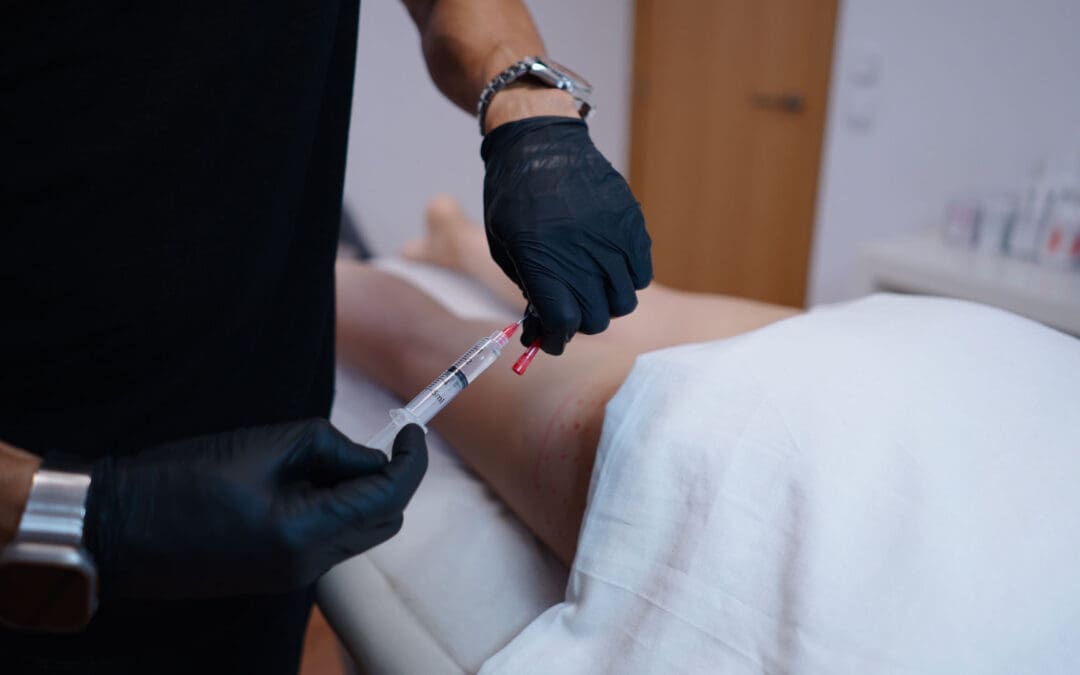
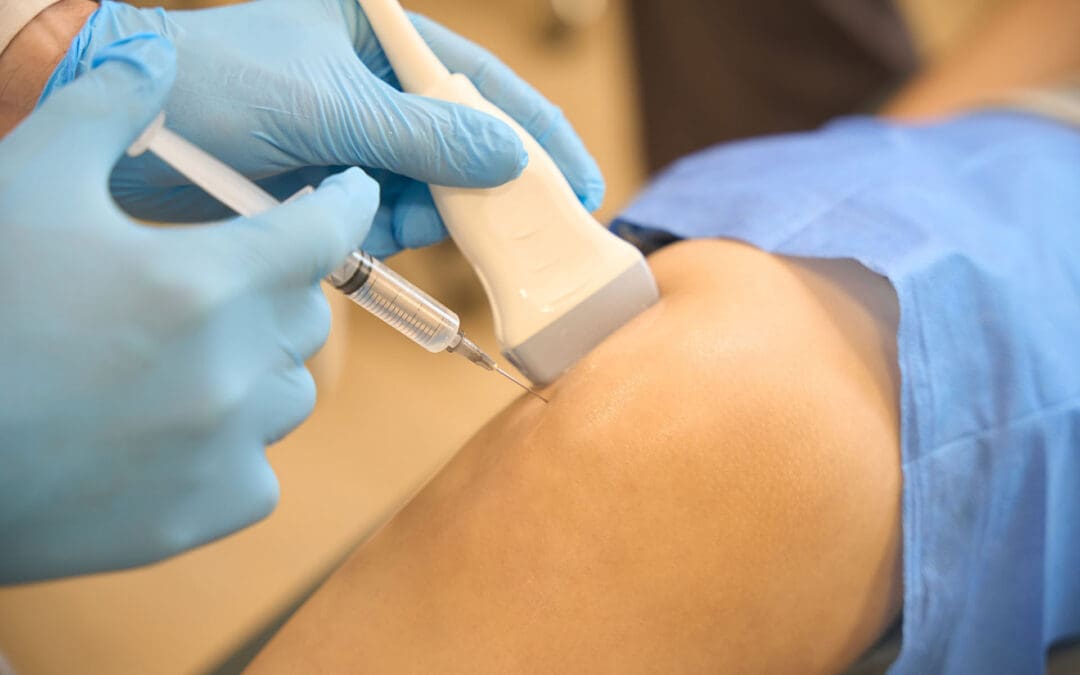
Platelet-rich plasma starts with a small blood sample taken from the athlete. The blood is spun in a centrifuge to concentrate the platelets, which contain growth factors. The concentrated plasma is then injected into the injured area, often with ultrasound guidance for accuracy.
These growth factors help attract repair cells, support new collagen formation, and calm local swelling. PRP is commonly used for muscle strains, chronic tendon problems such as Achilles or patellar tendinopathy, and certain ligament injuries. Many athletes notice meaningful progress when the injection is followed by a structured rehabilitation plan.
Because PRP comes from the athlete’s own blood, the chance of an allergic reaction is low. Mild soreness at the injection site usually lasts a few days. Light activity can often resume soon under professional guidance.
PFP and MFAT: Additional Options for Soft Tissue and Joints
Platelet-fibrin products (PFP) work in a similar way to PRP but include a natural fibrin framework. This framework acts like a soft scaffold that holds growth factors in place longer. The longer signaling can support healing in soft-tissue injuries.
Micro-fragmented adipose tissue (MFAT) uses a small amount of the patient’s own fat, usually taken from the abdomen. The fat is processed into tiny fragments that contain supportive cells and structural material. When injected into a joint or deeper tissue, MFAT can provide both cushioning and biological signals. It is often chosen for larger partial tears, cartilage concerns, or more complex joint problems.
Both PFP and MFAT rely on the patient’s own tissues. The choice between them depends on the specific injury, imaging findings, and recovery goals.
IV Nutrient Infusions for Recovery Support
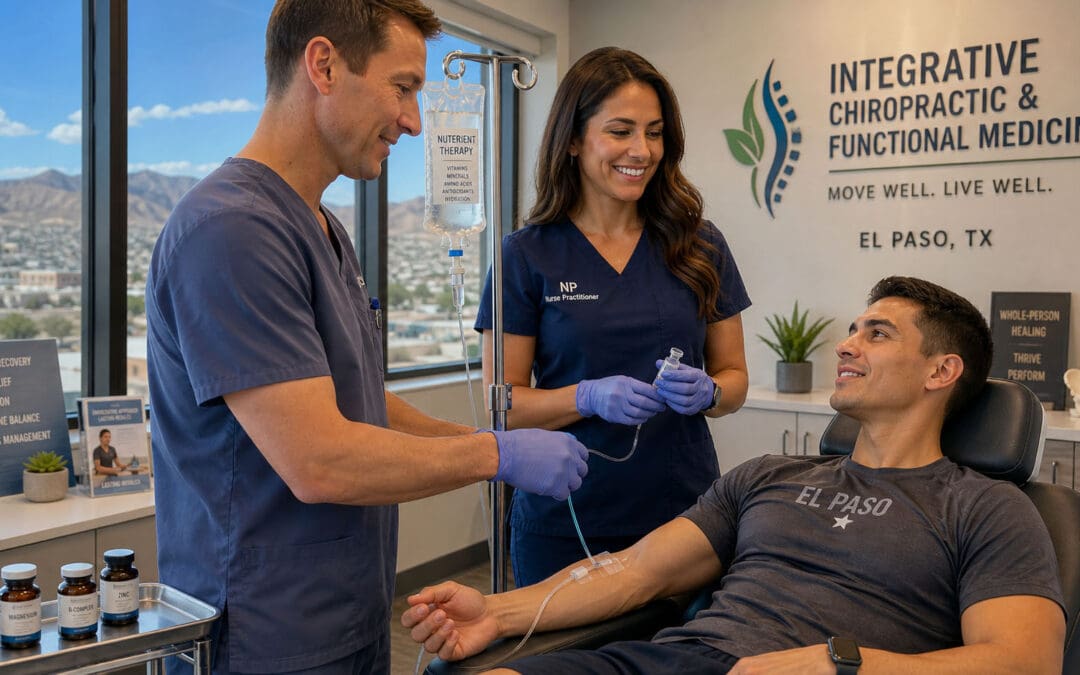
Intravenous nutrient infusions deliver vitamins, minerals, amino acids, and antioxidants directly into the bloodstream. Common ingredients helpful for athletes include magnesium to help muscles relax, vitamin C and glutathione to manage oxidative stress, B vitamins for energy pathways, and amino acids that support tissue repair.
IV therapy can improve hydration and nutrient levels after hard training or competition. It works best as part of a larger plan that includes solid nutrition, quality sleep, and progressive exercise. Clinics often time these infusions with other regenerative or rehabilitative care.
Peptide Therapies and Sports Regulations
Peptides are short chains of amino acids that act as signaling molecules in the body. Some are studied for possible roles in tissue repair, reduced inflammation, and recovery support.
Athletes must check sports rules carefully. The World Anti-Doping Agency does not prohibit platelet-derived treatments such as PRP. However, certain peptides, including BPC-157, are listed as prohibited substances. Competitive athletes should review the current WADA rules and speak with their governing body before starting any peptide protocol.
Training Downtime and Returning to Sport
Most regenerative injections involve only short-term downtime. Soreness or mild swelling is common for a few days. Providers usually recommend relative rest, avoiding anti-inflammatory medications that can interfere with healing signals, and gradually increasing movement.
A typical recovery path includes:
Early days focused on protection and gentle motion
Progressive strengthening over the following weeks
Sport-specific training once the tissue can handle higher loads
Full benefits often appear over weeks to months as the tissue remodels. Combining the injection with skilled rehabilitation produces better long-term results than the injection alone.
How Integrative Chiropractic Care Fits Into the Picture
Integrative chiropractic therapy assists athletes by addressing the underlying causes of movement dysfunction. This approach combines traditional spinal adjustments with sophisticated soft-tissue therapies, functional rehabilitation, and regenerative medicine support.
Spinal and joint adjustments restore proper motion and improve communication between the nervous system and the rest of the body. Soft-tissue techniques reduce restrictions and improve tissue quality. Functional exercises rebuild strength, stability, and efficient movement patterns.
When regenerative therapies are used, chiropractic care supports recovery in several practical ways:
Better joint alignment reduces abnormal stress on healing tissue
Improved nerve signaling and circulation aid the repair process
Correction of compensatory movement patterns prevents new problems
Clinical observations show that biologics help rebuild tissue while chiropractic care organizes and protects that repair. Together they address both the local injury and the larger movement system.
A Multidisciplinary Team Approach in El Paso
At Injury Medical Clinic PA in El Paso, a coordinated team delivers care. Dr. Alexander Jimenez, DC, APRN, FNP-BC, CFMP, IFMCP, ATN, CCST, brings clinical observations from years of treating sports injuries, personal injury cases, and complex musculoskeletal conditions. His dual training in chiropractic and advanced practice nursing, combined with functional medicine certifications, shapes an approach that looks at tissue biology, joint mechanics, movement quality, nutrition, and recovery habits together.
Dr. Maria Guadalupe Cardenas, MD (Board Certified in Internal Medicine, NPI #1164426749, Texas MD License #J2933), serves as medical director and collaborative physician. With more than 40 years of experience as an internist, she provides medical oversight, reviews health histories, and helps ensure that regenerative and chiropractic interventions fit safely within each patient’s overall health picture. This type of collaboration is common in integrative injury-care clinics, where an MD offers medical direction alongside a chiropractor.
The team integrates:
Chiropractic adjustments, soft-tissue care, and functional rehabilitation led by Dr. Jimenez
Medical evaluation and collaborative oversight from Dr. Cardenas
Functional medicine strategies that address nutrition, inflammation, and recovery factors
Personal injury care and documentation
Progressive rehabilitation services
This structure allows athletes to receive coordinated support under one roof.
Practical Questions Athletes Commonly Ask
Athletes in El Paso often want to know whether they are suitable candidates, what the recovery timeline looks like, and how the treatments affect training schedules. Suitability depends on the specific injury, overall health, imaging findings, and response to earlier care. Providers screen carefully and discuss realistic expectations.
Compliance with sports rules remains important. PRP is generally permitted. Certain peptides are not. Open communication with coaches and anti-doping authorities protects eligibility.
Supporting Healing Beyond the Procedure
Successful outcomes depend on more than the regenerative treatment itself. Adequate protein intake, quality sleep, stress management, and consistent rehabilitation all influence how well tissue repairs. Avoiding early overload and following the care plan closely improve the chance of durable results.
Integrative chiropractic care continues after the injection phase. Adjustments maintain alignment, soft-tissue work addresses remaining restrictions, and functional exercises restore sport-ready movement. This ongoing support helps athletes return to training with greater confidence and lower risk of reinjury.
Moving Forward With Clear Information
Regenerative therapies such as PRP, PFP, MFAT, IV nutrient support, and carefully selected peptides give athletes in El Paso additional tools for tissue healing. When these options are combined with integrative chiropractic care that corrects movement dysfunction and optimizes nervous system function, recovery addresses both the local injury and the systems that keep athletes performing well.
The multidisciplinary model at Injury Medical Clinic PA—pairing Dr. Jimenez’s chiropractic and functional expertise with Dr. Cardenas’s internal medicine oversight—offers a practical path forward. Athletes benefit from clear explanations, realistic timelines, and attention to both recovery and regulatory compliance. A thorough evaluation that includes mechanical assessment and an individualized plan remains the best next step for anyone considering these options.
Sports Injury Recovery Using PRF and Chiropractic Care
Abstract: Sports injuries to ligaments, tendons, and muscles often heal slowly because these tissues receive limited blood flow. Platelet-rich plasma (PRP) and platelet-rich fibrin (PRF) use a concentrated portion of a person’s own blood to deliver growth factors that support natural repair. PRF forms a gel-like biological scaffold that releases those factors over a longer time. When this treatment is combined with integrative chiropractic care, the plan addresses both cellular tissue repair and the mechanical problems that caused or followed the injury. Multidisciplinary clinics that use both methods create a clear, non-surgical path back to activity. This article explains the treatments, how they work together, and how a coordinated medical and chiropractic team supports recovery.
Clarifying the Terminology: PRP and PRF
To clarify a quick terminology point, the medical therapy used for sports injuries is known as Platelet-Rich Plasma (PRP) or Platelet-Rich Fibrin (PRF). While it is occasionally mislabeled as “Platelet Fibrin Plasma” or abbreviated as “PFP,” the core treatment remains the same: isolating a highly concentrated portion of your blood to accelerate the healing of damaged ligaments, tendons, and muscles.
PRP is the liquid form. A small blood sample is drawn and spun at higher speeds, often with an anticoagulant so the material stays fluid for injection. The concentrated platelets release growth factors relatively quickly at the injury site.
For sports injuries, the next-gen biological scaffold known as platelet-rich fibrin (PRF) is spun at a slower pace without anticoagulants to form a thick gel-like matrix that gradually releases growth factors. Unlike conventional PRP, which dissolves rapidly, PRF naturally clots because it forms a solid, three-dimensional structure. At the precise location of a sports injury, this clotted mesh mechanically captures platelets, white blood cells, and stem cells.
Both options use the patient’s own blood, so the risk of rejection or disease transmission stays very low. Ultrasound guidance is often used for accurate placement.
How the PRF Scaffold Supports Healing
A sports injury can leave tissue weak or incompletely repaired. PRF supplies a temporary framework that guides the body’s natural process:
The fibrin gel clots on its own and stays at the injury site.
Platelets and supportive cells remain trapped inside the mesh.
Growth factors leave the matrix slowly, signaling nearby cells to build collagen and new blood vessels.
The structure encourages organized tissue rather than messy scar tissue.
Studies on ligaments and tendons show that this sustained release can improve tensile strength and the orderly arrangement of collagen fibers in certain models when compared with liquid PRP. The scaffold effect is especially beneficial for tissues that heal slowly, such as the Achilles tendon, rotator cuff, patellar tendon, or medial collateral ligament.
Sports Injuries Commonly Treated with These Therapies
PRP and PRF are used for many overuse and traumatic problems:
Tendon conditions such as tennis elbow, golfer’s elbow, jumper’s knee, and Achilles tendinopathy
Ligament sprains or partial tears in the ankle, knee, or elbow
Muscle strains that take a long time to resolve
Selected joint irritations and early cartilage issues
Active people often choose these options when rest, physical therapy, or anti-inflammatory measures have not produced full recovery and when surgery is not the first choice. Results depend on the severity of the injury, overall health, and consistent follow-through with rehabilitation. Some research shows faster return to activity or improved function when biologics are added to a solid rehab plan; other studies demonstrate more modest gains.
How Integrative Chiropractic Care Fits into the Plan
Integrative chiropractic care looks at the whole movement system, not only the painful spot. After an injury, joints may lose normal motion, muscles may tighten or weaken unevenly, and posture or gait may change. These mechanical imbalances place extra stress on the healing tissue and can slow recovery or raise the chance of re-injury.
Chiropractic care uses precise adjustments, soft-tissue work, and movement retraining to restore proper joint motion and muscle balance. This reduces abnormal loading on the injured ligament or tendon. When the structure is better aligned, the biological repair from PRF or PRP has a clearer path. Progressive exercises then load the new tissue in a controlled way so it becomes strong and organized.
The Dual Approach: Cellular Repair Plus Mechanical Correction
When utilized in conjunction with integrative chiropractic therapy, Platelet-Rich Fibrin (PRF) repairs biological tissue at the cellular level, and the two modalities work together to alleviate sports injuries by addressing the underlying structural and mechanical abnormalities.
PRF works at the cellular level by supplying growth factors and a scaffold that help the body rebuild damaged tissue.
Chiropractic care works at the structural level by correcting the joint and muscle imbalances that contributed to the injury or developed because of it.
A thorough, non-surgical rehabilitation plan is developed by multidisciplinary clinics because injuries are often co-managed utilizing both modalities. The regenerative injection starts the healing process. Chiropractic visits and rehabilitation keep the body moving correctly while the tissue matures. Patients typically progress from protected movement to sport-specific drills under guidance. This coordinated method aims for both repaired tissue and restored function.
Clinical Observations and the Team Approach in El Paso
At Injury Medical Clinic PA in El Paso, Texas, care follows an evidence-based model. Dr. Alexander Jimenez, DC, APRN, FNP-BC, CCST, CFMP, IFMCP, ATN, provides chiropractic care, functional medicine insight, personal-injury evaluation, and rehabilitation planning. Clinical observations from practice show that biologics work best when biomechanics are optimized and when metabolic factors—such as vitamin D status, inflammation control, and nutrition—are addressed. Patients who follow progressive loading and correct movement patterns tend to show steadier, longer-lasting gains.
Dr. Maria Guadalupe Cardenas, MD (Board Certified in Internal Medicine) (NPI #1164426749, Texas MD License #J2933), with over 40 years of experience as an internist, works with Dr. Alex Jimenez, DC, and serves as the Medical Director and Collaborative Physician at his practice, Injury Medical Clinic PA, in El Paso, Texas. This is a multidisciplinary setup common in integrative or injury care clinics, where an MD provides medical direction alongside a chiropractor.
The team integrates chiropractic care (Dr. Jimenez) with medical oversight by Dr. Cardenas (internal medicine), as well as functional medicine, personal injury care, rehabilitation, and related services. This collaboration allows careful patient selection, imaging when needed, and monitoring of overall health factors that influence healing.
What the Recovery Journey Looks Like
A typical course begins with a full evaluation of the injury, movement patterns, and health history. If PRF or PRP is appropriate, the injection is performed under guidance. Short rest follows, then gradual reintroduction of movement. Chiropractic adjustments and soft-tissue work address surrounding restrictions. Rehabilitation exercises progress from simple range-of-motion and activation drills to strength and sport-specific tasks.
Most people notice early changes in pain and swelling over weeks. Tissue quality and function continue to improve over months as the scaffold does its work and controlled loading strengthens the repair. Return-to-activity decisions are based on strength, control, and absence of pain rather than a fixed calendar. Consistent follow-through with the full plan—biologic treatment plus mechanical correction plus progressive exercise—supports the best chance of durable recovery.
Bringing the Pieces Together
PRP and especially PRF concentrate the body’s own healing signals and deliver them exactly where they are needed. PRF’s gel scaffold keeps those signals working longer and provides physical support for new tissue. When this biological tool is combined with integrative chiropractic care that restores proper joint motion and movement patterns, the result is a dual strategy: cellular repair plus mechanical balance. Multidisciplinary teams that include medical oversight and chiropractic expertise help patients move through the process safely and systematically. For many people dealing with stubborn sports injuries, this combination provides a practical, non-surgical route toward stronger tissue and better function.
Regenerative Chiropractic Therapy for Better Recovery
Many people live with joint pain, soft tissue injuries, or spine problems that do not fully improve with rest or basic care. Regenerative medicine and integrative chiropractic therapy function together by integrating cellular tissue healing with mechanical alignment of the spine. PRP (platelet-rich plasma), PFP (platelet-fibrin products), MFAT (microfragmented adipose tissue), and epidural injections are aimed at inflammation and rebuilding of weak soft tissues. At the same time, chiropractic therapy restores correct joint motion and unloads strained structures. This partnership creates a more complete path to recovery.
The combination is useful for sports injuries, personal injury cases, and long-term wear on joints and soft tissues. It supports the body’s natural healing processes instead of only covering up symptoms.
Regenerative Treatments That Target Inflammation and Rebuild Tissue
Regenerative medicine uses materials from a person’s own body to support repair at the cellular level. These treatments deliver concentrated growth factors or signaling cells to injured areas. The goal is to calm chronic inflammation and encourage healthier tissue to form.
Platelet-rich plasma (PRP) starts with a simple blood draw. The blood is spun to concentrate the platelets. These platelets release growth factors that help form new blood vessels, support collagen production, and shift the area from long-term inflammation toward active healing. Athletes and active people often use PRP for tendon problems, ligament sprains, muscle strains, and mild joint wear because it can improve tissue quality without surgery (Nortex Spine and Joint, n.d.; OrthoRepair, n.d.).
Platelet-fibrin products (PFP) work similarly. They create a natural fibrin scaffold that holds growth factors in place longer. This slower release can help tissues that heal slowly, such as certain ligaments or spinal structures.
Microfragmented adipose tissue (MFAT) comes from a small sample of the patient’s own fat. The fat is processed into tiny fragments that keep regenerative cells and their supporting environment intact. MFAT provides both cushioning and biological signals. It is often chosen for more advanced joint issues, partial tears, or areas that need structural support along with repair (Form Health PDX, 2025).
Epidural injections place anti-inflammatory or regenerative material into the space around spinal nerves. These can reduce irritation from disc problems or stenosis. Regenerative versions may include platelet products to support longer calming of nerves and better participation in rehabilitation (El Paso Chiropractor Blog, 2026).
These options focus on the biological side. They help rebuild weak soft tissues and lower the inflammation that keeps pain going.
How Chiropractic Therapy Restores Motion and Unloads Strain
Chiropractic therapy addresses the mechanical side of the problem. Joints that do not move correctly create extra stress on nearby muscles, ligaments, and discs. Over time, this stress can slow healing or cause new issues.
Precise adjustments restore correct joint motion. Soft-tissue techniques reduce muscle tension. Spinal decompression and posture training help unload compressed or strained structures. Movement retraining and simple exercises teach the body better patterns so the same injury is less likely to return.
When joints move freely again, the regenerative treatments have a better environment in which to work. Healthy alignment means less repeated strain on the tissues that are trying to heal (NewRegen Ortho, 2021).
Why the Two Approaches Work Better Together
One side of care rebuilds tissue at the cellular level. The other restores healthy joint mechanics and reduces load on damaged areas. Supporting literature and clinical experience show that biologics alone are rarely enough. Structured rehabilitation and mechanical correction improve long-term results. When growth factors reach tissues that are no longer under constant abnormal stress, recovery tends to be more complete and lasting (Nortex Spine and Joint, n.d.; The Osteo Center, n.d.).
This layered approach is especially beneficial after personal injury. Auto accidents often create both soft-tissue damage and joint dysfunction. Treating only one side leaves the other problem unaddressed. Combining the two helps patients regain strength, reduce medication needs, and return to daily activities with more confidence (Health Coach Clinic, n.d.).
A Multidisciplinary Team in El Paso
At Injury Medical Clinic PA in El Paso, Texas, this integrated model is put into practice every day. Dr. Alexander Jimenez, DC, APRN, FNP-BC, CCST, CFMP, IFMCP, ATN, provides chiropractic care, functional medicine insights, rehabilitation guidance, and personal injury documentation. His clinical observations, shared through his practice sites, emphasize that mechanical alignment prepares the body for biological repair and that both must be addressed for lasting results (Jimenez, n.d.).
Working alongside him is Dr. Maria Guadalupe Cardenas, MD. She is board-certified in internal medicine (NPI #1164426749, Texas MD License #J2933) and brings more than 40 years of experience as an internist. Dr. Cardenas serves as medical director and collaborative physician. She provides medical oversight, reviews complex health histories, and helps ensure safety protocols are followed. This partnership is common in integrative injury clinics: the chiropractor handles musculoskeletal and functional care while the medical director supplies internal-medicine expertise and collaborative guidance.
The clinic also weaves in functional medicine. This looks at nutrition, sleep, inflammation, gut health, hormones, and metabolic factors that influence how well tissues heal. Rehabilitation services, personal injury care coordination, and related therapies round out the plan. Patients receive detailed evaluations and personalized steps that move from reducing inflammation to rebuilding tissue to restoring full function.
Practical Benefits Patients Notice
People who use this combined approach often report several advantages:
Faster progress in reducing pain and swelling
Improved joint motion that feels more stable
Better ability to take part in physical therapy
Lower chance of the same injury returning
Clearer documentation for injury claims when needed
Athletes appreciate the support for return-to-activity timelines when regenerative treatments are paired with proper loading and alignment work. People with chronic joint or spine problems value the chance to avoid repeated steroid injections or surgery when appropriate (OrthoRepair, n.d.; Form Health PDX, 2025).
What to Expect on the Care Journey
Care usually begins with a thorough exam, imaging when needed, and a clear discussion of goals. Regenerative injections are performed with guidance such as ultrasound for accuracy. Chiropractic sessions focus on restoring motion and reducing mechanical stress. Functional medicine recommendations may include nutrition and lifestyle steps that support healing from the inside. Rehabilitation progresses from gentle movement to strength and activity-specific tasks.
Results build over weeks rather than overnight. Early progress often shows as less pain and better daily function. Longer-term gains include stronger tissue and more reliable joint performance.
Moving Forward with a Complete Plan
Regenerative medicine and integrative chiropractic therapy form a practical partnership. One side targets inflammation and rebuilds weak soft tissues at the cellular level. The other restores correct joint motion and unloads strained structures. When guided by an experienced multidisciplinary team—like the collaboration between Dr. Alexander Jimenez and Dr. Maria Guadalupe Cardenas at Injury Medical Clinic PA—patients receive coordinated support that addresses both biology and biomechanics.
This approach offers a clear path for those seeking lasting recovery. It respects the body’s ability to heal while giving it the right conditions to do so. Anyone dealing with soft-tissue injuries, joint problems, or personal-injury recovery can explore whether this combined model fits their needs through a careful evaluation with a qualified team.
How Integrative Sports Chiropractic Speeds Injury Recovery at the Mechanical and Cellular Levels
Athletes push their bodies hard. A sudden twist, a hard landing, or repeated stress can leave them with sprains, disc problems, tendon issues, or lingering pain. Traditional rest and pain pills often only quiet the symptoms. Integrative sports chiropractic takes a different path. It treats the injury at both the mechanical level—how bones, joints, and soft tissues line up and move—and the cellular level—how cells repair, reduce swelling, and rebuild tissue.
This approach combines spinal decompression, precise chiropractic adjustments, MLS laser therapy, shockwave therapy, and peptide support. Together, they create a non-invasive plan that moves athletes from simply managing pain toward faster, more complete tissue regeneration.
Why Mechanical and Cellular Care Matter Together
Injuries create two problems at once. Mechanically, a disc may bulge and press on a nerve, or joints may shift out of place. Soft tissues tighten or form scar tissue, limiting motion. At the cellular level, inflammation increases, blood flow decreases, and cells lack the energy and building blocks needed to heal effectively.
Treating only one side leaves the other unfinished. Aligning the spine without calming inflammation or feeding the cells often leads to slow progress or return of symptoms. Addressing cells without fixing alignment allows the mechanical problem to keep stressing the tissues. Integrative care solves both.
Spinal Decompression: Creating Space and Delivering Nutrients
Spinal decompression uses a specialized table that gently and controllably stretches the spine. This creates a mild negative pressure inside the disc. The pressure pulls bulging or herniated material away from nerves and draws nutrient-rich fluid back into the disc.
Discs have a limited blood supply, so they depend on this fluid exchange for oxygen and nutrients. When decompression restores that flow, the disc environment becomes more conducive to repair. Athletes with lower back or neck disc issues often experience reduced nerve pressure and improved mobility after a series of sessions. The treatment is comfortable and requires no downtime.
Chiropractic adjustments carefully restore normal position and motion to the spine and joints. When vertebrae sit correctly, nerve pathways stay open, and muscles no longer work overtime to compensate. Adjustments also help maintain the space created by decompression so the disc does not quickly return to its previous stressed state.
For sports injuries, proper alignment improves how force travels through the body during running, jumping, or throwing. This reduces secondary strain on tendons and ligaments. The combination of decompression and adjustments addresses the mechanical foundation of the injury.
MLS Laser Therapy: Energizing Cells to Heal
MLS laser therapy delivers specific, synchronized wavelengths of light deep into tissue. One wavelength helps calm inflammation. The other supports pain relief and cellular activity. The light energy reaches the mitochondria inside cells and boosts ATP production, the main energy source cells use for repair.
Higher ATP levels allow cells to work more efficiently. Swelling decreases, blood flow improves, and collagen production rises. Sessions are short and painless. Athletes often notice reduced soreness and faster return of function when laser is added to mechanical care. Research and clinical use show that combining laser with chiropractic shortens recovery time compared with either method alone.
Shockwave Therapy: Breaking Scar Tissue and Restarting Healing
Shockwave therapy sends focused acoustic waves into injured soft tissue. These waves increase local blood flow, break down dense scar tissue and calcifications, and release growth factors that restart stalled healing.
Chronic tendon problems—such as tennis elbow, Achilles issues, or rotator-cuff irritation—respond especially well. The waves create a controlled micro-stimulus that tells the body to rebuild stronger tissue rather than leave restrictive scar behind. When used with adjustments, shockwave improves the way muscles and tendons glide over newly aligned joints.
Certain peptides act as signaling molecules that encourage the body’s own repair systems. Peptides such as BPC-157 and TB-500 have been studied for their ability to support blood-vessel growth, modulate inflammation, and promote organized collagen deposition in tendons, ligaments, and muscle.
In the setting of disc or joint injury, these signals can help create a more favorable environment for tissue recovery. They work alongside the mechanical and energy-based therapies rather than replacing them. Clinical protocols often include peptides as part of a broader regenerative plan under medical oversight. Evidence is strongest in preclinical models and growing in human musculoskeletal use, with careful patient selection and monitoring.
How the Full Combination Accelerates Recovery
A typical integrated plan might begin with evaluation of posture, joint motion, nerve function, and soft-tissue quality. Spinal decompression and adjustments restore mechanical balance. Laser and shockwave then address inflammation and scar tissue at the cellular and tissue levels. Peptides supply additional regenerative signals.
The result is more than pain relief. Blood flow improves, cells receive energy and nutrients, restrictive scars soften, and new tissue forms under better biomechanical conditions. Athletes often progress faster through rehabilitation exercises because the underlying tissues are better prepared to handle load.
Key advantages include:
Non-invasive nature with little or no downtime
Simultaneous treatment of structure and cellular function
Reduced need for long-term medication or invasive procedures
Support for both acute sports injuries and chronic overuse problems
Multidisciplinary Care at Injury Medical Clinic PA in El Paso
In El Paso, Texas, Injury Medical Clinic PA brings these therapies together under one coordinated team. Dr. Alexander Jimenez, DC, APRN, FNP-BC, CCST, CFMP, IFMCP, ATN, provides chiropractic and functional medicine care focused on sports injuries, personal injury recovery, and whole-person restoration. His clinical observations, detailed on dralexjimenez.com and his professional profile, emphasize identifying root mechanical and metabolic contributors to pain rather than masking symptoms. He notes that many athletes and active patients improve when alignment, soft-tissue health, nutrition, and cellular support are addressed together.
Medical direction and collaborative oversight are provided by Dr. Maria Guadalupe Cardenas, MD. She is board-certified in internal medicine (NPI #1164426749, Texas MD License #J2933) and brings more than 40 years of experience as an internist. As Medical Director and Collaborative Physician, Dr. Cardenas works alongside Dr. Jimenez to ensure medical safety, appropriate diagnostic correlation, and integrated planning. This MD–DC partnership is common in modern integrative and injury-focused clinics. It allows seamless blending of chiropractic adjustments, spinal decompression, laser and shockwave therapies, functional-medicine strategies, personal-injury documentation, and regenerative options such as peptides—all under physician collaboration.
The clinic’s multidisciplinary model also incorporates rehabilitation exercises, nutritional support, and careful monitoring so that mechanical corrections and cellular therapies reinforce one another. Patients receive coordinated care that respects both the structural demands of sport and the biological processes of healing.
Moving from Symptom Control to Active Tissue Regeneration
Symptom management keeps pain low enough for daily life. Active tissue regeneration aims higher: it restores the quality and resilience of injured structures, enabling athletes to return to training with confidence. Spinal decompression and adjustments handle the mechanical framework. MLS laser supplies cellular energy. Shockwave clears barriers of scar tissue. Peptides amplify the body’s repair signals. When these tools are used in sequence under experienced clinical guidance, recovery becomes more efficient and complete.
Athletes who once faced months of limited activity often regain function sooner and with less residual restriction. The same principles apply to active people of all ages who want durable results without surgery.
Integrative sports chiropractic offers a clear path: fix the structure, feed the cells, clear the obstacles, and support the body’s own regenerative capacity. The combination delivers a practical, non-invasive route back to performance from injury.
IV Infusion Therapy Benefits for Athletes: Faster Recovery After Tough Workouts and Events
After a long race, intense game, or heavy training week, your body can feel completely drained. You might feel exhausted, sore, thirsty, and slow to bounce back. Drinking water and eating nourishing food help a lot, but sometimes your stomach feels upset, or you need faster help to restore fluids and nutrients to your system. That is where IV infusion therapy can step in as a helpful tool.
IV infusion therapy puts fluids, electrolytes, vitamins, and other nutrients straight into your bloodstream through a small needle in your arm. This method provides your body with nearly 100 percent absorption because it bypasses the digestive system entirely. In sports, it serves as a targeted way to fix real problems like low fluid levels or nutrient shortages after intense effort. It is not a magic shortcut for healthy athletes who can eat and drink normally. Instead, it acts as a clinical support when your body is depleted and needs quick replenishment to recover and prepare for the next challenge.
Many athletes use this approach to feel better faster so they can return to training or competition with more energy and less downtime.
What IV Therapy Actually Does for Athletes
IV therapy delivers a mixture of saline or similar fluids, along with vitamins and minerals, directly into your bloodstream. This helps replace what you lose from heavy sweating, hard breathing, and muscle work. The process usually takes 30 to 60 minutes while you rest comfortably.
The main goals include restoring fluid balance, easing muscle fatigue, supporting energy production inside your cells, and calming inflammation that builds up during tough sessions. When done properly under medical guidance, it can shorten the time you feel wiped out after big efforts.
Rapid Rehydration When Oral Fluids Are Not Enough
During long endurance events or intense training camps, you can lose a large amount of water and important salts, such as sodium and potassium, through sweat. This drops your blood volume and can leave you feeling weak or dizzy. If you also have stomach upset or nausea, drinking large amounts of fluid becomes hard or even impossible.
IV therapy solves this by sending fluids and electrolytes straight into your circulation. Your body absorbs them right away instead of waiting for your gut to process them. This method works especially well when high-intensity exercise has already pulled blood away from your stomach to your working muscles, slowing normal digestion. Athletes often notice they feel rehydrated and more stable much quicker than with sports drinks alone.
Bypassing Digestion for Better Nutrient Delivery
Your digestive system sometimes struggles after very hard workouts. Blood flow shifts to your muscles, and gut movement can slow down. Oral supplements or drinks may not absorb well in these moments.
IV infusions avoid that problem completely. The nutrients go directly into your blood and reach your cells fast. This means depleted muscles and organs get what they need without delay. The result is faster support for repair and energy restoration than waiting for your stomach to do the work.
Reducing Inflammation and Muscle Soreness
Hard exercise causes minor damage to muscle fibers and produces additional free radicals that induce oxidative stress. This leads to delayed-onset muscle soreness (DOMS), which can make the next day or two feel stiff and painful.
Certain ingredients in athletic IV drips help fight this. Amino acids such as glutamine and arginine support muscle repair and calm inflammation. Antioxidants like vitamin C and glutathione help clear waste products and protect cells from extra stress. Many athletes report less lingering soreness and faster return to comfortable movement when these supports are added at the right time.
Supporting Cellular Energy and Recovery
Inside your cells are tiny structures called mitochondria that turn nutrients into usable energy. After intense training, these powerhouses can become stressed or less efficient. IV formulas often include magnesium, B-complex vitamins, vitamin B12, and NAD+ to give them direct support.
Magnesium helps muscles relax and prevents cramps while keeping your heart rhythm steady. B vitamins assist in turning food into energy at the cellular level. NAD+ aids in repairing small cell damage and keeping energy production running smoothly. Together, these nutrients help your body handle the repair work from training sessions more effectively.
Common Nutrients in Athletic IV Fluids and Their Roles
Here are some of the key ingredients often used and why they matter for active people:
Magnesium: Helps tight muscles relax, reduces cramp risk, and supports steady heart rhythm during and after exercise.
B-Complex Vitamins and B12: Aid everyday cell metabolism and energy creation so you feel less drained.
Amino Acids (such as Glutamine): Encourage protein building in muscles and help repair the small tears that come from hard training.
Vitamin C and Zinc: Act as antioxidants to fight free radicals created during workouts and support your immune system when training stress is high.
NAD+: Supports cell repair, DNA maintenance, and efficient energy production inside the mitochondria.
These are chosen based on what your body typically loses or uses up during demanding activity.
Important Anti-Doping Rules Every Competitive Athlete Must Know
If you compete at a level where drug testing happens, you need to understand the rules set by the World Anti-Doping Agency (WADA) and the U.S. Anti-Doping Agency (USADA). IV infusions or injections that total more than 100 milliliters in any 12-hour period are prohibited both in and out of competition. This limit applies even if the fluid contains only permitted substances, such as vitamins or saline.
Exceptions exist mainly for true medical needs:
Treatment inside a hospital or during emergency transport to a hospital.
Care given as part of surgery or certain diagnostic tests.
Urgent medical situations handled in a hospital-linked urgent care setting.
Three main reasons explain the restriction:
Large fluid volumes can temporarily increase blood plasma levels, which may improve heart and circulation performance for a short time.
IVs can sometimes interfere with how labs detect other banned substances in urine samples.
Quick changes in blood volume and values can affect the Athlete Biological Passport system that tracks an athlete’s blood markers over time.
Most everyday recovery IVs given in wellness clinics, hotel rooms, or non-hospital settings fall under the prohibited category if they exceed the volume limit. Always check with your sport’s governing body or a knowledgeable medical professional before considering any IV treatment if you are a tested athlete. In true emergencies, get medical care first and handle paperwork afterward.
IV Therapy Works Best as Part of a Bigger Recovery Plan
IV infusion therapy gives fast support when your body is low on fluids or nutrients. However, it works best alongside the basics: consistent quality sleep, proper daily fueling with whole foods, steady oral hydration, and smart training loads. Experts note that in most situations, drinking fluids and eating balanced meals remain the preferred and sufficient methods. IV therapy shines as an extra option during extreme events, multi-day competitions, or when stomach issues block normal intake.
Integrative Care That Supports Athletes in El Paso, Texas
Athletes looking for well-rounded support often benefit from clinics that combine different types of care under one roof. In El Paso, Texas, Injury Medical Clinic PA offers this kind of integrated approach. Dr. Alexander Jimenez, DC, APRN, FNP-BC, CFMP, IFMCP, ATN, CCST, brings extensive experience in chiropractic and functional medicine, helping people recover from injuries and improve performance. He works closely with Dr. Maria Guadalupe Cardenas, MD, a board-certified internal medicine physician with more than 40 years of experience. She serves as Medical Director and Collaborative Physician, providing medical oversight for the team.
This setup allows chiropractic care for spine alignment, nervous system health, and mobility to work together with medical direction for therapies that may include IV infusions when appropriate. The clinic also emphasizes functional medicine to address root causes of fatigue or slow recovery, personal injury care, and structured rehabilitation programs. Clinical observations from Dr. Jimenez highlight that athletes recover better when care addresses the whole person—alignment, inflammation levels, nutrient delivery, and nervous system balance—rather than isolated symptoms. When IV therapy fits into a personalized plan, having an experienced internal medicine physician’s oversight helps ensure safety and proper use in accordance with the rules.
Many patients appreciate this team model because it combines hands-on therapies with advanced supportive options in a single coordinated setting.
Final Thoughts on Using IV Therapy Wisely
IV infusion therapy can help athletes rehydrate quickly, deliver key nutrients fast, ease inflammation, and support cellular energy after demanding efforts. IV therapy serves as a useful clinical tool when your body is truly depleted and oral methods fall short. At the same time, it is not a replacement for daily healthy habits or a way around anti-doping regulations.
If you train hard and sometimes struggle with recovery, speak with a qualified healthcare provider who understands the demands of sports and local regulations. They can help decide whether this option makes sense for your specific situation and guide you safely. When used thoughtfully as part of a complete plan, IV therapy can help you get back to feeling and performing at your best.
PRP Therapy for Sports Injuries: How It May Speed Healing Without Surgery
Sports injuries can slow life down fast. A sore tendon, a strained ligament, or a muscle tear can make it difficult to train, work, sleep, or even walk comfortably. That is one reason Platelet-Rich Plasma, or PRP, has gained attention in sports medicine. PRP is made from a patient’s own blood and then injected into an injured area to support healing. Medical centers such as Yale Medicine, Penn Medicine, Johns Hopkins Medicine, and Temple Health describe PRP as a biologic or regenerative treatment that may help repair tissue, lower pain, and improve function in certain musculoskeletal injuries. It is often used for tendon, ligament, muscle, cartilage, and joint problems, including some cases of osteoarthritis. (Johns Hopkins Medicine, n.d.; Penn Medicine, 2025; Yale Medicine, n.d.).
PRP is appealing because it is non-surgical and uses the body’s own healing tools. Still, it is not a miracle fix for every athlete or every injury. Research shows promising results in many cases, but outcomes can vary depending on the tissue involved, how long the injury has been present, how the PRP is prepared, and whether the person also follows a successful rehab plan. In other words, PRP works best as part of a comprehensive care strategy rather than a stand-alone shot. (Saini et al., 2021; Jimenez, n.d.).
What PRP Therapy Is
PRP stands for Platelet-Rich Plasma. Plasma is the liquid part of blood, and platelets are blood components best known for their role in clotting. However, platelets also carry growth factors and signaling molecules that help tissue repair. To make PRP, a clinician draws a small amount of blood, spins it in a centrifuge, and separates out a platelet-rich portion. That concentrated solution is then placed into the injured area. The goal is to increase healing signals directly at the site of tissue damage. (Johns Hopkins Medicine, n.d.; Yale Medicine, n.d.; HSS, n.d.; Penn Medicine, 2025).
A simple way to think about PRP is this: it does not just try to numb pain. It tries to support the body’s repair response. Hospital for Special Surgery describes PRP as a form of regenerative medicine that amplifies natural growth factors in blood cells to help damaged tissue heal. Johns Hopkins Medicine similarly explains that the concentrated growth factors in PRP may stimulate tissue regeneration and speed healing in the treated area. (HSS, n.d.; Johns Hopkins Medicine, n.d.).
What the procedure usually includes
A small blood draw from the patient
Processing the sample in a centrifuge
Preparing the platelet-rich portion
Injecting the PRP into the injured tissue
In some cases, using ultrasound to guide the injection
A visit that often takes less than an hour
This basic process is described by major medical centers, including Penn Medicine, Yale Medicine, and Johns Hopkins Medicine. (Johns Hopkins Medicine, n.d.; Penn Medicine, 2025; Yale Medicine, n.d.).
How PRP May Help Sports Injuries Heal
When tissue is injured, the body sends platelets to the area early in the healing process. Temple Health explains that platelets contain growth factors that help promote cell growth, repair tissue, and reduce inflammation. Yale Medicine notes that PRP contains concentrated platelets, cytokines, and growth factors with anti-inflammatory properties. This is why PRP is often used for injuries that have been slow to heal on their own. (Temple Health, 2021; Yale Medicine, n.d.).
PRP may be especially useful in tissues that do not receive a strong blood supply. The 2021 review in the Indian Journal of Orthopaedics notes that tendons heal more slowly than many other tissues because of their poor vascularity. That same review also explains that PRP has been studied in tendon disorders such as Achilles tendinopathy, rotator cuff tendinitis, and epicondylitis, as well as in muscle strains and osteoarthritis. (Saini et al., 2021).
For athletes, this matters because many sports injuries are overuse or repetitive-stress injuries. If a tendon stays irritated for months, or a ligament strain never fully calms down, the body may need extra support to restart a healthier repair process. Some research suggests earlier PRP use in select injuries may help guide inflammation toward recovery and restore tissue balance. Even so, researchers also note there is no universal PRP formula or perfect protocol yet, so treatment must be individualized. (Saini et al., 2021).
Common Sports Injuries PRP Is Used For
Medical centers and sports medicine sources commonly describe PRP for the following problems:
Chronic tendinitis or tendinopathy
Tennis elbow
Patellar tendinopathy or “jumper’s knee”
Achilles tendon problems
Ligament strains
Muscle strains and some muscle tears
Cartilage irritation
Osteoarthritis in active adults
These uses are repeatedly listed by Penn Medicine, Yale Medicine, Temple Health, and HSS. (Penn Medicine, 2025; Temple Health, 2021; Yale Medicine, n.d.; HSS, n.d.).
Temple Health highlights tennis elbow and jumper’s knee as common orthopedic conditions that may benefit from PRP. In its overview, Penn Medicine also lists structures such as the Achilles tendon, ACL, hamstring, patellar tendon, and cartilage as areas in sports medicine where PRP is used. Yale Medicine adds tendon, ligament, and muscle conditions, as well as degenerative joint conditions, to that list. (Penn Medicine, 2025; Temple Health, 2021; Yale Medicine, n.d.).
There is also supportive evidence for muscle injury care when injections are placed carefully. A 2014 study in Blood Transfusion reported that athletes with grade II muscle lesions who received ultrasound-guided PRP showed full healing on ultrasound, pain resolution, and return to sport, with only one relapse reported a year later. That does not prove PRP is right for every muscle injury, but it does show why sports clinicians remain interested in it. (Borrione et al., 2014).
What Recovery Feels Like After PRP
One important point for patients is that PRP can cause short-term soreness. Yale Medicine says the most common side effects are discomfort, pain, and stiffness at the injection site. Penn Medicine also notes that mild soreness, swelling, or stiffness is common for the first few days. Johns Hopkins Medicine adds that some people notice soreness and bruising after the procedure. In most cases, these effects are temporary. (Johns Hopkins Medicine, n.d.; Penn Medicine, 2025; Yale Medicine, n.d.).
Patients also need realistic expectations. PRP is not usually an instant pain reliever. Penn Medicine says improvement may take a few weeks to become noticeable, with fuller benefits developing over months. Yale Medicine reports that some people notice pain improvement in four to six weeks, with continued progress for up to a year. (Penn Medicine, 2025; Yale Medicine, n.d.).
Aftercare often includes
Resting the area for a short time
Avoiding hard exercise right away
Using a guided rehab plan
Following instructions about pain control
Avoiding some anti-inflammatory medicines when advised
Penn Medicine and HSS both note that anti-inflammatory medicines may interfere with the early healing response that PRP is meant to support, so patients should follow their treating clinician’s advice. (HSS, n.d.; Penn Medicine, 2025).
Why Ultrasound-Guided PRP Matters
Not every injection needs the same level of precision, but many sports injuries benefit from careful image guidance. Both Johns Hopkins Medicine and Yale Medicine acknowledge the use of ultrasound during PRP procedures. Research in athletes also supports this approach. The 2014 study on muscle injuries emphasized that ultrasound was important for both locating the lesion and guiding the needle accurately into it. The 2021 sports injury review similarly reported that ultrasound-guided injections improve accuracy, particularly for musculoskeletal conditions. (Johns Hopkins Medicine, n.d.; Yale Medicine, n.d.; Borrione et al., 2014; Saini et al., 2021).
On Dr. Alexander Jimenez’s public clinical website, one recent educational article describes ultrasound-guided intra-articular hip PRP as a precision-focused procedure in which ultrasound helps the clinician visualize anatomy, confirm correct placement, and improve safety. That same article stresses that biologic injections work best when they are combined with rehabilitation and movement-based recovery rather than used alone. (Jimenez, n.d.).
Dr. Alexander Jimenez’s Clinical Observations and the Value of Integrated Care
Dr. Alexander Jimenez, DC, APRN, FNP-BC, describes his El Paso practice as a multidisciplinary and integrative model that combines chiropractic care, functional medicine thinking, sports medicine principles, rehabilitation, and regenerative strategies. His website presents regenerative medicine as a natural, non-surgical option designed not only to reduce pain but also to improve structure, movement, and function. (Jimenez, n.d.).
That point matters in sports injury care. A tendon or muscle may not stay healthy if the athlete still has poor joint mechanics, weak stabilizers, incorrect loading patterns, or nutrition and recovery habits that slow healing. Dr. Jimenez’s site repeatedly frames recovery as a full process that includes a detailed history, physical evaluation, attention to biomechanics, regenerative options when appropriate, chiropractic care to improve motion, rehab planning, and follow-up focused on function. (Jimenez, n.d.).
In a comprehensive clinic model, that means PRP can be paired with structural care, progressive rehabilitation, and functional medicine support. The injection may help the tissue biologically, while rehab helps the athlete move better and reduce repeated stress on the injured area. This combined approach aligns with the broader message from both sports medicine research and Dr. Jimenez’s clinical content: better recovery usually comes from treating the tissue and the movement pattern together. (Borrione et al., 2014; Jimenez, n.d.; Saini et al., 2021).
Benefits and Limits of PRP
Possible benefits
Uses the patient’s own blood
Minimally invasive
May reduce pain and improve function
May help some chronic tendon, ligament, muscle, and joint problems
Can be part of a non-surgical recovery plan
Can be combined with rehab and other supportive care
These benefits are commonly described by Yale Medicine, Penn Medicine, Johns Hopkins Medicine, and HSS. (HSS, n.d.; Johns Hopkins Medicine, n.d.; Penn Medicine, 2025; Yale Medicine, n.d.).
Important limits
Results vary from person to person
Some injuries still need surgery or other procedures
Relief may take weeks or months, not days
PRP preparation methods are not fully standardized
Some tissues have stronger evidence than others
Those limits are important because proper medicine depends on the right treatment for the right injury at the right time. PRP may be a strong option, but it should be chosen carefully after a full exam and diagnosis. (Saini et al., 2021; Penn Medicine, 2025).
Final Thoughts
PRP therapy offers a promising non-surgical option for sports injuries because it delivers a concentrated dose of the patient’s own platelets to damaged tissue, where growth factors may support repair, reduce inflammation, and improve recovery. It is commonly used for chronic tendinopathy, ligament strain, muscle injury, and some joint conditions. Short-term soreness at the injection site can happen, but serious side effects are uncommon. The best results usually come when PRP is matched to the right injury and combined with smart rehabilitation, movement correction, and careful follow-up. (Johns Hopkins Medicine, n.d.; Penn Medicine, 2025; Yale Medicine, n.d.; Jimenez, n.d.).
Can Athletes Keep Training with Integrative Chiropractic Care at El Paso Back Clinic? Safe Modifications for Faster Recovery
Athletes in El Paso often worry when pain slows them down
They do not want to lose strength or miss games. The good news is clear. While receiving treatment from an integrative chiropractor at El Paso Back Clinic, athletes can usually continue training or participating in sports; however, activity modification is often necessary to promote healing and prevent further injuries. “Complete rest is rarely the answer,” according to an integrative approach, which promotes “optimal loading”—applying just enough stress to promote healing without overtaxing injured structures.
To recover to full, pain-free performance more quickly, the athlete should see the chiropractor as a partner who offers a customized, structured strategy that shifts the goal from “complete rest” to “controlled, modified training.” At El Paso Back Clinic, led by Dr. Alexander Jimenez, DC, APRN, FNP-BC, this teamwork happens every day. The clinic blends chiropractic adjustments, functional medicine, sports rehab, and the PUSH Functional Fitness System to keep athletes moving safely while their bodies heal.
El Paso Back Clinic sits right here in El Paso, Texas. The team treats back pain, sports injuries, and chronic issues with a whole-person plan. Dr. Jimenez and his staff check posture, movement, and daily habits. They create plans that fit each athlete’s sport and life. Adjustments ease joint pressure. Nutrition tips fight swelling. Light fitness drills keep strength high. The result is faster healing and stronger returns to the field or court.
Many athletes fear losing fitness during recovery
At El Paso Back Clinic, modified training transforms that fear into steady progress. Gentle movement helps deliver blood and nutrients to injured areas. This speeds repair and stops muscles from getting weak. Clinic experience and research show athletes who stay active the smart way return sooner and stay healthier longer.
• Check how your body feels before and after activity
• Warm up with five minutes of easy walking every time
• Keep pain mild—no more than a 2 out of 10
• Write down small daily improvements
• Meet with your provider each week to adjust the plan
These simple steps make recovery feel active and hopeful instead of frustrating
Optimal loading is the heart of care at El Paso Back Clinic. Tissues heal best with the right amount of stress. No stress slows rebuilding. Too much stress causes new problems. Dr. Jimenez guides athletes to that perfect balance. A runner with knee pain might skip long runs but keep swimming and light cycling. A football player with a shoulder issue might pause heavy lifts but continue band work and core drills. This method protects overall fitness while targeted areas mend.
One trusted guide notes that gradually reintroducing exercise helps avoid high-impact or strenuous moves at first. Athletes who follow this advice stay ready for their sport instead of starting over later.
Chiropractic adjustments at the clinic realign the spine and joints, so nerves fire cleanly, and pain drops fast. Sessions often add soft-tissue release, stretches, and in-office exercises. These steps make everyday movement smoother. Many patients notice less stiffness after just a few visits. The clinic’s sports rehab programs incorporate mobility-agility training and the PUSH Functional Fitness System to safely rebuild power.
• Use ice for ten minutes on swollen areas
• Drink plenty of water to keep joints flexible
• Try low-impact cardio like pool walking or biking
• Stretch tight muscles each morning
• Choose meals high in protein and colorful vegetables
These easy habits work with the clinic’s functional medicine approach and boost results between visits
A clear step-by-step return plan keeps everything safe. Experts recommend building activity in stages. Begin with light aerobic moves that gently raise your heart rate. Add moderate effort next. Then move to sport-specific drills without contact. A full return occurs only after pain-free testing.
The Centers for Disease Control and Prevention outlines a similar graduated path that fits many injuries. Each stage lasts at least twenty-four hours. If symptoms flare, step back and rest briefly. This safety net stops athletes from rushing and builds real confidence.
• Stage 1: Short walks or stationary bike sessions
• Stage 2: Light jogging plus easy resistance moves
• Stage 3: Faster drills and full weights with no contact
• Stage 4: Skill practice by yourself
• Stage 5: Full practice or competition
Athletes at El Paso Back Clinic who follow these stages often feel stronger and more prepared when they return to games
Personalized plans set the clinic apart. No two athletes are the same. A soccer player’s ankle plan looks different from a weightlifter’s back plan. Dr. Jimenez reviews movement patterns, lab results, and daily routines. Then he builds a custom roadmap. Weekly check-ins let the plan grow with healing.
Clinical observations from Dr. Alexander Jimenez, DC, APRN, FNP-BC, demonstrate powerful real-world results. At El Paso Back Clinic, he sees athletes recover fastest when chiropractic care teams up with functional fitness and whole-body support. Instead of ordering full rest, Dr. Jimenez uses tailored rehab that mixes mobility drills, core stability, light conditioning, and nutrition guidance. His patients return to sport more quickly because the plans address root causes and keep controlled training alive. Many gain better movement habits that last long after recovery (Jimenez, n.d.).
Active recovery days keep momentum going. Light walks, foam rolling, or gentle yoga replace couch time. These sessions improve blood flow, clear muscle waste, and keep nerve pathways sharp. One recovery tip explains that active recovery involves engaging in low-intensity activities to promote blood flow and reduce muscle soreness. Staying hydrated makes these sessions even better.
• Foam roll tight spots for five minutes daily
• Stretch big muscle groups after light work
• Add simple balance drills
• Use compression sleeves for mild swelling
• Aim for seven to nine hours of sleep each night
Small actions like these prevent weakness and support the clinic’s goal of optimal mobility and fitness
Nutrition plays a huge role at El Paso Back Clinic. Food acts as fuel for repair. Protein rebuilds tissue. Anti-inflammatory choices calm swelling. The team shares easy meal ideas that fit busy training schedules. When athletes eat and drink right, soreness drops, and progress speeds up between appointments.
Early inflammation needs smart handling. Light ice and compression calm the area at first. Gentle motion then keeps fluids moving. Adjustments improve circulation and ease nerve pressure. The focus stays on guiding healing with the right activity.
Timing after an adjustment matters. Most athletes can start light movement soon, but waiting 20 to 30 minutes lets the joints settle. Begin easy and build slowly. Pain stays the guide—keep it low and slow down if needed.
• Warm up lightly before every session
• Focus on perfect form over heavy weights
• Cross-train to rest injured areas
• Log workouts in a simple notebook
• Celebrate wins like easier daily movement
These habits turn recovery into real progress
Beyond healing, care at El Paso Back Clinic lifts performance. Adjustments improve range of motion, balance, and power. Many athletes notice faster speed and better endurance after regular visits. The same tools that fix today’s injuries also prevent tomorrow’s.
Knowing when to pause is key. Sharp pain, growing swelling, or numbness means you should rest that spot. The team teaches self-checks so athletes stay safe between visits. Plans work for every sport—runners cut miles but add hills slowly, contact athletes drill form with lighter loads, swimmers focus on technique.
The biggest shift is mental. Athletes stop fearing rest and start partnering with experts for smart progress. The goal moves from “complete rest” to “controlled, modified training.” This builds trust and keeps the drive high.
Results show quickly. Shorter breaks mean more practice time and better seasons. Lower re-injury rates extend careers. Many athletes learn smarter movement habits that help them reach new levels.
El Paso Back Clinic welcomes players of all levels
—from weekend players to serious competitors. Plans adjust for age, background, and goals. The integrative style fits busy lives in El Paso and beyond, with clear in-person and follow-up support.
Modern research confirms smart loading beats total rest for most injuries. The clinic stays current by mixing classic chiropractic with functional science and sports medicine. Athletes gain body knowledge that lasts a lifetime. Dr. Jimenez and his team become ongoing partners for wellness and peak performance.
Recovery no longer means sitting out. With guidance from El Paso Back Clinic, athletes train smarter, heal naturally, and return stronger. Optimal loading, custom plans, and whole-person support turn every setback into a powerful comeback.
IFM's Find A Practitioner tool is the largest referral network in Functional Medicine, created to help patients locate Functional Medicine practitioners anywhere in the world. IFM Certified Practitioners are listed first in the search results, given their extensive education in Functional Medicine