Unlocking Relief: A Closer Look at Occipital Nerve Blocks for Head and Neck Pain
Abstract
This educational guide offers an in-depth, first-person look at managing head and neck pain, focusing on conditions like occipital neuralgia and cervicogenic headaches. I will walk you through the diagnostic process. Additionally, I explain how occipital nerve block injections help diagnose and treat this type of debilitating pain.
We will explore the underlying anatomy and physiology, detailing how irritation of the occipital nerves can lead to widespread symptoms. This post explains the rationale behind using a combination of a local anesthetic (lidocaine) and a corticosteroid (cortisone) to provide immediate relief. It also shows how this combination helps reduce inflammation over the long term.
We will also discuss how this intervention is a crucial part of our integrative care model at Injury Medical Clinic. This model combines medical oversight from Dr. Maria Guadalupe Cardenas, MD, with chiropractic care, functional medicine, and comprehensive rehabilitation. Together, these approaches address the root causes of pain, restore function, and promote lasting wellness.
By the end of this article, you will understand how we diagnose, treat, and holistically manage complex head and neck pain syndromes.
The Journey to Diagnosing Complex Head and Neck Pain
Hello, I’m Dr. Alex Jimenez. At our clinic, we frequently see patients who have been suffering from persistent, often debilitating, head and neck pain for months or even years. They come to us describing symptoms that can range from a dull, constant ache at the base of their skull to sharp, shooting, or electrical-shock-like sensations. These sensations may travel up the back of their head. Sometimes they even reach behind their eyes. These symptoms are characteristic of occipital neuralgia.
Occipital neuralgia occurs when the greater or lesser occipital nerves, which emerge from the upper cervical spine (neck) and run up through the scalp, become inflamed or irritated. This irritation can be caused by various factors, including:
Muscle Tension and Spasms: Chronic tension in the suboccipital muscles at the base of the skull is a primary culprit. These muscles can tighten from poor posture (like “text neck”), stress, or previous injury, compressing the nerves that pass through them.
Trauma: Injuries such as whiplash from a car accident can directly damage these nerves or cause inflammation and muscle guarding that entraps them.
Spinal Misalignments: Structural issues in the cervical spine, particularly the upper vertebrae (C1/Atlas and C2/Axis), can impinge on the nerve roots that form the occipital nerves.
Degenerative Changes: Conditions like osteoarthritis in the cervical spine can lead to bone spurs that narrow the spaces through which the nerves travel.
The journey to an accurate diagnosis begins with a thorough history and a detailed physical examination. For a patient presenting with these symptoms, I focus my evaluation on the suboccipital region. This area is located at the junction where the neck meets the skull. My goal is to reproduce the patient’s familiar pain through careful palpation.
Pinpointing the Source: A Hands-On Approach
In a recent case, I was working with a patient who had been experiencing significant posterior head pain. As I gently but firmly applied pressure to specific points along the occipital ridge, I asked for feedback. “Is that hurting right there?” I inquired. The patient’s immediate, affirmative response—”That’s it”—is a crucial diagnostic clue. This process, known as provocative testing, helps us confirm that the occipital nerves are indeed the source of the pain.
Once I identify the point of maximum tenderness, I need to mark it for the next step. This can be tricky, especially in the hairline, where traditional ink marks can be hard to see. To ensure precision, I use a two-step method. First, I use the tip of a capped ballpoint pen to create a small, temporary indentation in the skin directly over the tender spot. This provides me with a tactile landmark. Then, just below it, I place a small ink mark as a visual guide. I repeat this process to identify a second tender spot, as multiple points along the nerve’s path are often irritated.
The Occipital Nerve Block: A Targeted Intervention
After identifying and marking the precise locations of nerve irritation, the next step is to perform an occipital nerve block. This procedure serves a dual purpose: diagnostic and therapeutic.
Diagnostic Purpose: If injecting a local anesthetic provides immediate and significant pain relief, it confirms our diagnosis that the occipital nerve is the primary pain generator.
Therapeutic Purpose: The injection delivers medication directly to the site of inflammation, providing both short-term and potentially long-term relief.
Preparing for the Procedure
Before any injection, patient safety and comfort are paramount. I begin by thoroughly cleaning the marked areas with alcohol swabs to minimize the risk of infection. While a stronger antiseptic like Betadine is often used for other procedures, its application in the hairline can be messy and less practical. Given the small needle size and the superficial nature of the injection, rigorous cleaning with alcohol is sufficient.
The medication I use is a carefully measured mixture of two key components:
Lidocaine: A fast-acting local anesthetic. Its primary role is to block the sodium channels in the nerve fibers. By preventing sodium ion influx, lidocaine stops the nerve from transmitting pain signals to the brain. This is why patients often experience relief within minutes of the injection. The immediate feedback is invaluable—if the pain disappears, we know we’ve targeted the right spot.
Cortisone: This is a type of corticosteroid, a powerful anti-inflammatory agent. While lidocaine provides immediate relief, its effects are temporary. The cortisone addresses the underlying physiological problem: inflammation. It works at a cellular level to suppress the inflammatory cascade, reducing swelling, irritation, and pressure on the nerve. The therapeutic effects of cortisone develop over the coming days and can provide relief for several weeks or even months.
For this procedure, I use a thin, 1-inch, 25-gauge needle to minimize discomfort. In many cases, I would use a topical freeze spray (ethyl chloride) to numb the skin before the injection. However, in the scalp and hairline, the spray can run down into the patient’s face, eyes, or ears, which is uncomfortable and potentially hazardous. So I proceed without it. Instead, I rely on a quick, precise technique. I always communicate this to the patient: “You’re going to feel a little bit of a stick here. Is that all right?” Informed consent and clear communication help alleviate patient anxiety.
The Injection Technique: Precision and Safety
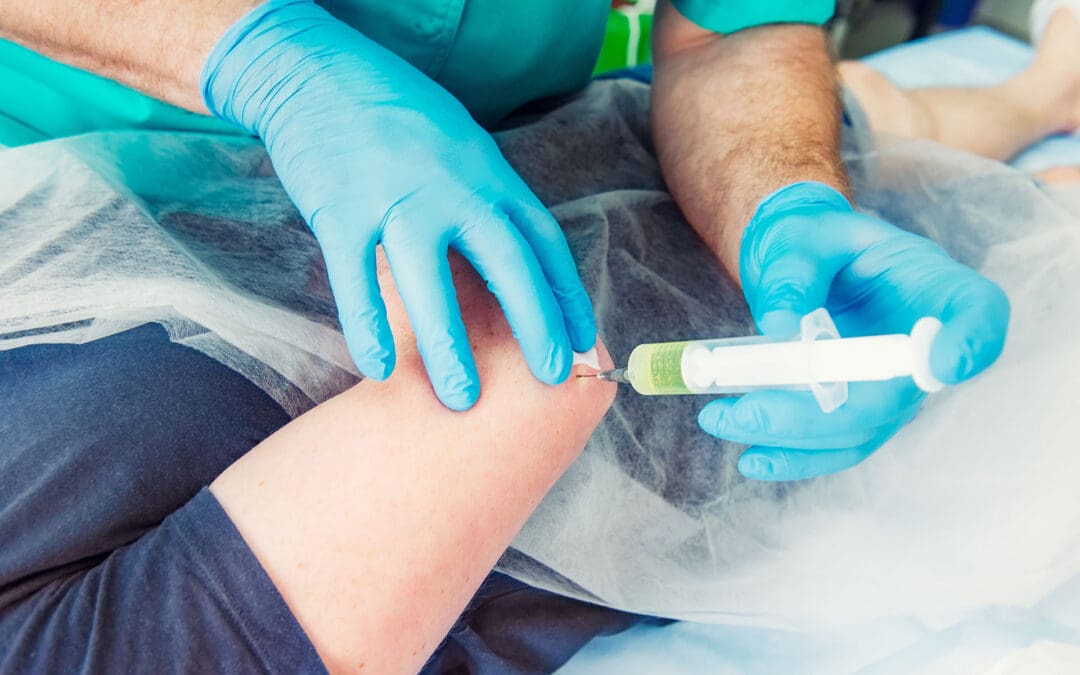
With the patient ready, I locate the first marked spot. I brace my hand and, on a count of three, gently insert the needle. The goal is to advance the needle until I feel it make contact with the surface of the occipital bone. This provides a safe and solid backstop, ensuring I don’t inject too deeply.
Before injecting the medication, I perform a critical safety assessment called aspiration. I gently pull back on the syringe plunger to see if any blood enters the syringe. If it does, the needle tip is in a blood vessel. Injecting the medication, especially the corticosteroid, directly into the bloodstream can cause systemic side effects and would not be effective locally. Seeing “nothing on aspiration” confirms the needle is in the correct tissue plane—the perineural space around the nerve.
Satisfied with the needle’s position, I slowly inject half of the medication from the syringe, bathing the inflamed nerve and surrounding tissues. I then withdraw the needle. Next, I repeat the exact same process at the second marked location, injecting the remaining half of the mixture.
Immediate Feedback and Post-Procedure Care
Immediately after the injections, I gently massage the areas. This helps spread the medication throughout the suboccipital tissues. This helps ensure the medication reaches all irritated nerve branches. This also helps alleviate some of the initial post-injection soreness.
The final and most rewarding step is to re-evaluate the patient’s pain. I apply firm pressure to the same spots that were excruciatingly tender just moments before. “Does that hurt right there?” I asked the patient. Their response changed from a pained wince to a simple “Pressure.” When I asked if it was better, they replied, “Feels better.” We checked the second spot, which had also improved significantly.
This immediate pain reduction confirms the block’s success. The lidocaine is already at work, silencing the overactive pain signals. The patient leaves the room with hope and immediate relief, while the cortisone begins its slower, more sustained work of healing the inflammation.
The Power of Integrative Care: Beyond the Injection
An occipital nerve block is a powerful tool, but it is rarely a standalone cure. At Injury Medical Clinic, we view it as one critical piece of a much larger, comprehensive puzzle. As a Family Nurse Practitioner (APRN, FNP-BC), I am qualified to perform these procedures. In addition, my foundation as a Doctor of Chiropractic (DC) and my advanced certifications in Functional Medicine (CFMP, IFMCP) provide the framework for a truly holistic approach. This is all done under the medical direction and collaboration of our esteemed internist, Dr. Maria Guadalupe Cardenas, MD. Her decades of experience provide invaluable medical oversight.
Our philosophy is that true healing requires addressing the root cause, not just masking the symptoms. The nerve block provides a crucial window of opportunity. By significantly reducing the patient’s pain, it allows us to implement other therapies effectively. These are treatments that were previously too painful to perform.
Integrating Chiropractic and Rehabilitation
This is where my expertise as a chiropractor becomes essential. With the patient’s pain under control, I can begin to address the underlying biomechanical dysfunctions. Our integrated approach includes:
Chiropractic Adjustments: Gentle, precise adjustments to the cervical spine, particularly the C1 and C2 vertebrae, can relieve mechanical pressure on the nerve roots and improve overall spinal alignment. This restores proper motion and reduces the structural stress that may have been compressing the occipital nerves.
Myofascial Release and Soft Tissue Therapy: The nerve block calms the nerve, but it doesn’t release the chronically tight muscles that are strangling it. I use advanced soft tissue techniques to break down adhesions and trigger points in the suboccipital, trapezius, and other neck muscles. This improves blood flow, reduces muscular tension, and creates more space for the nerve to function without compression.
Corrective Exercises and Rehabilitation: We provide a personalized rehabilitation program. This includes specific stretches to maintain flexibility in the neck and shoulders, along with strengthening exercises to improve postural endurance. The goal is to correct poor postural habits (like forward head posture) that often contribute to occipital neuralgia and prevent recurrence.
By combining the immediate relief of the medical injection with the long-term structural correction of chiropractic care and rehabilitation, we create a synergistic effect. The injection breaks the pain-inflammation cycle. Moreover, rehabilitative therapies address the underlying cause, supporting sustainable recovery. This multidisciplinary model—where medical, chiropractic, and functional medicine professionals work hand in hand—is the future of effective pain management and injury care.
References
Choi, H. J., & Oh, I. H. (2021). The effect of greater occipital nerve block on pulseless disease (Takayasu arteritis) with occipital neuralgia. The Korean Journal of Pain, 34(1), 126–129. https://doi.org/10.3344/kjp.2021.34.1.126
Dach, F., & Eckeli, A. L. (2021). Occipital nerve block for cervicogenic headache: A systematic review. Cephalalgia: An International Journal of Headache, 41(14), 1476–1489. https://doi.org/10.1177/03331024211027464
Naja, Z. M., El-Rajab, M. A., Al-Tannir, M. A., Faysal, W. M., & Ziade, F. M. (2006). Occipital nerve blockade for cervicogenic headache: A double-blind, randomized, controlled clinical trial. Pain Practice, 6(2), 89–95. https://doi.org/10.1111/j.1533-2500.2006.00068.x
A concussion or whiplash injury can do more than strain the neck. It can interrupt the three-way loop among the gut, the brain, and the spine. When that loop breaks, inflammation rises, digestion changes, and healing slows. This article explains the gut-brain-spine connection in plain language. It then covers protein-forward meals, supplement advice, lifestyle changes, integrative chiropractic care, and regenerative therapies that support neuro-recovery. You will also see how Injury Medical Clinic PA in El Paso combines chiropractic care, functional medicine, and medical direction to treat root causes rather than symptoms alone.
A Trilateral Network That Works as One Loop
The gut-brain-spine connection is a trilateral communication network in functional medicine and integrative chiropractic therapy. Disruption in one region can cause dysfunction in the others. The gut and brain talk through nerves, immune signals, hormones, and the microbes that live in the digestive tract. The main nerve highway is the vagus nerve. It runs from the brainstem, through the neck, and down to the organs of digestion. The gut also has its own large nerve network, often called a “second brain.” Gut microbes help make chemical messengers that affect mood, sleep, and pain.
The spine physically supports this conversation. Nerves leaving the neck and mid-back carry rest-and-digest signals and fight-or-flight signals to the gut. When cervical joints move well, those signals travel more clearly. When joints lock after an injury, the message becomes noisy. That is why a neck problem can show up as nausea or bloating, and why gut inflammation can keep neck muscles tight.
Dr. Alexander Jimenez, DC, APRN, FNP-BC, CCST, CFMP, IFMCP, ATN, has described this as a loop rather than a one-way path. Clinical observation in his El Paso practice supports that view: leaky-gut inflammation can signal the brain, and brain or trauma stress can worsen gut-barrier function. Patients typically arrive with more than just a neck or a stomach. They arrive with a cluster.
How Head and Neck Injury Breaks the Cycle
This complete cycle is broken whenever damage to the head or neck happens, like a whiplash or concussion. After a concussion or mild traumatic brain injury, the gut lining can become more permeable. Bacteria can shift. Whole-body inflammation can rise. Those changes may add to brain fog, headaches, low mood, and poor sleep.
Whiplash adds a mechanical problem. A fast stretch of neck ligaments, joints, and muscles can irritate pathways that travel with the vagus nerve and the sympathetic chain. The result is often a mix of stiffness, dizziness, gut upset, and a nervous system that will not settle.
The injured brain also uses more energy to repair membranes and restore chemical balance. If food intake drops, protein is low, or the gut cannot absorb nutrients well, healing stalls. Functional nutrition speeds healing by restoring the intestinal barrier, systematically reducing systemic inflammation, and supplying the nutrients needed for structural and neurological repair.
Protein-Forward Nutrition for Neuro-Recovery
Protein is the building material for tissue, enzymes, and many brain chemicals. After a head or neck injury, calorie and protein needs often rise. Research on early mild traumatic brain injury has linked meeting calorie and protein needs with better recovery markers.
A practical rule is simple: include a protein source at every meal and snack. Do not save all protein for dinner.
Helpful protein-forward choices include:
Eggs, which also provide choline for nerve-signal chemicals
Fatty fish such as salmon, sardines, and mackerel
Poultry or lean red meat in modest portions
Greek yogurt or cottage cheese if dairy is tolerated
Beans, lentils, and chickpeas
Nuts and seeds, especially walnuts and pumpkin seeds
Pair protein with colorful plants. Berries, leafy greens, peppers, and herbs bring antioxidants that help the body handle oxidative stress after impact. Add turmeric and ginger to meals for extra anti-inflammatory support.
Foods that often slow recovery include ultra-processed snacks, sugary drinks, and large amounts of refined starches. These can fuel inflammation and worsen blood-sugar swings. Many people feel fatigue, irritability, and more severe headaches.
A simple plate pattern works well:
Half the plate: vegetables and some fruit
One quarter: quality protein
One quarter: slow carbs such as oats, quinoa, potatoes, or beans
A source of healthy fat: olive oil, avocado, or fatty fish
Do not crash-diet during recovery. The injured nervous system needs steady fuel. From a nurse practitioner and functional medicine view, this is metabolic care: give the body enough amino acids and energy, so repair can happen.
Supplement Advice: Fill Gaps With Clinical Oversight
Food comes first. Supplements can help when labs, symptoms, or diet show a need. They should be chosen with a licensed clinician, especially after a brain or neck injury, and especially if you take blood thinners or have kidney, bleeding, or absorption issues.
Nutrients often discussed in concussion and neuro-recovery care include:
Omega-3 fats (DHA and EPA). These support cell membranes and help balance inflammation. The best food sources are fatty fish. Algal oil is an option for people who do not eat fish.
Magnesium. It supports nerve signaling, muscle relaxation, sleep, and headache control. Greens, seeds, nuts, and legumes are food sources.
Vitamin D. Low levels are common and may affect immune tone, mood, and recovery. Testing guides dosing.
Antioxidant patterns. Vitamin C, polyphenols from berries and cocoa, and curcumin from turmeric help the body handle oxidative stress.
Creatine. Some research looks at creatine for brain energy after injury. It is not for everyone and should be reviewed by a professional.
Gut-supportive tools. Fiber-rich plants, fermented foods if tolerated, and clinician-guided probiotics or other gut-repair nutrients may help restore the barrier and calm immune signaling.
A systematic review of nutritional care in early mild traumatic brain injury found that meeting calorie and protein needs, plus targeted supports such as omega-3s, vitamin D, and magnesium, was associated with better recovery markers in studied patients. That doesn’t mean everyone needs every product. It means nutrition is part of root-cause care.
Lifestyle Adjustments That Calm the Loop
Nutrition works best when daily habits support the same goals: less inflammation, better vagal tone, and enough time to repair.
Useful habits include:
Hydration. Spinal discs and the gut both need water. Pale-yellow urine is a simple check.
Sleep protection. The brain clears waste and rebuilds during sleep. Keep a dark, regular schedule as much as symptoms allow.
Vagus-friendly breathing. Slow nasal breathing and longer exhales can nudge the body out of fight-or-flight.
Gentle movement after clearance. Short walks and guided mobility beat long bed rest once a clinician says it is safe.
Stress-load reduction. Extra screens, arguments, and intense training can keep the sympathetic system switched on.
Alcohol limits. Alcohol adds inflammation and disrupts sleep and gut-barrier function.
These steps look simple. After a neck or head injury, they are often the difference between a nervous system that can repair and one that stays reactive. Lifestyle is not extra advice. It is metabolic and neurological first aid.
How Integrative Chiropractic Care Fits This Treatment
Integrative chiropractic care does not treat the gut by adjusting the abdomen as if it were a joint. It restores motion and neurological signaling through the spine, especially the neck, so the vagus nerve and spinal pathways can do their jobs.
Restricted cervical joints, muscle guarding, and forward-head posture after whiplash can keep the body in a braced, high-alert pattern. Care that improves joint motion and reduces mechanical irritation can support clearer brain-gut messaging.
In this framework, chiropractic care is one measured pillar:
Cervical and thoracic adjustments to improve motion and nerve signaling
Soft-tissue work to ease guarded neck and upper-back muscles
Posture and breathing drills that reduce forward-head strain
Rehab that rebuilds deep neck stability so tissues are not re-injured
Coordination with nutrition and medical care so structure and metabolism heal together
When the spine moves better, patients often tolerate food, sleep, and exercise more easily. That is the practical test of the triangle: less pain, clearer thinking, and a calmer gut, not just a better X-ray angle.
Dr. Jimenez’s clinical work links spinal care with functional nutrition because mechanics and metabolism travel together. A neck that cannot move well keeps the nervous system loud. A gut that stays inflamed keeps the neck loud. Treating only one side of that loop is incomplete care.
Regenerative and Interventional Therapies: Repair From Both Ends
Cutting-edge regenerative and interventional treatments can significantly speed healing when they are built into a chiropractic and functional medicine framework. They treat head and neck conditions such as whiplash and post-concussion syndrome by reducing systemic inflammation and physiologically mending damaged physical structures along the gut-brain-spine loop.
Common tools used in integrative injury care include:
Platelet-rich plasma (PRP). A concentrated portion of the patient’s own blood may be injected into injured neck ligaments, muscles, or joints. Growth factors can support collagen repair and quieter inflammation. PRP has been used in whiplash protocols to help mobility return so rehab can progress.
Platelet products and related injections. Case-series work on cervical pain using platelet products and prolotherapy has reported meaningful drops in pain and function scores when the whole functional spinal unit is addressed, not only one spot.
Microfragmented adipose tissue (MFAT) and related orthobiologics. These may be considered for more complex soft-tissue or joint problems when appropriate and within scope.
Laser and shockwave therapies. These are often layered with PRP or chiropractic care to increase local circulation and comfort.
IV nutrient therapy. When gut absorption is poor, or intake is low, IV vitamins, minerals, amino acids, and fluids can support cellular repair while the oral diet is rebuilt.
These therapies work best as part of a plan, not as stand-alone shots. Regenerative injections can signal repair in tissues with poor blood flow. Chiropractic care and rehab restore motion and load sharing. Nutrition lowers the inflammatory background that would otherwise keep tissues angry. That is how the loop is treated from both ends: structure and chemistry.
A Multidisciplinary Team in El Paso
Injury recovery is safer when chiropractic skill and medical oversight work together. At Injury Medical Clinic PA in El Paso, Texas, Dr. Alex Jimenez, DC, provides chiropractic, functional medicine, personal injury, and rehabilitative care. Dr. Maria Guadalupe Cardenas, MD, board-certified in internal medicine (NPI #1164426749, Texas MD License #J2933), has over 40 years of experience as an internist and works with Dr. Jimenez as the medical director and collaborative physician.
This multidisciplinary setup is common in integrative or injury care clinics, where an MD provides medical direction alongside a chiropractor. The team integrates:
Chiropractic care for spinal motion, nerve signaling, and soft-tissue function
Medical oversight in internal medicine for safety, labs, and collaborative decisions
Functional medicine for lifestyle, metabolic health, and root-cause resolution
Personal injury care and documentation
Rehabilitation to rebuild strength, balance, and daily function
Related services such as regenerative procedures and nutrient support when appropriate
Root-cause care means asking why headaches, nausea, neck stiffness, and poor sleep arrive as a cluster. It also means not forcing a single tool—an adjustment, a supplement, or an injection—to do the work of the whole system.
A Clear Path Forward
A practical plan after head or neck injury often looks like this:
Get a proper exam. Rule out red flags. Document the injury.
Protect sleep, hydration, and protein intake in the first days.
Use an anti-inflammatory, protein-forward plate and limit ultra-processed foods.
Restore cervical motion and vagal tone with guided chiropractic and rehab.
Add targeted nutrients only when they match labs, diet, and medical history.
Consider regenerative options when ligaments, facets, or delayed healing are holding recovery back.
Recheck function: neck motion, headache load, gut comfort, energy, and thinking clarity.
Healing isn’t just “wait until the neck stops hurting.” It is restoring the conversation among gut, brain, and spine so the body can finish the job it started after the injury.
If symptoms are severe, worsening, or include vomiting, confusion, weakness, or new neurological changes, seek urgent medical care first. Nutrition and integrative therapies support recovery. They do not replace emergency evaluation.
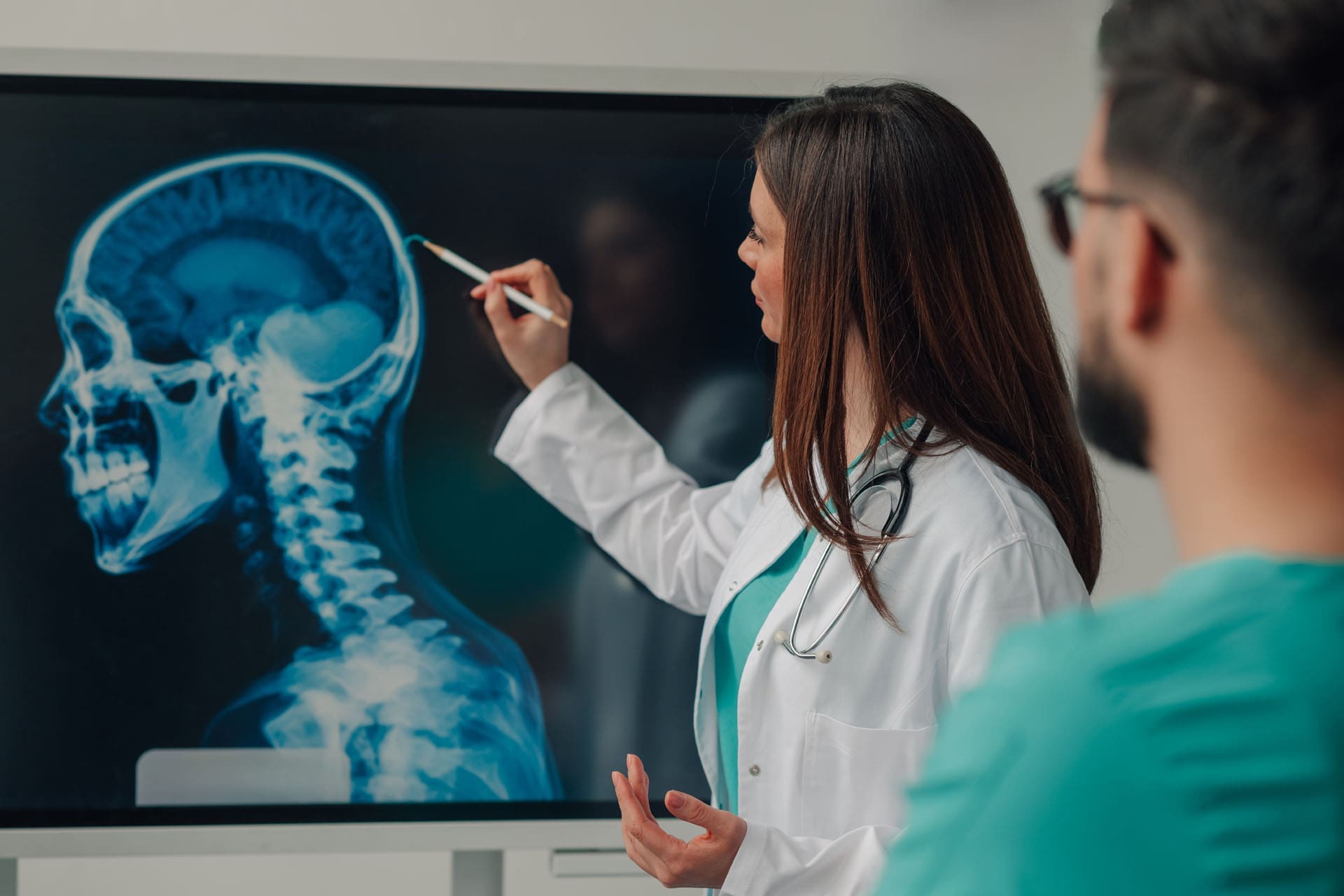
Overlooked Injuries After Work and Auto Accidents: Why X-Rays Often Miss Them
Abstract: Soft-tissue damage, mild concussions, and hairline spinal issues are among the most frequently overlooked injuries after workplace incidents and motor vehicle accidents (MVAs). These problems often lack immediate, visible signs and do not appear on standard X-rays. This article explains why micro-tears in spinal ligaments, subtle annular tears in discs, hidden facet joint capsule trauma, and chronic myofascial trigger points are so often missed. It describes how untreated damage can lead to lasting pain. It then shows how an integrative approach that combines mechanical restoration through chiropractic care with biological tissue repair can support better recovery. Clinical observations from Dr. Alexander Jimenez and the collaborative team at Injury Medical Clinic PA in El Paso, Texas, illustrate how this model works.
A person can walk away from a crash or a workplace incident feeling only somewhat sore. The first exam often looks for broken bones, bleeding, and other obvious emergencies. When the X-rays look normal, many people receive reassurance that they are fine. Days or weeks later, neck stiffness, headaches, back pain, or trouble concentrating can develop and persist. These delayed symptoms are common. They often come from injuries that standard films cannot show.
Right after trauma, adrenaline hides pain. Inflammation then builds slowly. Soft tissues can stretch or tear without breaking bone. That is why so many injuries after MVAs and workplace events stay hidden at first. If they go undiagnosed, they can leave people with persistent discomfort and reduced daily function.
Why Standard X-Rays Miss These Injuries
X-rays are useful for bones. They show fractures and major joint problems. They do not show muscles, ligaments, tendons, fascia, joint capsules, or the outer layers of spinal discs. Mild concussions also leave little clear mark on routine scans. The injury can still be real even when the pictures look clean.
After a collision, the body is thrown forward and then stopped. Ligaments and joint capsules can be stretched past their safe limit. Disc fibers can develop small cracks. Deep muscles can form tight, painful knots. Workplace injuries can follow the same path after a sudden lift, a fall, or months of repetitive strain. Because symptoms often start later, people may assume the pain is only ordinary muscle tightness.
The Injuries Most Often Overlooked After Crashes and Work Events
Several specific problems recur when a more complete evaluation is done.
Micro-tears in spinal ligaments: Ligaments hold the vertebrae in place. Sudden force can create tiny tears that allow slight extra motion. The spine may feel unstable even when X-rays look perfect. People notice stiffness after sitting, pain with certain movements, or a sense that the back “becomes unstable.”
Subtle annular tears in intervertebral discs: The tough outer ring of a disc can crack without a full herniation. These tears can irritate nearby nerves. Pain may travel into an arm or a leg days later. Early tears are easy to miss on routine imaging.
Hidden facet joint capsule trauma: Facet joints guide how the spine bends and twists. Their capsules can stretch or partially tear. This can cause local pain, reduced motion, and headaches. Standard films rarely capture this soft-tissue damage.
Chronic myofascial trigger points: Trauma can create tight bands in deep stabilizing muscles. These knots send pain to other areas. Headaches, shoulder tightness, or low-back discomfort may actually start in these guarded muscles.
Mild concussions are another frequent miss. The brain can move inside the skull even without a direct blow to the head. Symptoms such as foggy thinking, poor concentration, light sensitivity, or mood changes may appear later. A normal scan rules out large bleeding. It does not prove the brain is uninjured.
Workplace injuries often develop in two ways. One is a single event, such as a fall or a sudden lift. The other is cumulative trauma from repeated motions, awkward postures, or vibration. Tendon irritation, shoulder strain, and low-back tightness can build slowly. Because there is no single dramatic moment, these injuries are easy to overlook until function is already limited.
What Happens When These Injuries Stay Untreated
The body tries to protect itself. Muscles tighten around unstable segments. Posture and walking patterns change. Circulation drops in the guarded areas. Scar tissue can form in a less organized way. Over time, the nervous system can become more sensitive to pain. A treatable soft-tissue injury can then settle into chronic pain, reduced movement, and trouble returning to work or daily tasks.
Early, thorough evaluation changes that path. A clear history of how the injury happened, a careful hands-on exam of joint motion and muscle texture, and selected advanced tests can reveal the real sources of symptoms.
An Integrative Approach: Mechanical Restoration Plus Biological Tissue Repair
Recovery works best when two goals are met together. First, the mechanical environment must improve. Joints need proper motion. Muscles need balanced length and strength. Movement patterns need retraining so healing tissue isn’t constantly re-stressed. Second, damaged soft tissues need biological support to rebuild stronger collagen and quiet leftover inflammation.
Integrative chiropractic care addresses the mechanical side. Specific adjustments restore joint motion and reduce extra load on injured segments. Soft-tissue work releases guarded muscles and improves local blood flow. Corrective exercises rebuild strength and coordination. When it is appropriate, spinal decompression can reduce pressure on discs and nerves. These steps create a better setting for repair.
Biological tissue support may include regenerative options such as platelet-rich plasma or related plasma products when clinically appropriate. These approaches use the patient’s own growth factors to help ligaments, tendons, and other soft tissues heal. Mechanical correction and biological support together aim at lasting function, not only short-term relief.
How the El Paso Team Applies This Model
Clinical observations from Dr. Alexander Jimenez, DC, APRN, FNP-BC, CCST, CFMP, IFMCP, ATN, note that patients with overlooked soft-tissue and joint injuries often develop secondary changes in posture, gait, and spinal motion. Treating only the most painful spot can leave those broader patterns in place and slow recovery. A complete assessment that includes biomechanics, nerve function, and movement helps build a more complete plan.
At Injury Medical Clinic PA in El Paso, Texas, care follows a multidisciplinary structure. Dr. Jimenez provides chiropractic care, functional medicine insight, personal injury evaluation, and rehabilitation planning. Dr. Maria Guadalupe Cardenas, MD, board-certified in internal medicine (NPI #1164426749, Texas MD License #J2933), serves as Medical Director and Collaborative Physician. With more than 40 years of experience as an internist, she provides medical oversight and diagnostic direction.
This setup is common in integrative and injury-focused clinics: an MD supplies medical direction while a chiropractor focuses on spinal mechanics, movement, and hands-on restoration. The team integrates chiropractic adjustments and soft-tissue care with medical evaluation, functional medicine strategies, personal injury documentation, and progressive rehabilitation. Patients receive one coordinated plan rather than isolated treatments.
A Clear Next Step After a Crash or Workplace Injury
If pain, stiffness, headaches, or concentration problems linger after a motor vehicle accident or workplace incident—even when early X-rays were normal—further evaluation is reasonable. Soft-tissue damage, mild concussions, and small spinal issues are real. They respond best when they are found early and treated with both mechanical correction and support for biological healing.
An integrative model that pairs chiropractic care for joint and soft-tissue function with medical oversight, functional strategies, and rehabilitation offers a practical path. In the collaborative setting of Injury Medical Clinic PA, chiropractic expertise and internal medicine direction work together to help people move from hidden injury toward better daily function.
Potential Benefits of Combining Epidural Spinal Injections with Integrative Chiropractic Care for Back Injuries After a Motor Vehicle Accident
Abstract
Epidural Injections & Chiropractic After Car Accidents: Motor vehicle accidents frequently cause back injuries and trauma that lead to acute nerve inflammation, restricted joint movement, and physical tension. Epidural spinal injections can reduce inflammation around irritated nerves. Integrative chiropractic care can then improve joint mobility and ease muscular tension. When these two approaches work together, patients often experience better symptom relief and improved function. This article explains the potential benefits of the combination, how each method works, and how a coordinated multidisciplinary team supports recovery through functional medicine, personal injury care, and rehabilitation.
Understanding Back Injuries and Trauma from Motor Vehicle Accidents
A sudden collision can force the spine into unnatural positions. This often results in soft-tissue damage, disc irritation, ligament strain, and inflammation around spinal nerves. Pain may appear right away or develop over the following days. Common symptoms include lower back or neck pain that radiates into the arms or legs, stiffness, reduced movement, and ongoing muscular tightness.
Acute nerve inflammation can create sharp, radiating discomfort. At the same time, joints may lose normal motion and surrounding muscles tighten to protect the injured area. These changes can slow recovery and limit daily activities if not addressed properly. Early, coordinated care helps reduce these barriers and supports the body’s natural healing process.
How Epidural Spinal Injections Alleviate Acute Nerve Inflammation
An epidural spinal injection places anti-inflammatory medication and a local anesthetic into the space surrounding the spinal nerves. The anesthetic often provides quick relief. The steroid then works over several days to lower swelling around the irritated nerves.
This reduction in acute nerve inflammation can ease radiating pain and make movement more comfortable. Many people notice less intensity in nerve-related symptoms, which allows them to participate more fully in other forms of care. Results vary from person to person, yet the injection is frequently considered when rest and basic measures have not controlled strong nerve irritation after an accident.
Epidural injections are not a complete solution on their own. Their main value is creating a quieter environment around the nerves so the body can respond better to restorative therapies.
How Integrative Chiropractic Care Improves Joint Mobility and Reduces Tension
Integrative chiropractic care focuses on the spine, joints, and soft tissues. After a motor vehicle accident, spinal joints often become restricted, and muscles remain tight in a protective pattern. These restrictions limit range of motion and maintain extra pressure on already irritated nerves.
Chiropractic adjustments gently restore proper joint motion. Soft-tissue techniques help release physical tension and improve local circulation. Mobilization and specific rehabilitative exercises further expand range of motion in a safe, controlled way. Over time, these steps reduce protective muscle guarding and give the spine a more stable foundation for healing.
Clinical experience shows that restoring alignment and mobility early helps prevent compensatory patterns that can turn short-term injuries into longer-term problems. By improving joint mechanics, chiropractic care lowers ongoing stress on the nerves and supports better overall function.
Potential Benefits of Combining the Two Approaches
Combining integrative chiropractic care with epidural spinal injections may prove advantageous for back injuries and trauma from motor vehicle accidents. The injections alleviate inflammation of the acute nerves, while chiropractic care enhances joint mobility and alleviates physical tension.
When nerve inflammation decreases, patients usually tolerate hands-on care and movement exercises more comfortably. Improved joint motion then reduces the mechanical stress that can keep inflammation active. This creates a supportive cycle that addresses both the chemical side of the injury (nerve swelling) and the mechanical side (restricted joints and tight muscles).
Potential benefits commonly observed include:
Reduced intensity of radiating nerve pain
Greater ability to move the spine through a fuller, more comfortable range of motion
Less muscular tension and protective spasm
Improved comfort during daily activities and rehabilitation
Lower risk of developing chronic compensatory patterns
Support for a more complete return to normal function
Clinical observations from integrative practices note that calming nerve inflammation while restoring joint function produces stronger results than either method used alone. The combination helps create better conditions for healing tissues.
A Multidisciplinary Team Approach in El Paso
At Injury Medical Clinic PA in El Paso, Texas, care for motor vehicle accident injuries follows a coordinated multidisciplinary model. Dr. Alexander Jimenez, DC, APRN, FNP-BC, CCST, CFMP, IFMCP, ATN, provides integrative chiropractic care focused on restoring joint mobility, reducing physical tension, and guiding rehabilitation. He also applies functional medicine principles that examine inflammation patterns, nutrition, and overall recovery capacity. His clinical observations, available through practice resources, emphasize treating the injured area as part of a connected system rather than in isolation.
Working with him is Dr. Maria Guadalupe Cardenas, MD. She is board-licensed in internal medicine, holds NPI #1164426749 and Texas MD License #J2933, and has more than 40 years of experience as an internist. Dr. Cardenas serves as medical director and collaborative physician at the practice. In this role, she provides medical oversight, helps ensure accurate diagnosis, and guides safe care planning for complex injuries.
This multidisciplinary setup is common in integrative and injury care clinics. An MD supplies medical direction while a chiropractor delivers hands-on neuromusculoskeletal care. The team also integrates functional medicine, personal injury documentation and support, rehabilitation exercises, and related services. The result is a coordinated plan that addresses both the local injury and the wider needs of the recovering patient.
Dr. Jimenez’s clinical observations highlight that injection-based approaches work best when mechanical alignment and movement are restored at the same time. This prevents repeated stress on healing tissues and supports more complete recovery from back injuries involving nerve irritation.
What the Recovery Process Often Looks Like
Recovery begins with a thorough evaluation that may include history, physical examination, and imaging when needed. If significant acute nerve inflammation is present, an epidural injection may be recommended first. As symptoms ease, integrative chiropractic care and progressive movement work begin. Functional medicine support and structured rehabilitation help rebuild strength, stability, and coordinated motion.
Progress is monitored through regular re-examinations that track pain levels, joint mobility, muscular tension, and daily function. Patients are encouraged to stay active within safe limits and to follow any nutrition or lifestyle recommendations that support tissue repair. Many people notice steady gains in comfort and mobility over weeks to months as inflammation settles and joint mechanics improve.
Supporting Long-Term Function After Trauma
Back injuries and trauma from motor vehicle accidents affect both nerves and the mechanical structures that support movement. Epidural spinal injections can help reduce inflammation in acute nerves. Integrative chiropractic care can then enhance joint mobility and alleviate physical tension. When these methods are used together under medical oversight, they offer a practical path toward reduced symptoms and restored function.
At Injury Medical Clinic PA, the collaboration between Dr. Alexander Jimenez’s integrative chiropractic and functional expertise and Dr. Maria Guadalupe Cardenas’s medical direction creates a clear, coordinated approach. The team focuses on calming nerve irritation, restoring healthy movement, and supporting the body through rehabilitation and personal injury care so patients can return to their usual activities with greater ease and confidence.
Anyone dealing with ongoing symptoms after a motor vehicle accident can benefit from a thorough evaluation to determine whether this combined approach is appropriate for their specific situation.
How an Integrative Approach Speeds Healing and Restores Mobility After Accidents or Work Injuries
Many people who suffer injuries in car accidents or on the job start with rest, ice, and basic pain relief. These steps can lower swelling at first. Yet soft tissue damage, stretched ligaments, and bulging discs often fail to heal fully on their own. Pain lingers. Movement stays limited. Daily tasks become harder than they should be.
An integrative wellness strategy changes this path. It combines structural corrections, cellular repair, and nutritional support. The goal is not only to reduce inflammation early on. The plan then realigns the body, regenerates damaged tissue, and rebuilds normal function. This multilayer method calms irritated nerves, rebuilds ligaments and discs, and restores healthy spinal mechanics. Providers layer these tools so patients feel better today while the body activates its own long-term repair systems.
Why Injuries Sometimes Fail to Heal Alone
Soft tissues and spinal discs receive limited blood flow. After a sudden impact—such as a rear-end collision or a workplace fall—ligaments can stretch or tear. Discs can bulge or lose height. Muscles tighten to protect the area. Rest may quiet the acute phase, but it rarely rebuilds strength or alignment.
Without further help, the body can settle into a cycle of stiffness, nerve irritation, and reduced mobility. Traditional options that only mask symptoms leave the underlying damage in place. When problems persist, regenerative and structural methods become useful next steps.
The Three Layers of Integrative Care
An effective plan works on three levels at once:
Structural (mechanical) care realigns joints and reduces pressure on discs and nerves.
Cellular therapies deliver growth factors and supportive cells that stimulate tissue repair.
Nutritional and systemic support supplies the building blocks the body needs to heal from the inside.
Together, these layers move treatment from short-term relief toward lasting restoration.
Structural Corrections: Chiropractic Care and Spinal Decompression
Chiropractic adjustments gently restore proper joint motion. When vertebrae or extremity joints are out of their ideal position, surrounding muscles and ligaments remain under uneven stress. Precise adjustments ease that stress, calm nerve signals, and improve overall posture and movement patterns.
Spinal decompression adds another structural tool. Controlled traction creates a gentle stretch that lowers pressure inside bulging or herniated discs. This can improve nutrient flow into the disc and reduce irritation on nearby nerves. Patients often notice less radiating pain and freer movement as alignment improves.
These mechanical steps prepare the body for deeper healing. New tissue grows stronger when joints move correctly, and load is shared evenly.
Cellular Healing: Regenerative Therapies That Rebuild Tissue
When soft tissue damage or disc problems do not resolve with rest and structural care alone, regenerative options can activate repair at the cellular level.
Platelet-rich plasma (PRP) starts with a simple blood draw. The sample is spun to concentrate platelets and growth factors. When injected near injured ligaments, tendons, or discs, these factors signal the body to reduce inflammation and begin rebuilding. Higher platelet doses tend to deliver stronger signals for repair.
Micro-fragmented adipose tissue (MFAT) uses a small sample of the patient’s own fat. Gentle processing yields tissue rich in regenerative cells and a supportive matrix. MFAT is often chosen for larger joints or areas that need cushioning and structural support in addition to growth factors.
Laser therapy (Class 4) and shockwave treatments further support cellular activity. Laser light boosts energy production inside cells and lowers inflammatory signals. Shockwave creates controlled micro-stress that encourages new blood vessel growth and collagen production. Both methods pair well with injections because they improve the local healing environment.
These biological tools do not simply hide pain. They aim to rebuild damaged ligaments and disc tissue so the spine and joints can function more normally again.
Nutritional and Systemic Support: IV Therapy and Functional Care
Tissue repair requires raw materials. IV nutrition delivers vitamins, minerals, amino acids, and other nutrients directly into the bloodstream. This approach bypasses digestion and can quickly raise levels needed for collagen production, energy, and inflammation control.
Functional medicine principles guide the choice of nutrients and lifestyle steps. Addressing gut health, sleep, and overall inflammation creates a stronger foundation so structural and cellular work can succeed. Patients often notice better energy and faster progress when systemic support is part of the plan.
How the Layers Work Together
The real power appears when these strategies are layered. Early care focuses on calming inflammation and protecting the area. Structural corrections then restore alignment so forces move through the body correctly. Regenerative injections and laser or shockwave treatments supply the biological signals that rebuild tissue. Nutritional support keeps the repair process well supplied.
The result is more than temporary pain relief. Nerve irritability decreases. Ligaments and discs regain strength. Spinal mechanics return toward normal. Patients regain mobility and can return to work or daily activities with greater confidence.
Expert Multidisciplinary Care in El Paso
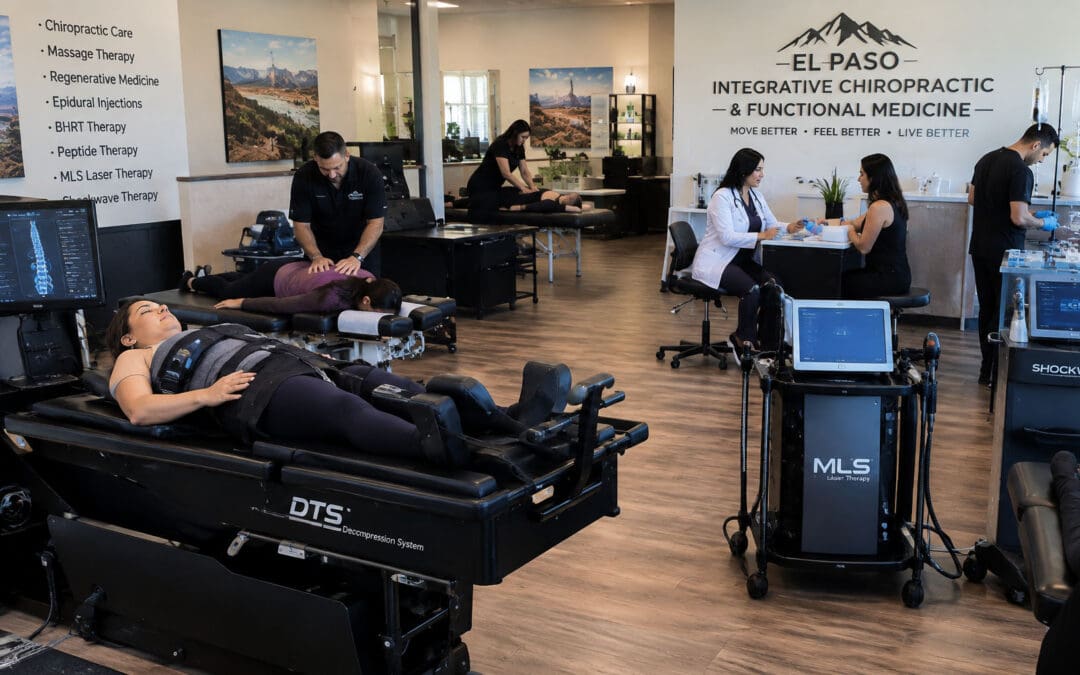
In El Paso, Texas, Injury Medical Clinic PA offers this layered approach under one coordinated team. Dr. Alexander Jimenez, DC, APRN, FNP-BC, CCST, CFMP, IFMCP, ATN, provides chiropractic care, functional medicine guidance, and clinical insights drawn from years of treating personal injury and complex musculoskeletal cases. His observations, shared in clinical writings, emphasize that combining high-quality regenerative tools, such as PRP, with precise structural corrections yields more durable results than either method alone. Fixing both the chemistry of tissue repair and the biomechanics of movement helps prevent re-injury and supports long-term function.
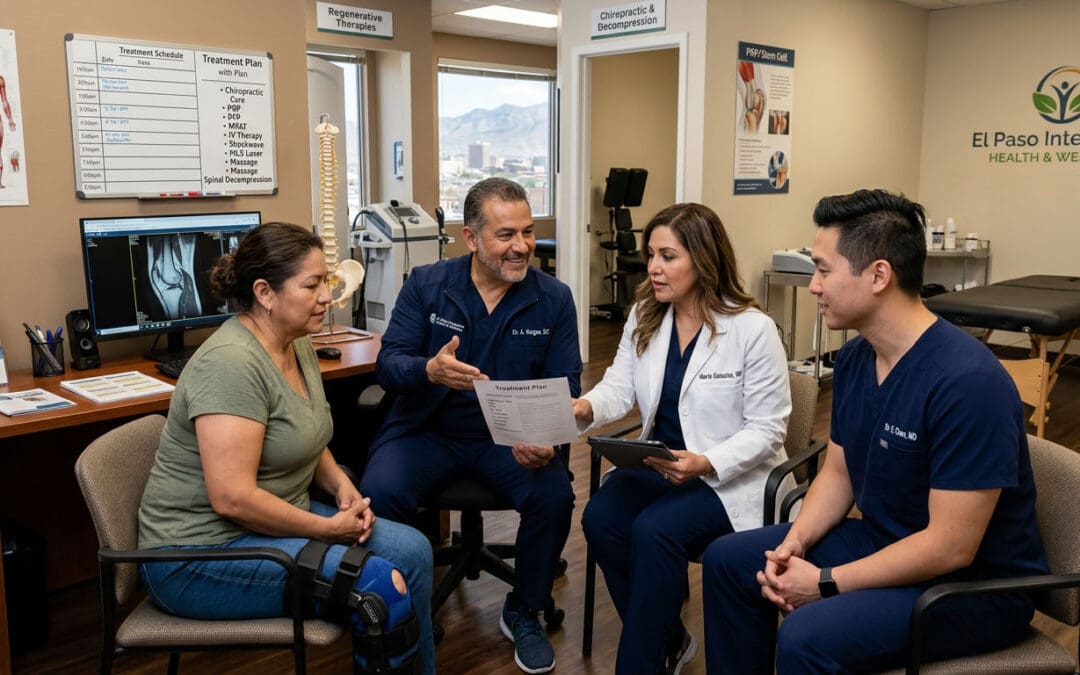
Dr. Maria Guadalupe Cardenas, MD, Board Certified in Internal Medicine (NPI #1164426749, Texas MD License #J2933), brings more than 40 years of experience as an internist. She serves as medical director and collaborative physician at the practice. This multidisciplinary arrangement is common in integrative and injury-care clinics. An MD provides medical direction and oversight while working alongside the chiropractor. The team integrates chiropractic adjustments and decompression (led by Dr. Jimenez), medical evaluation and collaborative care (under Dr. Cardenas), functional medicine, personal injury documentation and rehabilitation, and related services. Patients receive coordinated plans that address structural alignment, cellular healing, and overall health in a single setting.
What Patients Can Expect on the Path to Recovery
Most people begin with a thorough exam that includes movement testing, imaging review when needed, and a clear discussion of goals. Care then progresses through the layers described above. Progress is measured not only by reduced pain scores but by real gains in range of motion, strength, and the ability to perform everyday tasks.
Because the methods use the patient’s own tissues whenever possible and avoid heavy reliance on long-term medications or surgery, side effects remain generally mild. Temporary soreness after injections or mild fatigue after intensive sessions are the most common short-term responses.
Moving Beyond Symptom Relief
Accident and work injuries do not have to lead to years of limited mobility. An integrative strategy that starts with inflammation control and progresses through structural realignment, tissue regeneration, and nutritional support provides the body with the tools it needs to heal more completely. By calming nerves, rebuilding soft tissues and discs, and restoring healthy mechanics, this approach helps patients regain function and return to the activities that matter most.
When injuries persist despite rest, seeking a coordinated team that understands both the mechanical and biological sides of recovery can make a meaningful difference.
Repairing Your Spine from the Inside Out: How Chiropractic and Regenerative Therapies Work Together
Chronic back or neck pain can make everyday life feel challenging. Many people try rest, pain pills, or physical therapy, but the pain often returns. Surgery is one option, yet it comes with risks and long recovery times. There is a better path for many people. Combining chiropractic care with regenerative therapies helps repair the spine from the inside out. Chiropractic adjustments fix the structure and alignment. Treatments such as PRP injections and shockwave therapy help heal the soft tissues around the bones. Together, they stop chronic pain and help rebuild strength without surgery.
This approach treats the whole picture. It is like fixing a house with problems in both the frame and the interior.
Your Spine Is Like a House
Think of your spine like the wooden frame of a house. The bones (vertebrae) are the main beams. The discs, ligaments, tendons, and muscles are the wood, pipes, and supports that hold everything together.
If the frame leans or shifts, the whole house feels off. Chiropractic adjustments gently move the bones back into better position. This straightens the frame and takes pressure off nerves.
But what if the wood is rotting or the pipes are leaking? Straightening the frame alone will not last. The house will lean again. The same thing happens with the spine. If the soft tissues stay damaged or inflamed, pain and weakness return even after effective adjustments.
Regenerative therapies, laser treatments, and shockwave therapy act like a skilled repair crew. They go into damaged areas, reduce swelling, and help new, healthy tissue grow. Massage and spinal decompression then remove daily stress so the repairs hold strong over time. This comprehensive plan delivers lasting results for many people with ongoing spinal problems.
Chiropractic Care: Fixing the Structural Frame
Chiropractic care focuses on the bones and joints of the spine. A chiropractor uses gentle, hands-on adjustments to correct misalignments. These shifts can happen from poor posture, old injuries, car accidents, or years of sitting and bending.
Adjustments help in simple ways:
They restore normal movement in stiff joints.
They reduce pressure on nerves that cause pain, numbness, or tingling.
They improve blood flow and support the body’s natural healing ability.
They help improve posture so daily activities feel easier.
According to reliable health information, chiropractic adjustments aim to correct alignment problems, ease pain, and support the body’s natural ability to heal itself (MedlinePlus, n.d.). Many people use it for low back pain, neck pain, and headaches. It is a hands-on method that does not rely on drugs or surgery.
When the frame is straight, the rest of the spine can heal better. But adjustments work even better when paired with treatments that fix the soft tissues around the bones.
Regenerative Therapies: The Repair Crew for Soft Tissues
Regenerative therapies use the body’s own materials to heal damaged areas. They target the “rotting wood” parts — inflamed discs, torn ligaments, irritated nerves, and weak tendons. These treatments send growth signals that tell cells to repair and rebuild.
Common options include:
PRP (platelet-rich plasma): A small amount of your blood is spun in a machine to concentrate the healing platelets. These are injected into painful spots. Growth factors signal damaged tissues to calm down and grow stronger (El Paso Back Clinic, n.d.).
Shockwave therapy: Special sound waves reach deep into sore muscles and tendons. They increase blood flow, break up scar tissue, and wake up the body’s repair process (Sleppy Chiropractic, n.d.).
MLS laser therapy: Safe light energy gives cells more power (ATP) to reduce inflammation and speed healing at the deepest level (Sleppy Chiropractic, n.d.).
Spinal decompression: Gentle stretching creates space between vertebrae. This relieves pressure on bulging discs, allows nutrient-rich fluid to flow in, and helps discs rehydrate and repair (Sleppy Chiropractic, n.d.).
These therapies help stop the cycle of chronic pain. They reduce swelling, support new tissue growth, and strengthen the areas that hold the spine in place. Many patients notice reduced pain and improved mobility within weeks when these treatments are used as part of a comprehensive plan.
How Chiropractic and Regenerative Therapies Work Together
The real power comes when the two approaches work together. Chiropractic adjustments create the right alignment so new tissue can form correctly. Regenerative treatments create a healing environment within tissues so that repairs last (El Paso Back Clinic, n.d.).
Here is how the full plan usually flows:
First, a careful exam and imaging find the exact problems.
Chiropractic adjustments straighten the frame and improve motion.
Regenerative injections or shockwave therapy target the damaged soft tissues and nerves.
Spinal decompression and soft-tissue work (such as massage or rehab exercises) reduce daily stress and protect healing areas.
Functional medicine support — nutrition, sleep, and inflammation control — helps the whole body recover.
One clinical observation notes, “When regenerative injections and chiropractic care happen together, the results often last longer. The injections create a better healing environment inside the tissues. The adjustments keep the joints moving correctly so that new tissue forms properly and does not become stressed again” (El Paso Back Clinic, n.d.).
Another insight suggests that a combined approach using chiropractic care, spinal decompression, regenerative injections, and supportive therapies, such as shockwave and laser therapy, often works better. These treatments create both mechanical and biological conditions that help the body heal and maintain better alignment (Personal Injury Doctor Group, 2026).
Patients often report meaningful drops in pain, better strength, and the ability to return to work or activities they enjoy. The goal is not just short-term relief. It is lasting repair that helps people avoid surgery and strong medications.
Expert Multidisciplinary Care in El Paso, Texas
In El Paso, this type of care happens in a true team setting. Dr. Alexander Jimenez, DC, APRN, FNP-BC, CFMP, IFMCP, ATN, CCST, brings over 30 years of chiropractic experience plus his training as a board-certified family nurse practitioner. His clinical observations show that patients with old injuries, car accident damage, sciatica, and posture-related spine pain improve when care targets both tissue repair and nervous system function. He sees people regain mobility, reduce chronic pain, and return to daily life through personalized, non-invasive plans that combine adjustments, regenerative therapies, rehabilitation, and functional medicine support (Dr. Alexander Jimenez, n.d.; Injury Medical Clinic PA, n.d.).
Working alongside him is Dr. Maria Guadalupe Cardenas, MD. She is a board-certified internal medicine physician (NPI #1164426749, Texas MD License #J2933) with over 40 years of experience. She serves as medical director and collaborative physician at Injury Medical Clinic PA. In this multidisciplinary setup — common in integrative and injury care clinics — the MD provides medical oversight, ensures procedural safety, reviews complex health factors, and adds an internal medicine perspective. Dr. Jimenez delivers the hands-on chiropractic and regenerative care. Together with functional medicine, personal injury documentation, and rehabilitation services, the team creates one coordinated plan under one roof.
This collaboration means patients receive complete care. The structural work (chiropractic), the biological repair (regenerative therapies), and the medical guidance all support each other. It is especially helpful for people with personal injuries, sciatica, chronic back pain, or posture problems that have not fully healed with other approaches.
Breaking the Pain Cycle and Rebuilding Strength
Poor posture or old injuries often create a cycle: misalignment stresses soft tissues, tissues become inflamed or torn, pain limits movement, and weakness worsens. The combined approach breaks this cycle at every level.
Chiropractic restores alignment and motion. Regenerative therapies heal and strengthen the supporting tissues. Decompression and soft tissue care protect the repairs from daily stress. Over time, many people feel less pain, stand taller, move more freely, and enjoy activities again.
This path focuses on root causes instead of just masking symptoms. It supports the body’s natural ability to heal while giving it the right tools and environment to succeed.
If ongoing spine pain is limiting your life, learning more about this integrative approach may open new options. Many people in El Paso and surrounding areas have found real relief and lasting improvement through careful, combined care that repairs the spine from the inside out.
Speeding and Aggressive Driving Motor Vehicle Accidents: Causes, Dangers, and How Integrative Care Supports Recovery
Speeding and aggressive driving cause thousands of serious crashes every year. These collisions occur when drivers ignore traffic laws, putting other people’s safety at risk. The results often include painful injuries to the neck, back, and spine that can last for months or years if not treated properly.
This article explains what these dangerous behaviors are, why they happen, and the real risks they create. It also shows how integrative chiropractic clinics use a team approach to help people heal from the physical damage these crashes cause. Understanding the problem is the first step. Knowing your recovery options is next.
What Are Speeding and Aggressive Driving?
These terms describe different but related problems on the road.
Speeding means driving faster than the posted speed limit or faster than conditions safely allow. This includes going too fast in heavy rain, at night, or on wet roads. Nearly one in three traffic deaths across the country involves speeding. It remains one of the most common and deadly driving mistakes.
Aggressive driving is a pattern of moving violations that endanger other drivers or property. The National Highway Traffic Safety Administration describes it as a combination of two or more risky actions, such as tailgating, improper passing, running red lights, or weaving through traffic. These behaviors show a clear disregard for the rules and for other people’s safety.
Road rage is different. While aggressive driving is a traffic violation, road rage involves intentional violent acts with a vehicle or weapon. It often starts from a traffic dispute but turns into a criminal assault. Examples include ramming another car or forcing someone off the road.
Why Do These Crashes Happen?
Most people do not plan to drive dangerously. Several common factors push drivers into these behaviors:
Feeling rushed or late for work, appointments, or family obligations
Frustration from sitting in traffic congestion
The feeling of being anonymous inside a vehicle, which can lower normal social inhibitions
Stress from daily life that spills over into driving
Traffic jams are a major trigger. Drivers may make sudden lane changes or accelerate to pass slower vehicles, creating dangerous situations for everyone nearby.
When these actions combine with high speed, reaction time drops sharply. A driver going much faster than surrounding traffic has far less time to stop or steer away from trouble.
The Real Hazards of Speed and Aggression
Higher speeds make crashes much more severe. The chance of dying or suffering serious injury rises quickly as speed increases. Research shows this risk can double for every 10 miles per hour over 50 mph. At higher speeds, the force of impact grows dramatically, and safety features like guardrails and seat belts become less effective at protecting people.
Aggressive moves such as tailgating and erratic lane changes further reduce the time everyone has to react. These crashes often produce stronger forces on the body, leading to more serious damage to muscles, ligaments, discs, and nerves.
In Texas and across the country, officials track these behaviors because they contribute to a large share of serious injury and fatal crashes. Resources from the Texas Department of Insurance and the Governors Highway Safety Association offer practical tips for staying safe and reporting dangerous drivers.
Common Injuries After Speeding and Aggressive Driving Crashes
High-impact collisions frequently cause:
Whiplash and neck strain
Herniated or bulging discs in the spine
Soft tissue damage to muscles, tendons, and ligaments
Pinched nerves that send pain, numbness, or tingling into the arms or legs
Joint injuries in the shoulders, hips, or back
These injuries can feel minor at first but often worsen over days or weeks. Without proper care, scar tissue can form, leading to long-term stiffness, chronic pain, and reduced mobility.
How Integrative Chiropractic Clinics Support Healing
Integrative clinics focus on restoring the body’s natural function rather than masking symptoms. They combine structural care with advanced tissue repair therapies. This approach helps people recover from the specific trauma caused by high-speed and aggressive driving crashes.
At Injury Medical Clinic PA (also known as El Paso Back Clinic) in El Paso, Texas, care is built around a multidisciplinary model. Dr. Alexander Jimenez, DC, APRN, FNP-BC, CFMP, IFMCP, ATN, CCST, brings more than 30 years of experience treating thousands of patients with neck, back, and soft-tissue injuries resulting from car accidents. His clinical observations show that combining precise chiropractic adjustments with regenerative and rehabilitative therapies often helps patients regain mobility and reduce pain while lowering the chance of long-term problems.
Dr. Maria Guadalupe Cardenas, MD, a board-certified internal medicine physician with over 40 years of experience (NPI #1164426749, Texas MD License #J2933), serves as Medical Director and Collaborative Physician. She provides medical oversight for the entire care team. This setup is common in integrative injury clinics. The MD ensures that treatments are safe for patients with other health conditions, while the chiropractor focuses on alignment and nervous system function. Together with functional medicine, personal injury documentation, and rehabilitation services, the team creates personalized plans that address both the immediate injury and the whole person.
Specific Therapies Used for High-Impact Accident Recovery
Clinics like this one use several proven methods together:
Spinal Decompression gently creates negative pressure in the spine. This helps relieve pressure on compressed discs and pinched nerves in the neck and back, easing both local and radiating pain.
MLS Laser Therapy uses specific wavelengths of light to support cellular repair. It can reduce inflammation and calm damaged soft tissues without surgery or drugs.
Shockwave Therapy delivers deep acoustic waves to injured muscles and tendons. It helps break up painful scar tissue and encourages fresh blood flow to the area, speeding the body’s natural repair process.
Regenerative Therapies (PRP, PFP, and MFAT) use the patient’s own healing elements. Platelet-Rich Plasma (PRP) and Platelet-Poor Plasma (PFP) concentrate growth factors from blood to support ligament and tendon repair. Micro-Fragmented Adipose Tissue (MFAT) uses processed fat tissue to provide cushioning and healing signals to damaged joints. These treatments are especially beneficial after the forceful impacts common in speeding-related crashes.
Epidural Spinal Injections, administered under direct medical supervision, deliver anti-inflammatory medication to the area around irritated nerves. They can calm severe spinal inflammation when other steps need extra support.
IV Infusion Therapy delivers hydration, vitamins, and minerals straight into the bloodstream. This supports the body’s internal healing environment and helps combat the fatigue that often follows major trauma.
Chiropractic Care uses targeted manual adjustments to restore proper joint movement, ease nervous system stress, and improve range of motion. It forms the foundation for structural recovery.
When these therapies work together under coordinated medical and chiropractic oversight, many patients experience faster relief and better long-term function.
Why a Team Approach Matters
Recovering from injuries caused by speeding or aggressive drivers is rarely simple. Pain in one area can affect posture, sleep, and daily movement. An integrated team addresses these connections.
Dr. Cardenas’s medical direction helps guide care for patients with complex health histories. Dr. Jimenez’s dual training as a chiropractor and nurse practitioner allows seamless blending of structural correction with functional and rehabilitative strategies. The result is care that treats the whole injury, not just the painful spot. Early intervention is especially important because it can limit scar tissue formation and help prevent chronic pain patterns.
Staying Safe and Starting Recovery
Prevention remains the best protection. Simple habits help: leave extra space in front of your vehicle, avoid tailgating, use turn signals, and manage stress before getting behind the wheel. If another driver acts aggressively, do not engage. Stay calm, keep distance, and report serious threats to authorities when it is safe.
If you have already been in a crash involving speeding or aggressive driving, even a “minor” one, get evaluated promptly. Delayed symptoms are common with whiplash and spinal injuries. A thorough assessment can catch problems before they become harder to treat.
Integrative clinics in El Paso and similar communities offer coordinated care that combines chiropractic precision, regenerative support, and medical oversight. This approach gives many people a clearer path back to comfortable movement and daily life.
IFM's Find A Practitioner tool is the largest referral network in Functional Medicine, created to help patients locate Functional Medicine practitioners anywhere in the world. IFM Certified Practitioners are listed first in the search results, given their extensive education in Functional Medicine