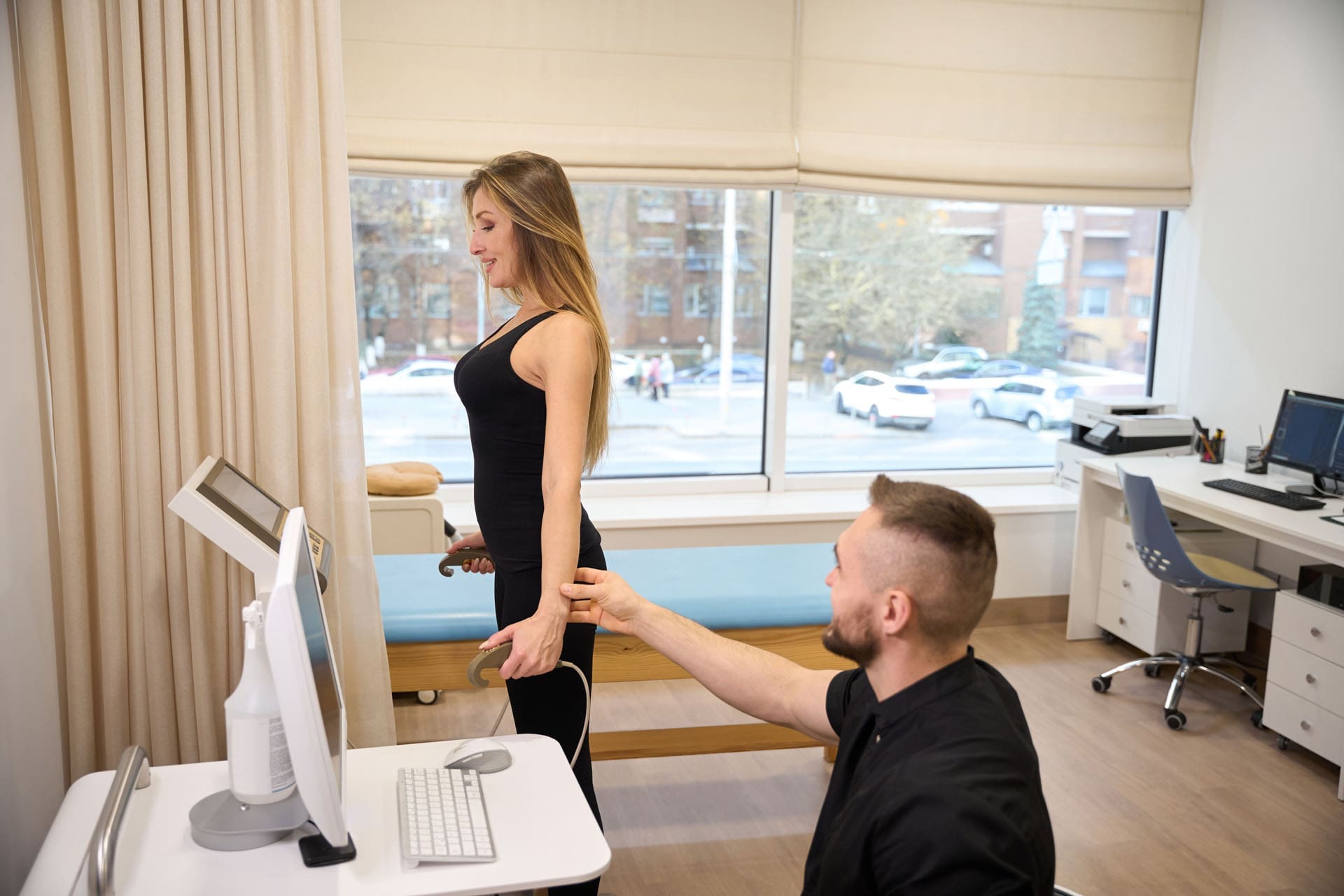
Back Clinic Screening Tests. Screening tests are typically the first assessment completed and are used to determine if further diagnostic testing might be needed. Because screening tests are the first step towards diagnosis, they are designed to be more likely to overestimate the true incidence of a disease. Designed to be different from diagnostic tests in that they might demonstrate more positive results than a diagnostic test.
This can lead to both true positives as well as false positives. Once a screening test is found to be positive, a diagnostic test is then completed to confirm the diagnosis. Next, we will discuss the assessment of diagnostic tests. Many screening tests are available for physicians and advanced chiropractic practitioners to utilize in their practice. For some tests, there is quite a bit of research demonstrating the benefit of such tests on early diagnosis and treatment. Dr. Alex Jimenez presents appropriate assessment and diagnostic tools used in the office to further clarify and appropriated diagnostic assessments.
Sitting through a coding block, a dashboard review, a rack ticket, or a long El Paso drive can leave the low back stiff the moment you stand. This article explains why the first steps feel awkward after prolonged sitting: less joint motion, hip flexor tightness, tired trunk muscles, and a short-term rise in lumbar stiffness. It also covers simple movement resets, when stiffness is just a warm-up issue, and the nerve or pain signs that warrant an evaluation. Care at El Paso Back Clinic is framed as a choice you direct, with non-surgical options considered before medication dependence or surgery.
The meeting ends. You push the chair back and stand, and the first three steps feel like your low back forgot how to walk. Programmers know the feeling after a long merge. Analysts feel it after a dashboard review. Remote workers feel it when they move between the kitchen and the laptop. Drivers feel it when they step out of the car. Data center staff feel it after a seated ticket queue, then a crouch at a rack. The stiffness is real. It is also often mechanical, not a sign that your spine suddenly failed.
El Paso Back Clinic treats that first-stand moment as a function problem: easier steps, less guarded movement, and a plan that keeps you working without jumping to surgery.
What Prolonged Sitting Does to a Working Spine
Sitting is not poisonous. Unbroken sitting is the problem. Hips stay bent. The low back often rounds. Joints that should glide stay parked. Muscles that should share the load quiet down, then tire.
A laboratory study found that passive flexion stiffness of the lumbar spine rose in men after only one hour of sitting, with a higher chance of strain if someone then bends fully forward (Beach et al., 2005). You sit for a sprint, stand, and then reach for a bag, a cable, or a child seat.
Harvard Health notes that long sitting shortens the hip flexors, which attach near the pelvis and low back (Harvard Health Publishing, 2024). When you stand, tight hip flexors can tug the pelvis and shorten the first steps. Drivers add a twist when getting out.
Both prolonged sitting and prolonged standing raised low-back discomfort in a two-hour computer-task study (Park & Srinivasan, 2021). Standing all day is not the cure. Changing position is.
Why the First Steps Feel Awkward
The awkward walk has a few stacked reasons.
Joints have not moved. Facet joints and the hips need a few cycles of motion before they feel smooth.
Hip flexors shorten from the chair or car seat (Harvard Health Publishing, 2024).
Glute and deep trunk muscles are underused, so the low back bears the load during the first steps.
Passive spinal stiffness can rise after a long sit, especially in men, within the first hour (Beach et al., 2005).
Fatigue makes the body guard, so the first steps become shorter.
A programmer who has not left the chair since the last build can stand fine and still walk stiffly to the printer. An analyst feels the fatigue as they cross the lot. A technician feels it after alerts, then a cable pull. The spine goes from parked to loaded in one second.
A Two-Minute Reset Before You Walk
Active breaks that change posture have moderate-quality evidence for easing pain and discomfort, without hurting work output (Waongenngarm et al., 2018). You do not need a gym. You need a sequence.
Before you leave the chair
Scoot to the edge. Plant both feet.
Tip the pelvis forward and back five times. Small range. No bouncing.
Squeeze both glutes for five seconds, twice.
Stand by hinging at the hips, not by yanking with the low back.
The first thirty seconds on your feet
Hold the desk or the car door. Step one foot back into a gentle hip-flexor stretch. Keep the ribs stacked. Twenty seconds on each side is enough to start (Harvard Health Publishing, 2024).
March in place for ten slow steps before you walk away.
If you just drove, stand fully before you twist to grab a bag.
During the shift
Break a long sit before the hour mark when you can. Beach and colleagues saw stiffness changes by sixty minutes in men (Beach et al., 2005).
Alternate sitting and standing, but do not trade one frozen posture for another (Park & Srinivasan, 2021).
After a rack crouch, stand tall and take five easy steps before you lift.
Skip a heavy forward bend right after a long sit, when passive stiffness may be highest (Beach et al., 2005).
When Stiffness Is Only a Warm-Up
Many people loosen within a few minutes of walking. A short warm-up ache differs from pain that spreads or lingers. If the first steps are awkward and then walking feels normal, movement practice and a spinal check are often the right first path.
Benefits patients notice when motion returns:
Less grab in the low back on the first stand
Smoother steps to the car or the rack
Easier sitting through the next block
Better sleep because the evening is not spent guarding
Signs That Deserve an Examination
Some patterns should not be watched for weeks.
Pain that shoots into the buttock, thigh, or foot
Numbness, tingling, or a foot that slaps or drags
Weakness when you rise from a chair or climb a step
Pain that does not ease after several minutes of easy walking
Stiffness that lasts the whole shift, not just the first steps
Night pain that wakes you, fever, or unexplained weight loss
Bowel or bladder changes, or saddle numbness — seek urgent care
A new problem after a crash, a fall, or a lift you felt immediately
Those signs are information, not a verdict that you need surgery. They are a reason to map the joint, the nerve, and the work pattern.
How a Back-Focused Visit Uses the Whole Team
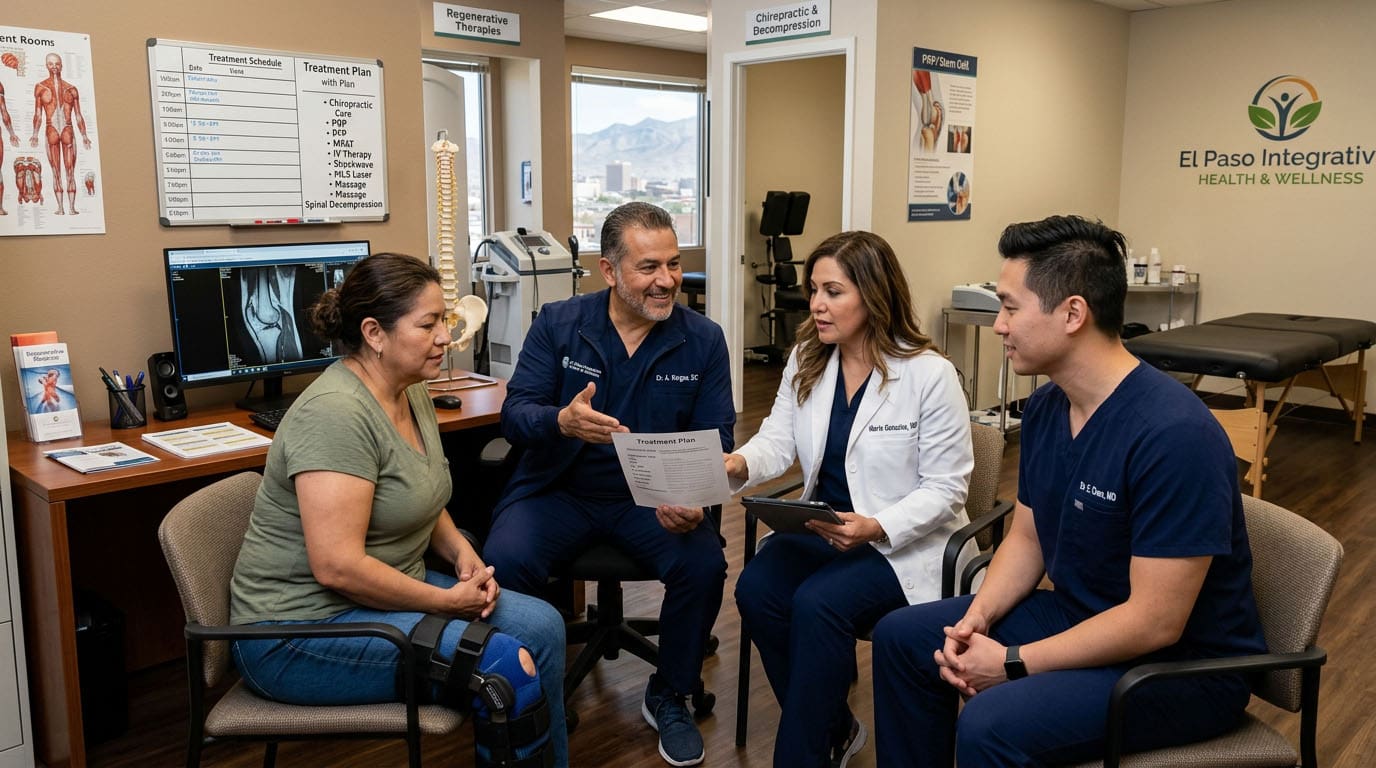
El Paso Back Clinic sits inside a collaborative model at Injury Medical Clinic PA. Dr. Alex Jimenez, DC, APRN, FNP-BC, CFMP, IFMCP, is a doctor of chiropractic and a board-certified family nurse practitioner (Texas APRN license #1191402, prescriptive authority #59628, NPI 1205907805). He pairs spinal alignment and mechanical care with medical diagnostics under collaborative oversight. Dr. Maria Guadalupe Cardenas, MD, board-certified in internal medicine (Texas license #J2933, NPI 1164426748), is the medical director and collaborative physician, with more than forty years as an internist. She oversees medical risk, labs, and how structural care fits into a safe medical plan.
That split serves beneficence: the visit is built for your safety and for the cause of the stiffness, not a single technique. Non-maleficence shows up in the order of care. Joint motion, decompression when indicated, and movement coaching come before long medication use or an operation. Autonomy means you choose. Findings are explained in plain language, and care can coordinate with the clinician you already trust.
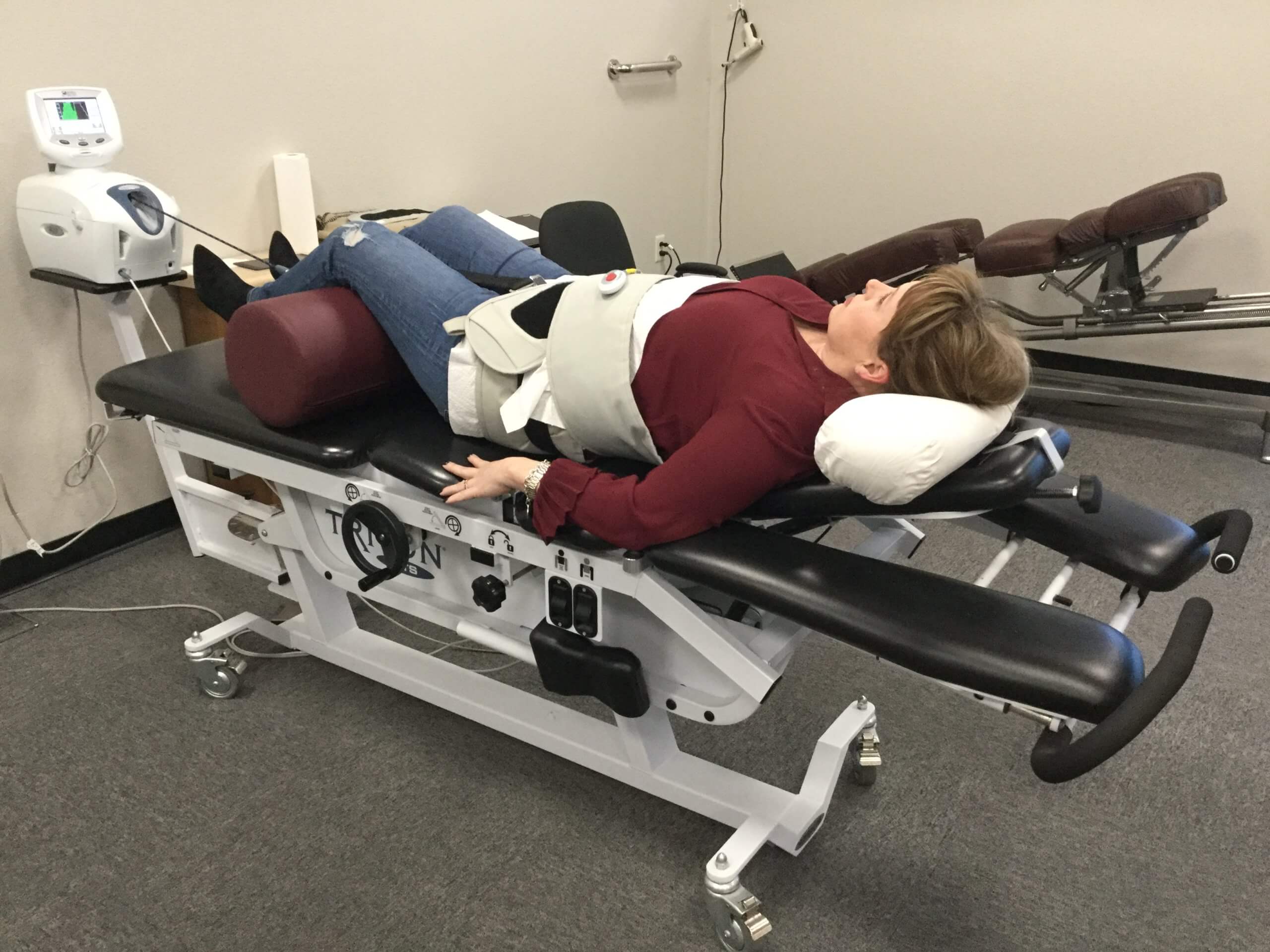
For this pattern, the plan starts with how you sit, stand, and load the hips. Spinal decompression may be used when disc pressure and guarded motion keep the first steps painful. Adjustments aim to restore motion so the walk does not start from a locked joint. If nerve pain is sharp, image-guided epidural care can be a window for rehab, not a cure by itself. Shockwave or MLS laser may support irritated soft tissue. Peptides, PRP, or hormone therapy are not the default for simple stand-up stiffness. Consider them only when the exam and labs, guided by Dr. Cardenas, show a separate recovery problem.
Many programmers, analysts, drivers, and data center employees here carry strong group health benefits. An evaluation and non-surgical spinal care are often the covered path worth using before symptoms take over the shift.
If the first steps after sitting stay awkward, or if nerve symptoms have joined the stiffness, book a function-focused visit. Call Injury Medical Clinic PA at 915-850-0900 or visit https://www.elpasobackclinic.com. Bring how long you sit, whether you drive, and whether the pain fades or travels. You leave with a plan you understand, built to help you stand, walk, and finish the shift with less risk of an avoidable procedure. Start with the two-minute reset today.
Can Nutrition Change How Well an El Paso Spine Recovers?
Abstract: Mechanical care remains central to spinal recovery. This article explains why protein, glucose control, hydration, sleep, and smart loading still matter for shift workers recovering from disc, ligament, muscle, or spinal injuries. Food does not heal a herniated disc. Nutrition can support collagen remodeling, muscle preservation, and rehab tolerance. Poor meals, glucose swings, dehydration, and sleep loss can slow the same plan. El Paso Back Clinic pairs non-surgical decompression with medical oversight so patients can use group insurance and choose next steps with clear information.
The server room is quiet at 2:17 a.m. A data center technician finishes a rack job that required a crouch and a twist. An Amazon associate on the same clock has already walked miles of concrete. A programmer covering an overnight deploy has been in one chair since dinner. All three later need care for a disc, ligament, or muscle injury that will not settle.
Someone always offers the same advice. Eat cleaner. Drink collagen. Cut sugar. The advice is incomplete. At El Paso Back Clinic, the sentence is this: your disc does not eat dinner.
A herniated disc doesn’t tuck itself back in because breakfast included eggs. Ligaments do not restitch because a shake lists twenty grams of protein. Mechanical load, joint motion, nerve protection, and a graded return to work decide most of the outcome. Nutrition is the supply line, not the decompression table.
Two Different Kinds of “Disc Nutrition”
People use nutrition for two jobs. Mixing them creates false hope.
The disc’s own grocery route
An intervertebral disc has almost no direct blood supply. Glucose, oxygen, and waste move mostly by diffusion through the endplates. Slow, cyclic loading—the kind seen in walking and well-dosed rehab—can help that exchange. Long static postures and sudden heavy flexion can work against it (Gullbrand et al., 2015; Belavy et al., 2016). That is why non-surgical spinal decompression, alignment work, and movement coaching stay central. They change the mechanical environment the disc lives in. A protein bar cannot.
The tissues that do use your plate
The muscles that brace the spine, the tendons that transmit force, and the ligaments that limit end-range motion rebuild with amino acids, energy, and time. They waste away when nights get long, meals get irregular, and loading stops. Shift work fills that gap. Night schedules change when you eat, how you sleep, and how your body handles glucose. Food did not cause the herniation. The construction crew around the injured segment may still be underfed, under-rested, and asked to work a full shift (Matre et al., 2021; Oosterman et al., 2020).
Why Mechanical Care Still Comes First
Beneficence starts with the step most likely to help and least likely to harm. For many people with severe lumbago or disc-related pain, that means a non-surgical plan:
Examination of posture, hip motion, nerve tension, and work tasks
Imaging review when symptoms and function do not match
Adjustments and flexion-distraction or decompression when indicated
MLS laser or shockwave for surrounding soft tissue when appropriate
A loading plan that protects the segment while the body stays useful
Conservative care can reduce the rush toward surgery or long medication courses when those steps are not required. You should know what the spine needs mechanically before anyone sells a disc-healing diet.
Dr. Alex Jimenez, DC, APRN, FNP-BC, CFMP, IFMCP, leads the structural side and, with collaborative medical oversight, can add diagnostics and selected procedures. Dr. Maria Guadalupe Cardenas, MD, Board Certified in Internal Medicine, directs laboratory interpretation, metabolic risk, and coordination with existing physicians.
Protein: Building Material, Not a Reset Button
After injury or reduced loading, muscle protein breakdown rises. Rehab then asks those same muscles to stabilize a sore spine. Injury-nutrition reviews commonly place protein needs near 1.6 to 2.2 grams per kilogram per day, spread across meals (Smith-Ryan et al., 2020; Papadopoulou, 2020). Energy drinks and one burrito are a weak supply line.
What protein actually supports
Muscle preservation when you sit, stand, or protect a painful segment
Rehab quality, because weak, underfed muscle fails first
Amino acids for remodeling tissue, not a disc reset overnight
Collagen peptides plus training have some evidence for tendon morphology and joint comfort, but the effect depends on loading (Khatri et al., 2021; Aussieker et al., 2023; Bischof et al., 2024).
Shift-work protein problems we see in El Paso
One large meal after the shift, then almost nothing for ten hours
Protein pushed to 3 a.m., when appetite is low
“I’ll eat when I get home,” which becomes sleep
A practical target is protein every few waking hours: eggs, yogurt, leftover chicken, beans with rice, or a shake if food is not available on the floor. That supports recovery. It will not replace decompression.
Glucose: The Quiet Load on Collagen
High or swinging blood sugar does not cause every herniated disc. It can change collagen quality over time. Excess glucose helps form advanced glycation end-products (AGEs). AGEs cross-link collagen, reduce fiber slide, and make some tissues stiffer and more brittle. Research links diabetes and AGE burden with disc and tendon changes (Kakadiya et al., 2020; Rosenberg et al., 2023; Li et al., 2024).
For a programmer, NOC operator, or Amazon lead, the pattern is familiar: fasting through half the shift, a sweet drink for alertness, a heavy meal at the wrong clock, and poor sleep, which worsens glucose handling (Oosterman et al., 2020). That can raise inflammation and lower rehab tolerance. That doesn’t mean an MRI will reverse if you switch drinks. It means the same mechanical program may work better when glucose is steadier.
This is where MD and NP lab work earns its place. A1C, fasting glucose, lipids, and related markers help Dr. Cardenas see whether recovery is inflamed, insulin-resistant, or under-fueled. Treating numbers without treating the spine is incomplete. Treating the spine while ignoring uncontrolled glucose is also incomplete.
Sleep, Water, and the Night-Shift Recovery Tax
Shift work is associated with higher odds of chronic musculoskeletal pain, and low-grade inflammation is one proposed link (Matre et al., 2021). Circadian misalignment also reduces muscle insulin sensitivity and disturbs repair timing (Oosterman et al., 2020). A technician who decompresses at noon and then sleeps five broken hours is asking collagen to work nights too.
Hydration is simpler and still ignored. Caffeine-only nights and hot warehouse aisles do not dry a disc like a sponge on a stove, but they increase fatigue and make people move worse.
A short list that fits a night schedule
Keep water at the station; pair each energy drink with water
Protect a dark, cool sleep block even if it starts at 9 a.m.
Eat protein before the shift, not only after
Do not save the entire recovery plan for days off
Loading Still Writes the Script—Including After PRP
If a ligament, tendon, or joint later needs platelet-rich plasma (PRP), the injection is a signal, not a substitute. Mechanical loading after the procedure shapes the tissue response. Skipping rehab or returning to a poor lift can waste the appointment (Neph et al., 2020; Gremeaux et al., 2026). The same logic applies to image-guided epidurals. A calmer nerve is a window for movement, not a cure on its own.
The clinic keeps that hierarchy visible: protect the segment and restore motion; reload muscle in a way the job can survive; support protein, glucose, micronutrients, and sleep so the plan is tolerable; and add procedures only when they serve that sequence.
Using Group Insurance Without Guessing
Many data center, IT, and fulfillment employers in El Paso carry strong group insurance. That benefit can cover evaluation, chiropractic and decompression visits, medical assessment, and indicated labs. Using the plan early is often cheaper than waiting until lifting limits or sleep collapse.
A visit may include a mechanical exam tied to rack height, pallet work, chair time, or night rotation; a plain-language imaging review; a decompression plan with home loading rules; and labs when fatigue or slow tissue response is part of the story. You remain the decision-maker.
Call El Paso Back Clinic at 915-850-0900 or schedule through Injury Medical Clinic PA at Mission Plaza. Bring your work schedule, insurance card, and the movements that still scare you. The spine needs mechanics first. The body still has to show up with materials.
The Programmer Who Forgot to Breathe: Can Shallow Screen-Time Breathing Contribute to Rib, Mid-Back, and Low-Back Stiffness?
Abstract: Long coding sessions can change how you sit, move, and breathe. When the rib cage stays compressed and the trunk barely changes position, some people notice rib stiffness, mid-back tightness, low-back fatigue, or a deep breath that feels restricted. This article explains how the diaphragm, ribs, thoracic spine, abdominal wall, and lumbar stabilizers work together, what rehabilitation may address, and which breathing or chest symptoms need medical evaluation first.
A programmer can spend two hours solving one problem and barely notice anything below the neck. Then the task ends. The shoulders drop. The person sits back, tries to inhale deeply, and suddenly feels the ribs resist, the mid-back ache, or the low back feel tired.
That experience does not prove that “bad breathing” caused back pain. Pain is rarely that simple. However, prolonged flexed sitting, low movement variety, and shallow breathing can change how the chest wall and trunk share mechanical work. Research has linked prolonged sitting with immediate increases in low-back discomfort in some adults. A small laboratory study also found that greater posterior pelvic tilt reduced thoracic expansion and respiratory measures in healthy young men (De Carvalho et al., 2020; Aramaki et al., 2021).
The Diaphragm Is Also Part of Trunk Control
The diaphragm is the dome-shaped muscle beneath the lungs. When it contracts, it descends and helps draw air into the chest. It also works with the abdominal wall, pelvic floor, multifidus, and other trunk muscles to manage pressure and support the spine during movement.
That dual role matters at your desk. Your trunk must remain stable enough for typing, reaching, standing, and lifting while still allowing the ribs and abdomen to expand. Research on chronic low-back pain suggests that breathing and diaphragm function may interact with trunk control, but the evidence does not show that diaphragm dysfunction causes every back problem. Breathing is one variable in a much larger mechanical system (Chen et al., 2026; Li et al., 2026).
What a Long Screen Session Can Change
Picture a developer leaning toward a laptop during a difficult debugging session. The pelvis rolls backward, the low back rounds, the thoracic spine stays flexed, and the lower ribs move closer to the pelvis. That position may continue for long periods with little movement outside the hands.
Several changes can follow:
Rib movement can feel limited. A compressed trunk position may make comfortable expansion harder.
Thoracic motion narrows. The mid-back spends less time extending and rotating.
Support muscles stay active. Spinal and abdominal muscles continue to provide low-level control.
Breathing may become smaller. Some people brace the abdomen, briefly hold their breath, or breathe mainly into the upper chest when concentrating.
One position becomes the problem. There is rarely one perfect posture; low movement variety may be more important than a single snapshot of alignment.
These changes can help explain why the first deep breath after a long work block feels stiff, but they do not establish a simple cause-and-effect relationship between shallow breathing and pain.
Why Rib, Mid-Back, and Low-Back Symptoms Can Travel Together
The ribs attach to the thoracic spine, so every comfortable breath includes small movements through rib joints, chest-wall tissues, the thoracic spine, the diaphragm, and abdominal muscles. If the upper body stays flexed and still, those tissues may feel temporarily stiff.
The low back can fatigue at the same time because trunk control is shared. The diaphragm helps regulate pressure while the abdominal wall and spinal muscles manage load. That is why a useful examination should look beyond “take deeper breaths.”
A clinician may assess:
thoracic and rib mobility;
lumbar control and sitting tolerance;
hip mobility and trunk endurance;
symptom reproduction with breathing or movement;
neurological findings; and
whether breathing changes during reaching, lifting, or exercise.
The goal is to identify what is actually limiting function rather than assigning every symptom to posture.
Can Breathing Exercises Help?
Possibly, as an adjunct to rehabilitation.
A 2026 systematic review of 17 randomized trials found that breathing exercises may improve pain and function in chronic nonspecific low-back pain, but the evidence was low to very low certainty because studies varied and several had a high risk of bias (Chen et al., 2026). A separate 2026 meta-analysis found moderate-certainty evidence that diaphragmatic training may reduce pain and disability when added to care, while longer-term effects still need clarification (Li et al., 2026).
The practical message is not “breathe correctly and fix your back.” You can train breathing alongside mobility, strength, coordination, and graded activity when the examination suggests it matters.
A Five-Step Mechanical Reset
For ordinary screen-related stiffness, and only when no medical warning signs are present, a simple reset can restore movement options:
Change position. Sit taller, stand, or walk briefly, then take a deep breath.
Let the lower ribs widen. Place your hands around the lower rib cage and allow gentle expansion without straining.
Move the mid-back. Add comfortable extension, rotation, or reaching instead of repeatedly stretching only the low back.
Release unnecessary bracing. If you have been gripping your abdomen, let it soften enough for normal breathing.
Reload the trunk. Follow mobility with walking, light resistance, or prescribed stabilization exercises so the change transfers into function.
The target isn’t perfect posture. It improves variability, trunk capacity, and coordination.
When Chiropractic and Rehabilitation Fit
For mechanical rib, thoracic, or lumbar complaints, chiropractic and rehabilitation may be appropriate after excluding dangerous or non-musculoskeletal causes. Care may combine spinal or rib-joint assessment, manual treatment when indicated, mobility work, progressive trunk training, ergonomic changes, and exercise.
A 2026 review found that thoracic manual techniques and breathing exercises may improve pain or disability in some low-back-pain populations, but the certainty was low and treatment effects varied (Seyedhoseinpoor et al., 2026). That supports personalized care, not a one-size-fits-all breathing plan.
At El Paso Back Clinic, the useful outcome is physical function: sitting with less fatigue, moving more comfortably, tolerating work demands, and building capacity without rushing toward invasive treatment.
Red Flags: When Breathing Is Not a Posture Problem
Difficulty taking a satisfying deep breath can be musculoskeletal, but unexplained shortness of breath can also reflect heart, lung, vascular, infectious, or other medical conditions.
Seek emergency care for sudden severe shortness of breath, unexplained chest pain or pressure, fainting, blue lips or nails, confusion, or major breathing difficulty. New breathlessness after prolonged immobility, surgery, illness, or a long trip also deserves prompt medical attention because a blood clot is one possible cause (Mayo Clinic, 2025).
A persistent cough, fever, wheezing, worsening exercise tolerance, or breathlessness that doesn’t match your activity level deserves medical evaluation. Chiropractic treatment should not delay that workup.
Integrated Care, Informed Choices
When symptoms appear mechanical, Dr. Alex Jimenez, DC, APRN, FNP-BC, CFMP, IFMCP, can connect chiropractic assessment, rehabilitation, and medical evaluation within one coordinated plan. Dr. Maria Guadalupe Cardenas, MD, a board-certified internal medicine physician with over 40 years of experience, provides medical direction when cardiopulmonary, metabolic, medication-related, or other non-musculoskeletal factors need consideration.
This approach supports beneficence, non-maleficence, and autonomy: use care that is likely to help, avoid unnecessary risk, and give patients enough information to choose among reasonable options. Prioritize non-invasive treatment when appropriate, and add imaging, laboratory testing, referral, or medical treatment when findings justify it. Care can also coordinate with the patient’s existing medical team.
The Bottom Line
Screen-time breathing is not a diagnosis. Prolonged flexion and low movement variety may reduce rib and thoracic motion and alter how the diaphragm, abdominal wall, and spinal muscles share work. For some people, that pattern can accompany rib stiffness, mid-back tightness, or low-back fatigue.
Do not obsess over every breath. Restore movement options, strengthen the trunk, vary posture, and investigate symptoms that do not behave like ordinary mechanical stiffness. If pain keeps returning or breathing feels genuinely abnormal, get evaluated before assuming the screen is the only factor.
A practical starting point is simple: notice when concentration makes your body rigid, then change position before discomfort becomes the only signal you hear. Small, repeated movement choices throughout the workday can support comfort without turning posture or breathing into another performance task that creates unnecessary worry during demanding coding sessions.
Server Rack to Desk Chair: Why Data Center and IT Work Can Trigger Chronic Low-Back Pain—and What You Can Do About It
A shift can change quickly. For one hour, you sit and answer tickets. The next, you are standing on a server-room floor, crouching behind a rack, reaching for cables, or lifting hardware. By day’s end, your low back may feel tight, tired, or familiar.
For El Paso’s IT professionals, data center technicians, and network teams, recurring low-back pain rarely comes down to one “bad posture.” Sitting, standing, bending, twisting, and lifting can contribute to symptoms, but no single exposure consistently explains every case (Swain et al., 2020). The better question is which combined loads, habits, and recovery limits keep your back irritated.
Why Tech Work Can Become a Mechanical Load Problem
Your lumbar spine is built to move and carry load. Problems can appear when tissues face more stress than they comfortably recover from.
Long desk sessions reduce movement variety. Prolonged standing can also become uncomfortable; substantial occupational standing has been associated with more low-back symptoms, though it has not been proven that standing itself causes pain (Coenen et al., 2018). Add crouching, cable work, twisting, and equipment lifting, and the demand changes again.
The goal is not to fear movement. It is to improve how well your body handles it.
Sitting, Hip Stiffness, and the “Locked Up” Feeling
After hours seated, many workers stand feeling stiff through the hips and lower back. It is tempting to blame “tight hip flexors,” but low-back pain is more complex than one muscle group.
Limited hip motion can change how you bend, squat, or reach. The lumbar region may then take on more motion during some tasks. Hip mobility, trunk control, and movement variety can therefore be reasonable rehabilitation targets without claiming that tight hips automatically cause back pain.
Standing on Concrete Is Not Automatically Better Than Sitting
A standing desk may help, but standing all day is not a cure. Technical workspaces may require long periods on firm surfaces while monitoring equipment.
Variation is usually practical: sit, stand, walk, change foot position, and move when the job permits. NIOSH identifies static posture, heavy physical work, lifting, bending, and twisting among contributors to work-related musculoskeletal stress (National Institute for Occupational Safety and Health [NIOSH], 2024a).
Think “best next position,” not “perfect position.”
Crouching, Cable Work, and Rack-Side Repetition
Working behind equipment can place you in deep hip flexion, kneeling, squatting, rotation, or sustained forward bending. None is inherently dangerous. Trouble may develop when exposure is prolonged, repeated, heavily loaded, or performed while fatigued.
Bring tools closer. Raise work when possible. Use a kneeling pad or stable support when appropriate. Alternate sides instead of always rotating one way. Brief movement breaks can reduce unnecessary repetition.
Lifting Hardware: Control the Load, Not Just Your Back
Servers, batteries, monitors, and UPS components can be awkward or hard to grip. Safe lifting is not simply “keep your back straight.” Weight, distance, height, twisting, frequency, grip, and repetition matter. The Revised NIOSH Lifting Equation estimates physical stress from two-handed lifts and supports safer job design (NIOSH, 2024b).
Get close to the load, use a stable stance, avoid rushed twisting, and use team lifts or assistance when appropriate. Lifting limits should reflect the task and your current capacity.
What a Structural Assessment Should Actually Look For
Recurring low-back pain deserves more than a quick label.
At El Paso Back Clinic, a mechanical assessment can consider spinal and pelvic motion, painful patterns, hip mobility, trunk endurance, lifting mechanics, neurological findings, and positions that change symptoms. The goal is not to claim every painful back is “out of alignment,” but to identify modifiable findings and whether conservative care is appropriate.
Imaging is not necessary for every episode. History and examination help determine when testing may be appropriate. New bowel or bladder problems, saddle numbness, progressive leg weakness, major trauma, fever, or systemic symptoms require prompt medical evaluation.
Mechanical Rehabilitation: Build Capacity for Your Real Job
Rehabilitation should prepare you for work, not only help you feel better on a treatment table. Clinical guidelines support exercise and selected manual therapies for many people with acute or chronic low-back pain (George et al., 2021).
For an IT professional, rehabilitation might include hip mobility, trunk endurance, hinging, graded lifting, strength, walking tolerance, and desk-position changes. A data center technician may also need loaded carries, squat tolerance, kneeling transitions, reaching, and controlled rotation.
The plan should progress with your response. Some people need mobility; others need strength, endurance, or confidence with painful movements. Patient autonomy matters: you should understand what is tested, why treatment is suggested, alternatives, and how progress will be measured.
Where Chiropractic Care and Decompression Fit
Chiropractic care may be one part of conservative treatment when examination indicates manual care is appropriate. Guidelines include spinal manipulation among options that may help some people with chronic low-back pain, especially when paired with active care rather than used alone (World Health Organization [WHO], 2023).
“Decompression” requires careful thinking. WHO does not recommend routine traction for chronic primary low-back pain because the supporting evidence is uncertain (WHO, 2023). Decompression should not be sold as a guaranteed disc fix or universal answer.
If decompression is considered, it should follow examination, fit the symptom pattern, have clear goals, and be reassessed. Beneficence means choosing care for your clinical needs—not applying the same protocol to everyone.
Integrated Care When Back Pain Is More Than Mechanical
Persistent pain can be influenced by sleep, stress, metabolic health, medication use, recovery, and other medical factors. An integrated team can help when those issues matter.
Dr. Alex Jimenez, DC, APRN, FNP-BC, CFMP, IFMCP, bridges chiropractic structural care, mechanical rehabilitation, and functional medical assessment. Dr. Maria G. Cardenas, MD, Board Certified in Internal Medicine, provides medical direction and oversight for complex medical or metabolic concerns and clinically appropriate laboratory evaluation.
Collaboration does not remove your voice. You remain the informed decision-maker.
A Better Back Strategy for El Paso Tech Workers
Whether your day moves from an El Paso desk to a server room, network closet, help-desk station, or equipment floor, your back needs more than perfect posture. It needs movement variety, smart load management, recovery, and enough strength for the work.
Start with small changes: interrupt long sitting, vary standing, improve workstation reach, keep loads close, plan awkward lifts, and build capacity gradually. If pain keeps returning, limits work, radiates into the leg, or changes how you move, seek a qualified evaluation.
At El Paso Back Clinic, our goal is to identify changeable drivers, explain your options clearly, and coordinate structural chiropractic care, mechanical rehabilitation, and medical oversight when indicated. We build the safest plan around your findings, goals, and informed choices. That approach supports safer movement, stronger function, and more confident workdays ahead.
References
Coenen, P., Willenberg, L., Parry, S., Shi, J. W., Romero, L., Blackwood, D. M., Maher, C. G., Healy, G. N., Dunstan, D. W., & Straker, L. M. (2018). Associations of occupational standing with musculoskeletal symptoms: A systematic review with meta-analysis. British Journal of Sports Medicine, 52(3), 176–183. https://doi.org/10.1136/bjsports-2016-096795
George, S. Z., Fritz, J. M., Silfies, S. P., Schneider, M. J., Beneciuk, J. M., Lentz, T. A., Gilliam, J. R., Hendren, S., & Norman, K. S. (2021). Interventions for the management of acute and chronic low back pain: Revision 2021. Journal of Orthopaedic & Sports Physical Therapy, 51(11), CPG1–CPG60. https://doi.org/10.2519/jospt.2021.0304
Swain, C. T. V., Pan, F., Owen, P. J., Schmidt, H., & Belavy, D. L. (2020). No consensus on causality of spine postures or physical exposure and low back pain: A systematic review of systematic reviews. Journal of Biomechanics, 102, 109312. https://doi.org/10.1016/j.jbiomech.2019.08.006
World Health Organization. (2023). WHO guideline for non-surgical management of chronic primary low back pain in adults in primary and community care settings. World Health Organization. https://www.who.int/publications/i/item/9789240081789
Testosterone and Androgen Physiology in Women: Subcutaneous Injections in Coordinated Care
Abstract: Testosterone is a normal hormone in women. The ovaries, adrenal glands, and many local tissues help make and use it. Levels fall slowly with age, not all at once at menopause. A single blood test rarely proves deficiency. The strongest research support for testosterone therapy in women is for distressing low sexual desire after menopause, after other causes are checked. Subcutaneous injections can provide steadier levels in some studied groups, but evidence in women is thinner and remains off-label. Integrative chiropractic care does not replace medical decisions about hormones. It can help patients gain pain relief, better mobility, and improved sleep while the medical team keeps treatment coordinated and safe.
Testosterone is a female hormone
Androgens are often called male hormones. That label is incomplete. Testosterone is the main circulating active androgen and a normal part of female biology. Women keep lower amounts than men—typically 10 to 20 times lower—but those amounts still guide important physical and metabolic functions (Cleveland Clinic, n.d.; Davis & Wahlin-Jacobsen, 2015). For much of adult life, a woman’s circulating testosterone is higher than her circulating estradiol (Davis & Wahlin-Jacobsen, 2015).
Testosterone works in two ways:
Directly, on androgen receptors in muscle, bone, brain, fat, skin, and sexual tissues
Indirectly, when local enzymes turn it into estradiol or into the stronger androgen dihydrotestosterone (DHT)
These pathways help explain effects on sexual function, tissue upkeep, and metabolism even when blood levels look low (Davis & Wahlin-Jacobsen, 2015; Labrie et al., 2017).
Where women’s androgens come from
Women do not rely on one gland. Production is shared.
The ovaries release some testosterone and larger amounts of precursors
The adrenal glands release DHEA and DHEA-sulfate (DHEAS), a large precursor pool
Peripheral tissues—fat, skin, muscle, and other organs—convert those precursors into the small amounts of hormone they need
This last step is called intracrinology. Many tissues make the hormone they need on site and then break it down before much of it returns to the blood (Labrie et al., 2017). A blood testosterone result is only the visible tip of a larger local system.
Enzymes in tissues can convert DHEA to testosterone, make DHT, or turn testosterone into estradiol. The same precursor can become an androgen in one tissue and an estrogen in another. Local enzymes, not just the lab, decide the outcome (Labrie et al., 2017; Schiffer et al., 2018).
A long slope, not a sudden cliff
Estradiol falls sharply at menopause. Androgens do not. DHEA and DHEAS begin to fall from about the third decade of life and may be down by roughly 60% by menopause (Davis & Wahlin-Jacobsen, 2015). A woman in her forties is already below her own earlier peak.
Midlife data measured by mass spectrometry found median testosterone falling from about 0.56 nmol/L in the early forties to about 0.42 nmol/L in the late fifties, with a low point near ages 58–59. In women of similar age, testosterone did not differ by menopausal stage. Natural menopause itself is not a stand-alone reason to administer testosterone (Wang et al., 2025).
Two exceptions matter:
Surgical menopause (both ovaries removed) cuts the ovarian share at once
Premature ovarian insufficiency creates an earlier deficit than the usual age-related slope (Davison et al., 2005; Soman et al., 2019)
The postmenopausal ovary can also continue to produce some testosterone for years after estradiol output has collapsed (Davis & Wahlin-Jacobsen, 2015).
Why one lab number rarely settles the question
Measuring female testosterone is challenging. Routine immunoassays were built for the much higher male range. Liquid chromatography–tandem mass spectrometry (LC-MS/MS) is more reliable. Most circulating testosterone is bound to sex hormone-binding globulin (SHBG), so free hormone can change when SHBG changes even if total testosterone stays the same (Rosner & Vesper, 2010).
What moves SHBG—and the free fraction:
Oral estrogen and high thyroid hormone tend to raise SHBG and lower free testosterone
Obesity and insulin resistance tend to lower SHBG and raise free testosterone
Androgen excess, including polycystic ovary syndrome (also discussed as polyendocrine metabolic ovarian syndrome, or PMOS), also lowers SHBG (Luo et al., 2024; Teede et al., 2023)
Low SHBG is also a metabolic clue and has been linked to higher diabetes risk in women (Ding et al., 2009). Guidelines do not diagnose androgen deficiency based on a single value. A level is a baseline and a safety check, not the whole diagnosis (Davis et al., 2019; Parish et al., 2021).
What the evidence supports—and what it does not
The clearest evidence is in sexual function. Higher endogenous testosterone tracks modestly with better desire (Maseroli & Vignozzi, 2022). In randomized trials, testosterone improved desire, arousal, orgasm, pleasure, and satisfaction and reduced sexual distress in postmenopausal women with low desire (Islam et al., 2019).
Androgen receptors sit in bone, muscle, fat, vessels, and the brain. That map is real. This is not the same as a proven benefit. Trials supporting sexual-function gains have not firmly shown better body composition, bone, mood, or cognition to the same standard (Davis, 2025; Islam et al., 2019). Some tissue effects may also come from local conversion to estradiol.
Too much androgen is the other problem: acne, unwanted hair, cycle changes, and higher cardiometabolic risk in PMOS/PCOS (Teede et al., 2023). Risk can appear at both ends of the female range (Luo et al., 2024). The target is a physiologic band, not “more is better.”
International groups have not endorsed a broad “female androgen deficiency syndrome,” because no blood cutoff cleanly separates symptomatic women from normal variation (Davis et al., 2019; Wierman et al., 2014). The one consensus indication is hypoactive sexual desire disorder (HSDD) in postmenopausal women—low desire that causes distress—after other causes are addressed (Parish et al., 2021). There is still no FDA-approved testosterone product for women in the United States. Prescribing remains off-label, and long-term heart and breast data in women are limited (Islam et al., 2019; Panay et al., 2024).
What subcutaneous testosterone injections are
A subcutaneous (SubQ) injection places testosterone into the fatty layer under the skin, usually in the abdomen or thigh, with a short, thin needle. An intramuscular (IM) injection goes deeper into muscle.
In men and in some gender-affirming care settings, weekly SubQ testosterone esters can reach therapeutic levels with smaller peaks and troughs, less pain, and easier self-use than some IM schedules (Figueiredo et al., 2022). That data should not be copied wholesale onto women.
Women need much smaller doses
Female physiologic ranges are far lower
Randomized evidence in women is mainly transdermal, not SubQ (Davis et al., 2019)
Guidelines do not establish a subcutaneous route for women and do not endorse compounded products as first-line (Parish et al., 2021)
If a clinician considers low-dose SubQ testosterone cypionate in oil, it is an individualized, off-label choice. The goal is to keep exposure within the premenopausal physiologic range, monitor for acne, hair changes, voice changes, or metabolic shifts, and document informed consent (Davis et al., 2019; Jimenez, 2026b). If this route is used at all, start low, titrate to symptoms plus labs, use the same assay method over time, and do not treat menopause itself as an automatic indication (Wang et al., 2025). Compounded prefilled low-dose syringes are not FDA-approved for women. They are a delivery tool, not proof that therapy is indicated.
What patients gain from integrative chiropractic care
Hormone questions and musculoskeletal problems often show up together. Women with midlife androgen decline may also notice joint stiffness, slower recovery, fatigue, and poorer sleep (Davis, 2025; Jimenez, 2026a). After an auto accident or work injury, neck pain, low-back pain, and delayed stiffness can stack on top of that picture.
Integrative chiropractic care does not replace a hormone plan. It focuses on what the patient can gain:
Pain relief through restored joint motion and less mechanical strain
Improved mobility so walking, lifting, work, driving, and home tasks feel more possible
Better sleep when night pain, muscle tightness, and poor recovery ease
Stronger return to activity after crashes, work strain, or chronic back and neck pain
Chiropractic adjustments, soft-tissue care, and rehabilitation are non-invasive and drug-free. Used well, they can lower the chance that pain is managed only with long-term medication or rushed toward surgery. That is a simple safety idea: first do no harm, then add only what the person needs.
Integrative care also means working with the patient’s existing medical team. Supervising clinicians handle hormone dosing, lab review, and medication decisions. Chiropractic care adds movement, recovery, and function so the whole plan stays coordinated rather than split into separate silos.
How the El Paso team works together
At Injury Medical Clinic PA in El Paso, Texas, Dr. Alexander Jimenez, DC, APRN, FNP-BC, CFMP, IFMCP, ATN, CCST, provides chiropractic care, functional-medicine framing, and dual-licensed nurse-practitioner evaluation. In clinical observation, he describes testosterone as one part of a wider plan, not a stand-alone energy shot. He notes that women have androgen receptors across muscle, bone, and brain; that levels often fall by the mid-forties compared with the mid-twenties; and that low-dose, monitored strategies may support libido, energy, and musculoskeletal integrity in selected patients when labs, symptoms, and safety checks line up (Jimenez, 2026a, 2026c). He also stresses that SubQ use in women is not the same as male testosterone replacement and should not be sold as routine wellness care (Jimenez, 2026b). More clinical notes appear on dralexjimenez.com and LinkedIn.
Off-label hormone decisions need medical oversight. Dr. Maria Guadalupe Cardenas, MD, board-certified in internal medicine (NPI #1164426749, Texas MD License #J2933), has more than 40 years of experience as an internist. She serves as Medical Director and Collaborative Physician at Injury Medical Clinic PA. This multidisciplinary setup is common in integrative and injury clinics: an MD provides medical direction while a chiropractor delivers hands-on spinal and rehabilitation care.
Together, the team can connect:
Medical screening and comorbidity review
Chiropractic care for pain, mobility, and sleep-related musculoskeletal strain
Functional medicine review of sleep, gut, thyroid, iron, and metabolic drivers that also change SHBG
Personal injury care and rehabilitation after crashes, work injuries, or delayed symptoms
Clear communication with the patient’s other physicians so care stays safe and well coordinated
Putting the pieces together
A careful visit starts with the story—desire, distress, energy, sleep, pain, injuries, medicines, and surgery—then an exam and labs used as a baseline, not a verdict. Other causes come first: relationship strain, depression, pain, vaginal dryness, thyroid disease, and medication effects. For many women, that means no testosterone. For some postmenopausal women with HSDD, a carefully dosed, monitored plan may be discussed. If SubQ is chosen, it stays small, measured, and reversible while chiropractic care rebuilds the capacity to move and recover.
Testosterone is a normal female hormone made in more than one place and used inside many tissues. It declines on a long slope. Blood tests tell only part of the story. The honest evidence base is strongest for distressed low sexual desire after menopause, not for menopause itself. Subcutaneous injections can offer steady delivery in other groups, but in women they remain an individualized, off-label option that must stay within a physiologic range.
The safest frame is coordinated care: medical direction for hormone decisions, chiropractic and rehabilitation for pain relief, mobility, and sleep, and a plan that prefers non-invasive options when they can help a person function without adding avoidable risk.
“Your body works as a unified system—your hormones directly dictate how well your spinal muscles heal and protect your joints. You don’t have to navigate chronic discomfort or confusing hormonal shifts alone; reach out to our team today to learn how safe, monitored subcutaneous protocols can be seamlessly coordinated with your physical care to help you live without limits.”
Davis, S. R., Baber, R., Panay, N., Bitzer, J., Perez, S. C., Islam, R. M., Kaunitz, A. M., Kingsberg, S. A., Lambrinoudaki, I., Liu, J., Parish, S. J., Pinkerton, J., Rymer, J., Simon, J. A., Vignozzi, L., & Wierman, M. E. (2019). Global consensus position statement on the use of testosterone therapy for women. The Journal of Clinical Endocrinology & Metabolism, 104(10), 4660–4666.
SubQ Testosterone for Women: Dosing, Monitoring, and Muscle Support
Abstract: Testosterone is not a male-only hormone. Women make more of it than estrogen by weight throughout much of their adult lives, and those levels decline with age. The strongest research supports low-dose therapy for postmenopausal women who have distressing low sexual desire. Subcutaneous injections place a modest, consistent amount of the hormone into the fat under the skin so blood levels can return to a typical female range. This article explains how that route works, who may be a candidate, how clinicians monitor the dose, how muscle and bone support movement, and how integrative chiropractic care in El Paso can work alongside medical oversight to treat the spine, joints, and hormones as one system.
Why Women Need Testosterone, Too
Testosterone is not just a leftover male hormone; women produce it in significant amounts. Across most of adult life, a woman’s ovaries and adrenal glands produce more testosterone than estrogen by mass. That output falls with age and drops further after the ovaries are removed (Davis et al., 2019; Hatzilabrou, 2025).
When levels sit at the low end of a woman’s own range, some women notice a persistent, unwanted loss of desire. That problem has a name: hypoactive sexual desire disorder, or HSDD. Distress is the key. A quiet fade that does not bother her is not the same as a loss that troubles her every day (Davis et al., 2019; Parish et al., 2021).
Pooled randomized trials in thousands of women show that restoring testosterone into the normal premenopausal range can improve desire, arousal, orgasm, pleasure, and satisfaction, and can lower sexual distress. The gains are real and consistent, but they are moderate, not magic, and a strong placebo response is part of the picture (Islam et al., 2019; Hatzilabrou, 2025).
What Subcutaneous Injections Actually Do
A subcutaneous (SubQ) injection delivers medicine into the fatty layer just under the skin, not deep into muscle. Typical sites are the abdomen or outer thigh. The needle is short and thin. Oil-based testosterone—often testosterone cypionate—then seeps out slowly, which can keep blood levels steadier than a large intramuscular shot (FOLX Health, n.d.; Hone Health, 2024).
Think of it as a small, measured drip rather than a flood. Women need far less than men, often about one-tenth of a typical male dose. Clinics that use weekly SubQ cypionate often start in a low milligram range and then adjust to a lab result, not to a feeling (Highland Longevity, n.d.; Hone Health Help Center, n.d.).
Keep these route facts in view:
Most high-quality trials in women used patches, creams, or gels, not weekly shots (Hatzilabrou, 2025).
One older implant study in women was positive for desire and bone density, but fixed pellets can overshoot the female range and cannot be turned down once placed (Hatzilabrou, 2025).
No published milligram conversion exists from a 300-microgram patch to a SubQ syringe. The honest method is to dose to a measured blood level (Davis et al., 2019; Hatzilabrou, 2025).
No testosterone product is FDA-approved for women in the United States. Use is off-label and requires informed consent (Cedars-Sinai, n.d.; Parish et al., 2021).
Some compounding programs offer low-concentration, prefilled single-dose syringes of testosterone cypionate in MCT oil for SubQ use. A ready syringe does not change the rules. Exposure still has to stay inside the female physiologic band (Hatzilabrou, 2025; Medivant Health, n.d.).
The Target Is Narrow, Not “Bigger Is Better”
A healthy young woman typically has a total testosterone level of about 15 to 46 ng/dL. That is a sliver of the male range. The job of therapy is to land inside that band and stay there (Hatzilabrou, 2025; Braunstein et al., 2011).
Pushing past the ceiling does not add extra desire. It shows up as acne, extra facial hair, scalp thinning, voice change, and other androgen effects (Islam et al., 2019; Parish et al., 2021).
A practical path looks like this:
Confirm HSDD with real distress after other causes are checked.
Draw a baseline total testosterone with a sensitive LC-MS/MS test, not a routine immunoassay built for men (Rosner et al., 2007).
Start low.
Recheck the level and symptoms at about 8-12 weeks.
Assess benefit at 3 to 6 months. If distressing low desire has not improved, stop rather than climb (Davis et al., 2019; Parish et al., 2021).
Baseline testosterone does not diagnose HSDD. It is a safety tool once treatment starts (Hatzilabrou, 2025).
Two problems are often mistaken for low desire. Antidepressants, especially SSRIs, can blunt desire on their own. Genitourinary syndrome of menopause—dryness, atrophy, and pain with sex—can look like low desire when the real issue is pain. Local estrogen, not a systemic androgen, is built for that problem (Parish et al., 2021; Cedars-Sinai, n.d.).
What the Body May Gain Beyond Desire
Sexual function is the outcome with the firmest trial support. Other claims need a quieter voice.
Muscle and strength. Testosterone helps muscle protein building in both sexes. Some women report better lean mass and training response when testosterone levels return to a mid-physiologic range. Large pooled trial data in women have not shown a robust body-composition effect at the low doses used for HSDD, so frame this as possible support, not a guarantee (Islam et al., 2019; Hatzilabrou, 2025).
Bone. One small two-year implant trial found faster gains in spine, hip, and total-body density when testosterone was added to estradiol. Guidelines still do not list bone as an approved reason to prescribe it because the study was small and not designed to prevent fractures (Davis et al., 1995; Wierman et al., 2014).
Energy and mood. Early and smaller studies sometimes showed better well-being. Dedicated trials and systematic reviews have been mixed or null for mood, fatigue, and cognition. Societies do not endorse testosterone as a general menopause tonic (Islam et al., 2019; Dichtel et al., 2020; Cedars-Sinai, n.d.).
Red blood cells. Testosterone can raise red-cell production. That is a monitoring issue at higher exposure, not a reason to treat ordinary anemia in women (Hatzilabrou, 2025).
For the spine and joints, even modest improvements in muscle and bone health matter. Stronger hip and core muscles help the pelvis stay level. Better bone quality supports the vertebrae that a chiropractor adjusts. After a car crash, a work injury, or months of guarded movement, patients who can train without crashing energy often stay in rehab longer (Jimenez, n.d.-a).
Safety, Side Effects, and the Long View
Short- and medium-term data at physiologic doses are generally reassuring for the day-to-day effects clinicians watch: acne, extra hair, and oily skin. Those effects are usually dose-related and often fade if the dose is cut (Islam et al., 2019; Nachtigall et al., 2011).
What is missing is the long view. Adequately powered trials have not settled cardiovascular and breast outcomes over many years. That gap—not a proven harm signal—is a main reason no female product has been approved (Hatzilabrou, 2025; Cedars-Sinai, n.d.).
Therapy is not for pregnancy, breastfeeding, or people trying to conceive. Women with high baseline heart or breast-cancer risk need an especially clear shared decision (Hone Health Help Center, n.d.; Parish et al., 2021).
How Integrative Chiropractic Care Fits
Hormones don’t exist apart from the skeleton. Low energy, weaker muscles, and slower recovery make spinal joints stiffer and make rehab after an auto accident harder. Integrative care treats that loop instead of handing a woman only a syringe or only an adjustment.
At Injury Medical Clinic PA in El Paso, Texas (11860 Vista Del Sol, Suite 128), we build care as a team. Dr. Alexander Jimenez, DC, APRN, FNP-BC, CCST, CFMP, IFMCP, ATN, is dual-licensed as a chiropractor and board-certified family nurse practitioner. His clinical writing stresses that female testosterone use is not a copy of male replacement: the best randomized evidence is still transdermal; SubQ use in women is an individualized off-label choice, and the goal is a physiologic range with a stop rule if desire does not improve (Jimenez, n.d.-b).
Dr. Maria Guadalupe Cardenas, MD, is his internist and is board-certified in internal medicine (NPI #1164426749, Texas MD License #J2933), with more than 40 years of experience. She serves as medical director and collaborative physician. In this model, the internist provides medical direction, reviews labs and overall health, and helps keep advanced or off-label therapies within safe bounds. The chiropractor restores joint motion, posture, and neuromuscular control. Functional medicine looks at sleep, gut health, thyroid, iron, and medications that can blunt desire. Personal injury and rehabilitation services rebuild strength after crashes, falls, and sports injuries, so a hormone plan isn’t asked to do the work of a weak core or an unhealed disc (Jimenez, n.d.-a).
That mix is common in integrated injury clinics: an MD directs the medical lane while a DC treats the mechanical lane. For a woman on low-dose testosterone, the practical payoff is simple. If the muscles around the spine hold better, adjustments last longer. When bone and lean mass improve, fall risk and “I feel fragile” complaints may ease. If pain and sleep improve, desire often has a clearer path—without pretending testosterone is a cure for every menopausal complaint.
A Clear Path Forward
Testosterone treatment in women is neither a wellness trend nor a male protocol scaled down by guesswork. It is a narrow, evidence-backed option for postmenopausal HSDD with distress, given at a female physiologic dose, watched with the right lab, and stopped if it does not help.
Subcutaneous injections can deliver that modest, steady dose into the fat under the skin. They ask for discipline: start low, measure, stay inside the range, and pair the hormone with the rest of the care—local vaginal treatment when dryness is the real problem, medication review when an antidepressant is the real problem, and hands-on musculoskeletal care when the spine and hips cannot carry the load.
In El Paso, that whole-person path is the point of the collaboration between Dr. Cardenas’s internal medicine oversight and Dr. Jimenez’s chiropractic, functional medicine, and injury rehab work. The hormone is only one tool. The goal is a woman who can move, recover, and feel like herself again.
Legal Peptides and Integrative Chiropractic Care: A Clear Guide
Abstract
This article explains legal peptide use in plain language. Legal peptide use means giving, making, or prescribing certain short chains of amino acids that regulatory bodies such as the Food and Drug Administration (FDA) have officially approved for medical use. Readers will learn how approved drugs differ from compounded products and research-only chemicals. The article then reviews the New Mexico Board of Nursing’s September 2026 peptide FAQs. It covers a valid patient-provider relationship, telehealth, advertising, nutrition, and muscle care. The last sections show how integrative chiropractors and nurse practitioners work together, and how Dr. Alexander Jimenez, DC, APRN, FNP-BC, and Dr. Maria Guadalupe Cardenas, MD, run that model at Injury Medical Clinic PA in El Paso.
What Legal Peptide Use Means
Peptides are short chains of amino acids. The body already makes many of them. They act like small messages that can change appetite, hormone release, inflammation, and tissue repair (Findlay, 2026; Vibrant Health of Colorado, 2026).
Legal peptide use means giving, making, or prescribing certain short chains of amino acids that regulatory bodies such as the Food and Drug Administration (FDA) have officially approved for medical use (Findlay, 2026; Peptide Laws, n.d.). In everyday terms, a peptide plan is safer when:
A regulator has officially approved that product for medical use.
A licensed clinician examines the patient and writes a prescription.
Any compounded version follows federal compounding law and state pharmacy rules.
The chart shows a reason, informed consent, and follow-up (ByrdAdatto, n.d.; LumaLex Law, n.d.).
Insulin, semaglutide, tirzepatide, tesamorelin, and bremelanotide (PT-141) are examples of peptides with FDA-approved products for specific conditions (Findlay, 2026; DJ Holt Law, 2026). Approval covers a product and its use. It does not make every similar vial on the internet legal.
Approved, Compounded, or Research-Only
FDA-approved medicines have finished clinical trials and manufacturing review. A clinician may use an approved drug off-label when science and judgment support that choice, but the product itself is still an approved drug (DJ Holt Law, 2026; ByrdAdatto, n.d.).
Compounded peptides are custom medicines made for one named patient when the law allows it. They are not FDA-approved. They may differ in formula, stability, and oversight (New Mexico Board of Nursing, 2026). After branded GLP-1 shortages eased, federal policy tightened around copies of those products (DJ Holt Law, 2026; Peptide Laws, n.d.).
Research-only chemicals are often sold as “not for human use.” Popular names include BPC-157, TB-500, and several growth-hormone secretagogues. That label does not make clinical use legal. The FDA treats marketing for human treatment as a drug claim (Findlay, 2026; LumaLex Law, n.d.). Status can also change as compounding committees review bulk substances (DJ Holt Law, 2026).
State boards rarely ban peptides as a whole class. They do ask whether the prescriber stayed in scope, did a real exam, and used a lawful pharmacy (Peptide Journal, 2026; ByrdAdatto, n.d.).
What the New Mexico Board of Nursing Said
In September 2026, the New Mexico Board of Nursing published clinical-practice FAQs on peptide therapies. The Board said the page is guidance, not a legal opinion, and it does not change the Nursing Practice Act (New Mexico Board of Nursing, 2026). The answers still give a clear map.
Key points include:
APRNs may prescribe compounded medicines within their population focus and prescriptive authority if they have the education and judgment to do so. The Board uses LACE: licensure, accreditation, certification, and education.
GLP-1 medicines are among the most watched peptides because they help and they carry risk.
A valid patient-provider relationship must exist before prescribing.
A compounded GLP-1 vial must stay patient-specific. It cannot be shared.
Pharmacies should be licensed and able to share sterility testing.
Patients must be told when a product is compounded rather than a brand-name FDA-approved drug.
Reckless prescribing—not peptide use alone—invites discipline (New Mexico Board of Nursing, 2026).
New Mexico grants nurse practitioners full practice authority. Texas generally requires a collaborating physician (Peptide Journal, 2026). The clinical standard still looks the same: exam, reason, consent, monitoring, and a clean pharmacy.
The Exam, Telehealth, and Honest Ads
The Board listed what should happen before GLP-1 or related peptide care starts (New Mexico Board of Nursing, 2026):
A health history and a review of current medicines
A check for higher-risk problems, such as family medullary thyroid cancer or MEN-2, pancreatitis, gallbladder disease, kidney disease, pregnancy plans, eating disorders, or frailty
A physical exam and baseline labs when they are needed
Consent that covers benefits, common side effects, serious risks, other options, how long care may last, lifestyle changes, and weight regain after stopping
A written plan and later checks of weight, nutrition, tolerance, and dose
Telehealth can be used when the standard of care is still met. A questionnaire alone is not enough. The prescriber must also be licensed in the state where the patient is located (New Mexico Board of Nursing, 2026). Ads must be truthful. Claims of guaranteed weight loss do not meet professional standards. The Federal Trade Commission watches those claims (New Mexico Board of Nursing, 2026). A med-spa name does not change the duty of the person who evaluates and prescribes.
Food and Muscle Still Come First
The Board was clear: medicine is not the whole treatment. Providers should counsel patients on protein, resistance exercise, lean-mass protection, vitamins, and long-term habits. Skipping that work can lead to muscle loss, frailty, and poor results after the drug stops (New Mexico Board of Nursing, 2026). Integrative clinics make the same point. Peptides work best when you address food, sleep, and movement (Nourish House Calls, n.d.; Evolution Integrative Medicine, n.d.).
How Integrative Chiropractic Care Fits
Teams of integrative chiropractors and nurse practitioners (NPs) work together in integrative medical offices. Most of the time, chiropractors do the manual therapies, biomechanics, and structural rehabilitation. Nurse practitioners, on the other hand, conduct clinical evaluations and have the medical authority to prescribe and oversee therapies (ProCredits, n.d.; Jimenez, 2026a). That split protects both the patient and the license.
Chiropractic care links to peptide treatment by making muscles and bones stronger:
Adjustments and mobilization restore joint motion and lower mechanical stress on nerves and soft tissue.
Better motion lets a person load a tendon, hip, or spine pattern with less guarding.
Rehab—easy isometrics, then controlled loading—tells muscle, tendon, and bone to remodel.
Protein-forward eating provides the building blocks those tissues need.
A legal metabolic peptide, when indicated, may help appetite, blood sugar, and body composition so rehab is easier to finish.
Any tissue-support peptide is an add-on to loading, not a replacement for it (El Paso Back Clinic, n.d.; Gruber Chiropractic, n.d.).
Dr. Jimenez has written that peptides should not be sold as a shortcut to grow cartilage, discs, or ligaments. Food cannot unlock a stuck joint. An adjustment cannot replace protein. Each tool has a job (Jimenez, 2026a).
The El Paso Team: Dr. Jimenez and Dr. Cardenas
Injury Medical Clinic PA in El Paso shows how those roles work in daily care. Dr. Alexander Jimenez, DC, APRN, FNP-BC, CCST, CFMP, IFMCP, ATN, is a dual-licensed chiropractor and board-certified family nurse practitioner. He leads conservative care, rehabilitation, functional medicine, and personal-injury documentation (Jimenez, n.d.).
Dr. Maria Guadalupe Cardenas, MD, is board-certified in internal medicine (NPI #1164426749; Texas MD License #J2933). With more than 40 years of experience as an internist, she serves as medical director and collaborative physician. This multidisciplinary setup is common in integrative or injury clinics, where an MD provides medical direction alongside a chiropractor. The team integrates chiropractic care from Dr. Jimenez with medical oversight by Dr. Cardenas, plus functional medicine, personal injury care, rehabilitation, and related services (Jimenez, n.d.; El Paso Back Clinic, n.d.).
A simple path for crash, sports, or chronic back pain recovery looks like this:
Map the problem with history, exam, and movement testing.
Restore motion with chiropractic and soft-tissue care.
Rebuild muscle and bone loading with graded rehab.
Address nutrition and metabolic gaps.
Add a legal, patient-specific peptide only after the reason, labs, and consent are on the chart.
Clinical Observations on Strength and Recovery
Clinical observations shared by Dr. Jimenez describe peptides as possible signaling helpers, not magic. Progress often looks better when spinal care is paired with inflammation control, body-weight support, protein intake, and sleep (Jimenez, 2026a; El Paso Back Clinic, n.d.). Other clinics describe peptides for recovery, metabolism, gut integrity, sleep, and connective tissue (New Life Physicians, n.d.; RevitalIV, n.d.). Those descriptions are not the same as FDA approval. Patients should ask which product is approved, which is compounded for them alone, and which is still experimental.
Questions to Ask Before Starting
Before any peptide begins, ask four plain questions:
Is this an FDA-approved product or a compounded one?
Who is the licensed prescriber, and which state does the patient live in?
What exam, labs, and follow-up will I receive?
How will chiropractic care, exercise, and nutrition work with the medicine?
Boards expect those answers in the record (New Mexico Board of Nursing, 2026; ByrdAdatto, n.d.). Legal peptide use is a medical act. Integrative chiropractic care is a movement and strength act. When a clinic keeps both lines clear, patients build stronger muscles and bones—and, when appropriate, receive carefully chosen peptide support without a gray-market detour.
IFM's Find A Practitioner tool is the largest referral network in Functional Medicine, created to help patients locate Functional Medicine practitioners anywhere in the world. IFM Certified Practitioners are listed first in the search results, given their extensive education in Functional Medicine