Back Clinic Chiropractic News. El Paso, TX. Chiropractor, Dr. Alex Jimenez brings various chiropractic news articles dealing with the latest in adjustment techniques, technology, and medical discoveries. It is the third-largest area of medicine today. The word chiropractic comes from Greek meaning treatment by hand, which is exactly what chiropractors do they use their hands to manipulate the body and promote healing and wellness. A doctor of chiropractic (DC), chiropractor or chiropractic physician, is a health professional who is trained to diagnose and treat disorders of the musculoskeletal and nervous systems. Chiropractors treat patients of all ages, infants, children, and adults. They believe in a traditional (non-surgical) hands-on method of treating these disorders.
The chiropractic philosophy is dependent on the following belief statements: All bodily functions are connected as well as the healing process requires the entire body. A healthy nervous system, especially the spine, is an important factor in a healthy body. The spinal cord carries advice throughout the body and is accountable for many bodily functions including voluntary movements (such as walking) and involuntary functions (like respiration). When the systems of the body are in equilibrium, it is called homeostasis. Disorders of the bones, muscles, and nerves increase the risk of disorder along with other health problems and can disrupt homeostasis. When body systems are in harmony, the human anatomy gets the extraordinary ability to keep well-being and heal itself. For answers to any questions you may have please call Dr. Alexander Jimenez at 915-850-0900
The Future of Healing: An Integrative Chiropractic Approach to Chronic Pain and Practice Growth
Abstract:
In this educational post, I, Dr. Alexander Jimenez, will guide you through a pivotal shift in healthcare—from reactive symptom management to proactive, patient-centered wellness. Drawing upon the latest findings from leading researchers and my extensive clinical experience, we will explore an integrated model that seamlessly blends modern, evidence-based research with comprehensive clinical care. I will detail a systematic patient journey, starting with universal health screenings designed to uncover underlying metabolic and physiological imbalances, regardless of the patient’s initial complaint. This post breaks down complex concepts into actionable steps. A significant portion is dedicated to demonstrating how integrative chiropractic care and physical medicine are not just complementary but essential components of this model. We will discuss how addressing musculoskeletal and neurological health is fundamental to achieving holistic well-being, especially for patients presenting with symptoms like joint pain, fatigue, and depression, which often have roots in both metabolic and biomechanical dysfunction. This guide will provide the insights needed to implement these advanced strategies and thrive in the evolving wellness and medicine landscape.
Know Your Why: The Foundation of a Thriving Practice
The single most important key to success is understanding your “why”. As a practitioner with a diverse background spanning chiropractic (DC), advanced practice nursing (APRN, FNP-BC), and functional medicine, I’ve learned that exceptional clinical skill alone is not enough to build a thriving, impactful practice. Before we can effectively treat our patients, we, as clinicians, must be grounded in our professional purpose.
Stop and ask yourself:
Why do I come to work every day?
Why am I passionate about wellness and proactive medicine?
What was the personal story, family member, or experience that inspired me to pursue this path?
You will inevitably return to a busy practice filled with acute issues. Without a deeply rooted “why”, the urgency of daily tasks will overshadow your long-term vision. Your “why” is the anchor that will keep you focused when challenges arise. It’s the reason you’ll push through to help a patient who has been told by others that “everything is fine”. My “why” is to offer a path to recovery for those who feel they have run out of options. It’s about looking at complex cases of chronic pain, inflammation, and musculoskeletal dysfunction and seeing the potential for profound healing. This core mission drives every decision, from the diagnostic tools we use to the integrative chiropractic and physical therapy protocols we design at the El Paso Back Clinic.
I remember a patient, let’s call him Bill. At 32 years old, married with two children, he was massively depressed and suicidal. Traditional treatments had only made his condition worse. When we ran his labs, we discovered an underlying physiological imbalance causing his symptoms. By addressing the root cause, we were able to change the trajectory of his life. Stories like Bill’s are my “why”. They are the moments that fuel my passion and remind me of the profound impact we can have when we look deeper.
The Waiting Room: Where and How to Market
Once you have a firm grasp of your “why”, the next step is to understand where and how to market your services. Before you spend a single dollar on external marketing campaigns, look within your practice. We have invested significantly in researching what works, and the data points overwhelmingly in one direction.
The High Cost of Acquisition: Research consistently shows that acquiring a new patient can be five to 25 times more expensive than retaining an existing one (Gallo, 2014). This can range from hundreds to thousands of dollars on SEO, websites, and other advertising efforts.
The Power of Existing Relationships: The probability of successfully introducing a new therapy or service to an existing patient is substantially higher than converting a brand-new individual who has no prior relationship with you. They already trust you. In my practice, a patient who has experienced relief from chronic back pain through our chiropractic adjustments is far more open to discussing complementary therapies like spinal decompression or functional nutrition.
Retention Drives Profitability: A mere 5% increase in patient retention can lead to a staggering 25% to 95% increase in profits (Gallo, 2014).
This data tells a compelling story. Your current patients are your most valuable asset. The key is to use the right tools and systems to educate them on the full spectrum of care you can provide.
The Patient Journey: A System for Predictable, Positive Outcomes
A successful clinical outcome is rarely accidental; it is the result of a well-designed, meticulously executed system. We must apply this systematic thinking to the entire patient experience. At our clinics, like the El Paso Back Clinic, a patient presenting with something as common as low back pain enters a predefined, structured flow of care.
It all starts with screening every single patient. It doesn’t matter if they are in your office for a chiropractic adjustment, a physical therapy session for a sports injury, or a consultation for chronic headaches. Every individual who walks through your door receives a comprehensive health screening.
Why is this so crucial?
Because the human body is an interconnected system. The joint pain a patient is experiencing might be driven by systemic inflammation originating from a metabolic imbalance. The fatigue and brain fog they attribute to stress could be linked to suboptimal hormone levels. As integrative practitioners, our unique value lies in our ability to look at the whole person and connect these seemingly disparate dots. The purpose of the screening is to objectively determine if there is a clinical indication for further investigation, such as lab work. This approach positions you as a thorough and proactive healthcare provider dedicated to uncovering the root cause of your patient’s health issues, not just managing their symptoms.
From Screening to Treatment: The Four-Step Clinical Flow
Once the need for further investigation is established, the patient follows a clear, four-step process designed for efficiency and clinical efficacy.
Initial Screening: This is the universal step for all patients, using a validated symptom checklist.
Lab Work: Based on the screening, appropriate lab panels are ordered to investigate potential metabolic, hormonal, or inflammatory imbalances. While we keep these aspects in the background of our physical medicine practice, they are crucial for a holistic understanding.
Consultation and Initial Treatment (Same Day): The patient returns for a dedicated consultation. Critically, we aim to perform the initial recommended treatment—whether it’s a specific chiropractic adjustment, a targeted physical therapy protocol, or initiating a nutritional plan—on the very same day. Patients are looking for solutions. When they hear, “Here’s what your results show, here’s what it means, and here is how we can start helping you today,” it is an incredibly powerful message.
Follow-up and Re-assessment: The patient returns in four to five weeks. This step is absolutely vital.
I have seen practices falter by skipping the four- to five-week follow-up. This is a significant clinical and strategic error. The four- to five-week mark is a critical window for physiological shifts to begin. This follow-up validates the treatment, allows for course correction, reinforces your expertise, and builds immense patient confidence and retention.
How Integrative Chiropractic Care Fits In
A common mistake is to view conditions like fatigue, depression, or joint pain as purely metabolic. From my perspective as a Doctor of Chiropractic, the neuromusculoskeletal system is a critical piece of the puzzle, and the connection between hormonal balance, neurological function, and musculoskeletal integrity is undeniable. Integrative chiropractic care is a cornerstone of our approach.
Spinal Health and Nerve Function: The nervous system, housed and protected by the spine, is the body’s master control system. Misalignments in the spine, known as vertebral subluxations, can create interference in the nerve signals traveling between the brain and the body. This can disrupt the delicate communication pathways that control organ function, muscle tone, and even the endocrine system that regulates hormones. By performing precise chiropractic adjustments, we can restore proper spinal alignment, reduce nerve interference, and support optimal nervous system function. This, in turn, helps the body better regulate its internal chemistry and heal more effectively.
Stress Reduction and the HPA Axis: Chronic physical and emotional stress significantly impacts the hypothalamic-pituitary-adrenal (HPA) axis, leading to dysregulation of cortisol and other stress hormones. This can have a cascading effect on the body, promoting systemic inflammation. Chiropractic care has been shown to help modulate the body’s stress response. Techniques such as spinal adjustments and soft tissue therapies can decrease sympathetic nervous system “fight or flight” activity and promote a parasympathetic “rest and digest” state. By helping the body adapt to stress more effectively, we support a more balanced internal environment conducive to healing.
Systemic Inflammation and Joint Pain: Hormonal imbalances can lead to systemic inflammation that manifests as joint pain and accelerated degenerative changes. While a patient may seek chiropractic care for their “sore back,” our integrated screening can reveal an underlying metabolic driver. By addressing both the biomechanical dysfunction through chiropractic adjustments and spinal decompression, and the systemic inflammation through metabolic and nutritional support, we achieve a far superior, longer-lasting outcome. The adjustment restores proper joint mechanics and neurological function, while supportive care reduces the inflammatory load that exacerbates the condition.
Fatigue, Posture, and Neurological Function: A patient suffering from chronic fatigue will inevitably experience changes in posture. This poor posture places immense strain on the cervical and thoracic spine, leading to muscle hypertonicity, nerve irritation, and headaches. It also impairs proper diaphragmatic breathing, reducing oxygenation and further contributing to fatigue. Chiropractic care and targeted physical therapy are essential for correcting these postural imbalances, restoring proper nerve flow, and improving respiratory mechanics. This biomechanical intervention is a crucial part of treating the patient’s fatigue.
In our practice, a patient presenting with symptoms of hormonal imbalance or chronic fatigue will not only receive advanced diagnostic testing but will also undergo a thorough musculoskeletal and neurological evaluation. This allows us to create a comprehensive treatment plan that addresses the root causes from multiple angles, combining targeted medical therapies with foundational chiropractic and physical therapy care.
Mastering the Art: The Skill of Procedural Excellence
Beyond following a protocol, you must also become excellent at the procedure itself. Your hands-on skills are paramount. A procedure, whether it’s a chiropractic adjustment, a soft-tissue mobilization like the Graston Technique, or spinal decompression, should be as comfortable and effective as possible.
Slow Down to Speed Up: If you are new to a technique, slow down. Master each step. Perfect your hand placement for an adjustment, like the Cox® Technic flexion-distraction protocol. Understand the precise angle and depth. Get good at the feel of the tissue. Speed comes from mastery, not haste. An expert can perform a complex procedure in minutes because every movement is precise and practiced.
The Patient Experience is Everything: A pain-free, effective procedure builds immense trust. When a patient gets off my adjustment table feeling relief rather than pain, they trust the process. When they see their mobility improve without added discomfort from the treatment itself, they become advocates for your care. Work on your skill until it becomes an art form that delivers a positive and healing experience.
Creating a Concrete Plan for Clinical Growth and Patient Impact
A call to action was issued. We cannot be part of the 80% of practitioners who attend a seminar, get inspired, and then do nothing with the information. To truly make a difference, we must translate knowledge into a concrete action plan.
I encourage every clinician to ask themselves: What is my goal for the next 90 days? This isn’t about vague aspirations; it’s about setting a SMART (Specific, Measurable, Achievable, Relevant, Time-bound) goal.
Specific: “I will integrate our new anti-inflammatory protocol for patients with chronic low back pain.”
Measurable: “I will successfully treat 10 new patients with this protocol.”
Achievable: Based on current patient flow and marketing, this is a realistic target.
Relevant: This directly aligns with our clinic’s mission to provide advanced, non-surgical pain relief.
Time-bound: “I will achieve this within the next 90 days.”
Once the goal is set, outline the “how”. Who on the team is responsible for distributing patient education materials? How will we track patient progress? By defining roles, we create accountability that turns a plan into reality. Whether you are a solo practitioner or a large clinic, the principle is the same: create a plan, define the action steps, and execute with commitment. This disciplined approach is how we grow, how we refine our skills, and, most importantly, how we provide an ever-higher level of care to the community we serve.
References
Gallo, A. (2014, October 29). The value of keeping the right customers. Harvard Business Review. https://hbr.org/2014/10/the-value-of-keeping-the-right-customers
Lelic, D., Niazi, I. K., Holt, K., Jochumsen, M., Dremstrup, K., Yielder, P., Murphy, B., Drewes, A. M., & Haavik, H. (2016). Manipulation of dysfunctional spinal joints affects sensorimotor integration in the prefrontal cortex: A brain source localization study. Neural Plasticity, 2016, 3704964. https://doi.org/10.1155/2016/3704964
Snyder, P. J., Bhasin, S., Cunningham, G. R., Matsumoto, A. M., Stephens-Shields, A. J., Cauley, J. A., Gill, T. M., Barrett-Connor, E., Swerdloff, R. S., Wang, C., Ensrud, K. E., Lewis, C. E., Farrar, J. T., Cella, D., Rosen, R. C., Pahor, M., Crandall, J. P., Molitch, M. E., Cifelli, D., … Resnick, S. M. (2016). Effects of testosterone treatment in older men. New England Journal of Medicine, 374(7), 611–624. https://doi.org/10.1056/NEJMoa1506119
Yeap, B. B., Marriott, R. J., Antonio, L., Chan, Y. X., Raj, S., Flicker, L., Murray, K., & Dwivedi, G. (2021). The effects of testosterone on cognitive function in older men. Journal of Alzheimer’s Disease, 80(4), 1435–1448. https://doi.org/10.3233/JAD-201509
High Speed Accidents in El Paso, Texas: How Integrative Chiropractic Care at El Paso Back Clinic Helps Victims Heal
Excessive-speed accidents in El Paso, Texas, are high-impact collisions in which speed is the primary cause of the problem. These crashes often lead to serious injuries or even death. In 2025, speeding ranked as the leading cause of traffic accidents in the city, contributing to nearly 750 crashes. The good news is that El Paso is taking action with its Vision Zero plan, and victims can find real help through integrative chiropractic care at El Paso Back Clinic. This article takes you on a simple journey—from understanding the problem to finding lasting recovery.
What Exactly Are Excessive Speed Accidents?
Excessive-speed accidents occur when drivers go well above the posted limit or exceed the speed for the road conditions. In El Paso, this often happens on busy highways or city streets. These are not small bumps—they create powerful forces that damage cars and people.
The crashes usually look like this:
Rear-end hits, when a speeding car slams into the vehicle ahead.
T-bone crashes at intersections.
Rollovers when control is lost.
Hot spots in El Paso include the busy I-10 corridor, the area near Montana Avenue and McRae Boulevard, and roads close to the airport. Speed can quickly turn a normal drive into a dangerous one.
Why Speeding Is a Big Problem in El Paso Right Now
Speeding takes away reaction time and makes crashes much worse. In 2025, the city recorded its 32nd traffic death by mid-year, and speed was a leading factor in many of them. Even though some speeding tickets have dropped, local residents still see the danger on the roads every day.
Real stories show the pain. One deadly motorcycle crash on Montana Avenue involved high speed and a failure to yield. The rider did not survive. In another case, a teenager died in a high-speed single-car crash on Montana Avenue when his vehicle left the road and rolled over. These events remind everyone how quickly things can change.
Texas law is clear: drivers must stay at or below posted limits and slow down for weather, traffic, or construction (Texas Transportation Code § 545.352). Yet the problem continues, which is why El Paso is stepping up.
Dangerous Spots You Should Know About
Certain areas in El Paso see more speed-related crashes than others:
I-10 Corridor: Heavy truck traffic and fast lanes create risky conditions, especially near the airport exit.
Montana Avenue & McRae Blvd: Busy intersections and heavy traffic make this a high-crash zone.
Airport-Area Roads: Quick-access lanes and sudden turns increase danger.
Knowing these spots helps drivers stay alert and slow down.
The Serious Injuries Speed Causes
High-speed crashes often leave people with major injuries that affect daily life. Common problems include:
Whiplash from the sudden snap of the neck.
Traumatic brain injuries (TBIs) from head impact.
Internal injuries, broken bones, and torn muscles.
Pain, stiffness, headaches, or numbness may not show up right away. Without quick care, these issues can become long-term problems that make work and family time harder.
El Paso’s Vision Zero Plan Is Making Roads Safer
To fight these crashes, the city created the Vision Zero Action Plan. The goal is zero traffic deaths and serious injuries. The plan uses a “safe systems” approach—designing roads that protect people even when mistakes happen.
Here’s what the plan focuses on:
Lowering speeds through better road design, such as narrower lanes and rumble strips.
Adding brighter lights and clearer crosswalks.
Running education campaigns to remind everyone to slow down.
Creating safer paths for walkers and bike riders.
Speed control is the biggest tool in the plan. Cities that used it saw fewer serious crashes. El Paso is using grants and community ideas to build safer streets for everyone.
Your Recovery Journey Starts at El Paso Back Clinic
After a speed-related crash, the next step is healing. Integrative chiropractic care at El Paso Back Clinic offers a comprehensive, non-surgical approach to getting better. Led by Dr. Alexander Jimenez, DC, APRN, FNP-BC, the clinic combines traditional chiropractic with functional medicine, rehabilitation, and advanced therapies. Their large facilities in El Paso make care easy and effective for auto accident victims.
Dr. Jimenez has more than 25 years of experience treating crash injuries. His clinical observations show that high-speed accidents often cause hidden damage to the spine, nerves, and soft tissues. Symptoms can appear days later, so a full check-up is important. The clinic uses MRI scans, range-of-motion tests, and detailed exams to identify the exact problems early.
How Integrative Care Works at El Paso Back Clinic
The team at El Paso Back Clinic does not stop at one type of treatment. They create a full plan that helps the whole body heal. Services include:
Gentle spinal adjustments to fix misalignments caused by the crash.
Soft-tissue therapies such as massage and myofascial release help loosen tight muscles.
Spinal decompression to ease nerve pressure.
Targeted rehabilitation exercises to rebuild strength and balance.
Functional medicine support with nutrition advice to reduce inflammation.
This holistic approach helps patients recover faster without surgery or heavy pain pills. Many people return to work and normal activities sooner.
For whiplash, the clinic’s methods quickly reduce neck pain and headaches. Patients with back injuries or nerve issues often feel better mobility after just a few visits. Dr. Jimenez notes that early integrative care prevents chronic pain and long-term complications.
Getting the Right Paperwork for Your Claim
Healing is only half the battle. Victims also need solid proof for insurance companies or lawyers. El Paso Back Clinic provides clear, detailed documentation that helps personal injury claims succeed. Reports include:
Full medical records linking the crash to your injuries.
MRI results and range-of-motion studies.
Notes from Dr. Jimenez that explain how speed caused the damage.
This paperwork makes it easier to obtain fair payment for medical bills, lost wages, and pain. The clinic works smoothly with attorneys, so you can focus on getting well.
Real Benefits Patients Notice at the Clinic
People who choose El Paso Back Clinic often share these wins:
Faster relief from pain and stiffness.
Better movement and daily function.
Lower chance of ongoing problems.
Improved overall wellness through nutrition and stress management.
Personalized care that fits their exact injuries.
The clinic’s convenient locations and friendly team make the process simple. No long waits—just expert help when you need it most.
Simple Tips to Avoid Speeding Crashes
While recovery is available, prevention is still best. Slow down on I-10 and Montana Avenue. Watch for trucks and construction. Stay alert at every intersection. Support Vision Zero by speaking up for safer roads in your neighborhood.
Moving Forward After a Crash
Excessive-speed accidents in El Paso hurt many families each year, but help is available at El Paso Back Clinic. The city’s Vision Zero plan works to stop future tragedies, while the clinic’s integrative chiropractic care helps victims heal today.
If you or someone you love has been in a speed-related crash, do not wait. Visit El Paso Back Clinic at elpasobackclinic.com right away. Their team, led by Dr. Alexander Jimenez, offers the complete non-surgical care and documentation you need to get back on your feet. Recovery is possible, and safer roads are on the way—one careful choice at a time.
T-Bone Crashes from Left Turn Mistakes: Recovery at El Paso Back Clinic in Texas
Left turns at busy intersections or median openings seem simple, but they cause many serious crashes on Texas roads. One common type of accident occurs when a driver tries to turn left without waiting for clear traffic. This mistake lets another car slam into the side of the turning vehicle. People call this a “Failure to Yield Left Turn” accident. It usually ends in a “T-Bone” or side-impact crash because the front of the oncoming car hits the side of the car that is sticking out into the traffic lane.
These crashes bring pain, injuries, and stress for drivers and passengers in El Paso and across Texas. This article explains the type of accident, why it happens so often, who is usually at fault, and the common injuries. It also shows how El Paso Back Clinic uses a whole-person, noninvasive approach to help people recover from Failure to Yield Left-Turn (T-bone) accidents. The clinic’s main goals are to ease acute pain, reduce inflammation, and restore long-term mobility, enabling patients to return to daily life more quickly.
What Is a Failure to Yield Left Turn Accident?
A Failure to Yield Left Turn accident occurs when a driver making a left turn does not give the right of way to oncoming traffic. The turning car ends up partially in the path of straight-moving vehicles. This leads to a side-impact collision, often called a T-Bone crash. The name comes from the “T” shape the two cars form at the moment of impact. One car’s front hits the other car’s side.
Police and insurance experts use a few key terms to describe this situation:
Failure to Yield Right of Way: The driver making the turn broke the law by failing to wait until the path was completely clear.
T-Bone or Side-Impact Collision: This happens when the front of an oncoming car strikes the side of the turning car.
“Sticking Out” Accident: A common phrase for when a car does not fully clear the intersection or median opening and blocks active traffic lanes.
Improper Lane Usage / Positioning: This technical violation occurs when a driver does not line up properly in the median gap, also known as a “median break” or “crossover.”
These crashes are dangerous because the sides of cars have less protection than the front or back. A small mistake during a left turn can turn into a high-impact event, especially on busy El Paso roads.
Why These Accidents Happen So Often
Left turns require drivers to cross paths with oncoming cars, judge speed and distance, and find a safe gap in traffic. Many factors make this hard. Drivers often misjudge how fast an oncoming car is moving or how much space they need to complete the turn safely.
Common reasons for these mistakes include:
Inability to accurately judge the distance and speed of incoming vehicles.
Being in a hurry and rushing through the turn instead of waiting for a full clear path.
Not pulling far enough into the median area, which leaves the car “sticking out” into traffic.
Distractions like phones, passengers, or navigation systems that take attention away from the road.
Poor visibility from weather, parked cars, or heavy traffic that hides oncoming vehicles.
Safety experts note that left turns are among the riskiest moves because they cross opposing traffic lanes. Even at low speeds, a miscalculation can lead to a sudden crash on Texas highways or city streets.
Who Is Almost Always at Fault?
In most cases, the driver making the left turn is at fault. Traffic laws require that driver to wait until the intersection or median gap is completely clear before turning. The oncoming car usually has the right of way.
Legal resources explain that failure to yield is the main cause. The turning driver must give way to vehicles already in the intersection or approaching closely enough to create a hazard. If the turning driver misjudges speed, fails to yield to an oncoming vehicle, or does not position the car correctly, they break the rules and cause the crash.
Fault can sometimes be shared if the oncoming driver was speeding or distracted, but the left-turning driver bears the primary responsibility in most of these incidents. Evidence such as police reports, traffic camera footage, and witness statements helps insurance companies and courts determine responsibility.
Summary of Dangerous Turning Situations
Several common scenarios lead to these crashes. Here are the main ones:
Pulling out when the front end sticks out: This creates a Failure to Yield / T-Bone situation.
Turning before the median gap is clear: Known as an improper median crossover turn.
Making a left turn the wrong way: This includes turning without checking for oncoming traffic or ignoring yield signs.
These situations often happen at busy intersections, driveways, or parking lot exits in El Paso. They can involve cars, trucks, or even motorcycles, which are harder to see.
Common Injuries from T-Bone and Side-Impact Crashes
The sudden side hit in a T-Bone crash throws the body sideways. This causes injuries that differ from those in front-end collisions. The impact often causes lateral whiplash, in which the neck and spine twist sharply. Soft-tissue injuries, muscle strains, and spinal misalignments are very common.
Typical injuries include:
Neck and back pain from whiplash and disc issues.
Shoulder injuries, such as rotator cuff strains from bracing against the wheel.
Hip and pelvic problems from hitting the door or console.
Headaches, numbness in the arms or legs, and reduced mobility.
Bruising, swelling, and inflammation in muscles and ligaments.
Symptoms may not show up right away. Some people feel fine at first but develop pain, stiffness, or tingling hours or days later. Prompt care is important to prevent long-term problems.
How El Paso Back Clinic Helps After a Failure to Yield Accident
El Paso Back Clinic takes a whole-person, non-invasive approach to treating injuries from these crashes. Located in El Paso, Texas, the clinic provides local drivers with advanced rehabilitation for auto accident injuries. Instead of focusing on a single symptom, the team looks at the whole body. The main goals are to ease acute pain, reduce inflammation, and restore long-term mobility.
Chiropractic care works well for T-Bone injuries because it addresses the direct contact that causes lateral whiplash and misalignment. A typical treatment plan at El Paso Back Clinic includes:
Spinal adjustments to realign the spine and improve joint movement.
Physical therapy exercises to rebuild strength and coordination.
Massage therapy to relax tight muscles and improve blood flow.
Functional rehabilitation to help patients move safely again.
Spinal decompression and electro-acupuncture for deeper relief.
These methods help without surgery or heavy medication. They target soft tissue injuries and nerve irritation that often follow side-impact crashes. The clinic also offers functional medicine to address inflammation, nutrition, and lifestyle factors that affect healing.
Dr. Alex Jimenez, DC, APRN, FNP-BC, leads the care at El Paso Back Clinic. With dual licenses as a chiropractor and family nurse practitioner, he brings over 30 years of experience in personal injury and auto accident recovery. His clinical observations show that many patients from side-impact crashes have hidden neck misalignments that cause headaches, brain fog, and ongoing pain. He combines chiropractic adjustments with functional medicine, advanced imaging for clear diagnosis, and detailed records to support both healing and any legal needs. Dr. Jimenez stresses early intervention so patients reach Maximum Medical Improvement (MMI) faster and avoid chronic issues.
The clinic’s multidisciplinary team includes physical therapists and advanced trainers at facilities like Just Play Fitness. Patients receive personalized rehab programs that include strength training, flexibility exercises, and nutritional support. This full-body approach helps restore balance and function. Many El Paso patients report reduced pain and improved mobility after a few sessions at the East Side, Central, or Northeast locations.
Reaching Maximum Medical Improvement Quickly
Maximum Medical Improvement (MMI) is the point when a patient’s condition has improved as much as it can with current treatment. El Paso Back Clinic helps people get there sooner by treating the whole body. Early chiropractic care reduces inflammation, prevents scar tissue buildup, and retrains muscles to work properly.
Clinic reports indicate that combining adjustments, massage, exercise, and functional medicine leads to faster recovery from whiplash and soft-tissue injuries. Patients return to work and normal activities with less pain and fewer long-term problems.
Conclusion
Failure to yield at left turns is a common but preventable cause of accidents with careful driving and patience at intersections. Understanding terms like T-Bone collision, “sticking out” accident, and improper positioning helps drivers stay alert on El Paso roads. When these crashes do happen, the left-turning driver is usually responsible because of the legal duty to yield.
The good news is that injuries from these side-impact crashes do not have to define the future. El Paso Back Clinic offers safe, effective relief right here in Texas. The clinic focuses on full-body healing through spinal adjustments, therapy, rehabilitation, and functional medicine. This non-invasive care eases pain, reduces inflammation, and restores mobility, helping patients reach Maximum Medical Improvement and enjoy life again.
Safe driving starts with respect for left turns. If you or someone you know has been in a Failure to Yield Left Turn accident in El Paso, seek medical attention right away at El Paso Back Clinic. Proper care can make all the difference in recovery. Call 915-850-0900 or visit elpasobackclinic.com to start healing today.
Restore Flexibility and Mobility with Integrative Chiropractic Care and Shockwave Therapy at El Paso Back Clinic
Many El Paso residents wake up with stiff joints or tight muscles, making simple daily tasks feel hard. Reaching overhead, bending down, or walking for long stretches can become painful or limited. At El Paso Back Clinic, integrative chiropractic care combined with Extracorporeal Shockwave Therapy (ESWT) offers a natural solution. This approach restores proper joint alignment, reduces muscle tension, and resolves soft-tissue restrictions, allowing patients to move freely again. Led by Dr. Alexander Jimenez, DC, APRN, FNP-BC, the clinic’s team uses gentle adjustments, stretching, exercises, and advanced shockwave treatments to help people regain flexibility and enjoy life in El Paso.
What Integrative Chiropractic Care Does for Flexibility at El Paso Back Clinic
Integrative chiropractic care at El Paso Back Clinic treats the whole body instead of just one problem area. It corrects small misalignments, called subluxations, in the spine and joints. These misalignments put pressure on nerves and tighten muscles. Regular adjustments gently move everything back into place. This restores proper joint alignment, eases tension, and lets the nervous system send clearer signals to the muscles.
When joints line up correctly, range of motion improves right away. Stiffness fades, and daily movements become smoother and more efficient. Patients at the clinic often say they feel looser and more energetic after just a few visits. (Gentle Chiro, n.d.) The care also includes stretching and therapeutic exercises to maintain gains over time. Muscles and joints start working together as a team, building resilience that lasts.
How Chiropractic Adjustments Restore Joint Alignment and Reduce Stiffness
Adjustments form the core of care at El Paso Back Clinic. The team uses precise, gentle pressure to correct subluxations. This simple step brings clear benefits that patients notice quickly:
Better range of motion, so joints glide freely without catching
Less muscle tension around the back, neck, and limbs
Improved nervous system function for better balance and coordination
Smoother daily activities like turning your head while driving or reaching for groceries
Lower risk of future stiffness because proper alignment trains the body to stay balanced
Many people in El Paso report that these changes make physical activities feel easier and less tiring. (Rodgers Stein Chiropractic, n.d.) The adjustments help the body move more efficiently without pain, supporting an active lifestyle.
Adding Stretching and Therapeutic Exercises for Long-Term Results
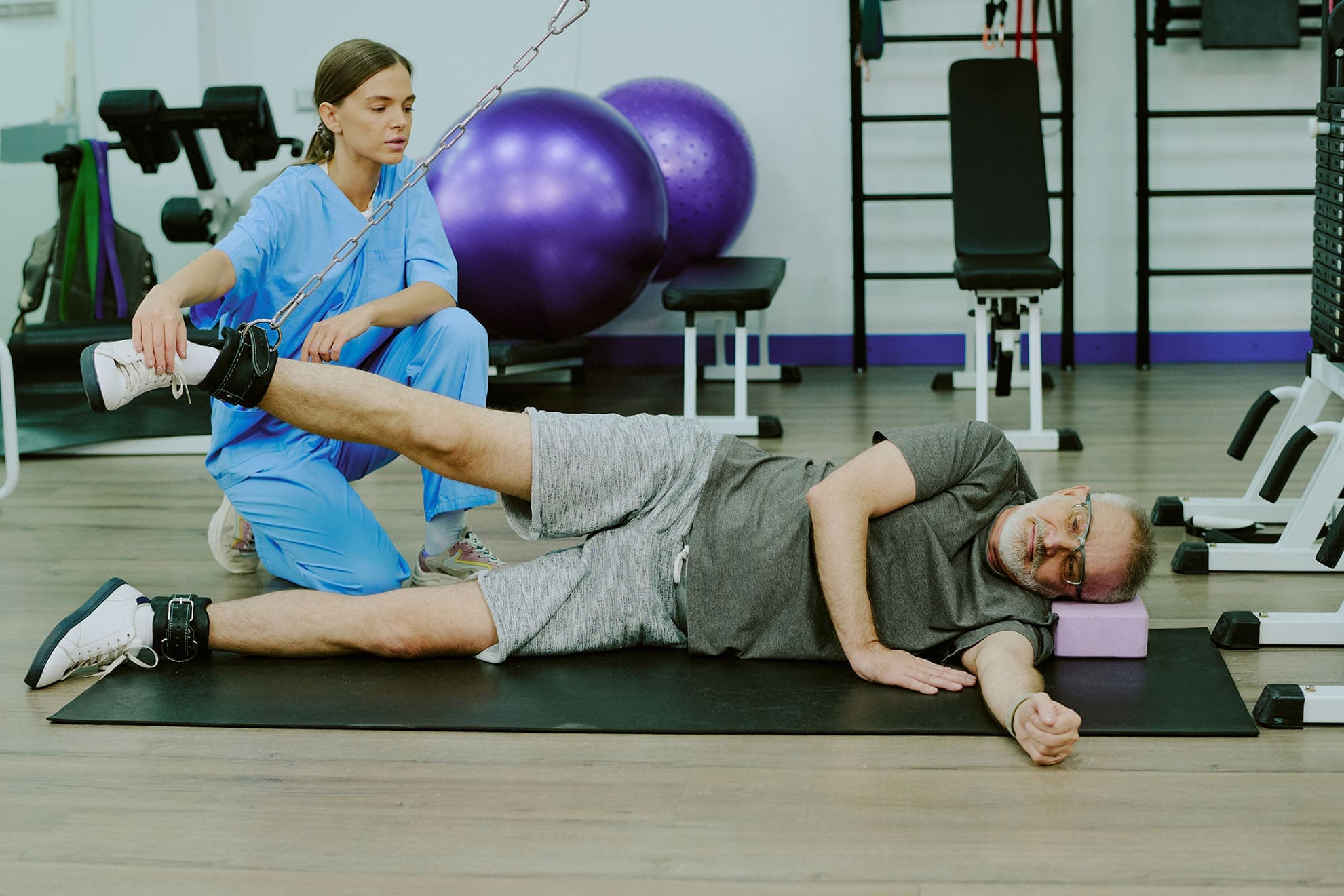
Adjustments open the door to better movement, but stretching and exercises keep it open. At El Paso Back Clinic, the rehabilitation team creates simple home programs that match each patient’s needs. Dynamic stretches warm up the body before activity. Static stretches hold the new mobility after adjustments. Therapeutic exercises strengthen the muscles that support the joints.
These steps build endurance and agility. Patients find they can stay active longer without soreness. The clinic’s sports medicine approach helps people return to hiking in the Franklin Mountains, playing with family, or working without the same old limitations. (Chiropractic Fitness, n.d.) Consistent practice turns short-term gains into lasting flexibility.
Introducing Extracorporeal Shockwave Therapy (ESWT) at El Paso Back Clinic
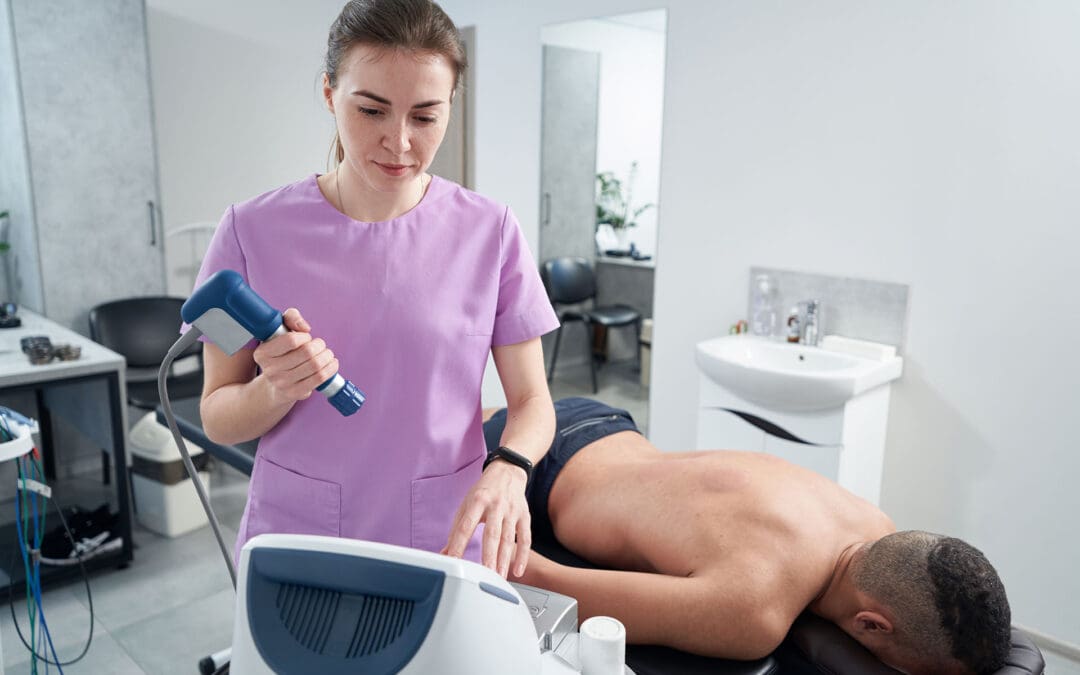
ESWT uses focused sound waves to reach deep into muscles, tendons, and ligaments. The waves create tiny pulses that restart healing in areas stuck with scar tissue or chronic tightness. This noninvasive treatment increases blood flow, breaks down old buildup, and reduces inflammation. At El Paso Back Clinic, ESWT is available as a key component of advanced care plans for patients who need additional support for soft tissue problems.
Why Combining Chiropractic Care and ESWT Delivers Stronger Flexibility Gains
The real power at El Paso Back Clinic comes from pairing chiropractic adjustments with ESWT. Adjustments fix the mechanical side—joint position and nerve signals—while ESWT handles the soft-tissue side—scar tissue, poor circulation, and stubborn tension. Together, they create faster, longer-lasting results than either method alone.
This dual approach works in several key ways:
Chiropractic restores spinal and joint mobility
ESWT breaks down scar tissue and releases tight fascia
The pair reduces inflammation and collagen cross-linking that causes stiffness
Blood flow improves, helping muscles and tendons heal
Patients regain a greater range of motion because both structure and tissue health get better at once
Clinic reports show that this combination can significantly improve outcomes compared with standard care. Many El Paso patients with ongoing tightness notice a real return of freedom of movement.
Common Conditions That Benefit from This Integrated Approach
El Paso Back Clinic uses this combined approach to treat several conditions that rob people of flexibility. Here are some of the most common:
Frozen shoulder – Adjustments free stuck joints while ESWT dissolves scar tissue and calcium deposits. Patients often regain full arm motion without pain.
Achilles tendinopathy – Chiropractic realigns the lower body to ease strain. Shockwave therapy stimulates the growth of new blood vessels and clears chronic buildup, so walking and running feel normal again.
General chronic muscle tension – Tightness in the back, neck, or legs from stress, work, or old injuries—responds well. The therapies release trigger points and restore smooth movement.
Post-injury stiffness from car accidents or sports – The clinic specializes in personal injury care. The combination speeds recovery and safely rebuilds mobility.
Other issues, such as plantar fasciitis and tennis elbow, also improve because the care addresses both alignment and tissue damage. (Bend Total Body Chiropractic, n.d.)
Clinical Insights from Dr. Alexander Jimenez at El Paso Back Clinic
Dr. Alexander Jimenez, DC, APRN, FNP-BC, leads El Paso Back Clinic with more than 30 years of experience. As both a Doctor of Chiropractic and a board-certified Family Nurse Practitioner, he brings a unique integrative perspective to every patient. In his clinical work in El Paso, Dr. Jimenez sees how chiropractic adjustments correct subluxations and improve nervous system function, thereby boosting flexibility and range of motion. When combined with ESWT, the results are even stronger for soft tissue injuries from accidents or overuse.
Dr. Jimenez often notes that this teamwork helps patients break down scar tissue, reduce inflammation, and restore proper movement patterns faster than traditional methods alone. His approach includes personalized functional medicine, nutritional support, and rehabilitation exercises to help patients build lasting resilience. At the clinic’s convenient El Paso locations, patients receive complete care that addresses the root causes of stiffness and helps them return to daily life and favorite activities with confidence.
Tips to Get the Most from Care at El Paso Back Clinic
Start with a full evaluation so the team can build a plan that fits your body and lifestyle. Attend regular adjustments and ESWT sessions as recommended. Follow the simple stretching and exercise routine at home every day. Support your progress with good posture, daily walks, proper hydration, and enough rest. The friendly staff at El Paso Back Clinic makes the process easy and supportive. Many patients see big improvements in flexibility within just a few weeks when they stay consistent.
A Natural Path to a More Flexible, Resilient Life in El Paso
Integrative chiropractic care and ESWT at El Paso Back Clinic offer a powerful, drug-free way to fight stiffness and reclaim natural movement. By correcting joint alignment, releasing muscle tension, and healing soft tissues, this approach makes daily life and physical activity feel effortless again. Muscles and joints work in harmony, the nervous system functions smoothly, and the body stays strong through the years.
Whether you deal with occasional tightness or a specific injury, the experienced team at El Paso Back Clinic can help. Contact the clinic today to schedule an evaluation and discover how these natural tools can work for you. With the right plan, better flexibility and mobility are well within reach for El Paso residents.
El Paso Back Clinic Shockwave Therapy: A Non-Surgical Option for Chronic Pain
Why Real ESWT Matters for Deep Healing at an Integrative El Paso Back Clinic
When people hear the term shockwave therapy, they often assume every machine is the same. It is not.
Some devices are true medical Extracorporeal Shockwave Therapy (ESWT) systems. Other devices are weaker radial pressure wave tools that are sometimes marketed as shockwave devices, even though they work differently. That difference matters if your goal is real tissue healing, not just short-term soreness relief. Mayo Clinic explains that focused shockwave (FSW) and radial pressure wave (RPW) are distinct waveforms, and only FSW is considered a “true shockwave” in a strict physical sense.
For a clinic like El Paso Back Clinic, where patients often come in with chronic pain, sports injuries, auto injuries, soft-tissue damage, and complex back conditions, the type of device and the treatment plan can make a big difference. The clinic’s site emphasizes multidisciplinary care, non-surgical recovery, and an integrative model that includes chiropractic, rehab, and functional medicine support.
This article explains, in plain language, what “real” shockwave therapy is, why focused shockwave is different from weaker devices, and how it fits into a complete recovery program in an integrative chiropractic setting.
What Is Real Shockwave Therapy?
Extracorporeal Shockwave Therapy (ESWT) is a non-invasive treatment that sends acoustic energy (sound waves) into injured tissue from outside the body. It is used in musculoskeletal care to help reduce pain and support healing in stubborn injuries. UCHealth describes ESWT as a noninvasive option for people who have not responded well to more conventional treatments, noting that it delivers high-energy acoustic waves to injured areas.
Mayo Clinic also describes shockwave therapy as a growing tool in physical medicine and sports medicine, especially for tendon and fascia problems.
In simple terms
Shockwave therapy is used to help the body “restart” healing in tissue that has been painful or stuck for a long time, such as:
tendons
fascia
ligaments
some chronic soft-tissue injuries
certain bone healing problems (in selected cases)
Mayo Clinic lists many musculoskeletal uses, including plantar fasciitis, Achilles tendinopathy, patellar tendinopathy, and lateral epicondylitis (tennis elbow).
Not All “Shockwave” Machines Are the Same
This is the most important part of the topic.
Many clinics use the word shockwave, but there are two main categories of devices used in musculoskeletal care:
Focused Shockwave (FSW / F-ESWT)
Radial Pressure Wave (RPW / radial therapy)
Mayo Clinic clearly explains that these are different technologies and should not be treated as identical. In fact, Mayo states that only focused shockwave generates a true shockwave, while radial devices generate a radial pressure wave.
Why that matters
The difference is not just marketing. It affects:
how deep the energy goes
how precise the treatment is
how much energy reaches the target tissue
what conditions may respond best
If a patient has a deep tendon problem, scar tissue, or a stubborn chronic injury, the provider should know exactly what machine is being used and why.
Focused Shockwave vs. Radial Pressure Wave
Here is the practical difference in plain language.
Focused Shockwave (FSW)
Focused shockwave is designed to deliver energy to a specific target depth. It is more precise and is often the better choice when the provider wants to treat a deeper structure or a smaller, more exact area. Mayo Clinic notes that focused shockwave has different physical properties and can be used alone or in combination with radial treatment, depending on the condition.
Radial Pressure Wave (RPW)
Radial therapy spreads energy more broadly and is often more surface-level. Mayo Clinic explains that radial devices generate pressure waves and notes tissue penetration of about 4 to 5 cm in its 2022 discussion of radial ESWT.
That does not mean radial is “bad.” It means it is different. In many cases, radial therapy remains helpful. But if a clinic claims “shockwave” and the patient expects high-energy focused treatment, the patient should ask which device is being used.
Quick comparison
Focused shockwave
More precise targeting
True shockwave physics
Often used for deeper or more exact lesions
Better fit for some regenerative goals
Radial pressure wave
Broader spread
Pressure-wave technology
Often, more superficial or diffuse treatment
Can still be useful in the right case
Why Energy Dose Matters
Real ESWT is not just “machine on, machine off.” It is dosed.
One of the main ways clinicians describe ESWT dose is Energy Flux Density (EFD), and the standard unit is mJ/mm² (millijoules per square millimeter). A PubMed Central review explains that EFD is the professional parameter used to describe shockwave energy flow through tissue, and specifically notes the unit of measurement as mJ/mm².
This is important because:
stronger energy is not always better
tissue type matters
the diagnosis matters
different injuries need different treatment settings
A quality clinic should be able to explain the treatment plan in a way that matches your condition, rather than using the same approach for every patient.
Does Shockwave Therapy Create “Microtrauma”?
Many people explain shockwave therapy by saying it creates “microtrauma” that triggers healing. That is a common explanation, and Mayo Clinic Sports Medicine uses this language in a patient-friendly way, noting that acoustic waves can create microtrauma to help reinitiate a healing response in tendons.
That said, many experts also describe the process in a more modern way as mechanotransduction—meaning the waves create a mechanical signal that helps cells activate repair pathways. Mayo Clinic’s 2025 article also highlights mechanotransduction and regenerative effects like cellular signaling and neovascular changes.
A simple way to think about it
Shockwave therapy helps by:
stimulating local tissue response
improving healing signaling
reducing pain pathways over time
helping stubborn tissue become more “active” in repair
So the short answer is:
Yes, “microtrauma” is a common way to explain it.
But the bigger idea is that the shockwave creates a healing signal, not uncontrolled tissue damage.
FDA Regulation and Why It Matters
Another reason patients should ask questions is that regulatory status matters.
The FDA has approved/cleared specific extracorporeal shockwave devices for specific uses. For example, the FDA PMA listing for the OrthoSpec Extracorporeal Shock Wave Therapy device states that it is indicated for adults with proximal plantar fasciitis (with or without a heel spur) who have had symptoms for 6 months or more and have failed conservative treatment.
That helps patients understand two important points:
real ESWT is a recognized medical technology
device claims should match actual indications and training
If a clinic says “shockwave,” it is fair to ask:
What exact device is this?
Is it focused or radial?
Is it FDA-cleared/approved for a musculoskeletal indication?
These are smart questions, not rude questions.
Why Real ESWT Is Useful in an Integrative Chiropractic Clinic
Shockwave therapy can be very effective, but it works best when the diagnosis is correct, and the rest of the care plan supports healing.
That is where an integrative clinic model is helpful.
The El Paso Back Clinic describes on its website a multidisciplinary, non-surgical, and functional recovery approach that includes chiropractic care, rehab, and broader wellness support. It also describes care for back, auto, and sports injuries, tendinopathy-related issues, and chronic pain.
Why this pairing makes sense
Shockwave therapy targets soft tissue and the healing response.
Chiropractic and rehab help restore:
joint motion
spinal alignment
posture
movement control
load tolerance
When these are combined, the patient gets a more complete plan.
Example of an integrative recovery setup
A patient with chronic Achilles pain, plantar fasciitis, or post-accident scar tissue restriction may benefit from:
Focused shockwave or radial therapy (depending on the tissue depth and goal)
Chiropractic adjustments to improve joint mechanics
Mobility work to reduce compensation patterns
Strength training/rehab exercise to improve tissue tolerance
Lifestyle support (sleep, inflammation control, nutrition)
This is especially important for back and soft-tissue injuries, as pain often has multiple causes. The tissue may be irritated, but there may also be a movement issue, posture problem, or old compensation pattern keeping it from healing.
Clinical Observations in Dr. Alexander Jimenez’s Integrative Model
Public information on dralexjimenez.com and El Paso Back Clinic describes Dr. Alexander Jimenez as a Doctor of Chiropractic and board-certified Family Nurse Practitioner (DC, APRN, FNP-BC) who uses a multidisciplinary, integrative approach focused on non-surgical recovery, diagnostics, and personalized care.
His El Paso Back Clinic content also emphasizes:
advanced injury rehabilitation
chronic pain care
sports injury care
auto injury care
functional medicine support
team-based recovery planning
These clinic observations support the idea that shockwave therapy should not be used as a stand-alone “gadget” treatment. Instead, it fits best within a broader care plan that includes biomechanics, rehab, and whole-person recovery.
Why dual training matters in this setting
In a clinic model that blends chiropractic and nurse practitioner perspectives, the provider can often look at a case more completely, including:
musculoskeletal pain drivers
nerve irritation patterns
inflammation
healing delays
activity limitations
overall recovery readiness
That type of clinical reasoning is helpful when deciding whether a patient should receive:
focused shockwave
radial therapy
chiropractic and rehab only
imaging first
referral or co-management
What Conditions Often Respond to Shockwave Therapy?
Shockwave therapy is often used for chronic injuries that have not improved enough with standard care.
Mayo Clinic and UCHealth commonly describe these types of cases:
Plantar fasciitis
Tennis elbow (lateral epicondylitis)
Achilles tendinopathy
Patellar tendinopathy
Shoulder tendinopathy
Other chronic tendon or fascia pain problems
Mayo’s clinical articles also note that ESWT has roles in treating tendons, ligaments, fascia, and even in selected bone-healing situations.
It may be especially helpful when:
pain has lasted for months
the patient plateaued in regular therapy
surgery is being considered, but not yet desired
the injury is painful with loading (walking, running, lifting, gripping)
the provider wants a non-invasive option
How to Tell if a Clinic Is Offering “Real” Shockwave Therapy
Because the market uses confusing language, patients should ask direct questions before paying for treatment.
Ask these questions
Is this focused shockwave (FSW) or radial pressure wave (RPW)?
What condition are you treating, and why is this device the right choice?
How do you set the energy dose (EFD/mJ/mm2)?
How many sessions are usually recommended for my condition?
Will I also get rehab or movement treatment?
If my pain is deep, how will you target it?
Is the device FDA-cleared/approved for musculoskeletal use?
A strong clinic should be comfortable answering these questions in simple language.
Why Device Hype Alone Is Not Enough
Some clinics advertise shockwave therapy as a miracle treatment. That is not the best way to present it.
Shockwave therapy can be a powerful tool, but results depend on:
Even the best technology will not work well if the diagnosis is wrong or if the patient returns to the same harmful movement pattern right away.
This is one reason integrated care models, like the one described at El Paso Back Clinic and Dr. Jimenez’s clinical sites, can be so useful for complex injuries: patients receive more than one treatment option and more than one clinical lens.
Bottom Line: Focused ESWT Is the Better Choice for True Regenerative Shockwave Goals
If your goal is real regenerative shockwave therapy, focused shockwave (FSW/F-ESWT) is usually the benchmark because it is the true shockwave form and offers more precise targeting. Mayo Clinic makes this distinction very clearly.
Radial devices can still be helpful in many cases, but they are not the same technology. Patients should not be told they are identical.
For patients in El Paso dealing with:
chronic tendon pain
back-related soft tissue problems
sports injuries
accident-related soft tissue injury
stubborn pain that has not improved
An integrative clinic model like El Paso Back Clinic can be a strong fit because it combines:
non-invasive care
structural assessment
chiropractic and rehab
broader healing support
multidisciplinary planning
That is often what it takes to move from “temporary pain relief” to true recovery.
Back Extension Machine (Roman Chair) Training for a Stronger Back
A woman engages in back extension exercises to strengthen back muscles, improve core stability, and relieve chronic back pain.
A practical, El Paso Back Clinic–style guide to core stability, safer form, and pain prevention
If you’ve ever used a back extension machine—also called a hyperextension bench or Roman chair—you already know it looks simple. You lock your feet, rest your hips on the pad, and hinge forward and back up.
But the best results come from how you do it.
At El Paso Back Clinic, the goal is not just “stronger muscles.” It’s a smarter plan that supports spine stability, hip power, and better movement habits—especially for people who deal with recurring low back tightness, desk-related stiffness, or training-related flare-ups. Dr. Alexander Jimenez, DC, APRN, FNP-BC, often emphasizes that many back problems improve when you combine movement quality, targeted strengthening, and a whole-person plan (Jimenez, n.d.-a; Jimenez, n.d.-b).
This article explains:
what the back extension machine actually trains,
how to set it up correctly,
how to avoid the common mistakes that irritate backs,
and how integrative care (chiropractic + NP-style whole-body support) fits into a complete plan.
What the Back Extension Machine Trains (and Why It Matters)
Back extensions are a posterior chain exercise. That means they train the muscles on the back side of your body, including:
Erector spinae (spinal extensor muscles that help you stay upright) (MasterClass, 2021).
Glutes (hip extension power and pelvic support) (MasterClass, 2021).
Hamstrings (help control the lowering phase and assist hip extension) (MasterClass, 2021).
Deep core stabilizers (the “bracing” muscles that keep the spine steady while the hips move) (WebMD, 2024).
This is important because many people think “core” means only the abs. In real life, core stability is about the ability to resist unwanted motion and control the spine while the hips move.
A back extension machine helps train that pattern if you do it as a hip hinge, not as a “low back bend.” (More on that below.)
Roman Chair vs. Back Extension Machine: Same Goal, Different Feel
You’ll see a few styles:
45-degree hyperextension bench (most common “Roman chair” style)
90-degree Roman chair (more upright)
Seated back extension machine (you sit and extend backward against resistance)
Verywell Fit notes that these machines are often grouped together because they train similar movement patterns and posterior chain muscles, even though the setup and feel can differ (Verywell Fit, 2025).
If you’re choosing equipment for home or clinic use, adjustability matters. Many benches are built to adjust pad position and angle so different body types can hinge correctly (Valor Fitness, n.d.).
Step 1: Set Up the Machine Correctly (This Is Where Most People Go Wrong)
Before you do a single rep, take 30 seconds to set it up.
The best setup checkpoints
Hip pad position: The pad should sit around your hip crease (where your hips fold). If it’s too high, you can’t hinge well. If it’s too low, you may feel unstable (WebMD, 2024).
Feet locked in: Your heels and feet should feel secure in the restraints (WebMD, 2024).
Top position posture: At the top, you want a straight line from head to hips—not a “lean back” pose (MasterClass, 2021).
Quick self-test
If you feel the movement mostly in your low back joints (pinchy or compressed) rather than in your glutes/hamstrings, your setup or technique needs adjustment.
Step 2: Use the Right Form (Neutral Spine + Hip Hinge)
A safer back extension is controlled and clean. The spine stays neutral, and the movement comes mostly from the hips.
How to do it (simple steps)
Brace first: Take a breath and tighten your midsection like you’re preparing to be lightly bumped.
Hinge down: Push your hips back and lower your chest slowly. Keep your neck neutral.
Drive up: Squeeze glutes and hamstrings to lift your torso back up.
Stop at neutral: Finish tall and braced. Do not crank into hyperextension (MasterClass, 2021; WebMD, 2024).
Good cues that help
“Hips back, not ribs up.”
“Move like a hinge, not a bendy straw.”
“Glutes finish the rep.”
Chuze Fitness also describes back extensions as a way to work against gravity and build strength in a simple, repeatable pattern, with the option to progress by adding load later (Chuze Fitness, n.d.-a).
The #1 Mistake: Hyperextending at the Top
One of the biggest errors is leaning back too far at the top. People do it to “feel” the lower back more, but it often adds compression where you don’t want it.
What you want instead: a neutral, stacked finish.
Ribs down
Glutes tight
Spine tall
No “backward bend” finish (MasterClass, 2021).
If you can’t stop at neutral, reduce the range of motion and slow the tempo.
Another Common Mistake: Turning It Into a Low-Back Exercise Only
Back extensions are often taught as if they only train the lower back. In reality, they work best when the hips do the job and the trunk stays braced.
A helpful way to think:
The hips create motion
The spine controls motion
That is a big reason back extensions can be useful for stability—when done correctly (WebMD, 2024).
Reps and Sets: Simple Programming That Works
The “right” plan depends on your goal and your history.
Beginner (control first)
2–3 sets of 8–12 reps
Bodyweight only
Slow lowering (2–3 seconds down)
General strength and pain prevention
3 sets of 10–15 reps
Add light load only if form stays clean (Chuze Fitness, n.d.-a).
Stronger posterior chain (experienced lifters)
3–5 sets of 6–10 reps
More rest
Still stop at neutral (no hyperextension)
Rule: load is earned by control.
Verywell Fit’s equipment review also highlights that comfort, stability, and fit matter for consistent training—especially for people using these tools as part of a back-strengthening routine (Verywell Fit, 2025).
Safer Progressions (If Your Back Is Sensitive)
If your back flares easily, you can still train the posterior chain—you just need smarter progressions.
Options that tend to be more back-friendly:
Shorter-range back extensions (only move where you can stay neutral)
Isometric holds at neutral (hold 10–20 seconds)
Lower load, slower tempo
Add glute-focused assistance work (like bridges) alongside back extensions
At El Paso Back Clinic, Dr. Jimenez often frames strengthening as part of a bigger plan: improve mechanics, build tolerance, and progress gradually based on the person’s symptoms and daily demands (Jimenez, n.d.-a; Jimenez, n.d.-c).
When to Pause and Get Checked (Red Flags)
Back extension training should feel like muscular effort, not nerve pain.
Stop and seek professional guidance if you have:
Pain shooting down the leg
Numbness or tingling
Weakness in the foot/leg
Pain that worsens over time with extension-based movements
WebMD also encourages careful form and smart choices when using back extensions, especially when they’re used for “back health” rather than just bodybuilding (WebMD, 2024).
How This Fits the El Paso Back Clinic Approach: Strength + Mobility + Whole-Person Support
Many people try one thing:
“I’ll just strengthen my back.”
Or:
“I’ll just stretch more.”
Or:
“I’ll just get adjusted.”
But most lasting results come from combining the right tools in the right order.
Chiropractic care to improve mechanics
Chiropractic-focused care often aims to:
improve joint motion where stiffness limits your hinge,
reduce irritation that changes how you move,
and help you restore better spinal and pelvic mechanics.
El Paso Back Clinic content emphasizes a whole-body view of pain and function, including movement habits and multi-step plans (Jimenez, n.d.-c).
Exercise to build stability and strength
Once movement is cleaner, exercises like the Roman chair can help you:
reinforce a strong hinge,
strengthen posterior chain muscles,
and build stability that carries into work, lifting, and sports (MasterClass, 2021).
Nurse practitioner support to address barriers to recovery
NP-style integrative support often helps by addressing factors that keep people “stuck,” such as:
sleep quality,
stress load,
inflammation drivers,
safe pain management planning (when appropriate),
and screening for problems that need further testing or referral.
In short: your back isn’t separate from the rest of you.
A Simple 3-Phase Plan You Can Follow
Here is a practical approach that matches how many integrative clinics structure back-pain recovery and performance.
Phase 1: Calm things down and restore motion (1–2 weeks)
Gentle mobility (hips + mid-back)
Light back extensions with short range
Walk daily if tolerated
Focus on bracing and hinge control
Phase 2: Build capacity (3–6 weeks)
Back extensions: 2–3 days/week
Add glute and hamstring work
Add core stability work
Slowly add reps before adding load
Phase 3: Build real-world resilience (ongoing)
Add load gradually (only if neutral form is automatic)
Transfer strength into squats, hinges, and carries
Keep a weekly routine of mobility + stability work
This kind of integrated plan—adjustments plus exercise and habit change—is also described in chiropractic-focused integration articles discussing the value of combining care approaches to improve outcomes (OPTMZ State, 2026).
Key Takeaways
The back extension machine is best used as a hip-hinge strength tool, not a “bend your spine” tool (MasterClass, 2021).
Proper setup (hip pad alignment + stable feet) helps you move safely (WebMD, 2024).
Avoid the big mistake: hyperextending at the top. Stop at neutral.
Strong results often come from a full plan: chiropractic mechanics + targeted exercise + whole-person support, a theme repeated across El Paso Back Clinic education from Dr. Jimenez (Jimenez, n.d.-a; Jimenez, n.d.-c).
Make Your Health Goals Stick in 2026: How El Paso Back Clinic’s Integrative Team Supports Real Change
The patient uses a weight machine for injury rehabilitation under the supervision of a doctor of chiropractic and a nurse practitioner.
Most people don’t fail at New Year’s goals because they “don’t want it enough.” They fail because life gets busy, pain flares up, energy crashes, and stress piles on. When your body hurts or feels stiff, even simple plans—like walking more, lifting weights, or sleeping better—can feel harder than they should.
At El Paso Back Clinic, the goal is to make health changes easier to achieve and maintain through a team-based, integrative approach. That means bringing together the strengths of chiropractic care (movement, structure, mobility, and recovery) with the strengths of nurse practitioner care and wellness coaching (nutrition, sleep, stress, and whole-body support). The clinic describes this as a blend of injury care, wellness strategies, mobility programs, and integrated medicine designed to improve function and quality of life. El Paso Back Clinic® • 915-850-0900+2El Paso Back Clinic® • 915-850-0900+2
This kind of care supports common goals like:
increasing fitness and mobility
managing pain so you can stay active
improving energy and sleep
lowering stress and improving your stress response
“Integrative care” means your plan isn’t built around only one angle. Instead, it connects the pieces that usually get separated:
How you move
How you recover
How you eat
How you sleep
How you manage stress
How do you build habits that fit your real life
El Paso Back Clinic describes integrative chiropractic benefits as going beyond traditional adjustments by combining care approaches that support overall wellness and function. El Paso Back Clinic® • 915-850-0900
Why this matters for resolutions
Many resolutions are difficult to maintain because the plans ignore the real barriers. For example:
You want to exercise more—but your back pain spikes.
You want to lose weight—but your sleep is poor and your stress is high.
You want more energy—but your nutrition is inconsistent, and you’re not recovering.
An integrative plan helps because it aims to reduce the friction that makes healthy habits feel impossible.
The Team Approach: Chiropractor + Nurse Practitioner Mindset
Many clinics talk about how chiropractic care supports goals such as mobility, stress reduction, better sleep, and improved performance. gotcore.net+2Freedom Chiropractic+2 At El Paso Back Clinic, that support is often strongest when chiropractic care is paired with whole-person planning.
The chiropractor’s lane: move better with less strain
Chiropractic care commonly focuses on:
joint motion and spinal mechanics
posture and movement habits
mobility and flexibility
recovery support when you start working out again
helping reduce strain patterns that keep pain looping
The descriptions of services at El Paso Back Clinic emphasize spine-focused care and the restoration of function for back and musculoskeletal concerns. El Paso Back Clinic® • 915-850-0900+1
The NP/wellness lane: build a plan that supports your body from the inside out
A nurse practitioner and wellness-minded team approach can support:
nutrition planning that fits your schedule
sleep improvement routines
stress management strategies
health screening and medical risk review when appropriate
coaching that makes change more realistic to sustain
This matches the habit-focused guidance many health organizations recommend: set realistic goals, build routines, and avoid extreme “all at once” changes. Prism Health North Texas
Dr. Alexander Jimenez’s clinical observations (El Paso context)
Dr. Alexander Jimenez (DC, APRN, FNP-BC) frequently describes a dual-scope approach that connects biomechanics (how you move) with broader health planning (nutrition, functional assessments, and recovery strategies). His published clinic content also highlights the use of assessments and, when needed, imaging and integrated care planning to support recovery and function. LinkedIn+3El Paso, TX Doctor Of Chiropractic+3El Paso, TX Doctor Of Chiropractic+3
Why Resolutions Often Fail (And How an Integrative Plan Fixes That)
Here are common “resolution killers” and what a coordinated plan can do differently:
Pain blocks movement → Address mobility limits and movement mechanics so activity feels doable. National Spine & Pain Centers+1
Low energy → Improve sleep, nutrition consistency, and recovery structure. gotcore.net+1
Stress overload → Add stress skills and routines that calm the system and support follow-through. NIH News in Health+1
No accountability → Regular check-ins and plan adjustments keep you from quitting after a setback. drmmalone.com+1
A key idea in habit-based care is that early wins create a “positive feedback loop”—you feel better, so it becomes easier to keep going. drmmalone.com
1) Increase Fitness and Mobility (Without Getting Injured)
If your goal is to work out more, the priority is often moving well enough to train consistently.
Many chiropractic resources emphasize mobility, flexibility, and injury prevention as people increase activity at the start of the year. 5280 Balanced Health Center+2Freedom Chiropractic+2 El Paso Back Clinic also emphasizes flexibility, mobility, and agility programs to improve ability and quality of life. El Paso Back Clinic® • 915-850-0900
A simple evidence-based target
For general health, adults are commonly advised to aim for 150 minutes of moderate activity per week, plus 2 days of muscle-strengthening activities. CDC+1 That can be split into smaller chunks—like 30 minutes, 5 days a week.
What the integrative plan can look like
Assess mobility limits (hips, spine, shoulders) and address movement friction
Build a realistic weekly schedule
Progress intensity slowly, so you don’t crash or flare
Easy “start small” movement ideas:
10–20 minute walk after meals
2 strength sessions per week (basic full-body)
5-minute mobility routine daily
Progression rules that keep people consistent:
Add time before you add intensity
Keep at least 1–2 recovery days weekly
Measure consistency, not perfection
2) Manage Pain So You Can Stay Active
Pain goals often work better when you focus on function—not “zero pain tomorrow.” A pain-focused plan might aim to reduce flare-ups and increase what you can do safely. National Spine & Pain Centers
El Paso Back Clinic positions its care around helping people with frustrating injuries and chronic pain syndromes improve mobility and function. El Paso Back Clinic® • 915-850-0900
Practical pain goals that tend to stick
“Walk 20 minutes, 4 days/week without a flare.”
“Lift twice/week with pain staying under a 3–4/10.”
NP-style wellness support can focus on sleep, stress, consistency in nutrition, and pacing habits that support recovery. Prism Health North Texas+1
Helpful pacing ideas (simple but powerful):
Use shorter workouts more often
Stop just before your “flare threshold”
Build capacity gradually rather than “weekend warrior” bursts
3) Boost Energy the Smart Way
Energy is not just “motivation.” If you’re tired, your plan needs better recovery.
Many chiropractic sources link better sleep and reduced tension with feeling more capable and consistent over time. gotcore.net+1 El Paso Back Clinic also describes a wellness-focused approach aimed at improving energy, sleep, and overall function. El Paso Back Clinic® • 915-850-0900
It’s common to hear people say they want to “boost immunity.” A safe and practical way to think about this is:
You can support overall wellness by improving sleep, physical activity, and stress management—foundations that matter for health.
Regular physical activity is widely recommended for health. CDC
Mindfulness-based approaches have evidence supporting their effectiveness for stress, sleep, and pain management. NIH News in Health
So instead of chasing extreme detoxes or perfect diets, an integrative plan often focuses on steady basics:
sleep routine
movement most days
nutrition consistency
stress skills
That’s the kind of “quiet consistency” that makes resolutions last.
5) Lower Stress and Improve Stress Response
Stress shows up in the body: tight shoulders, headaches, jaw tension, shallow breathing, gut tension, and poor sleep.
Mindfulness-based treatments have evidence supporting reduced anxiety/depression symptoms and improved sleep, and may help people cope with pain. NIH News in Health Many chiropractic sources also connect care with stress reduction and better sleep as part of overall wellness. gotcore.net+1
Pick one main goal (fitness OR pain, energy, OR stress)
Add two support habits
Track consistency weekly
Adjust every 2–4 weeks
Examples of “support habits”:
protein at breakfast
20-minute walk 4x/week
5 minutes of mobility daily
bedtime routine 5 nights/week
A Simple 4-Week Plan (El Paso Back Clinic Style: Practical, Not Perfect)
This is a general example you can personalize with your provider team.
Week 1: Reduce friction
Identify mobility limits and pain triggers
Set one realistic activity goal
Begin a simple nutrition and sleep routine
Week 2: Build consistency
Add a second strength or mobility day
Keep intensity moderate
Track sleep and energy patterns
Week 3: Progress carefully
Increase walking time or training volume slightly
Add a stress routine you can repeat
Adjust the plan based on how your body responds
Week 4: Lock in your system
Keep what’s working
Simplify what isn’t
Create a “busy week version,” so you don’t fall off
This approach fits the clinic’s overall theme of improving function through mobility, recovery, and whole-person planning. El Paso Back Clinic® • 915-850-0900+1
When to Get Checked Right Away
If you have severe or unusual symptoms, don’t “push through.” Seek urgent medical care for red flags like:
chest pain, severe shortness of breath, fainting
sudden weakness, facial droop, confusion
loss of bowel/bladder control
fever with severe spine pain
major trauma with worsening symptoms
Bottom Line: Your Best Results Come From a Whole Plan
At El Paso Back Clinic, an integrative model supports real-life resolutions by combining:
IFM's Find A Practitioner tool is the largest referral network in Functional Medicine, created to help patients locate Functional Medicine practitioners anywhere in the world. IFM Certified Practitioners are listed first in the search results, given their extensive education in Functional Medicine