Work Related Injuries
Back Clinic Work-Related Injuries Chiropractic and Physical Therapy Team. Work injuries and conditions can occur from a variety of circumstances, altering an individual’s lifestyle, however, those that occur in the work field can often also be debilitating and impairing, affecting an individual’s work performance. Work-related injuries can include bone fractures and muscle strains/sprains to conditions causing degeneration of many structures of the body, such as arthritis.
Also referred to as occupational injury, repetitive and constant motions of the hands, arms, shoulders, neck and back, among others, can gradually wear out the tissues, increasing the risk of injury which could eventually lead to further complications. A collection of articles depicts the causes and effects of many work-related injuries, carefully describing each variety. For more information, please feel free to contact us at (915) 850-0900 or text to call Dr. Jimenez personally at (915) 540-8444.

by Dr Alex Jimenez DC, APRN, FNP-BC, CFMP, IFMCP | Lower Back Pain, Posture, Spine Care, Work Related Injuries
Why Your Low Back Burns After Standing at a Counter or Workbench
Abstract: Standing still at a counter or workbench loads the low back differently from walking. This post explains static lumbar loading, trunk endurance, hip position, and forward reach, then outlines chiropractic assessment and ways to vary position and build standing tolerance for data-center technicians, Amazon workers, lab and network technicians, and hybrid employees.
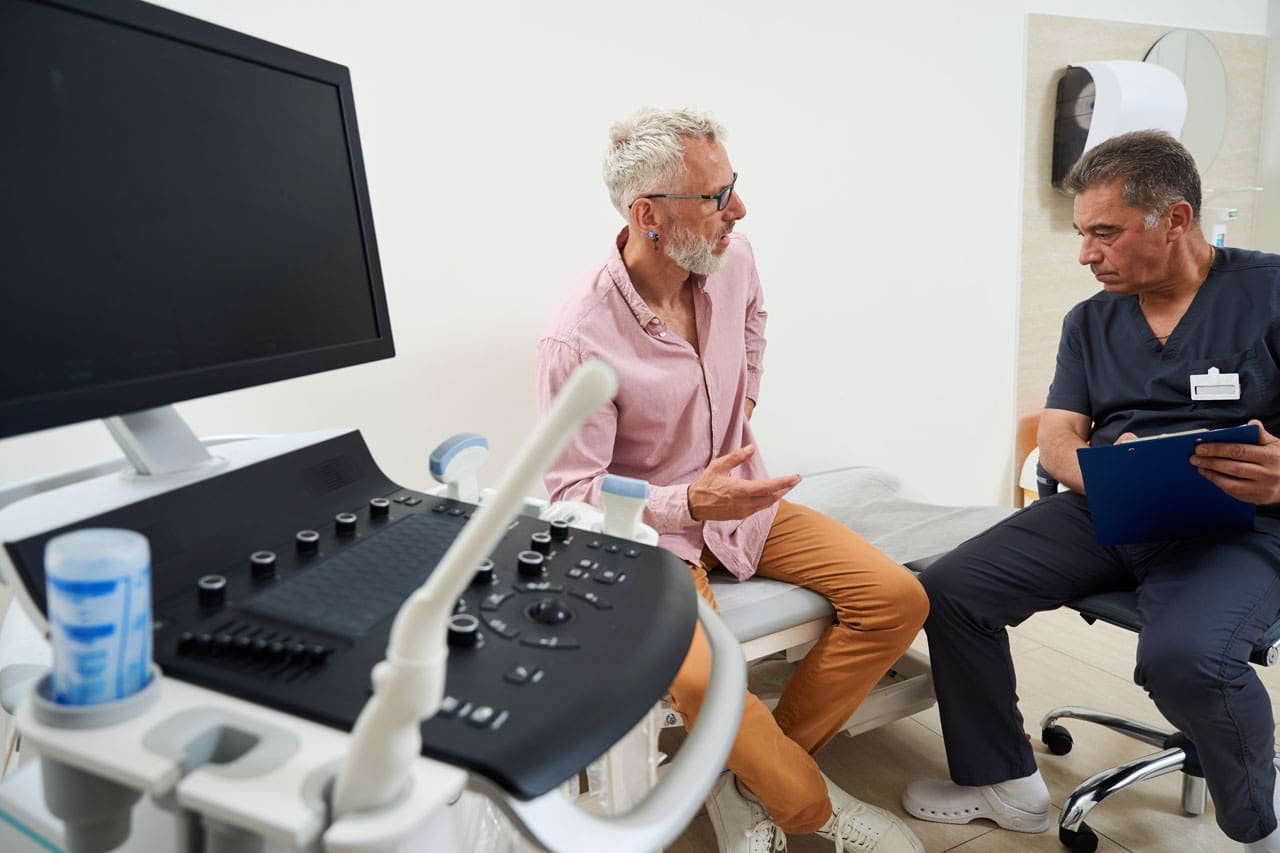
The burn starts quietly. You finish a server-rack check, a packing-station count, or a lab-bench setup, and your low back feels tight and hot. Walking the aisle felt fine. Standing still at the counter, however, did not feel fine. Static standing holds the lumbar spine under continuous load without the regular movement that walking provides.
Data-center technicians, Amazon fulfillment associates, lab personnel, network technicians, and hybrid employees often move between desk time and standing tasks. The low back may tolerate walking across the floor, then complain once the body locks in place at the workbench. Building better standing tolerance starts with understanding that difference, not simply being told to “stand straight.”
How Static Standing Loads the Lumbar Spine
When you walk, the pelvis tilts slightly with each step, and the back extensors alternate between brief work and brief rest. Standing still removes that rhythm. The lumbar extensors must hold an isometric contraction to keep the trunk upright. That continuous demand is called static lumbar loading.
Research shows that people who develop low back pain during prolonged standing often start with lower trunk endurance and different muscle activation patterns. One study found that participants who reported pain after two hours of standing had shorter side-bridge endurance times and higher co-activation of the gluteus medius muscles (Marshall et al., 2011). Another analysis linked higher estimated intervertebral disc compressive force during quiet standing with low back pain (Hasegawa et al., 2018). The load isn’t huge compared with heavy lifting, yet it stays on the tissues without the brief unloading movement provides.
Reaching forward at a counter or workbench increases the moment arm, so the back extensors work harder to keep the trunk from falling forward. Leaning onto the counter can feel like a rest, yet it often shifts the pelvis and may increase uneven loading if the hips are already tight from earlier desk time. Hybrid workers who sit for long blocks and then stand at a bench often carry that sitting posture into standing.
Why Standing Still Feels Different from Walking
Walking activates the calf muscle pump and repeatedly changes spinal posture. Standing still reduces that activity and keeps joints in the same positions for minutes at a time. A laboratory comparison found that standing produced less lower-leg swelling and muscle fatigue than walking (Wall et al., 2020). The same principle applies higher up: the low back receives less recovery when the body remains fixed.
People who develop standing-related low back pain also tend to move less early in a standing period and show higher gluteus medius co-activation (Khoshroo et al., 2023). Less movement means the tissues stay under the same stress longer. For an Amazon associate at a packing station or data center technician at a raised bench, those minutes add up across a shift.
Trunk Endurance and Hip Position Matter More Than “Stand Straight”
Telling someone to stand straight often increases effort if trunk endurance is low or if the hips cannot easily reach a neutral position. After hours at a desk, many hybrid employees and network technicians have shortened hip flexors and reduced glute endurance. When they stand, the pelvis may tip forward, increasing lumbar lordosis and the demand on the back extensors. Side-bridge endurance is a practical marker of the capacity that helps people tolerate standing without early pain (Marshall et al., 2011).
Isometric trunk training that builds endurance while keeping the spine relatively neutral has been shown to reduce pain and disability in chronic low back pain. The goal is the ability to hold useful positions for the minutes a work task requires, not maximum strength in one lift.
Chiropractic Assessment for Standing Tolerance
A focused chiropractic evaluation looks at how you stand, how your hips move, how long you can hold a side-bridge or similar endurance position, and whether forward reach or counter-lean changes your symptoms. We check lumbar joint motion, pelvic alignment, and your ability to shift weight because limited joint motion can force muscles to work harder.
Dr. Alex Jimenez, DC, APRN, FNP-BC, CFMP, IFMCP, brings dual licensure as a chiropractor and board-certified family nurse practitioner. At Injury Medical Clinic PA in El Paso, he works with Dr. Maria Guadalupe Cardenas, MD, the medical director with more than forty years of internal medicine experience. Together, they match structural findings with any medical factors that could affect recovery. Beneficence means the plan exists to improve function and reduce unnecessary risk. Non-maleficence is served by starting with non-invasive options—joint motion restoration, endurance work, and position changes. Autonomy is protected when you understand the findings and help decide which habits fit your shifts.
Building Standing Tolerance with Position Variation and Conditioning
Position variation supports the research on movement and recovery. Useful options include:
- Shifting weight from one foot to the other every minute or two.
- Placing one foot on a low step or the bottom shelf of a workbench for short periods.
- Taking two or three short steps in place or away from the counter before returning.
- Alternating a slight lean with an upright hold rather than locking into one angle.
- Avoiding locked knees and continuous forward reach when the task allows a closer stance.
These are not substitutes for conditioning. Progressive hip and trunk work builds the endurance linked to better standing tolerance. Side bridges, bird-dog holds, glute bridges, and controlled hip-hinge patterns can be practiced in short sessions. The target is the ability to stand for a typical task block with less burn, not a perfect posture held for an entire shift.
For data-center technicians moving between racks and benches, Amazon workers at packing stations, lab personnel at fixed counters, and hybrid employees alternating desk blocks with standing work, the same principles apply. The surface and reach distance change; the need for endurance and variation does not.
When to Seek Coordinated Care
Most standing-related low back pain improves with better load management and capacity. Red flags such as progressive leg weakness, bowel or bladder changes, or pain that wakes you from sleep need prompt medical review. Dr. Cardenas provides medical oversight for complex cases, while Dr. Jimenez coordinates the mechanical plan. Many group insurance plans cover the initial evaluation; the clinic can help clarify benefits.
The aim is to raise the threshold at which the low back begins to burn so you can finish the shift with less residual tightness. That outcome comes from matching assessment to your work demands, then practicing the variation and conditioning that support them.
Call 915-850-0900 or visit the clinic scheduler to arrange an evaluation focused on your standing tolerance and work tasks. You remain the decision-maker; the team supplies the information you need to choose the next step.
Spinal Decompression in Depth | El Paso, TX
References
Hasegawa, T., Katsuhira, J., Oka, H., Fujii, T., & Matsudaira, K. (2018). Association of low back load with low back pain during static standing. PLOS ONE, 13(12), e0208877. https://doi.org/10.1371/journal.pone.0208877
Khoshroo, F., Seidi, F., Bayattork, M., & Minoonejad, H. (2023). Distinctive characteristics of prolonged standing low back pain developers’ and the associated risk factors: Systematic review and meta-analysis. Scientific Reports, 13, 6392. https://doi.org/10.1038/s41598-023-33590-5
Marshall, P. W. M., Patel, H., & Callaghan, J. P. (2011). Gluteus medius strength, endurance, and co-activation in the development of low back pain during prolonged standing. Human Movement Science, 30(1), 63–73. https://doi.org/10.1016/j.humov.2010.08.017
Wall, R., Garcia, G., Läubli, T., Seibt, R., Rieger, M. A., Martin, B., & Steinhilber, B. (2020). Physiological changes during prolonged standing and walking considering age, gender and standing work experience. Ergonomics, 63(5), 579–592. https://doi.org/10.1080/00140139.2020.1725145

by Dr Alex Jimenez DC, APRN, FNP-BC, CFMP, IFMCP | Lower Back Pain, Power & Strength, Spine Care, Work Related Injuries
Why Repeated Small Bends Can Bother Your Back More Than One Heavy Lift
Abstract
Repeated small bends for packages, cables, laundry, or drawers can irritate the lower back more than one controlled heavy lift. This article explains cumulative spinal loading, how fatigue and reach distance change forces on the discs and ligaments, and why limited hip mobility and trunk endurance shift more work onto the lumbar spine. It outlines a chiropractic assessment process, progressive hip and trunk conditioning, practical task changes, and a plan to build bending tolerance safely rather than avoid spinal flexion. The goal is better function for Amazon associates, data center technicians, parents, warehouse workers, and desk professionals.
Maria finishes her Amazon shift without a single heavy box. She reaches into totes and bends for packages dozens of times an hour. By the time she gets home, her low back feels tight. At home, she loads the washer and picks up toys. One controlled lift earlier never bothered her as much. The pattern shows up in data center technicians, parents, warehouse workers, and desk professionals who repeatedly bend for cables, laundry, tools, or drawers.
The idea that only heavy objects matter misses how the spine handles repeated work. A single well-executed lift is one event. One hundred lighter bends spread the work across tired muscles, changing angles, and longer reaches. The tissues never fully recover between cycles, so the result can feel different—and sometimes worse.
The Myth of the Heavy Object
Advice to “lift with your legs” and “never bend your back” protects against sudden overload. It does not fully describe repeated bending for hours. Research shows both the size of each force and the number of cycles matter. High-frequency moderate loads still contribute substantially to total spinal stress (Coenen et al., 2012).
A controlled heavy lift usually uses a planned technique and finishes before fatigue sets in. Repeated light bends are hurried, done at the end of a reach, and performed after the trunk muscles have already worked. The spine sees a different pattern of compression, shear, and bending moment.
What Cumulative Loading Means for Your Spine
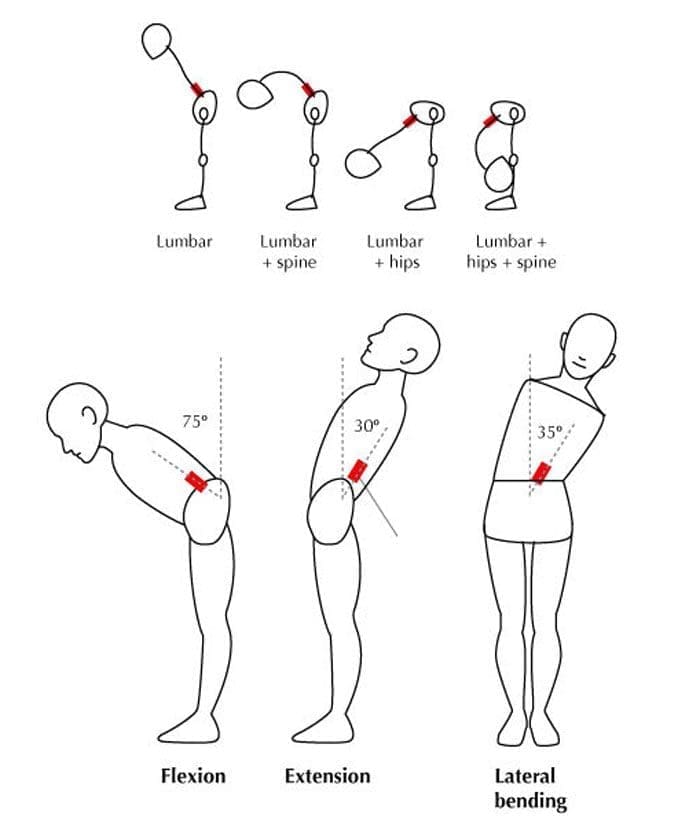
Each bend compresses and bends the lumbar discs and ligaments. When erector spinae muscles fatigue, they allow more lumbar flexion. Volunteers who lifted a 10 kg weight 100 times showed increased peak lumbar flexion and a 36 percent rise in estimated bending moment by the end of the task (Dolan & Adams, 1998).
Fatigue failure studies reinforce the point. Motion segments cyclically loaded to simulate lifting a 9 kg weight failed after far fewer cycles as torso flexion increased. Neutral posture allowed thousands of cycles; 45 degrees of flexion reduced survival to a few hundred cycles on average (Gallagher et al., 2005). Spinal posture during bending changes tissue tolerance.
Fatigue and Creep
As back muscles tire, the spine relies more on passive tissues. Repeated flexion produces creep—a slow increase in flexibility. After 20 minutes of sustained flexion, peak flexion rose by about 5.5 degrees, and full stiffness recovery took longer than the loading period (McGill & Brown, 1992). Short rests do not always fully reset the tissues. Residual creep can leave the spine more flexible for the next cycle.
Reach Distance and the Moment Arm
How far the hands are from the body matters as much as the weight. Holding a package at arm’s length multiplies the lumbar bending moment even if the package is light. Reaching into a rack, tote, or across a bed lengthens the lever arm. Bringing the object closer or raising the work surface shortens that distance and reduces demand.
How Hips and Trunk Endurance Share the Work
The lumbar spine favors stability; the hips handle large ranges of flexion. Limited hip mobility forces earlier and deeper lumbar flexion. Over dozens of bends, this shifts cumulative load onto the discs and ligaments.
Trunk endurance matters as much as peak strength. Someone who can deadlift once may still fatigue during 40 minutes of light bending if deep stabilizers and hip extensors lack endurance. Building that capacity protects the spine later in the shift.
Chiropractic Assessment: Finding the Real Pattern
A thorough evaluation at El Paso Back Clinic looks beyond the single heavy lift. Dr. Alex Jimenez, DC, APRN, FNP-BC, CFMP, IFMCP, and the team examine how the patient moves during the tasks that bother them. Assessment covers lumbar and hip range of motion, hip-hinge ability with a relatively neutral lumbar spine, trunk and hip endurance, control during repeated bending, and postural habits. The evaluation promptly identifies red-flag signs that require imaging or referral.
The evaluation identifies limited hip mobility, poor trunk endurance, excessive reach distance, residual stiffness, or a combination. Medical Director Dr. Maria Guadalupe Cardenas, MD, provides collaborative oversight, interpreting structural findings alongside medical factors when needed. Accurate diagnosis lets treatment address the real pattern. Beneficence guides the process: coordinated care improves safety, function, and recovery.
Low Back Pain Chiropractic Care | El Paso, TX
Building Bending Tolerance Instead of Avoiding Flexion
Fear of spinal flexion can create its own problems. Avoiding all bending leads to deconditioning. The tissues that are never loaded gradually lose capacity. A better approach is to restore control and then gradually reintroduce bending under conditions the spine can tolerate.
Chiropractic care restores restricted joint motion and reduces protective guarding. Adjustments and soft-tissue work free the hips and thoracic spine so the lumbar spine compensates less. Once motion improves, focus shifts to endurance work that matches real tasks:
- Hip-hinge practice with light loads held close to the body
- Controlled step-ups or partial squats that train the hips to share work
- Timed trunk endurance holds in positions that match the job
- Progressive increases in the number of bends per set, starting well below the threshold that produces next-day stiffness
The plan matches the job. An Amazon associate who bends 200 times per shift needs a different progression from a parent who bends mainly after a desk day. Progress is measured by how the back feels during and after the real task. Non-invasive options reduce risks of surgical complications or heavy medication dependence.
Practical Task Modifications for Daily Work and Home
While capacity builds, small changes reduce the total load the spine sees each day:
- Bring packages, cables, or laundry closer before lifting or lowering them.
- Use a low stool or kneel for tasks that would otherwise require deep lumbar flexion.
- Alternate sides and change stance so one pattern does not dominate.
- Take brief standing or walking breaks after longer periods of repeated bending.
- Raise frequently used items so the average bend is shallower.
- For parents, place a sturdy surface at hip height for folding or packing.
These changes reduce peak moments and high-flexion cycles while improving capacity. Patients remain the informed decision-makers, choosing modifications that fit their shift and family schedule.
The Multidisciplinary Path Forward
Integrative care at Injury Medical Clinic PA combines chiropractic structural work with medical oversight from Dr. Cardenas. Dr. Jimenez’s dual licensure supports coordinated attention to mechanical alignment and contributing factors. The emphasis remains on non-invasive strategies that restore function and reduce the need for surgery. Many patients with excellent group insurance coverage find coordinated care covered when it addresses documented functional limits.
If repeated bending has become the part of your day you dread, a focused assessment can clarify the drivers and how to rebuild tolerance safely. Call 915-850-0900 or visit the clinic in El Paso. The aim is to keep the spine working for the tasks you actually do.
References
Coenen, P., Kingma, I., Boot, C. R. L., Bongers, P. M., & van Dieën, J. H. (2012). The contribution of load magnitude and number of load cycles to cumulative low-back load estimations: A study based on in-vitro compression data. Clinical Biomechanics, 27(9), 871–877.
Dolan, P., & Adams, M. A. (1998). Repetitive lifting tasks fatigue the back muscles and increase the bending moment acting on the lumbar spine. Journal of Biomechanics, 31(8), 713–721.
Gallagher, S., Marras, W. S., Litsky, A. S., & Burr, D. (2005). Torso flexion loads and the fatigue failure of human lumbosacral motion segments. Spine, 30(20), 2265–2273.
McGill, S. M., & Brown, S. (1992). Creep response of the lumbar spine to prolonged full flexion. Clinical Biomechanics, 7(1), 43–46.

by Dr Alex Jimenez DC, APRN, FNP-BC, CFMP, IFMCP | Lower Back Pain, Power & Strength, Spine Care, Work Related Injuries
Why the First Heavy Lift of the Shift Can Feel Worse Than the Twentieth
Abstract
The first demanding lift after sitting or standing still can feel stiff or surprisingly heavy. That does not automatically mean the back is damaged. It often reflects a rapid transition from inactivity to loaded movement. This article explains how temperature, coordination, readiness, fatigue, and conditioning shape that transition—and how workers can prepare without fearing lifting.
You badge in, reach your station, and the first real task is a heavy tote, server component, tool case, cable spool, or awkward package. The weight is familiar, yet your hips feel slow, and your back feels tight.
Twenty lifts later, the job may feel smoother. That difference can be unsettling, especially if you’ve had lower back pain before. But the body does not move identically from the first repetition to the twentieth. The goal is not to fear the early lift. It is to prepare for the demand.
The Body Has to Change Gears
A commute or computer session requires less force than lifting, carrying equipment, or pulling inventory. When demand rises quickly, muscles and joints must coordinate faster.
Warm-up research helps explain part of this effect. Higher muscle temperature is associated with improved rate-dependent muscle function, including faster force production and power, although not necessarily greater maximum strength (Wilson et al., 2025). Appropriate warm-ups can also improve physical performance (Fradkin et al., 2010).
A “cold” muscle is not automatically unsafe. Progressive movement can help the body reach the speed and coordination the job requires.
Why Sitting Before Work Can Matter
Many workers begin physical work after a commute, meeting, or computer task.
After inactivity, the first deep hip bend or loaded reach may simply feel unfamiliar. The hips flex, the trunk controls the load, the feet create a stable base, and the upper body manages the object. Problems are more likely when demand suddenly exceeds what the worker can comfortably coordinate or tolerate that day.
Readiness also changes with sleep, soreness, injury, stress, and object shape. Good preparation, therefore, needs more than one lifting slogan.
There Is No Single Perfect Lift
Workers are often told to “lift with the legs” and never bend the back. That sounds simple, but research shows that technique training alone does not reliably prevent lower back pain in material-handling workers (Verbeek et al., 2012).
Technique still matters—in context. Useful principles can include:
- bringing the load closer when practical;
- creating a stable stance before pulling or lifting;
- using the hips and knees when the task allows;
- avoiding sudden twisting with a demanding load;
- using team lifting or mechanical help when needed;
- changing strategy when space, fatigue, or object shape changes.
Lifting is a skill, not one perfect pose. The best strategy is controlled, repeatable, and adaptable.
Warm-Up Effects and Fatigue Are Different
Feeling better by the twentieth lift does not mean endless repetitions are protective. Early in a shift, increasing temperature and repeated practice may improve movement efficiency. Later, fatigue can reduce control, slow reactions, and make familiar loads feel harder.
Think of the shift as a curve: preparation early, efficiency in the middle, and smarter pacing or assistance later.
“I loosen up after a few lifts” should not become “I should ignore pain.” Progressive readiness is useful; sharp pain, increasing numbness, weakness, or loss of coordination deserves clinical attention.
A Five-Minute Work-Readiness Sequence
A practical warm-up should resemble the work ahead.
1. Walk and breathe
Walk briskly for one or two minutes to transition out of inactivity.
2. Move the hips and trunk
Perform several comfortable hip hinges, shallow squats, or controlled reaches without forcing range.
3. Add light load
Practice a few lifts with a light object and focus on smooth control.
4. Rehearse the task
If work involves carrying, pulling, stepping, or lifting from knee height, rehearse that pattern at lower effort.
5. Build toward harder work
When workflow allows, use a few graded repetitions before the heaviest or most awkward task.
When the First Lift Repeatedly Hurts
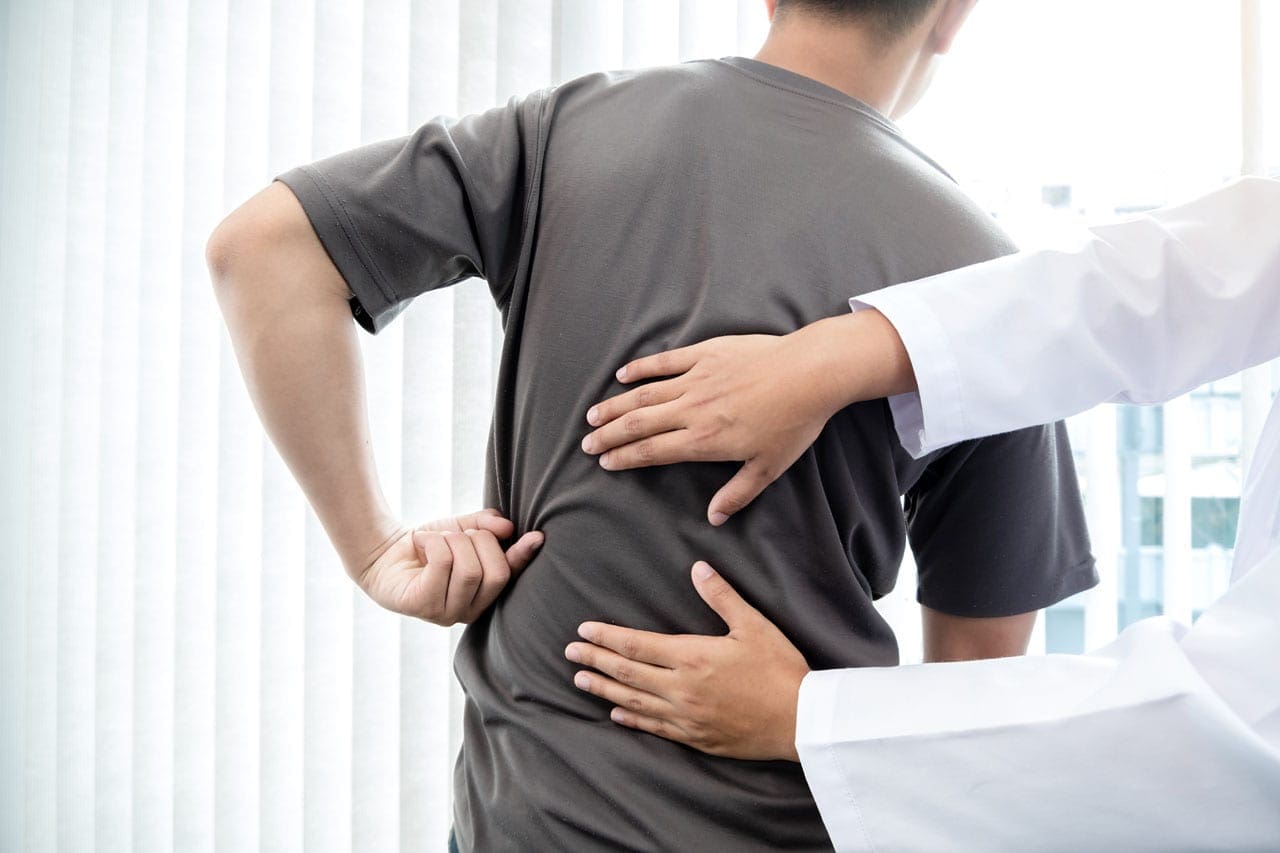
If the first heavy lift repeatedly causes back pain, evaluation should go beyond “stretch more.” Assessment can examine spinal and hip motion, neurological findings, strength, tolerance, previous injury, and triggering work demands.
For persistent lower back pain, exercise is supported as part of conservative care and can improve pain and function for many patients (Hayden et al., 2021). The World Health Organization also includes structured exercise and spinal manipulative therapy as options within person-centered care for chronic primary lower back pain (World Health Organization, 2023).
At El Paso Back Clinic, chiropractic care should not teach patients that their spine is fragile. The aim is to improve comfortable movement and pair hands-on care with strength, mobility, and work-specific rehabilitation.
Building Capacity Beats Avoiding Work
Workers who lift, carry, kneel, reach, or handle equipment need the capacity to do those tasks. Long-term progress may include hip strength, trunk endurance, leg strength, grip, loaded carries, squats, hinges, step-ups, and graded exposure to realistic work demands.
The practical target is simple: enough mobility to reach the task, enough strength to control it, and enough endurance to repeat it without unnecessary guarding or fear.
Progress the load rather than fear it. Exercise therapy has evidence for chronic lower back pain, but programs should match the individual rather than treating every painful back the same way (Hayden et al., 2021).
This supports beneficence by restoring function, non-maleficence by emphasizing non-invasive care before unnecessary procedures when appropriate, and autonomy by helping patients understand options and coordinate decisions with their medical team.
Integrated Care When Stiffness Is Not the Whole Story
Radiating pain, numbness, weakness, recurrent injury, or stalled recovery may require broader evaluation.
Dr. Alex Jimenez, DC, APRN, FNP-BC, CFMP, IFMCP, combines chiropractic and advanced practice nursing perspectives. Dr. Maria Guadalupe Cardenas, MD, provides internal medicine oversight for complex medical factors and coordinated care. Depending on findings, care may include chiropractic treatment, rehabilitation, diagnostic testing, acupuncture, electroacupuncture, or other appropriate options. Advanced therapies should follow a clear diagnosis and should not replace strength and movement capacity.
Start the Shift Ready, Not Afraid
The first heavy lift may feel worse because your body has not transitioned from stillness to demanding movement. That doesn’t mean lifting is dangerous.
Give your body time to adjust. Build strength for your actual work. Adjust strategy as load or fatigue changes. If pain keeps coming back, get assessed instead of guessing.
The goal is not to avoid lifting. The goal is to be better prepared to lift, carry, bend, and work with confidence.
Multidisciplinary Call to Action
If lower back pain is limiting your lifts or full shift, schedule an evaluation with the El Paso Back Clinic team. A chiropractic assessment, rehabilitation, and medical oversight can build a plan focused on function, capacity, and independence.
Can Core Exercises Help with Back Pain? | El Paso, TX
References
Fradkin, A. J., Zazryn, T. R., & Smoliga, J. M. (2010). Effects of warming-up on physical performance: A systematic review with meta-analysis. Journal of Strength and Conditioning Research, 24(1), 140–148. https://doi.org/10.1519/JSC.0b013e3181c643a0
Hayden, J. A., Ellis, J., Ogilvie, R., Malmivaara, A., & van Tulder, M. W. (2021). Exercise therapy for chronic low back pain. Cochrane Database of Systematic Reviews, 2021(9), CD009790. https://doi.org/10.1002/14651858.CD009790.pub2
Verbeek, J. H., Martimo, K. P., Kuijer, P. P. F. M., Karppinen, J., Viikari-Juntura, E., & Takala, E. P. (2012). Proper manual handling techniques to prevent low back pain, a Cochrane systematic review. Work, 41(Suppl 1), 2299–2301. https://doi.org/10.3233/WOR-2012-0455-2299
Wilson, C. J., Nunes, J. P., & Blazevich, A. J. (2025). The effect of muscle warm-up on voluntary and evoked force-time parameters: A systematic review and meta-analysis with meta-regression. Journal of Sport and Health Science, 14, 101024. https://doi.org/10.1016/j.jshs.2025.101024
World Health Organization. (2023). WHO guideline for non-surgical management of chronic primary low back pain in adults in primary and community care settings. World Health Organization.
by Dr Alex Jimenez DC, APRN, FNP-BC, CFMP, IFMCP | Lower Back Pain, Power & Strength, Spine Care, Work Related Injuries
Why Standing Still Can Hurt Your Back More Than Walking
Abstract: Many workers are surprised that walking through a warehouse, data center, retail floor, or job site can feel easier than standing still. The reason is often not that walking is “better posture,” but that movement changes how the back, hips, and legs share load. This article explains static loading, muscular endurance, hard-floor fatigue, posture variability, and how chiropractic assessment plus progressive conditioning can improve standing tolerance.
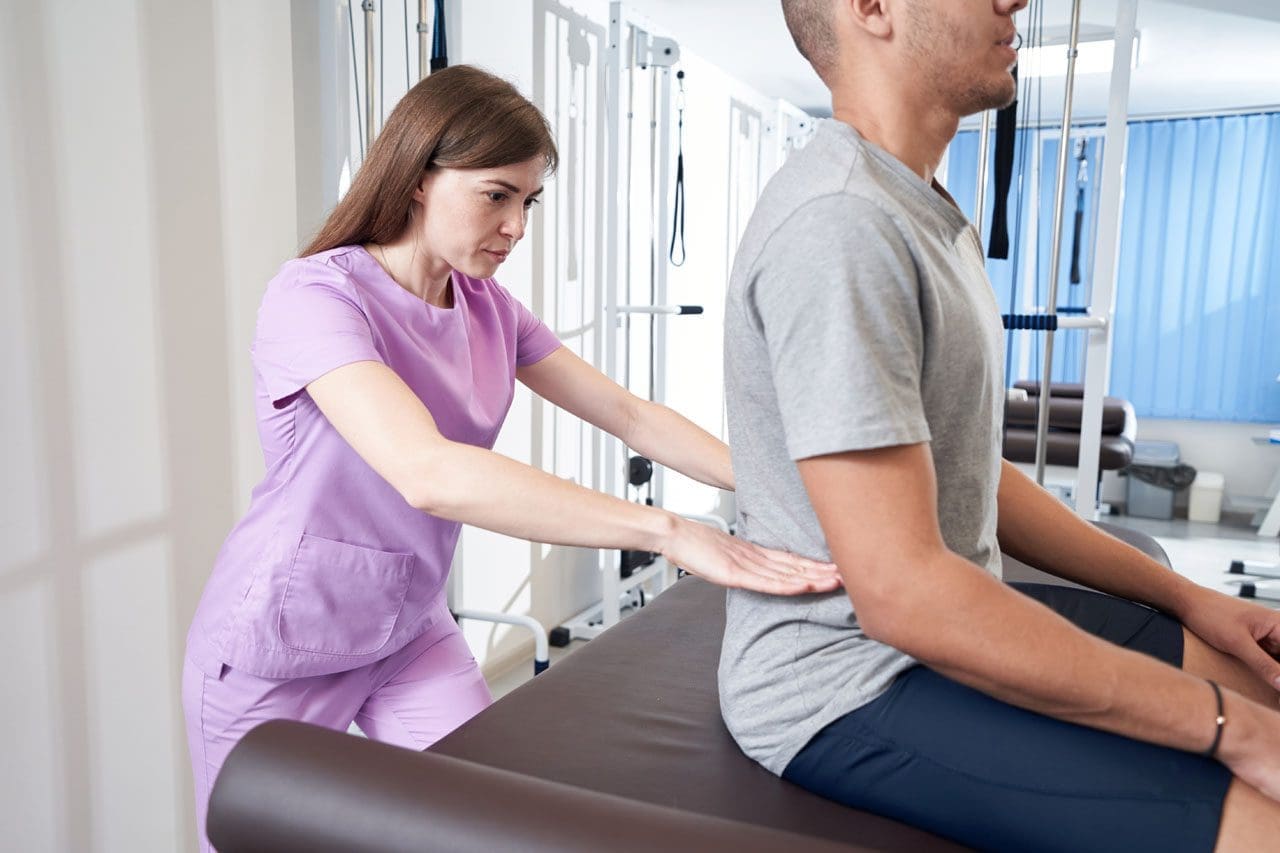
A shift can create a strange pattern: your back feels fine while you are moving, but it starts aching when you stop at a workstation, security station, register, rack, or packing area. The key difference is simple: walking keeps the load changing; standing still holds it in one place.
That distinction matters in jobs. A technician may walk between racks comfortably, then ache while troubleshooting one cabinet. A warehouse employee may tolerate picking orders but be hurt at a fixed packing station. The activity is not necessarily harder; the body simply has fewer chances to redistribute effort.
Static Loading: Why “Not Moving” Still Requires Work
Standing may look restful, but it still requires active work. Your trunk, hips, legs, and feet make small, continuous corrections to keep you upright. When you stay in nearly the same position, the same tissues can be asked to work for a long time with little variation.
Research has linked substantial occupational standing to higher odds of low-back symptoms, although individual responses vary and not every worker develops pain (Coenen et al., 2018). Laboratory research also shows prolonged standing can provoke low-back discomfort even when spinal loads are relatively low, suggesting posture strategy and individual sensitivity matter (Gregory & Callaghan, 2008).
That is why “stand up straight” is not a complete solution. Holding a perfect posture too long can still become uncomfortable.
Walking Changes the Mechanical Conversation
Walking creates repeated motion through the hips, pelvis, lumbar spine, knees, ankles, and feet. Muscles contract and relax in cycles instead of holding one continuous position. Weight shifts from side to side. The pelvis and spine keep moving.
That variability may explain why a worker can walk several aisles with less discomfort than standing at one station for twenty minutes.
In one laboratory study, five-minute walking breaks inserted every twenty-five minutes reduced the number of participants who developed low-back pain during a two-hour standing period. The walking periods also increased lumbar movement compared with standing still (Gallagher et al., 2019). The lesson is not to follow an exact timer; periodic movement changes the mechanical demand.
Endurance Matters More Than People Realize
Back pain while standing doesn't always mean something is “out of place.” Endurance may be the limiting factor.
Imagine holding a light grocery bag at your side. The bag may not be heavy, but if you hold it long enough without changing position, your shoulder and forearm eventually fatigue. Static standing can create a similar challenge for the trunk and hips.
Workers may notice:
- aching across the beltline after standing in one location;
- tightness in the low back or gluteal muscles;
- shifting repeatedly from one leg to the other;
- leaning on a counter, cart, rack, or desk for relief;
- feeling better after walking a short distance;
- leg or foot fatigue that seems to “travel upward.”
The Hips and Legs Share the Job
The lumbar spine does not work alone. Hip strength, gluteal endurance, calf capacity, ankle mobility, and foot comfort all influence how long standing feels tolerable.
If the hips fatigue quickly, a worker may begin hanging on one hip, locking the knees, or leaning the trunk. If the ankles are stiff, the body may compensate higher up. If the feet become sore, a person may change stance repeatedly in ways that increase back tension.
Hard work surfaces also matter. Evidence suggests cushioned materials such as softer flooring, mats, or insoles can reduce discomfort or fatigue during prolonged standing, although they are not a cure for back pain and results vary among workers (Speed et al., 2018). Concrete does not automatically “damage” the spine, but hard surfaces may add to foot and leg fatigue.
Posture Variability Beats Chasing One Perfect Position
People often blame pain on “bad posture,” but that idea is too simple.
A more useful goal is posture variability. Instead of freezing your body in one ideal alignment, change positions before fatigue sets in.
Practical options include:
- alternate between sitting, standing, and walking when the job allows
- place one foot briefly on a low support, then switch sides
- take a short walking loop during natural work transitions
- avoid locking the knees for long periods
- change stance width periodically
- use supportive footwear appropriate for the job and floor
- avoid leaning on one hip for long stretches
These are load-management strategies, not rigid rules
What a Chiropractic Assessment Should Look For
For standing-related back pain, an examination should do more than ask, “Where does it hurt?”
A useful assessment may include lumbar range of motion, hip motion, neurological screening, gait, balance, trunk endurance, hip strength, symptom reproduction, and the positions that increase or reduce discomfort. Work demands matter too; a server rack differs from a register, packing station, or tool bench.
Chiropractic care may be appropriate when joint stiffness, restricted movement, or mechanical pain contributes to symptoms. Current guidelines support staying active, therapeutic exercise, and, for selected patients, spinal manipulation as part of broader care (Zhou et al., 2024; World Health Organization [WHO], 2023).
The goal is not simply to make the back feel looser for an hour. The goal is to increase what the body can tolerate.
Build Capacity: Trunk, Hips, Walking, and Load Management
Progressive conditioning gives the body more reserve for long workdays.
A clinician may start with low-demand exercises and gradually increase time, resistance, and complexity:
- controlled sit-to-stand or squat patterns;
- bridges and hip-extension exercises;
- split-stance or step-up work;
- trunk endurance exercises;
- loaded carries with appropriate technique;
- calf and ankle conditioning;
- progressive walking.
Exercise supports chronic nonspecific low-back pain, though no single style works for everyone. Trunk-focused programs can improve pain, disability, and trunk performance (Prat-Luri et al., 2023). A 2024 network meta-analysis found that exercise dose and type influence outcomes, but evidence certainty varies, supporting individualized progression (Liang et al., 2024).
Walking tolerance deserves special attention because walking is both exercise and a practical work skill. If five minutes feels acceptable but twenty minutes flares symptoms, the plan may progress gradually instead of jumping immediately to long distances.
When Back Pain Needs More Than Ergonomic Changes
Not every backache from standing is simply fatigue. Seek medical evaluation promptly for new bowel or bladder changes, saddle numbness, progressive leg weakness, major trauma, fever with back pain, unexplained weight loss, or severe symptoms that do not behave like ordinary mechanical pain.
Persistent pain that disrupts sleep, work, or walking also warrants evaluation.
At Injury Medical Clinic PA in El Paso, Dr. Alex Jimenez, DC, APRN, FNP-BC, CFMP, IFMCP, combines chiropractic care with advanced-practice clinical assessment, rehabilitation, and functional medicine. Dr. Maria Guadalupe Cardenas, MD, a board-certified internal medicine physician with more than forty years of experience, provides medical direction and collaborative oversight when metabolic, neurological, or systemic issues need broader evaluation.
That coordinated model supports beneficence by aiming to identify the real driver of symptoms, non-maleficence by emphasizing conservative and non-invasive options when appropriate, and autonomy by helping patients understand choices and coordinate care with their existing medical team.
The Takeaway: Move More, Then Build More Capacity
If walking feels easier than standing still, your body may be telling you that movement variability helps while static endurance is limited.
The answer is usually not to avoid standing forever. Instead, understand what limits tolerance, change positions before fatigue becomes pain, build trunk and hip capacity, manage footwear and work surfaces, and progressively rebuild the ability to stand and move through a full shift.
For many workers, the most useful question is not, “What is the perfect posture?” It is, “How can I keep changing position and build enough capacity so that my back no longer runs out of endurance before my workday ends?”
Schedule a coordinated chiropractic, rehabilitation, and medical evaluation to turn that question into a practical plan.
Movement Medicine: Chiropractic Care | El Paso, TX
References
Coenen, P., Willenberg, L., Parry, S., Shi, J. W., Romero, L., Blackwood, D. M., Maher, C. G., Healy, G. N., Dunstan, D. W., & Straker, L. (2018). Associations of occupational standing with musculoskeletal symptoms: A systematic review with meta-analysis. British Journal of Sports Medicine, 52(3), 176–183. https://doi.org/10.1136/bjsports-2016-096795
Gallagher, K. M., Payne, M., Daniels, B., Caldwell, A. R., & Ganio, M. S. (2019). Walking breaks can reduce prolonged standing induced low back pain. Human Movement Science, 66, 31–37. https://doi.org/10.1016/j.humov.2019.03.012
Gregory, D. E., & Callaghan, J. P. (2008). Prolonged standing as a precursor for the development of low back discomfort: An investigation of possible mechanisms. Gait & Posture, 28(1), 86–92. https://doi.org/10.1016/j.gaitpost.2007.10.005
Liang, Z., Tian, S., Wang, C., Zhang, M., Guo, H., Yu, Y., & Wang, X. (2024). The best exercise modality and dose for reducing pain in adults with low back pain: A systematic review with model-based Bayesian network meta-analysis. Journal of Orthopaedic & Sports Physical Therapy, 54(5), 315–327. https://doi.org/10.2519/jospt.2024.12153
Prat-Luri, A., de Los Rios-Calonge, J., Moreno-Navarro, P., Manresa-Rocamora, A., Vera-Garcia, F. J., & Barbado, D. (2023). Effect of trunk-focused exercises on pain, disability, quality of life, and trunk physical fitness in low back pain. Journal of Orthopaedic & Sports Physical Therapy, 53(2), 64–93. https://doi.org/10.2519/jospt.2023.11091
Speed, G., Harris, K., & Keegel, T. (2018). The effect of cushioning materials on musculoskeletal discomfort and fatigue during prolonged standing at work: A systematic review. Applied Ergonomics, 70, 300–314. https://doi.org/10.1016/j.apergo.2018.02.021
World Health Organization. (2023). WHO guideline for non-surgical management of chronic primary low back pain in adults in primary and community care settings. World Health Organization.
Zhou, T., Salman, D., & McGregor, A. H. (2024). Recent clinical practice guidelines for the management of low back pain: A global comparison. BMC Musculoskeletal Disorders, 25, 344. https://doi.org/10.1186/s12891-024-07468-0
by Dr Alex Jimenez DC, APRN, FNP-BC, CFMP, IFMCP | Chiropractic, Lower Back Pain, Power & Strength, Spine Care, Work Related Injuries
Why Twisting to Reach Behind a Server Rack Can Hurt More Than Lifting Straight Ahead
A straight lift keeps the load close to your body’s center. A reach behind a server rack, into an engine bay, or around a pallet adds a turn, a one-handed pull, and often a bent trunk. This article explains why that mix can stress the low back more than a heavier square lift, how stiff hips and a stiff mid-back push the turn into the lumbar spine, and how assessment, mobility, strength, and positioning help workers keep the job.

The cable was not heavy. That is what bothers most technicians later. The same grab shows up across jobs:
- A data center tech can carry a battery module square to the body, then grab sharply while reaching behind a live rack for a loose fiber run.
- A network installer feels it as he pulls a bundle from a wall cavity.
- A mechanic feels it leaning across an engine bay.
- A warehouse worker feels it as they turn a carton off a pallet without a step.
The object was lighter than the morning lift. The position was not.
Straight Ahead Is a Different Task
A square lift is simpler. Three things keep the load moment smaller:
- The hands stay near the midline.
- The hips and knees bend.
- The trunk stays stacked.
A reach behind a rack breaks that setup at once:
- The hands move off to the side or behind the hip, so the weight sits farther from the spine.
- The trunk bends and turns together.
- One hand often does the work, which adds a side bend.
- The feet cannot always step, because a rack, a liftgate, or a frame is in the way.
- The pull starts and stops quickly when a connector sticks.
The revised NIOSH lifting equation includes an asymmetry multiplier for this reason. At a 90-degree turn, the recommended limit drops by roughly 29 percent before accounting for height, distance, and frequency (Waters et al., 1993). In industrial studies, five factors separated higher-risk jobs from lower-risk jobs with an odds ratio of 10.7: lifting frequency, load moment, sideways trunk speed, twisting speed, and forward bend (Marras et al., 1993).
What Rotation Under Load Means
Rotation under load means the spine is compressed while also being asked to twist. Compression is the squeeze from body weight, the object, and the bracing muscles. Twist is the turn. Separately, each can be tolerable. Together, they ask discs, facets, and ligaments to manage shear while the muscles are already working.
Asymmetric lifting raises paraspinal muscle activity and intradiscal pressure (McGill, 1991; Wilke et al., 2001). People with low back pain can load the spine more during the same controlled lifts. In one comparison, moment-adjusted compression was about 26 percent higher and front-to-back shear about 70 percent higher than in people without pain (Marras et al., 2004). One reach does not automatically herniate a disc. The tissues simply have less margin when the turn, the bend, and the tug arrive together.
Why the Low Back Borrows the Turn
Each lumbar segment can rotate only a few degrees. Most of a healthy turn should come from the hips and the thoracic spine, the mid-back between the shoulder blades. Confined work steals those contributions.
- A stiff mid-back is common in people who reach forward or brace one arm overhead. If the rib cage cannot rotate, the low back is next.
- Stiff hips show up after long stands, kneeling, and hours in a vehicle. If the pelvis cannot turn, the lumbar segments turn instead.
- Tired trunk muscles still fire, but the timing that keeps shear in check gets sloppier late in the shift.
- A one-handed pull adds side bend, so the opposite back muscles brace harder.
Cable Pulls, Bays, and the Last Row
A slow two-handed turn with free feet doesn’t expose you to the same risk as a stuck connector at shoulder height in a narrow aisle. Higher-demand versions share traits:
- The load starts far from the body.
- The feet stay planted.
- The pull is one-handed.
- The release is sudden.
- The same motion repeats after fatigue has set in.
Turning a carton onto a conveyor without a step is a different task from a square lift. The grab often arrives on the last row.
What the Exam Should Sort Out
A useful visit does not stop at the sore side. At Injury Medical Clinic PA, we ask where the turn comes from and whether the low back is covering for a hip, a mid-back, or a brace that faded with fatigue.
The exam checks thoracic and hip rotation on each side within a range that does not provoke leg pain. It checks whether bending forward, bending back, or the turn reproduces the work symptom. The task account matters too: one hand or two, height, how often, and early or late in the shift.
Dr. Alex Jimenez, DC, APRN, FNP-BC, CFMP, IFMCP, bridges that structural exam with nursing-level review when the story needs it. Dr. Maria Guadalupe Cardenas, MD, board-certified in internal medicine, provides collaborative oversight for medical risk and imaging decisions. A drug-free plan of adjustment, mobility, and strength avoids the tradeoffs of long-term opioids and keeps surgery as a later option. Autonomy means the worker hears the findings and chooses the pace.
A Plan That Does Not Ban the Twist
The job includes turning. A plan that pretends otherwise fails on the first shift back. The sequence is assessment, restoring the missing motion, building controlled rotational strength, and then rehearsing the work position.
Use adjustment when joints aren’t moving, and that restriction feeds lumbar compensation. Mobility follows the exam. A stiff mid-back may need pain-free open-book rotation. Stiff hips may need rotation and hinge practice before cable work. Strength starts with control. Anti-rotation holds, such as a Pallof-style press, teach the trunk to resist rotation before it happens. Slow chops come next, inside a range that does not light up the leg. Speed and load wait until the hips clearly share the motion.
Electroacupuncture is an adjunct, not the default. If pain blocks sleep or blocks the exercise that would change the pattern, precise needling with microcurrent can settle the guarding so training can start. Non-surgical decompression enters when leg-dominant symptoms point to disc loading and simpler care has not opened a window.
Positioning for the Next Shift
- Move the feet before the shoulders when the aisle allows. A small step often removes more twist than a longer warm-up.
- Bring the connector, carton, or part closer before the turn. Distance is the hidden weight.
- Use two hands when the object allows. A one-hand pull is sometimes required. It should not be the default.
- Break a large reach into two smaller turns.
- Slide on rails or a cart when the equipment is designed to slide.
- Reset before the last row if the same pull has already grabbed once.
New bowel or bladder changes, saddle numbness, rapidly worsening leg weakness, or pain after a major fall need emergency care, not a mobility drill.
Using the Group Plan
Many data center, warehouse, field service, and mechanic group plans include chiropractic evaluation. Benefits differ for decompression, acupuncture, and other add-ons. Excellent group insurance helps only if the worker knows it can cover a mechanical exam, not just a later surgical consult.
An image-guided epidural, when appropriate, is a rehab window under collaborative medical direction. It is not the first answer to a stiff hip.
The worker remains the decision-maker. The clinic explains what the turn costs, what can be trained, and what belongs with a surgeon or a work restriction. If that affects your shift, sleep, or the drive home, start with a full exam beyond the sore side. Call Injury Medical Clinic PA at (915) 850-0900 or visit El Paso Back Clinic at https://www.elpasobackclinic.com. The office is at 11860 Vista del Sol Dr, Suite 128, El Paso, TX 79936.
From Injury to Recovery with Chiropractic Care | El Paso, TX
Author: Dr. Alex Jimenez, DC, APRN, FNP-BC, CFMP, IFMCP — Texas APRN License #1191402, Prescriptive Authority #59628, NPI 1205907805 — in collaborative practice with Dr. Maria Guadalupe Cardenas, MD, Texas Medical License #J2933, NPI 1164426748, Medical Director at Injury Medical Clinic PA, El Paso.
This article is for education. It is not a diagnosis, a work restriction, or a promise of coverage. Have new or worsening symptoms evaluated in person.
References
Marras, W. S., Ferguson, S. A., Burr, D., Davis, K. G., & Gupta, P. (2004). Spine loading in patients with low back pain during asymmetric lifting exertions. The Spine Journal, 4(1), 64–75. https://doi.org/10.1016/S1529-9430(03)00424-8
Marras, W. S., Lavender, S. A., Leurgans, S. E., Rajulu, S. L., Allread, W. G., Fathallah, F. A., & Ferguson, S. A. (1993). The role of dynamic three-dimensional trunk motion in occupationally-related low back disorders. Spine, 18(5), 617–628. https://doi.org/10.1097/00007632-199304000-00015
McGill, S. M. (1991). Electromyographic activity of the abdominal and low back musculature during the generation of isometric and dynamic axial trunk torque: Implications for lumbar mechanics. Journal of Orthopaedic Research, 9(1), 91–103. https://doi.org/10.1002/jor.1100090112
Waters, T. R., Putz-Anderson, V., Garg, A., & Fine, L. J. (1993). Revised NIOSH equation for the design and evaluation of manual lifting tasks. Ergonomics, 36(7), 749–776. https://doi.org/10.1080/00140139308967940
Wilke, H.-J., Neef, P., Hinz, B., Seidel, H., & Claes, L. (2001). Intradiscal pressure together with anthropometric data—a data set for the validation of models. Clinical Biomechanics, 16(Suppl. 1), S111–S126. https://doi.org/10.1016/S0268-0033(00)00103-0

by Dr Alex Jimenez DC, APRN, FNP-BC, CFMP, IFMCP | Back Pain, Chiropractic, Chiropractic Examination, Chiropractic News, El Paso Chiropractic News, Electroacupuncture Therapy, Hip Pain & Disorders, Imaging & Diagnostics, Lower Back Pain, Physical Rehabilitation, Posture, Professionals, Spinal Decompression Treatments, Spinal Hygiene, Treatments, Work Related Injuries
Why Getting Out of the Car Can Hurt More Than the Drive Itself
Abstract
Getting out of the car can hurt more than the drive because your hips stay flexed, your lumbar spine stiffens, trunk rotation is limited, and the first stand creates a sudden load change. This post explains seat position and road vibration without blaming one bad posture. It covers why the first steps may sting, how a chiropractic exam assesses sit-to-stand, and how hip mobility, trunk work, and spinal decompression can make exiting easier.

The parking brake clicks. The engine is off. For forty minutes the drive felt tolerable. Then you step onto the pavement in El Paso, and your lower back seizes up. Network engineers between sites, field technicians hauling kits, Amazon drivers on stop after stop, and hybrid employees finishing a commute describe the same surprise. The seat was fine. The exit was not.
Why the Drive Can Feel Fine
Sitting is acceptable, and one slumped inch is not the whole story. Reviews of posture and low back pain have not found a single causal pose that explains clinical pain (Swain et al., 2020). When researchers measure sitting time, many adults report an immediate rise in back discomfort, even though that does not prove sitting causes a lasting episode (De Carvalho et al., 2020).
A car seat adds its pattern. Hips stay bent. The lumbar spine often rests toward flexion. The trunk barely rotates because the belt, the console, and traffic keep you facing forward. A field technician may twist once for a meter. An Amazon driver may twist at every stop for a tote. A hybrid worker may not twist until the garage. Less variety means that tissues remain in a single length for an extended period.
De Carvalho and Callaghan (2011) measured lumbar posture and passive stiffness during two hours of simulated driving. Beach and colleagues (2005) found that passive flexion stiffness can rise after prolonged sitting, especially in men after about an hour. A spine that has been quiet in flexion may not love a sudden stand.
What Changes While You Are Still Buckled
Prolonged hip flexion. Hip flexors, including the iliopsoas, stay shortened while you drive. After a long sit, the hip may not extend easily. The pelvis can tip, and the lumbar joints take motion; the hip did not yield
Lumbar stiffness. Discs slowly lose some fluid under sustained load. Ligaments and capsules creep into the seated shape. Stiffness means motion is not shared evenly. One level may catch.
Reduced trunk rotation. A belted seat removes most of that. When you rotate to unbuckle, reach for a bag, or step out sideways, that turn is a new demand.
Seat position. A seat that is too far back forces you to round your body to reach the wheel. A seat too low sharpens the hip angle and hardens the stance. None of these is the sole cause. Together they change how load is shared between disc, facet, hip, and muscle.
Vibration. Road vibration is separate from posture. A systematic review linked whole-body vibration with higher odds of low back pain and sciatica, with some concern about publication bias (Burström et al., 2015). Vibration does not diagnose a disc. It is one more input during a long shift.
The First Steps Are a Different Task
Sitting and standing are not the same job. Intradiscal pressure changes with posture and load. Unsupported sitting can produce higher intradiscal pressure than easy standing, though the number depends on how you sit (Roman-Liu et al., 2023).
Sit-to-stand requires hip extension, knee extension, a forward weight shift, and then trunk rise. People with low back pain often coordinate the lumbar spine and hip differently during this task (Shum et al., 2005). If the hip is stiff, the low back may extend early.
That is why the first steps can hurt more than the drive:
- The spine must change shape under body weight.
- Hip extension is requested before the hip is ready.
- Rotation returns all at once as you pivot out.
- A bag, scanner, or tote is often added at the stand.
- Cold air or a hot cab can make stiff tissue feel sharper.
Amazon drivers repeat this exit dozens of times. Network engineers may do it fewer times, but they still have to cover highway miles and then work in a ladder or crawl space. Hybrid employees may do it once, then sit again at a desk. The pattern is the same. The dose is not.
This Is Not One Bad Posture
Blaming the slouch oversimplifies a mixed evidence base (Swain et al., 2020). Two coworkers can share a truck, and only one limps to the tailgate. A useful exam asks what the exit demands, not whether your shoulders looked perfect at a red light.
Red flags need a same-day medical look: new bowel or bladder changes, saddle numbness, progressive leg weakness, fever, unexplained weight loss, or pain after a crash.
How a Back-Focused Exam Looks at the Exit
At El Paso Back Clinic, the question is mechanical. Can you stand without a catch?
- Does one hip stop early?
- Does lumbar motion hinge at one segment?
- Does leg pain start after the stand, or did it ride the whole drive?
Dr. Alex Jimenez, DC, APRN, FNP-BC, CFMP, IFMCP, brings chiropractic assessment and board-certified family nurse practitioner training to that visit. He holds Texas APRN license #1191402 and prescriptive authority #59628 (NPI 1205907805). Dr. Maria Guadalupe Cardenas, MD, is board-certified in internal medicine and has more than 40 years of experience (Texas license #J2933, NPI 1164426748) and provides medical direction at Injury Medical Clinic PA.
A typical function check may include:
- Sit-to-stand from seat height, then with arms crossed
- Hip extension and rotation, side to side
- Lumbar flexion, extension, and rotation
- A short walk right after the sit
- A nerve screen if pain travels below the knee
- Questions on routes, ladder days, commute length, and group benefits
The goal is not a posture label. The goal is to see which link fails when the load changes.
Making the Transition Easier
Chiropractic care aims to restore segmental motion so the first steps are shared instead of hinged. Soft-tissue work can ease hip flexors and glute guards from the drive.
- Scoot forward so both feet plant before you stand.
- Lean the trunk forward as one unit, then rise. Do not twist and stand at once.
- Take three slow steps before you lift a bag or tote.
- On a longer stop, gently extend each hip for a few breaths.
- If the low back prefers extension, skip a deep toe-touch after the drive.
The trunk has to accept load while the hips extend. Hip hinges with a light load, short carries, slow pivots, and step-ups help rebuild the exit you already do for work.
For disc-related lumbago or leg symptoms after the drive, targeted spinal decompression can reduce load long enough to retrain the stand. Add electroacupuncture when pain blocks sleep or the next shift. MLS laser or shockwave therapy is considered when the complaint is more tendon than disc. An image-guided epidural, when medically directed, is a later window for radicular pain, not the first habit.
These options are chosen for their benefit and for restraint. Non-invasive care can lower the chance that a stiff exit becomes a long medication course or an early surgical talk. You remain the decision-maker.
A Simple Exit Routine
Use this technique on a commute, a field loop, or a delivery block.
- Set the seat so you are not reaching, with your hips near knee height if the cab allows.
- Every 20 to 30 minutes, shift the pelvis. Change is the point.
- Feet out, then stand, then reach.
- Carry the bag on the side that does not twist a painful hip.
- If the third step still grabs after two weeks, have the transition checked.
Many tech, logistics, and hybrid employers in El Paso offer group plans that include chiropractic and coordinated medical visits. Work injuries and crash-related exits are documented differently from a commute ache, and that distinction protects you.
Call if the catch spreads down a leg, if stairs feel weak, or if you plan the day around which door hurts less. You need a spine and hips that can change shape when the door opens.
Call 915-850-0900 or visit 11860 Vista Del Sol, Suite 128. Ask how group insurance applies to a sit-to-stand evaluation.
Back Pain Chiropractic Care | El Paso, TX:
References
Beach, T. A. C., Parkinson, R. J., Stothart, J. P., & Callaghan, J. P. (2005). Effects of prolonged sitting on the passive flexion stiffness of the in vivo lumbar spine. The Spine Journal, 5(2), 145–154.
Burström, L., Nilsson, T., & Wahlström, J. (2015). Whole-body vibration and the risk of low back pain and sciatica: A systematic review and meta-analysis. International Archives of Occupational and Environmental Health, 88(4), 403–418.
De Carvalho, D. E., & Callaghan, J. P. (2011). Passive stiffness changes in the lumbar spine and effect of gender during prolonged simulated driving. International Journal of Industrial Ergonomics, 41(6), 617–624.
De Carvalho, D. E., de Luca, K., Funabashi, M., Breen, A., Wong, A. Y. L., Johansson, M. S., Ferreira, M. L., Swab, M., Kawchuk, G. N., Adams, J., & Hartvigsen, J. (2020). Association of exposures to seated postures with immediate increases in back pain: A systematic review of studies with objectively measured sitting time. Journal of Manipulative and Physiological Therapeutics, 43(1), 1–12.
Roman-Liu, D., Kamińska, J., & Tokarski, T. (2023). Differences in lumbar spine intradiscal pressure between standing and sitting postures: A comprehensive literature review. PeerJ, 11, Article e16176.
Shum, G. L. K., Crosbie, J., & Lee, R. Y. W. (2005). Effect of low back pain on the kinematics and joint coordination of the lumbar spine and hip during sit-to-stand and stand-to-sit. Spine, 30(17), 1998–2004.
Swain, C. T. V., Pan, F., Owen, P. J., Schmidt, H., & Belavy, D. L. (2020). No consensus on causality of spine postures or physical exposure and low back pain: A systematic review of systematic reviews. Journal of Biomechanics, 102, Article 109312.
by Dr Alex Jimenez DC, APRN, FNP-BC, CFMP, IFMCP | Chiropractic, Chiropractic Examination, El Paso Chiropractic News, Exercise, Hip Pain & Disorders, Imaging & Diagnostics, Lower Back Pain, Mobility & Flexibility, Posture, Professionals, Spinal Decompression Treatments, Spinal Hygiene, Spine Care, Treatments, Work Related Injuries
The One-Sided Carry: What a Laptop Bag, Tool Case, or Work Tote Can Do to Your Back and Hips
Abstract: A laptop bag, tool case, or work tote may feel harmless because each trip is short. But carrying the same load on the same side can change how your trunk, shoulder, hips, and legs share the work. This article explains asymmetrical loading, what clinicians look for, and practical ways to redistribute load and build capacity.

The Bag Is Not “Putting Your Spine Out”
Picture a network engineer leaving a parking lot with a laptop bag over the right shoulder. The bag is not extremely heavy, and the walk is only ten minutes. Yet by Thursday, the right shoulder feels elevated, the left low back feels tight, and one hip seems tired on stairs.
That pattern does not prove the bag has “misaligned” the spine. A better explanation is compensation.
When weight hangs on one side, the body has to keep the center of mass controlled while walking. The trunk may lean or stiffen, one shoulder may elevate, the pelvis may shift, and the hips may produce different forces from side to side. Classic biomechanical research found that asymmetric load carriage changed trunk muscle demands and hip and knee moments during walking (DeVita et al., 1991). Human bodies tolerate asymmetry every day. Concern grows when repetition exceeds a person’s strength, endurance, recovery, or tissue tolerance.
Why Repetition Matters More Than One Carry
Load-carriage research shows that load size and placement can alter posture, walking mechanics, and balance. A systematic review of backpack studies found changes such as more trunk flexion, altered hip and ankle motion, shorter strides, and higher cadence while carrying loads (Liew et al., 2016). Another systematic review found that load carriage can reduce postural stability, with load magnitude and placement influencing the effect (Martin et al., 2023).
These studies do not mean every worker carrying a bag will develop pain. They support a practical idea: the body adapts to repeated demands.
Think about the total “dose”:
- How heavy is the bag?
- How far do you carry it?
- How many times per shift?
- Do you always use the same side?
- Are you climbing stairs or walking uneven ground?
- Are you already fatigued from sitting, lifting, driving, or poor sleep?
- Do you have enough trunk, hip, and shoulder endurance for the task?
A moderate load repeated many times can become more meaningful than one unusually heavy carry.
What Your Trunk and Hips Do With an Uneven Load
Carrying involves a coordinated system that includes the rib cage, spinal muscles, pelvis, hips, legs, and feet.
Trunk compensation
If a bag pulls downward on the right, your body may lean, brace, or rotate to keep its center of mass controlled. Some people stiffen through the torso; others allow more side-to-side motion. Either strategy can increase fatigue.
Shoulder elevation
A slipping strap can encourage shoulder hiking. Over time, neck and shoulder muscles may stay active longer than necessary, contributing to fatigue, tightness, headaches, or discomfort between the shoulder blades.
Hip loading
The hips help control the pelvis every time one foot leaves the ground. With an uneven load, one side may need to work differently to stabilize the body. Asymmetric carrying has been shown to change hip moments during walking, although the response depends on load, placement, speed, and the individual (DeVita et al., 1991).
Walking changes
People often shorten their stride, adjust cadence, change pelvic movement, or spend more time stabilizing when loads increase. These are normal adaptations, not proof of damage. Problems are more likely when the strategy becomes uncomfortable, inefficient, or difficult to recover from.
Signs the Carrying Pattern Deserves Attention
Occasional muscle fatigue is not automatically a medical problem. However, repeated symptoms that follow a predictable carrying pattern deserve a closer look.
Useful clues include:
- pain that builds during or after carrying;
- one shoulder consistently feeling higher or more tense;
- aching on one side of the low back or outer hip;
- symptoms that improve when the bag is removed or sides are changed;
- reduced walking tolerance;
- numbness, tingling, or weakness;
- pain that changes how you climb stairs, bend, or lift.
Severe pain after trauma, progressive weakness, loss of bowel or bladder control, saddle-region numbness, fever, unexplained weight loss, or other major neurological or systemic symptoms require timely medical evaluation.
What a Chiropractic Assessment Should Actually Examine
At El Paso Back Clinic, the goal should not be to look at a shoulder bag and declare that the spine is “out.” A useful assessment asks what tissues and movements are struggling and why.
A clinician may examine spinal and hip range of motion, tenderness, neurological findings, gait, single-leg balance, trunk endurance, hip strength, shoulder mechanics, and how the patient carries. The examination may also consider work demands, prior injuries, training level, footwear, and recovery.
Watching the patient walk with the actual laptop bag or tool case can be especially informative.
- Does the trunk lean?
- Does the shoulder hike?
- Does pain appear after several minutes?
- Can symptoms improve by changing strap position, load distribution, or carrying side?
That information turns treatment from a generic back-pain plan into a task-specific rehabilitation strategy.
Treatment Should Improve Capacity, Not Create Dependence
For mechanical back or hip symptoms, chiropractic care may be one part of a broader plan to improve movement and reduce pain. Current guidance for chronic primary low back pain supports individualized nonsurgical care that can include education, structured exercise, and selected physical therapies such as spinal manipulation (World Health Organization, 2023).
The practical goal is to help the patient tolerate real life again.
A plan may include:
- chiropractic manipulation or mobilization when appropriate;
- hip and thoracic mobility work;
- trunk endurance exercises;
- progressive hip-abductor and gluteal strengthening;
- loaded carries that gradually rebuild tolerance;
- gait and stair training;
- shoulder and scapular endurance work;
- work-specific lifting and carrying practice.
If persistent musculoskeletal pain or muscle guarding limits rehabilitation, acupuncture or electroacupuncture may sometimes be added as an adjunct after appropriate evaluation. Evidence suggests electroacupuncture may reduce nonspecific low-back pain when combined with standard care, although certainty is limited and it should not replace diagnosis, exercise, or progressive conditioning (Hsieh et al., 2024).
Move Better, Live Better Chiropractic Care | El Paso, TX
Smarter Carrying Strategies You Can Use Today
The simplest fix is often not “stop carrying.” It is improving how you manage the load.
First, remove items you do not need. Bags can slowly collect chargers, tools, notebooks, bottles, and backup equipment.
Second, keep the load close to your body. A load that swings far from the trunk creates more movement to control.
Third, use two straps when practical. A well-fitted backpack can distribute load more evenly than a one-shoulder tote. For heavier occupational equipment, waist or hip support may help redistribute part of the load depending on the design.
Fourth, switch sides if the task requires one-handed or one-shoulder carrying. Changing sides doesn’t eliminate the load, but it reduces repetition of the same pattern.
Fifth, break long carries into shorter trips when possible. A rolling case or cart may be smarter than carrying everything at once.
Finally, build capacity. Stronger hips, trunk muscles, shoulders, and legs make carrying less costly. Progressive conditioning also respects autonomy: instead of telling patients their bodies are fragile, it teaches them how to prepare for the work they choose to do.
Coordinated Care for Back and Hip Symptoms in El Paso
Dr. Alex Jimenez, DC, APRN, FNP-BC, CFMP, IFMCP, combines chiropractic and medical training to evaluate mechanical, neurological, and broader health contributors to pain. When medical complexity requires oversight, he collaborates with Dr. Maria Guadalupe Cardenas, MD, a board-certified internal medicine physician with more than 40 years of experience.
That integrated model supports three principles. Beneficence means choosing care that restores function and addresses the likely cause. Non-maleficence means starting with appropriate noninvasive, drug-free strategies when reasonable while recognizing when imaging, medication, injections, or referral may be needed. Autonomy means explaining findings clearly so the patient can decide how to proceed and coordinate with an existing medical team.
A laptop bag, tool case, or work tote is rarely the whole story. The useful question is whether repeated one-sided loading is exceeding your current capacity. When assessment, load redistribution, chiropractic care, rehabilitation, and progressive conditioning match your job’s actual demands, the goal isn’t just to feel better on the treatment table. It is to walk, carry, climb, work, and recover with confidence.
References
DeVita, P., Hong, D., & Hamill, J. (1991). Effects of asymmetric load carrying on the biomechanics of walking. Journal of Biomechanics, 24(12), 1119–1129.
Hsieh, D., Chen, Y.-C., Chang, H.-C., Wei, C.-C., & Lee, T.-H. (2024). Efficacy of electroacupuncture compared to standard and manual needling therapy for nonspecific low back pain: A systematic review and meta-analysis. Cureus, 16(10), e72577.
Liew, B., Morris, S., & Netto, K. (2016). The effect of backpack carriage on the biomechanics of walking: A systematic review and preliminary meta-analysis. Journal of Applied Biomechanics, 32(6), 614–629.
Martin, J., Kearney, J., Nestrowitz, S., Burke, A., & Sax van der Weyden, M. (2023). Effects of load carriage on measures of postural sway in healthy, young adults: A systematic review and meta-analysis. Applied Ergonomics, 106, 103893.
World Health Organization. (2023). WHO guideline for non-surgical management of chronic primary low back pain in adults in primary and community care settings. World Health Organization.










