Motivation That Lasts: Fun, Low-Impact Workouts and SMART Goal Strategies
Losing weight does not have to feel impossible, even if back pain, low energy, or busy days get in the way. Many people in El Paso start with easy exercises like short walks or gentle stretches, but staying motivated is what brings real results. The good news is that small, smart steps, plus help from a local expert team, can make all the difference. At El Paso Back Clinic, patients discover how chiropractic care and functional medicine remove roadblocks so basic weight-loss exercises feel safe, doable, and even enjoyable. This guide shares straightforward ways to set goals, track progress, choose fun movement, and get professional support right here in El Paso. You will learn practical tips that fit real life and see how the clinic’s team, led by Dr. Alexander Jimenez, helps turn “I can’t” into steady success.
Basic weight-loss exercises like walking, light yoga, or dancing burn calories without stressing your joints. When your body feels better and pain drops, motivation stays strong. El Paso Back Clinic combines chiropractic adjustments, personalized rehab, and health coaching to make these simple moves part of your everyday routine.
Setting Attainable SMART Objectives for Steady Progress
SMART goals keep your weight-loss journey clear and reachable. SMART means Specific, Measurable, Achievable, Relevant, and Time-bound. Instead of saying “I need to lose weight,” try “I will walk for 15 minutes after dinner, five days this week.” This type of goal is easy to follow and gives quick wins. (Hey Life Training, n.d.; El Paso Back Clinic, n.d.-b)
Here are SMART goal examples perfect for basic weight-loss exercises:
Walk briskly for 15 minutes, five days a week, starting this Monday.
Do gentle yoga stretches for 10 minutes each morning for the next two weeks.
Dance to favorite music for 15 minutes, three evenings a week.
Swim or walk in water for 15 minutes twice a week at a local pool.
Take the stairs instead of the elevator at least five times daily this week.
Start small, so you build confidence fast
At El Paso Back Clinic, health coaches help patients turn these goals into custom plans that match their energy and schedule.
Monitoring progress keeps motivation alive. Use a simple notebook or phone app to log your walks, steps, or how your back feels after movement. Seeing checkmarks add up or a line on a graph climb feels rewarding. Patients at the clinic often say watching their own improvements beats staring at the scale. (Zen Habits, n.d.)
To avoid burnout, pick fun, low-impact activities. Yoga, swimming, and walking ease joints and lift mood through natural feel-good chemicals. These basic exercises become something you look forward to instead of dread. (HelpGuide.org, n.d.)
Find accountability with a workout buddy or the clinic’s support network. Many patients walk with family or join gentle group sessions. Reward small wins with non-food treats like new walking shoes or a relaxing evening. Remember your “why”—more energy for family, better sleep, or less back pain. Read it daily on tough days. (Planet Fitness, n.d.-a)
Easy, Efficient Strategies to Stay Motivated Every Day
Consistency beats intensity when building habits. Here are proven strategies that work well with basic weight-loss exercises:
Start small for lasting consistency: Begin with just 10–15 minutes of movement. This avoids burnout and makes exercise a normal part of your day. (Reddit community insights, 2024)
Track your development: Write down workouts, steps, or how clothes fit. Graphs show real progress and keep you excited. (Zen Habits, n.d.)
Make it fun: Choose dancing, swimming, cycling, or active games. Fun turns movement into “me time.” (HelpGuide.org, n.d.)
Reward yourself: After five good days, celebrate with new socks, a movie, or a quiet bath. (Modern Image Aesthetics, n.d.)
Build accountability: Walk with a friend, pet, or join a beginner class. The clinic’s health coaches provide extra check-ins. (Healthline, n.d.)
Recall your “why”: Focus on deeper reasons like steady energy or pride in your posture. (Planet Fitness, n.d.-b)
Prepare for low-energy days: Have a backup like 10 minutes of gentle stretches at home. (Cleveland Clinic, n.d.)
These steps fit real El Paso life—hot days, long work hours, and family needs. Short walks during lunch or evening strolls add up fast.
Walking Your Way to Better Results: Clinic-Approved Tips
Walking is one of the easiest basic weight-loss exercises, and El Paso Back Clinic shares clear ways to burn more fat while protecting your back. Start with 15 minutes daily, five days a week, then add five minutes each week. Walk at a brisk pace faster than normal, swing your arms, and keep a healthy posture. Add short speed bursts or gentle hills for extra calorie burn without hurting knees. Wear supportive shoes and breathe steadily. (El Paso Back Clinic, n.d.-c)
Benefits include stronger bones, less joint pain, better mood, and reduced belly fat linked to heart health. Even short 15-minute walks several times a day work when time is tight. Patients at the clinic combine walking with chiropractic care for faster mobility gains and steady motivation.
Making Fitness Enjoyable and Part of Your Routine
Pick activities you actually like. If running hurts, try dancing at home, water walking, or bike rides on flat paths. Listen to music or podcasts while moving. Many patients discover they enjoy low-impact options once pain eases. (Medical Beauty and Weight Loss, n.d.)
Social support helps too. Walk with neighbors or join light classes. At El Paso Back Clinic, personalized rehab programs make movement feel safe again, so you stay consistent longer.
How El Paso Back Clinic Boosts Motivation Through Integrative Care
Back pain or low energy often stops people from exercising. El Paso Back Clinic, led by Dr. Alexander Jimenez, DC, APRN, FNP-BC, removes these barriers with chiropractic and functional medicine. Their approach helps thousands of El Paso patients move more freely and lose weight sustainably.
Chiropractic adjustments reduce chronic back, hip, and joint pain, so walking or yoga no longer hurts. Better spinal alignment improves nervous system signals that control metabolism and fat burning. When the body works more smoothly, energy rises, and motivation follows naturally. (El Paso Back Clinic, n.d.-a; Adjusted Life Chiropractic, n.d.)
Dr. Alexander Jimenez has observed over 30 years that fixing spinal misalignments breaks the pain-obesity cycle. Pain leads to less movement and comfort eating; extra weight adds more pain. His team uses gentle adjustments, advanced imaging, and lab tests to address root causes such as inflammation, hormonal imbalances, and gut issues. Patients report less pain, better sleep, steadier moods, and fewer cravings. (Jimenez, n.d.; El Paso Back Clinic, n.d.-a)
Custom low-impact exercise plans are a clinic specialty. Instead of heavy gym work, they recommend practical moves: walking programs, water exercises, light resistance bands, and core stretches that fit daily life. These plans build confidence fast because they feel safe. The clinic’s rehabilitation centers offer guided sessions with trainers who understand back issues. (Robinhood Integrative Health, n.d.; El Paso Back Clinic, n.d.-c)
Functional medicine digs deeper. The team checks for slow metabolism, insulin resistance, or stress hormones that block weight loss. Personalized nutrition advice, supplements, and lifestyle tips clear these hurdles. Health coaches then create step-by-step plans with SMART-style process goals—like “walk three to four times this week”—so patients focus on what they can control. (El Paso Back Clinic, n.d.-b, n.d.-d)
Stress management is built in
High stress raises cortisol and belly fat while lowering motivation. Chiropractic care relaxes tight muscles and calms the nervous system. Many patients report feeling more positive and ready to move on after visits. (Dr. P Chiro, n.d.)
Personalized accountability keeps progress on track. Regular check-ins, body scans, and plan updates show results beyond the scale. Improved posture from adjustments makes patients stand taller and feel stronger—boosting confidence to keep going. (Obesity Action Coalition, n.d.; Westport Chiropractic, n.d.)
Dr. Jimenez often reminds patients that big changes start with small, consistent steps. His team at El Paso Back Clinic offers multiple convenient locations across El Paso, including rehab and fitness centers with 24/7 access. Military discounts, virtual coaching options, and meal-prep support make healthy living easier. Patients with past injuries or long-term back pain often return to activities they once avoided, creating a positive cycle of more movement and faster weight-loss results.
By reducing pain, improving mobility, addressing metabolic issues, and providing expert coaching, El Paso Back Clinic turns basic weight-loss exercises into something patients actually enjoy and stick with long-term.
Putting It All Together for Real, Lasting Success
Begin today with one small change. Choose a SMART goal, schedule a 15-minute walk, and note your “why.” Add music or a friend for fun. If back pain or low energy holds you back, contact El Paso Back Clinic for a personalized evaluation. Dr. Alexander Jimenez and his multidisciplinary team combine chiropractic care, functional medicine, and health coaching to support your goals safely.
Motivation comes and goes—some days feel easier than others, and that is normal. The strategies here—SMART goals, tracking, fun movement, rewards, accountability, and professional help—help you bounce back quickly. Over weeks and months, these habits create real momentum.
Basic weight-loss exercises like daily walking or gentle yoga do more than burn calories. They improve heart health, lift mood, strengthen muscles, ease back pain, and raise self-esteem. With support from El Paso Back Clinic, you gain energy for work, family, and life. Celebrate every step, every stretch, and every healthy choice. You have local experts ready to help—one simple, consistent day at a time.
Poor posture is more than a back or neck problem. It can also affect how well you breathe and how well your digestive system works. When a person slouches, hunches forward, or carries the head too far in front of the shoulders, the rib cage and abdomen lose space. That change can make it harder for the diaphragm to move well, which may lead to shallow breathing and lower oxygen intake. It can also place extra pressure on the stomach and intestines, which may contribute to reflux, bloating, and constipation (UCLA Health, 2024; Harvard Health Publishing, 2023).
This article is written for the El Paso Back Clinic audience and follows the clinic’s integrative approach: look at posture, spinal alignment, breathing mechanics, mobility, and daily habits together. The clinic and Dr. Alexander Jimenez frequently discuss posture and breathing as a functional pattern, not just a pain issue, on their educational pages. In other words, how you hold your body can shape how your lungs, core, and digestive system work throughout the day (Jimenez, n.d.; El Paso Back Clinic, n.d.).
Why Posture Matters for Breathing
Your diaphragm is the main muscle used for breathing. It sits below the lungs and helps pull air in when it moves downward. For that to happen easily, your rib cage and abdomen need enough room to expand.
When posture collapses (slouching, rounded shoulders, forward head posture), several things can happen:
The chest may cave inward
The upper back may round more
The ribs may not expand as well
The diaphragm may not move as freely
The body may rely more on neck and shoulder muscles to breathe
UCLA Health explains that poor posture can cause the chest to cave in, affecting breathing mechanics (UCLA Health, 2024). Harvard also lists breathing difficulties among the less obvious problems linked to poor posture (Harvard Health Publishing, 2023).
A research article on head-neck posture and respiratory function also found that posture changes can alter normal breathing mechanics, including diaphragm function. This matters because many people spend hours sitting at a desk, driving, or looking down at phones, which can reinforce forward head posture and rounded shoulders (Zafar et al., 2018).
Common signs that posture may be affecting your breathing
You may not always say, “I can’t breathe.” Instead, people often describe it like this:
“I can’t take a full deep breath”
“My chest feels tight when I sit”
“My neck and shoulders always feel tense”
“I sigh a lot”
“I feel winded faster than I should”
Sources on physical therapy and posture education also note a connection between poor posture and reduced diaphragm mobility, poor chest expansion, and shallow breathing (Capital Area PT, 2025; Total Health Chiropractic, 2022).
How Poor Posture Can Affect Digestion
Most people think digestion is only about food choices, enzymes, or stomach acid. Those are important, but body position matters too.
When you slouch, your abdomen compresses. That pressure can affect the stomach and intestines. UCLA Health notes that poor posture can slow digestion and increase abdominal pressure, which may trigger heartburn and acid reflux (UCLA Health, 2024).
BreatheWorks and other posture-focused digestive resources describe similar patterns: slouched alignment can increase abdominal pressure, affect swallowing and breathing coordination, and make reflux or bloating worse for some people (BreatheWorks, 2023a, 2023b).
Digestive symptoms that may be worse with slouching
Some common examples include:
Heartburn after meals
Acid reflux (GERD) symptoms when sitting or bending
Bloating or pressure in the upper abdomen
Feeling overly full
Constipation (especially with long periods of sitting)
Chiropractic and posture education sources (including Nolensville Chiropractic and BreatheWorks) often describe poor posture as a “compression” problem that can interfere with comfortable digestion and gut motility (Nolensville Chiropractic, 2025; BreatheWorks, 2023a).
The Breathing–Digestion Connection
Breathing and digestion are closely linked, and posture affects both simultaneously.
Here’s why:
The diaphragm supports both breathing and abdominal pressure control
The diaphragm is not just a breathing muscle. It also helps regulate pressure in the trunk. If it cannot move well, breathing becomes less efficient, and pressure control in the abdomen may change.
Poor posture can encourage shallow chest breathing
When breathing shifts more into the upper chest and neck, the body often feels more tense. In many people, this goes along with stress and “fight-or-flight” patterns, which can make digestion feel worse.
Slouching compresses the digestive area
A flexed, collapsed posture can reduce the space available to the stomach and intestines. That can be especially noticeable after eating.
BreatheWorks specifically describes how breathing coordination, alignment, and digestive comfort are connected, especially in people with reflux and bloating symptoms (BreatheWorks, 2023a, 2023b). El Paso Back Clinic and Dr. Jimenez’s educational content also emphasize this whole-body view, especially in patients with both musculoskeletal complaints and gut-related symptoms (Jimenez, n.d.; El Paso Back Clinic, n.d.).
Posture Patterns That Commonly Cause Problems
At El Paso Back Clinic, many patients dealing with neck, upper back, or shoulder pain also show posture patterns that can affect breathing and digestion. Dr. Jimenez’s educational content often highlights the same patterns in functional assessments (Jimenez, n.d.).
Forward head posture
This happens when the head moves in front of the shoulders. It increases neck strain and often leads to upper-chest breathing.
Rounded shoulders
Rounded shoulders can limit chest expansion and change rib cage motion.
Excessive upper-back rounding (kyphotic posture)
This can reduce thoracic mobility (mid-back motion), which is important for full breathing.
Slumped sitting posture
A tucked pelvis, a collapsed lower back, and a caved chest can increase abdominal pressure, making both breathing and digestion less efficient.
Why Integrative Chiropractic Care Can Help
A strong posture plan usually needs more than a quick reminder to “sit up straight.” Many people need a combination of mobility work, spinal/rib movement restoration, soft-tissue care, breathing retraining, and strength work to build lasting change.
That is why the El Paso Back Clinic approach is helpful for many people. The clinic’s posture and rehabilitation content describes a broader plan that can include:
Spinal adjustments
Mobility and stretching
Movement retraining
Soft-tissue care
Posture-focused exercises
Health coaching (El Paso Back Clinic, n.d.)
How this may improve breathing
When spinal and rib mobility improve, the chest can move more naturally during breathing. That can support deeper, more efficient breaths and reduce overuse of neck muscles.
How this may improve digestion
When posture improves, abdominal compression may decrease. Better alignment can also make it easier to breathe diaphragmatically, which may support calmer, more comfortable digestion in some patients.
Dr. Jimenez’s educational pages also describe the importance of posture, breathing mechanics, rib mobility, and functional movement in patients with reflux, bloating, and related complaints (Jimenez, n.d.).
Practical Steps to Improve Posture, Breathing, and Digestion
The good news is that small daily changes can make a real difference.
Reset your sitting posture
Try this simple “stacking” setup:
Feet flat on the floor
Hips level (not rolled backward)
The rib cage is stacked over the pelvis
Shoulders relaxed (not rounded forward)
Chin level (not poking forward)
Even a few posture resets per day can help reduce the long stretches of slouching that many people fall into while working or driving (UCLA Health, 2024).
Use posture breaks every 30–60 minutes
Long sitting is a major factor in the worsening of posture over time. A short break helps.
Quick break routine (2 minutes)
Stand up
Roll your shoulders back gently
Take 5 slow breaths
Walk for 1 minute
Reset your sitting position
This kind of movement break can reduce stiffness and help restore better breathing mechanics. General health and posture guidance consistently supports frequent movement to reduce the effects of prolonged sitting (Harvard Health Publishing, 2023; UCLA Health, 2024).
Practice diaphragmatic breathing
Diaphragmatic breathing can help train the body away from shallow chest breathing.
Simple drill (1–2 minutes)
Sit upright or lie on your back
Place one hand on your chest and one on your belly/ribs
Breathe in through your nose
Try to expand the lower ribs and belly gently
Exhale slowly and fully
Keep shoulders relaxed
Posture-focused breathing resources often recommend this type of drill to improve breathing efficiency and reduce tension (Capital Area PT, 2025; Total Health Chiropractic, 2022).
Improve meal posture
How you sit while eating matters, especially if you have reflux.
Better meal posture tips
Sit upright when eating
Avoid eating while slouched on a couch
Chew slowly
Stay upright after meals
Take a light walk after eating if possible
BreatheWorks and UCLA Health both discuss how posture can affect reflux and digestive comfort, especially in people who slouch during or after meals (BreatheWorks, 2023b; UCLA Health, 2024).
When to Get Medical Care Right Away
Posture can affect breathing and digestion, but some symptoms require medical evaluation and should not be blamed solely on posture.
Seek prompt medical care if you have:
Chest pain
Severe shortness of breath
Trouble swallowing
Vomiting blood
Black/tarry stools
Severe abdominal pain
Unexplained weight loss
Ongoing reflux that is not improving
These can be signs of a more serious condition and need a full medical workup (UCLA Health, 2024; Harvard Health Publishing, 2023).
Clinical Perspective from Dr. Alexander Jimenez, DC, APRN, FNP-BC
For the El Paso Back Clinic audience, the key message is simple: posture problems are often functional problems. In Dr. Jimenez’s educational content, posture is not treated as an isolated issue. It is part of a bigger clinical picture that includes spinal mechanics, rib motion, breathing patterns, stress load, and daily movement habits (Jimenez, n.d.).
That is why many patients feel better when care is more comprehensive. Instead of only focusing on pain, an integrative plan may help by:
Improving spinal and rib mobility
Restoring more natural breathing mechanics
Reducing neck and shoulder overuse
Addressing posture during work and meals
Supporting better movement and daily function
The El Paso Back Clinic posture and rehabilitation pages also describe a personalized approach using adjustments, exercise, stretching, and movement retraining, which fits well with this type of whole-body care model (El Paso Back Clinic, n.d.).
Final Takeaway
Poor posture can affect much more than the spine. Slouching and forward head posture can limit diaphragm movement, reduce chest expansion, and lead to shallow breathing. At the same time, abdominal compression can make digestion less comfortable and may worsen reflux, bloating, and constipation in some people.
The good news is that posture can improve. With the right plan—especially one that includes posture correction, breathing retraining, and integrative chiropractic care—many people can breathe better, move better, and feel more comfortable after meals.
For readers of El Paso Back Clinic, this is an important reminder: posture is not just about standing tall. It is about giving your body the space and mechanics it needs to function well.
Understanding Chiropractic Wedges: Their Role in Pain Relief and Spinal Health
Chiropractic care helps people feel better by fixing problems in the spine and body without surgery or strong medicines. One tool that chiropractors often use is called a wedge. These are simple, triangle-shaped blocks made from foam or other firm materials. They are placed on parts of the body, such as the neck, hips, or feet. The idea is to use gravity—the Earth’s natural pull—to gently stretch and align the body. This can help correct spinal curves, ease pain, and improve overall body function (Diamond State Chiropractic, n.d.).
Wedges are not like hard adjustments where the chiropractor pushes on the spine. Instead, they let the body relax and correct itself slowly. Patients lie on them for a few minutes, and gravity does the work. This makes them good for people who want gentle care, such as older adults or pregnant individuals. They can help with back pain, neck strain, and even headaches by improving the body’s alignment (Tiger Lily Chiropractic, n.d.).
In this article, we’ll look at how these wedges work, the different types, and why they fit into a bigger picture of health care. We’ll also discuss how clinics that combine different treatments can improve patient outcomes.
What Are Chiropractic Wedges, and How Do They Work?
Chiropractic wedges are basic tools that look like small ramps. They come in different sizes and shapes, but most are firm enough to support the body’s weight. When a person lies on one side, the wedge lifts a specific area, such as the neck or pelvis. This creates a gentle pull that stretches tight muscles and helps bones return to their proper positions.
The main goal is to restore the spine’s natural curves. The spine isn’t straight; it has gentle bends that help us stand tall and move easily. If these curves become flat or twisted due to poor posture, injuries, or daily stress, it can lead to pain. Wedges use the body’s own weight to fix this over time (Core Chiropractic, n.d.).
Here’s how they typically work:
Placement: The chiropractor places the wedge at the right spot based on the body’s needs.
Time: Patients relax on it for 5 to 10 minutes, sometimes longer, as they get used to it.
Gravity’s Role: No pushing or twisting—just letting gravity pull things into alignment.
Safety: Always start slow to avoid strain, and stop if it hurts (Pure Health, n.d.).
This passive method means no sudden moves, making it comfortable for most people. It’s often part of a plan that includes other care, such as exercises or advice on sitting better.
Types of Chiropractic Wedges
There are a few main kinds of wedges, each for a different part of the body. They target specific issues but can help the whole body feel better.
Neck Wedges (Cervical Wedges)
These are for the upper spine, which includes the neck. Many people lose the natural curve in their neck from looking down at phones or computers all day. This is called forward head posture, and it puts extra pressure on the neck and shoulders.
To use a neck wedge:
Lie on your back on a flat surface.
Place the wedge so the flat side is against your shoulders, and your head rests on the sloped part.
Relax for 5-10 minutes, letting gravity stretch the neck.
Start with short times and build up (YouTube – Cordova & Siegmund, n.d.).
Benefits include less neck pain, fewer headaches, and better posture. It can even help with things like dizziness or tingling in the arms by taking stress off nerves (Pure Health, n.d.). One clinic notes that consistent use, along with adjustments, helps the curve come back and makes changes last longer (Chiropractic First, n.d.).
Pelvic Wedges or SOT Blocks
These are used in the Sacro Occipital Technique (SOT). They go under the hips or pelvis while the person lies face down. The wedges act like a see-saw, using gravity to balance the lower spine and hips.
How they’re placed:
Two wedges under the hips, angled to fix tilts or twists.
The patient lies still, and gravity corrects imbalances.
They are beneficial for conditions such as low back pain, sciatica, or uneven hips (Tiger Lily Chiropractic, n.d.).
They help with conditions like scoliosis or coccydynia (tailbone pain) by aligning the pelvis without hard thrusts. This is ideal for people who can’t tolerate stronger adjustments, such as those with acute pain or older individuals (Walkley Chiropractic Group, n.d.). Dr. Alexander Jimenez, a chiropractor with over 30 years of experience, notes that misaligned hips can cause pain that spreads to the back, legs, and even the knees. He uses non-invasive methods, such as decompression, to fix this, which pairs well with wedge techniques (Jimenez, n.d.a; Jimenez, n.d.b).
Foot Wedges
These smaller wedges go under the feet or in shoes. They fix problems with how the feet roll in or out, called pronation or supination. Bad foot mechanics can affect the knees, hips, and spine.
Uses include:
Placing them to encourage better foot movement.
Helping with pain in the feet, ankles, or higher up the body.
Unlike stiff inserts, they promote natural motion (PhysioFlexx Ayrshire, n.d.).
They can ease nagging aches or prevent injuries by improving the body’s overall movement. For example, if one foot turns in too much, it might tilt the pelvis and cause back issues (Boroondara Osteopathy, n.d.).
Benefits of Using Wedges in Chiropractic Care
Wedges offer many advantages because they’re simple and effective. They don’t require fancy equipment, and patients can often use them at home after learning how to use them.
Key benefits:
Pain Relief: They reduce pressure on nerves and joints, helping with back, neck, and hip pain (Diamond State Chiropractic, n.d.).
Better Alignment: Restore natural spine curves to improve posture and reduce strain (Core Chiropractic, n.d.).
Gentle for Everyone: Safe for pregnant people, older individuals, or those recovering from injuries (Walkley Chiropractic Group, n.d.).
No Side Effects: Unlike pills, they work naturally without risks (National Center for Complementary and Integrative Health [NCCIH], n.d.).
Long-Term Help: When used regularly, they help adjustments last and prevent problems from recurring (Pure Health, n.d.).
Studies show that about 11% of U.S. adults used chiropractic care in 2022, often for pain, and tools like wedges play a big role (NCCIH, n.d.).
Conditions Treated with Wedges
Wedges aren’t a cure-all, but they help with many common issues. Chiropractors check the body first to see if they’re right for you.
Common conditions:
Neck and Shoulder Pain: From poor posture or stress (YouTube – Cordova & Siegmund, n.d.).
Low Back Pain and Sciatica: By balancing the pelvis (Tiger Lily Chiropractic, n.d.).
Scoliosis: Gentle corrections to ease curves (Diamond State Chiropractic, n.d.).
Coccydynia (Tailbone Pain): Using cushions or wedges to reduce pressure while sitting or lying (El Paso Chiropractor Blog, 2019).
Headaches: Less tension in the neck means fewer migraines (Integrated Chiropractic of Boca, n.d.).
Hip Misalignment: Fixes uneven hips that cause limping or leg pain (Jimenez, n.d.a).
Dr. Jimenez notes that hip issues often stem from daily habits, such as carrying heavy bags on one side. He combines alignments with lifestyle changes for better results (Jimenez, n.d.b).
Integrative Clinics and Holistic Approaches
Many chiropractic clinics now take a holistic view, meaning they look at the whole person—not just the spine. This includes mixing wedges with other treatments for better healing.
In an integrative clinic, highly trained experts work together. They might use:
Manual adjustments to move bones.
Physical therapy for strength and flexibility.
Acupuncture to ease pain and inflammation.
Nutritional advice to support the body’s repair (Involve Health, n.d.).
This team approach helps mobility, reduces pain, and boosts quality of life. It’s like what the NCCIH describes: care that combines different methods for overall wellness (NCCIH, n.d.; All Cure Spine and Sports, n.d.).
For example, a patient with back pain might get wedge sessions, then exercises, and tips on eating anti-inflammatory foods. Clinics like Nexus Chiropractic even offer seat wedges for better sitting posture, helping people who work at desks (Nexus Chiropractic, n.d.).
Dr. Jimenez’s practice in El Paso, Texas, shows this well. As a DC, APRN, and FNP-BC, he blends chiropractic with functional medicine. He looks at factors such as diet, stress, and genes to address root causes. For sciatica, he uses adjustments and self-massage tools, including wedge-like supports. His patients report less pain and better movement after integrative plans (Jimenez, n.d.a; Jimenez, n.d.b).
Other benefits of multidisciplinary care:
Faster Healing: Combining therapies speeds up recovery (Dallas Accident and Injury Rehab, n.d.).
Less Medication: Natural methods cut down on pills, including opioids (All Cure Spine and Sports, n.d.).
Personalized Plans: Care fits your life, like adding positive psychology for stress (Involve Health, n.d.).
Prevention: Learn habits to stay healthy in the long term (Poets Corner Medical Centre, n.d.).
Medical doctors often see chiropractors as helpful partners. They value how chiropractic restores movement without surgery (AICA, n.d.).
How to Use Wedges Safely at Home
Some chiropractors teach patients to use wedges at home. Videos show simple steps, like for lumbar or neck stretches (Facebook – West Chiropractic, n.d.; YouTube – Pelvic Wedges, n.d.).
Tips:
Always get checked by a pro first.
Start with 1-2 minutes and add time slowly.
Use on a firm surface, not a soft bed.
Relax fully—don’t tense up.
Stop if you feel pain and talk to your doctor (Pure Health, n.d.).
Consistency matters. Using them daily, along with healthy habits, leads to big changes.
Clinical Observations from Dr. Alexander Jimenez
Dr. Alexander Jimenez has seen thousands of patients over 30 years. He notes that many pains start with small imbalances, such as in the hips or spine. In his clinic, he uses digital X-rays to spot issues, then non-invasive fixes like decompression. While he doesn’t always mention wedges, his focus on gentle alignment aligns with their use. For example, in treating sciatica, he combines adjustments with home tools like foam rollers, which are similar to wedges for pressure relief (Jimenez, n.d.b).
He stresses integrative care: “Addressing the whole person—body, nutrition, and mind—leads to lasting health.” His work with veterans and athletes shows how these methods improve life without drugs (Jimenez, n.d.a).
Conclusion
Chiropractic wedges are a smart, gentle way to support the body’s healing. They fix alignments, ease pain, and fit into bigger health plans. Whether for neck curves, pelvic balance, or foot mechanics, they offer real benefits. In integrative clinics, like Dr. Jimenez’s, they team up with other therapies for the best results. If you’re dealing with pain, talk to a chiropractor—they can show if wedges are right for you.
Sciatica Self-Massage at Home (The El Paso Back Clinic Approach to Safer Relief)
Sciatica is a nerve irritation pattern, not just a tight muscle. It often feels like burning, aching, tingling, or “electric” pain that can start in the low back or buttock and travel into the thigh, calf, and foot. Many people in El Paso experience sciatica after long hours of sitting, driving, or heavy lifting, or after an old injury that never fully healed. At El Paso Back Clinic, sciatica care is commonly described as integrative—meaning hands-on chiropractic care plus soft-tissue work, rehab, and (when appropriate) decompression strategies to reduce nerve pressure and help the body heal instead of just “chasing symptoms.”
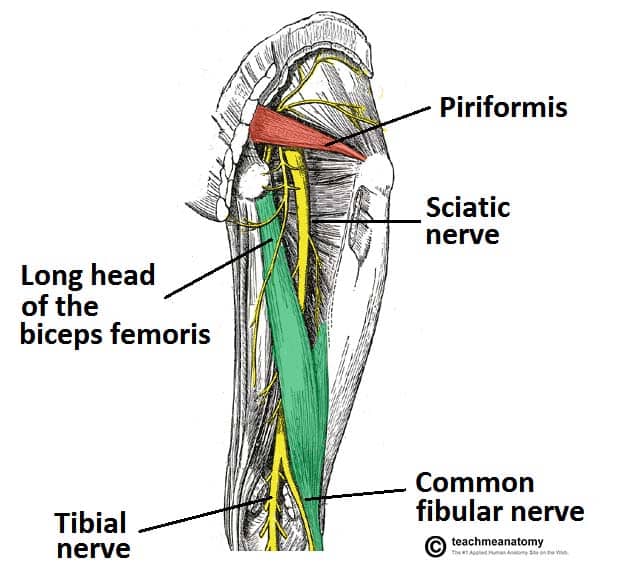
Self-massage can be an effective home tool when done correctly. The goal is to relax the tissues around the irritated nerve pathway—especially the glutes, piriformis, low back muscles, hamstrings, and sometimes the calf—without smashing the nerve itself.
The safety rule that matters most: don’t “dig into” the sciatic nerve
If you press directly on the most “zappy” spot, you can flare symptoms. Instead, aim for gentle, targeted pressure that feels like a controlled release.
Use the “hurts good” rule:
Keep pressure 0–3 out of 10 (mild to moderate discomfort)
Avoid 4–10 out of 10 (too aggressive)
If symptoms worsen, stop right away and reduce pressure next time
Tools that work well at home
You do not need expensive equipment. These basic tools are enough for most people:
Tennis ball (beginner-friendly pressure)
Foam roller (great for slow myofascial release)
Two tennis balls taped together or in a sock (to work beside the spine more safely)
Heat pack (before or after)
Many sciatica massage guides recommend simple tools like tennis balls and foam rollers because they help you reach deep glute and hip muscles without overworking your hands.
Step-by-step: a simple self-massage routine for sciatica relief
Start with heat (optional, but helpful)
Apply heat to the lower back or glutes for 10–15 minutes. Heat can help muscles relax, so you do not need to apply as much pressure during a massage.
Tip: Heat should feel soothing, not scorching.
Trigger point release for the glutes and piriformis (tennis ball)
This is one of the most helpful self-massage steps because the piriformis and nearby glute muscles can tighten and irritate the sciatic nerve pathway.
How to do it:
Sit on the floor (or a firm bed) and place a tennis ball under one buttock.
Lean your weight into the ball until you find a tender “knot.”
Hold steady pressure for 20–45 seconds while breathing slowly.
Move the ball 1–2 inches and repeat on 2–4 spots.
Keep it safe:
If pain becomes sharp, numbness increases, or symptoms travel farther down the leg, stop immediately.
Low back muscle release (two tennis balls—NOT on the spine)
At El Paso Back Clinic, massage and soft-tissue work are considered a key part of sciatica treatment because relaxing tight tissues can reduce pressure on irritated structures. A safe home approach is to use two tennis balls so that pressure is applied beside the spine.
How to do it:
Tape two tennis balls together (or place them in a sock).
Lie on your back with knees bent.
Place the balls on either side of the spine, not on the bone.
Make tiny shifts and pauses—no fast rolling.
Work for 1–2 minutes, then rest.
Myofascial release for hamstrings (foam roller)
If your hamstrings are tight, they can “pull” on the pelvis and keep the low back and hip region tense. Slow foam rolling is often described as a form of self-myofascial release that warms and loosens tissue over time.
How to do it:
Sit with the roller under the back of your thigh.
Roll slowly and pause on tight spots for 20–30 seconds.
Don’t chase pain—stay in the 0–3/10 range.
Calf massage for referred pain (hands or roller)
Some sciatica patterns show up strongly in the calf or foot. Gentle calf work may help reduce guarding and improve comfort.
How to do it:
Use your hands to squeeze and glide from ankle toward knee.
Pause on a tender spot and breathe.
Keep pressure light to moderate.
What to avoid (so you don’t flare symptoms)
Heavy pressure on the “electric” pain spot
Fast rolling over the lower back or buttocks
Long sessions that leave you sore for 1–2 days
Pressing on the bone (spine, sacrum ridge, hip bone)
If you feel worse after self-massage, your body is telling you the dose was too high. Reduce pressure and shorten the next session.
Why chiropractic + massage often works better than either alone
Self-massage can help relieve muscle tension, but some cases of sciatica also involve spinal joint restriction, disc irritation, or nerve root pressure. That is why integrative chiropractic care is often paired with soft-tissue work.
On El Paso Back Clinic, sciatica care is described as focusing on addressing sources of pain (not only masking it), and the clinic also highlights combining chiropractic adjustments with therapeutic massage and non-surgical decompression options.
Common integrative components include:
Targeted chiropractic adjustments to improve motion and reduce irritation
Myofascial release/therapeutic massage to reduce spasms and improve circulation
Non-surgical spinal decompression (when appropriate) to reduce pressure on discs/nerve roots
Clinical observations from Dr. Alexander Jimenez
Across sciatica-focused education on the clinic’s site, the recurring theme is that lasting relief often improves when care addresses both sides of the problem:
tissue tension (glutes/piriformis/low back tightness), and
spinal mechanics (how joints/discs and nerve pathways are loading under stress).
When to stop home care and get evaluated quickly
Get urgent medical evaluation if you have:
New or worsening leg weakness
Loss of bowel or bladder control
Numbness in the saddle area
Severe pain with fever, unexplained weight loss, or major trauma
These may indicate a condition requiring immediate care beyond self-massage.
Anterior Hip and Leg Muscles: What They Are, What They Do, and Why They Hurt
A woman holds her aching anterior hip.
Pain in the front of the hip (often felt in the hip crease or groin area) and the front of the thigh is very common. It can show up when you stand up from a chair, climb stairs, run, kick, or even after sitting for a long time. The tricky part is this: front-hip pain is not always “just a tight hip flexor.” Sometimes it’s a muscle or tendon problem, but it can also be related to the hip joint, the pelvis, or the lower back.
This guide is written for everyday people in El Paso who want clear answers, plus a practical explanation of how an integrative chiropractic approach can help reduce pain and prevent flare-ups.
At El Paso Back Clinic, Dr. Alexander Jimenez and the team often observe a pattern: tight, overworked hip flexors, underactive glutes, and poor pelvic control—especially in people who sit a lot, train hard, or are recovering after an accident.
What “anterior hip and leg muscles” means
“Anterior” means the front side. The anterior hip and leg muscles are basically your “go-forward” and “stand-tall” muscles. They help you:
Lift your knee (hip flexion)
Step forward when walking or running
Stabilize your pelvis so your lower back doesn’t overwork
Straighten your knee (knee extension)
Control your leg when you climb stairs or squat
When these muscles get overloaded, they can feel tight, sore, weak, or sharp—depending on the cause.
The main anterior hip muscles (your hip flexors)
Hip flexors are not one muscle. They’re a group that works together.
Key hip flexor muscles
Iliopsoas (iliacus + psoas): the classic “deep hip flexor”
Rectus femoris: part of the quadriceps, crosses the hip and the knee
Sartorius: a long, strap-like muscle across the front of the thigh
Tensor fasciae latae (TFL): supports hip flexion and pelvic control
Pectineus (often grouped with hip flexors in clinical discussions)
Why iliopsoas matters so much
The iliopsoas helps:
Lift the thigh toward the trunk
Support the hip joint and pelvis
Add stability near the lumbar spine/pelvis connection
At El Paso Back Clinic, iliopsoas overuse is commonly discussed among athletes and active individuals who engage in sprinting, jumping, kicking, or repeated hip flexion.
The anterior thigh muscles (front of the thigh)
The main anterior thigh group is the quadriceps. They’re designed to extend the knee and help control motion during walking, stairs, squats, and landing.
Quadriceps muscles
Rectus femoris
Vastus medialis
Vastus lateralis
Vastus intermedius
The anterior thigh compartment is also supplied and controlled by key anatomical structures, such as the femoral nerve (often described as the L2–L4 roots) and the femoral artery system. That’s one reason pain patterns can sometimes feel confusing—muscles, nerves, and joints all influence the sensation you feel.
Why the anterior hip and leg muscles sometimes hurt sometimes
There are a few “big buckets” that explain most front-hip and front-thigh pain.
You’re asking the muscles to do too much, too often (overuse)
Overuse happens when the workload increases faster than your tissues can adapt. Common triggers include:
Sudden jump in running miles
More hills or speed work than usual
Lots of kicking (soccer, martial arts)
Heavy squats/lunges with poor control
Repetitive direction changes (basketball, football)
Overuse can irritate:
The muscle belly (soreness, tightness)
The tendon (tendinopathy-like pain)
The hip flexor attachment area near the front of the hip
Prolonged sitting keeps hip flexors in a “shortened” position
Sitting puts the hips into flexion. Over time, many people notice:
Hip tightness when standing up after sitting
A “pinchy” feeling in the front of the hip
Low back stiffness that shows up with hip tightness
Dr. Jimenez has emphasized in his recent writing that prolonged sitting can contribute to tight hip flexors and poor movement patterns, and that short movement breaks, along with targeted mobility work, can help many people feel better.
The hip flexors can be tight because other muscles are not doing their job
This is one of the most common “root causes” in stubborn cases:
Weak or underactive glutes
Weak deep core stabilizers
Limited hip mobility (the hip joint doesn’t move well)
Pelvic control issues (pelvis tips forward, rotates, or drops during gait)
El Paso Back Clinic explains that when the glutes weaken from inactivity and prolonged sitting, the hips and pelvis can become less stable and shift out of alignment, thereby increasing stress on surrounding tissues.
Sometimes the pain is not in the hip flexor at all
A major clinical point from family medicine guidelines is that hip pain often groups into:
Anterior (front)
Lateral (side)
Posterior (back)
…and the cause changes based on that pattern. Anterior hip pain may result from hip flexor injury, but it can also result from intra-articular hip joint problems (such as femoroacetabular impingement or labral pathology) or from referred pain.
A helpful “body map” concept is presented in educational videos that discuss what different hip pain locations can indicate, but a hands-on evaluation remains important when symptoms persist.
What the pain feels like: common patterns that guide the next step
These are not perfect rules, but they help you decide whether you’re dealing with a likely muscle/tendon issue or something deeper.
More likely muscle/tendon irritation (common hip flexor pattern)
Pain in the front hip crease
Worse with lifting the knee (stairs, marching)
Worse with running sprints, kicking, or hills
Tenderness in the front hip region
Feels tight after sitting
More likely hip joint involvement
Deep groin pain with hip rotation
Catching, clicking, locking, or “pinching”
Pain that persists despite basic stretching/rest
Range of motion feels blocked (especially flexion + rotation)
More likely low back/nerve referral
Front thigh pain plus low back symptoms
Numbness, tingling, and burning sensations
Symptoms that change with spine position
Why “stretching only” often fails
Stretching can feel good short-term, but it may not solve the real driver if the problem is:
Weak glutes and weak core control
A stiff hip joint or pelvic restriction
Poor movement strategy (how you squat, run, or stand)
A training load problem (too much too soon)
In other words, the hip flexors may be tight because they’re protecting you or compensating for something else.
How El Paso Back Clinic approaches anterior hip and leg pain
El Paso Back Clinic describes an integrative model that blends chiropractic care, rehabilitation concepts, and movement-based strategies, with a focus on mobility, flexibility, and the restoration of balanced function.
Here’s how that “integrative” approach commonly helps front-hip and front-thigh problems.
Identify the true driver (not just the sore spot)
A good evaluation typically includes:
History (training, sitting, injury, accident history)
Differentiation between hip joint vs. lumbar referral patterns
Dr. Jimenez has written about the importance of a structured hip evaluation to sort out the likely source of pain and match care to the pattern.
Restore joint motion and reduce protective “guarding”
When the pelvis/hip/lumbar spine isn’t moving well, the body often shifts load to the hip flexors and quads. Chiropractic-style care may focus on restoring smoother motion so the muscles stop overworking.
El Paso Back Clinic also discusses how muscle imbalance and chronic guarding can make it harder for muscles to “relax on their own,” especially after injuries.
Use soft tissue + targeted techniques to normalize muscle function
A common strategy is pairing hands-on care with neuromuscular techniques. El Paso Back Clinic specifically discusses assessing hip flexors with MET therapy (muscle energy technique) as part of reducing tightness and improving hip mobility.
Rebuild strength where it matters (glutes + core + hip control)
To prevent recurrence, the plan usually includes strengthening and control, especially:
Glute bridges and progressions
Hip abduction strength (side-lying or banded work)
Gradual reloading of hip flexors (instead of only stretching)
El Paso Back Clinic’s content repeatedly emphasizes that restoring balanced muscle function around the pelvis and hips supports daily movement and performance.
Practical tips you can start today (safe, simple, and realistic)
If your symptoms are mild and you’re not dealing with red flags, these are common first steps.
For desk workers and drivers (very common in El Paso)
Take 1–2 minute movement breaks every 30–60 minutes
Do a gentle hip flexor stretch (no sharp pinching)
Add a glute activation move (bridges or mini-band walks)
Keep your daily steps consistent (don’t go from 2,000 to 12,000 overnight)
For runners and athletes
Reduce aggravating volume for 1–2 weeks (not “stop forever,” just calm it down)
Avoid sprinting/kicking if it spikes sharp pain
Strengthen glutes and hip stabilizers 2–3x/week
Return to speed and hills gradually, not all at once
Quick self-check idea (mobility clue)
The Thomas Test is commonly used to screen for hip flexor tightness and may help distinguish whether the “tight feeling” is more iliopsoas- or quadriceps-based (rectus femoris). It’s not a diagnosis, but it can be a clue.
When you should get evaluated sooner rather than later
Don’t try to “stretch through it” if you have:
Severe pain after a fall or accident
Inability to bear weight
Fever or feeling unwell with hip pain
Worsening numbness/tingling or leg weakness
Persistent catching/locking and deep groin pain
A structured clinical examination is particularly important when hip pain may involve the hip joint or referral patterns.
The main takeaway
Your anterior hip and leg muscles—especially the hip flexors and quadriceps—are essential for walking, running, stairs, and posture. They often hurt because of:
Too much repeated load (overuse)
Too much sitting (hip flexors stay shortened)
Muscle imbalance (weak glutes/core causing hip flexors to overwork)
Hip joint or low back referral (pain “shows up” in the front)
An integrative chiropractic model—such as the one described in El Paso Back Clinic’s educational resources—focuses on identifying the underlying cause, restoring motion, improving muscle balance, and developing a plan to reduce the likelihood of recurrence.
Innovations in Sciatica Treatment in 2026: A Shift Toward Targeted, Minimally Invasive, and Integrative Care
Sciatica is one of the most common causes of chronic lower back and leg pain. It occurs when the sciatic nerve—the longest nerve in the body—is irritated or compressed, often due to disc herniation, spinal degeneration, inflammation, or biomechanical imbalance. For years, treatment options focused mainly on pain medications, steroid injections, or surgery when symptoms became severe.
In 2026, sciatica care has entered a new phase. Treatment is no longer just about “blocking pain.” Instead, the focus is on precision diagnosis, nerve healing, inflammation reduction, and functional recovery, with fewer complications and faster healing times. These advances also emphasize integrated, interdisciplinary care, combining chiropractic treatment with the diagnostic and clinical oversight of nurse practitioners (NPs).
This article explains the most important innovations shaping sciatica treatment in 2026, using easy-to-understand language while staying grounded in current clinical research and real-world outcomes.
Understanding Sciatica: Why Better Solutions Were Needed
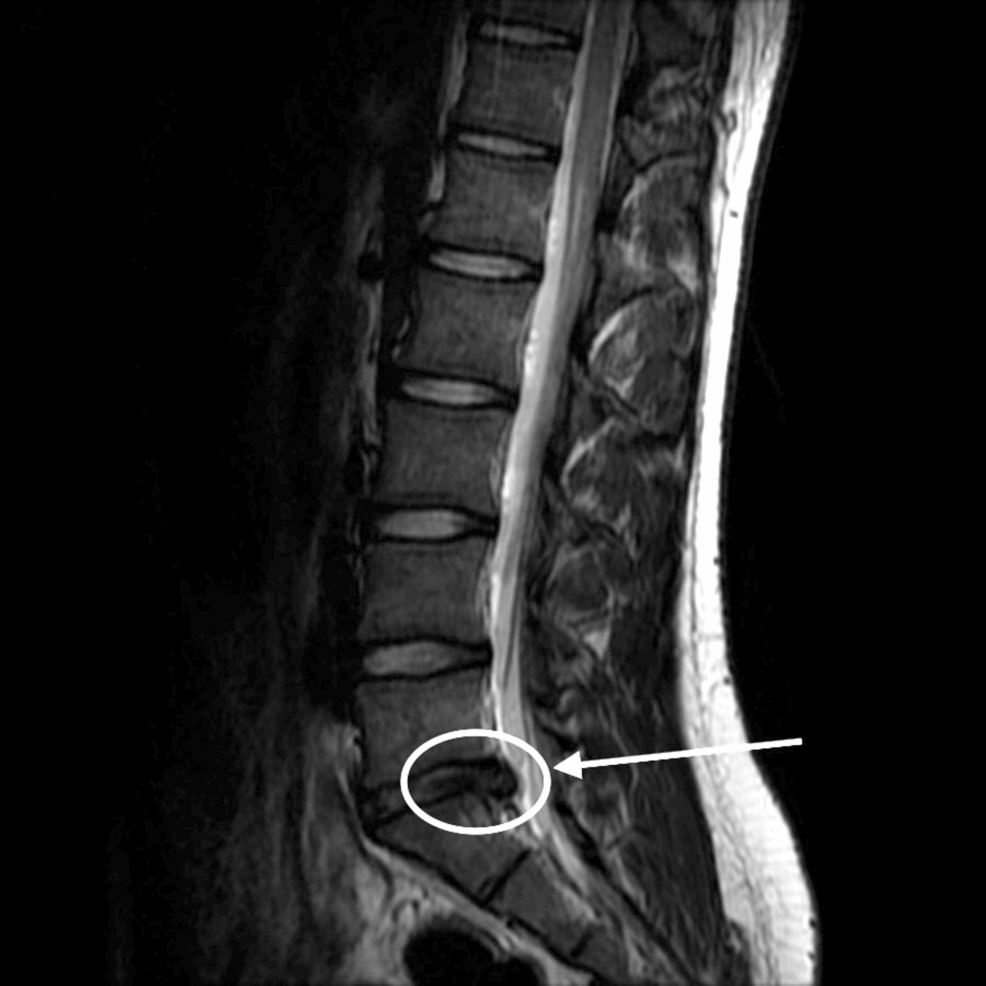
Sciatica is not a single disease. It is a symptom caused by pressure or irritation along the sciatic nerve, usually beginning in the lower spine and traveling into the buttock and leg. Pain can feel sharp, burning, electric, or aching and may include numbness or weakness.
Common contributors include:
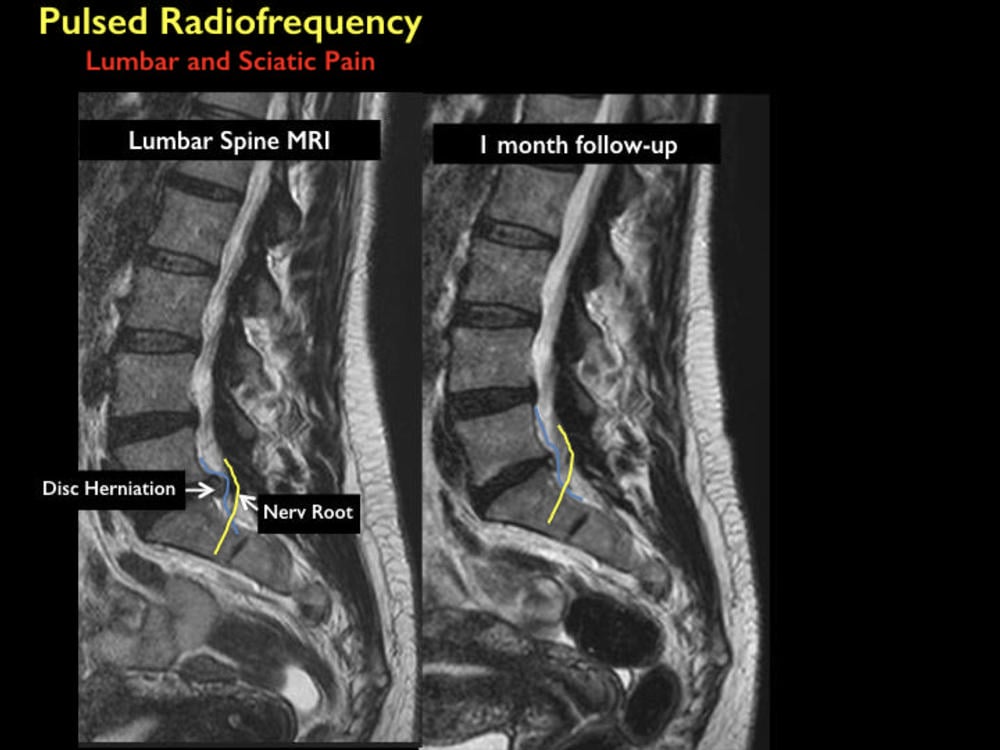
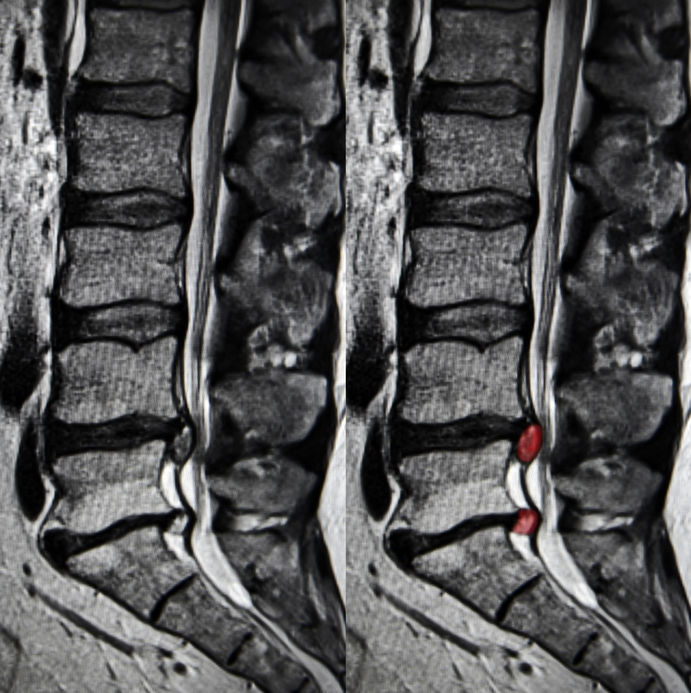
Herniated or bulging lumbar discs
Spinal stenosis
Degenerative disc disease
Muscle imbalance or pelvic instability
Inflammation around nerve roots
Traditional treatments often relied on:
Long-term anti-inflammatory or pain medications
Opioids for severe cases
Epidural steroid injections
Surgery as a last resort
While these approaches helped some patients, they did not always address the underlying cause, and many carried risks such as dependency, complications, or prolonged recovery (Stanford Health Care, n.d.).
What Has Changed in 2026?
By 2026, sciatica treatment emphasizes early, targeted, and minimally invasive care. Research and clinical experience now show that addressing nerve irritation early and restoring healthy movement patterns can prevent chronic pain and disability (BioSpace, 2025).
Key changes include:
Improved imaging and diagnostics
Precision-guided nerve procedures
Regenerative medicine options
Advanced neuromodulation technologies
Integrated chiropractic and NP-led care models
Advanced Diagnostic Imaging: Seeing the True Source of Pain
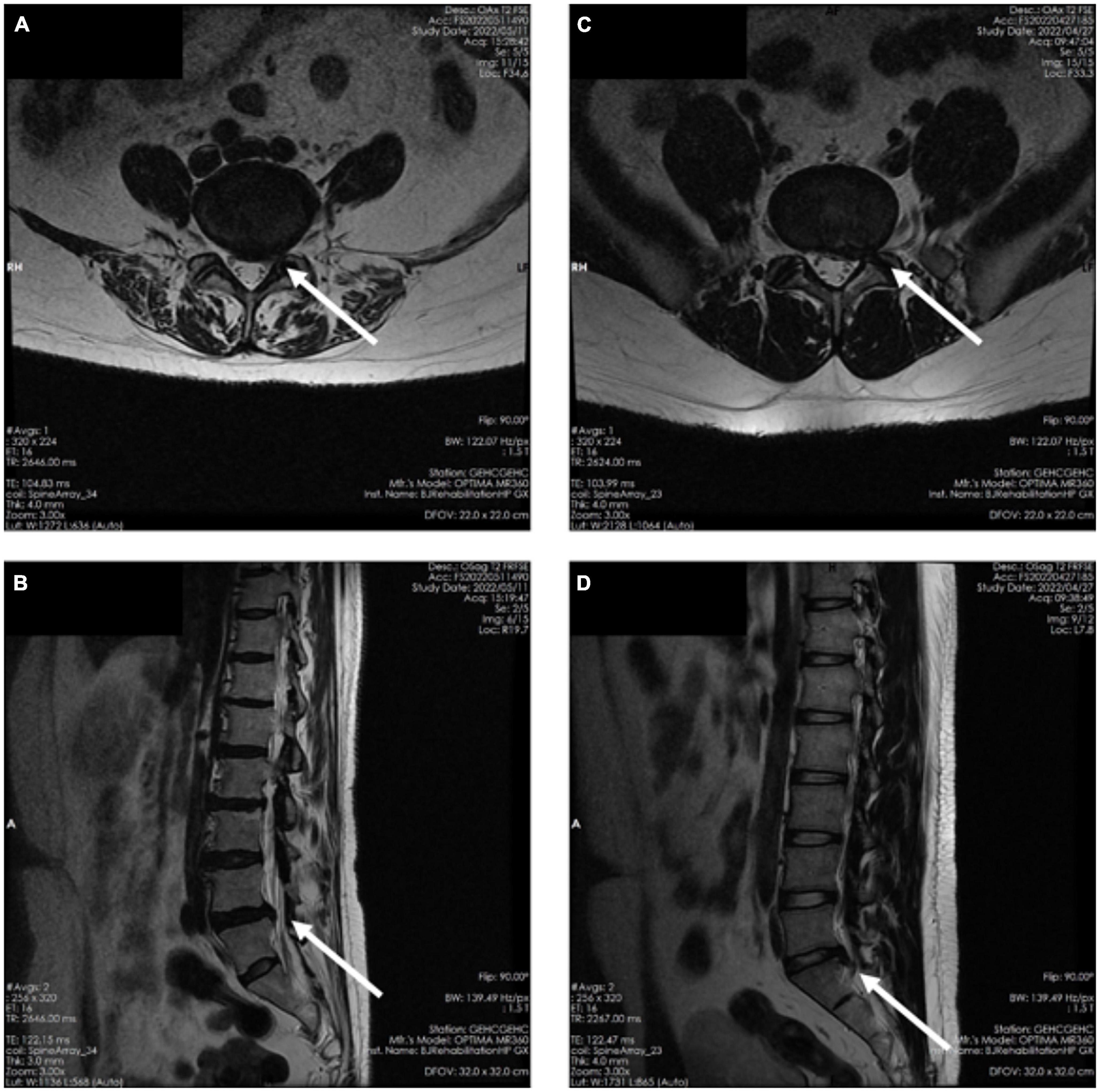
One of the biggest improvements in sciatica care is high-resolution MRI technology. Modern imaging allows clinicians to:
Identify the exact nerve root involvement
Distinguish disc-related pain from muscular or inflammatory causes
Detect subtle nerve inflammation missed in earlier imaging methods
Enhanced MRI protocols now guide treatment decisions more accurately, reducing unnecessary procedures and improving outcomes (Stanford Health Care, n.d.).
Nurse practitioners play a critical role here by:
Ordering and interpreting imaging
Correlating findings with physical symptoms
Coordinating referrals and follow-up care
Minimally Invasive Pain Procedures: Precision Without Surgery
Improved Nerve Blocks
Modern nerve blocks are no longer “blind injections.” In 2026, they are image-guided and highly targeted, delivering medication exactly where inflammation and irritation occur.
Benefits include:
Faster pain relief
Reduced medication dosage
Improved diagnostic clarity
Lower complication risk
Nerve blocks are now often used as diagnostic tools to help clinicians determine whether pain is mechanical, inflammatory, or neuropathic in origin (Apollo Spine & Pain, 2026a).
Radiofrequency Ablation (RFA)
Radiofrequency ablation uses controlled heat to disrupt pain signals traveling through irritated nerves. Newer RFA systems are more precise and selective than earlier versions.
Key advantages:
Long-lasting pain relief
Minimal tissue damage
Short recovery time
Reduced reliance on medications
RFA is especially helpful for chronic sciatica that does not respond to conservative care (Apollo Spine & Pain, 2026b).
Spinal Cord Stimulation: Rewiring Pain Perception
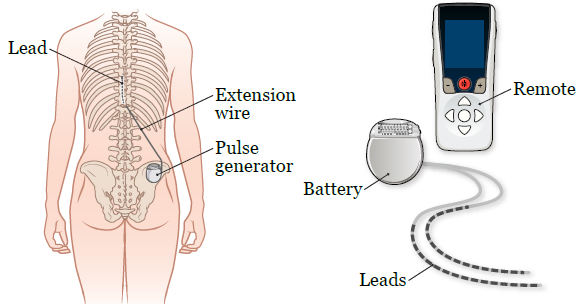
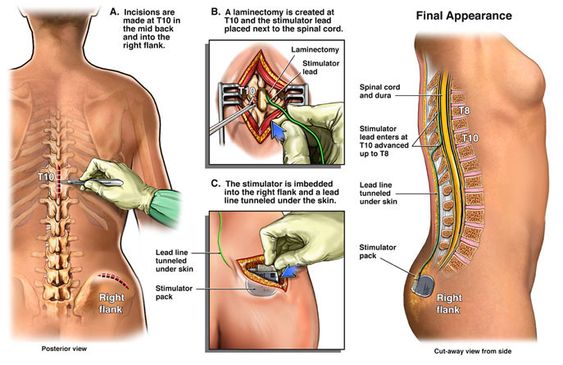
Spinal cord stimulation (SCS) has evolved significantly. New devices are smaller, smarter, and more adaptive. They deliver gentle electrical signals that change how the brain interprets pain signals from the sciatic nerve.
Modern SCS systems offer:
Personalized stimulation patterns
Adjustable settings via external controllers
Reduced side effects compared to older models
SCS is now used earlier in care for select patients, helping many avoid surgery altogether (Pain and Spine Specialists, n.d.).
Regenerative Medicine: Supporting Nerve Healing
Platelet-Rich Plasma (PRP)
PRP therapy uses a patient’s own blood components to promote healing and reduce inflammation. In sciatica care, PRP is increasingly used around:
Inflamed nerve roots
Degenerative disc structures
Surrounding soft tissues
Research suggests PRP may:
Reduce inflammation
Support tissue repair
Improve long-term outcomes
While still evolving, regenerative therapies are driving growth in the global sciatica treatment market (Grand View Research, n.d.; PMC, 2024).
Therapeutic Exercise Innovations: Movement as Medicine
Nerve Flossing and Targeted Rehab
Exercise therapy in 2026 is more specific and personalized. One standout approach is nerve flossing, which involves controlled movements designed to improve nerve mobility and reduce irritation.
Benefits include:
Improved nerve glide
Reduced stiffness
Decreased pain during daily activities
Programs are now customized using imaging findings and functional testing, ensuring exercises match the patient’s specific condition (Goodman Campbell, 2026).
Chiropractic Care: A Drug-Free Foundation
Chiropractic care remains central to non-surgical sciatica treatment. Modern chiropractic approaches focus on restoring spinal alignment, reducing nerve compression, and improving movement patterns.
Common techniques include:
Spinal adjustments
Flexion-distraction therapy
Soft tissue mobilization
Low-level laser therapy
Research continues to associate chiropractic care with reduced opioid use and improved pain outcomes (ReachMD, 2024; UH Hospitals, 2025).
Integrated Care: Chiropractors and Nurse Practitioners Working Together
One of the most important shifts in 2026 is the collaborative care model. Instead of isolated treatment, patients benefit from coordinated care involving chiropractors and nurse practitioners.
This model allows for:
Accurate diagnosis and imaging oversight
Conservative, drug-free pain management
Monitoring of neurological symptoms
Reduced opioid exposure
Clinical observations from Dr. Alexander Jimenez, DC, APRN, FNP-BC, highlight that patients receiving coordinated chiropractic and NP care often experience:
Faster recovery
Better functional improvement
Fewer invasive interventions
Greater long-term pain control
His integrative approach emphasizes treating the cause of nerve irritation, not just the symptoms (Jimenez, n.d.).
Why These Innovations Matter
Together, these advances represent a major shift in sciatica care:
From surgery-first to conservative-first
From symptom masking to root-cause resolution
From isolated care to interdisciplinary teamwork
Patients now have more options, fewer risks, and better long-term outcomes.
Conclusion: The Future of Sciatica Care Is Personalized and Precise
By 2026, sciatica treatment has become more effective, safer, and patient-centered. Innovations in diagnostics, minimally invasive procedures, regenerative medicine, and integrative chiropractic-NP–NP care are reducing the need for surgery and long-term medication use.
The focus is no longer just pain relief—it is nerve health, mobility restoration, and sustainable recovery. As research and technology continue to evolve, patients suffering from sciatica can expect even more targeted, evidence-based solutions in the years ahead.
Relieve Lower Back and Hip Pain with Squats, Core Exercises, and Chiropractic Care at El Paso Back Clinic®
Many people in El Paso suffer from lower back pain and hip discomfort due to daily activities, work demands, injuries, or long-term issues. These problems often stem from muscle strains, poor posture, tight hips or glutes, and weak supporting muscles. At El Paso Back Clinic® in El Paso, TX, we specialize in helping patients overcome these challenges through personalized chiropractic care, rehabilitation, and safe exercises.
Squats and core exercises, performed correctly, strengthen the muscles that support the spine, improve alignment, and enhance hip mobility. This reduces stress on the back during movement. They are effective for chronic low back pain, mild sciatica, and general aches from weak muscles. Proper form is essential—sharp pain, numbness, or weakness means you should seek professional evaluation first.
Strong Core + Chiropractic for Lower Back and Hip Pain Relief
The lower back and hips are closely connected through shared muscles, joints, and nerves. Tight hips or glutes can tug on the back, leading to strain. Weak core muscles cause spinal instability and poor posture, leading to chronic pain.
Muscle imbalances force the back to overcompensate in everyday tasks.
Reduced hip mobility leads to excessive forward leaning, stressing the lower back.
Problems in ankle or upper back mobility contribute further.
These factors can result in lumbar instability or pain radiating from the hips to the back.
How Squats Benefit Lower Back and Hip Conditions
Squats strengthen the legs, glutes, and core. With proper technique, they relieve pressure from the lower back.
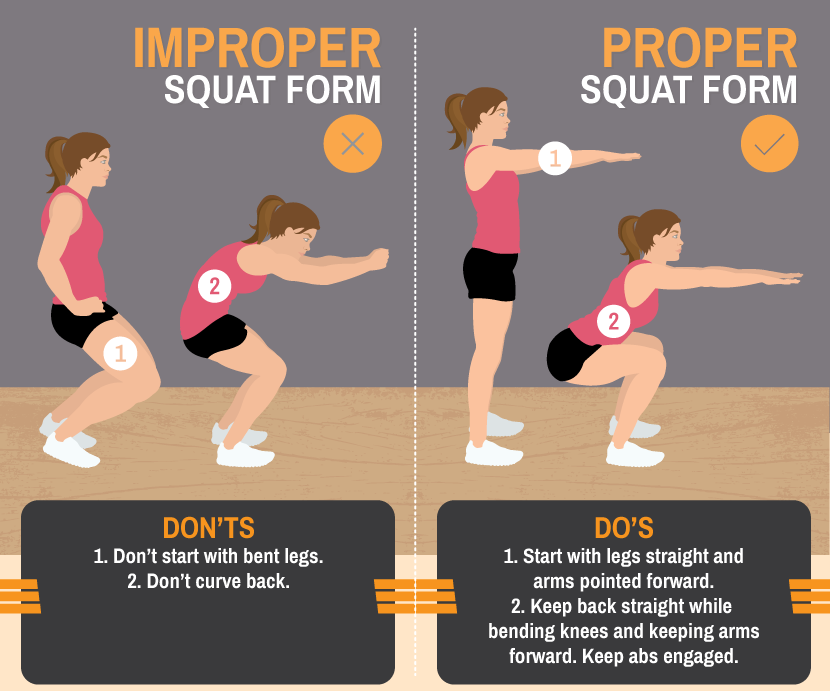
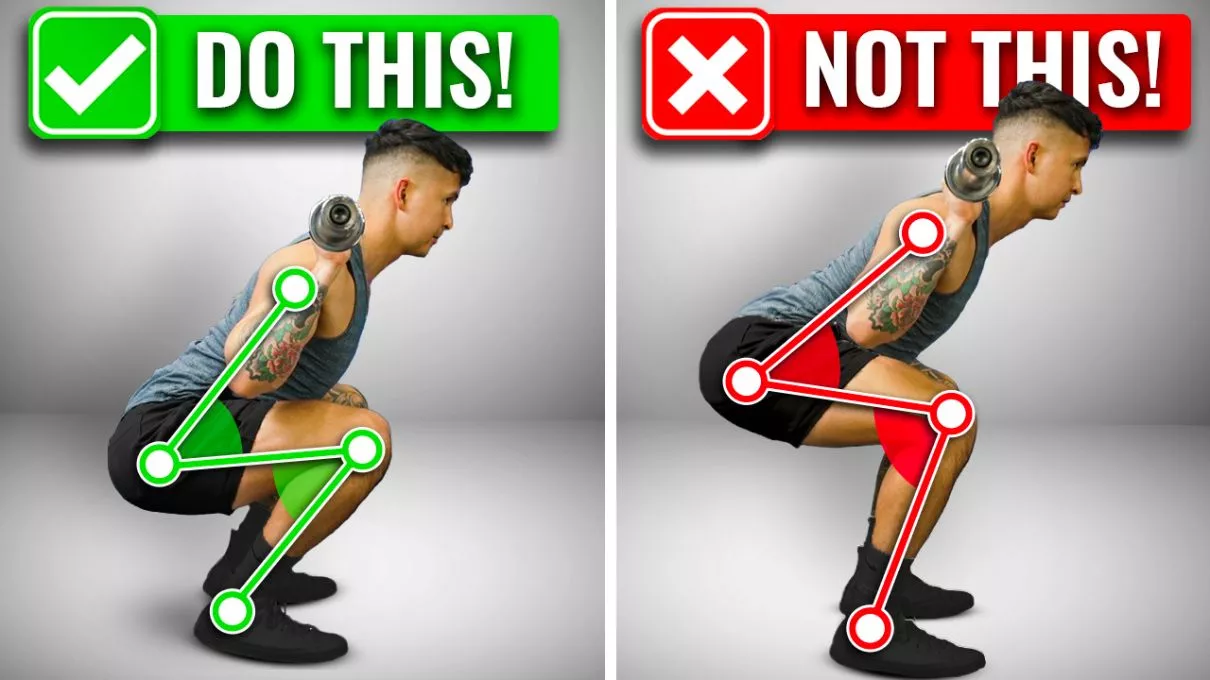
Proper squats maintain a neutral spine and engaged core, providing stability and minimizing lumbar strain. Activating core and hip muscles during squats supports the spine, preventing excessive arching or rounding.
Squats also increase hip mobility. Tight hip flexors are a common cause of back pain during deeper squats. Improved flexibility allows the hips to function better, sparing the back from overload.
Builds glutes and legs for stronger spinal support.
Enhances blood flow and reduces inflammation in the area.
Aids mild pain that improves with gentle activity.
Research supports that the correct form reduces risks associated with squats.
Core Exercises: A Key to Back and Hip Relief
Core exercises focus on deep muscles in the abdomen, back, and pelvis, acting as a natural spinal brace.
Strong core muscles enhance posture and balance, easing the load on spinal discs and preventing persistent pain from inadequate support. Studies show core stability exercises effectively reduce non-specific low back pain and improve function.
Core training also supports hip pain by stabilizing the pelvis, which is beneficial for conditions like arthritis or glute tightness.
Planks and bird-dogs develop endurance in stabilizing muscles.
Pelvic tilts and bridges safely activate deep muscles.
Standing core activities help relieve pain from prolonged sitting.
Evidence indicates that core exercises often outperform general workouts in reducing pain.
Mastering Proper Form for Safe Squats and Core Work
Incorrect squat form is a leading cause of lower back pain. Frequent mistakes include back rounding, knee collapse, or excessive weight.
Safe squat guidelines:
Position feet shoulder-width apart, toes slightly turned out.
Engage your core as if bracing for impact.
Hinge at the hips, keep the chest high, and descend until the thighs are parallel to the ground.
Drive up through heels, maintaining a neutral spine.
For core exercises, prioritize controlled movement. Hold planks straight with tight abs—avoid dipping or arching.
Begin with bodyweight versions and always warm up to boost circulation and lower injury risk.
Pain during squats typically indicates a weak core, tight hips, or mobility deficits. Address these with targeted stretches and progressive loading.
When Exercises Are Helpful and When to Get Professional Care
Squats and core exercises support:
Chronic low back pain from muscle weakness.
Mild sciatica by decreasing nerve pressure.
Hip tightness referring pain to the back.
Posture-related daily discomfort.
They foster long-term resilience and prevent compensatory back strain. Halt immediately if experiencing severe pain, numbness, weakness, or loss of balance—these may indicate serious conditions such as a disc herniation.
Consult a provider before beginning, especially if you have pre-existing injuries.
Integrative Care at El Paso Back Clinic®
At El Paso Back Clinic®, Dr. Alexander Jimenez, DC, APRN, FNP-BC, leads a team that delivers comprehensive, integrative chiropractic and wellness care for lower back and hip pain. Our approach combines squats and core exercises with chiropractic adjustments, spinal decompression, physical therapy, functional medicine, and rehabilitation programs.
Chiropractic adjustments correct misalignments and joint dysfunctions. A reinforced core helps maintain these corrections by enhancing spinal stability.
Dr. Jimenez creates tailored plans that address root causes through evidence-based protocols, drawing on over 30 years of experience in complex injuries, sciatica, and chronic pain. This multidisciplinary method often yields superior, sustained results compared to isolated treatments.
Visit our main location at 11860 Vista Del Sol, Suite 128, El Paso, TX 79936, or call (915) 850-0900 to schedule your consultation.
Beginner Exercises to Try Under Guidance
Start with these fundamentals, supervised by our team:
Bodyweight Squats: 3 sets of 10-15 repetitions, emphasizing technique.
Glute Bridges: Lie on your back, and elevate your hips by engaging your glutes.
Bird-Dog: On hands and knees, extend opposite arm and leg while bracing core.
Planks: Maintain position for 20-30 seconds, gradually increasing duration.
Pelvic Tilts: On the back, press the lower back into the floor via a pelvic tilt.
Incorporate 2-3 sessions weekly. Include hip mobility work and advance gradually.
Regain Comfort and Mobility Today
At El Paso Back Clinic®, squats and core exercises form integral components of our rehabilitation strategies for lower back and hip pain. They fortify stabilizing muscles, correct alignment, and promote mobility to manage strains, poor posture, instability, and tightness.
Combined with expert chiropractic and integrative care under Dr. Alexander Jimenez, they deliver lasting strength and relief.
Reach out to El Paso Back Clinic® today. Our team will assess your needs and develop a customized plan for optimal recovery.
IFM's Find A Practitioner tool is the largest referral network in Functional Medicine, created to help patients locate Functional Medicine practitioners anywhere in the world. IFM Certified Practitioners are listed first in the search results, given their extensive education in Functional Medicine