Back Clinic Physical Rehabilitation Team. Physical medicine and rehabilitation, which is also known as physiatry or rehabilitation medicine. Its goals are to enhance, restore functional ability and quality of life to those with physical impairments or disabilities affecting the brain, spinal cord, nerves, bones, joints, ligaments, muscles, and tendons. A physician that has completed training is referred to as a physiatrist.
Unlike other medical specialties that focus on a medical cure, the goals of the physiatrist are to maximize the patient’s independence in activities of daily living and improve quality of life. Rehabilitation can help with many body functions. Physiatrists are experts in creating a comprehensive, patient-centered treatment plan. Physiatrists are integral members of the team. They utilize modern, as well as, tried and true treatments to bring optimal function and quality of life to their patients. And patients can range from infants to octogenarians. For answers to any questions you may have please call Dr. Jimenez at 915-850-0900
Gut Repair From the Inside Out: Regenerative Therapies, BPC-157, and Integrative Care in El Paso
Abstract
This article asks whether regenerative therapies can help gut health. Regenerative therapies show potential to improve gut health by repairing damaged intestinal tissue and restoring the integrity of the mucosal lining. The post then investigates BPC-157 (Body Protection Compound) and its studied role in cytoprotective recovery of the epithelial lining, lower hyperpermeability (leaky gut), and integrative peptide therapy aimed at reducing full-body inflammatory loads. It also explains how integrative chiropractic care fits this plan and how Dr. Alexander Jimenez, DC, APRN, FNP-BC, works with Medical Director Dr. Maria Guadalupe Cardenas, MD, at Injury Medical Clinic PA in El Paso, Texas.
A Simple Answer With a Bigger Story
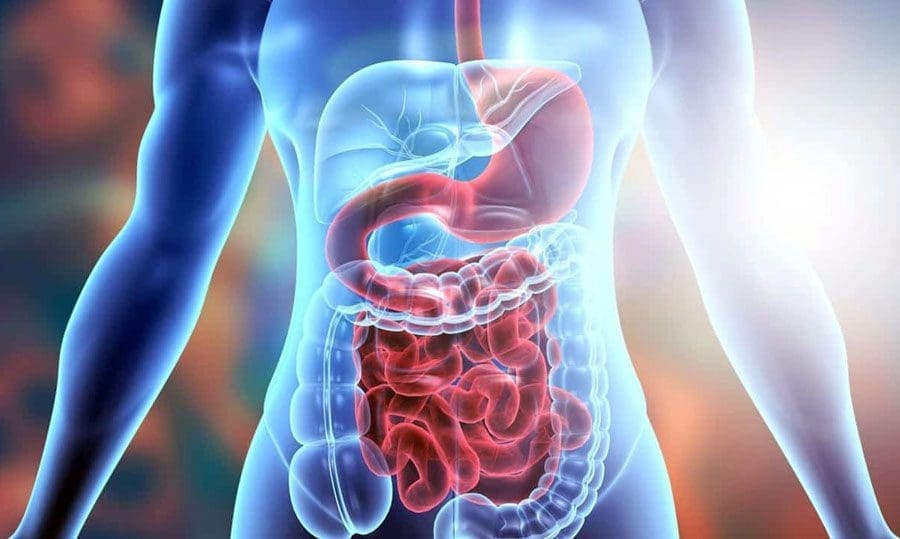
Yes. Regenerative therapies show potential to enhance gut health by repairing damaged intestinal tissue and restoring the integrity of the mucosal lining. That sentence is the scientific hope in plain language. The lining is not a passive tube. It is a living wall. When the wall is strong, food becomes fuel. When the wall is worn or open, the immune system stays busy, and pain in the back, neck, joints, or head can last longer than expected (Sikiric et al., 2020; Chang et al., 2025).
Many people treat digestion and spine pain as two different problems. In clinical practice, they often travel together. Stress, poor sleep, pain pills, and limited movement after injury can all irritate the same barrier that is supposed to keep the inside of the gut where it belongs.
Meet the Mucosal Lining
The innermost layer of the intestine is called the mucosa. New cells rise from intestinal stem cells that live in small pockets called crypts. Tight-junction proteins then fasten neighboring cells together, like a zipper.
A healthy lining does three jobs at once:
Absorbs vitamins, minerals, amino acids, and water
Keeps most bacteria, toxins, and large food bits out of the blood
Talks to the immune system so it does not overreact
If the zipper loosens, extra material slips through. Researchers call this hyperpermeability. Patients often hear “leaky gut.” The immune system then treats ordinary contents as a threat. Inflammation can spread. People may notice bloating, food reactions, fatigue, brain fog, or joints that stay hot after a strain (Park et al., 2020; Vida Revival, n.d.).
That is why gut repair isn’t just a stomach issue. It is a whole-body load topic.
How Regenerative Therapies Approach the Gut
Regenerative care tries to help tissue rebuild instead of only quieting a symptom for a few hours.
For the intestine, that work may include:
Protecting surface cells from further injury
Helping epithelium close gaps
Improving blood flow to the mucosa
Supporting stem cells that replace worn lining
Lowering inflammatory signals that keep the barrier open
The microbiome is part of this story. Gut bacteria can speed or slow intestinal stem-cell aging. In animal research, restoring a healthier microbial pattern improved stem-cell function and healing after injury (International Society for Stem Cell Research [ISSCR], 2025). A microbial metabolite called desaminotyrosine has also been shown to strengthen the barrier and drive stem-cell repair after severe gut stress (Leibniz Institute for Immunotherapy, 2025).
Other studies look even further upstream. Scientists found that clearing worn-out senescent cells helped aging mouse guts regenerate, reduced inflammation, and improved nutrient handling (Cold Spring Harbor Laboratory, 2026). California’s stem-cell agency has funded work to grow intestinal tissue and explore cell therapy for inflammatory bowel disease, where the lining is chronically damaged (California Institute for Regenerative Medicine [CIRM], n.d.). Clinics studying mesenchymal stem cells for delayed stomach emptying describe a similar aim: less inflammation, better nerve and muscle support, and improved local circulation (Stemwell, n.d.).
These paths are not identical, and none are ready as everyday treatments. They point in one direction. The gut can be helped toward repair when the right signals return.
Targeting Leaky Gut With Gastric-Protective Peptides
BPC-157 is a lab-made chain of 15 amino acids modeled on a protective fragment found in human gastric juice. That origin is why researchers first asked whether it could shield and rebuild digestive tissue (Sikiric et al., 2020; Yoo Direct Health, 2025).
The current investigation has three parts.
Cytoprotective recovery of the epithelial lining
In animal and lab models, BPC-157 has protected the stomach and intestine against injury from NSAIDs, alcohol, stress, and experimental colitis. Reports also include better healing of ulcers and surgical connections in the gut. Proposed actions include cell survival, cell migration, new vessel growth, and nitric oxide pathway effects that improve local blood flow (Sikiric et al., 2020; Chang et al., 2025).
Reduction of hyperpermeability
Park and colleagues reported that BPC-157 helped stabilize intestinal permeability after NSAID injury. The work was linked with higher tight-junction support, including ZO-1, and with lower activity of several inflammatory messengers (Park et al., 2020). In everyday words, the zipper may get help staying closed.
Interaction with integrative peptide therapy
BPC-157 is often discussed with other short signaling peptides, such as KPV, that are studied for calming immune activity in the mucosa (Yoo Direct Health, 2025; Laser Skin Solutions, n.d.). Integrative peptide therapy, in this setting, means using selected signals to help the barrier recover so the inflammatory load on the rest of the body can fall. That load can affect joints, nerves, skin, energy, and recovery speed after injury.
What the evidence does not yet prove
Most BPC-157 gut data remain preclinical. Human trials are still limited. Reviews describe promise and then call for stronger controlled studies in people (Chang et al., 2025). BPC-157 is not FDA-approved for leaky gut, IBD, ulcers, pain, or any other human use. Products sold outside a regulated clinical pathway can vary in quality. Unapproved peptides also carry legal and professional risk. Competitive athletes should know WADA lists BPC-157 as a prohibited non-approved substance (PortraitCare, 2026; Holt, n.d.; Yoo Direct Health, 2026).
Interest is fair. Internet certainty is not.
From Gut Load to Spine Pain
When the barrier leaks, the immune system stays on alert. That alert can make an injured neck, disc, or sciatic nerve feel louder. Pain pills taken for the spine can then irritate the lining again. Sleep drops. Walking drops. The cycle tightens.
Dr. Alexander Jimenez, DC, APRN, FNP-BC, CCST, CFMP, IFMCP, ATN, has described this as a biology-and-mechanics problem. Regenerative tools try to improve the healing environment around tissue. Chiropractic care and rehabilitation try to restore motion so repaired tissue is not asked to live in a locked or twisted frame (Jimenez, 2025a, 2025b). His published observations and public professional profile also connect gut health, inflammation, autoimmunity, peptide discussions, IV recovery, and integrative chiropractic care as one clinical map (Jimenez, n.d.).
That map helps explain a common clinic pattern: the MRI shows a strain, but the person feels system-wide fatigue and slow progress until food, sleep, motion, and barrier health are addressed together.
How Integrative Chiropractic Care Fits the Treatment
Integrative chiropractic care does not claim to sew the intestinal lining with an adjustment. It supports the nervous system, posture, and movement that surround digestion and healing.
The mid-back, ribs, and diaphragm affect breathing and abdominal pressure. The vagus nerve and spinal pathways help set gut motion and stress tone. After injury or years of desk work, people often brace. The head drifts forward. The ribs stiffen. Bowel rhythm and sleep suffer.
In a coordinated plan, chiropractic care and rehab may:
Restore spinal and rib motion
Improve breathing mechanics
Reduce protective muscle guarding around the trunk
Retrain posture and walking
Prepare the body for strengthening and daily work
Better motion can lower fight-or-flight load. A calmer stress response gives the gut a better chance to repair. Functional medicine then looks at nutrition, sleep, blood sugar, and gut-immune clues. Personal injury care documents trauma and stages of return to activity. Regenerative options, if discussed at all, come after that foundation and under medical review.
A Multidisciplinary Clinic Model in El Paso
Persistent gut and pain cases require more than one perspective. At Injury Medical Clinic PA in El Paso, Texas, chiropractic and advanced practice care from Dr. Alex Jimenez are paired with medical direction from Dr. Maria Guadalupe Cardenas, MD.
Dr. Cardenas is board-certified in internal medicine (NPI #1164426749; Texas MD License #J2933). She has more than 40 years of experience as an internist and serves as medical director and collaborative physician. This multidisciplinary setup is common in integrative and injury care clinics. An MD provides medical direction, internal medicine judgment, and safety oversight. A chiropractor evaluates the spine, nerves, and movement. Together they can separate urgent digestive disease from functional barrier problems and connect both to back pain, sciatica, sports injury, or delayed recovery after a crash.
The same team plan may include:
Functional medicine and nutrition
Rehabilitation and posture training
Personal injury evaluation and documentation
Regenerative discussions under medical oversight
Nurse-practitioner care coordinated with the medical director
The benefit is not a trendy product name. The benefit is a group that sees the lining, the spine, and the person who has to get through the day.
A Clear Path Readers Can Follow
A careful sequence looks like this:
Seek care for warning signs such as bleeding, black stools, vomiting, fever, or unexplained weight loss.
Rebuild daily basics: protein, plants you can tolerate, water, walking, and sleep.
Restore motion with integrative chiropractic care and rehabilitation.
Support the barrier with food and targeted nutrients when indicated.
Consider advanced regenerative options only after diagnosis, informed consent, and legal clinic-based oversight.
Regenerative therapies show potential to enhance gut health by repairing damaged intestinal tissue and restoring mucosal lining integrity. BPC-157 is being investigated for cytoprotective epithelial recovery, reduced leaky-gut changes, and a lighter full-body inflammatory load when placed inside a broader integrative plan. The research is encouraging. Human proof and FDA approval are not complete. The most useful next step in El Paso is still a full evaluation with a team that treats both the barrier and the frame around it.
Park, J. M., Lee, H. J., Sikiric, P., & Hahm, K. B. (2020). BPC 157 rescued NSAID-cytotoxicity via stabilizing intestinal permeability and enhancing cytoprotection. Current Pharmaceutical Design, 26(26), 2971–2981. https://doi.org/10.2174/1381612826666200523180301
Micro-fragmented adipose tissue, or MFAT, is a minimally invasive regenerative treatment. It uses a small amount of a person’s own fat. Mechanical processing cleans the fat and breaks it into tiny pieces, without harsh enzymes or extra chemicals. The finished tissue holds healing cells, growth factors, and a soft natural framework. After a car accident, injuries are often layered. Joints may be misaligned. Ligaments may tear or stretch. Soft tissues may stay swollen and take a long time to heal.
MFAT can be injected into selected joints, tendons, or ligaments to help reduce inflammation and support repair. This article explains what MFAT is, how it is prepared, why auto injuries are complex, and how MFAT works with integrative chiropractic rehabilitation. It also describes the team at Injury Medical Clinic PA in El Paso, Texas, where Dr. Alexander Jimenez provides chiropractic and integrative care and Dr. Maria Guadalupe Cardenas, MD, offers medical direction.
What MFAT Is
MFAT starts with adipose tissue, the medical name for body fat. Fat does more than store energy. It also contains structural tissue, blood-vessel-related cells, signaling cells, and growth factors. In this treatment, a small sample of the patient’s own fat is taken, usually from the abdomen or thigh. The sample is washed and broken into micro-fragments. Those fragments are then placed into an injured joint, tendon, or ligament.
Because the material comes from the same person, the chance of rejection is very low. The goal is to support the local healing environment. MFAT may help calm swelling, add cushion, and send repair signals to nearby tissue.
It does not promise that cartilage will grow back.
It does not replace surgery when a structure is fully torn or unstable.
It is one option for selected injuries that have not settled with basic care.
In plain language, MFAT is the patient’s own tissue, prepared in a limited way, and placed where the body is having trouble healing.
How Mechanical Processing Concentrates Healing Support
The processing step is what sets this treatment apart. The fat is handled in a closed system and reduced in size with mild mechanical force. The process removes oil, excess fluid, and blood residue. The useful tissue stays together. No harsh enzymes are added. No cells are grown in a lab.
A typical visit follows this path:
A clinician reviews the injury, exam findings, and imaging.
A small amount of fat is collected under local anesthesia.
The tissue is washed and micro-fragmented the same day.
The processed tissue is injected, often with ultrasound guidance.
A protection and rehabilitation plan begins after the procedure.
This same-day process is one reason MFAT is called minimally invasive. Most people go home the same day and return to light activity within a few days. Activity then increases under a guided plan.
Why Car Accidents Cause More Than One Problem at a Time
A crash can injure several layers of the body at once. A knee can strike the dashboard. A shoulder can brace against the seat belt. The neck can snap forward and back. Ligaments can stretch. Cartilage can bruise. Muscles can tighten to protect the area. Those changes do not always show up as one simple finding on the first visit.
Common results of auto accidents include:
Joints that no longer move in a smooth, centered way
Ligament tears or sprains that leave the area less stable
Tendon injuries that heal slowly because blood supply is limited
Soft tissues that stay inflamed for weeks or months
Muscle guarding and poor posture that add extra stress
Weakness and balance changes that alter walking, driving, and work tasks
This is why some people still hurt long after the bruise fades. The original tissue injury may remain. The way the body moves may also keep loading that same spot. Older accident injuries can linger as neck pain, low back pain, shoulder or knee pain, stiffness, or reduced motion when those layers are left uncorrected.
Pain medicine may take the edge off symptoms. It does not by itself rebuild tissue or restore motion. That is why an integrative plan looks at both the injured structure and the whole movement pattern.
How MFAT Can Support Auto Injury Recovery
MFAT is usually considered after conservative care has already been tried. That earlier care may include examination, imaging, activity changes, chiropractic care, rehabilitation, and sometimes platelet-rich plasma (PRP). MFAT may be discussed when the injury is more complex, more degenerative, or slower to heal.
When used with an integrative plan, MFAT can address several stages of recovery:
The tissue stage. The injection may reduce local inflammation and support repair inside a joint, tendon, or ligament.
The support stage. The micro-fragments provide a soft scaffold, which can help a worn or injured area feel more cushioned.
The signaling stage. Growth factors and related cells can send repair messages over weeks and months, not only for a few days.
The movement stage. Chiropractic care and rehab then help the body load that tissue more evenly.
The best-studied use is knee osteoarthritis, including cases linked to earlier trauma. Reviews report that some patients have less pain and better function after MFAT. Similar support has been discussed for selected tendon problems, partial soft-tissue tears, and chronic joint irritation. Results vary. When improvement happens, it often builds over weeks to months.
MFAT is not first-line care. It is not a fit for unstable fractures, complete ruptures, active infection, or joints that already need reconstruction. Regenerative treatments used this way are still being studied and are not FDA-approved as a cure for osteoarthritis or tendon injuries. Careful screening matters.
How Integrative Chiropractic Care Fits Into MFAT Treatment
Advanced regenerative medicine and chiropractic rehabilitation work on different parts of the same problem. MFAT supports the biology of the injured tissue. Integrative chiropractic care supports the mechanics of the body around that tissue.
If a joint stays crooked, a hip stays stiff, or the spine keeps moving poorly, the treated area can remain under extra load. Chiropractic adjustments, soft-tissue treatment, posture work, and guided exercise help restore cleaner motion. Rehabilitation then rebuilds strength, balance, and daily function so healing tissue isn’t overloaded.
A clear combined plan often moves through these stages:
Evaluation first. The team identifies the injured tissue and the movement problems that keep stressing it.
Early protection. After MFAT, the injection site needs time. Heavy loading is avoided.
Guided motion. Gentle chiropractic care and light exercise restore range without forcing the area.
Strength and control. Rehab adds stability so work, driving, and home tasks are safer.
Return to function. Care then focuses on lasting mechanics and injury prevention.
This pairing covers several levels of recovery at once: tissue quality, joint position, muscle balance, and whole-body movement. Direct trials of “MFAT plus chiropractic” are still limited, so the combination is based on complementary roles, not on a claim that the pair is proven better than MFAT alone.
A Multidisciplinary Team in El Paso
At Injury Medical Clinic PA in El Paso, Texas, care is built as a coordinated plan rather than a single procedure. Dr. Alexander Jimenez, DC, APRN, FNP-BC, CCST, CFMP, IFMCP, ATN, provides integrative chiropractic care, family nurse practitioner services, functional medicine, personal injury evaluation, and rehabilitation planning. That mix is useful after auto accidents because the same patient may need spinal care, soft-tissue rehab, injury documentation, and a plan that also looks at sleep, nutrition, and inflammation.
Dr. Maria Guadalupe Cardenas, MD, is board-certified in internal medicine and has more than 40 years of experience as an internist. She works with Dr. Alex Jimenez, DC, and serves as the medical director and collaborative physician at Injury Medical Clinic PA. Her NPI is #1164426749, and her Texas MD license is #J2933. In this model, the MD provides medical direction, health screening, and oversight. The chiropractic and rehabilitation team restores motion and function. This multidisciplinary setup is common in integrative or injury care clinics, where an MD provides medical direction alongside a chiropractor.
The team integrates several services into one path:
Chiropractic care from Dr. Jimenez for spinal and joint mechanics
Medical oversight from Dr. Cardenas in internal medicine
Functional medicine support for inflammation, nutrition, sleep, and recovery
Personal injury evaluation and documentation after auto accidents
Rehabilitation and return-to-activity planning
Related services that support whole-person healing
This matters after a crash because the injured joint is rarely the only issue. Body-wide inflammation, poor sleep, blood-sugar stress, or missed medical problems can slow tissue repair. Medical review and chiropractic care can sit side by side instead of sending the patient through disconnected offices.
Clinical Observations From Dr. Alexander Jimenez
Dr. Jimenez has observed that auto-injury patients often present with layered problems. A painful knee may also come with limited hip motion, guarded spinal movement, weak core control, and a walking pattern that keeps twisting the same ligament. Treating only the local tissue can leave those extra forces in place.
His clinical approach asks a simple question: why is this area still hurting? Possible answers include poor alignment, incomplete soft-tissue healing, leftover swelling, nerve irritation, or daily habits that continue to stress the injury. In that view:
MFAT may support the tissue environment.
Chiropractic care may improve motion and reduce compensation.
Rehabilitation may prepare the area for real-life loading.
Functional medicine may address nutrition, inflammation, and recovery capacity.
These observations come from integrated clinical practice in El Paso and from educational posts on his clinical sites and professional profile. Read them as practice-based insight. They are not the same as a controlled trial that proves one exact combination works for every accident injury.
Who May Be Considered and What Recovery Can Look Like
People who may be candidates often have moderate joint damage, a cartilage problem that still causes swelling or catching, a larger partial tendon tear, or a chronic soft-tissue injury that did not settle after therapy or simpler injections. People who are usually not candidates include those with complete tears, unstable fractures, infection, or advanced destruction that already needs surgery.
If MFAT is appropriate, patients should expect a full work-up first. After the procedure, light activity often returns quickly. Structured rehab follows a short protection period. Pain and function, if they improve, usually change over weeks to months. Progress is tracked with motion, strength, swelling, work ability, and daily tasks.
No injection replaces good diagnosis, better mechanics, and follow-through. The strongest plan uses regenerative support when the tissue needs it and chiropractic rehabilitation when the body keeps moving in a way that reloads the injury.
Final Thoughts
MFAT is a minimally invasive regenerative procedure made from a small amount of a patient’s own fat. Mechanical processing concentrates healing cells and growth factors without harsh enzymes or chemicals. After a car accident, this biologic support may help selected joints, tendons, and ligaments calm down and repair more effectively.
Integrative chiropractic care completes the picture by restoring alignment, motion, and strength. At Injury Medical Clinic PA in El Paso, Dr. Jimenez and Dr. Cardenas work within a multidisciplinary model that also includes functional medicine, personal injury care, and rehabilitation. Together, these layers address both the injured tissue and how the whole body moves.
Anyone with lingering pain after an auto accident should get a complete evaluation from a qualified team. That visit can sort out whether continued conservative care, rehabilitation, MFAT, or another option is the safest next step. This article is for education only and is not personal medical advice.
Faster Injury Recovery in El Paso: Pairing IV Infusion Therapy with Spinal Adjustments
IV infusion therapy and spinal adjustments can work together to help the body heal from injuries faster. This article explains what each treatment does, why they work together, and how they relax tense muscles, reduce joint inflammation, and speed tissue repair. You will also see how integrative chiropractic care belongs in the plan, how the El Paso medical and chiropractic team works, and what a personal recovery path can look like.
What IV Infusion Therapy Does
IV infusion therapy sends fluids, vitamins, minerals, and other nutrients straight into the bloodstream through a small vein. Because the nutrients skip the stomach and intestines, the body can use nearly all of them right away. This is often called 100 percent bioavailability.
A typical recovery mix includes fluids for hydration, magnesium to help muscles relax, B vitamins for energy and nerve support, vitamin C to fight inflammation and help build collagen, and sometimes antioxidants. These ingredients reach cells quickly. The result is better hydration at the cellular level, less oxidative stress, and faster new tissue building.
People often notice less muscle tightness and more energy within hours. The session itself usually lasts 30 to 45 minutes and is done in a comfortable clinic setting under medical supervision.
How Spinal Adjustments Support Healing
Spinal adjustments, also called chiropractic manipulations, gently restore proper alignment to the spine and other joints. When bones sit in the right place, nerves can send clearer signals, muscles can fire more evenly, and blood flow improves around injured areas.
Misalignment from a car accident, sports strain, or everyday wear can keep muscles in a protective spasm and limit the nutrients that reach damaged tissue. An adjustment reduces that mechanical stress. It also helps the nervous system settle, which can lower the body’s overall pain response.
Integrative chiropractic care looks at the whole person. It does not stop at the adjustment. It includes movement exercises, posture work, and coordination with other therapies so the structural change lasts.
Why the Two Treatments Work Better Together
IV infusion therapy complements spinal adjustments by delivering 100 percent bioavailable fluids, magnesium, and vitamins directly into the bloodstream. This rapid cellular hydration and nutrient delivery, bypassing the digestive system, relaxes tense muscles, reduces joint inflammation, and speeds tissue repair, optimizing the body for structural healing.
Think of the adjustment as resetting the frame of a house and the IV as delivering the right building materials and water to every room at once. Once the spine is better aligned, circulation and nerve signals improve. The nutrients from the IV can then travel more easily to the exact spots that need repair. Spinal adjustments combined with IV infusion therapy help the body recover faster by treating structural misalignment while delivering nutrients directly to cells to fight inflammation. This integrated approach improves nutrient bioavailability and accelerates tissue repair, reducing the chronic pain associated with musculoskeletal injuries. If you’re in El Paso and want a full, tailored recovery plan, contact Injury Medical & Chiropractic Clinic.
Magnesium in the IV mix helps muscles release extra tension after an adjustment. Vitamin C and antioxidants help quiet the inflammatory chemicals that often linger after a sprain, strain, or disc injury. Better hydration also keeps joints moving more freely, so the benefits of the adjustment last longer.
Key Benefits for Musculoskeletal Injuries
Patients with back pain, neck pain, whiplash, sports injuries, or post-accident stiffness often see these improvements when the two therapies are used together:
Faster drop in muscle spasm and stiffness
Less swelling around joints and soft tissue
Quicker return of energy and daily function
Better collagen formation for ligaments and tendons
Reduced need for extra pain medication in many cases
Support for the immune system so healing is not delayed by extra stress
These effects are especially helpful after auto accidents or when recovery has stalled. Direct nutrient delivery can reach areas that have limited blood flow, such as some tendons and spinal discs.
How Integrative Chiropractic Care Fits the Picture
Integrative chiropractic care is more than a single adjustment. It includes a full assessment of posture, movement patterns, and how the injury affects the rest of the body. The chiropractor addresses the structural side, while the IV provides biochemical support.
This combination is common in clinics that treat personal-injury cases and chronic musculoskeletal problems. The adjustment improves joint motion and nerve function. The IV then gives the cells the raw materials they need to rebuild. Functional medicine principles—looking at nutrition, inflammation, and lifestyle—tie the two together so the plan is personalized.
Dr. Alexander Jimenez, DC, APRN, FNP-BC, CCST, CFMP, IFMCP, ATN, has observed that patients recover more completely when structural care and cellular nutrition are addressed at the same time. His clinical work in El Paso focuses on non-invasive, root-cause approaches that restore function after trauma rather than just masking symptoms.
The Team at Injury Medical Clinic PA
Injury Medical Clinic PA in El Paso uses a multidisciplinary model. Dr. Alex Jimenez provides chiropractic and functional medicine expertise. Dr. Maria Guadalupe Cardenas, MD, board-certified in internal medicine (NPI #1164426749, Texas MD License #J2933), serves as medical director and collaborative physician. She has more than 40 years of experience as an internist.
This setup is typical in integrative injury-care clinics. The MD oversees medical safety, reviews lab work when needed, and ensures IV therapies are appropriate. The chiropractor handles spinal and musculoskeletal alignment. Together, they also coordinate rehabilitation, personal-injury documentation, and functional-medicine testing.
The team treats auto-accident injuries, sports strains, work-related pain, and chronic conditions such as sciatica or disc problems. Patients receive a plan that can include adjustments, targeted IV infusions, movement therapy, and nutrition guidance—all under one roof.
What a Typical Recovery Journey Looks Like
A first visit usually starts with a history and exam. Imaging or labs may be ordered if needed. The doctors then decide which IV formula (hydration, Myers’-style cocktail, or recovery blend) matches the injury and which adjustment techniques will help most.
Treatments are often scheduled close together at first—sometimes the same day or within 24–48 hours—so the nutrients and the alignment change can reinforce each other. Follow-up visits track pain levels, range of motion, and energy. Frequency is adjusted as healing progresses.
Safety is a priority. Trained staff administers IVs in a sterile setting. Patients are screened for any conditions that would make an infusion unsuitable.
Taking the Next Step in El Paso
If you are dealing with lingering pain, slow healing after an injury, or muscle tightness that will not ease, the combination of IV infusion therapy and spinal adjustments offers a practical, evidence-informed option. The goal isn’t just short-term relief, but a body that can repair itself more efficiently.
If you’re in El Paso and want a full, tailored recovery plan, contact Injury Medical & Chiropractic Clinic. The team can review your history, explain the options, and design a program that fits your needs.
Abstract: When hormone levels decline with age or menopause, bioidentical hormone replacement therapy (BHRT) can help compensate by easing tight joints, safeguarding bone density, and bolstering muscular strength. Those changes can support better mobility and flexibility. BHRT will not magically make a person more flexible. It may help by lowering joint inflammation, supporting cartilage health, and easing muscle stiffness that often comes with low estrogen or testosterone. Integrative chiropractic care can amplify those advantages by restoring joint motion, reducing nervous-system stress, and improving movement mechanics. This article explains how hormones affect movement, what BHRT can and cannot do, and how a medical doctor and chiropractor work together in El Paso.
Start With What People Usually Feel
Many people notice the same shift. The body feels tighter than it used to. The first steps in the morning take longer. Bending to tie shoes, turning to check a blind spot, or reaching into a high cabinet does not feel as easy.
Some of that comes from less activity, old injuries, or weaker muscles. Hormones also play a role. Estrogen and testosterone do more than affect mood, sleep, and energy. They also affect joints, bones, cartilage, and muscle.
When those hormone levels fall, joints can feel tighter. Bones can lose density. Muscles may not support movement as well. That is why the question isn’t only, “Do I need to stretch more?” It is also “What is happening inside the body that makes stretching harder?”
How Hormone Decline Changes Joints, Bones, and Muscles
Estrogen helps keep joints quieter. It can lower inflammatory signals and help cartilage stay healthier and better lubricated. After menopause, estrogen drops. Joints may then become more prone to swelling and stiffness. The fluid that helps joints glide can decrease. Bone density often declines at the same time, which puts extra stress on the joints (Mobility Bone & Joint Institute, 2025).
Testosterone supports collagen and muscle mass. Collagen is a building block of cartilage, tendons, and ligaments. Muscle acts like a natural brace around a joint. When testosterone is low, repair can slow, muscles can weaken, and joints can feel less stable (BodyLogicMD, 2025; Sota Wellness, n.d.).
People may notice:
Tight hips, shoulders, neck, or knees
Longer morning stiffness
Less energy for walking or exercise
Weaker support around the joints
A higher chance of bone loss
These changes can feed on each other. Pain reduces activity. Less activity weakens muscle. Weaker muscle loads the joints more. Hormone balance may help interrupt that cycle, but movement still has to be restored.
What Bioidentical Hormone Therapy Is
BHRT uses hormones that match the ones the body makes. They are often made from plant sources and then chemically altered to match human estradiol, progesterone, or testosterone.
A clinician usually reviews symptoms and lab work before choosing a plan. Forms can include creams, patches, pellets, or other methods. The dose is meant to be personal, not one-size-fits-all.
It is important to stay careful. Mayo Clinic notes that bioidentical hormones are not proven safer or more effective than standard hormone therapy. Compounded products can also vary in quality (Mayo Clinic, 2024). Hormone therapy is a medical decision. It should be supervised, monitored, and based on a person’s health history. It is not right for everyone.
How BHRT May Support Mobility and Flexibility
BHRT does not stretch a tight muscle or unlock a restricted joint. It can help compensate for hormone decline in ways that make movement easier.
It may ease tight joints. Restoring estrogen and testosterone can reduce inflammatory activity that makes joints ache and feel stiff (BodyLogicMD, 2025; Renew Health & Wellness, 2021).
It may safeguard bone density. Stronger bones provide a more stable base for joints and can lower fracture risk (Balance Hormone Center, n.d.; Desert Sands Aesthetics, n.d.).
It may bolster muscular strength. Better muscle support can make daily movement safer and more controlled (Charleston Pain Relief Center, n.d.; Sota Wellness, n.d.).
It may support cartilage health. Estrogen helps joint lubrication and may slow some cartilage wear. Testosterone can support collagen (BodyLogicMD, 2025).
It may raise energy for activity. When fatigue eases, people can walk, stretch, and train more often. That extra movement can improve flexibility.
Some reports show less joint pain in people using hormone therapy. A few studies have linked estrogen therapy with slower osteoarthritis progression in some groups. Other evidence is mixed. Medical groups do not list joint pain as a main reason to start hormone therapy (Maven Clinic, n.d.). Results vary from person to person.
Why BHRT Will Not Magically Make You More Flexible
Flexibility is the ability of a muscle and joint to move through a useful range. Mobility is a bigger idea. It is flexibility plus strength, control, and healthy connective tissue (Essentrics, 2026).
Hormones can make that range more comfortable. They cannot create it by themselves. People still need:
Regular movement through the full range
Strength around the hips, spine, shoulders, and knees
Better posture and joint mechanics
Enough sleep and recovery
Care for old injuries that never fully resolved
If someone only uses hormone therapy and never addresses stiff joints or weak muscles, flexibility often stays limited. BHRT may lower the background tightness. The body still has to relearn easier movement.
How Integrative Chiropractic Care Fits Into This Treatment
This is where integrative chiropractic care becomes useful. Chiropractic care does not replace estrogen, progesterone, or testosterone. It does not change hormone levels on its own. It can restore the motion that stiffness and poor mechanics have taken away.
Gentle adjustments and soft-tissue work can help joints move again. Better joint motion often means less guarding and less pain. That can lower nervous-system stress. Pain and poor sleep raise cortisol. High cortisol can increase inflammation and make recovery harder (Nightlight Chiropractic, 2025).
Integrative chiropractic care can:
Restore motion in stiff spinal and extremity joints
Reduce muscle tightness around painful areas
Improve posture so joints are not loaded in a crooked way
Lower physical stress on the nervous system
Make walking, stretching, and rehab more comfortable
When joints move better, people can use the muscle and bone support that BHRT may provide. Hormone therapy works on the internal environment. Chiropractic care works on movement mechanics. Together, they can amplify results more than either one alone (Wellness Doctor RX, 2026).
Functional Medicine, Rehabilitation, and Injury Care
Hormone changes are not isolated. Sleep, stress, nutrition, weight, and old injuries all affect how stiff a person feels. Functional medicine looks at those layers. Rehabilitation rebuilds strength and range of motion. Personal injury care addresses the extra tightness that can follow a car accident or work strain.
A useful plan often includes:
A review of symptoms, injury history, and labs
Medical oversight when hormone therapy is being considered
Chiropractic care to restore joint motion
Rehab to build strength through the new range
Nutrition and lifestyle support for bone, muscle, and inflammation
The goal is not to stack random treatments. The goal is to help the body move with less pain and more control.
A Team Approach at Injury Medical Clinic PA
At Injury Medical Clinic PA in El Paso, Texas, this kind of layered care is built into the clinic model. Dr. Maria Guadalupe Cardenas, MD, is board-certified in internal medicine. She has more than 40 years of experience as an internist (NPI #1164426749, Texas MD License #J2933). Serves as medical director and collaborative physician. Provides medical evaluation, diagnosis, and oversight, including review of hormone-related concerns.
Dr. Alexander Jimenez, DC, APRN, FNP-BC, CCST, CFMP, IFMCP, ATN, provides chiropractic care and integrative clinical support. He is a chiropractor and board-certified family nurse practitioner. His work includes spinal care, functional medicine, personal injury rehabilitation, and wellness protocols.
This setup is common in integrative and injury-care clinics. An MD provides medical direction. A chiropractor restores joint motion and movement mechanics. The same team can also include functional medicine, rehabilitation, and related services. When appropriate, hormone optimization is paired with alignment work, soft-tissue care, and guided activity so patients can regain motion more safely.
Clinical Observations From Dr. Jimenez
Dr. Jimenez’s clinical observations point to the same idea. Hormone health and musculoskeletal care work better together. Integrative chiropractic care can restore spinal and pelvic alignment, reduce muscle tightness, and improve autonomic balance. That may help patients sleep better, stay more active, and tolerate other therapies more easily (Jimenez, n.d.).
He has noted that pelvic and low-back care can improve hip mechanics. Better hip motion often makes walking and daily tasks feel less restricted. Movement then supports bone health, insulin sensitivity, and mood. In practice, care isn’t just about a single adjustment or a single hormone prescription. It looks at inflammation, nutrition, sleep, alignment, and how the person actually moves (El Paso Back Clinic, n.d.; Jimenez, n.d.).
Patients often do best with a stepwise plan. First, reduce pain and stiffness. Next, restore joint motion. Then build strength and control through that new range.
What to Keep in Mind Before Starting
BHRT is one possible tool, not a flexibility program. A careful clinician will review risks, benefits, labs, and medical history. People with certain health conditions may not be appropriate candidates. Stretching, strength work, and chiropractic care still matter even if hormone levels improve.
A practical next step is a full evaluation. That means looking at how the joints move, how strong the supporting muscles are, and whether hormone changes are part of the picture. From there, the plan can be personal.
The Bottom Line
Can bioidentical hormone therapy help with mobility and flexibility? It can help compensate for hormone decline by easing tight joints, safeguarding bone density, and bolstering muscular strength. It may also lower inflammation, support cartilage, and ease muscle stiffness. It will not magically make someone more flexible.
Integrative chiropractic care can amplify those advantages. It restores joint motion, reduces nervous-system tension, and improves movement mechanics. Together, the two approaches address both the body’s internal chemistry and how it moves.
In El Paso, Injury Medical Clinic PA offers a multidisciplinary model in which Dr. Cardenas provides medical direction, and Dr. Jimenez provides chiropractic and integrative care. That combination is designed to help people move with more comfort, strength, and control.
Overlooked Injuries After Work and Auto Accidents: Why X-Rays Often Miss Them
Abstract: Soft-tissue damage, mild concussions, and hairline spinal issues are among the most frequently overlooked injuries after workplace incidents and motor vehicle accidents (MVAs). These problems often lack immediate, visible signs and do not appear on standard X-rays. This article explains why micro-tears in spinal ligaments, subtle annular tears in discs, hidden facet joint capsule trauma, and chronic myofascial trigger points are so often missed. It describes how untreated damage can lead to lasting pain. It then shows how an integrative approach that combines mechanical restoration through chiropractic care with biological tissue repair can support better recovery. Clinical observations from Dr. Alexander Jimenez and the collaborative team at Injury Medical Clinic PA in El Paso, Texas, illustrate how this model works.
A person can walk away from a crash or a workplace incident feeling only somewhat sore. The first exam often looks for broken bones, bleeding, and other obvious emergencies. When the X-rays look normal, many people receive reassurance that they are fine. Days or weeks later, neck stiffness, headaches, back pain, or trouble concentrating can develop and persist. These delayed symptoms are common. They often come from injuries that standard films cannot show.
Right after trauma, adrenaline hides pain. Inflammation then builds slowly. Soft tissues can stretch or tear without breaking bone. That is why so many injuries after MVAs and workplace events stay hidden at first. If they go undiagnosed, they can leave people with persistent discomfort and reduced daily function.
Why Standard X-Rays Miss These Injuries
X-rays are useful for bones. They show fractures and major joint problems. They do not show muscles, ligaments, tendons, fascia, joint capsules, or the outer layers of spinal discs. Mild concussions also leave little clear mark on routine scans. The injury can still be real even when the pictures look clean.
After a collision, the body is thrown forward and then stopped. Ligaments and joint capsules can be stretched past their safe limit. Disc fibers can develop small cracks. Deep muscles can form tight, painful knots. Workplace injuries can follow the same path after a sudden lift, a fall, or months of repetitive strain. Because symptoms often start later, people may assume the pain is only ordinary muscle tightness.
The Injuries Most Often Overlooked After Crashes and Work Events
Several specific problems recur when a more complete evaluation is done.
Micro-tears in spinal ligaments: Ligaments hold the vertebrae in place. Sudden force can create tiny tears that allow slight extra motion. The spine may feel unstable even when X-rays look perfect. People notice stiffness after sitting, pain with certain movements, or a sense that the back “becomes unstable.”
Subtle annular tears in intervertebral discs: The tough outer ring of a disc can crack without a full herniation. These tears can irritate nearby nerves. Pain may travel into an arm or a leg days later. Early tears are easy to miss on routine imaging.
Hidden facet joint capsule trauma: Facet joints guide how the spine bends and twists. Their capsules can stretch or partially tear. This can cause local pain, reduced motion, and headaches. Standard films rarely capture this soft-tissue damage.
Chronic myofascial trigger points: Trauma can create tight bands in deep stabilizing muscles. These knots send pain to other areas. Headaches, shoulder tightness, or low-back discomfort may actually start in these guarded muscles.
Mild concussions are another frequent miss. The brain can move inside the skull even without a direct blow to the head. Symptoms such as foggy thinking, poor concentration, light sensitivity, or mood changes may appear later. A normal scan rules out large bleeding. It does not prove the brain is uninjured.
Workplace injuries often develop in two ways. One is a single event, such as a fall or a sudden lift. The other is cumulative trauma from repeated motions, awkward postures, or vibration. Tendon irritation, shoulder strain, and low-back tightness can build slowly. Because there is no single dramatic moment, these injuries are easy to overlook until function is already limited.
What Happens When These Injuries Stay Untreated
The body tries to protect itself. Muscles tighten around unstable segments. Posture and walking patterns change. Circulation drops in the guarded areas. Scar tissue can form in a less organized way. Over time, the nervous system can become more sensitive to pain. A treatable soft-tissue injury can then settle into chronic pain, reduced movement, and trouble returning to work or daily tasks.
Early, thorough evaluation changes that path. A clear history of how the injury happened, a careful hands-on exam of joint motion and muscle texture, and selected advanced tests can reveal the real sources of symptoms.
An Integrative Approach: Mechanical Restoration Plus Biological Tissue Repair
Recovery works best when two goals are met together. First, the mechanical environment must improve. Joints need proper motion. Muscles need balanced length and strength. Movement patterns need retraining so healing tissue isn’t constantly re-stressed. Second, damaged soft tissues need biological support to rebuild stronger collagen and quiet leftover inflammation.
Integrative chiropractic care addresses the mechanical side. Specific adjustments restore joint motion and reduce extra load on injured segments. Soft-tissue work releases guarded muscles and improves local blood flow. Corrective exercises rebuild strength and coordination. When it is appropriate, spinal decompression can reduce pressure on discs and nerves. These steps create a better setting for repair.
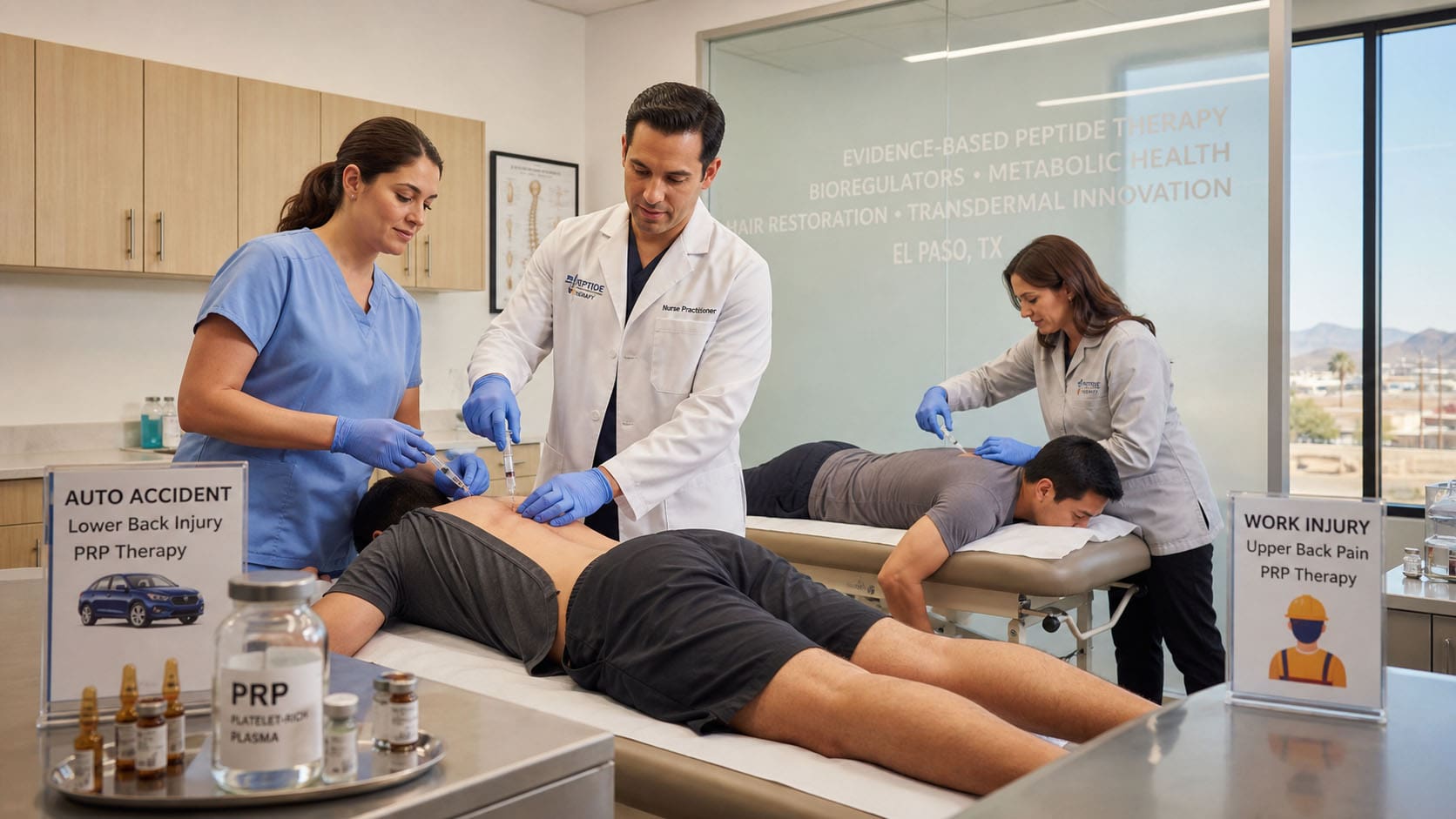
Biological tissue support may include regenerative options such as platelet-rich plasma or related plasma products when clinically appropriate. These approaches use the patient’s own growth factors to help ligaments, tendons, and other soft tissues heal. Mechanical correction and biological support together aim at lasting function, not only short-term relief.
How the El Paso Team Applies This Model
Clinical observations from Dr. Alexander Jimenez, DC, APRN, FNP-BC, CCST, CFMP, IFMCP, ATN, note that patients with overlooked soft-tissue and joint injuries often develop secondary changes in posture, gait, and spinal motion. Treating only the most painful spot can leave those broader patterns in place and slow recovery. A complete assessment that includes biomechanics, nerve function, and movement helps build a more complete plan.
At Injury Medical Clinic PA in El Paso, Texas, care follows a multidisciplinary structure. Dr. Jimenez provides chiropractic care, functional medicine insight, personal injury evaluation, and rehabilitation planning. Dr. Maria Guadalupe Cardenas, MD, board-certified in internal medicine (NPI #1164426749, Texas MD License #J2933), serves as Medical Director and Collaborative Physician. With more than 40 years of experience as an internist, she provides medical oversight and diagnostic direction.
This setup is common in integrative and injury-focused clinics: an MD supplies medical direction while a chiropractor focuses on spinal mechanics, movement, and hands-on restoration. The team integrates chiropractic adjustments and soft-tissue care with medical evaluation, functional medicine strategies, personal injury documentation, and progressive rehabilitation. Patients receive one coordinated plan rather than isolated treatments.
A Clear Next Step After a Crash or Workplace Injury
If pain, stiffness, headaches, or concentration problems linger after a motor vehicle accident or workplace incident—even when early X-rays were normal—further evaluation is reasonable. Soft-tissue damage, mild concussions, and small spinal issues are real. They respond best when they are found early and treated with both mechanical correction and support for biological healing.
An integrative model that pairs chiropractic care for joint and soft-tissue function with medical oversight, functional strategies, and rehabilitation offers a practical path. In the collaborative setting of Injury Medical Clinic PA, chiropractic expertise and internal medicine direction work together to help people move from hidden injury toward better daily function.
Athletes in El Paso, Texas, frequently ask local sports medicine and functional wellness practitioners about regenerative therapies. They want clear answers on how platelet-rich plasma (PRP), platelet-fibrin products (PFP), micro-fragmented adipose tissue (MFAT), IV nutrient infusions, and peptide therapies support tissue repair. They also ask how these options affect training downtime and compliance with sports regulations. This article explains each approach in straightforward terms and shows how integrative chiropractic care addresses the root causes of movement dysfunction that limit recovery and performance.
What Regenerative Therapies Aim to Achieve
Regenerative therapies use materials from the body or targeted nutrients to help damaged tissue repair itself. These methods focus on growth factors, supportive cells, and the conditions that support natural healing. Athletes often consider them after muscle strains, tendon injuries, ligament sprains, or joint problems that continue to interfere with training.
The main goals are improved tissue quality, reduced ongoing inflammation, and a safer return to activity. Results improve when these therapies work together with proper rehabilitation and attention to how the body moves as a whole.
How PRP Therapy Supports Tissue Repair
Platelet-rich plasma starts with a small blood sample taken from the athlete. The blood is spun in a centrifuge to concentrate the platelets, which contain growth factors. The concentrated plasma is then injected into the injured area, often with ultrasound guidance for accuracy.
These growth factors help attract repair cells, support new collagen formation, and calm local swelling. PRP is commonly used for muscle strains, chronic tendon problems such as Achilles or patellar tendinopathy, and certain ligament injuries. Many athletes notice meaningful progress when the injection is followed by a structured rehabilitation plan.
Because PRP comes from the athlete’s own blood, the chance of an allergic reaction is low. Mild soreness at the injection site usually lasts a few days. Light activity can often resume soon under professional guidance.
PFP and MFAT: Additional Options for Soft Tissue and Joints
Platelet-fibrin products (PFP) work in a similar way to PRP but include a natural fibrin framework. This framework acts like a soft scaffold that holds growth factors in place longer. The longer signaling can support healing in soft-tissue injuries.
Micro-fragmented adipose tissue (MFAT) uses a small amount of the patient’s own fat, usually taken from the abdomen. The fat is processed into tiny fragments that contain supportive cells and structural material. When injected into a joint or deeper tissue, MFAT can provide both cushioning and biological signals. It is often chosen for larger partial tears, cartilage concerns, or more complex joint problems.
Both PFP and MFAT rely on the patient’s own tissues. The choice between them depends on the specific injury, imaging findings, and recovery goals.
IV Nutrient Infusions for Recovery Support
Intravenous nutrient infusions deliver vitamins, minerals, amino acids, and antioxidants directly into the bloodstream. Common ingredients helpful for athletes include magnesium to help muscles relax, vitamin C and glutathione to manage oxidative stress, B vitamins for energy pathways, and amino acids that support tissue repair.
IV therapy can improve hydration and nutrient levels after hard training or competition. It works best as part of a larger plan that includes solid nutrition, quality sleep, and progressive exercise. Clinics often time these infusions with other regenerative or rehabilitative care.
Peptide Therapies and Sports Regulations
Peptides are short chains of amino acids that act as signaling molecules in the body. Some are studied for possible roles in tissue repair, reduced inflammation, and recovery support.
Athletes must check sports rules carefully. The World Anti-Doping Agency does not prohibit platelet-derived treatments such as PRP. However, certain peptides, including BPC-157, are listed as prohibited substances. Competitive athletes should review the current WADA rules and speak with their governing body before starting any peptide protocol.
Training Downtime and Returning to Sport
Most regenerative injections involve only short-term downtime. Soreness or mild swelling is common for a few days. Providers usually recommend relative rest, avoiding anti-inflammatory medications that can interfere with healing signals, and gradually increasing movement.
A typical recovery path includes:
Early days focused on protection and gentle motion
Progressive strengthening over the following weeks
Sport-specific training once the tissue can handle higher loads
Full benefits often appear over weeks to months as the tissue remodels. Combining the injection with skilled rehabilitation produces better long-term results than the injection alone.
How Integrative Chiropractic Care Fits Into the Picture
Integrative chiropractic therapy assists athletes by addressing the underlying causes of movement dysfunction. This approach combines traditional spinal adjustments with sophisticated soft-tissue therapies, functional rehabilitation, and regenerative medicine support.
Spinal and joint adjustments restore proper motion and improve communication between the nervous system and the rest of the body. Soft-tissue techniques reduce restrictions and improve tissue quality. Functional exercises rebuild strength, stability, and efficient movement patterns.
When regenerative therapies are used, chiropractic care supports recovery in several practical ways:
Better joint alignment reduces abnormal stress on healing tissue
Improved nerve signaling and circulation aid the repair process
Correction of compensatory movement patterns prevents new problems
Clinical observations show that biologics help rebuild tissue while chiropractic care organizes and protects that repair. Together they address both the local injury and the larger movement system.
A Multidisciplinary Team Approach in El Paso
At Injury Medical Clinic PA in El Paso, a coordinated team delivers care. Dr. Alexander Jimenez, DC, APRN, FNP-BC, CFMP, IFMCP, ATN, CCST, brings clinical observations from years of treating sports injuries, personal injury cases, and complex musculoskeletal conditions. His dual training in chiropractic and advanced practice nursing, combined with functional medicine certifications, shapes an approach that looks at tissue biology, joint mechanics, movement quality, nutrition, and recovery habits together.
Dr. Maria Guadalupe Cardenas, MD (Board Certified in Internal Medicine, NPI #1164426749, Texas MD License #J2933), serves as medical director and collaborative physician. With more than 40 years of experience as an internist, she provides medical oversight, reviews health histories, and helps ensure that regenerative and chiropractic interventions fit safely within each patient’s overall health picture. This type of collaboration is common in integrative injury-care clinics, where an MD offers medical direction alongside a chiropractor.
The team integrates:
Chiropractic adjustments, soft-tissue care, and functional rehabilitation led by Dr. Jimenez
Medical evaluation and collaborative oversight from Dr. Cardenas
Functional medicine strategies that address nutrition, inflammation, and recovery factors
Personal injury care and documentation
Progressive rehabilitation services
This structure allows athletes to receive coordinated support under one roof.
Practical Questions Athletes Commonly Ask
Athletes in El Paso often want to know whether they are suitable candidates, what the recovery timeline looks like, and how the treatments affect training schedules. Suitability depends on the specific injury, overall health, imaging findings, and response to earlier care. Providers screen carefully and discuss realistic expectations.
Compliance with sports rules remains important. PRP is generally permitted. Certain peptides are not. Open communication with coaches and anti-doping authorities protects eligibility.
Supporting Healing Beyond the Procedure
Successful outcomes depend on more than the regenerative treatment itself. Adequate protein intake, quality sleep, stress management, and consistent rehabilitation all influence how well tissue repairs. Avoiding early overload and following the care plan closely improve the chance of durable results.
Integrative chiropractic care continues after the injection phase. Adjustments maintain alignment, soft-tissue work addresses remaining restrictions, and functional exercises restore sport-ready movement. This ongoing support helps athletes return to training with greater confidence and lower risk of reinjury.
Moving Forward With Clear Information
Regenerative therapies such as PRP, PFP, MFAT, IV nutrient support, and carefully selected peptides give athletes in El Paso additional tools for tissue healing. When these options are combined with integrative chiropractic care that corrects movement dysfunction and optimizes nervous system function, recovery addresses both the local injury and the systems that keep athletes performing well.
The multidisciplinary model at Injury Medical Clinic PA—pairing Dr. Jimenez’s chiropractic and functional expertise with Dr. Cardenas’s internal medicine oversight—offers a practical path forward. Athletes benefit from clear explanations, realistic timelines, and attention to both recovery and regulatory compliance. A thorough evaluation that includes mechanical assessment and an individualized plan remains the best next step for anyone considering these options.
El Paso Chiropractic and Regenerative Medicine Care
Abstract: This article explains how regenerative medicine therapies, such as platelet-rich plasma (PRP) and stem cell treatments, use biological signaling molecules to optimize cellular health and reduce systemic inflammation. These treatments do more than just relieve symptoms; they also activate the body’s natural repair processes by releasing growth factors, regulating immune cell activity, and improving tissue microenvironments. The post also shows how regenerative options such as PRP, PFP, MFAT, and IV infusions work alongside chiropractic care to further improve cellular function, reduce oxidative stress, restore spinal alignment, and lower neuroinflammatory signaling. Readers will learn about the multidisciplinary team in El Paso that coordinates these approaches under medical direction and chiropractic care for practical, whole-person support.
Why Systemic Inflammation Affects Cellular Health
Inflammation is the body’s normal response to injury or stress. In the short term, it helps clear damaged tissue and begin healing. When inflammation continues for a long time, it becomes a problem. It creates oxidative stress—excessive reactive molecules that harm cells—and prevents joints, tendons, nerves, and other tissues from fully recovering.
Many common treatments only temporarily quiet pain or swelling. They do not always restart the body’s own repair systems. Regenerative medicine works differently. It uses concentrated biological signals to guide the body toward real repair and better cellular function.
How Regenerative Therapies Use Biological Signaling Molecules
By using biological signaling molecules, regenerative medicine therapies such as stem cell treatments and platelet-rich plasma (PRP) can optimize cellular health and reduce systemic inflammation. These treatments do more than merely alleviate symptoms; they stimulate the body’s inherent repair mechanisms by releasing growth factors, regulating immune cell activity, and enhancing tissue microenvironments.
In summary, the main actions are:
Growth factors act as messengers that tell cells to grow, move, or rebuild tissue.
Immune cells can be guided away from a constant attack mode and toward a repair mode.
The local tissue environment becomes more supportive, giving healthy cells a better chance to function and damaged areas a better chance to recover.
PRP begins with a small sample of the patient’s own blood. The sample is processed to concentrate the platelets. When platelets are placed near injured tissue, they release growth factors that support repair and help balance inflammation.
Stem-cell-related treatments, including those that use mesenchymal stem cells or adipose tissue products, primarily act through signaling pathways. The cells release molecules that reduce harmful inflammatory signals, protect nearby tissue, and create a more favorable setting for healing.
Practical Regenerative Treatments That Support Repair
Several regenerative options are commonly used in clinical practice:
PRP concentrates the patient’s own platelets and their growth factors, delivering them to the site of repair.
PFP (platelet-fibrin or related plasma products) provides a temporary scaffold so that growth factors can be released more steadily over time.
MFAT (microfragmented adipose tissue) comes from a small amount of the patient’s own fat. The tissue is gently processed into tiny clusters that keep their natural structure. These clusters carry cells and signaling factors that help calm inflammation and support soft-tissue and joint repair.
IV infusions deliver vitamins, minerals, antioxidants, and related nutrients directly into the bloodstream. Common components include vitamin C, glutathione, magnesium, B vitamins, and NAD+. These nutrients help reduce oxidative stress, support cellular energy production, and provide the body with the materials it needs for repair.
Together, these treatments supply concentrated growth factors, reduce oxidative stress, and improve conditions around damaged tissue.
How Integrative Chiropractic Care Fits Into the Plan
When used in conjunction with chiropractic care, regenerative treatments such as platelet-rich plasma (PRP), platelet-free plasma (PFP), microfragmented adipose tissue (MFAT), and intravenous (IV) infusions can optimize cells, decrease oxidative stress, and restore spinal alignment to lower neuro-inflammatory signaling, all while reducing systemic inflammation.
Chiropractic care focuses on the mechanical and neurological side of the problem. When spinal segments or joints lose normal motion, nerves can become irritated. That irritation continues sending signals that maintain inflammation. Precise chiropractic adjustments restore better alignment and joint movement. Improved alignment reduces repeated strain on healing tissues and quiets excess nerve signals that feed inflammation.
The two approaches support each other in a clear way:
Regenerative therapies deliver growth factors and lower oxidative stress at the cellular level.
Chiropractic care restores spinal and joint alignment, reducing mechanical stress and calming neuroinflammatory signaling.
The improved mechanical environment enables biological signals to function more effectively.
Clinical experience shows that patients often achieve more lasting improvement when the cellular signals of regenerative care are combined with the improved movement and reduced nerve irritation provided by integrative chiropractic care.
The Multidisciplinary Team Approach in El Paso
At Injury Medical Clinic PA in El Paso, Texas, care is delivered through a coordinated team. Dr. Alexander Jimenez, DC, APRN, FNP-BC, CCST, CFMP, IFMCP, ATN, provides chiropractic care, regenerative treatment planning, functional medicine insight, personal injury evaluation, and rehabilitation. His clinical observations, shared through practice resources, emphasize that lasting recovery usually requires both tissue-level biological support and optimized spinal and joint mechanics. He notes that regenerative options work best when movement patterns and nerve signaling are also addressed.
Dr. Maria Guadalupe Cardenas, MD, Board Certified in Internal Medicine (NPI #1164426749, Texas MD License #J2933), brings more than 40 years of experience as an internist. She serves as Medical Director and Collaborative Physician. This multidisciplinary setup is common in integrative and injury-care clinics. The MD is in charge of medical care and supervision, while the chiropractor works on spinal alignment, joint mechanics, posture, muscle function, and rehabilitation. The team also integrates functional medicine, personal injury care, rehabilitation, and related services so patients receive coordinated plans that address inflammation, cellular health, structural issues, and overall recovery under proper medical supervision.
What Patients Often Notice Over Time
People who follow a combined regenerative and chiropractic plan frequently report:
Gradual reduction in ongoing swelling and discomfort
Improved joint comfort and easier daily movement
Better energy and recovery after activity
A sense that tissues feel more resilient as time passes
The process is gradual. Growth factors and signaling molecules begin their work soon after treatment. Patients can feel improvements in alignment from chiropractic care relatively quickly. Nutrient support from IV therapy helps the whole system stay ready for repair. Over weeks and months, many patients find that their bodies are no longer fighting themselves as hard and are instead rebuilding.
Bringing the Approaches Together
By using biological signaling molecules, regenerative medicine therapies such as stem cell treatments and platelet-rich plasma (PRP) optimize cellular health and reduce systemic inflammation. These treatments stimulate the body’s inherent repair mechanisms by releasing growth factors, regulating immune cell activity, and enhancing tissue microenvironments rather than merely covering symptoms. When used alongside chiropractic care, regenerative treatments such as PRP, PFP, MFAT, and IV infusions further optimize cellular function, decrease oxidative stress, restore spinal alignment, and lower neuroinflammatory signaling while reducing systemic inflammation.
In the El Paso setting, medical direction from an experienced internist works alongside chiropractic care, functional medicine, personal injury evaluation, and rehabilitation services. This creates a practical path that supports healing from the cellular level outward while addressing the mechanical and neurological factors that perpetuate inflammation.
Anyone dealing with ongoing inflammation or slow-healing tissue injury can benefit from a thorough evaluation to determine whether this combination of approaches is appropriate. Clear information and coordinated care help people move toward lasting recovery.
IFM's Find A Practitioner tool is the largest referral network in Functional Medicine, created to help patients locate Functional Medicine practitioners anywhere in the world. IFM Certified Practitioners are listed first in the search results, given their extensive education in Functional Medicine