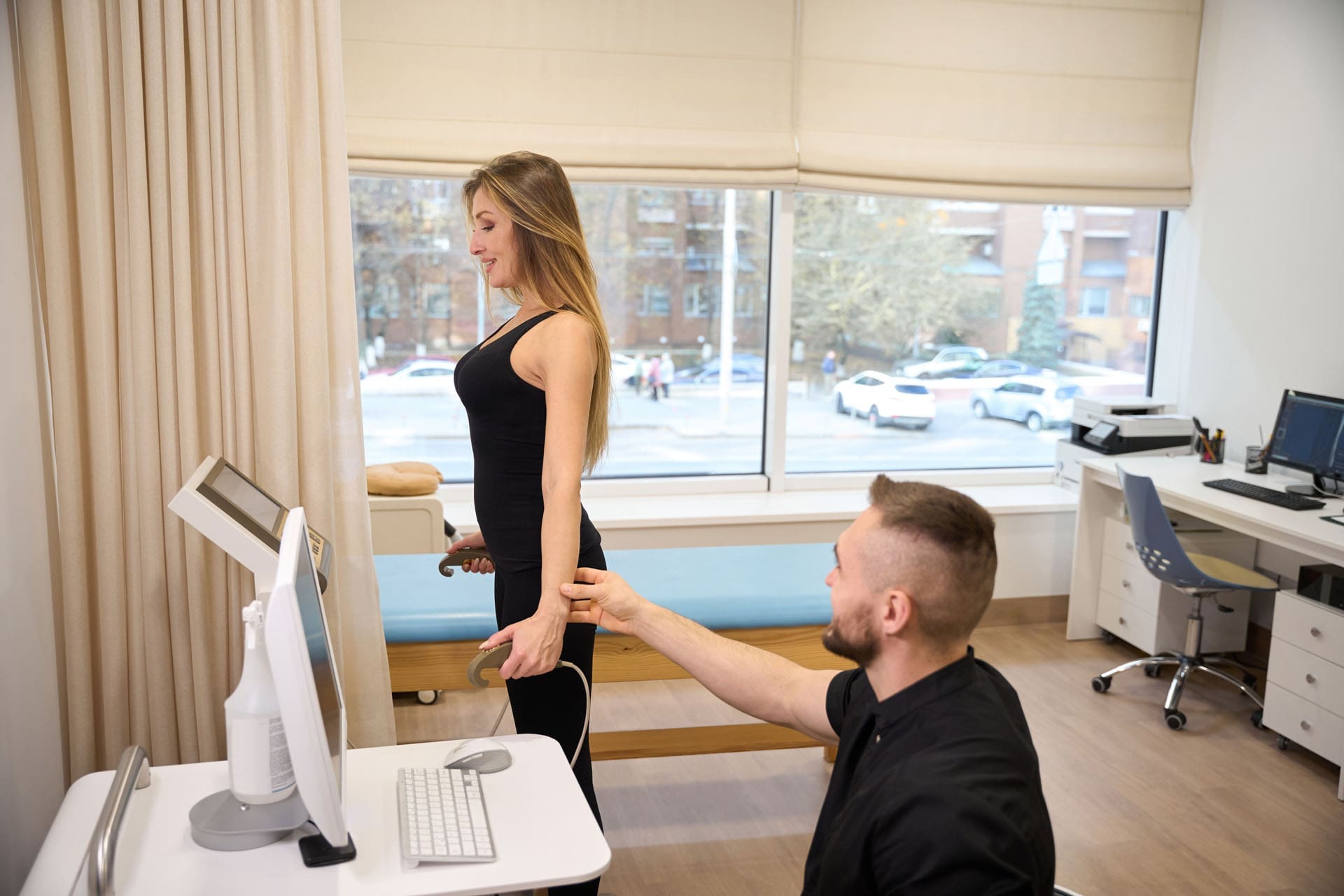
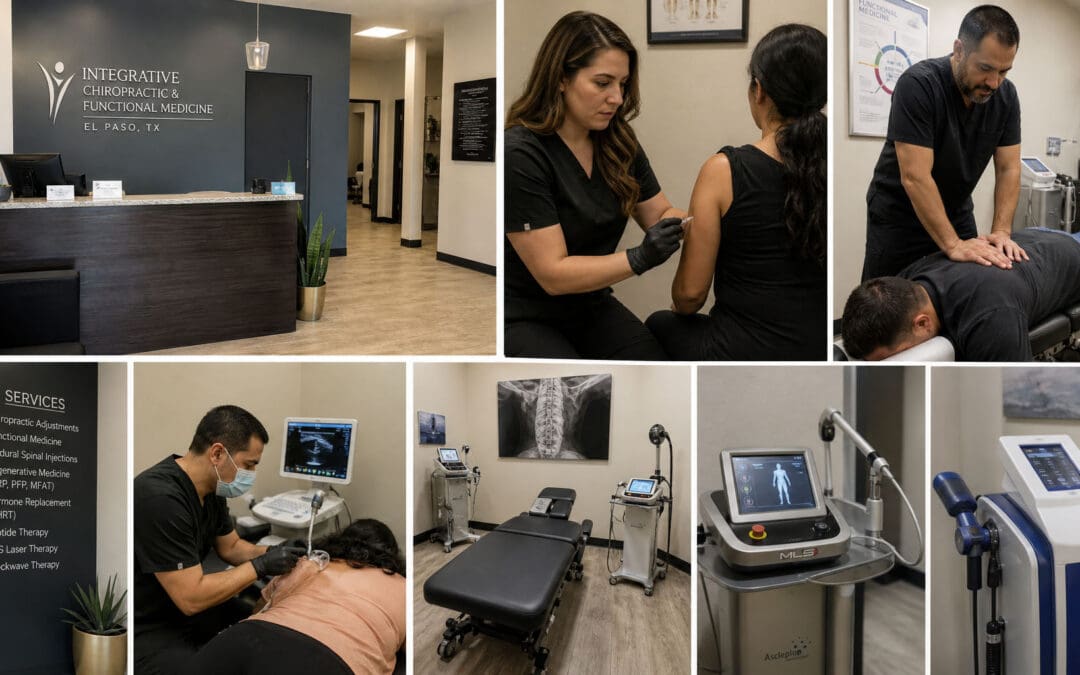
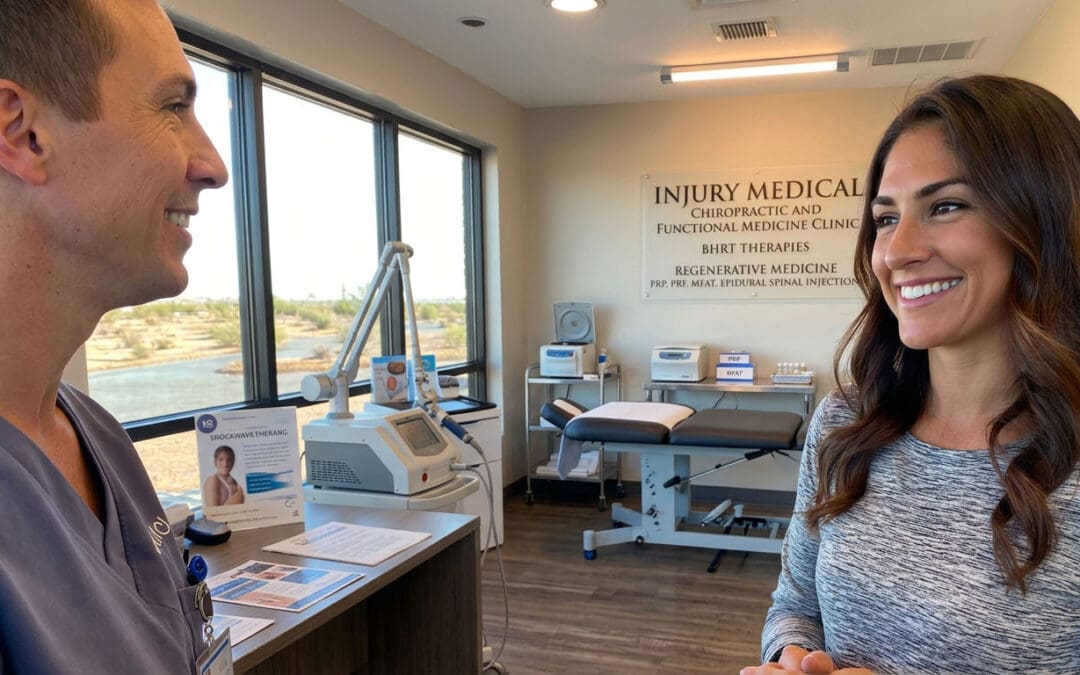
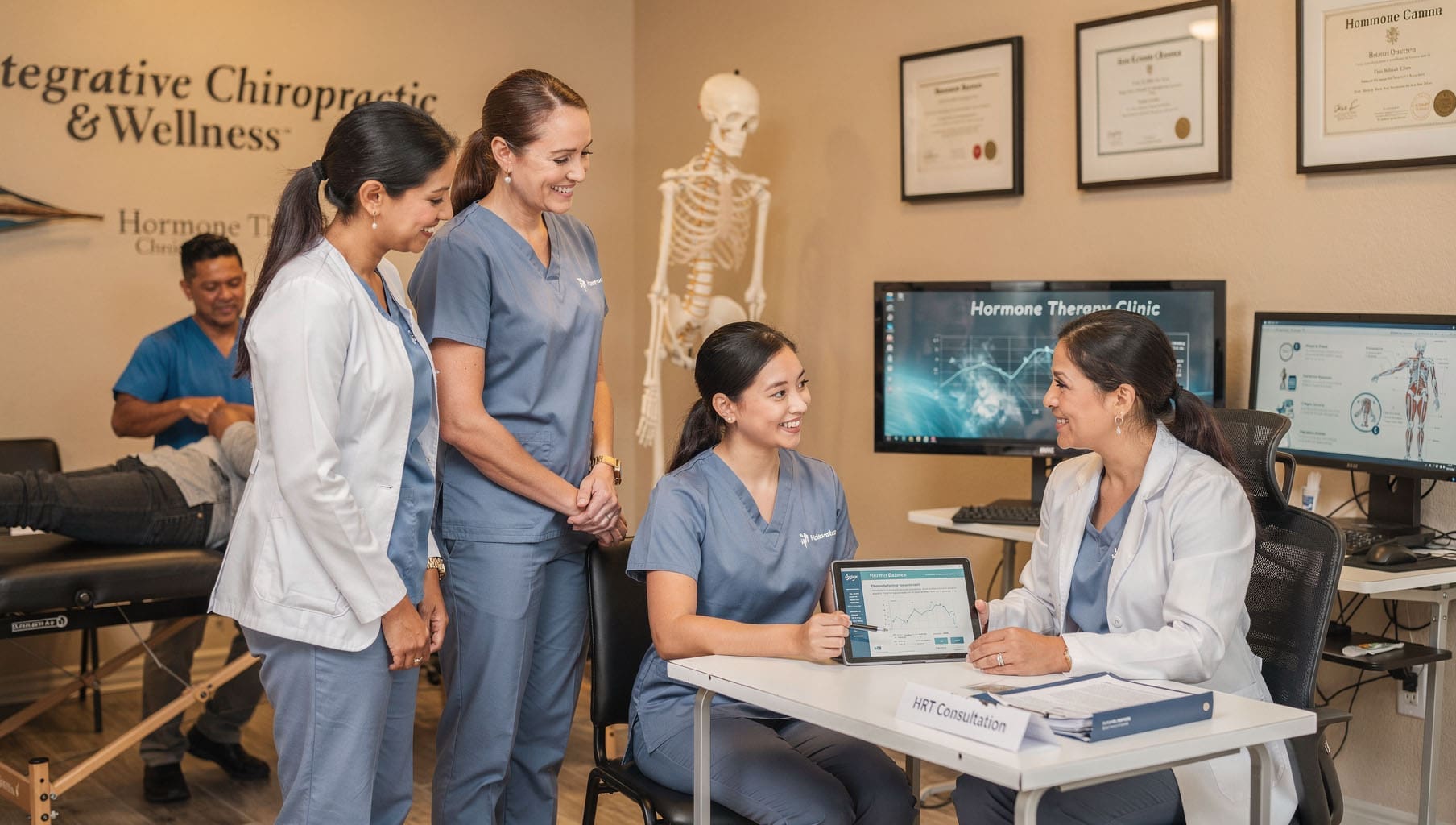
Testosterone supports strength, stamina, motivation, muscle mass, mental clarity, libido, and healthy metabolism in all individuals. When testosterone levels decline or become imbalanced, symptoms may include fatigue, reduced endurance, low sex drive, poor recovery, decreased muscle tone, mood changes, brain fog, and unwanted weight gain.
At El Paso Back Clinic, we understand that testosterone health can affect more than just energy. Hormonal changes may also influence physical performance, body composition, confidence, and musculoskeletal function. Our patient-centered, integrative approach helps identify potential contributors to hormone-related symptoms and supports a broader strategy to improve wellness, resilience, and day-to-day functioning.
Testosterone and Androgen Physiology in Women: Subcutaneous Injections in Coordinated Care
Abstract: Testosterone is a normal hormone in women. The ovaries, adrenal glands, and many local tissues help make and use it. Levels fall slowly with age, not all at once at menopause. A single blood test rarely proves deficiency. The strongest research support for testosterone therapy in women is for distressing low sexual desire after menopause, after other causes are checked. Subcutaneous injections can provide steadier levels in some studied groups, but evidence in women is thinner and remains off-label. Integrative chiropractic care does not replace medical decisions about hormones. It can help patients gain pain relief, better mobility, and improved sleep while the medical team keeps treatment coordinated and safe.
Testosterone is a female hormone
Androgens are often called male hormones. That label is incomplete. Testosterone is the main circulating active androgen and a normal part of female biology. Women keep lower amounts than men—typically 10 to 20 times lower—but those amounts still guide important physical and metabolic functions (Cleveland Clinic, n.d.; Davis & Wahlin-Jacobsen, 2015). For much of adult life, a woman’s circulating testosterone is higher than her circulating estradiol (Davis & Wahlin-Jacobsen, 2015).
Testosterone works in two ways:
Directly, on androgen receptors in muscle, bone, brain, fat, skin, and sexual tissues
Indirectly, when local enzymes turn it into estradiol or into the stronger androgen dihydrotestosterone (DHT)
These pathways help explain effects on sexual function, tissue upkeep, and metabolism even when blood levels look low (Davis & Wahlin-Jacobsen, 2015; Labrie et al., 2017).
Where women’s androgens come from
Women do not rely on one gland. Production is shared.
The ovaries release some testosterone and larger amounts of precursors
The adrenal glands release DHEA and DHEA-sulfate (DHEAS), a large precursor pool
Peripheral tissues—fat, skin, muscle, and other organs—convert those precursors into the small amounts of hormone they need
This last step is called intracrinology. Many tissues make the hormone they need on site and then break it down before much of it returns to the blood (Labrie et al., 2017). A blood testosterone result is only the visible tip of a larger local system.
Enzymes in tissues can convert DHEA to testosterone, make DHT, or turn testosterone into estradiol. The same precursor can become an androgen in one tissue and an estrogen in another. Local enzymes, not just the lab, decide the outcome (Labrie et al., 2017; Schiffer et al., 2018).
A long slope, not a sudden cliff
Estradiol falls sharply at menopause. Androgens do not. DHEA and DHEAS begin to fall from about the third decade of life and may be down by roughly 60% by menopause (Davis & Wahlin-Jacobsen, 2015). A woman in her forties is already below her own earlier peak.
Midlife data measured by mass spectrometry found median testosterone falling from about 0.56 nmol/L in the early forties to about 0.42 nmol/L in the late fifties, with a low point near ages 58–59. In women of similar age, testosterone did not differ by menopausal stage. Natural menopause itself is not a stand-alone reason to administer testosterone (Wang et al., 2025).
Two exceptions matter:
Surgical menopause (both ovaries removed) cuts the ovarian share at once
Premature ovarian insufficiency creates an earlier deficit than the usual age-related slope (Davison et al., 2005; Soman et al., 2019)
The postmenopausal ovary can also continue to produce some testosterone for years after estradiol output has collapsed (Davis & Wahlin-Jacobsen, 2015).
Why one lab number rarely settles the question
Measuring female testosterone is challenging. Routine immunoassays were built for the much higher male range. Liquid chromatography–tandem mass spectrometry (LC-MS/MS) is more reliable. Most circulating testosterone is bound to sex hormone-binding globulin (SHBG), so free hormone can change when SHBG changes even if total testosterone stays the same (Rosner & Vesper, 2010).
What moves SHBG—and the free fraction:
Oral estrogen and high thyroid hormone tend to raise SHBG and lower free testosterone
Obesity and insulin resistance tend to lower SHBG and raise free testosterone
Androgen excess, including polycystic ovary syndrome (also discussed as polyendocrine metabolic ovarian syndrome, or PMOS), also lowers SHBG (Luo et al., 2024; Teede et al., 2023)
Low SHBG is also a metabolic clue and has been linked to higher diabetes risk in women (Ding et al., 2009). Guidelines do not diagnose androgen deficiency based on a single value. A level is a baseline and a safety check, not the whole diagnosis (Davis et al., 2019; Parish et al., 2021).
What the evidence supports—and what it does not
The clearest evidence is in sexual function. Higher endogenous testosterone tracks modestly with better desire (Maseroli & Vignozzi, 2022). In randomized trials, testosterone improved desire, arousal, orgasm, pleasure, and satisfaction and reduced sexual distress in postmenopausal women with low desire (Islam et al., 2019).
Androgen receptors sit in bone, muscle, fat, vessels, and the brain. That map is real. This is not the same as a proven benefit. Trials supporting sexual-function gains have not firmly shown better body composition, bone, mood, or cognition to the same standard (Davis, 2025; Islam et al., 2019). Some tissue effects may also come from local conversion to estradiol.
Too much androgen is the other problem: acne, unwanted hair, cycle changes, and higher cardiometabolic risk in PMOS/PCOS (Teede et al., 2023). Risk can appear at both ends of the female range (Luo et al., 2024). The target is a physiologic band, not “more is better.”
International groups have not endorsed a broad “female androgen deficiency syndrome,” because no blood cutoff cleanly separates symptomatic women from normal variation (Davis et al., 2019; Wierman et al., 2014). The one consensus indication is hypoactive sexual desire disorder (HSDD) in postmenopausal women—low desire that causes distress—after other causes are addressed (Parish et al., 2021). There is still no FDA-approved testosterone product for women in the United States. Prescribing remains off-label, and long-term heart and breast data in women are limited (Islam et al., 2019; Panay et al., 2024).
What subcutaneous testosterone injections are
A subcutaneous (SubQ) injection places testosterone into the fatty layer under the skin, usually in the abdomen or thigh, with a short, thin needle. An intramuscular (IM) injection goes deeper into muscle.
In men and in some gender-affirming care settings, weekly SubQ testosterone esters can reach therapeutic levels with smaller peaks and troughs, less pain, and easier self-use than some IM schedules (Figueiredo et al., 2022). That data should not be copied wholesale onto women.
Women need much smaller doses
Female physiologic ranges are far lower
Randomized evidence in women is mainly transdermal, not SubQ (Davis et al., 2019)
Guidelines do not establish a subcutaneous route for women and do not endorse compounded products as first-line (Parish et al., 2021)
If a clinician considers low-dose SubQ testosterone cypionate in oil, it is an individualized, off-label choice. The goal is to keep exposure within the premenopausal physiologic range, monitor for acne, hair changes, voice changes, or metabolic shifts, and document informed consent (Davis et al., 2019; Jimenez, 2026b). If this route is used at all, start low, titrate to symptoms plus labs, use the same assay method over time, and do not treat menopause itself as an automatic indication (Wang et al., 2025). Compounded prefilled low-dose syringes are not FDA-approved for women. They are a delivery tool, not proof that therapy is indicated.
What patients gain from integrative chiropractic care
Hormone questions and musculoskeletal problems often show up together. Women with midlife androgen decline may also notice joint stiffness, slower recovery, fatigue, and poorer sleep (Davis, 2025; Jimenez, 2026a). After an auto accident or work injury, neck pain, low-back pain, and delayed stiffness can stack on top of that picture.
Integrative chiropractic care does not replace a hormone plan. It focuses on what the patient can gain:
Pain relief through restored joint motion and less mechanical strain
Improved mobility so walking, lifting, work, driving, and home tasks feel more possible
Better sleep when night pain, muscle tightness, and poor recovery ease
Stronger return to activity after crashes, work strain, or chronic back and neck pain
Chiropractic adjustments, soft-tissue care, and rehabilitation are non-invasive and drug-free. Used well, they can lower the chance that pain is managed only with long-term medication or rushed toward surgery. That is a simple safety idea: first do no harm, then add only what the person needs.
Integrative care also means working with the patient’s existing medical team. Supervising clinicians handle hormone dosing, lab review, and medication decisions. Chiropractic care adds movement, recovery, and function so the whole plan stays coordinated rather than split into separate silos.
How the El Paso team works together
At Injury Medical Clinic PA in El Paso, Texas, Dr. Alexander Jimenez, DC, APRN, FNP-BC, CFMP, IFMCP, ATN, CCST, provides chiropractic care, functional-medicine framing, and dual-licensed nurse-practitioner evaluation. In clinical observation, he describes testosterone as one part of a wider plan, not a stand-alone energy shot. He notes that women have androgen receptors across muscle, bone, and brain; that levels often fall by the mid-forties compared with the mid-twenties; and that low-dose, monitored strategies may support libido, energy, and musculoskeletal integrity in selected patients when labs, symptoms, and safety checks line up (Jimenez, 2026a, 2026c). He also stresses that SubQ use in women is not the same as male testosterone replacement and should not be sold as routine wellness care (Jimenez, 2026b). More clinical notes appear on dralexjimenez.com and LinkedIn.
Off-label hormone decisions need medical oversight. Dr. Maria Guadalupe Cardenas, MD, board-certified in internal medicine (NPI #1164426749, Texas MD License #J2933), has more than 40 years of experience as an internist. She serves as Medical Director and Collaborative Physician at Injury Medical Clinic PA. This multidisciplinary setup is common in integrative and injury clinics: an MD provides medical direction while a chiropractor delivers hands-on spinal and rehabilitation care.
Together, the team can connect:
Medical screening and comorbidity review
Chiropractic care for pain, mobility, and sleep-related musculoskeletal strain
Functional medicine review of sleep, gut, thyroid, iron, and metabolic drivers that also change SHBG
Personal injury care and rehabilitation after crashes, work injuries, or delayed symptoms
Clear communication with the patient’s other physicians so care stays safe and well coordinated
Putting the pieces together
A careful visit starts with the story—desire, distress, energy, sleep, pain, injuries, medicines, and surgery—then an exam and labs used as a baseline, not a verdict. Other causes come first: relationship strain, depression, pain, vaginal dryness, thyroid disease, and medication effects. For many women, that means no testosterone. For some postmenopausal women with HSDD, a carefully dosed, monitored plan may be discussed. If SubQ is chosen, it stays small, measured, and reversible while chiropractic care rebuilds the capacity to move and recover.
Testosterone is a normal female hormone made in more than one place and used inside many tissues. It declines on a long slope. Blood tests tell only part of the story. The honest evidence base is strongest for distressed low sexual desire after menopause, not for menopause itself. Subcutaneous injections can offer steady delivery in other groups, but in women they remain an individualized, off-label option that must stay within a physiologic range.
The safest frame is coordinated care: medical direction for hormone decisions, chiropractic and rehabilitation for pain relief, mobility, and sleep, and a plan that prefers non-invasive options when they can help a person function without adding avoidable risk.
“Your body works as a unified system—your hormones directly dictate how well your spinal muscles heal and protect your joints. You don’t have to navigate chronic discomfort or confusing hormonal shifts alone; reach out to our team today to learn how safe, monitored subcutaneous protocols can be seamlessly coordinated with your physical care to help you live without limits.”
Davis, S. R., Baber, R., Panay, N., Bitzer, J., Perez, S. C., Islam, R. M., Kaunitz, A. M., Kingsberg, S. A., Lambrinoudaki, I., Liu, J., Parish, S. J., Pinkerton, J., Rymer, J., Simon, J. A., Vignozzi, L., & Wierman, M. E. (2019). Global consensus position statement on the use of testosterone therapy for women. The Journal of Clinical Endocrinology & Metabolism, 104(10), 4660–4666.
SubQ Testosterone for Women: Dosing, Monitoring, and Muscle Support
Abstract: Testosterone is not a male-only hormone. Women make more of it than estrogen by weight throughout much of their adult lives, and those levels decline with age. The strongest research supports low-dose therapy for postmenopausal women who have distressing low sexual desire. Subcutaneous injections place a modest, consistent amount of the hormone into the fat under the skin so blood levels can return to a typical female range. This article explains how that route works, who may be a candidate, how clinicians monitor the dose, how muscle and bone support movement, and how integrative chiropractic care in El Paso can work alongside medical oversight to treat the spine, joints, and hormones as one system.
Why Women Need Testosterone, Too
Testosterone is not just a leftover male hormone; women produce it in significant amounts. Across most of adult life, a woman’s ovaries and adrenal glands produce more testosterone than estrogen by mass. That output falls with age and drops further after the ovaries are removed (Davis et al., 2019; Hatzilabrou, 2025).
When levels sit at the low end of a woman’s own range, some women notice a persistent, unwanted loss of desire. That problem has a name: hypoactive sexual desire disorder, or HSDD. Distress is the key. A quiet fade that does not bother her is not the same as a loss that troubles her every day (Davis et al., 2019; Parish et al., 2021).
Pooled randomized trials in thousands of women show that restoring testosterone into the normal premenopausal range can improve desire, arousal, orgasm, pleasure, and satisfaction, and can lower sexual distress. The gains are real and consistent, but they are moderate, not magic, and a strong placebo response is part of the picture (Islam et al., 2019; Hatzilabrou, 2025).
What Subcutaneous Injections Actually Do
A subcutaneous (SubQ) injection delivers medicine into the fatty layer just under the skin, not deep into muscle. Typical sites are the abdomen or outer thigh. The needle is short and thin. Oil-based testosterone—often testosterone cypionate—then seeps out slowly, which can keep blood levels steadier than a large intramuscular shot (FOLX Health, n.d.; Hone Health, 2024).
Think of it as a small, measured drip rather than a flood. Women need far less than men, often about one-tenth of a typical male dose. Clinics that use weekly SubQ cypionate often start in a low milligram range and then adjust to a lab result, not to a feeling (Highland Longevity, n.d.; Hone Health Help Center, n.d.).
Keep these route facts in view:
Most high-quality trials in women used patches, creams, or gels, not weekly shots (Hatzilabrou, 2025).
One older implant study in women was positive for desire and bone density, but fixed pellets can overshoot the female range and cannot be turned down once placed (Hatzilabrou, 2025).
No published milligram conversion exists from a 300-microgram patch to a SubQ syringe. The honest method is to dose to a measured blood level (Davis et al., 2019; Hatzilabrou, 2025).
No testosterone product is FDA-approved for women in the United States. Use is off-label and requires informed consent (Cedars-Sinai, n.d.; Parish et al., 2021).
Some compounding programs offer low-concentration, prefilled single-dose syringes of testosterone cypionate in MCT oil for SubQ use. A ready syringe does not change the rules. Exposure still has to stay inside the female physiologic band (Hatzilabrou, 2025; Medivant Health, n.d.).
The Target Is Narrow, Not “Bigger Is Better”
A healthy young woman typically has a total testosterone level of about 15 to 46 ng/dL. That is a sliver of the male range. The job of therapy is to land inside that band and stay there (Hatzilabrou, 2025; Braunstein et al., 2011).
Pushing past the ceiling does not add extra desire. It shows up as acne, extra facial hair, scalp thinning, voice change, and other androgen effects (Islam et al., 2019; Parish et al., 2021).
A practical path looks like this:
Confirm HSDD with real distress after other causes are checked.
Draw a baseline total testosterone with a sensitive LC-MS/MS test, not a routine immunoassay built for men (Rosner et al., 2007).
Start low.
Recheck the level and symptoms at about 8-12 weeks.
Assess benefit at 3 to 6 months. If distressing low desire has not improved, stop rather than climb (Davis et al., 2019; Parish et al., 2021).
Baseline testosterone does not diagnose HSDD. It is a safety tool once treatment starts (Hatzilabrou, 2025).
Two problems are often mistaken for low desire. Antidepressants, especially SSRIs, can blunt desire on their own. Genitourinary syndrome of menopause—dryness, atrophy, and pain with sex—can look like low desire when the real issue is pain. Local estrogen, not a systemic androgen, is built for that problem (Parish et al., 2021; Cedars-Sinai, n.d.).
What the Body May Gain Beyond Desire
Sexual function is the outcome with the firmest trial support. Other claims need a quieter voice.
Muscle and strength. Testosterone helps muscle protein building in both sexes. Some women report better lean mass and training response when testosterone levels return to a mid-physiologic range. Large pooled trial data in women have not shown a robust body-composition effect at the low doses used for HSDD, so frame this as possible support, not a guarantee (Islam et al., 2019; Hatzilabrou, 2025).
Bone. One small two-year implant trial found faster gains in spine, hip, and total-body density when testosterone was added to estradiol. Guidelines still do not list bone as an approved reason to prescribe it because the study was small and not designed to prevent fractures (Davis et al., 1995; Wierman et al., 2014).
Energy and mood. Early and smaller studies sometimes showed better well-being. Dedicated trials and systematic reviews have been mixed or null for mood, fatigue, and cognition. Societies do not endorse testosterone as a general menopause tonic (Islam et al., 2019; Dichtel et al., 2020; Cedars-Sinai, n.d.).
Red blood cells. Testosterone can raise red-cell production. That is a monitoring issue at higher exposure, not a reason to treat ordinary anemia in women (Hatzilabrou, 2025).
For the spine and joints, even modest improvements in muscle and bone health matter. Stronger hip and core muscles help the pelvis stay level. Better bone quality supports the vertebrae that a chiropractor adjusts. After a car crash, a work injury, or months of guarded movement, patients who can train without crashing energy often stay in rehab longer (Jimenez, n.d.-a).
Safety, Side Effects, and the Long View
Short- and medium-term data at physiologic doses are generally reassuring for the day-to-day effects clinicians watch: acne, extra hair, and oily skin. Those effects are usually dose-related and often fade if the dose is cut (Islam et al., 2019; Nachtigall et al., 2011).
What is missing is the long view. Adequately powered trials have not settled cardiovascular and breast outcomes over many years. That gap—not a proven harm signal—is a main reason no female product has been approved (Hatzilabrou, 2025; Cedars-Sinai, n.d.).
Therapy is not for pregnancy, breastfeeding, or people trying to conceive. Women with high baseline heart or breast-cancer risk need an especially clear shared decision (Hone Health Help Center, n.d.; Parish et al., 2021).
How Integrative Chiropractic Care Fits
Hormones don’t exist apart from the skeleton. Low energy, weaker muscles, and slower recovery make spinal joints stiffer and make rehab after an auto accident harder. Integrative care treats that loop instead of handing a woman only a syringe or only an adjustment.
At Injury Medical Clinic PA in El Paso, Texas (11860 Vista Del Sol, Suite 128), we build care as a team. Dr. Alexander Jimenez, DC, APRN, FNP-BC, CCST, CFMP, IFMCP, ATN, is dual-licensed as a chiropractor and board-certified family nurse practitioner. His clinical writing stresses that female testosterone use is not a copy of male replacement: the best randomized evidence is still transdermal; SubQ use in women is an individualized off-label choice, and the goal is a physiologic range with a stop rule if desire does not improve (Jimenez, n.d.-b).
Dr. Maria Guadalupe Cardenas, MD, is his internist and is board-certified in internal medicine (NPI #1164426749, Texas MD License #J2933), with more than 40 years of experience. She serves as medical director and collaborative physician. In this model, the internist provides medical direction, reviews labs and overall health, and helps keep advanced or off-label therapies within safe bounds. The chiropractor restores joint motion, posture, and neuromuscular control. Functional medicine looks at sleep, gut health, thyroid, iron, and medications that can blunt desire. Personal injury and rehabilitation services rebuild strength after crashes, falls, and sports injuries, so a hormone plan isn’t asked to do the work of a weak core or an unhealed disc (Jimenez, n.d.-a).
That mix is common in integrated injury clinics: an MD directs the medical lane while a DC treats the mechanical lane. For a woman on low-dose testosterone, the practical payoff is simple. If the muscles around the spine hold better, adjustments last longer. When bone and lean mass improve, fall risk and “I feel fragile” complaints may ease. If pain and sleep improve, desire often has a clearer path—without pretending testosterone is a cure for every menopausal complaint.
A Clear Path Forward
Testosterone treatment in women is neither a wellness trend nor a male protocol scaled down by guesswork. It is a narrow, evidence-backed option for postmenopausal HSDD with distress, given at a female physiologic dose, watched with the right lab, and stopped if it does not help.
Subcutaneous injections can deliver that modest, steady dose into the fat under the skin. They ask for discipline: start low, measure, stay inside the range, and pair the hormone with the rest of the care—local vaginal treatment when dryness is the real problem, medication review when an antidepressant is the real problem, and hands-on musculoskeletal care when the spine and hips cannot carry the load.
In El Paso, that whole-person path is the point of the collaboration between Dr. Cardenas’s internal medicine oversight and Dr. Jimenez’s chiropractic, functional medicine, and injury rehab work. The hormone is only one tool. The goal is a woman who can move, recover, and feel like herself again.
Abstract
Subcutaneous testosterone injections place hormone therapy in the fat layer just under the skin instead of deep inside a muscle. Men and women can both receive this type of shot when a clinician decides it is appropriate. The smaller needle is often easier to use at home, and weekly levels can stay more even than with a deep muscle shot. This article explains how the method works, how testosterone supports muscle and bone, and how integrative chiropractic care in El Paso can sit beside medical hormone care. It is an option for people who don’t want pellets or a deep intramuscular injection.
What a Subcutaneous Shot Is
A subcutaneous (SubQ) injection goes into the thin layer of fat beneath the skin. Common sites are the belly and the outer thigh. The needle is short and thin. An intramuscular (IM) shot goes deeper into muscle, often the glute or thigh, and usually requires a longer needle.
Both routes can use the same familiar esters, such as testosterone cypionate or enanthate. The medicine is not a brand-new drug. The change is where the oil sits. Fat has less blood flow than muscle, so the hormone often leaves the depot more slowly. Average blood levels can land in a similar place. The shape of the week is often calmer.
For about eighty years, deep muscle injection was simply the habit. In The Quiet Case for the Subcutaneous Needle, Dr. Thomas A. Hatzilabrou, M.D., of Worldborne Medical, makes a narrow claim: move the same ester from muscle to fat, and therapy can become easier to live with without giving up the average level guidelines care about (Hatzilabrou, n.d.).
That claim is about a route, not a brand.
Why the Weekly Curve Matters
The Endocrine Society and the American Urological Association tell clinicians to restore testosterone to a mid-normal range in men who truly need treatment, match the plan to the person, and check labs on a schedule.
Two plans can share the same average and still feel like different weeks. A deep IM shot can spike high, then sag before the next dose. People feel that sag as low energy, low mood, or a crash. Modeling of testosterone enanthate found that SubQ dosing blunts that peak-to-trough swing. The average is the number on the lab report. The swing is the number a person lives in (Hatzilabrou, n.d.; Figueiredo et al., 2022).
A review found SubQ testosterone to be feasible, practical, and reasonable for routine use, with comparable mean levels. A 52-week study of weekly SubQ enanthate found that 92.7% of men were in the target range by week 12, and more than 95% reported no injection-related pain.
One dosing rule matters at every switch visit. A milligram under the skin may not equal a milligram in the muscle. After a change, assess the level and how the person feels. Do not assume syringe-for-syringe equality.
SubQ Testosterone for Men and for Women
Both men and women can receive SubQ testosterone when a licensed clinician chooses that plan. The smaller needle is often more convenient for women and for anyone who prefers not to receive a deep glute injection.
The research is not even, and that honesty belongs here.
In men with low testosterone, SubQ shots have produced target-range levels and better comfort than IM.
In gender-affirming care, people who switched from IM to SubQ often preferred SubQ, and levels still reached the intended range.
In women, no testosterone product is FDA-approved in the United States. Use is off-label. The goal is a physiologic, premenopausal-range level—not a male dose. The strongest randomized evidence in women is still transdermal gel, not injection (Hatzilabrou, n.d.).
So SubQ can be easier as a technique. It is not automatically the best-proven female route. Any plan in women should stay inside a safe female range, with labs to prove it. Start low. Go slow. Watch skin, hair, voice, and mood.
What This Route Wins On
If average exposure is close to a tie, daily life breaks the tie.
A short, fine needle is easier to use on your own.
Pain and dread before the shot are usually lower.
There is no awkward reach to the glute and less concern about the sciatic path.
The week can feel steadier.
Cost can stay low because the same generic esters are used.
There is no skin-to-skin transfer risk like gels and patches.
Needle fear is common. It turns a five-minute task into the one a person keeps putting off. A delayed dose becomes a missed dose. A missed dose becomes “this isn’t working.” An easier shot is not a luxury. It is how long-term care survives.
Safety does not get lighter because the needle is shorter. High red-cell count, fertility changes, prostate checks in men, and androgenic effects in women track with the hormone level, not with “IM versus SubQ.” Monitoring stays the same.
How the Home Shot Is Done
A clinician teaches the first doses. The usual steps are simple:
Wash hands. Set out a clean syringe, a short needle (often 25- to 30-gauge and about half an inch), an alcohol wipe, and a sharps container.
Choose a clean site on the abdomen or outer thigh. Rotate sites.
Pinch a fold of skin. Insert the needle at about a 45-degree angle. Inject slowly.
Do not share syringes. Place used needles in a sharps box.
Xyosted is one FDA-cleared weekly auto-injector for men that is used in the abdomen. Some clinics use compounded syringes. The treating clinician still manages the dose, storage, and follow-up.
This method is straightforward for people who don’t want pellet placement or a deep muscle shot. It is still an injection. It is a middle-path option.
What Testosterone Does for the Body
Testosterone helps the body maintain lean muscle, support bone health, recover after strain, and maintain energy and drive. When levels stay too low, people often feel weak, foggy, and slow to bounce back. Stairs feel taller. Rehab after a sprain, a fall, or a car crash lasts longer.
That is the link to musculoskeletal health. Weaker muscles mean less support around the spine, hips, and knees. Joints take more load. Guarding becomes a habit. Sleep and mood often fall with the strength loss.
A steadier hormone curve does not replace exercise or alignment work. It can give muscle and bone a clearer internal signal while those programs run.
How Integrative Chiropractic Care Fits
Hormone therapy works inside the body. Chiropractic care works on the frame that carries the body.
When the spine and pelvis are restricted, muscles stay tight. Joints load on one side. The nervous system stays loud. That mix can blunt the gains people hope to see from hormone care. Integrative chiropractic care aims to restore motion, ease muscle tightness, and improve how the body shares load. Strength work then has a better platform for these gains.
In my clinical observations, patients often report easier hip and low-back mechanics after treatment for spinal and pelvic restrictions alongside other therapies. I have also seen some men do better when large, infrequent depot shots are changed to smaller, more frequent SubQ doses. The mid-cycle crash—fatigue, irritability, a sense that “the shot wore off”—often settles when the curve flattens. Labs still decide the number. The person decides whether the week feels livable (Jimenez, n.d.).
Chiropractic care does not replace testosterone. Testosterone does not replace an adjustment, a rehab plan, or a strength progression. Together they treat the signal and the structure.
The El Paso Team Model
Injury Medical Clinic PA uses a multidisciplinary model. I serve as clinical director, a chiropractor, and a board-certified family nurse practitioner. Dr. Maria Guadalupe Cardenas, MD, is board-certified in internal medicine (NPI #1164426749, Texas MD License #J2933). She has more than 40 years of experience as an internist and serves as medical director and collaborative physician.
This setup is common in integrative and injury clinics. The MD provides medical direction, internal medicine risk review, and hormone oversight. The chiropractic and rehab team addresses alignment, soft tissue, personal injury recovery, and return to work or sport. Functional medicine adds labs, nutrition, sleep, and gut-muscle links so the plan isn’t just a shot.
A person in this model may move through:
Medical review of symptoms, medicines, fertility goals, and safety screens
Targeted hormone and metabolic labs
Chiropractic care for spinal and pelvic mechanics
Rehabilitation for strength, balance, and daily demands
Nutrition and recovery habits that support hormone work
Follow-up labs for testosterone, hematocrit, and PSA when indicated
Main East Side clinic: 11860 Vista Del Sol, Suite 128, El Paso, TX 79936. Office: 915-850-0900 or 915-412-6677.
Who This Option May Suit
SubQ testosterone may be worth a supervised talk when:
Labs and symptoms support treatment, and the person can learn a home shot.
Deep IM shots cause pain, fear, or missed doses.
Pellets feel like too much commitment or are difficult to fine-tune.
Gels are messy or raise transfer concerns at home.
The goal is a steadier week, not a bigger peak.
It is a poor first choice when fertility is an immediate goal, when there is a prostate or breast cancer concern, when hematocrit is already high, or when a woman needs the route with the strongest female trial data. Those calls belong in the clinic.
Conclusion
The quiet case for the subcutaneous needle is simple. Same ester. Different depot. Comparable average levels for many patients. It’s a shot that most people can keep getting. Pair that with integrative chiropractic care, and the aim isn’t just a better lab printout. The aim is a body that can still move.
This article is educational. The FDA does not review compounded medicines in the same way it reviews approved branded products. The prescribing clinician makes final treatment decisions after a full evaluation.
Abstract: When hormone levels decline with age or menopause, bioidentical hormone replacement therapy (BHRT) can help compensate by easing tight joints, safeguarding bone density, and bolstering muscular strength. Those changes can support better mobility and flexibility. BHRT will not magically make a person more flexible. It may help by lowering joint inflammation, supporting cartilage health, and easing muscle stiffness that often comes with low estrogen or testosterone. Integrative chiropractic care can amplify those advantages by restoring joint motion, reducing nervous-system stress, and improving movement mechanics. This article explains how hormones affect movement, what BHRT can and cannot do, and how a medical doctor and chiropractor work together in El Paso.
Start With What People Usually Feel
Many people notice the same shift. The body feels tighter than it used to. The first steps in the morning take longer. Bending to tie shoes, turning to check a blind spot, or reaching into a high cabinet does not feel as easy.
Some of that comes from less activity, old injuries, or weaker muscles. Hormones also play a role. Estrogen and testosterone do more than affect mood, sleep, and energy. They also affect joints, bones, cartilage, and muscle.
When those hormone levels fall, joints can feel tighter. Bones can lose density. Muscles may not support movement as well. That is why the question isn’t only, “Do I need to stretch more?” It is also “What is happening inside the body that makes stretching harder?”
How Hormone Decline Changes Joints, Bones, and Muscles
Estrogen helps keep joints quieter. It can lower inflammatory signals and help cartilage stay healthier and better lubricated. After menopause, estrogen drops. Joints may then become more prone to swelling and stiffness. The fluid that helps joints glide can decrease. Bone density often declines at the same time, which puts extra stress on the joints (Mobility Bone & Joint Institute, 2025).
Testosterone supports collagen and muscle mass. Collagen is a building block of cartilage, tendons, and ligaments. Muscle acts like a natural brace around a joint. When testosterone is low, repair can slow, muscles can weaken, and joints can feel less stable (BodyLogicMD, 2025; Sota Wellness, n.d.).
People may notice:
Tight hips, shoulders, neck, or knees
Longer morning stiffness
Less energy for walking or exercise
Weaker support around the joints
A higher chance of bone loss
These changes can feed on each other. Pain reduces activity. Less activity weakens muscle. Weaker muscle loads the joints more. Hormone balance may help interrupt that cycle, but movement still has to be restored.
What Bioidentical Hormone Therapy Is
BHRT uses hormones that match the ones the body makes. They are often made from plant sources and then chemically altered to match human estradiol, progesterone, or testosterone.
A clinician usually reviews symptoms and lab work before choosing a plan. Forms can include creams, patches, pellets, or other methods. The dose is meant to be personal, not one-size-fits-all.
It is important to stay careful. Mayo Clinic notes that bioidentical hormones are not proven safer or more effective than standard hormone therapy. Compounded products can also vary in quality (Mayo Clinic, 2024). Hormone therapy is a medical decision. It should be supervised, monitored, and based on a person’s health history. It is not right for everyone.
How BHRT May Support Mobility and Flexibility
BHRT does not stretch a tight muscle or unlock a restricted joint. It can help compensate for hormone decline in ways that make movement easier.
It may ease tight joints. Restoring estrogen and testosterone can reduce inflammatory activity that makes joints ache and feel stiff (BodyLogicMD, 2025; Renew Health & Wellness, 2021).
It may safeguard bone density. Stronger bones provide a more stable base for joints and can lower fracture risk (Balance Hormone Center, n.d.; Desert Sands Aesthetics, n.d.).
It may bolster muscular strength. Better muscle support can make daily movement safer and more controlled (Charleston Pain Relief Center, n.d.; Sota Wellness, n.d.).
It may support cartilage health. Estrogen helps joint lubrication and may slow some cartilage wear. Testosterone can support collagen (BodyLogicMD, 2025).
It may raise energy for activity. When fatigue eases, people can walk, stretch, and train more often. That extra movement can improve flexibility.
Some reports show less joint pain in people using hormone therapy. A few studies have linked estrogen therapy with slower osteoarthritis progression in some groups. Other evidence is mixed. Medical groups do not list joint pain as a main reason to start hormone therapy (Maven Clinic, n.d.). Results vary from person to person.
Why BHRT Will Not Magically Make You More Flexible
Flexibility is the ability of a muscle and joint to move through a useful range. Mobility is a bigger idea. It is flexibility plus strength, control, and healthy connective tissue (Essentrics, 2026).
Hormones can make that range more comfortable. They cannot create it by themselves. People still need:
Regular movement through the full range
Strength around the hips, spine, shoulders, and knees
Better posture and joint mechanics
Enough sleep and recovery
Care for old injuries that never fully resolved
If someone only uses hormone therapy and never addresses stiff joints or weak muscles, flexibility often stays limited. BHRT may lower the background tightness. The body still has to relearn easier movement.
How Integrative Chiropractic Care Fits Into This Treatment
This is where integrative chiropractic care becomes useful. Chiropractic care does not replace estrogen, progesterone, or testosterone. It does not change hormone levels on its own. It can restore the motion that stiffness and poor mechanics have taken away.
Gentle adjustments and soft-tissue work can help joints move again. Better joint motion often means less guarding and less pain. That can lower nervous-system stress. Pain and poor sleep raise cortisol. High cortisol can increase inflammation and make recovery harder (Nightlight Chiropractic, 2025).
Integrative chiropractic care can:
Restore motion in stiff spinal and extremity joints
Reduce muscle tightness around painful areas
Improve posture so joints are not loaded in a crooked way
Lower physical stress on the nervous system
Make walking, stretching, and rehab more comfortable
When joints move better, people can use the muscle and bone support that BHRT may provide. Hormone therapy works on the internal environment. Chiropractic care works on movement mechanics. Together, they can amplify results more than either one alone (Wellness Doctor RX, 2026).
Functional Medicine, Rehabilitation, and Injury Care
Hormone changes are not isolated. Sleep, stress, nutrition, weight, and old injuries all affect how stiff a person feels. Functional medicine looks at those layers. Rehabilitation rebuilds strength and range of motion. Personal injury care addresses the extra tightness that can follow a car accident or work strain.
A useful plan often includes:
A review of symptoms, injury history, and labs
Medical oversight when hormone therapy is being considered
Chiropractic care to restore joint motion
Rehab to build strength through the new range
Nutrition and lifestyle support for bone, muscle, and inflammation
The goal is not to stack random treatments. The goal is to help the body move with less pain and more control.
A Team Approach at Injury Medical Clinic PA
At Injury Medical Clinic PA in El Paso, Texas, this kind of layered care is built into the clinic model. Dr. Maria Guadalupe Cardenas, MD, is board-certified in internal medicine. She has more than 40 years of experience as an internist (NPI #1164426749, Texas MD License #J2933). Serves as medical director and collaborative physician. Provides medical evaluation, diagnosis, and oversight, including review of hormone-related concerns.
Dr. Alexander Jimenez, DC, APRN, FNP-BC, CCST, CFMP, IFMCP, ATN, provides chiropractic care and integrative clinical support. He is a chiropractor and board-certified family nurse practitioner. His work includes spinal care, functional medicine, personal injury rehabilitation, and wellness protocols.
This setup is common in integrative and injury-care clinics. An MD provides medical direction. A chiropractor restores joint motion and movement mechanics. The same team can also include functional medicine, rehabilitation, and related services. When appropriate, hormone optimization is paired with alignment work, soft-tissue care, and guided activity so patients can regain motion more safely.
Clinical Observations From Dr. Jimenez
Dr. Jimenez’s clinical observations point to the same idea. Hormone health and musculoskeletal care work better together. Integrative chiropractic care can restore spinal and pelvic alignment, reduce muscle tightness, and improve autonomic balance. That may help patients sleep better, stay more active, and tolerate other therapies more easily (Jimenez, n.d.).
He has noted that pelvic and low-back care can improve hip mechanics. Better hip motion often makes walking and daily tasks feel less restricted. Movement then supports bone health, insulin sensitivity, and mood. In practice, care isn’t just about a single adjustment or a single hormone prescription. It looks at inflammation, nutrition, sleep, alignment, and how the person actually moves (El Paso Back Clinic, n.d.; Jimenez, n.d.).
Patients often do best with a stepwise plan. First, reduce pain and stiffness. Next, restore joint motion. Then build strength and control through that new range.
What to Keep in Mind Before Starting
BHRT is one possible tool, not a flexibility program. A careful clinician will review risks, benefits, labs, and medical history. People with certain health conditions may not be appropriate candidates. Stretching, strength work, and chiropractic care still matter even if hormone levels improve.
A practical next step is a full evaluation. That means looking at how the joints move, how strong the supporting muscles are, and whether hormone changes are part of the picture. From there, the plan can be personal.
The Bottom Line
Can bioidentical hormone therapy help with mobility and flexibility? It can help compensate for hormone decline by easing tight joints, safeguarding bone density, and bolstering muscular strength. It may also lower inflammation, support cartilage, and ease muscle stiffness. It will not magically make someone more flexible.
Integrative chiropractic care can amplify those advantages. It restores joint motion, reduces nervous-system tension, and improves movement mechanics. Together, the two approaches address both the body’s internal chemistry and how it moves.
In El Paso, Injury Medical Clinic PA offers a multidisciplinary model in which Dr. Cardenas provides medical direction, and Dr. Jimenez provides chiropractic and integrative care. That combination is designed to help people move with more comfort, strength, and control.
Bioidentical hormone replacement therapy, or BHRT, uses hormones that match the ones your body makes. People often take estrogen, progesterone, or testosterone to ease low energy, poor sleep, mood changes, or weight gain. There is no single official diet for this therapy. Dietitians and doctors often suggest a Mediterranean-style diet or another whole-food, anti-inflammatory plan to support metabolism, liver cleansing, and steady energy while on bioidentical hormone replacement therapy (BHRT). Integrative chiropractic care lowers nervous-system tension. That can help control cortisol and support how the body uses hormones. This article explains what BHRT is, why food matters, which foods help most, extra daily habits, and how a team in El Paso combines chiropractic and medical care.
What Bioidentical Hormone Replacement Therapy Involves
BHRT replaces hormones that drop with age or other changes. These hormones act as messengers. They help control sleep, mood, energy, bone strength, and how the body uses food. Estrogen is often used for hot flashes and dryness. Progesterone can protect the uterus and support sleep. Testosterone may help with energy and muscle. Some products are FDA-approved. Others are mixed by a pharmacist for one person.
Many people notice milder symptoms in a few weeks. Stronger results often appear after about three months. Doctors watch labs and symptoms so the dose stays as low as needed. BHRT works best when the rest of the body is supported, including how you eat and how well your nervous system handles stress.
Why Nutrition Matters During BHRT
Food gives the body the building blocks for hormones and the tools to use them well. Hormones are made from fats and proteins. The liver breaks down excess hormones so they don’t build up. Fiber and certain plants help the gut move those leftovers out. Blood-sugar swings can raise insulin and cortisol, which can work against the hormones you are taking. An anti-inflammatory pattern lowers that extra stress.
Dietitians and doctors often suggest a Mediterranean-style diet or another whole-food, anti-inflammatory plan to support metabolism, liver cleansing, and steady energy while on bioidentical hormone replacement therapy (BHRT). The Mediterranean diet, which emphasizes healthy fats, lean proteins, and fiber, is a particularly effective example of a complete, anti-inflammatory diet that patients undergoing estrogen, progesterone, or testosterone bioidentical hormone replacement therapy (BHRT) follow. As a result of reducing stress and tension in the nervous system, which in turn helps control cortisol and optimizes metabolic and endocrine function, integrative chiropractic therapy lends credence to this idea.
The Mediterranean-Style Eating Pattern
Think of your plate in simple parts. Fill half with colorful vegetables and some fruit. Add a quarter of lean protein, such as fish, chicken, or beans. Use the last quarter for whole grains or starchy vegetables. Finish with a source of healthy fat like olive oil, avocado, or nuts.
This pattern supplies fiber for the gut, omega-3 fats that calm inflammation, and antioxidants that protect cells. It also gives the liver the nutrients it needs to process hormones. People on BHRT often feel more stable energy and fewer crashes when they follow this style.
Key habits include:
Eat mostly plants, fish, nuts, seeds, and olive oil.
Choose whole grains like quinoa, brown rice, or oats instead of white bread.
Limit processed snacks, sugary drinks, and extra alcohol.
Drink enough water to help the body move hormones through the liver and kidneys.
Foods That Support Estrogen, Progesterone, and Testosterone
Certain foods stand out because they supply specific nutrients. Here are six that specialists often highlight.
Fatty fish such as salmon and tuna. These give vitamin D, which can support testosterone, and omega-3 fats that reduce inflammation.
High-fiber grains like quinoa, brown rice, and oats. Fiber feeds good gut bacteria and supplies B vitamins that help the nervous system and hormones.
Flaxseeds. They contain lignans that help the body handle extra estrogen by binding it in the gut so it can leave the body.
Fresh herbs and spices such as turmeric, garlic, and fennel. These have compounds that support liver function and lower inflammation.
Berries and cherries. They supply antioxidants and can help raise melatonin for better sleep.
Lean protein, such as chicken breast, is also important. Protein helps regulate hunger hormones and supports muscle, which matters when testosterone is part of the plan.
Other helpful choices include leafy greens, avocados, nuts, olive oil, and fermented foods like yogurt. These add more fiber, healthy fats, and gut-friendly bacteria. Gut health matters because the microbiome helps break down estrogen.
A sample day might look like this: oatmeal with berries and flax for breakfast, a salad with chicken, olive oil, and vegetables for lunch, and baked salmon with quinoa and greens for dinner. Snacks can be nuts, fruit, or yogurt.
Lifestyle Steps That Work With Your Nutrition Plan
Food is the base, but other daily habits make BHRT more effective. Sleeping seven to nine hours lets the body repair and reset hormones. Regular movement, such as walking or strength work, improves both insulin sensitivity and mood. Stress management through breathing or light stretching keeps cortisol from rising too high.
Limit extra caffeine and alcohol, because they can disrupt sleep and liver function. Stay at a healthy weight, since extra body fat can change how hormones work. These steps are simple and work well with the eating pattern.
How Integrative Chiropractic Care Supports BHRT
The nervous system and hormones communicate all day. High stress raises cortisol, which can block the effects of estrogen, progesterone, or testosterone. Chiropractic care uses gentle adjustments and soft-tissue work to ease tension in the spine and muscles. This can lower sympathetic (fight-or-flight) activity and help the body stay in a more balanced state.
When the spine and pelvis move well, the body often sleeps better and feels less pain. Better sleep and lower pain reduce cortisol. The result can be improved energy and a more stable hormone response. Chiropractic care also supports movement, which helps bones and muscles stay strong while on hormone therapy. It does not replace the hormones. It helps the whole system work more smoothly.
A Collaborative Team in El Paso
In El Paso, Texas, Injury Medical Clinic PA brings medical and chiropractic care together. Dr. Alexander Jimenez, DC, APRN, FNP-BC, CCST, CFMP, IFMCP, ATN, leads the practice. He uses chiropractic adjustments, functional medicine, nutrition, and rehabilitation. His clinical observations show that whole-food, low-glycemic eating plus gut support and spinal care can improve sleep, mood, and how patients feel on hormone plans.
Dr. Maria Guadalupe Cardenas, MD (board-certified in internal medicine) (NPI #1164426749, Texas MD License #J2933), with over 40 years of experience as an internist, works with Dr. Alex Jimenez, DC, and serves as the medical director and collaborative physician at his practice, Injury Medical Clinic PA, in El Paso, Texas. This multidisciplinary setup is common in integrative or injury care clinics, where an MD provides medical direction alongside a chiropractor.
The team integrates chiropractic care (Dr. Jimenez) with medical oversight by Dr. Cardenas (internal medicine), as well as functional medicine, personal injury care, rehabilitation, and related services. Patients receive coordinated plans that cover diet, movement, stress, and hormone support. This approach treats the whole person, not one symptom at a time.
Putting It All Together
Start with a simple Mediterranean-style plate most days. Add the key foods listed above. Pair eating with sleep, movement, and stress reduction. If you choose integrative care, chiropractic work can help the nervous system stay calmer so the hormones you take can do their job more easily. Work with your doctor to check labs and adjust as needed. No single food or adjustment is a cure, but together they create a stronger foundation.
This way of eating and living is sustainable for most people. It uses foods you can find at a regular grocery store and habits that fit into daily life. The goal is steady energy, better sleep, and a body that uses BHRT well.
Evidence-Based Men’s Health: Erectile Dysfunction, Vascular Markers, Shockwave Therapy, PRP, and Integrative Chiropractic Care in El Paso
Abstract
In this educational post, I share a practical, evidence-based roadmap for men’s health focused on erectile dysfunction (ED) as a vascular, neurologic, hormonal, and psychogenic condition. I explain why ED can be an early marker of cardiovascular disease, outline modern restorative therapies such as extracorporeal shockwave therapy (ESWT) and platelet-rich plasma (PRP), and discuss how to evaluate and optimize hormonal status—especially testosterone—while keeping medications and hormone therapy considerations in the background for this website’s focus on chiropractic and physical rehabilitation. I walk through the physiology of nitric oxide and endothelial function, the role of neuropathy and pelvic surgery, and how lifestyle, biomechanics, and integrative chiropractic care can support vascular health, pelvic floor function, and neurovascular signaling. I also demonstrate how our multidisciplinary team—under the medical direction of Dr. Maria Guadalupe Cardenas, MD (Internal Medicine), working collaboratively with me, Alex Jimenez, DC—coordinates diagnostics, personal injury care, and functional rehabilitation at Injury Medical Clinic PA (Mission Plaza Injury Medical Clinic) in El Paso, Texas. You will learn when and why we use shockwave therapy and PRP, how we monitor safety, and how we tailor care to each patient’s cardiovascular risk, musculoskeletal status, and functional goals.
Introduction: A Straightforward Path Through Men’s Health
I am Dr. Alex Jimenez, DC, APRN, FNP-BC, CFMP, IFMCP, ATN, CCST. In my clinical practice, I focus on musculoskeletal and functional rehabilitation and integrate modern, evidence-based approaches to men’s health. When a man says, “Doc, I’ve got ED—what can you do other than the blue pill?” I start by explaining that erectile dysfunction is not just a symptom; it can be a window into overall vascular health. If we take away one essential message, it’s this: evaluate for cardiovascular disease when ED is present. The latest research consistently associates ED with endothelial dysfunction, impaired nitric oxide signaling, and microvascular disease—mechanisms that precede overt cardiac events. By coupling chiropractic and physical therapy-based rehabilitation with restorative modalities like shockwave therapy and PRP, we aim to improve vascular dynamics, neuromuscular coordination, and pelvic biomechanics in a cohesive care plan.
Our Multidisciplinary Team in El Paso: Medical Oversight and Integrative Chiropractic
Medical Director and Collaborative Physician: Dr. Maria Guadalupe Cardenas, MD, Board Certified in Internal Medicine (NPI #1164426749, Texas MD License #J2933). With over 40 years of experience as an internist, Dr. Cardenas leads medical oversight in our clinic.
Chiropractic Care and Functional Rehabilitation: I, Dr. Alex Jimenez, DC, integrate spinal and pelvic alignment strategies, movement-based therapy, and targeted neuromuscular interventions.
Clinic: Injury Medical Clinic PA (Mission Plaza Injury Medical Clinic), El Paso, Texas.
How We Integrate Care
Medical Direction: Cardiovascular risk stratification, laboratory oversight (lipids, HbA1c, inflammatory markers), and guidance on when medication or specialty referral is necessary.
Chiropractic and Physical Therapy: Correction of pelvic misalignments, soft tissue interventions, and pelvic floor coordination to support neurovascular pathways critical for erection.
Functional Medicine: Lifestyle, sleep, stress, and metabolic support to optimize nitric oxide biology and endothelial health.
Personal Injury and Rehabilitation: Addressing lumbopelvic biomechanics, nerve entrapments, and scar tissue from prior surgeries or injuries that impair neurovascular signaling.
Restorative Modalities: Non-invasive extracorporeal shockwave therapy (ESWT) and platelet-rich plasma (PRP), coordinated with medical monitoring and functional rehab.
Why Erectile Dysfunction Is a Vascular and Neurofunctional Condition
ED is the inability to attain or maintain an erection sufficient for sexual performance. Clinically, it often reflects reduced arterial inflow, venous leak, impaired nitric oxide bioavailability, and autonomic or peripheral neuropathy. The endothelial lining of penile arteries—like coronary vessels—relies on nitric oxide (NO) generated by endothelial nitric oxide synthase (eNOS). Oxidative stress, atherosclerosis, and metabolic syndrome reduce NO, stiffen vessels, and limit smooth muscle relaxation in the corpus cavernosum. The result is compromised tumescence and maintenance of erection.
Key mechanisms:
Vascular Endothelium: Atherosclerosis narrows penile arteries, which are smaller-caliber vessels and may show dysfunction earlier than coronary arteries. Endothelial dysfunction reduces NO and cyclic GMP signaling in cavernosal smooth muscle, limiting vasodilation.
Hormonal Modulation: While low testosterone does not directly “cause” ED, it reduces libido and can diminish responsiveness to PDE5 inhibitors by affecting NO synthase expression and cavernosal smooth muscle integrity.
Psychogenic Components: Depression and anxiety suppress libido and sympathetic-parasympathetic balance, often heightening performance anxiety and decreasing erectile consistency.
Drug-Induced Effects: Antihypertensives, SSRIs, antipsychotics, and opioids may impair erectile function through vascular and neurochemical pathways.
Clinical Reasoning:
Because penile arteries manifest endothelial injury early, ED acts as a cardiovascular sentinel. Assess lipids, blood pressure, glycemic status, and inflammatory markers; consider calcium scoring or cardiology referral when risk is high.
Address biomechanics and neuromuscular integration. Pelvic tilt, sacroiliac dysfunction, and lumbar nerve irritation can degrade autonomic balance and perineal blood flow.
Chiropractic and Physical Therapy Foundations for Men’s Health
In our El Paso clinic, chiropractic care supports ED treatment by optimizing pelvic alignment, reducing neurogenic irritation, and enhancing blood flow dynamics.
What we focus on:
Pelvic Alignment and Sacroiliac Mechanics: Correcting anterior/posterior tilt and rotational dysfunction reduces strain on the pelvic floor and improves lumbosacral nerve signaling to the perineum.
Lumbar Spine Health: Addressing L4-S2 segments with manual therapy, mobilization, and stability exercises helps improve autonomic and somatic contributions to erectile reflexes.
Soft Tissue and Fascial Planes: Myofascial release of adductors, pelvic floor, and gluteal complexes improves venous return and arterial inflow by reducing fascial tension that restricts vascular dynamics.
Pelvic Floor Coordination: Biofeedback-informed exercises (relax-contract cycles) can reduce hypertonic guarding, improving arterial filling and reducing venous leak.
Breathing and Diaphragmatic Mechanics: Diaphragmatic breathing reduces sympathetic overdrive, supports NO production via improved endothelial shear stress during cardiovascular exercise, and enhances pelvic floor synergy.
Why These Techniques Help:
Neurovascular Integration: Better spinal mechanics decrease nociceptive input and sympathetic dominance while supporting parasympathetic pathways critical to erection.
Endothelial Shear and NO: Moderate aerobic exercise increases laminar shear stress, upregulating eNOS and NO, improving penile blood flow.
Venous Occlusion Mechanics: Coordinated pelvic floor activity enhances the veno-occlusive mechanism to maintain erection.
Extracorporeal Shockwave Therapy: Restoring Microvascular Health
Shockwave therapy (ESWT) uses low-intensity acoustic waves to create controlled microtrauma that stimulates repair biology.
Mechanisms:
Neovascularization: ESWT upregulates vascular endothelial growth factor (VEGF), fibroblast growth factor (FGF), and stromal cell-derived factors, driving angiogenesis and capillary density in penile tissue.
Endothelial Function: Microtrauma activates eNOS and enhances NO bioavailability, improving vasodilation and cavernosal smooth muscle relaxation.
Tissue Remodeling: ESWT promotes extracellular matrix turnover and reduces fibrosis that can impair tunica albuginea flexibility and veno-occlusive function.
Clinical Use:
Non-invasive and in-office, ESWT is scheduled over several sessions to progressively build vascular response.
Home-based handheld devices can extend benefits between sessions with proper medical guidance.
Why We Use ESWT:
It addresses root causes—poor microcirculation and endothelial dysfunction—rather than masking symptoms.
It pairs well with chiropractic-led movement and pelvic floor training that augment vascular and neuromuscular gains.
Platelet-Rich Plasma: Growth Factor-Driven Repair
PRP concentrates autologous platelets to deliver growth factors in penile tissue.
Mechanisms:
Angiogenesis: PDGF, VEGF, and TGF-β stimulate new vessel formation and improve perfusion.
Neurotrophic Effects: NGF and BDNF support nerve repair, particularly relevant in diabetic neuropathy or post-prostatectomy nerve injury.
Under sterile technique, PRP is injected into targeted penile structures by trained medical professionals. Post-procedure discomfort is typically minor.
Why We Use PRP:
It is minimally invasive and restorative, complementing ESWT to synergistically enhance vascular and neural repair.
It is particularly considered for men with diabetes or post-prostatectomy changes where neurovascular damage is profound.
ED as a Cardiovascular Marker: Practical Evaluation Steps
Lifestyle and Activity: Sedentary behavior worsens endothelial function; structured exercise improves NO signaling.
Sleep and Stress: Sleep apnea reduces nocturnal erections and worsens cardiometabolic risk; stress elevates sympathetic tone and impairs erection.
What We Do:
Coordinate with Dr. Cardenas for cardiovascular risk management and diagnostic workup.
Implement chiropractic-guided exercise prescriptions: brisk walking, cycling, and resistance training to upregulate eNOS and improve vascular compliance.
Provide pelvic floor rehabilitation and breathing protocols to recalibrate autonomic balance.
Hormone Considerations
In our clinic’s context, we emphasize musculoskeletal and rehabilitative strategies while acknowledging hormonal evaluation as part of comprehensive care.
Key points:
Low testosterone reduces libido and can blunt response to PDE5 inhibitors, but is not the primary cause of ED.
Evaluate morning total testosterone, consider free testosterone and sex hormone-binding globulin (SHBG) in obesity because low SHBG can mask free testosterone abnormalities.
Monitor clinical symptoms rather than treating numbers alone; labs must align with patient-reported issues.
Safety:
If testosterone therapy is considered under medical supervision, monitor hematocrit, PSA, and sleep apnea risk. Coordinate with cardiology for recent cardiac events.
Drug-Induced ED: What Patients Need to Know
Common culprits: antihypertensives, SSRIs, antipsychotics, and opioids.
Approach: Review the medication list, discuss alternatives with prescribing physicians when appropriate, and prioritize non-pharmacologic strategies like exercise and pelvic rehab that enhance NO signaling and autonomic balance.
Post-Prostatectomy and Radiation: Who Is a Candidate for Restorative Care?
After cancer treatment completion and appropriate medical clearance, ESWT and PRP can be considered to promote angiogenesis and nerve recovery.
Functional rehabilitation: pelvic floor and lumbopelvic mechanics are vital to reestablish neurovascular function and reduce scar-related restrictions.
Clinical Rationale:
Nerve-sparing surgeries still risk microvascular and neural disruption; restorative therapies aim to rebuild pathways rather than rely solely on symptomatic relief.
How We Structure Care: Step-by-Step
Intake and Assessment
Comprehensive history including cardiovascular risk, medications, sleep, activity, and psychosocial factors.
Physical examination focusing on lumbopelvic alignment, pelvic floor tone, fascial restrictions, and peripheral neuropathy screening.
Labs coordinated by Dr. Cardenas when indicated: lipids, HbA1c, inflammatory markers, and hormonal panel where appropriate.
Foundational Plan
Chiropractic adjustments for pelvic and lumbar segments to reduce neurogenic irritation and improve autonomic balance.
Targeted physical therapy: pelvic floor coordination, gluteal and adductor mobility work, and graded aerobic training.
Lifestyle coaching: nutrition for endothelial health (nitrate-rich vegetables), sleep hygiene, and stress management.
Restorative Modalities
ESWT cycle to drive neovascularization and endothelial repair.
PRP injections when indicated to enhance angiogenesis and nerve healing.
Monitoring and Progress
Functional endpoints: improved erectile quality, decreased reliance on PDE5 inhibitors, improved endurance and pelvic floor coordination.
Safety checks and adjustments: symptom tracking, cardiovascular monitoring, and careful pacing of exercise and ESWT sessions.
Clinical Observations from Our Practice
Many men improve erectile quality when lumbopelvic dysfunction is corrected and aerobic capacity increases—consistent with NO-mediated vasodilation and reduced sympathetic tone.
Pelvic floor hypertonicity is common; biofeedback-based relaxation before contraction training helps restore veno-occlusive competence and reduce performance anxiety.
Combining ESWT with structured rehab creates compounding gains: angiogenesis from shockwave meets improved hemodynamics from exercise and alignment.
Patients who reduce sedentary time and practice diaphragmatic breathing often report improved nocturnal erections and daytime vitality—reflecting autonomic recalibration.
Patient-Friendly Tools: Lowering Barriers to Care
Confidential questionnaires in the clinic help men communicate symptoms such as decreased libido, weaker erections, fatigue, and mood changes.
Clear explanations of physiology empower patients to engage in exercise, breathing work, and pelvic coordination with purpose.
Home-based shockwave devices can maintain momentum between sessions, with guidance to ensure safe and consistent usage.
Why We Prefer a Root-Cause Strategy
Symptomatic approaches alone may create tachyphylaxis and diminishing returns. Restorative care—ESWT, PRP, rehabilitation, and lifestyle—is built to improve microvascular perfusion, endothelial resilience, and neurovascular signaling.
Chiropractic and physical therapy interventions address the structural and functional systems that support penile hemodynamics and autonomic regulation.
Safety and Contraindications
ESWT and PRP: Generally well-tolerated; transient discomfort or bruising may occur.
Cardiovascular clearance: Essential for men with active or recent significant cardiac disease.
Professional oversight: Close coordination with Dr. Cardenas ensures appropriate screening and safeguards when additional medical factors are present.
The Takeaway: ED Is an Opportunity to Improve Whole-Body Health
Evaluate cardiovascular risk; ED can be a sentinel event.
Use chiropractic and physical therapy to correct pelvic mechanics and enhance neurovascular pathways.
Apply ESWT and PRP to build lasting microvascular and neural improvements.
Monitor progress, prioritize safety, and personalize care.
Conclusions: A Practical, Restorative Path Forward
Men’s health benefits from an integrative approach that starts with careful screening and proceeds to rehabilitative strategies designed to improve physiology, not just mask symptoms. By aligning chiropractic care, physical therapy, ESWT, and PRP under strong internal medicine oversight, we help men achieve durable improvements in erectile function and overall vitality. The combination of endothelial repair, neurovascular coordination, and optimized biomechanics creates a foundation for better performance and well-being.
Many adults notice extra weight creeping on, especially around the middle, even when they try to eat better and stay active. Hormone changes over time often play a quiet but powerful role in how the body stores fat, burns energy, and controls hunger. Bioidentical hormone replacement therapy (BHRT) offers a way to bring those internal messengers back into better balance. It is not a quick weight-loss fix or a magic pill. Instead, it helps remove some of the metabolic roadblocks that make diet and lifestyle efforts harder to sustain.
When hormone levels are optimized, many people find it easier to manage cravings, keep steady energy, and support lean muscle. This article explains how BHRT, and specifically the EvexiPEL method from Evexias Health Solutions, can work alongside smart eating and daily habits for longer-lasting results.
What Bioidentical Hormones Actually Do in the Body
Hormones act like chemical messengers. They tell the body when to store fat, when to burn it, how hungry to feel, and how well muscles can grow. Key players include estrogen, testosterone, insulin, cortisol, and thyroid hormones. When these get out of balance—often from aging, stress, or other life changes—metabolism can slow, fat can gather more easily around the belly, and cravings for sweets can grow stronger.
Bioidentical hormones are made to match the exact structure of the ones the human body produces naturally. They usually come from plant sources and are customized for each person after lab testing. The goal is to restore balance rather than force rapid change. Because they more closely match the body’s own chemistry, many patients experience smoother effects than with synthetic options.
How Balanced Hormones Help with Weight and Fat Control
Balanced hormones support weight management in several practical ways:
Fewer intense sugar cravings: When estrogen, progesterone, and cortisol signals stabilize, the brain’s hunger cues become easier to manage. People often report a less urgent desire for processed sweets or snacks.
Better insulin sensitivity: Improved insulin function helps the body use blood sugar for energy rather than store it as fat. This makes it easier to maintain a steady weight over time.
More consistent daily energy: Steady hormone levels reduce afternoon slumps. With more energy, it becomes easier to go for a walk, prepare a healthy meal, or stick to an exercise plan.
Support for lean muscle: Testosterone and other hormones help maintain or build muscle. Muscle tissue burns more calories even at rest, which supports a higher everyday metabolism.
Less stubborn abdominal fat: Hormone balance can influence where the body prefers to store fat. Many notice gradual improvement in midsection fat when levels are optimized alongside healthy habits.
These changes do not happen overnight. They create an internal environment where diet and movement efforts can finally show clearer results.
EvexiPEL Pellet Therapy: Steady Delivery Without the Roller Coaster
Evexias Health Solutions developed the EvexiPEL method as a form of BHRT that uses tiny, custom-made pellets. A trained provider places the pellets just under the skin during a short office visit. The pellets then release a steady, consistent dose of bioidentical hormones—such as testosterone or estradiol—over several months, usually three to six.
This steady release mimics the body’s natural rhythm far better than daily creams, gels, pills, or weekly shots. Many patients describe avoiding the ups and downs, or “roller coaster,” that can come with other delivery methods. Consistent levels often translate into more reliable energy, steadier moods, and fewer hormone-driven cravings throughout the day.
Because the delivery stays even, people can focus on building healthy routines instead of managing daily symptom swings. EvexiPEL is always paired with lab testing and a full wellness plan; it is never used alone.
Why Nutrition Matters Even More with BHRT
BHRT works best when paired with a diet built around fresh, whole foods. Think plenty of vegetables, quality proteins, healthy fats from avocados and nuts, and fiber-rich choices. These foods provide the body with the raw materials it needs for hormone production, detoxification, and stable blood sugar.
Cutting back on processed carbohydrates and added sugars helps too. These foods can spike blood sugar and work against the improvements in insulin sensitivity that BHRT supports. Many people find that once hormones stabilize, choosing whole foods feels more natural because energy stays higher and cravings quiet down.
Evexia’s providers often combine pellet therapy with targeted nutraceuticals—high-quality supplements designed to support metabolism, gut health, and mitochondrial energy. This root-cause approach to care addresses multiple systems at once rather than focusing on calories alone.
The Advantage of Multidisciplinary Integrative Care
Hormone balance does not exist in a vacuum. The nervous system, gut health, sleep, stress, and physical structure all influence how well hormones work. That is why care from a coordinated team often produces stronger, longer-lasting outcomes.
A clear example is the collaborative model at Injury Medical Clinic PA in El Paso, Texas. Dr. Alexander Jimenez, DC, APRN, FNP-BC, CFMP, IFMCP, ATN, CCST, brings chiropractic expertise, functional medicine insights, and advanced wellness protocols. He works directly with Medical Director Dr. Maria Guadalupe Cardenas, MD, a board-certified internal medicine physician with more than 40 years of experience (NPI #1164426749, Texas MD License #J2933).
In this setup:
Chiropractic care from Dr. Jimenez helps optimize nervous system function, posture, and mobility, so patients can move more comfortably and handle daily stress more effectively.
Dr. Cardenas provides medical oversight, reviews lab results, manages internal medicine needs, and ensures safe, appropriate hormone monitoring.
Functional medicine and nutrition support address gut health, inflammation, and lifestyle factors that affect metabolism.
Rehabilitation and personal injury services remove physical barriers that might otherwise limit activity and exercise.
Dr. Jimenez’s clinical observations in integrative settings show that patients achieve better metabolic and energy improvements when hormone optimization is combined with whole-person care. The spine and nervous system directly influence hormone signaling and stress responses. When both are supported, the body becomes more efficient at using the benefits of balanced hormones for weight and overall wellness.
This team approach makes BHRT one component of a larger, personalized strategy rather than an isolated treatment.
What Results Typically Look Like
People who combine EvexiPEL BHRT with whole-food nutrition and team-based support often describe:
More stable energy that lasts through the afternoon without relying on caffeine or sugar.
Reduced cravings that once derailed healthy eating plans.
Gradual improvements in body composition—less fat, better muscle tone—as insulin sensitivity and metabolism improve.
Easier adherence to daily movement because joints and energy feel better supported.
These changes build over weeks and months. The steady hormone delivery helps patients stay consistent long enough for new habits to stick. BHRT does not replace the need for healthy food choices and regular activity; it makes those efforts more effective by clearing hormonal interference.
Sample Report
Taking the Next Step Toward Balanced Health
If stubborn weight, low energy, or strong cravings have been ongoing challenges despite sincere efforts, checking hormone levels can be a useful step. A provider trained in EvexiPEL or similar BHRT methods will review full lab results, health history, and lifestyle before recommending a plan. Results vary, and therapy must always occur under proper medical supervision.
Clinics that blend chiropractic care, internal medicine oversight, functional nutrition, and regenerative approaches—like the model with Dr. Jimenez and Dr. Cardenas—can offer the coordinated support many people need. By addressing hormones, nervous system health, nutrition, and daily habits together, patients often move from frustration to steady, inside-out progress.
Balanced hormones alone will not create lasting change. But when they work in harmony with smart daily choices and a supportive care team, weight management becomes less of a constant struggle and more of a natural outcome of a body that is finally working with you instead of against you.
IFM's Find A Practitioner tool is the largest referral network in Functional Medicine, created to help patients locate Functional Medicine practitioners anywhere in the world. IFM Certified Practitioners are listed first in the search results, given their extensive education in Functional Medicine