
Contents
Gut Repair From the Inside Out: Regenerative Therapies, BPC-157, and Integrative Care in El Paso
Abstract
This article asks whether regenerative therapies can help gut health. Regenerative therapies show potential to improve gut health by repairing damaged intestinal tissue and restoring the integrity of the mucosal lining. The post then investigates BPC-157 (Body Protection Compound) and its studied role in cytoprotective recovery of the epithelial lining, lower hyperpermeability (leaky gut), and integrative peptide therapy aimed at reducing full-body inflammatory loads. It also explains how integrative chiropractic care fits this plan and how Dr. Alexander Jimenez, DC, APRN, FNP-BC, works with Medical Director Dr. Maria Guadalupe Cardenas, MD, at Injury Medical Clinic PA in El Paso, Texas.
A Simple Answer With a Bigger Story
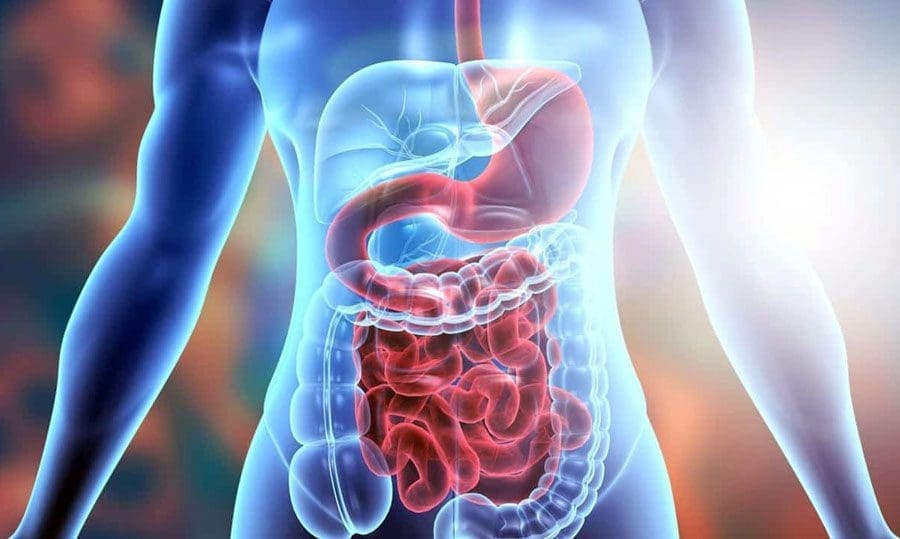
Yes. Regenerative therapies show potential to enhance gut health by repairing damaged intestinal tissue and restoring the integrity of the mucosal lining. That sentence is the scientific hope in plain language. The lining is not a passive tube. It is a living wall. When the wall is strong, food becomes fuel. When the wall is worn or open, the immune system stays busy, and pain in the back, neck, joints, or head can last longer than expected (Sikiric et al., 2020; Chang et al., 2025).
Many people treat digestion and spine pain as two different problems. In clinical practice, they often travel together. Stress, poor sleep, pain pills, and limited movement after injury can all irritate the same barrier that is supposed to keep the inside of the gut where it belongs.
Meet the Mucosal Lining
The innermost layer of the intestine is called the mucosa. New cells rise from intestinal stem cells that live in small pockets called crypts. Tight-junction proteins then fasten neighboring cells together, like a zipper.
A healthy lining does three jobs at once:
- Absorbs vitamins, minerals, amino acids, and water
- Keeps most bacteria, toxins, and large food bits out of the blood
- Talks to the immune system so it does not overreact
If the zipper loosens, extra material slips through. Researchers call this hyperpermeability. Patients often hear “leaky gut.” The immune system then treats ordinary contents as a threat. Inflammation can spread. People may notice bloating, food reactions, fatigue, brain fog, or joints that stay hot after a strain (Park et al., 2020; Vida Revival, n.d.).
That is why gut repair isn’t just a stomach issue. It is a whole-body load topic.
How Regenerative Therapies Approach the Gut
Regenerative care tries to help tissue rebuild instead of only quieting a symptom for a few hours.
For the intestine, that work may include:
- Protecting surface cells from further injury
- Helping epithelium close gaps
- Improving blood flow to the mucosa
- Supporting stem cells that replace worn lining
- Lowering inflammatory signals that keep the barrier open
The microbiome is part of this story. Gut bacteria can speed or slow intestinal stem-cell aging. In animal research, restoring a healthier microbial pattern improved stem-cell function and healing after injury (International Society for Stem Cell Research [ISSCR], 2025). A microbial metabolite called desaminotyrosine has also been shown to strengthen the barrier and drive stem-cell repair after severe gut stress (Leibniz Institute for Immunotherapy, 2025).
Other studies look even further upstream. Scientists found that clearing worn-out senescent cells helped aging mouse guts regenerate, reduced inflammation, and improved nutrient handling (Cold Spring Harbor Laboratory, 2026). California’s stem-cell agency has funded work to grow intestinal tissue and explore cell therapy for inflammatory bowel disease, where the lining is chronically damaged (California Institute for Regenerative Medicine [CIRM], n.d.). Clinics studying mesenchymal stem cells for delayed stomach emptying describe a similar aim: less inflammation, better nerve and muscle support, and improved local circulation (Stemwell, n.d.).
These paths are not identical, and none are ready as everyday treatments. They point in one direction. The gut can be helped toward repair when the right signals return.
Targeting Leaky Gut With Gastric-Protective Peptides
BPC-157 is a lab-made chain of 15 amino acids modeled on a protective fragment found in human gastric juice. That origin is why researchers first asked whether it could shield and rebuild digestive tissue (Sikiric et al., 2020; Yoo Direct Health, 2025).
The current investigation has three parts.
Cytoprotective recovery of the epithelial lining
In animal and lab models, BPC-157 has protected the stomach and intestine against injury from NSAIDs, alcohol, stress, and experimental colitis. Reports also include better healing of ulcers and surgical connections in the gut. Proposed actions include cell survival, cell migration, new vessel growth, and nitric oxide pathway effects that improve local blood flow (Sikiric et al., 2020; Chang et al., 2025).
Reduction of hyperpermeability
Park and colleagues reported that BPC-157 helped stabilize intestinal permeability after NSAID injury. The work was linked with higher tight-junction support, including ZO-1, and with lower activity of several inflammatory messengers (Park et al., 2020). In everyday words, the zipper may get help staying closed.
Interaction with integrative peptide therapy
BPC-157 is often discussed with other short signaling peptides, such as KPV, that are studied for calming immune activity in the mucosa (Yoo Direct Health, 2025; Laser Skin Solutions, n.d.). Integrative peptide therapy, in this setting, means using selected signals to help the barrier recover so the inflammatory load on the rest of the body can fall. That load can affect joints, nerves, skin, energy, and recovery speed after injury.
What the evidence does not yet prove
Most BPC-157 gut data remain preclinical. Human trials are still limited. Reviews describe promise and then call for stronger controlled studies in people (Chang et al., 2025). BPC-157 is not FDA-approved for leaky gut, IBD, ulcers, pain, or any other human use. Products sold outside a regulated clinical pathway can vary in quality. Unapproved peptides also carry legal and professional risk. Competitive athletes should know WADA lists BPC-157 as a prohibited non-approved substance (PortraitCare, 2026; Holt, n.d.; Yoo Direct Health, 2026).
Interest is fair. Internet certainty is not.
From Gut Load to Spine Pain
When the barrier leaks, the immune system stays on alert. That alert can make an injured neck, disc, or sciatic nerve feel louder. Pain pills taken for the spine can then irritate the lining again. Sleep drops. Walking drops. The cycle tightens.
Dr. Alexander Jimenez, DC, APRN, FNP-BC, CCST, CFMP, IFMCP, ATN, has described this as a biology-and-mechanics problem. Regenerative tools try to improve the healing environment around tissue. Chiropractic care and rehabilitation try to restore motion so repaired tissue is not asked to live in a locked or twisted frame (Jimenez, 2025a, 2025b). His published observations and public professional profile also connect gut health, inflammation, autoimmunity, peptide discussions, IV recovery, and integrative chiropractic care as one clinical map (Jimenez, n.d.).
That map helps explain a common clinic pattern: the MRI shows a strain, but the person feels system-wide fatigue and slow progress until food, sleep, motion, and barrier health are addressed together.
How Integrative Chiropractic Care Fits the Treatment
Integrative chiropractic care does not claim to sew the intestinal lining with an adjustment. It supports the nervous system, posture, and movement that surround digestion and healing.
The mid-back, ribs, and diaphragm affect breathing and abdominal pressure. The vagus nerve and spinal pathways help set gut motion and stress tone. After injury or years of desk work, people often brace. The head drifts forward. The ribs stiffen. Bowel rhythm and sleep suffer.
In a coordinated plan, chiropractic care and rehab may:
- Restore spinal and rib motion
- Improve breathing mechanics
- Reduce protective muscle guarding around the trunk
- Retrain posture and walking
- Prepare the body for strengthening and daily work
Better motion can lower fight-or-flight load. A calmer stress response gives the gut a better chance to repair. Functional medicine then looks at nutrition, sleep, blood sugar, and gut-immune clues. Personal injury care documents trauma and stages of return to activity. Regenerative options, if discussed at all, come after that foundation and under medical review.
A Multidisciplinary Clinic Model in El Paso
Persistent gut and pain cases require more than one perspective. At Injury Medical Clinic PA in El Paso, Texas, chiropractic and advanced practice care from Dr. Alex Jimenez are paired with medical direction from Dr. Maria Guadalupe Cardenas, MD.
Dr. Cardenas is board-certified in internal medicine (NPI #1164426749; Texas MD License #J2933). She has more than 40 years of experience as an internist and serves as medical director and collaborative physician. This multidisciplinary setup is common in integrative and injury care clinics. An MD provides medical direction, internal medicine judgment, and safety oversight. A chiropractor evaluates the spine, nerves, and movement. Together they can separate urgent digestive disease from functional barrier problems and connect both to back pain, sciatica, sports injury, or delayed recovery after a crash.
The same team plan may include:
- Functional medicine and nutrition
- Rehabilitation and posture training
- Personal injury evaluation and documentation
- Regenerative discussions under medical oversight
- Nurse-practitioner care coordinated with the medical director
The benefit is not a trendy product name. The benefit is a group that sees the lining, the spine, and the person who has to get through the day.
A Clear Path Readers Can Follow
A careful sequence looks like this:
- Seek care for warning signs such as bleeding, black stools, vomiting, fever, or unexplained weight loss.
- Rebuild daily basics: protein, plants you can tolerate, water, walking, and sleep.
- Restore motion with integrative chiropractic care and rehabilitation.
- Support the barrier with food and targeted nutrients when indicated.
- Consider advanced regenerative options only after diagnosis, informed consent, and legal clinic-based oversight.
Regenerative therapies show potential to enhance gut health by repairing damaged intestinal tissue and restoring mucosal lining integrity. BPC-157 is being investigated for cytoprotective epithelial recovery, reduced leaky-gut changes, and a lighter full-body inflammatory load when placed inside a broader integrative plan. The research is encouraging. Human proof and FDA approval are not complete. The most useful next step in El Paso is still a full evaluation with a team that treats both the barrier and the frame around it.
References
California Institute for Regenerative Medicine. (n.d.). Stem cell therapy for inflammatory bowel disease.
Chang, A. R., et al. (2025). From regeneration to analgesia: The role of BPC-157 in tissue repair and pain management. Cureus.
Cold Spring Harbor Laboratory. (2026, January 3). Scientists found a way to help aging guts heal themselves. ScienceDaily.
Holt, D. J. (n.d.). Understanding the legal risks of BPC-157 and other unapproved peptides.
International Society for Stem Cell Research. (2025). New study shows gut microbiota directly regulates intestinal stem cell aging.
Jimenez, A. (n.d.). Dr. Alexander Jimenez, DC, APRN, FNP-BC. LinkedIn.
Jimenez, A. (2025a). Regenerative medicine and integrative chiropractic approaches.
Jimenez, A. (2025b). Regenerative therapies for fitness and recovery insights.
Laser Skin Solutions. (n.d.). The benefits of peptides BPC-157 and KPV for healing and gut health.
Leibniz Institute for Immunotherapy. (2025, October 28). Protecting the gut after stem cell transplantation: New evidence for the potential of microbiome-based therapies.
Park, J. M., Lee, H. J., Sikiric, P., & Hahm, K. B. (2020). BPC 157 rescued NSAID-cytotoxicity via stabilizing intestinal permeability and enhancing cytoprotection. Current Pharmaceutical Design, 26(26), 2971–2981. https://doi.org/10.2174/1381612826666200523180301
PortraitCare. (2026). BPC-157 FDA approval status: Is it approved for human use?
Sikiric, P., et al. (2020). Stable gastric pentadecapeptide BPC 157 and wound healing. Frontiers in Pharmacology.
Stemwell. (n.d.). Healing gastroparesis with stem cells: A new path to digestive health.
Vida Revival. (n.d.). Gut health.
Yoo Direct Health. (2025, January 21). Best peptides for gut health: BPC-157, KPV, larazotide & more.
Yoo Direct Health. (2026, July 24). FDA peptide update: What the recent BPC-157, KPV, and TB-500 news means.
General Disclaimer, Licenses, and Board Certifications *
Professional Scope of Practice *
The information herein on "Gut Repair From the Inside Out and Chiropractic Care" is not intended to replace a one-on-one relationship with a qualified health care professional or licensed physician and is not medical advice. We encourage you to make healthcare decisions based on your research and partnership with a qualified healthcare professional.
Blog Information & Scope Discussions
Welcome to El Paso's Premier Wellness and Injury Care Clinic & Wellness Blog, where Dr. Alex Jimenez, DC, FNP-C, a Multi-State board-certified Family Practice Nurse Practitioner (FNP-BC) and Chiropractor (DC), presents insights on how our multidisciplinary team is dedicated to holistic healing and personalized care. Our practice aligns with evidence-based treatment protocols inspired by integrative medicine principles, similar to those on this site and on our family practice-based chiromed.com site, focusing on naturally restoring health for patients of all ages.
Our areas of multidisciplinary practice include Wellness & Nutrition, Chronic Pain, Personal Injury, Auto Accident Care, Work Injuries, Back Injury, Low Back Pain, Neck Pain, Migraine Headaches, Sports Injuries, Severe Sciatica, Scoliosis, Complex Herniated Discs, Fibromyalgia, Chronic Pain, Complex Injuries, Stress Management, Functional Medicine Treatments, and in-scope care protocols.
Our information scope is multidisciplinary, focusing on musculoskeletal and physical medicine; wellness; contributing etiological viscerosomatic disturbances within clinical presentations; associated somato-visceral reflex clinical dynamics; subluxation complexes; sensitive health issues; and functional medicine articles, topics, and discussions.
We provide and present clinical collaboration with specialists from various disciplines. Each specialist is governed by their professional scope of practice and licensure jurisdiction. We use functional health & wellness protocols to treat and support care for musculoskeletal injuries or disorders.
Our videos, posts, topics, and insights address clinical matters and issues that directly or indirectly relate to our clinical scope of practice.
Our office has made a reasonable effort to provide supportive citations and has identified relevant research studies that support our posts. We provide copies of supporting research studies upon request to regulatory boards and the public.
To discuss how these matters can assist in a specific care plan or treatment protocol, please contact Dr. Alex Jimenez, DC, APRN, FNP-BC, or reach out to us at 915-850-0900.
We are here to help you and your family.
Blessings
Dr. Alex Jimenez DC, MSACP, APRN, FNP-BC*, CCST, IFMCP, CFMP, ATN
Email: [email protected]
Multidisciplinary Licensing & Board Certifications:
Licensed as a Doctor of Chiropractic (DC) in Texas & New Mexico*
Chiropractic Licenses:
Texas DC License #: TX5807, Verified: TX5807
New Mexico DC License #: NM-DC2182, Verified: NM-DC2182
Nurse Practitioner Licenses:
Texas APRN License #: 1191402, Verified: 1191402 *
New Mexico CNP License #: 90560, Verified 90560
Florida APRN License #: 11043890, Verified: APRN11043890 *
Colorado License #: C-APN.0105610-C-NP, Verified: C-APN.0105610-C-NP
New York License #: N25929, Verified N25929
Georgia APRN License #: GAA-NP005701
Multi-State Advanced Practice Registered Nurse (APRN*) Texas & Multi-States
Multi-state Compact APRN License by Endorsement (43 States)
Compact Status: Multi-State License: Authorized to Practice in 43 States*
Nursing Licensure Compact: Updated Here
DEA Registration: (Drug Enforcement Agency Registered)
All medical (MDs) and family practice providers (FNP-APRN) are registered and licensed to offer various levels of medication.
Verify Providers Here
License Verification Link: Nursys License Verifier
* Prescriptive Authority Authorized (DEA Registered Providers). Call if Required
Board Certification:
ANCC FNP-BC: Board Certified Nurse Practitioner*
Education:
Graduate with Honors: ICHS: MSN-FNP (Family Nurse Practitioner Program)
Degree Granted. Master's in Family Practice, MSN Diploma (Cum Laude)
Dr. Alex Jimenez, DC, APRN, FNP-BC*, CFMP, IFMCP, ATN, CCST
(Board Certified: Family Practice Nurse Practitioner—Multistate)*
(Licensed Nurse Practitioner & Chiropractor - Multistate)*
Clinical Director
DC & FNP License (Review Above)
Digital Business Card
NPI: 1205907805
Dr. Maria Cardenas, MD
(Board Certified: Internal Medicine)
(Licensed Medical Doctor)
Medical Director, Clinical Director & Collaborative Physician
NPI # 1164426748
MD License #: J2933
Licenses and Board Certifications:
MD: Medical Doctor
DC: Doctor of Chiropractic
APRNP: Advanced Practice Registered Nurse
FNP-BC: Family Practice Specialization (Multi-State Board Certified)
FNP-BC: Family Practice Across Life Span (Neonatal to Geriatrics)
RN: Registered Nurse (Multi-State Compact License)
CFMP: Certified Functional Medicine Provider
MSN-FNP: Master of Science in Family Practice Medicine
MSACP: Master of Science in Advanced Clinical Practice
IFMCP: Institute of Functional Medicine
CCST: Certified Chiropractic Spinal Trauma
ATN: Advanced Translational Neutrogenomics
Family with Primary Care Focus (Family Nurse Practitioner or FNP)
- The Family Nurse Practitioner (FNP) promotes, maintains, and restores health for individuals and families across the lifespan. FNPs also identify health risks, promote wellness, and diagnose and manage acute and chronic illness.
- The FNP focuses on comprehensive primary care, promoting healthy lifestyles for patients across the lifespan in settings such as private practice, physician offices, and community health centers.
Memberships & Associations:
TCA: Texas Chiropractic Association: Member ID: 104311
TNA: Texas Nurse Association: Member ID: 06458222
TNP: Texas Nurse Practitioner Association ID: 2025091511
AANP: American Association of Nurse Practitioners: Member ID: 2198960
ANA: American Nurses Association: Member ID: 06458222 (District TX01)
| Primary Taxonomy | Selected Taxonomy | State | License Number |
|---|---|---|---|
| No | 111N00000X - Chiropractor | NM | DC2182 |
| Yes | 111N00000X - Chiropractor | TX | DC5807 |
| Yes | 363LF0000X - Nurse Practitioner - Family | TX | 1191402 |
| Yes | 363LF0000X - Nurse Practitioner - Family | FL | 11043890 |
| Yes | 363LF0000X - Nurse Practitioner - Family | CO | C-APN.0105610-C-NP |
| Yes | 363LF0000X - Nurse Practitioner - Family | NY | N25929 |
| Yes | 363LF0000X - Nurse Practitioner - Family | NM |
90560 |
| Yes | 363LF0000X - Nurse Practitioner - Family | GA | GAA-NP005701 |
Dr. Alex Jimenez, DC, APRN, FNP-BC*, CFMP, IFMCP, ATN, CCST
(Board Certified: Family Practice Nurse Practitioner—Multistate)*
(Primary Care Across Lifespan—Neonatal / Pediatric / Adult / Geriatrics)
(Licensed Nurse Practitioner & Chiropractor - Multistate)*
Clinical Director
Digital Business Card
NPI: 1205907805
Dr. Maria Cardenas, MD
(Board Certified: Internal Medicine)*
(Licensed Medical Doctor)*
Medical Director, Clinical Director & Collaborative Physician
NPI # 1164426748
MD License #: J2933
📆 Schedule Appointment: Schedule 24/7 (Click Here)