Back Clinic Neck Treatment Team. Dr. Alex Jimenezs collection of neck pain articles contain a selection of medical conditions and/or injuries regarding symptoms surrounding the cervical spine. The neck is made up of various complex structures; bones, muscles, tendons, ligaments, nerves, and other types of tissues. When these structures are damaged or injured as a result of improper posture, osteoarthritis, or even whiplash, among other complications, the pain and discomfort an individual experiences can be impairing. Through chiropractic care, Dr. Jimenez explains how the use of spinal adjustments and manual manipulations focuses on the cervical spine can greatly help relieve the painful symptoms associated with neck issues. For more information, please feel free to contact us at (915) 850-0900 or text to call Dr. Jimenez personally at (915) 540-8444.
A motor vehicle accident (MVA) can place sudden and powerful forces on the body. Knees may strike the dashboard, shoulders may be pulled by a seat belt, and the spine may rapidly bend, twist, or compress. These forces can injure cartilage, ligaments, tendons, muscles, bones, and spinal discs. Common joint trauma injuries include ACL or PCL tears, meniscus injuries, shoulder labrum tears, joint dislocations, sprains, and cartilage damage.
Treatment depends on the type and severity of the injury. Some patients improve with chiropractic care, rehabilitation, exercise, and physical modalities such as shockwave or laser therapy. Others may need targeted pain management or selected orthobiologic procedures, including platelet-rich plasma (PRP), platelet-fibrin products (PFP/PRF), or microfragmented adipose tissue (MFAT). These treatments should be selected after a careful medical and musculoskeletal evaluation because no single therapy is appropriate for every accident injury.
In El Paso, a multidisciplinary approach can bring chiropractic care, medical oversight, functional medicine, personal injury care, rehabilitation, diagnostic testing, and specialty referrals together in one coordinated recovery plan.
What Are Joint Trauma Injuries in a Motor Vehicle Accident?
Joint trauma injuries are sudden injuries caused when crash forces twist, stretch, compress, strike, or dislocate parts of the musculoskeletal system.
A joint is the place where two or more bones meet. Cartilage helps the bones move smoothly. Ligaments connect bone to bone, while tendons connect muscles to bones. When a car crash creates more force than these tissues can safely handle, they may become stretched, torn, bruised, fractured, or displaced.
Common areas affected after an MVA include:
Knees
Shoulders
Hips
Wrists and hands
Ankles
Neck and spinal joints
Lower back
Sacroiliac joints
Spinal discs may also be damaged during an accident. A disc is not technically a joint, but disc injuries often occur together with trauma to the spinal joints, muscles, ligaments, and nerves.
The severity can range from a mild sprain to a complete ligament tear, dislocation, fracture, or complex injury involving several tissues at the same time.
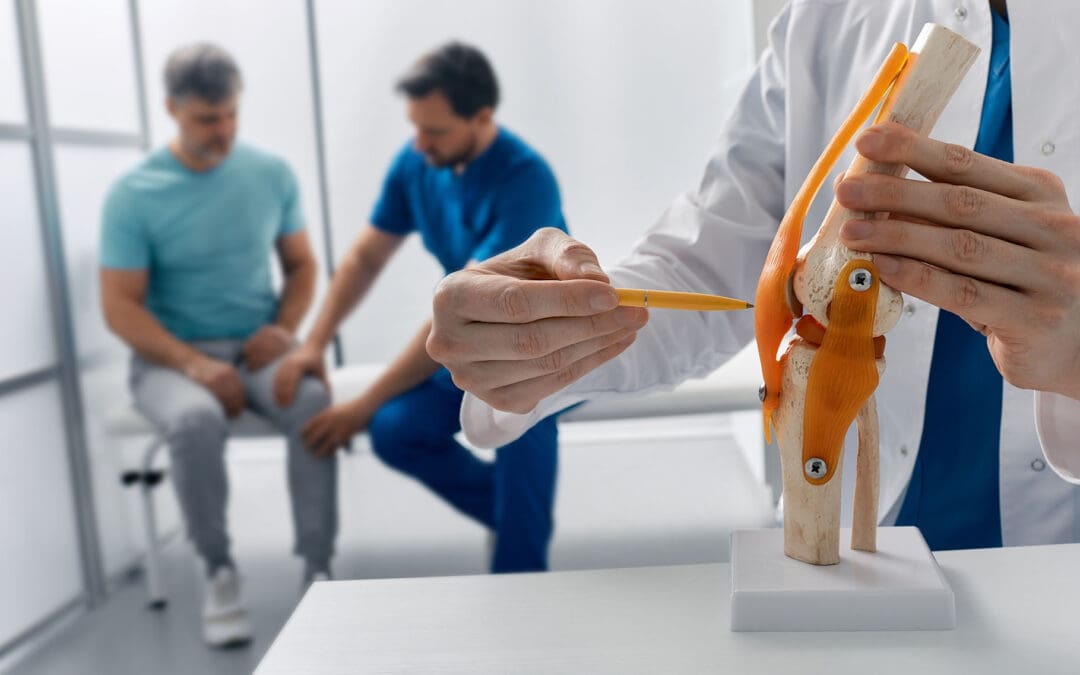
Dashboard Knee Injuries After a Car Accident
The knee is especially vulnerable during a front-end collision.
If a person’s bent knee strikes the dashboard, the force may push the shinbone backward. This is a well-known mechanism for injuring the posterior cruciate ligament, or PCL. The American Academy of Orthopaedic Surgeons lists a bent knee striking a dashboard during a motor vehicle collision as a common cause of PCL injury (American Academy of Orthopaedic Surgeons [AAOS], n.d.).
Dashboard trauma can also cause:
PCL tears
ACL or MCL injuries
Meniscus tears
Cartilage damage
Bone bruising
Kneecap fractures
Joint swelling
Reduced range of motion
Knee instability
A direct dashboard impact can even fracture the kneecap. Severe cartilage injury may later contribute to post-traumatic arthritis (AAOS, n.d.).
El Paso educational resources also describe dashboard knee injuries as a combination of ligament, cartilage, meniscus, and bone trauma rather than simply a temporary knee bruise (Jimenez, 2026a).
Shoulder Trauma After an MVA
Shoulders can also absorb major crash forces.
A driver may grip the steering wheel during impact, strike the door, or experience sudden pulling from the seat belt. The arm can be forced backward, upward, or outward.
Possible injuries include:
Rotator cuff strains or tears
Labrum injuries
Shoulder sprains
Tendon injuries
AC joint injuries
Fractures
Partial dislocations
Complete shoulder dislocations
The shoulder labrum is a ring of cartilage that helps stabilize the joint. A traumatic SLAP tear may occur during a motor vehicle collision, and a shoulder dislocation can also result from crash trauma (AAOS, n.d.).
Local El Paso injury resources similarly describe shoulder pain after crashes as potentially involving muscles, tendons, ligaments, nerves, and joint structures.
Hip, Wrist, and Spinal Joint Trauma
An MVA does not affect only the knee and shoulder.
The seat, center console, door, or dashboard may compress the hips. This can lead to strains, joint irritation, cartilage injury, labral damage, or fractures in serious crashes.
When a person braces against the steering wheel or dashboard, the wrists and hands may sustain injuries. Sudden force may cause sprains, tendon injuries, fractures, or joint instability.
The neck and lower back experience a different type of trauma. Rapid acceleration and deceleration can suddenly bend and rotate the spine. This can strain muscles and ligaments, irritate spinal joints, and contribute to disc injury or nerve symptoms.
Because a crash can injure several areas at once, examining only the most painful joint may overlook other injuries.
Symptoms That Should Be Evaluated
Joint trauma does not always cause its worst symptoms immediately. Pain and stiffness can become more noticeable after the initial stress response from the crash fades.
Symptoms may include:
Joint swelling
Bruising
Pain with movement
Reduced range of motion
Clicking, popping, locking, or catching
A feeling that the joint is unstable
Muscle spasms
Weakness
Numbness or tingling
Neck or back stiffness
Pain traveling into an arm or leg
Difficulty walking, climbing stairs, lifting, or working
Obvious deformity, severe swelling, inability to bear weight, new major weakness or numbness, or other severe symptoms require prompt medical evaluation.
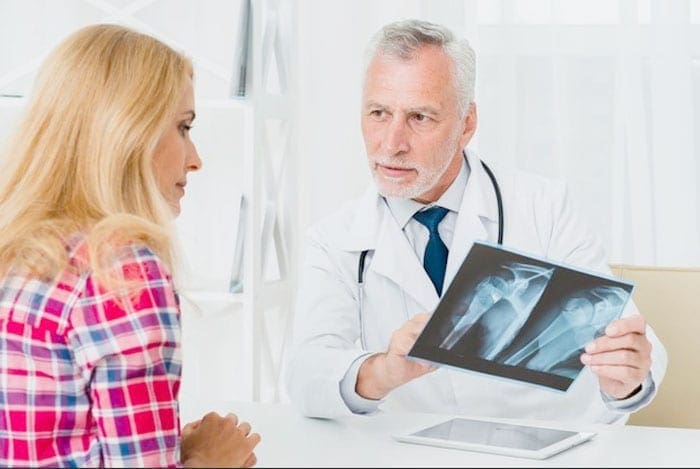
Imaging such as X-rays, MRI, CT, or diagnostic ultrasound may be appropriate depending on the suspected injury.
Treating MVA Joint Trauma: More Than Pain Control
The first goal after significant trauma is to determine what was injured.
Treatment may begin with activity changes, bracing when needed, rehabilitation, and methods for controlling pain and swelling. Severe fractures, dislocations, complete ligament tears, or unstable joints may require orthopedic or surgical care.
For other injuries, a coordinated conservative treatment plan may be appropriate.
Integrative Chiropractic Care
Chiropractic care can be one part of MVA rehabilitation when serious fractures, unstable injuries, and other contraindications have been ruled out.
Care may include:
Gentle joint mobilization
Appropriate spinal manipulation
Soft-tissue techniques
Range-of-motion exercises
Posture correction
Corrective exercise
Neuromuscular retraining
Strength and stability work
Clinical guidelines for neck pain and whiplash-associated disorders support multimodal approaches that can include manipulation or mobilization combined with exercise, depending on the patient’s condition and stage of recovery (Bussières et al., 2016).
The purpose is not simply to “put a joint back in place.” The larger goal is to restore safe movement, decrease mechanical stress, improve strength, and help the patient return to normal daily activity.
Regenerative and Orthobiologic Injections
Some patients with persistent joint, ligament, tendon, or cartilage problems may be evaluated for orthobiologic treatment.
Platelet-Rich Plasma
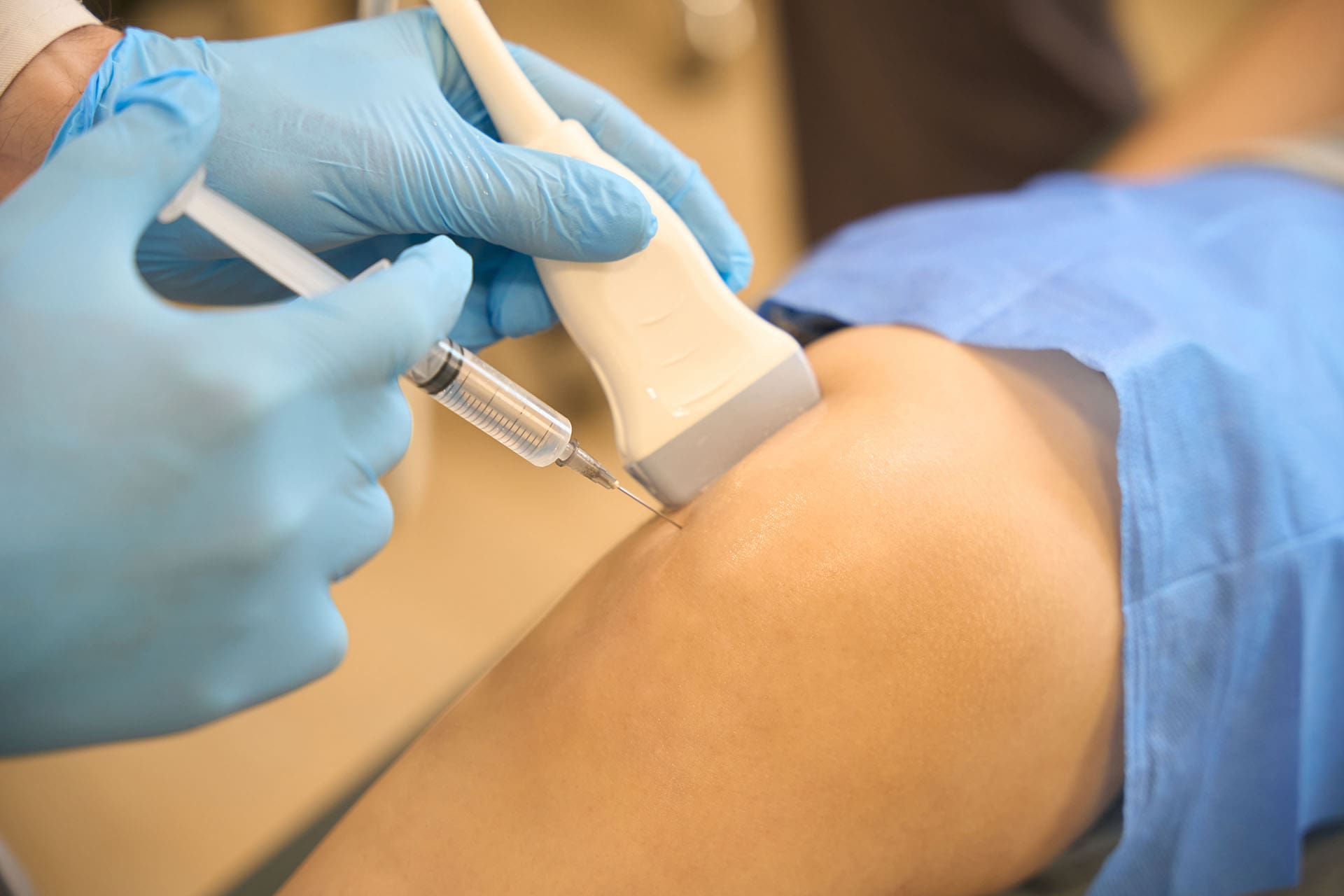
Platelet-rich plasma, or PRP, uses a concentration of platelets prepared from the patient’s own blood. Platelets release signaling proteins involved in tissue repair.
PRP has been studied most strongly for problems such as knee osteoarthritis and several tendon disorders. Research suggests that some patients can experience meaningful improvement in pain and function, although preparation methods, platelet concentrations, and results vary between studies (Berrigan et al., 2024).
PRP should therefore be described as a treatment that may support healing and improve symptoms in selected conditions, rather than a guaranteed way to regenerate every damaged ligament or piece of cartilage.
PFP and Platelet-Fibrin Products
The term PFP may be used in some clinical settings to describe platelet-fibrin products. Related preparations include platelet-rich fibrin, or PRF.
Fibrin creates a matrix that can hold platelets and signaling molecules at the treatment area. Research into these preparations continues, and formulations are not standardized across every clinic or medical study. Reviews of orthobiologic therapies note promising results but also the need for stronger clinical trials and clearer treatment standards (Motejunas et al., 2021).
Microfragmented Adipose Tissue
Microfragmented adipose tissue, or MFAT, is another procedure being studied for musculoskeletal conditions.
Recent research comparing MFAT and PRP for knee osteoarthritis found that both treatments may improve pain and function in selected patients, but researchers also emphasize that the evidence remains limited and further study is needed (Park et al., 2025).
MFAT should not be presented as a proven way to regrow any damaged joint. Patient selection, diagnosis, regulatory requirements, and medical oversight are important. The FDA also warns consumers that many products marketed broadly as “regenerative medicine” are not FDA-approved for treating orthopedic conditions.
Targeted Pain Management
Some MVA injuries involve more than joint damage.
A disc injury may irritate a spinal nerve and cause pain traveling down an arm or leg. In carefully selected patients with radicular pain, an epidural steroid injection may temporarily reduce nerve-root inflammation and pain. Evidence suggests benefits can occur, although the effects and duration vary (Mahmoud et al., 2024).
Trigger point injections may be considered when painful muscle trigger points contribute to myofascial pain. A systematic review found reductions in acute myofascial pain compared with medical management alone, though treatment still needs to be individualized (Hamzoian & Zograbyan, 2023).
These procedures control specific pain generators. They do not replace rehabilitation or correct every damaged structure.
Shockwave and Laser Therapy
Physical modalities can also support selected rehabilitation programs.
Extracorporeal shockwave therapy delivers acoustic energy to targeted tissues and has evidence supporting its use for several chronic tendon problems. It may work best when combined with a progressive exercise program rather than used alone (Elgendy et al., 2024).
Photobiomodulation or therapeutic laser therapy uses light energy. Research suggests it may help reduce pain in some musculoskeletal conditions, although the ideal dose and treatment schedule vary by condition.
Neither therapy replaces proper diagnosis, stabilization of serious injuries, or rehabilitation.
Multidisciplinary MVA Injury Care in El Paso
Joint trauma after a car accident rarely occurs in isolation. A patient may have knee pain, shoulder damage, whiplash, disc irritation, muscle guarding, headaches, weakness, and medical conditions that can affect recovery.
This is where coordinated multidisciplinary care can be useful.
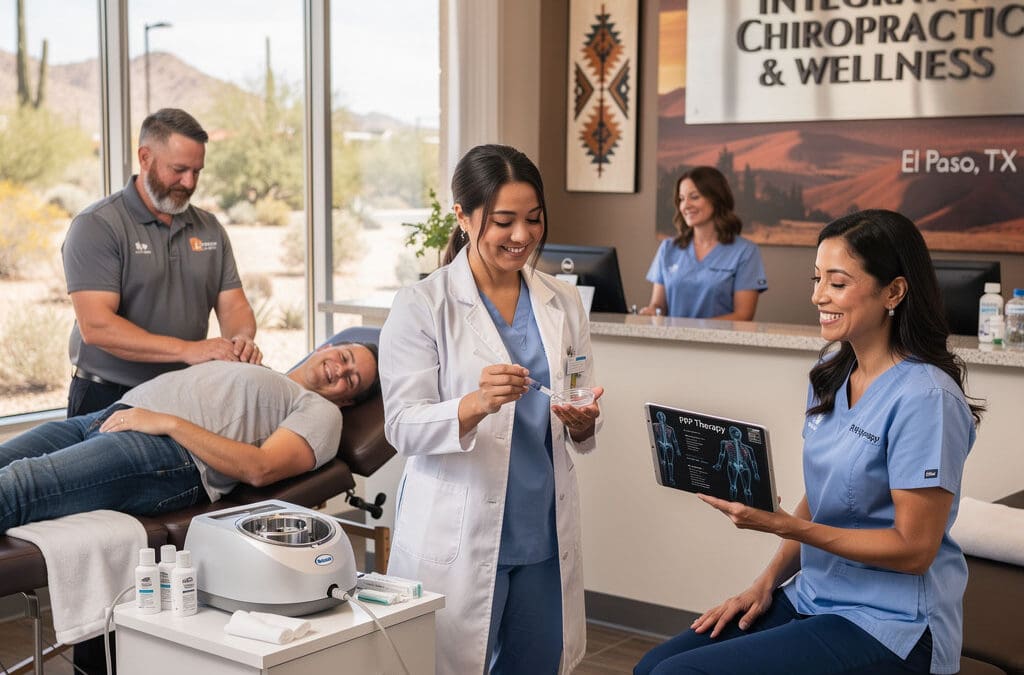
At Injury Medical Clinic PA in El Paso, Texas, practice materials describe Dr. Maria Guadalupe Cardenas, MD, an internal medicine physician, as Medical Director and Collaborative Physician working alongside Dr. Alexander Jimenez, DC, APRN, FNP-BC, CCST, CFMP, IFMCP, ATN. The clinic describes a model that combines medical oversight with chiropractic care, functional medicine, personal injury care, rehabilitation, diagnostic evaluation, pain-management coordination, and related services.
Clinic materials state that Dr. Cardenas is board-certified in internal medicine and has more than 40 years of clinical experience. Independent physician information also identifies her as an internal medicine physician in El Paso, with Texas medical license J2933.
Under this model, Dr. Cardenas provides the medical perspective needed to consider medications, chronic health problems, medical risks, diagnostic findings, and overall patient safety. Dr. Jimenez focuses heavily on the neuromusculoskeletal side of recovery, including spinal and extremity joint function, movement patterns, rehabilitation, and functional health strategies.
Clinical observations published by Dr. Jimenez emphasize examining how an accident affects more than the painful area. His approach looks at joint motion, posture, muscle balance, nerve irritation, gait, strength, flexibility, inflammation, and the patient’s ability to perform everyday activities.
The result is a treatment plan that may move through stages:
Identify the injury and rule out serious damage.
Control pain and inflammation.
Restore joint and spinal movement where appropriate.
Rebuild strength, balance, and stability.
Consider targeted injections or orthobiologic treatment when clinically appropriate.
Track functional improvement and adjust the plan as the patient recovers.
This approach recognizes an important point: reducing pain is valuable, but restoring function is the larger goal.
The Path Forward After an MVA Joint Injury
Motor vehicle accidents can create much more than temporary soreness. Crash forces can tear ligaments, damage cartilage, irritate tendons, dislocate joints, fracture bones, and injure spinal structures.
A successful recovery starts with an accurate diagnosis.
Some patients need orthopedic or surgical care. Others may benefit from chiropractic treatment, rehabilitation, targeted pain management, laser or shockwave therapy, or selected regenerative procedures. PRP, platelet-fibrin preparations, and MFAT may have a role in carefully chosen cases, but they are not universal treatments and should not be marketed as guaranteed tissue regeneration.
For patients in El Paso, multidisciplinary care offers a way to address the medical, mechanical, functional, and rehabilitation sides of an MVA injury within one coordinated plan.
Regenerative Therapies for Personal Injury: How PRP, PFP, MFAT, and Epidural Injections Support Healing
A personal injury from a car accident, fall, or sports event can leave lasting damage. Muscles, ligaments, and tendons may tear. Spinal nerves can become irritated or compressed. Everyday activities like walking, sleeping, or working become increasingly difficult. Many people face long recovery times, strong pain medicines, or surgery. Regenerative therapies offer another choice. These treatments use materials from your body to speed tissue repair and calm inflamed nerves. They help patients regain function and create clear records of active healing that can support injury claims.
These options promote healing of both new and long-term tissue injuries. They reduce swelling and deliver natural repair signals. At Injury Medical Clinic PA in El Paso, Texas, these therapies are part of a full plan that includes chiropractic care, medical oversight, functional medicine, and rehabilitation.
How These Therapies Help After Personal Injury
Regenerative treatments speed the repair of damaged muscles, ligaments, and tendons. They also calm irritated spinal nerves. This makes it easier to sleep, move, and join physical therapy. Patients often need fewer strong medicines and can avoid or delay surgery. Follow-up checks show real tissue-level progress. That documented recovery can strengthen personal injury claims.
The therapies work by concentrating the body’s own healing tools and placing them exactly where they are needed. Areas with poor blood flow, such as tendons and spinal discs, respond especially well.
PRP (Platelet-Rich Plasma): Concentrated Growth Factors from Your Blood
PRP starts with a small blood draw from your arm. The blood spins in a machine that concentrates the platelets. Platelets are the natural parts of blood that help clotting and repair. When injected into the injured area, the platelets release growth factors. These growth factors stimulate cell repair, lower inflammation, and speed healing of torn ligaments, muscles, and tendons.
PRP works well for many soft-tissue injuries common in accidents. It supports recovery after whiplash or a torn tendon. Results usually appear over several weeks as the body responds to the concentrated signals. Rehabilitation exercises help the improvements last longer.
Key points about PRP:
Uses only your own blood
Releases growth factors that call in repair cells
Reduces inflammation in soft tissues
Supports healing of ligaments, muscles, and tendons
PFP (Platelet-Fibrin Products): A Scaffold for Longer Healing Signals
PFP concentrates proteins from the blood that trap growth factors. This creates a supportive matrix or “scaffold” at the injury site. The scaffold holds the healing signals in place longer so they continue working over time.
PFP is often chosen for tissues that have not responded to simpler treatments. It provides prolonged support for stubborn ligament, tendon, or disc injuries. In chronic personal injury cases, the longer-lasting signals give the body more time to rebuild.
Key points about PFP:
Forms a natural supportive scaffold
Delivers growth factors over an extended period
Helps tissues that heal slowly
Uses your own blood proteins
MFAT (Micro-Fragmented Adipose Tissue): Signaling Cells from Your Fat
MFAT begins with a small sample of the patient’s fat tissue, usually taken gently from the abdomen or side. The fat is processed to keep its rich concentration of signaling cells. These cells are then injected into the damaged area.
MFAT is frequently used for more serious joint damage, cartilage defects, and larger partial tears. The signaling cells provide structural support and assist tissue repair. For bigger injuries from accidents, MFAT supplies both cells and a natural framework that aids rebuilding.
Key points about MFAT:
Uses a small amount of your own fat
Rich in regenerative signaling cells
Supports structure in joints and larger tears
Helps calm chronic inflammation
Epidural Spinal Injections: Direct Relief for Nerve Inflammation
Severe nerve inflammation can occur when a herniated disc compresses a nerve root. This causes sharp pain, numbness, or weakness that may travel into an arm or leg. An epidural spinal injection places an anti-inflammatory substance—such as cortisone or regenerative biologics—directly into the spinal area. Imaging guidance keeps the placement accurate.
The injection reduces nerve irritation. Many patients find it easier to sleep, walk, and take part in physical rehabilitation. Regenerative versions also deliver growth factors that support longer-term calming of the nerve and surrounding tissues.
Key points about epidural injections:
Targets severe nerve inflammation from compressed roots
Can use cortisone or regenerative materials
Improves sleep, walking, and therapy participation
Creates space for other healing steps
Matching the Right Plan to Your Specific Injury
The clinic reviews the exact injuries you are dealing with so the team can recommend the best integrative chiropractic treatment plan. A herniated disc that presses on a nerve may start with an epidural to calm the irritation, followed by targeted PRP or PFP near the disc. Whiplash often involves stretched or torn neck ligaments and muscles that respond well to PRP or PFP. A torn tendon in the shoulder, knee, or elsewhere may benefit from PRP for smaller tears or MFAT for larger or joint-related damage.
Your care team looks at imaging, examination findings, and overall health. They explain the options in clear language so you understand which combination fits your situation best. Functional medicine can also identify nutrition or inflammation factors that affect how quickly tissues heal.
The Multidisciplinary Team at Injury Medical Clinic PA
Dr. Alexander Jimenez, DC, APRN, FNP-BC, CCST, CFMP, IFMCP, ATN, has observed that regenerative therapies produce stronger results when paired with mechanical and internal support. The biological signals from PRP, PFP, or MFAT plant the seeds of repair. Chiropractic adjustments restore proper alignment and joint movement so healing tissues are not under constant stress. Rehabilitation builds strength and correct patterns. Functional medicine addresses root factors such as nutrition, inflammation, and lifestyle. Personal injury care includes thorough documentation of progress. His clinical observations show lasting gains in mobility and pain reduction when these elements work together.
Dr. Maria Guadalupe Cardenas, MD (Board Certified in Internal Medicine, NPI #1164426749, Texas MD License #J2933), has over 40 years of experience as an internist. She works with Dr. Alex Jimenez, DC, and serves as the medical director and collaborative physician at his practice, Injury Medical Clinic PA, in El Paso, Texas. This is a multidisciplinary setup common in integrative or injury care clinics, where an MD provides medical direction alongside a chiropractor. The team integrates chiropractic care (Dr. Jimenez) with medical oversight by Dr. Cardenas (internal medicine), as well as functional medicine, personal injury care, rehabilitation, and related services. Shared records keep care coordinated and complete.
Moving Toward Better Function and Documented Recovery
These regenerative therapies give patients real options after personal injury. They speed tissue repair, calm irritated nerves, restore function, and create objective records of active healing. When combined with chiropractic care under medical oversight and functional medicine support, the approach addresses both the local damage and the wider factors that help recovery last.
If you are dealing with a herniated disc, whiplash, torn tendon, or other personal injury, the team at Injury Medical Clinic PA can help you understand the best plan for your needs. A clear evaluation creates a personalized path focused on natural healing and return to daily life.
Repairing Your Spine from the Inside Out: How Chiropractic and Regenerative Therapies Work Together
Chronic back or neck pain can make everyday life feel challenging. Many people try rest, pain pills, or physical therapy, but the pain often returns. Surgery is one option, yet it comes with risks and long recovery times. There is a better path for many people. Combining chiropractic care with regenerative therapies helps repair the spine from the inside out. Chiropractic adjustments fix the structure and alignment. Treatments such as PRP injections and shockwave therapy help heal the soft tissues around the bones. Together, they stop chronic pain and help rebuild strength without surgery.
This approach treats the whole picture. It is like fixing a house with problems in both the frame and the interior.
Your Spine Is Like a House
Think of your spine like the wooden frame of a house. The bones (vertebrae) are the main beams. The discs, ligaments, tendons, and muscles are the wood, pipes, and supports that hold everything together.
If the frame leans or shifts, the whole house feels off. Chiropractic adjustments gently move the bones back into better position. This straightens the frame and takes pressure off nerves.
But what if the wood is rotting or the pipes are leaking? Straightening the frame alone will not last. The house will lean again. The same thing happens with the spine. If the soft tissues stay damaged or inflamed, pain and weakness return even after effective adjustments.
Regenerative therapies, laser treatments, and shockwave therapy act like a skilled repair crew. They go into damaged areas, reduce swelling, and help new, healthy tissue grow. Massage and spinal decompression then remove daily stress so the repairs hold strong over time. This comprehensive plan delivers lasting results for many people with ongoing spinal problems.
Chiropractic Care: Fixing the Structural Frame
Chiropractic care focuses on the bones and joints of the spine. A chiropractor uses gentle, hands-on adjustments to correct misalignments. These shifts can happen from poor posture, old injuries, car accidents, or years of sitting and bending.
Adjustments help in simple ways:
They restore normal movement in stiff joints.
They reduce pressure on nerves that cause pain, numbness, or tingling.
They improve blood flow and support the body’s natural healing ability.
They help improve posture so daily activities feel easier.
According to reliable health information, chiropractic adjustments aim to correct alignment problems, ease pain, and support the body’s natural ability to heal itself (MedlinePlus, n.d.). Many people use it for low back pain, neck pain, and headaches. It is a hands-on method that does not rely on drugs or surgery.
When the frame is straight, the rest of the spine can heal better. But adjustments work even better when paired with treatments that fix the soft tissues around the bones.
Regenerative Therapies: The Repair Crew for Soft Tissues
Regenerative therapies use the body’s own materials to heal damaged areas. They target the “rotting wood” parts — inflamed discs, torn ligaments, irritated nerves, and weak tendons. These treatments send growth signals that tell cells to repair and rebuild.
Common options include:
PRP (platelet-rich plasma): A small amount of your blood is spun in a machine to concentrate the healing platelets. These are injected into painful spots. Growth factors signal damaged tissues to calm down and grow stronger (El Paso Back Clinic, n.d.).
Shockwave therapy: Special sound waves reach deep into sore muscles and tendons. They increase blood flow, break up scar tissue, and wake up the body’s repair process (Sleppy Chiropractic, n.d.).
MLS laser therapy: Safe light energy gives cells more power (ATP) to reduce inflammation and speed healing at the deepest level (Sleppy Chiropractic, n.d.).
Spinal decompression: Gentle stretching creates space between vertebrae. This relieves pressure on bulging discs, allows nutrient-rich fluid to flow in, and helps discs rehydrate and repair (Sleppy Chiropractic, n.d.).
These therapies help stop the cycle of chronic pain. They reduce swelling, support new tissue growth, and strengthen the areas that hold the spine in place. Many patients notice reduced pain and improved mobility within weeks when these treatments are used as part of a comprehensive plan.
How Chiropractic and Regenerative Therapies Work Together
The real power comes when the two approaches work together. Chiropractic adjustments create the right alignment so new tissue can form correctly. Regenerative treatments create a healing environment within tissues so that repairs last (El Paso Back Clinic, n.d.).
Here is how the full plan usually flows:
First, a careful exam and imaging find the exact problems.
Chiropractic adjustments straighten the frame and improve motion.
Regenerative injections or shockwave therapy target the damaged soft tissues and nerves.
Spinal decompression and soft-tissue work (such as massage or rehab exercises) reduce daily stress and protect healing areas.
Functional medicine support — nutrition, sleep, and inflammation control — helps the whole body recover.
One clinical observation notes, “When regenerative injections and chiropractic care happen together, the results often last longer. The injections create a better healing environment inside the tissues. The adjustments keep the joints moving correctly so that new tissue forms properly and does not become stressed again” (El Paso Back Clinic, n.d.).
Another insight suggests that a combined approach using chiropractic care, spinal decompression, regenerative injections, and supportive therapies, such as shockwave and laser therapy, often works better. These treatments create both mechanical and biological conditions that help the body heal and maintain better alignment (Personal Injury Doctor Group, 2026).
Patients often report meaningful drops in pain, better strength, and the ability to return to work or activities they enjoy. The goal is not just short-term relief. It is lasting repair that helps people avoid surgery and strong medications.
Expert Multidisciplinary Care in El Paso, Texas
In El Paso, this type of care happens in a true team setting. Dr. Alexander Jimenez, DC, APRN, FNP-BC, CFMP, IFMCP, ATN, CCST, brings over 30 years of chiropractic experience plus his training as a board-certified family nurse practitioner. His clinical observations show that patients with old injuries, car accident damage, sciatica, and posture-related spine pain improve when care targets both tissue repair and nervous system function. He sees people regain mobility, reduce chronic pain, and return to daily life through personalized, non-invasive plans that combine adjustments, regenerative therapies, rehabilitation, and functional medicine support (Dr. Alexander Jimenez, n.d.; Injury Medical Clinic PA, n.d.).
Working alongside him is Dr. Maria Guadalupe Cardenas, MD. She is a board-certified internal medicine physician (NPI #1164426749, Texas MD License #J2933) with over 40 years of experience. She serves as medical director and collaborative physician at Injury Medical Clinic PA. In this multidisciplinary setup — common in integrative and injury care clinics — the MD provides medical oversight, ensures procedural safety, reviews complex health factors, and adds an internal medicine perspective. Dr. Jimenez delivers the hands-on chiropractic and regenerative care. Together with functional medicine, personal injury documentation, and rehabilitation services, the team creates one coordinated plan under one roof.
This collaboration means patients receive complete care. The structural work (chiropractic), the biological repair (regenerative therapies), and the medical guidance all support each other. It is especially helpful for people with personal injuries, sciatica, chronic back pain, or posture problems that have not fully healed with other approaches.
Breaking the Pain Cycle and Rebuilding Strength
Poor posture or old injuries often create a cycle: misalignment stresses soft tissues, tissues become inflamed or torn, pain limits movement, and weakness worsens. The combined approach breaks this cycle at every level.
Chiropractic restores alignment and motion. Regenerative therapies heal and strengthen the supporting tissues. Decompression and soft tissue care protect the repairs from daily stress. Over time, many people feel less pain, stand taller, move more freely, and enjoy activities again.
This path focuses on root causes instead of just masking symptoms. It supports the body’s natural ability to heal while giving it the right tools and environment to succeed.
If ongoing spine pain is limiting your life, learning more about this integrative approach may open new options. Many people in El Paso and surrounding areas have found real relief and lasting improvement through careful, combined care that repairs the spine from the inside out.
Speeding and Aggressive Driving Motor Vehicle Accidents: Causes, Dangers, and How Integrative Care Supports Recovery
Speeding and aggressive driving cause thousands of serious crashes every year. These collisions occur when drivers ignore traffic laws, putting other people’s safety at risk. The results often include painful injuries to the neck, back, and spine that can last for months or years if not treated properly.
This article explains what these dangerous behaviors are, why they happen, and the real risks they create. It also shows how integrative chiropractic clinics use a team approach to help people heal from the physical damage these crashes cause. Understanding the problem is the first step. Knowing your recovery options is next.
What Are Speeding and Aggressive Driving?
These terms describe different but related problems on the road.
Speeding means driving faster than the posted speed limit or faster than conditions safely allow. This includes going too fast in heavy rain, at night, or on wet roads. Nearly one in three traffic deaths across the country involves speeding. It remains one of the most common and deadly driving mistakes.
Aggressive driving is a pattern of moving violations that endanger other drivers or property. The National Highway Traffic Safety Administration describes it as a combination of two or more risky actions, such as tailgating, improper passing, running red lights, or weaving through traffic. These behaviors show a clear disregard for the rules and for other people’s safety.
Road rage is different. While aggressive driving is a traffic violation, road rage involves intentional violent acts with a vehicle or weapon. It often starts from a traffic dispute but turns into a criminal assault. Examples include ramming another car or forcing someone off the road.
Why Do These Crashes Happen?
Most people do not plan to drive dangerously. Several common factors push drivers into these behaviors:
Feeling rushed or late for work, appointments, or family obligations
Frustration from sitting in traffic congestion
The feeling of being anonymous inside a vehicle, which can lower normal social inhibitions
Stress from daily life that spills over into driving
Traffic jams are a major trigger. Drivers may make sudden lane changes or accelerate to pass slower vehicles, creating dangerous situations for everyone nearby.
When these actions combine with high speed, reaction time drops sharply. A driver going much faster than surrounding traffic has far less time to stop or steer away from trouble.
The Real Hazards of Speed and Aggression
Higher speeds make crashes much more severe. The chance of dying or suffering serious injury rises quickly as speed increases. Research shows this risk can double for every 10 miles per hour over 50 mph. At higher speeds, the force of impact grows dramatically, and safety features like guardrails and seat belts become less effective at protecting people.
Aggressive moves such as tailgating and erratic lane changes further reduce the time everyone has to react. These crashes often produce stronger forces on the body, leading to more serious damage to muscles, ligaments, discs, and nerves.
In Texas and across the country, officials track these behaviors because they contribute to a large share of serious injury and fatal crashes. Resources from the Texas Department of Insurance and the Governors Highway Safety Association offer practical tips for staying safe and reporting dangerous drivers.
Common Injuries After Speeding and Aggressive Driving Crashes
High-impact collisions frequently cause:
Whiplash and neck strain
Herniated or bulging discs in the spine
Soft tissue damage to muscles, tendons, and ligaments
Pinched nerves that send pain, numbness, or tingling into the arms or legs
Joint injuries in the shoulders, hips, or back
These injuries can feel minor at first but often worsen over days or weeks. Without proper care, scar tissue can form, leading to long-term stiffness, chronic pain, and reduced mobility.
How Integrative Chiropractic Clinics Support Healing
Integrative clinics focus on restoring the body’s natural function rather than masking symptoms. They combine structural care with advanced tissue repair therapies. This approach helps people recover from the specific trauma caused by high-speed and aggressive driving crashes.
At Injury Medical Clinic PA (also known as El Paso Back Clinic) in El Paso, Texas, care is built around a multidisciplinary model. Dr. Alexander Jimenez, DC, APRN, FNP-BC, CFMP, IFMCP, ATN, CCST, brings more than 30 years of experience treating thousands of patients with neck, back, and soft-tissue injuries resulting from car accidents. His clinical observations show that combining precise chiropractic adjustments with regenerative and rehabilitative therapies often helps patients regain mobility and reduce pain while lowering the chance of long-term problems.
Dr. Maria Guadalupe Cardenas, MD, a board-certified internal medicine physician with over 40 years of experience (NPI #1164426749, Texas MD License #J2933), serves as Medical Director and Collaborative Physician. She provides medical oversight for the entire care team. This setup is common in integrative injury clinics. The MD ensures that treatments are safe for patients with other health conditions, while the chiropractor focuses on alignment and nervous system function. Together with functional medicine, personal injury documentation, and rehabilitation services, the team creates personalized plans that address both the immediate injury and the whole person.
Specific Therapies Used for High-Impact Accident Recovery
Clinics like this one use several proven methods together:
Spinal Decompression gently creates negative pressure in the spine. This helps relieve pressure on compressed discs and pinched nerves in the neck and back, easing both local and radiating pain.
MLS Laser Therapy uses specific wavelengths of light to support cellular repair. It can reduce inflammation and calm damaged soft tissues without surgery or drugs.
Shockwave Therapy delivers deep acoustic waves to injured muscles and tendons. It helps break up painful scar tissue and encourages fresh blood flow to the area, speeding the body’s natural repair process.
Regenerative Therapies (PRP, PFP, and MFAT) use the patient’s own healing elements. Platelet-Rich Plasma (PRP) and Platelet-Poor Plasma (PFP) concentrate growth factors from blood to support ligament and tendon repair. Micro-Fragmented Adipose Tissue (MFAT) uses processed fat tissue to provide cushioning and healing signals to damaged joints. These treatments are especially beneficial after the forceful impacts common in speeding-related crashes.
Epidural Spinal Injections, administered under direct medical supervision, deliver anti-inflammatory medication to the area around irritated nerves. They can calm severe spinal inflammation when other steps need extra support.
IV Infusion Therapy delivers hydration, vitamins, and minerals straight into the bloodstream. This supports the body’s internal healing environment and helps combat the fatigue that often follows major trauma.
Chiropractic Care uses targeted manual adjustments to restore proper joint movement, ease nervous system stress, and improve range of motion. It forms the foundation for structural recovery.
When these therapies work together under coordinated medical and chiropractic oversight, many patients experience faster relief and better long-term function.
Why a Team Approach Matters
Recovering from injuries caused by speeding or aggressive drivers is rarely simple. Pain in one area can affect posture, sleep, and daily movement. An integrated team addresses these connections.
Dr. Cardenas’s medical direction helps guide care for patients with complex health histories. Dr. Jimenez’s dual training as a chiropractor and nurse practitioner allows seamless blending of structural correction with functional and rehabilitative strategies. The result is care that treats the whole injury, not just the painful spot. Early intervention is especially important because it can limit scar tissue formation and help prevent chronic pain patterns.
Staying Safe and Starting Recovery
Prevention remains the best protection. Simple habits help: leave extra space in front of your vehicle, avoid tailgating, use turn signals, and manage stress before getting behind the wheel. If another driver acts aggressively, do not engage. Stay calm, keep distance, and report serious threats to authorities when it is safe.
If you have already been in a crash involving speeding or aggressive driving, even a “minor” one, get evaluated promptly. Delayed symptoms are common with whiplash and spinal injuries. A thorough assessment can catch problems before they become harder to treat.
Integrative clinics in El Paso and similar communities offer coordinated care that combines chiropractic precision, regenerative support, and medical oversight. This approach gives many people a clearer path back to comfortable movement and daily life.
Car Accident Shoulder and Arm Injury Care in El Paso
Motor vehicle accidents happen suddenly and can have a lasting impact on your body. Seatbelts save lives, but the forces involved often cause arm and shoulder injuries. These problems range from strains that heal with time to more serious tears that affect work, sleep, and daily activities. At El Paso Back Clinic, patients receive caring, complete support to address these injuries and get back to feeling like themselves.
This guide explains common arm and shoulder injuries from car crashes, why they occur, which symptoms to watch for, and how an integrative approach can help with healing. The focus is on clear, practical steps for recovery right here in El Paso.
How Car Accidents Lead to Shoulder and Arm Problems
In a crash, your body stops or changes direction rapidly. Seatbelts hold you in place but can press hard across the shoulder. Your arms may hit the steering wheel, dashboard, or door. Bracing for impact by gripping the wheel tightly adds strain. Even whiplash from the neck can send pain into the shoulders and arms.
Main causes include:
Direct impact from inside the vehicle.
Seatbelt restraint pulling on the shoulder.
Sudden jarring or twisting motions.
Airbag deployment or bracing reactions.
The shoulder is a complex ball-and-socket joint. It allows a wide range of motion but becomes vulnerable in accidents. At El Paso Back Clinic, experts understand these patterns and create personalized plans for El Paso residents and visitors.
Common Types of Injuries After a Crash
A diverse array of arm and shoulder injuries results from auto accident trauma. The precise nature of the harm depends on how the body is jolted and where impact occurs.
Rotator Cuff Tears: These involve the muscles and tendons that stabilize the shoulder. Tears cause pain when lifting the arm, weakness, and nighttime discomfort. Partial or full tears are common in crashes.
Fractures: The collarbone, upper arm bone, or shoulder blade can break. Symptoms include sharp pain, swelling, and trouble moving the arm. Proper imaging and care are essential.
Dislocations and Instability: The upper arm bone may shift out of the socket. This leads to severe pain and limited motion. Follow-up care prevents future problems.
Sprains, Strains, and Soft Tissue Damage: Ligaments, muscles, and tendons can stretch or tear. Bruising and inflammation add to the pain. Nerve irritation may cause numbness or tingling down the arm.
Early diagnosis at a local clinic like El Paso Back Clinic helps prevent small issues from becoming long-term problems.
Symptoms That Should Not Be Ignored
Pain might not show up immediately due to the body’s stress response. Delayed symptoms are very common.
Typical warning signs:
Aching or sharp pain in the shoulder or upper arm.
Weakness or difficulty raising the arm.
Swelling, bruising, or stiffness.
Clicking or grinding feelings during movement.
Pain that worsens at night or with overhead activities.
Numbness or tingling in the arm or hand.
If these appear after an accident, seek evaluation soon. Prompt care supports better healing and stronger documentation for insurance or personal injury needs.
Comprehensive Care at El Paso Back Clinic
Motor vehicle accidents frequently result in arm and shoulder trauma. These collisions can lead to debilitating pain that needs multifaceted treatment. El Paso Back Clinic offers a full continuum of care by blending chiropractic adjustments with advanced regenerative and supportive therapies.
Chiropractic Adjustments: Gentle, precise movements realign the spine and joints. This reduces pressure on nerves, eases muscle tension, and improves overall mobility—key for accident recovery.
Regenerative and Advanced Therapies
Platelet-Rich Plasma (PRP), Platelet-Fibrin Products (PFP), and Microfragmented Adipose Tissue (MFAT) use the body’s own materials to promote natural repair.
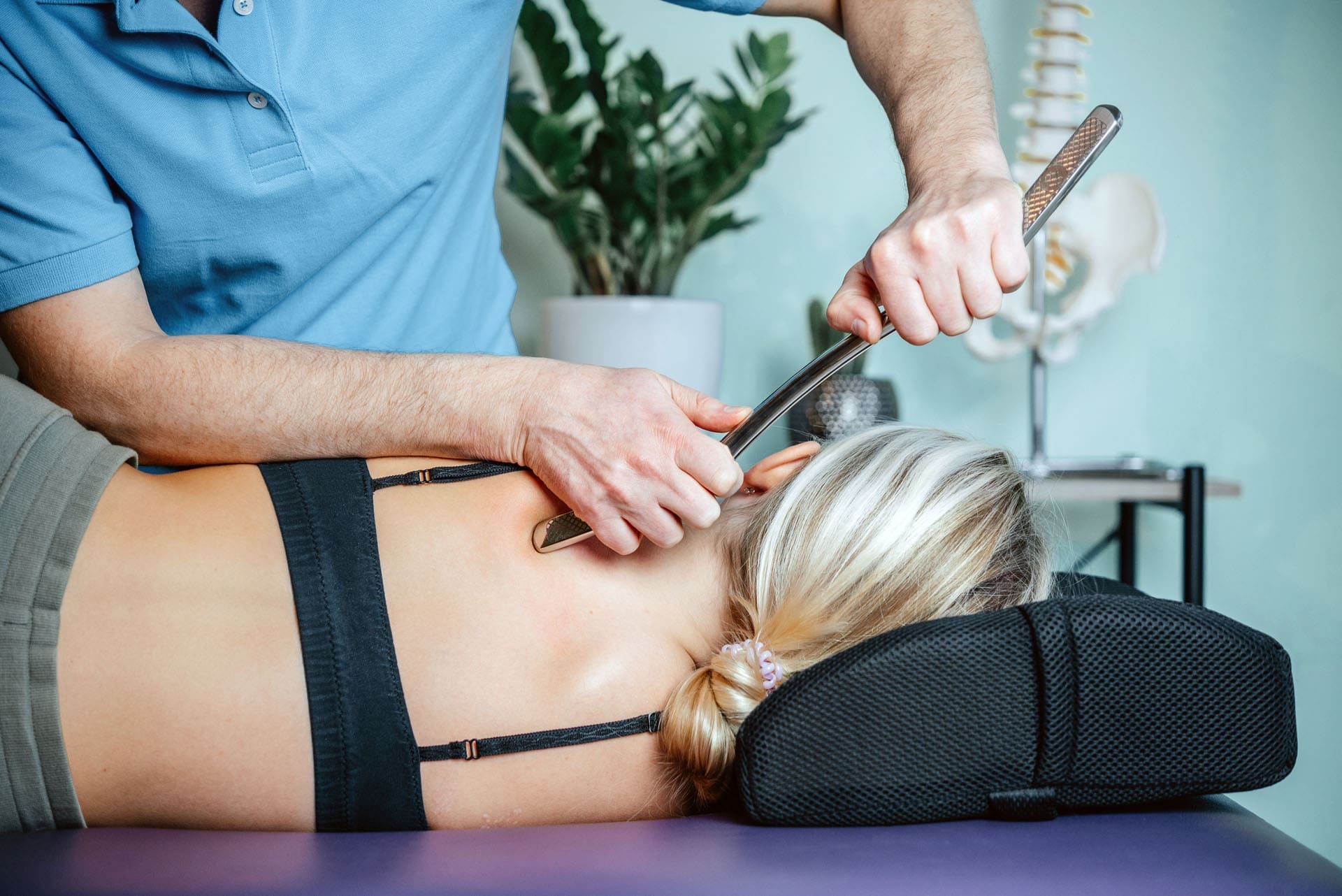
Shockwave therapy, MLS laser therapy, spinal decompression, Graston technique, and cupping reduce inflammation and support tissue healing.
IV infusion therapies deliver nutrients to speed recovery.
Targeted injections and physical rehabilitation rebuild strength and function.
This integrative model works well for personal injury cases common in El Paso, including whiplash, work-related issues, and auto accidents.
Collaborative Medical Leadership in El Paso
At Injury Medical Clinic PA / El Paso Back Clinic, care is provided by a coordinated team. Dr. Alexander Jimenez, DC, APRN, FNP-BC, CCST, CFMP, IFMCP, ATN, leads with deep experience in chiropractic and advanced practice. His clinical insights emphasize whole-person recovery that addresses root causes rather than just symptoms.
Dr. Maria Guadalupe Cardenas, MD (Board Certified in Internal Medicine, NPI #1164426749, Texas MD License #J2933), with over 40 years of experience, serves as Medical Director and Collaborative Physician. This multidisciplinary setup is standard in quality integrative clinics. The MD provides medical oversight and internal medicine expertise, while chiropractic and regenerative services focus on alignment, repair, and rehabilitation. The team also supports functional medicine, personal injury documentation, and tailored rehab plans for patients in El Paso.
Patients benefit from convenient, comprehensive care at one location in El Paso, Texas—reducing the need to visit multiple offices.
Steps Toward Better Recovery
Healing takes patience, but the right support makes it achievable. Many people at El Paso Back Clinic regain strength and comfort through consistent care.
Practical tips for recovery:
Follow your personalized treatment plan.
Do recommended home exercises to maintain progress.
Use ice or heat as advised for pain and swelling.
Eat nutrient-rich foods and stay hydrated.
Communicate openly with your care team about progress or concerns.
Whether your injury is recent or lingering from an older crash, integrative options can help when standard approaches plateau.
Moving Forward After an Accident in El Paso
Shoulder and arm injuries from car accidents are common but manageable with expert help. El Paso Back Clinic combines proven chiropractic methods with modern regenerative therapies to support cellular repair, relieve pain, and restore function.
If you or someone you know is dealing with post-accident shoulder or arm pain, reach out to the team at El Paso Back Clinic. Their experienced staff understands local needs and focuses on getting patients back to the activities they love. Early action often leads to the best outcomes.
Contact El Paso Back Clinic today to schedule an evaluation and start your personalized recovery journey.
How PRP Therapy, Chiropractic Adjustments, and Spinal Decompression Can Help Fix Poor Posture Issues in El Paso, TX
Poor posture is a common problem for many adults. Long hours at a desk, looking down at phones, past injuries, or even stress can pull the body out of alignment. Over time, this extra stress does more than cause discomfort. It can weaken muscles, tighten ligaments, and create small tears in the tissues that support the spine.
When these supporting structures break down, it becomes harder to hold good posture without pain or fatigue. Simple stretches or exercises may not be enough if the underlying tissues are damaged. That is where a combined approach using regenerative treatments, chiropractic care, spinal decompression, and supportive therapies can make a real difference. These methods work on both the mechanical alignment of the spine and the biological repair of the tissues that hold everything in place.
How Poor Posture Affects Muscles and Ligaments
Poor posture places uneven pressure on the spine and surrounding tissues. Muscles that should stay balanced often become tight on one side and weak on the other. Ligaments, the strong bands that connect bones and stabilize joints, can stretch beyond their normal range or develop tiny tears from ongoing strain.
This creates a cycle. Weak or damaged tissues make it difficult to maintain proper alignment. The body then compensates with increased tension or guarding, leading to greater pain and stiffness. Many people notice neck tension, low back ache, headaches, or radiating discomfort that makes daily activities harder.
Research on posture and spinal health shows that these changes in muscles and ligaments often contribute to ongoing instability (Darlington Chiropractic Care, n.d.; Square One Health, n.d.). Without addressing both the alignment and the tissue health, progress can stall.
Regenerative Medicine Options Such as PRP Therapy
Regenerative treatments focus on helping the body repair itself at the tissue level. Platelet-Rich Plasma (PRP) therapy is one common option. It uses a small sample of the patient’s own blood, which is processed to concentrate platelets and growth factors. When injected near damaged ligaments or spinal tissues, these concentrated elements send signals that encourage natural healing and new tissue growth.
Similar approaches include Platelet-Free Plasma (PFP) and micro-fragmented adipose tissue (mFAT or MFAT) from the patient’s own fat. These provide growth factors or a natural scaffolding that supports repair in areas worn down by long-term poor posture.
The goal is to strengthen the ligaments so they can better hold the vertebrae in proper position. This biological support is especially helpful when pain or tissue damage has made it difficult to maintain proper alignment through exercise or adjustments alone (Apex Biologix, n.d.; El Paso Chiropractor Blog, 2026).
Chiropractic Adjustments for Better Spinal Alignment
Chiropractic care uses precise, hands-on techniques to gently move vertebrae and joints back toward better alignment. This restores normal motion, reduces pressure on nerves, and helps tight muscles relax. Adjustments also improve the body’s sense of position, called proprioception, making it easier to maintain optimal posture without constant conscious effort.
When tissues are supported by regenerative treatments, chiropractic adjustments often hold their results longer. The mechanical correction works together with the biological repair occurring in the ligaments and muscles (Apex Biologix, n.d.; Darlington Chiropractic Care, n.d.).
Spinal Decompression Therapy
Spinal decompression uses a gentle, controlled pulling force to create more space between the vertebrae. This relieves pressure on bulging discs, pinched nerves, and irritated structures that often result from years of poor posture or compression.
Improved space allows better fluid movement and nutrient flow into the discs. Many patients report that it reduces radiating pain or sciatica-like symptoms, making it easier to participate in rehabilitation and daily movement. Decompression pairs well with other therapies because it relieves pressure on the spine while regenerative treatments promote tissue repair (El Paso Chiropractor Blog, 2026; Square One Health, n.d.).
Supportive Therapies: Shockwave and MLS Laser
Two advanced modalities often enhance results. Shockwave therapy delivers targeted sound waves that increase blood flow, break down scar tissue, and stimulate the body’s repair processes. It is frequently used to “prime” an area before PRP injections or to continue remodeling tissue afterward.
MLS laser therapy uses specific wavelengths of light to reduce inflammation and swelling while boosting cellular energy to support healing. It is particularly beneficial after regenerative injections or adjustments to keep post-treatment soreness low and speed overall recovery. Together, these therapies create a more favorable environment for the main treatments to succeed (CELasers, n.d.; OSpine Medical, n.d.; Carolina Non-Surgical Ortho, n.d.).
How the Therapies Work Together for Better Outcomes
No single treatment fixes posture by itself. The power comes from combining them in a thoughtful sequence.
Regenerative injections such as PRP first deliver growth factors directly to weakened ligaments and damaged tissues. This initiates the biological repair process, allowing the structures that support the spine to become stronger and more stable.
Chiropractic adjustments then provide the mechanical realignment, helping vertebrae sit in better positions while the tissues heal. Spinal decompression creates the necessary space and reduces nerve pressure, allowing the regenerative signals to work without constant compression interfering.
Shockwave therapy improves circulation and tissue responsiveness, helping the PRP or similar treatments reach their full effect. MLS laser therapy calms any temporary inflammation from injections or adjustments, so patients can stay consistent with care and rehabilitation.
Epidural injections may be added in cases of severe nerve inflammation or radiating pain. They calm irritated nerves enough for the patient to safely engage in adjustments, decompression, and exercises.
The result is a supportive environment where the body can heal both structurally and biologically. Patients often report less daily pain first, followed by easier movement and a gradual return to better posture that requires less effort to maintain. This integrated approach is especially useful when underlying tissue damage has made it difficult to progress with conservative care alone (Personal Injury Doctor Group, 2026; El Paso Chiropractor Blog, 2026).
Integrated Care at Injury Medical Clinic in El Paso
At Injury Medical Clinic PA in El Paso, Texas, patients have access to this type of coordinated care under one roof. Dr. Alexander Jimenez, DC, APRN, FNP-BC, CFMP, IFMCP, ATN, and CCST, brings extensive clinical experience in chiropractic care, regenerative procedures, functional medicine, personal injury support, and rehabilitation. His observations show that many people with posture-related pain from desk work, old injuries, or daily habits benefit when both alignment and tissue health are addressed together.
Working closely with him is Dr. Maria Guadalupe Cardenas, MD, a board-certified internal medicine physician with over 40 years of experience. She serves as Medical Director and Collaborative Physician at the clinic (NPI #1164426749, Texas MD License #J2933). Her role provides medical oversight and direction, ensuring comprehensive evaluation and safe coordination of care.
This collaboration between chiropractic and regenerative expertise (Dr. Jimenez) and internal medicine leadership (Dr. Cardenas) is a common model in integrative and injury-focused clinics. The team also incorporates functional medicine, rehabilitation, soft tissue work, and detailed documentation for personal injury or insurance needs. Patients receive personalized plans that consider the whole picture—structural alignment, tissue repair, inflammation control, and overall function—rather than isolated treatments (El Paso Chiropractor Blog, 2026; LinkedIn pulse on integrated injury care, n.d.; DrAlexJimenez.com, n.d.).
What to Expect from a Combined Treatment Plan
Care usually begins with a thorough evaluation, including a history, an examination, and any necessary imaging or tests. The team then designs a plan that may include regenerative injections, a series of chiropractic adjustments, decompression sessions, shockwave or laser therapy, and guided rehabilitation exercises for posture and core strength.
Progress is monitored closely. Many people notice reduced pain and stiffness within the first few weeks, with continued improvement in mobility and posture comfort over several months. Results vary based on the severity of tissue damage, overall health, and consistency with home exercises and ergonomic changes. The goal is lasting functional improvement, not just temporary relief.
Taking Steps Toward Better Posture and Comfort
Poor posture can create a frustrating cycle of pain and limitation, but addressing both the mechanical alignment of the spine and the biological health of supporting tissues offers a promising path forward. Therapies like PRP and related regenerative options, combined with chiropractic adjustments, spinal decompression, shockwave, and MLS laser therapy, work together to create the conditions the body needs to heal and maintain better alignment.
In El Paso, the integrated team at Injury Medical Clinic PA, led by Dr. Alex Jimenez and under the medical direction of Dr. Maria Guadalupe Cardenas, provides a multidisciplinary approach for patients dealing with posture problems, personal injuries, and related spinal concerns. If ongoing posture discomfort is affecting your daily life, exploring these combined options with experienced providers may help you move toward lasting relief and improved function.
El Paso’s Integrated Injury Clinic: One-Stop Care for Faster Recovery and Strong Legal Support
If you got hurt in a car crash or at work in El Paso, Texas, you know how frustrating it can be. You go to one place for an exam, another for therapy, and still another for special treatments. Papers get lost. Your story gets told many times. Healing slows down. An integrated, multidisciplinary injury clinic solves this problem. Everything happens under one roof. A team of experts works together on your care. They handle medical checks, hands-on therapy, and advanced healing methods. At the same time, they build clear, complete records that help your legal or workers’ compensation case.
This kind of care is different from going to separate offices. You get faster answers, smoother progress, and stronger support for your claim.
Why an Integrated Health System Works Better
Ordinary clinics often focus on one thing. You might get only adjustments or only medications. An integrated clinic brings many experts together in the same place. They share one plan for you. This stops gaps in care and mixed messages.
Here are the main advantages:
One team, one story: Every provider sees your full history and current progress. No one works in the dark.
Faster decisions: If you need a new test or different therapy, the group talks it over quickly.
Better healing: Treatments work in tandem. Chiropractic care improves movement while medical oversight watches your overall health.
Clear records from day one: Everything gets written down in one system. This matters a lot for insurance and legal needs.
Patients who use this model often feel less stressed. They spend less time driving between offices and more time actually getting better.
How the Team Works Together for You
In a true multidisciplinary setup, each expert brings their skills. Nurse practitioners handle full health evaluations. They can order tests, manage medications as needed, and monitor for other health issues that might slow healing.
Physical therapists, massage therapists, and chiropractors team up on your body’s movement. They improve flexibility, strength, and posture. Chiropractic adjustments help the spine and joints work better. Physical therapy builds safe exercises. Massage eases tight muscles. Together, they create a plan that fits your exact injuries.
This is not random care. It is coordinated. Everyone knows what the others are doing. That teamwork often leads to quicker pain relief and better long-term results.
Special Treatments That Help Serious or Lasting Injuries
Some injuries need more than basic care. Car accidents and work injuries can damage deep tissues, nerves, or joints. An integrated clinic offers modern options that directly target the problem.
Here are treatments often used together:
Spinal decompression: A special table gently stretches your spine. This takes pressure off pinched nerves and bulging discs. Many people feel relief from sciatica or radiating leg pain.
MLS laser and shockwave therapy: These use light or sound waves to wake up your body’s healing cells. They lower swelling and help soft tissues repair without drugs or surgery.
Epidural injections: When nerves are very irritated, guided injections can calm the area so you can move and heal.
Regenerative therapies: Treatments such as PRP (platelet-rich plasma), PRF (platelet-rich fibrin), and MFAT (micro-fragmented adipose tissue) use components of your blood or fat. They are placed exactly where tissue is damaged to support natural repair.
These options go beyond what a basic clinic usually offers. They aim at the root of the injury rather than merely masking pain.
Strong Medical-Legal Documentation That Protects Your Case
When your injury comes from a car accident or a job, good records are just as important as good treatment. Insurance companies and lawyers need proof. They want to see what happened, how bad it is, and that the care you received was necessary.
An integrated team creates one complete file. It includes:
Your accident story and first exam findings
Objective tests like range of motion, strength checks, and imaging
Daily notes on how you feel and what treatments you receive
Progress reports that show improvement or ongoing limits
A final summary that explains the lasting effects on your life and work
This kind of documentation helps personal injury lawyers build a stronger case. It shows a clear link between the crash or incident and your injuries. It also proves you followed a real treatment plan.
Many clinics work directly with attorneys. They send updates quickly and often handle cases on a lien basis. This means you can focus on healing while the legal side stays organized.
Expert Care Led by Dr. Alex Jimenez and Dr. Maria Guadalupe Cardenas in El Paso
At Injury Medical Clinic PA in El Paso, this integrated model is led by experienced professionals who understand both health and legal needs.
Dr. Alexander Jimenez, DC, APRN, FNP-BC, CCST, CFMP, IFMCP, ATN, is dual-licensed as a chiropractor and board-certified family nurse practitioner. He has spent decades helping people with car accident injuries, work injuries, whiplash, sciatica, and soft tissue damage. His clinical observations focus on treating the whole person. He looks at root causes, not just symptoms. He stresses careful documentation with clear findings and progress measures, especially when a case involves an auto or work injury claim. His practice combines chiropractic care, functional medicine, rehabilitation, and regenerative options under one roof.
Working alongside him is Dr. Maria Guadalupe Cardenas, MD. She is board-certified in internal medicine with over 40 years of experience. Her NPI is 1164426749, and her Texas MD license is J2933. She serves as Medical Director and Collaborative Physician. In this multidisciplinary setting, she provides medical oversight, reviews overall health, guides advanced procedures, and helps ensure compliance with Texas rules.
Together, they create a powerful team. Chiropractic care from Dr. Jimenez addresses alignment, nerves, and movement. Medical direction from Dr. Cardenas provides safety, diagnostic, and medication management as needed. Functional medicine, personal injury documentation, and rehabilitation services all connect in the same location. This is the kind of collaborative model common in high-quality integrative injury clinics.
Your Simple Path to Recovery in El Paso
Here is what the journey usually looks like:
You call or come in for an evaluation. A nurse practitioner or medical director, along with the chiropractic team, sees you together.
They create one clear plan that may include adjustments, therapy, advanced treatments, or regenerative options.
You receive care in one place. Notes stay organized from the first visit to the last.
Progress is tracked and shared with your lawyer or insurance when needed.
You heal with less stress and stronger support for your claim.
Many patients notice they move better sooner and have less confusion about next steps.
Choose Coordinated Care for Your Injury
If you want care that treats your injury and protects your legal position, an integrated multidisciplinary clinic in El Paso is worth considering. You get medical diagnostics, physical therapy, advanced healing therapies, and solid documentation all in one coordinated system. Dr. Alex Jimenez and Dr. Maria Guadalupe Cardenas lead a team that puts your recovery and your case first.
You do not have to piece your care together alone. One roof, one team, one clear plan can make a real difference in how fast you feel better and how well your case is supported.
IFM's Find A Practitioner tool is the largest referral network in Functional Medicine, created to help patients locate Functional Medicine practitioners anywhere in the world. IFM Certified Practitioners are listed first in the search results, given their extensive education in Functional Medicine