Regenerative Spine Care and Sciatica Relief in El Paso: How Epidural Injections, PRP, mFAT, and Shockwave Therapy Work Together
Sciatica and chronic back pain can affect almost every part of daily life. Sitting can hurt. Walking can feel limited. Sleep may be broken. Work, exercise, driving, and family time can become harder than they should be.
At El Paso Back Clinic, the goal is to look deeper than the pain signal. Pain is important, but it is often only the warning light. The real problem may involve an irritated nerve, a damaged disc, a strained ligament, a weak core, poor spinal motion, scar tissue, inflammation, or a past injury that never healed correctly.
This is why a modern spine care plan may combine chiropractic care, rehabilitation, medical oversight, functional medicine, epidural spinal injections, regenerative therapies, and shockwave therapy. Each part has a different job. Together, they may help calm nerve irritation, support tissue repair, improve movement, and help the body return to better function.
What Is Sciatica?
Sciatica is pain that travels along the sciatic nerve. This nerve starts in the lower back and travels through the buttock, hip, leg, and foot. When a spinal nerve root becomes irritated or compressed, pain can travel down the leg.
Common sciatica symptoms may include:
Low back pain
Buttock or hip pain
Burning pain down the leg
Numbness or tingling
Weakness in the leg or foot
Pain that worsens with sitting
Pain that improves when lying down or changing position
Sciatica is not always caused by the same problem. It may come from a herniated disc, disc degeneration, spinal stenosis, facet arthritis, muscle tension, pelvic imbalance, scar tissue, or inflammation. This is why a complete exam matters.
Why Chronic Back Pain Needs More Than Temporary Relief
Chronic back pain is pain that lasts longer than expected. It often continues for more than 12 weeks. By that time, the body may start to change how it moves. Muscles tighten. Joints stiffen. Nerves become more sensitive. The patient may avoid activity, which can lead to weakness and more pain.
Traditional care often focuses on short-term pain relief. That can help during a flare-up, but it may not be enough when the deeper problem is structural or inflammatory.
A more complete plan may look at:
Spinal alignment and joint motion
Disc health
Nerve irritation
Ligament and tendon stress
Muscle weakness
Core control
Inflammation
Nutrition
Sleep
Blood sugar and metabolic health
Prior auto, work, or sports injuries
This whole-person view is important because healing is not only about one painful spot. The spine is part of a larger system.
How Epidural Spinal Injections May Help Sciatica
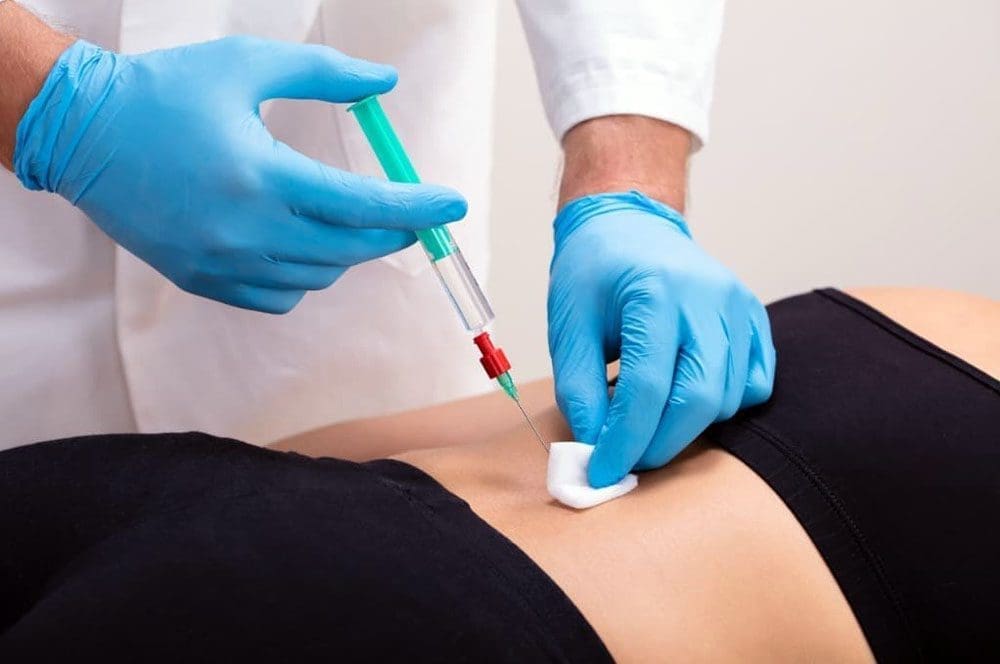
An epidural spinal injection places medication or biologic material near an irritated spinal nerve. The goal is to reduce inflammation around the nerve root and help calm leg pain.
For a patient with strong nerve pain, this can be helpful. When pain is severe, the patient may not be able to move, stretch, exercise, or sleep well. If an epidural injection reduces the pain enough, the patient may be able to begin rehabilitation and chiropractic care more safely.
Epidural steroid injections are commonly used for spinal stenosis and nerve-related back and leg pain. However, long-term outcomes may vary. In one PCORI-supported report on lumbar spinal stenosis, epidural injections with corticosteroid plus lidocaine did not show long-term benefits over lidocaine alone for pain, function, opioid use, or surgery rates in the studied group (Friedly et al., 2019).
This does not mean epidural injections are useless. It means they should be used carefully and as part of a larger care plan.
Why Some Patients Look Beyond Repeated Steroid Injections
Steroids can reduce inflammation. That is why they are often used during painful flare-ups. But repeated steroid use may carry risks. Cortisone injections can have side effects, including cartilage damage, tendon weakening, blood sugar changes, infection risk, and bone thinning, especially when used too often or in high amounts (Mayo Clinic, 2026).
For some patients, this raises an important question:
Can we reduce pain while also supporting tissue repair?
This is where regenerative therapies may enter the conversation. Regenerative care does not simply try to hide symptoms. It aims to support the body’s natural healing response.
What Are Regenerative Spine Therapies?
Regenerative spine therapies use biologic materials, often from the patient’s own body, to support healing. These treatments may be considered for chronic spine pain, disc-related pain, ligament injury, facet joint pain, and nerve irritation when the patient is a proper candidate.
Common regenerative options include:
PRP: platelet-rich plasma
PFP: platelet-fibrin plasma or platelet-fibrin products
Platelet lysate: a platelet-derived fluid rich in growth factors
mFAT: microfragmented adipose tissue
These therapies are often called orthobiologics. “Ortho” refers to bones, joints, muscles, ligaments, and spine structures. “Biologics” refers to healing materials that come from living tissue.
The University of Iowa Health Care describes regenerative medicine as care that may use a person’s own cells, tissues, or biologic materials to support healing and repair (University of Iowa Health Care, n.d.).
PRP: Platelet-Rich Plasma for Spine and Nerve-Related Pain
PRP is made from a small sample of the patient’s blood. The blood is processed to concentrate platelets. Platelets are best known for helping blood clot, but they also carry growth factors and healing signals.
In spine care, PRP may be used to support damaged or irritated tissues, such as:
Disc-related pain areas
Facet joints
Ligaments
Tendons
Soft tissues around the spine
Research on PRP for low back pain is still growing. A narrative review on regenerative medicine for chronic low back pain described PRP and other biologic therapies as promising options, while also noting that more high-quality research is needed (Wang et al., 2023). A systematic review of PRP for low back pain found PRP was generally effective and safe for degenerative low back pain but also called for stronger studies and better treatment standards (Machado et al., 2023).
In simple terms, PRP is not a magic cure. But for selected patients, it may help support a better healing environment.
Platelet Lysate and Epidural Biologic Injections
Platelet lysate is made from platelets, but it is processed differently than PRP. The platelets are broken open, releasing growth factors into a thinner fluid. Because it is less thick than PRP, platelet lysate may be considered for nerve-related areas, including epidural use in some regenerative medicine settings.
A study of lumbar epidural platelet lysate for radicular pain reported improvements in pain and function through 24 months, with mild adverse events reported in a small percentage of patients (Centeno et al., 2017). More research is still needed, but this area is important because it examines biological support for nerve-related back and leg pain.
A 2025 meta-analysis also compared epidural PRP with steroid injections for lumbar disc disease with radiculopathy. The authors reviewed randomized controlled trials and examined pain and function outcomes over several time points (Muthu et al., 2025). This growing research shows why biologic epidural options are becoming a major topic in modern spine care.
PFP: A Natural Scaffold for Healing
PFP, or platelet-fibrin plasma, is similar to PRP but includes more fibrin activity. Fibrin is a natural protein involved in clotting and wound repair.
You can think of fibrin as a healing web. It may help hold platelets and growth factors in one area longer. This may be useful when the care plan is focused on damaged ligaments, tendons, or joint tissues.
PFP may support:
Local repair signaling
Tissue stability
Collagen remodeling
Longer contact time for healing factors
A more organized repair response
Like other regenerative options, PFP should be used after a detailed exam and proper diagnosis.
mFAT: Microfragmented Adipose Tissue
mFAT stands for microfragmented adipose tissue. Adipose tissue is fat tissue. In this treatment, a small amount of a patient’s own fat is collected, processed, and prepared for injection into a target area.
Fat tissue contains signaling cells and support structures that may help with tissue repair. mFAT is often discussed in regenerative medicine for joint, soft tissue, and orthopedic problems. It does not “regrow” a spine overnight. Instead, it may help support the local repair environment in selected cases.
For chronic spine problems, mFAT may be considered when there is deeper tissue degeneration, joint wear, or long-standing injury patterns. The key is proper patient selection, medical screening, imaging review, and follow-up care.
Shockwave Therapy: The Biological Catalyst
Shockwave therapy, also called extracorporeal shockwave therapy (ESWT), uses sound waves to stimulate tissue. It is non-surgical and does not involve medication.
Shockwave therapy may help painful tissues by creating a controlled healing signal. This process is called mechanotransduction. That means the body turns mechanical energy into a biological response.
ESWT may support healing by helping:
Increase local blood flow
Stimulate new small blood vessel formation
Improve cell activity
Reduce pain signaling
Break down scar-like tissue
Improve collagen remodeling
Support tissue repair pathways
A systematic review and meta-analysis found that ESWT improved pain and lumbar function in patients with chronic low back pain, with no serious adverse effects reported in the included studies (Liu et al., 2023). Another review described shockwave as a tool that may support tissue repair through blood vessel growth, anti-inflammatory effects, and cell signaling (Cheng & Wang, 2015).
Why Shockwave and Regenerative Injections May Work Well Together
Regenerative injections bring healing signals to damaged tissue. Shockwave therapy may help prepare the tissue to respond better.
This is why ESWT can be described as a biological catalyst. A catalyst helps a process move forward. Shockwave does not replace PRP, PFP, platelet lysate, or mFAT. It may help create a better local environment for healing.
A simple way to picture it is this:
PRP, PFP, platelet lysate, and mFAT bring healing signals.
Shockwave therapy helps wake up slow-healing tissue.
Chiropractic care improves joint motion and biomechanics.
Rehabilitation rebuilds strength, balance, and control.
Functional medicine looks for healing barriers inside the body.
When combined correctly, these tools may help the body repair itself more effectively than a single treatment alone.
The Role of Chiropractic Care at El Paso Back Clinic
Chiropractic care is often central to sciatica and back pain recovery because movement matters. If spinal joints, hips, pelvis, and soft tissues are not moving well, stress can build up around the nerves and discs.
At El Paso Back Clinic, chiropractic care may support:
Better spinal motion
Less joint stiffness
Improved posture
Better pelvic and hip mechanics
Reduced muscle guarding
Safer return to activity
Better rehab progress
Dr. Alexander Jimenez, DC, APRN, FNP-BC, CCST, CFMP, IFMCP, ATN, uses a dual-scope clinical view that connects chiropractic evaluation, injury care, functional medicine, and rehabilitation. His clinical observations often focus on how spinal structure, inflammation, metabolic health, and movement patterns work together.
This matters because many patients do not only have “a bad disc.” They may have a body system that is under stress.
Medical Oversight With Dr. Maria Guadalupe Cardenas, MD
At Injury Medical Clinic PA and within the larger integrative care model connected with El Paso Back Clinic, Dr. Maria Guadalupe Cardenas, MD, serves as Medical Director and Collaborative Physician. She is Board Certified in Internal Medicine, has over 40 years of experience as an internist, and is listed with NPI #1164426749 and Texas MD License #J2933.
This medical oversight is valuable because many spine patients have other health issues that can affect treatment safety and healing.
These may include:
Diabetes or blood sugar problems
High blood pressure
Autoimmune conditions
Medication use
Blood thinner use
Hormone changes
Infection risk
Poor sleep
Chronic inflammation
Older injuries or surgeries
A multidisciplinary clinic can help connect the dots between medical history, spine pain, nerve symptoms, and recovery goals.
Functional Medicine: Looking for Healing Barriers
Functional medicine asks a deeper question:
Why is this patient not healing well?
For chronic back pain and sciatica, the answer may lie beyond the spine. The body heals best when it has the right nutrients, blood flow, hormones, oxygen, sleep, and control of inflammation.
Functional medicine support may look at:
Vitamin D status
Blood sugar and insulin
Inflammation markers
Thyroid function
Hormone balance
Gut health
Nutrition
Weight management
Sleep quality
Stress load
This does not replace spine care. It supports spine care. A patient with poor blood sugar control, low protein intake, poor sleep, and high inflammation may heal more slowly. Improving these areas may help the patient respond better to chiropractic care, rehab, injections, and shockwave therapy.
Why Personal Injury Patients May Benefit
After a car crash, work injury, or sports injury, pain may not show up right away. Some symptoms appear hours or days later. Neck pain, back pain, headaches, sciatica, numbness, and stiffness can develop after the body’s stress response calms down.
Personal injury care needs careful documentation and a clear clinical plan. At El Paso Back Clinic, the care model may include:
Injury history
Orthopedic testing
Neurological testing
Range-of-motion findings
Imaging review when needed
Functional limits
Treatment response
Rehab progress
Referrals when needed
This matters because injury recovery is not only about pain relief. It is also about restoring function and documenting how the injury changed it.
A Step-by-Step Spine Recovery Plan
A patient-centered spine plan may include several phases.
Phase 1: Calm the Nerve
When sciatica is active, the first goal is to reduce irritation. This may include careful activity changes, decompression, gentle chiropractic care, targeted injection options, and pain-control strategies.
Phase 2: Improve the Healing Environment
Once pain is more controlled, regenerative therapies and shockwave therapy may be considered. The goal is to support tissue repair, improve circulation, and help chronic tissue move out of a stalled healing state.
Phase 3: Restore Motion
Chiropractic care, soft-tissue therapy, mobility work, and decompression may help the spine and pelvis move more freely.
Phase 4: Rebuild Strength
Rehabilitation helps the patient rebuild core strength, hip control, balance, posture, and endurance. This step helps protect the spine from future flare-ups.
Phase 5: Maintain Long-Term Function
The final goal is not just to feel better for a few days. The goal is to help the patient return to life with improved movement, strength, and awareness of how to prevent future problems.
Who May Be a Candidate?
A patient may be a candidate for this type of care if they have:
Sciatica
Chronic low back pain
Disc herniation
Disc degeneration
Annular tear
Facet arthritis
Ligament injury
Post-accident back pain
Pain that returns after basic care
Difficulty walking, sitting, or sleeping due to nerve pain
Not every patient is a candidate for every treatment. Severe weakness, loss of bowel or bladder control, fever, infection signs, cancer history, major trauma, or rapidly worsening nerve symptoms need urgent medical attention.
Final Thoughts
Sciatica and chronic back pain can be frustrating, but patients now have more options than short-term pain masking. Epidural spinal injections may help calm acute nerve irritation. Regenerative therapies such as PRP, PFP, platelet lysate, and mFAT may support repair in damaged or irritated tissues. Shockwave therapy may act as a biological catalyst by improving blood flow, stimulating cell activity, and helping chronic tissue respond.
At El Paso Back Clinic, this kind of care fits into a larger model that includes chiropractic care, medical oversight, functional medicine, personal injury care, and rehabilitation. With Dr. Alex Jimenez, DC, APRN, FNP-BC, working alongside Dr. Maria Guadalupe Cardenas, MD, Medical Director and Collaborative Physician, patients receive a team-based approach focused on structure, function, safety, and long-term healing.
The goal is simple: reduce pain, restore movement, support healing, and help patients return to the life they want.
El Paso’s 100 Deadliest Days: Teen Driving Risks and Integrative Recovery at El Paso Back Clinic
Summer in El Paso means more time on the road for young drivers heading to work, friends, or trips across town and beyond. But this season also brings greater danger. The stretch from Memorial Day to Labor Day is known as the 100 Deadliest Days because fatal crashes involving young drivers rise sharply. At El Paso Back Clinic, our team sees the real impact when these accidents happen. Many patients come in weeks later with pain that started small but grew because of how the body reacts to sudden trauma. Learning the risks and knowing the right place for complete recovery helps families in El Paso stay safer and heal better if trouble strikes.
What Are the 100 Deadliest Days?
The 100 Deadliest Days run from Memorial Day through Labor Day, about 100 days when the number of deadly crashes with young drivers jumps across the country and right here in El Paso. National numbers show that more than 30 percent of fatal crashes involving a young driver occur during this summer window. On average, eight people die each day in these crashes in summer compared to seven the rest of the year. In 2023, roughly one-third of the yearly total happened in these months alone.
El Paso faces the same spike plus local challenges. Highways like I-10 and Loop 375, busy streets such as Mesa and Montana, and long summer drives to places like White Sands or Ruidoso pose additional risks for drivers who are still gaining experience.
Why Summer Brings Higher Risks for Young Drivers in El Paso
Several things come together once school lets out and young people drive more on their own.
More driving without close supervision. Extra free time means more trips to jobs or social plans. Young drivers often log miles without an adult nearby to remind them to slow down or stay alert.
Extra passengers create distraction. One or two friends in the car can draw attention away from the road by talking or moving. Texas rules for drivers ages 16 and 17 already limit non-family passengers under 21, yet summer plans often test these limits.
Phones and summer plans add distraction. Quick texts or calls happen more when schedules are loose. Even a few seconds of looking away can cause a rear-end crash on busy local roads.
Night driving and longer trips increase fatigue. Low light on I-10 or Loop 375 slows reactions. Heat over 100 degrees can also cause tire trouble that surprises new drivers on long stretches.
Speeding and following too closely. Open roads tempt higher speeds. Tailgating on busy streets like those near Airway or Sunland Park leads to sudden stops and chain-reaction crashes.
These patterns explain why the same careful driver faces greater danger during summer freedom.
Expert Tips to Help Young Drivers Stay Safe
Groups like the National Road Safety Foundation and AAA Texas give simple steps that work. The focus is on cutting distractions and building good habits early.
Buckle up on every single ride. Seat belts greatly lower the chance of serious injury or death.
Keep phones away or turn on do-not-disturb mode while driving. Even one message can lead to a crash.
Limit young passengers. Follow Texas rules that allow only one non-family passenger under 21 for provisional drivers.
Plan routes together before leaving. Review exits, construction, and safe stops on highways like I-10.
Check tires, brakes, and fluids before summer trips. Extreme El Paso heat wears tires faster.
Set clear rules about speed, rest, and no drinking. Parents who drive calmly set the best example.
These habits help turn risky summer miles into safer ones for everyone on El Paso roads.
What Happens When a Crash Occurs?
Even careful drivers can end up in an accident on I-10, at a busy intersection, or in a rear-end on Mesa Street. Right after the crash, adrenaline and endorphins often mask the full extent of the damage. Many people feel okay at the scene, only to notice problems hours or days later. At El Paso Back Clinic, we see patients whose neck stiffness, headaches, or back pain started small but worsened as swelling and inflammation slowly built up in the deeper tissues. Some symptoms even appear weeks later as the body compensates or scar tissue forms.
Common delayed signs include ongoing headaches from neck strain, neck or back stiffness and pain, radiating numbness or tingling into arms or legs, unusual fatigue, brain fog or trouble focusing, dizziness or balance issues, shoulder or hip discomfort, sleep problems, and mood changes. Ignoring these signals can turn a minor issue into long-term pain or changed movement patterns that affect driving, work, and daily life.
That is why prompt, thorough care matters. The right clinic helps the body heal from both the direct physical trauma and the whole-system stress the crash creates.
How El Paso Back Clinic Supports Integrative Recovery
At El Paso Back Clinic, we specialize in helping car accident victims recover fully, especially when pain shows up later. Our integrative approach treats the musculoskeletal injuries and the broader effects on inflammation, nerve function, sleep, and tissue repair. This combination often leads to faster relief, better movement, and fewer long-term problems.
Dr. Alexander Jimenez, DC, APRN, FNP-BC, leads the team with years of experience in personal injury and spinal trauma. His clinical observations show that patients with delayed symptoms improve significantly when care targets spinal alignment early and supports the body’s natural repair processes. Gentle chiropractic adjustments restore joint movement, relieve nerve pressure, and reduce muscle guarding. Myofascial release loosens tight tissues so the body stops compensating in ways that create new pain.
We also offer advanced options when deeper support is needed. Regenerative injections such as platelet-rich plasma (PRP) use the patient’s own concentrated platelets to release growth factors that help build collagen, improve blood flow, and repair ligaments, tendons, and muscles. Spinal decompression gently stretches the spine to ease pressure on discs and nerves, helping with radiating pain or sciatica-like symptoms. Ultrasound and shockwave therapy boost circulation and calm inflammation without surgery. Rehabilitation exercises rebuild strength and stability so patients return to normal activities with lower risk of setbacks.
Working alongside Dr. Jimenez is Dr. Maria Guadalupe Cardenas, MD. She is board-certified in internal medicine with over 40 years of experience. Her NPI number is 1164426749, and her Texas medical license is J2933. As Medical Director and Collaborative Physician at the clinic, she provides medical oversight, reviews overall health, guides complex cases, and ensures everything stays safe and compliant. This multidisciplinary setup, common in strong injury clinics, means chiropractic care, functional support, and medical direction happen in one place with consistent records.
One of the biggest benefits for El Paso families is the detailed documentation we create. Clear notes link the crash to the injuries, record objective measures like range of motion and strength, track daily limitations such as driving or working, and show steady progress. These records help insurance claims move smoothly and give personal injury attorneys the credible timeline they need for fair settlements. Many patients appreciate that everything from the first exam to final recovery notes stays in one location, reducing stress during an already difficult time.
Our team focuses on whole-person healing so the body can repair at the cellular level. Early attention prevents small problems from becoming chronic pain or altered posture that lasts for years. Patients often report less ongoing discomfort, easier movement, and a quicker return to family life and work.
Taking the Next Step Toward Safety and Healing
The 100 Deadliest Days remind us that summer driving in El Paso carries real risks for young drivers. More freedom, extra passengers, phones, and longer trips on local highways all raise the chances of trouble. Simple habits like buckling up, limiting distractions, and planning routes can prevent many crashes.
When an accident does happen, know that delayed pain is common and can be treated. At El Paso Back Clinic, we provide integrative care that addresses both visible injuries and hidden stress on the body. With Dr. Alex Jimenez’s expertise in spinal trauma and delayed symptoms, Dr. Maria Guadalupe Cardenas’s medical oversight, and a full range of chiropractic, regenerative, and rehabilitation services, patients receive complete support and strong documentation for insurance or legal needs.
Summer should bring cherished memories, not lasting pain. Understanding the risks and choosing thorough recovery care at El Paso Back Clinic helps young drivers and their families in El Paso move forward with confidence.
If you or someone you care about was in a summer car accident and is now feeling delayed pain or stiffness, contact our team today. Call 915-850-0900 or visit elpasobackclinic.com to schedule a consultation. We are here to help you heal fully and get back to living, loving, and thriving.
Platelet-Rich Plasma (PRP) Therapy for Spinal Care: A Natural Path to Pain Relief and Healing
Platelet-rich plasma (PRP) therapy helps people with back pain find relief without surgery. Doctors take a small sample of the patient’s own blood and turn it into a powerful healing mixture. This mixture uses the body’s natural platelets to reduce swelling and repair damaged areas of the spine. Many patients with mild to moderate spine problems choose PRP after other treatments like physical therapy do not fully work.
What Is Platelet-Rich Plasma Therapy?
PRP therapy is a simple treatment that comes from the patient’s blood. A nurse or doctor draws a small amount of blood from the arm. Then the blood spins in a machine called a centrifuge. This step pulls out the platelets and makes them extra strong. The result is platelet-rich plasma, rich in growth factors. These growth factors act like signals that tell the body to start healing. PRP does not use drugs or chemicals from outside the body. It works with what the patient already has inside. This makes it a safe and natural choice for many people who want to avoid surgery.
How PRP Therapy Supports Spinal Healing
The spine has discs, facet joints, ligaments, and nerves that can wear down over time. PRP goes right to these spots and gets to work. The growth factors reduce inflammation and kick-start tissue repair. For example, they help degenerated discs hold more water and stay flexible. They also calm painful facet joints and strengthen loose ligaments. Because PRP comes from the patient’s own blood, the body accepts it and begins repairing the damage quickly. Studies show PRP can even help nerves heal and reduce chronic pain signals.
Releases growth factors that tell cells to grow and repair
Lowers swelling around discs and joints
Builds new blood vessels so nutrients can reach damaged areas
Helps ligaments and tendons get stronger
Supports natural disc repair without cutting into the body
Key Benefits of PRP for Back and Spine Issues
Patients often notice real changes after PRP. The treatment gives long-lasting pain relief instead of short-term fixes like steroid shots. Many people move better and feel more active in daily life. PRP also cuts the need for strong pain pills. Because it is minimally invasive, patients avoid hospital stays and big scars. Recovery is quick, and the risk of side effects stays low since the body uses its own material. Over time, PRP may slow down further spine wear.
Natural healing that lasts months or even years
Less pain without heavy medication
Better mobility and daily function
Quick return to normal activities
Lower chance of allergic reactions
Works well with other non-surgical care
Common Spinal Conditions PRP Can Help
Doctors use PRP for several spine problems that cause daily discomfort. It works best when the damage is mild to moderate. Conditions include degenerative disc disease, where discs lose height and cause stiffness. Spinal stenosis, which narrows the space around nerves, also responds well. Facet joint arthritis causes sharp pain that PRP can help ease. Herniated discs and ligament strains improve, too. Even chronic low back pain and sciatica often get better. Patients who tried rest, therapy, or meds without complete success often turn to PRP next.
The Step-by-Step PRP Procedure
The whole process feels straightforward and takes about an hour. First, the nurse draws blood from the arm. Next, the blood spins in the centrifuge to create the PRP. Then the doctor uses ultrasound or X-ray guidance to place the PRP exactly where it is needed. Patients stay awake and feel only mild pressure. No stitches or long cuts are involved. The clinic sends the patient home the same day with simple care instructions.
Blood draw (small amount from the arm)
Centrifuge step to concentrate platelets
Ultrasound-guided injection into the spine
Short rest period before going home
Follow-up visits to check progress
Who’s a Good Candidate for PRP Therapy?
PRP is suitable for people with mild to moderate spinal wear who have not found sufficient relief from physical therapy or medication. It is not usually the first choice for very severe damage. A doctor checks imaging and health history to decide. Patients who want to stay active and avoid surgery often like this option. Good health and realistic goals help the treatment work best.
Integrative Spinal Care: Combining PRP with Chiropractic and Functional Medicine
In clinics that blend different care styles, PRP becomes even more effective. An Advanced Practice Registered Nurse (APRN/FNP-BC) with functional medicine training (CFMP, IFMCP, ATN, CCST) can administer precise, ultrasound-guided PRP injections. At the same time, chiropractic adjustments keep the spine aligned. Nutritional support from functional medicine fixes any missing vitamins or inflammation triggers in the body. This team approach creates the perfect setting for repair. The body gets structural help, cellular healing, and inside support all at once.
Insights from Dr. Alexander Jimenez on PRP and Spine Health
Dr. Alexander Jimenez, DC, APRN, FNP-BC, sees PRP as part of whole-body healing in El Paso, Texas. As both a chiropractor and nurse practitioner, he combines spinal adjustments with regenerative shots and metabolic checks. His clinical work shows that patients with sciatica or disc problems heal faster when PRP teams up with chiropractic care and proper nutrition. Dr. Jimenez notes that this mix helps clear waste from injured tissues, builds stronger blood flow, and stops pain cycles. Many of his patients return to work and sports with less discomfort and more confidence.
What to Expect During Recovery
Most people feel mild soreness for a few days after the shot, like a deep bruise. Ice packs and gentle movement help. Light activities can start right away, but heavy lifting waits one to two weeks. Full benefits build over four to six weeks as the growth factors continue to work. Some patients need a second shot after a month or two for the best results. Follow-up visits track progress and adjust the plan.
Evidence and Safety of PRP Therapy
Research backs PRP for spine care. Clinical reviews show pain drops and better movement in patients with degenerative discs and facet problems. Nerve repair studies also point to positive results. Side effects are rare because the treatment uses the patient’s own blood. No major complications appear in most studies. Doctors continue to track long-term outcomes, but current data look promising for people who want natural options.
Conclusion
Platelet-rich plasma therapy offers a fresh way to handle spinal pain and damage. It uses the body’s own tools to reduce swelling, repair tissues, and restore movement. When paired with expert chiropractic and functional medicine, the results can feel even better. Patients who have struggled with ongoing back issues often discover new hope through PRP. Talking with a trained provider helps decide if this path fits personal needs. With steady advances in regenerative care, many more people may soon enjoy life with less spine pain and more freedom.
PRP Therapy for Sports Injuries: How It May Speed Healing Without Surgery
Sports injuries can slow life down fast. A sore tendon, a strained ligament, or a muscle tear can make it difficult to train, work, sleep, or even walk comfortably. That is one reason Platelet-Rich Plasma, or PRP, has gained attention in sports medicine. PRP is made from a patient’s own blood and then injected into an injured area to support healing. Medical centers such as Yale Medicine, Penn Medicine, Johns Hopkins Medicine, and Temple Health describe PRP as a biologic or regenerative treatment that may help repair tissue, lower pain, and improve function in certain musculoskeletal injuries. It is often used for tendon, ligament, muscle, cartilage, and joint problems, including some cases of osteoarthritis. (Johns Hopkins Medicine, n.d.; Penn Medicine, 2025; Yale Medicine, n.d.).
PRP is appealing because it is non-surgical and uses the body’s own healing tools. Still, it is not a miracle fix for every athlete or every injury. Research shows promising results in many cases, but outcomes can vary depending on the tissue involved, how long the injury has been present, how the PRP is prepared, and whether the person also follows a successful rehab plan. In other words, PRP works best as part of a comprehensive care strategy rather than a stand-alone shot. (Saini et al., 2021; Jimenez, n.d.).
What PRP Therapy Is
PRP stands for Platelet-Rich Plasma. Plasma is the liquid part of blood, and platelets are blood components best known for their role in clotting. However, platelets also carry growth factors and signaling molecules that help tissue repair. To make PRP, a clinician draws a small amount of blood, spins it in a centrifuge, and separates out a platelet-rich portion. That concentrated solution is then placed into the injured area. The goal is to increase healing signals directly at the site of tissue damage. (Johns Hopkins Medicine, n.d.; Yale Medicine, n.d.; HSS, n.d.; Penn Medicine, 2025).
A simple way to think about PRP is this: it does not just try to numb pain. It tries to support the body’s repair response. Hospital for Special Surgery describes PRP as a form of regenerative medicine that amplifies natural growth factors in blood cells to help damaged tissue heal. Johns Hopkins Medicine similarly explains that the concentrated growth factors in PRP may stimulate tissue regeneration and speed healing in the treated area. (HSS, n.d.; Johns Hopkins Medicine, n.d.).
What the procedure usually includes
A small blood draw from the patient
Processing the sample in a centrifuge
Preparing the platelet-rich portion
Injecting the PRP into the injured tissue
In some cases, using ultrasound to guide the injection
A visit that often takes less than an hour
This basic process is described by major medical centers, including Penn Medicine, Yale Medicine, and Johns Hopkins Medicine. (Johns Hopkins Medicine, n.d.; Penn Medicine, 2025; Yale Medicine, n.d.).
How PRP May Help Sports Injuries Heal
When tissue is injured, the body sends platelets to the area early in the healing process. Temple Health explains that platelets contain growth factors that help promote cell growth, repair tissue, and reduce inflammation. Yale Medicine notes that PRP contains concentrated platelets, cytokines, and growth factors with anti-inflammatory properties. This is why PRP is often used for injuries that have been slow to heal on their own. (Temple Health, 2021; Yale Medicine, n.d.).
PRP may be especially useful in tissues that do not receive a strong blood supply. The 2021 review in the Indian Journal of Orthopaedics notes that tendons heal more slowly than many other tissues because of their poor vascularity. That same review also explains that PRP has been studied in tendon disorders such as Achilles tendinopathy, rotator cuff tendinitis, and epicondylitis, as well as in muscle strains and osteoarthritis. (Saini et al., 2021).
For athletes, this matters because many sports injuries are overuse or repetitive-stress injuries. If a tendon stays irritated for months, or a ligament strain never fully calms down, the body may need extra support to restart a healthier repair process. Some research suggests earlier PRP use in select injuries may help guide inflammation toward recovery and restore tissue balance. Even so, researchers also note there is no universal PRP formula or perfect protocol yet, so treatment must be individualized. (Saini et al., 2021).
Common Sports Injuries PRP Is Used For
Medical centers and sports medicine sources commonly describe PRP for the following problems:
Chronic tendinitis or tendinopathy
Tennis elbow
Patellar tendinopathy or “jumper’s knee”
Achilles tendon problems
Ligament strains
Muscle strains and some muscle tears
Cartilage irritation
Osteoarthritis in active adults
These uses are repeatedly listed by Penn Medicine, Yale Medicine, Temple Health, and HSS. (Penn Medicine, 2025; Temple Health, 2021; Yale Medicine, n.d.; HSS, n.d.).
Temple Health highlights tennis elbow and jumper’s knee as common orthopedic conditions that may benefit from PRP. In its overview, Penn Medicine also lists structures such as the Achilles tendon, ACL, hamstring, patellar tendon, and cartilage as areas in sports medicine where PRP is used. Yale Medicine adds tendon, ligament, and muscle conditions, as well as degenerative joint conditions, to that list. (Penn Medicine, 2025; Temple Health, 2021; Yale Medicine, n.d.).
There is also supportive evidence for muscle injury care when injections are placed carefully. A 2014 study in Blood Transfusion reported that athletes with grade II muscle lesions who received ultrasound-guided PRP showed full healing on ultrasound, pain resolution, and return to sport, with only one relapse reported a year later. That does not prove PRP is right for every muscle injury, but it does show why sports clinicians remain interested in it. (Borrione et al., 2014).
What Recovery Feels Like After PRP
One important point for patients is that PRP can cause short-term soreness. Yale Medicine says the most common side effects are discomfort, pain, and stiffness at the injection site. Penn Medicine also notes that mild soreness, swelling, or stiffness is common for the first few days. Johns Hopkins Medicine adds that some people notice soreness and bruising after the procedure. In most cases, these effects are temporary. (Johns Hopkins Medicine, n.d.; Penn Medicine, 2025; Yale Medicine, n.d.).
Patients also need realistic expectations. PRP is not usually an instant pain reliever. Penn Medicine says improvement may take a few weeks to become noticeable, with fuller benefits developing over months. Yale Medicine reports that some people notice pain improvement in four to six weeks, with continued progress for up to a year. (Penn Medicine, 2025; Yale Medicine, n.d.).
Aftercare often includes
Resting the area for a short time
Avoiding hard exercise right away
Using a guided rehab plan
Following instructions about pain control
Avoiding some anti-inflammatory medicines when advised
Penn Medicine and HSS both note that anti-inflammatory medicines may interfere with the early healing response that PRP is meant to support, so patients should follow their treating clinician’s advice. (HSS, n.d.; Penn Medicine, 2025).
Why Ultrasound-Guided PRP Matters
Not every injection needs the same level of precision, but many sports injuries benefit from careful image guidance. Both Johns Hopkins Medicine and Yale Medicine acknowledge the use of ultrasound during PRP procedures. Research in athletes also supports this approach. The 2014 study on muscle injuries emphasized that ultrasound was important for both locating the lesion and guiding the needle accurately into it. The 2021 sports injury review similarly reported that ultrasound-guided injections improve accuracy, particularly for musculoskeletal conditions. (Johns Hopkins Medicine, n.d.; Yale Medicine, n.d.; Borrione et al., 2014; Saini et al., 2021).
On Dr. Alexander Jimenez’s public clinical website, one recent educational article describes ultrasound-guided intra-articular hip PRP as a precision-focused procedure in which ultrasound helps the clinician visualize anatomy, confirm correct placement, and improve safety. That same article stresses that biologic injections work best when they are combined with rehabilitation and movement-based recovery rather than used alone. (Jimenez, n.d.).
Dr. Alexander Jimenez’s Clinical Observations and the Value of Integrated Care
Dr. Alexander Jimenez, DC, APRN, FNP-BC, describes his El Paso practice as a multidisciplinary and integrative model that combines chiropractic care, functional medicine thinking, sports medicine principles, rehabilitation, and regenerative strategies. His website presents regenerative medicine as a natural, non-surgical option designed not only to reduce pain but also to improve structure, movement, and function. (Jimenez, n.d.).
That point matters in sports injury care. A tendon or muscle may not stay healthy if the athlete still has poor joint mechanics, weak stabilizers, incorrect loading patterns, or nutrition and recovery habits that slow healing. Dr. Jimenez’s site repeatedly frames recovery as a full process that includes a detailed history, physical evaluation, attention to biomechanics, regenerative options when appropriate, chiropractic care to improve motion, rehab planning, and follow-up focused on function. (Jimenez, n.d.).
In a comprehensive clinic model, that means PRP can be paired with structural care, progressive rehabilitation, and functional medicine support. The injection may help the tissue biologically, while rehab helps the athlete move better and reduce repeated stress on the injured area. This combined approach aligns with the broader message from both sports medicine research and Dr. Jimenez’s clinical content: better recovery usually comes from treating the tissue and the movement pattern together. (Borrione et al., 2014; Jimenez, n.d.; Saini et al., 2021).
Benefits and Limits of PRP
Possible benefits
Uses the patient’s own blood
Minimally invasive
May reduce pain and improve function
May help some chronic tendon, ligament, muscle, and joint problems
Can be part of a non-surgical recovery plan
Can be combined with rehab and other supportive care
These benefits are commonly described by Yale Medicine, Penn Medicine, Johns Hopkins Medicine, and HSS. (HSS, n.d.; Johns Hopkins Medicine, n.d.; Penn Medicine, 2025; Yale Medicine, n.d.).
Important limits
Results vary from person to person
Some injuries still need surgery or other procedures
Relief may take weeks or months, not days
PRP preparation methods are not fully standardized
Some tissues have stronger evidence than others
Those limits are important because proper medicine depends on the right treatment for the right injury at the right time. PRP may be a strong option, but it should be chosen carefully after a full exam and diagnosis. (Saini et al., 2021; Penn Medicine, 2025).
Final Thoughts
PRP therapy offers a promising non-surgical option for sports injuries because it delivers a concentrated dose of the patient’s own platelets to damaged tissue, where growth factors may support repair, reduce inflammation, and improve recovery. It is commonly used for chronic tendinopathy, ligament strain, muscle injury, and some joint conditions. Short-term soreness at the injection site can happen, but serious side effects are uncommon. The best results usually come when PRP is matched to the right injury and combined with smart rehabilitation, movement correction, and careful follow-up. (Johns Hopkins Medicine, n.d.; Penn Medicine, 2025; Yale Medicine, n.d.; Jimenez, n.d.).
Integrative Chiropractic Care at El Paso Back Clinic: Natural Recovery Without Surgery
Many people struggle with back pain, joint stiffness, or injuries from daily life, work, or accidents. They look for lasting relief that helps them move freely again. At El Paso Back Clinic, integrative chiropractic care stands out as a natural, effective way to address these issues. Led by Dr. Alexander Jimenez, the clinic focuses on fixing the root causes of pain through structural chiropractic adjustments and supportive therapies. This approach restores proper alignment, improves movement, and accelerates the body’s natural healing without the need for surgery or heavy medications.
The team at El Paso Back Clinic believes in treating the whole person. They combine hands-on chiropractic care with physical therapy and other non-invasive methods to create lasting results. By focusing on structure and function, patients often avoid surgery and return to active, pain-free lives. This integrative style has helped countless individuals in El Paso recover from personal injuries, auto accidents, and chronic back problems.
What Makes Integrative Chiropractic Care Different?
Integrative chiropractic care at El Paso Back Clinic goes beyond quick fixes. It looks at how the spine, nerves, muscles, and joints work together. When the spine is out of alignment, it can press on nerves and cause pain, weakness, or limited motion. Chiropractic adjustments gently realign the body to free up those nerves and restore normal function.
Unlike traditional care, which might only mask symptoms, this method treats the root cause. Structural chiropractic adjustments correct posture issues, ease muscle tension, and improve overall body mechanics. When paired with physical therapy exercises, patients build strength and flexibility that lasts.
Here are the main benefits of this approach:
It uses natural techniques to reduce inflammation and promote better blood flow.
It restores functional movement so everyday tasks feel easier.
It helps prevent future injuries by fixing poor alignment early.
It fits perfectly with the body’s own repair systems for long-term wellness.
Dr. Jimenez and his team emphasize that true healing starts with proper structure. Their clinical observations show that patients who receive consistent chiropractic care often report faster recovery and greater confidence in their bodies. (Jimenez, n.d.-c)
How Supportive Therapies Enhance Chiropractic Results
While structural chiropractic care forms the foundation, El Paso Back Clinic sometimes uses supportive therapies to further enhance healing. These non-surgical options work in the background to stimulate the body’s natural processes. They include concentrated healing cells from a patient’s own blood or fat, along with signaling molecules like peptides. These tools act as gentle stimulants that help repair damaged tissues and lower swelling.
For example, platelet-rich plasma (PRP) and similar options can support tissue repair after chiropractic adjustments have created better alignment. Shockwave therapy is another tool that pairs well with chiropractic care. It sends sound waves to increase blood flow and break down scar tissue, making adjustments more effective and recovery quicker.
The clinic’s integrative practice keeps these supportive methods secondary to the main chiropractic focus. The goal remains the same: fix the root problem and restore normal movement. This combination helps patients with back pain, sciatica, or soft tissue injuries heal faster without invasive procedures.
Key ways these supportive tools work alongside chiropractic care include:
They speed up the body’s natural repair after adjustments open up better nerve pathways.
They reduce inflammation so patients feel relief sooner during physical therapy sessions.
They support long-term tissue strength, helping chiropractic corrections last longer.
They fit into a holistic plan that avoids surgery and heavy reliance on pain pills.
This balanced method has shown strong results in personal injury and sports-related cases. (StemWave, 2024; El Paso Chiropractic, n.d.)
Dr. Alexander Jimenez’s Integrative Approach at El Paso Back Clinic
Dr. Alexander Jimenez, DC, APRN, FNP-BC, leads the clinical team at El Paso Back Clinic with more than 30 years of experience. As a chiropractor first, he specializes in structural care that restores spinal alignment and functional movement. His dual background allows him to blend chiropractic adjustments with advanced rehabilitation techniques for complete recovery.
At the clinic, Dr. Jimenez focuses on finding and treating the true source of pain. He uses gentle adjustments, spinal decompression, and targeted exercises to resolve issues like herniated discs, sciatica, and scoliosis. Supportive regenerative options stay in the background as beneficial additions that enhance the primary chiropractic work.
His clinical observations highlight how this integrative style helps patients recover from trauma with greater strength and confidence. Many who visit El Paso Back Clinic after car accidents or work injuries see big improvements in mobility and daily function. Dr. Jimenez often notes that addressing structure first sets the stage for the body to heal naturally. (Personal Injury Doctor Group, 2026)
What patients can expect at the clinic includes:
Thorough exams that spot hidden alignment problems or nerve pressure.
Customized chiropractic plans that include physical therapy and movement training.
Supportive therapies are used only when needed to enhance overall outcomes.
Focus on nutrition and lifestyle tips to keep the body strong between visits.
The clinic’s multidisciplinary team of chiropractors and physical therapists works together under Dr. Jimenez’s guidance. This team approach ensures every patient receives care tailored to their needs. (Jimenez, n.d.-a)
Real Results for Personal Injuries and Everyday Back Problems
Life can bring sudden injuries from auto accidents, sports injuries, or repetitive work strain. These issues often lead to back pain, stiff joints, or limited motion. At El Paso Back Clinic, integrative chiropractic care shines in these cases by correcting structure and supporting natural recovery.
For auto accident victims, chiropractic adjustments help with whiplash and spinal misalignment that can cause long-term discomfort. Physical therapy builds strength, while supportive therapies in the background reduce swelling and speed tissue repair. Sports injuries, such as strains or tendon problems, also respond well. Athletes regain a full range of motion and return to play with less risk of re-injury.
Patients often notice these advantages:
Faster return to work or favorite activities, with less downtime.
Reduced need for pain medications that can have side effects.
Stronger, more stable joints thanks to proper alignment and support.
Overall, a better quality of life with less daily discomfort.
One review of integrative care found that patients with chronic back issues experienced steady progress and avoided surgery when chiropractic was the primary focus. (Ortho Edge El Paso, n.d.; West Texas Pain, n.d.)
The clinic’s location in El Paso makes it convenient for local families and workers seeking natural solutions. Many patients report feeling renewed energy after a few sessions of structured chiropractic care.
Why This Chiropractic-First Method Promotes Lasting Wellness
Traditional treatments sometimes rely on temporary relief or major operations. Integrative chiropractic care at El Paso Back Clinic takes a smarter path. It works with the body’s design by correcting alignment and supporting its natural repair abilities.
Younger bodies heal quickly on their own, but aging or repeated stress can slow the process. Chiropractic adjustments keep the spine and joints in proper position so healing happens efficiently. Supportive therapies like shockwave therapy or concentrated healing cells remain in the background to provide an extra nudge when needed.
This non-surgical style offers clear advantages:
No scars or infection risks that come with operations.
Better long-term mobility and fewer flare-ups.
A focus on prevention ensures problems do not become big ones.
Improved posture and movement that benefit overall health.
Experts agree that fixing the root cause leads to the best recovery. When chiropractic care leads the way, patients often experience lasting relief and greater confidence in their bodies. (New Regen Ortho, n.d.; Serenity Health Care Center, n.d.)
At El Paso Back Clinic, the emphasis remains on empowering patients through structure and function. Dr. Jimenez’s team helps people of all ages live more active, pain-free lives.
Moving Forward With Natural, Effective Care
Integrative chiropractic care at El Paso Back Clinic provides a clear path for anyone dealing with back pain or injury. Structural adjustments form the core, restoring alignment and functional movement. Supportive therapies work quietly in the background to stimulate the body’s natural healing without surgery or strong drugs.
This holistic method addresses the root causes of problems and helps patients recover faster from personal injuries, auto accidents, and sports injuries. Under Dr. Alexander Jimenez’s guidance, the clinic delivers care that fits real life and delivers real results.
If back pain or limited motion holds you back, consider the integrative chiropractic approach at El Paso Back Clinic. It proves that sometimes the best way forward is to work with the body’s own systems through skilled, hands-on care.
Restore Flexibility and Mobility with Integrative Chiropractic Care and Shockwave Therapy at El Paso Back Clinic
Many El Paso residents wake up with stiff joints or tight muscles, making simple daily tasks feel hard. Reaching overhead, bending down, or walking for long stretches can become painful or limited. At El Paso Back Clinic, integrative chiropractic care combined with Extracorporeal Shockwave Therapy (ESWT) offers a natural solution. This approach restores proper joint alignment, reduces muscle tension, and resolves soft-tissue restrictions, allowing patients to move freely again. Led by Dr. Alexander Jimenez, DC, APRN, FNP-BC, the clinic’s team uses gentle adjustments, stretching, exercises, and advanced shockwave treatments to help people regain flexibility and enjoy life in El Paso.
What Integrative Chiropractic Care Does for Flexibility at El Paso Back Clinic
Integrative chiropractic care at El Paso Back Clinic treats the whole body instead of just one problem area. It corrects small misalignments, called subluxations, in the spine and joints. These misalignments put pressure on nerves and tighten muscles. Regular adjustments gently move everything back into place. This restores proper joint alignment, eases tension, and lets the nervous system send clearer signals to the muscles.
When joints line up correctly, range of motion improves right away. Stiffness fades, and daily movements become smoother and more efficient. Patients at the clinic often say they feel looser and more energetic after just a few visits. (Gentle Chiro, n.d.) The care also includes stretching and therapeutic exercises to maintain gains over time. Muscles and joints start working together as a team, building resilience that lasts.
How Chiropractic Adjustments Restore Joint Alignment and Reduce Stiffness
Adjustments form the core of care at El Paso Back Clinic. The team uses precise, gentle pressure to correct subluxations. This simple step brings clear benefits that patients notice quickly:
Better range of motion, so joints glide freely without catching
Less muscle tension around the back, neck, and limbs
Improved nervous system function for better balance and coordination
Smoother daily activities like turning your head while driving or reaching for groceries
Lower risk of future stiffness because proper alignment trains the body to stay balanced
Many people in El Paso report that these changes make physical activities feel easier and less tiring. (Rodgers Stein Chiropractic, n.d.) The adjustments help the body move more efficiently without pain, supporting an active lifestyle.
Adding Stretching and Therapeutic Exercises for Long-Term Results
Adjustments open the door to better movement, but stretching and exercises keep it open. At El Paso Back Clinic, the rehabilitation team creates simple home programs that match each patient’s needs. Dynamic stretches warm up the body before activity. Static stretches hold the new mobility after adjustments. Therapeutic exercises strengthen the muscles that support the joints.
These steps build endurance and agility. Patients find they can stay active longer without soreness. The clinic’s sports medicine approach helps people return to hiking in the Franklin Mountains, playing with family, or working without the same old limitations. (Chiropractic Fitness, n.d.) Consistent practice turns short-term gains into lasting flexibility.
Introducing Extracorporeal Shockwave Therapy (ESWT) at El Paso Back Clinic
ESWT uses focused sound waves to reach deep into muscles, tendons, and ligaments. The waves create tiny pulses that restart healing in areas stuck with scar tissue or chronic tightness. This noninvasive treatment increases blood flow, breaks down old buildup, and reduces inflammation. At El Paso Back Clinic, ESWT is available as a key component of advanced care plans for patients who need additional support for soft tissue problems.
Why Combining Chiropractic Care and ESWT Delivers Stronger Flexibility Gains
The real power at El Paso Back Clinic comes from pairing chiropractic adjustments with ESWT. Adjustments fix the mechanical side—joint position and nerve signals—while ESWT handles the soft-tissue side—scar tissue, poor circulation, and stubborn tension. Together, they create faster, longer-lasting results than either method alone.
This dual approach works in several key ways:
Chiropractic restores spinal and joint mobility
ESWT breaks down scar tissue and releases tight fascia
The pair reduces inflammation and collagen cross-linking that causes stiffness
Blood flow improves, helping muscles and tendons heal
Patients regain a greater range of motion because both structure and tissue health get better at once
Clinic reports show that this combination can significantly improve outcomes compared with standard care. Many El Paso patients with ongoing tightness notice a real return of freedom of movement.
Common Conditions That Benefit from This Integrated Approach
El Paso Back Clinic uses this combined approach to treat several conditions that rob people of flexibility. Here are some of the most common:
Frozen shoulder – Adjustments free stuck joints while ESWT dissolves scar tissue and calcium deposits. Patients often regain full arm motion without pain.
Achilles tendinopathy – Chiropractic realigns the lower body to ease strain. Shockwave therapy stimulates the growth of new blood vessels and clears chronic buildup, so walking and running feel normal again.
General chronic muscle tension – Tightness in the back, neck, or legs from stress, work, or old injuries—responds well. The therapies release trigger points and restore smooth movement.
Post-injury stiffness from car accidents or sports – The clinic specializes in personal injury care. The combination speeds recovery and safely rebuilds mobility.
Other issues, such as plantar fasciitis and tennis elbow, also improve because the care addresses both alignment and tissue damage. (Bend Total Body Chiropractic, n.d.)
Clinical Insights from Dr. Alexander Jimenez at El Paso Back Clinic
Dr. Alexander Jimenez, DC, APRN, FNP-BC, leads El Paso Back Clinic with more than 30 years of experience. As both a Doctor of Chiropractic and a board-certified Family Nurse Practitioner, he brings a unique integrative perspective to every patient. In his clinical work in El Paso, Dr. Jimenez sees how chiropractic adjustments correct subluxations and improve nervous system function, thereby boosting flexibility and range of motion. When combined with ESWT, the results are even stronger for soft tissue injuries from accidents or overuse.
Dr. Jimenez often notes that this teamwork helps patients break down scar tissue, reduce inflammation, and restore proper movement patterns faster than traditional methods alone. His approach includes personalized functional medicine, nutritional support, and rehabilitation exercises to help patients build lasting resilience. At the clinic’s convenient El Paso locations, patients receive complete care that addresses the root causes of stiffness and helps them return to daily life and favorite activities with confidence.
Tips to Get the Most from Care at El Paso Back Clinic
Start with a full evaluation so the team can build a plan that fits your body and lifestyle. Attend regular adjustments and ESWT sessions as recommended. Follow the simple stretching and exercise routine at home every day. Support your progress with good posture, daily walks, proper hydration, and enough rest. The friendly staff at El Paso Back Clinic makes the process easy and supportive. Many patients see big improvements in flexibility within just a few weeks when they stay consistent.
A Natural Path to a More Flexible, Resilient Life in El Paso
Integrative chiropractic care and ESWT at El Paso Back Clinic offer a powerful, drug-free way to fight stiffness and reclaim natural movement. By correcting joint alignment, releasing muscle tension, and healing soft tissues, this approach makes daily life and physical activity feel effortless again. Muscles and joints work in harmony, the nervous system functions smoothly, and the body stays strong through the years.
Whether you deal with occasional tightness or a specific injury, the experienced team at El Paso Back Clinic can help. Contact the clinic today to schedule an evaluation and discover how these natural tools can work for you. With the right plan, better flexibility and mobility are well within reach for El Paso residents.
ESWT for Car Accident Injuries in El Paso: How El Paso Back Clinic Uses Shockwave Therapy With Integrative Chiropractic + NP Care
Motor vehicle accidents (MVAs) can cause injuries that do not always show up clearly on basic imaging. You might be told, “Nothing is broken,” but still feel real pain, stiffness, tightness, and limited movement. That is because many car accident injuries involve soft tissue injuries such as muscle strains, tendon irritation, ligament sprains, fascia tightness, and painful scar tissue (adhesions). These injuries can lead to chronic pain when tissues remain inflamed, circulation remains poor, and the body continues to guard the area.
At El Paso Back Clinic, an integrative approach can help people recover more completely. The clinic’s content emphasizes non-invasive care, structural assessment, chiropractic and rehab, and broader healing support as part of a multi-disciplinary recovery plan. This matters because post-MVA pain is rarely caused by just one issue. It is often a combination of tissue injury, movement dysfunction, and ongoing sensitivity.
One tool that can make a big difference in stubborn cases is genuine Extracorporeal Shockwave Therapy (ESWT). True ESWT delivers therapeutic acoustic waves into injured tissues to help break down tight scar tissue, reduce pain signaling, improve circulation, and stimulate tissue repair. Mayo Clinic describes shockwave therapy as a noninvasive option used in musculoskeletal care with generally minimal adverse effects when appropriately applied.
This article explains, in plain language, how genuine ESWT can help with MVA injuries and why it works even better when combined with integrative chiropractic care and nurse practitioner (NP) oversight, a care model frequently discussed across El Paso Back Clinic content.
What “genuine ESWT” means (and why it matters)
Not all “shockwave” or “acoustic wave” treatments are the same. Real ESWT is designed to deliver a measurable therapeutic dose of acoustic energy into tissue. In simple terms, it is meant to do more than feel like a massage tool. The goal is to create a controlled mechanical stimulus that tells your body, “Restart repair here.”
A major review in the medical literature describes ESWT as working through mechanotransduction, meaning the mechanical stimulus triggers biological healing responses in the tissue. These responses can include improved signaling for healing, pain modulation, and tissue remodeling.
At El Paso Back Clinic, ESWT is presented as a non-surgical option that can be especially useful for deeper, stubborn pain patterns and chronic soft tissue problems.
Why car accident injuries can linger for months
After an accident, your body tries to protect you. It tightens muscles, limits motion, and increases inflammation around the injured area. That is normal at first. The problem happens when this protective pattern sticks around too long.
Common reasons MVA injuries become chronic include:
Scar tissue and adhesions that limit motion and pull on pain-sensitive tissue
Poor micro-circulation around the injury, slowing repair
Trigger points and muscle guarding that keep joints stiff
Altered biomechanics (compensation patterns) that overload nearby areas
Nervous system sensitivity, where pain signals stay “turned up”
El Paso Back Clinic’s approach highlights that many chronic pain cases improve when you combine structural assessment, conservative care, and a plan that supports true recovery rather than temporary relief.
How ESWT helps MVA injuries heal
Genuine ESWT can help through several overlapping effects. Think of it as improving the tissue environment so your body can complete the healing process.
It helps break down thick, painful scar tissue
Many chiropractic and rehab clinics describe shockwave therapy as useful for breaking down scar tissue and adhesions that form after injuries, especially when those tissues stay tight and painful.
It increases circulation to injured tissue
Better blood flow helps deliver oxygen and nutrients needed for repair. This is one reason ESWT is often used for chronic injuries that feel “stuck.” UCHealth describes shockwave therapy as promoting a reparative healing process that includes changes in circulation and tissue response.
It stimulates tissue remodeling and collagen repair
Tendons, ligaments, and fascia rely heavily on collagen structure. ESWT is commonly discussed as supporting tissue regeneration and collagen-related remodeling in musculoskeletal injuries.
It can reduce pain signaling
Pain relief from ESWT is not just “numbing.” Research reviews describe pain reduction effects that may involve changes in nerve sensitivity and local biochemical signaling.
It can support recovery in stubborn muscle injuries
Some reviews describe ESWT as associated with improvements in pain and function in certain muscle injury contexts (including sports-related muscle injuries), which can be relevant when car accidents result in deep strains and protective tightness.
MVA conditions that may respond well to ESWT
ESWT is commonly used for soft tissue and chronic pain patterns. In post-accident care, it may be considered for:
Whiplash-related muscle strain patterns (neck/upper back tightness)
Shoulder strain and rotator cuff irritation
Thoracic and rib region soft tissue pain and stiffness
Low back sprains/strains and persistent tight bands
Hip and glute strain patterns (piriformis-type tightness, trigger points)
Hamstring and calf strains from bracing during impact
Tendon irritation that does not respond well to rest alone
Chronic “knots” and trigger points that restrict motion
El Paso Back Clinic’s ESWT-focused content specifically points toward accident-related soft tissue injury and stubborn pain that has not improved as situations where this approach may fit well.
How many sessions does ESWT usually take?
Many patients report improvement early, but full remodeling can take time. A common pattern described in clinic-based educational resources is:
Noticeable changes often occur within 2–3 sessions
Full treatment plans commonly range from 4 to 12 sessions, depending on severity and how long the injury has been present
What often improves first:
Reduced sharpness or intensity at the worst pain points
Better range of motion (turning the neck, lifting the shoulder, bending)
Less stiffness the next morning
Improved tolerance to rehab exercises and daily activities
Why ESWT works best when paired with integrative chiropractic + NP care
ESWT helps tissue repair, but most MVA injuries also involve movement dysfunction. If a joint is not moving well, the tissue around it can stay irritated. That is why combining tissue work and structural care often produces better results.
Clear documentation of progress and functional improvement
El Paso Back Clinic’s content highlights the value of an integrated chiropractic + nurse practitioner approach.
Why the combination accelerates healing
When ESWT improves tissue quality and pain sensitivity, it often becomes easier to:
Move better
Accept and benefit from adjustments and mobility work
Build strength and stability through rehab
Return to work, training, and daily life with fewer flare-ups
Some integrative therapy articles describe combining chiropractic care with shockwave therapy (and sometimes laser therapy or rehab) to address both tissue injury and mechanical contributors.
What an ESWT session is like at a practical level
ESWT is typically done with a handheld applicator placed on the skin over the injured area. You may feel a tapping or pulsing sensation that can be intense in tight spots.
Many people experience:
Mild soreness afterward (similar to deep tissue work)
Temporary redness or sensitivity
A sense of looseness or improved motion over the next day or two
Mayo Clinic notes that shockwave therapy is generally associated with minimal adverse effects when used appropriately in musculoskeletal care.
Simple ways to get more out of ESWT after a car accident
ESWT is not magic by itself. It works best as part of a plan. Helpful steps often include:
Hydrate and walk after treatment (gentle circulation support)
Avoid overloading the area the same day (do not “test it” aggressively)
Track function, not just pain (turning your neck, lifting, walking, sitting tolerance)
Signs your plan is working:
You can do more with less flare-up
Your range of motion is improving
Pain is less frequent or less intense
Rehab feels more doable and less aggravating
Clinical perspective aligned with Dr. Alexander Jimenez’s educational approach
Across El Paso Back Clinic’s content, Dr. Alexander Jimenez presents a multidisciplinary, evidence-informed style that connects tissue healing, biomechanics, rehab, and whole-person factors. In this framework, ESWT fits as a regenerative tool that supports deeper tissue recovery, while chiropractic and rehab restore movement quality.
The practical takeaway is simple:
ESWT supports tissue repair and pain reduction
Chiropractic care supports structure and motion
NP oversight supports safer decision-making and whole-body recovery planning
That combination is often what helps MVA patients move from “surviving day to day” to building a stable recovery.
IFM's Find A Practitioner tool is the largest referral network in Functional Medicine, created to help patients locate Functional Medicine practitioners anywhere in the world. IFM Certified Practitioners are listed first in the search results, given their extensive education in Functional Medicine