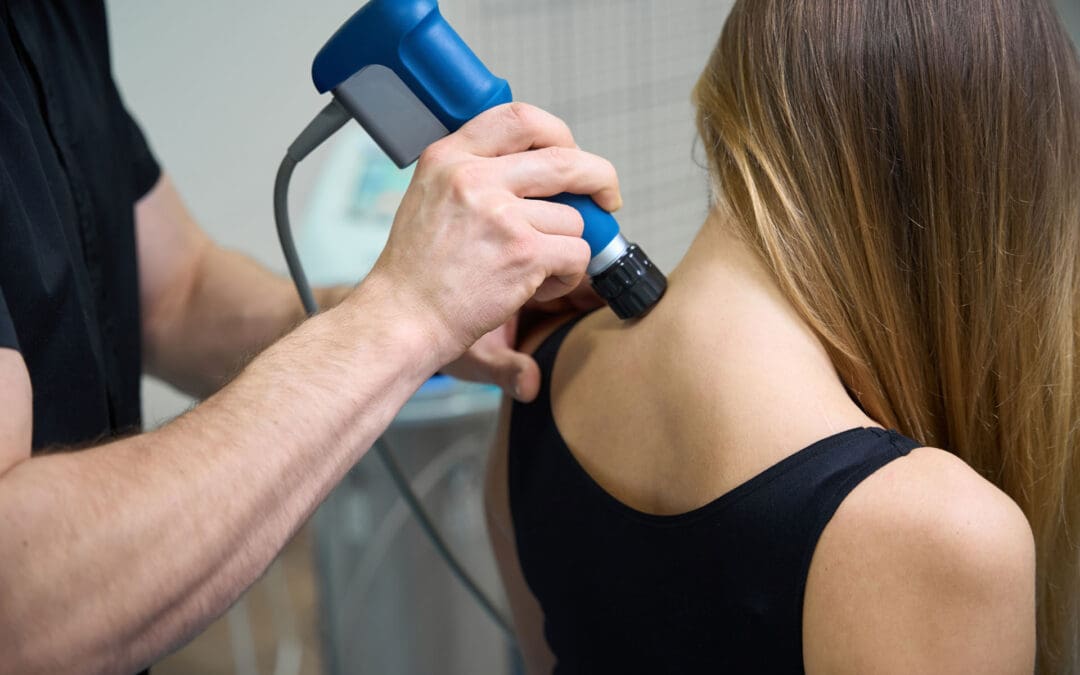
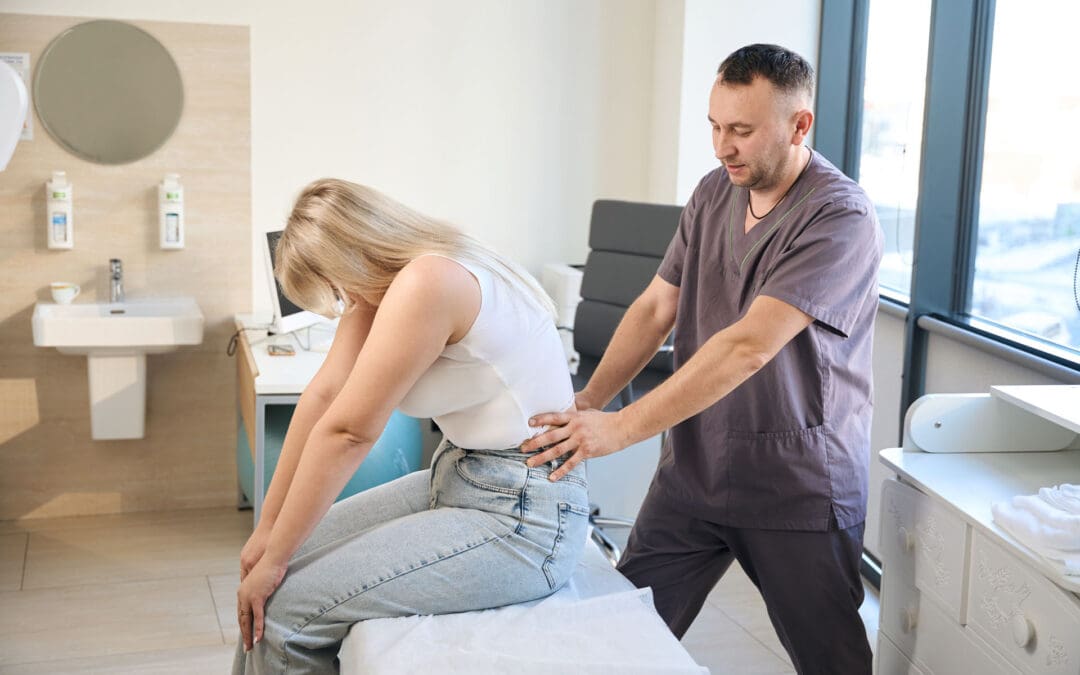
Back Clinic Screening Tests. Screening tests are typically the first assessment completed and are used to determine if further diagnostic testing might be needed. Because screening tests are the first step towards diagnosis, they are designed to be more likely to overestimate the true incidence of a disease. Designed to be different from diagnostic tests in that they might demonstrate more positive results than a diagnostic test.
This can lead to both true positives as well as false positives. Once a screening test is found to be positive, a diagnostic test is then completed to confirm the diagnosis. Next, we will discuss the assessment of diagnostic tests. Many screening tests are available for physicians and advanced chiropractic practitioners to utilize in their practice. For some tests, there is quite a bit of research demonstrating the benefit of such tests on early diagnosis and treatment. Dr. Alex Jimenez presents appropriate assessment and diagnostic tools used in the office to further clarify and appropriated diagnostic assessments.
Sciatic Nerve Health and Sciatica Relief: An Integrative Chiropractic Approach at El Paso Back Clinic
The sciatic nerve should work like a clear, pain-free communication line between the lower spine and the lower body. When it is healthy, it carries nerve signals smoothly from the lower back through the hips, buttocks, legs, and feet. This allows comfortable walking, bending, standing, climbing, and turning. It also helps the body perceive touch, pressure, and position in the lower leg and foot. In simple terms, optimal sciatic nerve function means you can move well, feel normal sensation, and stay steady on your feet without burning, tingling, weakness, or pain traveling down the leg (Cleveland Clinic, 2026; Health.com, 2024; MedlinePlus, 2024).
The sciatic nerve is the longest and widest single nerve in the body. It is formed from spinal nerve roots L4 through S3 and travels from the lower spine through the pelvis, under the buttock area, down the back of the thigh, and toward the lower leg and foot. Because it is so long, irritation in the lower back, pelvis, or deep hip area can create symptoms that run down the leg. That is why sciatica often feels like more than just back pain. It can affect movement, balance, comfort, and daily function from the low back all the way to the foot (TeachMeAnatomy, 2025; Cleveland Clinic, 2026).
Why the Sciatic Nerve Matters So Much
The sciatic nerve has both motor and sensory jobs. On the motor side, it helps control the hamstrings and, through its branches, many muscles in the lower leg and foot. That means it plays a major role in bending the knee, moving the ankle, controlling the foot, and helping the body walk with stability. On the sensory side, it helps carry feeling from much of the lower leg and foot. Without normal sciatic nerve function, movement may feel weak or awkward, and sensation may feel dull, numb, sharp, or irritated (TeachMeAnatomy, 2025; NCBI Bookshelf, 2023).
When the sciatic nerve is functioning well, people often do not think about it at all. That is actually a positive sign. The nerve is quietly doing its job, helping the lower body move smoothly and respond to its environment.
Healthy sciatic nerve function supports:
Comfortable walking and standing
Smooth bending and lifting
Stable balance and coordination
Normal sensation in the lower leg and foot
A fuller, less painful range of motion
Better confidence in everyday movement
When any part of that nerve pathway becomes irritated, compressed, or inflamed, the result may be sciatica. Sciatica is not a separate disease by itself. It is a symptom pattern that usually happens when the sciatic nerve or the nerve roots that form it become irritated (Cleveland Clinic, 2026; Mayo Clinic, 2025).
What Can Interfere With Sciatic Nerve Function?
The sciatic nerve works best when signals can move freely without obstruction. Problems begin when pressure, inflammation, or mechanical strain affects the nerve roots or the nerve itself. One of the most common reasons is a herniated lumbar disc. Other causes include spinal stenosis, bone spurs, spondylolisthesis, muscle imbalance, piriformis syndrome, postural strain, and movement patterns that keep irritating the nerve (Mayo Clinic, 2025; MedlinePlus, 2024; Health.com, 2024).
People with sciatica may notice:
Sharp, shooting, or burning pain down one leg
Tingling or “pins and needles”
Numbness in part of the leg or foot
Weakness when walking or climbing stairs
Pain that worsens with long sitting
Tightness or pulling in the buttocks and thighs
Trouble standing up straight or moving normally
Sciatica can range from mild to severe. Some people feel a dull ache. Others feel intense nerve pain that makes simple movement difficult. Symptoms often get worse with prolonged sitting, repeated bending, lifting, twisting, or sudden spikes in activity (MedlinePlus, 2024; Hinge Health, 2025).
What Healthy Sciatic Function Feels Like
When the sciatic nerve is healthy, the lower body usually feels freer and more responsive. The hips and legs move with less guarding. Walking feels smoother. The foot responds normally. Stretching and changing position do not trigger a wave of pain down the leg. Good sciatic function also supports better posture and more efficient movement because the muscles and sensory pathways are working together the way they should (TeachMeAnatomy, 2025; Cleveland Clinic, 2026).
A healthy sciatic nerve should allow:
Nerve signals travel freely from the lower back to the foot
Stronger and more coordinated leg movement
Better lower-body flexibility
Comfortable daily activity with less compensation
Less irritation during sitting, standing, and walking
How an Integrative Chiropractic Clinic Can Help
At El Paso Back Clinic, sciatica care fits into a broader multidisciplinary model. The clinic website highlights chiropractic care, sciatica treatment, mobility and flexibility science, rehabilitation, exams and imaging diagnostics, injury care, and integrative wellness services as part of its approach to musculoskeletal recovery and function
That matters because sciatica is often more than a simple pain complaint. It can involve the spine, discs, joints, muscles, fascia, movement patterns, posture, and sometimes broader health and recovery factors. A more complete evaluation can help uncover why the nerve is irritated, rather than just covering up symptoms.
An integrative chiropractic clinic may help by focusing on:
Spinal alignment and joint motion
Disc stress and nerve root irritation
Muscle tightness and soft tissue tension
Hip and pelvic imbalance
Poor posture and repetitive strain
Weakness in the core, hips, and lower body
Mobility limits that keep the nerve irritated
When these issues are addressed together, the goal is to reduce pressure on the irritated nerve, improve motion, and help the body function better without relying only on pain medication.
Conservative, Non-Surgical Support for Sciatica
Many people with sciatica improve with conservative care. A non-surgical approach may include chiropractic adjustments, mobilization, soft tissue work, guided exercise, stretching, walking progression, posture correction, and activity modification. NICE guidance states that manual therapy, such as spinal manipulation, mobilization, or massage, may be considered as part of a treatment package that includes exercise for low back pain with or without sciatica (National Institute for Health and Care Excellence [NICE], 2016).
That kind of combined care can be helpful because the nerve usually responds best when the surrounding body is also improving. If the spine moves better, the soft tissues calm down, the hips become more balanced, and the core becomes stronger, then the lower back and nerve pathway may be under less stress.
Conservative sciatica care may include:
Chiropractic spinal adjustments or mobilization
Soft tissue therapy for the low back, gluteal area, and hips
Stretching for tight muscles that may affect nerve movement
Core and hip strengthening
Walking and mobility drills
Ergonomic and posture coaching
Recovery strategies that reduce repeated flare-ups
Cleveland Clinic also notes that stretching, light movement, and exercise can help relieve pressure, build strength, and support recovery in many cases of sciatica (Cleveland Clinic, 2026).
Clinical Observations from Dr. Alexander Jimenez
Dr. Alexander Jimenez, DC, APRN, FNP-BC, describes sciatica care as a root-cause process that should look beyond pain alone to identify why the nerve is being irritated. On his clinical and professional platforms, he emphasizes integrative, personalized treatment plans designed to improve mobility, reduce nerve irritation, and support long-term healing rather than only temporary symptom control
His published clinical perspective also supports a broader model of care. That includes chiropractic treatment, rehabilitation strategies, movement assessment, posture evaluation, and, when needed, more advanced diagnostic thinking. Because of his dual licensure as a chiropractor and nurse practitioner, Dr. Jimenez often frames sciatic pain as something that benefits from both structural and clinical evaluation, especially in more complex cases involving severe pain, weakness, chronic recurrence, or injury-related nerve irritation
That style fits the El Paso Back Clinic platform well. The site presents itself as a multidisciplinary clinic focused on severe pain, mobility, flexibility, injury recovery, rehabilitation, and advanced diagnostics, all of which are highly relevant when dealing with sciatica or nerve-related lower back pain
Restoring Mobility, Flexibility, and Daily Function
A major goal in sciatica care is not just pain relief. It is restoring function. Many people with sciatic irritation stop moving normally. They sit, stand, and walk differently, and avoid bending, lifting, or exercising. That can create a cycle where stiffness, weakness, fear of movement, and poor mechanics keep the problem going.
An integrative chiropractic approach tries to break that cycle. Early care may focus on calming pain, reducing guarding, and improving tolerance for basic movement. Later care often shifts toward strengthening, posture correction, improved movement habits, and prevention of new flare-ups.
That functional recovery may include:
Improving walking tolerance
Restoring hip and lower back mobility
Building core support
Relearning safer lifting and bending
Reducing repeated postural strain
Improving flexibility without overstretching the nerve
Helping patients return to work, exercise, and normal daily life
Ohio State Wexner Medical Center and Hinge Health both emphasize prevention strategies, such as regular movement, posture awareness, exercise, and limiting long periods of sitting, to reduce the risk of sciatic flare-ups (Hinge Health, 2025; Ohio State Wexner Medical Center, n.d.).
Why Medication Alone Is Not the Full Answer
Pain medication may sometimes help control symptoms, especially during a severe flare. But medication alone usually does not correct the mechanical or functional issue that keeps the nerve irritated. If the body still has poor spinal motion, muscle imbalance, repeated compression, or weak support systems, the symptoms may return.
That is why a more complete plan often works better for long-term progress. A patient may still need medical guidance, but the strongest long-term gains usually come from improving how the body moves, supports itself, and protects the irritated nerve pathway (NICE, 2016; Cleveland Clinic, 2026).
When Sciatica Needs Urgent Medical Attention
Even though many cases respond well to conservative care, some symptoms should be treated as urgent. Mayo Clinic advises prompt medical attention for sudden severe weakness, numbness, bowel or bladder control changes, or pain after major trauma. Those symptoms may point to a more serious problem and should not be ignored (Mayo Clinic, 2025).
Red flags include:
Sudden leg weakness
Loss of bowel or bladder control
Numbness in the groin or saddle area
Severe pain after a fall or crash
Rapidly worsening symptoms
When conservative care is appropriate, a good integrative clinic should recognize the need for referral, imaging, or urgent medical evaluation.
Conclusion
For optimal health, the sciatic nerve should function as a pain-free, unobstructed pathway for nerve signals between the lower spine and lower body. It should help the legs move with strength and coordination while providing sensory feedback that supports balance, movement, and comfort. Because it is the largest and longest nerve in the body, irritation anywhere along its pathway can significantly affect daily life, leading to symptoms such as pain, numbness, or weakness in the legs, which can hinder mobility and overall quality of life.
At El Paso Back Clinic, the sciatica model presented across the site supports a broader view of recovery that includes chiropractic care, rehabilitation, mobility work, injury support, diagnostics, and integrative wellness services. That kind of approach is useful because sciatica often involves more than pain alone. It may involve disc stress, joint restriction, muscle imbalance, posture, weakness, reduced flexibility, and repeated mechanical strain.
When care focuses on identifying and correcting underlying issues, patients may experience improved mobility, greater flexibility, reduced nerve irritation, and less dependence on medication alone. In that way, integrative chiropractic care can support not just temporary relief but also stronger long-term function and better lower-body movement.
Motivation That Lasts: Fun, Low-Impact Workouts and SMART Goal Strategies
Losing weight does not have to feel impossible, even if back pain, low energy, or busy days get in the way. Many people in El Paso start with easy exercises like short walks or gentle stretches, but staying motivated is what brings real results. The good news is that small, smart steps, plus help from a local expert team, can make all the difference. At El Paso Back Clinic, patients discover how chiropractic care and functional medicine remove roadblocks so basic weight-loss exercises feel safe, doable, and even enjoyable. This guide shares straightforward ways to set goals, track progress, choose fun movement, and get professional support right here in El Paso. You will learn practical tips that fit real life and see how the clinic’s team, led by Dr. Alexander Jimenez, helps turn “I can’t” into steady success.
Basic weight-loss exercises like walking, light yoga, or dancing burn calories without stressing your joints. When your body feels better and pain drops, motivation stays strong. El Paso Back Clinic combines chiropractic adjustments, personalized rehab, and health coaching to make these simple moves part of your everyday routine.
Setting Attainable SMART Objectives for Steady Progress
SMART goals keep your weight-loss journey clear and reachable. SMART means Specific, Measurable, Achievable, Relevant, and Time-bound. Instead of saying “I need to lose weight,” try “I will walk for 15 minutes after dinner, five days this week.” This type of goal is easy to follow and gives quick wins. (Hey Life Training, n.d.; El Paso Back Clinic, n.d.-b)
Here are SMART goal examples perfect for basic weight-loss exercises:
Walk briskly for 15 minutes, five days a week, starting this Monday.
Do gentle yoga stretches for 10 minutes each morning for the next two weeks.
Dance to favorite music for 15 minutes, three evenings a week.
Swim or walk in water for 15 minutes twice a week at a local pool.
Take the stairs instead of the elevator at least five times daily this week.
Start small, so you build confidence fast
At El Paso Back Clinic, health coaches help patients turn these goals into custom plans that match their energy and schedule.
Monitoring progress keeps motivation alive. Use a simple notebook or phone app to log your walks, steps, or how your back feels after movement. Seeing checkmarks add up or a line on a graph climb feels rewarding. Patients at the clinic often say watching their own improvements beats staring at the scale. (Zen Habits, n.d.)
To avoid burnout, pick fun, low-impact activities. Yoga, swimming, and walking ease joints and lift mood through natural feel-good chemicals. These basic exercises become something you look forward to instead of dread. (HelpGuide.org, n.d.)
Find accountability with a workout buddy or the clinic’s support network. Many patients walk with family or join gentle group sessions. Reward small wins with non-food treats like new walking shoes or a relaxing evening. Remember your “why”—more energy for family, better sleep, or less back pain. Read it daily on tough days. (Planet Fitness, n.d.-a)
Easy, Efficient Strategies to Stay Motivated Every Day
Consistency beats intensity when building habits. Here are proven strategies that work well with basic weight-loss exercises:
Start small for lasting consistency: Begin with just 10–15 minutes of movement. This avoids burnout and makes exercise a normal part of your day. (Reddit community insights, 2024)
Track your development: Write down workouts, steps, or how clothes fit. Graphs show real progress and keep you excited. (Zen Habits, n.d.)
Make it fun: Choose dancing, swimming, cycling, or active games. Fun turns movement into “me time.” (HelpGuide.org, n.d.)
Reward yourself: After five good days, celebrate with new socks, a movie, or a quiet bath. (Modern Image Aesthetics, n.d.)
Build accountability: Walk with a friend, pet, or join a beginner class. The clinic’s health coaches provide extra check-ins. (Healthline, n.d.)
Recall your “why”: Focus on deeper reasons like steady energy or pride in your posture. (Planet Fitness, n.d.-b)
Prepare for low-energy days: Have a backup like 10 minutes of gentle stretches at home. (Cleveland Clinic, n.d.)
These steps fit real El Paso life—hot days, long work hours, and family needs. Short walks during lunch or evening strolls add up fast.
Walking Your Way to Better Results: Clinic-Approved Tips
Walking is one of the easiest basic weight-loss exercises, and El Paso Back Clinic shares clear ways to burn more fat while protecting your back. Start with 15 minutes daily, five days a week, then add five minutes each week. Walk at a brisk pace faster than normal, swing your arms, and keep a healthy posture. Add short speed bursts or gentle hills for extra calorie burn without hurting knees. Wear supportive shoes and breathe steadily. (El Paso Back Clinic, n.d.-c)
Benefits include stronger bones, less joint pain, better mood, and reduced belly fat linked to heart health. Even short 15-minute walks several times a day work when time is tight. Patients at the clinic combine walking with chiropractic care for faster mobility gains and steady motivation.
Making Fitness Enjoyable and Part of Your Routine
Pick activities you actually like. If running hurts, try dancing at home, water walking, or bike rides on flat paths. Listen to music or podcasts while moving. Many patients discover they enjoy low-impact options once pain eases. (Medical Beauty and Weight Loss, n.d.)
Social support helps too. Walk with neighbors or join light classes. At El Paso Back Clinic, personalized rehab programs make movement feel safe again, so you stay consistent longer.
How El Paso Back Clinic Boosts Motivation Through Integrative Care
Back pain or low energy often stops people from exercising. El Paso Back Clinic, led by Dr. Alexander Jimenez, DC, APRN, FNP-BC, removes these barriers with chiropractic and functional medicine. Their approach helps thousands of El Paso patients move more freely and lose weight sustainably.
Chiropractic adjustments reduce chronic back, hip, and joint pain, so walking or yoga no longer hurts. Better spinal alignment improves nervous system signals that control metabolism and fat burning. When the body works more smoothly, energy rises, and motivation follows naturally. (El Paso Back Clinic, n.d.-a; Adjusted Life Chiropractic, n.d.)
Dr. Alexander Jimenez has observed over 30 years that fixing spinal misalignments breaks the pain-obesity cycle. Pain leads to less movement and comfort eating; extra weight adds more pain. His team uses gentle adjustments, advanced imaging, and lab tests to address root causes such as inflammation, hormonal imbalances, and gut issues. Patients report less pain, better sleep, steadier moods, and fewer cravings. (Jimenez, n.d.; El Paso Back Clinic, n.d.-a)
Custom low-impact exercise plans are a clinic specialty. Instead of heavy gym work, they recommend practical moves: walking programs, water exercises, light resistance bands, and core stretches that fit daily life. These plans build confidence fast because they feel safe. The clinic’s rehabilitation centers offer guided sessions with trainers who understand back issues. (Robinhood Integrative Health, n.d.; El Paso Back Clinic, n.d.-c)
Functional medicine digs deeper. The team checks for slow metabolism, insulin resistance, or stress hormones that block weight loss. Personalized nutrition advice, supplements, and lifestyle tips clear these hurdles. Health coaches then create step-by-step plans with SMART-style process goals—like “walk three to four times this week”—so patients focus on what they can control. (El Paso Back Clinic, n.d.-b, n.d.-d)
Stress management is built in
High stress raises cortisol and belly fat while lowering motivation. Chiropractic care relaxes tight muscles and calms the nervous system. Many patients report feeling more positive and ready to move on after visits. (Dr. P Chiro, n.d.)
Personalized accountability keeps progress on track. Regular check-ins, body scans, and plan updates show results beyond the scale. Improved posture from adjustments makes patients stand taller and feel stronger—boosting confidence to keep going. (Obesity Action Coalition, n.d.; Westport Chiropractic, n.d.)
Dr. Jimenez often reminds patients that big changes start with small, consistent steps. His team at El Paso Back Clinic offers multiple convenient locations across El Paso, including rehab and fitness centers with 24/7 access. Military discounts, virtual coaching options, and meal-prep support make healthy living easier. Patients with past injuries or long-term back pain often return to activities they once avoided, creating a positive cycle of more movement and faster weight-loss results.
By reducing pain, improving mobility, addressing metabolic issues, and providing expert coaching, El Paso Back Clinic turns basic weight-loss exercises into something patients actually enjoy and stick with long-term.
Putting It All Together for Real, Lasting Success
Begin today with one small change. Choose a SMART goal, schedule a 15-minute walk, and note your “why.” Add music or a friend for fun. If back pain or low energy holds you back, contact El Paso Back Clinic for a personalized evaluation. Dr. Alexander Jimenez and his multidisciplinary team combine chiropractic care, functional medicine, and health coaching to support your goals safely.
Motivation comes and goes—some days feel easier than others, and that is normal. The strategies here—SMART goals, tracking, fun movement, rewards, accountability, and professional help—help you bounce back quickly. Over weeks and months, these habits create real momentum.
Basic weight-loss exercises like daily walking or gentle yoga do more than burn calories. They improve heart health, lift mood, strengthen muscles, ease back pain, and raise self-esteem. With support from El Paso Back Clinic, you gain energy for work, family, and life. Celebrate every step, every stretch, and every healthy choice. You have local experts ready to help—one simple, consistent day at a time.
ESWT for Car Accident Injuries in El Paso: How El Paso Back Clinic Uses Shockwave Therapy With Integrative Chiropractic + NP Care
Motor vehicle accidents (MVAs) can cause injuries that do not always show up clearly on basic imaging. You might be told, “Nothing is broken,” but still feel real pain, stiffness, tightness, and limited movement. That is because many car accident injuries involve soft tissue injuries such as muscle strains, tendon irritation, ligament sprains, fascia tightness, and painful scar tissue (adhesions). These injuries can lead to chronic pain when tissues remain inflamed, circulation remains poor, and the body continues to guard the area.
At El Paso Back Clinic, an integrative approach can help people recover more completely. The clinic’s content emphasizes non-invasive care, structural assessment, chiropractic and rehab, and broader healing support as part of a multi-disciplinary recovery plan. This matters because post-MVA pain is rarely caused by just one issue. It is often a combination of tissue injury, movement dysfunction, and ongoing sensitivity.
One tool that can make a big difference in stubborn cases is genuine Extracorporeal Shockwave Therapy (ESWT). True ESWT delivers therapeutic acoustic waves into injured tissues to help break down tight scar tissue, reduce pain signaling, improve circulation, and stimulate tissue repair. Mayo Clinic describes shockwave therapy as a noninvasive option used in musculoskeletal care with generally minimal adverse effects when appropriately applied.
This article explains, in plain language, how genuine ESWT can help with MVA injuries and why it works even better when combined with integrative chiropractic care and nurse practitioner (NP) oversight, a care model frequently discussed across El Paso Back Clinic content.
What “genuine ESWT” means (and why it matters)
Not all “shockwave” or “acoustic wave” treatments are the same. Real ESWT is designed to deliver a measurable therapeutic dose of acoustic energy into tissue. In simple terms, it is meant to do more than feel like a massage tool. The goal is to create a controlled mechanical stimulus that tells your body, “Restart repair here.”
A major review in the medical literature describes ESWT as working through mechanotransduction, meaning the mechanical stimulus triggers biological healing responses in the tissue. These responses can include improved signaling for healing, pain modulation, and tissue remodeling.
At El Paso Back Clinic, ESWT is presented as a non-surgical option that can be especially useful for deeper, stubborn pain patterns and chronic soft tissue problems.
Why car accident injuries can linger for months
After an accident, your body tries to protect you. It tightens muscles, limits motion, and increases inflammation around the injured area. That is normal at first. The problem happens when this protective pattern sticks around too long.
Common reasons MVA injuries become chronic include:
Scar tissue and adhesions that limit motion and pull on pain-sensitive tissue
Poor micro-circulation around the injury, slowing repair
Trigger points and muscle guarding that keep joints stiff
Altered biomechanics (compensation patterns) that overload nearby areas
Nervous system sensitivity, where pain signals stay “turned up”
El Paso Back Clinic’s approach highlights that many chronic pain cases improve when you combine structural assessment, conservative care, and a plan that supports true recovery rather than temporary relief.
How ESWT helps MVA injuries heal
Genuine ESWT can help through several overlapping effects. Think of it as improving the tissue environment so your body can complete the healing process.
It helps break down thick, painful scar tissue
Many chiropractic and rehab clinics describe shockwave therapy as useful for breaking down scar tissue and adhesions that form after injuries, especially when those tissues stay tight and painful.
It increases circulation to injured tissue
Better blood flow helps deliver oxygen and nutrients needed for repair. This is one reason ESWT is often used for chronic injuries that feel “stuck.” UCHealth describes shockwave therapy as promoting a reparative healing process that includes changes in circulation and tissue response.
It stimulates tissue remodeling and collagen repair
Tendons, ligaments, and fascia rely heavily on collagen structure. ESWT is commonly discussed as supporting tissue regeneration and collagen-related remodeling in musculoskeletal injuries.
It can reduce pain signaling
Pain relief from ESWT is not just “numbing.” Research reviews describe pain reduction effects that may involve changes in nerve sensitivity and local biochemical signaling.
It can support recovery in stubborn muscle injuries
Some reviews describe ESWT as associated with improvements in pain and function in certain muscle injury contexts (including sports-related muscle injuries), which can be relevant when car accidents result in deep strains and protective tightness.
MVA conditions that may respond well to ESWT
ESWT is commonly used for soft tissue and chronic pain patterns. In post-accident care, it may be considered for:
Whiplash-related muscle strain patterns (neck/upper back tightness)
Shoulder strain and rotator cuff irritation
Thoracic and rib region soft tissue pain and stiffness
Low back sprains/strains and persistent tight bands
Hip and glute strain patterns (piriformis-type tightness, trigger points)
Hamstring and calf strains from bracing during impact
Tendon irritation that does not respond well to rest alone
Chronic “knots” and trigger points that restrict motion
El Paso Back Clinic’s ESWT-focused content specifically points toward accident-related soft tissue injury and stubborn pain that has not improved as situations where this approach may fit well.
How many sessions does ESWT usually take?
Many patients report improvement early, but full remodeling can take time. A common pattern described in clinic-based educational resources is:
Noticeable changes often occur within 2–3 sessions
Full treatment plans commonly range from 4 to 12 sessions, depending on severity and how long the injury has been present
What often improves first:
Reduced sharpness or intensity at the worst pain points
Better range of motion (turning the neck, lifting the shoulder, bending)
Less stiffness the next morning
Improved tolerance to rehab exercises and daily activities
Why ESWT works best when paired with integrative chiropractic + NP care
ESWT helps tissue repair, but most MVA injuries also involve movement dysfunction. If a joint is not moving well, the tissue around it can stay irritated. That is why combining tissue work and structural care often produces better results.
Clear documentation of progress and functional improvement
El Paso Back Clinic’s content highlights the value of an integrated chiropractic + nurse practitioner approach.
Why the combination accelerates healing
When ESWT improves tissue quality and pain sensitivity, it often becomes easier to:
Move better
Accept and benefit from adjustments and mobility work
Build strength and stability through rehab
Return to work, training, and daily life with fewer flare-ups
Some integrative therapy articles describe combining chiropractic care with shockwave therapy (and sometimes laser therapy or rehab) to address both tissue injury and mechanical contributors.
What an ESWT session is like at a practical level
ESWT is typically done with a handheld applicator placed on the skin over the injured area. You may feel a tapping or pulsing sensation that can be intense in tight spots.
Many people experience:
Mild soreness afterward (similar to deep tissue work)
Temporary redness or sensitivity
A sense of looseness or improved motion over the next day or two
Mayo Clinic notes that shockwave therapy is generally associated with minimal adverse effects when used appropriately in musculoskeletal care.
Simple ways to get more out of ESWT after a car accident
ESWT is not magic by itself. It works best as part of a plan. Helpful steps often include:
Hydrate and walk after treatment (gentle circulation support)
Avoid overloading the area the same day (do not “test it” aggressively)
Track function, not just pain (turning your neck, lifting, walking, sitting tolerance)
Signs your plan is working:
You can do more with less flare-up
Your range of motion is improving
Pain is less frequent or less intense
Rehab feels more doable and less aggravating
Clinical perspective aligned with Dr. Alexander Jimenez’s educational approach
Across El Paso Back Clinic’s content, Dr. Alexander Jimenez presents a multidisciplinary, evidence-informed style that connects tissue healing, biomechanics, rehab, and whole-person factors. In this framework, ESWT fits as a regenerative tool that supports deeper tissue recovery, while chiropractic and rehab restore movement quality.
The practical takeaway is simple:
ESWT supports tissue repair and pain reduction
Chiropractic care supports structure and motion
NP oversight supports safer decision-making and whole-body recovery planning
That combination is often what helps MVA patients move from “surviving day to day” to building a stable recovery.
El Paso Heat Nutrition Guide: Hydrating Foods, Electrolytes, and Light Meals (El Paso Back Clinic)
When El Paso heats up, your body has to work harder to stay cool. You sweat more, lose fluids faster, and burn through key minerals that help your muscles and nerves work right. You might also notice that heavy meals make you feel sluggish, overheated, or even a little nauseated.
At El Paso Back Clinic (https://elpasobackclinic.com/), we see this every year: heat + dehydration + low electrolytes can worsen muscle tightness, trigger cramps, increase headache risk, and add stress to the neck, back, and joints. The goal is not to “eat perfectly.” The goal is to eat and drink in ways that support hydration, steady energy, and recovery during hot weather.
This article explains how to build simple heat-friendly meals using:
High-water foods (fruits and vegetables that add fluid)
Electrolytes (especially sodium, potassium, and magnesium)
Cooling herbs and smart spice use
Light proteins and easy-to-digest meals
Practical El Paso-style food ideas (including lighter taco options)
Throughout, I also include clinical observations from Dr. Alexander Jimenez, DC, APRN, FNP-BC, who often emphasizes hydration, electrolyte support, and recovery habits during intense heat exposure (Jimenez, n.d.).
Why hot weather can worsen fatigue, cramps, and body aches
Heat affects your body in a few big ways:
You lose water through sweat.
You lose electrolytes through sweat.
Your heart and circulation work harder to move blood to the skin so you can cool down.
Digestion can feel heavier, especially after high-fat or fried meals.
If dehydration or electrolyte loss builds up, you may notice:
Headache
Muscle cramps or muscle “pulling”
Dizziness or lightheadedness
Fast heartbeat
Fatigue and brain fog
Dark yellow urine
Severe heat illness is serious and can require urgent medical care (Johns Hopkins Medicine, n.d.). If someone is confused, fainting, has very hot skin, or has symptoms that rapidly worsen, treat it as an emergency (Johns Hopkins Medicine, n.d.).
The El Paso heat strategy: 3 simple goals
When it is hot, your daily plan can be simple:
Hydrate through food and drinks
Replace electrolytes (especially if you sweat a lot)
Choose lighter, easy meals
Community ER guidance often recommends lighter meals and hydration-focused foods during high heat (Community First ER, 2025). Kaiser Permanente also points out that certain foods and spices can help you feel cooler and support hydration habits (Kaiser Permanente, n.d.).
Hydrating and cooling foods that actually help
Water-rich vegetables (easy wins)
Water-rich vegetables add fluid and minerals without making you feel heavy. Many common choices have very high water content.
Great options include:
Cucumbers (very water-rich)
Celery
Zucchini
Tomatoes
Romaine and other lettuces
These types of water-rich foods are commonly recommended in hydration guidance for hot weather (UT Southwestern Medical Center, n.d.; Bass Medical Group, n.d.).
Fast ways to use them:
Cucumber + lime + pinch of salt
Tomato + cucumber + mint salad
Romaine wraps with beans or grilled chicken
Zucchini sliced into a quick “no-cook” salad with lemon
Clinic tip (muscles and cramps): If you are getting cramps, it is not always “just dehydration.” It can be low electrolytes, too. Pair water-rich foods with a little salt and potassium-rich foods (Optum, n.d.).
Melons and berries: hydration + skin support nutrients
In hot weather, fruit is often easier to eat than heavy meals. Watermelon, cantaloupe, strawberries, and citrus are popular for a reason: they hydrate and provide vitamins.
Many medical and wellness sources recommend water-rich fruit during heat stress and after heat exhaustion (UT Southwestern Medical Center, n.d.; Lokmanya Hospitals, n.d.).
Top picks:
Watermelon
Cantaloupe
Strawberries
Grapefruit, oranges, and lemons
Watermelon is also known for plant compounds such as lycopene, which is often discussed for its support of cells and skin (UT Southwestern Medical Center, n.d.).
Easy snack ideas:
Freeze grapes or watermelon cubes
Add citrus slices to cold water
Blend watermelon + mint + ice (no added sugar)
Sunnybrook also suggests simple infused water ideas (like cucumber and citrus) to make hydration easier (Sunnybrook Health Sciences Centre, n.d.).
Light proteins: stay fueled without feeling overheated
Heavy, fried, or very fatty meals can feel worse in the heat, partly because digestion takes work and can increase discomfort (Community First ER, 2025). Instead, use lighter proteins that are easier on the stomach.
Better hot-weather proteins include:
Grilled chicken
Fish
Shrimp
Beans and lentils
Plain, unsweetened yogurt
UT Southwestern highlights that plain yogurt is water-rich and hydrating, and it can work well in smoothies or as a light snack (UT Southwestern Medical Center, n.d.).
Simple meal formula:
Light protein + water-rich produce + salty-acid flavor (lime/lemon)
Example: grilled fish + cucumber/tomato salad + lime + pinch of salt.
Cooling herbs and spices: what helps and why
Mint: “cooling” sensation that can make hydration easier
Mint can trigger cold receptors in the mouth, creating a cooling feeling and making water and light meals more enjoyable (Kaiser Permanente, n.d.).
Try:
Mint + cucumber + lemon water
Mint stirred into yogurt
Mint on tacos with fresh salsa
Spicy foods: yes, they can help you cool down
This surprises many people: spicy foods can increase sweating, and when sweat evaporates, it cools the skin. Kaiser Permanente explains this effect with foods such as ginger and chile (Kaiser Permanente, n.d.).
Use spicy foods smartly:
Start small if you are not used to spicy heat.
Do not push spicy foods if you already feel sick or dehydrated
Pair spice with hydrating foods (cucumber, fruit, salsa)
Electrolytes: the missing piece for many people
Electrolytes are minerals that help control fluid balance and support muscle and nerve function. When you sweat a lot, you can lose electrolytes along with water (Optum, n.d.; Ally Medical, n.d.).
The big ones are:
Sodium
Potassium
Magnesium
Signs you may need electrolyte support
Not everyone needs electrolyte powders every day, but you might benefit if you have:
Heavy sweating (workouts, outdoor work, long time in the sun)
Muscle cramps or twitching
Frequent headaches with heat exposure
Low energy that improves after salty fluids
Heat exhaustion recovery guidance often includes electrolyte replacement and easy-to-digest foods (Lokmanya Hospitals, n.d.).
Food-first electrolyte support
Before supplements, start with food and simple options:
Water-rich produce (helps hydration)
Beans, leafy greens, fruits (potassium support)
Light soups or broths (fluid + sodium)
Coconut water (check sugar levels)
El Paso Wellness Associates also discusses “electrolytes without the junk” approaches for hydration routines (El Paso Wellness Associates, n.d.).
Supplements for hot weather: what may help (and how to be safe)
Supplements are not required for everyone. But for some people, especially those who sweat a lot, certain supplements may help with comfort and recovery. Several wellness and health sources discuss summer supplementation, including electrolytes, omega-3s, and antioxidants (Physical Dimensions IHG, 2024; Optum Perks, n.d.; Life Extension, n.d.).
Magnesium (often discussed for cramps and muscle function)
Many summer supplement guides mention magnesium for electrolyte support and muscle comfort (Physical Dimensions IHG, 2024; Optum Perks, n.d.).
Common forms people tolerate include magnesium glycinate, but needs vary.
Potassium
Potassium supports fluid balance and muscle function. Food sources are often the safest starting point unless your clinician recommends otherwise (Optum, n.d.).
Vitamin C
Vitamin C supports antioxidant defenses and is often recommended in summer wellness guides (Physical Dimensions IHG, 2024). Food sources include citrus, strawberries, tomatoes, and peppers.
Omega-3 fatty acids
Omega-3s are often discussed for their role in inflammation balance, which may help overall recovery and comfort during stressors like heat (Optum Perks, n.d.; Physical Dimensions IHG, 2024).
Vitamin B12
Some guides discuss B12 and fatigue, including summer fatigue support (NDL Pro-Health, n.d.; Physical Dimensions IHG, 2024). If fatigue is persistent, testing is often smarter than guessing.
Liquid chlorophyll
Some local wellness resources promote chlorophyll drops in water as a refreshing habit that helps people drink more (El Paso Wellness Associates, n.d.). Think of this as a hydration helper, not a cure.
Important safety note: If you have kidney disease, heart rhythm issues, uncontrolled blood pressure, or you take medications that affect electrolytes (diuretics, ACE inhibitors, ARBs), talk to your clinician before using electrolyte supplements or high-dose minerals.
El Paso-friendly tips you can follow today
Eat smaller, more frequent meals
Large meals can make you feel hotter and heavier. Smaller meals are often better during high heat (Community First ER, 2025).
Try a pattern like:
Morning: yogurt + berries
Midday: lettuce wraps + beans
Afternoon: frozen fruit + electrolyte water if needed
Evening: grilled protein + salad + citrus
Drink smart, not just “more”
Helpful habits include:
Sip water consistently, not only when thirsty (Ally Medical, n.d.)
Limit heavy alcohol use in extreme heat (Ally Medical, n.d.)
Use electrolytes during heavy sweating or long periods of outdoor activity (Optum, n.d.).
Freeze fruit for quick cooling hydration
Frozen grapes
Frozen watermelon chunks
Frozen orange slices for flavored water
Use urine color as a simple hydration check
A common, practical sign:
Clear to light yellow urine often suggests good hydration
Dark yellow can mean you need more fluids (Ally Medical, n.d.)
Local flavors that fit the heat: light El Paso-style taco ideas
You do not need to give up flavor to eat heat-smart. Lighter taco builds can be a great fit.
PushASRx highlights nutritious Mexican-style options like soft tortillas, grilled proteins, avocado, onions, fresh salsa, and lighter toppings (PushASRx, n.d.).
Heat-friendly taco build:
Soft tortilla
Grilled chicken, fish, or shrimp (or beans)
Lettuce/cabbage + salsa + avocado
Lime + pinch of salt
Optional: mint or cilantro
Try to limit during extreme heat:
Fried shells
Heavy creamy sauces
Very greasy meats at midday
Clinical observations from Dr. Alexander Jimenez (DC, APRN, FNP-BC)
Dr. Alexander Jimenez’s educational posts often reinforce a practical heat-season message: hydration and mineral balance matter, especially when people are active or spending time outdoors in the El Paso heat (Jimenez, n.d.). He often stresses:
Hydration is foundational for energy and recovery during high temperatures (Jimenez, n.d.).
Electrolytes can be lost through sweat, and low electrolyte levels can contribute to cramps and fatigue (Jimenez, n.d.).
Heat symptoms should be taken seriously, especially when dizziness, weakness, or confusion appear (Jimenez, n.d.; Johns Hopkins Medicine, n.d.).
This aligns with broader medical guidance on dehydration and heat illness risk (Johns Hopkins Medicine, n.d.).
How El Paso Back Clinic fits into summer health
At El Paso Back Clinic (https://elpasobackclinic.com/), we think about summer heat as part of the full picture of pain and function. Hydration and electrolytes can influence:
Muscle tone and cramping risk
Headache patterns
Energy and sleep quality
Recovery from workouts or physical work
How stiff or sore you feel after heat exposure
If you notice that your neck, back, or muscle tightness gets worse in the heat, it is worth adjusting your hydration strategy and meal choices. Small changes can make a big difference.
Quick grocery list for hot El Paso days
Hydrating produce
Cucumbers, lettuce, tomatoes, zucchini (UT Southwestern Medical Center, n.d.; Bass Medical Group, n.d.)
Watermelon, strawberries, grapefruit, oranges (UT Southwestern Medical Center, n.d.)
Light proteins
Chicken, fish, shrimp, beans (Community First ER, 2025; PushASRx, n.d.)
Plain yogurt (UT Southwestern Medical Center, n.d.)
Hydration flavor
Mint, lemons/limes, salsa, ginger/chile (Kaiser Permanente, n.d.; Sunnybrook Health Sciences Centre, n.d.)
That “Reset Pain” After You Sit or Hold a Weird Position: What It Is and How El Paso Back Clinic Approaches It
Have you ever held your body in an awkward position—like slouching on a couch, twisting in a chair, leaning on one hip, or sleeping with your neck turned—then you stand up and feel a sharp ache, tightness, or a “catch”? Sometimes it feels like a joint or muscle has to “reset” before you feel normal again. You might even feel clumsy for a minute, then things settle down.
At El Paso Back Clinic, this pattern is commonly discussed as a mix of postural strain, muscle guarding, myofascial tightness (trigger points), and sometimes joint restriction—especially when movement has been limited for too long or posture has been stressing the same tissues over and over.
This article explains what that “reset” feeling usually means, why it happens, and how integrative chiropractic care—like the approach described at El Paso Back Clinic—can help restore smoother motion and reduce the chances of it happening again.
What Do You Call This “Reset” Feeling?
There isn’t one single official name that covers every case, because different tissues can create the same sensation. But the most common clinical labels include:
Postural strain (tissues overloaded by a sustained position)
Muscle stiffness (tightness and reduced ease of motion)
Muscle guarding (protective tension driven by the nervous system)
Myofascial trigger points (irritable “knots” in muscle/fascia)
Joint restriction / joint dysfunction (a joint that temporarily doesn’t glide well)
Many people casually call it a “stuck joint” or “something out of place.” In reality, it’s often less dramatic than it feels—more like a temporary movement problem plus a protective muscle response.
Why It Often Hurts When You Return to Neutral (Not While You’re Sitting)
This surprises many people: “If the posture was the problem, why didn’t it hurt until I moved?”
Because your body adapts to the position you hold. While you’re still:
Your muscles settle into a holding pattern
Your joints move less
Your fascia (connective tissue) can get less “slippery” with inactivity or repeated stress
Your nervous system may “turn down” certain signals until movement starts again
Then you stand, rotate, or straighten up—and your tissues have to slide, load, and coordinate again. That’s when you feel the catch, the sting, or the awkward “reset” moment.
What’s Actually Happening: 5 Common Mechanisms Behind the “Reset”
Most cases are a combo, not just one thing.
Postural Strain: You Overloaded a Region
When you hold a position that isn’t friendly to your body—like forward head posture, slumped sitting, or a rotated spine—you can stress:
muscles
ligaments
joint capsules
fascia
Over time, those tissues complain when you ask them to move again. El Paso Back Clinic describes how repetitive positions and mechanical issues can contribute to stiffness and restriction patterns.
Muscle Guarding: Your System “Braces” for Safety
Muscle guarding is your nervous system’s way of saying, “I’m not sure this movement is safe, so I’m going to tighten things up.” It can feel like:
locked
braced
hard to relax
stiff even when you try to stretch
El Paso Back Clinic notes that pain patterns can keep muscles guarded and that stiffness may involve more than “tight muscles.”
Trigger Points: The “Knot” That Bites When You Move
Trigger points are sensitive spots in tight muscle bands. When you change position, those fibers stretch and can cause sharp, deep, or referred pain.
Fascia health is closely tied to this, because fascia surrounds muscle and helps movement feel smooth. Johns Hopkins Medicine explains that fascia can become “gummy,” stiff, and painful with limited movement, repetitive movement, or trauma.
Fascial Stiffness: The “Gummy Tissue” Effect
Fascia is like a body-wide web. When you don’t move much or repeat the same posture all day, fascia can get less elastic and less hydrated. That can make motion feel “sticky.”
Johns Hopkins Medicine specifically lists limited activity, repetitive movement, and trauma as factors that can contribute to fascia adhesions and stiffness.
Joint Cavitation: The Pop or Release
Sometimes the reset comes with a pop. A well-known imaging study found evidence that joint cracking is linked to cavity formation in the joint fluid (not bones grinding).
A pop isn’t automatically “good” or “bad.” What matters more is:
Do you move more easily afterward?
Does pain decrease?
Or does pain increase and function drop?
Why You Feel Awkward for a Bit After the “Reset”
That lingering weirdness—seconds to minutes—is often your body downshifting from protection back into normal movement.
Common reasons include:
muscles slowly letting go of guarding
irritated tissue calming down
fascia rehydrating and sliding better with movement
your brain re-mapping posture and balance (proprioception “recalibration”)
This is one reason many people feel better after a short walk post-sitting.
A Quick Self-Check: Is This Normal Stiffness or Something More?
Muscle stiffness is common and often improves with gentle movement and better posture habits. The Cleveland Clinic notes that stiffness often improves without medical treatment, but it should be taken more seriously if it comes with concerning symptoms such as fever, weakness, swelling, or persistent worsening.
Consider getting evaluated if you notice:
pain that’s getting worse over days/weeks
tingling, numbness, or weakness
pain that wakes you up repeatedly
symptoms after a significant fall or crash
the “reset pain” keeps happening in the exact same spot
What You Can Do Right Away (Safe, Simple, and Usually Helpful)
The 2–3 minute “reset without forcing it”
Stand up and walk 30–90 seconds
Do small, slow movements in a pain-free range
Try a long exhale breathing pattern (relaxes guarding)
Use gentle heat if it helps you relax
Simple posture habits that reduce repeat episodes
Change position every 30–60 minutes
Avoid “camping” in end-range posture (deep slouch, deep twist)
Use a supportive setup for workstations when possible
Build basic endurance in the muscles that hold posture (core, glutes, upper back)
How El Paso Back Clinic Approaches This Pattern (Integrative Chiropractic Style)
El Paso Back Clinic describes an integrative model that blends chiropractic care with rehab-style strategies and multidisciplinary support for spine and soft tissue problems.
Identify what’s actually driving the “reset”
Sometimes stiffness isn’t just “tight muscles.” It may involve:
joint restrictions
spine or pelvis mechanics
inflammation around a joint
pain patterns that keep muscles guarded
nerve-related problems
That’s why an exam matters—so the plan matches the cause.
Restore motion with chiropractic adjustments or mobilization
A chiropractic adjustment is a controlled force applied to a spinal joint to improve motion and movement ability.
When a joint isn’t moving well, nearby muscles often overwork and tighten. Improving joint motion can reduce the need for your body to “force” a painful reset.
Address myofascial tightness (muscle + fascia)
Because fascia can become stiff due to limited movement or repetitive strain, integrative care often includes hands-on work and guided movement to improve tissue glide.
Stabilize the area so it doesn’t keep “getting stuck”
If a joint repeatedly feels like it “locks,” the missing piece is often:
strength
endurance
timing/control
movement habits
El Paso Back Clinic frequently emphasizes rehabilitation and conditioning alongside chiropractic care to restore normal function after spine and soft-tissue issues.
A “Stop the Reset Cycle” Plan (2–3 Weeks)
These are general strategies that many patients tolerate well. Keep it gentle and pain-free.
Daily (2–5 minutes, 1–2 times/day)
1 minute easy walking
5 slow neck turns each side (easy range)
8 shoulder blade squeezes (2–3 sec hold)
8 hip hinges (small, smooth)
3 slow breaths with long exhale
During the day (30–60 seconds every hour)
stand up
10–20 steps
reset your sitting position (hips back, chest relaxed, neck tall)
3 days/week (10–15 minutes)
core stability (dead bug / modified plank)
glute strength (bridges / step-ups)
upper back endurance (band rows)
If stretching makes symptoms worse, or if stiffness keeps returning the same way, that’s a good reason to get assessed—El Paso Back Clinic even notes that persistent stiffness may signal joint restrictions or mechanics issues beyond “tight muscles.”
When to Reach Out to El Paso Back Clinic
If your “reset pain” is frequent, sharp, or starting to change your daily routine, it’s reasonable to get an evaluation—especially if you suspect joint restriction, posture-related mechanics, or muscle guarding patterns.
El Paso Back Clinic lists multiple El Paso locations and a main phone line for help and questions.
Phone: (915) 850-0900
Location (example listing): 11860 Vista Del Sol, Ste 128, El Paso, TX 79936
Key Takeaway
The experience of “I held a posture → now it hurts → then it resets” usually indicates that your body is showing a predictable pattern:
posture overloads tissues
fascia and muscle tension increase
a joint may move less smoothly
the nervous system guards
returning to neutral triggers a brief recalibration
The goal isn’t to chase pops or force releases. The goal is to restore smooth motion + stable control, so your body doesn’t keep needing that painful “reset.”
Chiropractic Care and Gut Health Support at El Paso Back Clinic®
Digestive symptoms can be frustrating because they often feel unpredictable. You may eat “right,” take probiotics, and still deal with reflux, bloating, constipation, or IBS-like flare-ups. One reason is that digestion is not just about food—it is also about how well your nervous system regulates the gut, how your body handles stress, and how your posture and spinal mechanics affect breathing and pressure patterns through the abdomen. This is where an integrative chiropractic approach can be a helpful part of a broader plan.
At El Paso Back Clinic®, the care model described in their wellness content blends chiropractic, functional medicine, and nutrition-based strategies to support whole-body recovery—not just symptoms. The goal is practical: help the body move better, regulate stress more effectively, and create conditions that support improved gut function.
This article explains the key ways chiropractic care may support gut health—especially when digestive symptoms overlap with posture strain, chronic pain, and stress physiology—and how an integrative clinic may pair adjustments with nutrition and lifestyle guidance.
Important: Chiropractic care can be supportive, but it does not replace medical evaluation. If you have severe or persistent symptoms, unexplained weight loss, blood in stool, fever, vomiting, or trouble swallowing, seek medical care promptly.
The Gut–Brain–Spine Connection (Why Digestion Is Not “Just the Stomach”)
Your digestive system is closely linked with your nervous system. The “gut–brain axis” is the two-way communication between your brain and your GI tract through nerves, hormones, immune signals, and the gut microbiome. When your nervous system is stressed, digestion can shift too—motility changes, sensitivity increases, and symptoms can feel worse.
Many people notice patterns like these:
Stressful week → more reflux or belly tightness
Poor sleep → constipation or loose stools
Long hours sitting → bloating or slower digestion
Neck/back pain flare → gut flare
Integrative chiropractic sources often describe that spinal tension and restricted movement can add “noise” to the nervous system. They propose that improving spinal mechanics may help the body shift into a better-regulated state that supports digestion.
Key Way #1: Reducing Physical Stress Load That Can Keep the Body in “Alarm Mode”
A stressed body does not digest as smoothly. Physical stress includes more than emotions—it also includes:
Chronic neck and back pain
Poor posture and muscle guarding
Shallow breathing patterns
Limited daily movement
Long sitting or repetitive work strain
Many chiropractic gut-health articles describe adjustments as a way to reduce musculoskeletal tension and improve joint motion, which may help calm the body’s overall stress response.
At El Paso Back Clinic®, the broader philosophy discussed in their blog is holistic and recovery-focused—helping patients restore function after injury and addressing lifestyle factors that affect healing.
What this can mean in real life:
Less back tightness → easier walking after meals
Less ribcage stiffness → deeper breathing (better “rest-and-digest” support)
Less pain → better sleep (which supports digestion and appetite regulation)
Key Way #2: Supporting Nervous System Regulation (Including the Gut–Brain Axis)
Many clinics explain the digestive benefits of chiropractic care by noting that the spine influences nervous system signaling to the body, including the digestive tract.
Even if you describe it in simple terms, the concept is straightforward:
The brain and gut constantly communicate.
When the nervous system is overloaded, digestion can become less predictable.
If care reduces pain and tension and improves movement patterns, the nervous system may become less reactive.
Several chiropractic resources you provided describe chiropractic adjustments as supporting the nervous system’s “control” of digestion and helping to normalize digestive movement.
At El Paso Back Clinic®, gut-focused posts use similar language—describing the nervous system as a key driver of gut function and positioning chiropractic care as part of a “reset” strategy paired with nutrition and detox-style lifestyle support.
Key Way #3: Thoracic (Mid-Back) Function, Rib Motion, and Reflux-Like Symptoms
Reflux and heartburn are not only about stomach acid. They can also worsen when:
Posture is collapsed (rounded shoulders, forward head)
The rib cage doesn’t expand well
Breathing becomes shallow and upper-chest dominant
Abdominal pressure patterns increase (especially after meals)
Some chiropractic sources discuss thoracic spine and upper abdominal mechanics in relation to digestion and reflux. They suggest that improving spinal mobility and reducing tension patterns may help some individuals experience smoother digestion.
Supportive strategies often paired with care include:
Posture coaching for desk work and driving
Gentle thoracic mobility work
Meal timing (avoiding late heavy meals when reflux is an issue)
Breathing drills that encourage diaphragmatic expansion
El Paso Back Clinic® also emphasizes combining chiropractic with nutrition and wellness planning, which fits well with reflux management strategies (food triggers, timing, and stress load).
Key Way #4: Lumbar (Low Back) and Pelvic Mechanics That Can Affect “Sluggish” Motility
Constipation and slow motility usually involve several factors at once:
Hydration and fiber intake
Daily movement and walking
Stress and nervous system tone
Pelvic floor coordination
Medication side effects
Pain and guarding patterns
Some chiropractic resources propose that addressing lower back and pelvic mechanics supports more normal digestive movement by reducing tension and supporting nervous system regulation.
There is also published clinical literature on chiropractic care and gastrointestinal symptoms, including reports and studies in which some patients reported improvement. The evidence varies in quality, and results are not guaranteed, but it supports why this topic continues to be explored.
If constipation is persistent, do not guess—get evaluated. Chronic constipation can sometimes point to thyroid issues, medication effects, pelvic floor dysfunction, or other medical problems that need specific care.
Key Way #5: Breathing Mechanics, the Diaphragm, and Abdominal Pressure
Breathing is not just for oxygen—it also affects the “pressure system” of the trunk, including the abdomen and pelvic floor.
When someone is stuck in shallow breathing, they may experience:
Higher neck and chest tension
Reduced diaphragm motion
More bracing through the belly
Less core stability during movement
A stress pattern that can aggravate gut symptoms
Integrative chiropractic articles often connect spinal tension, stress regulation, and digestion—suggesting that improving mobility and reducing pain may help people return to healthier breathing patterns that support “rest-and-digest” physiology.
At El Paso Back Clinic®, the integrative style described in gut-focused and nutrition-focused posts supports this whole-body logic: address mechanics, address stress, and support healing habits.
Key Way #6: Integrative Chiropractic + Nutrition Support (Where Results Often Improve)
One of the strongest points across your resources is that chiropractic care is often most effective for gut goals when paired with nutrition guidance and daily habits.
El Paso Back Clinic® specifically highlights nutrition and functional medicine-style planning as part of their wellness approach, including digestive health support through diet, stress management, and personalized routines.
Examples of gut-supportive nutrition habits that many clinics focus on:
More whole, fiber-rich foods (vegetables, beans, berries, oats—if tolerated)
Adequate protein for tissue repair and stable energy
Hydration consistency (not just “some water”—daily enough to support motility)
Fermented foods or probiotics when appropriate (and tolerated)
This is also consistent with the “nutrition + digestion + whole-body wellness” emphasis described in El Paso Back Clinic® content.
Key Way #7: The Gut–Liver Connection (Detox Is a Process, Not a Trend)
El Paso Back Clinic® also publishes content on the gut–liver connection, emphasizing that digestion and detoxification are linked through bile flow, gut barrier function, and metabolic processing.
A grounded way to think about it:
Your liver processes and packages substances for elimination.
Your gut helps move waste out of the body.
If motility is slow or the gut barrier is irritated, you may feel worse.
Their clinic content frames chiropractic and integrative care as supportive tools within a broader plan that includes nutrition and lifestyle strategies.
What Chiropractic Can (and Can’t) Claim for Gut Issues
To keep this honest and helpful:
Chiropractic care may help support
Stress-related digestive flare-ups
Tension patterns that affect breathing and abdominal pressure
Motility support for some people when paired with movement and nutrition
Overall regulation by improving pain, posture, and mobility
Chiropractic care does not replace
Workups for GERD, ulcers, gallbladder disease, IBD, celiac disease, infections, or anemia
Imaging/labs when symptoms are severe or persistent
Medication decisions (always coordinate with a prescribing clinician)
Some clinic resources discuss improvements in reflux, constipation, and IBS symptoms, but responses vary by person and by the underlying cause of the symptoms.
A Practical “El Paso Back Clinic® Style” Support Plan (Simple and Actionable)
If you want the best chance of success, use a layered plan instead of a single tactic.
Step 1: Track your patterns for 14 days
Write down:
What you eat and when
Stress level (1–10)
Sleep (hours + quality)
Symptoms (reflux, bloating, constipation, pain)
Movement (walked after meals or not)
Step 2: Address mechanics + regulation
Supportive options commonly used in integrative chiropractic settings include:
Spinal adjustments (as appropriate)
Mobility work (thoracic spine, hips)
Soft tissue work for tension patterns
Breathing drills to downshift stress response
Step 3: Make digestion easier with “boring basics”
Hydration daily
Protein + fiber consistency
Walk 10 minutes after meals (if tolerated)
Reduce late-night heavy meals if reflux is present
Step 4: Reassess honestly
Better? Keep what works and build gradually.
Not better? Escalate evaluation and get medical guidance. Don’t keep guessing.
Incorporating Dr. Alexander Jimenez’s Clinical Observations (Integrative Lens)
El Paso Back Clinic® content describes Dr. Alex Jimenez as providing integrative, whole-body wellness insights—often linking musculoskeletal function, gut health, nutrition, and recovery planning.
His dual-scope background (DC + APRN/FNP) is presented across related clinic and professional profiles as supporting a broader clinical perspective—especially when symptoms involve multiple systems at once.
In the gut-health articles on El Paso Back Clinic®, the clinical message is consistent:
Digestion is connected to nervous system regulation,
Chiropractic care can reduce stress load and support function,
Nutrition and lifestyle strategies help make the improvements “stick.”
Conclusion
Gut health is not only a food issue—it is also a regulation issue. When your body is tense, inflamed, sleep-deprived, or stuck in poor movement patterns, digestion often becomes more reactive. Chiropractic care may support gut health by improving spinal mechanics, reducing physical stress load, and helping the nervous system shift toward a calmer “rest-and-digest” state—especially when paired with nutrition and lifestyle strategies.
At El Paso Back Clinic®, the care approach described in their wellness content emphasizes integrative recovery: chiropractic support, nutrition planning, and whole-body habits aimed at restoring function and resilience.
Skateboarding Training Essentials: Strength, Balance, and Injury Prevention with Chiropractic Support at El Paso Back Clinic
Skateboarding is an exciting sport that mixes skill, speed, and style. It began as a land-based surf practice but has grown into a worldwide hobby for many. To excel in skateboarding, you need targeted training that strengthens your core and legs, improves balance, and teaches safe falling to prevent harm. This training uses repetitive drills, explosive jumps, and endurance workouts to create automatic responses and lasting energy. It also includes mental prep like imagining tricks and steady practice routines.
The sport’s demands, such as repeated one-sided pushes and hard landings, can strain your body. That’s where integrative chiropractic care shines. At El Paso Back Clinic in El Paso, Texas, this approach improves joint mobility, corrects imbalances from skateboarding habits, and accelerates healing after impacts. It improves balance, body sync, and bendiness while offering diet and safety tips to reduce injury risk. Led by Dr. Alex Jimenez, DC, APRN, FNP-BC, the clinic offers tailored care for skateboarders and athletes, blending chiropractic care with rehab and nutrition to support top performance.
This article covers skate training basics and how chiropractic at El Paso Back Clinic supports it. For beginners or pros, these insights can help you advance safely. Visit https://elpasobackclinic.com/ to learn more about their services.
Core Elements of Skateboarding Training
Skateboarding success starts with body and mind prep. Training goes beyond board time—it’s about a solid base for tricks and endurance. Prioritize core and leg power, as these drive your actions (Austin Simply Fit, n.d.). Muscles like abs, lower back, quads, hamstrings, glutes, and calves handle shifts from an upright to a low position in moves like ollies.
Core Workouts: Try planks by holding a straight body pose for 30 seconds. Side versions hit obliques for twist stability.
Leg Boosters: Squats mimic board crouches—lower then rise for three sets of 10 reps.
Importance: Strong cores prevent shakes during jumps, lowering fall risks.
Balance is vital in skating. Poor balance leads to wipeouts on basic maneuvers. Newbies should pick a stance: regular (left-forward) or goofy (right-forward). Place the feet over the truck bolts for maximum stability (Skateboard GB, n.d.).
Balance Practices: Stand on one foot and draw letters with the other toe. Switch sides for ankle strength.
Next Level: Manuals lift the front wheels, balancing on the rear for ramp preparation.
Routine: Dedicate 10 minutes daily to weight shifts on your board for a natural feel.
Safe falling is key to injury avoidance. Falls are part of skating, but proper methods reduce severe damage. Roll instead of bracing with arms to protect wrists (Healthcare.utah.edu, 2024).
Fall Methods: Tuck chin and roll to distribute force. Aim for protected spots like padded knees.
Gear Essentials: Helmets, wrist, knee, and elbow pads absorb shocks.
Safe Start: Use grass or mats for low-risk practice.
Repetitive training builds muscle memory. Repeat actions until they’re instinctive, like pushing and halting (Braille Skateboarding, n.d.). This aids tricks such as frontside kickturns and backwheel pivots (How to Skate, 2018).
Drill Reps: Push 10 times, stop, and redo for fluid flow.
Trick Steps: Divide into parts, like board pop, then foot flick for kickflips.
Side Hops: Mimic skating with 30-second lateral jumps.
Gains: Higher leaps and fast reflexes elevate skills.
Cardio keeps you going strong. Skating provides some, but extras build heart health (Skateboard GB, n.d.).
Rope Skipping: 30 seconds on, rest, three rounds for calf power and breath control.
Crawls: Bear walk forward and back 10 meters.
Cardio Value: Longer sessions with quicker recovery.
Mental training tackles fear. Visualize wins before attempts (Florida Atlantic University, n.d.). Commitment means regular sessions despite setbacks.
Imagery: Eyes shut, see perfect landings.
Fear Busting: Small steps build confidence.
Drive: Love for skating fuels persistence.
Follow principles such as targeted work, gradual increases, and variety to ensure safe progress (The Daily Push, n.d.). Skate-specific drills, slight pushes, and mixes prevent plateaus.
This foundation makes skating enjoyable, but one-sided strains need expert help, like at El Paso Back Clinic.
Integrative Chiropractic Care for Skateboarders at El Paso Back Clinic
At El Paso Back Clinic, integrative chiropractic merges adjustments with therapies for whole-body health. For skaters, it enhances joint flow in hips, knees, and ankles, easing restrictions from twists (Push as RX, n.d.). The clinic’s team uses advanced tools for custom plans.
Adjustments: Hands-on fixes realign for better motion.
Skating often causes imbalances—one leg pushes more, enlarging muscles unevenly (Instagram Reel, n.d.). This risks pain or bad posture.
Balance Fixes: Single-side workouts like one-leg squats.
Clinic Approach: Exams spot issues, then adjustments and drills even out.
Prevention: Avoids strains from overuse.
Falls bring impacts, but clinic care hastens recovery by reducing inflammation (Injury 2 Wellness, n.d.). For sprains, they combine rest and rehab.
Healing Tools: Ice, wraps, and elevations cut swelling. Adjustments aid nerves.
Rehab: Planks and stretches rebuild strength.
Quick Return: Less time off the board.
The clinic boosts balance, sync, and flexibility. Core support from deep muscles aids control (Robins, n.d.). Alignment improves awareness.
Balance Enhancers: Fixes heightened position sense.
Sync Training: Patterns restored post-injury.
Flex Moves: Stretches like yoga poses loosen spines.
Nutrition and prevention advice lowers risks. Proteins and veggies aid repair; warm-ups are key (Thompson, n.d.). Clinic experts guide anti-inflammation diets.
Food Advice: Fruits and healthy fats for recovery.
Safety Steps: Check-ups catch problems early; use gear.
Habits: Stay hydrated, foam roll to loosen up.
Dr. Alex Jimenez, a clinic leader with 30+ years, notes that integrative methods prevent injuries by addressing root causes such as imbalances (Jimenez, n.d.). He blends functional medicine, nutrition, and rehab for skateboarders. LinkedIn shares tips on sciatica and balanced routines (Jimenez, n.d.). For skate injuries like ankles or wrists, assessments lead to adjustments and strengthening (Jimenez, n.d.). Teamwork with therapies ensures full recovery.
Chiropractic at the clinic elevates performance, keeping bodies primed (Dallas Thrive, n.d.). Their sports focus includes strength, flexibility, and proprioception for athletes.
Conclusion
Pair skate training with the chiropractic services at El Paso Back Clinic for strength, balance, and safety. Build habits through drills and mental work. Let experts fix strains, speed healing, and advise prevention. Consistency pays off—practice wisely. For personalized care in El Paso, check https://elpasobackclinic.com/.
IFM's Find A Practitioner tool is the largest referral network in Functional Medicine, created to help patients locate Functional Medicine practitioners anywhere in the world. IFM Certified Practitioners are listed first in the search results, given their extensive education in Functional Medicine