Beginner Gym Workout Routine: Build Strength, Flexibility, and Avoid Injuries
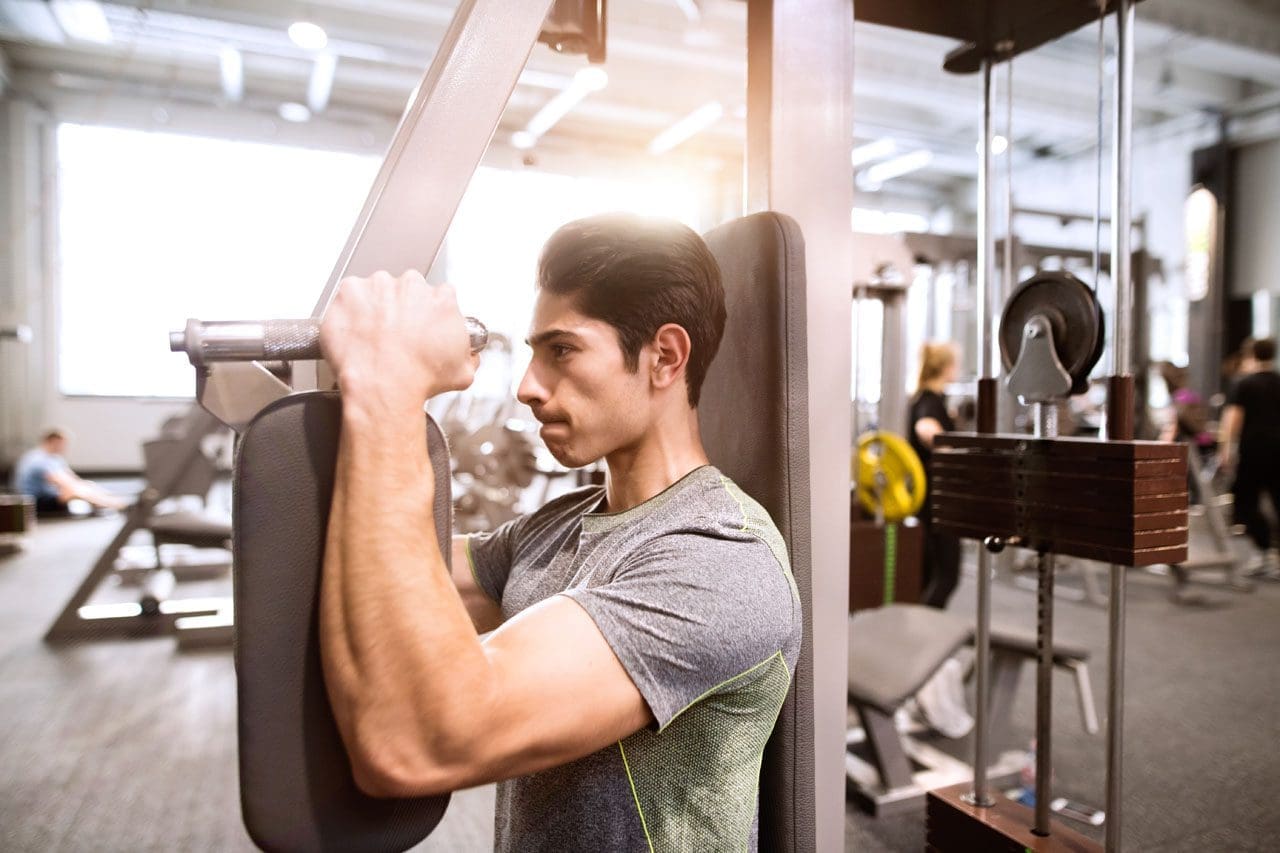
Young hispanic man does a beginner gym workout with weights.
Starting a workout at a sports training gym can feel exciting but also a bit scary if you are new to it. A good beginner routine helps build strength in all parts of your body. It uses big movements that work many muscles at once. These are called compound exercises. Things like squats, lunges, push-ups, rows, and planks are key. Do this routine three times a week. Each exercise should have three sets of eight to twelve reps. This builds a strong base without too much strain (Planet Fitness, n.d.a).
The goal is to mix full-body strength training with some easy cardio. Low-impact cardio means activities that do not jar your joints too much, such as walking on a treadmill or using an elliptical. This helps you get fit without overdoing it. Adding chiropractic care can make it even better. It helps with movement, cuts injury risk, and speeds up recovery. Let’s break this down step by step.
Why Start with a Balanced Routine?
A good starting plan focuses on functional strength. This means exercises that help with everyday activities, like picking things up or climbing stairs. For beginners, full-body workouts are best. They work all major muscle groups without splitting days for arms or legs only. This way, you recover faster and see progress soon (Mikolo, 2024).
Experts say beginners should aim for consistency over intensity. Start slow to learn proper form. Bad form can lead to hurts. A routine with strength and cardio boosts heart health, muscle tone, and energy. It also helps with weight control and mood. But without good recovery, you might get sore or injured. That’s where things like stretching and chiropractic come in.
Key Exercises for Beginners
Here are some top exercises for a sports training gym. They build strength, flexibility, and stability. Most use bodyweight or simple machines. Do them in order for a full workout.
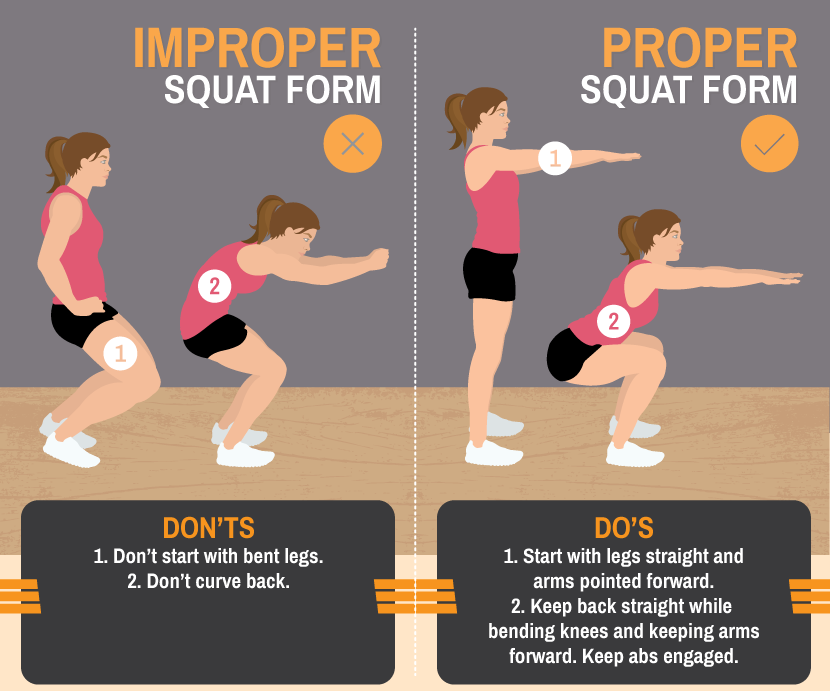
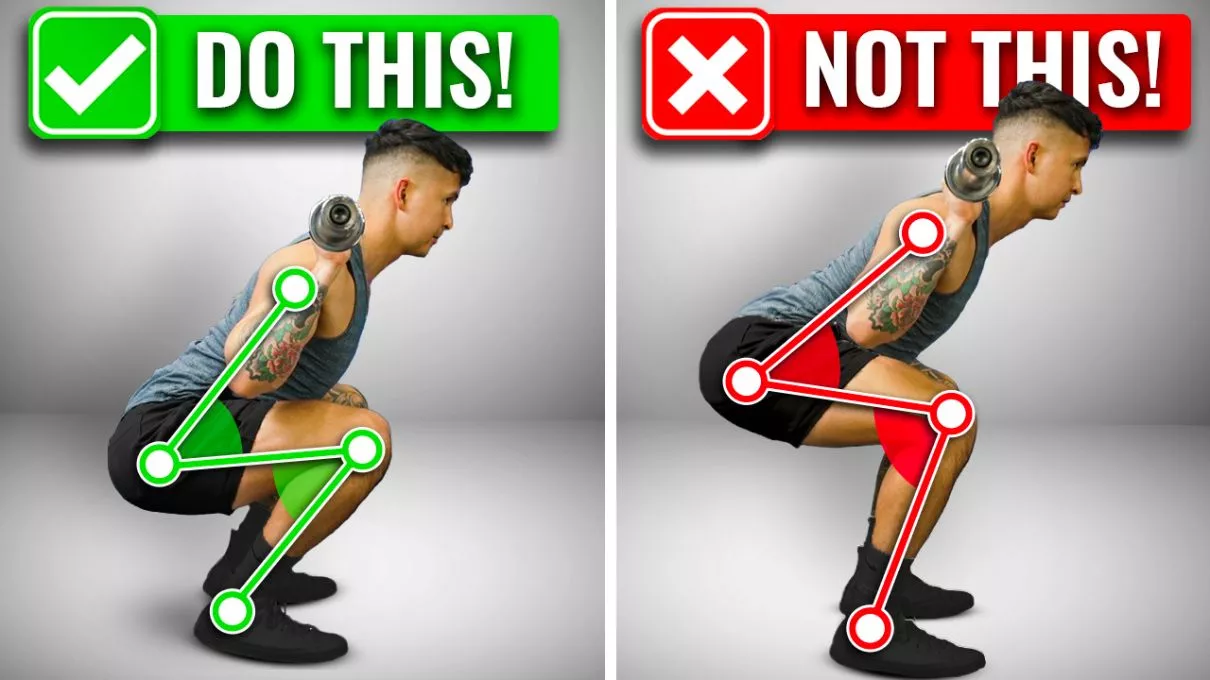
Squats: Stand with feet shoulder-width apart. Bend your knees and lower yourself as if you were sitting in a chair. Keep your chest up and knees over toes. Push back up. This works legs, glutes, and core (Refinery29, 2020).
Lunges: Step forward with one foot. Lower until both knees are bent at 90 degrees. Push back to start. Alternate legs. This exercise is beneficial for enhancing balance and building leg strength (Kong, 2024).
Push-ups: Start on your hands and toes or on your knees. Lower your chest to the ground, then push up. This hits the chest, arms, and shoulders. Modify by using a wall if needed (Magnus Method, 2023).
Rows: Use a machine or dumbbells. Pull weights toward your body, squeezing your shoulder blades. This exercise enhances back strength and improves posture (Planet Fitness, n.d.b).
Planks: Hold a push-up position on forearms. Keep your body straight. Hold for 20-30 seconds. Strengthens core for stability (Quora, n.d.).
Do three sets of 8-12 reps for each, except planks, which are timed. Rest 60 seconds between sets. Warm up with 5 minutes of light walking first.
Sample Weekly Routine
A three-day plan works well for beginners. Space days out, like Monday, Wednesday, and Friday. This gives time to rest. Each session lasts 30-45 minutes.
Day 1: Full Body Strength Focus
Warm-up: 5 min treadmill walk.
Squats: 3 sets of 10 reps.
Push-ups: 3 sets of 8 reps.
Rows: 3 sets of 10 reps.
Planks: 3 holds of 30 seconds.
Cool-down: Stretch legs and arms.
Day 2: Rest or Light Cardio
Walk or bike for 20 minutes at an easy pace.
Day 3: Lower Body Emphasis
Warm-up: 5 min elliptical.
Lunges: 3 sets of 10 per leg.
Glute bridges: 3 sets of 12.
Calf raises: 3 sets of 15.
Planks: 3 holds of 30 seconds.
This builds on basics. As you get better, add weights (Under Armour, n.d.). Track your progress in a notebook.
Adding Cardio for Endurance
Cardio is key for heart health and stamina. For beginners, start low-impact. Use machines like a treadmill or a rower. Aim for 15–20 minutes after strength training. Walk at a 5-8% incline on a treadmill to build legs without running (Kong, 2024). This burns calories and boosts recovery.
Mix it in: Do cardio on off days or at the end of your workout. Things like jumping jacks or brisk walking work too. Cardio helps with overall fitness, but do not overdo it. Too much can tire you out.
The Role of Integrative Chiropractic Care
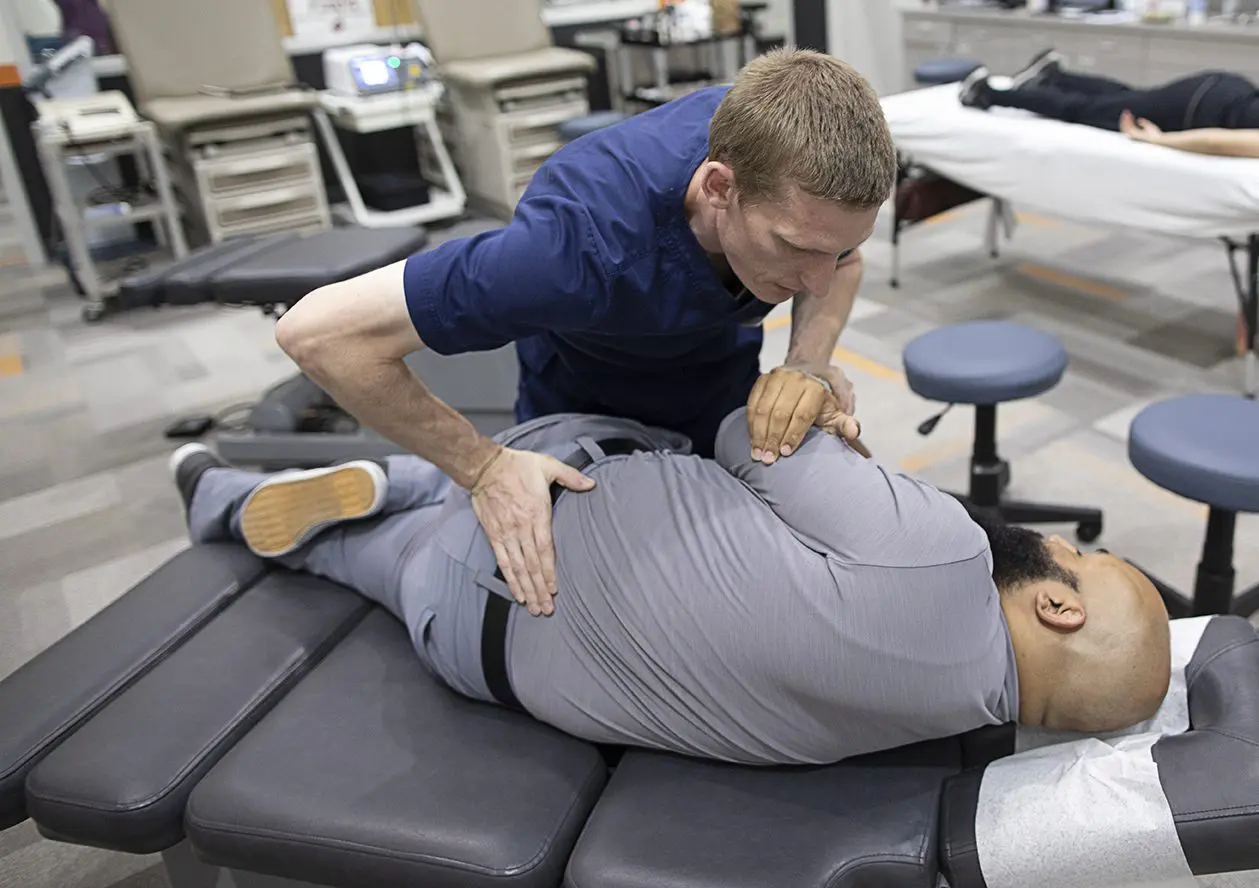
Integrative chiropractic care is more than just spinal cracks. It looks at the whole body. Dr. Alexander Jimenez, a chiropractor with over 30 years of experience, notes it helps with injury prevention and better movement (Jimenez, n.d.a). He combines adjustments with exercises and nutrition.
For beginners, it identifies hidden issues such as muscle imbalances. These can lead to injuries if ignored. Adjustments fix joint problems, improving the range of motion. This lets you do exercises with better form (Pushasrx, n.d.).
Dr. Jimenez observes that chiropractic boosts nerve function. This helps muscles adapt faster and cuts pain. In his clinic, he uses functional assessments to identify weaknesses early (Jimenez, n.d.b). For sports training, it keeps you going without breaks.
Benefits of Chiropractic for Gym Beginners
Chiropractic makes starting safer. Here are key perks:
Injury Prevention: Spots imbalances before they hurt. Fixes tight muscles or stiff joints (Atlas Total Health, 2022).
Better Mobility: Improves joint range. It helps with squats or lunges without causing strain (Elevate to Life, 2023).
Faster Recovery: Uses soft-tissue work and exercises to help you heal more quickly. It also helps reduce soreness after workouts (Team Elite Chiropractic, 2022).
Dr. Jimenez stresses holistic care. He integrates chiropractic care with fitness, such as HIIT, to build strength. This prevents chronic issues and boosts performance (Jimenez, n.d.a).
When to Get Chiropractic Adjustments
Timing matters. Get adjusted before workouts to optimize nerve and muscle function. This prevents strain. After workouts, it aids recovery by reducing inflammation (Atlas Total Health, 2022). Dr. Jimenez recommends regular visits for long-term health.
Do at-home exercises too. Things like glute bridges or cat-cow stretches support treatment (Elevate to Life, 2023). These speed healing and keep balance.
Recovery Tips to Stay Injury-Free
Recovery is as important as working out. Add these to your routine:
Stretching: Do dynamic stretches before and static stretches after. This practice enhances your flexibility, according to 10 Fitness (n.d.).
Rest Days: Allow muscles to grow. Walk lightly if active rest.
Corrective Exercises: Fix imbalances. Hip openers or spine mobilizations prevent injury (Asheville Medical Massage, 2025).
Nutrition and Sleep: Eat protein-rich foods. Sleep 7-9 hours for repair (Squatwolf, n.d.).
If injured, stay fit with low-impact activities like swimming. Balance activity to heal (RP3 Rowing, n.d.). Chiropractic helps here, too, per Dr. Jimenez.
Putting It All Together
A good beginner workout at a sports training gym mixes strength, cardio, and care. Start with compounds three times a week. Add chiropractic for safety. Dr. Jimenez’s work shows this approach builds a strong, injury-free base (Jimenez, n.d.b). Stay consistent, listen to your body, and progress slowly. This makes fitness fun and lasting.
How Integrative Chiropractic Care Prevents Future Injuries in Athletes Using Functional Movement Assessments
Sports: an athlete is in action on the field, ready to hit the ball during the game.
Athletes often push their bodies hard during training and competition. Small problems can build up over time and turn into painful injuries that force time off from sports. To catch these issues early, many athletes now ask for functional movement assessments as part of integrative chiropractic care. This method spots hidden imbalances like muscle tightness, weak spots, or stiff joints before pain starts. By addressing these problems with adjustments, soft-tissue work, and targeted exercises, practitioners help athletes stay healthy, move better, and avoid overuse injuries.
Functional movement assessments check how the body moves during everyday and sport-specific actions. These tests look at mobility, stability, balance, and coordination. Common movements include squats, lunges, reaching overhead, or stepping in different directions. The goal is to find areas where the body does not move smoothly or evenly. Even if nothing hurts yet, these assessments reveal subclinical imbalances—small issues that do not cause pain right away but can lead to bigger problems later.
Early detection of poor posture or uneven weight distribution
Spotting a limited range of motion in the hips, shoulders, or ankles
Identifying weak core or glute muscles that affect overall stability
Noting tight muscles that pull joints out of proper alignment
Integrative chiropractic care
Integrative chiropractic care combines spinal adjustments, soft-tissue therapies, and corrective exercises to effectively address these findings. Gentle adjustments move joints back into better positions, improving nerve signals and reducing pressure on surrounding tissues. Soft tissue work, such as massage or instrument-assisted techniques, loosens tight muscles and breaks up scar tissue. Corrective exercises then build strength and teach proper movement patterns. Together, these steps enhance nervous system function, optimize biomechanics, and stop the body from developing harmful compensation patterns.
The nervous system controls every muscle movement. When the spine or joints are misaligned, nerve messages can get disrupted. This leads to weaker muscle coordination or slower reaction times. Chiropractic adjustments help restore clear nerve pathways, so muscles fire at the right time and with the right force. Better biomechanics means joints move through their full, natural range without extra stress. This reduces wear and tear on knees, hips, shoulders, and the lower back.
Compensation patterns occur when one part of the body works harder to compensate for a weakness elsewhere. For example, tight hip flexors or a tilted pelvis in runners can cause the knees to track incorrectly, leading to pain or stress fractures over time. Faulty shoulder mechanics in swimmers or weightlifters can overload the rotator cuff. Integrative care addresses these root causes rather than just treating symptoms later.
Common subclinical imbalances identified through functional movement assessments include:
Muscle tension in the lower back or hamstrings that limits forward bending
Weak glute muscles that fail to stabilize the pelvis during running or jumping
Joint restrictions in the ankles that change walking or landing mechanics
Uneven shoulder mobility that affects throwing or overhead lifting
Poor core stability causes excessive arching in the lower back during lifts
By addressing these early, athletes lower their injury risk and maintain consistent training. Regular care also speeds recovery if minor issues arise, resulting in less downtime overall.
Practitioners often start with a thorough history and physical exam. They watch the athlete perform key movements and note any asymmetries or compensations. Based on the results, they create a personalized plan. Spinal adjustments realign the vertebrae to take pressure off nerves. Soft tissue therapies release tight fascia and muscles. Then, corrective exercises strengthen weak areas and retrain proper form. Over time, these steps improve balance, coordination, flexibility, and power output.
Key benefits of combining functional movement assessments with integrative chiropractic care:
Reduced chance of sprains, strains, tendonitis, and stress fractures
Improved joint mobility and muscle flexibility for better performance
Faster reaction times and coordination through better nerve function
Less inflammation and quicker recovery between workouts
Longer sports careers by preventing chronic overuse problems
Runners frequently show pelvic imbalances that tilt the hips and strain the iliotibial band or shins. Chiropractic adjustments and exercises that strengthen the glutes and core help keep the pelvis level, improving stride efficiency and cutting injury risk. Weightlifters with restricted shoulder mobility may compensate by excessively arching their backs, which can lead to low-back strain. Targeted soft tissue work and mobility drills correct this pattern before pain develops.
Football players and other contact-sport athletes benefit from regular checks of spinal alignment to better handle impacts. Swimmers gain from improved shoulder mechanics that prevent rotator cuff irritation. Weekend warriors who lift weights or cycle also see gains in endurance and reduced soreness. The approach works for athletes of all levels because it focuses on the root causes rather than waiting for symptoms.
Dr. Alexander Jimenez, DC, APRN, FNP-BC, brings valuable clinical observations to this field. As a chiropractor and board-certified family nurse practitioner with certifications in functional medicine, he emphasizes non-invasive, root-cause approaches. His work highlights how chiropractic adjustments, combined with functional assessments of mobility and biomechanics, help treat sports injuries, sciatica, and musculoskeletal imbalances. Dr. Jimenez observes that addressing nerve compression, inflammation, and movement dysfunction early—through adjustments, nutrition support, and tailored rehabilitation—enhances recovery and prevents recurrence in athletes and active individuals. His integrative practice in El Paso integrates chiropractic care with functional medicine to optimize performance, reduce chronic pain, and support long-term wellness.
This holistic view aligns with broader chiropractic principles that view the body as interconnected. When one area is restricted, it affects the whole kinetic chain. Integrative care breaks that cycle by restoring proper alignment and teaching sustainable movement habits.
Additional advantages athletes notice include:
Better posture during daily activities and sports
Enhanced proprioception (body awareness) for safer landings and cuts
Decreased muscle fatigue during long training sessions
Greater overall strength and power from efficient mechanics
Support for mental focus through reduced nagging discomfort
Preventing injuries this way also saves time and money by avoiding expensive treatments or missed competitions later. Many athletes report feeling stronger, more balanced, and more confident in their movements after consistent care.
To maintain results, athletes typically schedule regular visits. Frequency depends on training intensity, sport demands, and individual findings. Some come weekly during heavy training periods, while others maintain monthly check-ins. Between visits, they perform prescribed exercises at home or in the gym to reinforce new patterns.
Education plays a big role, too. Chiropractors teach proper warm-up routines, cool-down stretches, and body mechanics for specific sports. Nutritional guidance can sometimes complement care to support tissue repair and reduce inflammation. Collaboration with coaches, physical therapists, or trainers creates a complete support team.
In summary, functional movement assessments allow integrative chiropractic care to identify subclinical imbalances long before pain appears. Adjustments restore joint function, soft tissue therapies release restrictions, and corrective exercises build resilience. This combination enhances nervous system communication, optimizes biomechanics, and prevents compensation patterns that cause overuse injuries. Athletes—from runners dealing with pelvic tilts to lifters correcting shoulder mechanics—benefit by training more consistently, performing at higher levels, and enjoying longer, healthier careers. By addressing small issues proactively, this approach helps athletes stay in the game without painful interruptions.
Back Extension Machine (Roman Chair) Training for a Stronger Back
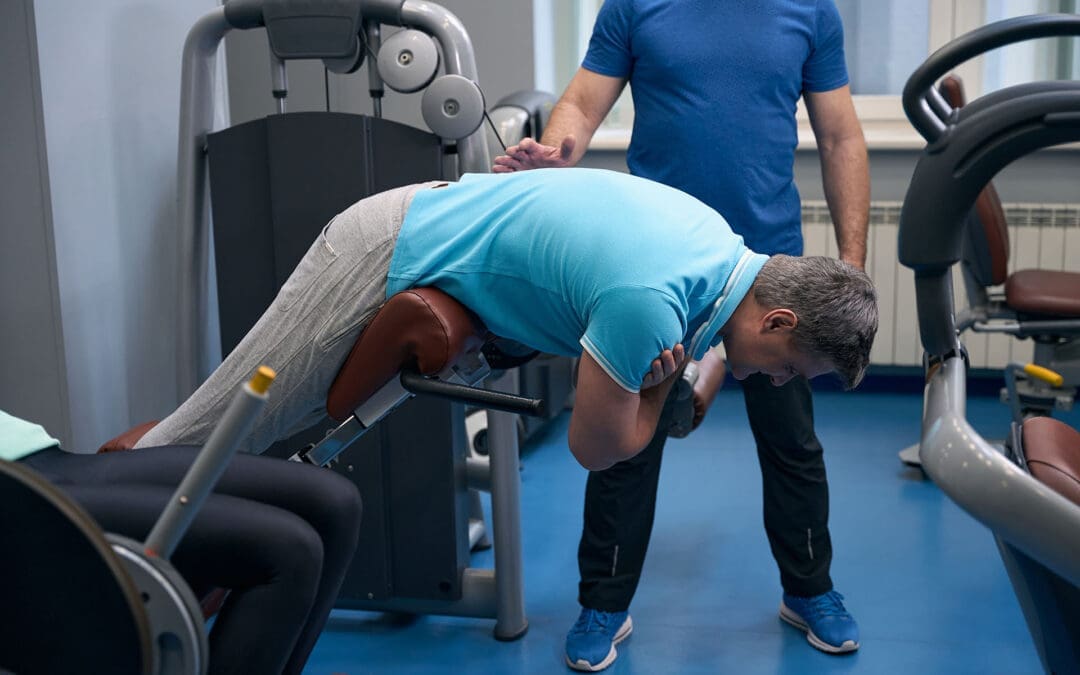
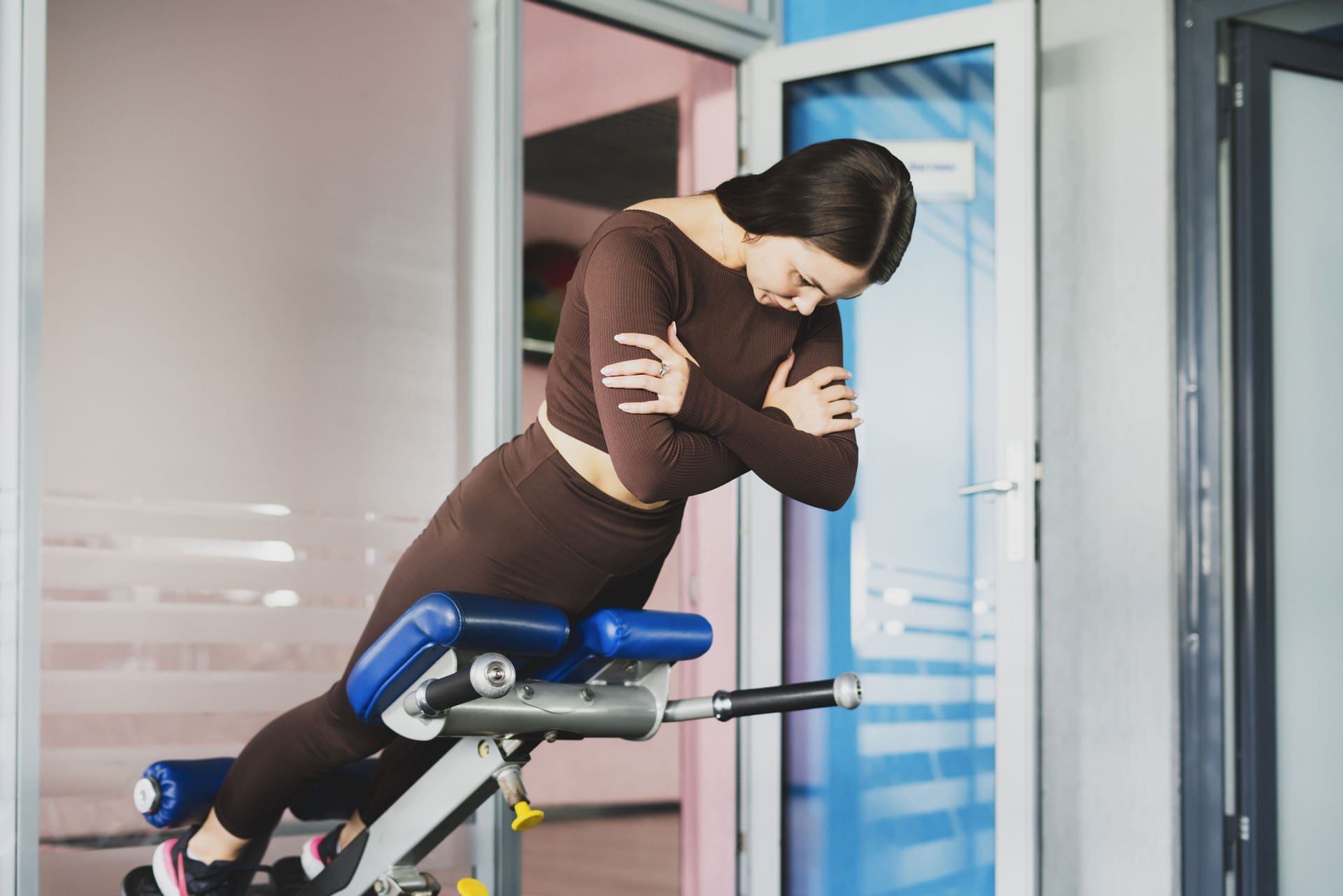
A woman engages in back extension exercises to strengthen back muscles, improve core stability, and relieve chronic back pain.
A practical, El Paso Back Clinic–style guide to core stability, safer form, and pain prevention
If you’ve ever used a back extension machine—also called a hyperextension bench or Roman chair—you already know it looks simple. You lock your feet, rest your hips on the pad, and hinge forward and back up.
But the best results come from how you do it.
At El Paso Back Clinic, the goal is not just “stronger muscles.” It’s a smarter plan that supports spine stability, hip power, and better movement habits—especially for people who deal with recurring low back tightness, desk-related stiffness, or training-related flare-ups. Dr. Alexander Jimenez, DC, APRN, FNP-BC, often emphasizes that many back problems improve when you combine movement quality, targeted strengthening, and a whole-person plan (Jimenez, n.d.-a; Jimenez, n.d.-b).
This article explains:
what the back extension machine actually trains,
how to set it up correctly,
how to avoid the common mistakes that irritate backs,
and how integrative care (chiropractic + NP-style whole-body support) fits into a complete plan.
What the Back Extension Machine Trains (and Why It Matters)
Back extensions are a posterior chain exercise. That means they train the muscles on the back side of your body, including:
Erector spinae (spinal extensor muscles that help you stay upright) (MasterClass, 2021).
Glutes (hip extension power and pelvic support) (MasterClass, 2021).
Hamstrings (help control the lowering phase and assist hip extension) (MasterClass, 2021).
Deep core stabilizers (the “bracing” muscles that keep the spine steady while the hips move) (WebMD, 2024).
This is important because many people think “core” means only the abs. In real life, core stability is about the ability to resist unwanted motion and control the spine while the hips move.
A back extension machine helps train that pattern if you do it as a hip hinge, not as a “low back bend.” (More on that below.)
Roman Chair vs. Back Extension Machine: Same Goal, Different Feel
You’ll see a few styles:
45-degree hyperextension bench (most common “Roman chair” style)
90-degree Roman chair (more upright)
Seated back extension machine (you sit and extend backward against resistance)
Verywell Fit notes that these machines are often grouped together because they train similar movement patterns and posterior chain muscles, even though the setup and feel can differ (Verywell Fit, 2025).
If you’re choosing equipment for home or clinic use, adjustability matters. Many benches are built to adjust pad position and angle so different body types can hinge correctly (Valor Fitness, n.d.).
Step 1: Set Up the Machine Correctly (This Is Where Most People Go Wrong)
Before you do a single rep, take 30 seconds to set it up.
The best setup checkpoints
Hip pad position: The pad should sit around your hip crease (where your hips fold). If it’s too high, you can’t hinge well. If it’s too low, you may feel unstable (WebMD, 2024).
Feet locked in: Your heels and feet should feel secure in the restraints (WebMD, 2024).
Top position posture: At the top, you want a straight line from head to hips—not a “lean back” pose (MasterClass, 2021).
Quick self-test
If you feel the movement mostly in your low back joints (pinchy or compressed) rather than in your glutes/hamstrings, your setup or technique needs adjustment.
Step 2: Use the Right Form (Neutral Spine + Hip Hinge)
A safer back extension is controlled and clean. The spine stays neutral, and the movement comes mostly from the hips.
How to do it (simple steps)
Brace first: Take a breath and tighten your midsection like you’re preparing to be lightly bumped.
Hinge down: Push your hips back and lower your chest slowly. Keep your neck neutral.
Drive up: Squeeze glutes and hamstrings to lift your torso back up.
Stop at neutral: Finish tall and braced. Do not crank into hyperextension (MasterClass, 2021; WebMD, 2024).
Good cues that help
“Hips back, not ribs up.”
“Move like a hinge, not a bendy straw.”
“Glutes finish the rep.”
Chuze Fitness also describes back extensions as a way to work against gravity and build strength in a simple, repeatable pattern, with the option to progress by adding load later (Chuze Fitness, n.d.-a).
The #1 Mistake: Hyperextending at the Top
One of the biggest errors is leaning back too far at the top. People do it to “feel” the lower back more, but it often adds compression where you don’t want it.
What you want instead: a neutral, stacked finish.
Ribs down
Glutes tight
Spine tall
No “backward bend” finish (MasterClass, 2021).
If you can’t stop at neutral, reduce the range of motion and slow the tempo.
Another Common Mistake: Turning It Into a Low-Back Exercise Only
Back extensions are often taught as if they only train the lower back. In reality, they work best when the hips do the job and the trunk stays braced.
A helpful way to think:
The hips create motion
The spine controls motion
That is a big reason back extensions can be useful for stability—when done correctly (WebMD, 2024).
Reps and Sets: Simple Programming That Works
The “right” plan depends on your goal and your history.
Beginner (control first)
2–3 sets of 8–12 reps
Bodyweight only
Slow lowering (2–3 seconds down)
General strength and pain prevention
3 sets of 10–15 reps
Add light load only if form stays clean (Chuze Fitness, n.d.-a).
Stronger posterior chain (experienced lifters)
3–5 sets of 6–10 reps
More rest
Still stop at neutral (no hyperextension)
Rule: load is earned by control.
Verywell Fit’s equipment review also highlights that comfort, stability, and fit matter for consistent training—especially for people using these tools as part of a back-strengthening routine (Verywell Fit, 2025).
Safer Progressions (If Your Back Is Sensitive)
If your back flares easily, you can still train the posterior chain—you just need smarter progressions.
Options that tend to be more back-friendly:
Shorter-range back extensions (only move where you can stay neutral)
Isometric holds at neutral (hold 10–20 seconds)
Lower load, slower tempo
Add glute-focused assistance work (like bridges) alongside back extensions
At El Paso Back Clinic, Dr. Jimenez often frames strengthening as part of a bigger plan: improve mechanics, build tolerance, and progress gradually based on the person’s symptoms and daily demands (Jimenez, n.d.-a; Jimenez, n.d.-c).
When to Pause and Get Checked (Red Flags)
Back extension training should feel like muscular effort, not nerve pain.
Stop and seek professional guidance if you have:
Pain shooting down the leg
Numbness or tingling
Weakness in the foot/leg
Pain that worsens over time with extension-based movements
WebMD also encourages careful form and smart choices when using back extensions, especially when they’re used for “back health” rather than just bodybuilding (WebMD, 2024).
How This Fits the El Paso Back Clinic Approach: Strength + Mobility + Whole-Person Support
Many people try one thing:
“I’ll just strengthen my back.”
Or:
“I’ll just stretch more.”
Or:
“I’ll just get adjusted.”
But most lasting results come from combining the right tools in the right order.
Chiropractic care to improve mechanics
Chiropractic-focused care often aims to:
improve joint motion where stiffness limits your hinge,
reduce irritation that changes how you move,
and help you restore better spinal and pelvic mechanics.
El Paso Back Clinic content emphasizes a whole-body view of pain and function, including movement habits and multi-step plans (Jimenez, n.d.-c).
Exercise to build stability and strength
Once movement is cleaner, exercises like the Roman chair can help you:
reinforce a strong hinge,
strengthen posterior chain muscles,
and build stability that carries into work, lifting, and sports (MasterClass, 2021).
Nurse practitioner support to address barriers to recovery
NP-style integrative support often helps by addressing factors that keep people “stuck,” such as:
sleep quality,
stress load,
inflammation drivers,
safe pain management planning (when appropriate),
and screening for problems that need further testing or referral.
In short: your back isn’t separate from the rest of you.
A Simple 3-Phase Plan You Can Follow
Here is a practical approach that matches how many integrative clinics structure back-pain recovery and performance.
Phase 1: Calm things down and restore motion (1–2 weeks)
Gentle mobility (hips + mid-back)
Light back extensions with short range
Walk daily if tolerated
Focus on bracing and hinge control
Phase 2: Build capacity (3–6 weeks)
Back extensions: 2–3 days/week
Add glute and hamstring work
Add core stability work
Slowly add reps before adding load
Phase 3: Build real-world resilience (ongoing)
Add load gradually (only if neutral form is automatic)
Transfer strength into squats, hinges, and carries
Keep a weekly routine of mobility + stability work
This kind of integrated plan—adjustments plus exercise and habit change—is also described in chiropractic-focused integration articles discussing the value of combining care approaches to improve outcomes (OPTMZ State, 2026).
Key Takeaways
The back extension machine is best used as a hip-hinge strength tool, not a “bend your spine” tool (MasterClass, 2021).
Proper setup (hip pad alignment + stable feet) helps you move safely (WebMD, 2024).
Avoid the big mistake: hyperextending at the top. Stop at neutral.
Strong results often come from a full plan: chiropractic mechanics + targeted exercise + whole-person support, a theme repeated across El Paso Back Clinic education from Dr. Jimenez (Jimenez, n.d.-a; Jimenez, n.d.-c).
Fun Ways to Stay Active: Alternatives to Boring Workouts for Better Health
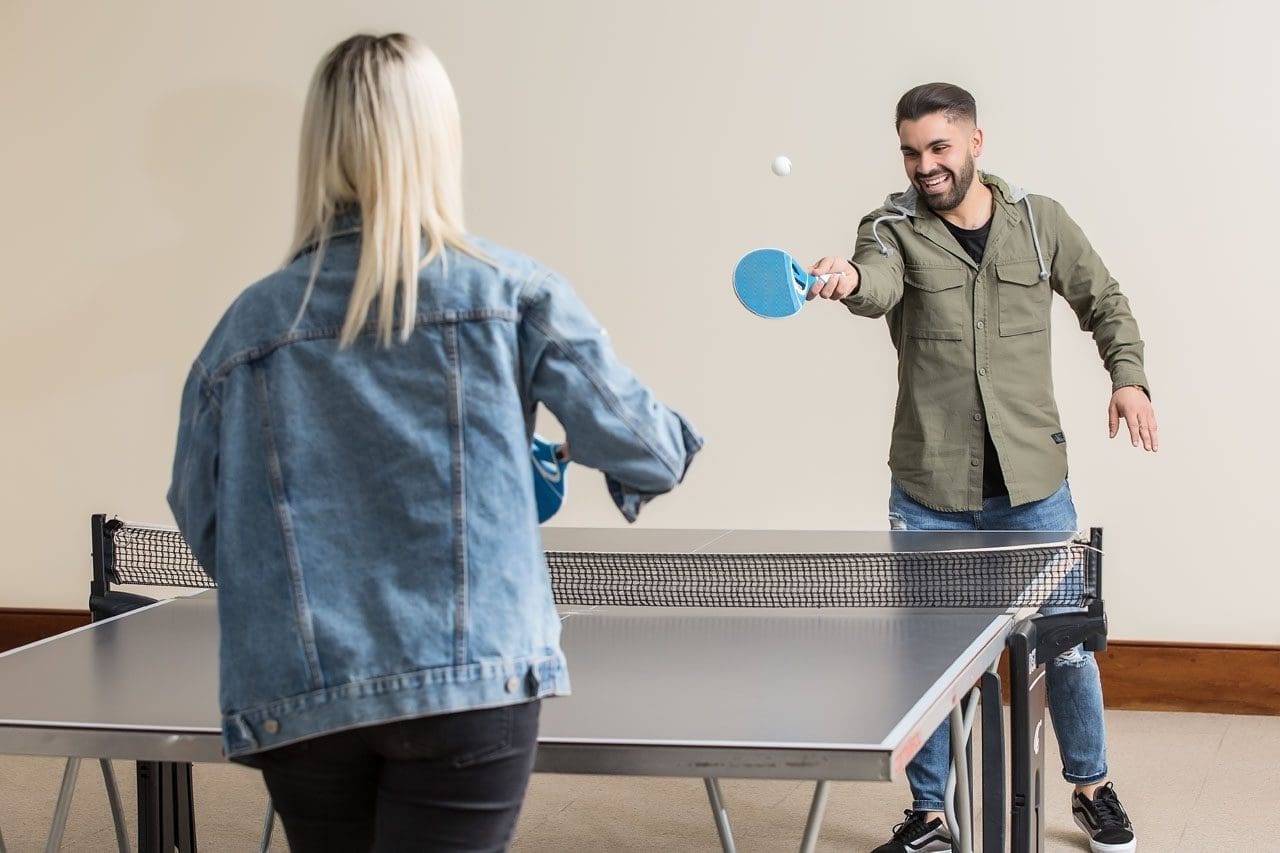
Friends play table tennis as a way to start making fitness fun and as a doable health goal.
Many people start the new year with big fitness goals. They promise to hit the gym every day or run miles each week. But often, these plans fall apart quickly. Life gets busy, motivation fades, and suddenly, exercise feels like a chore. If this sounds like you, don’t worry. Giving up on strict resolutions doesn’t mean giving up on health. Instead, shift to activities that feel more like play than work. Fun sports and easy movements can keep you moving without the dread of traditional workouts. This approach makes staying active sustainable and enjoyable, leading to better long-term habits (Bayou Bend Health System, n.d.).
Research shows that making physical activity fun boosts your chances of sticking with it. For example, choosing things you enjoy turns exercise into a hobby. This can improve your mood, reduce stress, and even help with weight management. Health experts recommend at least 150 minutes of moderate activity per week for adults, but it doesn’t have to be in a gym (NHS, n.d.). Simple swaps like walking in nature or dancing to music can meet these goals while feeling effortless.
In this article, we’ll explore ways to restart your fitness journey with joy. We’ll cover fun sports, social options, and relaxing practices. We’ll also discuss low-impact choices for those who struggle with standard routines. Plus, learn how professionals like integrative chiropractors and nurse practitioners can guide you. Drawing from expert insights, including clinical observations from Dr. Alexander Jimenez, DC, APRN, FNP-BC, this guide offers practical tips to get back on track.
Restarting After a Failed New Year’s Resolution
If your resolution crashed early, it’s time for a fresh start. The key is picking activities that excite you. Fun, easy sports like hiking, dancing, swimming, or biking can make movement feel rewarding. These options build fitness without the pressure of sets and reps.
Hiking: Head to a trail for fresh air and views. It’s a great way to explore while getting your heart rate up. Start with short paths and build up. Hiking strengthens legs and improves balance, all while enjoying nature (MultiCare Clinic, n.d.).
Dancing: Put on your favorite tunes and move freely. Whether alone or in a class, dancing boosts cardio and coordination. It’s low-pressure and can burn calories without feeling like exercise (Whispering Oaks Senior Living, n.d.).
Swimming: Water supports your body, making it gentle on joints. Swim laps or just splash around for fun. It’s ideal for all ages and helps with endurance (Vista Springs Living, n.d.).
Biking: Ride a bike around your neighborhood or on paths. It’s easy to adjust speed and distance. Biking tones muscles and can be a social outing (Blue Cross NC, n.d.).
These activities trick your brain into thinking you’re playing, not working out. Studies support this: enjoyable exercise leads to better adherence and health outcomes (Exercise is Medicine, n.d.).
Beyond solo sports, join social activities to add fun. Pickleball, tennis, or team sports bring people together, making commitment easier.
Pickleball: A mix of tennis and ping-pong, it’s easy to learn and play. Courts are popping up everywhere, and it’s great for quick games with friends (Nerd Fitness, n.d.).
Tennis: Hit the court for rallies that improve agility. Doubles makes it less intense and more chatty (Athlean-X, n.d.).
Team Sports: Join a recreational league for soccer, basketball, or volleyball. The group vibe keeps you motivated, and games feel like events, not drills (Quora, n.d.).
Social exercise can reduce feelings of isolation while building strength. One study notes that group activities enhance mental health alongside physical benefits (Reddit, n.d.).
For a calmer approach, try mind-body practices like yoga or Tai Chi. These are low-impact and focus on relaxation.
Yoga: Gentle poses improve flexibility and reduce stress. Start with beginner videos at home. It helps with breathing and mindfulness (Piedmont Wellness Center, n.d.).
Tai Chi: Slow, flowing movements build balance and calm the mind. It’s perfect for easing into activity without strain (Care Insurance, n.d.).
These practices are adaptable for any fitness level. They promote relaxation, which can lower blood pressure and improve sleep (NHLBI, n.d.).
To build habits, start small. Aim for 10–15 minute sessions a few times a week. Gradually increase as you gain confidence. This prevents burnout and lets your body adjust (Bayou Bend Health System, n.d.). Track progress in a journal to see improvements, like feeling more energetic.
Options for Those Who Dislike Traditional Workouts
Not everyone loves the gym or running. If weights and treadmills bore you, low-impact or sociable sports offer alternatives. These keep you active without the monotony, focusing on enjoyment and variety.
Swimming and biking stand out as low-impact favorites. Swimming provides a full-body workout in a supportive environment, reducing joint stress (Seniors Helping Seniors, n.d.). Biking lets you control the pace, making it accessible for beginners (MultiCare Clinic, n.d.).
Hiking and dancing add adventure. Hiking varies with terrain, keeping things interesting, while dancing lets you express yourself creatively (Blue Cross NC, n.d.; Whispering Oaks Senior Living, n.d.).
For a challenge, try rock climbing. It’s low-impact but builds strength and problem-solving skills. You can start indoors at a gym with easy walls (The Telegraph, n.d.).
Joining a recreational sports league brings community. Options like softball or ultimate frisbee emphasize fun over competition (Nerd Fitness, n.d.).
Benefits of These Activities:
More engaging than repetitive workouts.
Build social connections.
Adaptable to your energy level.
Improve mood through endorphins (Sanguina, n.d.).
These choices make the activity feel natural. For instance, walking briskly counts as exercise and can be done anywhere (Quora, n.d.). Or jump rope for short bursts—it’s simple and effective for cardio (MCU, n.d.).
If mobility is an issue, modify exercises. Chair-based routines or water aerobics allow movement without strain (ParentGiving, n.d.; Care.com, n.d.). The goal is consistency over intensity.
Experts agree: low-impact options like these support heart health and flexibility, especially for those with limits (Gaddis Premier, n.d.; Prairie Hills at Independence, n.d.).
How Integrative Professionals Can Help
When starting or restarting activity, professional guidance ensures safety. Integrative chiropractors and nurse practitioners offer tailored care, especially if you have physical limits.
Integrative chiropractors focus on the whole body. They use adjustments to align the spine, reducing pain and improving movement. This holistic approach addresses root causes rather than just symptoms (Integral Chiropractic, n.d.; Impastato Chiropractic, n.d.).
For example, if joint pain stops you from hiking, a chiropractor can ease stiffness through manipulations and exercises (Elysian Wellness Centre, n.d.; De Integrative Healthcare, n.d.). They often include nutrition and lifestyle advice for better results (AFP Fitness, n.d.; Together4Health Wellness, n.d.).
Nurse practitioners add medical expertise. They assess your health and create plans that address limits, such as suggesting low-impact swimming for arthritis (Buckner Parkway Place, n.d.; Cor Health Ontario, n.d.).
Together, these pros provide personalized care. They work with your abilities to help you enjoy activities again (Wellness Center FW, n.d.; Fortitude Health, n.d.).
Dr. Alexander Jimenez, DC, APRN, FNP-BC, embodies this integrated approach. With over 30 years in practice, he combines chiropractic and nursing for comprehensive care. His clinical observations highlight non-invasive methods for pain management and mobility.
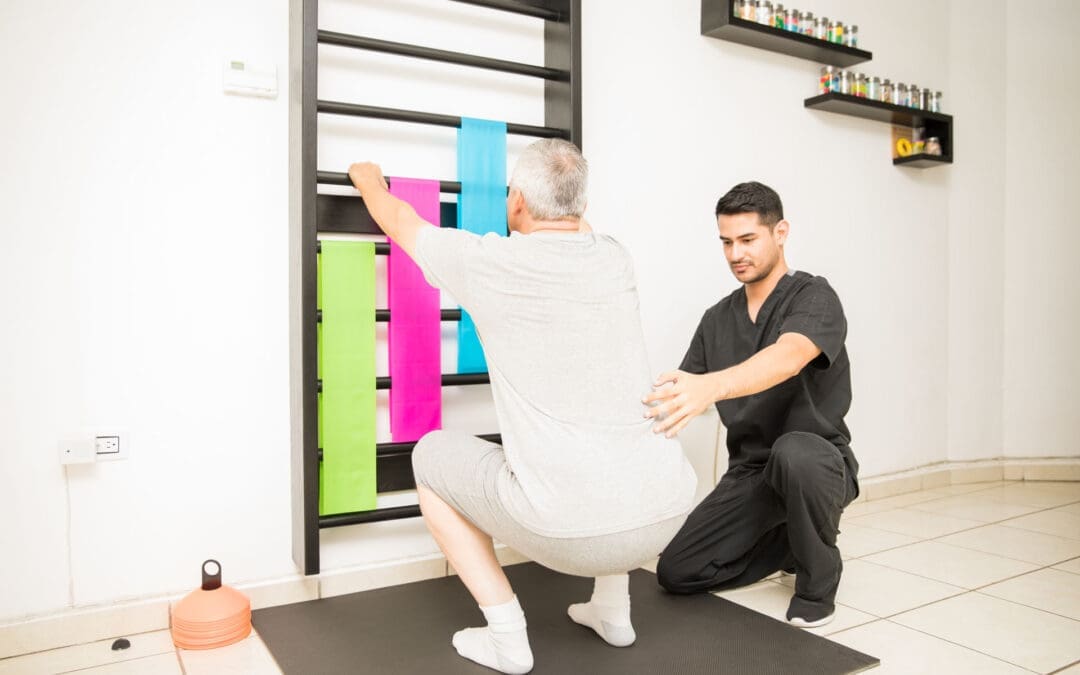
In his work, Dr. Jimenez notes that tailored programs, like resistance band exercises, strengthen muscles without high impact. This helps people with injuries return to fun activities like biking or dancing. He emphasizes flexibility for joint health, noting that restricted movement can lead to pain, but gentle practices like yoga can restore it.
On LinkedIn, Dr. Jimenez shares insights on sciatica and back pain, recommending core exercises like modified squats for those with limitations. He advocates stretching to prevent stiffness, noting, “If you don’t stretch, your body ‘pays interest'” in reduced mobility.
His practice includes functional medicine, addressing nutrition and the environment for wellness. For example, he uses assessments to create plans that fit patients’ lifestyles, helping them stay active despite chronic conditions (All Injury Rehab, n.d.; Motus Integrative Health, n.d.).
How They Help:
Assess limits and set realistic goals.
Provide exercises like water aerobics for joint relief (Activ Therapy, n.d.).
Offer advice on enjoyable activities to build habits (Nepute Wellness Center, n.d.).
Monitor progress to adjust plans.
This support makes returning to movement less daunting. Integrative care focuses on harmony in physical, mental, and emotional health (Wellness Center FW, n.d.).
Wrapping Up: Make Movement Joyful
Staying active doesn’t require grueling workouts. By choosing fun options like hiking or yoga and seeking professional help when needed, you can rebuild habits. Remember Dr. Jimenez’s observation: personalized, holistic care unlocks better mobility. Start small, stay consistent, and enjoy the process. Your health will thank you.
Common Sports Injuries in El Paso and How El Paso Back Clinic Supports Full Recovery
Sports and physical activity are part of everyday life in El Paso. From running and weight training to football, soccer, and basketball, people of all ages stay active year-round. While this active lifestyle is healthy, it also leads to a high number of sports-related musculoskeletal injuries—especially when combined with the region’s heat, rough ground, and uneven terrain.
At El Paso Back Clinic, sports injury care focuses on restoring spinal alignment, joint mobility, muscle balance, and overall movement quality. When chiropractic care is combined with nurse practitioner (NP) support, athletes receive complete, coordinated care that promotes healing, performance, and long-term injury prevention.
Clinical observations from Dr. Alexander Jimenez, DC, APRN, FNP-BC, show that athletes recover more efficiently when spine health, joint mechanics, muscle function, and medical oversight are addressed together rather than separately.
Why Sports Injuries Are So Common in El Paso
El Paso presents unique physical challenges for athletes and active individuals. The environment itself can increase stress on the musculoskeletal system.
Common contributing factors include:
High temperatures, which increase fatigue and dehydration
Hard and uneven surfaces, stressing feet, ankles, knees, and hips
Year-round activity, limiting rest and recovery
High-impact sports, such as football and basketball
Repetitive movement patterns, common in running and training
When the spine and joints are not moving properly, the body compensates. Over time, these compensations increase injury risk and slow healing (NIAMS, n.d.).
Common Sports-Related Musculoskeletal Injuries Seen in El Paso
Sprains and Strains
Sprains and strains are among the most frequently treated injuries at El Paso Back Clinic.
Sprains affect ligaments
Strains affect muscles or tendons
Common areas include:
Ankles
Knees
Hamstrings
Lower back
These injuries often occur during quick movements, twisting, jumping, or improper warm-ups (Orthospine Centers, n.d.).
Knee Injuries (ACL, Meniscus, Runner’s and Jumper’s Knee)
Knee injuries are especially common in sports that involve cutting, jumping, or sudden stops.
Typical knee problems include:
ACL tears
Meniscus tears
Patellar tendonitis (jumper’s knee)
Runner’s knee
Misalignment in the spine, hips, or feet can increase stress on the knee joint, making chiropractic care an important part of recovery (Spectrum Therapy Consultants, n.d.).
Tendonitis and Overuse Injuries
Tendonitis develops when tendons are repeatedly stressed without enough recovery.
Common forms include:
Tennis elbow
Golfer’s elbow
Achilles tendonitis
Patellar tendonitis
These injuries often worsen slowly and are common in athletes who push through pain (Woodlands Sports Medicine, n.d.).
Shin Splints and Stress Fractures
Lower-leg injuries are common in runners and field athletes.
These include:
Shin splints
Foot stress fractures
Tibial stress injuries
Hard surfaces, worn footwear, and poor biomechanics increase the risk of these injuries (CTX Foot & Ankle, n.d.).
Hip Labral Tears
Hip labral tears affect the cartilage that stabilizes the hip joint.
Common symptoms include:
Deep hip or groin pain
Clicking or locking sensations
Reduced range of motion
These injuries are common among athletes who frequently twist, pivot, or sprint (Texas Spine Clinic, n.d.).
Rotator Cuff and Shoulder Injuries
Shoulder injuries often occur in athletes who lift, throw, or absorb contact.
Common issues include:
Rotator cuff strains or tears
Shoulder impingement
Joint instability
Shoulder pain is often linked to spinal and postural imbalances that chiropractic care addresses (Marque Medical, n.d.).
Lower Back Pain and Sciatica
Lower back pain is one of the most common complaints among athletes.
Contributing factors include:
Muscle strain
Core weakness
Poor posture
Spinal joint restrictions
When spinal alignment is compromised, nerve irritation such as sciatica may occur (Marque Medical, n.d.).
How Chiropractic Care at El Paso Back Clinic Helps Sports Injuries
Chiropractic care at El Paso Back Clinic focuses on restoring proper motion to the spine and joints. This allows the nervous system, muscles, and joints to work together efficiently.
Improving alignment reduces stress on injured tissues and supports natural healing (Vista Hills Chiropractic, n.d.).
Benefits of Chiropractic Care for Athletes
Athletes receiving chiropractic care often experience:
Reduced pain and stiffness
Improved joint mobility
Better balance and coordination
Faster recovery times
Lower risk of repeat injuries
Clinical experience shows that addressing spinal alignment early improves outcomes across many sports injuries (Jimenez, n.d.).
The Role of Nurse Practitioners in Integrated Sports Injury Care
Nurse practitioners (NPs) play an important role in sports injury management by providing medical oversight and coordination of care.
NPs may assist by:
Performing initial evaluations
Ordering diagnostic imaging (X-ray, MRI)
Managing pain and inflammation
Coordinating physical therapy
Monitoring healing progress
This medical support ensures injuries are accurately diagnosed and treated safely (NIAMS, n.d.).
Functional and Preventive Approach to Recovery
NPs often use a functional approach that looks beyond the injured area.
This includes evaluating:
Movement patterns
Training load
Nutrition and hydration
Sleep and recovery habits
Inflammation levels
Addressing these factors helps athletes heal fully and return stronger.
Coordinated Care: Chiropractic, NP, and Rehabilitation
One of the strengths of El Paso Back Clinic is coordinated care. Chiropractic care and NP oversight work together with rehabilitation to create a clear recovery plan.
A coordinated plan may include:
Chiropractic adjustments for alignment
Rehabilitation exercises for strength and stability
Medical monitoring for healing progress
Gradual return-to-sport planning
This team-based approach improves outcomes and reduces setbacks (Southwest Chiropractors, n.d.).
PRP Therapy and Advanced Recovery Options
For certain injuries, platelet-rich plasma (PRP) therapy may be recommended.
PRP may support healing for:
Tendon injuries
Ligament sprains
Knee injuries
Early osteoarthritis
NPs evaluate whether PRP is appropriate and coordinate care alongside chiropractic treatment and rehabilitation (Desert Institute of Sports Medicine, n.d.).
Clinical Example: Knee Injury Recovery at El Paso Back Clinic
Based on clinical observations from Dr. Jimenez, a typical knee injury recovery plan may include:
NP evaluation to diagnose the injury
Imaging to assess ligament or cartilage damage
Chiropractic care to improve spinal, hip, and knee alignment
Rehabilitation exercises to restore strength and stability
PRP therapy, when appropriate
Performance monitoring to prevent re-injury
This integrated approach supports long-term joint health and athletic performance.
Preventing Future Sports Injuries
Prevention is a major focus at El Paso Back Clinic.
Key strategies include:
Proper warm-ups and mobility work
Strengthening core and stabilizing muscles
Maintaining hydration in hot conditions
Correcting posture and movement patterns
Allowing adequate recovery time
Chiropractic and NP care help identify small problems before they become serious injuries (Texas Children’s Hospital, n.d.).
Long-Term Benefits of Integrated Sports Injury Care
Athletes who receive integrated care often experience:
Faster recovery
Fewer recurring injuries
Improved flexibility and strength
Better overall performance
Greater confidence in movement
Treating the spine, joints, muscles, and nervous system together leads to a more complete recovery.
Conclusion
Sports injuries are common in El Paso due to the climate, terrain, and high levels of physical activity. Injuries such as sprains, strains, knee injuries, tendonitis, back pain, and stress fractures can limit performance if not treated properly.
At El Paso Back Clinic, chiropractic care restores alignment and mobility, while nurse practitioners provide diagnostics, medical oversight, and coordinated treatment options. Together, this approach supports full recovery, injury prevention, and long-term performance.
Clinical experience from Dr. Alexander Jimenez shows that athletes recover best when care focuses on the whole musculoskeletal system—not just the painful area.
Relieve Lower Back and Hip Pain with Squats, Core Exercises, and Chiropractic Care at El Paso Back Clinic®
Many people in El Paso suffer from lower back pain and hip discomfort due to daily activities, work demands, injuries, or long-term issues. These problems often stem from muscle strains, poor posture, tight hips or glutes, and weak supporting muscles. At El Paso Back Clinic® in El Paso, TX, we specialize in helping patients overcome these challenges through personalized chiropractic care, rehabilitation, and safe exercises.
Squats and core exercises, performed correctly, strengthen the muscles that support the spine, improve alignment, and enhance hip mobility. This reduces stress on the back during movement. They are effective for chronic low back pain, mild sciatica, and general aches from weak muscles. Proper form is essential—sharp pain, numbness, or weakness means you should seek professional evaluation first.
Strong Core + Chiropractic for Lower Back and Hip Pain Relief
The lower back and hips are closely connected through shared muscles, joints, and nerves. Tight hips or glutes can tug on the back, leading to strain. Weak core muscles cause spinal instability and poor posture, leading to chronic pain.
Muscle imbalances force the back to overcompensate in everyday tasks.
Reduced hip mobility leads to excessive forward leaning, stressing the lower back.
Problems in ankle or upper back mobility contribute further.
These factors can result in lumbar instability or pain radiating from the hips to the back.
How Squats Benefit Lower Back and Hip Conditions
Squats strengthen the legs, glutes, and core. With proper technique, they relieve pressure from the lower back.
Proper squats maintain a neutral spine and engaged core, providing stability and minimizing lumbar strain. Activating core and hip muscles during squats supports the spine, preventing excessive arching or rounding.
Squats also increase hip mobility. Tight hip flexors are a common cause of back pain during deeper squats. Improved flexibility allows the hips to function better, sparing the back from overload.
Builds glutes and legs for stronger spinal support.
Enhances blood flow and reduces inflammation in the area.
Aids mild pain that improves with gentle activity.
Research supports that the correct form reduces risks associated with squats.
Core Exercises: A Key to Back and Hip Relief
Core exercises focus on deep muscles in the abdomen, back, and pelvis, acting as a natural spinal brace.
Strong core muscles enhance posture and balance, easing the load on spinal discs and preventing persistent pain from inadequate support. Studies show core stability exercises effectively reduce non-specific low back pain and improve function.
Core training also supports hip pain by stabilizing the pelvis, which is beneficial for conditions like arthritis or glute tightness.
Planks and bird-dogs develop endurance in stabilizing muscles.
Pelvic tilts and bridges safely activate deep muscles.
Standing core activities help relieve pain from prolonged sitting.
Evidence indicates that core exercises often outperform general workouts in reducing pain.
Mastering Proper Form for Safe Squats and Core Work
Incorrect squat form is a leading cause of lower back pain. Frequent mistakes include back rounding, knee collapse, or excessive weight.
Safe squat guidelines:
Position feet shoulder-width apart, toes slightly turned out.
Engage your core as if bracing for impact.
Hinge at the hips, keep the chest high, and descend until the thighs are parallel to the ground.
Drive up through heels, maintaining a neutral spine.
For core exercises, prioritize controlled movement. Hold planks straight with tight abs—avoid dipping or arching.
Begin with bodyweight versions and always warm up to boost circulation and lower injury risk.
Pain during squats typically indicates a weak core, tight hips, or mobility deficits. Address these with targeted stretches and progressive loading.
When Exercises Are Helpful and When to Get Professional Care
Squats and core exercises support:
Chronic low back pain from muscle weakness.
Mild sciatica by decreasing nerve pressure.
Hip tightness referring pain to the back.
Posture-related daily discomfort.
They foster long-term resilience and prevent compensatory back strain. Halt immediately if experiencing severe pain, numbness, weakness, or loss of balance—these may indicate serious conditions such as a disc herniation.
Consult a provider before beginning, especially if you have pre-existing injuries.
Integrative Care at El Paso Back Clinic®
At El Paso Back Clinic®, Dr. Alexander Jimenez, DC, APRN, FNP-BC, leads a team that delivers comprehensive, integrative chiropractic and wellness care for lower back and hip pain. Our approach combines squats and core exercises with chiropractic adjustments, spinal decompression, physical therapy, functional medicine, and rehabilitation programs.
Chiropractic adjustments correct misalignments and joint dysfunctions. A reinforced core helps maintain these corrections by enhancing spinal stability.
Dr. Jimenez creates tailored plans that address root causes through evidence-based protocols, drawing on over 30 years of experience in complex injuries, sciatica, and chronic pain. This multidisciplinary method often yields superior, sustained results compared to isolated treatments.
Visit our main location at 11860 Vista Del Sol, Suite 128, El Paso, TX 79936, or call (915) 850-0900 to schedule your consultation.
Beginner Exercises to Try Under Guidance
Start with these fundamentals, supervised by our team:
Bodyweight Squats: 3 sets of 10-15 repetitions, emphasizing technique.
Glute Bridges: Lie on your back, and elevate your hips by engaging your glutes.
Bird-Dog: On hands and knees, extend opposite arm and leg while bracing core.
Planks: Maintain position for 20-30 seconds, gradually increasing duration.
Pelvic Tilts: On the back, press the lower back into the floor via a pelvic tilt.
Incorporate 2-3 sessions weekly. Include hip mobility work and advance gradually.
Regain Comfort and Mobility Today
At El Paso Back Clinic®, squats and core exercises form integral components of our rehabilitation strategies for lower back and hip pain. They fortify stabilizing muscles, correct alignment, and promote mobility to manage strains, poor posture, instability, and tightness.
Combined with expert chiropractic and integrative care under Dr. Alexander Jimenez, they deliver lasting strength and relief.
Reach out to El Paso Back Clinic® today. Our team will assess your needs and develop a customized plan for optimal recovery.
Fitness vs. Wellness: How Exercise and Chiropractic Care Can Boost Your Overall Health
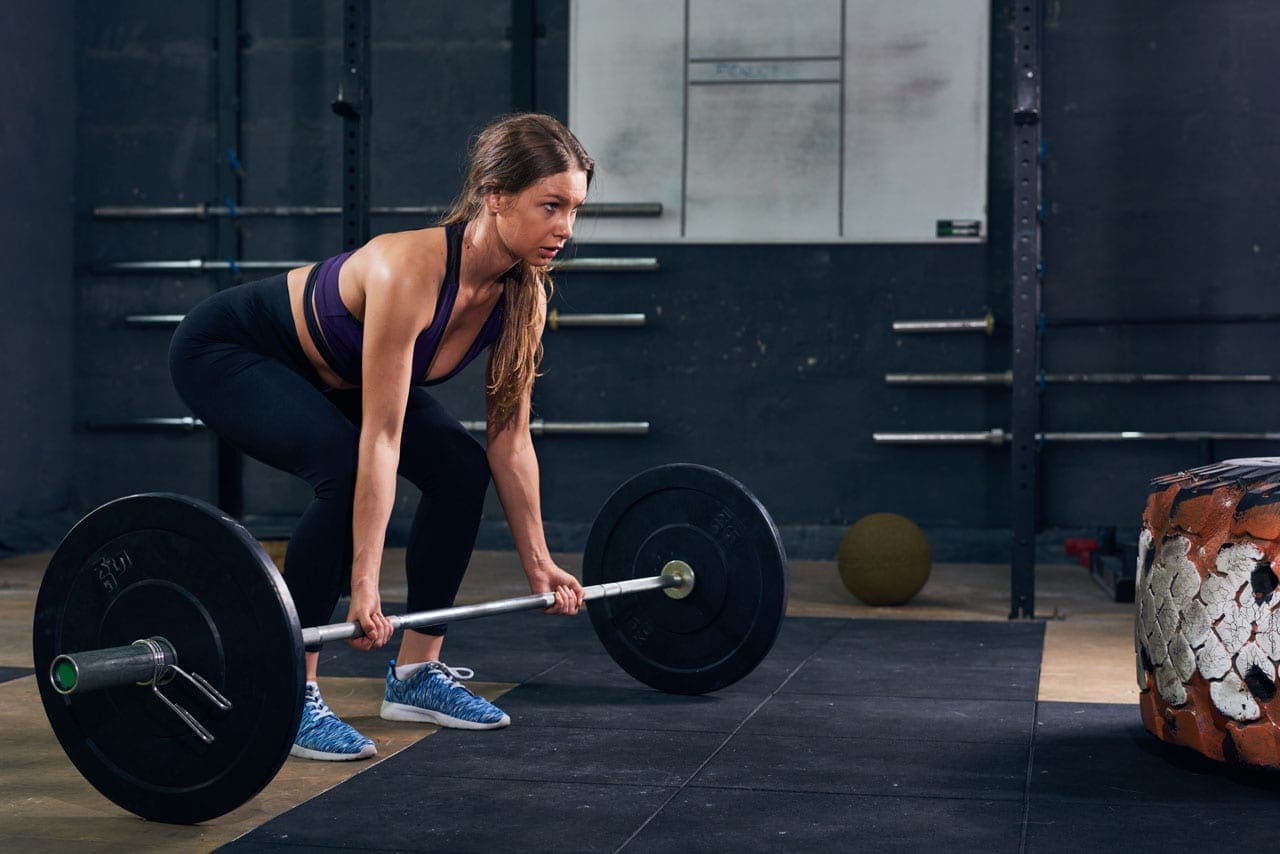
Strong woman lifts a barbell during a CrossFit workout
Many people talk about being fit or feeling well, but what do these terms really mean? Fitness is about your body’s ability to do physical tasks. It includes things like strength, endurance, and how well you can move. For example, if you can run a mile without getting too tired or lift heavy boxes, that’s fitness in action. Wellness, on the other hand, is bigger. It covers your whole health, including your body, mind, emotions, and even how you get along with others. It’s about feeling good in all parts of life, not just the physical side. Exercise is the key link between the two. When you move your body regularly, it builds strength for fitness and also helps your mind stay calm and your emotions balanced for wellness.
Think of fitness as the engine that powers your daily activities. Without it, simple things like walking up stairs or playing a game could feel difficult. Wellness is like a full car – it needs a good engine, fuel, maintenance, and a smooth ride to get you where you want to go. Exercise keeps everything running well. In this article, we’ll explore these ideas, examine how chiropractic care fits in, and see why combining them all leads to better health.
What Is Fitness?
Fitness focuses on the physical side of health. It’s your body’s capacity to handle activities without getting worn out or hurt. This includes strength, which helps you lift and carry things, and endurance, which lets you keep going for longer periods. Fitness also covers flexibility, balance, and how your heart and lungs work during movement.
Here are some key parts of fitness:
Cardio endurance: This is how well your heart and lungs supply oxygen during activities like running or biking. It helps you last longer without feeling out of breath.
Muscular strength: Built through things like weightlifting, it makes muscles stronger for tasks like pushing or pulling.
Flexibility: Stretching exercises improve the range of motion in your joints, reducing the risk of pulls or strains.
Body composition: The mix of fat and muscle in your body, which exercise can help balance for better health.
People often measure fitness by how they perform in sports or daily chores. For instance, if you can do push-ups or walk briskly for 30 minutes, you’re building fitness. Regular activities like swimming or yoga can improve these areas and lower the risk of conditions like heart disease or diabetes. But fitness alone isn’t enough for total health – that’s where wellness comes in.
What Is Wellness?
Wellness is a wider idea than fitness. It’s about achieving optimal health across all areas of life. While fitness is mostly physical, wellness includes mental, emotional, social, and even spiritual parts. It’s like a wheel with many spokes – if one is weak, the whole thing wobbles.
Key areas of wellness include:
Physical wellness: This overlaps with fitness and involves eating well, sleeping enough, and staying active to keep your body strong.
Mental wellness: Keeping your mind sharp through learning, stress management, and positive thinking.
Emotional wellness: Handling feelings like anger or sadness in healthy ways, often through speaking with friends or journaling.
Social wellness: Building positive relationships and feeling connected to others.
Other areas: like financial stability or environmental awareness, affect how you feel overall.
Wellness is a daily practice, not a one-time goal. It means making choices that help you thrive, not just survive. For example, someone might be fit from gym workouts but lack wellness if they’re stressed or lonely. True wellness balances everything for a happier life.
How Exercise Connects Fitness and Wellness
Exercise is the bridge between fitness and wellness. It’s any movement that gets your body working, like walking, dancing, or lifting weights. For fitness, exercise builds muscle, boosts heart health, and improves endurance. But it also touches wellness by reducing stress, lifting mood, and helping you sleep better.
Benefits of exercise for fitness:
Burns calories to control weight.
Strengthens bones and muscles to prevent injuries.
Improves heart function to lower disease risks.
Benefits for wellness:
Releases feel-good chemicals in the brain to fight depression and anxiety.
Boosts energy for daily tasks and social activities.
Enhances sleep, which supports mental clarity and emotional balance.
Types of exercise include aerobic (like running for heart health), strength training (like weights for muscle), and flexibility work (like yoga for movement). Aim for at least 150 minutes of moderate activity a week, plus strength work twice a week. Even small steps, like a daily walk, can make a big difference. Exercise doesn’t just make you stronger; it helps you feel more balanced overall.
The Role of Chiropractic Care in Fitness and Wellness
Chiropractic care is a natural way to support both fitness and wellness. It focuses on aligning your spine and improving the function of your nerves. This can ease pain, boost movement, and help your body heal itself. Chiropractors use adjustments – gentle pushes on the spine – to fix misalignments that cause issues like back pain or headaches.
How chiropractic helps fitness:
Improves joint mobility for better exercise performance.
Reduces injury risk by maintaining balance.
Speeds up recovery after workouts or strains.
For wellness, it goes deeper:
Lowers stress by relaxing tight muscles.
Boosts immune function through better nerve flow.
Supports overall health by addressing root causes rather than just symptoms.
Dr. Alexander Jimenez, a chiropractor and nurse practitioner, has observed in his practice that combining chiropractic with lifestyle changes leads to better outcomes. He notes that patients with chronic pain often improve faster when adjustments are paired with exercise and nutrition. His work shows how this approach prevents problems and promotes long-term wellness.
Integrating Chiropractic Care with Exercise for Better Results
When you mix chiropractic care with exercise, the results are even stronger. Chiropractic provides a solid base by aligning your body, while exercise builds on that with strength and heart health. This team-up reduces injury chances, improves how you move, and supports lasting wellness.
Steps to integrate them:
Start with a chiropractic check-up to fix any alignments.
Get personalized exercise tips, like stretches for flexibility or core work for stability.
Combine with other habits, such as healthy nutrition and stress relief.
Examples of exercises chiropractors recommend:
Core strengthening, like planks, supports the spine.
Stretches for the hips and back to ease tension.
Low-impact activities like swimming for overall fitness without strain.
Dr. Jimenez’s clinical work supports this. He uses integrative methods, like spinal decompression and tailored workouts, to help patients recover from injuries and stay active. His observations show that this holistic path leads to less pain, more energy, and a better quality of life.
In sports or daily life, this combo helps you perform better and feel great. For instance, athletes use chiropractic to stay aligned during training, while everyday people use it to handle desk jobs without back issues. It’s about prevention – catching problems early so you can keep moving.
Why This Matters for Long-Term Health
Focusing on fitness and wellness through exercise and chiropractic isn’t just for now; it’s for the future. Regular movement and care can prevent chronic issues like arthritis or heart problems. It also makes life more enjoyable, with more energy for hobbies and time with loved ones.
Challenges might include starting slow if you’re new, but small changes add up. Consult pros like chiropractors for safe plans. Remember, wellness is a journey – keep balancing all parts for the best results.
In summary, fitness builds your physical power, wellness covers your whole self, and exercise ties them together. Adding chiropractic care creates a strong foundation for health. As Dr. Jimenez’s practice shows, this integrated way leads to real improvements in how people feel and function.
IFM's Find A Practitioner tool is the largest referral network in Functional Medicine, created to help patients locate Functional Medicine practitioners anywhere in the world. IFM Certified Practitioners are listed first in the search results, given their extensive education in Functional Medicine