El Paso Chiropractic and Regenerative Medicine Care
Abstract: This article explains how regenerative medicine therapies, such as platelet-rich plasma (PRP) and stem cell treatments, use biological signaling molecules to optimize cellular health and reduce systemic inflammation. These treatments do more than just relieve symptoms; they also activate the body’s natural repair processes by releasing growth factors, regulating immune cell activity, and improving tissue microenvironments. The post also shows how regenerative options such as PRP, PFP, MFAT, and IV infusions work alongside chiropractic care to further improve cellular function, reduce oxidative stress, restore spinal alignment, and lower neuroinflammatory signaling. Readers will learn about the multidisciplinary team in El Paso that coordinates these approaches under medical direction and chiropractic care for practical, whole-person support.
Why Systemic Inflammation Affects Cellular Health
Inflammation is the body’s normal response to injury or stress. In the short term, it helps clear damaged tissue and begin healing. When inflammation continues for a long time, it becomes a problem. It creates oxidative stress—excessive reactive molecules that harm cells—and prevents joints, tendons, nerves, and other tissues from fully recovering.
Many common treatments only temporarily quiet pain or swelling. They do not always restart the body’s own repair systems. Regenerative medicine works differently. It uses concentrated biological signals to guide the body toward real repair and better cellular function.
How Regenerative Therapies Use Biological Signaling Molecules
By using biological signaling molecules, regenerative medicine therapies such as stem cell treatments and platelet-rich plasma (PRP) can optimize cellular health and reduce systemic inflammation. These treatments do more than merely alleviate symptoms; they stimulate the body’s inherent repair mechanisms by releasing growth factors, regulating immune cell activity, and enhancing tissue microenvironments.
In summary, the main actions are:
Growth factors act as messengers that tell cells to grow, move, or rebuild tissue.
Immune cells can be guided away from a constant attack mode and toward a repair mode.
The local tissue environment becomes more supportive, giving healthy cells a better chance to function and damaged areas a better chance to recover.
PRP begins with a small sample of the patient’s own blood. The sample is processed to concentrate the platelets. When platelets are placed near injured tissue, they release growth factors that support repair and help balance inflammation.
Stem-cell-related treatments, including those that use mesenchymal stem cells or adipose tissue products, primarily act through signaling pathways. The cells release molecules that reduce harmful inflammatory signals, protect nearby tissue, and create a more favorable setting for healing.
Practical Regenerative Treatments That Support Repair
Several regenerative options are commonly used in clinical practice:
PRP concentrates the patient’s own platelets and their growth factors, delivering them to the site of repair.
PFP (platelet-fibrin or related plasma products) provides a temporary scaffold so that growth factors can be released more steadily over time.
MFAT (microfragmented adipose tissue) comes from a small amount of the patient’s own fat. The tissue is gently processed into tiny clusters that keep their natural structure. These clusters carry cells and signaling factors that help calm inflammation and support soft-tissue and joint repair.
IV infusions deliver vitamins, minerals, antioxidants, and related nutrients directly into the bloodstream. Common components include vitamin C, glutathione, magnesium, B vitamins, and NAD+. These nutrients help reduce oxidative stress, support cellular energy production, and provide the body with the materials it needs for repair.
Together, these treatments supply concentrated growth factors, reduce oxidative stress, and improve conditions around damaged tissue.
How Integrative Chiropractic Care Fits Into the Plan
When used in conjunction with chiropractic care, regenerative treatments such as platelet-rich plasma (PRP), platelet-free plasma (PFP), microfragmented adipose tissue (MFAT), and intravenous (IV) infusions can optimize cells, decrease oxidative stress, and restore spinal alignment to lower neuro-inflammatory signaling, all while reducing systemic inflammation.
Chiropractic care focuses on the mechanical and neurological side of the problem. When spinal segments or joints lose normal motion, nerves can become irritated. That irritation continues sending signals that maintain inflammation. Precise chiropractic adjustments restore better alignment and joint movement. Improved alignment reduces repeated strain on healing tissues and quiets excess nerve signals that feed inflammation.
The two approaches support each other in a clear way:
Regenerative therapies deliver growth factors and lower oxidative stress at the cellular level.
Chiropractic care restores spinal and joint alignment, reducing mechanical stress and calming neuroinflammatory signaling.
The improved mechanical environment enables biological signals to function more effectively.
Clinical experience shows that patients often achieve more lasting improvement when the cellular signals of regenerative care are combined with the improved movement and reduced nerve irritation provided by integrative chiropractic care.
The Multidisciplinary Team Approach in El Paso
At Injury Medical Clinic PA in El Paso, Texas, care is delivered through a coordinated team. Dr. Alexander Jimenez, DC, APRN, FNP-BC, CCST, CFMP, IFMCP, ATN, provides chiropractic care, regenerative treatment planning, functional medicine insight, personal injury evaluation, and rehabilitation. His clinical observations, shared through practice resources, emphasize that lasting recovery usually requires both tissue-level biological support and optimized spinal and joint mechanics. He notes that regenerative options work best when movement patterns and nerve signaling are also addressed.
Dr. Maria Guadalupe Cardenas, MD, Board Certified in Internal Medicine (NPI #1164426749, Texas MD License #J2933), brings more than 40 years of experience as an internist. She serves as Medical Director and Collaborative Physician. This multidisciplinary setup is common in integrative and injury-care clinics. The MD is in charge of medical care and supervision, while the chiropractor works on spinal alignment, joint mechanics, posture, muscle function, and rehabilitation. The team also integrates functional medicine, personal injury care, rehabilitation, and related services so patients receive coordinated plans that address inflammation, cellular health, structural issues, and overall recovery under proper medical supervision.
What Patients Often Notice Over Time
People who follow a combined regenerative and chiropractic plan frequently report:
Gradual reduction in ongoing swelling and discomfort
Improved joint comfort and easier daily movement
Better energy and recovery after activity
A sense that tissues feel more resilient as time passes
The process is gradual. Growth factors and signaling molecules begin their work soon after treatment. Patients can feel improvements in alignment from chiropractic care relatively quickly. Nutrient support from IV therapy helps the whole system stay ready for repair. Over weeks and months, many patients find that their bodies are no longer fighting themselves as hard and are instead rebuilding.
Bringing the Approaches Together
By using biological signaling molecules, regenerative medicine therapies such as stem cell treatments and platelet-rich plasma (PRP) optimize cellular health and reduce systemic inflammation. These treatments stimulate the body’s inherent repair mechanisms by releasing growth factors, regulating immune cell activity, and enhancing tissue microenvironments rather than merely covering symptoms. When used alongside chiropractic care, regenerative treatments such as PRP, PFP, MFAT, and IV infusions further optimize cellular function, decrease oxidative stress, restore spinal alignment, and lower neuroinflammatory signaling while reducing systemic inflammation.
In the El Paso setting, medical direction from an experienced internist works alongside chiropractic care, functional medicine, personal injury evaluation, and rehabilitation services. This creates a practical path that supports healing from the cellular level outward while addressing the mechanical and neurological factors that perpetuate inflammation.
Anyone dealing with ongoing inflammation or slow-healing tissue injury can benefit from a thorough evaluation to determine whether this combination of approaches is appropriate. Clear information and coordinated care help people move toward lasting recovery.
Auto and Work Accident Joint Pain Regenerative Care
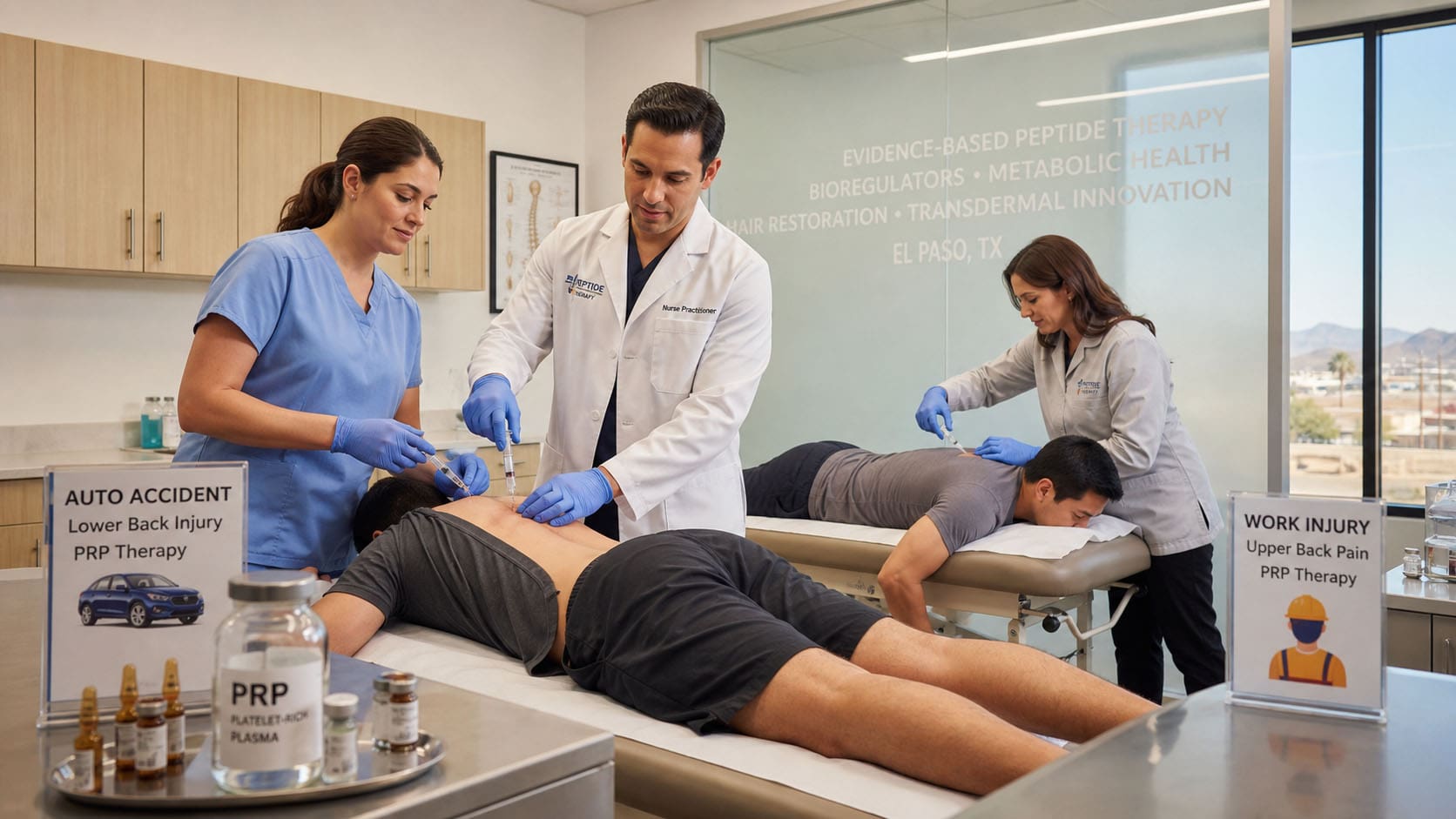
Abstract: Joint pain from automobile or work accidents often comes from damaged ligaments, tendons, cartilage, and irritated nerves. Regenerative medicine and specialized injections can lower inflammation, deliver growth factors that speed tissue repair, and soothe tense nerves. Key treatments include Platelet-Rich Plasma (PRP), Micro-Fragmented Adipose Tissue (MFAT), and epidural spinal injections, along with platelet-fibrin products (PFP) and peptide therapies. These options aim to fix the cause of joint weakness rather than just hide the pain. Results improve when paired with physical therapy to build muscle strength and integrative chiropractic care to restore proper movement. This article explains each approach and shows how a multidisciplinary team supports recovery.
Why Accidents Leave Joints Painful and Unstable
A car crash or workplace injury can stretch or tear the soft tissues that hold joints steady. Ligaments may loosen. Cartilage can wear thin. Nerves near the spine or joints can become irritated and tense. The body starts to heal, but limited blood flow and continued stress from poor movement often leave the repair incomplete.
Pain, swelling, and weakness can last for months. Regular pain pills only cover the discomfort for a short time. They do not rebuild tissue or correct the movement problems that continue to stress the joint.
What Regenerative Medicine Offers
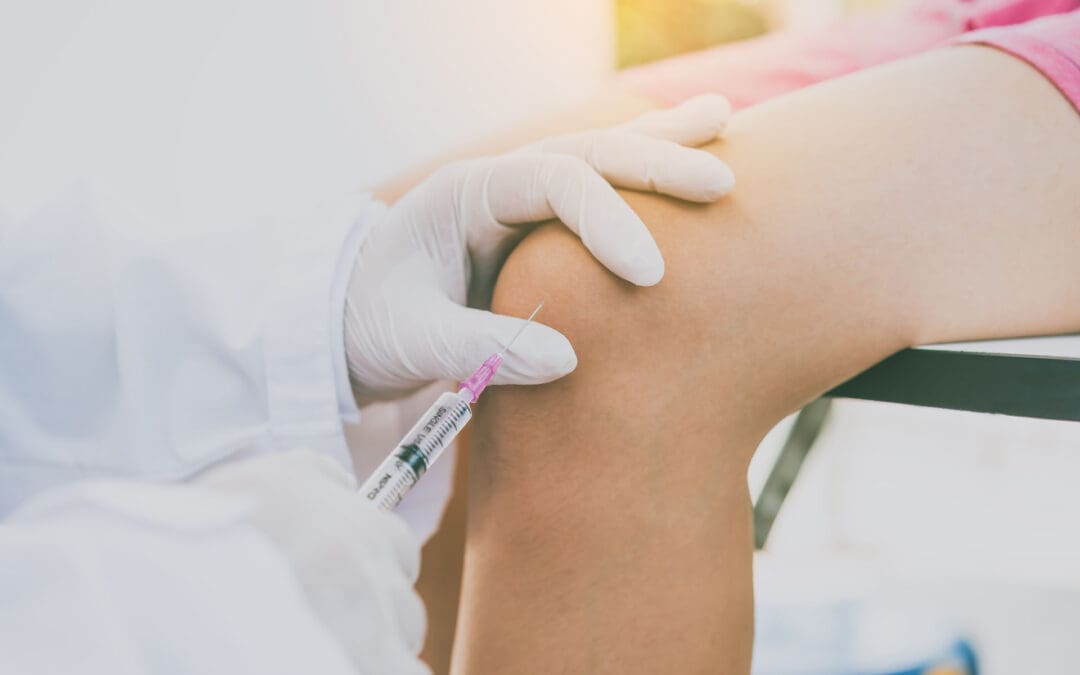
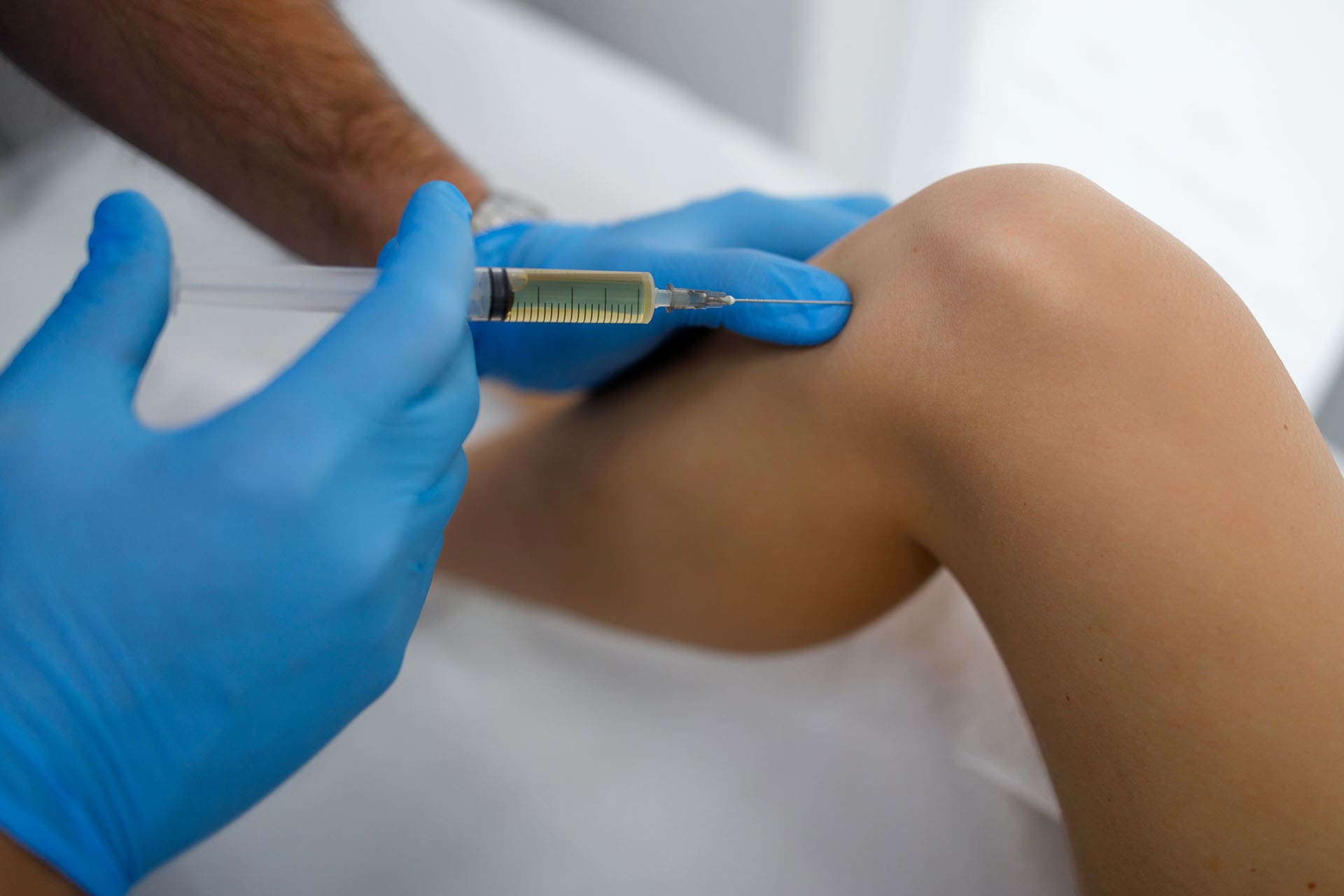
Regenerative medicine uses materials from the patient’s own body to support natural repair. Doctors collect a small sample of blood or fat, process it to concentrate healing factors, and inject the material into the injured area under imaging guidance. The goal is to lower inflammation, bring growth factors to the tissue, and help the body rebuild stronger structures.
These are outpatient procedures. Most people return to light activity the same day. Improvement usually builds over weeks to months as the tissue continues to strengthen.
Key Regenerative Treatments for Accident-Related Joint Pain
Platelet-Rich Plasma (PRP): A blood sample is spun in a centrifuge to concentrate platelets. These platelets release growth factors such as PDGF, TGF-β, and VEGF. When injected into a joint or soft-tissue injury, the growth factors attract repair cells, control inflammation, and support new collagen production. PRP is often used for partial tears, tendon injuries, and early joint changes after trauma.
Micro-Fragmented Adipose Tissue (MFAT): A small amount of the patient’s own fat is processed into tiny fragments rich in regenerative signaling cells. Injected into larger partial tears or more advanced joint damage, MFAT provides cushioning and biological signals. It helps calm chronic inflammation and supports structural repair.
Epidural Spinal Injections: When an accident irritates spinal nerves—common after disc injury or severe whiplash—epidural injections place anti-inflammatory or regenerative material around the nerves. This reduces swelling and soothes tense nerves. Radiating pain often decreases, making movement and rehabilitation easier.
Platelet-Fibrin Products (PFP) and Peptide Therapies: PFP forms a natural fibrin scaffold that holds growth factors at the injury site longer. This provides slow-healing ligaments and tendons extra time to rebuild. Certain peptides act as signaling molecules that encourage new blood vessel growth and help regulate inflammation in soft tissues. Early evidence shows they can work well alongside other regenerative options for musculoskeletal injuries.
Targeted Healing That Addresses the Real Problem
Regenerative treatments share three main actions:
They lower the inflammation that keeps joints swollen and stiff.
They deliver concentrated growth factors that speed tissue repair.
They soothe nerves that are feeling tense so pain signals quiet down.
These treatments are different from regular pain pills because they try to fix the cause of joint weakness. Instead of only covering symptoms, they give the body tools to rebuild.
Combined Care for Stronger, Longer-Lasting Results
Healing tissue is only part of the solution. If the joint continues to move poorly, new stress can slow progress or cause re-injury.
To get better results, it is best to combine regenerative injections with:
Physical therapy to rebuild muscular strength and joint stability
Integrative chiropractic care to restore proper movement, improve posture, and reduce repeated stress on the healing area
Chiropractic adjustments and soft-tissue work help the body move correctly so repaired tissue is protected. Physical therapy then strengthens the supporting muscles. Together they create a more stable and functional joint.
A Multidisciplinary Team Approach in El Paso
At Injury Medical Clinic PA in El Paso, Texas, care is provided by a coordinated team. Dr. Alexander Jimenez, DC, APRN, FNP-BC, CCST, CFMP, IFMCP, ATN, leads the chiropractic, functional medicine, and rehabilitation components. He focuses on restoring joint and spinal function, addressing root causes, and supporting recovery after personal injury.
Dr. Maria Guadalupe Cardenas, MD, Board Certified in Internal Medicine (NPI #1164426749, Texas MD License #J2933), serves as Medical Director and Collaborative Physician. With over 40 years of experience as an internist, she provides medical oversight, reviews complex cases, and helps ensure every regenerative procedure is safe and appropriate.
This multidisciplinary setup is common in integrative and injury-care clinics. An MD supplies medical direction while a chiropractor delivers hands-on care. The team also integrates functional medicine for nutrition and lifestyle support, personal-injury care, and structured rehabilitation. Patients receive a complete plan that addresses both the biological damage and the mechanical problems left by the accident.
Clinical Observations From Practice
Dr. Alexander Jimenez has observed that regenerative therapies produce stronger and longer-lasting results when mechanical and internal support are added. Accidents often damage several tissues at the same time—muscles, ligaments, discs, and nerves. Biologics help lower inflammation and jump-start repair. Chiropractic care restores healthy movement patterns. Functional medicine strategies support the internal conditions needed for healing.
Progress is measured through improved range of motion, reduced pain, better strength, and the ability to return to daily activities or work. Clear documentation of these changes also supports personal-injury recovery.
A Clear Path Toward Better Function
Joint pain after an automobile or work accident does not have to become a permanent problem. Regenerative medicine—PRP, MFAT, epidural spinal injections, PFP, and peptide therapies—lowers inflammation, delivers growth factors, and soothes tense nerves. These treatments aim to fix the cause of joint weakness rather than simply hide the pain.
When they are combined with physical therapy and integrative chiropractic care under medical oversight, many people regain strength, stability, and comfortable movement. A thorough evaluation that includes history, examination, and appropriate imaging helps determine the best combination for each person. The focus remains on supporting the body’s natural ability to heal and restoring lasting function.
Regenerative Chiropractic Therapy for Better Recovery
Many people live with joint pain, soft tissue injuries, or spine problems that do not fully improve with rest or basic care. Regenerative medicine and integrative chiropractic therapy function together by integrating cellular tissue healing with mechanical alignment of the spine. PRP (platelet-rich plasma), PFP (platelet-fibrin products), MFAT (microfragmented adipose tissue), and epidural injections are aimed at inflammation and rebuilding of weak soft tissues. At the same time, chiropractic therapy restores correct joint motion and unloads strained structures. This partnership creates a more complete path to recovery.
The combination is useful for sports injuries, personal injury cases, and long-term wear on joints and soft tissues. It supports the body’s natural healing processes instead of only covering up symptoms.
Regenerative Treatments That Target Inflammation and Rebuild Tissue
Regenerative medicine uses materials from a person’s own body to support repair at the cellular level. These treatments deliver concentrated growth factors or signaling cells to injured areas. The goal is to calm chronic inflammation and encourage healthier tissue to form.
Platelet-rich plasma (PRP) starts with a simple blood draw. The blood is spun to concentrate the platelets. These platelets release growth factors that help form new blood vessels, support collagen production, and shift the area from long-term inflammation toward active healing. Athletes and active people often use PRP for tendon problems, ligament sprains, muscle strains, and mild joint wear because it can improve tissue quality without surgery (Nortex Spine and Joint, n.d.; OrthoRepair, n.d.).
Platelet-fibrin products (PFP) work similarly. They create a natural fibrin scaffold that holds growth factors in place longer. This slower release can help tissues that heal slowly, such as certain ligaments or spinal structures.
Microfragmented adipose tissue (MFAT) comes from a small sample of the patient’s own fat. The fat is processed into tiny fragments that keep regenerative cells and their supporting environment intact. MFAT provides both cushioning and biological signals. It is often chosen for more advanced joint issues, partial tears, or areas that need structural support along with repair (Form Health PDX, 2025).
Epidural injections place anti-inflammatory or regenerative material into the space around spinal nerves. These can reduce irritation from disc problems or stenosis. Regenerative versions may include platelet products to support longer calming of nerves and better participation in rehabilitation (El Paso Chiropractor Blog, 2026).
These options focus on the biological side. They help rebuild weak soft tissues and lower the inflammation that keeps pain going.
How Chiropractic Therapy Restores Motion and Unloads Strain
Chiropractic therapy addresses the mechanical side of the problem. Joints that do not move correctly create extra stress on nearby muscles, ligaments, and discs. Over time, this stress can slow healing or cause new issues.
Precise adjustments restore correct joint motion. Soft-tissue techniques reduce muscle tension. Spinal decompression and posture training help unload compressed or strained structures. Movement retraining and simple exercises teach the body better patterns so the same injury is less likely to return.
When joints move freely again, the regenerative treatments have a better environment in which to work. Healthy alignment means less repeated strain on the tissues that are trying to heal (NewRegen Ortho, 2021).
Why the Two Approaches Work Better Together
One side of care rebuilds tissue at the cellular level. The other restores healthy joint mechanics and reduces load on damaged areas. Supporting literature and clinical experience show that biologics alone are rarely enough. Structured rehabilitation and mechanical correction improve long-term results. When growth factors reach tissues that are no longer under constant abnormal stress, recovery tends to be more complete and lasting (Nortex Spine and Joint, n.d.; The Osteo Center, n.d.).
This layered approach is especially beneficial after personal injury. Auto accidents often create both soft-tissue damage and joint dysfunction. Treating only one side leaves the other problem unaddressed. Combining the two helps patients regain strength, reduce medication needs, and return to daily activities with more confidence (Health Coach Clinic, n.d.).
A Multidisciplinary Team in El Paso
At Injury Medical Clinic PA in El Paso, Texas, this integrated model is put into practice every day. Dr. Alexander Jimenez, DC, APRN, FNP-BC, CCST, CFMP, IFMCP, ATN, provides chiropractic care, functional medicine insights, rehabilitation guidance, and personal injury documentation. His clinical observations, shared through his practice sites, emphasize that mechanical alignment prepares the body for biological repair and that both must be addressed for lasting results (Jimenez, n.d.).
Working alongside him is Dr. Maria Guadalupe Cardenas, MD. She is board-certified in internal medicine (NPI #1164426749, Texas MD License #J2933) and brings more than 40 years of experience as an internist. Dr. Cardenas serves as medical director and collaborative physician. She provides medical oversight, reviews complex health histories, and helps ensure safety protocols are followed. This partnership is common in integrative injury clinics: the chiropractor handles musculoskeletal and functional care while the medical director supplies internal-medicine expertise and collaborative guidance.
The clinic also weaves in functional medicine. This looks at nutrition, sleep, inflammation, gut health, hormones, and metabolic factors that influence how well tissues heal. Rehabilitation services, personal injury care coordination, and related therapies round out the plan. Patients receive detailed evaluations and personalized steps that move from reducing inflammation to rebuilding tissue to restoring full function.
Practical Benefits Patients Notice
People who use this combined approach often report several advantages:
Faster progress in reducing pain and swelling
Improved joint motion that feels more stable
Better ability to take part in physical therapy
Lower chance of the same injury returning
Clearer documentation for injury claims when needed
Athletes appreciate the support for return-to-activity timelines when regenerative treatments are paired with proper loading and alignment work. People with chronic joint or spine problems value the chance to avoid repeated steroid injections or surgery when appropriate (OrthoRepair, n.d.; Form Health PDX, 2025).
What to Expect on the Care Journey
Care usually begins with a thorough exam, imaging when needed, and a clear discussion of goals. Regenerative injections are performed with guidance such as ultrasound for accuracy. Chiropractic sessions focus on restoring motion and reducing mechanical stress. Functional medicine recommendations may include nutrition and lifestyle steps that support healing from the inside. Rehabilitation progresses from gentle movement to strength and activity-specific tasks.
Results build over weeks rather than overnight. Early progress often shows as less pain and better daily function. Longer-term gains include stronger tissue and more reliable joint performance.
Moving Forward with a Complete Plan
Regenerative medicine and integrative chiropractic therapy form a practical partnership. One side targets inflammation and rebuilds weak soft tissues at the cellular level. The other restores correct joint motion and unloads strained structures. When guided by an experienced multidisciplinary team—like the collaboration between Dr. Alexander Jimenez and Dr. Maria Guadalupe Cardenas at Injury Medical Clinic PA—patients receive coordinated support that addresses both biology and biomechanics.
This approach offers a clear path for those seeking lasting recovery. It respects the body’s ability to heal while giving it the right conditions to do so. Anyone dealing with soft-tissue injuries, joint problems, or personal-injury recovery can explore whether this combined model fits their needs through a careful evaluation with a qualified team.
Unlocking the Body’s Healing Potential: Integrating PRP, Peptides, and Advanced Chiropractic Care
Abstract
Welcome to our educational series. As Dr. Alex Jimenez, I am dedicated to bringing you the latest in evidence-based, integrative healthcare. Today, we will explore the fascinating world of platelet-rich plasma (PRP) and peptide therapies, powerful tools in regenerative medicine. This post will take you on a journey through the science behind these treatments, from the meticulous laboratory process of preparing PRP to its application in treating joint pain and promoting tissue regeneration.
We will discuss the physiological mechanisms that make these therapies so effective, including how they stimulate the body’s natural healing cascade. Furthermore, we will explore how these advanced regenerative techniques are seamlessly integrated into our multidisciplinary practice at Injury Medical Clinic. Here, under the collaborative medical direction of Dr. Maria Guadalupe Cardenas, MD, we combine these innovative treatments with foundational care like integrative chiropractic, physical therapy, and functional medicine to create a holistic and personalized path to wellness for our patients in El Paso, Texas.
Our Collaborative Approach to Integrative Healthcare
At the Injury Medical Clinic, our philosophy is rooted in a comprehensive, patient-centered model. My journey as a doctor of chiropractic, advanced practice registered nurse, and certified functional medicine practitioner has shown me that the most effective healing occurs when we address the body as an interconnected system. This is why our practice is built on a multidisciplinary foundation.
I work in close collaboration with Dr. Maria Guadalupe Cardenas, MD, our esteemed medical director. With over 40 years of experience as a board-certified internist, Dr. Cardenas provides essential medical oversight, ensuring that our treatments are safe, effective, and grounded in sound medical principles. This partnership between a chiropractor (DC) and a medical doctor (MD) is a cornerstone of our integrative approach. It allows us to bridge the gap between different healthcare disciplines, offering our patients the best of both worlds.
Our team integrates a wide range of services:
Chiropractic Care: We focus on optimizing musculoskeletal function, correcting spinal misalignments, and relieving nerve pressure, which is often the foundational step in recovery.
Medical Oversight: Dr. Cardenas provides medical evaluations, diagnostics, and collaborative treatment planning, particularly for personal injury cases and complex chronic conditions.
Regenerative Medicine: We utilize advanced therapies like PRP and peptides to stimulate the body’s own healing mechanisms.
Physical Therapy & Rehabilitation: Our programs are designed to restore strength, mobility, and function, helping patients return to their daily activities without pain.
Functional Medicine: We investigate the root causes of illness, looking at genetics, lifestyle, and environmental factors to create personalized wellness plans.
This synergistic model ensures that every patient receives a tailored treatment protocol that addresses their unique needs, whether they are recovering from a personal injury or seeking solutions for chronic pain. Our primary focus at elpasobackclinic.com remains on physical medicine—chiropractic and rehabilitation—while leveraging these advanced biological treatments as powerful adjuncts to accelerate healing.
The Science and Art of Preparing Platelet-Rich Plasma (PRP)
One of the most exciting frontiers in regenerative medicine is the use of Platelet-Rich Plasma (PRP). PRP is a concentrated solution derived from a patient’s own blood, rich in platelets and growth factors that orchestrate the body’s natural healing and repair processes. Preparing PRP is a precise laboratory procedure that requires both technical skill and a deep understanding of the underlying biology.
The Centrifugation Process
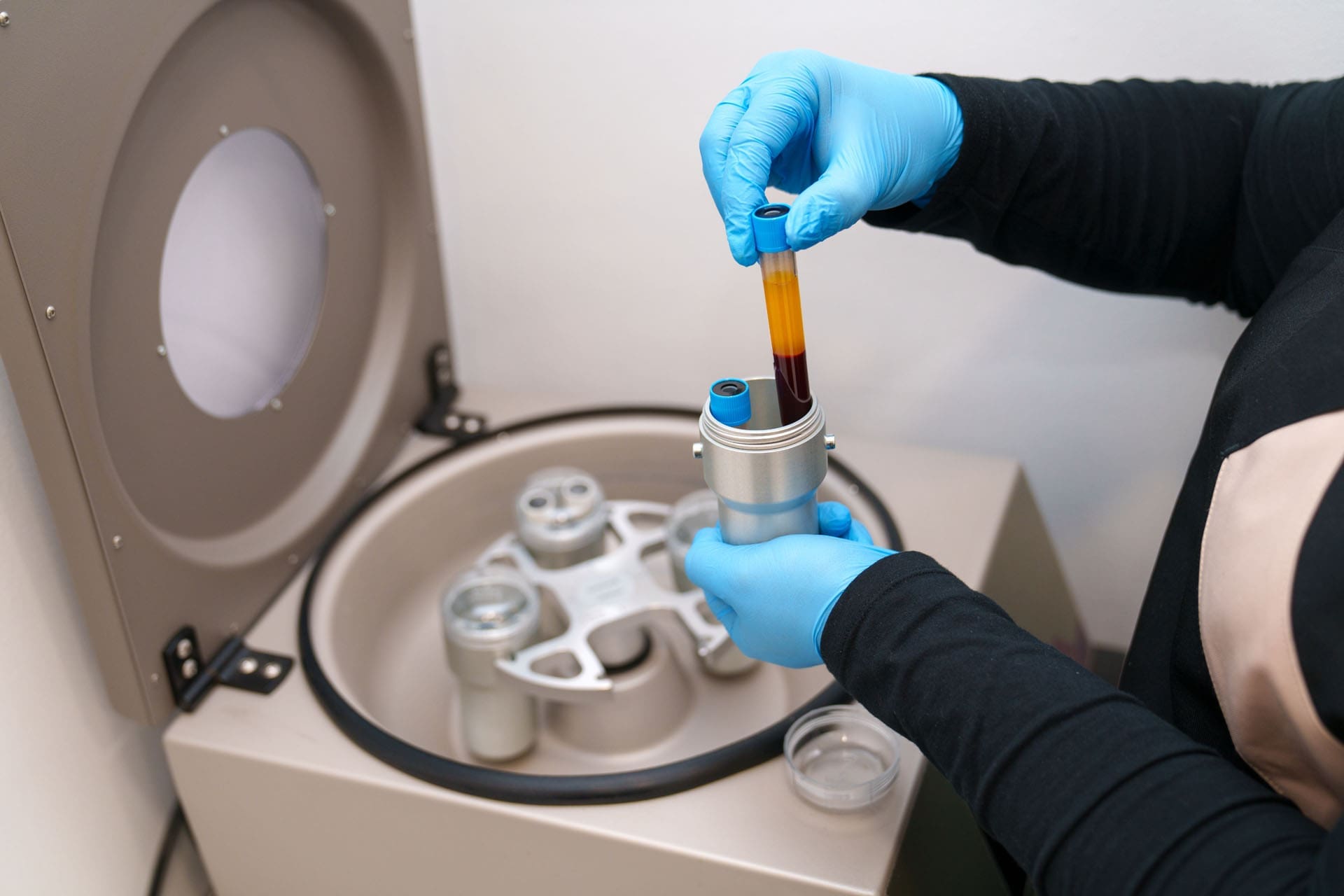
The journey begins with a simple blood draw, similar to what you would have for routine lab work. This whole blood is then placed in a specialized centrifuge, a machine that spins at high speeds to separate the blood into its different components based on their density.
Red Blood Cells: Being the densest, these cells settle at the very bottom of the tube.
Plasma: This is the liquid component of blood, which is the least dense and rises to the top.
The Buffy Coat: Between these two layers lies a thin, whitish layer known as the “buffy coat.” This is the treasure we are after. It contains a high concentration of platelets and white blood cells.
After the initial spin, the plasma layer, which now contains a high concentration of platelets, is carefully separated. This is what we call platelet-rich plasma.
The Importance of Technique: A Clinical Observation
During the extraction process, precision is paramount. The goal is to collect the maximum amount of PRP without disturbing the layers below it. We use a gel separator in our collection tubes, which forms a physical barrier between the red blood cells and the plasma after centrifugation.
A critical detail in this process is ensuring the tip of the collecting syringe does not touch or puncture this gel separator. If the gel is disturbed, it can cause the red blood cells to leak back into the plasma. This would contaminate the PRP, diminishing its purity and efficacy. Should this happen, the sample would need to be re-spun to separate the components again, a step we strive to avoid to maintain the highest quality of the preparation. This meticulous attention to detail is why I prefer a technique where I have maximum control, anchoring my hand and using a steady, precise motion to draw the plasma from just above the gel layer. It’s an art form guided by science.
The final product is a golden-hued liquid, densely packed with the healing potential of the patient’s own body. We can use this powerful biologic for various applications, from injecting it into arthritic joints to using it in aesthetic procedures like microneedling to rejuvenate the skin.
Applying PRP: From Joint Injections to Topical Creams
Once we have prepared the PRP, it’s ready to be deployed to the areas of the body that need it most. The versatility of PRP is one of its greatest strengths.
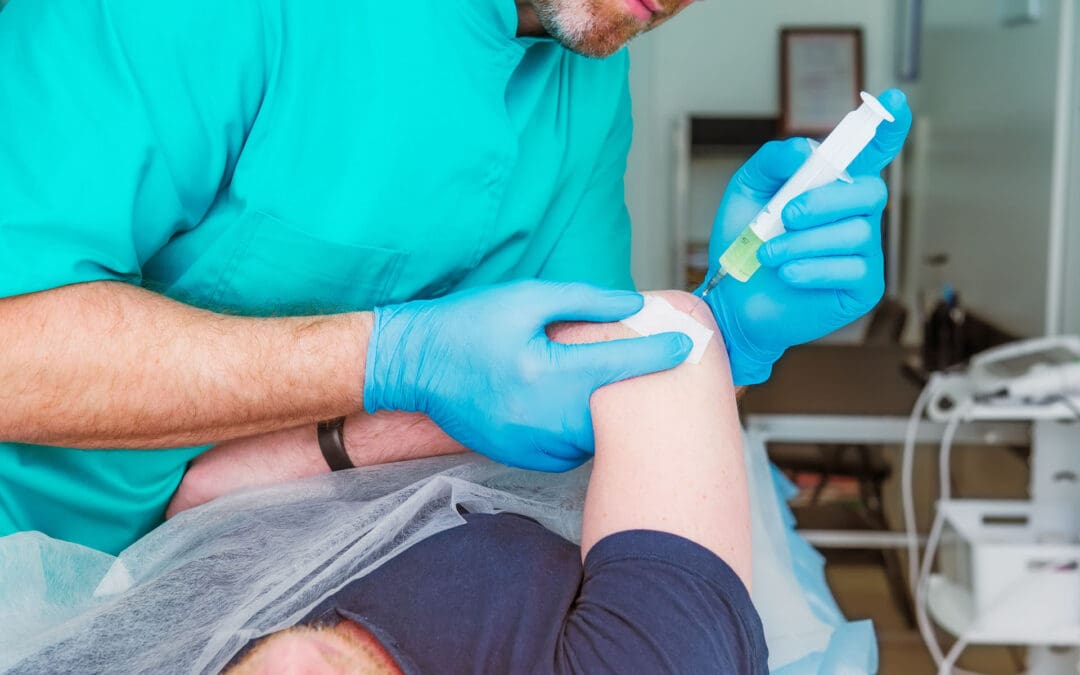
Joint Injections: For patients suffering from osteoarthritis or ligament and tendon injuries, injecting PRP directly into the affected joint can be transformative. We recently had a case where we prepared multiple tubes of PRP for a single patient to treat her ankle, knee, and hip. The concentrated growth factors in the PRP, such as Platelet-Derived Growth Factor (PDGF) and Transforming Growth Factor-Beta (TGF-β), signal local stem cells to migrate to the area of injury. They then initiate a cascade of repair processes, including the formation of new cartilage, ligaments, and blood vessels. This reduces inflammation, alleviates pain, and, most importantly, promotes true tissue regeneration rather than just masking symptoms. This approach aligns perfectly with the chiropractic goal of restoring function, as healthier joints move better and with less pain.
Topical Applications: Not all PRP is used for injections. Any leftover PRP can be repurposed for topical use. For instance, it can be mixed with a specialized carrier cream, like Pro-Cell, which is designed to stabilize the platelets and allow for transdermal absorption. This PRP-infused cream can then be taken home by the patient and applied to the skin, prolonging the regenerative effects of a procedure like microneedling or providing anti-inflammatory benefits to a sore joint.
Enhancing Healing with Peptides: The Next Level of Regenerative Therapy
While PRP harnesses the body’s existing healing components, we can further amplify this process by introducing peptides. Peptides are short chains of amino acids, which are the building blocks of proteins. They act as signaling molecules in the body, telling cells what to do. Certain peptides have powerful regenerative, anti-inflammatory, and healing properties.
In our practice, we often combine PRP treatments with the application of specific peptides to enhance the therapeutic outcome. For example, after performing a PRP treatment for hair restoration on the scalp, we can apply a specialized peptide solution to the area.
The PRP, which we’ve already injected, has created micro-channels in the skin and initiated the healing response. By massaging the peptide solution into the scalp immediately after, we leverage these open channels for enhanced absorption. The peptides can then penetrate deeper into the hair follicles, providing an additional layer of stimulation. For instance, a peptide like GHK-Cu (Copper Peptide) is known to stimulate hair growth by enlarging the follicle size and prolonging the growth phase of the hair cycle.
This combination therapy is synergistic. The PRP prepares the tissue and starts the healing process, while the peptides provide specific, targeted instructions to the cells to amplify that regeneration.
The Patient Experience: A Moment of Relief
Patients are often curious and a bit apprehensive about these procedures. A common question is, “What will it feel like?” When treating the scalp, for instance, patients may experience a temporary sensation of pressure or a feeling like a tension headache. As one patient described it, it felt like a “headache on the scalp,” not a deep, internal pain.
This sensation is a normal response to the injections and the volume of fluid being introduced. However, it is typically very brief. My clinical observation is that this feeling of “heaviness” or pressure resolves within minutes. The massaging of the peptides afterward is often described as the best part of the treatment—it feels soothing and helps to distribute the peptides evenly. This immediate transition from a strange pressure to a relaxing massage is reassuring for patients and is an integral part of the positive therapeutic experience we aim to create.
The Role of Integrative Chiropractic Care in Regenerative Medicine
So, where does chiropractic fit into this picture of high-tech regenerative therapies? It’s the foundation upon which everything else is built.
The central nervous system, which is housed and protected by the spine, is the master controller of every function in the body, including healing and regeneration. Spinal misalignments (subluxations) can create nerve interference, hindering the body’s ability to heal itself efficiently.
My role as a chiropractor is to identify and correct these misalignments through specific chiropractic adjustments. By restoring proper spinal alignment and motion, we achieve several critical goals:
Optimize Nerve Function: A well-aligned spine allows for clear communication between the brain and the rest of the body. This ensures that the healing signals initiated by treatments like PRP are transmitted effectively.
Improve Biomechanics: When we inject a joint like the knee or hip with PRP, we want that joint to function in a mechanically sound environment. If the patient has poor posture, an imbalanced gait, or spinal misalignments, these conditions place abnormal stress on the joint, which can counteract the benefits of the regenerative injection. Chiropractic care and physical therapy correct these biomechanical faults, creating an optimal environment for the repaired tissue to thrive.
Reduce Systemic Inflammation: Spinal misalignments can contribute to a state of chronic, low-grade inflammation. Chiropractic adjustments have been shown to help down-regulate inflammatory processes, creating a more favorable systemic environment for healing.
Therefore, we see chiropractic care not as a separate treatment but as an essential, integrated component of our regenerative protocols. We first ensure the body’s framework and communication systems are functioning optimally. Then, we introduce advanced therapies like PRP and peptides to target specific areas of injury and accelerate the healing that the body is now better equipped to perform. This holistic approach, combining hands-on structural care with cutting-edge biological treatments under medical supervision, is the future of musculoskeletal and personal injury medicine. It allows us to help our patients not just manage their pain but truly heal and regain their quality of life.
References
Everhart, J. S., Jayaram, P., & Dragoo, J. L. (2020). Autologous biologics in the treatment of knee osteoarthritis: A systematic review of the past 10 years of clinical evidence. The American Journal of Sports Medicine, 48(8), 2027–2040.https://journals.sagepub.com/doi/abs/10.1177/0363546519894762
Pickart, L., & Margolina, A. (2018). Regenerative and protective actions of the GHK-Cu peptide in the light of the new gene data. International Journal of Molecular Sciences, 19(7), 1987.https://www.mdpi.com/1422-0067/19/7/1987
Roy, R. A., Boucher, J. P., & Comtois, A. S. (2010). Inflammatory response following a short-term course of chiropractic treatment in subjects with and without chronic low back pain. Journal of Chiropractic Medicine, 9(3), 107–114.https://www.ncbi.nlm.nih.gov/pmc/articles/PMC3081333/
Regenerative Therapies and Chiropractic Care: A Team Approach for Real Healing, Wellness, and Fitness
Many people want to stay active, exercise regularly, and feel strong. But old injuries, joint wear, or back pain often get in the way. Pain pills or rest alone may hide the problem for a short time, yet they do not fix the more serious damage. Regenerative therapies offer a different path. These treatments work with your body’s own healing power instead of just covering symptoms.
When combined with effective chiropractic care, IV nutrient therapy, and targeted spinal support, they create a full recovery plan. This plan helps reduce swelling, repair tissues, and restore movement so you can safely return to exercise and daily fitness activities. The key is that cellular nutrition, body alignment, and tissue repair all depend on each other.
What Regenerative Therapies Do
Regenerative therapies use materials from your body to encourage repair. They target the root of the problem in tendons, ligaments, joints, and sometimes nerves. Instead of weakening tissues over time, they aim to build healthier structures that last.
Common options include PRP, PFP, and MFAT. These are injected into damaged areas, often with ultrasound guidance for accuracy. The goal is less long-term inflammation and better function so you can move without constant discomfort.
PRP: Using Your Blood’s Healing Parts
PRP stands for platelet-rich plasma. A small amount of your blood is drawn and spun in a centrifuge. This separates the platelets, which carry growth factors that signal your body to repair tissue.
Doctors inject the concentrated platelets into sore tendons, ligaments, or early arthritic joints. The growth factors help calm swelling and support new tissue growth. People with sports strains, tennis elbow, or mild knee issues often see improved comfort and movement over weeks to months.
PRP works best when there is still some healing capacity left in the tissue. It gives your body extra tools to help it heal itself rather than relying solely on rest or medication.
PFP: Platelet-Fibrin Products for Extra Support
PFP, or platelet-fibrin products, are similar to PRP but include fibrin proteins. These create a natural framework that helps healing cells stay in place and build new tissue.
The fibrin acts like a scaffold. It captures more growth factors and proteins from your blood. This can be useful for areas that need extra structure during repair, such as certain ligament or tendon problems. Like PRP, it comes from your body, so the risk of rejection is very low.
MFAT: Healing Cells from Your Own Fat
MFAT means microfragmented adipose tissue. Doctors take a small amount of fat, usually from the belly area, and process it into tiny pieces while preserving the helpful cells and signals.
This tissue is then injected into joints or damaged spots. The cells and anti-inflammatory factors help protect cartilage, reduce swelling, and recruit more of your body’s repair cells. MFAT is often chosen for more advanced joint wear, larger meniscus tears, or when simpler treatments have not been enough.
Both PRP and MFAT use your materials. They lower inflammation in a lasting way and support the kind of recovery that lets you return to movement and exercise with more confidence.
IV Nutrient Therapy: Feeding Your Cells Directly
Healing tissues need healthy nutrition at the cellular level. IV infusion nutrient therapy delivers vitamins, minerals, amino acids, and fluids straight into your bloodstream. This bypasses the digestive system, so absorption is fast and complete.
Common additions include B vitamins for energy metabolism, magnesium for muscle and nerve function, and amino acids for building proteins. People recovering from injury or intense training often feel less fatigue and better hydration. In hot weather or after heavy sweating, this quickly replenishes what the body loses.
When your cells have the raw materials they need, the repair process initiated by PRP or MFAT injections can proceed more efficiently. IV therapy supports the whole process rather than working alone.
Epidural Injections for Calming Irritated Nerves
Sometimes pain comes from inflamed or irritated spinal nerves, often due to disc issues or narrowing in the spine. Epidural spinal injections place anti-inflammatory medication, usually a steroid, into the space around those nerves.
This reduces swelling and nerve irritation. Many people notice less shooting pain down the legs or arms and improved ability to walk or stand. The relief is not permanent, but it often opens a window for other therapies to work better. You can then do exercises and rehabilitation without constantly upsetting the nerves.
Epidurals fit into a bigger plan. They help quiet the “alarm system,” so deeper repair can continue.
The Seed and Soil Model for Lasting Recovery
Think of healing like growing a healthy plant. Regenerative injections and epidural treatments sow the seeds. They place healing cells where they are needed and calm irritated nerves. This starts the biological repair process.
But seeds need rich soil to grow strong roots and stay upright. Integrative chiropractic care and customized exercises prepare that soil. Chiropractic adjustments restore healthy joint motion and spinal alignment. Exercises build stability and strength around the healing areas. Together, they create an environment where new tissue can form correctly and handle real-life movement and fitness demands.
Without proper alignment and support, even optimal tissue repair can be stressed or re-injured. Without the repair step, alignment work alone may not fix more serious cellular damage. The two parts depend on each other.
How the Full Team Works Together
This integrated approach is used in multidisciplinary clinics. Chiropractic care addresses structural alignment and nervous system function. Medical oversight ensures safety and coordinates injections or overall health needs. Functional medicine looks at nutrition, inflammation, and lifestyle factors. Rehabilitation and personal injury support help people rebuild strength after accidents or overuse.
At Injury Medical Clinic PA in El Paso, Texas, Dr. Alexander Jimenez, DC, APRN, FNP-BC, CFMP, IFMCP, ATN, CCST, works with Dr. Maria Guadalupe Cardenas, MD. Dr. Cardenas is board-certified in internal medicine with over 40 years of experience. She serves as Medical Director and Collaborative Physician. This team model is common in integrative and injury care settings. The MD provides medical direction while the chiropractor focuses on alignment and body mechanics.
Dr. Jimenez has observed that patients with sports trauma or older auto accident injuries improve most when care targets both tissue repair and nervous system function. Detailed exams, imaging when needed, regenerative options, adjustments, and rehab exercises are combined into personalized plans. The result is often better pain control, improved movement, and a faster, safer return to activity.
Getting Back to Exercise and Fitness Safely
When inflammation drops, damaged cells receive repair signals, nerves calm down, and joints move with better alignment, the body is ready for progressive activity. You are not simply masking pain to push through workouts. You are giving tissues the conditions they need to heal while building supportive strength.
Many people notice steadier energy from IV nutrient support and less fear of re-injury because the “soil” of alignment is also improved. This leads to more regular exercise, better posture during daily tasks, and overall wellness gains that last beyond the treatment period.
Why This Integrated Path Matters
Regenerative therapies like PRP, PFP, and MFAT, along with IV nutrient therapy and epidural support, do more than reduce symptoms. They work at the cellular level to encourage real repair. Chiropractic care ensures the mechanical environment supports that repair. Medical oversight by an experienced internist like Dr. Cardenas keeps everything coordinated and safe.
The result is a structured recovery model that addresses the full picture: biology, structure, and nutrition. People dealing with joint wear, sports strains, or injury-related pain often find they can resume fitness activities with greater comfort and confidence. The focus stays on helping your body heal and stay active for the long term.
If you are struggling with pain that limits your wellness or exercise goals, consider how these therapies might fit together for you. A qualified integrative team can evaluate your specific situation and create a plan that supports lasting results.
Speeding and Aggressive Driving Motor Vehicle Accidents: Causes, Dangers, and How Integrative Care Supports Recovery
Speeding and aggressive driving cause thousands of serious crashes every year. These collisions occur when drivers ignore traffic laws, putting other people’s safety at risk. The results often include painful injuries to the neck, back, and spine that can last for months or years if not treated properly.
This article explains what these dangerous behaviors are, why they happen, and the real risks they create. It also shows how integrative chiropractic clinics use a team approach to help people heal from the physical damage these crashes cause. Understanding the problem is the first step. Knowing your recovery options is next.
What Are Speeding and Aggressive Driving?
These terms describe different but related problems on the road.
Speeding means driving faster than the posted speed limit or faster than conditions safely allow. This includes going too fast in heavy rain, at night, or on wet roads. Nearly one in three traffic deaths across the country involves speeding. It remains one of the most common and deadly driving mistakes.
Aggressive driving is a pattern of moving violations that endanger other drivers or property. The National Highway Traffic Safety Administration describes it as a combination of two or more risky actions, such as tailgating, improper passing, running red lights, or weaving through traffic. These behaviors show a clear disregard for the rules and for other people’s safety.
Road rage is different. While aggressive driving is a traffic violation, road rage involves intentional violent acts with a vehicle or weapon. It often starts from a traffic dispute but turns into a criminal assault. Examples include ramming another car or forcing someone off the road.
Why Do These Crashes Happen?
Most people do not plan to drive dangerously. Several common factors push drivers into these behaviors:
Feeling rushed or late for work, appointments, or family obligations
Frustration from sitting in traffic congestion
The feeling of being anonymous inside a vehicle, which can lower normal social inhibitions
Stress from daily life that spills over into driving
Traffic jams are a major trigger. Drivers may make sudden lane changes or accelerate to pass slower vehicles, creating dangerous situations for everyone nearby.
When these actions combine with high speed, reaction time drops sharply. A driver going much faster than surrounding traffic has far less time to stop or steer away from trouble.
The Real Hazards of Speed and Aggression
Higher speeds make crashes much more severe. The chance of dying or suffering serious injury rises quickly as speed increases. Research shows this risk can double for every 10 miles per hour over 50 mph. At higher speeds, the force of impact grows dramatically, and safety features like guardrails and seat belts become less effective at protecting people.
Aggressive moves such as tailgating and erratic lane changes further reduce the time everyone has to react. These crashes often produce stronger forces on the body, leading to more serious damage to muscles, ligaments, discs, and nerves.
In Texas and across the country, officials track these behaviors because they contribute to a large share of serious injury and fatal crashes. Resources from the Texas Department of Insurance and the Governors Highway Safety Association offer practical tips for staying safe and reporting dangerous drivers.
Common Injuries After Speeding and Aggressive Driving Crashes
High-impact collisions frequently cause:
Whiplash and neck strain
Herniated or bulging discs in the spine
Soft tissue damage to muscles, tendons, and ligaments
Pinched nerves that send pain, numbness, or tingling into the arms or legs
Joint injuries in the shoulders, hips, or back
These injuries can feel minor at first but often worsen over days or weeks. Without proper care, scar tissue can form, leading to long-term stiffness, chronic pain, and reduced mobility.
How Integrative Chiropractic Clinics Support Healing
Integrative clinics focus on restoring the body’s natural function rather than masking symptoms. They combine structural care with advanced tissue repair therapies. This approach helps people recover from the specific trauma caused by high-speed and aggressive driving crashes.
At Injury Medical Clinic PA (also known as El Paso Back Clinic) in El Paso, Texas, care is built around a multidisciplinary model. Dr. Alexander Jimenez, DC, APRN, FNP-BC, CFMP, IFMCP, ATN, CCST, brings more than 30 years of experience treating thousands of patients with neck, back, and soft-tissue injuries resulting from car accidents. His clinical observations show that combining precise chiropractic adjustments with regenerative and rehabilitative therapies often helps patients regain mobility and reduce pain while lowering the chance of long-term problems.
Dr. Maria Guadalupe Cardenas, MD, a board-certified internal medicine physician with over 40 years of experience (NPI #1164426749, Texas MD License #J2933), serves as Medical Director and Collaborative Physician. She provides medical oversight for the entire care team. This setup is common in integrative injury clinics. The MD ensures that treatments are safe for patients with other health conditions, while the chiropractor focuses on alignment and nervous system function. Together with functional medicine, personal injury documentation, and rehabilitation services, the team creates personalized plans that address both the immediate injury and the whole person.
Specific Therapies Used for High-Impact Accident Recovery
Clinics like this one use several proven methods together:
Spinal Decompression gently creates negative pressure in the spine. This helps relieve pressure on compressed discs and pinched nerves in the neck and back, easing both local and radiating pain.
MLS Laser Therapy uses specific wavelengths of light to support cellular repair. It can reduce inflammation and calm damaged soft tissues without surgery or drugs.
Shockwave Therapy delivers deep acoustic waves to injured muscles and tendons. It helps break up painful scar tissue and encourages fresh blood flow to the area, speeding the body’s natural repair process.
Regenerative Therapies (PRP, PFP, and MFAT) use the patient’s own healing elements. Platelet-Rich Plasma (PRP) and Platelet-Poor Plasma (PFP) concentrate growth factors from blood to support ligament and tendon repair. Micro-Fragmented Adipose Tissue (MFAT) uses processed fat tissue to provide cushioning and healing signals to damaged joints. These treatments are especially beneficial after the forceful impacts common in speeding-related crashes.
Epidural Spinal Injections, administered under direct medical supervision, deliver anti-inflammatory medication to the area around irritated nerves. They can calm severe spinal inflammation when other steps need extra support.
IV Infusion Therapy delivers hydration, vitamins, and minerals straight into the bloodstream. This supports the body’s internal healing environment and helps combat the fatigue that often follows major trauma.
Chiropractic Care uses targeted manual adjustments to restore proper joint movement, ease nervous system stress, and improve range of motion. It forms the foundation for structural recovery.
When these therapies work together under coordinated medical and chiropractic oversight, many patients experience faster relief and better long-term function.
Why a Team Approach Matters
Recovering from injuries caused by speeding or aggressive drivers is rarely simple. Pain in one area can affect posture, sleep, and daily movement. An integrated team addresses these connections.
Dr. Cardenas’s medical direction helps guide care for patients with complex health histories. Dr. Jimenez’s dual training as a chiropractor and nurse practitioner allows seamless blending of structural correction with functional and rehabilitative strategies. The result is care that treats the whole injury, not just the painful spot. Early intervention is especially important because it can limit scar tissue formation and help prevent chronic pain patterns.
Staying Safe and Starting Recovery
Prevention remains the best protection. Simple habits help: leave extra space in front of your vehicle, avoid tailgating, use turn signals, and manage stress before getting behind the wheel. If another driver acts aggressively, do not engage. Stay calm, keep distance, and report serious threats to authorities when it is safe.
If you have already been in a crash involving speeding or aggressive driving, even a “minor” one, get evaluated promptly. Delayed symptoms are common with whiplash and spinal injuries. A thorough assessment can catch problems before they become harder to treat.
Integrative clinics in El Paso and similar communities offer coordinated care that combines chiropractic precision, regenerative support, and medical oversight. This approach gives many people a clearer path back to comfortable movement and daily life.
Platelet-Rich Plasma and Chiropractic Joint Healing
Abstract
This educational post explores the sophisticated science behind regenerative medicine, with a particular focus on Platelet-Rich Plasma (PRP) therapy for joint and soft-tissue conditions. We will navigate the evolving understanding of PRP composition, moving beyond the older concepts of “leukocyte-rich” versus “leukocyte-poor” to a more nuanced, dose-dependent perspective. Drawing on the latest research, I will explain why the total number of platelets delivered to a target tissue is now considered a primary driver of clinical success. We will discuss the specific roles of white blood cell types (leukocytes), such as granulocytes, lymphocytes, and monocytes, in orchestrating the healing cascade. Crucially, this post will detail how integrative chiropractic care is essential for optimizing the outcomes of these advanced biological treatments. By combining regenerative injections with targeted chiropractic adjustments, advanced physical therapy, and functional medicine, we can create a synergistic healing environment that addresses both the biological and biomechanical aspects of an injury, ensuring a more complete and lasting recovery for my patients at El Paso Back Clinic.
As a practitioner dedicated to the principles of functional and integrative medicine, my mission has always been to seek out and apply the most effective, evidence-based treatments for my patients. Over the years, I’ve seen the field of regenerative medicine undergo a remarkable evolution. One of the most exciting areas is the use of Platelet-Rich Plasma (PRP), a therapy that harnesses a patient’s own biological material to stimulate healing. Today, I want to take you on a journey into the intricate world of PRP, sharing the latest findings from leading researchers and explaining how we apply this science in our clinic to help patients recover from chronic pain and injury. We’ll move past some older terminology and dive deep into what truly matters for successful outcomes: platelet dosing and the synergistic role of specific cell types.
The Critical Role of Platelet Concentration in PRP Therapy
A common question I receive from both patients and colleagues is about the specifics of the PRP preparations we use. They often ask, “What was the concentration you used?” and want to know about the composition, particularly the debate between “leukocyte-rich” versus “leukocyte-poor” PRP.
This is an excellent question, and the answer is more detailed than a simple choice between two options. To illustrate with a clinical example, in a recent case, we achieved a platelet concentration factor of approximately 7.5 times the patient’s baseline blood level. It’s important to understand that this concentration isn’t a fixed number; it varies from patient to patient based on their unique physiology. In my clinical experience over nearly four years of using advanced PRP processing systems, I’ve consistently observed concentrations in the 6x to 10x range.
The key takeaway here is that the processing method is paramount. Modern systems allow us to be incredibly precise. In our clinic, we use a system that isolates the buffy coat—a thin layer in centrifuged blood that is densely packed with platelets and leukocytes (white blood cells). This method ensures we capture the vast majority of available platelets. By maximizing this platelet capture, we are focusing on what recent research has identified as a crucial factor for success: the total platelet dose.
Beyond a Simple Dichotomy: Re-evaluating Leukocytes in Healing
For many years, the regenerative medicine community categorized PRP into two main types:
Leukocyte-Rich (LR-PRP): Containing a high concentration of white blood cells.
Leukocyte-Poor (LP-PRP): Containing a low concentration of white blood cells.
This framework emerged around 2011-2012 and provided a useful way to conceptualize what was being injected into a joint or tendon. It was a simple “yes or no” system that allowed us to start differentiating preparations. The prevailing thought was that, for certain conditions, such as tendon injuries, the pro-inflammatory nature of LR-PRP might be beneficial, whereas for others, such as joint arthritis, the less inflammatory LP-PRP might be superior.
However, scientific understanding is not static; it evolves. In a significant development around 2022, the very same researchers who first proposed this “rich versus poor” classification published a new paper. Their updated findings, specifically regarding joint arthritis, suggested that in the long run, the distinction between leukocyte-rich and leukocyte-poor PRP did not significantly impact outcomes (Driban et al., 2022). The focus began to shift from the cell ratio to the absolute number of healing cells delivered. The new paradigm became centered on platelet dosing—how many total platelets are we successfully delivering to the site of injury?
This makes intuitive sense. Platelets are the primary drivers of tissue repair, releasing a symphony of growth factors that orchestrate the healing process. It stands to reason that delivering a higher, more potent dose of these signaling molecules would lead to a more robust clinical response. Retrospectively, it appears that many of the early studies showing better results with “leukocyte-rich” systems may have been observing a confounding variable: those systems also yielded higher total platelet counts. The success was likely due to the higher platelet dose, not necessarily the presence of leukocytes alone.
The Specialized Roles of Leukocytes: Not All White Blood Cells Are the Same
This shift in understanding doesn’t mean leukocytes are unimportant. On the contrary, we now appreciate their roles with greater nuance. Instead of viewing them as a monolithic group that is either “good” or “bad,” we now recognize that different types of leukocytes have distinct and vital functions in the healing cascade.
Our advanced PRP processing system allows for this nuanced approach. While the buffy coat contains the bulk of the platelets, we also strategically capture a small portion of the red cell layer just below it. This zone, once feared for being overly inflammatory, is actually rich in specific leukocyte types that are highly beneficial.
Let’s break down the key players:
Granulocytes: These are a type of white blood cell often associated with the initial, acute inflammatory response. While a massive, uncontrolled influx can be detrimental, their presence in controlled numbers is part of the natural healing process. They are the “first responders” that help clear debris from the injury site.
Lymphocytes and Monocytes: These are the real stars of the secondary healing phase. Our preparation method is designed to maximize the inclusion of these specific cells. Monocytes, in particular, are critical. When they migrate from the bloodstream into the tissue, they differentiate into macrophages. These macrophages are essential for modulating inflammation and directing the regenerative process. The presence of lymphocytes and other signaling molecules in the PRP helps guide these monocytes toward a pro-healing, anti-inflammatory “M2 macrophage” phenotype, which is crucial for long-term tissue repair and remodeling.
So, to summarize, our goal is not simply to create a “leukocyte-rich” PRP. It is to create a biologically optimized PRP that contains:
A high dose of platelets to deliver a powerful payload of growth factors.
A beneficial concentration of monocytes and lymphocytes to help orchestrate the subsequent phases of tissue repair and inflammation resolution.
This sophisticated approach ensures we are not just initiating inflammation but guiding the body through the entire healing process, from cleanup to rebuilding.
Integrative Chiropractic Care: The Essential Framework for Regenerative Success
Here is where the worlds of advanced regenerative medicine and foundational chiropractic care merge. Injecting a high-quality PRP preparation is a powerful tool, but it is only one piece of the puzzle. At El Paso Back Clinic, we understand that for healing to be successful and durable, we must address the entire functional unit—not just the damaged tissue. This is the core philosophy of integrative chiropractic care.
1. Correcting Biomechanical Imbalances
Imagine we are treating a patient’s arthritic knee with PRP. The injection can do wonders in reducing inflammation and stimulating cartilage repair. However, if that patient has a misaligned pelvis, a functional leg-length discrepancy, or poor foot mechanics, abnormal stress will continue to be placed on the knee joint. This constant, improper loading can undermine the healing process initiated by the PRP and lead to a recurrence of symptoms.
This is why a thorough chiropractic and biomechanical assessment is the first step. Through specific chiropractic adjustments, we can:
Restore proper joint alignment in the spine, pelvis, and extremities.
Improve nervous system function to ensure the brain can communicate with and control the muscles that support the joint.
Correct postural distortions that place undue stress on injured tissues.
By optimizing the body’s biomechanics, we create an environment where the PRP-stimulated healing can occur without being constantly disrupted by mechanical dysfunction. We are ensuring the “house” is built on a solid foundation.
2. Advanced Physical Therapy for Functional Restoration
Once the PRP injection has initiated the biological repair process and chiropractic adjustments have corrected the structural framework, the next step is to rebuild functional strength and stability. This is accomplished through a customized physical therapy and rehabilitation program.
Our approach goes beyond simple exercises. We focus on:
Neuromuscular Re-education: Retraining the brain and muscles to work together in proper movement patterns. After an injury, the body often develops compensatory strategies that are inefficient and can lead to further problems. We work to overwrite these faulty patterns.
Proprioceptive Training: Enhancing the body’s sense of position and movement. This is crucial for joint stability and preventing re-injury.
Targeted Strengthening and Flexibility: Building strength in the specific muscles that support and protect the healing joint while improving the flexibility of tight, restricted tissues.
This active rehabilitation is critical. The mechanical loading from therapeutic exercise provides the necessary signals to the healing tissues, guiding the new collagen fibers to align properly and form strong, resilient tissue. It turns the healing potential created by PRP into actual, functional strength.
3. Functional Medicine: Supporting Healing from the Inside Out
Finally, we look at the patient’s overall health through the lens of functional medicine. A successful regenerative outcome depends on the body’s systemic ability to heal. We assess and optimize factors such as:
Nutritional Status: Ensuring the patient has the necessary building blocks (amino acids, vitamins, minerals) for tissue repair.
Inflammatory Balance: Using diet and targeted supplements to manage systemic inflammation, which can otherwise hinder local healing.
Hormonal Health: While we keep this in the background, we are aware that hormones like testosterone and growth hormone play roles in tissue regeneration. We support the body’s natural balance to create an optimal internal healing environment.
By integrating these three pillars—precise regenerative injections, foundational chiropractic care, and functional rehabilitation—we create a powerful, synergistic effect. We are not just treating a symptom; we are treating the whole person and addressing the root causes of their condition from every angle. This comprehensive model is the future of musculoskeletal care and how we achieve lasting results for our patients at El Paso Back Clinic.
References
Driban, J. B., McCulloch, P. C., & Rodeo, S. A. (2022). Do leukocytes in platelet-rich plasma really matter for the treatment of osteoarthritis? Moving from the “leukocyte-rich” versus “leukocyte-poor” dichotomy. The American Journal of Sports Medicine, 50(14), 3981–3986. https://doi.org/10.1177/03635465221128362
Jimenez, A. (n.d.). About Dr. Alex Jimenez. El Paso Back Clinic. Retrieved May 2, 2026, from https://elpasobackclinic.com/
Jimenez, A. (n.d.). Alex Jimenez DC, APRN, FNP-BC. LinkedIn. Retrieved May 2, 2026, from https://www.linkedin.com/in/dralexjimenez/
IFM's Find A Practitioner tool is the largest referral network in Functional Medicine, created to help patients locate Functional Medicine practitioners anywhere in the world. IFM Certified Practitioners are listed first in the search results, given their extensive education in Functional Medicine