
Contents
The Power of Precision: Platelet-Rich Plasma for Spine and Injury Recovery
Abstract
Welcome to our educational journey into the world of regenerative medicine, with a focus on Platelet-Rich Plasma (PRP) therapy. As a clinician dedicated to integrative and evidence-based care, I am thrilled to share insights from the forefront of musculoskeletal treatment. This post will demystify PRP, exploring what it is, how it’s prepared, and, most importantly, the critical role of dosage in achieving successful clinical outcomes. We will examine groundbreaking research revealing how the precise concentration and number of platelets can dramatically influence healing, particularly in conditions such as osteoarthritis and tendon injuries. We’ll also discuss the importance of ultrasound guidance for accurate delivery and how integrative chiropractic care and structured rehabilitation are essential partners to PRP therapy, creating a comprehensive strategy that not only alleviates pain but also fosters true, lasting tissue regeneration. Join me as we uncover how this powerful biologic treatment is changing the landscape of healing.
What Exactly Is Platelet-Rich Plasma (PRP)?
Many of us may have a distant memory from our early science education about platelets. We often think of them simply as the components in our blood that help form clots when we get a cut. While that is true, it’s only a small part of their incredible story.
Platelets are small, anucleated (meaning they don’t have a nucleus) cell fragments that are absolute powerhouses of healing. Each one is packed with hundreds of proteins called growth factors and cytokines. These are signaling molecules that act as the body’s own project managers for tissue repair. When an injury occurs, platelets rush to the scene not just to plug the leak but to orchestrate a complex, coordinated healing cascade. They call in other cells, direct the removal of damaged tissue, and stimulate the growth of new, healthy cells.
Given their central role in healing, it’s logical to ask: what if we could concentrate these powerful healing factors and deliver them directly to the site of chronic injury, such as a worn-out knee joint or a nagging tendon tear? That is the fundamental concept behind Platelet-Rich Plasma (PRP) therapy.
From Your Blood to a Healing Solution
The process of creating PRP is elegant in its simplicity.
- Blood Draw: It all begins with a simple blood draw from your arm, much like a standard lab test. The amount of blood drawn can vary depending on the specific system used and the therapeutic dose we are aiming to achieve—a concept we will explore in detail.
- Centrifugation: This blood is then placed in a sterile, closed-system kit and spun in a specialized centrifuge. The spinning process uses centrifugal force to separate the blood into its different components based on their density.
- Separation and Concentration: The heavier red blood cells sink to the bottom. The lighter, platelet-poor plasma rises to the top. In the middle, a thin, precious layer forms known as the “buffy coat.” This layer, along with a portion of the adjacent plasma, is where the vast majority of platelets and a population of white blood cells are concentrated. This is the Platelet-Rich Plasma.
This final product is a small volume of plasma containing a significantly higher concentration of platelets—and their associated growth factors—than in your normal circulating blood.
Not All PRP Is Created Equal: The Critical Importance of Dose
One of the most significant advancements in the field of regenerative medicine has been the realization that PRP is not a one-size-fits-all treatment. To think of it effectively, we must approach it as a biologic drug. As with any medication, there is a therapeutic dose—the specific amount needed to produce the desired clinical effect. An amount below this threshold will be sub-therapeutic and likely ineffective, while an excessive amount could potentially hinder the healing process.
The Problem of Variability
For years, the results of PRP studies were inconsistent, leaving both clinicians and patients confused. Why did it work so well in some cases and not in others? Pioneering researchers like James Clayton, D. Patrick, and their team in Australia began to uncover the answer. They analyzed five different commercial PRP preparation systems and found staggering variability in the final product. The platelet count, white blood cell count, and final volume were all over the map.
Imagine seeing the PRP prepared from the same patient’s blood using four different systems. You would see four different “products” of varying colors and cellular compositions. This lack of standardization was a major hurdle. Early studies often failed to report the specific platelet dose injected, making it impossible to compare results or understand what truly worked.
Decoding the Dose for Soft Tissue and Tendon Injuries
Thanks to the meticulous work of researchers like Peter Everts and Scott Rodeo, we are now beginning to decode the dose-response relationship for specific conditions. A landmark 2018 study analyzed numerous PRP studies for soft tissue applications. When they plotted the results based on the total number of platelets injected, a clear pattern emerged.
- Studies using a low dose of PRP, typically under 3 billion platelets, were overwhelmingly negative. They showed little to no benefit over a placebo.
- Studies using a higher dose, generally above 3.5 billion platelets, were overwhelmingly positive.
This suggests a distinct therapeutic threshold for soft tissue and tendon healing. For instance, in my clinical observations at El Paso Back Clinic, treating conditions like tennis elbow (lateral epicondylitis) or plantar fasciitis with an insufficient platelet dose often yields disappointing results. However, when we ensure the delivered dose is within that therapeutic range of 3.5 to 5 billion platelets or higher, we see a much more robust and consistent healing response. The body needs a sufficient signal to switch from chronic degeneration to active regeneration, and the dose provides that signal. We also know that a patient’s age can impact the required dose, with older patients often benefiting from a higher starting concentration to achieve the same therapeutic effect.
Unlocking the Right Dose for Knee Osteoarthritis
Perhaps the most compelling evidence for PRP dosing comes from the treatment of knee osteoarthritis (OA). Knee OA is a condition I see daily, and it can be profoundly debilitating for patients. For years, the primary non-surgical options were limited.
The famous RESTORE trial, published in JAMA, initially concluded that PRP was ineffective for knee OA. However, a deeper dive into their methodology reveals a critical flaw: they used a low-dose PRP system that delivered only 1.6 billion platelets per injection. Based on what we now know about the dose-response curve, this was a sub-therapeutic dose, destined to fail. While the study was beautifully executed, we learned a valuable lesson from its negative result—it helped define the lower boundary of what doesn’t work.
In stark contrast, a study by van der Weegen used a high-dose PRP preparation that delivered approximately 10 billion platelets in a single injection. The results were remarkable. Patients not only experienced significant improvements in pain and function compared to hyaluronic acid or saline injections, but MRI scans also suggested a disease-modifying effect. The progression of cartilage loss actually slowed down in the PRP group. This was a groundbreaking finding, suggesting that with the right dose, PRP might do more than just manage symptoms—it could potentially alter the course of the disease.
Based on the current body of evidence, the therapeutic target for treating knee OA appears to be 5 to 10 billion platelets per injection. Calculating and delivering this precise dose is paramount to achieving the kind of outcomes our patients deserve.
The Role of Chiropractic Care and Guided Injections in Maximizing PRP Success
Achieving a successful outcome with PRP involves more than just getting the dose right. It requires a holistic, integrative approach that addresses the entire patient and the mechanics of their injury. This is where chiropractic care, physical therapy, and advanced injection techniques become indispensable partners.
Precision Matters: The Necessity of Ultrasound Guidance
Growth factors in PRP work by forming a bioactive scaffold that stimulates local cells. For this to happen, the PRP must be delivered with pinpoint accuracy directly into the site of injury—be it a tear within a tendon, the space within a joint, or an area of damaged cartilage. If the injection is off by even a few millimeters, the therapeutic benefit can be lost entirely.
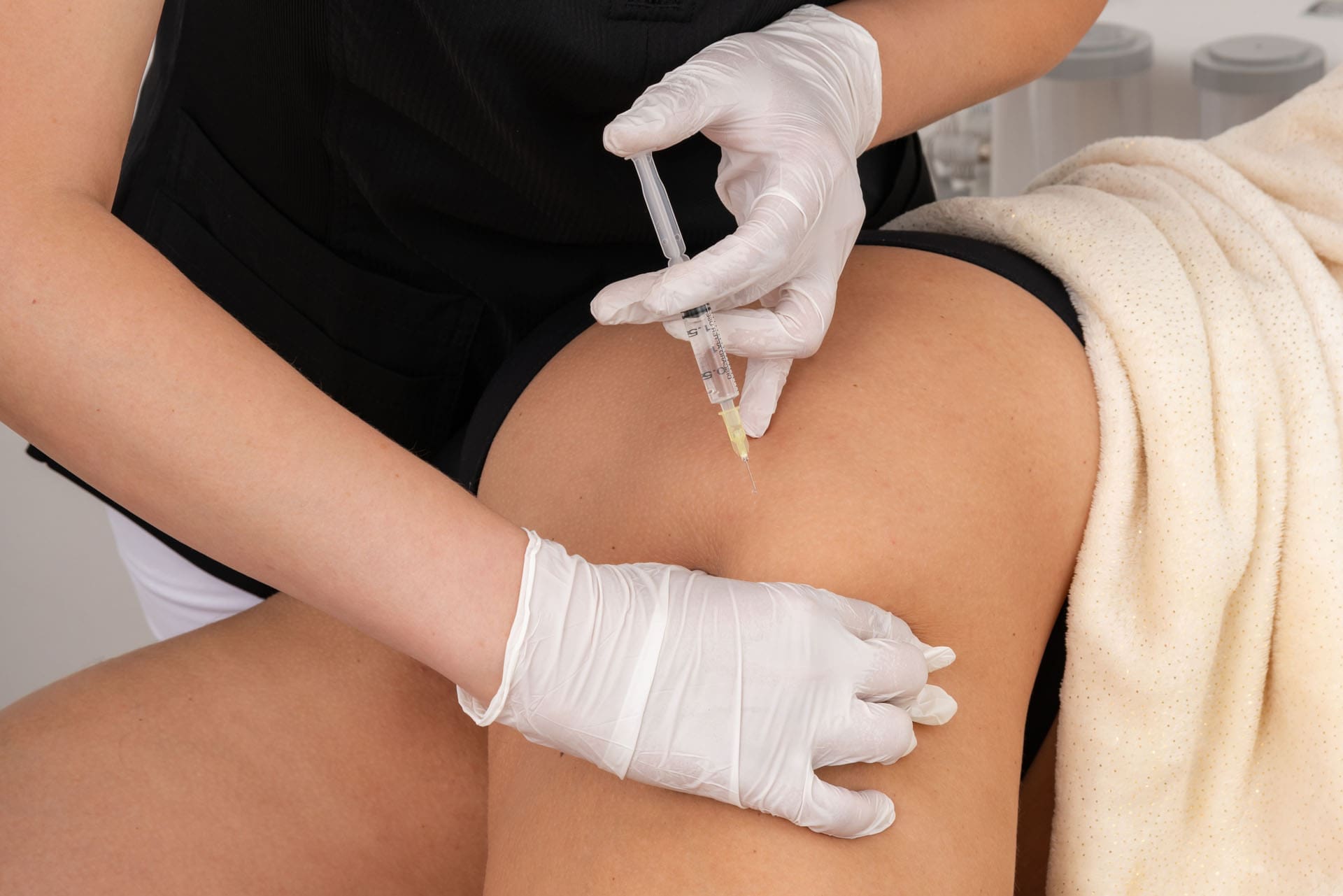
This is why ultrasound guidance is not a luxury; it is the standard of care for regenerative injections. Using real-time ultrasound imaging, I can visualize the needle’s path and confirm its placement directly in the target tissue. This ensures that the powerful biologic product we’ve carefully prepared is delivered precisely where it’s needed most, maximizing the potential for a successful healing response. Injecting “blind” is simply not an acceptable approach when the goal is true tissue regeneration.
The Foundational Role of Integrative Chiropractic and Rehabilitation
At El Paso Back Clinic, we view PRP not as a standalone “magic bullet” but as a catalyst within a comprehensive treatment plan. A chronically injured joint or tendon doesn’t exist in a vacuum. It is almost always accompanied by biomechanical dysfunction, muscle imbalances, poor movement patterns, and joint restrictions. Injecting PRP into a dysfunctional environment without addressing these underlying root causes is like planting a seed in barren soil.
This is the crucial role of integrative chiropractic care.
- Restoring Biomechanics: Before and after a PRP procedure, we focus on correcting biomechanical faults. Through specific chiropractic adjustments, we restore proper joint mobility, particularly in the spine, pelvis, and extremity joints related to the injury. This ensures that forces are distributed evenly across the kinetic chain, taking undue stress off the healing tissue.
- Addressing the Kinetic Chain: An arthritic knee, for instance, is often linked to problems in the hip, ankle, or even the lower back. Our comprehensive assessment identifies these related dysfunctions. By treating the entire kinetic chain, we create a stable and supportive environment for the PRP to work effectively.
- Targeted Rehabilitation: A structured physical therapy and rehabilitation program is essential. The initial goal post-injection is to protect the healing tissue. This is followed by a progressive program designed to:
- Improve Flexibility and Range of Motion.
- Strengthen Supporting Musculature.
- Retrain Neuromuscular Control and Proprioception (your body’s sense of its position in space).
This rehabilitation phase translates the biological healing initiated by PRP into functional, long-lasting improvement. It teaches the body to use the newly repaired tissue properly and helps prevent reinjury. The healing process stimulated by PRP takes time—often three to six months or more to see the full benefit. A patient, supportive, and well-structured rehabilitation plan is the bridge to that successful long-term outcome.
By combining a precisely dosed and accurately delivered PRP injection with expert chiropractic care and targeted physical therapy, we create a powerful synergy. We are not just chasing symptoms; we are correcting dysfunction, stimulating a biological repair process, and rebuilding a foundation for durable health and function.
References
- Everts, P., Onishi, K., Jayaram, P., Lana, J. F., & Mautner, K. (2020). Platelet-Rich Plasma: New Performance Understandings and Therapeutic Considerations in 2020. International Journal of Molecular Sciences, 21(10), 3626. https://doi.org/10.3390/ijms21103626
- Fitzpatrick, J., Bulsara, M., & Zheng, M. H. (2017). The Effectiveness of Platelet-Rich Plasma in the Treatment of Tendinopathy: A Meta-analysis of Randomized Controlled Clinical Trials. The American Journal of Sports Medicine, 45(1), 226–233. https://doi.org/10.1177/0363546516643716
- van der Weegen, W., van den Bosch, M. H. J., & van den Hoogen, F. H. J. (2016). No difference between leukocyte-poor platelet-rich plasma and placebo in the treatment of rotator cuff tendinopathy: a randomized controlled trial. British Journal of Sports Medicine, 50(21), 1353-1357. http://dx.doi.org/10.1136/bjsm-2015-095537
- Bennell, K. L., Paterson, K. L., Metcalf, B. R., Duong, V., Emsley, R., Burns, A. W., … & Hinman, R. S. (2021). Effect of Intra-articular Platelet-Rich Plasma vs Placebo on Knee Cartilage Volume, Pain, and Function in Patients With Knee Osteoarthritis: A Randomized Clinical Trial. JAMA, 326(20), 2021–2030. https://doi.org/10.1001/jama.2021.19415
General Disclaimer, Licenses, and Board Certifications *
Professional Scope of Practice *
The information herein on "Platelet-Rich Plasma for Spine and Injury Recovery" is not intended to replace a one-on-one relationship with a qualified health care professional or licensed physician and is not medical advice. We encourage you to make healthcare decisions based on your research and partnership with a qualified healthcare professional.
Blog Information & Scope Discussions
Welcome to El Paso's Premier Wellness and Injury Care Clinic & Wellness Blog, where Dr. Alex Jimenez, DC, FNP-C, a Multi-State board-certified Family Practice Nurse Practitioner (FNP-BC) and Chiropractor (DC), presents insights on how our multidisciplinary team is dedicated to holistic healing and personalized care. Our practice aligns with evidence-based treatment protocols inspired by integrative medicine principles, similar to those on this site and on our family practice-based chiromed.com site, focusing on naturally restoring health for patients of all ages.
Our areas of multidisciplinary practice include Wellness & Nutrition, Chronic Pain, Personal Injury, Auto Accident Care, Work Injuries, Back Injury, Low Back Pain, Neck Pain, Migraine Headaches, Sports Injuries, Severe Sciatica, Scoliosis, Complex Herniated Discs, Fibromyalgia, Chronic Pain, Complex Injuries, Stress Management, Functional Medicine Treatments, and in-scope care protocols.
Our information scope is multidisciplinary, focusing on musculoskeletal and physical medicine; wellness; contributing etiological viscerosomatic disturbances within clinical presentations; associated somato-visceral reflex clinical dynamics; subluxation complexes; sensitive health issues; and functional medicine articles, topics, and discussions.
We provide and present clinical collaboration with specialists from various disciplines. Each specialist is governed by their professional scope of practice and licensure jurisdiction. We use functional health & wellness protocols to treat and support care for musculoskeletal injuries or disorders.
Our videos, posts, topics, and insights address clinical matters and issues that directly or indirectly relate to our clinical scope of practice.
Our office has made a reasonable effort to provide supportive citations and has identified relevant research studies that support our posts. We provide copies of supporting research studies upon request to regulatory boards and the public.
To discuss how these matters can assist in a specific care plan or treatment protocol, please contact Dr. Alex Jimenez, DC, APRN, FNP-BC, or reach out to us at 915-850-0900.
We are here to help you and your family.
Blessings
Dr. Alex Jimenez DC, MSACP, APRN, FNP-BC*, CCST, IFMCP, CFMP, ATN
Email: [email protected]
Multidisciplinary Licensing & Board Certifications:
Licensed as a Doctor of Chiropractic (DC) in Texas & New Mexico*
Chiropractic Licenses:
Texas DC License #: TX5807, Verified: TX5807
New Mexico DC License #: NM-DC2182, Verified: NM-DC2182
Nurse Practitioner Licenses:
Texas APRN License #: 1191402, Verified: 1191402 *
New Mexico CNP License #: 90560, Verified 90560
Florida APRN License #: 11043890, Verified: APRN11043890 *
Colorado License #: C-APN.0105610-C-NP, Verified: C-APN.0105610-C-NP
New York License #: N25929, Verified N25929
Georgia APRN License #: GAA-NP005701
Multi-State Advanced Practice Registered Nurse (APRN*) Texas & Multi-States
Multi-state Compact APRN License by Endorsement (43 States)
Compact Status: Multi-State License: Authorized to Practice in 43 States*
Nursing Licensure Compact: Updated Here
DEA Registration: (Drug Enforcement Agency Registered)
All medical (MDs) and family practice providers (FNP-APRN) are registered and licensed to offer various levels of medication.
Verify Providers Here
License Verification Link: Nursys License Verifier
* Prescriptive Authority Authorized (DEA Registered Providers). Call if Required
Board Certification:
ANCC FNP-BC: Board Certified Nurse Practitioner*
Education:
Graduate with Honors: ICHS: MSN-FNP (Family Nurse Practitioner Program)
Degree Granted. Master's in Family Practice, MSN Diploma (Cum Laude)
Dr. Alex Jimenez, DC, APRN, FNP-BC*, CFMP, IFMCP, ATN, CCST
(Board Certified: Family Practice Nurse Practitioner—Multistate)*
(Licensed Nurse Practitioner & Chiropractor - Multistate)*
Clinical Director
DC & FNP License (Review Above)
Digital Business Card
NPI: 1205907805
Dr. Maria Cardenas, MD
(Board Certified: Internal Medicine)
(Licensed Medical Doctor)
Medical Director, Clinical Director & Collaborative Physician
NPI # 1164426748
MD License #: J2933
Licenses and Board Certifications:
MD: Medical Doctor
DC: Doctor of Chiropractic
APRNP: Advanced Practice Registered Nurse
FNP-BC: Family Practice Specialization (Multi-State Board Certified)
FNP-BC: Family Practice Across Life Span (Neonatal to Geriatrics)
RN: Registered Nurse (Multi-State Compact License)
CFMP: Certified Functional Medicine Provider
MSN-FNP: Master of Science in Family Practice Medicine
MSACP: Master of Science in Advanced Clinical Practice
IFMCP: Institute of Functional Medicine
CCST: Certified Chiropractic Spinal Trauma
ATN: Advanced Translational Neutrogenomics
Family with Primary Care Focus (Family Nurse Practitioner or FNP)
- The Family Nurse Practitioner (FNP) promotes, maintains, and restores health for individuals and families across the lifespan. FNPs also identify health risks, promote wellness, and diagnose and manage acute and chronic illness.
- The FNP focuses on comprehensive primary care, promoting healthy lifestyles for patients across the lifespan in settings such as private practice, physician offices, and community health centers.
Memberships & Associations:
TCA: Texas Chiropractic Association: Member ID: 104311
TNA: Texas Nurse Association: Member ID: 06458222
TNP: Texas Nurse Practitioner Association ID: 2025091511
AANP: American Association of Nurse Practitioners: Member ID: 2198960
ANA: American Nurses Association: Member ID: 06458222 (District TX01)
| Primary Taxonomy | Selected Taxonomy | State | License Number |
|---|---|---|---|
| No | 111N00000X - Chiropractor | NM | DC2182 |
| Yes | 111N00000X - Chiropractor | TX | DC5807 |
| Yes | 363LF0000X - Nurse Practitioner - Family | TX | 1191402 |
| Yes | 363LF0000X - Nurse Practitioner - Family | FL | 11043890 |
| Yes | 363LF0000X - Nurse Practitioner - Family | CO | C-APN.0105610-C-NP |
| Yes | 363LF0000X - Nurse Practitioner - Family | NY | N25929 |
| Yes | 363LF0000X - Nurse Practitioner - Family | NM |
90560 |
| Yes | 363LF0000X - Nurse Practitioner - Family | GA | GAA-NP005701 |
Dr. Alex Jimenez, DC, APRN, FNP-BC*, CFMP, IFMCP, ATN, CCST
(Board Certified: Family Practice Nurse Practitioner—Multistate)*
(Primary Care Across Lifespan—Neonatal / Pediatric / Adult / Geriatrics)
(Licensed Nurse Practitioner & Chiropractor - Multistate)*
Clinical Director
Digital Business Card
NPI: 1205907805
Dr. Maria Cardenas, MD
(Board Certified: Internal Medicine)*
(Licensed Medical Doctor)*
Medical Director, Clinical Director & Collaborative Physician
NPI # 1164426748
MD License #: J2933
📆 Schedule Appointment: Schedule 24/7 (Click Here)