Ergonomic Desk Setup for Better Posture: How Integrative Chiropractic Care and Peptide Support Reduce Physical Strain
Abstract: Poor posture from long hours at a desk or screen often leads to neck, back, and shoulder strain. This article explains simple ergonomic changes to chair, desk, and screen height that protect the body during daily work. It also shows how integrative chiropractic care restores alignment and movement, while certain peptide therapies may support recovery from secondary pain, inflammation, and soft-tissue stress when paired with rehabilitation. The discussion includes the team approach used at Injury Medical Clinic PA in El Paso, Texas, where chiropractic care works alongside medical oversight, functional medicine, and rehabilitation.
Why Poor Posture Creates Ongoing Strain
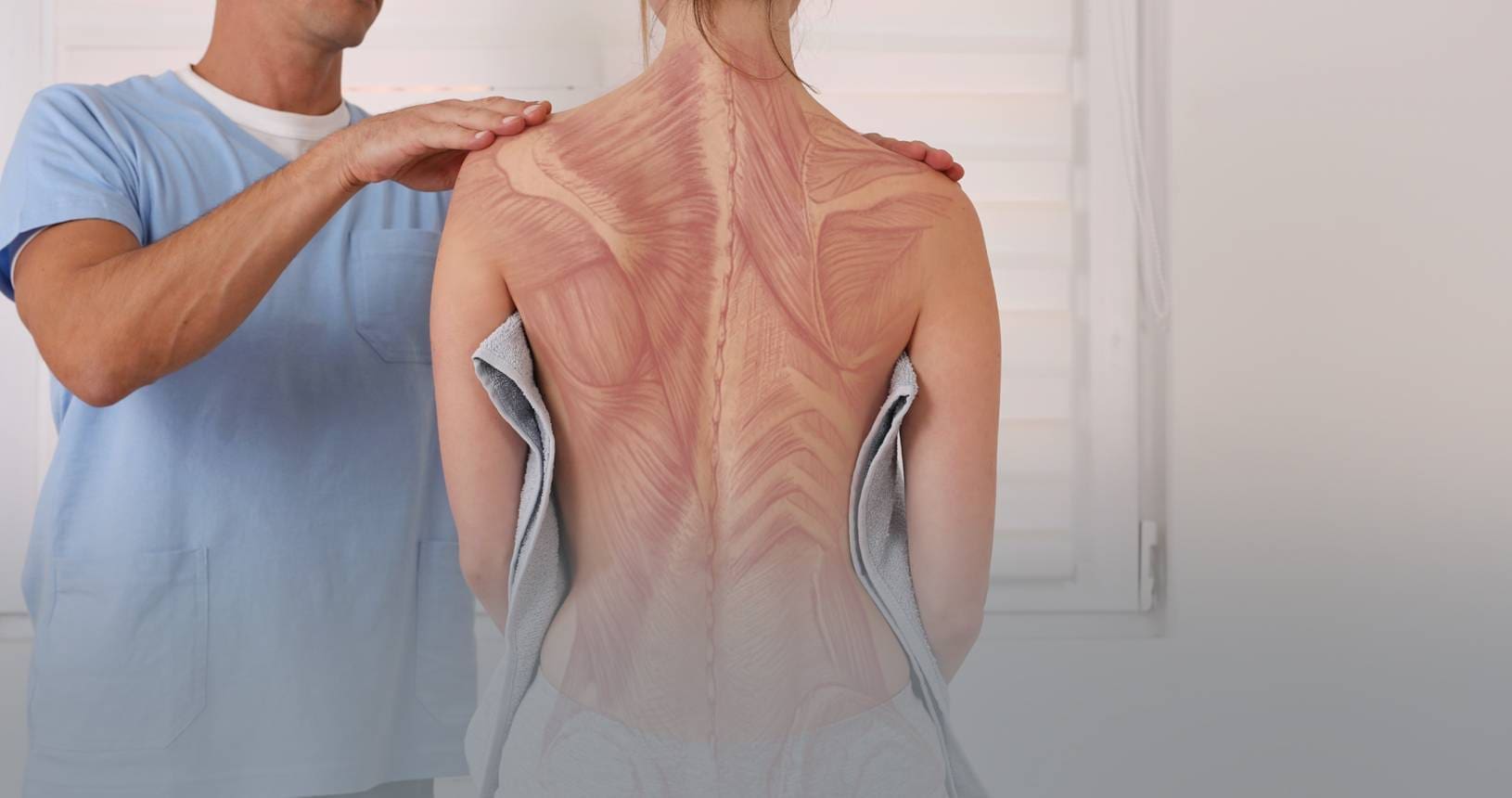
Many people spend hours sitting with rounded shoulders, forward head posture, and a collapsed lower back. Over time, this creates muscle imbalances. Some muscles become tight and short, while others weaken. The result is extra pressure on joints, reduced blood flow, and pain that can radiate to the neck, upper back, or lower back.
Poor posture is mainly a mechanical and habit problem. Weak postural muscles, stiff joints, and repeated positions keep the pattern going. Simple workstation fixes reduce the spine’s daily load. Professional care then helps the body regain better alignment and strength.
Building an Ergonomic Workstation That Protects Your Body
An effective ergonomic plan starts with three main adjustments: chair height, desk height, and screen position. These changes keep joints in neutral positions and lower physical strain.
Chair Height and Support
Adjust the chair so your feet rest flat on the floor or a footrest.
Knees should bend at about 90 degrees, with thighs roughly parallel to the floor.
Sit all the way back so the chair supports your lower back. Add a lumbar cushion if needed.
Keep a small gap (about two to three fingers) between the front edge of the seat and the back of your knees.
These settings prevent pressure under the thighs and keep the pelvis stable.
Desk and Keyboard Height
Set the desk or keyboard tray so your elbows form a 90-degree angle while typing.
Keep forearms roughly parallel to the floor and shoulders relaxed.
Keep wrists straight and neutral—not bent up or down.
Place the mouse close to the keyboard so you don’t have to reach.
If the desk cannot be lowered, raise the chair and use a footrest so feet stay supported.
Screen Position
Place the top of the screen at or slightly below eye level.
Keep the monitor about an arm’s length away (roughly 20–30 inches).
Center the screen directly in front of you so you do not twist your neck.
Tilt the screen slightly so it is easy to view without tipping your head forward or back.
These positions reduce the need to look down or crane your neck, easing strain on the cervical spine and upper shoulders.
Additional helpful habits include taking short movement breaks every 30–60 minutes, standing or walking briefly, and doing simple stretches for the chest, neck, and hip flexors. Consistent small changes lower cumulative stress on the body.
How Integrative Chiropractic Care Fits Into Posture Improvement
Ergonomic fixes reduce daily strain, but they do not automatically correct existing joint restrictions or muscle imbalances. Integrative chiropractic care addresses the mechanical side of the problem.
Chiropractic adjustments restore proper motion to spinal joints that have become stiff from prolonged sitting. This reduces nerve irritation and allows surrounding muscles to relax. Soft-tissue work and targeted exercises then retrain the postural muscles that hold the body upright. Many patients also receive guidance on workstation setup and simple home exercises that reinforce better habits.
Clinical observations from Dr. Alexander Jimenez, DC, APRN, FNP-BC, CCST, CFMP, IFMCP, ATN, show that desk workers often present with forward head posture, rounded shoulders, and restricted mid-back motion. Combining spinal adjustments with posture retraining and ergonomic coaching often leads to noticeable improvements in pain and function within several weeks.
At Injury Medical Clinic PA in El Paso, Texas, chiropractic care is part of a broader team model. Dr. Jimenez focuses on spinal alignment, biomechanics, movement, and rehabilitation. The clinic also includes functional medicine evaluation, personal injury care, and rehabilitation services. This coordinated approach treats the mechanical drivers of poor posture while supporting overall recovery.
Peptide Therapies as Supportive Tools—Not a Direct Posture Fix
Peptide therapies cannot directly correct poor posture. Bad posture is a mechanical and behavioral issue driven by weak muscles, tight joints, and daily habits. Peptides do not retrain movement patterns or realign the spine on their own.
However, certain peptides may support recovery from the secondary effects of poor posture—such as back pain, joint inflammation, and soft-tissue irritation—when used under medical supervision and paired with physical rehabilitation. Research and clinical discussion often focus on peptides such as BPC-157 and TB-500. These compounds have been studied for their potential roles in tissue-repair signaling, angiogenesis (new blood vessel growth), inflammation modulation, and support for tendon, ligament, and muscle recovery in preclinical models.
Other peptides, including GHK-Cu, have been explored for collagen-related support and antioxidant effects that may aid soft-tissue resilience. Collagen peptides taken orally can provide the building blocks the body uses to maintain connective tissue.
Important limits must be stated clearly. Many of these peptides remain investigational for musculoskeletal uses. Evidence in humans remains limited, and they are not FDA-approved for back pain or posture correction. Any use requires evaluation by a qualified provider who can assess safety, interactions, sourcing, and monitoring. Peptides work best as one supportive element inside a larger plan that already includes ergonomic changes, movement training, and professional care.
Combining Ergonomics, Chiropractic Care, and Supportive Therapies
An effective plan follows a clear sequence:
Correct the daily environment with proper chair, desk, and screen heights.
Restore joint motion and reduce protective muscle tension through chiropractic care.
Rebuild strength and endurance in the postural muscles with targeted exercises.
Address inflammation and support soft-tissue recovery with nutrition, possible peptide therapies when appropriate, and medical oversight.
Maintain progress through ongoing habit changes and periodic check-ins.
Nutrition supplies the amino acids, vitamins, and anti-inflammatory nutrients the body needs for tissue maintenance. Chiropractic care improves the mechanical environment, making movement easier and less painful. When clinically appropriate and carefully supervised, selected peptide therapies may help the body respond more effectively to rehabilitation.
The Multidisciplinary Team Approach in El Paso
At Injury Medical Clinic PA, care is delivered through a collaborative model common in integrative and injury-focused clinics. Dr. Alexander Jimenez is a Doctor of Chiropractic and a board-certified family nurse practitioner. He offers chiropractic care, functional medicine assessment, rehabilitation guidance, and dual-scope evaluation.
Dr. Maria Guadalupe Cardenas, MD (Board Certified in Internal Medicine, NPI #1164426749, Texas MD License #J2933), brings more than 40 years of experience as an internist. She serves as medical director and collaborative physician. Her role includes medical direction, internal medicine oversight, and safety review of care plans.
This structure allows the clinic to integrate chiropractic adjustments, functional medicine, personal injury documentation and rehabilitation, soft-tissue recovery support, and related services into a single coordinated approach. Patients receive mechanical correction, movement retraining, and medical supervision in the same setting. The model helps people with desk-related strain, personal injury recovery, and chronic musculoskeletal complaints, focusing on non-surgical, function-focused care.
Putting It All Together for Lasting Results
Start with the workstation. Adjust the chair so feet are flat and knees sit at 90 degrees. Set the desk so elbows form a right angle while typing. Raise the top of the screen to eye level. These three steps alone can reduce daily physical strain.
Next, seek integrative chiropractic care to restore joint motion, improve posture awareness, and receive personalized exercise and ergonomic coaching. When secondary pain, inflammation, or soft-tissue irritation persists, a medical provider may discuss whether supportive peptide therapies can be safely incorporated into the recovery plan alongside rehabilitation and nutrition.
Poor posture develops over time through habits and the environment. Lasting improvement also develops over time through consistent ergonomic changes, professional mechanical care, strength building, and whole-person support. Practical workstation adjustments, skilled chiropractic care, medical oversight, and carefully selected supportive therapies together provide a clear, realistic way to reduce strain and improve daily function.
El Paso Chiropractic and Regenerative Medicine Care
Abstract: This article explains how regenerative medicine therapies, such as platelet-rich plasma (PRP) and stem cell treatments, use biological signaling molecules to optimize cellular health and reduce systemic inflammation. These treatments do more than just relieve symptoms; they also activate the body’s natural repair processes by releasing growth factors, regulating immune cell activity, and improving tissue microenvironments. The post also shows how regenerative options such as PRP, PFP, MFAT, and IV infusions work alongside chiropractic care to further improve cellular function, reduce oxidative stress, restore spinal alignment, and lower neuroinflammatory signaling. Readers will learn about the multidisciplinary team in El Paso that coordinates these approaches under medical direction and chiropractic care for practical, whole-person support.
Why Systemic Inflammation Affects Cellular Health
Inflammation is the body’s normal response to injury or stress. In the short term, it helps clear damaged tissue and begin healing. When inflammation continues for a long time, it becomes a problem. It creates oxidative stress—excessive reactive molecules that harm cells—and prevents joints, tendons, nerves, and other tissues from fully recovering.
Many common treatments only temporarily quiet pain or swelling. They do not always restart the body’s own repair systems. Regenerative medicine works differently. It uses concentrated biological signals to guide the body toward real repair and better cellular function.
How Regenerative Therapies Use Biological Signaling Molecules
By using biological signaling molecules, regenerative medicine therapies such as stem cell treatments and platelet-rich plasma (PRP) can optimize cellular health and reduce systemic inflammation. These treatments do more than merely alleviate symptoms; they stimulate the body’s inherent repair mechanisms by releasing growth factors, regulating immune cell activity, and enhancing tissue microenvironments.
In summary, the main actions are:
Growth factors act as messengers that tell cells to grow, move, or rebuild tissue.
Immune cells can be guided away from a constant attack mode and toward a repair mode.
The local tissue environment becomes more supportive, giving healthy cells a better chance to function and damaged areas a better chance to recover.
PRP begins with a small sample of the patient’s own blood. The sample is processed to concentrate the platelets. When platelets are placed near injured tissue, they release growth factors that support repair and help balance inflammation.
Stem-cell-related treatments, including those that use mesenchymal stem cells or adipose tissue products, primarily act through signaling pathways. The cells release molecules that reduce harmful inflammatory signals, protect nearby tissue, and create a more favorable setting for healing.
Practical Regenerative Treatments That Support Repair
Several regenerative options are commonly used in clinical practice:
PRP concentrates the patient’s own platelets and their growth factors, delivering them to the site of repair.
PFP (platelet-fibrin or related plasma products) provides a temporary scaffold so that growth factors can be released more steadily over time.
MFAT (microfragmented adipose tissue) comes from a small amount of the patient’s own fat. The tissue is gently processed into tiny clusters that keep their natural structure. These clusters carry cells and signaling factors that help calm inflammation and support soft-tissue and joint repair.
IV infusions deliver vitamins, minerals, antioxidants, and related nutrients directly into the bloodstream. Common components include vitamin C, glutathione, magnesium, B vitamins, and NAD+. These nutrients help reduce oxidative stress, support cellular energy production, and provide the body with the materials it needs for repair.
Together, these treatments supply concentrated growth factors, reduce oxidative stress, and improve conditions around damaged tissue.
How Integrative Chiropractic Care Fits Into the Plan
When used in conjunction with chiropractic care, regenerative treatments such as platelet-rich plasma (PRP), platelet-free plasma (PFP), microfragmented adipose tissue (MFAT), and intravenous (IV) infusions can optimize cells, decrease oxidative stress, and restore spinal alignment to lower neuro-inflammatory signaling, all while reducing systemic inflammation.
Chiropractic care focuses on the mechanical and neurological side of the problem. When spinal segments or joints lose normal motion, nerves can become irritated. That irritation continues sending signals that maintain inflammation. Precise chiropractic adjustments restore better alignment and joint movement. Improved alignment reduces repeated strain on healing tissues and quiets excess nerve signals that feed inflammation.
The two approaches support each other in a clear way:
Regenerative therapies deliver growth factors and lower oxidative stress at the cellular level.
Chiropractic care restores spinal and joint alignment, reducing mechanical stress and calming neuroinflammatory signaling.
The improved mechanical environment enables biological signals to function more effectively.
Clinical experience shows that patients often achieve more lasting improvement when the cellular signals of regenerative care are combined with the improved movement and reduced nerve irritation provided by integrative chiropractic care.
The Multidisciplinary Team Approach in El Paso
At Injury Medical Clinic PA in El Paso, Texas, care is delivered through a coordinated team. Dr. Alexander Jimenez, DC, APRN, FNP-BC, CCST, CFMP, IFMCP, ATN, provides chiropractic care, regenerative treatment planning, functional medicine insight, personal injury evaluation, and rehabilitation. His clinical observations, shared through practice resources, emphasize that lasting recovery usually requires both tissue-level biological support and optimized spinal and joint mechanics. He notes that regenerative options work best when movement patterns and nerve signaling are also addressed.
Dr. Maria Guadalupe Cardenas, MD, Board Certified in Internal Medicine (NPI #1164426749, Texas MD License #J2933), brings more than 40 years of experience as an internist. She serves as Medical Director and Collaborative Physician. This multidisciplinary setup is common in integrative and injury-care clinics. The MD is in charge of medical care and supervision, while the chiropractor works on spinal alignment, joint mechanics, posture, muscle function, and rehabilitation. The team also integrates functional medicine, personal injury care, rehabilitation, and related services so patients receive coordinated plans that address inflammation, cellular health, structural issues, and overall recovery under proper medical supervision.
What Patients Often Notice Over Time
People who follow a combined regenerative and chiropractic plan frequently report:
Gradual reduction in ongoing swelling and discomfort
Improved joint comfort and easier daily movement
Better energy and recovery after activity
A sense that tissues feel more resilient as time passes
The process is gradual. Growth factors and signaling molecules begin their work soon after treatment. Patients can feel improvements in alignment from chiropractic care relatively quickly. Nutrient support from IV therapy helps the whole system stay ready for repair. Over weeks and months, many patients find that their bodies are no longer fighting themselves as hard and are instead rebuilding.
Bringing the Approaches Together
By using biological signaling molecules, regenerative medicine therapies such as stem cell treatments and platelet-rich plasma (PRP) optimize cellular health and reduce systemic inflammation. These treatments stimulate the body’s inherent repair mechanisms by releasing growth factors, regulating immune cell activity, and enhancing tissue microenvironments rather than merely covering symptoms. When used alongside chiropractic care, regenerative treatments such as PRP, PFP, MFAT, and IV infusions further optimize cellular function, decrease oxidative stress, restore spinal alignment, and lower neuroinflammatory signaling while reducing systemic inflammation.
In the El Paso setting, medical direction from an experienced internist works alongside chiropractic care, functional medicine, personal injury evaluation, and rehabilitation services. This creates a practical path that supports healing from the cellular level outward while addressing the mechanical and neurological factors that perpetuate inflammation.
Anyone dealing with ongoing inflammation or slow-healing tissue injury can benefit from a thorough evaluation to determine whether this combination of approaches is appropriate. Clear information and coordinated care help people move toward lasting recovery.
Repairing Your Spine from the Inside Out: How Chiropractic and Regenerative Therapies Work Together
Chronic back or neck pain can make everyday life feel challenging. Many people try rest, pain pills, or physical therapy, but the pain often returns. Surgery is one option, yet it comes with risks and long recovery times. There is a better path for many people. Combining chiropractic care with regenerative therapies helps repair the spine from the inside out. Chiropractic adjustments fix the structure and alignment. Treatments such as PRP injections and shockwave therapy help heal the soft tissues around the bones. Together, they stop chronic pain and help rebuild strength without surgery.
This approach treats the whole picture. It is like fixing a house with problems in both the frame and the interior.
Your Spine Is Like a House
Think of your spine like the wooden frame of a house. The bones (vertebrae) are the main beams. The discs, ligaments, tendons, and muscles are the wood, pipes, and supports that hold everything together.
If the frame leans or shifts, the whole house feels off. Chiropractic adjustments gently move the bones back into better position. This straightens the frame and takes pressure off nerves.
But what if the wood is rotting or the pipes are leaking? Straightening the frame alone will not last. The house will lean again. The same thing happens with the spine. If the soft tissues stay damaged or inflamed, pain and weakness return even after effective adjustments.
Regenerative therapies, laser treatments, and shockwave therapy act like a skilled repair crew. They go into damaged areas, reduce swelling, and help new, healthy tissue grow. Massage and spinal decompression then remove daily stress so the repairs hold strong over time. This comprehensive plan delivers lasting results for many people with ongoing spinal problems.
Chiropractic Care: Fixing the Structural Frame
Chiropractic care focuses on the bones and joints of the spine. A chiropractor uses gentle, hands-on adjustments to correct misalignments. These shifts can happen from poor posture, old injuries, car accidents, or years of sitting and bending.
Adjustments help in simple ways:
They restore normal movement in stiff joints.
They reduce pressure on nerves that cause pain, numbness, or tingling.
They improve blood flow and support the body’s natural healing ability.
They help improve posture so daily activities feel easier.
According to reliable health information, chiropractic adjustments aim to correct alignment problems, ease pain, and support the body’s natural ability to heal itself (MedlinePlus, n.d.). Many people use it for low back pain, neck pain, and headaches. It is a hands-on method that does not rely on drugs or surgery.
When the frame is straight, the rest of the spine can heal better. But adjustments work even better when paired with treatments that fix the soft tissues around the bones.
Regenerative Therapies: The Repair Crew for Soft Tissues
Regenerative therapies use the body’s own materials to heal damaged areas. They target the “rotting wood” parts — inflamed discs, torn ligaments, irritated nerves, and weak tendons. These treatments send growth signals that tell cells to repair and rebuild.
Common options include:
PRP (platelet-rich plasma): A small amount of your blood is spun in a machine to concentrate the healing platelets. These are injected into painful spots. Growth factors signal damaged tissues to calm down and grow stronger (El Paso Back Clinic, n.d.).
Shockwave therapy: Special sound waves reach deep into sore muscles and tendons. They increase blood flow, break up scar tissue, and wake up the body’s repair process (Sleppy Chiropractic, n.d.).
MLS laser therapy: Safe light energy gives cells more power (ATP) to reduce inflammation and speed healing at the deepest level (Sleppy Chiropractic, n.d.).
Spinal decompression: Gentle stretching creates space between vertebrae. This relieves pressure on bulging discs, allows nutrient-rich fluid to flow in, and helps discs rehydrate and repair (Sleppy Chiropractic, n.d.).
These therapies help stop the cycle of chronic pain. They reduce swelling, support new tissue growth, and strengthen the areas that hold the spine in place. Many patients notice reduced pain and improved mobility within weeks when these treatments are used as part of a comprehensive plan.
How Chiropractic and Regenerative Therapies Work Together
The real power comes when the two approaches work together. Chiropractic adjustments create the right alignment so new tissue can form correctly. Regenerative treatments create a healing environment within tissues so that repairs last (El Paso Back Clinic, n.d.).
Here is how the full plan usually flows:
First, a careful exam and imaging find the exact problems.
Chiropractic adjustments straighten the frame and improve motion.
Regenerative injections or shockwave therapy target the damaged soft tissues and nerves.
Spinal decompression and soft-tissue work (such as massage or rehab exercises) reduce daily stress and protect healing areas.
Functional medicine support — nutrition, sleep, and inflammation control — helps the whole body recover.
One clinical observation notes, “When regenerative injections and chiropractic care happen together, the results often last longer. The injections create a better healing environment inside the tissues. The adjustments keep the joints moving correctly so that new tissue forms properly and does not become stressed again” (El Paso Back Clinic, n.d.).
Another insight suggests that a combined approach using chiropractic care, spinal decompression, regenerative injections, and supportive therapies, such as shockwave and laser therapy, often works better. These treatments create both mechanical and biological conditions that help the body heal and maintain better alignment (Personal Injury Doctor Group, 2026).
Patients often report meaningful drops in pain, better strength, and the ability to return to work or activities they enjoy. The goal is not just short-term relief. It is lasting repair that helps people avoid surgery and strong medications.
Expert Multidisciplinary Care in El Paso, Texas
In El Paso, this type of care happens in a true team setting. Dr. Alexander Jimenez, DC, APRN, FNP-BC, CFMP, IFMCP, ATN, CCST, brings over 30 years of chiropractic experience plus his training as a board-certified family nurse practitioner. His clinical observations show that patients with old injuries, car accident damage, sciatica, and posture-related spine pain improve when care targets both tissue repair and nervous system function. He sees people regain mobility, reduce chronic pain, and return to daily life through personalized, non-invasive plans that combine adjustments, regenerative therapies, rehabilitation, and functional medicine support (Dr. Alexander Jimenez, n.d.; Injury Medical Clinic PA, n.d.).
Working alongside him is Dr. Maria Guadalupe Cardenas, MD. She is a board-certified internal medicine physician (NPI #1164426749, Texas MD License #J2933) with over 40 years of experience. She serves as medical director and collaborative physician at Injury Medical Clinic PA. In this multidisciplinary setup — common in integrative and injury care clinics — the MD provides medical oversight, ensures procedural safety, reviews complex health factors, and adds an internal medicine perspective. Dr. Jimenez delivers the hands-on chiropractic and regenerative care. Together with functional medicine, personal injury documentation, and rehabilitation services, the team creates one coordinated plan under one roof.
This collaboration means patients receive complete care. The structural work (chiropractic), the biological repair (regenerative therapies), and the medical guidance all support each other. It is especially helpful for people with personal injuries, sciatica, chronic back pain, or posture problems that have not fully healed with other approaches.
Breaking the Pain Cycle and Rebuilding Strength
Poor posture or old injuries often create a cycle: misalignment stresses soft tissues, tissues become inflamed or torn, pain limits movement, and weakness worsens. The combined approach breaks this cycle at every level.
Chiropractic restores alignment and motion. Regenerative therapies heal and strengthen the supporting tissues. Decompression and soft tissue care protect the repairs from daily stress. Over time, many people feel less pain, stand taller, move more freely, and enjoy activities again.
This path focuses on root causes instead of just masking symptoms. It supports the body’s natural ability to heal while giving it the right tools and environment to succeed.
If ongoing spine pain is limiting your life, learning more about this integrative approach may open new options. Many people in El Paso and surrounding areas have found real relief and lasting improvement through careful, combined care that repairs the spine from the inside out.
How PRP Therapy, Chiropractic Adjustments, and Spinal Decompression Can Help Fix Poor Posture Issues in El Paso, TX
Poor posture is a common problem for many adults. Long hours at a desk, looking down at phones, past injuries, or even stress can pull the body out of alignment. Over time, this extra stress does more than cause discomfort. It can weaken muscles, tighten ligaments, and create small tears in the tissues that support the spine.
When these supporting structures break down, it becomes harder to hold good posture without pain or fatigue. Simple stretches or exercises may not be enough if the underlying tissues are damaged. That is where a combined approach using regenerative treatments, chiropractic care, spinal decompression, and supportive therapies can make a real difference. These methods work on both the mechanical alignment of the spine and the biological repair of the tissues that hold everything in place.
How Poor Posture Affects Muscles and Ligaments
Poor posture places uneven pressure on the spine and surrounding tissues. Muscles that should stay balanced often become tight on one side and weak on the other. Ligaments, the strong bands that connect bones and stabilize joints, can stretch beyond their normal range or develop tiny tears from ongoing strain.
This creates a cycle. Weak or damaged tissues make it difficult to maintain proper alignment. The body then compensates with increased tension or guarding, leading to greater pain and stiffness. Many people notice neck tension, low back ache, headaches, or radiating discomfort that makes daily activities harder.
Research on posture and spinal health shows that these changes in muscles and ligaments often contribute to ongoing instability (Darlington Chiropractic Care, n.d.; Square One Health, n.d.). Without addressing both the alignment and the tissue health, progress can stall.
Regenerative Medicine Options Such as PRP Therapy
Regenerative treatments focus on helping the body repair itself at the tissue level. Platelet-Rich Plasma (PRP) therapy is one common option. It uses a small sample of the patient’s own blood, which is processed to concentrate platelets and growth factors. When injected near damaged ligaments or spinal tissues, these concentrated elements send signals that encourage natural healing and new tissue growth.
Similar approaches include Platelet-Free Plasma (PFP) and micro-fragmented adipose tissue (mFAT or MFAT) from the patient’s own fat. These provide growth factors or a natural scaffolding that supports repair in areas worn down by long-term poor posture.
The goal is to strengthen the ligaments so they can better hold the vertebrae in proper position. This biological support is especially helpful when pain or tissue damage has made it difficult to maintain proper alignment through exercise or adjustments alone (Apex Biologix, n.d.; El Paso Chiropractor Blog, 2026).
Chiropractic Adjustments for Better Spinal Alignment
Chiropractic care uses precise, hands-on techniques to gently move vertebrae and joints back toward better alignment. This restores normal motion, reduces pressure on nerves, and helps tight muscles relax. Adjustments also improve the body’s sense of position, called proprioception, making it easier to maintain optimal posture without constant conscious effort.
When tissues are supported by regenerative treatments, chiropractic adjustments often hold their results longer. The mechanical correction works together with the biological repair occurring in the ligaments and muscles (Apex Biologix, n.d.; Darlington Chiropractic Care, n.d.).
Spinal Decompression Therapy
Spinal decompression uses a gentle, controlled pulling force to create more space between the vertebrae. This relieves pressure on bulging discs, pinched nerves, and irritated structures that often result from years of poor posture or compression.
Improved space allows better fluid movement and nutrient flow into the discs. Many patients report that it reduces radiating pain or sciatica-like symptoms, making it easier to participate in rehabilitation and daily movement. Decompression pairs well with other therapies because it relieves pressure on the spine while regenerative treatments promote tissue repair (El Paso Chiropractor Blog, 2026; Square One Health, n.d.).
Supportive Therapies: Shockwave and MLS Laser
Two advanced modalities often enhance results. Shockwave therapy delivers targeted sound waves that increase blood flow, break down scar tissue, and stimulate the body’s repair processes. It is frequently used to “prime” an area before PRP injections or to continue remodeling tissue afterward.
MLS laser therapy uses specific wavelengths of light to reduce inflammation and swelling while boosting cellular energy to support healing. It is particularly beneficial after regenerative injections or adjustments to keep post-treatment soreness low and speed overall recovery. Together, these therapies create a more favorable environment for the main treatments to succeed (CELasers, n.d.; OSpine Medical, n.d.; Carolina Non-Surgical Ortho, n.d.).
How the Therapies Work Together for Better Outcomes
No single treatment fixes posture by itself. The power comes from combining them in a thoughtful sequence.
Regenerative injections such as PRP first deliver growth factors directly to weakened ligaments and damaged tissues. This initiates the biological repair process, allowing the structures that support the spine to become stronger and more stable.
Chiropractic adjustments then provide the mechanical realignment, helping vertebrae sit in better positions while the tissues heal. Spinal decompression creates the necessary space and reduces nerve pressure, allowing the regenerative signals to work without constant compression interfering.
Shockwave therapy improves circulation and tissue responsiveness, helping the PRP or similar treatments reach their full effect. MLS laser therapy calms any temporary inflammation from injections or adjustments, so patients can stay consistent with care and rehabilitation.
Epidural injections may be added in cases of severe nerve inflammation or radiating pain. They calm irritated nerves enough for the patient to safely engage in adjustments, decompression, and exercises.
The result is a supportive environment where the body can heal both structurally and biologically. Patients often report less daily pain first, followed by easier movement and a gradual return to better posture that requires less effort to maintain. This integrated approach is especially useful when underlying tissue damage has made it difficult to progress with conservative care alone (Personal Injury Doctor Group, 2026; El Paso Chiropractor Blog, 2026).
Integrated Care at Injury Medical Clinic in El Paso
At Injury Medical Clinic PA in El Paso, Texas, patients have access to this type of coordinated care under one roof. Dr. Alexander Jimenez, DC, APRN, FNP-BC, CFMP, IFMCP, ATN, and CCST, brings extensive clinical experience in chiropractic care, regenerative procedures, functional medicine, personal injury support, and rehabilitation. His observations show that many people with posture-related pain from desk work, old injuries, or daily habits benefit when both alignment and tissue health are addressed together.
Working closely with him is Dr. Maria Guadalupe Cardenas, MD, a board-certified internal medicine physician with over 40 years of experience. She serves as Medical Director and Collaborative Physician at the clinic (NPI #1164426749, Texas MD License #J2933). Her role provides medical oversight and direction, ensuring comprehensive evaluation and safe coordination of care.
This collaboration between chiropractic and regenerative expertise (Dr. Jimenez) and internal medicine leadership (Dr. Cardenas) is a common model in integrative and injury-focused clinics. The team also incorporates functional medicine, rehabilitation, soft tissue work, and detailed documentation for personal injury or insurance needs. Patients receive personalized plans that consider the whole picture—structural alignment, tissue repair, inflammation control, and overall function—rather than isolated treatments (El Paso Chiropractor Blog, 2026; LinkedIn pulse on integrated injury care, n.d.; DrAlexJimenez.com, n.d.).
What to Expect from a Combined Treatment Plan
Care usually begins with a thorough evaluation, including a history, an examination, and any necessary imaging or tests. The team then designs a plan that may include regenerative injections, a series of chiropractic adjustments, decompression sessions, shockwave or laser therapy, and guided rehabilitation exercises for posture and core strength.
Progress is monitored closely. Many people notice reduced pain and stiffness within the first few weeks, with continued improvement in mobility and posture comfort over several months. Results vary based on the severity of tissue damage, overall health, and consistency with home exercises and ergonomic changes. The goal is lasting functional improvement, not just temporary relief.
Taking Steps Toward Better Posture and Comfort
Poor posture can create a frustrating cycle of pain and limitation, but addressing both the mechanical alignment of the spine and the biological health of supporting tissues offers a promising path forward. Therapies like PRP and related regenerative options, combined with chiropractic adjustments, spinal decompression, shockwave, and MLS laser therapy, work together to create the conditions the body needs to heal and maintain better alignment.
In El Paso, the integrated team at Injury Medical Clinic PA, led by Dr. Alex Jimenez and under the medical direction of Dr. Maria Guadalupe Cardenas, provides a multidisciplinary approach for patients dealing with posture problems, personal injuries, and related spinal concerns. If ongoing posture discomfort is affecting your daily life, exploring these combined options with experienced providers may help you move toward lasting relief and improved function.
Unlocking Cellular Healing: The Power of Advanced Laser Therapy in Integrative Care
Abstract
As a clinician with a diverse background spanning chiropractic, advanced practice nursing, and functional medicine, my primary goal is to offer patients the most effective, evidence-based treatments available. In this educational post, I will take you on a journey into the world of Multiwave Locked System (MLS) Laser Therapy, a cutting-edge technology that is transforming how we manage pain and inflammation. We will explore the science behind this therapy, moving beyond surface-level explanations to understand its profound effects on cellular biology, including its impact on mitochondria and the inflammatory cascade. I will share insights from leading researchers and demonstrate how we apply this technology in clinical settings, particularly for conditions such as low back pain and joint issues. Furthermore, I will explain how MLS Laser Therapy integrates seamlessly into a comprehensive care model like ours at Injury Medical Clinic, where we combine chiropractic adjustments, physical rehabilitation, and advanced medical oversight from our Medical Director, Dr. Maria Guadalupe Cardenas, MD, to optimize patient outcomes. This post will detail specific treatment protocols, the importance of energy density, and how this therapy can augment other regenerative treatments, such as Platelet-Rich Plasma (PRP), offering a multifaceted approach to true healing.
A New Frontier in Healing at Injury Medical Clinic
Hello, I’m Dr. Alex Jimenez. With my credentials as a Doctor of Chiropractic (DC) and Advanced Practice Registered Nurse (APRN), and my certifications in functional and integrative medicine (CFMP, IFMCP), my passion has always been to bridge gaps between healing disciplines. At Injury Medical Clinic PA, we have built a practice on this very principle: a truly integrative approach to patient wellness.
A cornerstone of our collaborative model is my partnership with Dr. Maria Guadalupe Cardenas, MD. Dr. Cardenas is Board Certified in Internal Medicine and serves as our esteemed Medical Director and Collaborative Physician. With over 40 years of invaluable experience, she provides essential medical oversight, ensuring our patients receive safe, comprehensive, and well-rounded care. This multidisciplinary structure allows us to blend the best of chiropractic and physical rehabilitation with the diagnostic and medical expertise of internal medicine. Our team works in synergy, designing treatment plans that address not just the symptoms but the underlying physiological dysfunction. Whether a patient is recovering from a personal injury, managing a chronic condition, or seeking to optimize their overall health, our integrated team provides a holistic, evidence-based pathway to recovery.
Navigating Low Back Pain with MLS Laser Therapy
One of the most common ailments we see is chronic low back pain. Today, we have a patient, John, who is experiencing persistent joint pain and stiffness in his lumbar spine, specifically around the L4-L5 facet joints, with some discomfort radiating down his right side. This is a classic presentation that responds exceptionally well to a targeted, multimodal approach.
For John, we are utilizing the M6 Robotic MLS Laser. The first priority is always patient comfort. When using a robotic system, it’s critical that the patient remains still, as the laser is programmed to treat a precise area. We position the patient face down to allow direct access to the skin over the lumbar spine, as the laser energy must be delivered without the barrier of clothing.
The Clinical Multimodal Approach: More Than Just the “Spot of Pain”
Once John is comfortable, we begin the setup. The robotic laser interface is remarkably sophisticated yet user-friendly.
Targeting the Ailment: I select the “Joint Pain and Stiffness” protocol for the back.
Centering the Treatment: I zero out the X and Y axes on the control panel. This temporarily stops the robotic arm’s movement, allowing me to manually position the guiding red light directly over the primary source of John’s discomfort—the L4-L5 region he indicated.
Expanding the Field: This is where our clinical multimodal approach comes into play. Instead of just treating the single spot of pain, I expand the treatment area using the X and Y controls. This creates a larger therapeutic field that covers not only the symptomatic facet joints but also the surrounding connective tissue, muscles, and nerve roots. We aren’t just chasing pain; we are treating the entire functional unit to address the source of the dysfunction and support the interconnected biological systems.
The laser head is positioned at a precise distance from the skin—about six inches—using a provided ruler. This is crucial because the MLS laser beam is collimated, meaning the light rays are parallel. The focal point is engineered to be most effective at this distance, ensuring the therapeutic energy penetrates deep into the tissues rather than dissipating at the surface.
The Science of Healing: How MLS Laser Therapy Works
With the treatment underway—an eight-minute session for John’s low back—let’s dive into what’s happening at a cellular level. It’s common for patients to ask if they will feel anything. Most feel nothing at all, though some may notice a gentle warmth or tingling. This lack of intense heat is a hallmark of the MLS system’s advanced design.
The device combines two specific wavelengths of light: an 808-nanometer (nm) continuous-wave and a 905-nanometer (nm) pulsed-wave.
The 808 nm wavelength works more superficially to reduce inflammation and edema. It enhances blood circulation to the area, which helps clear out inflammatory byproducts and deliver oxygen and nutrients.
The 905 nm wavelength, delivered in powerful, short pulses, penetrates much deeper, reaching tissues such as muscle, nerve, and even the joint capsule. This pulsed energy is what provides the powerful analgesic (pain-relieving) effect.
These two wavelengths are synchronized, creating the patented “MLS pulse.” This enables delivery of very high peak power (up to 50 watts) in extremely short bursts (nanoseconds). This high-intensity “punch” of energy stimulates the cells without generating heat. A period of rest follows each pulse, allowing the tissue to absorb the energy efficiently. If a laser produces significant heat at the skin’s surface, it often means the energy isn’t being absorbed properly by the target tissues. The MLS system maintains tissue temperature at a constant level, ensuring optimal therapeutic delivery.
Seeing the Invisible: A Window into the Treatment
A fascinating demonstration of this technology involves using a smartphone camera. While the red aiming light is visible to the naked eye, the therapeutic infrared laser light is not. However, a camera’s sensor can detect it. If you were to look at John’s back through a phone camera during treatment, you would see a distinct triangle of light—this is the 808 nm wavelength at work, covering a significant area and illustrating how comprehensively we are treating the region.
Energy Density: The Key to Effective Dosing
A critical concept in laser therapy is energy density, measured in joules per centimeter squared (J/cm²). This is more important than the total number of joules delivered. Think of it like watering a plant: you need to provide the right amount of water for the pot’s size. Too little has no effect; too much drowns it. Similarly, our goal is to deliver a precise dose of light energy to the target tissue.
The World Association for Laser Therapy (WALT) and a large body of research support an optimal therapeutic window of 4-10 J/cm².
For John’s condition, the protocol is set to deliver approximately 6 J/cm². The laser’s software automatically calculates the treatment time required to achieve this density over the selected area. If I were to make the treatment area smaller or larger, the software would instantly recalibrate the time to ensure the correct dose is delivered.
This concept also relates to the Arndt-Schultz Law, a pharmacological principle stating that low doses stimulate, moderate doses inhibit, and high doses are toxic. With laser therapy, if you “overcook” an area with too much energy, you risk a bioinhibitory effect, in which the treatment becomes less effective or even counterproductive. The body’s cells can only absorb so much energy at once. This is why our protocols focus on precise energy density and, if more treatment is needed, we target different areas (e.g., an anterior and posterior approach for a knee) rather than just increasing the time on one spot.
Integrating Modalities for Superior Results
While the robotic laser treats the broader lumbar region, I can simultaneously use a handheld MLS laser applicator. This handpiece allows for more focused treatment on specific points, such as trigger points or “knots” in the muscle. I often use the “cooked meat” versus “raw meat” analogy that a physical therapist once taught me. Healthy, relaxed muscle feels like raw meat, while a tight, knotted trigger point feels firm, like cooked meat. The handheld applicator is perfect for treating these punctual spots.
The robot and the handpiece operate on two separate channels, allowing us to perform this dual treatment. This is a perfect example of our integrative philosophy in action:
Chiropractic Care: Before or after the laser session, I can perform specific chiropractic adjustments to restore proper motion to the L4-L5 facet joints and relieve mechanical stress.
Physical Rehabilitation: Our team can guide John through exercises to strengthen his core musculature and improve spinal stability.
MLS Laser Therapy: The laser works at the cellular level to reduce pain and inflammation that may be hindering his ability to engage in rehabilitation, thereby accelerating healing.
This combination addresses the structural, functional, and biochemical aspects of his condition simultaneously.
Advanced Applications: Augmenting Regenerative Medicine
The conversation around healing is increasingly turning toward orthobiologics, such as Platelet-Rich Plasma (PRP) injections. This is where MLS Laser Therapy shows even more remarkable potential. A common question arises: if PRP induces a beneficial pro-inflammatory phase to kickstart healing, won’t an anti-inflammatory laser treatment counteract it?
The answer is no. In fact, the laser augments the process. The data and our clinical observations show that using laser therapy in conjunction with PRP can improve outcomes by an estimated 15-20%.
Here is the progressive protocol we often recommend:
Pre-Injection Priming (2-3 treatments): In the weeks leading up to the PRP injection, we use the laser to “prepare the soil.” These sessions are designed to increase local blood circulation, reduce baseline chronic inflammation, and optimize the cellular environment, making the tissue more receptive to the growth factors in the PRP.
Day of Injection (1 treatment): A treatment on the day of the procedure can further enhance the effects.
Post-Injection Support (6+ treatments): Following the injection, a series of laser treatments helps manage pain and supports the regenerative cascade initiated by the PRP. The laser enhances mitochondrial function, which is critical for providing the cellular energy (ATP) needed for tissue repair.
The Cascade of Healing: From Acute Relief to Chronic Repair
How does a single modality address both acute pain and chronic conditions? The effects occur in a cascade.
Immediate Effect (Acute Phase): The initial pain relief often comes from the laser’s effect on small, unmyelinated nerve fibers (C-fibers) that transmit pain signals. The energy can temporarily block these signals, providing rapid relief. This is the analgesic effect.
Subsequent Effect (Inflammatory Modulation): Over the next few hours and days, the anti-inflammatory effect takes hold. The laser energy modulates the immune response, reducing pro-inflammatory cytokines and promoting the resolution of inflammation and edema.
Long-Term Effect (Biostimulation and Chronic Repair): With a series of treatments, we get to the core of cellular repair. Light energy is absorbed by cytochrome c oxidase in the mitochondria, the powerhouses of our cells. This significantly increases ATP (adenosine triphosphate) production, the body’s primary energy currency. This surge in available energy fuels all cellular repair processes, from protein synthesis to cell replication, promoting true, long-term tissue healing.
This mitochondrial boost is especially relevant in today’s world, where many common medications, such as statins, can impair mitochondrial function. By enhancing mitochondrial biogenesis and efficiency, laser therapy can help overcome these hurdles and optimize the body’s innate healing capacity. This is why we also discuss nutritional and lifestyle factors—such as CoQ10 supplementation to support mitochondrial function—as part of a truly comprehensive functional medicine approach.
Treatment Frequency and The Cumulative Effect
Healing is a process, not an event. The effects of MLS Laser Therapy are cumulative. We recommend a series of treatments to achieve lasting results.
Acute Conditions: Typically, a course of 6 treatments is effective.
Chronic Conditions: A more intensive course of 12 treatments is often needed.
Ideally, treatments are scheduled close together (e.g., Monday, Wednesday, Friday) to build therapeutic momentum. It is crucial for patients to complete the full course. Many start feeling significantly better after just 3-4 sessions and are tempted to stop. However, completing the entire protocol ensures deeper cellular repair, leading to more durable outcomes.
At Injury Medical Clinic, our mission is to empower your body’s own ability to heal. By integrating the best of chiropractic, medical oversight, and groundbreaking technologies like MLS Laser Therapy, we offer a path to recovery that is not only faster but also more complete.
World Association for Laser Therapy. (n.d.). WALT Recommended Treatment Doses for LLLT. WALT. Retrieved from https://waltza.co.za/wp-content/uploads/2012/08/Dose_table_780-860nm_for_Low_Level_Laser_Therapy_WALT-2010.pdf
Platelet-Rich Plasma (PRP) Therapy for Better Posture at El Paso Back Clinic: Natural Healing for Spine Strength and Daily Comfort
Many people in El Paso struggle with slouched shoulders or a rounded back that makes everyday tasks feel harder. These posture problems often hide more profound issues like pain, weak ligaments, or worn spinal discs. When it hurts to stand tall, the body chooses easier but unhealthy positions. Over time, this cycle worsens discomfort. At El Paso Back Clinic, platelet-rich plasma (PRP) therapy offers a natural way to break that cycle. PRP therapy can indirectly ease posture issues by calming the pain that forces bad habits, strengthening weak ligaments and tendons, and repairing degenerated spinal discs. When added to a full treatment plan at El Paso Back Clinic, PRP helps address the root musculoskeletal problems that cause poor posture. This leads to smoother movement and better body balance in the neck, back, and shoulders. Patients often turn to this path when exercises or pills stop working.
What Is Platelet-Rich Plasma Therapy at El Paso Back Clinic?
Platelet-rich plasma, or PRP, uses a small sample of your blood. Doctors at El Paso Back Clinic draw the blood, spin it in a centrifuge to concentrate the healing platelets, and inject it into sore areas with ultrasound guidance. These platelets release growth factors that kick-start the body’s repair process. The whole visit takes about 30 minutes, and no foreign drugs are used. This makes PRP a safe, natural choice for many El Paso residents dealing with back or neck pain.
Dr. Alexander Jimenez, DC, APRN, FNP-BC, CFMP, leads the multidisciplinary team at El Paso Back Clinic. His dual training as a chiropractor and family nurse practitioner lets him blend regenerative medicine with chiropractic care. In his clinical work, Dr. Jimenez notes that PRP supports the body’s natural healing processes, especially when combined with functional medicine and rehabilitation (Jimenez, n.d.). The clinic’s locations across El Paso, including the main site at 11860 Vista Del Sol, make this advanced care easy to reach.
PRP first helped athletes recover faster. Today, it is used to treat everyday wear and tear at locations such as El Paso Back Clinic. Johns Hopkins Medicine explains that PRP floods the area with growth factors to speed cell repair and reduce inflammation (Johns Hopkins Medicine, n.d.).
How PRP Injections Repair Damaged Tissues at the Clinic
Once injected, the concentrated platelets go right to work. They release growth factors that handle three key jobs:
Reduce swelling: Chronic inflammation keeps pain going and weakens tissues. PRP calms inflammation, so real healing can start.
Build stronger tissue: Growth factors boost collagen to toughen tendons and ligaments that support the spine.
Speed up repair: Platelets call in cells that fix tears and worn spots.
At El Paso Back Clinic, PRP is used to treat the spine for conditions like degenerative disc disease. Discs act like cushions between bones. When they wear down, pain spreads, and posture slumps. The clinic’s blog on PRP for spinal care reports that patients often experience improved disc health and reduced stiffness without surgery (El Paso Back Clinic, n.d.-a).
For shoulders, PRP helps rotator cuff tendons heal more quickly. Princeton Sports and Family Medicine reports that PRP boosts tendon growth and collagen, so people return to daily tasks faster (Princeton Sports and Family Medicine, n.d.).
Bullet points on the repair steps at El Paso Back Clinic:
Blood draw and spin create PRP with 2 to 8 times the platelet count of normal blood.
Ultrasound guides the needle to the exact spot for the best results.
Growth factors like PDGF, VEGF, and TGF-β promote the formation of new blood vessels and clear waste.
Benefits build over weeks to months, often after two or three sessions with rehab follow-up.
PRP Therapy and Spinal Disc Health in El Paso
Worn discs cause back pain that makes standing straight tough. PRP injections at El Paso Back Clinic go into the disc area or nearby joints. They cut inflammation and help discs hold more water for better cushioning. The Morrison Clinic’s review, used in the clinic’s protocols, notes improved flexibility after PRP for disc problems (The Morrison Clinic, n.d.). This added stability allows the spine to align naturally in daily life.
Dr. Jimenez’s clinical observations highlight that patients with disc wear regain mobility when PRP is combined with chiropractic adjustments. His team checks nutrition and inflammation levels to make results last longer (Jimenez, n.d.).
Strengthening Ligaments and Tendons for Posture Support
Ligaments and tendons hold the spine and shoulders upright like support wires. When they stretch or tear, posture suffers. PRP injections at El Paso Back Clinic strengthen these soft tissues by signaling cells to produce denser collagen. Princeton Medicine shows PRP reduces swelling in rotator cuff injuries and helps shoulders move with less effort (Princeton Sports and Family Medicine, n.d.).
In the neck and low back, stronger ligaments mean less forward head tilt or swayback. Patients at the clinic say they sit taller without constant reminders. Health Coach Clinic, aligned with the clinic’s functional medicine, notes PRP lowers the need for pain pills and keeps people active for natural posture training (Health Coach Clinic, n.d.-a).
How PRP Indirectly Boosts Mobility and Biomechanics
Pain blocks good posture the most. When your back or neck hurts, you hunch to guard it. PRP eases pain at the source at El Paso Back Clinic. With less discomfort, muscles relax and move freely. Better movement creates smoother walking, sitting, and lifting. Over time, the body adopts healthier patterns.
Bullet points on mobility gains from the clinic’s approach:
Less neck and shoulder pain allows the head to balance over the spine.
Stronger back ligaments reduce lower-back sway, which pulls the shoulders forward.
Healthier discs restore the spine’s natural curves.
Faster return to activities builds confidence and encourages movement.
A Journal of Pain Research review backs this, showing PRP gives longer relief for low-back pain by fixing the real damage (Akeda et al., 2019).
Limits of PRP: Not a Magic Fix for Habit-Based Posture
PRP works best for injury or instability. It does not retrain the brain if poor posture comes only from years of desk slouching. All Wells Scoliosis Centre reminds us that posture is a learned habit. Repetition of good movements retrains the brain, but pain must be removed first (All Wells Scoliosis Centre, n.d.).
That is why El Paso Back Clinic uses PRP as part of a bigger plan. Without exercises and habit changes, old ways may return once pain fades. Dr. Jimenez emphasizes that PRP repairs the structure, while chiropractic and rehabilitation address the habit.
The Integrative Chiropractic Approach at El Paso Back Clinic
When regular therapy or medicine falls short, patients choose El Paso Back Clinic’s team. Dr. Jimenez, as DC, APRN, FNP-BC, and CFMP, leads chiropractors, nurse practitioners, physical therapists, and nutritionists. They treat the whole person: spine alignment, nutrition, inflammation, and movement.
The clinic blends PRP with gentle adjustments, spinal decompression, and functional medicine testing. Dr. Jimenez’s writings show patients with sciatica or chronic pain heal faster when PRP repairs tissues and chiropractic keeps the spine moving right (Jimenez, n.d.). Nutrition coaches cut inflammatory foods, while rehab experts teach core strength. This team effort delivers results that single treatments cannot.
Saks Wellness Center ideas, echoed at the clinic, note that chiropractic finds muscle imbalances and fixes them with adjustments and exercises. When paired with PRP, the body receives support from both inside and out (Saks Wellness Center, n.d.).
Functional medicine lowers whole-body inflammation through diet and supplements.
APRNs and FNP-BCs safely oversee injections and track healing.
Regular check-ins catch small issues early.
Patients skip surgery and long-term medication use.
Is PRP Therapy Safe and Effective at the Clinic?
Most people handle PRP well since it uses their own blood. Mild soreness at the injection site fades quickly. Serious side effects are rare. MidJersey Orthopedics and the clinic’s own protocols report PRP eases or ends pain for many without steroid risks (MidJersey Orthopedics, n.d.).
Results vary, but many feel relief in four to six weeks. Riverside Online notes PRP shines with healthy lifestyle changes like better movement (Riverside Online, n.d.). At El Paso Back Clinic, patients see strong outcomes because PRP is integrated into full-body support plans, including recent guides on PRP for sciatica and spinal care (El Paso Back Clinic, n.d.-b).
Real-World Results from El Paso Back Clinic Patients
Picture a local office worker whose neck pain forces them to lean forward. After PRP injections into the cervical ligaments and discs, along with Dr. Jimenez’s chiropractic care, pain decreases and posture improves naturally. A construction worker with low-back disc issues regains lift strength safely. These stories happen often at the clinic because PRP addresses the “why” behind the slump.
Cedars-Sinai describes how platelets release growth factors that rebuild tissue and may avoid surgery (Cedars-Sinai, n.d.). Blue Ridge Ortho adds that PRP helps with back and shoulder problems, making daily life easier (Blue Ridge Ortho, n.d.). Dr. Jimenez’s patient stories on the clinic site echo this success with non-surgical recovery.
Moving Forward with PRP and Posture Care in El Paso
Platelet-rich plasma therapy does not replace good habits, but it clears the path so habits stick. By easing pain, mending discs, and strengthening ligaments and tendons, PRP gives the body a real chance at natural alignment. At El Paso Back Clinic, combining PRP with chiropractic care, functional medicine, and daily practice creates a comprehensive path to better posture and lasting comfort.
If chronic pain or instability keeps you from standing tall, reach out to El Paso Back Clinic. Their non-surgical, team-based approach using the body’s own tools can open the door to a straighter, stronger you. Call 915-850-0900 or visit their El Paso locations to learn more.
Akeda, K., Yamada, T., Takahashi, H., & Sudo, A. (2019). Platelet-rich plasma in the management of chronic low back pain: A critical review. Journal of Pain Research, 12, 753–767. https://pmc.ncbi.nlm.nih.gov/articles/PMC6394242/
Restore Flexibility and Mobility with Integrative Chiropractic Care and Shockwave Therapy at El Paso Back Clinic
Many El Paso residents wake up with stiff joints or tight muscles, making simple daily tasks feel hard. Reaching overhead, bending down, or walking for long stretches can become painful or limited. At El Paso Back Clinic, integrative chiropractic care combined with Extracorporeal Shockwave Therapy (ESWT) offers a natural solution. This approach restores proper joint alignment, reduces muscle tension, and resolves soft-tissue restrictions, allowing patients to move freely again. Led by Dr. Alexander Jimenez, DC, APRN, FNP-BC, the clinic’s team uses gentle adjustments, stretching, exercises, and advanced shockwave treatments to help people regain flexibility and enjoy life in El Paso.
What Integrative Chiropractic Care Does for Flexibility at El Paso Back Clinic
Integrative chiropractic care at El Paso Back Clinic treats the whole body instead of just one problem area. It corrects small misalignments, called subluxations, in the spine and joints. These misalignments put pressure on nerves and tighten muscles. Regular adjustments gently move everything back into place. This restores proper joint alignment, eases tension, and lets the nervous system send clearer signals to the muscles.
When joints line up correctly, range of motion improves right away. Stiffness fades, and daily movements become smoother and more efficient. Patients at the clinic often say they feel looser and more energetic after just a few visits. (Gentle Chiro, n.d.) The care also includes stretching and therapeutic exercises to maintain gains over time. Muscles and joints start working together as a team, building resilience that lasts.
How Chiropractic Adjustments Restore Joint Alignment and Reduce Stiffness
Adjustments form the core of care at El Paso Back Clinic. The team uses precise, gentle pressure to correct subluxations. This simple step brings clear benefits that patients notice quickly:
Better range of motion, so joints glide freely without catching
Less muscle tension around the back, neck, and limbs
Improved nervous system function for better balance and coordination
Smoother daily activities like turning your head while driving or reaching for groceries
Lower risk of future stiffness because proper alignment trains the body to stay balanced
Many people in El Paso report that these changes make physical activities feel easier and less tiring. (Rodgers Stein Chiropractic, n.d.) The adjustments help the body move more efficiently without pain, supporting an active lifestyle.
Adding Stretching and Therapeutic Exercises for Long-Term Results
Adjustments open the door to better movement, but stretching and exercises keep it open. At El Paso Back Clinic, the rehabilitation team creates simple home programs that match each patient’s needs. Dynamic stretches warm up the body before activity. Static stretches hold the new mobility after adjustments. Therapeutic exercises strengthen the muscles that support the joints.
These steps build endurance and agility. Patients find they can stay active longer without soreness. The clinic’s sports medicine approach helps people return to hiking in the Franklin Mountains, playing with family, or working without the same old limitations. (Chiropractic Fitness, n.d.) Consistent practice turns short-term gains into lasting flexibility.
Introducing Extracorporeal Shockwave Therapy (ESWT) at El Paso Back Clinic
ESWT uses focused sound waves to reach deep into muscles, tendons, and ligaments. The waves create tiny pulses that restart healing in areas stuck with scar tissue or chronic tightness. This noninvasive treatment increases blood flow, breaks down old buildup, and reduces inflammation. At El Paso Back Clinic, ESWT is available as a key component of advanced care plans for patients who need additional support for soft tissue problems.
Why Combining Chiropractic Care and ESWT Delivers Stronger Flexibility Gains
The real power at El Paso Back Clinic comes from pairing chiropractic adjustments with ESWT. Adjustments fix the mechanical side—joint position and nerve signals—while ESWT handles the soft-tissue side—scar tissue, poor circulation, and stubborn tension. Together, they create faster, longer-lasting results than either method alone.
This dual approach works in several key ways:
Chiropractic restores spinal and joint mobility
ESWT breaks down scar tissue and releases tight fascia
The pair reduces inflammation and collagen cross-linking that causes stiffness
Blood flow improves, helping muscles and tendons heal
Patients regain a greater range of motion because both structure and tissue health get better at once
Clinic reports show that this combination can significantly improve outcomes compared with standard care. Many El Paso patients with ongoing tightness notice a real return of freedom of movement.
Common Conditions That Benefit from This Integrated Approach
El Paso Back Clinic uses this combined approach to treat several conditions that rob people of flexibility. Here are some of the most common:
Frozen shoulder – Adjustments free stuck joints while ESWT dissolves scar tissue and calcium deposits. Patients often regain full arm motion without pain.
Achilles tendinopathy – Chiropractic realigns the lower body to ease strain. Shockwave therapy stimulates the growth of new blood vessels and clears chronic buildup, so walking and running feel normal again.
General chronic muscle tension – Tightness in the back, neck, or legs from stress, work, or old injuries—responds well. The therapies release trigger points and restore smooth movement.
Post-injury stiffness from car accidents or sports – The clinic specializes in personal injury care. The combination speeds recovery and safely rebuilds mobility.
Other issues, such as plantar fasciitis and tennis elbow, also improve because the care addresses both alignment and tissue damage. (Bend Total Body Chiropractic, n.d.)
Clinical Insights from Dr. Alexander Jimenez at El Paso Back Clinic
Dr. Alexander Jimenez, DC, APRN, FNP-BC, leads El Paso Back Clinic with more than 30 years of experience. As both a Doctor of Chiropractic and a board-certified Family Nurse Practitioner, he brings a unique integrative perspective to every patient. In his clinical work in El Paso, Dr. Jimenez sees how chiropractic adjustments correct subluxations and improve nervous system function, thereby boosting flexibility and range of motion. When combined with ESWT, the results are even stronger for soft tissue injuries from accidents or overuse.
Dr. Jimenez often notes that this teamwork helps patients break down scar tissue, reduce inflammation, and restore proper movement patterns faster than traditional methods alone. His approach includes personalized functional medicine, nutritional support, and rehabilitation exercises to help patients build lasting resilience. At the clinic’s convenient El Paso locations, patients receive complete care that addresses the root causes of stiffness and helps them return to daily life and favorite activities with confidence.
Tips to Get the Most from Care at El Paso Back Clinic
Start with a full evaluation so the team can build a plan that fits your body and lifestyle. Attend regular adjustments and ESWT sessions as recommended. Follow the simple stretching and exercise routine at home every day. Support your progress with good posture, daily walks, proper hydration, and enough rest. The friendly staff at El Paso Back Clinic makes the process easy and supportive. Many patients see big improvements in flexibility within just a few weeks when they stay consistent.
A Natural Path to a More Flexible, Resilient Life in El Paso
Integrative chiropractic care and ESWT at El Paso Back Clinic offer a powerful, drug-free way to fight stiffness and reclaim natural movement. By correcting joint alignment, releasing muscle tension, and healing soft tissues, this approach makes daily life and physical activity feel effortless again. Muscles and joints work in harmony, the nervous system functions smoothly, and the body stays strong through the years.
Whether you deal with occasional tightness or a specific injury, the experienced team at El Paso Back Clinic can help. Contact the clinic today to schedule an evaluation and discover how these natural tools can work for you. With the right plan, better flexibility and mobility are well within reach for El Paso residents.
IFM's Find A Practitioner tool is the largest referral network in Functional Medicine, created to help patients locate Functional Medicine practitioners anywhere in the world. IFM Certified Practitioners are listed first in the search results, given their extensive education in Functional Medicine