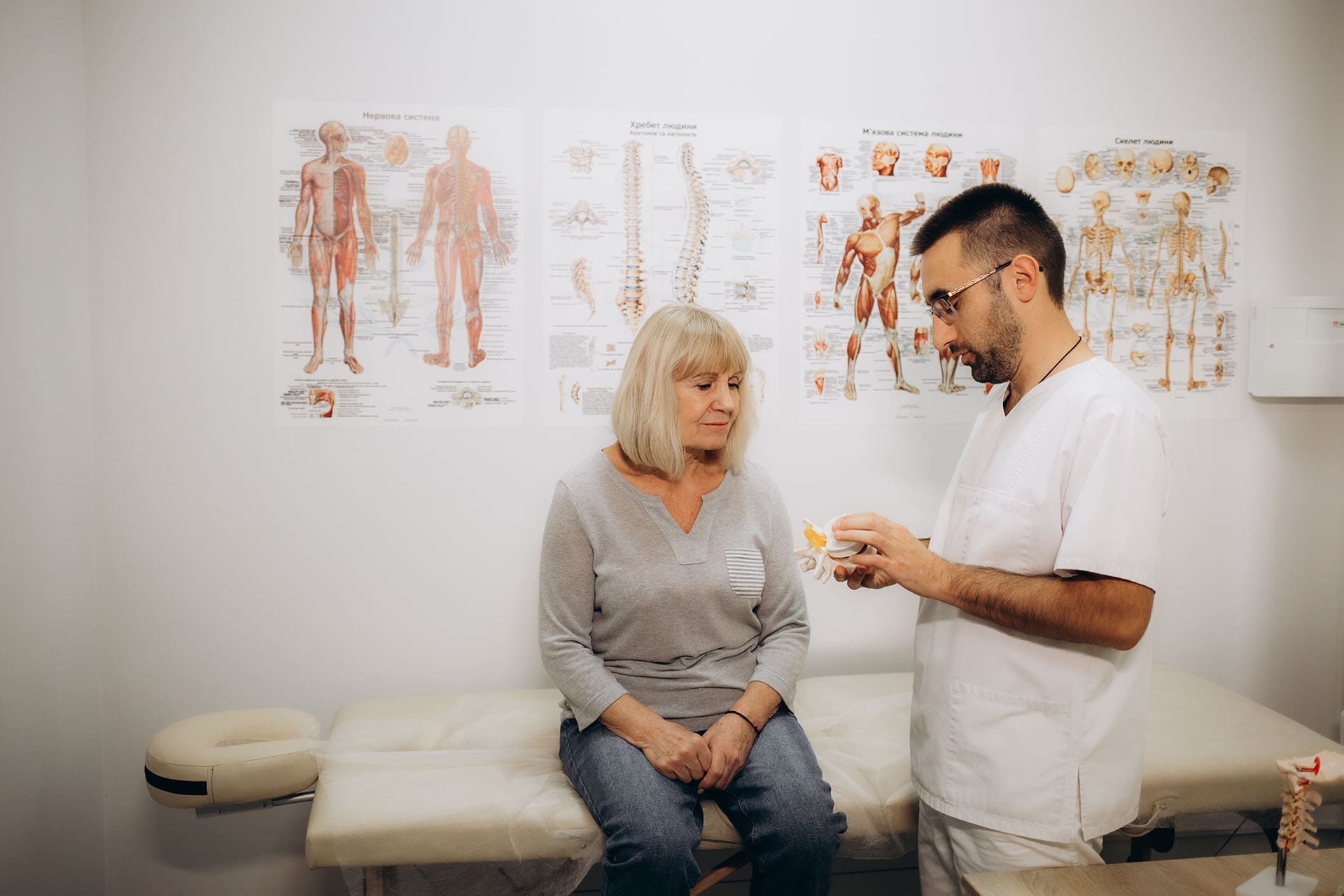
Back Clinic For Seniors. Older individuals do not have to learn how to live with pain! Chiropractic care for the elderly can help, as it is one of the most effective and safest forms of health care to treat pain-related conditions. The elder we live, the more issues we have with our muscles and joints. Dr. Jimenez discusses the aging process and how it affects those in their prime of life.
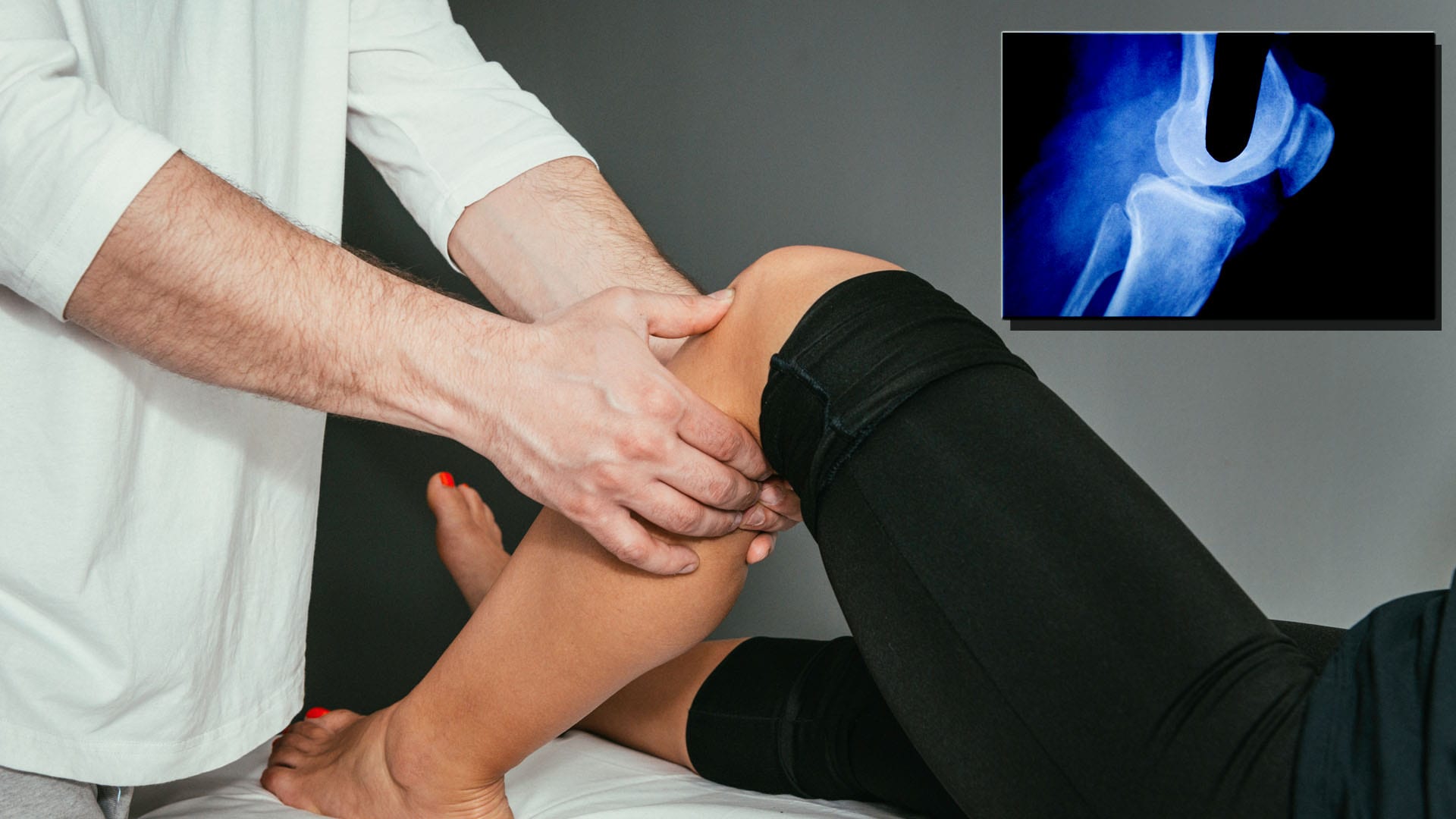
Dr. Jimenez offers a range of treatment options. From deep tissue massage, manual therapy, and spinal manipulation. Seniors experiencing problems and or pain can benefit from chiropractic treatment. Chiropractic treatment has been shown to have multiple benefits for the elderly. Increased mobility, decreased risk of falls, and other injuries. And routine chiropractic treatment can help improve overall health and well-being and give them more sense of independence in their lives.
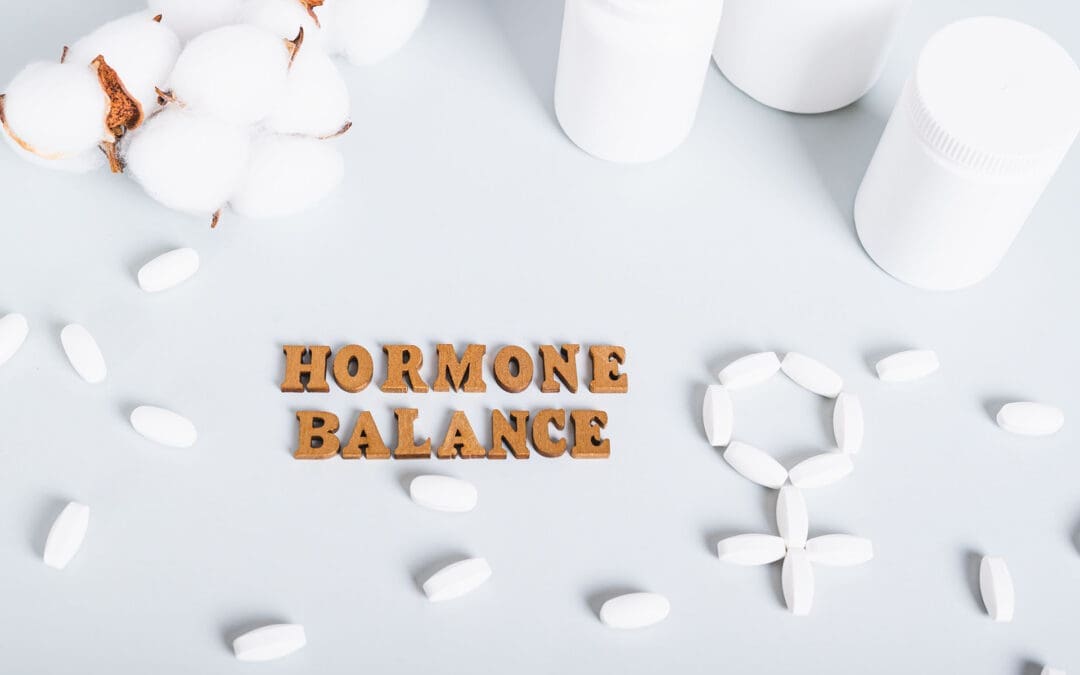
Navigating Hormonal Decline: An Integrative Chiropractic Approach to Wellness
Abstract: Hormonal Balance and Chiropractic Care in El Paso
Hello, I’m Dr. Alexander Jimenez. With my background as a Doctor of Chiropractic (DC), Advanced Practice Registered Nurse (APRN), and board-certified Family Nurse Practitioner (FNP-BC), along with certifications in functional and integrative medicine, I’ve dedicated my career to understanding the intricate connections within the human body. In my practice at the El Paso Back Clinic, we frequently see patients whose primary complaints of chronic pain, fatigue, and mood disturbances are deeply intertwined with underlying hormonal imbalances. This post aims to explore the latest evidence-based findings on hormonal decline and the available therapeutic options, with a special focus on how integrative chiropractic care and physical medicine play a crucial role in managing these symptoms and restoring overall health. We will journey through the common signs of hormone deficiency, discuss different treatment methods, and explain how a holistic approach that includes chiropractic adjustments, physical therapy, and targeted nutritional strategies can amplify the benefits of hormone optimization, helping you reclaim your vitality and well-being.
The Overwhelming Weight of Hormonal Imbalance
Many of my patients, particularly those navigating perimenopause, menopause, and andropause, describe their experience with a single, powerful image: feeling like they are carrying an immense, invisible burden. They don’t use clinical terms; they just say they feel “like they’re losing their mind.” This isn’t an exaggeration; it’s a real, honest account of their daily fight. They feel depressed, anxious, and perpetually irritable. Simple tasks become monumental challenges because they can’t focus, and sleep offers no respite.
A hallmark sign I consistently observe is difficulty sleeping, specifically waking between 2:00 and 4:00 AM. This is often a classic indicator of an anxious mind and dysregulated cortisol, a stress hormone, which is frequently linked to hormonal shifts. Another common complaint is hitting an energy “wall” in the mid-afternoon—a profound exhaustion that a cup of coffee can no longer fix.
Men’s Health: When the ‘Get Up and Go’ is Gone
For men, the experience is often verbalized as a loss of drive. I hear it time and again at our clinic: “My get-up-and-go got up and went.” They’ve lost the desire to engage in activities they once loved, whether it’s fishing, riding a motorcycle, or even just relaxing with their partner. This loss of enjoyment, or anhedonia, is a significant symptom.
Other key indicators in men include:
Low Libido: While often dismissed, it’s a primary symptom of hormonal decline.
Erectile Dysfunction: Specifically, the loss of morning erections is a classic sign of testosterone insufficiency.
Metabolic Changes: An inability to lose weight, particularly around the midsection, despite diet and exercise.
Night Sweats: Often associated with women, but a very real symptom of low testosterone in men.
Chronic Pain and Fibromyalgia: These conditions can be exacerbated or even triggered by declining hormone levels.
It’s crucial to understand that these symptoms aren’t isolated. They are signs of a systemic issue, often stemming from a decline in testosterone, estrogen, or both. In my clinical practice at the El Paso Back Clinic, we see a direct correlation between unresolved chronic pain and underlying hormonal deficiencies. A patient might come in for low back pain, but through a comprehensive functional medicine workup, we uncover low testosterone that is contributing to their inflammation, poor tissue repair, and overall lack of vitality.
The Integrative Chiropractic Framework: Restoring Function from the Ground Up
At our clinic, we don’t just look at labs and prescribe hormones. We view the body as an interconnected system where structure dictates function. Hormonal health is inextricably linked to musculoskeletal health, neurological function, and metabolic wellness. This is where integrative chiropractic care and physical medicine become essential pillars of treatment. My clinical observations have consistently shown that patients who engage in a comprehensive program that includes this foundational work alongside their hormonal therapy achieve superior results.
Reducing Systemic Inflammation and Neurological Stress: The spine houses the central nervous system, the master control system for the entire body, including the endocrine glands. Spinal misalignments, or subluxations, can create interference in this system, disrupting the vital communication between the brain and the body. This neurological stress can negatively impact the function of the adrenal glands, the thyroid, and the ovaries/testes. Through precise chiropractic adjustments, we work to restore proper alignment and motion. This process has been shown to downregulate systemic inflammation. Since hormonal imbalances, particularly low testosterone, are pro-inflammatory, combining hormone optimization with chiropractic care creates a powerful anti-inflammatory synergy.
Improving Biomechanics and Enhancing Physical Therapy Outcomes: Poor posture, muscle imbalances, and faulty movement patterns contribute to chronic physical stress. Our physical medicine and rehabilitation programs are designed to correct these issues. Patients suffering from the fatigue and chronic pain of hormonal decline often struggle with physical therapy. By optimizing their hormone levels, we provide them with the energy, strength, and resilience needed to fully participate in their rehabilitation programs. Improved testosterone levels directly support muscle repair and growth, while balanced estrogen and progesterone can reduce pain perception. By strengthening weak muscles, stretching tight ones, and re-educating the body to move efficiently, we reduce the constant strain that can elevate stress hormones such as cortisol and disrupt hormonal balance.
Targeted Nutritional and Lifestyle Coaching: A healthy structure and nervous system need proper fuel. We guide our patients in anti-inflammatory diets, stress management techniques such as breathwork, and appropriate exercise regimens. These lifestyle factors are fundamental to supporting hormonal balance and ensuring the long-term success of any treatment protocol. For instance, managing blood sugar is critical, as insulin resistance can severely disrupt sex hormone balance.
When the body is structurally and neurologically sound, everything works better. Blood flow improves, inflammation decreases, and the body becomes a more receptive environment for hormone therapy. A patient who is free from nagging back or neck pain has a lower allostatic load (cumulative stress), which allows their hormonal system to find balance more easily. This is the power of true integrative care.
The Clinical Journey: A Step-by-Step Guide to Hormonal Health
Our clinical flow is designed to be thorough and patient-centered, blending scientific knowledge with clinical experience. It’s not just about prescribing hormones; it’s about understanding the complete picture of your health and building a stable foundation.
Pre-Consultation Lab Work: We believe in being prepared. Before your main consultation, we have you complete a comprehensive lab panel to understand the intricate interplay of your body’s systems.
In-Depth Consultation and Symptom Assessment: During the consult, we review your lab results together, connecting the data points to the symptoms you are experiencing. We use validated scales, such as the Menopause Rating Scale (MRS), to quantify your experience. As noted by Heinemann et al. (2000), this tool is crucial for establishing a baseline and tracking progress, allowing us to see, in your own words and on a quantifiable scale, the shifts in your well-being.
Layering Therapies: Women’s bodies, in particular, are incredibly responsive. This is why a cautious and methodical approach is paramount. The art of what we do is layering in therapies. We introduce one or two interventions at a time, allowing the body to adjust, and observing the effects before adding the next layer. This systematic process allows us to build a stable foundation and accurately gauge the patient’s response to each specific therapy.
Comprehensive Lab Testing: Looking Beyond the Basics
To get a full picture, our recommended lab panels are comprehensive.
For Females:
Hormones: Total and Free Testosterone, Estradiol (E2), and Follicle-Stimulating Hormone (FSH).
Thyroid Panel: A complete panel including TSH, Free T4, Free T3, and thyroid antibodies.
General Health Markers: Complete Blood Count (CBC) and Comprehensive Metabolic Panel (CMP).
Integrative Markers: Vitamin D, Hemoglobin A1C & Fasting Insulin, C-Reactive Protein (CRP), DHEA-Sulfate, and Ferritin.
For Males:
The panel is very similar, with the key addition of Prostate-Specific Antigen (PSA).
Decoding Your Lab Results: The Estrogen and FSH Connection
Understanding the nuances of hormone labs is critical. In postmenopausal women, Follicle-Stimulating Hormone (FSH) is the most reliable indicator of menopausal status. As the ovaries’ production of estrogen declines, the brain’s pituitary gland senses this deficiency and pumps out more FSH to stimulate the ovaries. Therefore, a high FSH level is a classic sign of menopause. Our therapeutic goal with Hormone Replacement Therapy (HRT) is to provide enough estrogen to satisfy the brain’s needs, which in turn tells the pituitary to calm down, leading to a drop in FSH.
The perimenopause puzzle is trickier because estrogen levels can fluctuate wildly. A single blood test is an unreliable snapshot. A woman is not considered postmenopausal until she has gone 12 consecutive months without a menstrual cycle. Until then, she should be treated as perimenopausal. The goal is not to replace high levels of estrogen but to smooth out the dramatic peaks and valleys that cause vasomotor symptoms.
The Role of Testosterone in Women’s Health
Testosterone is equally vital for a woman’s health, contributing to energy, libido, muscle mass, and cognitive clarity. However, a significant issue we face is the lack of standardized normal ranges for testosterone in women. As research by Glaser and Dimitrakakis (2013) highlights, there is often a poor correlation between a woman’s testosterone levels and her symptoms. Their work shows that Free Testosterone is the closest indicator we have for predicting symptom relief. This leads to a clear clinical conclusion: treat the patient’s symptoms, not the lab number.
Exploring Hormone Replacement Therapies
When we identify a hormonal imbalance, the next step is to explore treatment options. The goal is to restore hormones to optimal levels safely and effectively.
Injections: The Traditional Approach
Testosterone injections are common for men, typically starting around 200 mg per week and individualized based on age and metabolism. While traditionally administered intramuscularly (IM), some now use daily subcutaneous (sub-Q) injections to mimic the body’s natural release. For women, I am generally not a proponent of testosterone injections due to the risk of significant side effects.
Pellets: The Sustained-Release Solution
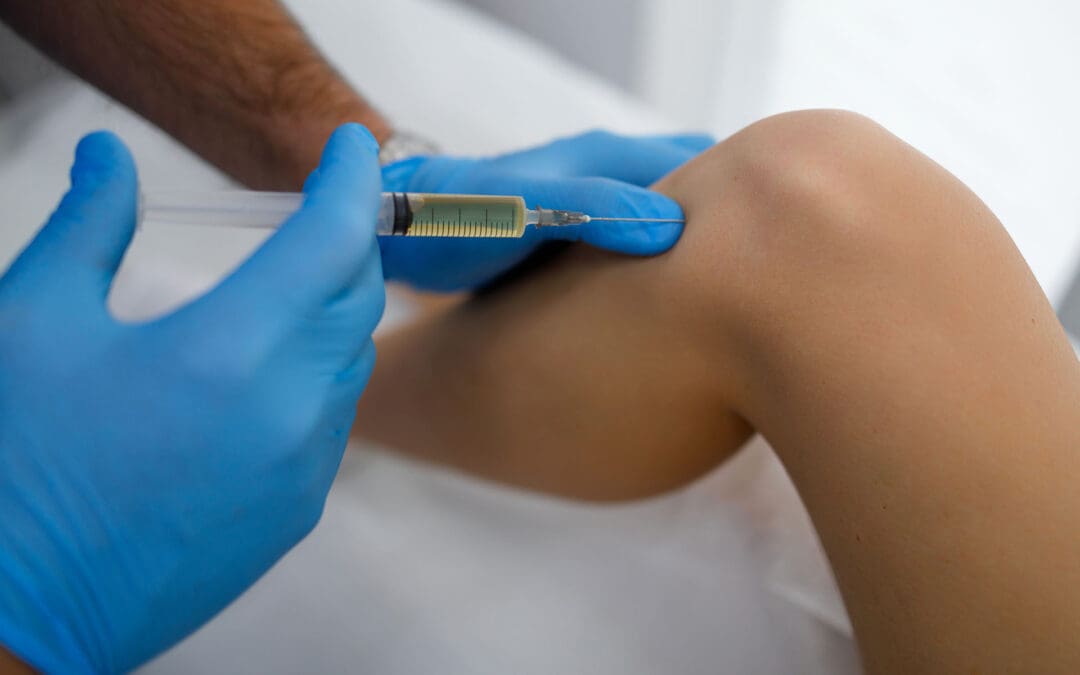
Hormone pellets, inserted under the skin, provide a continuous, steady-state hormone level, avoiding the “roller coaster” effect. Patients on pellet therapy often report a remarkable improvement in their ability to engage with and recover from physical rehabilitation. The steady supply of testosterone supports muscle synthesis, reduces inflammation, and improves energy levels, making their chiropractic adjustments and therapeutic exercises more effective.
Creams, Gels, and Oral Hormones
Topicals: Creams and gels suffer from inconsistent absorption. Research shows that applying testosterone cream to the scrotal or labial skin yields the best absorption.
Oral Progesterone: Micronized oral progesterone is the standard of care to protect the uterine lining in postmenopausal women receiving estrogen, as emphasized in discussions of care protocols (Stanczyk & Jurow, 2018). It also has a calming effect and improves sleep.
Sublingual Tablets (RDTs): These bypass the liver, allowing for direct absorption into the bloodstream and work very well for testosterone in women.
Special Considerations in Hormone Therapy
Menstrual Migraines: A Game Changer
For women who suffer from debilitating menstrual migraines, estrogen therapy can be life-changing. These headaches are often a withdrawal effect caused by the sharp drop in estrogen before menstruation. By providing a steady, basal dose of estrogen, we can prevent this hormonal plunge and, in many cases, eliminate the migraines entirely.
Patients on SSRIs
I see many postpartum and perimenopausal women prescribed Selective Serotonin Reuptake Inhibitors (SSRIs) for symptoms of hormonal imbalance. The irony is that SSRIs often cause weight gain and low libido—the very issues we aim to fix. SSRIs can blunt the beneficial effects of testosterone. If a patient’s symptoms are rooted in hormone deficiency, we create a plan to slowly wean them off their SSRI once their hormone therapy begins, always with clear instructions and safety as the top priority.
Chronic Pain and Patient Sensitivity
Our clinic’s deep focus on chronic pain means we understand these patients have unique needs. From a hormonal standpoint, they often require higher starting doses of testosterone to overcome elevated levels of Sex Hormone Binding Globulin (SHBG), which can be increased by chronic pain and medications. The broad health benefits of optimizing testosterone levels are well documented (Traish, 2014). Conversely, patients who are “sensitive to everything” require lower starting doses. The cardinal rule is to start low and go slow, gently reawakening the system to ensure a positive therapeutic experience. This principle is a cornerstone of effective use of bioidentical hormones (de Lignieres, 1999).
By integrating the precision of functional medicine with the foundational principles of chiropractic care and physical rehabilitation, we offer a truly comprehensive path to healing. It’s about more than just alleviating symptoms; it’s about restoring function, vitality, and quality of life from the inside out.
Integrative Hormone Support for Metabolic and Prostate Health
Abstract
In this educational post, I, Dr. Alexander Jimenez, DC, APRN, FNP-BC, CFMP, IFMCP, ATN, CCST, walk you through a clear, evidence-based journey connecting sex hormone–binding globulin (SHBG), insulin resistance, polycystic ovary syndrome (PCOS), dehydroepiandrosterone (DHEA), and prostate-specific antigen (PSA) with practical, integrative solutions. I explain what these markers mean physiologically, how they interact with metabolism and musculoskeletal health, and why integrative chiropractic and physical therapy strategies strengthen clinical outcomes for hormone-related conditions. While medications and hormones play a background role in this discussion, the focus is on how integrative chiropractic care, targeted rehab, movement programming, anti-inflammatory nutrition, and gut-focused strategies fit into comprehensive care. I also share real-world observations from the El Paso Back Clinic to translate research into day-to-day practice.
Optimizing SHBG, Insulin Sensitivity, and Musculoskeletal Health
I often meet patients who ask: “How can I lower my sex hormone–binding globulin?” The better question is: “What is SHBG telling me about my metabolic health and how can I correct the root causes?”
Key concept: SHBG is a liver-derived glycoprotein that binds and transports sex steroids, especially androgens. It preferentially binds testosterone over estradiol, buffering fluctuations and modulating free (bioavailable) hormone levels.
Clinical pearl: Low SHBG is strongly associated with insulin resistance, metabolic syndrome, and cardiometabolic risk. In fact, low SHBG often precedes hemoglobin A1c entering abnormal ranges, making it an early warning sign of metabolic stress.
Integrative takeaway: We rarely aim to “push SHBG down.” Instead, we improve insulin sensitivity, normalize hepatic function, and reduce systemic inflammation—interventions that also alleviate pain, improve tissue quality, and enhance exercise tolerance.
Physiologic underpinnings
When insulin is chronically elevated, hepatic SHBG production declines. Lower SHBG levels leave more free androgens in circulation, which, in susceptible individuals, contribute to acne, hirsutism, scalp hair thinning, and ovulatory dysfunction.
In parallel, chronic inflammation and sedentary behavior promote neuromuscular deconditioning and joint loading asymmetries, predisposing to pain syndromes. Improving metabolic flexibility reduces cytokine load, enhances tendon and fascial resilience, and supports recovery after manual therapy.
Why this matters in chiropractic and physical therapy
Patients with insulin resistance often present with myofascial pain, tendinopathies, and slower tissue healing. Correcting metabolic load supports collagen cross-linking, tendon cellularity, and motor recovery.
Structured resistance training and progressive aerobic conditioning—core components of our rehab programming—raise insulin sensitivity and favorably modulate SHBG dynamics without chasing a “target number.”
What raises SHBG, and why we use caution
Estrogens, oral contraceptives, alcohol, hyperthyroidism, and some medications increase SHBG. In our clinic, we interpret these changes contextually rather than reflexively “lowering SHBG,” focusing instead on function: strength, mobility, pain modulation, and cardiometabolic health.
How Integrative Chiropractic Care Fits
Manual therapy: Spinal and extremity adjustments reduce nociceptive drive and normalize segmental biomechanics, enhancing exercise capacity for metabolic reconditioning.
Therapeutic exercise: Periodized resistance and interval training improve GLUT4 translocation, mitochondrial density, and insulin signaling—mechanisms that secondarily normalize SHBG trends.
Clinical nutrition coaching: Anti-inflammatory, fiber-rich patterns (Mediterranean or low-glycemic frameworks) improve hepatic SHBG output indirectly by lowering insulin and triglyceride burden.
Gut-focused strategies: Selected patients benefit from stool testing and targeted support when dysbiosis drives low-grade inflammation and insulin resistance; improvements often parallel reduced pain and improved training tolerance.
SHBG, Free Testosterone, and the “Saturation” Logic Explained
Binding and bioavailability: Higher SHBG levels can lower free testosterone at a given total testosterone level. Some practitioners “saturate receptors” by raising total testosterone to ensure adequate free hormone remains. In our practice, non-pharmacologic strategies come first: muscular hypertrophy, sleep optimization, weight reduction, and stress modulation—all of which improve androgen signaling at the receptor and post-receptor levels.
Why not chase numbers? The free androgen index can fluctuate with hydration, albumin, and assay variability. We anchor decisions in clinical function: strength progression, body composition, menstrual regularity, skin changes, and pain levels.
PCOS Through a Musculoskeletal and Metabolic Lens
PCOS is one of the most common endocrine disorders in women and a leading cause of anovulatory infertility. The phenotype varies—some athletes have irregular cycles and elevated androgens without classic hirsutism or obesity. That’s why functional assessment and careful history matter.
Core physiology
Hyperinsulinemia reduces SHBG and boosts ovarian theca cell androgen output. Elevated free testosterone drives acne and hair changes, while altered LH: FSH ratios may impair ovulation.
Dysbiosis and gut-derived endotoxemia can amplify insulin resistance and androgen dysregulation.
How integrative chiropractic care helps PCOS patients
Movement prescription: Progressive resistance training is a first-line lifestyle therapy for insulin resistance. We use individualized programs emphasizing compound lifts, core stabilization, and gluteal activation to enhance insulin sensitivity, stabilize the pelvis, and reduce dysmenorrhea-related musculoskeletal tension.
Manual therapy and dry needling: By reducing hypertonicity in lumbopelvic and abdominal wall musculature, patients tolerate training loads better, reducing cramping and postural compensations.
Breathing and vagal strategies: Diaphragmatic breathing and controlled-tempo work support autonomic balance, reducing sympathetic overdrive, which worsens insulin resistance and pain perception.
Anti-inflammatory nutrition support: We coach structured, sustainable patterns—plant-forward proteins, omega-3 fats, polyphenol-rich foods, and adequate soluble fiber—to improve glycemic control and feed beneficial gut bacteria.
Gut-focused care: When indicated, we assess stool biomarkers and tailor protocols to reduce dysbiosis, considering the evidence linking microbial composition with insulin sensitivity and androgen balance.
Clinical observation from El Paso Back Clinic
Athletically built young women with irregular menses, cramping, or acne—but no hirsutism—often arrive with elevated LH: FSH ratios and higher free androgens. Targeted strength training, sleep regularization, and gut-directed nutrition frequently normalize cycles within months while improving low back and pelvic comfort during training.
In patients with obesity and PCOS, staged conditioning (low-impact aerobic base-building plus progressive strength training) combined with manual therapy leads to improved gait mechanics, reduced knee and lumbar pain, and measurable improvements in fasting insulin and SHBG.
Why these techniques work
Resistance training increases skeletal muscle glucose uptake and improves insulin receptor signaling, thereby addressing the core mechanism of PCOS.
Manual therapy restores segmental mobility and reduces pain, enabling adherence to exercise—a major determinant of endocrine improvement.
Nutrition and gut care reduce LPS-driven inflammation, lowering hepatic insulin resistance and improving SHBG over time.
Hirsutism, Acne, and the Role of Non-pharmacologic Care
While anti-androgen medications can reduce symptoms, we emphasize foundational interventions: weight-neutral strength gain, interval walking, sleep optimization, and targeted omega-3 and fiber intake. These measures reduce insulin, increase SHBG, and lower free androgens—attenuating acne and hair growth at the root cause.
For skin health, we coordinate with dermatology as needed, but consistently see improvements when glycemic variability and inflammatory burden are controlled.
DHEA, Neurosteroids, and Functional Performance
DHEA and its sulfated form DHEA-S are adrenal-derived and also synthesized within the brain. Levels peak in early adulthood and decline progressively thereafter.
Physiologic significance
DHEA is a neurosteroid that modulates GABAergic and glutamatergic signaling, influences mood and motivation, and contributes to sexual function.
It can convert downstream to androgens and estrogens; in women, a portion of libido and orgasmic function relates to DHEA and its conversion to DHT in specific tissues.
Low DHEA is associated with fatigue, low mood, decreased stress resilience, and slower tissue healing.
What we see clinically
Patients with “normal” testosterone but low DHEA often report low libido, brain fog, or poor training drive. When we restore sleep, implement stress-modulating breathwork, and progressively load training, DHEA-S commonly rises without pharmacologic intervention.
In select cases where DHEA remains very low despite optimized lifestyle, collaboration with the prescribing team can be considered; however, at El Paso Back Clinic, we prioritize lifestyle strategies first.
Why chiropractic and PT matter for DHEA
Consistent, periodized resistance training and moderate aerobic conditioning elevate anabolic signaling, upregulate neurotrophic factors, and may support adrenal resilience, indirectly supporting DHEA dynamics.
Manual therapy and recovery protocols improve parasympathetic tone and sleep depth—both of which are important for steroidogenesis and HPA axis balance.
PSA, Prostate Health, and Movement Medicine
For men, PSA interpretation is nuanced. I educate patients that “normal” total PSA is not enough context by itself. Free PSA percentage and PSA velocity provide more actionable insight.
Key principles
Percent free PSA: A lower percent free PSA indicates higher prostate cancer risk at a given total PSA.
Velocity: A rapid year-over-year PSA increase signals greater risk and warrants further evaluation even if the absolute number is “within range.”
Why this matters in a musculoskeletal clinic
Many male patients present initially for back, hip, or pelvic pain. As part of comprehensive care, we review health markers that can influence recovery and training safety. If PSA patterns raise concern, we coordinate timely imaging and urology referral while focusing on safe movement and pain reduction.
Prostatitis can elevate PSA and cause pelvic discomfort; our approach includes pelvic stabilization, gentle mobility, and coordination with primary care to treat infection or inflammation.
Best practices we follow
Encourage patients to avoid ejaculation and vigorous cycling 48–72 hours before PSA testing to limit false elevations in total PSA (noting this does not materially affect percent free PSA).
When concern persists, a high-quality 3T multiparametric prostate MRI provides superior lesion detection and can spare unnecessary biopsy in appropriate cases.
Chiropractic, Physical Therapy, and Metabolic-Hormonal Integration
The musculoskeletal system is both a sensor and a regulator of metabolic health. When we apply integrated spine and movement care, we see improvements across pain, performance, and physiology.
Our core framework
Assess: Posture, gait, joint mobility, segmental dysfunction, strength asymmetries, breathing patterns, sleep, nutrition, and stress. When indicated, we suggest lab work with the patient’s medical team to evaluate insulin markers, SHBG, and androgens.
Align: Manual therapy and adjustments reduce pain and restore mobility, enabling patients to fully engage in training.
Load: Personalized resistance and aerobic programs, progressed week by week to build lean mass, enhance insulin sensitivity, and improve hormonal signaling.
Recover: Sleep coaching, breath training, and mobility routines to consolidate gains and support endocrine balance.
Nourish: Practical, sustainable nutrition that reduces glycemic variability and supports gut health.
Why this works
Skeletal muscle serves as the largest endocrine-responsive organ for glucose disposal. Hypertrophy increases insulin sensitivity and reduces hyperinsulinemia—a root driver of low SHBG and hyperandrogenism in PCOS.
Improved insulin sensitivity reduces systemic inflammation, improving collagen turnover and tendon health—critical for injury prevention and pain relief.
Autonomic balance through breath training and sleep optimization enhances pituitary-gonadal and adrenal communication, supporting healthier androgen and DHEA patterns.
Case-Informed Pearls From El Paso Back Clinic
Athletic PCOS phenotype: Tall, lean collegiate athletes with irregular cycles and cramping improve with posterior chain strength work, pelvic stabilization, breathing drills, and anti-inflammatory nutrition. Cycles normalize as conditioning improves and pain eases, all without leaning heavily on pharmacology.
Insulin-resistant musculoskeletal pain: Patients with low SHBG, central adiposity, and multijoint pain progress faster when strength training is paired with manual therapy and fiber-rich nutrition. We see earlier reductions in pain scores and steadier gains in training loads when metabolic factors improve.
Stepwise Strategy for PCOS-Like Presentations
Screen and stratify:
Look for irregular cycles, acne, hirsutism, or hair thinning, midline hair growth, and a family history of metabolic disease.
Consider LH and FSH in conjunction with the menstrual history; a high LH: FSH ratio can support a PCOS pattern in the appropriate context.
Evaluate for dysbiosis and inflammation when symptoms persist despite lifestyle changes.
Foundations first:
Movement: 2–3 days/week of progressive resistance training plus 150–210 minutes/week of moderate-intensity conditioning.
Nutrition: Anti-inflammatory, low-glycemic meals emphasizing protein adequacy, omega-3s, and 30–40 g/day of fiber.
Sleep: 7.5–9 hours with consistent timing; breath training to improve HRV and stress regulation.
Manual therapy integration:
Lumbopelvic adjustments, hip mobilization, myofascial release for iliopsoas, QL, glute medius, and pelvic floor coordination as tolerated.
Reassess and refine:
Track cycle regularity, skin changes, pain, strength, and conditioning capacity; collaborate with the medical team if additional lab-guided adjustments are needed.
Cautions and Practical Notes
Androgen sensitivity: In insulin-resistant women with low SHBG, even normal androgen exposures may yield side effects. Lifestyle interventions that raise SHBG by lowering insulin often improve tolerance to training and reduce dermatologic symptoms.
DHEA nuance: Avoid supplementing DHEA in women with already high DHEA-S or overt PCOS unless under close supervision with clear indications.
PSA vigilance: Rapid PSA rises, or a low percent free PSA, should trigger imaging/urology coordination; continue safe movement plans to maintain metabolic health during the workup.
Hormones and Medications
At El Paso Back Clinic, our primary tools are movement, manual therapy, and lifestyle. Medications and hormones can be appropriate under the guidance of the patient’s prescribing clinician, but the backbone of durable change is:
Better movement mechanics and progressive strength
Reduced inflammatory burden through nutrition and gut health
Improved sleep and stress resilience
These interventions simultaneously improve pain, function, and the metabolic-hormonal landscape.
Putting It All Together: A Patient-Centered Journey
Start with a clear map: pain generators, movement deficits, recovery habits, and metabolic clues such as low SHBG or PCOS features.
Apply integrated care: adjustments and soft-tissue work to lower pain, then progressive training and habit coaching to normalize insulin signaling and autonomic balance.
Measure what matters: strength milestones, pain scores, gait and posture changes, cycle regularity, and energy—supported by labs when needed.
Iterate: Small, consistent progressions in load, volume, and nutrition adherence produce compounding benefits across musculoskeletal and endocrine systems.
Final Takeaways
Focus on fundamentals: Improve insulin sensitivity, movement quality, and recovery; SHBG and androgen balance will often follow.
Integrative care works: Manual therapy plus progressive training, nutrition, and gut care deliver synergistic gains in pain, performance, and physiology.
Personalize: Phenotypes vary—especially in PCOS—so let the patient’s function and progression guide decisions more than single lab snapshots.
Coordinate care: When PSA patterns are concerning or when endocrine therapy is being considered, collaborate closely with medical colleagues while continuing safe, effective musculoskeletal care.
References
Sex hormone-binding globulin and insulin resistance: interactions and implications (Ding et al., 2021). Endocrine Reviews. Explores SHBG as a marker and modulator of metabolic health. (APA-7: Ding, E.-L., et al. (2021). Sex hormone-binding globulin and metabolic health. Endocrine Reviews, 42(4), 593–622. https://doi.org/10.1210/er.2018-00229)
International evidence-based guideline for the assessment and management of PCOS (Teede et al., 2023). Monash University/ESHRE/ASRM. Provides comprehensive PCOS guidance integrating lifestyle first-line strategies. (APA-7: Teede, H. J., et al. (2023). International evidence-based guideline for PCOS. Monash University.)
Exercise and insulin sensitivity: mechanisms and outcomes (Sylow & Richter, 2019). Physiological Reviews. Mechanisms for GLUT4 translocation and insulin signaling with training. (APA-7: Sylow, L., & Richter, E. A. (2019). Exercise regulation of glucose transport and insulin sensitivity. Physiological Reviews, 99(4), 210–253. https://doi.org/10.1152/physrev.00077.2017)
Gut microbiota, inflammation, and insulin resistance (Cani, 2020). Nature Reviews Gastroenterology & Hepatology. Links dysbiosis, endotoxemia, and metabolic dysfunction. (APA-7: Cani, P. D. (2020). Microbiota and metabolic inflammation. Nature Reviews Gastroenterology & Hepatology, 17, 259–268. https://doi.org/10.1038/s41575-020-0262-8)
Percent free PSA and prostate cancer detection (Catalona et al., 1998). New England Journal of Medicine. Classic study on percent free PSA improving cancer detection. (APA-7: Catalona, W. J., et al. (1998). Use of the percentage of free PSA to enhance prostate cancer detection. New England Journal of Medicine, 339(21), 1496–1501. https://doi.org/10.1056/NEJM19980820NEJM199808203390802)
Multiparametric MRI in prostate cancer (Ahmed et al., 2017). The Lancet Oncology. Validates mpMRI pathways to reduce unnecessary biopsies. (APA-7: Ahmed, H. U., et al. (2017). Diagnostic accuracy of multiparametric MRI and TRUS biopsy in prostate cancer. The Lancet Oncology, 18(2), 145–152. https://doi.org/10.1016/S1470-2045(19)30676-0)
DHEA as a neurosteroid in aging and function (Wolf et al., 2020). Journal of Clinical Endocrinology & Metabolism. Discusses DHEA’s neurosteroid roles and clinical implications. (APA-7: Wolf, O. T., et al. (2020). DHEA and DHEA-S in the CNS: Implications for aging. Journal of Clinical Endocrinology & Metabolism, 105(5), e1612–e1621. https://doi.org/10.1210/jc.2019-00256)
Lifestyle as first-line therapy in PCOS (Lim et al., 2023). BMJ. Endorses exercise and diet as essential management. (APA-7: Lim, S. S., et al. (2023). Lifestyle interventions in PCOS. BMJ, 381, e070532. https://doi.org/10.1136/bmj-2022-070532)
Integrative Chiropractic Care for Gut-Hormone Health
Abstract
In this educational post, we embark on a journey deep into the intricate systems that govern our health, exploring the profound and often overlooked influence of the gut microbiome and key nutrients on our overall well-being, particularly hormone metabolism and systemic inflammation. Drawing on my years of clinical practice, I will share the latest findings from leading researchers, translated into practical insights for your health journey. We will demystify complex concepts such as gut dysbiosis and leaky gut, explaining their physiological underpinnings and how they can manifest as common conditions like PCOS, endometriosis, autoimmune disorders, and even mood changes. This post will illuminate the intricate process of estrogen metabolism and how an imbalanced gut can disrupt it, potentially increasing health risks. We’ll then bridge this knowledge to practical, evidence-based strategies, emphasizing how integrative chiropractic care, combined with targeted nutritional support and lifestyle adjustments, provides a powerful framework for restoring gut health, optimizing hormonal balance, and enhancing your body’s natural healing capabilities.
Unlocking Systemic Wellness By Understanding The Gut Microbiome
Welcome. For years, in my clinical practice at the El Paso Back Clinic, I have observed patients with chronic musculoskeletal issues who also struggle with seemingly unrelated problems—fatigue, hormonal imbalances, and persistent inflammation. This led me, nearly a decade ago, to delve deeper into the science of the gut. What I discovered, and what is now being robustly confirmed by leading researchers, is that the root cause of many metabolic and hormonal disruptions lies within our digestive system. My goal today is not to overwhelm you, but to raise awareness of key concepts that can significantly impact your health outcomes.
The gut microbiome is a complex ecosystem comprised of trillions of microorganisms—bacteria, viruses, fungi, and more—residing primarily in our large intestine. These microbes are not passive bystanders; they are crucial for:
Digestion and Nutrient Absorption: Breaking down food components that our bodies cannot.
Immune System Regulation: Training and modulating our immune responses.
Hormone Metabolism: Playing a direct role in regulating hormones like estrogen through a process known as enterohepatic circulation.
This intricate internal world is influenced by our diet, lifestyle, stress levels, medications, and even genetics. The gut’s influence extends far beyond digestion, affecting everything from brain function (the gut-brain axis) to cardiovascular health.
Gut Dysbiosis: When The Internal Ecosystem Is Disrupted
One of the most critical concepts in gut health is dysbiosis. This term describes an imbalance in the gut’s microbial community, specifically an overgrowth of “bad” or pathogenic bacteria at the expense of beneficial, or commensal, bacteria.
Why is this imbalance so problematic? One major reason is the production of lipopolysaccharides (LPS). LPS are endotoxins found in the outer membrane of certain pathogenic bacteria. When these bacteria proliferate, more LPS is released. If the gut lining is compromised, these inflammatory molecules can enter the bloodstream, triggering a systemic inflammatory response. This low-grade, chronic inflammation is a known driver of numerous conditions, including:
Cardiovascular disease
Neuropathology
Polycystic Ovary Syndrome (PCOS)
Autoimmune conditions like Hashimoto’s thyroiditis
As an integrative clinician, I’ve learned that addressing the gut is non-negotiable for achieving lasting results. By restoring the dominance of beneficial bacteria, which can help manage and clear pathogenic strains, we can significantly reduce the body’s inflammatory load and improve clinical outcomes, whether we’re treating chronic back pain, metabolic syndrome, or hormonal disruption.
Leaky Gut (Intestinal Permeability): The Breach In The Barrier
Hand in hand with dysbiosis is the concept of leaky gut, or increased intestinal permeability. While they are distinct, they often occur together and fuel each other in a vicious cycle.
Imagine the lining of your intestines as a tightly controlled barrier, made up of a single layer of cells joined by structures called tight junctions. These junctions act as gatekeepers, allowing micronutrients to pass into the bloodstream while blocking larger, undigested food particles, toxins, and microbes.
Leaky gut occurs when these tight junctions loosen and become “leaky”. This allows substances that should remain confined to the gut to enter the systemic circulation, where the immune system identifies them as foreign invaders and launches an inflammatory response. This process is a primary mechanism behind food sensitivities, allergies, and autoimmune reactions.
Common Causes of Leaky Gut:
Poor Diet: The Standard American Diet (SAD), high in processed foods, sugar, and unhealthy fats, is a major contributor.
Chronic Stress: Both mental and physical stress elevate cortisol, a hormone that can degrade the integrity of the gut lining.
Toxin Overload: Environmental toxins, alcohol, and certain medications can damage intestinal cells.
Physical Trauma: Research has shown that a break in these tight junctions can occur within just 20 minutes of a traumatic brain injury (TBI) or concussion. This highlights the profound and immediate connection between physical trauma and gut integrity, a key consideration in our chiropractic and physical therapy practice.
Because we live in a society filled with these triggers, many of us are likely experiencing some degree of intestinal permeability. Recognizing the signs is the first step toward healing.
The Gut-Hormone Axis: PCOS, Endometriosis, And Estrogen
The connection between gut health and hormonal balance is one of the most exciting frontiers in medicine. Recent studies are cementing the gut’s role as a central regulator of our endocrine system.
The PCOS and Endometriosis Connection
For conditions like Polycystic Ovary Syndrome (PCOS) and endometriosis, the current literature increasingly points to gut dysbiosis as a foundational root cause.
PCOS: Gut dysbiosis can drive the pathophysiology of PCOS by worsening inflammation and insulin resistance—two key features of the syndrome. The inflammatory cascade initiated by LPS directly contributes to these metabolic disruptions, as detailed in a comprehensive 2025 review (He & Li, 2025).
Endometriosis: An imbalanced gut microbiome can increase the levels of circulating estrogen metabolites that stimulate the growth of endometrial lesions. The link is so strong that studies show a 50% increased risk of Inflammatory Bowel Disease (IBD) in individuals with endometriosis, underscoring the shared inflammatory pathway originating in the gut (Jiang et al., 2021).
How The Gut Directly Metabolizes Estrogen
The gut’s role in hormone regulation is not just indirect; it’s a direct, biochemical process. Here’s how it works:
Liver Conjugation: Hormones like estrogen are sent to the liver for detoxification. The liver attaches a molecule to estrogen metabolites to neutralize them and tag them for excretion.
Excretion via the Gut: This “packaged” or conjugated estrogen is then sent to the gut for elimination from the body.
The Role of Beta-Glucuronidase: This is where gut health becomes critical. If you have dysbiosis, unhealthy bacteria produce an enzyme called beta-glucuronidase.
Recirculation of “Bad” Estrogen: Beta-glucuronidase acts like a pair of scissors, “un-packaging” the estrogen. This frees the potentially harmful estrogen to be reabsorbed back into the bloodstream, where it can increase the risk for estrogen-dominant conditions and hormone-related cancers (Plottel & Blaser, 2011).
This is a powerful example of how addressing gut health can directly mitigate hormonal risks. By fostering a healthy microbiome, we reduce beta-glucuronidase levels, ensuring that harmful estrogen metabolites are safely excreted.
The Synergistic Power of Essential Vitamins
While gut health is foundational, a body’s ability to use hormones correctly also depends on crucial vitamin cofactors. The assumption that symptoms like fatigue or depression automatically signal low hormone levels can be misleading.
I recall a case from over a decade ago involving an 18-year-old male presenting with depression, obesity, and profound fatigue. His labs revealed a robust testosterone level of 900 ng/dL but critically low Vitamin B12 and nearly non-existent Vitamin D. Instead of hormones, we used a simple, powerful regimen: a high-quality B-complex, a blend of vitamins A, D, and K, and iodine. The transformation was remarkable. This illustrates a key principle: hormones are useless if your cells lack the cofactors to utilize them.
The Critical Link Between Vitamin D, A, and K2
The connection between Vitamin D and testosterone is well-documented (Wehr et al., 2010). In my clinical observation, I aim for patients’ Vitamin D levels to be in the optimal range of 60-80 ng/mL to support endocrine function, immune health, and disease prevention.
However, Vitamin D supplementation must be balanced:
Vitamin D3 raises serum calcium. This is beneficial, but without proper direction, calcium can accumulate in arteries and soft tissues.
Vitamin K2 (Menaquinone) is the “calcium shuttle.” It activates proteins that direct calcium into bones and teeth, preventing arterial calcification (Shearer & Newman, 2008).
Vitamin A (Retinol) works with D and K2. It helps the body excrete any excess calcium, completing this tightly regulated system. It’s also essential for activating receptors for both Vitamin D and thyroid hormone.
If a patient on a high dose of oral Vitamin D isn’t seeing their levels rise, it’s a strong indicator of potential gut malabsorption issues, which then becomes a primary focus of our investigation.
The Universal Importance of Iodine and Selenium
Iodine is a critical mineral for thyroid hormone production, but it’s also vital for the health of breast, ovarian, and prostate tissues. Low iodine status is strongly linked to an increased risk of hormone-sensitive cancers (Eskin, 1977). This systemic deficiency is why I consider iodine a crucial part of a comprehensive health strategy.
A persistent myth suggests that individuals with Hashimoto’s thyroiditis should avoid iodine. The actual issue is not iodine but a selenium deficiency. The thyroid uses iodine to make hormones, producing hydrogen peroxide as a byproduct. Selenium is the key antioxidant needed to neutralize this byproduct. Insufficient selenium increases oxidative stress, damaging the thyroid and triggering an autoimmune attack. Therefore, many researchers now consider Hashimoto’s to be, at its core, a selenium deficiency state until proven otherwise.
The Role of Integrative Chiropractic and Functional Medicine
At our clinic, we believe in a multifaceted strategy that combines physical medicine with functional nutrition to address these core issues. A healthy gut and balanced nutritional status are foundational to reducing systemic inflammation, which in turn helps alleviate musculoskeletal pain and improves the body’s ability to heal from injury.
The Chiropractic Foundation for Systemic Health
Your nervous system is the master control system for your entire body, including your endocrine (hormonal) system and your digestive tract. The brain communicates with your glands and organs via the spinal cord and peripheral nerves.
Structural Alignment and Nerve Function: If there are misalignments in the spine, known as vertebral subluxations, they can interfere with this communication pathway. This is like having static on the phone line between your brain and your gut or hormone-producing glands. By performing specific chiropractic adjustments, we can restore proper alignment and mobility, which may improve nerve flow to the digestive organs, potentially enhancing absorption and overall gut health.
Stress Reduction: Chiropractic adjustments have been shown to have a powerful effect on the autonomic nervous system, helping to shift the body from a “fight-or-flight” (sympathetic) state to a “rest-and-digest” (parasympathetic) state. Chronic stress is a major driver of hormonal imbalance and leaky gut. By reducing neurological stress, chiropractic care helps create a more favorable internal environment for both hormonal balance and gut healing.
Enhanced Healing and Physical Therapy: A body that is not fighting a constant internal battle against inflammation caused by a leaky gut is one that can heal from a spinal injury more quickly and respond better to therapeutic exercise. By addressing the body’s internal environment, we enhance the effectiveness of our core chiropractic and physical therapy services. This allows us to create personalized, effective treatment plans that not only alleviate symptoms but also build a resilient foundation for long-term health and wellness.
A Comprehensive “4R” Gut Healing Program
For patients with significant gut-related symptoms, we implement a structured “4R” program alongside our physical medicine protocols:
Remove: The first step is to remove the triggers damaging the gut. This involves identifying and eliminating inflammatory foods, infections, and other toxins.
Replace: Next, we replace what’s missing for proper digestion, such as digestive enzymes or hydrochloric acid (HCI), to reduce the burden on the gut.
Reinoculate: This involves reintroducing beneficial bacteria using high-quality, multi-strain probiotics and feeding them prebiotics, such as fiber and polyphenols.
Repair: Finally, we provide key nutrients to help heal and seal the gut lining. L-glutamine is the primary fuel for intestinal cells and is critical for repairing leaky gut. Other powerful anti-inflammatory and healing nutrients include berberine, zinc, and marshmallow root.
By integrating these functional medicine principles with our core chiropractic and physical therapy services, we create a truly holistic and powerful approach. This comprehensive model addresses the body as an interconnected system, leading to more profound and lasting health transformations.
Navigating Hormone Health and Chronic Conditions: An Integrative Approach
Abstract
In this educational post, I synthesize current evidence and clinical experience to explain how integrative chiropractic care and physical therapy-based strategies fit into complex clinical presentations that often involve iron metabolism, hormonal considerations, thyroid function, and cardiovascular-neurologic safety. I focus on what we do every day at El Paso Back Clinic: nonpharmacologic, biomechanics-centered care that restores movement, reduces pain, and supports whole-person function. Along the way, I summarize key findings from leading researchers and show how modern, evidence-based methods guide clinical decisions. You will learn:
Why iron studies matter in fatigue and recovery, and how hydration, GI absorption, menstrual status, and occult blood loss intersect with musculoskeletal outcomes.
How to interpret intrauterine device (IUD) categories, progesterone/progestins, and their musculoskeletal implications while keeping hormone therapy in the background.
How localized therapies and risk stratification inform neurologic safety, including considerations for transient ischemic attack (TIA), migraines, and exercise clearance.
Why integrative chiropractic and physical therapy interventions can modulate pain, autonomic tone, and endocrine stress signatures, supporting safer return-to-activity.
Practical frameworks for thyroid lab interpretation, fatigue workups, and individualized care plans that prioritize movement, manual therapy, and recovery.
My goal is to take you on a clear, step-by-step journey so that patients and clinicians understand not only what we recommend, but why we recommend it.
Integrative Chiropractic Care, Iron Metabolism, Endocrine Balance, and Safer Musculoskeletal Strategies: An Evidence-Based Guide
The summaries and clinical pathways below draw on contemporary musculoskeletal and integrative medicine literature, including iron deficiency without anemia, hypothalamic-pituitary-adrenal (HPA) axis dynamics, menstrual health, endometriosis, and thyroid optimization.
Integrative Chiropractic Care Within a Whole-Person Framework
Over three decades in practice, I have seen that the most durable outcomes occur when we align the spine and kinetic chain, retrain movement, and concurrently address physiologic factors that influence tissue healing. At El Paso Back Clinic, our core is:
Structured physical therapy emphasizing graded exposure, motor control, and regional interdependence.
Myofascial release and instrument-assisted soft-tissue methods to normalize tone and glide.
Breathing mechanics and autonomic downregulation (diaphragmatic breathing, paced exhalation).
Load management and progressive strength emphasizing the posterior chain and hip-lumbopelvic stability.
Why link these methods to iron, thyroid, or hormones? Because connective tissue remodeling, mitochondrial output, and pain perception are biologically coupled to oxygen delivery, micronutrient status, and neuroendocrine balance. Optimizing movement while clearing recovery “bottlenecks” creates better, faster, safer progress.
Iron, Ferritin, and Musculoskeletal Recovery: What Matters and Why
Key idea: Iron is central to oxygen transport and cellular respiration. In athletes, workers with high physical demand, or patients in active rehab, low iron indices correlate with exertional intolerance, myalgias, and delayed tissue remodeling.
Core physiology
Serum iron reflects the amount of iron bound to transferrin at a given moment and fluctuates day to day.
Ferritin represents intracellular storage; low ferritin indicates depleted reserves and is often the earliest signal of iron deficiency.
Transferrin saturation indicates how full the transport protein is; low saturation suggests insufficient available iron for erythropoiesis and mitochondrial enzymes.
Hepcidin, a hepatic peptide, downregulates iron absorption and release. Inflammation, infection, or intense exercise can raise hepcidin levels, transiently lowering iron availability and confounding lab results.
Clinical reasoning in rehab
If a patient reports disproportionate exertional fatigue, dizziness with exertion, restless legs, hair shedding, brittle nails, or poor tolerance to progressive loading, we examine iron panels to rule in/out iron deficiency with or without anemia.
We screen for hydration status, GI absorption issues (e.g., celiac disease, H. pylori), menstrual blood loss, and occult GI bleeding when indicated.
In adolescents and reproductive-age women, menstrual tracking and diet history help determine whether iron losses exceed intake and absorption.
Integrative care emphasis: While medical management of iron is led by the patient’s PCP, we structure the PT-chiropractic plan to reduce overreaching (monitor RPE and heart-rate recovery), use interval pacing, and incorporate rest-to-work ratios that match oxygen delivery capacity.
Why this matters for spine and joint recovery
Myofascial trigger reactivity increases with low tissue oxygenation; graded aerobic work enhances capillary density and reduces pain sensitivity.
Tendon and ligament remodeling depends on adequate levels of iron-dependent enzymes (e.g., prolyl and lysyl hydroxylases for collagen cross-linking).
CNS fatigue and pain: Iron participates in dopamine synthesis; deficiencies can magnify perceived exertion and pain.
Action steps we use
Layered progressions: Start with low-impact aerobic work (e.g., incline treadmill walking, cycling) to improve oxygen delivery before heavy lifts.
Manual therapies: Soft-tissue release to normalize tone, enabling efficient mechanics at submaximal loads.
Breathing drills: 4–6 breaths/min guided practice to improve autonomic balance and oxygen utilization.
Nutrition collaboration: Coordinate with the primary team for iron repletion when indicated; we taper training loads accordingly to avoid setbacks.
IUDs, Progesterone, and Movement: Keeping Focus on the Musculoskeletal Core
Key idea: Many patients use IUDs (levonorgestrel-releasing or copper). The musculoskeletal plan remains the same: respect individual variability, monitor recovery, and prioritize biomechanics.
Clarifying categories
Levonorgestrel IUDs act primarily locally in the uterus, with low systemic hormone levels. Common systemic effects are generally mild and patient-specific.
Copper IUDs are nonhormonal.
Rehab implications
Monitor for changes in cramping or pelvic floor tension. Increased pelvic discomfort can alter gait and hip mechanics.
Our pelvic floor–informed approach integrates hip mobility, lumbopelvic stability, and diaphragmatic breathing to reduce pelvic floor guarding.
We avoid attributing every symptom to hormones; instead, we test movement, load tolerance, and tissue response week to week.
Localized Therapies and Neurologic Safety: TIA, Migraines, and Exercise
Key idea: Patients with histories of TIA or migraine ask whether it is safe to engage in chiropractic and physical therapy. With clinical screening and communication with their medical team, appropriate, conservative movement is typically not only safe but beneficial.
Physiologic underpinnings
Autonomic balance influences vascular tone and pain sensitivity. Slow breathing and graded aerobic activity can improve baroreflex sensitivity and reduce migraine frequency in many individuals.
Cervical biomechanics: Dysfunction at the upper cervical spine can contribute to cervicogenic headache. Careful assessment identifies whether symptoms are likely cervical-driven or migrainous.
The clinical pathway we use
Pre-participation screening: BP, neurologic exam, red flag screening. We coordinate with neurology/primary care as needed.
Initial emphasis on nonthrust mobilization, soft-tissue work, and scapulothoracic stabilization.
Progressive cervical stabilization and sensorimotor training (e.g., joint position error drills).
Avoid high-velocity thrusts in patients with vascular risk until they are thoroughly cleared; when used, we employ evidence-based risk mitigation and obtain informed consent.
Chiropractic and Physical Therapy as First-Line for Pain and Function
Key idea: Most spine and joint pain improves with a layered, active approach.
Why this works
Mechanotransduction: Proper loading stimulates cellular pathways (integrins, cytoskeleton) that upregulate collagen synthesis and normalize tissue architecture.
Central modulation: Graded exposure reduces threat perception and decreases central sensitization.
Regional interdependence: Correcting hip and thoracic restrictions reduces lumbar and cervical strain.
Subacute: Mobility restoration (thoracic rotation, hip IR/ER), core bracing, hinge mechanics.
Return-to-load: Posterior chain strength (hip hinge, split squat), integrated patterns (carry, push, pull), and power when appropriate.
Thyroid Function, Energy, and Rehab Tolerance
Key idea: Thyroid hormones influence mitochondrial function, neuromuscular performance, and tendon health. We make medication decisions with the prescriber while aligning the rehab dose with physiology.
Physiology, you can feel
T3 increases mitochondrial respiration and Na+/K+-ATPase activity, supporting muscle endurance.
Reverse T3 rises with stress, illness, and caloric deficit, reflecting a conservation mode that can blunt energy.
Patients with suboptimal free T3 often describe “gas-pedal fatigue”: they can start activity but cannot sustain it.
Clinical application
If a patient’s thyroid status is being evaluated, we favor submaximal intervals, longer rest periods, and technique-rich training.
We emphasize sleep, protein sufficiency, and steady fueling to support thyroid conversion and recovery.
We monitor HRV or simple morning heart rate plus perceived fatigue to titrate training stress.
Endometriosis and Menopausal Considerations in Movement Care
Key idea: Endometriosis can create pelvic pain, movement avoidance, and breath-holding patterns. Menopausal transition may alter connective tissue hydration and stiffness.
Hip and thoracic mobility restores force transfer, lowering strain on the lumbopelvic junction.
We avoid symptom provocation: short sets, gentle ranges, and progressive exposure.
Menopause-aware strategies
Declining estrogen levels alter collagen turnover and may increase joint stiffness. We deploy longer warm-ups, gradual load ramping, and more frequent soft-tissue care.
Balance and power training help counter declines in neuromuscular speed and support fall prevention.
Stress Physiology, Cortisol Patterns, and Pain
Key idea: Chronic pain amplifies stress responses; stress can amplify pain. We close the loop.
What we target
Cortisol diurnal rhythm typically peaks in the early morning and tapers through the day. Flattened curves are associated with fatigue and pain sensitivity.
Autonomic drills (coherent breathing, positional rest) and aerobic base work can normalize stress reactivity.
How this looks in the clinic
We begin sessions with 2–3 minutes of nasal breathing and end with 2 minutes of downregulation.
We use pacing strategies in home exercise: “stop one rep before form falters,” to avoid stress spikes.
Case Patterns From My Clinic
Young athlete with ferritin in the low-normal range and recurrent hamstring tightness: After adjusting training, adding aerobic base, and myofascial release, she tolerated progressive eccentrics. With medical iron repletion and hydration coaching, sprint performance and recovery improved within eight weeks.
Perimenopausal patient with cervical pain and migraines: Focus on thoracic mobility, deep neck flexor training, and breathing to reduce headache days. Non-thrust mobilizations initially, progressing to gentle thrusts after medical clearance.
Desk worker with low free T3 and high stress: We set micro-breaks, postural resets, walking intervals, and isometric core work. Sleep and fueling coaching paralleled a gradual increase in training density, resulting in improved energy and reduced back pain over 10 weeks.
Hormones and Medications
Our first-line emphasis is always chiropractic adjustment, movement re-education, soft-tissue normalization, and recovery coaching. Hormones, iron repletion, or thyroid optimization are medical domains we respect and coordinate with; they inform exercise dosage and expectations but do not replace foundational musculoskeletal work. This keeps care accessible, scalable, and aligned with the patient’s goals.
Practical Takeaways for Patients
If fatigue limits your rehab, ask about iron studies and hydration; small changes can yield big improvements.
Pelvic or menstrual symptoms are not a reason to avoid care; tell your clinician so we can tailor the plan.
A history of migraines or TIA warrants careful screening and a conservative progression. Movement is medicine when dosed well.
Slower breathing and consistent walking are powerful tools for reducing pain and improving recovery.
Screen for iron deficiency without anemia in disproportionate exertional fatigue; adjust training density accordingly.
In cervical pain with headache, differentiate cervicogenic drivers and deploy sensorimotor training before thrust techniques if vascular risk is present.
Align rehab stress with thyroid status and global recovery. Watch for central fatigue cues.
In endometriosis or pelvic pain, integrate breathing and hip-thoracic mobility to reduce pelvic floor guarding.
Selected Evidence Base
Iron deficiency without anemia reduces work capacity and cognitive-motor performance; ferritin thresholds for symptom relief in active individuals are higher than those defining anemia. Integrating aerobic conditioning and careful load progression improves tolerance during repletion (Camaschella, 2015; Tolkien et al., 2015).
Graded exercise and spinal manipulation/mobilization demonstrate efficacy for low back and neck pain when combined with education and exercise-based care (Qaseem et al., 2017; Gross et al., 2015).
Breathing-based autonomic regulation reduces pain, improves HRV, and supports migraine management (Lehrer et al., 2020).
Pelvic floor–informed lumbopelvic strategies improve function in chronic pelvic pain populations (FitzGerald et al., 2012).
Thyroid hormone status influences muscle energetics and tendon function, impacting exercise tolerance (Mullur et al., 2014).
How We Implement This at El Paso Back Clinic
Assessment: Movement screen, regional interdependence testing, pain modulators, and recovery capacity.
Plan: Spinal adjusting plus a phased PT program, autonomic drills, and education.
Collaboration: Communication with PCPs for iron and thyroid labs when indicated; we adjust loading plans to match physiology.
Follow-up: Objective measures (range of motion, strength, walking tests) and subjective recovery scores to iterate the plan.
Closing Perspective
As an integrative chiropractor and family nurse practitioner, I see the body as a unified system. The spine communicates with the hips and shoulders; the nervous system interprets load and threat; and physiology—oxygen delivery, hormones, sleep—sets the ceiling for recovery. By prioritizing precise manual care, intelligent movement, and recovery habits, we help patients feel and perform better while staying aligned with modern evidence. When the medical team addresses iron, thyroid, or other factors, our musculoskeletal plan accelerates the benefits by making every step of rehab count.
In the end, great care is not about doing everything—it is about doing the right things in the right order, for the right person, at the right time.
BHRT, EvexiPEL, and Whole-Body Hormone Care at El Paso Back Clinic
Bioidentical Hormone Replacement Therapy, or BHRT, is often discussed as a way to help people feel more like themselves again when hormone levels drop or become unbalanced. It may help with symptoms such as low energy, poor sleep, mood changes, lower sex drive, mental fog, and body composition changes. But at El Paso Back Clinic, the message should be clear: hormone care should never be treated like a stand-alone shortcut. It works best when hormonal symptoms are reviewed alongside thyroid health, metabolic health, inflammation, gut function, stress load, and overall body mechanics. That type of full-picture care aligns with the clinic’s integrative model, which combines chiropractic care, functional medicine, and advanced nursing under the care of Dr. Alexander Jimenez, DC, APRN, FNP-BC. (Cleveland Clinic, 2022; EVEXIAS Health Solutions, n.d.; El Paso Back Clinic, 2026).
What BHRT Means
Bioidentical hormones are hormones designed to closely match those the human body naturally produces. Cleveland Clinic explains that BHRT is used to help manage symptoms related to menopause or other hormone imbalances, and that these hormones can come in several forms, including pills, creams, patches, gels, injections, and pellets. Cleveland Clinic also notes that some bioidentical options are FDA-approved, while custom-compounded versions are less studied and may carry more uncertainty. That matters because patients often hear the word “natural” and assume “risk-free,” but that is not always true. (Cleveland Clinic, 2022; Cleveland Clinic, 2024).
In simple terms, BHRT is not just about replacing hormones. It is about determining whether hormones are the primary issue, which hormones are low or imbalanced, and whether other systems are also involved. A person with fatigue, weight gain, poor focus, low motivation, or digestive problems may have a hormone imbalance, but they may also have thyroid dysfunction, insulin resistance, poor sleep, chronic stress, inflammation, or nutritional problems. That is why careful medical review matters before treatment begins. (Cleveland Clinic, 2024; EVEXIAS Health Solutions, n.d.).
Why This Topic Fits El Paso Back Clinic
El Paso Back Clinic is not just a back pain site. The published clinical model emphasizes integrative care that connects structural health, metabolic health, gut function, inflammation, and advanced nursing support. The clinic’s materials describe a team approach that combines chiropractic care, functional medicine, lab testing, and personalized plans. Dr. Alexander Jimenez’s published content also connects thyroid health, metabolism, inflammation, and gut function rather than treating each complaint as a separate issue. That makes BHRT a natural fit for the site when it is presented as one part of a broader healing strategy, not as a single magic answer. (El Paso Back Clinic, 2026; Jimenez, n.d.).
For a spine and wellness audience, this matters even more because hormone problems can affect the whole body, including:
energy and recovery
sleep quality
muscle tone and body composition
inflammation levels
mood and stress tolerance
motivation for exercise and rehab
digestive comfort and gut regularity
When those systems are off, recovery from back pain, mobility, and overall function can also suffer. That is why a whole-person clinic can add value to hormone care. (El Paso Back Clinic, 2026; EVEXIAS Health Solutions, n.d.).
What EvexiPEL Pellet Therapy Is
EVEXIAS Health Solutions describes EvexiPEL as a clinically advanced BHRT method that uses tiny hormone pellets placed just under the skin during a simple in-office procedure. According to EVEXIAS, those pellets then release a steady, physiologic dose of hormones over about 3 to 6 months. The company presents this as a way to reduce the ups and downs that some people experience with daily creams, pills, patches, or more frequent injections. (EVEXIAS Health Solutions, n.d.).
That steady-release idea is one reason many patients are interested in pellet therapy. EVEXIAS states that pellets are designed to provide more consistent delivery and fewer “peaks and valleys” than some other delivery methods. For patients who do not want to remember daily or weekly dosing, that convenience can be appealing. At the same time, pellets are still a medical treatment, which means the patient needs the right workup, the right dosing plan, and the right follow-up. Convenience should never replace careful clinical judgment. (EVEXIAS Health Solutions, n.d.; Cleveland Clinic, 2024).
Why Thyroid and Metabolic Health Must Be Checked
One of the most important points for El Paso Back Clinic readers is that not every “hormone problem” starts with estrogen or testosterone. EVEXIAS says its testing protocols include sex hormone panels, advanced thyroid profiles with antibodies, adrenal stress and cortisol rhythm assessments, and metabolic markers such as insulin and A1C. That is a strong reminder that hormonal complaints often overlap with thyroid, adrenal, and metabolic health. (EVEXIAS Health Solutions, n.d.).
Dr. Jimenez’s metabolic thyroid content makes a similar point. His published thyroid articles explain that thyroid dysfunction can affect metabolism and can overlap with inflammation, chronic symptoms, and gut-related problems. In his educational materials, he also connects endocrine function with nutrition and whole-body recovery. This supports an important clinical idea: if someone has fatigue, poor exercise recovery, digestive symptoms, stubborn weight changes, or brain fog, the best next step is often a full workup rather than a guess. (Jimenez, n.d.).
This full workup may help answer questions like:
Is the problem mainly estrogen, progesterone, or testosterone related?
Is low thyroid function part of the picture?
Is stress chemistry affecting symptoms?
Is insulin resistance driving fatigue and weight gain?
Is chronic inflammation making everything worse?
Are gut issues interfering with absorption and recovery?
That kind of careful thinking aligns with how El Paso Back Clinic presents its broader care philosophy. (EVEXIAS Health Solutions, n.d.; El Paso Back Clinic, 2026).
Gut Health, Inflammation, and Hormone Balance
Many people who seek BHRT do not just complain about hormones. They also talk about bloating, constipation, poor digestion, mood swings, sleep trouble, and stubborn inflammation. The recent gut-health content from El Paso Back Clinic indicates a practical connection between the spine, gut, inflammation, and metabolism. The clinic’s published articles describe root-cause approaches that combine lab testing, nutrition support, and structural care. Dr. Jimenez’s thyroid and gut education also connects chronic inflammation with digestive imbalance and endocrine stress. (El Paso Back Clinic, 2026; Jimenez, n.d.).
This does not mean BHRT alone fixes gut health. It means hormone symptoms should be reviewed in a broader context. If a patient is exhausted, inflamed, constipated, bloated, gaining abdominal weight, and sleeping poorly, it makes sense to look at hormones, thyroid function, gut health, stress load, and nutrition together. That whole-body view is one of the strongest ways to position BHRT at El Paso Back Clinic. (EVEXIAS Health Solutions, n.d.; El Paso Back Clinic, 2026).
How an Integrative Clinic Can Improve BHRT Results
EVEXIAS says its broader model can include advanced lab testing, hormone therapy, targeted nutraceuticals, and peptide therapy as part of a personalized plan. Its functional and integrated health framework also includes support for the thyroid, adrenal, metabolic, and gut systems, as well as inflammation. That approach lines up well with the type of clinical ecosystem readers expect from El Paso Back Clinic. (EVEXIAS Health Solutions, n.d.).
At an integrative clinic, BHRT may be stronger when it is paired with:
full lab testing before treatment
thyroid and metabolic review
nutrition counseling
gut and inflammation support
peptide support when clinically appropriate
sleep, stress, and lifestyle coaching
chiropractic and rehab strategies that help the body move and recover better
El Paso Back Clinic’s own content states that the strongest results occur when chiropractic, functional medicine, and advanced nursing work together. The site describes this mix as a way to improve mobility, calm inflammation, support nerve function, and build long-term health. For a patient who is also struggling with low energy, hormone imbalance, or metabolic stress, that kind of coordinated care can be especially helpful. (El Paso Back Clinic, 2026; EVEXIAS Health Solutions, n.d.).
Clinical Observations From Dr. Alexander Jimenez
Dr. Alexander Jimenez’s published materials describe a multidisciplinary model built around chiropractic care, advanced nursing, functional medicine, imaging, lab review, and personalized recovery plans. El Paso Back Clinic’s recent clinical posts state that when structural treatment is paired with nutrition, hormone support, and metabolic care, patients often report increased energy, reduced inflammation, and improved overall function. The clinic also emphasizes that improved alignment, nerve function, and reduced inflammation can support recovery beyond just pain relief. (El Paso Back Clinic, 2026; Jimenez, n.d.; LinkedIn, n.d.).
For a BHRT article geared toward El Paso Back Clinic, the clinical takeaway is simple: the body functions as a single system. If hormones are off, the patient may also struggle with movement, sleep, inflammation, digestion, and stress resilience. If the spine and nervous system are stressed, that may also affect recovery, activity levels, and how well a patient responds to lifestyle changes. The strongest plan is one that respects both structure and chemistry. (El Paso Back Clinic, 2026).
Risks and Why Monitoring Matters
Cleveland Clinic is clear that all hormone replacement therapy comes with risks and that compounded bioidentical hormones may carry additional uncertainty because their long-term effects are not as well studied. Cleveland Clinic also says some people are not good candidates for hormone therapy and that treatment decisions should be based on symptoms, medical history, and an informed discussion with a healthcare provider. (Cleveland Clinic, 2022; Cleveland Clinic, 2024).
That is why a responsible BHRT program should include the following:
a full health history
lab work before treatment
a review of thyroid and metabolic markers
discussion of risks, benefits, and alternatives
regular follow-up for symptoms and side effects
dose adjustments when needed
For El Paso Back Clinic readers, this is an important message: smart hormone care is individualized, monitored, and tied to the patient’s bigger health picture. It is not just about giving more hormones. It is about finding the right level of support for the right patient at the right time. (Cleveland Clinic, 2024; EVEXIAS Health Solutions, n.d.).
Final Thoughts
BHRT can be a useful tool for the right patient, especially when symptoms are truly linked to hormone decline or imbalance. EvexiPEL pellet therapy offers a steady-delivery option that many patients find appealing, as it is designed to release hormones over 3 to 6 months. Still, the best hormone care does not stop at pellets or prescriptions. It looks at thyroid health, metabolism, inflammation, gut function, stress, nutrition, sleep, and physical recovery as a whole. That whole-body approach is exactly what makes this topic a strong fit for El Paso Back Clinic. (EVEXIAS Health Solutions, n.d.; El Paso Back Clinic, 2026; Cleveland Clinic, 2024).
Sciatica Relief in El Paso: How Integrative Chiropractic Care Supports Healing and Mobility
Sciatica can make daily life challenging. It often causes pain that starts in the lower back or buttocks and travels down the leg. Some people also feel tingling, numbness, burning, or weakness. In many cases, the problem begins when a lumbar disc, tight soft tissue, joint irritation, or spinal narrowing compresses a nerve root. Because sciatica can have multiple causes, treatment works best when it focuses on the whole person, not just the pain. That is why a chiropractic rehabilitation model aligns well with this topic for El Paso Back Clinic. The clinic publicly describes itself as a chiropractic rehabilitation and integrated medicine center focused on injury recovery, movement, function, and whole-person care. (Berry et al., 2019; El Paso Back Clinic, n.d.-a; El Paso Back Clinic, n.d.-b).
At El Paso Back Clinic, the public-facing message centers on chiropractic care, rehabilitation, mobility, flexibility, nutrition, and integrated support. The site describes Dr. Alexander Jimenez as both a chiropractor and a family nurse practitioner, leading a multidisciplinary team that blends evidence-based care with natural and functional approaches. That positioning is relevant for sciatica because many people improve with conservative care built around assessment, education, movement, and structured rehabilitation before more invasive options are considered. (El Paso Back Clinic, n.d.-a; El Paso Back Clinic, n.d.-c; Jimenez, n.d.).
What Sciatica Really Means
Sciatica is a symptom pattern, not a stand-alone diagnosis. It usually describes pain that follows the path of the sciatic nerve, often from the lower back into the buttocks, thigh, calf, or foot. A careful exam usually includes a history, strength testing, reflexes, sensation testing, and nerve tension testing. This matters because sciatica-like pain can arise from lumbar disc herniation, degenerative disc changes, facet joint irritation, spinal stenosis, piriformis-related irritation, or combined movement-related problems. When the source is correctly identified, treatment can be more specific and effective. (Berry et al., 2019).
Why a Chiropractic and Physical Rehabilitation Approach Fits So Well
Current guidance for lumbosacral radicular pain supports a stepped, conservative approach as first-line treatment. That usually means education, staying active, exercise therapy, and treatment matched to the patient’s symptoms and function. Recent guideline work also emphasizes clear communication, a gradual return to activity, and exercise therapy tailored to the person’s needs and tolerance. In other words, successful care is not just about lying down and waiting. It is about restoring motion, building support around the spine, and helping the nervous system calm down while the tissues recover. (Apeldoorn et al., 2024; Schmid & Tampin, 2023).
This conservative framework matches the public model of El Paso Back Clinic. The clinic’s website describes a whole-person plan that addresses posture, movement, daily habits, flexibility, strength, and nutrition. It also highlights chiropractic adjustments, rehabilitation-based care, and functional support rather than making injections the center of the message. That is a strong fit for a sciatica article aimed at a chiropractic and physical therapy audience. (El Paso Back Clinic, n.d.-d; El Paso Back Clinic, n.d.-e; El Paso Back Clinic, n.d.-f).
How Integrative Chiropractic Care May Help Sciatica
Chiropractic care for sciatica is not just one quick adjustment. In a more integrative setting, it can include a mix of spinal manipulation or mobilization, soft-tissue work, guided stretching, core-stability work, gait and posture correction, mobility drills, and progressive strengthening. The goal is to reduce mechanical stress, improve joint motion, improve movement patterns, and support the body’s own recovery. El Paso Back Clinic’s public materials describe a broader plan, including adjustments, exercises, and wellness strategies designed to restore mobility and reduce pressure on irritated structures. (El Paso Back Clinic, n.d.-b; El Paso Back Clinic, n.d.-d; El Paso Back Clinic, n.d.-e).
A 2024 narrative review on lumbar disc herniation with radiculopathy reported that spinal mobilization with leg movement, lumbar stabilization exercises, and manipulation can reduce symptoms and improve stability and mobility in selected patients. The same review emphasized that weak core muscles and poor spinal stability can delay healing, which is why structured rehabilitation matters so much. This supports a chiropractic rehabilitation strategy that focuses on both pain relief and rebuilding support around the lumbar spine. (El Melhat et al., 2024).
The Role of Exercise, Rehab, and Movement Training
For many people with sciatica, movement is medicine when it is used the right way. Recent physical therapy guidance recommends exercise therapy for patients who need help with daily activities, participation, or movement-related limits. The program should match irritability, tolerance, and function. In early stages, that may mean gentle pain-relieving movements, walking progressions, and avoiding positions that sharply increase symptoms. Later, it often expands into core work, hip strength, endurance, balance, and return-to-activity training. (Apeldoorn et al., 2024).
This is one of the biggest advantages of an integrative chiropractic clinic with a rehabilitation mindset. A patient is not just told where the pain is. They are shown how to move better, sit and lift with less strain, rebuild spinal support, and reduce the repeated stresses that may have contributed to the problem. El Paso Back Clinic’s site repeatedly highlights mobility, flexibility, sports medicine concepts, rehabilitation, and personalized exercise support as part of care. (El Paso Back Clinic, n.d.-d; El Paso Back Clinic, n.d.-f).
Common parts of a chiropractic rehabilitation plan for sciatica
Spinal adjustments or mobilization to improve motion
Soft tissue work for tight lumbar, hip, and gluteal tissues
Nerve-friendly movement progressions
Core stabilization exercises
Hip and pelvic strength work
Posture and ergonomic coaching
Walking programs and activity modification
Nutrition and inflammation support when needed
These tools do not all apply to every patient, but together they show why conservative care can be more than temporary pain relief. It can help correct the patterns that keep irritating the sciatic nerve. (Apeldoorn et al., 2024; El Melhat et al., 2024; El Paso Back Clinic, n.d.-e).
Clinical Observations from Dr. Alexander Jimenez
Dr. Alexander Jimenez’s public pages describe a dual-scope model that blends chiropractic care with nurse practitioner-level medical evaluation, functional medicine, and individualized rehabilitation planning. His clinic materials emphasize non-surgical recovery, movement restoration, advanced assessment, and whole-person healing. At El Paso Back Clinic, sciatica care is presented as a process of locating the source of the problem, improving alignment and mechanics, and guiding the patient back toward better function. That practical, layered approach is especially useful for chronic or recurring sciatica, where structural, inflammatory, stress-related, and lifestyle factors may overlap. (Jimenez, n.d.; El Paso Back Clinic, n.d.-a; El Paso Back Clinic, n.d.-b).
Where PRP Fits In
Platelet-Rich Plasma is made from a patient’s own blood and is used in regenerative medicine to deliver concentrated platelets and growth factors to a target area. In lumbar radiculopathy research, PRP injections have shown promising results in pain and function, and some studies suggest longer-lasting improvement than steroid injections in selected patients. Still, PRP is best presented as an adjunct option for carefully chosen cases, not as the foundation of care for every person with sciatica. (Gupta et al., 2024; Saraf et al., 2023).
That is also the most natural fit for a chiropractic and rehab-focused clinic. The main message should remain focused on conservative care, mechanical correction, mobility, strength, and function. PRP can be discussed as a secondary option for patients with persistent disc-related irritation who have not improved sufficiently with conservative care and who want a non-surgical option that goes beyond short-term symptom control. (Schmid & Tampin, 2023; Gupta et al., 2024; Saraf et al., 2023).
Why Whole-Person Care Matters
Sciatica is often worse when movement quality, stress load, inflammation, sleep, conditioning, and work demands are ignored. That is why integrative care can be valuable. A patient may need chiropractic treatment for joint motion, rehabilitation for core support and hip control, coaching on posture and lifting, and broader wellness strategies to reduce ongoing irritation. El Paso Back Clinic publicly describes this kind of combined approach, which includes chiropractic, rehabilitation, functional medicine, nutrition, and injury recovery planning. (El Paso Back Clinic, n.d.-c; El Paso Back Clinic, n.d.-f; Jimenez, n.d.).
Final Thoughts
For El Paso Back Clinic, the strongest sciatica message is clear: chiropractic rehabilitation should lead the conversation. People searching for help with sciatic pain often want answers that feel practical, natural, and functional. They want to know whether they can move again, work again, sleep better, and get back to life without jumping straight to drugs or procedures. A chiropractic and physical therapy-based strategy speaks directly to those goals. PRP can stay in the background as an advanced regenerative option for selected cases, but the heart of the article should stay on spinal mechanics, rehabilitation, movement, and whole-person recovery. That approach is consistent with both modern stepped-care guidance and the public identity of El Paso Back Clinic. (Apeldoorn et al., 2024; Schmid & Tampin, 2023; El Paso Back Clinic, n.d.-a).
PRP and Integrative Chiropractic Care for Knee Meniscus Injuries
A knee meniscus tear can make simple movements feel difficult. Walking, bending, twisting, kneeling, or climbing stairs may cause pain, stiffness, swelling, or a feeling that the knee is not working right. Many people want to feel better without jumping straight to surgery. For that reason, conservative care has become a major focus for people dealing with knee injuries.
At El Paso Back Clinic, the focus is on improving how the knee moves, how the surrounding muscles support it, and how the whole body works together during healing. While regenerative options such as Platelet-Rich Plasma, or PRP, may be part of some care plans, the bigger picture is often about integrative chiropractic care, physical therapy-based rehabilitation, and functional recovery. This approach aims to reduce pain, improve joint mechanics, support natural healing, and help many patients return to daily activities with better comfort and confidence.
Understanding the Meniscus and Why It Matters
The meniscus is a strong piece of cartilage in the knee that acts like a shock absorber. Each knee has two menisci, and they help distribute weight, improve stability, protect the joint surfaces, and support smooth motion. When the meniscus is torn, the knee may become swollen, painful, weak, or unstable. Some people also notice catching, clicking, or a limited range of motion. (Andia & Maffulli, 2017; El Zouhbi et al., 2024)
A meniscus injury is important because the meniscus helps protect the knee over time. If the tear is not managed well, the joint can be placed under more stress, which may increase wear and tear later. That is why treatment should focus on both pain relief and long-term knee function.
Why Meniscus Tears Can Be Hard to Heal
Not every meniscus tear heals the same way. One major reason is blood flow. The outer part of the meniscus has a better blood supply, while the inner part has very little. This means that some tears have a better chance of healing than others. Tears in the outer zone often respond better to conservative treatment, whereas tears in the inner zone can be more challenging to treat. (Andia & Maffulli, 2017)
Other factors also affect healing, including:
The location of the tear
The size and pattern of the tear
The age of the patient
The condition of the knee joint
Strength and stability of the surrounding muscles
Activity level and movement habits
Because of this, a complete treatment plan should not focus only on the tear itself. It should also consider how the knee moves, how the hips and ankles support it, and how the body can be guided toward safer, stronger function.
The Role of Conservative, Integrative Care
At El Paso Back Clinic, a more chiropractic and rehabilitation-centered model makes sense for people who want a non-surgical path when appropriate. Conservative care often starts with reducing irritation in the knee, improving motion, correcting mechanical stress, and building strength around the joint. These steps can help lower pain and improve function while supporting the body’s natural healing process.
Integrative chiropractic care may include:
Careful assessment of gait and posture
Joint mobilization and chiropractic support for lower-body mechanics
Soft tissue work for muscles around the knee, hip, and lower leg
Stretching for tight structures that pull on the knee
Rehabilitation exercises to improve support and control
Movement retraining for walking, bending, and lifting
Physical therapy-based strengthening for the quadriceps, hamstrings, glutes, and core
This type of care is important because knee pain is often affected by more than the knee itself. Poor ankle motion, hip weakness, pelvic imbalance, altered posture, and abnormal walking patterns can all increase stress on the meniscus. Chiropractic and functional rehabilitation aim to improve those patterns so the knee is not constantly overloaded.
Why Joint Mechanics Matter So Much
Good joint mechanics are a major part of healing. If the knee continues to move poorly, the meniscus may remain irritated. If the hips are weak or the ankles are stiff, extra pressure may be placed on the knee with every step. Integrative chiropractic treatment works by looking at the whole movement chain, not just the painful spot.
For example, a patient with a meniscus injury may also have:
Poor hip stability
Tight hamstrings or calves
Weak glute muscles
Uneven weight shifting
Limited ankle mobility
Compensation in the low back or pelvis
When these problems are addressed, the knee often works more efficiently. This can reduce pain, improve balance, and help the person move with less strain. Chiropractic care in this setting is not just about an adjustment. It is about restoring better motion, reducing stress on injured tissues, and helping the body function as one connected system. (PCH Chiropractic, n.d.; LJ Chiropractic, n.d.)
Where PRP Fits Into the Bigger Picture
PRP is a regenerative treatment made from the patient’s own blood. After the blood is processed, a concentrated platelet layer is created. This contains growth factors that may support healing and help calm inflammation. In some cases, PRP may be considered as part of a broader plan for knee meniscus injuries, especially when a person wants to avoid surgery if possible. (Johns Hopkins Medicine, n.d.; El Zouhbi et al., 2024)
However, at a chiropractic and rehabilitation-centered clinic, PRP should be viewed as a background support tool rather than the main focus. The stronger message for patient care is that healing depends on function, stability, movement quality, and proper rehabilitation. Even with regenerative treatment, it works best when paired with mechanical support, strengthening, and guided recovery.
In other words, the knee does not heal well from an injection alone. It heals better when the whole joint environment improves.
What the Research Says About PRP for Meniscus Injuries
Research on PRP for meniscal injuries is promising but still developing. A 2024 narrative review reported that many studies showed short-term improvements in pain, function, and activity levels after PRP treatment, especially in follow-up periods of less than one year. At the same time, the review noted that long-term evidence remains mixed, and not every study showed clear differences over longer follow-up periods. (El Zouhbi et al., 2024)
This means PRP may help selected patients, but it is not a guaranteed answer for every tear. That is why it makes sense to keep the main focus on conservative, integrative care that improves knee function day after day.
Physical Therapy Principles in Meniscus Recovery
Physical therapy-based rehabilitation is a key part of non-surgical meniscus care. Strengthening the muscles around the knee helps reduce stress on the injured tissue. Improving balance and neuromuscular control helps the joint move more safely. Restoring range of motion helps reduce stiffness and improve confidence during activity. (Cognetti et al., 2024; Symmetry Physical Therapy, n.d.)
A typical conservative recovery plan may include:
Gentle mobility work early on
Swelling control and activity modification
Quadriceps activation exercises
Hamstring and glute strengthening
Core stabilization
Balance and coordination drills
Gradual return to walking, stairs, squatting, and sports tasks
This is one reason El Paso Back Clinic’s emphasis on chiropractic and rehab is so valuable. Patients often do best when they receive hands-on support plus guided therapeutic exercise rather than relying only on passive care.
Clinical Observations from Dr. Alexander Jimenez
Dr. Alexander Jimenez, DC, APRN, FNP-BC, has publicly described an integrative model that combines structural care, rehabilitation, functional medicine thinking, and movement-based recovery. His clinical observations support the idea that knee injuries often respond better when treatment focuses on reducing mechanical stress, improving movement quality, and promoting more complete healing. (Jimenez, 2026a, 2026b)
From that perspective, the most important message is not just that regenerative options exist. It is that the best outcomes often come from combining the following:
Better joint motion
Stronger muscular support
Improved gait and posture
Reduced inflammation
Progressive rehabilitation
Careful monitoring of function over time
That type of whole-body strategy fits well with a chiropractic and physical therapy-focused clinic identity.
Can This Approach Help People Avoid Surgery?
In some cases, yes. Not every meniscus tear needs surgery right away. Some patients improve with conservative care, especially when the tear is smaller, located in a better-healing zone, or does not cause severe locking or loss of function. When pain decreases, strength improves, swelling settles down, and movement becomes smoother, many people are able to return to normal activity without an operation. (El Zouhbi et al., 2024)
Still, it is important to be realistic. Some tears are too large, too unstable, or too mechanically disruptive to respond fully to conservative treatment. In those cases, an orthopedic referral may still be necessary. A patient-centered clinic should always support the treatment path that matches the injury.
Who May Benefit Most from Integrative Chiropractic and Rehab Care
A person may be a good candidate for a conservative, chiropractic-centered plan when they have the following:
Mild to moderate knee pain from a meniscus injury
Swelling or stiffness without major joint locking
Poor movement patterns that can be corrected
Muscle weakness around the knee and hips
A desire to avoid surgery if possible
A willingness to follow a rehabilitation plan
These patients often benefit from a program that restores motion, improves strength, and reduces stress on the injured knee over time.
The Value of a Whole-Body Recovery Plan
The knee is part of a larger movement system. If the hips, pelvis, low back, ankles, and feet are not working well, the knee may continue to struggle. That is why integrative chiropractic care can be so helpful. It goes beyond symptom relief to examine the full chain of motion.
A whole-body recovery plan may help:
Improve joint alignment and motion
Reduce strain on the meniscus
Build muscular support around the knee
Improve walking and standing mechanics
Lower the chance of repeated irritation
Support a safer return to work, exercise, and daily life
This type of care keeps the focus where it should be: on restoring function, improving resilience, and helping patients move better.
Conclusion
PRP may play a supportive role in the non-surgical management of some knee meniscus injuries, but the stronger long-term message for El Paso Back Clinic is the value of integrative chiropractic treatment and rehabilitation. Healing a meniscus injury is about more than one procedure. It is about improving how the knee moves, how the body supports it, and how the patient rebuilds strength and stability over time.
A conservative plan emphasizing chiropractic care, movement correction, soft-tissue support, and physical-therapy-based rehabilitation can help reduce pain and improve knee function in many patients. When appropriate, regenerative therapies may remain in the background as one part of a broader strategy. But the foundation of recovery is still mechanics, function, and whole-body care.
For many people with knee meniscus injuries, that kind of integrative approach offers a practical path toward healing without surgery while keeping the focus on strong movement, better stability, and long-term joint health.
IFM's Find A Practitioner tool is the largest referral network in Functional Medicine, created to help patients locate Functional Medicine practitioners anywhere in the world. IFM Certified Practitioners are listed first in the search results, given their extensive education in Functional Medicine