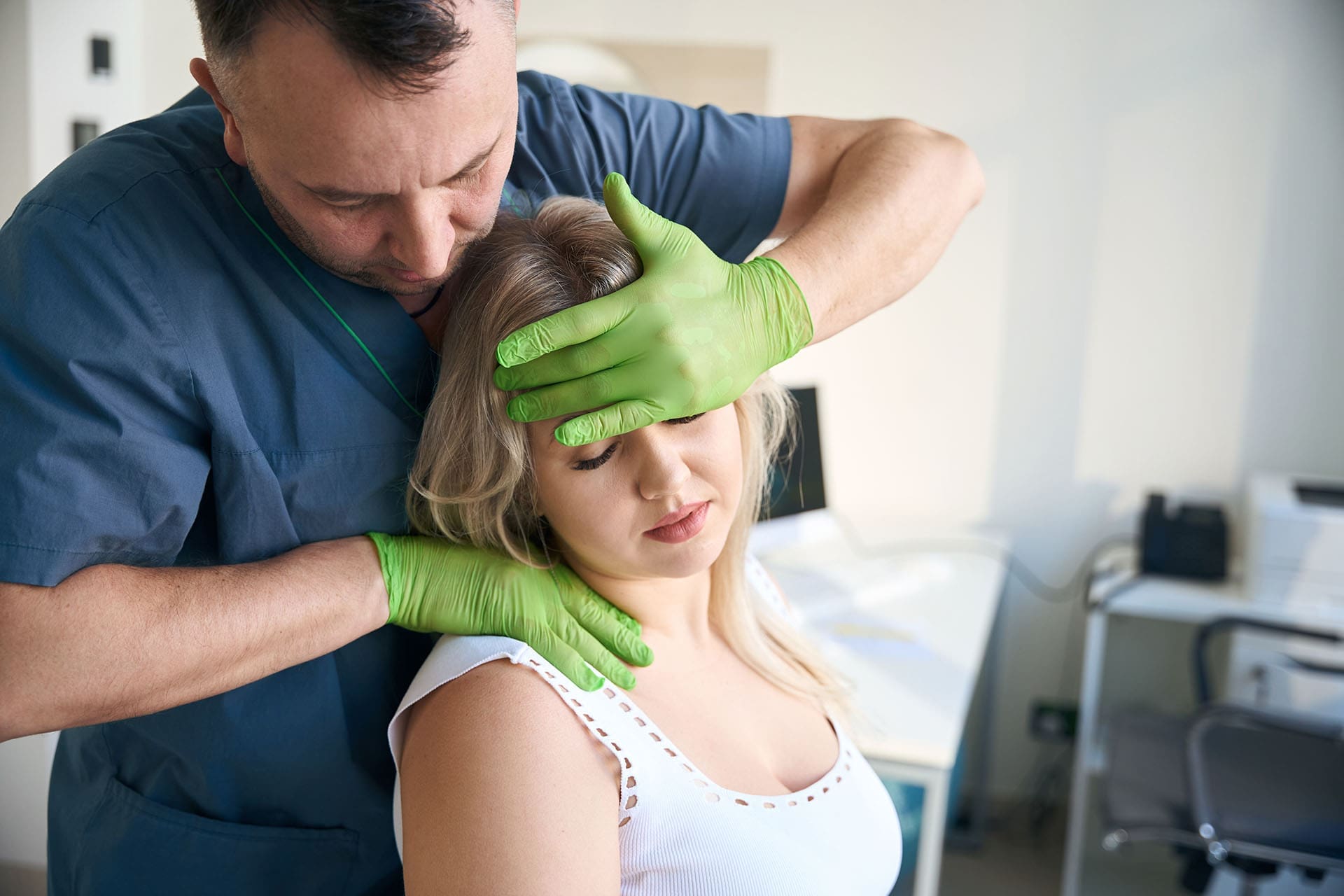
Back Clinic For Seniors. Older individuals do not have to learn how to live with pain! Chiropractic care for the elderly can help, as it is one of the most effective and safest forms of health care to treat pain-related conditions. The elder we live, the more issues we have with our muscles and joints. Dr. Jimenez discusses the aging process and how it affects those in their prime of life.
Dr. Jimenez offers a range of treatment options. From deep tissue massage, manual therapy, and spinal manipulation. Seniors experiencing problems and or pain can benefit from chiropractic treatment. Chiropractic treatment has been shown to have multiple benefits for the elderly. Increased mobility, decreased risk of falls, and other injuries. And routine chiropractic treatment can help improve overall health and well-being and give them more sense of independence in their lives.
A Modern, Integrative Approach to Musculoskeletal Health and Healing
Abstract
Hello, I’m Dr. Alexander Jimenez. In my years of practice integrating chiropractic care with advanced functional medicine at the El Paso Back Clinic, I’ve seen firsthand how systemic health, including hormonal balance, profoundly impacts musculoskeletal well-being. This educational post will guide you through the intricate landscape of modern patient care, exploring an innovative, atraumatic technique that, while often used in other medical contexts, offers powerful lessons for promoting tissue health and minimizing trauma—principles at the very core of chiropractic and physical therapy. We will explore how precise anatomical landmarking, gentle procedural finesse, and a deep understanding of physiology can be applied to enhance recovery and reduce pain. Most importantly, I will connect these concepts back to my core practice, explaining how restoring the body’s foundational health creates a powerful synergy with integrative chiropractic care, helping patients with chronic conditions like back pain and sciatica not just regain mobility, but achieve a vibrant, active life. We will explore how a collaborative, evidence-based approach, combined with foundational pillars like diet and exercise, empowers patients to move from recovery to true wellness.
Understanding the Importance of Minimizing Tissue Trauma
As a clinician dedicated to helping my patients recover from injury and achieve optimal function, a central principle of my practice is to “first, do no harm.” This means every technique, whether it’s a spinal adjustment or a soft-tissue therapy, must be performed with the goal of facilitating healing rather than causing further injury. Recently, I have been studying the work of leading researchers who are revolutionizing procedural medicine with what is known as an atraumatic technique. This approach is a significant departure from older, more aggressive methods and is designed specifically to decrease tissue trauma.
The core of this method is the use of specialized instruments, such as a trocar with a conical tip instead of a sharp, cutting one. A conical tip is designed to gently separate and weave through tissue fibers rather than severing them. Think of it as carefully parting the threads of a fabric with a dull needle, rather than slicing through them with a blade.
Physiological Impact of Cutting vs. Separating: When tissue, including skin, fascia, and underlying fat, is cut, it triggers a significant inflammatory cascade. The body’s immediate response is to send a rush of inflammatory cells and fluids to the area to begin the repair process, a phenomenon detailed in research on wound healing (Guo & DiPietro, 2010). This leads to swelling, pain, bruising, and a greater risk of scar tissue formation.
Benefits of an Atraumatic Approach: By gently separating the tissue, we create a pathway with minimal disruption to blood vessels and nerve endings. This results in significantly less inflammation, less post-procedural pain, and a cleaner healing environment. This is a significant improvement because it allows the body to focus its energy on healing the intended area rather than on repairing collateral damage caused by the procedure itself.
In my practice, I observe a similar principle. When a patient has a subluxation or soft tissue injury, aggressive, forceful manipulation can sometimes exacerbate inflammation. Instead, our goal with chiropractic adjustments and physical therapy is to use precise, controlled force to restore motion and function, working with the body’s tissues rather than against them. This modern, atraumatic philosophy aligns perfectly with the foundational principles of chiropractic care, which aim to reduce physical stress and improve nerve function, thereby enhancing the body’s innate healing capacity.
The Art and Science of Precise Placement: A Chiropractic Parallel
Just as a surgeon must be precise, so must a chiropractor. The success of any therapeutic intervention hinges on accurate placement and targeting the correct anatomical structures. In the atraumatic procedure I’ve been studying, “Goldilocks” placement—not too high, not too low, but just right—is critical for both efficacy and patient comfort.
Let’s explore the landmarks for a procedure in the upper gluteal region, and see how these principles translate to our work.
Critical Anatomical Landmarks:
A thorough understanding of anatomy, such as that detailed in Clinically Oriented Anatomy (Moore et al., 2018), is non-negotiable for safe practice.
Inside the Tan Line: Keeping an incision site within a patient’s typical tan line is a practical aesthetic consideration, but it also serves as a general guide to stay within the upper gluteal area.
Away from the Coccyx: The area near the coccyx (tailbone) and the gluteal cleft is prone to moisture and friction, creating an environment that is poor for healing. We avoid this area to reduce the risk of infection and irritation.
Avoiding the Iliotibial (IT) Band: The IT band is a thick, fibrous fascial band that runs along the outside of the thigh. Placing any implant or performing any deep work directly over this band can cause significant inflammation and lateral hip and thigh pain that can be long-lasting. This is a structure we frequently address in physical therapy for runners and athletes, so we are intimately familiar with how sensitive it can become.
Targeting Fatty Tissue: The ideal location is the well-vascularized fatty tissue of the upper-outer gluteal quadrant. This area provides cushioning and has a good blood supply, which is essential for healing.
A Precision Measurement Technique
To ensure perfect placement, a simple yet brilliant technique is used: the lidocaine syringe and needle serve as a measuring tool. Because the needle is the same length as the therapeutic instrument (the trocar), it can be used to map the treatment’s final destination.
Identify the Target: First, I palpate the area to find the “sweet spot”—the thickest part of the subcutaneous fatty tissue, well away from the bony prominences of the hip and spine.
Map the Trajectory: I place the needle tip at the desired endpoint.
Mark the Entry Point: I then lay the needle down along the planned insertion path. The needle hub now indicates the perfect spot for the initial incision or entry.
This method removes all guesswork. It’s a physical, tangible way to ensure the procedure is executed exactly as planned. This level of precision is something we strive for every day at El Paso Back Clinic. Whether we are identifying the specific vertebral level for an adjustment, locating a trigger point for dry needling, or applying therapeutic ultrasound, anatomical precision is the key to a successful outcome.
The Procedure: A Step-by-Step Guide to Minimizing Discomfort
Executing a procedure with an atraumatic philosophy requires meticulous attention to detail at every stage.
Step 1: Skin Preparation and Numbing
Aseptic Technique: We begin by thoroughly cleaning the skin. While alcohol is common, we prefer a chlorhexidine gluconate (CHG) solution. Based on guidance from wound care specialists and studies like the one published in the New England Journal of Medicine (Darouiche et al., 2010), CHG provides a more robust and longer-lasting antimicrobial effect, creating a cleaner field.
The Importance of the Wheal: Effective numbing is paramount for patient comfort. The technique involves creating a “wheal”—a small, raised bubble of lidocaine just beneath the skin’s surface. After creating the wheal, the needle is advanced along the pre-planned track at approximately a 45-degree angle. Lidocaine is injected as the needle moves forward and as it is withdrawn, bathing the entire pathway in anesthetic.
Step 2: The Atraumatic Incision and Insertion
The Incision: Using a sharp, sterile blade, a very small, precise incision is made—just enough to break the skin.
Trocar Insertion: The conical tip of the trocar is then placed into the incision. With the skin and underlying tissue held firmly, the trocar is gently advanced, weaving through the tissue rather than cutting.
Anchoring Technique: Once the trocar is in place, the therapeutic agent is placed inside. Here is the most critical distinction from older methods: I hold the inner part (obturator) firmly in place, anchoring the therapeutic agent at the desired location. Then, I retract the outer sheath (the trocar) over the stationary obturator. This action gently lays the agent down in a neat line within the created channel, without additional force or trauma.
The result is a clean procedure with minimal oozing or leakage, a stark contrast to the trauma-induced effusion seen with older techniques. This translates directly into a more comfortable patient experience and a faster, cleaner healing process.
The Foundational Role of Chiropractic and Physical Therapy
One of our clinic’s unique strengths is our deep roots in chiropractic care and physical therapy. This provides us with a constant stream of patients who come to us for musculoskeletal issues—back pain, neck pain, joint problems, and injuries. They trust us to help them regain function and live without pain.
It’s in these conversations that we often uncover deeper systemic issues that go beyond the spine or a sore joint. A patient’s inability to move due to conditions like sciatica or severe back pain can lead to a sedentary lifestyle. This creates a vicious cycle of muscle atrophy (sarcopenia), weight gain, deconditioning, and worsening health.
The Synergy of Foundational Health and Integrative Chiropractic Care
Here at the El Paso Back Clinic, we see the whole person. We empower our patients with the tools they need for a better life, which go far beyond a spinal adjustment. This is where the integration of advanced therapies with foundational care becomes a game-changer.
Enhanced Muscle Repair and Growth: When we address a patient’s underlying health, their body’s ability to build and repair muscle tissue is dramatically enhanced. The physical therapy exercises and chiropractic adjustments we administer become exponentially more effective. Instead of struggling to make small gains, their muscles respond, strengthen, and provide better support for the spine.
Reduced Inflammation and Pain Perception: Balancing the body’s systems helps regulate the inflammatory response and pain perception. Many of my patients report a significant reduction in their overall pain levels, which makes them more capable of participating in their rehabilitation programs.
Breaking the Cycle of Pain and Inactivity: When a 60-year-old man with sciatica who could barely walk regains his strength, his life is transformed. He can play with his grandchildren, engage in hobbies, and live a life free from the constraints of pain. This renewed activity creates a positive feedback loop of improving health.
Biomechanical Education: We teach you how to move, sit, and sleep. We show you how to protect your spine during daily activities, turning your body from a source of pain into a resilient, strong structure.
I have seen cases where a patient’s progress with traditional physical therapy had plateaued. Once we addressed their underlying systemic issues through an integrative approach, it was as if we unlocked a new level of healing potential. Their recovery accelerated, and the results were more sustainable.
Post-Procedure Care: The Foundation of Optimal Recovery
How we close an incision and educate the patient on aftercare is just as important as the procedure itself. Our approach in chiropractic and physical therapy is no different—patient education is a cornerstone of lasting recovery.
Closing the Incision
The Steri-Strip as a Suture: A common mistake is to simply place a Steri-Strip over the incision like a bandage. The Steri-Strips must function like sutures. You stick one side of the strip to the skin, gently pull the wound edges together (approximate them), and then secure the other side. This closes the gap, minimizes scarring, and promotes primary intention healing.
The Pressure Bandage: A folded gauze pad is placed over the Steri-strip, followed by a larger adhesive bandage. This applies gentle pressure to staunch any minor oozing and acts as a protective barrier.
Patient Instructions for Optimal Healing
Clear communication is vital. After applying the pressure bandage, I hold pressure on the site and review the post-procedure instructions with the patient.
Inner Bandage (Steri-strip): This should remain in place for at least 3 days, ideally until it falls off naturally.
Outer Bandage (Pressure Bandage): This can be removed later the same day or the following morning.
Activity Restrictions (3 Days): To allow the tissue to heal, patients should avoid submersion in water and excessive gluteal exercises, such as deep squats or high-impact aerobics.
These instructions are designed to create the ideal environment for healing. Similarly, after a chiropractic adjustment or intensive physical therapy session, we provide our patients with specific instructions on activities to perform or avoid, proper icing protocols, and stretches to support the treatment and prevent re-injury. Recovery is a partnership between the clinician and the patient.
By embracing these modern, evidence-based principles that minimize tissue trauma and promote the body’s innate healing capacity, we can enhance patient outcomes across all disciplines. These techniques, while demonstrated in a specific medical context, provide a powerful model for how we should approach all patient care—with precision, gentleness, and a profound respect for the body’s physiology.
The Future of Healing: An Integrative Chiropractic Approach to Chronic Pain and Practice Growth
Abstract:
In this educational post, I, Dr. Alexander Jimenez, will guide you through a pivotal shift in healthcare—from reactive symptom management to proactive, patient-centered wellness. Drawing upon the latest findings from leading researchers and my extensive clinical experience, we will explore an integrated model that seamlessly blends modern, evidence-based research with comprehensive clinical care. I will detail a systematic patient journey, starting with universal health screenings designed to uncover underlying metabolic and physiological imbalances, regardless of the patient’s initial complaint. This post breaks down complex concepts into actionable steps. A significant portion is dedicated to demonstrating how integrative chiropractic care and physical medicine are not just complementary but essential components of this model. We will discuss how addressing musculoskeletal and neurological health is fundamental to achieving holistic well-being, especially for patients presenting with symptoms like joint pain, fatigue, and depression, which often have roots in both metabolic and biomechanical dysfunction. This guide will provide the insights needed to implement these advanced strategies and thrive in the evolving wellness and medicine landscape.
Know Your Why: The Foundation of a Thriving Practice
The single most important key to success is understanding your “why”. As a practitioner with a diverse background spanning chiropractic (DC), advanced practice nursing (APRN, FNP-BC), and functional medicine, I’ve learned that exceptional clinical skill alone is not enough to build a thriving, impactful practice. Before we can effectively treat our patients, we, as clinicians, must be grounded in our professional purpose.
Stop and ask yourself:
Why do I come to work every day?
Why am I passionate about wellness and proactive medicine?
What was the personal story, family member, or experience that inspired me to pursue this path?
You will inevitably return to a busy practice filled with acute issues. Without a deeply rooted “why”, the urgency of daily tasks will overshadow your long-term vision. Your “why” is the anchor that will keep you focused when challenges arise. It’s the reason you’ll push through to help a patient who has been told by others that “everything is fine”. My “why” is to offer a path to recovery for those who feel they have run out of options. It’s about looking at complex cases of chronic pain, inflammation, and musculoskeletal dysfunction and seeing the potential for profound healing. This core mission drives every decision, from the diagnostic tools we use to the integrative chiropractic and physical therapy protocols we design at the El Paso Back Clinic.
I remember a patient, let’s call him Bill. At 32 years old, married with two children, he was massively depressed and suicidal. Traditional treatments had only made his condition worse. When we ran his labs, we discovered an underlying physiological imbalance causing his symptoms. By addressing the root cause, we were able to change the trajectory of his life. Stories like Bill’s are my “why”. They are the moments that fuel my passion and remind me of the profound impact we can have when we look deeper.
The Waiting Room: Where and How to Market
Once you have a firm grasp of your “why”, the next step is to understand where and how to market your services. Before you spend a single dollar on external marketing campaigns, look within your practice. We have invested significantly in researching what works, and the data points overwhelmingly in one direction.
The High Cost of Acquisition: Research consistently shows that acquiring a new patient can be five to 25 times more expensive than retaining an existing one (Gallo, 2014). This can range from hundreds to thousands of dollars on SEO, websites, and other advertising efforts.
The Power of Existing Relationships: The probability of successfully introducing a new therapy or service to an existing patient is substantially higher than converting a brand-new individual who has no prior relationship with you. They already trust you. In my practice, a patient who has experienced relief from chronic back pain through our chiropractic adjustments is far more open to discussing complementary therapies like spinal decompression or functional nutrition.
Retention Drives Profitability: A mere 5% increase in patient retention can lead to a staggering 25% to 95% increase in profits (Gallo, 2014).
This data tells a compelling story. Your current patients are your most valuable asset. The key is to use the right tools and systems to educate them on the full spectrum of care you can provide.
The Patient Journey: A System for Predictable, Positive Outcomes
A successful clinical outcome is rarely accidental; it is the result of a well-designed, meticulously executed system. We must apply this systematic thinking to the entire patient experience. At our clinics, like the El Paso Back Clinic, a patient presenting with something as common as low back pain enters a predefined, structured flow of care.
It all starts with screening every single patient. It doesn’t matter if they are in your office for a chiropractic adjustment, a physical therapy session for a sports injury, or a consultation for chronic headaches. Every individual who walks through your door receives a comprehensive health screening.
Why is this so crucial?
Because the human body is an interconnected system. The joint pain a patient is experiencing might be driven by systemic inflammation originating from a metabolic imbalance. The fatigue and brain fog they attribute to stress could be linked to suboptimal hormone levels. As integrative practitioners, our unique value lies in our ability to look at the whole person and connect these seemingly disparate dots. The purpose of the screening is to objectively determine if there is a clinical indication for further investigation, such as lab work. This approach positions you as a thorough and proactive healthcare provider dedicated to uncovering the root cause of your patient’s health issues, not just managing their symptoms.
From Screening to Treatment: The Four-Step Clinical Flow
Once the need for further investigation is established, the patient follows a clear, four-step process designed for efficiency and clinical efficacy.
Initial Screening: This is the universal step for all patients, using a validated symptom checklist.
Lab Work: Based on the screening, appropriate lab panels are ordered to investigate potential metabolic, hormonal, or inflammatory imbalances. While we keep these aspects in the background of our physical medicine practice, they are crucial for a holistic understanding.
Consultation and Initial Treatment (Same Day): The patient returns for a dedicated consultation. Critically, we aim to perform the initial recommended treatment—whether it’s a specific chiropractic adjustment, a targeted physical therapy protocol, or initiating a nutritional plan—on the very same day. Patients are looking for solutions. When they hear, “Here’s what your results show, here’s what it means, and here is how we can start helping you today,” it is an incredibly powerful message.
Follow-up and Re-assessment: The patient returns in four to five weeks. This step is absolutely vital.
I have seen practices falter by skipping the four- to five-week follow-up. This is a significant clinical and strategic error. The four- to five-week mark is a critical window for physiological shifts to begin. This follow-up validates the treatment, allows for course correction, reinforces your expertise, and builds immense patient confidence and retention.
How Integrative Chiropractic Care Fits In
A common mistake is to view conditions like fatigue, depression, or joint pain as purely metabolic. From my perspective as a Doctor of Chiropractic, the neuromusculoskeletal system is a critical piece of the puzzle, and the connection between hormonal balance, neurological function, and musculoskeletal integrity is undeniable. Integrative chiropractic care is a cornerstone of our approach.
Spinal Health and Nerve Function: The nervous system, housed and protected by the spine, is the body’s master control system. Misalignments in the spine, known as vertebral subluxations, can create interference in the nerve signals traveling between the brain and the body. This can disrupt the delicate communication pathways that control organ function, muscle tone, and even the endocrine system that regulates hormones. By performing precise chiropractic adjustments, we can restore proper spinal alignment, reduce nerve interference, and support optimal nervous system function. This, in turn, helps the body better regulate its internal chemistry and heal more effectively.
Stress Reduction and the HPA Axis: Chronic physical and emotional stress significantly impacts the hypothalamic-pituitary-adrenal (HPA) axis, leading to dysregulation of cortisol and other stress hormones. This can have a cascading effect on the body, promoting systemic inflammation. Chiropractic care has been shown to help modulate the body’s stress response. Techniques such as spinal adjustments and soft tissue therapies can decrease sympathetic nervous system “fight or flight” activity and promote a parasympathetic “rest and digest” state. By helping the body adapt to stress more effectively, we support a more balanced internal environment conducive to healing.
Systemic Inflammation and Joint Pain: Hormonal imbalances can lead to systemic inflammation that manifests as joint pain and accelerated degenerative changes. While a patient may seek chiropractic care for their “sore back,” our integrated screening can reveal an underlying metabolic driver. By addressing both the biomechanical dysfunction through chiropractic adjustments and spinal decompression, and the systemic inflammation through metabolic and nutritional support, we achieve a far superior, longer-lasting outcome. The adjustment restores proper joint mechanics and neurological function, while supportive care reduces the inflammatory load that exacerbates the condition.
Fatigue, Posture, and Neurological Function: A patient suffering from chronic fatigue will inevitably experience changes in posture. This poor posture places immense strain on the cervical and thoracic spine, leading to muscle hypertonicity, nerve irritation, and headaches. It also impairs proper diaphragmatic breathing, reducing oxygenation and further contributing to fatigue. Chiropractic care and targeted physical therapy are essential for correcting these postural imbalances, restoring proper nerve flow, and improving respiratory mechanics. This biomechanical intervention is a crucial part of treating the patient’s fatigue.
In our practice, a patient presenting with symptoms of hormonal imbalance or chronic fatigue will not only receive advanced diagnostic testing but will also undergo a thorough musculoskeletal and neurological evaluation. This allows us to create a comprehensive treatment plan that addresses the root causes from multiple angles, combining targeted medical therapies with foundational chiropractic and physical therapy care.
Mastering the Art: The Skill of Procedural Excellence
Beyond following a protocol, you must also become excellent at the procedure itself. Your hands-on skills are paramount. A procedure, whether it’s a chiropractic adjustment, a soft-tissue mobilization like the Graston Technique, or spinal decompression, should be as comfortable and effective as possible.
Slow Down to Speed Up: If you are new to a technique, slow down. Master each step. Perfect your hand placement for an adjustment, like the Cox® Technic flexion-distraction protocol. Understand the precise angle and depth. Get good at the feel of the tissue. Speed comes from mastery, not haste. An expert can perform a complex procedure in minutes because every movement is precise and practiced.
The Patient Experience is Everything: A pain-free, effective procedure builds immense trust. When a patient gets off my adjustment table feeling relief rather than pain, they trust the process. When they see their mobility improve without added discomfort from the treatment itself, they become advocates for your care. Work on your skill until it becomes an art form that delivers a positive and healing experience.
Creating a Concrete Plan for Clinical Growth and Patient Impact
A call to action was issued. We cannot be part of the 80% of practitioners who attend a seminar, get inspired, and then do nothing with the information. To truly make a difference, we must translate knowledge into a concrete action plan.
I encourage every clinician to ask themselves: What is my goal for the next 90 days? This isn’t about vague aspirations; it’s about setting a SMART (Specific, Measurable, Achievable, Relevant, Time-bound) goal.
Specific: “I will integrate our new anti-inflammatory protocol for patients with chronic low back pain.”
Measurable: “I will successfully treat 10 new patients with this protocol.”
Achievable: Based on current patient flow and marketing, this is a realistic target.
Relevant: This directly aligns with our clinic’s mission to provide advanced, non-surgical pain relief.
Time-bound: “I will achieve this within the next 90 days.”
Once the goal is set, outline the “how”. Who on the team is responsible for distributing patient education materials? How will we track patient progress? By defining roles, we create accountability that turns a plan into reality. Whether you are a solo practitioner or a large clinic, the principle is the same: create a plan, define the action steps, and execute with commitment. This disciplined approach is how we grow, how we refine our skills, and, most importantly, how we provide an ever-higher level of care to the community we serve.
References
Gallo, A. (2014, October 29). The value of keeping the right customers. Harvard Business Review. https://hbr.org/2014/10/the-value-of-keeping-the-right-customers
Lelic, D., Niazi, I. K., Holt, K., Jochumsen, M., Dremstrup, K., Yielder, P., Murphy, B., Drewes, A. M., & Haavik, H. (2016). Manipulation of dysfunctional spinal joints affects sensorimotor integration in the prefrontal cortex: A brain source localization study. Neural Plasticity, 2016, 3704964. https://doi.org/10.1155/2016/3704964
Snyder, P. J., Bhasin, S., Cunningham, G. R., Matsumoto, A. M., Stephens-Shields, A. J., Cauley, J. A., Gill, T. M., Barrett-Connor, E., Swerdloff, R. S., Wang, C., Ensrud, K. E., Lewis, C. E., Farrar, J. T., Cella, D., Rosen, R. C., Pahor, M., Crandall, J. P., Molitch, M. E., Cifelli, D., … Resnick, S. M. (2016). Effects of testosterone treatment in older men. New England Journal of Medicine, 374(7), 611–624. https://doi.org/10.1056/NEJMoa1506119
Yeap, B. B., Marriott, R. J., Antonio, L., Chan, Y. X., Raj, S., Flicker, L., Murray, K., & Dwivedi, G. (2021). The effects of testosterone on cognitive function in older men. Journal of Alzheimer’s Disease, 80(4), 1435–1448. https://doi.org/10.3233/JAD-201509
El Paso Back Clinic Musculoskeletal Care and Relief
Abstract
Hello, I’m Dr. Alexander Jimenez. With my background as a Doctor of Chiropractic (DC), an Advanced Practice Registered Nurse (APRN), and certifications in functional medicine (CFMP, IFMCP), I am dedicated to bridging gaps across healthcare disciplines. In this educational post, we will explore the nuances of a minimally invasive procedure, focusing on the critical aspects of technique, patient comfort, and optimal outcomes. While the demonstration involves hormonal pellet insertion, the core principles of anatomical landmarking, tissue handling, and sterile technique are universally applicable to many minor procedures we perform. We will delve into the physiological rationale for each step, from site selection and anesthesia to atraumatic insertion and post-procedural care. A significant portion of this discussion will focus on how these concepts integrate with chiropractic care and physical therapy. We’ll examine how maintaining proper biomechanics, addressing fascial restrictions, and ensuring structural alignment are paramount for both preventing injuries and facilitating a smooth recovery from any procedure. This integrated perspective is central to our philosophy at El Paso Back Clinic, where we aim to provide comprehensive, evidence-based care that addresses the whole person, not just a single symptom.
Optimizing Procedural Success: The Critical Role of Anatomical Landmarkings
In any procedure, no matter how minor, precision is everything. The first and most crucial step is identifying the correct anatomical location. For the procedure demonstrated, we are targeting the upper outer quadrant of the gluteal region. The goal is to place the therapeutic agent within a specific tissue layer—in this case, the subcutaneous fatty tissue.
Here’s my thought process for ensuring perfect placement:
Identifying the “Just Right” Zone: This area must be carefully chosen. We want to be well within the fatty tissue of the gluteal region, avoiding areas that are too lateral (to the side) or too close to the midline, which would bring us near sensitive structures like the popliteal artery behind the knee or the lumbar spine. This specific zone provides a stable, well-vascularized, and low-movement area, which is ideal for healing and minimizing discomfort.
The Needle as a Measuring Tool: Before making any incision, I use the trocar needle’s length as a precise guide. This is a simple but highly effective technique. I determine the ideal final resting place for the pellets within the subcutaneous fat. Then I place the needle tip at the desired endpoint and lay the needle back along the skin. The hub of the needle now indicates the perfect spot for my incision. This method ensures that the length of the track I create is exactly right, preventing the pellets from being placed too shallowly or too deeply.
Clinical Application in Chiropractic: This principle of precise landmarking is fundamental in chiropractic care. When I perform a spinal adjustment, I’m not just applying a general force. I am palpating for the specific vertebral segment, identifying the spinous and transverse processes, and understanding the exact vector (direction and angle of force) needed to restore proper motion. Similarly, in physical therapy, when a therapist uses modalities such as dry needling or manual therapy, they target specific trigger points, fascial planes, or muscle bellies. This deep anatomical knowledge ensures the treatment is both safe and effective. Misjudging the location could lead to an ineffective treatment or, worse, injury.
After marking the incision site, the next step is to prepare the skin. We use a chlorhexidine wipe for this, following the principles of aseptic technique with sterile instruments. Although alcohol is commonly used, research, including insights from wound care specialists, has shown that chlorhexidine is more effective at reducing the skin’s bacterial load for these procedures (Pratt et al., 2007). My hands are in clean, not sterile, gloves because the procedure is quick and the instruments that enter the body are sterile.
The Art and Science of Local Anesthesia for Patient Comfort
My patient’s comfort is a top priority. A painful procedure creates anxiety and can even trigger a vasovagal response (fainting). The key to a painless experience lies in the meticulous administration of local anesthesia, in this case, lidocaine.
My technique involves a few key details:
Creating the “Wheel”: The initial injection is the most sensitive part. I insert only the very tip of the needle into the superficial layer of the skin, at a very shallow angle, much like a TB test. I inject a small amount of lidocaine to create a “bleb” or “wheel.” This instantly numbs the entry point for all subsequent steps.
Anesthetizing the Track: Once the initial wheel is formed, I advance the needle along the preplanned track where the trocar will be inserted. Crucially, I inject the lidocaine as the needle advances and as it is withdrawn. This ensures the entire pathway is bathed in the anesthetic, creating a fully numb tunnel.
Proper Angulation: I hold the syringe at approximately a 45-degree angle relative to the skin’s surface. This angle is vital. If the injection is too superficial, the pellets will be visible under the skin and can be easily irritated or extruded. If it’s too deep, we risk entering the muscle tissue, which is more vascular, leading to more bleeding and inflammation, and can cause significant post-procedural pain with movement—particularly with gluteal muscle contraction.
This technique is designed to place the pellets in the deeper subcutaneous fat, a “sweet spot” that provides cushioning and stability while remaining separate from the underlying muscle fascia. The blanching (whitening) of the skin around the wheel is a visual confirmation that the lidocaine with epinephrine is working effectively, constricting blood vessels and localizing the anesthetic.
Atraumatic Technique: The Shift to a Blunt Tip Trocar
Healthcare is constantly evolving, and we must adapt our techniques based on the latest evidence to improve patient outcomes. A significant advancement in this type of procedure is the move away from the old “cutting and plunging” method to an atraumatic technique using a blunt-tipped trocar.
Let’s break down the mechanics and the “why”:
The Old Method (Traumatic): The previous method involved using a sharp tool to cut a path through the tissue, followed by a plunger to push the pellets into place. This process was inherently traumatic. It cut through blood vessels, nerves, and fascial tissue, leading to more bleeding, a higher risk of infection, significant post-procedural pain, and increased scar tissue formation. From a chiropractic and physical therapy perspective, this kind of trauma can create deep fascial adhesions that restrict movement, alter gait mechanics, and even contribute to sacroiliac or low back pain.
The New Method (Atraumatic): The modern trocar system consists of two parts: an outer sheath and an inner, blunt-tipped obturator. After making a very small incision with a #11 scalpel blade (just enough to break the skin), the blunt trocar is introduced. Instead of cutting, it gently separates and displaces the tissue fibers as it advances through the anesthetized track. This technique is analogous to pushing your finger through the threads of a knitted sweater versus cutting it with scissors. The fibers are moved aside, not severed.
Once the trocar is fully inserted to the predetermined depth, I remove the inner blunt obturator, leaving the outer sheath in place. This sheath now serves as a clean, stable channel for introducing the pellets.
Securing the Pellets and Closing the Site
The placement of the pellets is a moment of precision. Using sterile forceps, I place the pellets one by one into the trocar hub. They slide down the sheath to the tip.
Here is the most critical distinction of the atraumatic method:
I reinsert the blunt obturator until it contacts the pellets.
Then, using my thumb, I hold the obturator firmly in place, anchoring the pellets at the end of the tunnel.
While keeping the obturator stationary, I gently withdraw the outer sheath over it.
Once the sheath is completely out, I remove the obturator.
This sequence ensures the pellets are deposited precisely where intended without any forward “plunging” motion. They are left nestled within the fatty tissue pocket created by the blunt dissection. The surrounding tissue, which was merely displaced, gently closes back around them. This results in minimal bleeding—often just a tiny bit of oozing at the incision site—and significantly less tissue trauma.
Closing the incision is the final step. We use sterile adhesive strips, which function like sutures for a small incision. The key is to approximate the skin edges. I place the strip on one side of the incision, gently pinch the skin edges together, and pull the strip across to hold them closed. Simply laying the strip on top is ineffective; the goal is to facilitate primary intention healing, which leads to a minimal scar.
The Integrative Chiropractic and Physical Therapy Connection
How does all this relate to our work at El Paso Back Clinic? The connection is profound and operates on several levels.
Biomechanics and Post-Procedural Care: Following any procedure, even a minor one in the gluteal region, the body’s biomechanics can be temporarily altered. A patient might guard the area, leading to an antalgic gait (limping). This altered movement pattern can cause compensatory strain on the contralateral (opposite) hip, the sacroiliac (SI) joints, and the lumbar spine. As a chiropractor, my role is to assess for and correct these developing imbalances. A gentle pelvic or lumbar adjustment can restore normal joint mechanics and prevent a minor, temporary issue from cascading into a more significant musculoskeletal problem.
Fascial Health: The atraumatic technique is designed to respect the body’s fascia, the intricate web of connective tissue that envelops every muscle, nerve, and organ. The old cutting method created significant fascial scarring. These scars can act like snags in a sweater, restricting movement and creating lines of tension that pull on distant structures. In my clinical observations, I’ve seen how untreated fascial restrictions in the gluteal region can contribute to chronic low back pain, sciatica-like symptoms, and even hip bursitis. Physical therapy techniques such as myofascial release, instrument-assisted soft-tissue mobilization (IASTM), and targeted stretching are invaluable for ensuring that tissue heals smoothly and maintains its natural glide and elasticity.
Patient Instructions and Recovery: The post-procedural instructions I provide are rooted in an understanding of tissue healing and biomechanics. I advise patients to avoid excessive gluteal exercises, deep squats, and activities such as horseback riding for a few days. Why? Because forceful contraction of the gluteus maximus muscle, which lies just deep to our procedure site, can create inflammation and mechanical stress on the healing tissue. Allowing this brief period of relative rest is crucial for minimizing inflammation and ensuring the pellets remain stable. This advice aligns with the principles of protected mobilization taught in physical therapy, where the goal is to allow tissues to heal without imposing excessive loads that could disrupt the repair process.
In conclusion, modern healthcare is at its best when it is integrative. By combining the precision of minimally invasive medical procedures with a deep understanding of musculoskeletal function from chiropractic and physical therapy, we can provide superior care. The atraumatic technique demonstrated here is more than just a method; it’s a philosophy. It’s about respecting the body’s intricate anatomy, minimizing iatrogenic (treatment-induced) trauma, and supporting the body’s innate capacity to heal. This holistic approach ensures not only a successful immediate outcome but also promotes long-term health and functional well-being for our patients.
Integrative Chiropractic Care Pathways That Align Diagnostics, Movement, and Adherence
Abstract
I am Dr. Alexander Jimenez, DC, APRN, FNP-BC, CFMP, IFMCP, ATN, CCST. In this educational post, I walk you through how I design integrative chiropractic and physical therapy care at El Paso Back Clinic to improve musculoskeletal function, metabolic resilience, and patient adherence—while keeping hormones and medications in the background. Drawing on modern, evidence-based research and my day-to-day clinical observations in El Paso, I explain how we align diagnostics and movement with physiology, deliver patient education that sticks, time reassessments with healing windows, and use spine and joint care, soft-tissue methods, and targeted exercise to accelerate recovery. You will also see how postpartum and menopausal lab contexts inform conservative dosing without taking the lead, how fascia-respecting procedural technique protects tissues during procedures, and why pre-scheduling and outcome tracking reliably improve results.
Chiropractic-first reasoning: Why biomechanics and function lead the plan
Pain, stiffness, and fatigue are multifactorial. I start with what bodies tell us functionally because the spine, fascia, and muscles operate as an integrated system. When segmental joints stiffen, soft tissues guard, and movement patterns compensate, nociceptive input increases, and central sensitization can amplify pain. By restoring motion and control first—and educating patients at the right time—we reduce threat signaling and build capacity.
Why this works:
Manual therapy mechanisms modulate pain via peripheral, spinal, and supraspinal pathways, reducing protective muscle guarding and improving proprioception (Bialosky, Bishop, & George, 2009).
Central sensitization improves when graded movement and aerobic input engage descending inhibitory pathways and normalize afferent input (Woolf, 2011).
Mechanotransduction drives tissue remodeling; progressive loading teaches tendons and fascia to tolerate daily stressors (Khan & Scott, 2009; Kjaer, 2004; Narici & Maganaris, 2007).
In our clinic, that translates to chiropractic adjustments to restore segmental motion, movement-based physical therapy to upgrade motor control, and simple, redundant education to lock in habits. Labs and meds stay in the background unless safety or unusual recovery patterns demand a look.
My stepwise workflow: Aligning care with physiology
I built our workflow around a simple idea: align care to how tissues heal and how people learn.
Chiropractic adjustments: Patient-specific, evidence-informed manipulation to restore joint play and reduce nociceptive drive (Bialosky, Bishop, & George, 2009).
Soft-tissue techniques: Gentle instrument-assisted or manual methods to increase tissue extensibility and glide, setting the stage for motor retraining (Cheatham, Lee, Cain, & Baker, 2016).
Targeted exercise: Isometrics to isotonic loading for tendon and core systems; heavy–slow resistance for tendinopathy when indicated; graded aerobic work to improve autonomic tone and sleep (Rio et al., 2015; Rathleff et al., 2015).
Practical education: QR-coded exercise videos, checklists, and timed reminders that reduce cognitive load and improve adherence through spaced repetition.
Purposeful scheduling: Re-evaluations at 4–6 weeks to capture connective tissue and neural adaptation; longer checkpoints around 14 weeks for many women and 18 weeks for many men to align with remodeling windows.
Why physiology dictates our timelines
Connective tissue remodeling: Collagen synthesis and cross-linking evolve over weeks to months; early changes are measurable by 4–6 weeks with function and strength (Kjaer, 2004; Narici & Maganaris, 2007).
Neuroplasticity: Motor learning and threat attenuation require consistent, graded exposure, which we embed in short, daily bouts plus progressive loads (Naugle, Fillingim, & Riley, 2012).
Cardiometabolic backdrop: When recovery stalls, simple markers such as non-HDL, triglycerides, A1c, and hs-CRP can guide dosing and pacing without shifting focus away from movement (Ross et al., 2020).
Streamlined patient education: How I reduce phone burden and increase follow-through
Early in my career, patients would leave with excellent instructions and lose the thread at home. I designed layered, redundant education that patients actually use:
4×6 quick-reference cards with QR codes linking to 2–3 minute videos that review home-care exercises and cautions.
Downloadable PDFs for paper-lovers.
Automated nudges at strategic intervals—for example, a 3-week reminder to rebook and recheck movement goals.
Why it works
Spaced repetition cements motor learning.
Cognitive load during pain is high; simple reminders reduce executive burden.
Graded exposure and consistent follow-up maintain momentum and reduce fear avoidance.
First-visit structure: Setting the foundation for faster results
Access and clarity matter. On Visit 1, I provide:
Real-time movement screening: gait, sit-to-stand, trunk rotation, single-leg stance, and region-specific screens.
Baseline scales: simple pain/function ratings and a symptom checklist we can rescore later.
Immediate education: what to expect over the next 2–4 weeks and how we will progress.
Patients leave with a personalized plan and a pre-scheduled follow-up, so progress is designed in, not left to chance.
Why pre-scheduling improves outcomes
Human memory fades when pain eases. Anchoring the next reassessment solidifies expectations and keeps graded loading on track.
Women: longer-goal re-evaluation around 14 weeks.
Men: larger progressive programs often anchor around 18 weeks.
We adjust cadence to the clinical picture, not the calendar.
Diagnostics: when labs inform—but do not drive—care
We reserve labs for safety and context:
If energy is disproportionately low, recovery is unusually slow, or recurrent tendinopathy persists, I consider a targeted background review (A1c, triglycerides, non-HDL, hs-CRP, vitamin D, thyroid nuances) while continuing conservative care.
We avoid over-testing; baseline and selective rechecks after a significant clinical change reduce noise and prevent unnecessary pivots (Hayes, Moulton, & others, 2013).
The goal is to remove friction so movement-based therapy can work—not to chase numbers.
How I analyze outcomes: Validating progress and sustaining motivation
I use brief symptom and function scales to quantify change—never to label patients. Declining scores and better movement screens:
Motivate adherence.
Document progress for interprofessional communication.
Guide next steps.
Physiology behind functional change
As segmental dysfunction resolves and motor control improves, afferent input normalizes, central sensitization eases, and sleep tends to improve. Functional scores capture these multidimensional shifts (Woolf, 2011; Bialosky, Bishop, & George, 2009).
Chiropractic and PT for common presentations: Post-menopause, postpartum, and midlife musculoskeletal patterns
A focused look at a common post-menopausal presentation
A 59-year-old woman, ten years post-menopause, reports:
Moderate to severe fatigue, low mood, low libido, bladder urgency.
20 lb weight gain, constipation, gas, and bloating.
Possible thyroid autoimmunity, slowed transit.
My conservative plan
Chiropractic: Gentle, region-specific lumbopelvic adjustments to improve mechanics and reduce nociception that can exacerbate pelvic floor dysfunction.
Soft tissue: Myofascial release to the thoracolumbar fascia, hip rotators, and pelvic floor-adjacent tissues to balance tone and improve hip–pelvis coupling.
Physical therapy:
Diaphragmatic breathing and intra-abdominal pressure drills to restore diaphragm–pelvic floor synergy (Hodges & Sapsford, 2011).
Progressive gluteal and deep hip external rotator activation to unload the pelvic floor and lumbar segments.
Graded walking with cadence targets to improve autonomic tone and bowel motility (Mayer, 2011).
Why these help
Improving sacroiliac and lumbar motion redistributes load and can influence bladder urgency through reflexive pathways (Vleeming et al., 2012).
Protein adequacy and a focus on micronutrients support connective tissue turnover.
Coordination with primary teams happens in parallel, not as a prerequisite for better movement.
Clinical observation from my El Paso practice
Many post-menopausal patients report improving back discomfort, gait stability, and energy within 4–8 weeks when we combine segmental adjustments, myofascial work, walking programs, and pelvic floor-aware strengthening—often before any medication changes. Consistency beats intensity.
A focused look at a common male pattern: Plantar heel pain with deconditioning
A 59-year-old man presents with:
Antalgic gait and morning plantar heel pain consistent with early plantar fasciopathy.
Chiropractic: Address ankle-foot joint restrictions (subtalar, midfoot), tibial rotation, and lumbopelvic mechanics to balance strain across the plantar fascia.
Soft tissue: Instrument-assisted or manual techniques for the plantar fascia, calf complex, and hamstrings to restore extensibility.
Physical therapy/loading:
Short-foot exercises to reactivate foot intrinsics.
Heavy–slow resistance for calves to remodel fascia (Rathleff et al., 2015).
Hip abductor/external rotator strengthening to improve knee–foot alignment.
Gait retraining with cadence cues to reduce overstriding and peak heel loading.
Why these help
Plantar fasciopathy responds to progressive mechanical loading, which stimulates collagen remodeling and improves stiffness (Rathleff et al., 2015).
Proximal control reduces distal overload.
Adjustments restore joint play, enabling symmetrical load distribution along the kinetic chain.
Quantifying activity to match physiology
Patients often overestimate exertion. I ask:
How often does your heart rate reach a moderate zone?
How many total minutes of moderate-to-vigorous activity do you sustain per week?
If tolerance is low, I begin with shorter, more frequent bouts to enhance mitochondrial efficiency and capillary density without tipping into soreness. Better sleep follows, and pain thresholds rise.
Integrative chiropractic after postpartum and menopause lab reviews: A conservative, algorithm-guided, movement-first pathway
When postpartum or menopausal labs are available, I use them for context and safety while keeping care movement-led.
The only time I consider a brief one-time “boost” is immediately after a post-lab visit if symptoms are severe and a fast nudge helps cross a functional threshold. Then we pivot fully to biomechanics and behavior.
Decision algorithms consider time since last menses, postpartum interval, and activity level to refine initial dosing—slower progressions and lower-velocity mobilizations in hypoestrogenic tissues (Kjaer & Magnusson, 2010).
Thorough informed consent doubles as education: it explains what we do, why it works, dosage expectations, soreness windows, and red flags (Appelbaum, Lidz, & Klitzman, 2012).
Physiologic underpinnings that shape our choices
Pelvic ring load transfer: Altered force/form closure in and after pregnancy benefits from targeted adjustments and stabilization (Vleeming et al., 2012).
Mechanotherapy: Graded loading signals tenocytes and myofibers to remodel along lines of stress (Khan & Scott, 2009).
Hypoalgesia with exercise: Aerobic and isometric bouts induce central inhibitory effects (Naugle, Fillingim, & Riley, 2012; Rio et al., 2015).
Fascia-respecting technique and safer recovery: When procedures are performed, biomechanics still lead
While El Paso Back Clinic emphasizes conservative care, some patients undergo minor procedures through external prescribers. My role is to protect tissue and restore movement around those procedures.
Depth and plane matter: Working within the adipofascial corridor reduces nociception and microhematomas; superficial skiving increases pain and scarring (Wong et al., 2021).
Surface-area principles: Distributing inputs across broader planes reduces peak stress and improves tolerability; scars form more cleanly when microtrauma is minimized.
Compression and moisture control: Gentle early compression limits dead space and hematoma, while avoiding heavy sweating and contaminated water for five days, supports barrier reformation and scar quality (Edwards & Harding, 2004; Sparks, Roberts, & Brown, 2016).
Chiropractic and PT integration post-procedure
Segmental mobilization: Normalize thoracolumbar and pelvic mechanics to reduce shear across healing lines (Bialosky, Bishop, & George, 2009).
Gentle myofascial work: Improve glide in obliques, QL, and paraspinals adjacent to the site, reducing pull and enhancing lymphatic flow (Findley & Schleip, 2007; Schleip & Müller, 2013).
Breathing mechanics: Diaphragmatic patterns optimize thoracoabdominal pressure, improving venous return and oxygenation to the healing area.
Neuromuscular re-education: Early isometrics for transverse abdominis, pelvic floor, and multifidi restore support without torsion.
Scheduling that matches tissue timelines: Building a plan patients follow
Visit 3 (4–6 weeks): Functional re-test; adjust plan to match adaptation.
Visit 4 (10–14 weeks): Higher-function testing; more complex and energy-demanding tasks.
Long checkpoint (14 weeks for many women; 18 weeks for many men): Outcome measures, return-to-activity milestones, next-step planning.
We individualize spacing for age, baseline fitness, and goals. In my experience, older adults often progress beautifully with slightly longer intervals once momentum builds.
How I set exercise dosing and progression
Start low, build slow for deconditioned patients to avoid flares and maintain confidence.
Tendinopathies/plantar fasciopathy: 3–4 sessions/week of heavy–slow resistance; monitor soreness to remain productive (Rathleff et al., 2015).
Spine-related sensitization: Begin with isometrics and short repeated bouts, then introduce compound lifts as tolerance grows.
Why
Collagen remodeling requires progressive mechanical load and recovery.
The nervous system adapts best to predictable, graded stressors.
Consistency beats intensity in the first 6–8 weeks—adherence is the multiplier.
Clinic observations from El Paso: What I see every week in practice
The sleep lever multiplies results: Fixing thoracic/rib mechanics and breathing improves sleep, raises pain thresholds, and makes adherence easier.
The gait lever is the safest aerobic start: Postpartum and peri-/postmenopausal patients tolerate walking progressions that “grease” the lumbopelvic system in gravity.
The hip hinge lever protects the back: Teaching a neutral hinge with tripod foot contact reduces SI stress and hamstring strain while shifting the load to the glutes.
For men with plantar heel pain, adding proximal hip strength and cadence retraining outperforms foot-only protocols.
Post-menopausal women with constipation often improve with a trio: thoracolumbar and sacroiliac adjustments, diaphragmatic breathing, and daily walking—supporting motility and reducing abdominal wall guarding.
A day-in-the-life pathway: making it understandable and repeatable
A patient arrives with back pain and fatigue. I evaluate movement, adjust restricted segments, release overactive tissues, and teach two simple home exercises. They scan a QR card and watch a two-minute recap that night.
At 10 days, we refine technique and increase time under tension on key drills.
At 5–6 weeks, gait is smoother, pain is lower, and sleep is better. We add load to build resilience.
At 12–18 weeks, we reassess outcomes and set a maintenance plan—monthly or quarterly tune-ups plus a sustainable home program.
Patients feel better because every step is aligned with how tissues heal and how people learn.
Why integrative chiropractic belongs at the center Evidence-aligned systems thinking
Spinal adjustments and peripheral joint manipulation: Reduce pain through segmental and descending modulation and restore motion (Bialosky, Bishop, & George, 2009).
Soft-tissue techniques: Temporarily reduce tone and improve glide, enabling effective motor retraining (Cheatham, Lee, Cain, & Baker, 2016; Ajimsha, Al-Mudahka, & Al-Madzhar, 2015).
Specific exercise: Drives the durable change—upgrades load capacity, tendon health, and movement economy (Khan & Scott, 2009; Stasinopoulos & Johnson, 2007).
Education and pacing: Lower fear-avoidance, align expectations, and respect tissue timelines.
Pain is not merely a signal from damaged tissue—it is a systems experience shaped by nociception, expectation, sleep, and fitness. By restoring motion and control while empowering patients with simple, repeatable actions, we reduce threat signals and rebuild capacity.
References
Ajimsha, M. S., Al-Mudahka, N. R., & Al-Madzhar, J. A. (2015). Effectiveness of myofascial release: Systematic review of randomized controlled trials. Journal of Bodywork and Movement Therapies. https://doi.org/10.1016/j.jbmt.2014.06.001
Appelbaum, P. S., Lidz, C. W., & Klitzman, R. (2012). Voluntariness of consent to research: A conceptual model. American Journal of Bioethics. https://doi.org/10.1080/15265161.2012.698383
Bialosky, J. E., Bishop, M. D., & George, S. Z. (2009). Mechanisms of manual therapy in musculoskeletal pain: A comprehensive model. The Clinical Journal of Pain. https://doi.org/10.1097/AJP.0b013e3181bf1e6e
Bronfort, G., Haas, M., Evans, R., & Leininger, B. (2012). Spinal manipulation and home exercise with advice for subacute and chronic back-related leg pain. Annals of Internal Medicine. https://doi.org/10.7326/0003-4819-156-10-201205150-00004
Cheatham, S. W., Lee, M., Cain, M., & Baker, R. (2016). The efficacy of instrument assisted soft tissue mobilization: A systematic review. Journal of the Canadian Chiropractic Association. https://www.ncbi.nlm.nih.gov/pmc/articles/PMC5021473/
Findley, T. W., & Schleip, R. (2007). Fascia research: A narrative review. Journal of Bodywork and Movement Therapies. https://doi.org/10.1016/j.jbmt.2006.06.008
Hayes, R. J., Moulton, L. H., & others. (2013). Cluster randomized trials. Chapman and Hall/CRC. https://doi.org/10.1201/b14620
Hodges, P. W., & Sapsford, R. (2011). Automatic postural responses and pelvic floor muscle function. Neurourology and Urodynamics. https://doi.org/10.1002/nau.21091
Khan, K. M., & Scott, A. (2009). Mechanotherapy: How physical therapists’ prescription of exercise promotes tissue repair. British Journal of Sports Medicine. https://doi.org/10.1136/bjsm.2008.054239
Kjaer, M. (2004). Role of extracellular matrix in muscle and tendon adaptation to exercise. The Journal of Physiology. https://doi.org/10.1113/jphysiol.2004.079376
Kjaer, M., & Magnusson, P. (2010). The effect of estrogen on musculoskeletal performance. Scandinavian Journal of Medicine & Science in Sports. https://doi.org/10.1111/j.1600-0838.2009.01058.x
Mayer, E. A. (2011). The mind–gut connection and autonomic regulation. Journal of the Royal Society of Medicine. https://doi.org/10.1177/0141076811405540
Narici, M. V., & Maganaris, C. N. (2007). Adaptation of tendon and muscle to loading and unloading in older adults. Journal of Applied Physiology. https://doi.org/10.1152/japplphysiol.00059.2007
Naugle, K. M., Fillingim, R. B., & Riley, J. L. (2012). A meta-analytic review of the hypoalgesic effects of exercise. The Journal of Pain. https://doi.org/10.1016/j.jpain.2012.09.006
Rathleff, M. S., et al. (2015). Effect of strength training on plantar fasciopathy: Heavy–slow resistance vs eccentric training. British Journal of Sports Medicine. https://doi.org/10.1136/bjsports-2014-093587
Rio, E., Kidgell, D., Purdam, C., Gaida, J., Moseley, G. L., Pearce, A. J., & Cook, J. (2015). Isometric exercise induces analgesia and reduces inhibition in patellar tendinopathy. British Journal of Sports Medicine. https://doi.org/10.1136/bjsports-2014-094386
Ross, R., et al. (2020). Cardiorespiratory fitness and body composition: Benefits of exercise training. Obesity. https://doi.org/10.1002/oby.22752
Schleip, R., & Müller, D. G. (2013). Training principles for fascial connective tissues: Scientific foundation and suggested practical applications. Journal of Bodywork and Movement Therapies. https://doi.org/10.1016/j.jbmt.2012.06.007
Sparks, J., Roberts, J., & Brown, D. (2016). Wound healing physiology: Inflammation to remodeling. Advances in Skin & Wound Care. https://journals.lww.com/aswcjournal/Abstract/2016/07000/Wound_Healing_Physiology__Inflammation_to.5.aspx
Stasinopoulos, D., & Johnson, M. I. (2007). Current concepts in the management of tendinopathy. The Physician and Sportsmedicine. https://doi.org/10.3810/psm.2007.12.85
Vleeming, A., et al. (2012). The sacroiliac joint: An overview of its anatomy, function, and potential clinical implications. Manual Therapy. https://doi.org/10.1016/j.math.2011.05.005
Wilke, J., Schleip, R., Yucesoy, C. A., & Banzer, W. (2018). Not merely a protective packing organ: A review of fascia and its force transmission capacity. Journal of Anatomy. https://doi.org/10.1111/joa.12730
Wong, I. G., et al. (2021). Ultrasound-guided procedures: Best practices for musculoskeletal interventions. Seminars in Musculoskeletal Radiology. https://doi.org/10.1055/s-0040-1713912
Woolf, C. J. (2011). Central sensitization: Implications for the diagnosis and treatment of pain. Nature Reviews Neuroscience. https://doi.org/10.1038/nrn3136
Integrative Chiropractic Care for Dizziness, Pelvic Health, Perimenopause, and Rehabilitation: An Evidence-Based Guide
Abstract
In this educational post, I share a clear, first-person journey through common clinical challenges I encounter at El Paso Back Clinic: dizziness and low energy in older adults; pelvic and urinary symptoms; perimenopausal changes and postmenopausal bleeding; rehabilitation planning; and individualized decisions around hormones and medications. I present actionable, evidence-based strategies emphasizing integrative chiropractic care, physical therapy, and functional movement, supported by modern research methods. You will learn the neurophysiology behind vestibular dizziness, how spinal and pelvic alignment influences urinary and pelvic symptoms, why perimenopause fluctuates, and how to structure safe, progressive rehab. Hormones and medications appear in the background to contextualize care, but the primary focus remains on chiropractic, neuromuscular, and lifestyle interventions that improve real-world outcomes.
About me and our clinic
I am Dr. Alexander Jimenez, DC, APRN, FNP-BC, CFMP, IFMCP, ATN, CCST. In our El Paso Back Clinic, we combine integrative chiropractic, functional rehabilitation, targeted soft-tissue therapies, and data-driven outcome tracking. My clinical observations, grounded in day-to-day practice and multidisciplinary collaboration, align with leading research, ensuring our patients receive practical care that respects physiology and personal goals.
Dizziness and Low Energy in Older Adults: Why Integrative Chiropractic Care Matters
Many older patients present with dizziness, fatigue, and reduced stamina. One gentleman in his eighties described persistent lightheadedness and low energy. While some might jump directly to hormone panels, I prioritize a careful neuromusculoskeletal and vestibular assessment and reserve hormone considerations for selected cases.
Key concepts
The vestibular-spinal connection
The vestibular system integrates signals from the inner ear (semicircular canals and otolith organs), visual input, and proprioception from the cervical spine and feet. When the upper cervical spine (C0–C2) loses normal joint mechanics, afferent input to the brainstem can become noisy, amplifying dizziness, unsteadiness, and visual dependence on motion cues (Persson et al., 2019).
Orthostatic and cardiovascular contributors
Dehydration, deconditioning, altered baroreflex sensitivity, and stiff thoracic cage mechanics can worsen orthostatic hypotension or blood pressure variability. Gentle thoracic mobility, diaphragmatic breathing, and graded aerobic activity improve venous return and autonomic balance (Lanser et al., 2021).
Sarcopenia and sensory loss
Loss of muscle mass and plantar mechanoreception reduces stability. Foot-ankle stiffness and hip weakness impair reactive balance. Addressing hip abductors, ankle dorsiflexion, and foot intrinsic strength improves sway control (Rubenstein, 2006).
What we do at El Paso Back Clinic
Cervical assessment and gentle mobilization
I perform focused upper cervical motion testing and, where appropriate, gentle high-velocity, low-amplitude (HVLA) or low-force mobilizations. Rationale: normalize mechanoreceptor input, reduce cervicogenic dizziness, and improve vestibulo-spinal integration.
Vestibular and gaze stabilization drills
We use VOR x1/x2 exercises, saccades, and visual-vestibular habituation drills to retrain the brain’s sensor fusion. Rationale: repeated exposure adapts the vestibular nuclei and cerebellum, lowering dizziness through central compensation (Herdman & Clendaniel, 2014).
Balance and lower-limb conditioning
Hip and ankle strengthening, foot intrinsic activation, perturbation training, and safe gait progressions. Rationale: improve center-of-mass control and reactive responses, reducing fall risk.
Breathing and autonomic retraining
Box breathing, paced respiration, and thoracic mobility to enhance rib mechanics and autonomic tone.
Outcome tracking
DHI (Dizziness disability Inventory), gait speed, and tandem stance metrics guide progression and discharge planning.
Clinical pearl
I have seen dizziness improve meaningfully within two weeks when upper cervical mechanics and vestibular drills are combined, especially in patients previously labeled “just fatigued.” Aligning the spine and retraining sensory systems changes function quickly when done consistently.
Safe, Structured Two-Week Rehabilitation Blocks: Why Focused Intensives Work
Rehabilitation succeeds when it is specific, measurable, and time-bound. I often design two-week intensive blocks for patients who need momentum and clarity.
How we structure a two-week block
Clear goals
Define one or two primary outcomes: fewer dizzy episodes, improved gait speed, and reduced pelvic pain.
Daily micro-dose therapy
Short, frequent sessions (15–25 minutes) are more effective than sporadic long workouts. Neuroplasticity favors regularity.
Multimodal approach
Combine manual therapy, motor control drills, and load progression. Example: cervical mobilizations paired with VOR drills and lower-limb strength on alternating days.
Check-ins and reassessment
We reassess mid-block to adjust dosing if symptoms flare or plateau.
Why it works physiologically
Repeated afferent normalization from spinal adjustments stabilizes sensorimotor loops.
Consistent motor practice strengthens cortical maps and cerebellar error correction.
Gradual loading induces tendon and muscle remodeling without provoking inflammation.
Pelvic and Urinary Symptoms: The Spine–Pelvis–Floor Axis
Patients ask whether recurrent urinary issues, pelvic discomfort, or postmenopausal bleeding relate to musculoskeletal function. While medical evaluation for infection or gynecologic causes is essential, we often find that lumbopelvic dysfunction and pelvic floor dyscoordination contribute to symptoms.
Key mechanisms
Lumbosacral mechanics
Facet joint restriction and sacroiliac asymmetry alter pelvic tilt and abdominal-pelvic pressure dynamics. This increases strain on the pelvic floor, promoting urgency, stress incontinence, or pelvic pain.
Diaphragm–pelvic floor synergy
The diaphragm, abdominal wall, and pelvic floor work as a pressure system. If the rib cage is stiff and breathing is shallow, intra-abdominal pressure spikes during lifting or coughing, overloading the pelvic floor.
Neural drivers
The pudendal nerve (S2–S4) can be irritated by hip rotator hypertonicity and sacral torsion. Normalizing hip mechanics can reduce neural irritability.
Restore symmetric motion, reduce torque through the pelvic floor.
Hip mobility and strength
Target external rotators, gluteus medius, adductors, and deep rotators; train eccentric control to manage intra-abdominal pressure.
Breathing retraining
Teach 360-degree diaphragmatic expansion and rib mobility; coordinate exhalation with effort to protect the pelvic floor.
Pelvic floor biofeedback (when indicated)
Low-tech cueing and coordinated contraction-relaxation drills improve timing more than brute strengthening.
Lifestyle adjustments
Bladder training schedules, caffeine moderation, and bowel regularity to reduce urgency triggers.
Clinical observation from El Paso Back Clinic
I have seen women in their 60s reduce stress incontinence within 6–8 weeks after we corrected pelvic alignment, restored hip elasticity, and coached breathing mechanics. The change often precedes any decisions about medications, illustrating how powerful biomechanics are.
Perimenopause Physiology and Practical Care: Highs, Lows, and What to Expect
Perimenopause is often called “no-man’s land” because symptoms fluctuate: hot flashes one month, regular cycles the next. This is not random; it reflects complex endocrine feedback.
Physiology explained
Ovarian reserve and feedback
As follicles decline, estradiol and inhibin vary, causing FSH and LH to oscillate. The hypothalamus and pituitary respond to inconsistent ovarian signals, producing the high-low pattern that patients experience (Santoro, 2020).
Thermoregulation and vasomotor symptoms
Hypothalamic thermoneutral zone narrows; small changes in core temperature trigger hot flashes. Sleep fragmentation and mood changes follow (Freedman, 2001).
Musculoskeletal influences
Estrogen modulates collagen synthesis, tendon stiffness, and joint lubrication. Fluctuations can transiently alter joint comfort and recovery rate.
Chiropractic and PT emphasis for perimenopause
Spine and joint care
Gentle thoracic and cervical mobilizations relieve stiffness and headaches related to sleep disruption and stress.
Strength and load tolerance
Progressive resistance training counters sarcopenia, stabilizes glucose, and improves mood.
Balance and gait
Vestibular and proprioceptive drills enhance confidence during periods of fatigue or fog.
Sleep hygiene and breathing
Nasal breathing, rib mobility, and pre-sleep routines reduce sympathetic arousal.
When postmenopausal bleeding occurs
This requires medical evaluation. We coordinate with gynecology, and if benign causes such as polyps or fibroids are identified and treated, we resume spine-pelvic rehabilitation to restore normal activity. Movement lowers anxiety and supports recovery.
ADHD, Anxiety, and the Gut–Brain–Movement Triad
Parents frequently ask about non-pharmacologic support for children and adults with ADHD or anxiety. While diagnosis and medication decisions are made by medical providers, we contribute gut–brain–movement strategies to improve resilience.
What we do
Movement breaks and vestibular input
Short vestibular and balance activities improve arousal regulation and attention by stimulating cerebellar circuits linked to executive control.
Postural optimization
Cervical alignment reduces headache and visual strain; thoracic mobility improves breathing and reduces anxiety signals.
Gut rhythm support
Consistent sleep-wake cycles, fiber and hydration for regular bowel motility, and gentle abdominal mobility reduce discomfort that can distract attention (Mayer et al., 2015).
Hormone and Medication Considerations: Kept in the Background, Used Thoughtfully
Although our emphasis at El Paso Back Clinic is chiropractic and physical therapy, many patients ask about hormones or medications in context.
Guiding principles
Risk–benefit balance
Oral contraceptives may carry risks like venous thromboembolism in certain populations; decisions must be individualized with medical providers (Curtis et al., 2016).
Testosterone and energy
For older men, fatigue and dizziness often have mechanical and autonomic drivers. We prioritize spinal and vestibular care, exercise, and sleep. Hormone testing is considered only when indicated.
UTI and infection questions
Group A Streptococcus is rarely a urinary pathogen; standard guidelines favor targeted diagnosis and treatment based on culture results (Hooton, 2012). Our role: improve pelvic mechanics and bladder habits to reduce symptom recurrence.
Sleep, Snoring, Rib Cage Mechanics, and Neck Size: Why Breathing Training Helps
Patients often notice snoring improves when weight drops and posture changes. Mechanistically:
Rib cage mobility and diaphragmatic descent
The diaphragm descends more effectively when thoracic joints move freely. Improved nasal airflow and reduced soft-tissue collapse decrease snoring.
Neck circumference and airway
Larger neck circumference correlates with airway narrowing. While changes are gradual, postural optimization and weight management help.
Several patients reported no longer snoring after weeks of thoracic mobility, weight loss, and nasal breathing practice. The subjective improvements were consistent with bed partner reports and sleep quality scales.
Priority Setting in Complex Cases: What Comes First, What Waits
Complex cases demand prioritization. We use an HTTP mindset informally: Hips, Thorax, Thoracic diaphragm, Pelvis. By restoring these four areas, many downstream symptoms improve.
Our prioritization flow
Stabilize the spine and pelvis
Correct lumbopelvic mechanics first to reduce pain and normalize pressure systems.
Normalize breathing
Thoracic mobility and diaphragm training decrease sympathetic load and improve motor control.
Add vestibular work
Once pain is lowered, vestibular drills are better tolerated and more effective.
Strengthen and condition
Progress, resistance, and endurance are gradually cemented.
Clinical Observations and Transformative Outcomes
Over the past 16 months, many patients described life-changing improvements using this integrative framework:
Waist circumference reductions and elimination of snoring are linked to breathing mechanics, thoracic mobility, and consistent strength training.
Return to safe activity in older adults after balance and vestibular programs, with fewer near-falls and better confidence.
Pelvic symptoms are improving after sacroiliac realignment, hip mobility work, and coordinated breathing.
These changes align with published research demonstrating that multimodal spine care, coupled with exercise, produces superior functional outcomes compared with passive approaches alone (Cochrane Back and Neck Group, 2018).
Practical Takeaways for Patients and Families
Dizziness
Focus on upper cervical alignment, vestibular drills, and balance. Track progress with simple scales.
Pelvic and urinary symptoms
Address lumbopelvic mechanics and breathing; add pelvic floor coordination.
Perimenopause
Expect fluctuations; support sleep, strength, and joint mobility; medically evaluate any postmenopausal bleeding.
ADHD and anxiety
Use movement breaks, posture care, and gut rhythm support alongside medical plans.
Sleep and snoring
Improve thoracic mobility and nasal breathing; pair with steady weight management.
Why This Integrative Approach Works
Neuromechanical alignment
Spinal adjustments optimize afferent input to the brain and spinal cord, reducing nociceptive signaling and improving motor control.
Central adaptation
Vestibular and motor practice builds more reliable neural maps, reducing symptom variability.
Pressure system synergy
Harmonizing the diaphragm, abdominal wall, and pelvic floor distributes load effectively, protecting joints and viscera.
Behavior and consistency
Frequent, small wins over two-week blocks empower patients and create sustainable change.
Next Steps at El Paso Back Clinic
If you recognize yourself in any of these scenarios, we can help. Our care plan will prioritize chiropractic and physical therapy, coordinate with your medical team as needed, and focus on measurable improvements you can feel within weeks.
What to expect
Thorough assessment of spine, pelvis, balance, and breathing
A personalized two-week intensive plan
Clear home exercises and progress tracking
Collaboration with specialists when medical issues need evaluation
Summary
Dizziness often improves with upper cervical care and vestibular drills.
Pelvic and urinary symptoms correlate with lumbopelvic mechanics and breathing dynamics.
Perimenopause is physiologically variable; movement and sleep support are powerful.
ADHD and anxiety benefit from movement, posture, and gut rhythm strategies.
Snoring and sleep issues respond to thoracic mobility and nasal breathing.
Unlocking Wellness: Chiropractic Strategies for Hormonal Balance & Pelvic Function
Abstract
In this educational post, I guide you through a clear, patient-centered roadmap for the complex, overlapping concerns I see every day at El Paso Back Clinic: women’s pelvic health and abnormal uterine bleeding; clot risk awareness and safe movement; spine and pelvic biomechanics; pain and fatigue management; and performance optimization. I present modern, evidence-based chiropractic and physical therapy strategies that stabilize joint mechanics, retrain neuromuscular coordination, and normalize autonomic tone—keeping hormones and medications in the background. You will learn why symptoms fluctuate, how the endometrium and pelvic floor interact with breathing and posture, why careful screening and checklists prevent complications, and how graded movement, adjustments, soft-tissue care, and diaphragmatic breathing improve outcomes. I include clinical observations from my practice and embed APA-7 style citations throughout, with hyperlinked references at the end.
Introduction: My Patient-Centered Approach
I am Dr. Alexander Jimenez, DC, APRN, FNP-BC, CFMP, IFMCP, ATN, CCST. At El Paso Back Clinic, my first priority is your function—how you move, breathe, sleep, and recover. Patients arrive with multiple worries: pelvic pain or abnormal bleeding, fear about a prior blood clot, persistent back or neck pain, fatigue, and performance setbacks. The common thread is mechanical and neurophysiological stability. When we restore spine and pelvic biomechanics, calm autonomic dysregulation, and build graded strength, everything improves—from pain and energy to cycle comfort and day-to-day performance.
I anchor care to the three goals you identified, then we design a stepwise plan: careful assessment, targeted adjustments, integrated physical therapy, and simple daily practices that stabilize physiology without overreliance on medication. My team and I rely on checklists, structured follow-ups, and collaborative communication so 90% of patients leave with the next visit scheduled, ensuring continuity and predictable progress.
Women’s Pelvic Health: Why Mechanics Matter for Abnormal Uterine Bleeding
Many women with abnormal uterine bleeding report pelvic pain and a sense of intra-pelvic pressure. In my clinic, I frequently see associated pelvic floor hypertonicity, lumbar-pelvic instability, and diaphragm and rib cage restrictions that alter pressure dynamics. The uterus rests within a dynamic system of fascia, ligaments, and muscles; asymmetric loading can alter fascial tension across the uterine support structures, increasing shear forces and pain sensation.
What the endometrium is doing
The functional layer thickens under the influence of estrogen and sheds during menstruation.
The basal layer regenerates the lining after shedding.
Progesterone stabilizes and differentiates; its withdrawal triggers a controlled inflammatory and hemostatic event with prostaglandins and vasoconstriction.
Heavy bleeding may reflect excessive proliferation, inadequate stabilization, clotting irregularities, fibroids, polyps, or hyperplasia. The pelvic floor can amplify pain perception when hypertonic. Our role is not to manage endometrial disease directly; rather, we reduce mechanical drivers that amplify symptoms.
Why an integrative chiropractic lens helps
By restoring joint mobility and neuromuscular coordination, we optimize load distribution through the pelvis, reducing shear and compressive forces that aggravate symptoms.
Pelvic physical therapy retrains diaphragmatic breathing and coordinates the diaphragm, pelvic floor, and abdominal wall to normalize intra-abdominal pressure and autonomic balance (Sobhani et al., 2019).
Improved sacroiliac mechanics and pelvic floor downtraining frequently reduce cycle-related cramps and heaviness (Slomka et al., 2020).
Clinical screening and collaboration
I use structured intake and red-flag screening for heavy or prolonged bleeding with anemia symptoms, postmenopausal bleeding, intermenstrual bleeding with mass suspicion, severe pelvic pain with fever, and imaging findings requiring gynecologic follow-up (ACOG, n.d.; NICE, 2018). We coordinate care promptly and resume musculoskeletal treatment once cleared.
Chiropractic Assessment: Mapping Pelvic Mechanics
I begin with a whole-person mechanical assessment to find load errors and compensations:
Structural analysis: pelvic tilt, sacral base angle, functional leg length discrepancy, thoracolumbar mobility.
Functional tests: single-leg stance, hip hinge, deep squat, lumbopelvic rhythm.
Why these tests
They reveal asymmetric loading and tissue overuse, guiding where to apply manual therapy to unload and where to build stabilization through targeted exercise (Buchanan et al., 2002).
They clarify pressure management issues that often make pelvic symptoms fluctuate.
Physical Therapy Integration: Pelvic Floor, Core, and Breath
Our PT team uses targeted interventions that fit seamlessly with chiropractic care:
Pelvic floor downtraining with biofeedback and manual release to reduce hypertonicity and pain.
Diaphragmatic breathing routines to improve vagal tone and reduce sympathetic pressure.
Hip and core strengthening (gluteus medius, deep rotators, transversus abdominis) for sacroiliac and pelvic stability.
Myofascial release of the abdominal wall, psoas, and adductors to restore glide and reduce trigger points.
Physiological rationale
Balancing pelvic floor tone supports uterine position and decreases nociceptive input.
Coordinated breathing lowers sympathetic drive, normalizes visceral motility, and steadies heart rate variability (Russo et al., 2017).
Strength and mobility distribute load evenly, reducing mechanical provocation of cycle discomfort.
Case Progression: A Predictable Care Pathway
Scheduling is care. We aim for continuity, data consistency, and timely progress:
Thoracic and rib mobilizations enhance diaphragm mechanics, reducing downward pressure on pelvic organs.
In my practice, pairing adjustments with immediate neuromuscular activation drills helps “lock in” motor control, preventing protective spasm from returning and extending pain relief into functional gains.
Thrombosis Awareness: Safe Movement and Technique Selection
Patients with a history of clots often ask whether chiropractic care is safe. Based on the best evidence and our protocols:
Adjustments and manual therapy do not induce systemic hypercoagulability. We screen for acute DVT/PE signs, uncontrolled hypertension, anticoagulation status, and acute neurological deficits (Kakkos et al., 2022).
When clot risk is present, or anticoagulation is used, we favor low-amplitude mobilizations, instrument-assisted adjustments, gentle traction, and graded therapeutic exercise.
We avoid aggressive high-velocity rotational cervical maneuvers in the acute post-thrombotic window.
Physiology and movement
Gentle, frequent mobility improves venous return via the muscle pump, reduces sympathetic tone, and combats venous stasis—a major contributor to clot formation (Green et al., 2017; Kakkos et al., 2022). In post-surgical or post-injury timelines, we use phased progressions that respect tissue healing and vascular safety while restoring spine mechanics and neuromuscular coordination.
Breathing, Autonomic Regulation, and Pain
Breath mechanics are foundational. Diaphragmatic breathing with extended, controlled exhalation increases vagal activation, reduces sympathetic surges, and improves microcirculation (Russo et al., 2017). This calms trigger points that thrive on hypoperfusion and stress. Thoracic rib mobility and lateral expansion drills enhance chest wall compliance, oxygenation, and pressure control, which, in turn, reduces pelvic floor guarding and lumbar co-contraction.
Graded-Load Physical Therapy: Building Tissue Resilience
We use graded exposure to develop resilient tendons, fascia, and stabilizers:
Isometrics at mid-range joint angles reduce pain via spinal and cortical inhibitory pathways without provoking inflammation (Rio et al., 2019).
Slow, eccentrically biased work improves collagen alignment and tendon stiffness, reducing strain-related pain.
Moderate continuous aerobic sessions (conversational pace) enhance parasympathetic tone and dampen inflammatory signaling (Gleeson et al., 2011).
Why it works
Tissue responds to consistent signals. Avoiding “spike-crash” training reduces cytokine oscillations and stabilizes autonomic tone, improving sleep and next-day energy. When paired with spinal adjustments and soft-tissue mobilization, graded load therapy produces durable improvements in pain, function, and confidence.
Systems and Safety: Checklists, Red Flags, and Early Detection
Busy clinics need reliable systems. We use standardized checklists for intake priorities, red-flag screening, early follow-up timing, and return-to-movement dosing. Early detection prevents complications—particularly post-procedural infections that present with red-hot localized changes, warmth, swelling, and rapidly escalating pain. Prompt coordination with medical teams and wound evaluation protects tissue and preserves function (Haynes et al., 2009; Costerton et al., 1999).
Practical self-care checkpoints
Daily movement minimums: aim for 150 minutes per week spread across days; avoid prolonged stasis if clot history exists.
Mobility snacks: 3–5 minutes each hour to reduce stiffness and improve perfusion.
Hydration and sleep routines: support plasma volume and autonomic reset.
Anti-inflammatory nutrition: emphasize whole foods, omega-3s, and adequate protein.
Foot and Arch Mechanics: The Proximal Solution
Reactive plantar arch pain often reflects proximal issues—calf tightness, lumbopelvic instability, and altered gait. We address the chain:
Hip hinge retraining to offload lumbar segments and normalize posterior chain tension.
Tripod stance (heel, first MTP, fifth MTP), calf eccentrics, and tibialis posterior activation to restore distributed load.
Instrument-assisted soft tissue for calves and foot intrinsics to improve glide.
When proximal control improves, fascial lines normalize, reducing local irritation in the arch and forefoot. Patients often report that arch pain diminishes as breathing, rib mobility, and pelvic stability synchronize.
Pain, Fatigue, Sleep, and Hair-Skin Concerns: Stability Over Spikes
Pain and fatigue improve when segmental motion normalizes and autonomic tone calms. Sleep deepens as muscular guarding reduces and rib mechanics improve. Patients who report hair shedding or acne flares often see stabilization when daily routines become predictable, sympathetic surges diminish, and inflammatory spikes are avoided (Paus & Arck, 2009).
Clinical strategies I use
Thoracic mobilization to enhance chest wall compliance and oxygenation.
Cervical retraction and deep neck flexor endurance to reduce cervicogenic headaches and upper trapezius guarding.
Hip hinge and glute activation to share load evenly and protect lumbar segments.
Short, frequent motor control drills tied to daily tasks to encode safer patterns.
Stepwise Rehabilitation: From Pain to Performance
We move patients through a clear arc:
Phase 1: Calm the system—reduce nociception, gentle mobility, diaphragmatic breathing.
Phase 2: Control—retrain motor patterns, stabilize key segments, improve proprioception with controlled oscillations, and perform isometrics.
Phase 3: Capacity—introduce load with tempo control, unilateral work to fix asymmetries, and graded endurance.
Phase 4: Performance—integrate power, agility, and task-specific drills.
Each step is earned by symptom stability and high-quality movement. We use weekly 5–10% progressions, autoregulate based on symptoms, and adjust the dose during flares to stay below the threshold while moving forward (Geneen et al., 2017).
Why Integrative Chiropractic Care Fits
Our model blends chiropractic adjustments, soft-tissue mobilization, myofascial release, instrument-assisted techniques, and pelvic floor–core rehabilitation within a patient-centered system. Hormones and medications remain in the background but are acknowledged when necessary for safety and context. We keep our focus on movement-based interventions—because movement is safe, reversible, and foundational.
Core components of our protocol
Assessment of regional interdependence—how thoracic stiffness raises lumbar strain, how hip mobility affects knee load, how foot mechanics influence pelvic alignment.
Interventions to restore motion and reduce nociception, then immediate motor control work to reinforce gains.
Stabilization of the oblique and posterior slings, gluteus medius activation, and transversus abdominis control.
Graded exposure and pacing to build endurance without flaring symptoms.
Breathing mechanics, sleep hygiene, and stress mitigation to normalize autonomic tone.
Clinical Outcomes We See
In thousands of cases across my career and ongoing work shared via El Paso Back Clinic and my professional updates, patients consistently report:
Reduced pain intensity and improved function within 2–6 weeks in non-surgical cases.
Better endurance and fewer flares once breathing, pelvic floor, and gait mechanics are retrained.
Safer returns to daily activities even with prior clot events, thanks to careful screening and technique selection.
Key Takeaways
Movement is medicine: Gentle, frequent mobility reduces venous stasis and improves pain.
Spine and pelvic mechanics drive comfort: Adjustments, soft-tissue care, and graded PT stabilize load and autonomic tone.
Systems and scheduling matter: Checklists, structured follow-ups, and goal alignment prevent care gaps and improve outcomes.
Hormones and meds stay in the background: We coordinate when needed but prioritize conservative, movement-based care.
Breathwork and sleep anchor recovery: Diaphragmatic routines and consistent sleep improve physiology across systems.
References
American College of Obstetricians and Gynecologists. (n.d.). Abnormal uterine bleeding. https://www.acog.org/womens-health/faqs/abnormal-uterine-bleeding
National Institute for Health and Care Excellence. (2018). Heavy menstrual bleeding: Assessment and management (NG88). https://www.nice.org.uk/guidance/ng88
Buchanan, T. S., et al. (2002). Neuromusculoskeletal control of the pelvis. https://doi.org/10.1016/S0003-9993(02)04983-0
Slomka, K. M., et al. (2020). Pelvic floor dysfunction and musculoskeletal factors in pelvic pain: A review. https://doi.org/10.1016/j.bpobgyn.2020.05.006
Sobhani, S., et al. (2019). Diaphragm-pelvic floor synergy in intra-abdominal pressure management. https://doi.org/10.1007/s00421-019-04138-7
Bialosky, J. E., Beneciuk, J. M., & Bishop, M. D. (2018). Chiropractic care and spinal manipulative therapy: Mechanisms and clinical outcomes. https://www.ncbi.nlm.nih.gov/pmc/articles/PMC5871218/
Geneen, L. J., et al. (2017). Exercise therapy for chronic musculoskeletal pain: Graded activity and mechanisms. https://doi.org/10.1111/pme.12944
Russo, M. A., Santarelli, D. M., & O’Rourke, D. (2017). Autonomic regulation, breathing, and pain modulation. https://www.frontiersin.org/articles/10.3389/fphys.2014.00105/full
Gleeson, M., et al. (2011). Aerobic exercise and inflammation: Systemic effects. https://www.tandfonline.com/doi/full/10.1080/17461391.2018.1549268
Green, D. J., et al. (2017). Vascular adaptation to exercise in humans: Role of hemodynamic stimuli. https://doi.org/10.1152/physrev.00014.2016
Kakkos, S. K., et al. (2022). Prevention and treatment of venous thromboembolism: International guidelines. https://doi.org/10.23736/S0392-9590.21.04767-2
Rio, E., et al. (2019). Tendon rehabilitation: Eccentric and isometric loading. https://bjsm.bmj.com/content/53/1/4
Haynes, A. B., et al. (2009). A surgical safety checklist to reduce morbidity and mortality. https://doi.org/10.1056/NEJMsa0810119
Costerton, J. W., Stewart, P. S., & Greenberg, E. P. (1999). Bacterial biofilms: A common cause of persistent infections. https://doi.org/10.1126/science.284.5418.1318
Paus, R., & Arck, P. (2009). Hair growth cycles and stress physiology. https://www.nature.com/articles/nm.1135
Back Clinic Guide to Hormones, Iron, and Metabolic Health: An Evidence-Based Guide from Clinic to Community
Abstract
In this educational post, I outline a practical, evidence-guided roadmap for patients and clinicians navigating heavy menstrual bleeding, iron deficiency, post-bariatric considerations, PCOS patterns, testosterone symptom management, DVT risk around contraceptives, and the nuanced role of progesterone across the lifespan. Drawing from current research and my clinical practice at El Paso Back Clinic, I explain how integrative chiropractic care and physical therapy can stabilize biomechanics, calm the nervous system, and improve adherence to care plans—while nutrition, sleep, and targeted supplements support recovery. Hormone therapies and medications are discussed in the background where appropriate; our primary focus is musculoskeletal alignment, movement restoration, and conservative options that influence physiology upstream. You will find stepwise reasoning, the physiological “why” behind each intervention, and pragmatic tips to safely translate science into daily practice.
Introduction: The Right People, The Right Plan, The Right Sequence
As a clinician, my first step is to “get the right people in the room.” Complex symptoms—heavy periods, fatigue, post-gastric bypass nutrient issues, or training-related hormone fluctuations—rarely have a single cause. Collaboration between chiropractic, physical therapy, primary care, nutrition, and, when needed, endocrinology allows us to address mechanical stressors, autonomic tone, and metabolic basics before escalating to medications.
At El Paso Back Clinic, we lead with a conservative, function-first strategy:
Restore joint mechanics and soft-tissue health
Rebalance neuromuscular control
Normalize breathing and vagal tone
Replete with iron and foundational nutrients
Use lifestyle and movement therapy to support endocrine rhythms
Below, I guide you through how these pieces fit together.
Heavy Menstrual Bleeding, Iron Deficiency, and Movement: What the Body Is Telling Us
When patients report heavy menstrual bleeding (HMB), dizziness with exertion, or shortness of breath on stairs, our assessment screens for iron deficiency and anemia and evaluates the musculoskeletal drivers that exacerbate pelvic and abdominal strain.
Why iron matters physiologically:
Hemoglobin carries oxygen; iron deficiency reduces oxygen delivery, increasing heart rate and perceived exertion (Carter et al., 2020).
Low iron levels alter mitochondrial efficiency and impair collagen cross-linking, slowing tendon and fascia recovery (Huang et al., 2022).
In women with HMB, addressing iron often improves fatigue, cognition, and exercise tolerance before any hormone therapy is considered (Pavord et al., 2020).
How integrative chiropractic care helps:
Pelvic mechanics: Excessive anterior pelvic tilt increases abdominal pressure and may aggravate pelvic congestion. Lumbar-pelvic adjustments, sacroiliac mobilization, and hip capsule work can reduce peripheral nociception and myofascial guarding.
Diaphragm and pelvic floor synergy: Breath mechanics coordinate pressure. We train nasal, diaphragmatic breathing with crooked-chain positions (90/90 hip flexion, feet elevated) to restore rib cage expansion and pelvic floor excursion. This reduces pain perception via vagal activation and decreases sympathetic wind-up (Noble & Hochman, 2019).
Loading for resilience: Once symptoms stabilize, we layer graded hip abduction/external rotation strength, along with posterior-chain endurance (glutes/hamstrings), to offload the pelvic floor and lumbar spine.
When we do consider adjuncts in the background:
Iron supplementation (oral or, if malabsorptive issues exist, IV iron under medical supervision), plus dietary heme iron and vitamin C to amplify absorption (Pasricha et al., 2021).
Thyroid screening if fatigue and cold intolerance predominate; normal thyroid function supports erythropoiesis and menstrual regularity (Alexander et al., 2017).
Cyclic progesterone can reduce bleeding in select patients, yet our clinic keeps the spotlight on biomechanics, recovery, and iron first, because better oxygen delivery and reduced pelvic strain often decrease symptom severity.
Clinical observation
In active women with HMB, I frequently see overstriding and rib flare. Correcting gait mechanics, soft-tissue tone in the iliopsoas and QL, and teaching stacked ribcage-to-pelvis posture decreases cramping and low-back tension within two to four weeks, while iron repletion improves energy by week three to six.
PCOS Patterns, Weight Change, and Musculoskeletal Strategy Restoring Insulin Sensitivity and Cycle Rhythm
Polycystic ovary syndrome (PCOS) intersects metabolism, inflammation, and androgen balance. Patients often have central stiffness, reduced thoracic mobility, and deconditioned gluteal complexes—patterns that raise insulin resistance and low-grade inflammation.
Why movement is medicine here:
Skeletal muscle is the largest glucose sink. Strength training increases GLUT4 translocation independent of insulin, improving glycemic control (Dela & Kjaer, 2020).
Thoracic extension and scapular control restore breathing mechanics and reduce allostatic load.
Integrative chiropractic and PT plan:
Adjust the thoracic spine + ribs to unlock chest expansion
Neuromuscular re-ed with hip hinge, lateral hip control, and gait retraining
Progress from isometric glute bridges and banded clamshells to split squats and deadlifts
Add low-impact intervals (bike, rower) in 1:1 work: rest ratios to start
Background supports:
Nutrition with protein targets (1.2–1.6 g/kg/day) and fiber to stabilize glucose
When medically indicated, metformin or inositols may be considered by the primary care team (Unfer et al., 2017); we remain focused on physical capacity and adherence.
Clinical observation
When hip mechanics stabilize, and consistent strength work begins, I see improved sleep depth and cycle regularity in 8–12 weeks, often before any medication changes. Patients report fewer cravings, less pelvic pain, and a smoother training curve.
Testosterone, Estrogen Symptoms, and Practical Expectations: Understanding Absorption, Distribution, and Excretion
In athletes or patients undergoing medically supervised testosterone therapy, breast tenderness or nipple sensitivity can emerge early when levels shift rapidly. Most cases settle as the body equilibrates.
The physiological triad:
Absorption: Cutaneous or implant sources rely on local perfusion and surface area; more cardiac output increases early uptake.
Distribution: Adiposity and total body water determine tissue partitioning. With weight loss, the volume of distribution decreases; the same dose may yield a stronger response.
Excretion: Renal clearance dominates; slower renal clearance in older adults can prolong the duration of effect (Handelsman, 2017).
Clinic reasoning:
We avoid reactive “extra sessions” or dose escalations based on gym chatter. Rapid swings create side effects without a durable benefit.
If estrogenic symptoms persist, we first reassess the dose, timing, and training stress. When a non-pharmacologic nudge is preferred, dietary indole-3-carbinol from cruciferous vegetables or standardized DIM may support estrogen metabolite balance; however, data are mixed, and we emphasize monitoring over aggressive blockers (Reed et al., 2021).
For women with high SHBG on combined oral contraceptives, free testosterone may be suppressed. In such cases, we coordinate with the patient’s clinician to evaluate non-estrogenic, long-acting contraceptives before considering androgen-based strategies.
How chiropractic fits:
We keep our emphasis on spinal and rib mechanics, soft-tissue balance, and a stable strength plan. This decreases nociceptive noise and supports consistent recovery—key for any endocrine adaptation.
Clinical observation
Older men with reduced renal clearance often experience longer therapeutic windows. Our role is to maintain joint mobility and postural strength, minimizing training-related spikes in pain that can otherwise confound symptom tracking.
DVT Risk, Contraception Choices, and Safer Symptom Pathways: A Risk-Benefit Lens
For a 45-year-old woman with definitive contraception (IUD or tubal ligation), staying on systemic combined oral contraceptives to control PMS or heavy bleeding may not provide a favorable risk-benefit profile. Venous thromboembolism (VTE) risk increases with age and estrogen exposure (Stegeman et al., 2013).
Our approach:
Ask “Why the prescription?” If pregnancy prevention is no longer needed, can local options (e.g., intrauterine progestin) or non-hormonal strategies address symptoms more safely?
When PMS or dysmenorrhea is the primary complaint, we favor:
Lumbopelvic adjustments to normalize segmental mobility
Pelvic floor down-training and diaphragmatic breathing to reduce sympathetic dominance and visceral pain amplification
Anti-inflammatory nutrition (omega-3s, magnesium-rich foods) and sleep optimization
Rationale:
Estrogen-containing contraception elevates hepatic production of clotting factors, increasing VTE risk; local progestin IUDs often reduce bleeding with minimal systemic effects (Baber et al., 2016).
Reducing nociceptive input from the spine and pelvis modulates central pain processing and autonomic arousal, relieving cramps and mood lability.
Clinical observation
Women who switch from systemic estrogen combinations to local progestin or non-hormonal options frequently report improved energy and fewer headaches within one to two cycles when we pair the change with ribcage stacking, gentle thoracic adjustments, and a progressive walking program.
Post-Bariatric and Malabsorptive Considerations: Keeping Strength Without Sacrificing Absorption
Patients after gastric bypass or with malabsorption face unique challenges: iron, B12, folate, calcium, and fat-soluble vitamins can plummet, derailing connective tissue repair and nerve health.
Physiology to consider:
Reduced gastric acid and a bypassed duodenum impair iron and B12 absorption (Mechanick et al., 2020).
Low vitamin D/calcium compromises bone remodeling, lengthening recovery from mechanical stress.
Altered bile acids and shifts in the microbiome can affect micronutrient handling and inflammation.
Conservative care priorities:
Joint-friendly loading (sled pushes, isometric mid-thigh pull variations, water-based conditioning) to build muscle without excessive eccentric soreness.
Soft-tissue therapy to address rapid body composition changes and scar-adjacent adhesions.
Close communication with medical providers for iron and B12 repletion; if oral iron fails, medical teams consider IV protocols.
Clinical observation
A well-structured, low-joint-stress strength program combined with breathing retraining minimizes flare-ups. When labs confirm iron repletion, perceived exertion during the same workouts drops by 1–2 RPE points within weeks.
Progesterone Across the Lifespan: Why “Progestogens” Differ from Body-Identical Progesterone
Patients often ask why progestins are used in contraceptives, but body-identical progesterone is favored in perimenopause and menopause for symptom relief and sleep.
Key distinctions:
Contraceptives use progestins (synthetic progestogens) to suppress ovulation and alter cervical mucus; they are not designed to mimic endogenous progesterone’s neurosteroid effects.
Body-identical progesterone engages GABAergic pathways, improving sleep quality and reducing anxiety in some patients; it can balance endometrial exposure when estrogen is used for menopause symptoms (Prior, 2018).
Chiropractic synergy:
Sleep and autonomic tone are major recovery levers. By reducing mechanical pain and teaching downshift techniques (nasal breathing, ribcage mobility), we amplify the natural calming effects of progesterone-like states, whether or not medication is used.
Clinical observation
In perimenopausal patients with new-onset neck or low-back tightness, evening breath work and thoracic mobilization reduce nocturnal awakenings and tension headaches even before any medication changes are finalized.
Environmental Factors, SHBG, and Practical Limits Set Expectations You Can Stand On
Patients ask about supplements claiming to “fix SHBG” or rapidly optimize hormone balance. While certain nutrients may modestly shift sex hormone-binding globulin, changes of 10–15% rarely move the needle on symptoms without upstream lifestyle and mechanical changes.
Our stance:
We prioritize proven pillars: alignment, strength, sleep, iron status, protein sufficiency, and aerobic capacity.
We use supplements to “polish,” not replace, the fundamentals. For example, curcumin and omega-3s can support the resolution of inflammation; magnesium aids sleep and muscle relaxation. But none substitute for consistent movement and recovery practices.
Clinical observation
When we fix posture under load, improve hip power, and dial in sleep, patients often report better mood, cycle regularity, and training capacity—before we touch niche supplements.
A Practical, Stepwise Care Map From Assessment to Action
Screen and baseline
Red flags: DVT symptoms, severe anemia signs, sudden neurologic changes.
Labs via primary care: CBC, ferritin, transferrin saturation; B12; TSH; vitamin D; metabolic panel if indicated.
Movement screen: gait, ribcage-pelvis stacking, hip IR/ER, single-leg stance, pelvic floor cues.
Stabilize mechanics
Chiropractic adjustments for regional interdependence (cervical-thoracic-lumbar-pelvic).
Soft-tissue: iliopsoas, QL, adductors, glute med/min, and abdominal wall scars.
Breathing: 5 minutes twice daily of nasal, diaphragmatic breathing with 4-6 second exhales.
Build capacity
Strength 2–3 days/week: hinges, squats (box or goblet), carries, horizontal pulls; begin with isometrics if painful.
Conditioning 2 days/week: 10–20 minutes zone 2 work; progress intervals as tolerated.
Pelvic support: lateral band walks, Copenhagen planks (modified), and adductor sliders when appropriate.
Support recovery
Protein 1.2–1.6 g/kg/day, ferritin-guided iron repletion under medical supervision, hydration, and sleep routines.
If contraceptive-related risks or hormone side effects exist, coordinate with the medical team for safer alternatives while continuing conservative care.
Reassess and personalize
Track symptoms (bleeding volume, RPE, sleep), retest iron/ferritin at clinician-recommended intervals, and recalibrate training.
Only escalate to pharmacologic or procedural options when conservative pillars are genuinely optimized and still insufficient.
Real-World Cases: What We Commonly See
Heavy bleeding and back pain: After 4–6 visits focusing on ribcage-pelvis stacking, sacroiliac mobilization, adductor control, and iron repletion via PCP, patients typically report less cramping and improved stair tolerance.
PCOS and weight fluctuation: Strength plus thoracic mobility yields steadier energy and better glycemic control markers over 8–12 weeks.
Post-bypass fatigue: With IV iron managed by the medical team and low-joint-stress loading, energy and tissue tolerance rebound, and soft-tissue complaints diminish.
Putting It All Together: Why Conservative First Works
The musculoskeletal system is the largest endocrine-sensitive organ in terms of mass. Training and alignment change hormonal signals from muscle, bone, and fascia (myokines, osteokines), improving insulin sensitivity and inflammatory tone.
The autonomic nervous system links breath, posture, and pain to endocrine rhythms. By restoring parasympathetic capacity, we lower cortisol spikes and stabilize cycles and recovery.
Iron and sleep are non-negotiables. Without oxygen delivery and nightly repair, no program—exercise or medical—reaches full potential.
Call to Action
If you’re experiencing heavy periods, fatigue, or a difficult training plateau, start with alignment, breath, and strength—and check iron with your clinician. Our team at El Paso Back Clinic works side by side with your primary care or specialist to optimize these foundations before medications are considered.
IFM's Find A Practitioner tool is the largest referral network in Functional Medicine, created to help patients locate Functional Medicine practitioners anywhere in the world. IFM Certified Practitioners are listed first in the search results, given their extensive education in Functional Medicine