Why Poor Posture Habits Develop and How Integrating Chiropractic Care Can Help Restore Alignment
Poor posture is one of the most common physical problems in modern life. It often starts quietly. A person looks down at a phone for hours, leans forward at a desk, drives long distances, or relaxes in a slouched position at home. At first, it may not seem serious. Over time, however, these repeated positions can train the body into unhealthy movement patterns. What feels normal after months or years of slouching may actually be a sign that the muscles, joints, and spine are no longer working in balance.
At El Paso Back Clinic, posture problems are often viewed as more than a simple bad habit. They are usually the result of repeated stress on the body, weak supporting muscles, muscle tension, and changes in how the spine and joints move. Integrative chiropractic care can help address these root causes by improving spinal mobility, reducing soft-tissue tension, and teaching patients how to move, sit, stand, and work in healthier ways. This kind of approach does not just cover up symptoms. It helps restore a more natural, upright, and pain-free posture over time (Harvard Health Publishing, 2025a; OAA Orthopaedic Specialists, 2025).
Poor Posture Usually Develops Slowly
Most people do not suddenly wake up one day with poor posture. It usually develops gradually through daily routines. Modern life encourages a posture pattern that pulls the body forward. Many people spend hours doing the following:
Looking down at smartphones
Leaning toward computer screens
Sitting for long periods without breaks
Driving with rounded shoulders
Carrying tension in the neck and shoulders
Avoiding regular exercise or strength training
These habits can make the body adapt to a slouched position. Muscles in the chest, neck, and hip flexors often become tight, while the core, glutes, and upper back muscles grow weaker. This creates an imbalance. As a result, the head shifts forward, the shoulders round, and the spine loses some of its natural support and alignment (Better Health Channel, n.d.; Brown University Health, 2024).
Technology Has Changed the Way People Hold Their Bodies
One of the primary causes of poor posture today is the constant use of technology. Phones, tablets, and laptops often pull the head and shoulders forward. This forward-leaning pattern is commonly called “text neck” or “tech neck.” The neck must then support the weight of the head in a less efficient position, placing extra strain on the muscles, joints, and ligaments.
Brown University Health explains that looking down at a phone or tablet for long periods is a major contributor to bad posture. Harvard Health also notes that prolonged use of a computer or smartphone can lead to postural changes, muscle fatigue, and pain. These habits do not just affect the neck. They can also influence the shoulders, upper back, mid-back, and even the lower back because the body functions as a single, interconnected system (Brown University Health, 2024; Harvard Health Publishing, 2025a).
Sedentary Living Weakens the Body’s Support System
Poor posture is not only about how someone sits or stands. It is also about whether the body has enough strength and endurance to maintain healthy alignment. Sitting for long periods can weaken the muscles that support posture, especially the deep core muscles, glutes, and upper back stabilizers. When these muscles weaken, the body often relies on passive structures such as ligaments and joint surfaces rather than active muscular support.
This is one reason why slouching can start to feel easier than sitting upright. Slumping reduces the need for muscles to stay active, at least for a short time. However, that temporary comfort can lead to long-term strain. Harvard Health explains that poor posture habits can overstretch some muscles while shortening others, leading to pain and loss of function. Better Health Channel also notes that incorrect posture is often linked with inactivity, muscle fatigue, and poor physical conditioning (Harvard Health Publishing, 2025b; Better Health Channel, n.d.).
Stress and Tension Also Affect Posture
Posture is not only physical. It is also influenced by mental and emotional stress. When people feel stressed, they often tighten their shoulders, clench their jaw, and brace their upper body without realizing it. Over time, that tension pattern can become part of their normal posture. Instead of standing tall with relaxed shoulders and balanced breathing, the body stays guarded and compressed.
Stress-related tension can make it harder to maintain a neutral spine and relaxed shoulder position. It can also reduce normal breathing mechanics, especially when the chest feels tight, and the upper body remains rounded. This may help explain why poor posture is sometimes linked with headaches, neck tension, and fatigue (OrthoCarolina, 2025; Brown University Health, 2024).
The Body Adapts to What It Repeats
A key reason poor posture becomes difficult to fix is that the body adapts to repeated positions. If someone spends enough time in a slouched posture, the body begins to accept that shape as normal. Tight muscles stay tight. Weak muscles stay weak. Joint restrictions may develop. A person may even feel uncomfortable when trying to stand taller because upright posture now feels unfamiliar.
This process helps explain why poor posture is more than a simple choice. It becomes a learned physical pattern. Better Health Channel explains that repeated poor positioning and inactivity can lead to muscle fatigue and strain. Harvard Health also reports that poor posture can contribute to back pain, neck pain, headaches, difficulty breathing, and, in more serious cases, difficulty walking (Better Health Channel, n.d.; Harvard Health Publishing, 2025a).
Common Signs of Poor Posture
Poor posture can show up in many ways. Some signs are easy to see, while others are felt more than seen.
Common visual signs include:
Forward head posture
Rounded shoulders
A slouched upper back
An exaggerated low back arch
Uneven shoulders or hips
A tendency to lean to one side
Common symptoms may include:
Neck pain
Shoulder tightness
Upper back stiffness
Low back discomfort
Headaches
Muscle fatigue
Reduced range of motion
Pain after sitting for long periods
Feeling stiff when standing up after sitting
At El Paso Back Clinic, these patterns would typically be viewed as functional problems that affect more than appearance. They can change the way a person moves, breathes, works, and recovers from daily stress.
Why Integrative Chiropractic Care Can Help
Integrative chiropractic care focuses on the mechanical and functional causes of poor posture. Instead of just telling a patient to “sit up straight,” this approach examines why the posture problem developed in the first place. That may include joint restriction, muscle imbalance, repetitive strain, weak stabilizing muscles, and daily habits that continue to stress the spine.
Chiropractic adjustments can help restore motion in spinal and joint segments that are not moving well. OAA Orthopaedic Specialists explains that adjustments may improve spinal alignment and joint mobility, helping reduce compensatory patterns that contribute to poor posture. When joints move more freely, the body often has an easier time maintaining a more natural posture (OAA Orthopaedic Specialists, 2025).
Soft Tissue Work Helps Reduce Tension
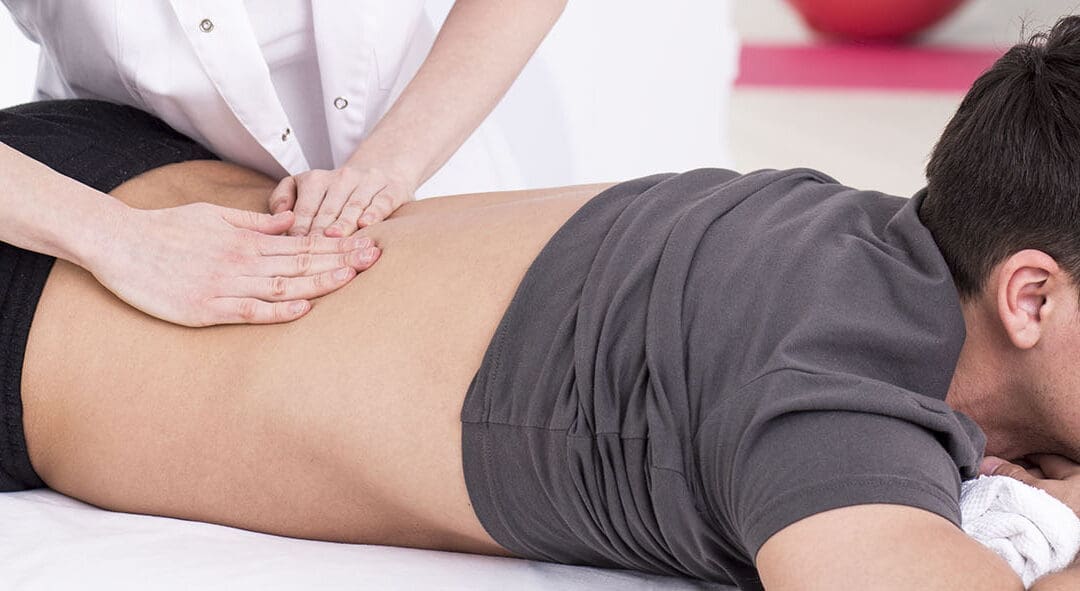
Posture problems often involve more than the spine itself. Tight muscles in the chest, neck, shoulders, and hips can continue to pull the body forward even after a spinal correction. That is why integrative chiropractic care often includes soft tissue work, such as manual therapy, myofascial release, stretching, and mobility work.
This is important because posture is controlled by both joints and muscles. If the muscles remain tight and overactive, it becomes harder to maintain better alignment. Releasing muscle tension can make posture correction feel more natural and less forced. Many chiropractic posture-focused sources describe soft tissue therapy as a helpful component in improving posture and reducing pain associated with muscle imbalances (DE Integrative Healthcare, 2025; Zaker Chiropractic, 2025).
Corrective Exercises Support Long-Term Change
Posture usually does not improve for long unless the body becomes stronger and more aware. Corrective exercises help retrain the muscles that support healthy alignment. This may include exercises for the core, glutes, shoulder blades, upper back, and deep neck stabilizers.
Helpful exercise goals often include:
Strengthening the upper back
Activating the deep core
Improving glute strength
Stretching the chest
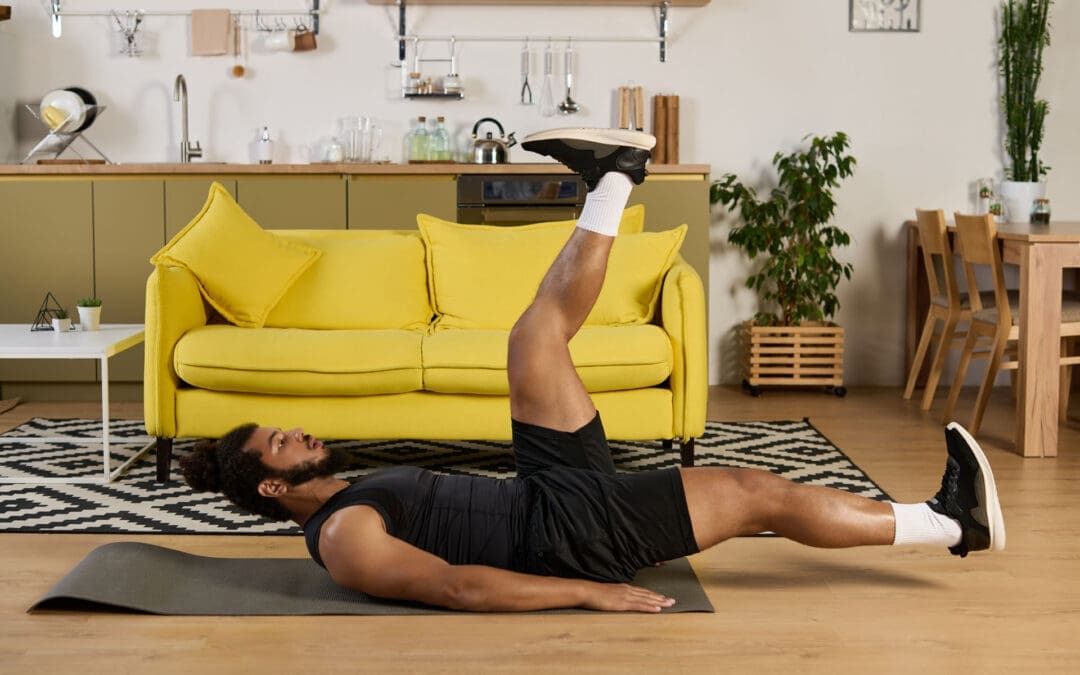
Opening tight hip flexors
Training shoulder blade control
Improving balance and body awareness
Harvard Health recommends strengthening the upper back, chest, and core while also reducing the activities that contribute to poor posture. This is one reason why posture care works best when treatment and exercise are combined rather than used alone (Harvard Health Publishing, 2025a).
Ergonomic Education Helps Prevent Recurrence
Even the best treatment plan can lose momentum if a person returns to the same habits that caused the problem. That is why ergonomic education is a major part of posture care. Patients need to understand how they sit, stand, lift, sleep, and use technology during the day.
Simple posture-friendly changes may include:
Raising a screen to eye level
Keeping feet flat while sitting
Taking standing or walking breaks every 20 to 30 minutes
Avoiding long periods of looking down at a phone
Using lumbar support when needed
Keeping shoulders relaxed instead of lifted
Changing positions often instead of holding one posture too long
Brown University Health and Better Health Channel both emphasize that work setup, movement breaks, and body awareness are important in preventing and correcting posture problems (Brown University Health, 2024; Better Health Channel, n.d.).
Clinical Observations from Dr. Alexander Jimenez
The public clinical information shared by Dr. Alexander Jimenez, DC, APRN, FNP-BC, reflects an integrative view of posture-related problems. His materials describe how posture issues are often connected to spinal stress, muscle imbalance, functional movement problems, and broader lifestyle factors. His clinical approach emphasizes looking beyond symptoms alone and considering biomechanics, rehabilitation, and whole-person recovery.
That approach aligns well with posture correction, as poor posture is rarely caused by a single factor. It is usually a combination of sedentary habits, repetitive stress, tight muscles, weak stabilizers, and poor body mechanics. Dr. Jimenez’s public educational content supports a model in which chiropractic care, movement correction, rehabilitation, and lifestyle guidance work together to improve long-term outcomes (DrAlexJimenez.com, 2026a, 2026b).
Better Posture Is About Function, Not Perfection
Proper posture does not mean being rigid or stiff. It means that the body is aligned well enough to move efficiently, breathe more easily, and reduce unnecessary strain. The goal is not to maintain perfect posture every second of the day. The goal is better support, better awareness, and better function.
When posture improves, people may notice benefits such as:
Less neck and back pain
Less tension in the shoulders
Easier breathing
Better movement quality
Less fatigue while sitting or standing
Improved comfort during work and daily life
At El Paso Back Clinic, a posture-centered message would likely focus on helping patients restore natural alignment by addressing the causes of dysfunction rather than only reacting to pain after it appears.
Final Thoughts
People develop poor posture habits mainly because modern life pulls the body into repeated forward, slouched positions. Sitting too much, using phones and computers for long hours, carrying stress, and having weak support muscles all contribute to muscle imbalance and joint strain. Over time, the body adapts to these unhealthy positions until they begin to feel normal.
Integrative chiropractic care can help break that cycle. By improving spinal motion, reducing muscle tension, guiding corrective exercise, and teaching better ergonomic habits, this type of care addresses the root causes of poor posture. That makes it more likely that changes will last. When posture improves, patients often feel better, move better, and place less daily stress on the body.
Spinal Hygiene Explained: Daily Habits to Keep Your Spine Strong and Pain-Free
A woman performs spinal hygiene exercises on a fitness ball at home, strengthening her back muscles.
Spinal hygiene is the practice of caring for your spine every day to keep it strong, flexible, and healthy. Just like brushing your teeth helps prevent cavities, spinal hygiene helps avoid back problems and keeps your body moving well. The spine supports your whole body, protects the nervous system, and lets you bend, twist, and stand tall. Good habits can make a big difference in how you feel now and as you get older.
What Spinal Hygiene Means
Spinal hygiene includes simple daily actions to protect the spine’s natural shape and movement. The spine has gentle curves that help absorb shock and allow smooth motion. When these curves stay balanced, and the spine moves freely, you feel better overall.
Proper posture: Sit and stand with your shoulders back, head aligned over your spine, and pelvis in a neutral position to avoid extra strain.
Regular movement and exercise: Stay active with walking, swimming, or stretching to keep joints loose and muscles strong.
Proper body mechanics: Lift things by bending your knees, keeping objects close to your body, and avoiding twists to prevent injury.
Core strength: Build muscles around your midsection for better support and stability.
Hydration and nutrition: Drink plenty of water to keep spinal discs cushioned, and eat foods rich in calcium, vitamin D, magnesium, and omega-3 fatty acids to support bone and tissue health.
Stress management: Use deep breathing, meditation, or yoga to reduce tension that tightens back muscles.
These steps help maintain the spine’s integrity and prevent issues like stiffness or pain (Spinenpain.org, n.d.; Lifemovesmt.com, n.d.).
Neglecting spinal hygiene can lead to problems over time. Poor habits can cause muscle imbalances, joint wear, reduced motion, and conditions such as herniated discs or chronic back pain. This can affect your nervous system, since the spine houses nerves that control body functions. When the spine is out of alignment, it may press on nerves, leading to pain, weakness, or other issues (Servinglifedallas.com, n.d.; Drmmalone.com, n.d.).
Benefits of Good Spinal Hygiene
Taking care of your spine brings many advantages. It reduces the chance of back pain, improves how easily you move, and supports better posture. A healthy spine also helps the nervous system function smoothly, boosting energy, coordination, and overall well-being. Regular care can slow age-related changes, lower injury risk, and help you stay active longer.
Prevents muscle tightness and joint problems
Improves blood flow and nutrient delivery to spinal tissues
Enhances balance and reduces fall risk
Supports better sleep and less daily discomfort
Studies and experts note that these habits promote long-term health and vitality (Illinoisspinalcare.com, n.d.; Spinehealth.org, n.d.).
How Chiropractic Care Fits In
Chiropractic care plays a key role in spinal hygiene. Chiropractors use gentle adjustments to fix misalignments, called subluxations, that can stress the spine and nerves. These adjustments restore proper movement, reduce pain, and improve function. Regular chiropractic visits act as preventive maintenance, catching small issues before they grow.
Many people combine chiropractic with other habits for the best results. Adjustments improve alignment, while daily posture and exercise help maintain gains. This approach helps address common complaints such as neck or low back pain and supports recovery from injuries (Illinoisspinalcare.com, n.d.; Eastportlandchiropractor.com, n.d.).
The Power of Integrative Care with Chiropractors and Nurse Practitioners
An integrative approach brings together diverse experts to achieve stronger results. Chiropractors focus on the spine’s structure, alignment, and movement through adjustments and rehab. Nurse practitioners (NPs), especially those with advanced training, address broader health needs such as nutrition, stress management, hormone balance, and lifestyle changes.
This team effort addresses both the physical spine and daily habits that affect it. For example, a chiropractor might correct alignment after an injury, while an NP guides on anti-inflammatory foods or stress reduction to aid healing. Together, they create personalized plans that work better than one alone, especially for complex pain, chronic issues, or recovery from accidents.
Dr. Alexander Jimenez, DC, APRN, FNP-BC, stands out in this field. As a Doctor of Chiropractic and board-certified Family Nurse Practitioner, he combines spinal adjustments, decompression therapy, and functional medicine. His practice emphasizes root-cause care, using nutrition, lifestyle tweaks, and advanced diagnostics for musculoskeletal problems, personal injuries, and overall wellness. Clinical observations from his work show that integrative methods restore mobility, reduce pain, and improve quality of life by treating the whole person—not just symptoms (Dralexjimenez.com, n.d.; A4m.com, n.d.).
Simple Ways to Start Spinal Hygiene Today
You can begin with easy changes that fit into daily life.
Posture checks: Set reminders to sit tall and take breaks from sitting every 30 minutes.
Daily stretches: Try cat-cow pose, child’s pose, or seated twists for 5-10 minutes.
Safe lifting: Always bend at the knees and use your legs.
Stay hydrated: Drink water throughout the day to keep your discs healthy.
Eat spine-friendly foods: Include leafy greens, fish, nuts, and dairy or alternatives for key nutrients.
Move often: Walk or do low-impact activity for at least 30 minutes most days.
Manage stress: Practice deep breathing or short meditation sessions.
Adding regular chiropractic check-ups can help monitor and maintain progress (Lifemovesmt.com, n.d.; Newlifefamilychiropractic.net, n.d.).
Final Thoughts
Spinal hygiene is a smart, everyday way to protect one of your body’s most important parts. By focusing on posture, movement, nutrition, and professional care when needed, you support a strong spine, healthy nerves, and a better quality of life. Small habits add up to big benefits, helping you stay active and pain-free for years.
Real-Life Posture Rehab: How El Paso Back Clinic Helps You Move Better Every Day
Move around and change posture positions throughout the day.
Improving posture is one of the fastest ways to feel stronger, breathe easier, and protect your spine—especially if you live with long commutes, heavy work, or hours at a desk, like many people in El Paso. At El Paso Back Clinic, Dr. Alexander Jimenez, DC, APRN, FNP-BC, and his team see every day how targeted physical activity, along with integrative chiropractic and nurse practitioner (NP) care, can turn slouching and stiffness into confident, upright movement. El Paso, TX Doctor Of Chiropractic+1
This article explains, in simple language:
What good posture really is
Recommended physical activities and exercises to enhance posture
How yoga, Pilates, and mind-body practices improve alignment
Easy desk and “tech neck” fixes
How integrative chiropractic care supports posture
How nurse practitioners help with medical, ergonomic, and lifestyle support
How the El Paso Back Clinic combines all of this in real-world care
What “Good Posture” Means (and Why It Matters in Daily Life)
Good posture means your body is stacked in a natural, balanced way:
Ears over shoulders
Shoulders over hips
Hips over knees and ankles
Spine holding its natural curves (neck, mid-back, low back)
When posture is poor—like slouching over a phone or leaning forward at a desk—stress builds up in your neck, shoulders, and back. Over time, this can lead to:
Chronic neck and back pain
Tension headaches
Fatigue and shallow breathing
Tight hip flexors and weak glutes
Early joint wear and tear
Research and clinical guides show that specific exercises and posture-friendly habits can reduce pain and improve alignment by strengthening postural muscles and keeping you moving throughout the day. Healthline+2Harvard Health+2
At El Paso Back Clinic, Dr. Jimenez often reminds patients that posture is not about “standing stiff.” It is about a strong, relaxed, and mobile spine that can handle work, sports, and life in the desert heat. El Paso, TX Doctor Of Chiropractic+1
Core Principles of Posture-Focused Exercise
Most effective posture plans share the same core goals:
Strengthen the core and back—so your spine has solid support
Activate glutes and shoulders—to counter slumping and hip stress
Improve flexibility—especially in chest, hip flexors, and hamstrings
Train body awareness—so you notice and correct slouching
Add low-impact cardio—to boost circulation and recovery
Think of Your Program in Simple Pieces
Try to include each week:
2–3 days of core and back strengthening
2–3 days of mobility and stretching
2–4 days of low-impact cardio like walking or swimming
Daily micro-breaks from sitting or driving
That may sound like a lot, but many of these can be done in 10–20 minute blocks and woven into your normal day.
Foundational Strength Exercises for Better Posture
Many posture programs start with bodyweight moves you can do at home—no machines, no fancy equipment. Sources on physical therapy and spine health support these exercises. Healthline+2Primal Physical Therapy+2
Planks (Front and Side Planks)
Why they help: Planks strengthen your deep core, shoulders, and glutes. A strong core keeps your spine from sagging or arching too much.
Basic front plank:
Start on your forearms and toes
Keep your body in a straight line from head to heels
Gently pull your belly toward your spine
Hold 20–30 seconds, rest, repeat 2–3 times
Side planks add extra stability for your sides and hips, which support upright posture. Woodlands Sports Medicine
Bird-Dog
Why it helps: Bird-dog builds core and back strength while training balance and control.
How to do it:
Start on hands and knees
Extend your right arm forward and left leg back
Keep your hips level; don’t twist
Hold 3–5 seconds, then switch sides
Do 8–10 reps per side
Physical therapists often use this exercise to improve posture and relieve back pain. Primal Physical Therapy+1
Glute Bridges
Why they help: Bridges work the glutes and hamstrings and relieve stress on the lower back.
Lie on your back, knees bent, feet flat
Press through your heels and lift your hips
Squeeze your glutes at the top
Hold 3–5 seconds, then lower
Repeat 10–15 times
Strong glutes help balance tight hip flexors from long periods of sitting, which is very common among drivers and office workers in El Paso. Primal Physical Therapy+1
Superman Exercise
Why it helps: The Superman move targets the “posterior chain,” the muscles along the back of your body that help prevent slouching. Woman & Home
Lie face down
Lift your chest, arms, and legs slightly off the floor
Hold briefly and lower with control
Start with 5–8 reps
This move is especially useful if you sit a lot or look down at screens, as it helps your back muscles stay active.
Rowing Movements (Bands or Dumbbells)
Why they help: Rowing exercises strengthen the upper back and shoulder stabilizers that pull your shoulders back.
Use a resistance band or light dumbbells
Pull your elbows back and squeeze your shoulder blades together
Mobility and Stretching: Releasing the “Posture Brakes”
If strength is the “engine,” tight muscles are the “brakes.” You need both to work well. Stretching and mobility exercises help open areas that tend to tighten up, such as the chest, neck, hips, and upper back. Illinois Back Institute+1
Key Posture Stretches
Chest Opens / Doorway Stretch
Stand in a doorway with your forearms on the frame
Gently lean forward until you feel a stretch across your chest
Gently slide your chin straight back (like a mini “double chin”)
Hold 3–5 seconds
Repeat 10 times
Cat-Cow
On hands and knees
Slowly round your back toward the ceiling, then gently arch it
Move with your breath for 8–10 cycles
Hip Flexor Stretch
In a half-kneeling position, gently shift your hips forward
Keep your torso upright; avoid over-arching your back
Hold 20–30 seconds on each side
These stretches are simple but powerful when done daily—especially if you spend long hours driving I-10 or sitting at a workstation in El Paso. Illinois Back Institute+1
Mind-Body Practices: Yoga, Pilates, and Tai Chi
Mind-body exercises are excellent for posture because they combine strength, flexibility, and body awareness.
Yoga for Alignment and Awareness
Yoga routines often include:
Mountain Pose (Tadasana)—teaches what upright alignment feels like
Child’s Pose and Cat-Cow – gently move and decompress the spine
Bridge Pose – strengthens glutes and back
Chest opener poses—counter phone and computer hunching
Research-based guides show yoga can improve postural muscle endurance and help people become more aware of how they carry themselves. Healthline+1
Pilates for Core Control
Pilates focuses on:
Deep core strength
Controlled breathing
Smooth, precise movements
Many physical therapy and rehab programs use Pilates-style exercises to support spinal alignment and postural stability. Primal Physical Therapy+1
Tai Chi for Balance and Relaxed Upright Posture
Tai chi uses slow, flowing movements with calm breathing. It helps:
Improve balance and coordination
Encourage relaxed, upright posture
Reduce stress and muscle guarding
Chiropractic resources often recommend swimming, walking, yoga, and tai chi as ideal companions to chiropractic care. Muscle and Joint Chiropractic+1
Everyday Physical Activities That Support Posture
You don’t have to become a gym athlete to help your posture. Many everyday activities, done with good form, support a healthier spine.
Helpful posture-friendly options include:
Walking:
Encourages natural spinal motion
Easy to fit into breaks or evenings
Swimming:
Full-body, low-impact workout
Strengthens back and shoulder muscles with less joint stress
Dancing:
Builds coordination and body awareness
Helps you practice an upright chest and an active core
Cycling (with proper bike fit):
Strengthens hips and legs
Supports overall fitness and endurance
Clinics that treat back pain often highlight walking and swimming as key activities for long-term spinal health. Illinois Pain & Spine Institute+1
Desk, Phone, and “Tech Neck”: Quick Fixes You Can Actually Use
Long hours on a computer or phone are a major reason posture has become such a problem. Harvard Health and orthopedic clinics stress the importance of frequent movement breaks and simple desk exercises. Harvard Health+2barringtonortho.com+2
Desk-Friendly Posture Break Routine
Try this mini-routine a few times each day:
Chin tucks – 10 reps
Shoulder blade squeezes – hold 5 seconds × 10 reps
Seated Cat-Cow – 5–10 slow breaths
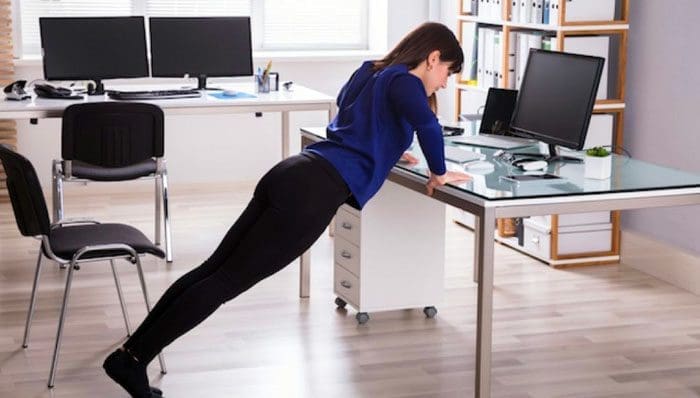
Forward fold stretch next to your desk—hold 20–30 seconds
Simple Ergonomic Tips
Keep feet flat on the floor
Hips and knees are near 90 degrees
Screen at or just below eye level
Use a small lumbar support or rolled towel behind your low back
Stand and walk at least every 30–60 minutes
Recent expert tips also support using standing desks, wireless headphones for “walking meetings,” and light resistance bands at your station to keep postural muscles awake. Harvard Health+1
How Integrative Chiropractic Care at El Paso Back Clinic Supports Posture
Chiropractic care focuses on the spine, joints, and nervous system. Integrative chiropractic care goes further, combining adjustments with corrective exercises, lifestyle coaching, and medical input from NPs. Advanced Spine & Posture+1
What a Posture-Focused Chiropractic Visit Often Includes
The Nurse Practitioner’s Role in Supporting Posture
At El Paso Back Clinic, Dr. Jimenez works not only as a chiropractor but also as a board-certified family nurse practitioner, which provides a broader, medically informed perspective on posture-related problems. El Paso, TX Doctor Of Chiropractic+1
A nurse practitioner can:
Review your full medical history
Identify arthritis, osteoporosis, nerve issues, or autoimmune conditions that affect posture.
Order and interpret imaging and labs
X-rays, MRIs, and blood work when appropriate
Prescribe or adjust medications
Short-term pain or muscle-relaxant use when necessary
Coordinate referrals
Physical therapy, pain management, and surgical consults if needed
Give lifestyle and ergonomic counseling
Weight management, sleep, stress, and work setup
Use telemedicine for follow-up
To keep you on track with your exercise and pain management plan
This integrative model makes it easier to catch red flags early, adjust plans safely, and provide each patient with a personalized path rather than a one-size-fits-all list of exercises.
How Dr. Alexander Jimenez Combines Physical Activity, Chiropractic Care, and NP Expertise
With decades of experience in personal injury, sports, and functional medicine, Dr. Jimenez has seen the same pattern again and again: posture improves the most when hands-on care, smart exercise, and patient education are combined. El Paso, TX Doctor Of Chiropractic+2El Paso, TX Doctor Of Chiropractic+2
In his clinical observations at El Paso Back Clinic:
Agility and functional training (such as controlled squats, lunges, and balance drills) help patients return to sports, warehouse work, or family life with greater resilience.
Posture work is often integrated with nutrition, sleep, and stress management, because tired, inflamed bodies struggle to maintain good alignment. El Paso, TX Doctor Of Chiropractic+1
This dual license (DC + APRN, FNP-BC) allows Dr. Jimenez to move comfortably between spine mechanics and whole-person health, which is ideal for complex posture and pain cases.
Sample Weekly Posture-Boosting Plan (General Example)
This is a general example for educational purposes, not a personal prescription. Always consult your provider—especially if you have pain, injuries, or medical conditions.
Posture check around your home and car: adjust chairs, pillows, and monitor height
Patients at El Paso Back Clinic often have a plan customized to their injury type (auto accident, work injury, or sports strain) and their job or sport. El Paso Back Clinic® • 915-850-0900+1
Safety Tips: When to Get Help
Stop and get professional care if posture exercises cause:
Sharp or stabbing pain
Numbness or tingling in arms or legs
New weakness or loss of coordination
Trouble walking or standing
Loss of bladder or bowel control (emergency—seek urgent care)
A chiropractor can evaluate your spine and joints; a nurse practitioner can check for underlying medical causes. At El Paso Back Clinic, the team works together to decide whether you need imaging, medication, rehab, or a referral to another specialist. El Paso, TX Doctor Of Chiropractic+1
Bringing It All Together
To enhance posture and protect your spine:
Strengthen your core, back, and glutes with planks, bridges, bird-dogs, rows, and Supermans
Stretch your chest, neck, and hips to release tight, “slouching” muscles
Use mind-body practices like yoga, Pilates, and tai chi to build body awareness
Add low-impact activities like walking and swimming to support overall spine health
Fix your desk and phone habits with regular movement breaks and better ergonomics
At El Paso Back Clinic, integrative chiropractic care and nurse practitioner support bring all of these pieces together. With Dr. Alexander Jimenez’s dual training, patients receive:
Spinal and joint adjustments
Corrective exercise and posture coaching
Medical evaluation, imaging, and medication management when needed
Telemedicine and follow-up plans that fit real life in El Paso
The goal is simple: help you stand taller, move with less pain, and feel stronger in everything you do—from lifting kids or boxes at work to walking the trails of the Franklin Mountains.
Understanding Core Overtraining Injuries: Wellness Strategies and Chiropractic Solutions at El Paso Back Clinic
A man is training in a gym to build strong and healthy muscles.
Pushing your core muscles too far without proper rest can create big issues for your overall health, especially your back. At El Paso Back Clinic® in El Paso, TX, we specialize in wellness chiropractic care that helps people recover from these problems and stay strong. Core overtraining affects the muscles around your midsection, which support your spine and daily movements. This article breaks down the injuries that can happen, why they occur, ways to stop them, and how our chiropractic methods provide relief. We focus on natural wellness to keep your back and body in balance.
The Role of Core Muscles in Back Health and Overtraining Basics
Your core is like the foundation of a house—it holds everything together. It includes muscles in your stomach, sides, lower back, and hips. These help with bending, twisting, and standing straight. When you overtrain, you repeat exercises like sit-ups or lifts too much, without breaks. This wears down tissues faster than they can heal. Wellness experts note that this leads to lasting soreness, reduced energy, and risks to your spine.
At our clinic, we treat many cases where core issues cause back pain. Overtraining disrupts the natural alignment, pulling on the back. Science shows repetitive stress changes how muscles and bones work together, leading to problems.
Everyday Muscle Strains from Pushing the Core Too Hard
Strains are pulls or small tears in muscles. They are common when the core gets overworked and can’t support the body well.
Strains Around the Groin
These happen in the inner thigh muscles tied to the core. Quick stops and starts in activities like hiking or playing kickball can trigger them. If the core is weak from too much training, it adds extra pull. You feel a sudden sharp pain, maybe see bruising, and have trouble moving your legs inward. In the back, this strain can tug on the lower spine, causing aches there too.
Strains in the Stomach Area
Abdominal strains come from forceful turns, like swinging a racket or carrying heavy bags. Overdoing core workouts builds up damage over time. Pain hits when you tense up or laugh, and the area feels sore to the touch. This connects to back health because weak abs force the back muscles to overcompensate, leading to stiffness.
Problems with Hip Flexors
These muscles help raise your legs and link directly to the core. Running uphill or doing too many leg raises without rest inflames them. Symptoms include a tight feeling in the front of the hip and pain when stepping up. Poor core balance makes the back arch unnatural, adding pressure.
Our wellness approach at El Paso Back Clinic uses gentle checks to find these strains early and guide healing without harsh methods.
Deeper Issues: Fractures and Bone Stress from Core Overuse
When overtraining goes on, it can harm bones, which support the core and back.
Fractures in the Ribs
Rib stress fractures are tiny breaks from constant tugging by core muscles. This shows up in paddling sports or even heavy coughing fits from overuse. The muscles contract hard, stressing the bone until it cracks. Pain sharpens with deep breaths or twists, and it can feel tender. Since ribs protect the upper back area, this injury often leads to posture problems and back discomfort.
Other Stress Fractures
These small cracks appear in weight-bearing bones like the pelvis or lower spine from ongoing impact. Walkers or dancers who ignore rest will experience issues when bone repair lags behind damage. Early signs are dull aches that worsen with activity. In young active people, it might involve cartilage issues, too. Back clinic patients often report these symptoms linked to core weakness, causing spinal instability.
Healing takes rest, but our chiropractic wellness plans speed it up safely.
Extra Effects Like Ongoing Pain, Loss of Power, and Stiffness
Overtraining doesn’t stop at big injuries—it brings smaller but nagging problems.
Lasting Pain and Rigid Muscles
You might wake up stiff or feel constant soreness in the core. This spreads to the back, making sitting or standing tough. It’s a sign the body is inflamed and needs recovery time.
Weaker Muscles Overall
Tired core muscles can’t hold strong, leading to drops in power. One side might become too tight while the other weakens, throwing off balance. This imbalance pulls on the back, increasing the risk of slips or strains during daily tasks.
Tight Spots in the Legs and Sides
Muscles like the back of the thighs (hamstrings) or the outer thigh band (IT band) tighten to make up for a worn-out core. This causes knee or hip issues that refer pain to the lower back. Wellness care addresses these chains of problems.
Signs also include getting sick more or feeling down, as the body fights overload.
How These Injuries Develop and What Increases the Risk
Injuries build from too much activity without balance. Body mechanics play a part—bad posture during exercises adds uneven stress. Muscles need time to fix small wear, but skipping rest lets damage grow.
In jobs with lifting or sports with jumps, core pulls transfer to bones. Poor shoes or low nutrients weaken things further. At our back clinic, we look at the whole picture, including how back alignment affects core strain.
Smart Ways to Avoid Core Overtraining Problems
Wellness starts with prevention. Ramp up workouts slowly, adding just a bit more each week. Switch activities to give muscles variety. Take full rest days and stretch gently.
Eat foods rich in vitamins for strong bones, and use supportive gear. Pay attention to body signals like unusual tiredness. Our clinic offers wellness checks to catch risks early.
Chiropractic Wellness Care for Healing Core Injuries
At El Paso Back Clinic, we use integrated chiropractic to resolve core issues and boost back health.
Adjustments to the Spine
These hands-on moves realign the back, easing nerve pressure and helping muscles relax. It improves how the core and back communicate, reducing pain fast.
Therapies for Soft Tissues
Massage-like techniques release tight spots, increase blood flow, and calm inflammation. This works well for strains and stiffness.
Our methods treat current pain while building wellness to avoid repeats. They enhance flexibility, strength, and nerve health for long-term back care.
Expertise from Dr. Alexander Jimenez at El Paso Back Clinic
Dr. Alexander Jimenez, DC, APRN, FNP-BC, leads our wellness efforts with deep knowledge in chiropractic science.
Linking Injuries to Patient Histories
He connects core overtraining to back pain through detailed stories, exams, and imaging. For instance, work lifts or sports twists can lead to patterns in muscle and nerve issues.
Diagnosis with Dual Expertise
Using his skills as a nurse practitioner and chiropractor, he does thorough assessments. Advanced scans reveal hidden bone or tissue problems in core areas.
Step-by-Step Treatments
Procedures include spine adjustments, tissue work, and guided exercises. For sports or personal injuries, he adds strength training. In car accidents, focus is on impact-related core and back strains.
Care for Medical and Legal Needs
The clinic manages full treatment plans, including reports for insurance or court in injury cases. This covers work, auto, or everyday accidents with clear documentation.
Dr. Jimenez promotes education on wellness to empower patients.
Bringing It All Together for Better Health
Core overtraining brings strains, fractures, pain, and imbalances that hit the back hard. Prevention through smart habits and chiropractic care keeps you moving well. At El Paso Back Clinic®, our wellness focus helps restore balance naturally.
Chiropractic Solutions for Sudden Movement Injuries
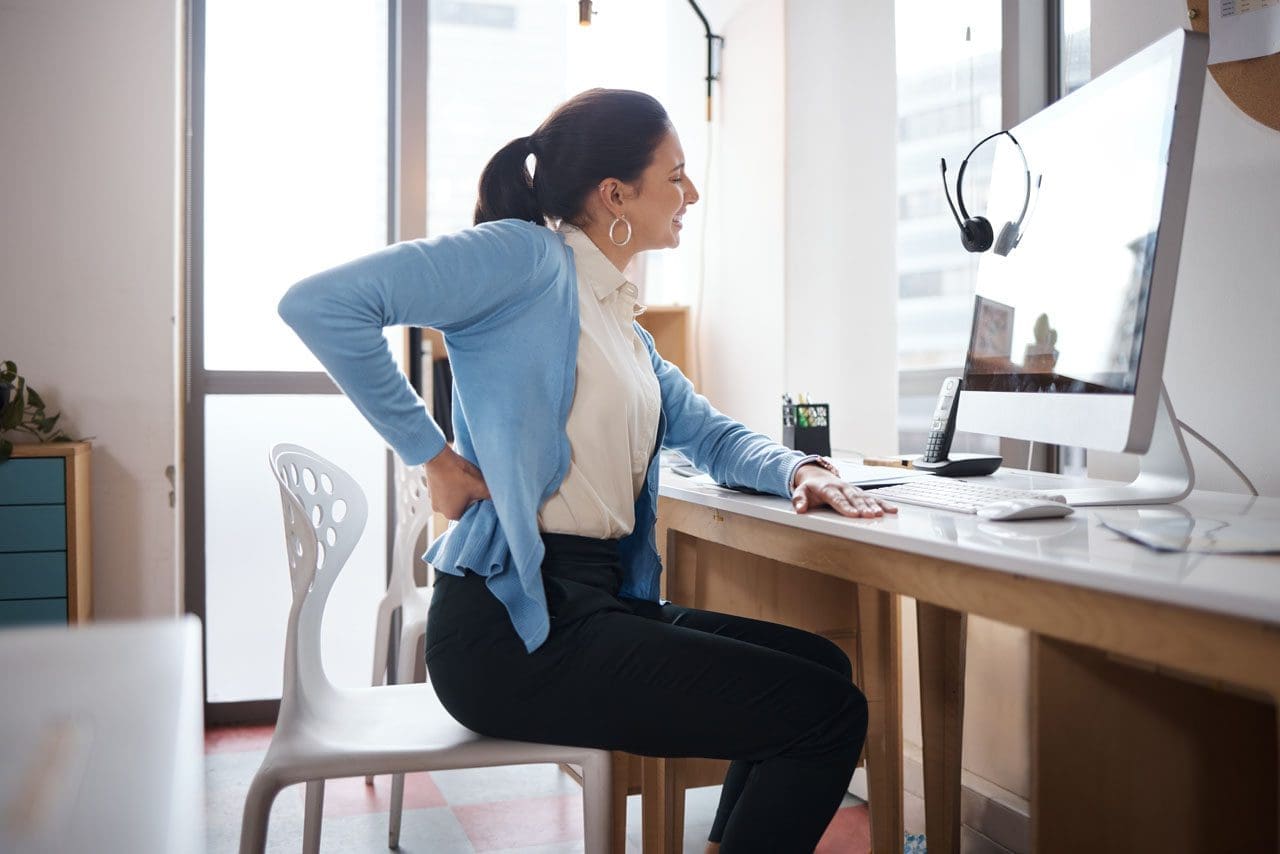
Businesswoman experiencing back pain while working at her desk in a modern office.
Introduction
Picture yourself dashing to catch a ball, only to twist your ankle with a sharp sting. Or imagine your neck jerking in a car crash, leaving you stiff and sore. These are sudden movement injuries—quick, forceful actions that strain muscles, sprain joints, or sometimes result from involuntary jerks due to medical conditions (Hopkins Medicine, n.d.; Verywell Health, 2022). Sudden movement injuries are acute musculoskeletal issues, such as sprains or strains, caused by a single traumatic event, or they can result from neurological conditions that lead to uncontrollable motions (Cleveland Clinic, 2023a; UF Health, n.d.).
Chiropractic integrative care can help by easing pain, reducing swelling, and restoring movement naturally. At El Paso Back Clinic, Dr. Alexander Jimenez, DC, APRN, FNP-BC, uses spinal adjustments, nutrition, and therapies like massage to heal these injuries (Jimenez, n.d.a). This article explores what sudden movement injuries are, how they happen, and how Dr. Jimenez’s holistic approach speeds recovery. You’ll learn practical tips to heal and prevent future issues, all backed by science.
Whether from a sports slip or an unexpected jolt, these injuries can disrupt daily life. With the right care, you can bounce back stronger and stay active (Cleveland Clinic, 2023b).
Understanding Sudden Movement Injuries
Sudden movement injuries come in two forms. Acute soft-tissue injuries, like strains (stretched muscles or tendons) or sprains (stretched ligaments), happen from a single, forceful action, such as twisting a knee or jerking your neck in a crash (Hopkins Medicine, n.d.; Cleveland Clinic, 2023c). These often occur in sports, work accidents, or falls, causing pain, swelling, or limited motion (UPMC, n.d.).
Involuntary movement injuries, like jerks or tremors, stem from neurological conditions such as myoclonus or ataxia (Verywell Health, 2022; Children’s Hospital, n.d.). These can result from brain injuries, seizures, or migraines, leading to uncontrolled motions that may strain muscles or joints (Edward K. Le, 2023; Movement Disorders, n.d.).
Both types limit mobility and can lead to chronic pain if untreated. Acute injuries cause immediate swelling or bruising, while neurological ones may add balance issues or anxiety (Cleveland Clinic, 2023a; UF Health, n.d.). Early treatment prevents long-term problems like arthritis or weakness (Cleveland Clinic, 2023b).
How Sudden Movement Injuries Occur
Acute soft-tissue injuries arise from sudden force. A quick pivot in basketball can sprain an ankle, or lifting a heavy box awkwardly can strain a back muscle (Cleveland Clinic, 2023c). Common triggers include:
Sports Accidents: Sudden twists or tackles in soccer or running (Cleveland Clinic, 2023b).
Car Crashes: Whiplash from neck jerking (Cleveland Clinic, 2023d).
Slips or Falls: Tripping on a curb, straining a knee (Pain Care Florida, n.d.).
No Warm-Up: Jumping into exercise without stretching (Cleveland Clinic, 2023c).
Involuntary movement injuries come from medical issues. Myoclonus, which causes jerky motions, can result from epilepsy or brain trauma, straining muscles during spasms (Movement Disorders, n.d.). Ataxia, causing unsteady movement, might follow a stroke, leading to falls or sprains (Children’s Hospital, n.d.). Risk factors include age, weak muscles, or prior injuries, which make joints less stable (UPMC, n.d.).
Both types disrupt normal movement. A sprained ankle swells, limiting walking, while involuntary jerks can cause falls, leading to additional injuries (Edward K. Le, 2023).
Signs and Effects of Sudden Movement Injuries
Signs vary by injury type. For soft-tissue injuries, you might notice:
Sharp pain or swelling, like a sore ankle after a twist (Hopkins Medicine, n.d.).
Bruising or stiffness, making joint movement tough (Cleveland Clinic, 2023c).
Weakness, like struggling to lift after a shoulder strain (UPMC, n.d.).
Involuntary movement injuries show differently:
Sudden twitches or tremors, like myoclonus spasms (Movement Disorders, n.d.).
Unsteady walking or balance loss from ataxia (Children’s Hospital, n.d.).
Muscle soreness from repetitive jerks (Verywell Health, 2022).
These injuries can make daily tasks hard—walking hurts with a sprained knee, or involuntary jerks cause embarrassment (Cleveland Clinic, 2023a). Untreated, they risk chronic pain, joint damage, or falls, especially in older adults (Cleveland Clinic, 2023b). Acting early stops small issues from growing.
Chiropractic Care for Recovery
Chiropractic care helps sudden movement injuries by fixing spinal misalignments that disrupt nerve signals, easing pain and swelling (New Edge Family Chiropractic, n.d.). Adjustments realign the spine, improving joint function and muscle coordination (Rangeline Chiropractic, n.d.). For a sprained ankle, adjustments reduce nerve pressure, speeding healing (Texas Medical Institute, n.d.).
For involuntary movements, chiropractic care calms nervous system stress, reducing spasms in conditions like myoclonus (Jimenez, n.d.a). Patients often feel less pain and better mobility after a few sessions (Cleveland Clinic, 2023b). It’s like resetting a stuck gear, letting your body move freely.
Dr. Jimenez’s Expertise at El Paso Back Clinic
At El Paso Back Clinic, Dr. Alexander Jimenez, DC, APRN, FNP-BC, uses his dual expertise as a chiropractor and nurse practitioner to treat sudden movement injuries from work, sports, personal falls, or motor vehicle accidents (MVAs). “Trauma misaligns the spine, blocking healing,” he explains (Jimenez, n.d.b).
His clinic uses advanced diagnostics: X-rays for neuromusculoskeletal imaging and blood tests to check inflammation. A sports injury, like a twisted knee, might show nerve pinches affecting mobility (Jimenez, n.d.a). Treatments are non-surgical: adjustments restore alignment, ultrasound reduces swelling, and exercises strengthen muscles. For MVAs, Dr. Jimenez provides detailed medical-legal documentation, working with specialists for smooth claims.
Integrative therapies boost recovery. Massage improves blood flow, speeding tissue repair; acupuncture reduces pain for easier motion; and nutrition plans with anti-inflammatory foods support healing (Jimenez, n.d.b). A worker with a strained back from lifting moved freely after adjustments and massage. Dr. Jimenez targets root causes, like poor form, to prevent chronic issues.
Integrative Therapies for Healing
El Paso Back Clinic’s integrative approach enhances recovery. Massage therapy relaxes tight muscles, boosting circulation to heal sprains faster (Texas Medical Institute, n.d.). Acupuncture targets points to ease pain and calm spasms, helping with involuntary movements (Jimenez, n.d.b). Exercises like leg lifts rebuild strength and stabilize joints (Sport and Spinal Physio, n.d.).
The RICE method (rest, ice, compression, elevation) helps reduce swelling in soft-tissue injuries early on (Cleveland Clinic, 2023e). These therapies, paired with chiropractic, speed recovery and prevent issues like arthritis (Cleveland Clinic, 2023b).
Nutrition to Support Recovery
Nutrition aids healing from sudden movement injuries. Omega-3-rich foods like salmon reduce inflammation, easing joint pain (Best Grand Rapids Chiropractor, n.d.). Leafy greens like spinach provide antioxidants to protect tissues (Spine, n.d., p. 417). Lean proteins like chicken rebuild muscles and ligaments (Human Care NY, n.d.).
Calcium from yogurt strengthens bones, while magnesium in nuts prevents spasms (Foot and Ankle Experts, n.d.). Try salmon salads or berry smoothies to support recovery. These foods work with chiropractic to speed healing (Rangeline Chiropractic, n.d.).
Preventing Future Injuries
Prevent injuries with smart habits. Warm up before sports with stretches to cut strain risks (Cleveland Clinic, 2023c). Strengthen core muscles with planks to stabilize joints (Sport and Spinal Physio, n.d.). Use proper form when lifting—bend knees, keep back straight (UPMC, n.d.).
For neurological issues, manage conditions like epilepsy with doctor guidance to reduce spasms (Verywell Health, 2022). Regular chiropractic check-ups catch misalignments early (New Edge Family Chiropractic, n.d.). These steps keep you moving safely.
Success Stories from El Paso Back Clinic
At El Paso Back Clinic, a runner with a sprained ankle healed with adjustments and protein-rich meals, returning to races. A driver post-MVA eased neck pain with acupuncture and greens. These stories show how integrative care restores mobility.
Conclusion
Sudden movement injuries, from sprains to involuntary jerks, can disrupt life, but chiropractic care at El Paso Back Clinic, led by Dr. Jimenez, heals them naturally. Using adjustments, nutrition, and therapies like massage, the clinic restores movement. Try warm-ups, eat omega-3s, and visit the clinic. Stay active and pain-free.
Optimizing Movement: Chiropractic and Integrative Care for Dynamic Posture
Side view of a backpacker traveler walking against an orange wall in the city
The Importance of Dynamic Posture
Think of your body as a smoothly operating system, staying balanced and aligned whether you’re jogging, lifting, or playing a game. This ability to maintain coordination during motion is called dynamic posture, which is distinct from static posture, the way you hold yourself when still, like sitting or standing (MedlinePlus, 2023a). Good dynamic posture ensures your muscles and joints work together, distributing movement stress evenly to prevent injuries and boost performance (Cleveland Clinic, n.d.). It’s essential for safe, efficient motion in daily life or sports (Massapequa Pain Management and Rehabilitation, n.d.).
However, poor dynamic posture can lead to pain, fatigue, or injuries like strains. At El Paso Back Clinic, Dr. Alexander Jimenez, DC, APRN, FNP-BC, uses chiropractic care and integrative therapies like exercise and massage to enhance movement, especially after injuries (Jimenez, n.d.a). This article explores why dynamic posture matters, what disrupts it, and how Dr. Jimenez’s holistic approach restores balance for pain-free living.
Dynamic Posture: The Key to Fluid Movement
Dynamic posture is how your body stays aligned and stable while active, like walking to work or playing basketball. Unlike static posture—your position when not moving, like at a desk—dynamic posture involves coordinating your spine, hips, and muscles during motion (MedlinePlus, 2023a). When done right, it reduces joint stress, improves energy efficiency, and lowers injury risks, like twisting a knee (Cleveland Clinic, n.d.). It’s vital for athletes, workers, or anyone active to ensure smooth, safe movement (NYDN Rehab, n.d.).
Poor dynamic posture can cause issues, like back pain during a run or wobbling while climbing stairs. Over time, it increases the risk of chronic pain or injuries, such as sprains, and can also affect static posture (Texas Medical Institute, n.d.). Effective dynamic posture means moving with ease, recovering quickly, and staying strong, whether hiking or carrying groceries (Harrison Integrative, n.d.a).
What Leads to Poor Dynamic Posture?
Poor dynamic posture often develops from habits or injuries. Long hours of slouching, such as when using a phone, weaken core muscles, making it hard to stay aligned when active (MedlinePlus, 2023b). Repetitive tasks, like lifting heavy items incorrectly, strain the spine and disrupt movement patterns (Massapequa Pain Management and Rehabilitation, n.d.). Injuries, such as a fall or sports mishap, can lead to compensatory movements, like limping, that throw off balance (NYDN Rehab, n.d.).
Lifestyle factors contribute too. Weak core muscles from inactivity, tight hips from sitting, or stress-induced tension can disrupt natural motion (Cleveland Clinic, n.d.). These issues cause uneven stress on joints, raising risks for back pain or leg strains (Texas Medical Institute, n.d.). For instance, running with a slouched posture can overload knees, leading to pain or injury (Start PT Now, n.d.). Recognizing these patterns early helps prevent bigger problems.
Recognizing Poor Dynamic Posture
Signs of poor dynamic posture appear during activity. You might feel lower back or hip pain while walking, indicating uneven joint stress (NYDN Rehab, n.d.). Feeling unsteady on stairs or during sports can signal weak core muscles or misalignment (Cleveland Clinic, n.d.). Fatigue during tasks like carrying bags often means muscles are overworking due to poor coordination (Massapequa Pain Management and Rehabilitation, n.d.).
In the long term, poor dynamic posture increases injury risks, such as pulled muscles, and can worsen static posture, causing slouching even when still (MedlinePlus, 2023a). This leads to chronic pain in the back, neck, or knees, making movement less efficient (Harrison Integrative, n.d.a). Noticing discomfort or clumsiness during motion allows early action to avoid lasting damage.
Chiropractic Care for Improved Movement
Chiropractic care enhances dynamic posture by correcting spinal misalignments, or subluxations, that disrupt nerve signals to muscles, causing uneven movement (Harrison Integrative, n.d.b). Gentle adjustments realign the spine, improving muscle coordination and movement flow (Jimenez, n.d.a). Patients often feel steadier and less pain during activity after a few sessions (Start PT Now, n.d.).
Adjustments also relieve muscle tension, helping maintain alignment during tasks like running or lifting (Texas Medical Institute, n.d.). Regular care strengthens posture, reduces injury risks, and boosts performance for athletes or active individuals (Cleveland Clinic, n.d.). It’s like calibrating a machine for smoother operation.
Dr. Jimenez’s Expertise at El Paso Back Clinic
At El Paso Back Clinic, Dr. Alexander Jimenez, DC, APRN, FNP-BC, uses his dual expertise as a chiropractor and nurse practitioner to connect poor dynamic posture to injuries from work, sports, personal falls, or motor vehicle accidents (MVAs). “Injuries misalign the spine, disrupting movement patterns,” he explains (Jimenez, n.d.b).
His clinic employs advanced diagnostics, like X-rays for neuromusculoskeletal imaging and blood tests for inflammation, to pinpoint posture issues. A work injury, for instance, might misalign the pelvis, causing uneven strides (Jimenez, n.d.a). Treatments are non-surgical: adjustments restore alignment, ultrasound reduces swelling, and exercises rebuild muscle balance. For MVAs, Dr. Jimenez provides detailed medical-legal documentation, collaborating with specialists for seamless claims.
Integrative therapies boost recovery. Massage relaxes tight muscles, improving movement; acupuncture eases pain for natural motion; and core exercises strengthen posture-supporting muscles (Jimenez, n.d.b). A patient with back pain from a fall regained smooth walking after adjustments and yoga. Dr. Jimenez targets root causes, like poor habits, to prevent chronic posture issues.
Integrative Therapies for Movement Health
El Paso Back Clinic’s integrative approach uses natural methods to enhance dynamic posture. Core exercises, like planks, strengthen muscles for better stability during motion (Start PT Now, n.d.). The NHS recommends 150 minutes of weekly exercise, like walking or yoga, to improve coordination (MedlinePlus, 2023a).
Massage therapy loosens tight muscles, boosting blood flow for fluid movement (Texas Medical Institute, n.d.). Acupuncture reduces pain, improving joint mobility for natural motion (Jimenez, n.d.b). Spinal decompression relieves disc pressure, enhancing range of motion (Harrison Integrative, n.d.c). These therapies improve posture, prevent injuries, and aid recovery.
Everyday Habits for Better Posture
Simple habits support chiropractic care. Walk 30 minutes daily with shoulders back to practice alignment (Cleveland Clinic, n.d.). Stretch hips and hamstrings to prevent tightness that pulls the spine (Start PT Now, n.d.). Do core exercises like bridges to support movement (Massapequa Pain Management and Rehabilitation, n.d.).
Keep your back straight when lifting, bending at the knees, and avoid twisting (MedlinePlus, 2023b). Break up long sitting periods to prevent stiffness, and use ergonomic chairs to support static posture, aiding dynamic motion (NYDN Rehab, n.d.). These habits build strong, pain-free movement.
Preventing Long-Term Posture Issues
Ongoing care prevents chronic posture problems. Dr. Jimenez’s plans include regular exercises to maintain alignment, massage to keep muscles flexible, and posture checks to catch issues early (Jimenez, n.d.a). Monitoring pain during activities, like running, helps adjust care. This ensures lasting dynamic posture and fewer injuries.
Patient Success Stories
At El Paso Back Clinic, a soccer player with knee pain from poor running form improved after adjustments and core exercises. A driver with back pain from an MVA regained smooth movement with massage and acupuncture. These stories highlight the power of integrative care.
Conclusion
Dynamic posture keeps you balanced and strong during movement, reducing injury risks and boosting performance. At El Paso Back Clinic, Dr. Alexander Jimenez uses chiropractic adjustments, exercise, massage, and acupuncture to enhance alignment and recovery. Start with small steps—walk tall, stretch daily, and visit the clinic. Your body will move better and feel stronger.
Boosting Vitality: Chiropractic and Integrative Care for Optimal Circulation
Introduction
Imagine your body as a network of highways, with blood vessels carrying oxygen and nutrients to every cell, keeping you energized and healthy. This process, known as optimal circulation, ensures the circulatory system efficiently delivers these essentials while removing waste, supporting cell function, and overall vitality (Henry Ford Health, 2025). When circulation falters, you may feel tired, have cold hands, or experience issues such as swelling. Chiropractic care can help by aligning the spine to reduce nerve pressure and improve blood flow naturally. Paired with integrative therapies like massage and exercise, it promotes lasting wellness (Sierra, n.d.). This article examines how these methods enhance circulation, drawing on insights from Dr. Alexander Jimenez at El Paso Back Clinic in El Paso, TX, to demonstrate their role in aiding injury recovery and promoting overall health.
Why Optimal Circulation Matters
Optimal circulation is the body’s way of keeping everything running smoothly. Blood delivers oxygen and nutrients to cells, fueling energy production through ATP and clearing waste, such as carbon dioxide, to prevent fatigue and aches (Elevation Health, n.d.). Good circulation sharpens your mind, strengthens muscles, and speeds up immune responses, helping you fight off illness (Rodgers Stein Chiropractic, n.d.a).
When circulation slows, problems arise—cold feet, leg cramps, or even brain fog can signal trouble. Over time, poor flow increases the risk of conditions such as high blood pressure or slow healing (KC Chiropractic, 2025). Signs of healthy circulation include warm limbs and quick recovery after exercise, while sluggish flow might cause tingling or puffiness (British Heart Foundation, n.d.). Chiropractic care, combined with integrative approaches, keeps these pathways clear, enhancing energy and preventing long-term issues.
The Circulatory System Explained
The circulatory system is your body’s delivery service. The heart pumps approximately 2,000 gallons of blood daily through arteries, veins, and capillaries, delivering oxygen and nutrients while removing waste (Elevation Health, n.d.). Capillaries facilitate the exchange, ensuring that cells receive what they need and toxins are removed to the lungs or kidneys. The nervous system, especially its autonomic part, controls this by adjusting blood vessel size and heart rate, like speeding up for a workout (Sierra, n.d.).
Blockages, such as plaque from unhealthy eating or stress-tightened vessels, disrupt this flow, starving cells of oxygen and slowing waste removal. This can lead to tiredness, weak immunity, or muscle pain (Henry Ford Health, 2025). Maintaining this system supports clear thinking, strong movement, and overall health (Rodgers Stein Chiropractic, n.d.a).
How Chiropractic Care Improves Blood Flow
Chiropractic care focuses on the spine, the central control center of the nervous system. Misaligned vertebrae, or subluxations, can pinch nerves, disrupting signals that regulate blood vessels. Gentle adjustments correct these misalignments, freeing nerves to improve circulation (Sierra, n.d.). Patients often report feeling warmer hands or reduced tingling after sessions, indicating improved blood flow (Chiropractor Lakeworth, n.d.).
These adjustments enhance energy by speeding oxygen delivery to cells and clearing waste, reducing fatigue (LSM Chiropractic, n.d.). Regular care can lower blood pressure, ease heart strain, and improve focus by boosting brain blood flow (Ford Chiropractic, n.d.; Peak Portland, n.d.). Chiropractors may also use tools like ultrasound to warm tissues or suggest foods that support vascular health, helping prevent issues like neuropathy (Chiropractor Lakeworth, n.d.).
Dr. Alexander Jimenez and El Paso Back Clinic’s Approach
At El Paso Back Clinic, Dr. Alexander Jimenez, DC, APRN, FNP-BC, leverages his dual expertise as a chiropractor and nurse practitioner to enhance circulation, particularly after injuries. With over 30 years of experience, his team treats conditions from sports strains to motor vehicle accidents (MVAs), recognizing how trauma can inflame tissues or compress nerves, blocking blood flow (Jimenez, n.d.a). “Injuries create structural imbalances that disrupt circulation,” he notes (Jimenez, n.d.b).
The clinic utilizes advanced diagnostics, combining neuromusculoskeletal imaging, such as X-rays, with blood tests to identify inflammation. For instance, a work-related injury might show nerve pressure affecting leg circulation. Treatments include non-surgical adjustments to restore alignment, ultrasound to reduce swelling, and tailored exercises to strengthen blood vessels (Jimenez, n.d.a). For MVA patients, the clinic provides detailed medical-legal documentation for claims, ensuring seamless care coordination.
Integrative therapies enhance outcomes: massage improves blood flow, acupuncture eases inflammation, and nutrition plans rich in omega-3s promote vascular health. A patient recovering from a fall might regain circulation through adjustments and targeted stretches, avoiding chronic pain (Jimenez, n.d.b). Dr. Jimenez focuses on root causes—like poor posture or old injuries—to foster natural healing and sustained vitality.
Integrative Therapies for Circulation
Integrative care combines natural methods to support the body’s healing abilities. Massage therapy relaxes tight muscles, pushing blood toward the heart and reducing swelling, which boosts energy (Chiropractor Lakeworth, n.d.). The NHS recommends 150 minutes of weekly exercise, such as walking or swimming, to strengthen blood vessels and improve blood flow (British Heart Foundation, n.d.). Chiropractors design specific stretches or yoga poses to enhance spinal alignment and circulation.
Acupuncture targets points to open blood vessels, reducing stress-related constriction (Jimenez, n.d.a). Nutrient-rich foods, such as berries or fish oils, help keep blood fluid and vessels flexible (Kennedy Chiropractic, n.d.). These therapies work together to prevent injury recurrence and maintain energy (University of Minnesota Center for Spirituality & Healing, n.d.). At El Paso Back Clinic, a patient may combine adjustments, massage, and a diet rich in anti-inflammatory foods to restore circulation and alleviate discomfort.
Daily Habits to Support Circulation
Simple habits can enhance professional care. Walk 30 minutes daily to boost heart function and vascular health (British Heart Foundation, n.d.). Avoid smoking to prevent vessel narrowing, and incorporate foods like leafy greens and salmon into your diet for their iron and omega-3 content (Henry Ford Health, 2025; Kennedy Chiropractic, n.d.). Stress-relief practices, such as meditation, relax blood vessels, while elevating legs after long periods of sitting, prevent blood pooling (Rodgers Stein Chiropractic, n.d.a). Drinking water keeps blood flowing smoothly. Regular chiropractic visits amplify these efforts for long-term benefits.
Conclusion
Optimal circulation fuels your body, delivering oxygen and nutrients while clearing waste to sustain energy and health. Chiropractic care at El Paso Back Clinic aligns the spine to free nerves, enhancing blood flow, while integrative therapies, such as massage, exercise, and acupuncture, support natural healing. Dr. Jimenez’s expertise shows how these methods address injury-related circulation issues, promoting recovery and vitality. Begin with a chiropractic consultation, add daily movement, and embrace integrative care to keep your body’s pathways vibrant and strong.
IFM's Find A Practitioner tool is the largest referral network in Functional Medicine, created to help patients locate Functional Medicine practitioners anywhere in the world. IFM Certified Practitioners are listed first in the search results, given their extensive education in Functional Medicine