Healing Through Food: Functional Medicine at El Paso Back Clinic for Fighting Chronic Diseases
Functional medicine is a fresh way to approach health that digs into the root causes of long-term illnesses. At El Paso Back Clinic, this approach uses food as a main tool to help the body heal naturally. Instead of just counting calories, food helps reduce inflammation, balance hormones, and address gut issues. The clinic, led by Dr. Alex Jimenez, creates custom diets full of whole, nutrient-packed foods that fight inflammation to tackle chronic problems (Institute for Functional Medicine, n.d.).
Located in El Paso, Texas, the clinic offers a mix of chiropractic care and functional medicine. Patients get personalized plans based on their genes, habits, and health history. This means eating plenty of fresh fruits, veggies, lean meats, and good fats. Foods like berries, green leaves, and nuts stand out because they boost the body’s performance. For instance, blueberries and strawberries are loaded with compounds that protect cells and ease swelling (Big Life Colorado, n.d.).
Whole Foods Priority: Go for natural items like fresh fruits, grains, and proteins, and skip processed foods.
Nutrient-Rich Picks: Choose foods rich in vitamins, minerals, and fiber, such as avocados for healthy fats or salmon for omega-3s.
Anti-Swelling Emphasis: Ditch sugar and white carbs; pick turmeric, ginger, and green tea to soothe the body.
This custom method helps people control their health. Functional medicine views the body as a single, integrated system. It doesn’t stop at symptoms; it examines how all parts connect, including the interactions among organs and systems that can affect overall health. Nutrition is huge here, supplying what the body needs to function well (Trivida Functional Medicine, n.d.).
A significant aspect of special diets is their role in restoring bodily functions. Elimination diets remove potential trigger foods like gluten or dairy to pinpoint issues. Healing diets like paleo or keto aim to achieve specific goals. Paleo sticks to old-time eats like meats, veggies, and fruits to build toughness and avoid junk. Keto goes high-fat, low-carb to steady blood sugar and power (Nourish Medicine, n.d.).
The low FODMAP plan cuts specific carbs, known as fermentable oligosaccharides, disaccharides, monosaccharides, and polyols, that bug the gut, aiding with bloat, gas, and pain. It’s ideal for gut troubles like IBS. These diets promote gut wall healing and the growth of beneficial bacteria (Think Vida, n.d.; The Good Trade, n.d.).
Paleo Perks: Aids weight, digestion, and energy by dropping grains and dairy.
Keto Gains: Boosts brain work, cuts hunger, and balances hormones via fat energy.
Low FODMAP Hints: Skip onions and garlic first; reintroduce slowly to identify culprits.
At El Paso Back Clinic, functional medicine addresses the root causes of ongoing illnesses, such as constant swelling or leaky gut. These can spark diabetes, heart woes, or autoimmune issues. Diets rich in nutrients, sometimes cutting undesirable foods, help repair. Fermented items like yogurt or sauerkraut nourish gut bugs, while ditching junk lets the gut heal (Functional Nexus, n.d.; Boost Nevada, n.d.a).
The clinic blends these techniques with chiropractic. Spinal tweaks ease pain, paired with nutrition tips, life advice, and supplements to boost function. Chiropractors align the spine to improve nerve flow, benefiting the whole body by reducing pain and enhancing overall health and wellness. Taken together, it provides comprehensive care (Cary Pain & Injury, n.d.; Team Chiro, n.d.; El Paso Back Clinic, n.d.).
Dr. Alex Jimenez, DC, APRN, FNP-BC, heads the clinic, bringing dual expertise in chiropractic and nursing. He uses food plans to address inflammation and hormone issues. He sees anti-inflammatory diets, like Mediterranean styles, help stop cancer and ease injury pain. Patients with back pain or sciatica recover more quickly when nutrition and lifestyle tweaks are incorporated (Jimenez, n.d.a; Jimenez, n.d.b; El Paso Back Clinic, n.d.).
Spine Tweaks: Realign to relieve nerve pinch and improve movement.
Nutrition Guidance: Tailored food advice, like yeast for vegans or probiotics for guts.
Life Tweaks: Exercise, stress cuts, and sleep tips for total wellness.
Supplements help, but food leads. Omega-3s from fish or veggie sources fill the gaps. Dr. Jimenez notes fibromyalgia patients feel less overloaded with low-swelling diets. He uses detox and fast-like plans to reset (Jimenez, n.d.a; El Paso Back Clinic, n.d.).
Patients see major shifts: more pep, less hurt, and better moods. Custom plans mean lasting wins over quick patches. Clinic observations show that folks with chronic pain improve quickly with this mix (Perform Health Wellness, n.d.; SA Family Integrative Health, n.d.).
Videos explain the impact of food on the gut and its healing (HFYPwRrPOL0, 2023). Another study ties spine health to eating (8P5viA0Roq8, 2022).
Quick Wins: Weeks bring less swelling with the right foods.
Lasting Health: Habits maintain vitality without relying on medication.
Full Care: Hits mind, body, and spirit.
The clinic uses scans and tests to develop custom plans tailored to individual health needs and promote overall well-being. Dr. Jimenez stresses that nutrition helps prevent issues at all ages. His work shares recovery stories from accidents through integrated care (Jimenez, n.d.b.; El Paso Back Clinic, n.d.).
Empowering folks is core. Learn how to use food to hear body signals. The gut microbiome reacts to what we eat; proper nutrition helps heal and combat illness (The Good Trade, n.d.).
The clinic saves cash through early prevention. Diet shifts and tweaks beat costly fixes later (SA Family Integrative Health, n.d.; Reno Spine Care, n.d.), as they can lead to improved health outcomes and reduce the need for expensive medical interventions in the future.
Money Savers: Seasonal veggies for cheap, nutrient-dense options.
Simple Starts: Swap soda for lemon water to drop sugar.
Progress Track: Food logs show body fits.
Functional medicine at El Paso Back Clinic is transformed by wise food, helping patients improve their overall health and well-being through personalized dietary plans and lifestyle changes. Beyond calories, it heals inside. With Dr. Jimenez’s help, gain lasting health tools, including personalized dietary plans, lifestyle modifications, and ongoing support, to promote overall well-being (Docere IM, n.d.a; Docere IM, n.d.b).
It is gaining popularity due to its effectiveness, supported by studies on nutrition comparable to those conducted by Harvard (Docere IM, n.d.a). In chiropractic, it amplifies pain and energy results, leading to improved overall well-being and enhanced physical performance.
Patients feel reborn. Balancing hormones via diet fixes sleep and mood. Dr. Jimenez sees diabetes and thyroid conditions reverse safely with custom eats (Jimenez, n.d.b.; El Paso Back Clinic, n.d.).
Hormone Foods: Eggs for protein, nuts for fats, and greens for vitamins.
Gut Fixes: Broth, kefir, and fiber veggies.
Swelling Busters: Berries, fish, and olive oil.
Integrative medicine emphasizes treating the whole person, not just the illness. Without life changes, there can be no improvement (Parkview, n.d.).
Dr. Jimenez offers podcasts and webinars on stress, guts, and food. Poor posture worsens digestion, but combined care can fix it (Jimenez, n.d.b.; El Paso Back Clinic, n.d.).
The clinic treats back injuries such as disc problems with decompression, sciatica with acupuncture, and scoliosis with braces. It combines functional medicine, sports rehabilitation, and nutrition to address root causes without surgery (El Paso Back Clinic, n.d.).
Testimonials shine: Bobby’s hip relief, Andrew’s ankle heal, and Madison’s sports aid. Videos cover hip pain, sciatica, and shoulders (El Paso Back Clinic, n.d.).
With its central location at 11860 Vista Del Sol, Ste. 128, El Paso, TX 79936, call +1-915-850-0900 or email [email protected] for care (El Paso Back Clinic, n.d.).
In the end, functional medicine with food and chiropractic at El Paso Back Clinic offers hope for chronic issues, such as hip pain and sciatica, by addressing the root causes and promoting overall wellness. Build strength through choices.
Healthy Mexican Food in El Paso: Wellness Choices at El Paso Back Clinic®
Mexican food brings fresh, bold flavors to life in El Paso, Texas. At El Paso Back Clinic®, the premier wellness chiropractic care clinic, we see how good nutrition supports recovery, reduces inflammation, and boosts overall health. Led by Dr. Alexander Jimenez, DC, APRN, FNP-BC, our team combines chiropractic adjustments with nutrition guidance to help patients heal from injuries and live pain-free.
In a city rich with Mexican culture, choosing healthier versions of classic dishes fits perfectly into a holistic wellness plan. Focus on grilled proteins, plenty of vegetables, and fresh ingredients to enjoy tasty meals that aid healing and mobility.
Shrimp Ceviche Recipe – Meals by Molly: Seafood Recipes
Chicken Tortilla Soup: Broth-based with lean chicken, veggies, and avocado.
Burrito Bowls: Brown rice, beans, grilled protein, and fresh salsa.
Soft Tacos: Corn tortillas with fish, chicken, or beans plus extra veggies.
These dishes use natural ingredients like beans for gut health, avocado for good fats, and fresh salsas for vitamins (Havranek, n.d.; Isabel Eats, n.d.).
Key fresh ingredients that support wellness include:
Beans (black or pinto) for fiber and protein.
Avocado for healthy fats that fight inflammation.
Nopalitos (cactus) and calabacitas (zucchini) for low-calorie nutrients.
Pico de gallo with tomatoes, onions, and chilies.
Lean proteins like grilled chicken, shrimp, or fish.
These elements help reduce swelling and support recovery, especially when paired with care at El Paso Back Clinic® (Gran Luchito, n.d.).
El Paso offers excellent spots for healthy Mexican options. Many places let you customize for wellness:
Sabrosa La Vida for fresh meals.
Verde Salad Co. for build-your-own bowls.
Timo’s Restaurant for lean, veggie-focused plates.
Look for restaurants that grill proteins and use fresh prep. These choices make it easy to eat well while enjoying local flavors.
At El Paso Back Clinic®, we focus on holistic wellness. Dr. Alexander Jimenez uses integrative chiropractic care and nurse practitioner expertise to treat the whole person. Spinal adjustments improve alignment and nerve function, while nutrition advice targets inflammation and healing.
Dr. Jimenez often recommends anti-inflammatory foods like fresh veggies, lean proteins, and healthy fats found in healthier Mexican dishes. This helps patients recover faster from back pain, injuries, or chronic issues (Jimenez, n.d.a; Jimenez, n.d.b).
Our clinic offers:
Personalized chiropractic adjustments.
Nutrition plans to reduce inflammation.
Functional medicine for root-cause healing.
Rehab to build strength and mobility.
Combining these with smart food choices yields better long-term wellness outcomes (Cleveland Clinic, n.d.).
Here are simple tips to make healthy Mexican eating part of your routine:
Start with ceviche or salsa instead of chips.
Fill half your plate with veggies.
Choose water or herbal tea over sugary drinks.
Try home cooking with local fresh ingredients.
In El Paso’s dry climate, staying hydrated helps too.
Healthy Mexican food supports the body in powerful ways. At El Paso Back Clinic®, we help patients use nutrition and chiropractic care together for pain relief, better mobility, and vibrant health. Dr. Jimenez and the team are here to guide you toward feeling your best.
Contact us today to start your personalized wellness journey.
Post-Holiday Reset in El Paso: Support Your Body’s Natural Detox System (No Extreme Cleanses Needed)
Patient speaks with a doctor about maintaining health during the holidays.
If you feel a little “off” after the holidays, you’re not alone. Extra sugar, richer foods, late nights, travel, and more alcohol than usual can leave you feeling bloated, tired, foggy, and stiff. The good news: you don’t need an extreme cleanse to “fix” it.
At El Paso Back Clinic, we like to keep it simple and safe. Your body already has a detox system. Your liver helps process and break down substances, your kidneys filter waste into urine, and your digestive system helps move waste out. A smart “reset” means giving your body what it needs to do that job well—hydration, whole foods, fiber, sleep, and gentle movement—instead of stressing your system with harsh detox plans. (NCCIH, 2024) NCCIH
Below are friendly, realistic steps to support your natural detox pathways after holiday treats—plus how an integrative chiropractor and nurse practitioner team can help you build a plan that fits your life.
First: What “Detox” Really Means (And What It Doesn’t)
A lot of “detox” marketing makes it sound like toxins are stuck in your body and you must flush them out fast. But the truth is:
Your body is always “detoxing” through normal organ function.
Most extreme detox programs don’t have strong research behind them.
Some cleanses can backfire by cutting calories too low, reducing fiber, or pushing supplements your body doesn’t need.
The National Center for Complementary and Integrative Health explains that many “detox” programs are marketed to remove toxins, but research is limited, and many studies are of low quality. (NCCIH, 2024) NCCIH
The safer goal: lighten the load (less alcohol, less added sugar, fewer ultra-processed foods) and increase the basics (water, fiber, sleep, movement).
Step 1: Hydration That Supports Your Kidneys and Digestion
Hydration supports circulation and kidney filtration. It also helps your digestion move smoothly—especially when you increase your fiber intake.
A practical guideline from Mayo Clinic notes that total daily fluid needs vary, but gives general estimates (including fluids from food and drinks). (Mayo Clinic, n.d.) Mayo Clinic
Slow down at night so you don’t wake up to use the bathroom
Local note (El Paso): Dry air and big temperature swings can sneak up on you. If you’re outdoors, walking, or traveling, you may need more fluids than you think.
Step 2: Eat Whole Foods That “Nourish the Reset”
After a holiday stretch, your body usually does best with simple, colorful, balanced meals.
A “reset plate” you can repeat all week
½ plate: vegetables (raw, roasted, steamed, soups)
¼ plate: protein (fish, chicken, turkey, eggs, tofu, beans)
¼ plate: high-fiber carbs (oats, quinoa, brown rice, potatoes, fruit)
Many post-holiday reset guides emphasize returning to whole foods and cutting back on processed foods as a core step in recovery. (UPMC, 2015; Baptist Health, 2018) El Paso Back Clinic® • 915-850-0900+1
Step 3: Keep an Eye on Alcohol and Added Sugar
Two common holiday stressors on your system are alcohol and added sugar.
Alcohol: why “less is better” for a reset
The CDC notes your liver can only process small amounts of alcohol, and the rest can harm your liver and other organs as it moves through the body. (CDC, 2025) CDC The NIAAA also explains that alcohol affects many body systems—not only the liver. (NIAAA, 2025) NIAAA
Try this for 3–7 days:
Pick alcohol-free days
If you drink, slow down and alternate with water
Eat before drinking (not after)
Added sugar: a simple limit to remember
The FDA explains the Daily Value for added sugars is 50 grams per day (based on a 2,000-calorie diet), and the Dietary Guidelines recommend keeping added sugars under 10% of total calories. (FDA, 2024) U.S. Food and Drug Administration The CDC provides similar guidance and explains how added sugars can accumulate quickly. (CDC, 2024) CDC
Easy swaps that still feel satisfying
Replace soda with sparkling water + citrus
Replace candy with fruit + nuts
Replace pastries with Greek yogurt + berries
Replace sugary coffee drinks with lightly sweetened or unsweetened options
Step 4: Sleep Is One of Your Strongest “Reset Tools”
Sleep is not lazy. It’s repair time.
The CDC notes adults generally need at least 7 hours of sleep per night. (CDC, 2024) CDC When sleep drops, people often notice more cravings, a worse mood, and lower pain tolerance—so the reset gets harder.
A simple sleep reset checklist
Keep the same wake time most days
Get daylight in your eyes in the morning (even 5–10 minutes helps)
Stop heavy meals 2–3 hours before bed
Reduce screen time 30–60 minutes before sleep
Keep your room cool and dark
Dr. Jimenez also discusses how irregular sleep and late-night light exposure can disrupt your rhythm and contribute to brain fog and fatigue patterns. (Jimenez, n.d.) El Paso, TX Doctor Of Chiropractic
Step 5: Light Exercise Supports Circulation and Helps You Feel “Unstuck”
You don’t need a hard workout to support your body after the holidays. You need consistent, gentle movement.
El Paso Back Clinic often emphasizes circulation and movement as a supportive strategy for overall function, including how exercise helps blood and lymph flow and how integrative therapies can support the body’s natural processes. (Jimenez, 2025) El Paso Back Clinic® • 915-850-0900
Pick one simple movement option daily
10–30 minute walk
Gentle yoga flow
Light stretching + deep breathing
Easy cycling
Mobility work (hips, spine, shoulders)
“After-meal” movement (small but powerful)
5–10 minute walk after meals
Gentle spinal twists (seated or lying)
Calf raises or marching in place while cooking
Step 6: Stress, Digestion, and the Vagus Nerve Connection
After the holidays, stress can show up in the body as:
tight shoulders/neck
shallow breathing
bloating or “nervous stomach”
headaches
trouble sleeping
Dr. Jimenez explains that vagal tone is a key factor in maintaining calm and balance, influencing the stress response and digestion. (Jimenez, 2025) El Paso, TX Doctor Of Chiropractic
Two “reset” tools that take 2 minutes
Box breathing: inhale 4 seconds, hold 4, exhale 4, hold 4 (repeat 4 times)
These are small steps, but they can help your body shift from “fight or flight” to “rest and digest.”
How El Paso Back Clinic Can Help You Reset (The Integrative Way)
A post-holiday reset is easier when pain, stiffness, or stress is not getting in your way. El Paso Back Clinic describes a multidisciplinary approach that includes chiropractic care and functional medicine-style wellness support. El Paso Back Clinic® • 915-850-0900+1
Integrative chiropractic care may support your reset by helping you:
move better (so walking and exercise feel doable)
reduce tension patterns that build up during travel and long sitting
improve posture and mobility habits that affect breathing and comfort
Dr. Jimenez also writes about how travel and routine changes can increase postural strain, stiffness, and fatigue—and how chiropractic and integrative care can help people restore balance after those disruptions. (Jimenez, 2025) El Paso, TX Doctor Of Chiropractic
Nurse practitioner + functional medicine support can help you:
check for health issues that make fatigue worse (when appropriate)
create realistic nutrition and sleep plans (not extreme rules)
El Paso Back Clinic lists ways to connect, including calling 915-850-0900 and using online appointment options. El Paso Back Clinic® • 915-850-0900+1
A Simple 7-Day Post-Holiday Reset Plan (Doable, Not Perfect)
Days 1–2: Hydrate + simplify
Water on waking + water with meals
One big veggie-based meal per day (salad, soup, stir-fry)
10–20 minute walk
Lights out a little earlier
Days 3–5: Add fiber + cut added sugar
Add beans, oats, chia, berries, greens
Skip sugary drinks
Keep alcohol low or pause it
Add 5–10 minutes of stretching daily
Days 6–7: Lock in your “normal”
Choose 2–3 simple meals you can repeat next week
Pick your exercise rhythm (walks, yoga, mobility)
Keep the same sleep/wake schedule
Plan your next grocery run so your kitchen supports your goals
When to Get Checked Instead of “Resetting” at Home
Call a clinician if you have:
severe belly pain, ongoing vomiting, blood in stool
chest pain, fainting, or shortness of breath
yellowing of skin/eyes, dark urine, extreme fatigue
symptoms of dehydration that don’t improve
concerns about alcohol dependence or withdrawal
Also, if you have kidney disease, liver disease, heart conditions, or diabetes on medication, or you’re pregnant, avoid detox supplements and extreme plans. NCCIH recommends caution with many detox/cleanse products, citing limited evidence and potential safety concerns. (NCCIH, 2024) NCCIH
Takeaway: The Best “Detox” Is Basic Care Done Consistently
After holiday treats, your body usually doesn’t need punishment—it needs support:
And if pain, stress, or stubborn symptoms are blocking your progress, a team that blends chiropractic care + nurse practitioner support can help you reset in a smart, structured way. El Paso Back Clinic® • 915-850-0900+1
Gut Neuropathies: Understanding Nerve Damage in Digestion and Integrative Relief Options
Damage to the nerves controlling the digestive system results in gut neuropathies, also known as enteric or autonomic neuropathies. These conditions disrupt the normal movement of food through the stomach and intestines, leading to symptoms like gastroparesis (delayed stomach emptying), chronic constipation, or frequent diarrhea. Often linked to underlying issues such as diabetes, autoimmune disorders, or physical trauma, gut neuropathies can significantly affect daily life with persistent digestive discomfort. This article reviews the causes, symptoms, diagnostic approaches, and management strategies for gut neuropathies, highlighting how integrative chiropractic care, as practiced at El Paso Back Clinic® in El Paso, TX, supports nerve health and overall recovery.
The Enteric Nervous System and Neuropathy
The digestive tract relies on the enteric nervous system (ENS), a complex network of neurons embedded in the gut wall. Often called the “second brain,” the ENS manages digestion by coordinating muscle contractions, enzyme secretion, and nutrient absorption. When these nerves are damaged, known as enteric neuropathy, digestion falters, causing food to move too slowly or too quickly. Autonomic neuropathy, which affects involuntary functions like heart rate and digestion, can make gut motility even worse by damaging nerves like the vagus nerve, which controls how quickly the stomach empties (Stanford Health Care, n.d.).
Damage to enteric neurons or glia—support cells in the ENS—alters signaling, leading to issues like bloating or malabsorption. Inflammation, oxidative stress, or immune attacks often drive this damage, weakening the gut barrier and increasing infection risks (McClurg et al., 2024). These changes can ripple outward, affecting overall health and complicating conditions like diabetes.
Causes of Gut Neuropathies
Gut neuropathies stem from various sources, with diabetes being a primary driver. Elevated blood sugar levels damage nerve fibers and their blood supply, particularly in the gastrointestinal tract, impairing motility and causing conditions like gastroparesis (Meldgaard et al., 2015). This nerve damage makes it hard for the stomach to contract properly, which slows down digestion.
Autoimmune disorders also play a significant role. The immune system may produce antibodies that attack gut nerves, resulting in motility issues or pseudo-obstruction—a condition mimicking a physical blockage (Camilleri et al., 2021). Diseases like Sjögren’s syndrome or paraneoplastic syndromes can trigger such responses, inflaming nerves and altering function.
Infections, including bacterial or viral gastroenteritis, can cause severe nerve damage. Post-infectious neuropathy may cause persistent diarrhea or constipation, as viruses like Epstein-Barr or toxins disrupt neural pathways (Caula et al., 2018). Medications, such as chemotherapy drugs or certain antibiotics, and environmental toxins like heavy metals further contribute by directly harming neurons.
Inflammatory conditions, such as Crohn’s disease or celiac disease, inflame the gut, leading to nerve dysfunction through malabsorption of nutrients like vitamin B12 or E (Zhang et al., 2024). Trauma or spinal misalignments from injuries can indirectly affect gut nerves by compressing autonomic pathways, exacerbating symptoms in vulnerable individuals (Kumar, n.d.). Aging also reduces enteric neuron density, increasing risks for constipation or motility issues (McClurg et al., 2024).
Symptoms of Gut Neuropathies
The symptoms of gut neuropathies depend on which part of the digestive system is affected. In the upper gut, gastroparesis is common, causing nausea, vomiting, bloating, and early fullness after meals. Patients may struggle with appetite loss or weight changes due to poor nutrient absorption (NIDDK, n.d.). Lower gut involvement leads to constipation, diarrhea, or alternating patterns, often with abdominal pain or urgency.
Small intestine dysfunction results in bloating, cramping, and malabsorption, which can cause fatigue, anemia, or vitamin deficiencies (Pathways Consult Service, n.d.). Severe cases may present as pseudo-obstruction, where the gut stops moving effectively, mimicking a blockage (Camilleri et al., 2021). Other signs include acid reflux, trouble swallowing, or fecal incontinence, which can get worse when you’re stressed or have a systemic condition like diabetes, because irregular digestion makes it harder to control blood sugar (NIDDK, n.d.).
Some patients experience systemic autonomic symptoms, such as dizziness upon standing or abnormal sweating, indicating broader nerve involvement (Stanford Health Care, n.d.). These symptoms often overlap with other neuropathic conditions, making diagnosis critical.
Diagnosing Gut Neuropathies
Diagnosis begins with a thorough medical history to identify risk factors like diabetes, autoimmune diseases, or recent infections. Physical exams assess abdominal symptoms, while blood tests check for glucose levels, autoantibodies, or nutrient deficiencies like B12.
Specialized tests evaluate gut motility. Gastric emptying scintigraphy uses a radioactive meal to measure digestion speed via imaging. Breath tests detect bacterial overgrowth or slow transit. Wireless motility capsules track movement through the digestive tract, providing detailed data (Meldgaard et al., 2015). Endoscopy or manometry measures muscle and nerve function, while biopsies, though less common, can confirm nerve damage.
For suspected autoimmune causes, antibody tests target specific markers like anti-Hu or ganglionic receptors (Camilleri et al., 2021). Advanced imaging, such as MRI or digital motion X-rays, assesses spinal contributions to autonomic dysfunction, especially in trauma cases (Jimenez, n.d.a). Skin biopsies may detect small fiber neuropathy linked to gut issues (Pathways Consult Service, n.d.).
Traditional Treatment Approaches
Managing gut neuropathies focuses on addressing causes and relieving symptoms. For diabetic patients, strict blood sugar control slows nerve damage progression (NIDDK, n.d.). Dietary changes—small, frequent meals for gastroparesis or high-fiber diets for constipation—support motility. Prokinetic drugs like erythromycin enhance stomach emptying, while laxatives or antidiarrheals regulate bowel habits (Stanford Health Care, n.d.).
Autoimmune neuropathies may respond to immunosuppressive therapies, such as corticosteroids or intravenous immunoglobulin (IVIG) (Caula et al., 2018). Nutritional supplements address deficiencies, improving nerve health. In severe cases, gastric electrical stimulation or feeding tubes manage intractable symptoms. Pain relief often involves medications targeting neuropathic discomfort (Kumar, n.d.).
Lifestyle adjustments, including hydration, stress management, and moderate exercise, support nerve repair and symptom control. Since many cases are chronic, long-term management is key (Piedmont Healthcare, n.d.).
Integrative Chiropractic Care for Nerve Health and Recovery
Integrative chiropractic care takes a whole-person approach to treating gut neuropathies by looking at the neuromusculoskeletal factors that affect nerve function. At El Paso Back Clinic® in El Paso, TX, practitioners combine spinal adjustments, soft tissue therapies, and rehabilitation exercises to enhance nerve communication, reduce inflammation, and promote recovery.
Spinal manipulations correct misalignments that exert pressure on autonomic nerves, such as the vagus nerve, which directly influences bodily functions. Soft tissue methods, like myofascial release or using tools to help with movement, reduce muscle tightness and increase blood flow to the nerves. Targeted exercises strengthen core and pelvic muscles, supporting digestive mechanics and preventing symptom flares.
Dr. Alexander Jimenez, DC, APRN, FNP-BC, at El Paso Back Clinic®, integrates his chiropractic and nurse practitioner expertise to provide comprehensive care. His clinic evaluates patients with advanced neuromusculoskeletal imaging, such as MRI or digital motion X-rays, to identify nerve compression from injuries like motor vehicle accidents (MVAs), workplace strains, sports impacts, or personal falls (Jimenez, n.d.a). These injuries can exacerbate gut neuropathy by disrupting spinal nerve pathways linked to digestion.
Dr. Jimenez’s clinical observations highlight connections between injuries and gut dysfunction. For example, MVAs causing whiplash may inflame cervical nerves, impairing vagus nerve function and worsening gastroparesis. Work-related repetitive strains misalign the thoracic spine, affecting enteric signals. Sports injuries compressing lumbar nerves contribute to lower gut dysmotility. Personal accidents, like slips, trigger systemic inflammation that mimics autoimmune neuropathy effects.
Treatment protocols at the clinic include chiropractic adjustments, therapeutic ultrasound, acupuncture, and functional rehabilitation tailored to the injury type. For people with diabetic neuropathy, nutritional counseling focuses on reducing inflammation and oxidative stress by giving them supplements like omega-3s or B vitamins. The clinic also provides detailed medical-legal documentation for insurance, workers’ compensation, or personal injury cases, which makes it easier for everyone to work together (Jimenez, n.d.b).
This integrative approach reduces pain, enhances mobility, and supports digestive health by optimizing nerve function. Patients say they can handle their symptoms better and are less likely to have problems again, which fits with the clinic’s focus on functional medicine and wellness.
The Spine-Gut Connection
The spine plays a critical role in gut health, as autonomic nerves, including the vagus, pass through spinal regions. Misalignments or trauma-induced inflammation can disrupt these pathways, aggravating neuropathy symptoms (Kumar, n.d.). Chiropractic care restores alignment, potentially easing gut motility issues by improving nerve signaling.
Dr. Jimenez notes that patients with spinal injuries often report digestive complaints, such as bloating or irregular bowels, which improve with targeted adjustments and rehab. Functional medicine tests at the clinic find signs of inflammation, helping create personalized plans that include nutrition, exercise, and chiropractic care to support the connection between the gut and brain.
Preventing Gut Neuropathies
Prevention involves managing risk factors: maintaining stable blood sugar, eating nutrient-rich foods, and avoiding neurotoxic substances like alcohol or certain medications. Regular exercise promotes nerve health, while stress reduction techniques, such as mindfulness, support autonomic balance (Piedmont Healthcare, n.d.).
Early intervention after injuries is crucial. Integrative care at El Paso Back Clinic® addresses trauma promptly, preventing chronic nerve dysfunction through holistic strategies that blend chiropractic, nutrition, and rehabilitation.
Conclusion
Gut neuropathies make it difficult to digest food because of nerve damage from diabetes, autoimmune issues, or trauma, but knowing how they work Symptoms like gastroparesis or dysmotility require precise diagnosis and tailored treatments. Integrative chiropractic care, as practiced at El Paso Back Clinic®, enhances recovery by addressing spinal and nerve health, offering a patient-centered path to relief. By combining medical insights with holistic methods, individuals can achieve better digestive function and overall wellness.
Caula, C., et al. (2018). Peripheral neuropathy and gastroenterologic disorders: An overview on an underrecognized association. European Journal of Gastroenterology & Hepatology. https://pmc.ncbi.nlm.nih.gov/articles/PMC6502186/
Live Pain-Free: Chiropractic and Integrative Care for Injury Recovery at El Paso Back Clinic
In the vibrant heart of El Paso, Texas, where desert trails beckon and hardworking days define our community, injuries can derail your active lifestyle. From car accidents to workplace strains or sports mishaps, overexertion and trauma often lead to pain, stiffness, or chronic issues that linger without proper care. These setbacks can limit your ability to work, play, or enjoy El Paso’s unique spirit. At El Paso Back Clinic, led by Dr. Alexander Jimenez, DC, APRN, FNP-BC, chiropractic and integrative care offer a path to recovery. Through spinal adjustments, soft tissue therapy, and neuromuscular re-education, the clinic accelerates healing, restores flexibility, enhances balance, and boosts heart and lung function. With holistic nutrition and stress management plans, Dr. Jimenez’s team crafts personalized strategies to prevent future injuries, empowering El Pasoans to live pain-free and thrive.
This article explores how injuries arise, the benefits of integrative care, and how El Paso Back Clinic delivers top-tier recovery solutions.
The Impact of Overuse and Accidents: Why Pain Persists
El Paso’s dynamic lifestyle—hiking the Franklin Mountains, working long shifts, or driving busy roads—can strain the body. Overexertion from repetitive tasks like lifting or intense workouts causes sprains, strains, or joint issues. Motor vehicle accidents (MVAs) bring sudden trauma, with 60% of cases leading to lingering pain if untreated (Jimenez, n.d.). Even minor falls at home can spark chronic discomfort.
Dr. Alexander Jimenez, a chiropractor and nurse practitioner with over 30 years of experience, sees these patterns daily. “Our dual-scope diagnostics, combining chiropractic and nursing insights, uncover how trauma or overuse triggers pain cycles,” he shares on his clinic’s site (Jimenez, n.d.). Using advanced neuromusculoskeletal imaging, his team pinpoints root causes, from workplace injuries to MVA trauma. Ignoring early signs, such as stiffness or fatigue, can lead to reduced mobility, increased stress, and sleep disturbances. El Paso Back Clinic’s integrative approach breaks this cycle, restoring health naturally.
Everyday Injuries: From Crashes to Chronic Strains
Injuries vary but share a common impact: they disrupt your life. MVAs cause neck and back pain, limiting movement. Work-related strains, like those from lifting or repetitive tasks, create nagging discomfort. Sports injuries, such as twisted ankles or knees, sideline active El Pasoans. Personal falls at home can lead to shoulder or hip pain, while untreated stress may cause chronic conditions like joint stiffness.
Dr. Jimenez’s clinic tackles these with precision. “We connect injury origins—crashes, work tasks, or sports—to customized treatments,” he explains. MVAs receive urgent care with legal documentation for claims. Work injuries get rehab to restore function, and sports or personal injuries benefit from targeted plans to prevent recurrence. Without care, these issues worsen, lowering the quality of life. El Paso Back Clinic’s chiropractic and integrative methods pave the way to recovery.
Realigning for Relief: The Power of Spinal Adjustments
Spinal adjustments are the foundation of chiropractic care at El Paso Back Clinic. These precise, hands-on techniques realign vertebrae, easing nerve pressure and restoring balance to the body. Injuries from accidents or overuse misalign the spine, causing pain and impaired movement. Adjustments can boost blood flow, reduce inflammation, and alleviate pain by up to 25% in as little as a few weeks (Trident Health Chiropractic, n.d.).
For MVA patients, adjustments relieve neck stiffness, restoring mobility. Work injury patients regain strength for daily tasks. Dr. Jimenez’s approach is unique: “We use imaging to guide adjustments, targeting issues from trauma or strains,” he says. Legal reports ensure MVA patients have clear records for claims. From athletes to office workers, adjustments help El Pasoans move freely and heal quickly.
Healing Muscles: Soft Tissue Therapy for Recovery
Injuries tighten muscles, creating knots that misalign joints and prolong pain. Soft tissue therapy, like massage or myofascial release, targets these areas, breaking up scar tissue and boosting circulation. This delivers nutrients to damaged tissues, speeding recovery. A single session can significantly reduce healing time, getting you back to work or play faster (Yoder Chiropractic Center, n.d.).
Picture a construction worker with shoulder pain from heavy lifting. Therapy loosens tightness, improving arm range. MVA patients find relief from neck strain. Dr. Jimenez’s team pairs therapy with imaging for precision. “We treat trauma from accidents or sports non-surgically,” he notes. Legal documentation tracks progress for claims, prioritizing natural healing. Patients feel relaxed, move more easily, and recover more quickly.
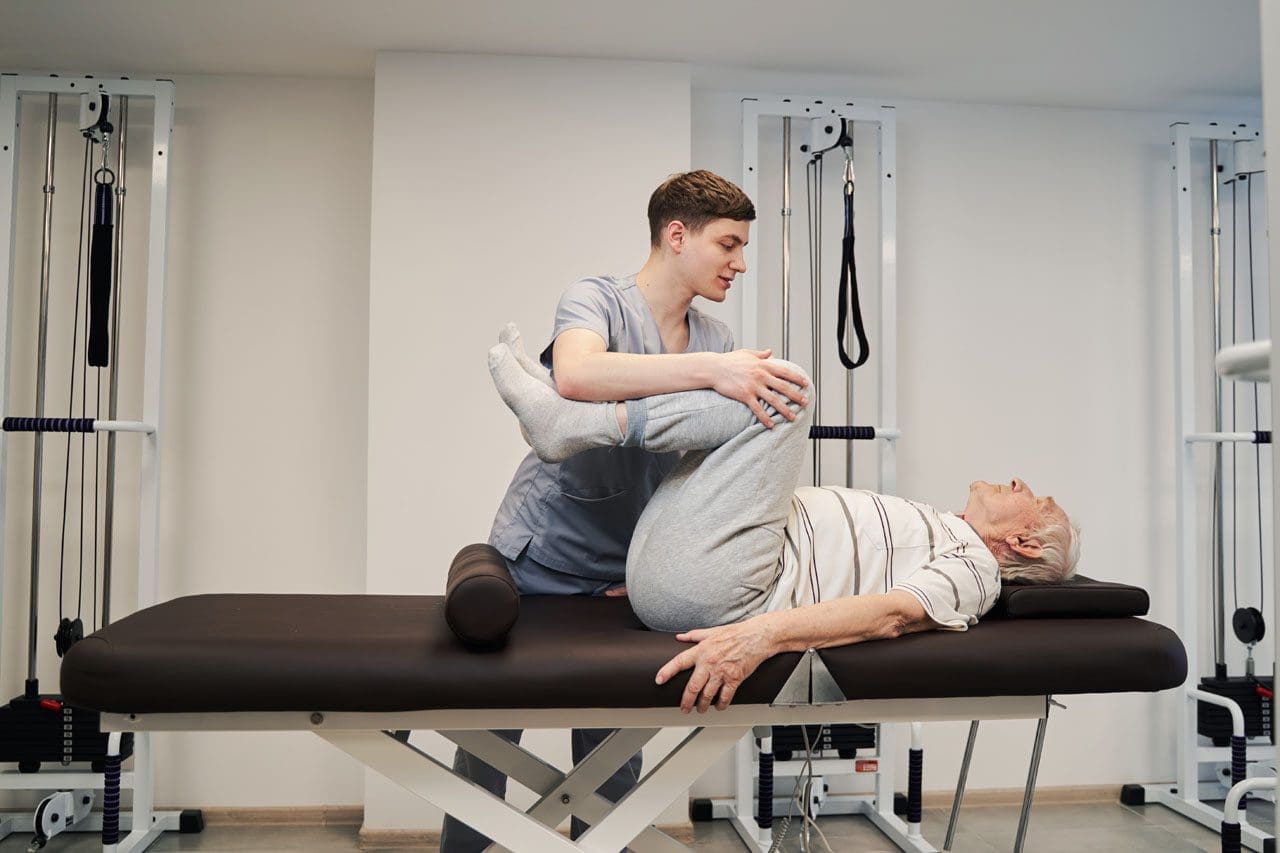
Injuries disrupt nerve-muscle communication, resulting in shaky balance or impaired movements. Neuromuscular re-education uses exercises like balance drills or resistance training to retrain these pathways, reducing fall risks and boosting confidence. A soccer player with a sprained ankle, for example, regains stability, thereby lowering the odds of re-injury (Integrative Chiropractic, n.d.).
Dr. Jimenez’s clinic excels here. “We link nerve issues to injury histories, guiding re-education for MVA, work, or sports recovery,” he says. A retail worker with back pain learns core-strengthening moves; an MVA patient rebuilds neck control. Legal reports detail progress for claims, ensuring comprehensive care. This sharpens coordination, making daily tasks and active pursuits feel natural again.
Faster Healing, Better Mobility: Recovery and Flexibility Gains
Chiropractic care at El Paso Back Clinic speeds healing by optimizing body systems. Adjustments and therapy reduce swelling, allowing tissues to mend faster—often in weeks, not months (Abundant Life Chiropractor, n.d.). Flexibility improves as tight muscles and joints stretch safely. A warehouse worker lifts without strain; an accident victim moves freely again.
Dr. Jimenez’s holistic plans amplify results. “Targeted exercises and adjustments build lasting mobility, preventing chronic issues,” he says. Nutrition tips, like anti-inflammatory foods, fuel healing. MVA and work cases get legal-grade documentation, aligning care with claims. El Pasoans recover quickly, staying active in our vibrant community.
Balance and coordination are key to preventing injuries and enhancing daily function. Re-education drills steady wobbly steps, helping MVA victims or athletes avoid falls. A delivery driver navigates uneven terrain easily post-care. Chiropractic also boosts stamina by freeing the spine for deeper breaths, improving oxygen flow and endurance (ASR Sports Medicine, n.d.).
Jimenez’s integrative approach shines: “Acupuncture and massage enhance flow, boosting stamina for work or sports.” Virtual coaching reinforces gains, and legal support ensures MVA patients have clear records. Patients work longer, play harder, and live stronger.
Whole-Person Healing: Nutrition, Stress, and Custom Plans
El Paso Back Clinic’s functional medicine approach goes beyond physical fixes. Nutrition advice—like omega-3s or antioxidant-rich fruits—fights inflammation and boosts energy. Stress management, such as mindfulness or breathing exercises, eases tension, aiding sleep and recovery. Personalized plans fit your injury, lifestyle, and goals.
Dr. Jimenez leads the way. “We uncover root causes—poor diet, stress—and craft plans with acupuncture or massage,” he says. MVA or work injuries get detailed reports for legal cases, prioritizing natural healing. Patients receive plans tailored to their El Paso lives, ensuring lasting wellness.
El Paso Back Clinic: Your Trusted Recovery Partner
At El Paso Back Clinic, Dr. Alexander Jimenez combines chiropractic and nursing expertise for exceptional care. Awarded from 2015 to 2024, his team treats MVAs, work strains, sports injuries, and personal falls with precision. “Our imaging and dual expertise catch hidden issues,” he says. A crash victim drives pain-free in weeks. A nurse lifts patients again. Legal documentation supports MVA and work cases, while virtual coaching and nutrition webinars empower long-term health.
Patients praise the results: “Dr. Jimenez restored my mobility and energy,” one shares. From veterans to families, his care transforms lives, helping El Pasoans thrive.
Preventing Future Pain: A Strategy for Lifelong Wellness
Prevention keeps you active. Regular chiropractic checkups spot misalignments early, cutting injury risks by 20% (Erie Chiro, n.d.). Holistic habits—such as balanced diets, stress relief, and smart exercise—build resilience. Dr. Jimenez’s team creates plans for workers, athletes, or retirees. “We flag risks like posture or stress early, ensuring lasting health,” he notes.
With care, education, and documentation, El Pasoans live pain-free, embracing our city’s vibrant spirit.
Adaptive, Low-Impact Exercises for Seniors & Mobility-Limited Patients at El Paso Back Clinic
Introduction
Many people in El Paso struggle with mobility issues, chronic back pain, or injuries—from work, auto accidents, or sports—that limit their ability to move freely. For seniors and others with limited abilities, movement may be painful, risky, or overwhelming.
El Paso Back Clinic, under Dr. Alex Jimenez (DC, APRN, FNP-BC, CFMP, IFMCP), specializes in helping these patients. By combining chiropractic care, functional medicine, advanced diagnostics, and adaptive exercise plans, the clinic helps improve strength, flexibility, balance, and spinal health—while managing pain and reducing risks.
This article explains:
Why adaptive, low-impact exercise is especially helpful
What kinds of exercises are safest and most useful at El Paso Back Clinic
How those exercises are integrated into treatment plans there
Tips for starting safely and getting results
Understanding El Paso Back Clinic & Dr. Alex Jimenez
To appreciate how exercise fits into care, here are some key features of El Paso Back Clinic:
Dual licensure & integrative approach: Dr. Jimenez is both a Chiropractor and a Nurse Practitioner. This gives him the ability to assess not just the spine and joints, but also medical issues, systemic health, inflammation, etc. (El Paso Back Clinic® • 915-850-0900)
Functional medicine & wellness focus: The clinic offers services including nutrition, lab testing, diagnostics, wellness coaching, injury care, and chronic pain management programs. (El Paso Back Clinic® • 915-850-0900)
Injury recovery & rehabilitation: For work, auto, sports, or accident injuries, El Paso Back Clinic has specialized rehab, soft tissue work, spinal care, and exercise therapy. (El Paso Back Clinic® • 915-850-0900)
Local presence & commitment: Located in El Paso, the clinic serves older adults, people recovering from trauma, and those who want to maintain or regain mobility. The facility, staff, and equipment are set up for people at all levels of ability. (El Paso Back Clinic® • 915-850-0900)
Because of these factors, adaptive exercises at El Paso Back Clinic are not generic—they’re tailored to the specific needs of local patients, the most common injuries, and the safe movement patterns available in the facilities.
Why Adaptive, Low-Impact Exercise Matters
Here are some reasons why these kinds of exercises are especially important in the El Paso Back Clinic setting:
Preventing worsening injury or chronic pain
Many patients come with existing spinal issues, nerve compression, or soft tissue damage. Without safe movement, muscles weaken and joints stiffen, which can worsen conditions like herniated discs or sciatica.
Supporting spinal adjustments and chiropractic work
Adjustments realign vertebrae or relieve pressure on nerves, but supporting muscles and improving flexibility help keep those corrections effective. El Paso Back Clinic uses exercises to reinforce what adjustments accomplish.
Improving mobility & independence
Seniors especially need to retain mobility—walking, standing, turning, sitting without pain. Adaptive movement helps preserve or restore these abilities.
Reducing risk of falls
Balance, coordination, and joint stabilization reduce fall risk—a major concern for older adults.
Managing inflammation and systemic issues
Because Dr. Jimenez’s clinic uses functional medicine, exercises are chosen not just to move muscles but to improve circulation, reduce inflammation, and support overall health—which helps with chronic pain, arthritis, nerve health.
Best Adaptive, Low-Impact Exercises Used at El Paso Back Clinic
Here are specific exercises often prescribed for seniors or mobility-limited individuals in El Paso, tailored by Dr. Jimenez and his team. Also included: how to adapt them locally.
Exercise
How It’s Done
Adaptations/Local Considerations
Benefits & Precautions
Seated Chair Movements
Seated marches, seated leg extensions, arm raises while seated, torso twists in chair
Use a sturdy chair in the clinic or home. In the clinic, staff can assist. As strength improves, shift into a partial standing position.
Builds strength without stressing joints. Precaution: make sure the chair is stable, avoid sharp pain or sudden movements.
Cat-Cow Stretch (modified)
Either on hands & knees, or sitting in a chair and arching/rounding back gently
In the clinic, maybe use a padded table or mat. For patients with knee or wrist issues, do it while seated.
Improves spinal flexibility, reduces stiffness. Avoid if you have an acute spinal injury or flare-up, unless approved.
Heel-to-Toe Walking / Balance Walks
Walk, placing the heel of the front foot to the toe of the back foot; use support (wall or parallel bars)
El Paso Back Clinic has a rehab facility space. Use rails or staff guidance initially. Progress gradually.
Enhances balance and spatial awareness. Precaution: do in a safe area; supervision for initial sessions.
Water Therapy / Pool Work
Walking in water, gentle kicks, supported leg lifts
If patients have access to a local pool. The clinic may partner or refer. Warm water is best; avoid cold water that could stiffen joints.
Very low impact; good for arthritis, joint pain. Precautions: entering/exiting pool safely; water cleanliness.
Gentle Strengthening
Chair squats, resistance bands, light-weight hand holds, bridges
In-clinic, a trainer/therapist supervises. At home, use bands with manageable resistance. With imaging, pick exercises that avoid aggravating injured structures.
Supports joints and builds muscle mass, which declines with age. Precaution: avoid overloading; monitor form.
Core Stabilization
Bridges, pelvic tilts, modified planks (knees or seated leaning on countertop)
Use a clinic mat, assistive props (bolsters), and do shorter holds, then increase time.
Protects the spine; supports posture. Precaution: Avoid core strain if herniation or post-surgery without clearance.
Exercise choice depends on the patient’s injury, pain level, mobility, and goals.
For example, a patient with a herniated disc receives core stabilization, gentle stretching, and aquatic work before progressing to more intense strength training.
Spinal adjustments or decompression relieve structural stress. Exercises help maintain alignment.
Soft tissue work, acupuncture, or massage help relax muscles so movement is easier.
Wellness & Functional Medicine Support
Diet, nutrition, and supplements to reduce inflammation.
Lifestyle coaching: sleep, stress, ergonomics.
Progression & Monitoring
As stiffness/pain improves, increase the duration, intensity, and complexity of exercises.
Use outcome measures: pain score, mobility improvements, and imaging when appropriate.
Supporting Local & Legal Needs
Many patients at El Paso Back Clinic are there after auto or work injuries. Documentation of progress, exercise prescription, treatments, and diagnostics is key for insurance or legal cases.
Case Snapshot (Local, Hypothetical Based on Typical Patients)
Here’s a local-style case to illustrate:
Patient: 68-year-old El Paso resident, history of office work, now with lower back pain, some sciatic pain in the right leg; imaging shows a mild lumbar disc bulge; also has mild knee arthritis limiting walking.
Plan at El Paso Back Clinic:
Begin with pain control: spinal decompression, chiropractic adjustments of the lumbar spine.
Gentle seated and aquatic work: chair-based core work, light pool walking if possible.
Stretching for hamstrings and hip flexors; soft tissue work on glutes and lower back.
Balance drills near parallel bars or a wall, heel-to-toe walking.
Progressive strengthening using resistance bands, partial squats, and core stabilization.
Goals: Reduce sciatic pain, increase walking distance, improve ability to climb stairs, reduce fall risk, and stay off pain medications more often.
Starting Safely: Tips for Patients in El Paso
If you’re considering adaptive exercise under care at El Paso Back Clinic, here are important things to keep in mind:
Talk to Dr. Jimenez or the team first, especially if you have imaging, recent surgery, or severe pain.
Start slow, maybe just 5-10 minutes a day. Utilize clinic facilities or participate in supervised sessions if available.
Use supports: chairs, walls, rails. Safety first.
Listen to your body: discomfort is different from sharp pain or numbness; stop or modify if symptoms worsen.
Stay consistent. Small gains add up over time.
Combine exercise with other treatments. The clinic offers a range of tools, including chiropractic care, functional medicine, and massage, which collectively enhance results.
Local Benefits & Why El Paso Back Clinic Is Especially Well-Suited
Being in El Paso, the clinic has advantages in delivering this kind of care:
Community familiarity: understanding typical local injuries (auto accidents, work injuries, and older adults with joint issues) makes treatment more tailored.
Holistic care under one roof: medical + chiropractic + diagnostics + exercise + wellness minimizes the need to travel to various specialists.
Legal/documentation support: Many patients have cases involving personal injury or insurance. The clinic maintains excellent documentation of treatments and exercise plans.
Summary
If you’re a senior, recovering from an injury, or have limited mobility in El Paso, low-impact, adaptive exercise is a powerful tool—especially when combined with the integrative, dual-licensed care available at El Paso Back Clinic under the guidance of Dr. Alex Jimenez.
Through personalized diagnostic work, carefully selected exercises, support from wellness and functional medicine, and steady progression, many patients see improvements in pain, mobility, flexibility, balance, and overall quality of life.
How Massage Therapy Supports El Paso Back Clinic’s Integrative Back & Injury Care
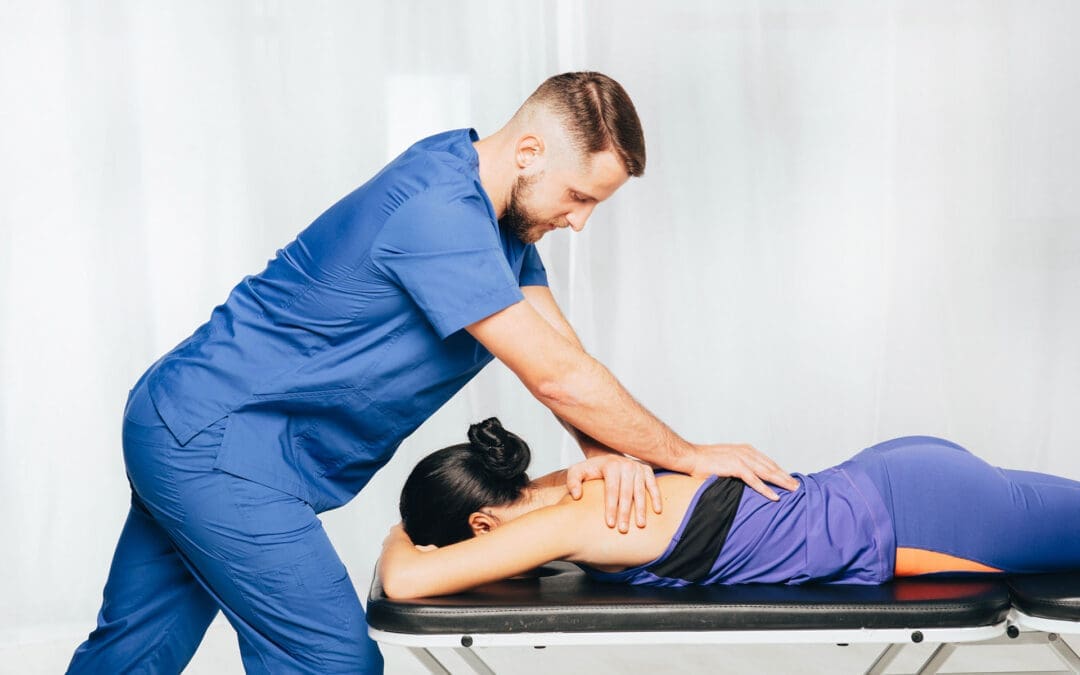
Massage therapy is far more than relaxation. In places like El Paso Back Clinic, it is a central part of healing after injury, especially when combined with advanced diagnostics, chiropractic care, and functional medicine. This article explains how therapists are trained to use proper body mechanics and a range of techniques to deliver variable pressure safely and effectively—and how that fits specifically within the services and philosophy at El Paso Back Clinic.
El Paso Back Clinic: Philosophy & Local Context
El Paso Back Clinic is led by Dr. Alexander Jimenez, DC, APRN, FNP-BC, CFMP, IFMCP. The clinic offers injury care, sports wellness, functional medicine, nutritional labs, accident & trauma rehabilitation, and more. Their goal is not only to reduce pain but also to restore function, improve long-term health, and empower patients. (El Paso Back Clinic® • 915-850-0900)
Given El Paso’s climate, traffic patterns, high incidence of work and motor vehicle injuries, and populations often facing musculoskeletal stresses (from physical labor, commute, environmental heat), having a clinic that combines hands-on care (like massage and chiropractic) plus diagnostics, nutrition, and rehabilitation gives patients a more complete path to recovery.
How Massage Therapists Are Trained at El Paso Back Clinic
At El Paso Back Clinic, massage therapists (or hands-on therapists) receive training in:
Anatomy & injury types: Understanding soft tissue, fascia, muscles, ligaments, joint mechanics, nerve irritation, and the healing stages after trauma.
Techniques with varying pressure levels include Swedish massage for light pressure, myofascial release, trigger point work, deep tissue strokes, and sports massage. The therapist must know when to adjust pressure and technique based on the patient’s needs.
They also learn body mechanics, which includes:
Using stable positions (such as lunges, with aligned shoulders and hips, and a stable base) to deliver pressure using body weight instead of relying purely on arm strength.
Keeping joints aligned to avoid strain: wrists, elbows, shoulders, and hips.
Engaging core muscles and using forearms or elbows when deeper pressure is needed, rather than overusing small muscles or risking repetitive strain injuries.
These practices help ensure therapists can deliver light, medium, or very deep pressure safely and consistently.
Variable Pressure: Light, Medium, and Deep
One of the strengths of El Paso Back Clinic is tailoring the pressure to the patient’s condition. Key considerations:
Stage of injury
Immediately after injury (e.g., whiplash, auto collision, work accident), there is often swelling, sensitivity, nerve irritation, or inflammation. Therapists start with lighter pressure to ease muscle guarding and improve circulation without causing further trauma.
As healing progresses, they gradually increase to medium or deeper pressure to break down adhesions, improve tissue mobility, release trigger points, and facilitate proper alignment.
Patient feedback
Therapists continually check with the patient (pain levels, comfort, tolerance). If pressure hurts more than helps, it is adjusted.
The use of pain or discomfort scales, or sometimes comparison between sides, helps map out what level of pressure works.
Treatment goals
For relaxation, circulation, or early healing: lighter pressure;
For chronic tightness, scar tissue, longer-term dysfunction: deeper work;
For preparing for chiropractic adjustments or rehabilitation exercises, pressure is sufficient to loosen soft tissue tension without aggravation.
Tools & technique
Use of elbows, forearms, or specialized tools when deeper pressure is needed so the therapist avoids wearing out hands and joints.
Sustained pressure (holding a spot) vs. lighter strokes; slow increments rather than sudden, strong force.
How Massage Fits into El Paso Back Clinic’s Injury & Rehabilitation Protocols
El Paso Back Clinic integrates massage therapy into its broader care model, which includes:
Chiropractic adjustments: After a massage relaxes tight muscles and soft tissue, chiropractic manipulation or spinal adjustments can be more effective because tissues are less resistant and joints can move more freely.
Diagnostic imaging & functional assessments: Before and during treatment, the clinic utilizes imaging (X-ray, MRI if necessary), laboratory and blood studies, functional movement assessments, and neurological examinations. These help identify which tissues to treat, where deeper pressure might be risky, and how far to push therapy. (El Paso Back Clinic® • 915-850-0900)
Functional Medicine & Nutrition: Pain, inflammation, and healing are influenced not only by what happens at the injury site but also by systemic factors, including nutrition, inflammation, metabolic health, sleep, and stress. The clinic evaluates these and includes them in plans, so massage and chiropractic care are supported from the inside. (El Paso Back Clinic® • 915-850-0900)
Rehabilitation & Movement Training: A range of exercises, including range of motion, strength training, posture correction, flexibility, and agility work, all help maintain gains from therapy and prevent re-injury. Massage reduces muscle tightness and improves mobility, which makes rehab exercises more effective.
Auto Injury / Trauma / Legal Documentation: For patients with motor vehicle accidents, whiplash, or other collision injuries, the clinic documents condition (soft tissues, alignment, neurologic signs), imaging findings, treatment plans, responses to massage, and other modalities. This documentation is essential to support insurance or legal claims. (El Paso Back Clinic® • 915-850-0900)
Clinical Observations & Outcomes at El Paso Back Clinic
From Dr. Jimenez’s experience and the clinic’s outcomes:
Patients who start hands-on therapy (massage) early, combined with chiropractic and functional medicine, often show quicker reduction in pain and better range of motion.
Deep pressure techniques are only introduced when imaging or assessment indicates it is safe (i.e., no unresolved inflammation, no acute nerve compression).
Many patients report better sleep, less muscle soreness, improved posture, and fewer flare-ups when massage is integrated regularly rather than used only in emergency phases.
Use of body mechanics in massage therapy helps therapists avoid fatigue and maintain consistency over a full course of care, which helps patient outcomes remain steady.
Safety, Communication, & Patient Empowerment
Safety is a big priority. The clinic ensures that:
Therapists communicate: asking about pressure, pain, any aggravations, or sensitivities.
Pressure is adjusted immediately if something doesn’t feel right.
Therapists use posture, leverage, and tools properly — so patients are treated safely and therapists avoid injury.
Patients are educated on self-care, stretches, ergonomics, and posture to sustain the benefits of therapy.
Conclusion
El Paso Back Clinic uses massage therapy not as an add-on, but as a vital part of an integrative, evidence-based healing pathway. Through professional training, variable pressure techniques, good body mechanics, diagnostics, chiropractic care, functional medicine, and legal documentation, the clinic offers patients in El Paso a full spectrum of recovery—not just temporary pain relief, but restored function, strength, and long-term wellness.
If you are recovering from a back injury, auto accident, work or sports trauma, or chronic pain, El Paso Back Clinic’s model may be what helps you return to normal life safely and fully.
IFM's Find A Practitioner tool is the largest referral network in Functional Medicine, created to help patients locate Functional Medicine practitioners anywhere in the world. IFM Certified Practitioners are listed first in the search results, given their extensive education in Functional Medicine






:max_bytes(150000):strip_icc()/281448-grilled-chicken-fajitas-mfs-4-6c901272e8e34755bf0c5a535c8cb9fa.jpg)