Is It Safe to Wear a Backpack? Expert Tips on Spinal Health and Back Pain Prevention in the US and El Paso, TX
A woman walking, wearing a backpack with the recommended weight, and maintaining correct posture to prevent back pain and problems.
Back pain is a big issue for many people in the United States
Up to 80% of adults face low back pain at some point in their lives. This is one of the top reasons for doctor visits and missed workdays. The cost is huge too, with over $100 billion spent on spine problems each year. In El Paso, Texas, where people often have active jobs like industrial work or lots of driving, back pain questions focus on things like sciatica, herniated discs, and spinal stenosis. A common concern across the country, including in places like El Paso, is whether wearing a backpack is safe for the spine. The good news is that it can be safe if you follow some simple rules. This article focuses on backpack safety and then addresses other key questions about managing back pain, treatment options, and daily habits to keep your spine healthy.
Understanding Backpack Safety and Spinal Health
Wearing a backpack is common for carrying things, but if it’s too heavy or worn incorrectly, it can hurt your back. Heavy backpacks can strain muscles and joints in your back, neck, and shoulders. This might lead to pain or bad posture over time. However, backpacks do not cause scoliosis, a spinal curvature that affects about 2% to 3% of people. Scoliosis often starts in teens and is more common in girls, but it’s not linked to backpacks.
Is it safe? Yes, as long as you distribute the weight right and follow the tips to avoid strain. Improper use can cause muscle fatigue, poor posture (such as slouching), and even chronic pain if left unaddressed. In El Paso, where people might carry tools or bags for work, this is especially important to prevent issues such as sciatica, where pain radiates down the leg due to nerve pressure.
Here are some key tips for safe backpack use:
Choose the right backpack: Pick one with wide, padded straps and a padded back. It should fit your body size and have a waist strap for heavy loads. Lightweight materials help too.
Limit the weight: Keep the backpack under 10-15% of your body weight. For example, if you weigh 150 pounds, aim for no more than 15-22.5 pounds.
Distribute weight evenly: Put heavier items at the bottom and close to your back. Use compartments to balance things and stop shifting.
Wear it correctly: Always use both straps. Adjust them so the pack sits in the middle of your back, not sagging low. Bend your knees to lift it.
Make smart choices: Remove extra items often. Use lockers or storage if possible. For very heavy loads, try a rolling backpack or crossbody bag.
These steps help distribute the load across your strong back muscles and keep your spine aligned. If you feel pain, stop and adjust. In places like El Paso, with busy lifestyles, following these can help prevent accidents from becoming long-term back issues.
Common Causes of Back Pain in the US
Back pain affects millions. In the US, about 26% of adults have it at any time, and it’s more common after age 45. Among adults aged 50 and older, up to 45.6% experience it. Causes include muscle strains, ligament injuries, herniated discs (where the disc’s soft center protrudes), arthritis, and spinal stenosis (where the spinal canal narrows). Stress can make it worse by causing muscle spasms. Even factors such as obesity or infections can play a role.
Chronic back pain lasts more than 3 months and affects 8% of adults. It often comes from wear and tear on discs or joints. Poor sleep makes it worse because pain disrupts rest, and lack of sleep raises inflammation. In the US, this results in high costs, such as lost work and medical bills.
Symptoms vary. You might feel an ache in your lower back or sharp pain if it’s sciatica. Numbness, tingling, or weakness in the legs are red flags. Scoliosis, which affects 7 million Americans, can cause symptoms such as uneven shoulders or back pain; most cases are mild.
Muscle or ligament strain: From lifting incorrectly or sudden moves.
Disc problems: Bulges or herniations press on nerves.
Arthritis: Joint wear is common in older people.
Stenosis: Narrowing squeezes nerves, causing leg pain.
Stress and lifestyle: Tension builds up, leading to spasms.
Knowing these helps prevent pain. For example, strengthening your core muscles supports your spine and reduces strain from daily activities like wearing a backpack.
Managing Chronic Back Pain
Chronic back pain needs long-term plans. First, see if it’s new or ongoing. Most cases improve with rest and simple fixes, but if it lasts, get checked. Avoid bed rest; gentle movement helps recovery faster.
Daily habits matter. Exercise like walking or swimming builds strength. Maintain a healthy weight to reduce spinal load. Quit smoking, as it negatively affects spinal tissues and raises surgery risk by up to 50%. Good posture and ergonomic setups at work prevent strain.
In El Paso, with industrial jobs and driving, pain from accidents is common. Recovery focuses on building habits to avoid re-injury.
Stay active: Low-impact exercises like yoga or Pilates.
Watch your diet: Healthy foods reduce inflammation.
Manage stress: Deep breathing or mindfulness helps.
Sleep well: Use pillows to maintain spinal alignment.
Stretch daily: Loosen tight muscles, such as the hamstrings.
These steps reduce pain and improve quality of life.
Treatment Options: Surgery vs. Conservative Care
When pain doesn’t go away, choices include conservative care or surgery. Conservative means non-surgical options such as physical therapy, medications, injections, chiropractic care, or massage. These are tried first for 8-12 weeks. Surgery is indicated for severe cases, such as nerve damage or instability.
Ask your doctor: What causes my pain? What tests do I need? What are the risks and benefits? For surgery, ask about the surgeon’s experience, recovery time, and whether you’ll need help at home. Alternatives like spinal decompression stretch the spine to ease disc pressure.
Chiropractic vs. orthopedic: Chiropractors focus on spinal adjustments to realign the spine and relieve pain without medication. Orthopedists may recommend surgery for significant issues. Both can help, but chiropractic care is well-suited to conservative care.
In El Paso, many choose chiropractic for herniated discs or sciatica. It’s safe and effective for back pain, reducing symptoms by fixing alignment and boosting blood flow.
Spinal Health in El Paso, TX
El Paso has unique needs. Active lives, work injuries, and car accidents lead to questions about sciatica, where nerve pain goes down the leg, or spinal stenosis with leg weakness. Herniated discs are common from lifting or falls.
Lumbar stenosis FAQs: It causes leg pain or numbness when walking. Avoid high-impact exercises like running; try swimming instead. Treatments include therapy or decompression.
Local care often combines chiropractic and orthopedic care. Dr. Alexander Jimenez, a chiropractor in El Paso with over 30 years of experience, notes that integrative care is most effective. He uses adjustments, nutrition, and therapy for root causes. For example, a worker’s back pain improved by 50% within weeks with his plan. He stresses non-surgical options for sciatica and injuries, helping people stay active in El Paso’s environment.
Sciatica: From disc pressure; chiropractic eases it.
Chiropractic: Aligns the spine, safe for all ages.
Dr. Jimenez’s work shows personalized plans reduce pain without surgery.
Daily Habits to Prevent Spinal Injury
Preventing pain starts with habits. Lift by bending knees, not back. Stand every 15 minutes if sitting for long. For driving in El Paso, take breaks to stretch.
Core strength is key. Exercises like planks support your spine. Avoid smoking for better healing. Ergonomics: Screen at eye level, chair with back support.
For backpacks, combine with these: Even weight helps posture.
Lift right: Knees bent, close to body.
Posture: Stand tall, no slouch.
Exercise: Core and back focus.
Weight control: Less strain on the spine.
Breaks: Move often.
These reduce the risk of injury and tie into backpack safety.
Conclusion
Wearing a backpack is safe when done properly, with proper weight distribution and habits. This fits into broader questions about spinal health in the US and El Paso. Manage chronic pain with conservative care first, like chiropractic, and build daily routines to prevent issues. Experts like Dr. Jimenez show that integrative approaches work. Stay active, ask questions, and protect your spine for a better life.
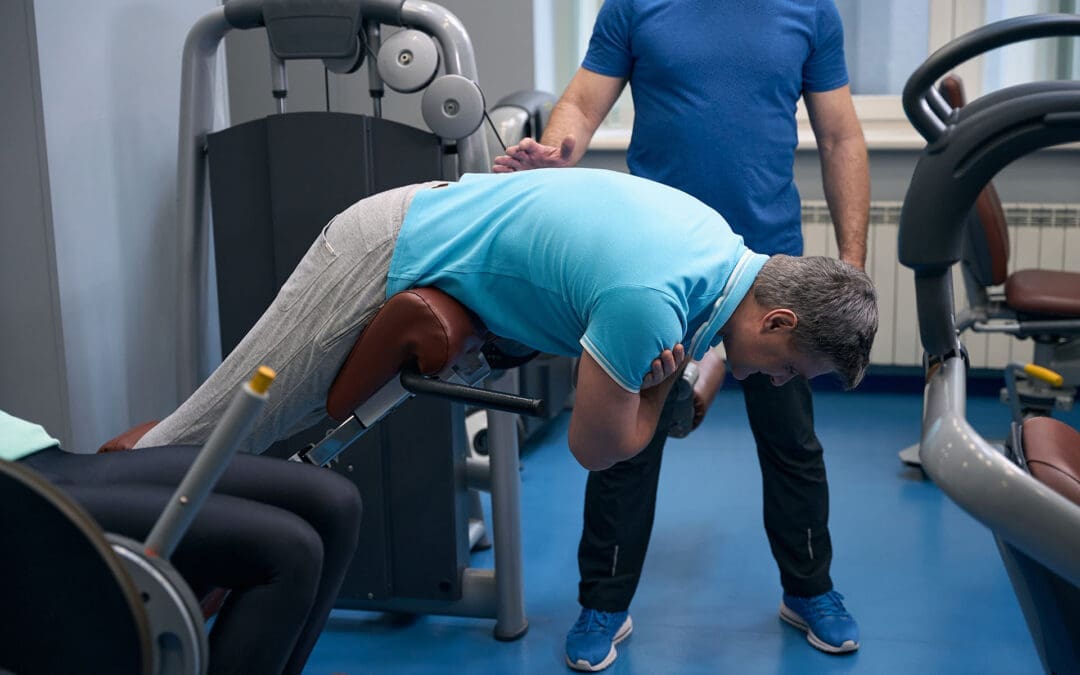
Back Extension Machine (Roman Chair) Training for a Stronger Back
A woman engages in back extension exercises to strengthen back muscles, improve core stability, and relieve chronic back pain.
A practical, El Paso Back Clinic–style guide to core stability, safer form, and pain prevention
If you’ve ever used a back extension machine—also called a hyperextension bench or Roman chair—you already know it looks simple. You lock your feet, rest your hips on the pad, and hinge forward and back up.
But the best results come from how you do it.
At El Paso Back Clinic, the goal is not just “stronger muscles.” It’s a smarter plan that supports spine stability, hip power, and better movement habits—especially for people who deal with recurring low back tightness, desk-related stiffness, or training-related flare-ups. Dr. Alexander Jimenez, DC, APRN, FNP-BC, often emphasizes that many back problems improve when you combine movement quality, targeted strengthening, and a whole-person plan (Jimenez, n.d.-a; Jimenez, n.d.-b).
This article explains:
what the back extension machine actually trains,
how to set it up correctly,
how to avoid the common mistakes that irritate backs,
and how integrative care (chiropractic + NP-style whole-body support) fits into a complete plan.
What the Back Extension Machine Trains (and Why It Matters)
Back extensions are a posterior chain exercise. That means they train the muscles on the back side of your body, including:
Erector spinae (spinal extensor muscles that help you stay upright) (MasterClass, 2021).
Glutes (hip extension power and pelvic support) (MasterClass, 2021).
Hamstrings (help control the lowering phase and assist hip extension) (MasterClass, 2021).
Deep core stabilizers (the “bracing” muscles that keep the spine steady while the hips move) (WebMD, 2024).
This is important because many people think “core” means only the abs. In real life, core stability is about the ability to resist unwanted motion and control the spine while the hips move.
A back extension machine helps train that pattern if you do it as a hip hinge, not as a “low back bend.” (More on that below.)
Roman Chair vs. Back Extension Machine: Same Goal, Different Feel
You’ll see a few styles:
45-degree hyperextension bench (most common “Roman chair” style)
90-degree Roman chair (more upright)
Seated back extension machine (you sit and extend backward against resistance)
Verywell Fit notes that these machines are often grouped together because they train similar movement patterns and posterior chain muscles, even though the setup and feel can differ (Verywell Fit, 2025).
If you’re choosing equipment for home or clinic use, adjustability matters. Many benches are built to adjust pad position and angle so different body types can hinge correctly (Valor Fitness, n.d.).
Step 1: Set Up the Machine Correctly (This Is Where Most People Go Wrong)
Before you do a single rep, take 30 seconds to set it up.
The best setup checkpoints
Hip pad position: The pad should sit around your hip crease (where your hips fold). If it’s too high, you can’t hinge well. If it’s too low, you may feel unstable (WebMD, 2024).
Feet locked in: Your heels and feet should feel secure in the restraints (WebMD, 2024).
Top position posture: At the top, you want a straight line from head to hips—not a “lean back” pose (MasterClass, 2021).
Quick self-test
If you feel the movement mostly in your low back joints (pinchy or compressed) rather than in your glutes/hamstrings, your setup or technique needs adjustment.
Step 2: Use the Right Form (Neutral Spine + Hip Hinge)
A safer back extension is controlled and clean. The spine stays neutral, and the movement comes mostly from the hips.
How to do it (simple steps)
Brace first: Take a breath and tighten your midsection like you’re preparing to be lightly bumped.
Hinge down: Push your hips back and lower your chest slowly. Keep your neck neutral.
Drive up: Squeeze glutes and hamstrings to lift your torso back up.
Stop at neutral: Finish tall and braced. Do not crank into hyperextension (MasterClass, 2021; WebMD, 2024).
Good cues that help
“Hips back, not ribs up.”
“Move like a hinge, not a bendy straw.”
“Glutes finish the rep.”
Chuze Fitness also describes back extensions as a way to work against gravity and build strength in a simple, repeatable pattern, with the option to progress by adding load later (Chuze Fitness, n.d.-a).
The #1 Mistake: Hyperextending at the Top
One of the biggest errors is leaning back too far at the top. People do it to “feel” the lower back more, but it often adds compression where you don’t want it.
What you want instead: a neutral, stacked finish.
Ribs down
Glutes tight
Spine tall
No “backward bend” finish (MasterClass, 2021).
If you can’t stop at neutral, reduce the range of motion and slow the tempo.
Another Common Mistake: Turning It Into a Low-Back Exercise Only
Back extensions are often taught as if they only train the lower back. In reality, they work best when the hips do the job and the trunk stays braced.
A helpful way to think:
The hips create motion
The spine controls motion
That is a big reason back extensions can be useful for stability—when done correctly (WebMD, 2024).
Reps and Sets: Simple Programming That Works
The “right” plan depends on your goal and your history.
Beginner (control first)
2–3 sets of 8–12 reps
Bodyweight only
Slow lowering (2–3 seconds down)
General strength and pain prevention
3 sets of 10–15 reps
Add light load only if form stays clean (Chuze Fitness, n.d.-a).
Stronger posterior chain (experienced lifters)
3–5 sets of 6–10 reps
More rest
Still stop at neutral (no hyperextension)
Rule: load is earned by control.
Verywell Fit’s equipment review also highlights that comfort, stability, and fit matter for consistent training—especially for people using these tools as part of a back-strengthening routine (Verywell Fit, 2025).
Safer Progressions (If Your Back Is Sensitive)
If your back flares easily, you can still train the posterior chain—you just need smarter progressions.
Options that tend to be more back-friendly:
Shorter-range back extensions (only move where you can stay neutral)
Isometric holds at neutral (hold 10–20 seconds)
Lower load, slower tempo
Add glute-focused assistance work (like bridges) alongside back extensions
At El Paso Back Clinic, Dr. Jimenez often frames strengthening as part of a bigger plan: improve mechanics, build tolerance, and progress gradually based on the person’s symptoms and daily demands (Jimenez, n.d.-a; Jimenez, n.d.-c).
When to Pause and Get Checked (Red Flags)
Back extension training should feel like muscular effort, not nerve pain.
Stop and seek professional guidance if you have:
Pain shooting down the leg
Numbness or tingling
Weakness in the foot/leg
Pain that worsens over time with extension-based movements
WebMD also encourages careful form and smart choices when using back extensions, especially when they’re used for “back health” rather than just bodybuilding (WebMD, 2024).
How This Fits the El Paso Back Clinic Approach: Strength + Mobility + Whole-Person Support
Many people try one thing:
“I’ll just strengthen my back.”
Or:
“I’ll just stretch more.”
Or:
“I’ll just get adjusted.”
But most lasting results come from combining the right tools in the right order.
Chiropractic care to improve mechanics
Chiropractic-focused care often aims to:
improve joint motion where stiffness limits your hinge,
reduce irritation that changes how you move,
and help you restore better spinal and pelvic mechanics.
El Paso Back Clinic content emphasizes a whole-body view of pain and function, including movement habits and multi-step plans (Jimenez, n.d.-c).
Exercise to build stability and strength
Once movement is cleaner, exercises like the Roman chair can help you:
reinforce a strong hinge,
strengthen posterior chain muscles,
and build stability that carries into work, lifting, and sports (MasterClass, 2021).
Nurse practitioner support to address barriers to recovery
NP-style integrative support often helps by addressing factors that keep people “stuck,” such as:
sleep quality,
stress load,
inflammation drivers,
safe pain management planning (when appropriate),
and screening for problems that need further testing or referral.
In short: your back isn’t separate from the rest of you.
A Simple 3-Phase Plan You Can Follow
Here is a practical approach that matches how many integrative clinics structure back-pain recovery and performance.
Phase 1: Calm things down and restore motion (1–2 weeks)
Gentle mobility (hips + mid-back)
Light back extensions with short range
Walk daily if tolerated
Focus on bracing and hinge control
Phase 2: Build capacity (3–6 weeks)
Back extensions: 2–3 days/week
Add glute and hamstring work
Add core stability work
Slowly add reps before adding load
Phase 3: Build real-world resilience (ongoing)
Add load gradually (only if neutral form is automatic)
Transfer strength into squats, hinges, and carries
Keep a weekly routine of mobility + stability work
This kind of integrated plan—adjustments plus exercise and habit change—is also described in chiropractic-focused integration articles discussing the value of combining care approaches to improve outcomes (OPTMZ State, 2026).
Key Takeaways
The back extension machine is best used as a hip-hinge strength tool, not a “bend your spine” tool (MasterClass, 2021).
Proper setup (hip pad alignment + stable feet) helps you move safely (WebMD, 2024).
Avoid the big mistake: hyperextending at the top. Stop at neutral.
Strong results often come from a full plan: chiropractic mechanics + targeted exercise + whole-person support, a theme repeated across El Paso Back Clinic education from Dr. Jimenez (Jimenez, n.d.-a; Jimenez, n.d.-c).
Spinal Hygiene Explained: Daily Habits to Keep Your Spine Strong and Pain-Free
A woman performs spinal hygiene exercises on a fitness ball at home, strengthening her back muscles.
Spinal hygiene is the practice of caring for your spine every day to keep it strong, flexible, and healthy. Just like brushing your teeth helps prevent cavities, spinal hygiene helps avoid back problems and keeps your body moving well. The spine supports your whole body, protects the nervous system, and lets you bend, twist, and stand tall. Good habits can make a big difference in how you feel now and as you get older.
What Spinal Hygiene Means
Spinal hygiene includes simple daily actions to protect the spine’s natural shape and movement. The spine has gentle curves that help absorb shock and allow smooth motion. When these curves stay balanced, and the spine moves freely, you feel better overall.
Proper posture: Sit and stand with your shoulders back, head aligned over your spine, and pelvis in a neutral position to avoid extra strain.
Regular movement and exercise: Stay active with walking, swimming, or stretching to keep joints loose and muscles strong.
Proper body mechanics: Lift things by bending your knees, keeping objects close to your body, and avoiding twists to prevent injury.
Core strength: Build muscles around your midsection for better support and stability.
Hydration and nutrition: Drink plenty of water to keep spinal discs cushioned, and eat foods rich in calcium, vitamin D, magnesium, and omega-3 fatty acids to support bone and tissue health.
Stress management: Use deep breathing, meditation, or yoga to reduce tension that tightens back muscles.
These steps help maintain the spine’s integrity and prevent issues like stiffness or pain (Spinenpain.org, n.d.; Lifemovesmt.com, n.d.).
Neglecting spinal hygiene can lead to problems over time. Poor habits can cause muscle imbalances, joint wear, reduced motion, and conditions such as herniated discs or chronic back pain. This can affect your nervous system, since the spine houses nerves that control body functions. When the spine is out of alignment, it may press on nerves, leading to pain, weakness, or other issues (Servinglifedallas.com, n.d.; Drmmalone.com, n.d.).
Benefits of Good Spinal Hygiene
Taking care of your spine brings many advantages. It reduces the chance of back pain, improves how easily you move, and supports better posture. A healthy spine also helps the nervous system function smoothly, boosting energy, coordination, and overall well-being. Regular care can slow age-related changes, lower injury risk, and help you stay active longer.
Prevents muscle tightness and joint problems
Improves blood flow and nutrient delivery to spinal tissues
Enhances balance and reduces fall risk
Supports better sleep and less daily discomfort
Studies and experts note that these habits promote long-term health and vitality (Illinoisspinalcare.com, n.d.; Spinehealth.org, n.d.).
How Chiropractic Care Fits In
Chiropractic care plays a key role in spinal hygiene. Chiropractors use gentle adjustments to fix misalignments, called subluxations, that can stress the spine and nerves. These adjustments restore proper movement, reduce pain, and improve function. Regular chiropractic visits act as preventive maintenance, catching small issues before they grow.
Many people combine chiropractic with other habits for the best results. Adjustments improve alignment, while daily posture and exercise help maintain gains. This approach helps address common complaints such as neck or low back pain and supports recovery from injuries (Illinoisspinalcare.com, n.d.; Eastportlandchiropractor.com, n.d.).
The Power of Integrative Care with Chiropractors and Nurse Practitioners
An integrative approach brings together diverse experts to achieve stronger results. Chiropractors focus on the spine’s structure, alignment, and movement through adjustments and rehab. Nurse practitioners (NPs), especially those with advanced training, address broader health needs such as nutrition, stress management, hormone balance, and lifestyle changes.
This team effort addresses both the physical spine and daily habits that affect it. For example, a chiropractor might correct alignment after an injury, while an NP guides on anti-inflammatory foods or stress reduction to aid healing. Together, they create personalized plans that work better than one alone, especially for complex pain, chronic issues, or recovery from accidents.
Dr. Alexander Jimenez, DC, APRN, FNP-BC, stands out in this field. As a Doctor of Chiropractic and board-certified Family Nurse Practitioner, he combines spinal adjustments, decompression therapy, and functional medicine. His practice emphasizes root-cause care, using nutrition, lifestyle tweaks, and advanced diagnostics for musculoskeletal problems, personal injuries, and overall wellness. Clinical observations from his work show that integrative methods restore mobility, reduce pain, and improve quality of life by treating the whole person—not just symptoms (Dralexjimenez.com, n.d.; A4m.com, n.d.).
Simple Ways to Start Spinal Hygiene Today
You can begin with easy changes that fit into daily life.
Posture checks: Set reminders to sit tall and take breaks from sitting every 30 minutes.
Daily stretches: Try cat-cow pose, child’s pose, or seated twists for 5-10 minutes.
Safe lifting: Always bend at the knees and use your legs.
Stay hydrated: Drink water throughout the day to keep your discs healthy.
Eat spine-friendly foods: Include leafy greens, fish, nuts, and dairy or alternatives for key nutrients.
Move often: Walk or do low-impact activity for at least 30 minutes most days.
Manage stress: Practice deep breathing or short meditation sessions.
Adding regular chiropractic check-ups can help monitor and maintain progress (Lifemovesmt.com, n.d.; Newlifefamilychiropractic.net, n.d.).
Final Thoughts
Spinal hygiene is a smart, everyday way to protect one of your body’s most important parts. By focusing on posture, movement, nutrition, and professional care when needed, you support a strong spine, healthy nerves, and a better quality of life. Small habits add up to big benefits, helping you stay active and pain-free for years.
Improving Driving Posture with Chiropractic and Integrative Care: A Path to Comfort and Safety
Introduction
Driving is part of daily life for many people. Whether it’s a short trip to the store or a long haul across states, time behind the wheel can take a toll on the body. Poor posture while driving often leads to back pain, neck stiffness, and fatigue. These issues not only make driving uncomfortable but can also affect focus and safety on the road. Chiropractic care, combined with integrative approaches, provides a smart way to address these issues. This care focuses on spinal adjustments to correct misalignments, ergonomic tips to set up your car correctly, and additional therapies to build strength and alleviate tension.
The goal is straightforward: to align the spine properly, strengthen the muscles that support good posture, and provide practical tools for lasting health. By doing this, drivers can enjoy greater comfort and reduce risks, such as accidents caused by distraction or pain. Studies and experts have shown that these methods are effective for both everyday commuters and long-distance travelers (ChiroFirst Redding, n.d.). In this article, we examine how these elements work together to achieve a better driving posture. We draw from real-world insights, including those from Dr. Alexander Jimenez, a chiropractor and nurse practitioner in El Paso, Texas, who has helped countless patients recover from driving-related injuries.
The Impact of Poor Driving Posture on Health and Safety
Sitting in a car for hours can alter the way your body aligns. The seat, steering wheel, and road bumps force the spine into awkward positions. Over time, this leads to slouching, forward head tilt, and tight muscles. These habits strain the neck, shoulders, and lower back. For example, forward head posture—common in drivers craning to see the dashboard—adds extra weight to the spine, similar to carrying a heavy bag all day (Dallas Accident and Injury Rehab, n.d.).
Health effects go beyond aches. Poor posture can reduce blood flow, leading to numbness in the legs or arms. It also raises stress levels, as tight muscles signal the brain to stay on alert (Chiro Studio Cocoa, n.d.). Safety is another concern. Distracted by pain or stiffness, drivers may react more slowly to hazards. The National Highway Traffic Safety Administration notes that fatigue resulting from discomfort contributes to thousands of crashes each year. Long-term, untreated issues can turn into chronic conditions like sciatica or herniated discs, limiting mobility outside the car, too.
Commuters feel this most. Daily drives in traffic mean repeated strain from stop-and-go motions. Long-distance drivers face even more challenges, with vibrations from the road jarring their spines (Elite Spine Houston, n.d.). Recognizing these risks is the first step. Chiropractic and integrative care address the root causes, not just the symptoms, for lasting relief.
Chiropractic Care: Correcting Misalignments for Better Alignment
At the heart of improving driving posture is chiropractic care. Chiropractors use hands-on adjustments to realign the spine. These gentle pushes correct subluxations—small shifts in vertebrae that pinch nerves and disrupt balance. For drivers, adjustments focus on the lumbar (lower back), thoracic (mid-back), and cervical (neck) areas, which are most affected by prolonged seated positions.
Take lumbar adjustments. Prolonged sitting flattens the spine’s natural curve, leading to pain. A chiropractor applies controlled force to restore that curve, easing pressure on discs and nerves (Spine Stop, n.d.). Patients often experience instant relief, with improved mobility immediately following. Cervical adjustments address forward head posture, a common issue that occurs when reaching for controls. By realigning the neck, these moves help reduce tension headaches and improve vision while looking over the dashboard.
Evidence backs this up. Research shows that spinal adjustments can reduce pain by up to 87% in cases associated with sedentary jobs, including driving (Elite Spine Houston, n.d.). Regular visits prevent small issues from growing. For instance, after a road trip, a quick adjustment can reset the body, reducing inflammation and stiffness (ChiroFirst Redding, n.d.).
Dr. Alexander Jimenez, DC, APRN, FNP-BC, brings deep clinical insight to this discussion. At his El Paso clinic, he employs dual-scope diagnosis—combining chiropractic exams with nurse practitioner assessments—to identify how driving misalignments contribute to injuries. His team utilizes advanced neuromusculoskeletal imaging techniques, such as X-rays and MRIs, to visualize shifts caused by motor vehicle accidents (MVAs) or daily commutes (Jimenez, n.d.a). “Many patients arrive with subtle spinal changes from years of poor posture behind the wheel,” Dr. Jimenez notes in his practice resources. “We correlate these with symptoms like radiating leg pain, using precise imaging to guide adjustments.” This approach ensures treatments match the exact problem, leading to faster healing.
In MVA cases, Dr. Jimenez’s clinic handles everything from whiplash to soft tissue strains. They document findings thoroughly for legal purposes, such as insurance claims, while initiating care promptly. Adjustments form the base, but he stresses they’re most effective when paired with other tools.
Ergonomic Recommendations: Setting Up Your Car for Optimal Posture
Ergonomics means fitting your environment to your body. For driving, this starts with seat setup. Chiropractors, such as those at ChiroFirst Redding, recommend a hip angle slightly higher than the knee angle, with the seat back at 100-110 degrees (ChiroFirst Redding, n.d.). This angle supports the spine’s curve without slouching. Adjust the seat distance so that your knees bend lightly when on the pedals—reaching too far strains the lower back.
Lumbar support is key. If your car lacks built-in roll bars, add a roll cage or a roll bar. Memory foam or gel types distribute weight evenly, cutting pressure points (Dallas Accident and Injury Rehab, n.d.). Headrests should align with the top of your head, cradling the skull to prevent whiplash in sudden stops. Steering wheel height lets arms extend with a slight elbow bend, keeping shoulders relaxed.
Mirrors matter too. Set them after seating adjustments to avoid neck twists when checking blind spots (Springhill Premier Chiro, n.d.). For pedals, ensure your ankles move naturally—no tiptoeing on the brakes, which can tighten your calves and hips.
These tweaks alone boost comfort. One study found that proper ergonomics reduces driver fatigue by 30% on long trips (Go to the Well Chiro, n.d.). However, they’re even more effective with chiropractic guidance. A professional can assess your setup during a visit, making adjustments for your height and habits. Dr. Jimenez incorporates this in his protocols. “We teach patients to scan their driving posture like a checklist,” he explains on his site. “Ergonomic changes, combined with imaging, prevent re-injury from MVAs or work strains.” His clinic even suggests vehicle modifications for high-risk patients, such as those in delivery jobs.
Simple habits amplify ergonomics. Use cruise control on highways to ease foot tension. Every hour, shift weight or roll shoulders at lights. These micro-moves keep circulation flowing, warding off numbness (Springhill Premier Chiro, n.d.).
Integrative Therapies: Strengthening Muscles and Enhancing Recovery
Chiropractic shines brighter with integrative care—blending therapies for full-body support. These add-ons strengthen muscles, release knots, and promote healing, tackling the multi-sided strain of driving.
Massage therapy tops the list. It kneads tight spots in the back and shoulders, built up from gripping the wheel. Deep tissue work boosts blood flow, flushing out inflammation (Elite Spine Houston, n.d.). After sessions, drivers report looser posture and less pain on commutes.
Acupuncture follows, using thin needles at key points to balance energy and ease tension. For neck stiffness caused by head turns, it calms nerves and reduces anxiety associated with discomfort (Chiro Studio Cocoa, n.d.). Studies show that it reduces chronic pain by 50% when combined with adjustments.
Targeted exercises build core and back strength. Planks and bird-dog poses counter slouching by firming the abs and glutes (ChiroFirst Redding, n.d.). Hip flexor stretches open tight fronts from seated bends. Chiropractors prescribe these as homework, tracking progress to ensure form.
Dr. Jimenez weaves these into his integrative model. His clinic treats diverse injuries—sports twists, work lifts, personal falls, and MVA impacts—with a mix of modalities. “We use dual diagnosis to link, say, a rear-end collision to lumbar misalignment,” he shares via LinkedIn (Jimenez, n.d.b). Massage and acupuncture promote natural healing, while customized exercises help prevent scars associated with conditions like arthritis. For legal cases, his team logs every therapy session, providing detailed reports to support claims.
Other gems include stretching breaks and a healthy diet. Shoulder rolls at stops or chest openers fight rounding. Anti-inflammatory foods, such as salmon and turmeric, support joint health (ChiroFirst Redding, n.d.). Together, these create a toolkit: adjustments fix now, therapies build for tomorrow.
Case Studies and Expert Insights: Real Results from the Road
Real-life stories demonstrate the effectiveness of this approach. Consider a long-haul trucker seen at Elite Spine Houston. Daily 10-hour shifts left him with shooting back pain. After three adjustments and ergonomic tweaks—such as a gel cushion—his posture straightened, pain decreased by 80%, and he stayed alert for longer (Elite Spine Houston, n.d.).
In El Paso, Dr. Jimenez treated a commuter after a motor vehicle accident (MVA). Whiplash caused neck guards and anxiety. Using neuromusculoskeletal scans, he spotted cervical shifts. Adjustments, combined with acupuncture and core exercises, restored range of motion in just weeks. “Patient correlation is key,” Dr. Jimenez says. “Imaging revealed how the crash worsened her driving slouch, leading to secondary shoulder strain.” Legal docs from the clinic smoothed her insurance battle, while therapies prevented chronic issues.
Another case from Spine Stop involved a family road-tripper. Post-vacation stiffness hit hard. A single adjustment, along with a massage, eased mid-back tightness, accompanied by stretches for home use. She returned refreshed, with an improved posture for the drive back (Spine Stop, n.d.).
These examples highlight multi-faceted wins. Adjustments correct fast; ergonomics sustain; therapies fortify. Dr. Jimenez’s 30+ years of experience add weight, treating thousands, from veterans to athletes, with functional medicine approaches like nutrigenomics for inflammation (Jimenez, n.d.b).
Long-Term Strategies for Maintaining Healthy Driving Posture
Lasting change needs ongoing effort. Schedule chiropractic check-ups every 4-6 weeks, especially for individuals who drive frequently or are at a higher risk of injury. Track posture with phone reminders for adjustments. Build routines: morning stretches, evening walks, weekly yoga.
Integrate tech wisely. Apps guide breathing to cut stress; seat sensors alert to slouching. Nutrition sustains: hydrate to keep discs plump, omega-3s for flexibility.
Dr. Jimenez pushes prevention. “Our clinic’s wellness packages blend exercises with acupuncture, stopping work or MVA recurrences,” he notes (Jimenez, n.d.a). For MVAs, early intervention via his protocols halves recovery time.
Monitor progress. If pain lingers, revisit imaging. Community support, such as driver forums, shares valuable tips. With consistency, good posture becomes habit—safer, comfier miles ahead.
Conclusion
Chiropractic and integrative care transform driving from a chore to a breeze. Spinal adjustments correct misalignments, ergonomics optimize setups, and therapies such as massage and acupuncture strengthen the entire system. This multifaceted path corrects issues, builds resilience, and equips for health. As Dr. Jimenez observes, addressing roots—via diagnosis and natural healing—prevents pitfalls, enhancing life on and off the road. Start small: adjust your seat today and book a chiropractor visit tomorrow. Safer, smoother drives await.
IFM's Find A Practitioner tool is the largest referral network in Functional Medicine, created to help patients locate Functional Medicine practitioners anywhere in the world. IFM Certified Practitioners are listed first in the search results, given their extensive education in Functional Medicine