Back Clinic Vitamins. They help our bodies grow and develop normally. The best way to get enough vitamins is to eat a balanced diet with a variety of foods. Knowing about the different types and what they do can help make sure the body gets enough overall wellness. They are nutrients that the human body needs to function and fight off disease.
The body cannot produce vitamins independently, so they must be acquired through food or supplements. There are 13 that are essential to the human body to work well. They are used in many different ways inside your body. While they do not directly serve as a source of energy, they help the enzymes that generate energy from nutrients such as carbohydrates and fats. Knowledge of the different types and understanding the purpose of these are important for optimal health.
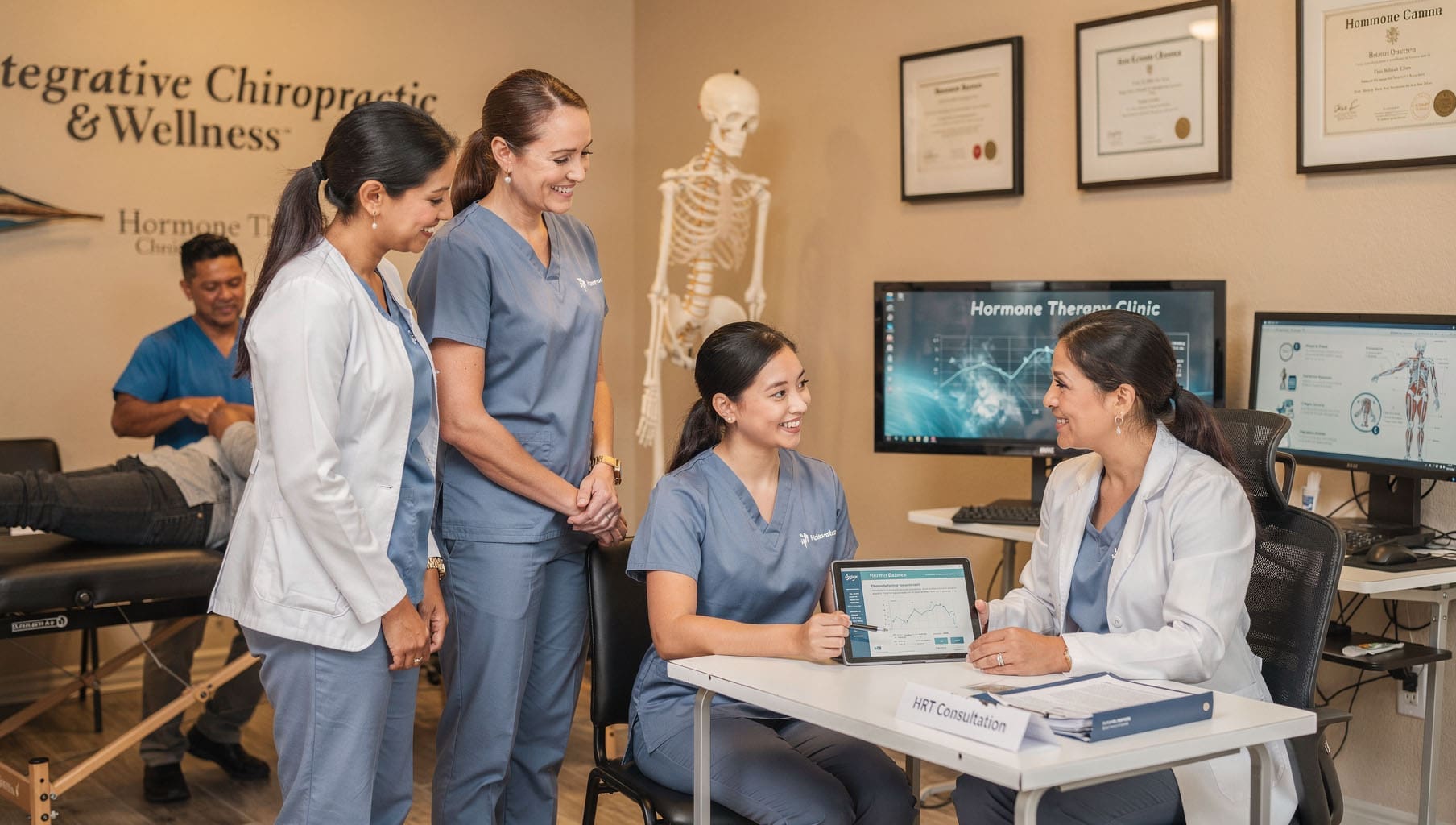
Bioidentical hormone replacement therapy, or BHRT, uses hormones that match the ones your body makes. People often take estrogen, progesterone, or testosterone to ease low energy, poor sleep, mood changes, or weight gain. There is no single official diet for this therapy. Dietitians and doctors often suggest a Mediterranean-style diet or another whole-food, anti-inflammatory plan to support metabolism, liver cleansing, and steady energy while on bioidentical hormone replacement therapy (BHRT). Integrative chiropractic care lowers nervous-system tension. That can help control cortisol and support how the body uses hormones. This article explains what BHRT is, why food matters, which foods help most, extra daily habits, and how a team in El Paso combines chiropractic and medical care.
What Bioidentical Hormone Replacement Therapy Involves
BHRT replaces hormones that drop with age or other changes. These hormones act as messengers. They help control sleep, mood, energy, bone strength, and how the body uses food. Estrogen is often used for hot flashes and dryness. Progesterone can protect the uterus and support sleep. Testosterone may help with energy and muscle. Some products are FDA-approved. Others are mixed by a pharmacist for one person.
Many people notice milder symptoms in a few weeks. Stronger results often appear after about three months. Doctors watch labs and symptoms so the dose stays as low as needed. BHRT works best when the rest of the body is supported, including how you eat and how well your nervous system handles stress.
Why Nutrition Matters During BHRT
Food gives the body the building blocks for hormones and the tools to use them well. Hormones are made from fats and proteins. The liver breaks down excess hormones so they don’t build up. Fiber and certain plants help the gut move those leftovers out. Blood-sugar swings can raise insulin and cortisol, which can work against the hormones you are taking. An anti-inflammatory pattern lowers that extra stress.
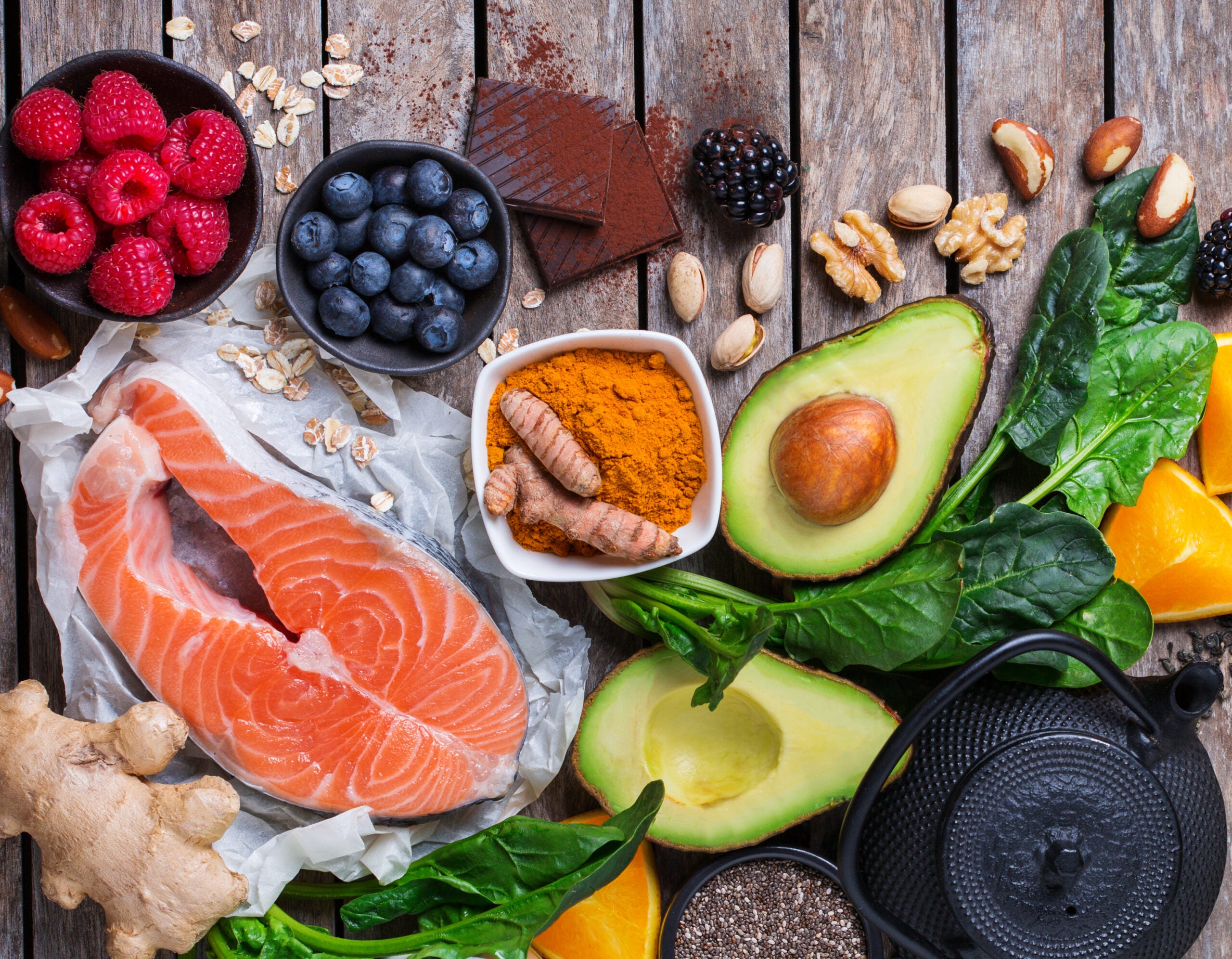
Dietitians and doctors often suggest a Mediterranean-style diet or another whole-food, anti-inflammatory plan to support metabolism, liver cleansing, and steady energy while on bioidentical hormone replacement therapy (BHRT). The Mediterranean diet, which emphasizes healthy fats, lean proteins, and fiber, is a particularly effective example of a complete, anti-inflammatory diet that patients undergoing estrogen, progesterone, or testosterone bioidentical hormone replacement therapy (BHRT) follow. As a result of reducing stress and tension in the nervous system, which in turn helps control cortisol and optimizes metabolic and endocrine function, integrative chiropractic therapy lends credence to this idea.
The Mediterranean-Style Eating Pattern
Think of your plate in simple parts. Fill half with colorful vegetables and some fruit. Add a quarter of lean protein, such as fish, chicken, or beans. Use the last quarter for whole grains or starchy vegetables. Finish with a source of healthy fat like olive oil, avocado, or nuts.
This pattern supplies fiber for the gut, omega-3 fats that calm inflammation, and antioxidants that protect cells. It also gives the liver the nutrients it needs to process hormones. People on BHRT often feel more stable energy and fewer crashes when they follow this style.
Key habits include:
Eat mostly plants, fish, nuts, seeds, and olive oil.
Choose whole grains like quinoa, brown rice, or oats instead of white bread.
Limit processed snacks, sugary drinks, and extra alcohol.
Drink enough water to help the body move hormones through the liver and kidneys.
Foods That Support Estrogen, Progesterone, and Testosterone
Certain foods stand out because they supply specific nutrients. Here are six that specialists often highlight.
Fatty fish such as salmon and tuna. These give vitamin D, which can support testosterone, and omega-3 fats that reduce inflammation.
High-fiber grains like quinoa, brown rice, and oats. Fiber feeds good gut bacteria and supplies B vitamins that help the nervous system and hormones.
Flaxseeds. They contain lignans that help the body handle extra estrogen by binding it in the gut so it can leave the body.
Fresh herbs and spices such as turmeric, garlic, and fennel. These have compounds that support liver function and lower inflammation.
Berries and cherries. They supply antioxidants and can help raise melatonin for better sleep.
Lean protein, such as chicken breast, is also important. Protein helps regulate hunger hormones and supports muscle, which matters when testosterone is part of the plan.
Other helpful choices include leafy greens, avocados, nuts, olive oil, and fermented foods like yogurt. These add more fiber, healthy fats, and gut-friendly bacteria. Gut health matters because the microbiome helps break down estrogen.
A sample day might look like this: oatmeal with berries and flax for breakfast, a salad with chicken, olive oil, and vegetables for lunch, and baked salmon with quinoa and greens for dinner. Snacks can be nuts, fruit, or yogurt.
Lifestyle Steps That Work With Your Nutrition Plan
Food is the base, but other daily habits make BHRT more effective. Sleeping seven to nine hours lets the body repair and reset hormones. Regular movement, such as walking or strength work, improves both insulin sensitivity and mood. Stress management through breathing or light stretching keeps cortisol from rising too high.
Limit extra caffeine and alcohol, because they can disrupt sleep and liver function. Stay at a healthy weight, since extra body fat can change how hormones work. These steps are simple and work well with the eating pattern.
How Integrative Chiropractic Care Supports BHRT
The nervous system and hormones communicate all day. High stress raises cortisol, which can block the effects of estrogen, progesterone, or testosterone. Chiropractic care uses gentle adjustments and soft-tissue work to ease tension in the spine and muscles. This can lower sympathetic (fight-or-flight) activity and help the body stay in a more balanced state.
When the spine and pelvis move well, the body often sleeps better and feels less pain. Better sleep and lower pain reduce cortisol. The result can be improved energy and a more stable hormone response. Chiropractic care also supports movement, which helps bones and muscles stay strong while on hormone therapy. It does not replace the hormones. It helps the whole system work more smoothly.
A Collaborative Team in El Paso
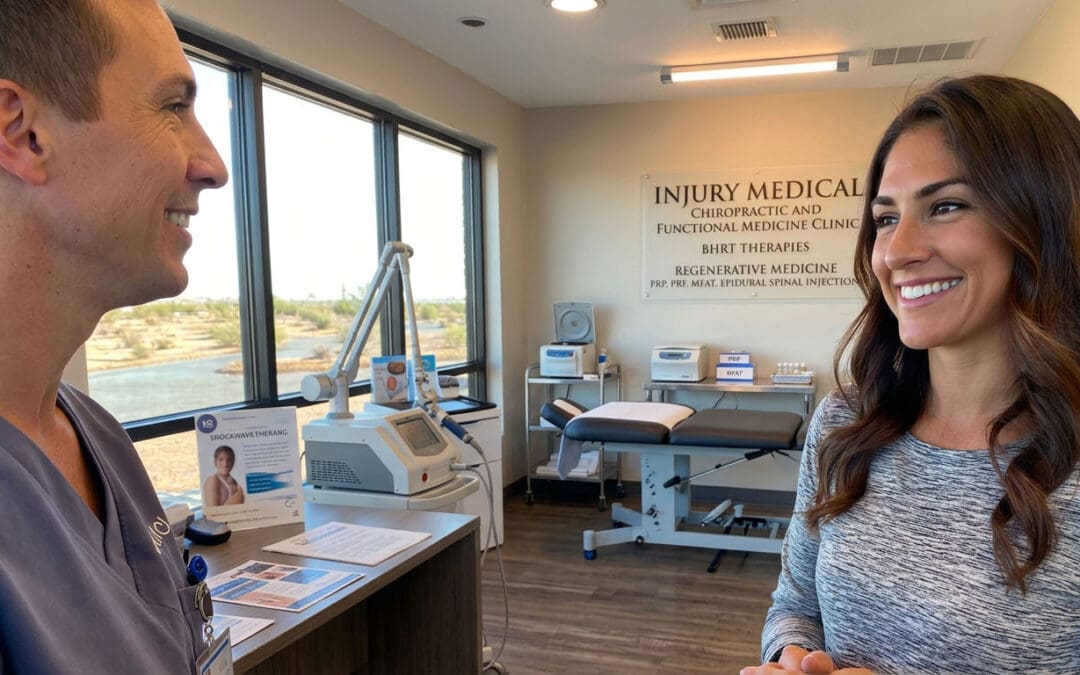
In El Paso, Texas, Injury Medical Clinic PA brings medical and chiropractic care together. Dr. Alexander Jimenez, DC, APRN, FNP-BC, CCST, CFMP, IFMCP, ATN, leads the practice. He uses chiropractic adjustments, functional medicine, nutrition, and rehabilitation. His clinical observations show that whole-food, low-glycemic eating plus gut support and spinal care can improve sleep, mood, and how patients feel on hormone plans.
Dr. Maria Guadalupe Cardenas, MD (board-certified in internal medicine) (NPI #1164426749, Texas MD License #J2933), with over 40 years of experience as an internist, works with Dr. Alex Jimenez, DC, and serves as the medical director and collaborative physician at his practice, Injury Medical Clinic PA, in El Paso, Texas. This multidisciplinary setup is common in integrative or injury care clinics, where an MD provides medical direction alongside a chiropractor.
The team integrates chiropractic care (Dr. Jimenez) with medical oversight by Dr. Cardenas (internal medicine), as well as functional medicine, personal injury care, rehabilitation, and related services. Patients receive coordinated plans that cover diet, movement, stress, and hormone support. This approach treats the whole person, not one symptom at a time.
Putting It All Together
Start with a simple Mediterranean-style plate most days. Add the key foods listed above. Pair eating with sleep, movement, and stress reduction. If you choose integrative care, chiropractic work can help the nervous system stay calmer so the hormones you take can do their job more easily. Work with your doctor to check labs and adjust as needed. No single food or adjustment is a cure, but together they create a stronger foundation.
This way of eating and living is sustainable for most people. It uses foods you can find at a regular grocery store and habits that fit into daily life. The goal is steady energy, better sleep, and a body that uses BHRT well.
Protein Diet Tips for Peptide and Chiropractic Care
Abstract: A protein-forward, anti-inflammatory whole-foods diet is generally advised when peptide therapy is combined with integrative chiropractic care. This method reduces systemic inflammation, which can impede musculoskeletal healing and metabolic signaling, while simultaneously providing essential amino acids for tissue and spinal repair. Peptide therapy and chiropractic care can be implemented in conjunction with particular regimens, such as the Mediterranean or ketogenic diet. These alternatives often work together to alleviate inflammation, promote tissue regeneration, and support weight management. It is imperative to consult with your healthcare provider prior to initiating any new treatments or altering your diet. This article explains the practical connections between these approaches and describes the collaborative care model used at Injury Medical Clinic PA in El Paso, Texas.
What Peptides Are and How They Work
Peptides are short chains of amino acids. Amino acids are the basic building blocks of protein. In the body, peptides act like small messengers. Some help signal cells to repair tissue, balance inflammation, support collagen production, or influence metabolism.
Peptides are not a complete solution by themselves. They work best when the body also has healthy structural support and the right nutritional building blocks. Without enough quality protein and lower levels of inflammation, the messages peptides send may produce limited results.
How Integrative Chiropractic Care Fits Into the Plan
Integrative chiropractic care focuses on improving how the spine and joints move. Specific adjustments help restore proper motion, reduce mechanical stress, and support clearer communication between the brain and body. This creates a healthier environment for healing.
When peptide therapy is added, the two approaches support each other. Chiropractic care improves structure and movement. Peptides may support cellular repair signals. Nutrition then supplies the amino acids and nutrients the body needs to complete the repair work. Together they address the frame, the signals, and the supplies needed for recovery.
Why Nutrition Plays a Central Role
Peptides send the repair message. Food provides the materials. Protein breaks down into amino acids that the body uses to rebuild ligaments, tendons, muscles, and spinal tissues. If protein intake is too low, repair can slow even when adjustments and peptides are in place.
Chronic inflammation from processed foods, excess sugar, and certain oils can interfere with both musculoskeletal healing and the metabolic pathways peptides may influence. An anti-inflammatory whole-foods approach helps reduce this interference so the body can respond more effectively.
The Value of a Protein-Forward, Anti-Inflammatory Whole-Foods Diet
This style of eating centers on whole foods that deliver protein at every meal while emphasizing vegetables, healthy fats, and limited processed items.
Key benefits include:
Supplying amino acids needed for tissue and spinal repair
Reducing systemic inflammation that can slow healing
Supporting steady energy and metabolic balance
Helping maintain lean muscle during recovery or weight-management programs
Many clinicians aim for roughly 1.2 to 1.6 grams of protein per kilogram of body weight each day, spread across meals. Individual needs vary and should be guided by a healthcare provider.
Mediterranean and Ketogenic Diet Options
Two common patterns often pair well with peptide therapy and integrative chiropractic care.
Mediterranean-style eating includes:
Plenty of vegetables, fruits, and legumes
Olive oil as a main fat source
Fish, poultry, eggs, and modest dairy
Nuts, seeds, and whole grains in moderation
This pattern is rich in anti-inflammatory compounds and omega-3 fats while still providing solid protein.
Ketogenic or higher-protein lower-carbohydrate approaches focus on:
Higher amounts of quality protein and healthy fats
Limited refined carbohydrates and sugars
Non-starchy vegetables for fiber and nutrients
Both styles can help lower inflammation, support tissue healing, and assist with weight control when personalized. They are not right for everyone. Blood sugar control, kidney health, activity level, and medical history all matter. Always consult your healthcare provider before making major diet changes.
Practical Foods That Support Repair
Helpful protein sources include:
Eggs
Chicken and turkey
Fish (especially fatty fish such as salmon)
Lean beef
Greek yogurt or cottage cheese
Beans, lentils, or protein smoothies when appropriate
Supportive anti-inflammatory additions include:
Leafy greens and colorful vegetables
Olive oil, avocado, and nuts
Turmeric, ginger, and omega-3-rich foods
Plenty of water for hydration
Limit or avoid processed seed oils, added sugars, refined carbohydrates, and ultra-processed snacks. These can raise inflammation and work against healing.
Collaborative Care at Injury Medical Clinic PA in El Paso
At Injury Medical Clinic PA in El Paso, Texas, care is delivered through a coordinated multidisciplinary model. Dr. Alexander Jimenez, DC, APRN, FNP-BC, CCST, CFMP, IFMCP, ATN, provides chiropractic care, functional medicine support, personal injury evaluation, and rehabilitation guidance.
Dr. Maria Guadalupe Cardenas, MD (Board Certified in Internal Medicine, NPI #1164426749, Texas MD License #J2933), has more than 40 years of experience as an internist. She serves as medical director and collaborative physician. This multidisciplinary setup is common in integrative and injury-care clinics, where an MD provides medical direction alongside a chiropractor.
The team integrates chiropractic care (Dr. Jimenez) with medical oversight by Dr. Cardenas (internal medicine), as well as functional medicine, personal injury care, rehabilitation, and related services. This allows patients to receive a unified plan rather than separate, disconnected treatments.
Clinical Observations from Dr. Alexander Jimenez
Through years of clinical practice shared on platforms such as dralexjimenez.com and his professional profiles, Dr. Jimenez has observed that recovery improves when care addresses both spinal mechanics and the body’s broader needs. He stresses that peptides work best when they are part of a bigger system that includes good nutrition, exercise, sleep, hydration, and medical supervision.
In practice, low protein intake, high inflammation, poor sleep, or uncontrolled metabolic factors can slow progress even when structural care is solid. Addressing these factors alongside chiropractic adjustments and appropriate peptide support creates a more complete environment for healing.
A Clear Path Forward
A practical sequence often looks like this:
Thorough evaluation of spinal function, tissue status, and overall health
Chiropractic care and rehabilitation to improve mechanics and movement
Protein-forward, anti-inflammatory nutrition to supply building blocks and lower inflammation
Targeted peptide support when clinically appropriate and under medical guidance
Ongoing monitoring of progress, sleep, stress, and metabolic health
This layered approach treats the body as an interconnected system rather than isolated parts.
Conclusion
Combining peptide therapy with integrative chiropractic care works best when supported by a protein-forward, anti-inflammatory whole-foods diet. The diet supplies the amino acids needed for tissue and spinal repair while helping reduce the inflammation that can interfere with healing and metabolic signaling. Mediterranean or carefully planned ketogenic patterns can further support these goals for many people.
At Injury Medical Clinic PA in El Paso, the collaboration between Dr. Alexander Jimenez and Dr. Maria Guadalupe Cardenas brings chiropractic expertise, internal-medicine oversight, functional medicine, personal injury care, and rehabilitation into one coordinated model. The result is a clear, practical path that addresses structure, cellular signals, and nutritional foundation together.
Speak with your healthcare provider before starting peptide therapy, making major dietary changes, or beginning any new treatment plan. Individual needs, medical history, and laboratory findings should always guide decisions.
Chiropractic Care and Regenerative Therapies: How Nutrition Reduces Inflammation and Speeds Tissue Repair
When injuries or ongoing pain affect your daily life, finding real relief often means looking beyond one type of treatment. Many people in El Paso and beyond now benefit from a combined approach that brings together chiropractic care and regenerative therapies. The main goal of this integration is simple yet powerful: lower whole-body inflammation while giving your tissues the exact nutrients they need to rebuild and heal.
This article walks you through why this combination works, how an anti-inflammatory diet supports it, and what practical steps you can take. You will also learn how a dedicated local team puts these ideas into action every day.
Why Combine Chiropractic Care with Regenerative Therapies?
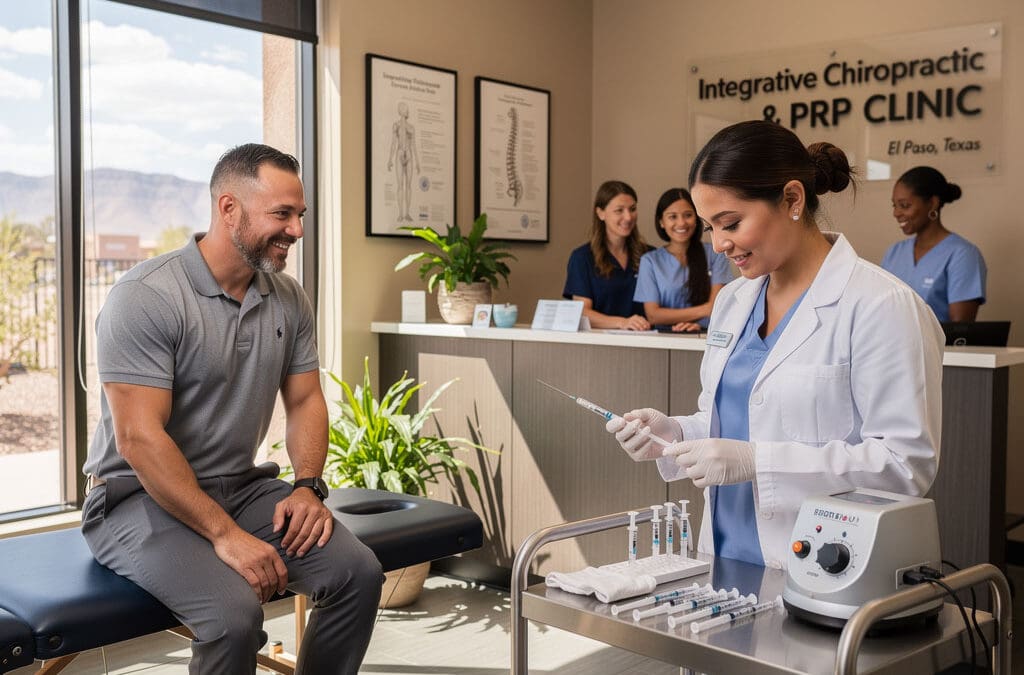
Chiropractic care focuses on spinal alignment and nervous system function. Gentle adjustments help reduce pressure on nerves, improve movement, and ease muscle tension. Regenerative therapies, such as platelet-rich plasma (PRP) injections or bone marrow concentrate procedures, work at the cellular level to promote new tissue growth in damaged areas, such as joints, ligaments, or nerves.
When these two approaches are used together, they address both the structural and the biological sides of healing. Chiropractic care helps the body move better and reduces mechanical stress, while regenerative treatments supply growth factors that promote repair. The shared result is less systemic inflammation—the kind of widespread swelling that slows recovery and keeps pain going.
Dr. Alexander Jimenez, DC, APRN, FNP-BC, CFMP, IFMCP, ATN, has observed through years of clinical work that patients recover more completely when care addresses both spinal function and the body’s overall healing capacity. His approach at the clinic emphasizes natural restoration, using advanced therapies alongside hands-on care so the body can heal itself more effectively.
The Main Objective: Lower Inflammation and Supply Building Blocks
Systemic inflammation acts like a roadblock. It increases pain, stiffens tissues, and makes it harder for new cells to form. Regenerative treatments aim to turn down this response while delivering growth factors directly to the injured site.
To make those treatments work even better, the body needs the right raw materials. Think of it like construction: you can have the best workers (growth factors from PRP or similar therapies), but without lumber, nails, and tools (nutrients), progress stalls.
An anti-inflammatory diet rich in whole foods supplies those building blocks. It provides lean protein for tissue repair, healthy fats that help calm inflammation, and antioxidants that protect cells from further damage. Research and clinical experience show that patients who follow smart nutrition guidelines often see smoother recoveries and better long-term results.
How Nutrition Supports Healing Alongside Chiropractic and Regenerative Care
Nutrition does more than fill your stomach. The foods you eat directly influence inflammation levels, blood flow, and how well your body responds to adjustments or regenerative procedures.
Chiropractic adjustments work best when inflammation is already trending downward. Regenerative treatments like PRP or similar therapies also perform better in a less inflamed environment because growth factors can focus on repair instead of fighting constant swelling.
A steady anti-inflammatory eating pattern helps in several ways:
It lowers baseline inflammation before procedures.
It supplies protein and collagen-building nutrients right when tissues need them most.
It supports hydration and circulation so nutrients reach healing areas.
It complements other modalities you may receive, such as epidural injections for severe nerve pain, MLS laser therapy for deep tissue relief, or shockwave treatments that stimulate repair.
Because your specific plan may include several of these therapies, nutrient timing becomes important. Your care team can help match meals and supplements to each phase of treatment for the best possible outcome.
Key Foods That Fight Inflammation and Build Stronger Tissues
Focus on colorful, minimally processed choices. Here are the categories that matter most:
Lean proteins for repair: Protein gives your body the amino acids needed to rebuild muscle, ligaments, and cartilage. Good sources include wild-caught fish, pasture-raised poultry, eggs, Greek yogurt, lentils, and tofu. Aim for steady intake throughout the day rather than one large serving.
Healthy fats that calm inflammation: Omega-3 fats from salmon, sardines, mackerel, walnuts, flaxseeds, and chia seeds help turn down inflammatory signals. Extra-virgin olive oil and avocados add more anti-inflammatory compounds and support joint lubrication.
Antioxidant-rich plants: Berries (blueberries, strawberries, raspberries), dark leafy greens (spinach, kale), turmeric, ginger, and brightly colored vegetables supply compounds that protect cells and reduce oxidative stress. These foods pair especially well with regenerative treatments.
Supporting nutrients: Vitamin C (citrus, bell peppers, kiwi) helps build collagen. Zinc (pumpkin seeds, seafood) and magnesium (leafy greens, avocados, nuts) aid muscle relaxation and tissue recovery. Staying well hydrated—roughly half your body weight in ounces of water daily—helps move nutrients and clear waste.
Foods and Habits That Can Slow Progress
Just as some foods help, others can increase inflammation and interfere with healing. Limit or avoid:
Refined sugars and sugary drinks
White flour products and highly processed snacks
Fried foods and trans fats
Excessive alcohol
Processed meats
These choices raise inflammatory markers and can reduce the effectiveness of regenerative treatments. Many patients notice better energy and less pain within a few weeks of making these simple swaps.
Timing Your Nutrition Around a Multi-Modality Plan
When your care includes several treatments—such as an epidural injection for nerve relief, MLS laser sessions for inflammation, or shockwave therapy for tissue stimulation—nutrient timing helps each step work better.
Before procedures: Emphasize anti-inflammatory foods and stay well hydrated to lower baseline swelling.
After regenerative injections or procedures: Prioritize protein and collagen-supporting nutrients to give tissues the building blocks they need right away.
Around laser or shockwave sessions: Keep meals balanced with antioxidants and healthy fats to support the body’s natural repair response.
Daily foundation: Maintain consistent anti-inflammatory eating so your system stays primed for whatever therapy comes next.
Your clinical team, including providers who understand both the chiropractic and medical aspects of care, can provide you with a personalized schedule. Small adjustments in meal timing often lead to noticeably smoother recoveries.
Expert, Multidisciplinary Support in El Paso
At Injury Medical Clinic PA in El Paso, Texas, patients receive coordinated care that blends chiropractic expertise with medical oversight. Dr. Alexander Jimenez, DC, APRN, FNP-BC, CFMP, IFMCP, ATN, brings extensive clinical experience in spinal care, functional medicine, personal injury recovery, and regenerative approaches. His observations show that patients achieve better mobility and reduced pain when spinal alignment and whole-body inflammation are addressed together through nutrition and targeted therapies.
Working alongside him is Dr. Maria Guadalupe Cardenas, MD, board-certified in Internal Medicine. With over 40 years of experience, NPI #1164426749, and Texas MD License #J2933, she serves as Medical Director and Collaborative Physician. This medically integrated model is common in strong injury and wellness clinics. The MD provides oversight for complex cases, diagnostics, and certain procedures, while the chiropractic and functional medicine team delivers hands-on care and lifestyle guidance. Together they create safe, personalized plans that cover rehabilitation, personal injury documentation, and advanced regenerative options.
This team approach means you are never navigating treatments alone. Providers communicate, adjust plans based on your progress, and help you time nutrition and other supports for maximum benefit.
Practical Next Steps
Start where you are. Add one extra serving of leafy greens or berries each day. Swap one processed snack for nuts or yogurt. Drink an extra glass of water with meals. These small changes add up quickly when combined with consistent chiropractic or regenerative care.
Keep an open conversation with your providers about your diet, any supplements you take, and how you feel between sessions. They can refine recommendations as your treatment plan evolves.
Healing is a journey, not a single appointment. By lowering inflammation through smart food choices and giving your body the precise building blocks it needs, you support every adjustment, every regenerative treatment, and every step toward feeling like yourself again.
Clinical insights and observations shared on Dr. Alexander Jimenez’s site and clinic resources regarding integrated chiropractic, regenerative, and functional medicine approaches at Injury Medical Clinic PA.
Regenerative Therapies and Chiropractic Care: A Team Approach for Real Healing, Wellness, and Fitness
Many people want to stay active, exercise regularly, and feel strong. But old injuries, joint wear, or back pain often get in the way. Pain pills or rest alone may hide the problem for a short time, yet they do not fix the more serious damage. Regenerative therapies offer a different path. These treatments work with your body’s own healing power instead of just covering symptoms.
When combined with effective chiropractic care, IV nutrient therapy, and targeted spinal support, they create a full recovery plan. This plan helps reduce swelling, repair tissues, and restore movement so you can safely return to exercise and daily fitness activities. The key is that cellular nutrition, body alignment, and tissue repair all depend on each other.
What Regenerative Therapies Do
Regenerative therapies use materials from your body to encourage repair. They target the root of the problem in tendons, ligaments, joints, and sometimes nerves. Instead of weakening tissues over time, they aim to build healthier structures that last.
Common options include PRP, PFP, and MFAT. These are injected into damaged areas, often with ultrasound guidance for accuracy. The goal is less long-term inflammation and better function so you can move without constant discomfort.
PRP: Using Your Blood’s Healing Parts
PRP stands for platelet-rich plasma. A small amount of your blood is drawn and spun in a centrifuge. This separates the platelets, which carry growth factors that signal your body to repair tissue.
Doctors inject the concentrated platelets into sore tendons, ligaments, or early arthritic joints. The growth factors help calm swelling and support new tissue growth. People with sports strains, tennis elbow, or mild knee issues often see improved comfort and movement over weeks to months.
PRP works best when there is still some healing capacity left in the tissue. It gives your body extra tools to help it heal itself rather than relying solely on rest or medication.
PFP: Platelet-Fibrin Products for Extra Support
PFP, or platelet-fibrin products, are similar to PRP but include fibrin proteins. These create a natural framework that helps healing cells stay in place and build new tissue.
The fibrin acts like a scaffold. It captures more growth factors and proteins from your blood. This can be useful for areas that need extra structure during repair, such as certain ligament or tendon problems. Like PRP, it comes from your body, so the risk of rejection is very low.
MFAT: Healing Cells from Your Own Fat
MFAT means microfragmented adipose tissue. Doctors take a small amount of fat, usually from the belly area, and process it into tiny pieces while preserving the helpful cells and signals.
This tissue is then injected into joints or damaged spots. The cells and anti-inflammatory factors help protect cartilage, reduce swelling, and recruit more of your body’s repair cells. MFAT is often chosen for more advanced joint wear, larger meniscus tears, or when simpler treatments have not been enough.
Both PRP and MFAT use your materials. They lower inflammation in a lasting way and support the kind of recovery that lets you return to movement and exercise with more confidence.
IV Nutrient Therapy: Feeding Your Cells Directly
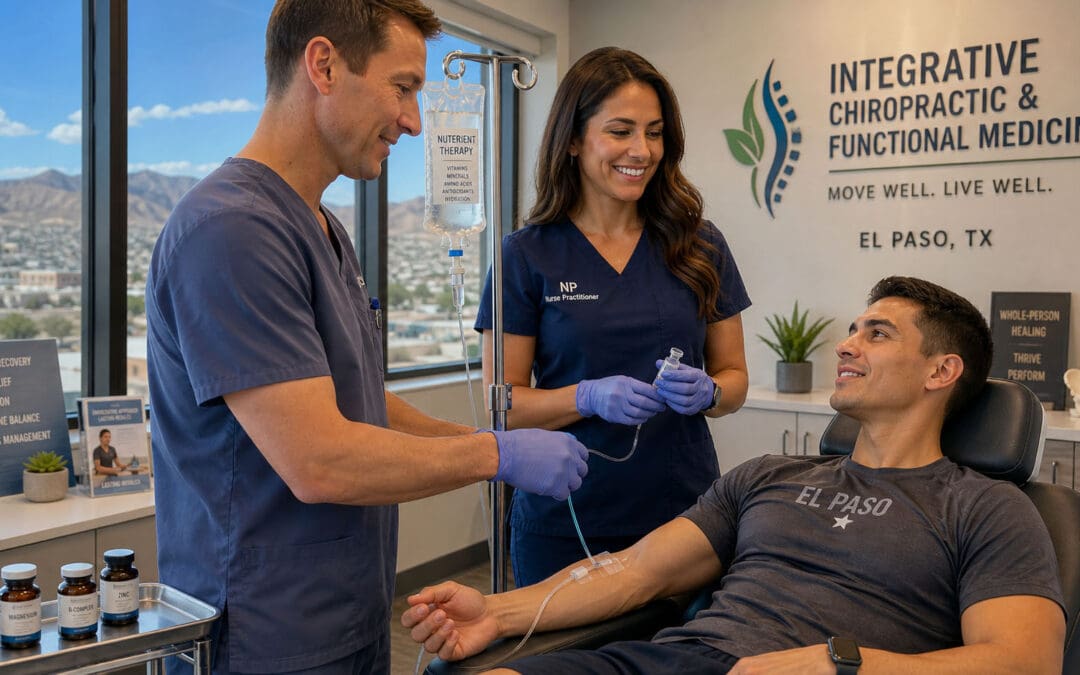
Healing tissues need healthy nutrition at the cellular level. IV infusion nutrient therapy delivers vitamins, minerals, amino acids, and fluids straight into your bloodstream. This bypasses the digestive system, so absorption is fast and complete.
Common additions include B vitamins for energy metabolism, magnesium for muscle and nerve function, and amino acids for building proteins. People recovering from injury or intense training often feel less fatigue and better hydration. In hot weather or after heavy sweating, this quickly replenishes what the body loses.
When your cells have the raw materials they need, the repair process initiated by PRP or MFAT injections can proceed more efficiently. IV therapy supports the whole process rather than working alone.
Epidural Injections for Calming Irritated Nerves
Sometimes pain comes from inflamed or irritated spinal nerves, often due to disc issues or narrowing in the spine. Epidural spinal injections place anti-inflammatory medication, usually a steroid, into the space around those nerves.
This reduces swelling and nerve irritation. Many people notice less shooting pain down the legs or arms and improved ability to walk or stand. The relief is not permanent, but it often opens a window for other therapies to work better. You can then do exercises and rehabilitation without constantly upsetting the nerves.
Epidurals fit into a bigger plan. They help quiet the “alarm system,” so deeper repair can continue.
The Seed and Soil Model for Lasting Recovery
Think of healing like growing a healthy plant. Regenerative injections and epidural treatments sow the seeds. They place healing cells where they are needed and calm irritated nerves. This starts the biological repair process.
But seeds need rich soil to grow strong roots and stay upright. Integrative chiropractic care and customized exercises prepare that soil. Chiropractic adjustments restore healthy joint motion and spinal alignment. Exercises build stability and strength around the healing areas. Together, they create an environment where new tissue can form correctly and handle real-life movement and fitness demands.
Without proper alignment and support, even optimal tissue repair can be stressed or re-injured. Without the repair step, alignment work alone may not fix more serious cellular damage. The two parts depend on each other.
How the Full Team Works Together
This integrated approach is used in multidisciplinary clinics. Chiropractic care addresses structural alignment and nervous system function. Medical oversight ensures safety and coordinates injections or overall health needs. Functional medicine looks at nutrition, inflammation, and lifestyle factors. Rehabilitation and personal injury support help people rebuild strength after accidents or overuse.
At Injury Medical Clinic PA in El Paso, Texas, Dr. Alexander Jimenez, DC, APRN, FNP-BC, CFMP, IFMCP, ATN, CCST, works with Dr. Maria Guadalupe Cardenas, MD. Dr. Cardenas is board-certified in internal medicine with over 40 years of experience. She serves as Medical Director and Collaborative Physician. This team model is common in integrative and injury care settings. The MD provides medical direction while the chiropractor focuses on alignment and body mechanics.
Dr. Jimenez has observed that patients with sports trauma or older auto accident injuries improve most when care targets both tissue repair and nervous system function. Detailed exams, imaging when needed, regenerative options, adjustments, and rehab exercises are combined into personalized plans. The result is often better pain control, improved movement, and a faster, safer return to activity.
Getting Back to Exercise and Fitness Safely
When inflammation drops, damaged cells receive repair signals, nerves calm down, and joints move with better alignment, the body is ready for progressive activity. You are not simply masking pain to push through workouts. You are giving tissues the conditions they need to heal while building supportive strength.
Many people notice steadier energy from IV nutrient support and less fear of re-injury because the “soil” of alignment is also improved. This leads to more regular exercise, better posture during daily tasks, and overall wellness gains that last beyond the treatment period.
Why This Integrated Path Matters
Regenerative therapies like PRP, PFP, and MFAT, along with IV nutrient therapy and epidural support, do more than reduce symptoms. They work at the cellular level to encourage real repair. Chiropractic care ensures the mechanical environment supports that repair. Medical oversight by an experienced internist like Dr. Cardenas keeps everything coordinated and safe.
The result is a structured recovery model that addresses the full picture: biology, structure, and nutrition. People dealing with joint wear, sports strains, or injury-related pain often find they can resume fitness activities with greater comfort and confidence. The focus stays on helping your body heal and stay active for the long term.
If you are struggling with pain that limits your wellness or exercise goals, consider how these therapies might fit together for you. A qualified integrative team can evaluate your specific situation and create a plan that supports lasting results.
Peptide Therapy and Chiropractic Care: How They Work Together for Natural Healing
Peptides act like precise messengers inside your body. They are short chains of amino acids that tell specific cells what to do. These messages can help regulate metabolism, calm inflammation, or speed up healing in tissues like muscles, ligaments, and tendons. In an integrative chiropractic clinic, peptide therapy serves as a helpful catalyst. It works alongside your daily habits, nutrition plan, and spinal adjustments rather than acting as a quick fix or standalone solution.
This approach supports the body’s own repair systems. It combines targeted peptide signals with the raw materials of healthy nutrition and the improved nerve flow from chiropractic care. The result is often better healing from the inside out, especially for people dealing with back pain, old injuries, or slower recovery.
What Peptides Are and How They Function
Peptides are small chains of amino acids, usually between 2 and 50 or so units long. Amino acids are the building blocks that make up proteins in your body. Unlike larger proteins, peptides are short enough to act quickly and specifically. They attach to receptors on cells and deliver clear instructions.
Your body already makes many peptides naturally. They help control hormones, digestion, energy use, and repair processes. In therapy settings, specific peptides are used to give extra support where the body needs it most. Some peptides encourage tissue repair after strain or injury. Others help the body use energy better or reduce ongoing inflammation that slows healing.
Because they are so targeted, peptides send focused messages rather than broad effects. This makes them useful in care plans that already include hands-on treatments and lifestyle changes.
Peptides as a Catalyst in Integrative Chiropractic Clinics
In an integrative chiropractic setting, peptide therapy is never presented as a cure-all. Instead, it provides the body an extra push to respond better to other parts of the plan. Spinal adjustments improve alignment and nerve signals. Nutrition supplies the building blocks cells need. Peptides provide clear guidance for repair, metabolism, or control of inflammation.
This combination helps the body heal more efficiently. For example, a person recovering from a back strain might receive chiropractic care to restore motion, a nutrition plan rich in protein, and a peptide that supports ligament or tendon repair. The peptide does not work alone. It works best when the other pieces are in place.
Clinics that use this method focus on the whole person. They look at movement, diet, sleep, stress, and nerve function together. Peptide therapy fits into that bigger picture as one helpful tool among several.
Nutrition Provides the Essential Building Blocks
Peptides provide the instructions, but your cells still need supplies to follow them. That is where nutrition comes in. Your body requires amino acids, vitamins, and minerals to carry out repair work, control inflammation, and keep metabolism running smoothly.
Protein is especially important. It breaks down into amino acids during digestion. These amino acids become the raw materials for new tissue. If a peptide signals the body to repair a spinal ligament, the repair cannot happen well without enough dietary protein. Low protein intake is common, especially as people age or eat restrictive diets. This can limit how effectively peptide signals are transmitted.
Other nutrients matter too. Zinc, vitamin C, magnesium, and omega-3 fats support the processes peptides activate. Gut health also plays a role. A healthy digestive system absorbs these nutrients better. When the gut is irritated, even beneficial peptide signals may not reach full effect.
A practical nutrition approach often includes:
Adequate protein from sources like eggs, fish, chicken, Greek yogurt, or quality supplements
Colorful vegetables and fruits for vitamins and antioxidants
Healthy fats from fish, nuts, and seeds to support inflammation control
Plenty of water and fiber for digestion and nutrient transport
When nutrition and peptide therapy are paired, the body has both the message and the materials it needs.
The Nervous System Directs Healing Capacity
Your nervous system acts as the body’s master control center. It sends signals that tell cells when to repair, how to use energy, and how to manage inflammation. When nerve flow is smooth, the body heals and functions better. When there is interference, such as from spinal misalignments or tension, those signals can become disrupted. Healing slows, and even good nutrition or peptide messages may not work at full strength.
Chiropractic adjustments help reduce that interference. By restoring proper spinal motion and alignment, adjustments allow clearer nerve communication. This creates a better environment for peptides and nutrition to do their jobs. The nervous system can then coordinate repair processes more effectively throughout the body.
In integrative care, this connection is central. Adjustments optimize the control system. Peptides provide targeted cellular instructions. Nutrition supplies the building blocks. Together they support healing from multiple angles at once.
A Multidisciplinary Team Approach in El Paso
At Injury Medical Clinic PA in El Paso, Texas, this integrated model is put into practice every day. Dr. Alexander Jimenez, DC, APRN, FNP-BC, CCST, CFMP, IFMCP, ATN, brings decades of experience in chiropractic care, functional medicine, and advanced clinical practice. His clinical observations emphasize treating the whole person. He focuses on restoring natural healing ability through precise spinal care, functional rehabilitation, and addressing root factors like nutrition, inflammation, and nerve function.
Working alongside him is Dr. Maria Guadalupe Cardenas, MD. She is Board Certified in Internal Medicine with over 40 years of experience. Her Texas MD License is #J2933, and her NPI is #1164426749. Dr. Cardenas serves as Medical Director and Collaborative Physician. In this multidisciplinary setup, she provides medical oversight, reviews complex health histories, and ensures safety while Dr. Jimenez delivers chiropractic and functional care.
This team model is common in integrative and injury-focused clinics. The chiropractor handles spinal adjustments, soft-tissue work, rehabilitation exercises, and personal-injury documentation. The medical director offers an internal medicine perspective for overall health coordination. Functional medicine principles guide the search for root causes. Personal injury care addresses accident-related issues such as whiplash and lingering soft-tissue damage. Regenerative and supportive therapies, including carefully chosen peptides when appropriate, fit into personalized plans.
Patients often receive coordinated care that may include:
Chiropractic adjustments to improve alignment and nerve flow
Functional medicine assessments of nutrition, gut health, and inflammation
Rehabilitation exercises to rebuild strength and mobility
Medical oversight for safety and complex cases
Targeted peptide support when it fits the individual plan
The goal is faster, more complete recovery and better long-term function.
What This Integrated Approach Looks Like in Practice
A typical journey might begin with a thorough evaluation. The team reviews movement patterns, injury history, nutrition habits, and nervous system function. Lab work or functional assessments can reveal nutrient gaps or inflammation levels. From there, a plan is built that layers chiropractic care, nutrition guidance, and peptide therapy only when it adds clear value.
For someone with ongoing back or neck discomfort, adjustments may restore motion while nutrition supports tissue repair. A peptide focused on healing or inflammation control can then amplify those efforts. Progress is tracked through follow-up visits, functional tests, and how the person feels and moves in daily life.
This method respects that healing is not one-dimensional. It combines precise signals, solid building materials, and clear nerve communication under coordinated professional guidance.
Moving Forward with Informed Choices
Peptide therapy in an integrative chiropractic setting offers a thoughtful way to support the body’s natural abilities. It works best when paired with strong nutrition and chiropractic care that optimizes nervous system function. In clinics with collaborative medical and chiropractic teams, patients receive care that addresses multiple layers of healing at once.
If you are exploring options for better recovery, reduced inflammation, or improved metabolic health, consider how these pieces fit together. A qualified integrative team can help determine whether peptide therapy makes sense as part of your personalized plan. The focus remains on giving your body the right messages, the right materials, and the right environment to heal and thrive.
IV Infusion Therapy Benefits for Athletes: Faster Recovery After Tough Workouts and Events
After a long race, intense game, or heavy training week, your body can feel completely drained. You might feel exhausted, sore, thirsty, and slow to bounce back. Drinking water and eating nourishing food help a lot, but sometimes your stomach feels upset, or you need faster help to restore fluids and nutrients to your system. That is where IV infusion therapy can step in as a helpful tool.
IV infusion therapy puts fluids, electrolytes, vitamins, and other nutrients straight into your bloodstream through a small needle in your arm. This method provides your body with nearly 100 percent absorption because it bypasses the digestive system entirely. In sports, it serves as a targeted way to fix real problems like low fluid levels or nutrient shortages after intense effort. It is not a magic shortcut for healthy athletes who can eat and drink normally. Instead, it acts as a clinical support when your body is depleted and needs quick replenishment to recover and prepare for the next challenge.
Many athletes use this approach to feel better faster so they can return to training or competition with more energy and less downtime.
What IV Therapy Actually Does for Athletes
IV therapy delivers a mixture of saline or similar fluids, along with vitamins and minerals, directly into your bloodstream. This helps replace what you lose from heavy sweating, hard breathing, and muscle work. The process usually takes 30 to 60 minutes while you rest comfortably.
The main goals include restoring fluid balance, easing muscle fatigue, supporting energy production inside your cells, and calming inflammation that builds up during tough sessions. When done properly under medical guidance, it can shorten the time you feel wiped out after big efforts.
Rapid Rehydration When Oral Fluids Are Not Enough
During long endurance events or intense training camps, you can lose a large amount of water and important salts, such as sodium and potassium, through sweat. This drops your blood volume and can leave you feeling weak or dizzy. If you also have stomach upset or nausea, drinking large amounts of fluid becomes hard or even impossible.
IV therapy solves this by sending fluids and electrolytes straight into your circulation. Your body absorbs them right away instead of waiting for your gut to process them. This method works especially well when high-intensity exercise has already pulled blood away from your stomach to your working muscles, slowing normal digestion. Athletes often notice they feel rehydrated and more stable much quicker than with sports drinks alone.
Bypassing Digestion for Better Nutrient Delivery
Your digestive system sometimes struggles after very hard workouts. Blood flow shifts to your muscles, and gut movement can slow down. Oral supplements or drinks may not absorb well in these moments.
IV infusions avoid that problem completely. The nutrients go directly into your blood and reach your cells fast. This means depleted muscles and organs get what they need without delay. The result is faster support for repair and energy restoration than waiting for your stomach to do the work.
Reducing Inflammation and Muscle Soreness
Hard exercise causes minor damage to muscle fibers and produces additional free radicals that induce oxidative stress. This leads to delayed-onset muscle soreness (DOMS), which can make the next day or two feel stiff and painful.
Certain ingredients in athletic IV drips help fight this. Amino acids such as glutamine and arginine support muscle repair and calm inflammation. Antioxidants like vitamin C and glutathione help clear waste products and protect cells from extra stress. Many athletes report less lingering soreness and faster return to comfortable movement when these supports are added at the right time.
Supporting Cellular Energy and Recovery
Inside your cells are tiny structures called mitochondria that turn nutrients into usable energy. After intense training, these powerhouses can become stressed or less efficient. IV formulas often include magnesium, B-complex vitamins, vitamin B12, and NAD+ to give them direct support.
Magnesium helps muscles relax and prevents cramps while keeping your heart rhythm steady. B vitamins assist in turning food into energy at the cellular level. NAD+ aids in repairing small cell damage and keeping energy production running smoothly. Together, these nutrients help your body handle the repair work from training sessions more effectively.
Common Nutrients in Athletic IV Fluids and Their Roles
Here are some of the key ingredients often used and why they matter for active people:
Magnesium: Helps tight muscles relax, reduces cramp risk, and supports steady heart rhythm during and after exercise.
B-Complex Vitamins and B12: Aid everyday cell metabolism and energy creation so you feel less drained.
Amino Acids (such as Glutamine): Encourage protein building in muscles and help repair the small tears that come from hard training.
Vitamin C and Zinc: Act as antioxidants to fight free radicals created during workouts and support your immune system when training stress is high.
NAD+: Supports cell repair, DNA maintenance, and efficient energy production inside the mitochondria.
These are chosen based on what your body typically loses or uses up during demanding activity.
Important Anti-Doping Rules Every Competitive Athlete Must Know
If you compete at a level where drug testing happens, you need to understand the rules set by the World Anti-Doping Agency (WADA) and the U.S. Anti-Doping Agency (USADA). IV infusions or injections that total more than 100 milliliters in any 12-hour period are prohibited both in and out of competition. This limit applies even if the fluid contains only permitted substances, such as vitamins or saline.
Exceptions exist mainly for true medical needs:
Treatment inside a hospital or during emergency transport to a hospital.
Care given as part of surgery or certain diagnostic tests.
Urgent medical situations handled in a hospital-linked urgent care setting.
Three main reasons explain the restriction:
Large fluid volumes can temporarily increase blood plasma levels, which may improve heart and circulation performance for a short time.
IVs can sometimes interfere with how labs detect other banned substances in urine samples.
Quick changes in blood volume and values can affect the Athlete Biological Passport system that tracks an athlete’s blood markers over time.
Most everyday recovery IVs given in wellness clinics, hotel rooms, or non-hospital settings fall under the prohibited category if they exceed the volume limit. Always check with your sport’s governing body or a knowledgeable medical professional before considering any IV treatment if you are a tested athlete. In true emergencies, get medical care first and handle paperwork afterward.
IV Therapy Works Best as Part of a Bigger Recovery Plan
IV infusion therapy gives fast support when your body is low on fluids or nutrients. However, it works best alongside the basics: consistent quality sleep, proper daily fueling with whole foods, steady oral hydration, and smart training loads. Experts note that in most situations, drinking fluids and eating balanced meals remain the preferred and sufficient methods. IV therapy shines as an extra option during extreme events, multi-day competitions, or when stomach issues block normal intake.
Integrative Care That Supports Athletes in El Paso, Texas
Athletes looking for well-rounded support often benefit from clinics that combine different types of care under one roof. In El Paso, Texas, Injury Medical Clinic PA offers this kind of integrated approach. Dr. Alexander Jimenez, DC, APRN, FNP-BC, CFMP, IFMCP, ATN, CCST, brings extensive experience in chiropractic and functional medicine, helping people recover from injuries and improve performance. He works closely with Dr. Maria Guadalupe Cardenas, MD, a board-certified internal medicine physician with more than 40 years of experience. She serves as Medical Director and Collaborative Physician, providing medical oversight for the team.
This setup allows chiropractic care for spine alignment, nervous system health, and mobility to work together with medical direction for therapies that may include IV infusions when appropriate. The clinic also emphasizes functional medicine to address root causes of fatigue or slow recovery, personal injury care, and structured rehabilitation programs. Clinical observations from Dr. Jimenez highlight that athletes recover better when care addresses the whole person—alignment, inflammation levels, nutrient delivery, and nervous system balance—rather than isolated symptoms. When IV therapy fits into a personalized plan, having an experienced internal medicine physician’s oversight helps ensure safety and proper use in accordance with the rules.
Many patients appreciate this team model because it combines hands-on therapies with advanced supportive options in a single coordinated setting.
Final Thoughts on Using IV Therapy Wisely
IV infusion therapy can help athletes rehydrate quickly, deliver key nutrients fast, ease inflammation, and support cellular energy after demanding efforts. IV therapy serves as a useful clinical tool when your body is truly depleted and oral methods fall short. At the same time, it is not a replacement for daily healthy habits or a way around anti-doping regulations.
If you train hard and sometimes struggle with recovery, speak with a qualified healthcare provider who understands the demands of sports and local regulations. They can help decide whether this option makes sense for your specific situation and guide you safely. When used thoughtfully as part of a complete plan, IV therapy can help you get back to feeling and performing at your best.
IV Infusion Therapy: How It Delivers Vitamins and Nutrients Straight to Your Body
IV infusion therapy puts vitamins, minerals, and fluids directly into your bloodstream. This bypasses the digestive tract, so your body can use more of the nutrients more quickly and fully. Clinics often use it to support immune function, fix dehydration, ease chronic fatigue, and correct nutritional shortfalls that oral supplements sometimes cannot fix well.
Many people feel run down, foggy, or slow to recover because their gut does not absorb everything from food or pills. IV therapy changes that by sending the mixture straight into circulation through a small tube placed in the arm. The result is higher amounts of nutrients reaching your cells faster than you can usually get from eating or swallowing capsules.
How Intravenous Therapy Works
Intravenous (IV) therapy uses a sterile mix of vitamins, minerals, and amino acids. A trained professional inserts a thin catheter into a vein, usually in the arm or hand. The liquid then drips in over 30 to 60 minutes while you rest in a comfortable chair.
Because it bypasses the stomach and intestines, the body absorbs nearly 100 percent of the nutrients. Oral supplements often lose a large portion during digestion. IV delivery avoids that loss and gives a rapid boost when someone needs quick rehydration or higher nutrient levels.
Why People Choose IV Infusion Therapy
Clinics report several common reasons patients try this therapy. Here are the main ones explained simply:
Fast hydration and electrolyte balance — After illness, intense workouts, travel, or long days, fluids and minerals go straight in to restore balance quickly.
More steady energy — B vitamins, magnesium, and other nutrients help cells produce energy. Many people notice less afternoon drag and better focus.
Immune support — High amounts of vitamin C, zinc, and antioxidants can give the body’s defense system extra help during cold and flu season or times of stress.
Recovery from physical stress — Athletes, active workers, and people healing from injuries often use it to supply building blocks for tissue repair and to reduce downtime.
Filling nutrition gaps — When digestion is off due to stress, medications, or long-term conditions, IV can deliver what the gut is missing.
These effects happen because the nutrients reach cells directly. Still, results vary from person to person. What works well for one individual may feel different for another.
IV Therapy Inside an Integrative Care Team
When an integrative chiropractic and functional medicine clinic offers IV therapy, patients gain extra layers of support. The approach focuses on three important ideas: personalized and data-driven treatment, a comprehensive care team, and a root-cause focus.
The team reviews lab work, health history, symptoms, and lifestyle before recommending a formula. They do not use a one-size-fits-all drip. Instead, they match the mix to what the person actually needs. This data-driven step helps avoid unnecessary or poorly matched nutrients.
A full care team means different experts work together. Chiropractic care addresses spinal alignment and nerve function. Functional medicine explores gut health, inflammation, and lifestyle factors. Medical oversight adds safety checks and the ability to handle more complex health pictures. Rehabilitation and personal injury support fit in when someone is recovering from accidents or ongoing pain.
It is crucial to consult a qualified healthcare professional to ensure the treatment aligns with your unique health profile and objectives, as individual needs and responses to IV therapies can vary.
How One El Paso Clinic Combines These Services
At Injury Medical Clinic PA in El Paso, Texas, this team model is in action every day. Dr. Alexander Jimenez, DC, APRN, FNP-BC, CFMP, IFMCP, ATN, CCST, brings decades of experience in chiropractic care and advanced functional and integrative approaches. He works closely with Dr. Maria Guadalupe Cardenas, MD, a board-certified internist (NPI #1164426749, Texas MD License #J2933) with more than 40 years of experience.
Dr. Cardenas serves as Medical Director and Collaborative Physician. Her role provides medical direction and oversight for procedures such as IV infusions. This partnership is common in integrative or injury-focused clinics: the chiropractor handles structural and nervous system care, while the medical doctor ensures the safe, appropriate use of advanced therapies.
Patients receive coordinated care. Someone coming in after a car accident might receive chiropractic adjustments for whiplash, rehabilitation exercises, and, when appropriate, IV nutrients to support healing and energy. The medical oversight helps the team monitor interactions, select safe doses, and track lab results when needed. Dr. Jimenez has observed in his clinical work that patients with lingering fatigue, slow recovery, or chronic discomfort after injuries often respond better when nutrition and hydration are optimized alongside hands-on treatments.
This multidisciplinary setup allows the clinic to address the whole person rather than isolated symptoms. Chiropractic improves movement and nerve signaling. Functional medicine targets underlying drivers like inflammation or gut issues. IV therapy provides rapid nutritional support when oral intake is insufficient. Personal injury and rehabilitation services tie everything together, helping patients return to daily life with less pain and greater function.
What a Typical Session Looks Like
Most visits follow a clear, comfortable flow:
You meet with a provider to review your health history, current symptoms, and any recent labs.
The team selects or customizes a nutrient formula based on your goals.
A small catheter is placed in your arm (most people feel only a quick pinch).
You relax for 30–60 minutes while the solution drips in. Many people read, listen to music, or nap.
The catheter is removed, and you receive simple aftercare instructions, such as drinking extra water and resting as needed.
The whole process is designed to be low-stress. Clinics with proper medical oversight keep emergency supplies and trained staff on hand.
Safety and Smart Choices
IV therapy is generally well tolerated when performed by licensed professionals in a clinical setting. Mild side effects can include temporary bruising or soreness at the insertion site. More serious risks, such as infection or nutrient overload, are rare but possible, which is why medical supervision matters.
Experts note that while many people report feeling better, high-quality studies on broad wellness benefits for otherwise healthy individuals are still limited. IV therapy works best as one tool inside a larger plan that includes good nutrition, movement, sleep, and treatment of any underlying conditions. It is not a replacement for a healthy lifestyle or prescribed medical care.
People with certain conditions (kidney disease, heart issues, or specific medication regimens) should always check with their doctor first. In a clinic like the one described, the collaborative MD-NP team helps screen for these factors before any drip begins.
Putting It All Together
IV infusion therapy gives your body a direct route for vitamins, minerals, and fluids when you need fast, high-level support. By skipping digestion, it delivers higher usable amounts in less time. In an integrative setting that includes chiropractic care, functional medicine, rehabilitation, and strong medical oversight, it becomes part of a broader strategy aimed at addressing root causes and achieving lasting improvement.
Whether you are dealing with everyday fatigue, recovering from physical stress, or simply want to optimize how you feel, the key is to work with qualified professionals who personalize their approach. Clinics that combine these services under proper medical direction, such as the team model in El Paso, demonstrate how different therapies can support one another for better overall results.
Talk with your healthcare provider to see if IV infusion therapy fits your health picture. When used thoughtfully, it can be a helpful step on the path to feeling stronger, recovering faster, and supporting your body’s natural ability to heal and perform.
IFM's Find A Practitioner tool is the largest referral network in Functional Medicine, created to help patients locate Functional Medicine practitioners anywhere in the world. IFM Certified Practitioners are listed first in the search results, given their extensive education in Functional Medicine