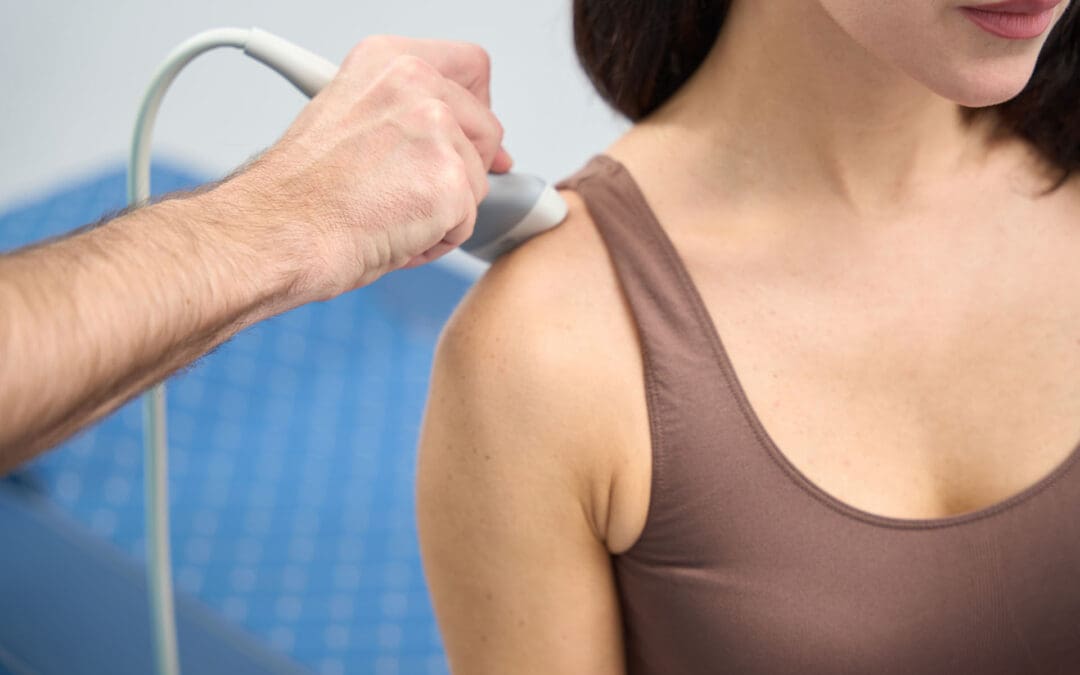
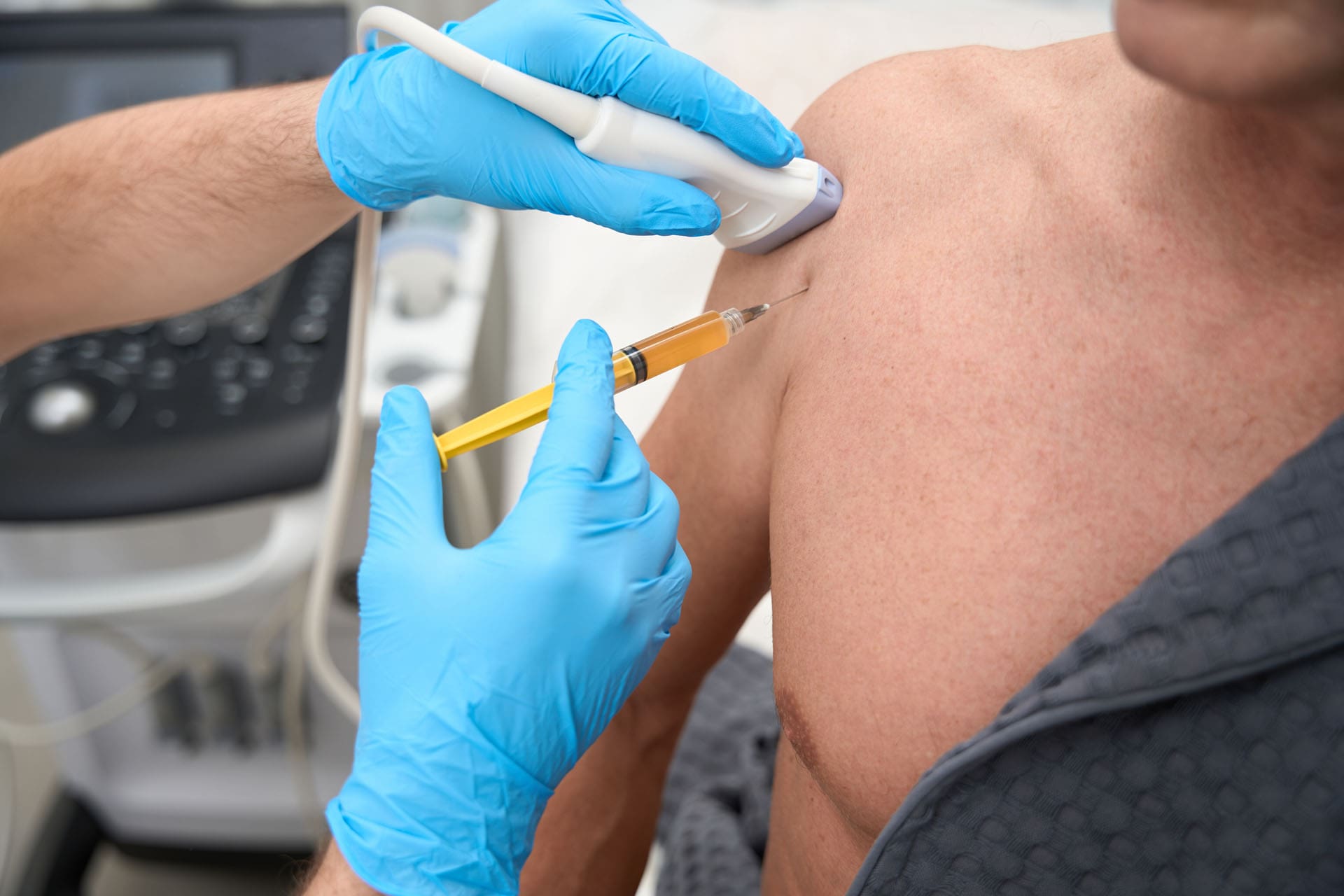
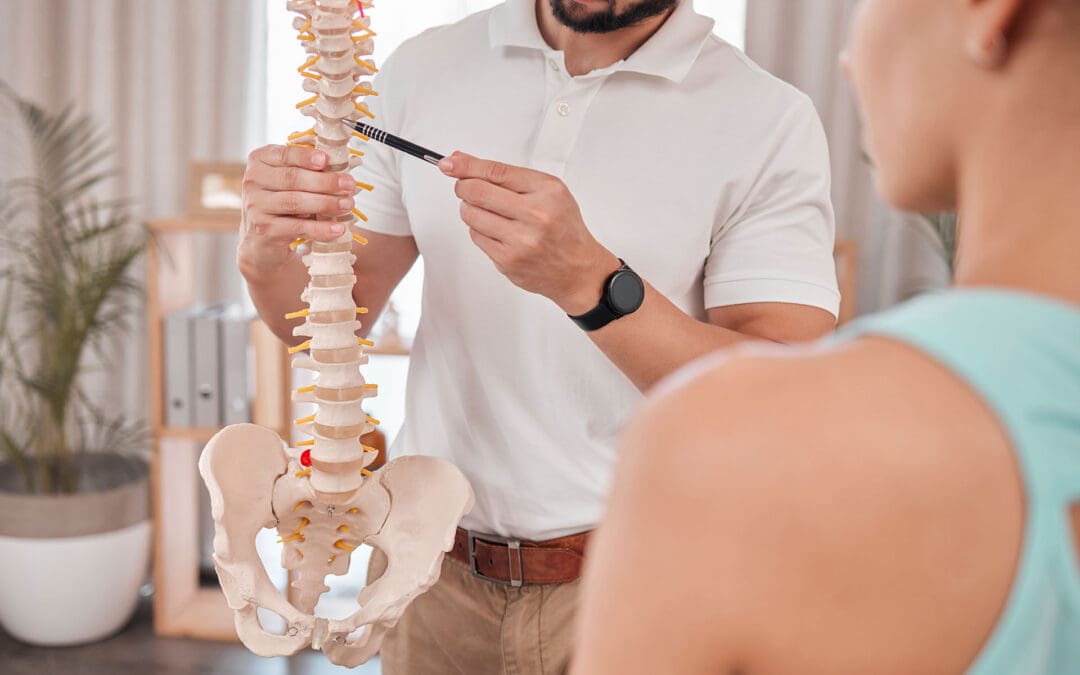
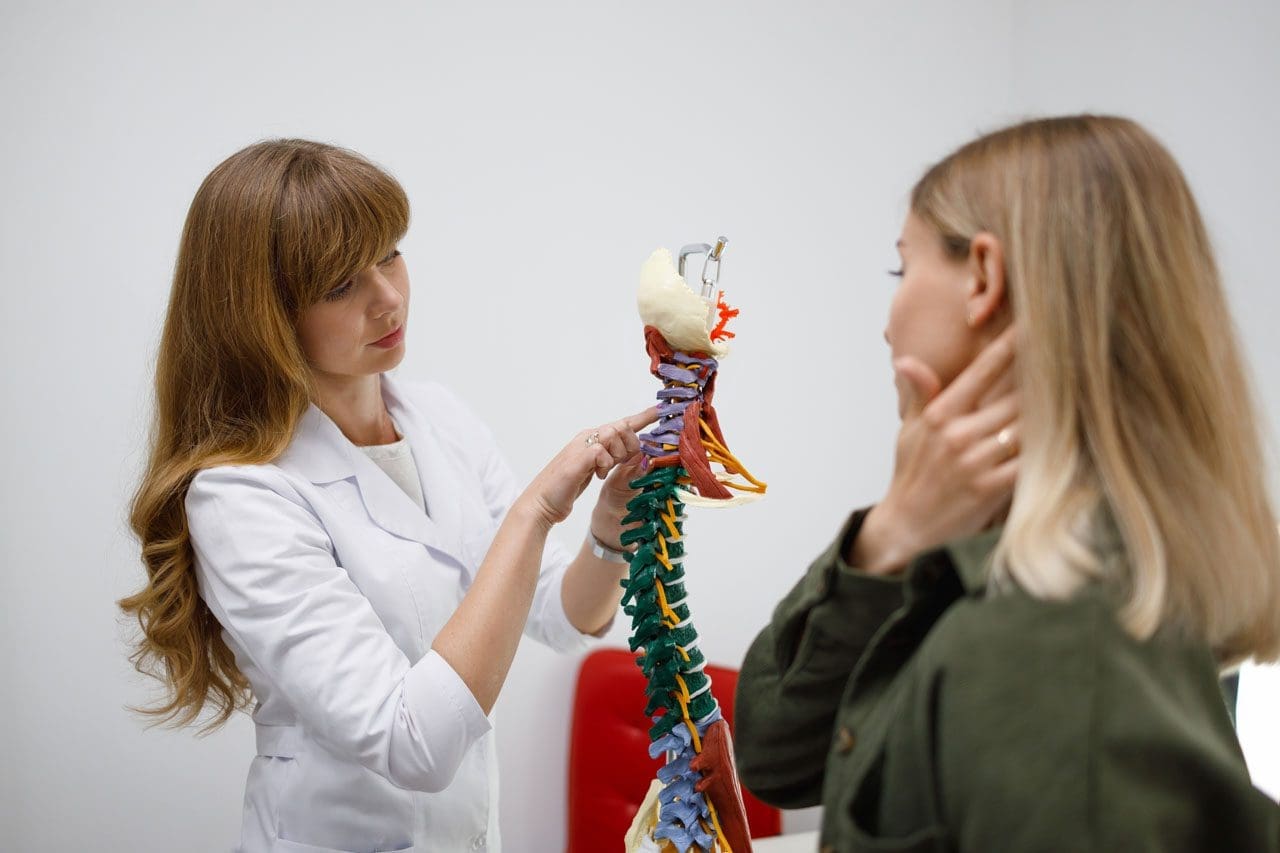
Back Clinic El Paso Chiropractic News. Dr. Jimenez brings various articles dealing with the local chiropractic community and what they are up to. Chiropractors are known for safely and effectively treating acute back and neck pain, as well as headaches. While a medical doctor might prescribe pain medicine, muscle relaxers, or anti-inflammatory drugs. Then an orthopedic doctor may suggest surgery, a chiropractor will treat your problems by hand, through manipulation of the spine.
Chiropractors bring the musculoskeletal structure into proper alignment. Chiropractors help to change the position of your body through proper pressure to particular points along the spine that is not properly aligned. This results in the all-familiar popping that people are used to. The noise is created from a change in pressure in your joints as gas bubbles are released. Adjusting the spine with their hands at particular pressure points, chiropractors can unblock nerve energy and allow it to flow in a much smoother way down your spine and throughout the entire body. Regular visits can realign your spine to optimize overall health. For answers to any questions you may have please call Dr. Jimenez at 915-850-0900
Reversing Severe Lumbago and Disc Compression from Amazon Fulfillment Shifts
Abstract: Severe low-back pain after fulfillment work or delivery routes can feel like a one-way road toward surgery. Yet many cases deserve a careful conservative evaluation first. This guide explains how repetitive bending, sorting, vehicle vibration, and lifting can aggravate lumbago and disc-related pain; where mechanical alignment and selected non-surgical decompression may fit; how medical oversight screens red flags; and how Amazon workers can use practical lifting limits to reduce repeat flares.
When a Shift Starts Loading the Lumbar Spine
A warehouse associate may begin a shift feeling stiff. Hours later, repeated low-bin reaches, package twisting, sorting, pallet work, or lifting away from the body can turn stiffness into severe lumbago. Delivery drivers add prolonged sitting, road vibration, repeated cabin exits, carrying, and awkward curbside lifts.
The problem is often cumulative. When the trunk bends and rotates while a load stays away from the body, spinal muscles must generate more force to control movement. Repetition can fatigue those tissues and degrade movement quality. NIOSH treats load weight, reach distance, vertical height, twisting, lifting frequency, duration, and grip quality as factors that change lifting risk (NIOSH, 2024).
That matters because “safe lifting” is not one universal number. A box manageable at waist height may be too demanding on the floor, far from the body, poorly gripped, or lifted repeatedly near the end of a long shift.
Why Pain Can Spike After the Shift
Symptoms may intensify after clocking out because fatigued muscles provide less support, sitting stiffens the hips, and irritated tissues remain sensitive after repeated loading. Delayed soreness doesn’t mean a disc suddenly worsened. Track which movements, loads, positions, and recovery habits consistently increase or decrease symptoms across workdays.
What “Disc Compression” Really Means
Between the lumbar vertebrae, intervertebral discs distribute load and allow movement. A disc is not a jelly doughnut that simply pops out and can be pushed back into place. It is a load-bearing structure with a fibrous outer ring and softer inner region. Repeated flexion, compression, rotation, aging, prior injury, and anatomy can contribute to disc changes.
Pain may come from several overlapping sources:
Irritated lumbar joints or surrounding soft tissues
Protective muscle spasm and reduced hip motion
Disc-related inflammation or mechanical sensitivity
A disc herniation that irritates a nerve root
Deconditioning after repeated pain episodes and activity avoidance
This is why a structural examination matters. The goal is to match symptoms with movement findings, neurologic testing, work demands, and imaging when indicated. Low-back guidelines support exercise, education, and selected manual or mobilization approaches as part of conservative care rather than a single passive treatment (George et al., 2021).
Step One: Restore Motion Without Forcing the Spine
At El Paso Back Clinic, targeted mechanical care begins with a practical question: which movements are limited, painful, unstable, or poorly coordinated?
One worker may have stiff hips that force repeated lumbar bending. Another may have painful lumbar joints that limit extension. A driver can show a different pattern after hours of seated flexion and vibration.
Chiropractic adjustments and non-thrust joint mobilization may improve mobility and reduce pain when the examination supports them. Guidelines report benefit from joint mobilization for many people with chronic low-back pain, including some with leg symptoms (George et al., 2021). Care should pair manual treatment with rehabilitation so improved motion becomes usable strength.
The Functional Target
The patient gains something measurable: easier standing, smoother walking, less guarded bending, better sleep positions, safer transitions from a delivery van, and more confidence handling daily tasks. Those functional gains matter more than trying to make every spinal image look “perfect.”
Step Two: Use Non-Surgical Decompression Carefully
Non-surgical spinal decompression is commonly described as controlled lumbar traction or unloading. The practical aim is to reduce mechanical stress temporarily and create a position in which painful tissues or irritated nerve roots may become less sensitive.
The evidence requires precision. A systematic review found short-term improvements in pain and disability when certain mechanical traction forms were added to treatment for lumbar radiculopathy, but study quality and results varied (Vanti et al., 2021). WHO guidance for chronic primary low-back pain advises against routine traction for most patients, so decompression should not become an automatic protocol for every painful back (World Health Organization, 2023).
For a selected patient, decompression may be one tool within movement retraining, strengthening, work modification, and medical evaluation. It should never be sold as a guaranteed way to “reinflate” a disc or permanently reverse degeneration.
Preventing Unnecessary Surgery Without Delaying Necessary Surgery
Avoiding surgery is valuable when recovery is safe with conservative care. Lumbar discectomy can be appropriate for selected patients, yet it still carries risks such as recurrent herniation, wound complications, dural tears, reoperation, and neurologic complications (Bombieri et al., 2022).
The safer message is not “never have surgery.” It is “earn the decision with the right evaluation.” Recent spine recommendations support surgery when conservative treatment fails and emphasize urgent or early surgery for cauda equina syndrome or progressive severe neurologic deficits (Costa et al., 2024).
Seek urgent assessment for new bowel or bladder dysfunction, saddle-region numbness, rapidly worsening leg weakness, or serious neurologic changes. Fever, major trauma, unexplained weight loss, or concern for infection, fracture, or cancer also deserves prompt review.
This is non-maleficence in practice: use the least invasive reasonable option when it is safe, but never let a desire to avoid surgery delay care for a true emergency.
Step Three: Set Proactive Lifting Limits
For Amazon associates, prevention must survive the workday. “Lift with your legs” is not enough.
Use these rules:
Bring the package close before standing up.
Turn with the feet instead of twisting under load.
Reduce load size when the object starts low, high, or far away.
Use team lifting or mechanical assistance for demanding or awkward items.
Break up repeated lifting when possible with task rotation or brief recovery periods.
Stop treating pain as a test of toughness; a changing neurologic symptom deserves evaluation.
The Revised NIOSH Lifting Equation is useful because it does not assume every worker should lift the same weight in every position. It calculates a recommended weight limit using task conditions and a lifting index that reflects physical demand. NIOSH recommends keeping the lifting index or composite lifting index at or below 1.0 when evaluating two-handed lifting tasks (NIOSH, 2024).
Integrated Oversight: Structure, Medicine, and Patient Choice
Dr. Alex Jimenez, DC, APRN, FNP-BC, CFMP, IFMCP, bridges chiropractic structural alignment, mechanical rehabilitation, and advanced medical diagnostics. He holds Texas Advanced Practice Nursing License #1191402, Prescriptive Authority #59628, and NPI #1205907805. His dual licensure lets the clinic coordinate musculoskeletal examination with broader medical assessment and appropriate advanced interventions.
Dr. Maria Guadalupe Cardenas, MD, is Board Certified in Internal Medicine, has more than 40 years of experience, and holds Texas Medical License #J2933 and NPI #1164426748. As Medical Director, Clinical Director, and Collaborative Physician at Injury Medical Clinic PA in El Paso, she provides internal medicine oversight, risk stratification, interpretation of indicated laboratory tests, and comorbidity coordination.
That collaboration supports beneficence: the plan centers on the patient’s best functional outcome. It supports non-maleficence by screening for medical risks before aggressive treatment and using non-invasive, drug-sparing options when appropriate. It also protects autonomy. Patients are taught what the examination shows, what each option can and cannot reasonably do, and when another specialist or their existing medical team should be involved.
A Better Goal Than “Toughing It Out”
Severe lumbago after warehouse or delivery work is not a character test. The goal is to interrupt the overload cycle before pain, guarding, deconditioning, and poor mechanics reinforce one another.
A conservative plan can include targeted joint care, selected decompression, progressive trunk and hip rehabilitation, work-specific lifting education, and medical oversight. The target is direct: more comfortable movement, safer lifting, better sleep, and the ability to work without organizing each day around the next flare.
Multidisciplinary Call to Action
If repeated bending, sorting, driving, or lifting causes severe low-back pain, start with a coordinated evaluation. El Paso Back Clinic can assess mechanical function, neurologic findings, lifting demands, and medical risks, then explain conservative options and when to refer. Bring your imaging, medication list, job demands, and questions. The final decision remains yours, supported by clear information and coordinated chiropractic and medical care.
Severe Low Back Pain in Amazon Fulfillment Workers: Epidural Injections, Spinal Decompression, and the Treatment Window
Abstract: Severe low back pain can turn a 10-hour fulfillment shift into a battle. Repeated low-bin reaching, standing, twisting, and handling can keep an irritated lumbar nerve from settling. This article explains a function-first strategy: “turn down the fire, then address the load.” When true lumbar radiculopathy is present, an appropriately selected epidural injection may reduce acute nerve inflammation enough to create a treatment window for nonsurgical spinal decompression, mechanical chiropractic care, rehabilitation, and safer work habits. The goal is not temporary numbness. It is restoring movement while addressing the forces that keep symptoms returning.
A picker starts the shift moving quickly: scan, reach, bend, pull, pivot, walk, repeat. By hour seven, a familiar ache becomes sharper. By hour ten, standing upright hurts, the leg may burn, and getting into the car feels harder than moving another tote.
NIOSH identifies heavy physical work, lifting, forceful movement, bending, twisting, and static postures as recognized risk factors for low-back musculoskeletal disorders (National Institute for Occupational Safety and Health [NIOSH], 2024). For fulfillment workers, the problem is cumulative exposure. Low bins encourage trunk flexion, rushed reaches add rotation, and long hours on concrete floors magnify fatigue. Once pain changes how you move, compensation can load the hips, pelvis, and opposite side of the back.
The Key Question: Is the Fire in the Back or the Nerve?
Not every severe backache needs an injection. The first step is to identify what is irritated.
Localized lumbar pain may come from muscles, joints, discs, or other structures. Radicular pain is different. It can occur when a lumbar nerve root becomes irritated or compressed and may produce:
Burning or electric pain into the buttock or leg
Numbness or tingling
Pain that travels below the knee
Weakness in the foot or leg
Symptoms that worsen with certain spinal positions, coughing, or straining
A careful examination should assess strength, reflexes, sensation, movement tolerance, nerve tension, gait, and symptom patterns. Imaging may be appropriate when findings suggest significant disc injury, persistent neurologic symptoms, trauma, or when results would change treatment.
New loss of bowel or bladder control, saddle numbness, rapidly worsening weakness, fever with severe back pain, or major trauma requires urgent medical evaluation. These symptoms are not ones you can just “work through.”
Turn Down the Fire, Then Fix the Load
Think of an irritated lumbar nerve like a fire alarm beside a hot engine. If inflammation is high enough, even small movements can trigger intense pain. The worker may stop bending normally, brace every step, sleep poorly, and avoid rehabilitation because almost everything hurts.
That is where the treatment-window concept matters.
For appropriately selected lumbar radiculopathy, an epidural corticosteroid injection can place anti-inflammatory medication near the affected nerve root. A 2025 American Academy of Neurology review found that epidural steroid injections probably reduce short-term pain and disability in radiculopathy, while long-term pain benefit remains uncertain (Armon et al., 2025).
In plain language: the injection is not rebuilding a disc or correcting lifting mechanics. It may turn down the inflammatory “fire” long enough to make useful movement possible.
That window matters when pain blocks progress. A worker who could not tolerate walking, traction, unloading, or stabilization may gain enough control to begin them.
What an Epidural Injection Can—and Cannot—Do
A properly indicated epidural may help:
Reduce acute radicular pain
Improve tolerance for walking and sleep
Make rehabilitation easier to participate in
Allow a graded return to mechanical treatment
Reduce reliance on passive coping alone
It does not guarantee permanent relief, prevent surgery in every case, or address occupational loading patterns on its own. The AAN review found insufficient evidence that epidural steroid injections reduce the eventual need for surgery (Armon et al., 2025).
There are also risks. The FDA notes rare but serious neurologic complications associated with epidural corticosteroid injections and states that corticosteroids are not FDA-approved specifically for epidural administration (U.S. Food and Drug Administration [FDA], 2014). That makes informed consent, patient selection, appropriate image guidance, and medical oversight essential.
Step Two: Use the Window for Nonsurgical Spinal Decompression
Once the fire is quieter, the next question is simple: what mechanical inputs can the spine tolerate now?
Here, “spinal decompression” means nonsurgical mechanical traction or distraction, not surgery. The goal is controlled lumbar unloading while monitoring symptoms and neurologic response.
Research on traction is encouraging for some lumbar disc herniation patients, but it is not one-size-fits-all. A 2025 systematic review found improvements across traction, exercise, and manipulation studies, while also reporting very high variability between protocols and patient groups (Thavarajasingam et al., 2025).
That is why decompression should be treated as a clinical tool, not a magic table.
During the treatment window, the clinician can look for useful signs:
Leg pain centralizes toward the back
Standing and walking tolerance improves
Numbness or tingling decreases
The patient can change positions with less guarding
Basic trunk and hip exercises become tolerable
If symptoms worsen, spread farther down the leg, or neurologic weakness progresses, reassess the plan.
Step Three: Fix the Load With Mechanical Chiropractic Care
Pain relief is valuable, but function is the finish line.
The picker or packer has to return to the same realities: low bins, repetitive handling, long walking routes, awkward reaches, and a clock that does not care whether the lumbar muscles are fatigued. Mechanical chiropractic care should therefore focus on restoring motion and controlling load, not simply chasing pain scores.
Care may include low-force mobilization, selected chiropractic adjustments, hip mobility, trunk endurance, graded lifting, nerve-mobility exercises, and conditioning. Aggressive manipulation is not automatically appropriate during a highly irritable radicular episode; treatment intensity should match neurologic findings and tolerance.
A useful return-to-function plan teaches the worker to:
Hinge through the hips instead of repeatedly rounding the lumbar spine
Bring the load closer before standing
Pivot with the feet instead of twisting while bent
Alternate positions when task design allows
Break large recovery goals into short movement exposures
Report progressive weakness or spreading numbness promptly
These habits support autonomy. The patient should understand what is being treated, why each step is being used, what alternatives exist, and what would change the plan.
Integrated Care: One Plan, Not Three Disconnected Treatments
Severe radicular pain often crosses professional lanes. That is where multidisciplinary care can improve coordination.
Dr. Alex Jimenez, DC, APRN, FNP-BC, CFMP, IFMCP, combines Doctor of Chiropractic care with board-certified family nurse practitioner authority and advanced practice nursing. Under collaborative medical oversight, his scope includes image-guided epidural spinal injections, structural chiropractic care, mechanical rehabilitation, and functional medicine support.
Dr. Maria Guadalupe Cardenas, MD, is board-certified in Internal Medicine, has more than 40 years of experience, and serves as Medical Director and collaborative physician at Injury Medical Clinic PA. Her role includes medical oversight, risk stratification, laboratory interpretation, and coordination of medical conditions that can affect recovery.
The benefit is sequence and communication: calm the nerve when indicated, restore tolerable motion, rebuild capacity, and coordinate with the patient’s existing medical team. That supports beneficence while respecting non-maleficence—using the least invasive reasonable options first when safe, without delaying surgical or emergency referral when neurologic findings demand it.
Your Treatment Window Should Lead Somewhere
An epidural injection should not become permission to ignore the same loading pattern until the pain returns. The window is valuable because it creates opportunity.
Use it to walk more normally.
Use it to sleep.
Use it to tolerate decompression or rehabilitation.
Use it to relearn bending, lifting, and bracing strategies.
Use it to build enough capacity that the next 10-hour shift is not simply another flare waiting to happen.
For an Amazon fulfillment worker with severe low back pain and leg symptoms, the goal is not to choose between “an injection” and “chiropractic.” The better question is whether each tool fits the diagnosis and timing.
Turn down the fire. Then fix the load.
If severe back pain, sciatica, numbness, or weakness is limiting your work or daily function, schedule a multidisciplinary evaluation at El Paso Back Clinic. A coordinated DC/APRN/FNP-BC and MD-guided plan can help determine whether you need urgent referral, an epidural treatment window, nonsurgical decompression, mechanical rehabilitation, or a different path entirely. You remain the informed decision-maker at every step.
Legal Peptides and Integrative Chiropractic Care: A Clear Guide
Abstract
This article explains legal peptide use in plain language. Legal peptide use means giving, making, or prescribing certain short chains of amino acids that regulatory bodies such as the Food and Drug Administration (FDA) have officially approved for medical use. Readers will learn how approved drugs differ from compounded products and research-only chemicals. The article then reviews the New Mexico Board of Nursing’s September 2026 peptide FAQs. It covers a valid patient-provider relationship, telehealth, advertising, nutrition, and muscle care. The last sections show how integrative chiropractors and nurse practitioners work together, and how Dr. Alexander Jimenez, DC, APRN, FNP-BC, and Dr. Maria Guadalupe Cardenas, MD, run that model at Injury Medical Clinic PA in El Paso.
What Legal Peptide Use Means
Peptides are short chains of amino acids. The body already makes many of them. They act like small messages that can change appetite, hormone release, inflammation, and tissue repair (Findlay, 2026; Vibrant Health of Colorado, 2026).
Legal peptide use means giving, making, or prescribing certain short chains of amino acids that regulatory bodies such as the Food and Drug Administration (FDA) have officially approved for medical use (Findlay, 2026; Peptide Laws, n.d.). In everyday terms, a peptide plan is safer when:
A regulator has officially approved that product for medical use.
A licensed clinician examines the patient and writes a prescription.
Any compounded version follows federal compounding law and state pharmacy rules.
The chart shows a reason, informed consent, and follow-up (ByrdAdatto, n.d.; LumaLex Law, n.d.).
Insulin, semaglutide, tirzepatide, tesamorelin, and bremelanotide (PT-141) are examples of peptides with FDA-approved products for specific conditions (Findlay, 2026; DJ Holt Law, 2026). Approval covers a product and its use. It does not make every similar vial on the internet legal.
Approved, Compounded, or Research-Only
FDA-approved medicines have finished clinical trials and manufacturing review. A clinician may use an approved drug off-label when science and judgment support that choice, but the product itself is still an approved drug (DJ Holt Law, 2026; ByrdAdatto, n.d.).
Compounded peptides are custom medicines made for one named patient when the law allows it. They are not FDA-approved. They may differ in formula, stability, and oversight (New Mexico Board of Nursing, 2026). After branded GLP-1 shortages eased, federal policy tightened around copies of those products (DJ Holt Law, 2026; Peptide Laws, n.d.).
Research-only chemicals are often sold as “not for human use.” Popular names include BPC-157, TB-500, and several growth-hormone secretagogues. That label does not make clinical use legal. The FDA treats marketing for human treatment as a drug claim (Findlay, 2026; LumaLex Law, n.d.). Status can also change as compounding committees review bulk substances (DJ Holt Law, 2026).
State boards rarely ban peptides as a whole class. They do ask whether the prescriber stayed in scope, did a real exam, and used a lawful pharmacy (Peptide Journal, 2026; ByrdAdatto, n.d.).
What the New Mexico Board of Nursing Said
In September 2026, the New Mexico Board of Nursing published clinical-practice FAQs on peptide therapies. The Board said the page is guidance, not a legal opinion, and it does not change the Nursing Practice Act (New Mexico Board of Nursing, 2026). The answers still give a clear map.
Key points include:
APRNs may prescribe compounded medicines within their population focus and prescriptive authority if they have the education and judgment to do so. The Board uses LACE: licensure, accreditation, certification, and education.
GLP-1 medicines are among the most watched peptides because they help and they carry risk.
A valid patient-provider relationship must exist before prescribing.
A compounded GLP-1 vial must stay patient-specific. It cannot be shared.
Pharmacies should be licensed and able to share sterility testing.
Patients must be told when a product is compounded rather than a brand-name FDA-approved drug.
Reckless prescribing—not peptide use alone—invites discipline (New Mexico Board of Nursing, 2026).
New Mexico grants nurse practitioners full practice authority. Texas generally requires a collaborating physician (Peptide Journal, 2026). The clinical standard still looks the same: exam, reason, consent, monitoring, and a clean pharmacy.
The Exam, Telehealth, and Honest Ads
The Board listed what should happen before GLP-1 or related peptide care starts (New Mexico Board of Nursing, 2026):
A health history and a review of current medicines
A check for higher-risk problems, such as family medullary thyroid cancer or MEN-2, pancreatitis, gallbladder disease, kidney disease, pregnancy plans, eating disorders, or frailty
A physical exam and baseline labs when they are needed
Consent that covers benefits, common side effects, serious risks, other options, how long care may last, lifestyle changes, and weight regain after stopping
A written plan and later checks of weight, nutrition, tolerance, and dose
Telehealth can be used when the standard of care is still met. A questionnaire alone is not enough. The prescriber must also be licensed in the state where the patient is located (New Mexico Board of Nursing, 2026). Ads must be truthful. Claims of guaranteed weight loss do not meet professional standards. The Federal Trade Commission watches those claims (New Mexico Board of Nursing, 2026). A med-spa name does not change the duty of the person who evaluates and prescribes.
Food and Muscle Still Come First
The Board was clear: medicine is not the whole treatment. Providers should counsel patients on protein, resistance exercise, lean-mass protection, vitamins, and long-term habits. Skipping that work can lead to muscle loss, frailty, and poor results after the drug stops (New Mexico Board of Nursing, 2026). Integrative clinics make the same point. Peptides work best when you address food, sleep, and movement (Nourish House Calls, n.d.; Evolution Integrative Medicine, n.d.).
How Integrative Chiropractic Care Fits
Teams of integrative chiropractors and nurse practitioners (NPs) work together in integrative medical offices. Most of the time, chiropractors do the manual therapies, biomechanics, and structural rehabilitation. Nurse practitioners, on the other hand, conduct clinical evaluations and have the medical authority to prescribe and oversee therapies (ProCredits, n.d.; Jimenez, 2026a). That split protects both the patient and the license.
Chiropractic care links to peptide treatment by making muscles and bones stronger:
Adjustments and mobilization restore joint motion and lower mechanical stress on nerves and soft tissue.
Better motion lets a person load a tendon, hip, or spine pattern with less guarding.
Rehab—easy isometrics, then controlled loading—tells muscle, tendon, and bone to remodel.
Protein-forward eating provides the building blocks those tissues need.
A legal metabolic peptide, when indicated, may help appetite, blood sugar, and body composition so rehab is easier to finish.
Any tissue-support peptide is an add-on to loading, not a replacement for it (El Paso Back Clinic, n.d.; Gruber Chiropractic, n.d.).
Dr. Jimenez has written that peptides should not be sold as a shortcut to grow cartilage, discs, or ligaments. Food cannot unlock a stuck joint. An adjustment cannot replace protein. Each tool has a job (Jimenez, 2026a).
The El Paso Team: Dr. Jimenez and Dr. Cardenas
Injury Medical Clinic PA in El Paso shows how those roles work in daily care. Dr. Alexander Jimenez, DC, APRN, FNP-BC, CCST, CFMP, IFMCP, ATN, is a dual-licensed chiropractor and board-certified family nurse practitioner. He leads conservative care, rehabilitation, functional medicine, and personal-injury documentation (Jimenez, n.d.).
Dr. Maria Guadalupe Cardenas, MD, is board-certified in internal medicine (NPI #1164426749; Texas MD License #J2933). With more than 40 years of experience as an internist, she serves as medical director and collaborative physician. This multidisciplinary setup is common in integrative or injury clinics, where an MD provides medical direction alongside a chiropractor. The team integrates chiropractic care from Dr. Jimenez with medical oversight by Dr. Cardenas, plus functional medicine, personal injury care, rehabilitation, and related services (Jimenez, n.d.; El Paso Back Clinic, n.d.).
A simple path for crash, sports, or chronic back pain recovery looks like this:
Map the problem with history, exam, and movement testing.
Restore motion with chiropractic and soft-tissue care.
Rebuild muscle and bone loading with graded rehab.
Address nutrition and metabolic gaps.
Add a legal, patient-specific peptide only after the reason, labs, and consent are on the chart.
Clinical Observations on Strength and Recovery
Clinical observations shared by Dr. Jimenez describe peptides as possible signaling helpers, not magic. Progress often looks better when spinal care is paired with inflammation control, body-weight support, protein intake, and sleep (Jimenez, 2026a; El Paso Back Clinic, n.d.). Other clinics describe peptides for recovery, metabolism, gut integrity, sleep, and connective tissue (New Life Physicians, n.d.; RevitalIV, n.d.). Those descriptions are not the same as FDA approval. Patients should ask which product is approved, which is compounded for them alone, and which is still experimental.
Questions to Ask Before Starting
Before any peptide begins, ask four plain questions:
Is this an FDA-approved product or a compounded one?
Who is the licensed prescriber, and which state does the patient live in?
What exam, labs, and follow-up will I receive?
How will chiropractic care, exercise, and nutrition work with the medicine?
Boards expect those answers in the record (New Mexico Board of Nursing, 2026; ByrdAdatto, n.d.). Legal peptide use is a medical act. Integrative chiropractic care is a movement and strength act. When a clinic keeps both lines clear, patients build stronger muscles and bones—and, when appropriate, receive carefully chosen peptide support without a gray-market detour.
Clinical Walkthrough: Ultrasound-Guided Hydrodissection for Radial Tunnel Pain
Abstract
In this educational post, I present a clear, evidence-based walkthrough of ultrasound-guided hydrodissection for radial tunnel–related lateral elbow pain, grounded in modern musculoskeletal research and my clinical observations.
I explain why patients with forearm-burning pain aggravated by pronation and supination often benefit from targeted nerve hydrodissection, how we safely perform perineural injections under ultrasound guidance, and where integrative chiropractic care and rehabilitation accelerate functional recovery.
I also describe our multidisciplinary workflow at Injury Medical Clinic PA (Mission Plaza Injury Medical Clinic) in El Paso, Texas, where I collaborate with Dr. Maria Guadalupe Cardenas, MD, to combine medical oversight with integrative chiropractic, functional rehabilitation, and personal injury care.
My focus here is on chiropractic and physical therapy–driven strategies, using medications and hormones only as background support when necessary.
By the end, you will understand the physiologic rationale for hydrodissection, how it reduces nerve irritation and restores movement, and how a coordinated plan supports lasting outcomes.
Hydrodissection For Radial Tunnel–Related Lateral Elbow Pain: A First-Person Clinical Walkthrough
As Dr. Alex Jimenez, DC, APRN, FNP-BC, CFMP, IFMCP, ATN, CCST, I routinely evaluate persistent lateral elbow and dorsal forearm pain—especially when classic “tennis elbow” does not fit the picture. When a patient reports a dull, burning discomfort in the dorsum of the forearm, worsened by pronation and supination, and tenderness is distal to the lateral epicondyle, I consider involvement of the deep branch of the radial nerve (posterior interosseous nerve) near the radial tunnel and the arcade of Frohse over the supinator muscle.
In the case described below, the patient experienced more than six months of pain. A 1 mL lidocaine test injection delivered to the vicinity of the radial nerve temporarily improved symptoms, corroborating a nerve-entrapment pain generator. From there, we proceeded with ultrasound-guided hydrodissection—a perineural technique using carefully controlled fluid volumes to free and “float” the nerve away from surrounding fascial planes, adhesions, and compressive interfaces.
Why Hydrodissection? Physiologic Rationale And Evidence
Entrapment physiology:
The radial tunnel is a tight anatomical corridor where fascial thickening, muscle hypertonicity, or micro-adhesions can compress the deep branch of the radial nerve.
This compression causes ischemia, mechanical deformation, and neurogenic inflammation—manifesting as burning pain, weakness in wrist or finger extension, and symptom provocation with forearm rotation.
Perineural hydrodissection mechanism:
Using ultrasound guidance, a needle is advanced to the perineural plane—never intraneural—and small, pulsed injections of fluid are delivered circumferentially.
The fluid creates a “halo” effect around the nerve, gently separating it from tight fascial envelopes and adjacent tissues, reducing local mechanical stress and improving microvascular perfusion.
The result is decreased nociceptor activation, improved axoplasmic flow, and the potential restoration of normal neurodynamics during movement (Brown et al., 2022; Cass et al., 2021).
Evidence-based insight:
Ultrasound-guided perineural hydrodissection has been studied in peripheral nerve entrapments, showing favorable short- and mid-term outcomes, especially when combined with rehabilitation to address root causes and movement patterns (Wu et al., 2017; Lam et al., 2021).
The superiority of ultrasound guidance lies in precise needle visualization, reduced risk of intraneural placement, and real-time confirmation of fluid spread (Özçakar et al., 2018).
Clinical Orientation: What I See On Ultrasound
Landmarks:
Brachioradialis lies superficially and laterally; the supinator wraps around the proximal radius; the deep branch of the radial nerve courses between them, just proximal to the arcade of Frohse.
The neurovascular bundle is identified between the brachioradialis and supinator, with the nerve appearing as a honeycomb structure in short axis.
Approach:
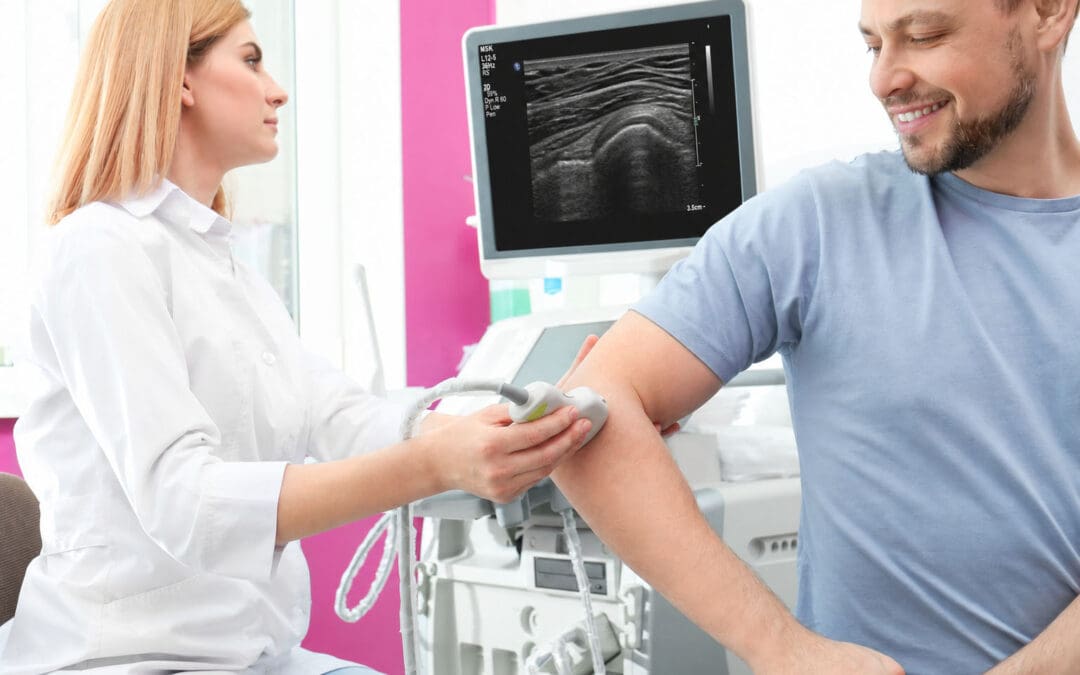
I position a linear ultrasound probe for a short-axis view of the deep branch of the radial nerve.
Using an in-plane technique, I introduce a fine needle (often a 25-gauge) under ultrasound visualization, advancing through the brachioradialis toward the perineural space around the nerve.
Confirmation:
I watch for muscle twitching when passing through contractile tissue—expected and typically benign—and constantly verify needle-tip location relative to the nerve.
The target is the perineural plane. We avoid the nerve fascicles themselves. The goal is a circumferential fluid halo that elevates and frees the nerve from adhered tissue.
Step-By-Step Hydrodissection: Perineural, Not Intraneural
Preparation and safety:
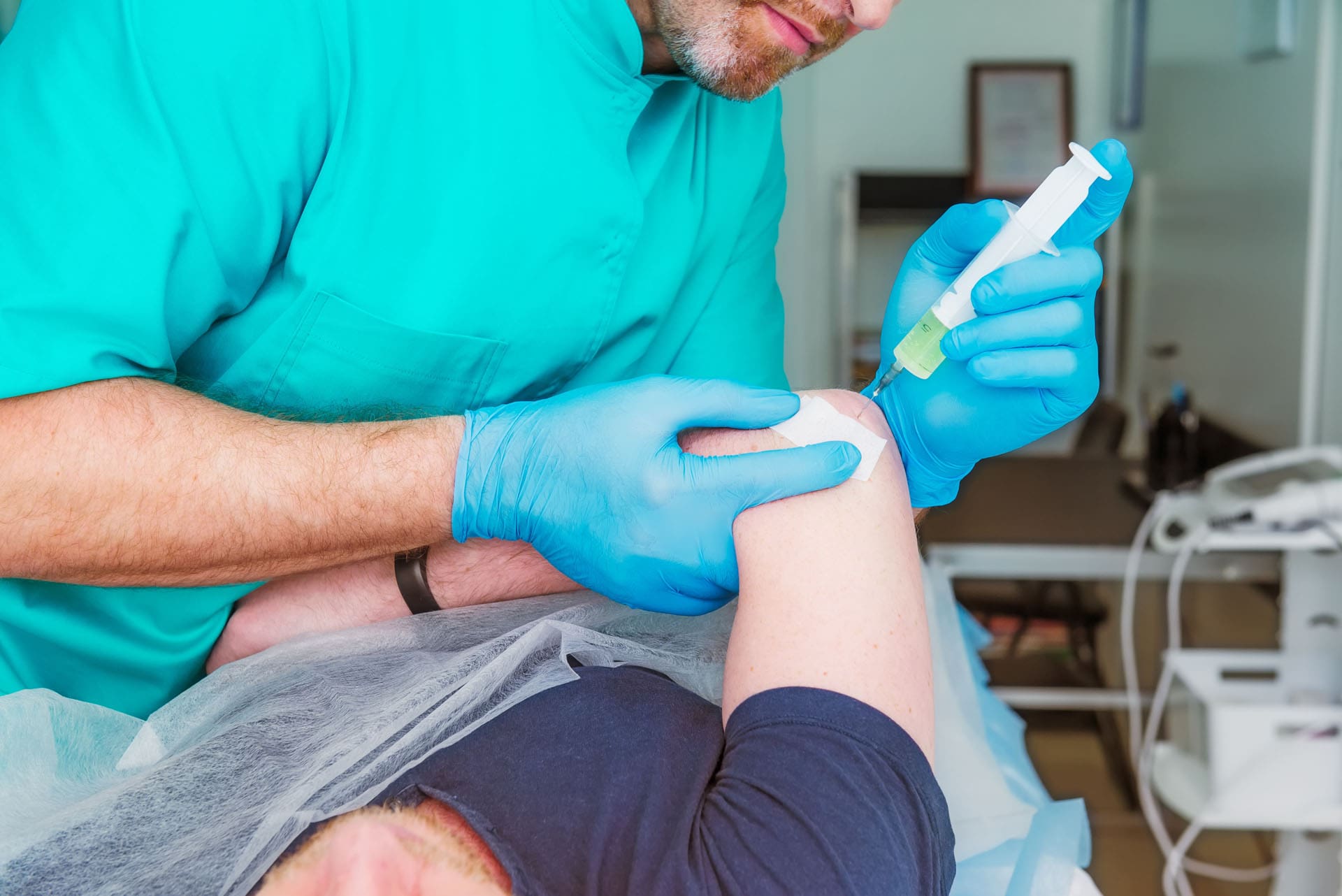
Anesthetize the skin with a cold spray or local infiltration.
Strict sterile technique with probe cover and sterile gel.
Real-time ultrasound ensures continuous visualization of the needle path and the nerve.
We check for prior response to diagnostic local anesthetic—useful for confirming the pain generator.
Needle movement and fluid delivery:
I make very small, subtle adjustments of the needle tip while keeping the ultrasound beam aligned.
I pulse small aliquots of fluid—often lidocaine with a minute dose of corticosteroid or buffered saline—to create gentle blunt dissection around the nerve.
I rotate the needle around the nerve’s perimeter (above, lateral, and below) to complete the halo, avoiding direct nerve penetration.
Why these choices?
Lidocaine provides immediate analgesia, facilitating comfortable movement post-procedure.
A small corticosteroid component may reduce perineural inflammation for several weeks, giving tissue time to remodel and patients time to implement corrective rehabilitation (Chang et al., 2019).
The hydrodissection itself is the primary mechanical solution—releasing entrapment and normalizing glide.
Integrative Chiropractic Care: How We Restore Function After Hydrodissection
Hydrodissection relieves the mechanical compression, but patients achieve durable results when we address biomechanics and neuromuscular control. At El Paso’s Injury Medical Clinic PA (Mission Plaza Injury Medical Clinic), I integrate chiropractic, functional rehabilitation, and physical therapy to correct movement patterns that feed radial tunnel stress.
Chiropractic neuro-biomechanical assessment:
I evaluate cervical and thoracic alignment, scapular mechanics, first rib mobility, and radial head mechanics.
Dysfunctions at the cervical spine (particularly C5–C7) can alter motor patterns through the radial nerve distribution; thoracic stiffness can disrupt scapulothoracic rhythm, increasing demand on forearm musculature.
Specific chiropractic techniques and reasoning:
Radial head mobilization: Restores proximal radio-ulnar mechanics, reducing supinator strain on the deep radial nerve during pronation-supination cycles.
Cervical and thoracic adjustments: Improve segmental mobility, reduce aberrant muscle guarding, and normalize descending motor control—beneficial for forearm extensor loading.
First rib and scapular mobilization: Optimizes scapular upward rotation and reduces compensatory forearm overuse.
Physical therapy integration:
Nerve gliding for the radial nerve: Gentle, pain-free sliders that encourage normal neural excursion and reduce post-procedure adhesiogenesis. We avoid aggressive tensioners early to protect the perineural interface (Shacklock, 2005).
Isometric extensor loading: Early-stage isometrics reduce pain via central modulation and prepare tissues for progressive strengthening.
Eccentric-concentric forearm training: Targets extensor carpi radialis brevis/longus and supinator-pronator balance, gradually building resilience.
Proprioceptive and motor control drills: Wrist stabilization, scapular setting, and kinetic chain integration to reduce forearm overload during work or sport.
Soft tissue and myofascial methods:
Instrument-assisted soft tissue mobilization and precise myofascial release around the supinator-brachioradialis interval can complement hydrodissection by promoting glide and lymphatic flow.
Dry needling may be considered for myofascial trigger points, performed conservatively to avoid nerve irritation.
Medical Oversight With Dr. Maria Guadalupe Cardenas, MD: Safety And Coordination
Our multidisciplinary clinic benefits from the seasoned medical direction of Dr. Maria Guadalupe Cardenas, MD (Board Certified in Internal Medicine, NPI #1164426749, Texas MD License #J2933), who has practiced internal medicine for over 40 years. She collaborates with me across personal injury, musculoskeletal pain, and functional recovery settings.
Role of medical oversight:
Ensures patient selection, contraindication screening (e.g., bleeding disorders, anticoagulant use, active infection), and medically appropriate use of local anesthetics and corticosteroids during hydrodissection.
Coordinates diagnostic frameworks and follow-up schedules, including consideration of imaging if atypical features emerge (e.g., profound weakness suggesting true posterior interosseous nerve palsy).
Provides backup strategies for complex cases where systemic factors—like diabetes or inflammatory conditions—increase neuropathic vulnerability.
Why this matters:
Interprofessional collaboration increases procedural safety and supports evidence-based care—from diagnosis to post-procedure rehabilitation—while keeping medication and hormonal therapy in the background unless clearly indicated for comorbidities.
Functional Medicine In Context: Keeping It Focused On Movement
Although my credentials include advanced functional medicine training, at El Paso Back Clinic we focus on movement-based solutions and reserve metabolic or hormonal interventions for select cases. Where appropriate:
We may recommend anti-inflammatory nutrition basics to support tissue healing.
We prioritize sleep optimization, stress modulation, and graded activity, all shown to affect pain perception and recovery trajectories (Clarke et al., 2023).
Supplements, if used, are adjuncts—not replacements—for chiropractic and physical therapy.
Personal Injury Care: Documentation And Recovery Pathways
In personal injury cases, clear causation and precise documentation are crucial:
High-resolution ultrasound documentation of nerve appearance, surrounding fascial tightness, and fluid spread during hydrodissection.
Objective measures: Grip strength, dynamometry, range-of-motion in pronation-supination, and functional tests tied to occupational demands.
Return-to-work plans: Staged exposure with ergonomic coaching and task modifications to prevent recurrence.
My Clinical Observations: What Patients Experience And Why
Drawing from years of care at El Paso Back Clinic and my clinical notes shared via our platforms, including our website and professional profiles:
Patients with dorsal forearm burning pain often report rapid reduction in symptoms after hydrodissection, particularly when the fluid halo is well established and the radial tunnel is decompressed.
Those who adhere to nerve glides, proximal kinetic chain correction, and graded strengthening experience more durable outcomes.
When cervical or scapular mechanics are neglected, symptoms tend to creep back during high-repetition tasks. Addressing the whole chain prevents over-reliance on the forearm extensors.
Safety Considerations And How We Minimize Risk
Perineural, not intraneural: We never inject directly into the nerve fascicles; ultrasound confirms placement.
Conservative volumes: Adequate to create separation without excessive tissue pressure.
Real-time visualization: The needle tip is visible throughout the procedure; we observe and respect tissue twitch.
Post-procedure monitoring: We encourage gentle movement the same day to promote neural glide and reduce stiffness. We advise patients on transient numbness from lidocaine and set expectations for gradual improvement over days to weeks.
When Hydrodissection Is Appropriate—And When It’s Not
Appropriate when:
Pain localizes distally in the dorsal forearm, worse with rotation, and examination indicates radial tunnel irritation.
The patient demonstrates temporary relief with a diagnostic local anesthetic block.
There is no frank motor deficit suggesting a complete posterior interosseous nerve palsy requiring surgical evaluation.
Consider alternatives or adjuncts when:
Pure lateral epicondylitis without nerve involvement is present—then tendinopathy protocols dominate the plan (eccentric loading, manual therapy).
Systemic neuropathies or inflammatory arthropathies are the primary drivers—then medical and rheumatologic collaboration guides care.
Putting It All Together: A Patient-Centered Care Pathway
Initial visit:
Thorough history, functional assessment, and targeted ultrasound of the radial tunnel.
Rule in nerve involvement with examination maneuvers and consider a small test lidocaine injection.
Procedure day:
Ultrasound-guided perineural hydrodissection using a fine needle and pulsed fluid delivery.
Immediate post-procedure instructions: gentle range of motion; avoid aggressive loading on day one.
Rehabilitation phase:
Begin radial nerve sliders, isometric extensor work, and scapular posture drills.
Progress to eccentric-concentric strengthening and functional task replication.
Maintenance:
Address workstation ergonomics, grip variation strategies, and sport technique refinements.
Periodic rechecks to ensure sustained neurodynamics and joint mechanics.
Summary
Today’s post provides a transparent, first-person account of how I identify and treat radial tunnel–related lateral elbow pain using ultrasound-guided hydrodissection, followed by integrative chiropractic and physical therapy. The core physiologic goals are to reduce perineural compression, normalize nerve glide, and retrain movement patterns across the kinetic chain. With medical oversight by Dr. Maria Guadalupe Cardenas, MD, we execute a safe, coordinated plan that emphasizes manual care, exercise therapy, and patient education—keeping medications and hormones in the background unless clinically necessary. This integrated approach delivers rapid symptom relief and durable function for forearm-burning pain aggravated by pronation and supination.
Key Takeaways
Hydrodissection creates a perineural fluid halo that frees the deep branch of the radial nerve in the radial tunnel.
Ultrasound guidance improves safety and precision and confirms fluid spread.
Integrative chiropractic and physical therapy restore biomechanics, ensuring durable results.
Medical oversight ensures appropriate selection, safety, and follow-up, especially in complex cases.
Barbotage for Calcific Tendinopathy Relief in El Paso
Abstract
In this educational post, I will explore the advanced, ultrasound-guided procedure known as barbotage, a highly effective treatment for the often debilitating pain caused by calcific tendinopathy. We will journey through the physiological basis of this condition, detailing what happens when calcium deposits form within tendons, most commonly in the shoulder’s rotator cuff. I will explain the meticulous techniques involved in barbotage, including both single-needle and double-needle approaches, and share insights from leading researchers to illustrate the procedure in action.
Furthermore, I will connect this advanced intervention to our integrative care model, explaining how chiropractic care, rehabilitation, and medical oversight work in concert to restore function, alleviate pain, and promote long-term musculoskeletal health. This post is designed to provide patients and practitioners with a clear, evidence-based understanding of how we target and resolve calcific tendinopathy using modern, minimally invasive methods.
As a practitioner with a diverse background spanning chiropractic, advanced practice nursing, and functional medicine, I am driven to pursue the most effective, evidence-based treatments for my patients. My goal is to bridge gaps between medical disciplines to create a cohesive, powerful treatment plan. Today, I want to share insights on a sophisticated technique that exemplifies this integrative approach: ultrasound-guided barbotage for calcific tendinopathy. Drawing from the work of leading experts in the field, I aim to demystify this procedure and show how it fits into a comprehensive strategy for musculoskeletal recovery.
At our practice, Injury Medical Clinic, this philosophy is at the core of everything we do. Under the medical direction of Dr. Maria Guadalupe Cardenas, a seasoned internist, our team provides a distinctive combination of care. We integrate the diagnostic and therapeutic skills of internal medicine with the hands-on, biomechanical focus of chiropractic, functional medicine, and targeted rehabilitation. This multidisciplinary framework allows us to address conditions like calcific tendinopathy not just as isolated issues, but as part of a whole-person health picture. While we may utilize advanced procedures like barbotage, our primary focus remains on restoring function through conservative means like chiropractic adjustments and physical therapy, using medical interventions as a powerful adjunct when necessary.
Understanding Calcific Tendinopathy: When Calcium Invades Tendons
Before we get into the procedure itself, it’s crucial to understand the condition it treats. Calcific tendinopathy is a disorder characterized by the deposition of calcium hydroxyapatite crystals within a tendon. While it can occur in various locations, such as the patellar tendon in the knee or the gluteus medius tendon in the hip, it is most commonly diagnosed in the rotator cuff tendons, particularly the supraspinatus tendon.
Physiologically, this isn’t just a simple calcium buildup. The process is believed to occur in distinct phases:
Pre-calcific Stage: This is a silent phase where cellular changes occur within the tendon, creating an environment ripe for calcification. The tissue undergoes a metaplastic transformation in which tendon cells (tenocytes) change into cartilage-producing cells (chondrocytes).
Formative Phase: During this stage, the chondrocytes begin to produce a matrix that then calcifies. Calcium crystals are deposited, forming chalky, non-inflammatory deposits within the tendon fibers. These deposits can be hard and well-defined.
Resorptive Phase: This is often the most painful phase. The body initiates an inflammatory response to reabsorb the calcium. Phagocytic cells, like macrophages, are recruited to the site to “eat away” at the deposit. The deposit becomes softer and more paste-like, and increased pressure and inflammation within the tendon can cause severe, acute pain.
Post-calcific Stage: Once the calcium is resorbed, the space is filled with granulation tissue, which eventually remodels into new tendon tissue.
The pain associated with calcific tendinopathy is not from the calcium itself, but from the mechanical pressure it creates within the tendon and the intense inflammatory reaction during the resorptive phase. Ultrasound can visualize these deposits with stunning clarity: bright, hyperechoic structures that cast a dark acoustic shadow behind them. This shadow is a key diagnostic marker, as it signifies a dense object blocking ultrasound waves from penetrating deeper.
Barbotage: A Precision-Guided Solution
Barbotage, a French term meaning “to bubble” or “to splash,” is an elegant and precise procedure designed to physically break down and aspirate these calcium deposits under real-time ultrasound guidance. The goal is to decompress the tendon, alleviate the inflammatory pressure, and accelerate the body’s natural healing process.
The technique involves repeatedly injecting a solution (typically saline) into the deposit and then aspirating the resulting calcium-laden fluid. Insights and video demonstrations from my colleague, Dr. Nate Nye, offer an exceptional window into how this procedure is performed with meticulous care.
The Tools and Techniques of Barbotage
Two primary methods exist for performing barbotage, each with its advantages.
Two-Needle Technique:
The first needle is inserted into the lower part of the calcium deposit.
A second needle is inserted parallel and just above the first, creating a “washing circuit.”
Saline, often warmed to improve efficacy, is injected through one needle to dissolve the deposit.
The pressure from the injection forces the liquefied, milky calcium out through the second needle and into a collection syringe.
This continuous flushing allows for efficient, complete evacuation of softer deposits.
Single-Needle Technique:
A single, slightly larger gauge needle is inserted directly into the calcium deposit.
The clinician alternates between injecting a small amount of saline to liquefy the calcium and aspirating to draw the mixture back into the same syringe.
This method is often combined with fenestration, which involves repeatedly puncturing the deposit with the needle tip to mechanically break up harder, more consolidated calcifications.
The choice between these techniques often depends on the consistency of the calcium. Soft, paste-like deposits are ideal for aspiration, and you can see the satisfying return of a chalky, white fluid into the syringe. Hard, rock-like deposits, however, may not yield much fluid. In these cases, the primary therapeutic action comes from the fenestration, which breaks the deposit into smaller fragments that the body can then more easily reabsorb over time.
A Step-by-Step Look at an Ultrasound-Guided Barbotage Procedure
Let’s walk through the procedure as demonstrated by Dr. Nye, which showcases the single-needle technique. This narrative provides a clear picture of the precision and care required.
Step 1: Preparation and Sterile Field
The foundation of any successful invasive procedure is impeccable preparation. The patient is positioned to optimally expose the rotator cuff, often with their arm placed behind their back. The skin is thoroughly cleaned with an antiseptic like chlorhexidine, and a sterile field is established. The ultrasound probe itself is covered with a sterile sheath, and sterile gel is used to ensure a clean interface and clear imaging.
Step 2: Anesthetizing the Pathway
Patient comfort is paramount. Before the main procedure, a local anesthetic (like lidocaine) is injected. Using ultrasound guidance, the needle is tracked in real time as it advances through the skin, subcutaneous tissue, and deltoid muscle. The anesthetic is carefully deposited in the subacromial bursa—the space above the rotator cuff—and along the planned needle trajectory. This not only numbs the area but also helps to hydro-dissect tissues, creating a clearer path for the subsequent needle.
Step 3: Targeting and Fenestrating the Deposit
With the area anesthetized, the main procedure begins. A new, slightly larger needle is introduced along the same track. The clinician meticulously guides the needle tip directly into the heart of the calcific deposit, which is clearly visible on the ultrasound screen.
Here, the mechanical work starts. The clinician performs fenestration, repeatedly puncturing and breaking up the deposit with the needle. Dr. Nye’s technique demonstrates a crucial point: he moves the ultrasound probe to view the deposit from both a long-axis and short-axis perspective. This ensures a thorough, three-dimensional breakdown of the entire calcification, not just one plane. As he fenestrates, he injects saline to help dissolve the calcium and create a slurry.
Step 4: Aspiration and Lavage
Throughout the fenestration process, the clinician periodically pulls back on the syringe plunger to aspirate. If the deposit is soft, a milky, calcium-rich fluid will be drawn into the syringe. This process of injecting and aspirating—the “barbotage” itself—is repeated until no more calcium can be withdrawn. Even if little calcium is returned, the mechanical disruption and flushing are highly therapeutic. A key observation during this phase is the change in the ultrasound image. As the dense calcium is broken up, the dark acoustic shadow behind it begins to diminish, indicating that the ultrasound beam can now penetrate deeper. This is a real-time sign of a successful procedure.
Following the barbotage, it is common practice to perform a subacromial corticosteroid injection. After the mechanical irritation of the procedure, a reactive bursitis or inflammatory flare-up can occur. Injecting a small amount of a corticosteroid (like Kenalog) mixed with lidocaine into the bursa helps to preemptively manage this inflammation, significantly improving post-procedure comfort and facilitating a smoother recovery.
The Role of Integrative Chiropractic Care in Recovery
While barbotage is a powerful intervention for the calcific deposit itself, it does not exist in a vacuum. True and lasting recovery requires addressing the underlying biomechanical issues that may have contributed to the tendon pathology in the first place. This is where our integrative care model truly shines.
At our clinic, we manage patients undergoing such a procedure holistically. As a Doctor of Chiropractic and advanced practice provider, I can oversee both the biomechanical and medical aspects of their care.
Chiropractic and Biomechanical Assessment: Why did this patient develop calcific tendinopathy? Often, the answer lies in faulty movement patterns, poor posture, or instability in the shoulder girdle. As a chiropractor, I perform a detailed assessment of the cervical and thoracic spine, scapular (shoulder blade) mechanics, and overall shoulder joint function. Spinal misalignments, particularly in the neck and upper back, can alter nerve function and affect shoulder muscle control, leading to chronic impingement and tendon stress.
Targeted Chiropractic Adjustments: Gentle, specific chiropractic adjustments restore proper motion to the spine and shoulder complex. By improving joint mechanics and reducing nerve interference, we can create a better environment for the rotator cuff to function without abnormal stress, reducing the risk of recurrence.
Soft Tissue and Rehabilitation Protocols: Following a procedure like barbotage, a structured rehabilitation program is essential. Our team guides patients through exercises designed to:
Restore Range of Motion: Gentle, pain-free movements to prevent stiffness.
Strengthen the Rotator Cuff and Scapular Stabilizers: A progressive program to rebuild strength and endurance in the muscles that support the shoulder. This is critical for preventing future impingement and tendon overload.
Improve Posture and Movement Patterns: We re-educate the patient on proper ergonomics for daily activities, work, and exercise to eliminate the root causes of the initial injury.
This comprehensive approach ensures that we are not just removing the calcium deposit; we are rebuilding a stronger, more resilient shoulder. Dr. Cardenas’s medical oversight ensures all treatments are performed safely and appropriately, with careful consideration of the patient’s overall health, while my chiropractic and functional medicine expertise focuses on restoring optimal function and preventing future problems. This synergy between advanced medical procedures and foundational chiropractic and rehabilitative care leads to the best possible outcomes for our patients.
References
O’Connor, F. (n.d.). Barbotage Technique. [Video demonstration and description within presentation]. As referenced in McNabb, J. W. (Ed.). Textbook on musculoskeletal ultrasound.
Nye, N. (n.d.). Ultrasound-Guided Barbotage of Calcific Tendinopathy. [Video demonstration].
When to Seek a Second Opinion for Complex Spinal Joint and Nerve Pain in El Paso, Texas
Abstract
Complex spinal joint and nerve pain is long-lasting discomfort that comes from more than one spinal structure at the same time. Wear, injury, or pressure can affect the bones, facet joints, discs, and nearby nerve roots at the same time. That overlap is why a single pill, a short course of physical therapy, or one injection often fails to bring lasting relief. This article explains what the condition is, how nerve pain differs from joint pain, and when people in El Paso, Texas, should seek a second opinion. It also shows how integrative chiropractic care can work with medical oversight and combined therapies such as shockwave therapy, MLS laser therapy, IV infusion therapy, PRP, PFP, MFAT, and epidural spinal injections. The goal is a clear path toward better movement and less daily pain.
What Is Complex Spinal Joint and Nerve Pain?
Complex spinal joint and nerve pain is chronic discomfort caused by overlapping damage, wear, or pressure on the vertebrae, facet joints, discs, and surrounding nerve roots in the spine.
The spine is a stack of bones called vertebrae. Between most of those bones sit discs that act like cushions. Small joints on the back of the spine, called facet joints, help you bend and twist. Nerve roots leave the spinal canal through narrow openings and travel into the arms or legs. When more than one of these parts is irritated at the same time, pain can feel mixed, confusing, and hard to treat.
Spine problems often involve the vertebrae, discs, nerves, and nearby muscles together. That mix can cause back or neck pain, stiffness, limited motion, numbness, tingling, or weakness in an arm or leg.
This is not the same as Complex Regional Pain Syndrome (CRPS). CRPS is a separate nerve condition that usually affects a hand, arm, foot, or leg after injury and can include changes in skin color, temperature, and swelling. Complex spinal joint and nerve pain stays centered on the spine and the nerves that exit it.
Why Joint Pain and Nerve Pain Feel So Different
Joint pain and nerve pain do not feel the same, even when they start in the same region of the back or neck.
Joint pain often feels like:
A deep ache in one spot
Stiffness after sitting or first thing in the morning
Pain that worsens when you arch backward or stand for a long time
Soreness that stays close to the spine
Nerve pain often feels like:
Burning, stabbing, or electric-shock sensations
Tingling, numbness, or “pins and needles”
Pain that travels into a shoulder, arm, hip, or leg
Weakness in a muscle group
Kansas Pain Management notes that muscle pain tends to feel dull and tight, nerve pain often shoots or burns, and facet joint pain is more localized and position-based. Oakland Spine explains that nerve pain can start far from where you feel it, while joint pain usually stays in one area unless a swollen joint also presses on a nerve.
When both problems exist together, a person may have a stiff low back and burning pain down the leg. Treating only the joint, or only the nerve, leaves half the problem untouched.
Common Causes of Pressure on Spinal Joints and Nerves
Nerve compression happens when the space around a nerve root becomes smaller. Common causes include:
A bulging or herniated disc
Bone spurs from arthritis
Spinal stenosis (a narrowed spinal canal)
Degenerative disc disease
Injury from a fall, work accident, or car crash
Thickened ligaments
Long-term posture strain
“Radiculopathy” is the medical term for a pinched nerve root. It can cause pain, numbness, tingling, or weakness along the nerve’s path. It is most common in the neck and lower back.
Facet joints can also wear down. When those small joints become inflamed, they can create local spine pain and, in some cases, add extra pressure near a nerve root. That is one reason symptoms overlap.
When to Seek a Second Opinion in El Paso, Texas
A second opinion is not a sign that the first provider failed. It is a smart step when the picture is incomplete.
Consider a second opinion if:
Pain has lasted more than a few weeks and is not clearly improving
You have numbness, tingling, or weakness in an arm or leg
Imaging was done, but no one explained how the findings match your symptoms
You were told “everything looks fine,” yet you still cannot work, sleep, or drive comfortably
Steroid shots or pain medicine helped only for a short time
Surgery was offered as the next step before a full non-surgical plan was tried
You were treated for only one pain source when your symptoms sound mixed
An auto accident, work injury, or old sports injury still bothers you months later
You live in El Paso or elsewhere in West Texas and want a team that can look at both the mechanical and medical sides of the problem
People often seek a new evaluation when traditional care focused on rest, medication, or a single procedure and the pain kept returning. Accurate identification of the pain source—nerve, joint, disc, muscle, or a combination—guides better treatment.
Why One Treatment Often Is Not Enough
A herniated disc on an MRI does not always explain every symptom. Facet arthritis, muscle guarding, inflammation, poor movement patterns, and nerve irritation can all sit at the same spinal level. If care targets only one layer, relief can stall.
Educational videos on spine anatomy and nerve pain show how discs, joints, and nerves sit close together and can fail as a unit rather than as isolated parts. That close relationship is why a combined plan often makes more sense than a single procedure.
Early, complete evaluation also matters because delayed care can allow stiffness, weakness, and guarded movement to become habits. Those habits then keep feeding into the pain cycle.
How Integrative Chiropractic Care Fits Into Treatment
Integrative chiropractic care looks at how the spine moves, how the joints stack, and how nearby muscles and nerves respond. The goal isn’t just to ease pain for a day. The goal is to restore cleaner motion, so nerves have more room and joints share load more evenly.
Chiropractic care can help by:
Improving spinal joint motion with precise adjustments
Reducing mechanical pressure around irritated nerve roots
Pairing care with spinal decompression when discs are compressed
Retraining posture and core support so the spine stays more stable
Coordinating soft-tissue work so muscles stop guarding the injured area
Oakland Spine notes that chiropractic care and physical therapy can help both nerve pain and joint pain when the plan corrects alignment and builds support around the injured structures.
In an integrative clinic, chiropractic care does not stand alone. It is timed with medical evaluation, rehabilitation, and regenerative options so the spine can move better while tissues repair.
Combined Therapies for More Thorough Healing
Complex pain often needs more than one tool. The therapies below are commonly used together, not as competing choices.
Shockwave therapy
Shockwave therapy sends acoustic waves into tight or scarred tissue. Those waves can increase local blood flow, break up dense scar tissue, and help a stalled healing response start again. It is often used before or after regenerative injections so the area is more ready to repair.
MLS laser therapy
MLS laser therapy uses specific light wavelengths to lower inflammation and support cellular energy. It can calm swelling after an adjustment, decompression session, or injection and make it easier to stay consistent with rehab.
IV infusion therapy
IV therapy delivers fluid and selected nutrients into the bloodstream. It does not replace spinal treatment. It may support hydration, recovery, and the broader healing environment while other therapies work on the joints and nerves.
PRP (platelet-rich plasma)
PRP uses a concentrated portion of a person’s own blood platelets. Platelets release growth factors that may support tissue repair in joints, soft tissue, or selected spinal structures when used as part of a larger plan.
PFP (platelet-fibrin plasma / platelet-fibrin products)
PFP is a related blood-based product. Clinics use it when a more fibrin-rich preparation may better support a treatment area. Like PRP, it is a supportive option, not a stand-alone cure.
MFAT (microfragmented adipose tissue)
MFAT uses a small amount of a person’s own fat tissue that is processed into smaller fragments. It may be considered when a more complex injury requires structural or cushioning support.
Epidural spinal injections
An epidural injection places medication near an irritated nerve root to reduce inflammation in the space around that nerve. Conservative care for radiculopathy often includes rehabilitation, medication, and interventional options such as epidural injections. Injections can create a window of lower pain so a person can move, adjust, and strengthen more effectively.
These options work best when they are sequenced. Decompression and adjustments can create space. Shockwave and laser can prepare tissue and control inflammation. Regenerative procedures and selected injections can support biology. Rehabilitation then teaches the spine how to hold the new motion.
The Collaborative Team in El Paso
At Injury Medical Clinic PA in El Paso, Texas, care is built as a team model rather than a one-provider visit.
Dr. Alexander Jimenez, DC, APRN, FNP-BC, CCST, CFMP, IFMCP, ATN, provides chiropractic care, functional medicine, personal injury evaluation, and rehabilitation planning. His clinical observations, shared on dralexjimenez.com and his LinkedIn profile, emphasize finding both the mechanical problem and the metabolic or inflammatory factors that keep pain going. He often notes that patients improve more when alignment, soft-tissue health, nutrition, and cellular support are addressed together.
Dr. Maria Guadalupe Cardenas, MD, is board-certified in internal medicine. Her NPI is #1164426749, and her Texas medical license is #J2933. With more than 40 years of experience as an internist, she serves as medical director and collaborative physician at Injury Medical Clinic PA. This MD–DC partnership is common in integrative and injury-care clinics. The medical director provides medical oversight while the chiropractic and rehabilitation team addresses spinal mechanics, movement, and recovery.
Together, the team can coordinate:
Chiropractic and spinal decompression
Functional medicine and nutrition support
Personal injury documentation and rehabilitation
Shockwave and MLS laser therapy
Regenerative options such as IV infusion therapy, PRP, PFP, and MFAT
Medical decision-making around injections and co-existing health issues
That structure matters in El Paso, Texas, where patients may travel from across El Paso, the Upper Valley, or nearby desert communities and want one coordinated plan instead of disconnected referrals.
What a Second-Opinion Visit Should Cover
A useful second opinion should do more than repeat the last MRI report. It should connect your story to a clear exam.
A thorough visit often includes:
A detailed history of how the pain started and what makes it travel
A movement exam of the neck or low back
Nerve testing for strength, sensation, and reflex changes
Review of prior imaging and whether it matches the exam
Screening for joint pain versus nerve pain versus mixed pain
A discussion of non-surgical options before any new procedure
A staged plan that may combine chiropractic care, rehab, laser or shockwave therapy, and selected regenerative or injection options
If you have personal injury, veteran, or work-related documentation needs, those records should be part of the same conversation so care and paperwork stay aligned.
A Clear Next Step for El Paso, Texas Patients
Complex spinal joint and nerve pain is particularly challenging because it is rarely “just a disc” or “just arthritis.” It is often both, plus muscle guarding and nerve irritation. That is why people feel stuck after standard care.
A second opinion is worth seeking when pain is mixed, persistent, or poorly explained. Integrative chiropractic care can restore motion and reduce mechanical pressure. Medical oversight can keep the plan safe and complete. Combined therapies such as shockwave therapy, MLS laser therapy, IV infusion therapy, PRP, PFP, MFAT, and epidural spinal injections can support healing from more than one angle.
If you live in El Paso or elsewhere in West Texas and your current plan has not given you a clear path forward, a multidisciplinary evaluation can help you see which structures are driving the pain and which combination of care is most likely to help you move again.
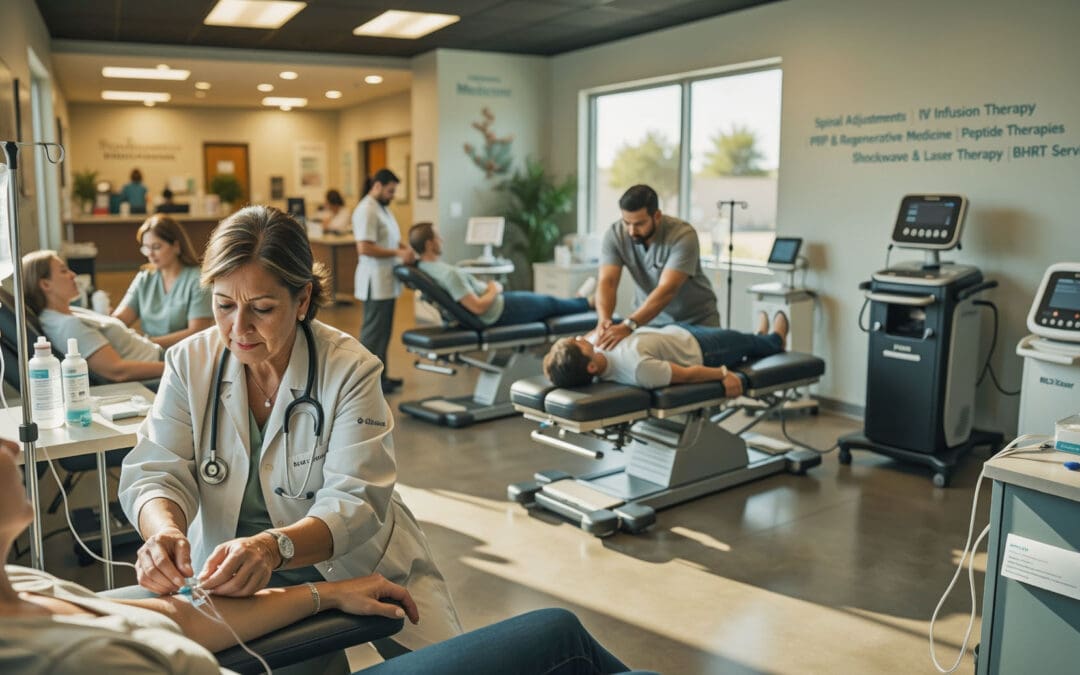
Faster Injury Recovery in El Paso: Pairing IV Infusion Therapy with Spinal Adjustments
IV infusion therapy and spinal adjustments can work together to help the body heal from injuries faster. This article explains what each treatment does, why they work together, and how they relax tense muscles, reduce joint inflammation, and speed tissue repair. You will also see how integrative chiropractic care belongs in the plan, how the El Paso medical and chiropractic team works, and what a personal recovery path can look like.
What IV Infusion Therapy Does
IV infusion therapy sends fluids, vitamins, minerals, and other nutrients straight into the bloodstream through a small vein. Because the nutrients skip the stomach and intestines, the body can use nearly all of them right away. This is often called 100 percent bioavailability.
A typical recovery mix includes fluids for hydration, magnesium to help muscles relax, B vitamins for energy and nerve support, vitamin C to fight inflammation and help build collagen, and sometimes antioxidants. These ingredients reach cells quickly. The result is better hydration at the cellular level, less oxidative stress, and faster new tissue building.
People often notice less muscle tightness and more energy within hours. The session itself usually lasts 30 to 45 minutes and is done in a comfortable clinic setting under medical supervision.
How Spinal Adjustments Support Healing
Spinal adjustments, also called chiropractic manipulations, gently restore proper alignment to the spine and other joints. When bones sit in the right place, nerves can send clearer signals, muscles can fire more evenly, and blood flow improves around injured areas.
Misalignment from a car accident, sports strain, or everyday wear can keep muscles in a protective spasm and limit the nutrients that reach damaged tissue. An adjustment reduces that mechanical stress. It also helps the nervous system settle, which can lower the body’s overall pain response.
Integrative chiropractic care looks at the whole person. It does not stop at the adjustment. It includes movement exercises, posture work, and coordination with other therapies so the structural change lasts.
Why the Two Treatments Work Better Together
IV infusion therapy complements spinal adjustments by delivering 100 percent bioavailable fluids, magnesium, and vitamins directly into the bloodstream. This rapid cellular hydration and nutrient delivery, bypassing the digestive system, relaxes tense muscles, reduces joint inflammation, and speeds tissue repair, optimizing the body for structural healing.
Think of the adjustment as resetting the frame of a house and the IV as delivering the right building materials and water to every room at once. Once the spine is better aligned, circulation and nerve signals improve. The nutrients from the IV can then travel more easily to the exact spots that need repair. Spinal adjustments combined with IV infusion therapy help the body recover faster by treating structural misalignment while delivering nutrients directly to cells to fight inflammation. This integrated approach improves nutrient bioavailability and accelerates tissue repair, reducing the chronic pain associated with musculoskeletal injuries. If you’re in El Paso and want a full, tailored recovery plan, contact Injury Medical & Chiropractic Clinic.
Magnesium in the IV mix helps muscles release extra tension after an adjustment. Vitamin C and antioxidants help quiet the inflammatory chemicals that often linger after a sprain, strain, or disc injury. Better hydration also keeps joints moving more freely, so the benefits of the adjustment last longer.
Key Benefits for Musculoskeletal Injuries
Patients with back pain, neck pain, whiplash, sports injuries, or post-accident stiffness often see these improvements when the two therapies are used together:
Faster drop in muscle spasm and stiffness
Less swelling around joints and soft tissue
Quicker return of energy and daily function
Better collagen formation for ligaments and tendons
Reduced need for extra pain medication in many cases
Support for the immune system so healing is not delayed by extra stress
These effects are especially helpful after auto accidents or when recovery has stalled. Direct nutrient delivery can reach areas that have limited blood flow, such as some tendons and spinal discs.
How Integrative Chiropractic Care Fits the Picture
Integrative chiropractic care is more than a single adjustment. It includes a full assessment of posture, movement patterns, and how the injury affects the rest of the body. The chiropractor addresses the structural side, while the IV provides biochemical support.
This combination is common in clinics that treat personal-injury cases and chronic musculoskeletal problems. The adjustment improves joint motion and nerve function. The IV then gives the cells the raw materials they need to rebuild. Functional medicine principles—looking at nutrition, inflammation, and lifestyle—tie the two together so the plan is personalized.
Dr. Alexander Jimenez, DC, APRN, FNP-BC, CCST, CFMP, IFMCP, ATN, has observed that patients recover more completely when structural care and cellular nutrition are addressed at the same time. His clinical work in El Paso focuses on non-invasive, root-cause approaches that restore function after trauma rather than just masking symptoms.
The Team at Injury Medical Clinic PA
Injury Medical Clinic PA in El Paso uses a multidisciplinary model. Dr. Alex Jimenez provides chiropractic and functional medicine expertise. Dr. Maria Guadalupe Cardenas, MD, board-certified in internal medicine (NPI #1164426749, Texas MD License #J2933), serves as medical director and collaborative physician. She has more than 40 years of experience as an internist.
This setup is typical in integrative injury-care clinics. The MD oversees medical safety, reviews lab work when needed, and ensures IV therapies are appropriate. The chiropractor handles spinal and musculoskeletal alignment. Together, they also coordinate rehabilitation, personal-injury documentation, and functional-medicine testing.
The team treats auto-accident injuries, sports strains, work-related pain, and chronic conditions such as sciatica or disc problems. Patients receive a plan that can include adjustments, targeted IV infusions, movement therapy, and nutrition guidance—all under one roof.
What a Typical Recovery Journey Looks Like
A first visit usually starts with a history and exam. Imaging or labs may be ordered if needed. The doctors then decide which IV formula (hydration, Myers’-style cocktail, or recovery blend) matches the injury and which adjustment techniques will help most.
Treatments are often scheduled close together at first—sometimes the same day or within 24–48 hours—so the nutrients and the alignment change can reinforce each other. Follow-up visits track pain levels, range of motion, and energy. Frequency is adjusted as healing progresses.
Safety is a priority. Trained staff administers IVs in a sterile setting. Patients are screened for any conditions that would make an infusion unsuitable.
Taking the Next Step in El Paso
If you are dealing with lingering pain, slow healing after an injury, or muscle tightness that will not ease, the combination of IV infusion therapy and spinal adjustments offers a practical, evidence-informed option. The goal isn’t just short-term relief, but a body that can repair itself more efficiently.
If you’re in El Paso and want a full, tailored recovery plan, contact Injury Medical & Chiropractic Clinic. The team can review your history, explain the options, and design a program that fits your needs.
IFM's Find A Practitioner tool is the largest referral network in Functional Medicine, created to help patients locate Functional Medicine practitioners anywhere in the world. IFM Certified Practitioners are listed first in the search results, given their extensive education in Functional Medicine