Motivation That Lasts: Fun, Low-Impact Workouts and SMART Goal Strategies
Losing weight does not have to feel impossible, even if back pain, low energy, or busy days get in the way. Many people in El Paso start with easy exercises like short walks or gentle stretches, but staying motivated is what brings real results. The good news is that small, smart steps, plus help from a local expert team, can make all the difference. At El Paso Back Clinic, patients discover how chiropractic care and functional medicine remove roadblocks so basic weight-loss exercises feel safe, doable, and even enjoyable. This guide shares straightforward ways to set goals, track progress, choose fun movement, and get professional support right here in El Paso. You will learn practical tips that fit real life and see how the clinic’s team, led by Dr. Alexander Jimenez, helps turn “I can’t” into steady success.
Basic weight-loss exercises like walking, light yoga, or dancing burn calories without stressing your joints. When your body feels better and pain drops, motivation stays strong. El Paso Back Clinic combines chiropractic adjustments, personalized rehab, and health coaching to make these simple moves part of your everyday routine.
Setting Attainable SMART Objectives for Steady Progress
SMART goals keep your weight-loss journey clear and reachable. SMART means Specific, Measurable, Achievable, Relevant, and Time-bound. Instead of saying “I need to lose weight,” try “I will walk for 15 minutes after dinner, five days this week.” This type of goal is easy to follow and gives quick wins. (Hey Life Training, n.d.; El Paso Back Clinic, n.d.-b)
Here are SMART goal examples perfect for basic weight-loss exercises:
Walk briskly for 15 minutes, five days a week, starting this Monday.
Do gentle yoga stretches for 10 minutes each morning for the next two weeks.
Dance to favorite music for 15 minutes, three evenings a week.
Swim or walk in water for 15 minutes twice a week at a local pool.
Take the stairs instead of the elevator at least five times daily this week.
Start small, so you build confidence fast
At El Paso Back Clinic, health coaches help patients turn these goals into custom plans that match their energy and schedule.
Monitoring progress keeps motivation alive. Use a simple notebook or phone app to log your walks, steps, or how your back feels after movement. Seeing checkmarks add up or a line on a graph climb feels rewarding. Patients at the clinic often say watching their own improvements beats staring at the scale. (Zen Habits, n.d.)
To avoid burnout, pick fun, low-impact activities. Yoga, swimming, and walking ease joints and lift mood through natural feel-good chemicals. These basic exercises become something you look forward to instead of dread. (HelpGuide.org, n.d.)
Find accountability with a workout buddy or the clinic’s support network. Many patients walk with family or join gentle group sessions. Reward small wins with non-food treats like new walking shoes or a relaxing evening. Remember your “why”—more energy for family, better sleep, or less back pain. Read it daily on tough days. (Planet Fitness, n.d.-a)
Easy, Efficient Strategies to Stay Motivated Every Day
Consistency beats intensity when building habits. Here are proven strategies that work well with basic weight-loss exercises:
Start small for lasting consistency: Begin with just 10–15 minutes of movement. This avoids burnout and makes exercise a normal part of your day. (Reddit community insights, 2024)
Track your development: Write down workouts, steps, or how clothes fit. Graphs show real progress and keep you excited. (Zen Habits, n.d.)
Make it fun: Choose dancing, swimming, cycling, or active games. Fun turns movement into “me time.” (HelpGuide.org, n.d.)
Reward yourself: After five good days, celebrate with new socks, a movie, or a quiet bath. (Modern Image Aesthetics, n.d.)
Build accountability: Walk with a friend, pet, or join a beginner class. The clinic’s health coaches provide extra check-ins. (Healthline, n.d.)
Recall your “why”: Focus on deeper reasons like steady energy or pride in your posture. (Planet Fitness, n.d.-b)
Prepare for low-energy days: Have a backup like 10 minutes of gentle stretches at home. (Cleveland Clinic, n.d.)
These steps fit real El Paso life—hot days, long work hours, and family needs. Short walks during lunch or evening strolls add up fast.
Walking Your Way to Better Results: Clinic-Approved Tips
Walking is one of the easiest basic weight-loss exercises, and El Paso Back Clinic shares clear ways to burn more fat while protecting your back. Start with 15 minutes daily, five days a week, then add five minutes each week. Walk at a brisk pace faster than normal, swing your arms, and keep a healthy posture. Add short speed bursts or gentle hills for extra calorie burn without hurting knees. Wear supportive shoes and breathe steadily. (El Paso Back Clinic, n.d.-c)
Benefits include stronger bones, less joint pain, better mood, and reduced belly fat linked to heart health. Even short 15-minute walks several times a day work when time is tight. Patients at the clinic combine walking with chiropractic care for faster mobility gains and steady motivation.
Making Fitness Enjoyable and Part of Your Routine
Pick activities you actually like. If running hurts, try dancing at home, water walking, or bike rides on flat paths. Listen to music or podcasts while moving. Many patients discover they enjoy low-impact options once pain eases. (Medical Beauty and Weight Loss, n.d.)
Social support helps too. Walk with neighbors or join light classes. At El Paso Back Clinic, personalized rehab programs make movement feel safe again, so you stay consistent longer.
How El Paso Back Clinic Boosts Motivation Through Integrative Care
Back pain or low energy often stops people from exercising. El Paso Back Clinic, led by Dr. Alexander Jimenez, DC, APRN, FNP-BC, removes these barriers with chiropractic and functional medicine. Their approach helps thousands of El Paso patients move more freely and lose weight sustainably.
Chiropractic adjustments reduce chronic back, hip, and joint pain, so walking or yoga no longer hurts. Better spinal alignment improves nervous system signals that control metabolism and fat burning. When the body works more smoothly, energy rises, and motivation follows naturally. (El Paso Back Clinic, n.d.-a; Adjusted Life Chiropractic, n.d.)
Dr. Alexander Jimenez has observed over 30 years that fixing spinal misalignments breaks the pain-obesity cycle. Pain leads to less movement and comfort eating; extra weight adds more pain. His team uses gentle adjustments, advanced imaging, and lab tests to address root causes such as inflammation, hormonal imbalances, and gut issues. Patients report less pain, better sleep, steadier moods, and fewer cravings. (Jimenez, n.d.; El Paso Back Clinic, n.d.-a)
Custom low-impact exercise plans are a clinic specialty. Instead of heavy gym work, they recommend practical moves: walking programs, water exercises, light resistance bands, and core stretches that fit daily life. These plans build confidence fast because they feel safe. The clinic’s rehabilitation centers offer guided sessions with trainers who understand back issues. (Robinhood Integrative Health, n.d.; El Paso Back Clinic, n.d.-c)
Functional medicine digs deeper. The team checks for slow metabolism, insulin resistance, or stress hormones that block weight loss. Personalized nutrition advice, supplements, and lifestyle tips clear these hurdles. Health coaches then create step-by-step plans with SMART-style process goals—like “walk three to four times this week”—so patients focus on what they can control. (El Paso Back Clinic, n.d.-b, n.d.-d)
Stress management is built in
High stress raises cortisol and belly fat while lowering motivation. Chiropractic care relaxes tight muscles and calms the nervous system. Many patients report feeling more positive and ready to move on after visits. (Dr. P Chiro, n.d.)
Personalized accountability keeps progress on track. Regular check-ins, body scans, and plan updates show results beyond the scale. Improved posture from adjustments makes patients stand taller and feel stronger—boosting confidence to keep going. (Obesity Action Coalition, n.d.; Westport Chiropractic, n.d.)
Dr. Jimenez often reminds patients that big changes start with small, consistent steps. His team at El Paso Back Clinic offers multiple convenient locations across El Paso, including rehab and fitness centers with 24/7 access. Military discounts, virtual coaching options, and meal-prep support make healthy living easier. Patients with past injuries or long-term back pain often return to activities they once avoided, creating a positive cycle of more movement and faster weight-loss results.
By reducing pain, improving mobility, addressing metabolic issues, and providing expert coaching, El Paso Back Clinic turns basic weight-loss exercises into something patients actually enjoy and stick with long-term.
Putting It All Together for Real, Lasting Success
Begin today with one small change. Choose a SMART goal, schedule a 15-minute walk, and note your “why.” Add music or a friend for fun. If back pain or low energy holds you back, contact El Paso Back Clinic for a personalized evaluation. Dr. Alexander Jimenez and his multidisciplinary team combine chiropractic care, functional medicine, and health coaching to support your goals safely.
Motivation comes and goes—some days feel easier than others, and that is normal. The strategies here—SMART goals, tracking, fun movement, rewards, accountability, and professional help—help you bounce back quickly. Over weeks and months, these habits create real momentum.
Basic weight-loss exercises like daily walking or gentle yoga do more than burn calories. They improve heart health, lift mood, strengthen muscles, ease back pain, and raise self-esteem. With support from El Paso Back Clinic, you gain energy for work, family, and life. Celebrate every step, every stretch, and every healthy choice. You have local experts ready to help—one simple, consistent day at a time.
Explore effective functional wellness combined with methylation strategies for a healthier lifestyle and improved overall wellness.
The Clinical Synergy of Chiropractic and Acupuncture in Supporting Methylation: Pain Relief, Environmental Resilience, and Non-Surgical Strategies
Introduction
The integration of chiropractic care and acupuncture with targeted methylation strategies presents a promising clinical paradigm for pain relief, detoxification, and optimizing metabolic resilience—especially for individuals over 40. This post provides a comprehensive introduction to methylation, explores its essential functions in the body, analyzes how environmental factors and clinical risk profiles affect methylation, and explains why integrative therapies such as chiropractic and acupuncture can heighten healing and well-being. Clinical perspectives and rationale are strongly supported by evidence-based protocols, including those utilized by Dr. Alexander Jimenez, DC, APRN, FNP-BC.
Understanding Methylation: The Body’s Biochemical Backbone
What is Methylation?
Methylation is one of the body’s most vital biochemical processes. It involves the transfer of a methyl group (one carbon atom plus three hydrogen atoms, CH₃) from one molecule to another. This process occurs billions of times each second and directly impacts DNA regulation, neurotransmitter synthesis, detoxification, hormone production, and immune function (Dr. Axe, 2025).
Key Functions of Methylation in the Body
Genetic Expression and Repair
Methylation acts as a switch, turning genes on or off. It governs cell differentiation and repairs DNA, influencing health and disease risk (BodyBio, 2023; Thorne, 2025).
Neurotransmitter and Hormone Production
Methylation is required to produce melatonin (sleep), serotonin (mood), dopamine (motivation), norepinephrine (alertness), and glutathione (the body’s master antioxidant) (Food for the Brain, 2025).
Detoxification
The liver’s methylation pathways enable the body to eliminate heavy metals, environmental toxins, and metabolic waste (BodyBio, 2023).
Cardiovascular, Immune, and Stress Responses
Maintains cholesterol levels, inflammation control, proper immune function, and a balanced stress response via homocysteine conversion and nutrient metabolism.
Cellular Energy & Fat Metabolism
Supports mitochondrial activity and energy production for every cell (Dr. Axe, 2025).
Environmental Factors, Risk Profiles, and Methylation Disruption
How Environment Influences Methylation
Diet and Nutritional Status
Nutrient deficiencies (especially B vitamins, folate, methionine, choline, and betaine) can reduce methyl donor availability. This alters methylation, leading to impaired detoxification, chronic inflammation, and increased disease risk (Biomodal, 2025).
Environmental Toxicants
Exposure to air pollutants, heavy metals (lead, mercury, arsenic, cadmium), endocrine disruptors (BPA, PCBs), and pesticides can directly modify DNA methylation patterns, increasing susceptibility to neurodevelopmental disorders, cancer, and chronic pain (OUP, 2015; Nature, 2016).
Stress and Psychological Factors
Persistent stress alters methylation, impacting emotional regulation, increasing the risk of anxiety, depression, and exacerbating pain syndromes (Sciencedirect, 2025; Nature Communications, 2021).
Seasonality and Lifestyle
Changes in environment, physical inactivity, sleep deprivation, or chronic inflammation can modify methylation states and affect overall health (PLOS, 2014).
The Interplay Between Methylation and Pain
How Pain Influences Methylation
Chronic and neuropathic pain alters DNA methylation in both brain and peripheral tissues. These epigenetic changes can perpetuate pain, contribute to emotional and cognitive dysfunction, and create long-term health consequences (PMC, 2024; PMC, 2022). Targeting methylation changes offers new strategies for mitigating chronic pain.
Chiropractic and Acupuncture: Clinical Rationale for Methylation Optimization
Chiropractic Care
Chiropractic adjustments relieve mechanical stress and misalignments, decrease inflammation, enhance nervous system communication, and restore homeostatic balance. Spinal manipulation is shown to decrease inflammatory markers, modulate stress hormones, and improve neuropeptide expression that directly impacts pain perception and methylation pathways (The American Chiropractor, 2019; Nature, 2016; PMC, 2018).
Mechanisms Linking Chiropractic Care to Methylation
Reduces inflammation and oxidative stress, which otherwise impairs methylation
Restores nervous system regulation, supporting gene expression
Enhances bodily detoxification via improved lymphatic flow and metabolic function
Promotes pain relief and emotional well-being, central to normalizing methylation
Acupuncture
Acupuncture modulates pain and restores methylation by affecting DNA methylation in the central nervous system and pain-related genes. Experimental research confirms that acupuncture reverses pathological methylation seen in chronic pain syndromes. It normalizes gene expression linked to mitochondrial dysfunction, oxidative stress, inflammation, and neurogenesis, offering both analgesic and functional improvement (Jang et al., 2024; Jang et al., 2021).
Mechanisms Linking Acupuncture to Methylation
Restores abnormal DNA methylation in brain regions (prefrontal cortex, hippocampus) affected by pain
Reduces pain intensity and emotional comorbidities by regulating gene expression
Improves mitochondrial function and energy metabolism
Downregulates pathogenic gene pathways (e.g., Ras signaling), leading to long-term pain mitigation
Clinical Synergy: Chiropractic Plus Acupuncture
When chiropractic and acupuncture are combined with methylation-supportive protocols, pain relief, detoxification, improved metabolic resilience, and better emotional stability are achieved. Patients report improved recovery, less chronic pain, and enhanced well-being, particularly with age-related methylation decline (Jang et al., 2021; El Paso Back Pain Clinic, 2025).
Clinical Insights from Dr. Alexander Jimenez, DC, APRN, FNP-BC
Dual-Scope Integrative Clinical Approach
Dr. Jimenez’s protocols emphasize integrative assessment—combining chiropractic expertise with advanced diagnostics and medical management:
Advanced imaging and diagnostic evaluation (MRI, X-rays, CT scans) to pinpoint structural and systemic contributors to pain and dysfunction
Functional Medicine assessments examining genetics, lifestyle, nutrition, and environmental exposure to clarify methylation risk profiles (dralexjimenez.com)
Personalized, non-invasive treatment regimens blending manual therapy, acupuncture, nutrition, detoxification, and movement rehabilitation
Multidisciplinary team care integrating chiropractor, nurse practitioner, nutritionist, and physical performance trainers (LinkedIn, 2025)
Dr. Jimenez bridges physical medicine and metabolic optimization for patients with complex pain or metabolic disorders, promoting whole-body healing and resilience (El Paso Back Pain Clinic, 2025).
The Non-Surgical Approach To Wellness- Video
Non-Surgical Treatments and Tricks for Methylation-Related Pain
The intertwining of chiropractic care, acupuncture, and methylation optimization represents a powerful, non-surgical approach to pain relief, metabolic resilience, and whole-body health. When combined with environmental awareness and personalized integrative medicine, adults—especially those over 40—can experience enhanced healing, vitality, and quality of life.
However, this post is meant to be taken seriously as clinical information, not as a substitute for professional medical advice. Only a licensed healthcare provider can assess and tailor treatment to individual needs. Anyone considering major changes in health strategy, supplementation, or integrative therapies should consult an appropriate professional for guidance and safety.
Jang, J.-H. et al. (2024). The analgesic effect of acupuncture in neuropathic pain: regulatory mechanisms of DNA methylation in the brain. https://pubmed.ncbi.nlm.nih.gov/39450409/
Jang, J.-H. et al. (2021). Acupuncture alleviates chronic pain and comorbid conditions in a mouse model of neuropathic pain: the involvement of DNA methylation in the prefrontal cortex. https://pubmed.ncbi.nlm.nih.gov/32796318/
Disclaimer: This information is intended for educational and informational purposes. It should not be used as a substitute for individual medical judgment, diagnosis, or treatment. Always seek the advice of a qualified healthcare provider for personalized medical advice and care.
Can individuals improve their brain function by incorporating yoga as part of their routine to reduce stress and improve mental health?
Introduction
Many people are impacted by life stressors that can cause overlapping risk profiles in their bodies. Stress or cortisol is a vital hormone that affects organs and tissues in the body and can help regulate the body’s response to stress. Whether preparing for a big presentation, studying for an important exam, or dealing with a heavy workload, stress can play a part in these scenarios. Too much stress can impact not only the musculoskeletal function of the body but also brain function, which is why many individuals are looking for ways to lower stress levels in their bodies and give their brains a break. Today’s article looks at how stress is associated with brain function and how therapeutic exercises like yoga can improve brain function and relieve stress. We discuss with certified medical providers who inform our patients how stress can have a negative impact on the brain’s functionality. While asking informed questions to our associated medical providers, we advise patients to incorporate various therapeutic exercises like yoga to help lower stress levels in the body and improve brain function. Dr. Alex Jimenez, D.C., encompasses this information as an academic service. Disclaimer.
Stress & Brain Function
How often do you get headaches or migraines, causing you to be anxious constantly? Do you feel muscle tension or pain after a long, strenuous day? Or do you feel more tired throughout the day even though you slept a full night? Many scenarios correlate with stress and can impact a person’s well-being. While stress is often correlated with negative emotions , it is an acute adaptive response to environmental stimuli in the body and the brain. (McEwen & Akil, 2020) Now, the brain and stress have a wonderful relationship with each other, as the brain is the main controller for the body, providing neuron signals to each of the body’s systems and helping with stress reactivity when environmental factors are in play. Cortisol is a stress hormone that, at the basal levels, is highly important for maintaining healthy brain development and function. When dealing with a highly stressful situation can cause cortisol levels to be elevated and lead to the development of free radical formation that is toxic to the brain. (Herzberg & Gunnar, 2020)
When high-stress levels start to impact brain function in the body, the brain can inform the immune system to produce an excess of inflammatory cytokines to attach themselves to healthy cells and lead to the development of stress-induced inflammation caused by repeated social defeat (RSD). When RSD starts to activate the immune cells in the brain, it can enhance neuroinflammation and influence the endothelial cells of the brain to recruit and transport the peripheral monocytes into stress-sensitive neural regions. (Bower & Kuhlman, 2023) When this happens, it can take a person a long time to reduce their stress levels. However, many individuals who are dealing with stress can find therapeutic ways to not only reduce their stress levels but also protect and improve their brain function.
Is Motion Key To Healing- Video
Yoga For Brain Function
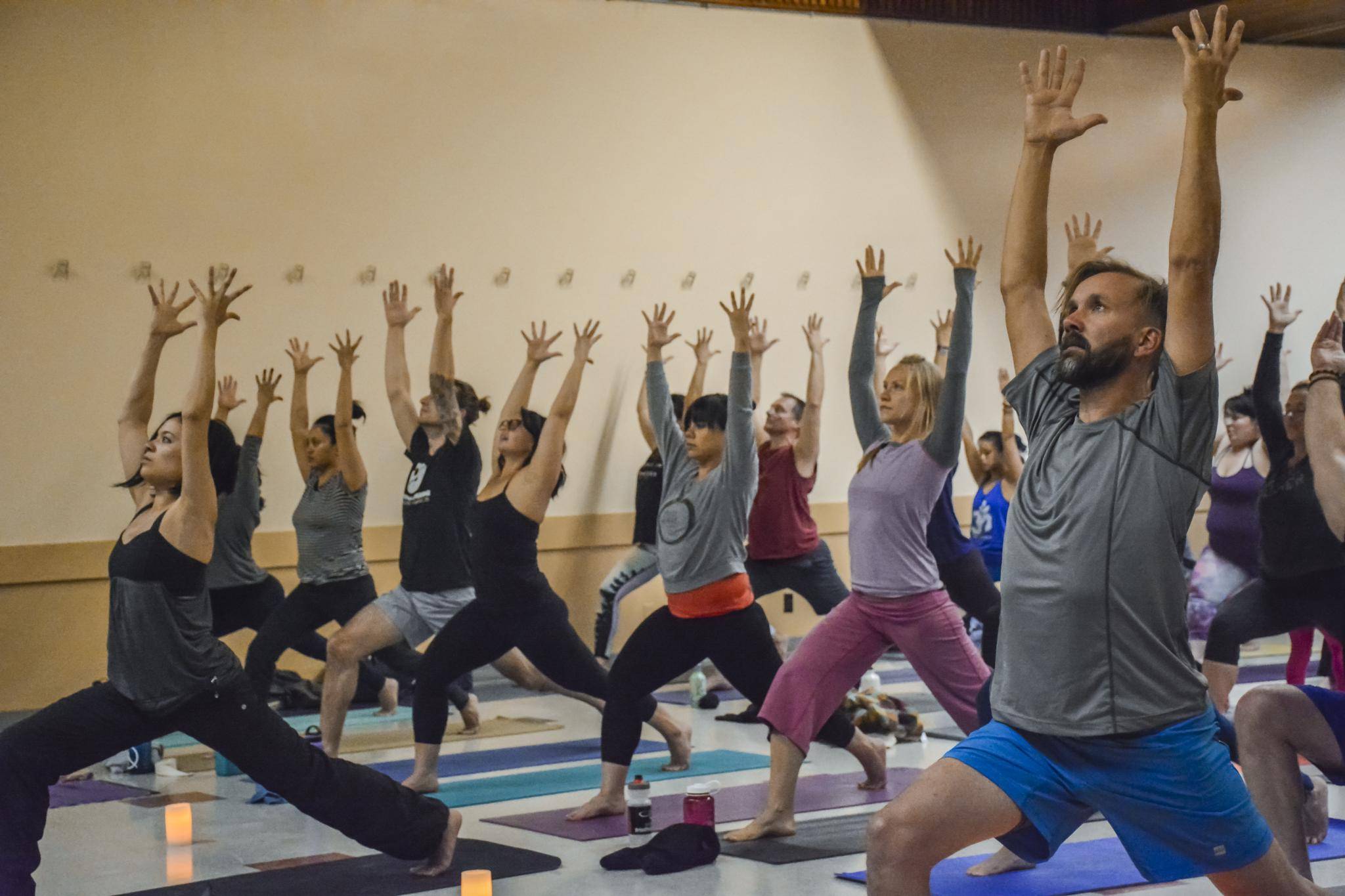
When it comes to reducing stress, many people can incorporate hobbies or therapies that they enjoy and help relax their bodies. One of the various therapies that can help reduce stress and improve brain function is yoga. Yoga is a mindfulness-based intervention that can be used for pain management and help improve pain-like symptoms associated with stress. (Krese et al., 2022) Now, yoga is incorporated into a non-surgical treatment plan for many individuals who have chronic stress affecting their bodies while improving their brain function. When people start doing yoga for the first time, a professional yoga instructor will begin to show them various poses to help stretch their muscles that are tight from the impact of stress, clear their minds from everyday stressors, and even restore their balance. Yoga may be highly effective for many individuals since it is a community-based and holistic intervention that can improve brain function through breathwork, stretching, and holding various postures and meditation. (Stephens et al., 2023) Additionally, yoga can help enhance the brain structure to improve the neurocognitive function of balance and concentration. (Babakhani et al., 2024)
Yoga Equals Stress Relief
Additionally, when people start to incorporate yoga as part of their routine, they will notice their stress levels go down due to being more mindful about what stressors are affecting them and making small changes in their lifestyle. At the same time, yoga can help stretch and strengthen weak muscles by enhancing motor capacity, including muscle strength, balance, and flexibility, and improving non-motor symptoms like alleviating cognitive impairment. (Fan et al., 2020) This is because exercises like yoga can help relieve stress, and when a person is concentrating on going to yoga, they will begin to see improvement in their bodies and brain function. Utilizing the beneficial properties of yoga can help many people be more mindful of their minds and bodies while also improving their brain function.
References
Babakhani, M., Rahzani, K., Hekmatpou, D., & Sheykh, V. (2024). The effect of super brain yoga on the cognitive function of hemodialysis patients. Heliyon, 10(16), e36384. https://doi.org/10.1016/j.heliyon.2024.e36384
Bower, J. E., & Kuhlman, K. R. (2023). Psychoneuroimmunology: An Introduction to Immune-to-Brain Communication and Its Implications for Clinical Psychology. Annu Rev Clin Psychol, 19, 331-359. https://doi.org/10.1146/annurev-clinpsy-080621-045153
Fan, B., Jabeen, R., Bo, B., Guo, C., Han, M., Zhang, H., Cen, J., Ji, X., & Wei, J. (2020). What and How Can Physical Activity Prevention Function on Parkinson’s Disease? Oxid Med Cell Longev, 2020, 4293071. https://doi.org/10.1155/2020/4293071
Herzberg, M. P., & Gunnar, M. R. (2020). Early life stress and brain function: Activity and connectivity associated with processing emotion and reward. Neuroimage, 209, 116493. https://doi.org/10.1016/j.neuroimage.2019.116493
Krese, K. A., Donnelly, K. Z., Etingen, B., Bender Pape, T. L., Chaudhuri, S., Aaronson, A. L., Shah, R. P., Bhaumik, D. K., Billups, A., Bedo, S., Wanicek-Squeo, M. T., Bobra, S., & Herrold, A. A. (2022). Feasibility of a Combined Neuromodulation and Yoga Intervention for Mild Traumatic Brain Injury and Chronic Pain: Protocol for an Open-label Pilot Trial. JMIR Res Protoc, 11(6), e37836. https://doi.org/10.2196/37836
Stephens, J. A., Hernandez-Sarabia, J. A., Sharp, J. L., Leach, H. J., Bell, C., Thomas, M. L., Buryznska, A. Z., Weaver, J. A., & Schmid, A. A. (2023). Adaptive yoga versus low-impact exercise for adults with chronic acquired brain injury: a pilot randomized control trial protocol. Front Hum Neurosci, 17, 1291094. https://doi.org/10.3389/fnhum.2023.1291094
It can be difficult for individuals and athletes to stay motivated, manage stress and prevent becoming overwhelmed. Can mental toughness and a positive attitude help increase potential and performance levels?
Mental Toughness
Athletes and fitness enthusiasts work on conditioning, skills training, and perfecting techniques. Physical training can take individuals far but another necessary part of maximizing athletic potential is building mental toughness and having the right attitude. Like anything, mental training takes time, effort, and regular adjustments to find ways to shift a losing or bad attitude into a positive one that can bring out the best.
Attitude Is Important
If negativity begins to set in like dealing with an injury, getting rid of self-limiting beliefs can be difficult, as well as generate optimism to rise up and succeed. For athletes or individuals who enjoy competitive sports, developing a positive mental attitude will help with:
Emotions that can affect cognitive functioning strategies.
Energy levels.
Other aspects of physical performance.
Mental Strategies
Mood Improvement
Individuals frustrated by a pessimistic perspective tend to dwell on problems or issues. To shift into a positive mood do something to lift your spirits, even if you don’t think it will help.
Listen to your favorite or uplifting music.
Watch an inspirational movie.
Read a sports psychology book.
Get together or call a teammate or friend that are cheerful and upbeat.
Play different games just for fun.
Take a break, go to the park, walk around, and meditate.
Get into hobbies.
Relax with a therapeutic massage.
Positive Self Talk
Continuing sports psychology research shows that practicing positive self-talk can improve athletic performance. (Nadja Walter, et al., 2019) Sports psychologists describe this through the idea that thoughts create beliefs, that drive actions.
Positive self-talk can take different forms.
For some reciting a specific phrase, sentence, or a single word can effectively manage thoughts, push out the negativity, and focus on taking care of business. Anything that inspires can include:
Focus
Remember the fundamentals!
You know what to do!
You can do it!
You got this!
Research shows that positive self-talk reduces anxiety and increases self-confidence, optimization, efficacy, and performance. (Nadja Walter, et al., 2019) However, self-talk needs to be practiced and part of a regular routine to be effective.
Visualization
Another strategy is using visualization exercises.
This could be using all the senses to imagine the venue where the tournament is taking place, the sound of the crowd, the smells, how the ground or court feels, and/or how the ball or specific sports object feels.
The wisdom is if you can think it, you can do it, once that is determined apply strategies to get there.
Sports Injury Rehabilitation
References
Walter, N., Nikoleizig, L., & Alfermann, D. (2019). Effects of Self-Talk Training on Competitive Anxiety, Self-Efficacy, Volitional Skills, and Performance: An Intervention Study with Junior Sub-Elite Athletes. Sports (Basel, Switzerland), 7(6), 148. https://doi.org/10.3390/sports7060148
Reiser, M., Büsch, D., & Munzert, J. (2011). Strength gains by motor imagery with different ratios of physical to mental practice. Frontiers in psychology, 2, 194. https://doi.org/10.3389/fpsyg.2011.00194
Olympic athletes are so fit they make everything look easy. It is one of the most amazing examples of athletic prowess to behold. Attempting these feats of athleticism could lead to injury without proper training and conditioning. However, you can draw inspiration from these incredible skills and commitment to reach your fitness goals. Individuals can emulate the Olympic athlete’s discipline to get the most out of physical activity and workouts.
Olympic Athlete Discipline
This is not about the literal workout routines these athletes engage in but the mental state and discipline that keeps them motivated, especially when things get tough. This can help individuals get the most out of every workout. When momentum or motivation starts to dwindle, look to Olympic athletes and then apply that discipline to recharge motivation and achieve the goal.
Learn to Train Daily
Many can succumb to weekend warrior syndrome. After sitting on the couch after a long day of work all week, individuals try to make up for the inactivity by overexerting themselves with hours of exercise on the weekend. This is a perfect setup for injury.
Instead, train, work out, exercise, and move around daily. Professional athletes know they won’t get the top results in one shot.
They approach it in incremental steps for a solid foundation and understanding of the final and optimal result.
Daily physical activity and exercise maintain body conditioning, strength, and overall fitness.
And makes the body more efficient at burning fat.
Maintain Goal Focus
Olympic athletes have specific goals in their training. There has to be when competing against the best athletes in the world and winning.
Individual health and fitness goals may be smaller, but they are just as important and should be treated as such for motivation to exercise each day.
Keep goals simple, specific, and reachable/doable when setting them.
SMART goals are Specific, Measurable, Achievable, Realistic, and Time-based.
Use daily reminders of what the goal is and strategies to achieve it.
Utilize Specific Training
Olympic athletes must have incredible endurance, strength, and skill sets to complete their event.
They must incorporate specific training drills, exercises, stretches, nutrition, etc., to improve and advance.
Whatever the goal, make sure the training is appropriate.
If trying to build muscle, focus on heavy strength training and consuming quality calories.
If the goal is to lose weight, break down the goal into achievable steps to get there, like.
What type of workouts are needed?
Consulting a nutritionist for recommendations.
Fuel the Body for Top Performance
Individuals can be concerned about food and whether it contains too much fat or calories.
Olympic athletes worry about getting the right nutrients and calories to fuel their bodies for competition.
Use a similar approach and ask what is the best thing I should eat right now for the workout and…
What foods will maintain optimal body health?
Listen to The Body and Rest
Olympic athletes have to learn to maintain the balance of maintaining top performance and not getting burnt out.
This is when they know to listen to their bodies, extend recovery days, or take a mini-vacation.
Overtraining can lead to injury, frustration, discouragement, and loss of motivation.
Whatever the activity, make sure proper form is followed.
For example, distance runners hold their heads high, have relaxed faces and upper bodies, have a natural arm swing, and do not overstride.
Apply the same form principles to stretches and exercises.
Stronger Body = Better Life
References
Casa, Douglas J et al. “Fluid Needs for Training, Competition, and Recovery in Track-and-Field Athletes.” International Journal of sports nutrition and exercise metabolism vol. 29,2 (2019): 175-180. doi:10.1123/ijsnem.2018-0374
Bailey RR. Goal Setting and Action Planning for Health Behavior Change. Am J Lifestyle Med. 2019;13(6):615-618. doi:10.1177/1559827617729634
Hackett, Daniel, et al. “Olympic weightlifting training improves vertical jump height in sportspeople: a systematic review with meta-analysis.” British Journal of sports medicine vol. 50,14 (2016): 865-72. doi:10.1136/bjsports-2015-094951
Huebner, Marianne, et al. “The Masters’ athlete in Olympic weightlifting: Training, lifestyle, health challenges, and gender differences.” PloS one vol. 15,12 e0243652. 4 Dec. 2020, doi:10.1371/journal.pone.0243652
Swift DL, Johannsen NM, Lavie CJ, Earnest CP, Church TS. The Role of Exercise and Physical Activity in Weight Loss and Maintenance. Prog Cardiovasc Dis. 2014;56(4):441-447. doi:10.1016/j.pcad.2013.09.012
Throughout the world, pain and stress are related to musculoskeletal disorders affecting joints and muscles. Many musculoskeletal disorders will have correlating symptoms with overlapping risk profiles that can make a person’s life difficult. Pain and stress have two forms: acute and chronic, which are associated with numerous everyday factors that a person goes through. Even though pain and stress can impact a person’s life, there are multiple ways to reduce these two by calming the mind and doing meditative breathing techniques to relax the body and clear the mind. What is truly amazing is that meditative breathing techniques can be combined with stretching techniques like MET (muscle energy techniques. Today’s article looks at how stress and pain affect the musculoskeletal system, the breathing connection for musculoskeletal pain, and how MET therapy is combined with breathing exercises. We utilize and provide valuable information about our patients to certified medical providers who use soft tissue stretching methods like MET to reduce musculoskeletal stress on the body. We encourage patients by referring them to our associated medical providers based on their findings. We support that education is a marvelous way to ask our providers the most interesting questions at the patient’s acknowledgment. Dr. Alex Jimenez, D.C., incorporates this information as an educational service. Disclaimer
Stress & Pain Affect The Musculoskeletal System
Have you been dealing with shoulder, neck, or back pain? What about feeling an overwhelming pressure that is causing you to stress out? Or do you feel muscle pain and joint stiffness affecting your daily routine? Many of these issues correspond with stress and pain from numerous factors associated with the musculoskeletal system. Research studies revealed that pain and stress are considered two sides of the same coin regarding the musculoskeletal system. Pain and stress are two distinguished symptoms that overlap each other when musculoskeletal disorders affect the body. Pain is a collection of emotional and sensory perceptions that work with musculoskeletal motor behavior. At the same time, stress is characterized by challenging emotional or physiological events that cause adaptive or maladaptive changes to regain homeostasis. With these two factors working together to affect the musculoskeletal system, the body may develop symptoms and cause the individual to be miserable.
The Breathing Connection For Musculoskeletal Pain & Stress
One of the major correspondents that work with pain and stress is anxiety. In “Clinical Applications of Neuromuscular Techniques,” authors Dr. Leon Chaitow, N.D., D.O., and Judith Walker DeLany, L.M.T., mentioned that anxiety aggravates all chronic pain and stress. However, there is a solution to reduce pain and stress in the musculoskeletal system. When pain and stress are combined with anxiety, it can cause breathing disorders and produce inflammatory cytokines and elevated cortisol levels to contribute. But incorporating some deep breathing techniques can help reduce stress and pain affecting the body. Research studies have revealed that slow deep breathing has been known to reduce the effects of musculoskeletal pain and help lower cortisol levels. Breathing techniques are popular in meditation and yoga practices. Deep breathing and mindfulness can help the body relax from everyday factors and calm the individual. Additional studies have mentioned that breathing exercise programs effectively improve lung function, reduce musculoskeletal pain associated with the back, and help improve a person’s quality of life.
The Natural Way To Heal- Video
Have you been dealing with musculoskeletal pain throughout your entire body? Do you feel constantly stressed throughout your whole life? Or have you felt anxious that it is making your muscles tense constantly? When many people feel constant stress and are in pain, it can lead to musculoskeletal disorders that can cause many individuals to be miserable. When this happens, overlapping risk profiles affect the musculoskeletal, organs, and nervous systems. At the same time, fortunately, numerous treatments can help reduce pain and stress that is affecting the body. Chiropractic care is non-invasive and can help many individuals be mindful of their bodies. The video above explains how chiropractic care can help realign the body from spinal subluxation and mitigate the effects of muscle pain and stress in the muscle fibers.
MET Therapy Combined With Breathing Exercises
When the body has been dealing with musculoskeletal pain on top of stress, it can cause the individual to be miserable and try to find some relief. Luckily there are available treatments that can help restore the body naturally and reduce the effects of stress and pain. Treatment like MET (muscle energy technique) and breathing exercises allow the muscles to relax and properly stretch to relieve muscle pain. Research studies have revealed that breathing exercises and MET therapy can reduce a person’s symptoms and help regain the muscle and joint range of motion. These two combined treatments can help many individuals dealing with musculoskeletal pain associated with stress to be more aware of what is affecting their bodies. They can help them along their health and wellness journey without medicine.
Conclusion
Overall, pain and stress are part of numerous conditions and disorders that can affect the musculoskeletal system and cause overlapping risk profiles that can cause the individual to be miserable. When pain and stress affect the body, it can cause the muscles, tissues, ligaments, joints, and organs to work harder than before and develop chronic musculoskeletal disorders. Fortunately, treatments like MET (muscle energy technique) and breathing exercises allow the body to relax and help reduce muscle pain symptoms affecting the body. When a person incorporates these treatments as part of their daily routine, they can become more aware of what is affecting their bodies and improve what is going on in their daily lives. This allows them to continue their health and wellness journey pain-free.
References
Abdallah, Chadi G, and Paul Geha. “Chronic Pain and Chronic Stress: Two Sides of the Same Coin?” Chronic Stress (Thousand Oaks, Calif.), U.S. National Library of Medicine, Feb. 2017, https://www.ncbi.nlm.nih.gov/pmc/articles/PMC5546756/.
Anderson, Barton E, and Kellie C Huxel Bliven. “The Use of Breathing Exercises in the Treatment of Chronic, Nonspecific Low Back Pain.” Journal of Sport Rehabilitation, U.S. National Library of Medicine, 24 Aug. 2016, https://pubmed.ncbi.nlm.nih.gov/27632818/.
Chaitow, Leon, and Judith Walker DeLany. Clinical Applications of Neuromuscular Techniques. Churchill Livingstone, 2003.
Joseph, Amira E, et al. “Effects of Slow Deep Breathing on Acute Clinical Pain in Adults: A Systematic Review and Meta-Analysis of Randomized Controlled Trials.” Journal of Evidence-Based Integrative Medicine, U.S. National Library of Medicine, 2022, https://www.ncbi.nlm.nih.gov/pmc/articles/PMC8891889/.
Zaccaro, Andrea, et al. “How Breath-Control Can Change Your Life: A Systematic Review on Psycho-Physiological Correlates of Slow Breathing.” Frontiers in Human Neuroscience, U.S. National Library of Medicine, 7 Sept. 2018, https://www.ncbi.nlm.nih.gov/pmc/articles/PMC6137615/.
When many individuals look for ways to relax after a stressful event in their daily lives, many people have an exercise regime that allows them to take their minds off of their hectic lives. When finding the proper exercise, it is best to consider that everybody is different and has different fitness levels. Many individuals could be dealing with chronic issues that affect them drastically and with so much pain in their bodies. When these chronic issues overlap with muscle and joint pain, it can make the body dysfunctional while potentially being involved in environmental factors. Yoga is a low-impact exercise that helps tone muscles, relax tension in the body, and focus on deep breathing. Today’s article looks at the benefits of yoga for the body, how chiropractic care works together with yoga, and different yoga poses can help manage various chronic issues. We refer patients to certified providers specializing in musculoskeletal treatments to help many individuals with musculoskeletal problems affecting their bodies. We also guide our patients by referring to our associated medical providers based on their examination when it’s appropriate. We find that education is the solution to asking our providers insightful questions. Dr. Alex Jimenez DC provides this information as an educational service only. Disclaimer
The Benefits of Yoga For The Body
Have you been dealing with chronic stress affecting your quality of life? Have you been dealing with bladder or gut issues constantly? What about feeling muscle stiffness in your back, neck, shoulders, or pelvic regions? Some of these symptoms are signs that you could risk developing musculoskeletal problems associated with pain. Dealing with musculoskeletal issues related to pain can make a person feel miserable and have stress affecting their bodies. Yoga is a low-impact exercise that doesn’t put pressure on the joints and will provide a full-body workout through strengthening and stretching weak muscles. Yoga has many benefits for many individuals that are dealing with the following:
Studies reveal that environmental factors are involved in non-specified chronic pain in the spine, overlapping musculoskeletal disorders causing many individuals to try to find relief. Many individuals incorporate yoga because it is a safe and effective way to alleviate various forms of back, neck, or pelvic pain causing issues to the body. Yoga utilizes gentle stretching and strengthening of weak, injured muscles while increasing blood circulation to promote healing in the body.
Chiropractic Care & Yoga
When people are dealing with health conditions or injuries that have affected their bodies, it can make them feel frustrated and think their injuries are taking forever to heal. Many individuals don’t realize that incorporating yoga practices provides impressive health benefits while mirroring the similar foundations of chiropractic care. Both chiropractic care and yoga provide many beneficial results to an aching body that needs a good stretch and ready the body to heal itself naturally. Chiropractic care includes spinal manipulation to the spinal joints while reducing inflammation and strengthening weak muscles. Yoga allows the body to increase its flexibility and stamina, reduces stress and blood pressure, and provides a better sense of breathing and balance.
Yoga For Chronic Pain-Video
Have you felt muscle stiffness in your neck, back, or body? Have you felt sluggish or overly stressed from your day-to-day lives? Do you want to improve your balance? If you have been experiencing these issues affecting your quality of life, why not incorporate yoga as part of your exercise regime? The video above shows that yoga poses for chronic pain affect the body, including the neck, back, and pelvic regions. Studies reveal that yoga can help relieve intense neck pain while improving pain-related function disability. Yoga allows the muscles to not only relax but strengthen them as well. Yoga can also help improve the body’s range of motion through deep breathing and give more awareness of how the body holds tension in places a person hasn’t realized they were holding onto.
Yoga Poses For Different Issues
When a person does yoga, they will go through various poses and repeat them constantly as their body begins to get used to the movements. This allows the body to challenge itself and helps the individual focus more on deep breathing. A good example would be an individual taking a yoga class due to experiencing pelvic pain. By going through each yoga pose, many individuals suffering from pelvic pain will reduce the pain intensity while improving their quality of life. Below are some yoga poses that anyone can do to reduce pain associated with their back, neck, or pelvis.
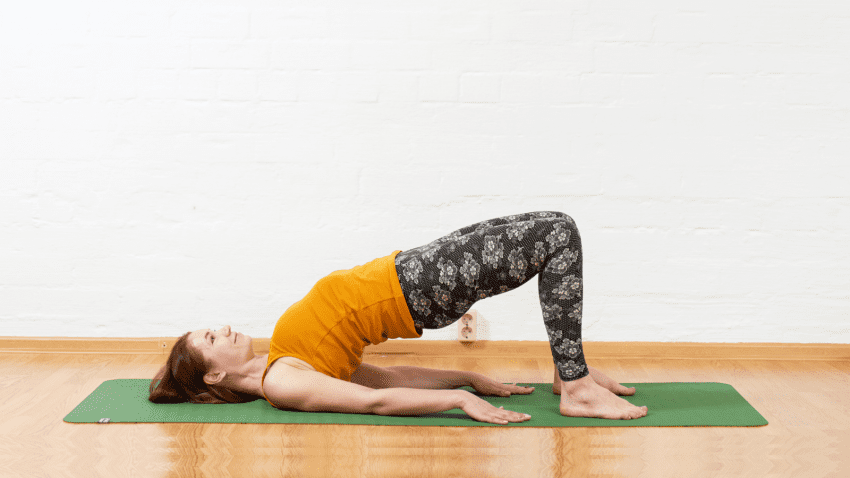
Bridge Pose
Lie on your back
Bend both knees while placing the feet on the floor at hip-width apart
Arm on the sides with palms facing down
Press feet to the floor and lift the hips as you inhale
Engage the legs and buttock
Hold 4-8 breaths and exhale to lower the hips back to the ground slowly
Cobra Pose
Lie on your stomach with hands near the chest just under the shoulders and fingers facing forward
Keep elbows close to sides
Press hands on the floor and slowly lift your head, chest, and shoulders while slightly bending the elbows by inhaling
Exhale to go back down slow and rest your head
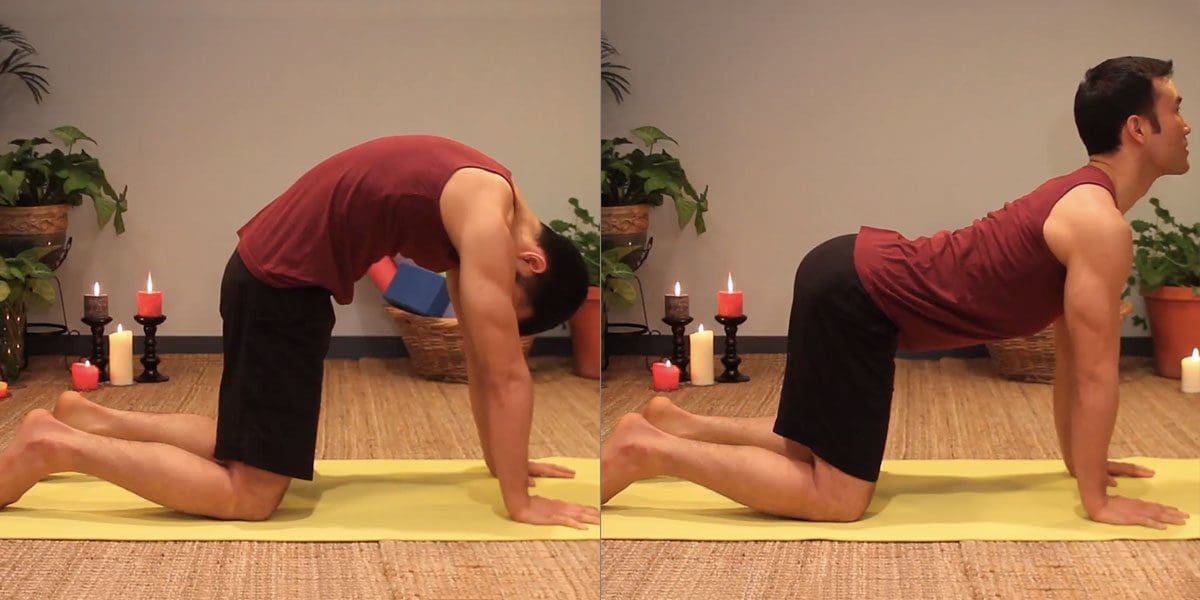
Cat-Cow
Be on all fours, hands under the shoulders and knees under hips (Think like a table)
Inhale to lower your core to the floor as your head looks up to the sky
Exhale slowly to lower your chin to the chest as you round your back
Continue fluid motion for a minute
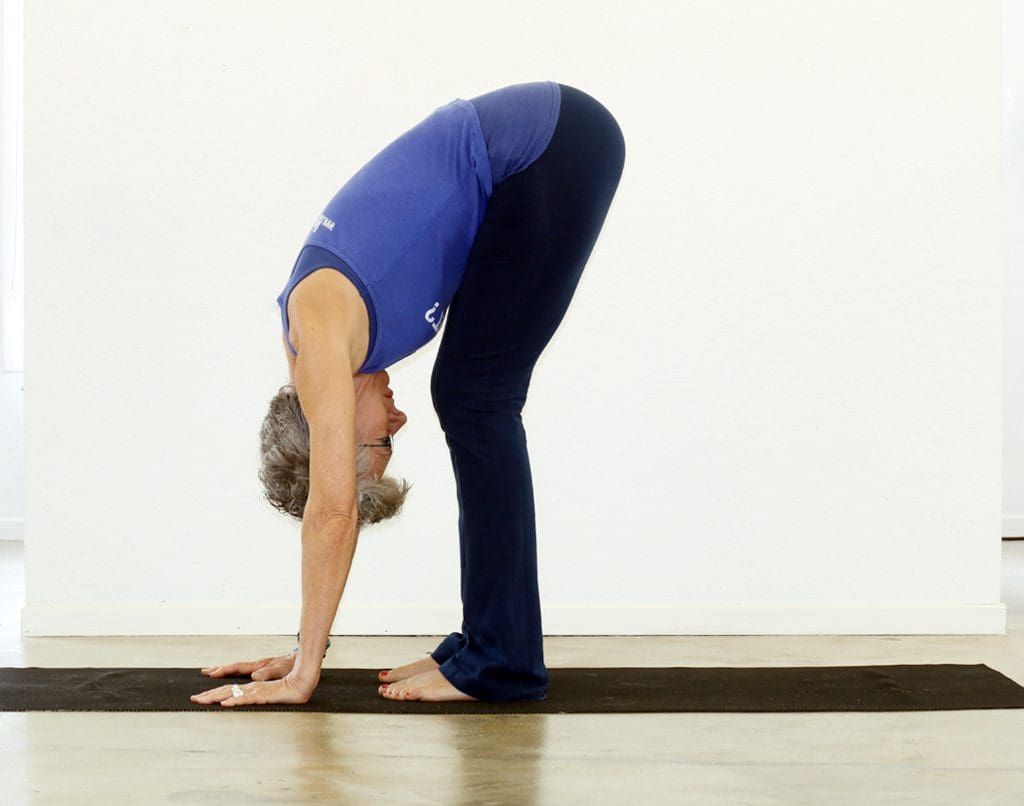
Forward Bend
Be in a standing position, and feet are at a hip distance apart
Lengthen the body as you lean forward while keeping the knees slightly bended
Place hands on either legs, yoga block, or the floor (Whichever makes you comfortable)
Tuck the chin into the chest, letting the neck and head relax
Gently rock your head side to side to relieve tension in the neck and shoulders
Slowly roll up to a standing position allowing the arms and head to be the last to rise
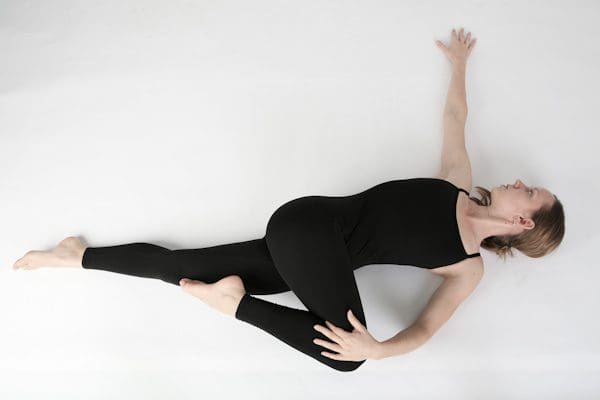
Supine Spinal Twist
Lie on your back while your knees bent and feet flat on the floor
Extend arms out of the side and place palms down on the floor
As you inhale, breathe into the gut and lower limbs
Exhale to lower knees on the left side (Look at the opposite way to slowly stretch the neck and shoulder muscles)
Pay attention to the stretches for 5 breathes as well as the lengthening sensations on the ribs
Return the knees to the middle and repeat on the right side
Child’s Pose
Sit back on the heels with the knees together (For added support, you can use a rolled-up blanket under your knees)
Bend forward and walk hands in front of you
Gently rest your forehead on the floor
Keep arms extended in the front while focusing on relieving tension in the back as the upper body falls to the knees
Stay in that pose for 5 minutes
Conclusion
Incorporating yoga as part of an exercise regime allows the individual to focus on deep breathing while calming the mind. Yoga is a low-impact exercise that helps strengthen weak muscles associated with pain and inflammation. Yoga provides a full-body workout that benefits many people dealing with chronic pain. Utilizing yoga as part of a daily practice might help individuals learn to be calm and practice mindfulness.
Crow, Edith Meszaros, et al. “Effectiveness of Iyengar Yoga in Treating Spinal (Back and Neck) Pain: A Systematic Review.” International Journal of Yoga, Medknow Publications & Media Pvt Ltd, Jan. 2015, https://www.ncbi.nlm.nih.gov/pmc/articles/PMC4278133/.
Li, Yunxia, et al. “Effects of Yoga on Patients with Chronic Nonspecific Neck Pain: A Prisma Systematic Review and Meta-Analysis.” Medicine, Wolters Kluwer Health, Feb. 2019, https://www.ncbi.nlm.nih.gov/pmc/articles/PMC6407933/.
Saxena, Rahul, et al. “Effects of Yogic Intervention on Pain Scores and Quality of Life in Females with Chronic Pelvic Pain.” International Journal of Yoga, Medknow Publications & Media Pvt Ltd, 2017, https://www.ncbi.nlm.nih.gov/pmc/articles/PMC5225749/.
IFM's Find A Practitioner tool is the largest referral network in Functional Medicine, created to help patients locate Functional Medicine practitioners anywhere in the world. IFM Certified Practitioners are listed first in the search results, given their extensive education in Functional Medicine