PRP and Integrative Chiropractic Care for Knee Meniscus Injuries
A knee meniscus tear can make simple movements feel difficult. Walking, bending, twisting, kneeling, or climbing stairs may cause pain, stiffness, swelling, or a feeling that the knee is not working right. Many people want to feel better without jumping straight to surgery. For that reason, conservative care has become a major focus for people dealing with knee injuries.
At El Paso Back Clinic, the focus is on improving how the knee moves, how the surrounding muscles support it, and how the whole body works together during healing. While regenerative options such as Platelet-Rich Plasma, or PRP, may be part of some care plans, the bigger picture is often about integrative chiropractic care, physical therapy-based rehabilitation, and functional recovery. This approach aims to reduce pain, improve joint mechanics, support natural healing, and help many patients return to daily activities with better comfort and confidence.
Understanding the Meniscus and Why It Matters
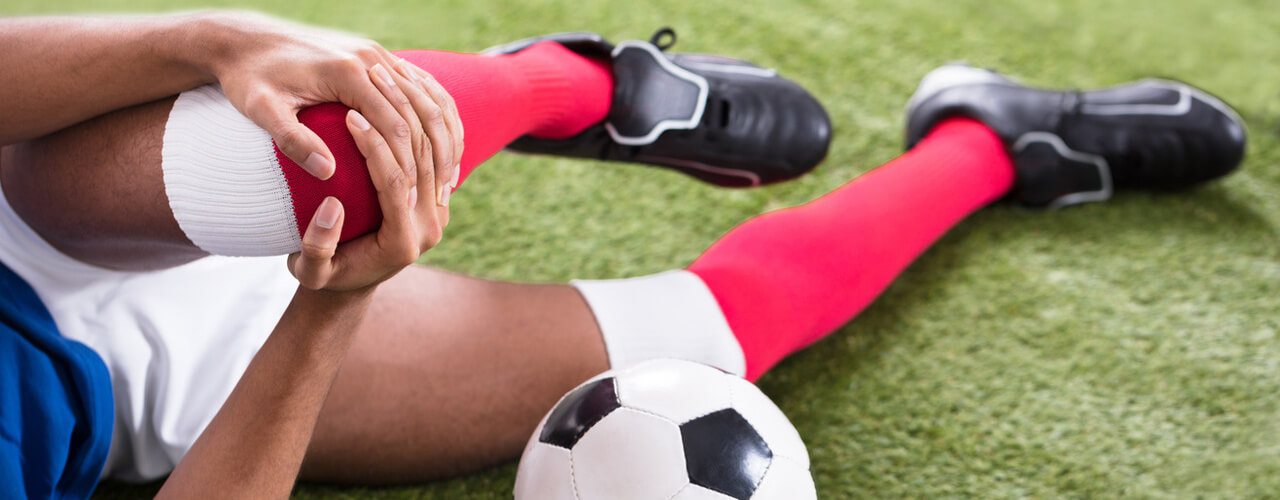
The meniscus is a strong piece of cartilage in the knee that acts like a shock absorber. Each knee has two menisci, and they help distribute weight, improve stability, protect the joint surfaces, and support smooth motion. When the meniscus is torn, the knee may become swollen, painful, weak, or unstable. Some people also notice catching, clicking, or a limited range of motion. (Andia & Maffulli, 2017; El Zouhbi et al., 2024)
A meniscus injury is important because the meniscus helps protect the knee over time. If the tear is not managed well, the joint can be placed under more stress, which may increase wear and tear later. That is why treatment should focus on both pain relief and long-term knee function.
Why Meniscus Tears Can Be Hard to Heal
Not every meniscus tear heals the same way. One major reason is blood flow. The outer part of the meniscus has a better blood supply, while the inner part has very little. This means that some tears have a better chance of healing than others. Tears in the outer zone often respond better to conservative treatment, whereas tears in the inner zone can be more challenging to treat. (Andia & Maffulli, 2017)
Other factors also affect healing, including:
The location of the tear
The size and pattern of the tear
The age of the patient
The condition of the knee joint
Strength and stability of the surrounding muscles
Activity level and movement habits
Because of this, a complete treatment plan should not focus only on the tear itself. It should also consider how the knee moves, how the hips and ankles support it, and how the body can be guided toward safer, stronger function.
The Role of Conservative, Integrative Care
At El Paso Back Clinic, a more chiropractic and rehabilitation-centered model makes sense for people who want a non-surgical path when appropriate. Conservative care often starts with reducing irritation in the knee, improving motion, correcting mechanical stress, and building strength around the joint. These steps can help lower pain and improve function while supporting the body’s natural healing process.
Integrative chiropractic care may include:
Careful assessment of gait and posture
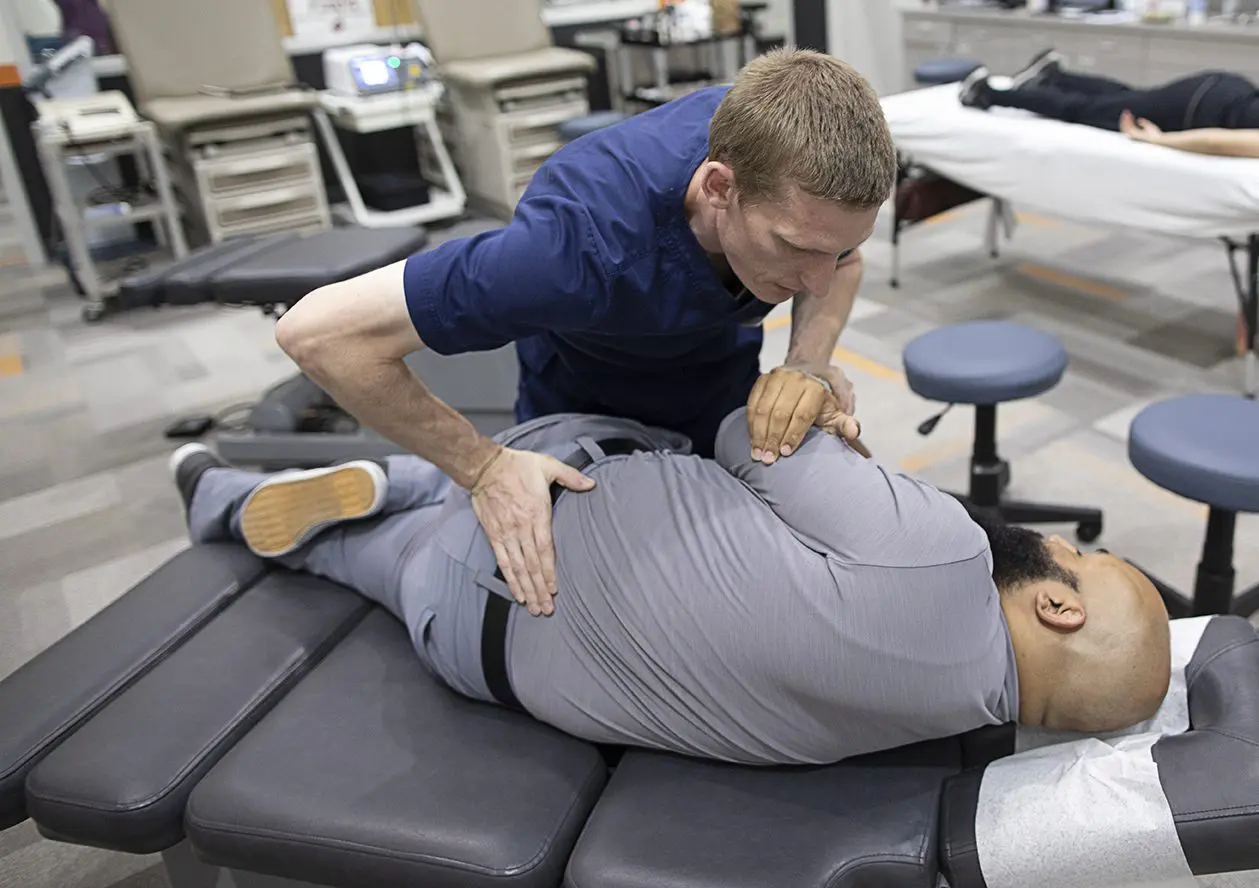
Joint mobilization and chiropractic support for lower-body mechanics
Soft tissue work for muscles around the knee, hip, and lower leg
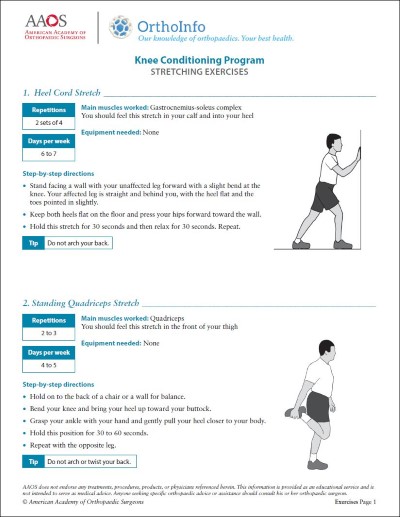
Stretching for tight structures that pull on the knee
Rehabilitation exercises to improve support and control
Movement retraining for walking, bending, and lifting
Physical therapy-based strengthening for the quadriceps, hamstrings, glutes, and core
This type of care is important because knee pain is often affected by more than the knee itself. Poor ankle motion, hip weakness, pelvic imbalance, altered posture, and abnormal walking patterns can all increase stress on the meniscus. Chiropractic and functional rehabilitation aim to improve those patterns so the knee is not constantly overloaded.
Why Joint Mechanics Matter So Much
Good joint mechanics are a major part of healing. If the knee continues to move poorly, the meniscus may remain irritated. If the hips are weak or the ankles are stiff, extra pressure may be placed on the knee with every step. Integrative chiropractic treatment works by looking at the whole movement chain, not just the painful spot.
For example, a patient with a meniscus injury may also have:
Poor hip stability
Tight hamstrings or calves
Weak glute muscles
Uneven weight shifting
Limited ankle mobility
Compensation in the low back or pelvis
When these problems are addressed, the knee often works more efficiently. This can reduce pain, improve balance, and help the person move with less strain. Chiropractic care in this setting is not just about an adjustment. It is about restoring better motion, reducing stress on injured tissues, and helping the body function as one connected system. (PCH Chiropractic, n.d.; LJ Chiropractic, n.d.)
Where PRP Fits Into the Bigger Picture
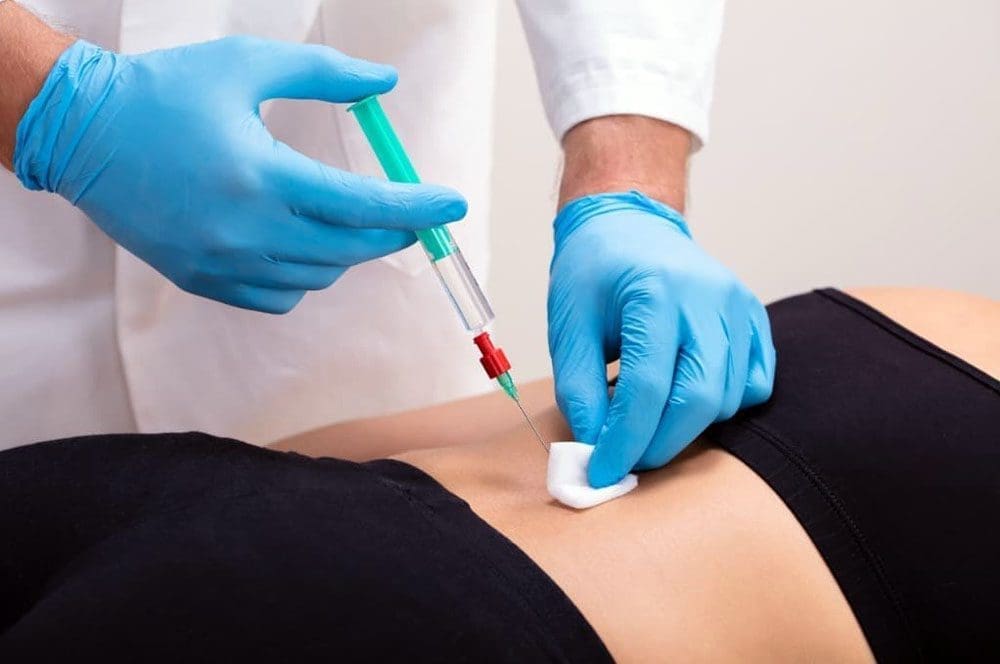
PRP is a regenerative treatment made from the patient’s own blood. After the blood is processed, a concentrated platelet layer is created. This contains growth factors that may support healing and help calm inflammation. In some cases, PRP may be considered as part of a broader plan for knee meniscus injuries, especially when a person wants to avoid surgery if possible. (Johns Hopkins Medicine, n.d.; El Zouhbi et al., 2024)
However, at a chiropractic and rehabilitation-centered clinic, PRP should be viewed as a background support tool rather than the main focus. The stronger message for patient care is that healing depends on function, stability, movement quality, and proper rehabilitation. Even with regenerative treatment, it works best when paired with mechanical support, strengthening, and guided recovery.
In other words, the knee does not heal well from an injection alone. It heals better when the whole joint environment improves.
What the Research Says About PRP for Meniscus Injuries
Research on PRP for meniscal injuries is promising but still developing. A 2024 narrative review reported that many studies showed short-term improvements in pain, function, and activity levels after PRP treatment, especially in follow-up periods of less than one year. At the same time, the review noted that long-term evidence remains mixed, and not every study showed clear differences over longer follow-up periods. (El Zouhbi et al., 2024)
This means PRP may help selected patients, but it is not a guaranteed answer for every tear. That is why it makes sense to keep the main focus on conservative, integrative care that improves knee function day after day.
Physical Therapy Principles in Meniscus Recovery
Physical therapy-based rehabilitation is a key part of non-surgical meniscus care. Strengthening the muscles around the knee helps reduce stress on the injured tissue. Improving balance and neuromuscular control helps the joint move more safely. Restoring range of motion helps reduce stiffness and improve confidence during activity. (Cognetti et al., 2024; Symmetry Physical Therapy, n.d.)
A typical conservative recovery plan may include:
Gentle mobility work early on
Swelling control and activity modification
Quadriceps activation exercises
Hamstring and glute strengthening
Core stabilization
Balance and coordination drills
Gradual return to walking, stairs, squatting, and sports tasks
This is one reason El Paso Back Clinic’s emphasis on chiropractic and rehab is so valuable. Patients often do best when they receive hands-on support plus guided therapeutic exercise rather than relying only on passive care.
Clinical Observations from Dr. Alexander Jimenez
Dr. Alexander Jimenez, DC, APRN, FNP-BC, has publicly described an integrative model that combines structural care, rehabilitation, functional medicine thinking, and movement-based recovery. His clinical observations support the idea that knee injuries often respond better when treatment focuses on reducing mechanical stress, improving movement quality, and promoting more complete healing. (Jimenez, 2026a, 2026b)
From that perspective, the most important message is not just that regenerative options exist. It is that the best outcomes often come from combining the following:
Better joint motion
Stronger muscular support
Improved gait and posture
Reduced inflammation
Progressive rehabilitation
Careful monitoring of function over time
That type of whole-body strategy fits well with a chiropractic and physical therapy-focused clinic identity.
Can This Approach Help People Avoid Surgery?
In some cases, yes. Not every meniscus tear needs surgery right away. Some patients improve with conservative care, especially when the tear is smaller, located in a better-healing zone, or does not cause severe locking or loss of function. When pain decreases, strength improves, swelling settles down, and movement becomes smoother, many people are able to return to normal activity without an operation. (El Zouhbi et al., 2024)
Still, it is important to be realistic. Some tears are too large, too unstable, or too mechanically disruptive to respond fully to conservative treatment. In those cases, an orthopedic referral may still be necessary. A patient-centered clinic should always support the treatment path that matches the injury.
Who May Benefit Most from Integrative Chiropractic and Rehab Care
A person may be a good candidate for a conservative, chiropractic-centered plan when they have the following:
Mild to moderate knee pain from a meniscus injury
Swelling or stiffness without major joint locking
Poor movement patterns that can be corrected
Muscle weakness around the knee and hips
A desire to avoid surgery if possible
A willingness to follow a rehabilitation plan
These patients often benefit from a program that restores motion, improves strength, and reduces stress on the injured knee over time.
The Value of a Whole-Body Recovery Plan
The knee is part of a larger movement system. If the hips, pelvis, low back, ankles, and feet are not working well, the knee may continue to struggle. That is why integrative chiropractic care can be so helpful. It goes beyond symptom relief to examine the full chain of motion.
A whole-body recovery plan may help:
Improve joint alignment and motion
Reduce strain on the meniscus
Build muscular support around the knee
Improve walking and standing mechanics
Lower the chance of repeated irritation
Support a safer return to work, exercise, and daily life
This type of care keeps the focus where it should be: on restoring function, improving resilience, and helping patients move better.
Conclusion
PRP may play a supportive role in the non-surgical management of some knee meniscus injuries, but the stronger long-term message for El Paso Back Clinic is the value of integrative chiropractic treatment and rehabilitation. Healing a meniscus injury is about more than one procedure. It is about improving how the knee moves, how the body supports it, and how the patient rebuilds strength and stability over time.
A conservative plan emphasizing chiropractic care, movement correction, soft-tissue support, and physical-therapy-based rehabilitation can help reduce pain and improve knee function in many patients. When appropriate, regenerative therapies may remain in the background as one part of a broader strategy. But the foundation of recovery is still mechanics, function, and whole-body care.
For many people with knee meniscus injuries, that kind of integrative approach offers a practical path toward healing without surgery while keeping the focus on strong movement, better stability, and long-term joint health.
Integrative Chiropractic Care at El Paso Back Clinic: Natural Recovery Without Surgery
Many people struggle with back pain, joint stiffness, or injuries from daily life, work, or accidents. They look for lasting relief that helps them move freely again. At El Paso Back Clinic, integrative chiropractic care stands out as a natural, effective way to address these issues. Led by Dr. Alexander Jimenez, the clinic focuses on fixing the root causes of pain through structural chiropractic adjustments and supportive therapies. This approach restores proper alignment, improves movement, and accelerates the body’s natural healing without the need for surgery or heavy medications.
The team at El Paso Back Clinic believes in treating the whole person. They combine hands-on chiropractic care with physical therapy and other non-invasive methods to create lasting results. By focusing on structure and function, patients often avoid surgery and return to active, pain-free lives. This integrative style has helped countless individuals in El Paso recover from personal injuries, auto accidents, and chronic back problems.
What Makes Integrative Chiropractic Care Different?
Integrative chiropractic care at El Paso Back Clinic goes beyond quick fixes. It looks at how the spine, nerves, muscles, and joints work together. When the spine is out of alignment, it can press on nerves and cause pain, weakness, or limited motion. Chiropractic adjustments gently realign the body to free up those nerves and restore normal function.
Unlike traditional care, which might only mask symptoms, this method treats the root cause. Structural chiropractic adjustments correct posture issues, ease muscle tension, and improve overall body mechanics. When paired with physical therapy exercises, patients build strength and flexibility that lasts.
Here are the main benefits of this approach:
It uses natural techniques to reduce inflammation and promote better blood flow.
It restores functional movement so everyday tasks feel easier.
It helps prevent future injuries by fixing poor alignment early.
It fits perfectly with the body’s own repair systems for long-term wellness.
Dr. Jimenez and his team emphasize that true healing starts with proper structure. Their clinical observations show that patients who receive consistent chiropractic care often report faster recovery and greater confidence in their bodies. (Jimenez, n.d.-c)
How Supportive Therapies Enhance Chiropractic Results
While structural chiropractic care forms the foundation, El Paso Back Clinic sometimes uses supportive therapies to further enhance healing. These non-surgical options work in the background to stimulate the body’s natural processes. They include concentrated healing cells from a patient’s own blood or fat, along with signaling molecules like peptides. These tools act as gentle stimulants that help repair damaged tissues and lower swelling.
For example, platelet-rich plasma (PRP) and similar options can support tissue repair after chiropractic adjustments have created better alignment. Shockwave therapy is another tool that pairs well with chiropractic care. It sends sound waves to increase blood flow and break down scar tissue, making adjustments more effective and recovery quicker.
The clinic’s integrative practice keeps these supportive methods secondary to the main chiropractic focus. The goal remains the same: fix the root problem and restore normal movement. This combination helps patients with back pain, sciatica, or soft tissue injuries heal faster without invasive procedures.
Key ways these supportive tools work alongside chiropractic care include:
They speed up the body’s natural repair after adjustments open up better nerve pathways.
They reduce inflammation so patients feel relief sooner during physical therapy sessions.
They support long-term tissue strength, helping chiropractic corrections last longer.
They fit into a holistic plan that avoids surgery and heavy reliance on pain pills.
This balanced method has shown strong results in personal injury and sports-related cases. (StemWave, 2024; El Paso Chiropractic, n.d.)
Dr. Alexander Jimenez’s Integrative Approach at El Paso Back Clinic
Dr. Alexander Jimenez, DC, APRN, FNP-BC, leads the clinical team at El Paso Back Clinic with more than 30 years of experience. As a chiropractor first, he specializes in structural care that restores spinal alignment and functional movement. His dual background allows him to blend chiropractic adjustments with advanced rehabilitation techniques for complete recovery.
At the clinic, Dr. Jimenez focuses on finding and treating the true source of pain. He uses gentle adjustments, spinal decompression, and targeted exercises to resolve issues like herniated discs, sciatica, and scoliosis. Supportive regenerative options stay in the background as beneficial additions that enhance the primary chiropractic work.
His clinical observations highlight how this integrative style helps patients recover from trauma with greater strength and confidence. Many who visit El Paso Back Clinic after car accidents or work injuries see big improvements in mobility and daily function. Dr. Jimenez often notes that addressing structure first sets the stage for the body to heal naturally. (Personal Injury Doctor Group, 2026)
What patients can expect at the clinic includes:
Thorough exams that spot hidden alignment problems or nerve pressure.
Customized chiropractic plans that include physical therapy and movement training.
Supportive therapies are used only when needed to enhance overall outcomes.
Focus on nutrition and lifestyle tips to keep the body strong between visits.
The clinic’s multidisciplinary team of chiropractors and physical therapists works together under Dr. Jimenez’s guidance. This team approach ensures every patient receives care tailored to their needs. (Jimenez, n.d.-a)
Real Results for Personal Injuries and Everyday Back Problems
Life can bring sudden injuries from auto accidents, sports injuries, or repetitive work strain. These issues often lead to back pain, stiff joints, or limited motion. At El Paso Back Clinic, integrative chiropractic care shines in these cases by correcting structure and supporting natural recovery.
For auto accident victims, chiropractic adjustments help with whiplash and spinal misalignment that can cause long-term discomfort. Physical therapy builds strength, while supportive therapies in the background reduce swelling and speed tissue repair. Sports injuries, such as strains or tendon problems, also respond well. Athletes regain a full range of motion and return to play with less risk of re-injury.
Patients often notice these advantages:
Faster return to work or favorite activities, with less downtime.
Reduced need for pain medications that can have side effects.
Stronger, more stable joints thanks to proper alignment and support.
Overall, a better quality of life with less daily discomfort.
One review of integrative care found that patients with chronic back issues experienced steady progress and avoided surgery when chiropractic was the primary focus. (Ortho Edge El Paso, n.d.; West Texas Pain, n.d.)
The clinic’s location in El Paso makes it convenient for local families and workers seeking natural solutions. Many patients report feeling renewed energy after a few sessions of structured chiropractic care.
Why This Chiropractic-First Method Promotes Lasting Wellness
Traditional treatments sometimes rely on temporary relief or major operations. Integrative chiropractic care at El Paso Back Clinic takes a smarter path. It works with the body’s design by correcting alignment and supporting its natural repair abilities.
Younger bodies heal quickly on their own, but aging or repeated stress can slow the process. Chiropractic adjustments keep the spine and joints in proper position so healing happens efficiently. Supportive therapies like shockwave therapy or concentrated healing cells remain in the background to provide an extra nudge when needed.
This non-surgical style offers clear advantages:
No scars or infection risks that come with operations.
Better long-term mobility and fewer flare-ups.
A focus on prevention ensures problems do not become big ones.
Improved posture and movement that benefit overall health.
Experts agree that fixing the root cause leads to the best recovery. When chiropractic care leads the way, patients often experience lasting relief and greater confidence in their bodies. (New Regen Ortho, n.d.; Serenity Health Care Center, n.d.)
At El Paso Back Clinic, the emphasis remains on empowering patients through structure and function. Dr. Jimenez’s team helps people of all ages live more active, pain-free lives.
Moving Forward With Natural, Effective Care
Integrative chiropractic care at El Paso Back Clinic provides a clear path for anyone dealing with back pain or injury. Structural adjustments form the core, restoring alignment and functional movement. Supportive therapies work quietly in the background to stimulate the body’s natural healing without surgery or strong drugs.
This holistic method addresses the root causes of problems and helps patients recover faster from personal injuries, auto accidents, and sports injuries. Under Dr. Alexander Jimenez’s guidance, the clinic delivers care that fits real life and delivers real results.
If back pain or limited motion holds you back, consider the integrative chiropractic approach at El Paso Back Clinic. It proves that sometimes the best way forward is to work with the body’s own systems through skilled, hands-on care.
Restore Flexibility and Mobility with Integrative Chiropractic Care and Shockwave Therapy at El Paso Back Clinic
Many El Paso residents wake up with stiff joints or tight muscles, making simple daily tasks feel hard. Reaching overhead, bending down, or walking for long stretches can become painful or limited. At El Paso Back Clinic, integrative chiropractic care combined with Extracorporeal Shockwave Therapy (ESWT) offers a natural solution. This approach restores proper joint alignment, reduces muscle tension, and resolves soft-tissue restrictions, allowing patients to move freely again. Led by Dr. Alexander Jimenez, DC, APRN, FNP-BC, the clinic’s team uses gentle adjustments, stretching, exercises, and advanced shockwave treatments to help people regain flexibility and enjoy life in El Paso.
What Integrative Chiropractic Care Does for Flexibility at El Paso Back Clinic
Integrative chiropractic care at El Paso Back Clinic treats the whole body instead of just one problem area. It corrects small misalignments, called subluxations, in the spine and joints. These misalignments put pressure on nerves and tighten muscles. Regular adjustments gently move everything back into place. This restores proper joint alignment, eases tension, and lets the nervous system send clearer signals to the muscles.
When joints line up correctly, range of motion improves right away. Stiffness fades, and daily movements become smoother and more efficient. Patients at the clinic often say they feel looser and more energetic after just a few visits. (Gentle Chiro, n.d.) The care also includes stretching and therapeutic exercises to maintain gains over time. Muscles and joints start working together as a team, building resilience that lasts.
How Chiropractic Adjustments Restore Joint Alignment and Reduce Stiffness
Adjustments form the core of care at El Paso Back Clinic. The team uses precise, gentle pressure to correct subluxations. This simple step brings clear benefits that patients notice quickly:
Better range of motion, so joints glide freely without catching
Less muscle tension around the back, neck, and limbs
Improved nervous system function for better balance and coordination
Smoother daily activities like turning your head while driving or reaching for groceries
Lower risk of future stiffness because proper alignment trains the body to stay balanced
Many people in El Paso report that these changes make physical activities feel easier and less tiring. (Rodgers Stein Chiropractic, n.d.) The adjustments help the body move more efficiently without pain, supporting an active lifestyle.
Adding Stretching and Therapeutic Exercises for Long-Term Results
Adjustments open the door to better movement, but stretching and exercises keep it open. At El Paso Back Clinic, the rehabilitation team creates simple home programs that match each patient’s needs. Dynamic stretches warm up the body before activity. Static stretches hold the new mobility after adjustments. Therapeutic exercises strengthen the muscles that support the joints.
These steps build endurance and agility. Patients find they can stay active longer without soreness. The clinic’s sports medicine approach helps people return to hiking in the Franklin Mountains, playing with family, or working without the same old limitations. (Chiropractic Fitness, n.d.) Consistent practice turns short-term gains into lasting flexibility.
Introducing Extracorporeal Shockwave Therapy (ESWT) at El Paso Back Clinic
ESWT uses focused sound waves to reach deep into muscles, tendons, and ligaments. The waves create tiny pulses that restart healing in areas stuck with scar tissue or chronic tightness. This noninvasive treatment increases blood flow, breaks down old buildup, and reduces inflammation. At El Paso Back Clinic, ESWT is available as a key component of advanced care plans for patients who need additional support for soft tissue problems.
Why Combining Chiropractic Care and ESWT Delivers Stronger Flexibility Gains
The real power at El Paso Back Clinic comes from pairing chiropractic adjustments with ESWT. Adjustments fix the mechanical side—joint position and nerve signals—while ESWT handles the soft-tissue side—scar tissue, poor circulation, and stubborn tension. Together, they create faster, longer-lasting results than either method alone.
This dual approach works in several key ways:
Chiropractic restores spinal and joint mobility
ESWT breaks down scar tissue and releases tight fascia
The pair reduces inflammation and collagen cross-linking that causes stiffness
Blood flow improves, helping muscles and tendons heal
Patients regain a greater range of motion because both structure and tissue health get better at once
Clinic reports show that this combination can significantly improve outcomes compared with standard care. Many El Paso patients with ongoing tightness notice a real return of freedom of movement.
Common Conditions That Benefit from This Integrated Approach
El Paso Back Clinic uses this combined approach to treat several conditions that rob people of flexibility. Here are some of the most common:
Frozen shoulder – Adjustments free stuck joints while ESWT dissolves scar tissue and calcium deposits. Patients often regain full arm motion without pain.
Achilles tendinopathy – Chiropractic realigns the lower body to ease strain. Shockwave therapy stimulates the growth of new blood vessels and clears chronic buildup, so walking and running feel normal again.
General chronic muscle tension – Tightness in the back, neck, or legs from stress, work, or old injuries—responds well. The therapies release trigger points and restore smooth movement.
Post-injury stiffness from car accidents or sports – The clinic specializes in personal injury care. The combination speeds recovery and safely rebuilds mobility.
Other issues, such as plantar fasciitis and tennis elbow, also improve because the care addresses both alignment and tissue damage. (Bend Total Body Chiropractic, n.d.)
Clinical Insights from Dr. Alexander Jimenez at El Paso Back Clinic
Dr. Alexander Jimenez, DC, APRN, FNP-BC, leads El Paso Back Clinic with more than 30 years of experience. As both a Doctor of Chiropractic and a board-certified Family Nurse Practitioner, he brings a unique integrative perspective to every patient. In his clinical work in El Paso, Dr. Jimenez sees how chiropractic adjustments correct subluxations and improve nervous system function, thereby boosting flexibility and range of motion. When combined with ESWT, the results are even stronger for soft tissue injuries from accidents or overuse.
Dr. Jimenez often notes that this teamwork helps patients break down scar tissue, reduce inflammation, and restore proper movement patterns faster than traditional methods alone. His approach includes personalized functional medicine, nutritional support, and rehabilitation exercises to help patients build lasting resilience. At the clinic’s convenient El Paso locations, patients receive complete care that addresses the root causes of stiffness and helps them return to daily life and favorite activities with confidence.
Tips to Get the Most from Care at El Paso Back Clinic
Start with a full evaluation so the team can build a plan that fits your body and lifestyle. Attend regular adjustments and ESWT sessions as recommended. Follow the simple stretching and exercise routine at home every day. Support your progress with good posture, daily walks, proper hydration, and enough rest. The friendly staff at El Paso Back Clinic makes the process easy and supportive. Many patients see big improvements in flexibility within just a few weeks when they stay consistent.
A Natural Path to a More Flexible, Resilient Life in El Paso
Integrative chiropractic care and ESWT at El Paso Back Clinic offer a powerful, drug-free way to fight stiffness and reclaim natural movement. By correcting joint alignment, releasing muscle tension, and healing soft tissues, this approach makes daily life and physical activity feel effortless again. Muscles and joints work in harmony, the nervous system functions smoothly, and the body stays strong through the years.
Whether you deal with occasional tightness or a specific injury, the experienced team at El Paso Back Clinic can help. Contact the clinic today to schedule an evaluation and discover how these natural tools can work for you. With the right plan, better flexibility and mobility are well within reach for El Paso residents.
Can Athletes Keep Training with Integrative Chiropractic Care at El Paso Back Clinic? Safe Modifications for Faster Recovery
Athletes in El Paso often worry when pain slows them down
They do not want to lose strength or miss games. The good news is clear. While receiving treatment from an integrative chiropractor at El Paso Back Clinic, athletes can usually continue training or participating in sports; however, activity modification is often necessary to promote healing and prevent further injuries. “Complete rest is rarely the answer,” according to an integrative approach, which promotes “optimal loading”—applying just enough stress to promote healing without overtaxing injured structures.
To recover to full, pain-free performance more quickly, the athlete should see the chiropractor as a partner who offers a customized, structured strategy that shifts the goal from “complete rest” to “controlled, modified training.” At El Paso Back Clinic, led by Dr. Alexander Jimenez, DC, APRN, FNP-BC, this teamwork happens every day. The clinic blends chiropractic adjustments, functional medicine, sports rehab, and the PUSH Functional Fitness System to keep athletes moving safely while their bodies heal.
El Paso Back Clinic sits right here in El Paso, Texas. The team treats back pain, sports injuries, and chronic issues with a whole-person plan. Dr. Jimenez and his staff check posture, movement, and daily habits. They create plans that fit each athlete’s sport and life. Adjustments ease joint pressure. Nutrition tips fight swelling. Light fitness drills keep strength high. The result is faster healing and stronger returns to the field or court.
Many athletes fear losing fitness during recovery
At El Paso Back Clinic, modified training transforms that fear into steady progress. Gentle movement helps deliver blood and nutrients to injured areas. This speeds repair and stops muscles from getting weak. Clinic experience and research show athletes who stay active the smart way return sooner and stay healthier longer.
• Check how your body feels before and after activity
• Warm up with five minutes of easy walking every time
• Keep pain mild—no more than a 2 out of 10
• Write down small daily improvements
• Meet with your provider each week to adjust the plan
These simple steps make recovery feel active and hopeful instead of frustrating
Optimal loading is the heart of care at El Paso Back Clinic. Tissues heal best with the right amount of stress. No stress slows rebuilding. Too much stress causes new problems. Dr. Jimenez guides athletes to that perfect balance. A runner with knee pain might skip long runs but keep swimming and light cycling. A football player with a shoulder issue might pause heavy lifts but continue band work and core drills. This method protects overall fitness while targeted areas mend.
One trusted guide notes that gradually reintroducing exercise helps avoid high-impact or strenuous moves at first. Athletes who follow this advice stay ready for their sport instead of starting over later.
Chiropractic adjustments at the clinic realign the spine and joints, so nerves fire cleanly, and pain drops fast. Sessions often add soft-tissue release, stretches, and in-office exercises. These steps make everyday movement smoother. Many patients notice less stiffness after just a few visits. The clinic’s sports rehab programs incorporate mobility-agility training and the PUSH Functional Fitness System to safely rebuild power.
• Use ice for ten minutes on swollen areas
• Drink plenty of water to keep joints flexible
• Try low-impact cardio like pool walking or biking
• Stretch tight muscles each morning
• Choose meals high in protein and colorful vegetables
These easy habits work with the clinic’s functional medicine approach and boost results between visits
A clear step-by-step return plan keeps everything safe. Experts recommend building activity in stages. Begin with light aerobic moves that gently raise your heart rate. Add moderate effort next. Then move to sport-specific drills without contact. A full return occurs only after pain-free testing.
The Centers for Disease Control and Prevention outlines a similar graduated path that fits many injuries. Each stage lasts at least twenty-four hours. If symptoms flare, step back and rest briefly. This safety net stops athletes from rushing and builds real confidence.
• Stage 1: Short walks or stationary bike sessions
• Stage 2: Light jogging plus easy resistance moves
• Stage 3: Faster drills and full weights with no contact
• Stage 4: Skill practice by yourself
• Stage 5: Full practice or competition
Athletes at El Paso Back Clinic who follow these stages often feel stronger and more prepared when they return to games
Personalized plans set the clinic apart. No two athletes are the same. A soccer player’s ankle plan looks different from a weightlifter’s back plan. Dr. Jimenez reviews movement patterns, lab results, and daily routines. Then he builds a custom roadmap. Weekly check-ins let the plan grow with healing.
Clinical observations from Dr. Alexander Jimenez, DC, APRN, FNP-BC, demonstrate powerful real-world results. At El Paso Back Clinic, he sees athletes recover fastest when chiropractic care teams up with functional fitness and whole-body support. Instead of ordering full rest, Dr. Jimenez uses tailored rehab that mixes mobility drills, core stability, light conditioning, and nutrition guidance. His patients return to sport more quickly because the plans address root causes and keep controlled training alive. Many gain better movement habits that last long after recovery (Jimenez, n.d.).
Active recovery days keep momentum going. Light walks, foam rolling, or gentle yoga replace couch time. These sessions improve blood flow, clear muscle waste, and keep nerve pathways sharp. One recovery tip explains that active recovery involves engaging in low-intensity activities to promote blood flow and reduce muscle soreness. Staying hydrated makes these sessions even better.
• Foam roll tight spots for five minutes daily
• Stretch big muscle groups after light work
• Add simple balance drills
• Use compression sleeves for mild swelling
• Aim for seven to nine hours of sleep each night
Small actions like these prevent weakness and support the clinic’s goal of optimal mobility and fitness
Nutrition plays a huge role at El Paso Back Clinic. Food acts as fuel for repair. Protein rebuilds tissue. Anti-inflammatory choices calm swelling. The team shares easy meal ideas that fit busy training schedules. When athletes eat and drink right, soreness drops, and progress speeds up between appointments.
Early inflammation needs smart handling. Light ice and compression calm the area at first. Gentle motion then keeps fluids moving. Adjustments improve circulation and ease nerve pressure. The focus stays on guiding healing with the right activity.
Timing after an adjustment matters. Most athletes can start light movement soon, but waiting 20 to 30 minutes lets the joints settle. Begin easy and build slowly. Pain stays the guide—keep it low and slow down if needed.
• Warm up lightly before every session
• Focus on perfect form over heavy weights
• Cross-train to rest injured areas
• Log workouts in a simple notebook
• Celebrate wins like easier daily movement
These habits turn recovery into real progress
Beyond healing, care at El Paso Back Clinic lifts performance. Adjustments improve range of motion, balance, and power. Many athletes notice faster speed and better endurance after regular visits. The same tools that fix today’s injuries also prevent tomorrow’s.
Knowing when to pause is key. Sharp pain, growing swelling, or numbness means you should rest that spot. The team teaches self-checks so athletes stay safe between visits. Plans work for every sport—runners cut miles but add hills slowly, contact athletes drill form with lighter loads, swimmers focus on technique.
The biggest shift is mental. Athletes stop fearing rest and start partnering with experts for smart progress. The goal moves from “complete rest” to “controlled, modified training.” This builds trust and keeps the drive high.
Results show quickly. Shorter breaks mean more practice time and better seasons. Lower re-injury rates extend careers. Many athletes learn smarter movement habits that help them reach new levels.
El Paso Back Clinic welcomes players of all levels
—from weekend players to serious competitors. Plans adjust for age, background, and goals. The integrative style fits busy lives in El Paso and beyond, with clear in-person and follow-up support.
Modern research confirms smart loading beats total rest for most injuries. The clinic stays current by mixing classic chiropractic with functional science and sports medicine. Athletes gain body knowledge that lasts a lifetime. Dr. Jimenez and his team become ongoing partners for wellness and peak performance.
Recovery no longer means sitting out. With guidance from El Paso Back Clinic, athletes train smarter, heal naturally, and return stronger. Optimal loading, custom plans, and whole-person support turn every setback into a powerful comeback.
El Paso Back Clinic Shockwave Therapy: A Non-Surgical Option for Chronic Pain
Why Real ESWT Matters for Deep Healing at an Integrative El Paso Back Clinic
When people hear the term shockwave therapy, they often assume every machine is the same. It is not.
Some devices are true medical Extracorporeal Shockwave Therapy (ESWT) systems. Other devices are weaker radial pressure wave tools that are sometimes marketed as shockwave devices, even though they work differently. That difference matters if your goal is real tissue healing, not just short-term soreness relief. Mayo Clinic explains that focused shockwave (FSW) and radial pressure wave (RPW) are distinct waveforms, and only FSW is considered a “true shockwave” in a strict physical sense.
For a clinic like El Paso Back Clinic, where patients often come in with chronic pain, sports injuries, auto injuries, soft-tissue damage, and complex back conditions, the type of device and the treatment plan can make a big difference. The clinic’s site emphasizes multidisciplinary care, non-surgical recovery, and an integrative model that includes chiropractic, rehab, and functional medicine support.
This article explains, in plain language, what “real” shockwave therapy is, why focused shockwave is different from weaker devices, and how it fits into a complete recovery program in an integrative chiropractic setting.
What Is Real Shockwave Therapy?
Extracorporeal Shockwave Therapy (ESWT) is a non-invasive treatment that sends acoustic energy (sound waves) into injured tissue from outside the body. It is used in musculoskeletal care to help reduce pain and support healing in stubborn injuries. UCHealth describes ESWT as a noninvasive option for people who have not responded well to more conventional treatments, noting that it delivers high-energy acoustic waves to injured areas.
Mayo Clinic also describes shockwave therapy as a growing tool in physical medicine and sports medicine, especially for tendon and fascia problems.
In simple terms
Shockwave therapy is used to help the body “restart” healing in tissue that has been painful or stuck for a long time, such as:
tendons
fascia
ligaments
some chronic soft-tissue injuries
certain bone healing problems (in selected cases)
Mayo Clinic lists many musculoskeletal uses, including plantar fasciitis, Achilles tendinopathy, patellar tendinopathy, and lateral epicondylitis (tennis elbow).
Not All “Shockwave” Machines Are the Same
This is the most important part of the topic.
Many clinics use the word shockwave, but there are two main categories of devices used in musculoskeletal care:
Focused Shockwave (FSW / F-ESWT)
Radial Pressure Wave (RPW / radial therapy)
Mayo Clinic clearly explains that these are different technologies and should not be treated as identical. In fact, Mayo states that only focused shockwave generates a true shockwave, while radial devices generate a radial pressure wave.
Why that matters
The difference is not just marketing. It affects:
how deep the energy goes
how precise the treatment is
how much energy reaches the target tissue
what conditions may respond best
If a patient has a deep tendon problem, scar tissue, or a stubborn chronic injury, the provider should know exactly what machine is being used and why.
Focused Shockwave vs. Radial Pressure Wave
Here is the practical difference in plain language.
Focused Shockwave (FSW)
Focused shockwave is designed to deliver energy to a specific target depth. It is more precise and is often the better choice when the provider wants to treat a deeper structure or a smaller, more exact area. Mayo Clinic notes that focused shockwave has different physical properties and can be used alone or in combination with radial treatment, depending on the condition.
Radial Pressure Wave (RPW)
Radial therapy spreads energy more broadly and is often more surface-level. Mayo Clinic explains that radial devices generate pressure waves and notes tissue penetration of about 4 to 5 cm in its 2022 discussion of radial ESWT.
That does not mean radial is “bad.” It means it is different. In many cases, radial therapy remains helpful. But if a clinic claims “shockwave” and the patient expects high-energy focused treatment, the patient should ask which device is being used.
Quick comparison
Focused shockwave
More precise targeting
True shockwave physics
Often used for deeper or more exact lesions
Better fit for some regenerative goals
Radial pressure wave
Broader spread
Pressure-wave technology
Often, more superficial or diffuse treatment
Can still be useful in the right case
Why Energy Dose Matters
Real ESWT is not just “machine on, machine off.” It is dosed.
One of the main ways clinicians describe ESWT dose is Energy Flux Density (EFD), and the standard unit is mJ/mm² (millijoules per square millimeter). A PubMed Central review explains that EFD is the professional parameter used to describe shockwave energy flow through tissue, and specifically notes the unit of measurement as mJ/mm².
This is important because:
stronger energy is not always better
tissue type matters
the diagnosis matters
different injuries need different treatment settings
A quality clinic should be able to explain the treatment plan in a way that matches your condition, rather than using the same approach for every patient.
Does Shockwave Therapy Create “Microtrauma”?
Many people explain shockwave therapy by saying it creates “microtrauma” that triggers healing. That is a common explanation, and Mayo Clinic Sports Medicine uses this language in a patient-friendly way, noting that acoustic waves can create microtrauma to help reinitiate a healing response in tendons.
That said, many experts also describe the process in a more modern way as mechanotransduction—meaning the waves create a mechanical signal that helps cells activate repair pathways. Mayo Clinic’s 2025 article also highlights mechanotransduction and regenerative effects like cellular signaling and neovascular changes.
A simple way to think about it
Shockwave therapy helps by:
stimulating local tissue response
improving healing signaling
reducing pain pathways over time
helping stubborn tissue become more “active” in repair
So the short answer is:
Yes, “microtrauma” is a common way to explain it.
But the bigger idea is that the shockwave creates a healing signal, not uncontrolled tissue damage.
FDA Regulation and Why It Matters
Another reason patients should ask questions is that regulatory status matters.
The FDA has approved/cleared specific extracorporeal shockwave devices for specific uses. For example, the FDA PMA listing for the OrthoSpec Extracorporeal Shock Wave Therapy device states that it is indicated for adults with proximal plantar fasciitis (with or without a heel spur) who have had symptoms for 6 months or more and have failed conservative treatment.
That helps patients understand two important points:
real ESWT is a recognized medical technology
device claims should match actual indications and training
If a clinic says “shockwave,” it is fair to ask:
What exact device is this?
Is it focused or radial?
Is it FDA-cleared/approved for a musculoskeletal indication?
These are smart questions, not rude questions.
Why Real ESWT Is Useful in an Integrative Chiropractic Clinic
Shockwave therapy can be very effective, but it works best when the diagnosis is correct, and the rest of the care plan supports healing.
That is where an integrative clinic model is helpful.
The El Paso Back Clinic describes on its website a multidisciplinary, non-surgical, and functional recovery approach that includes chiropractic care, rehab, and broader wellness support. It also describes care for back, auto, and sports injuries, tendinopathy-related issues, and chronic pain.
Why this pairing makes sense
Shockwave therapy targets soft tissue and the healing response.
Chiropractic and rehab help restore:
joint motion
spinal alignment
posture
movement control
load tolerance
When these are combined, the patient gets a more complete plan.
Example of an integrative recovery setup
A patient with chronic Achilles pain, plantar fasciitis, or post-accident scar tissue restriction may benefit from:
Focused shockwave or radial therapy (depending on the tissue depth and goal)
Chiropractic adjustments to improve joint mechanics
Mobility work to reduce compensation patterns
Strength training/rehab exercise to improve tissue tolerance
Lifestyle support (sleep, inflammation control, nutrition)
This is especially important for back and soft-tissue injuries, as pain often has multiple causes. The tissue may be irritated, but there may also be a movement issue, posture problem, or old compensation pattern keeping it from healing.
Clinical Observations in Dr. Alexander Jimenez’s Integrative Model
Public information on dralexjimenez.com and El Paso Back Clinic describes Dr. Alexander Jimenez as a Doctor of Chiropractic and board-certified Family Nurse Practitioner (DC, APRN, FNP-BC) who uses a multidisciplinary, integrative approach focused on non-surgical recovery, diagnostics, and personalized care.
His El Paso Back Clinic content also emphasizes:
advanced injury rehabilitation
chronic pain care
sports injury care
auto injury care
functional medicine support
team-based recovery planning
These clinic observations support the idea that shockwave therapy should not be used as a stand-alone “gadget” treatment. Instead, it fits best within a broader care plan that includes biomechanics, rehab, and whole-person recovery.
Why dual training matters in this setting
In a clinic model that blends chiropractic and nurse practitioner perspectives, the provider can often look at a case more completely, including:
musculoskeletal pain drivers
nerve irritation patterns
inflammation
healing delays
activity limitations
overall recovery readiness
That type of clinical reasoning is helpful when deciding whether a patient should receive:
focused shockwave
radial therapy
chiropractic and rehab only
imaging first
referral or co-management
What Conditions Often Respond to Shockwave Therapy?
Shockwave therapy is often used for chronic injuries that have not improved enough with standard care.
Mayo Clinic and UCHealth commonly describe these types of cases:
Plantar fasciitis
Tennis elbow (lateral epicondylitis)
Achilles tendinopathy
Patellar tendinopathy
Shoulder tendinopathy
Other chronic tendon or fascia pain problems
Mayo’s clinical articles also note that ESWT has roles in treating tendons, ligaments, fascia, and even in selected bone-healing situations.
It may be especially helpful when:
pain has lasted for months
the patient plateaued in regular therapy
surgery is being considered, but not yet desired
the injury is painful with loading (walking, running, lifting, gripping)
the provider wants a non-invasive option
How to Tell if a Clinic Is Offering “Real” Shockwave Therapy
Because the market uses confusing language, patients should ask direct questions before paying for treatment.
Ask these questions
Is this focused shockwave (FSW) or radial pressure wave (RPW)?
What condition are you treating, and why is this device the right choice?
How do you set the energy dose (EFD/mJ/mm2)?
How many sessions are usually recommended for my condition?
Will I also get rehab or movement treatment?
If my pain is deep, how will you target it?
Is the device FDA-cleared/approved for musculoskeletal use?
A strong clinic should be comfortable answering these questions in simple language.
Why Device Hype Alone Is Not Enough
Some clinics advertise shockwave therapy as a miracle treatment. That is not the best way to present it.
Shockwave therapy can be a powerful tool, but results depend on:
Even the best technology will not work well if the diagnosis is wrong or if the patient returns to the same harmful movement pattern right away.
This is one reason integrated care models, like the one described at El Paso Back Clinic and Dr. Jimenez’s clinical sites, can be so useful for complex injuries: patients receive more than one treatment option and more than one clinical lens.
Bottom Line: Focused ESWT Is the Better Choice for True Regenerative Shockwave Goals
If your goal is real regenerative shockwave therapy, focused shockwave (FSW/F-ESWT) is usually the benchmark because it is the true shockwave form and offers more precise targeting. Mayo Clinic makes this distinction very clearly.
Radial devices can still be helpful in many cases, but they are not the same technology. Patients should not be told they are identical.
For patients in El Paso dealing with:
chronic tendon pain
back-related soft tissue problems
sports injuries
accident-related soft tissue injury
stubborn pain that has not improved
An integrative clinic model like El Paso Back Clinic can be a strong fit because it combines:
non-invasive care
structural assessment
chiropractic and rehab
broader healing support
multidisciplinary planning
That is often what it takes to move from “temporary pain relief” to true recovery.
Common Sports Injuries in El Paso and How El Paso Back Clinic Supports Full Recovery
Sports and physical activity are part of everyday life in El Paso. From running and weight training to football, soccer, and basketball, people of all ages stay active year-round. While this active lifestyle is healthy, it also leads to a high number of sports-related musculoskeletal injuries—especially when combined with the region’s heat, rough ground, and uneven terrain.
At El Paso Back Clinic, sports injury care focuses on restoring spinal alignment, joint mobility, muscle balance, and overall movement quality. When chiropractic care is combined with nurse practitioner (NP) support, athletes receive complete, coordinated care that promotes healing, performance, and long-term injury prevention.
Clinical observations from Dr. Alexander Jimenez, DC, APRN, FNP-BC, show that athletes recover more efficiently when spine health, joint mechanics, muscle function, and medical oversight are addressed together rather than separately.
Why Sports Injuries Are So Common in El Paso
El Paso presents unique physical challenges for athletes and active individuals. The environment itself can increase stress on the musculoskeletal system.
Common contributing factors include:
High temperatures, which increase fatigue and dehydration
Hard and uneven surfaces, stressing feet, ankles, knees, and hips
Year-round activity, limiting rest and recovery
High-impact sports, such as football and basketball
Repetitive movement patterns, common in running and training
When the spine and joints are not moving properly, the body compensates. Over time, these compensations increase injury risk and slow healing (NIAMS, n.d.).
Common Sports-Related Musculoskeletal Injuries Seen in El Paso
Sprains and Strains
Sprains and strains are among the most frequently treated injuries at El Paso Back Clinic.
Sprains affect ligaments
Strains affect muscles or tendons
Common areas include:
Ankles
Knees
Hamstrings
Lower back
These injuries often occur during quick movements, twisting, jumping, or improper warm-ups (Orthospine Centers, n.d.).
Knee Injuries (ACL, Meniscus, Runner’s and Jumper’s Knee)
Knee injuries are especially common in sports that involve cutting, jumping, or sudden stops.
Typical knee problems include:
ACL tears
Meniscus tears
Patellar tendonitis (jumper’s knee)
Runner’s knee
Misalignment in the spine, hips, or feet can increase stress on the knee joint, making chiropractic care an important part of recovery (Spectrum Therapy Consultants, n.d.).
Tendonitis and Overuse Injuries
Tendonitis develops when tendons are repeatedly stressed without enough recovery.
Common forms include:
Tennis elbow
Golfer’s elbow
Achilles tendonitis
Patellar tendonitis
These injuries often worsen slowly and are common in athletes who push through pain (Woodlands Sports Medicine, n.d.).
Shin Splints and Stress Fractures
Lower-leg injuries are common in runners and field athletes.
These include:
Shin splints
Foot stress fractures
Tibial stress injuries
Hard surfaces, worn footwear, and poor biomechanics increase the risk of these injuries (CTX Foot & Ankle, n.d.).
Hip Labral Tears
Hip labral tears affect the cartilage that stabilizes the hip joint.
Common symptoms include:
Deep hip or groin pain
Clicking or locking sensations
Reduced range of motion
These injuries are common among athletes who frequently twist, pivot, or sprint (Texas Spine Clinic, n.d.).
Rotator Cuff and Shoulder Injuries
Shoulder injuries often occur in athletes who lift, throw, or absorb contact.
Common issues include:
Rotator cuff strains or tears
Shoulder impingement
Joint instability
Shoulder pain is often linked to spinal and postural imbalances that chiropractic care addresses (Marque Medical, n.d.).
Lower Back Pain and Sciatica
Lower back pain is one of the most common complaints among athletes.
Contributing factors include:
Muscle strain
Core weakness
Poor posture
Spinal joint restrictions
When spinal alignment is compromised, nerve irritation such as sciatica may occur (Marque Medical, n.d.).
How Chiropractic Care at El Paso Back Clinic Helps Sports Injuries
Chiropractic care at El Paso Back Clinic focuses on restoring proper motion to the spine and joints. This allows the nervous system, muscles, and joints to work together efficiently.
Improving alignment reduces stress on injured tissues and supports natural healing (Vista Hills Chiropractic, n.d.).
Benefits of Chiropractic Care for Athletes
Athletes receiving chiropractic care often experience:
Reduced pain and stiffness
Improved joint mobility
Better balance and coordination
Faster recovery times
Lower risk of repeat injuries
Clinical experience shows that addressing spinal alignment early improves outcomes across many sports injuries (Jimenez, n.d.).
The Role of Nurse Practitioners in Integrated Sports Injury Care
Nurse practitioners (NPs) play an important role in sports injury management by providing medical oversight and coordination of care.
NPs may assist by:
Performing initial evaluations
Ordering diagnostic imaging (X-ray, MRI)
Managing pain and inflammation
Coordinating physical therapy
Monitoring healing progress
This medical support ensures injuries are accurately diagnosed and treated safely (NIAMS, n.d.).
Functional and Preventive Approach to Recovery
NPs often use a functional approach that looks beyond the injured area.
This includes evaluating:
Movement patterns
Training load
Nutrition and hydration
Sleep and recovery habits
Inflammation levels
Addressing these factors helps athletes heal fully and return stronger.
Coordinated Care: Chiropractic, NP, and Rehabilitation
One of the strengths of El Paso Back Clinic is coordinated care. Chiropractic care and NP oversight work together with rehabilitation to create a clear recovery plan.
A coordinated plan may include:
Chiropractic adjustments for alignment
Rehabilitation exercises for strength and stability
Medical monitoring for healing progress
Gradual return-to-sport planning
This team-based approach improves outcomes and reduces setbacks (Southwest Chiropractors, n.d.).
PRP Therapy and Advanced Recovery Options
For certain injuries, platelet-rich plasma (PRP) therapy may be recommended.
PRP may support healing for:
Tendon injuries
Ligament sprains
Knee injuries
Early osteoarthritis
NPs evaluate whether PRP is appropriate and coordinate care alongside chiropractic treatment and rehabilitation (Desert Institute of Sports Medicine, n.d.).
Clinical Example: Knee Injury Recovery at El Paso Back Clinic
Based on clinical observations from Dr. Jimenez, a typical knee injury recovery plan may include:
NP evaluation to diagnose the injury
Imaging to assess ligament or cartilage damage
Chiropractic care to improve spinal, hip, and knee alignment
Rehabilitation exercises to restore strength and stability
PRP therapy, when appropriate
Performance monitoring to prevent re-injury
This integrated approach supports long-term joint health and athletic performance.
Preventing Future Sports Injuries
Prevention is a major focus at El Paso Back Clinic.
Key strategies include:
Proper warm-ups and mobility work
Strengthening core and stabilizing muscles
Maintaining hydration in hot conditions
Correcting posture and movement patterns
Allowing adequate recovery time
Chiropractic and NP care help identify small problems before they become serious injuries (Texas Children’s Hospital, n.d.).
Long-Term Benefits of Integrated Sports Injury Care
Athletes who receive integrated care often experience:
Faster recovery
Fewer recurring injuries
Improved flexibility and strength
Better overall performance
Greater confidence in movement
Treating the spine, joints, muscles, and nervous system together leads to a more complete recovery.
Conclusion
Sports injuries are common in El Paso due to the climate, terrain, and high levels of physical activity. Injuries such as sprains, strains, knee injuries, tendonitis, back pain, and stress fractures can limit performance if not treated properly.
At El Paso Back Clinic, chiropractic care restores alignment and mobility, while nurse practitioners provide diagnostics, medical oversight, and coordinated treatment options. Together, this approach supports full recovery, injury prevention, and long-term performance.
Clinical experience from Dr. Alexander Jimenez shows that athletes recover best when care focuses on the whole musculoskeletal system—not just the painful area.
Integrative Chiropractic Therapy Meets Telemedicine: A Path to Better Pain Relief
A doctor of chiropractic and a nurse practitioner show a patient an X-ray image of the spine post-slip and fall injury
In today’s fast-paced world, many people deal with ongoing pain or injuries that disrupt daily life. Neck aches from desk work, throbbing headaches that won’t quit, or sore muscles from weekend sports can make simple tasks feel overwhelming. That’s where integrative chiropractic therapy steps in, blending hands-on adjustments with modern tools like telemedicine and nurse practitioner support. This approach lets patients get expert care without always leaving home, making treatment easier and more effective.
People often search for ways to manage these issues without relying solely on pills or surgery. Integrative chiropractic therapy combines spinal alignments and muscle work with virtual check-ins and personalized plans from nurse practitioners. Telemedicine adds the convenience of video calls and app-based tracking, allowing real-time tweaks to exercises or lifestyle tips. This mix eases symptoms and builds long-term habits for staying healthy (Mayo Clinic, 2023).
Dr. Alexander Jimenez, a chiropractor and board-certified family nurse practitioner, has seen this firsthand in his practice. With over 30 years of experience, he notes that patients with busy schedules love how virtual sessions keep them on track without missing work. “By linking chiropractic adjustments with remote monitoring, we address the whole person—not just the pain,” Jimenez shares on his professional site (Jimenez, n.d.a).
What Is Integrative Chiropractic Therapy?
Integrative chiropractic therapy goes beyond basic back cracks. It pulls together different health tools to resolve problems at their source. Think of it as a team effort: chiropractors handle spine and joint fixes, nurse practitioners check meds and overall health, and telemedicine keeps everyone connected from afar.
This method shines for everyday woes like stiff necks or lower back twinges. Patients receive in-person tweaks when needed, along with online follow-ups to track progress. Studies show this blend cuts pain faster than solo treatments, thanks to better teamwork among providers (Dallas Accident and Injury Rehab, n.d.).
Key Parts of the Approach
Chiropractic Adjustments: Gentle pushes to realign the spine, easing nerve pressure and boosting movement.
Nurse Practitioner Input: Pros who review symptoms, adjust plans, and spot when extra tests are needed.
Telemedicine Tools: Apps for logging pain levels, video chats for quick advice, and wearables that share data like steps or posture.
One big win? It fits real life. A working parent with chronic neck pain can chat virtually with a nurse while doing home stretches guided by a chiropractor. This setup has grown popular since the pandemic, with more clinics offering hybrid options (National Academy of Medicine, 2023a).
Dr. Jimenez often highlights that his dual role as DC and FNP-BC enables him to spot links between spine issues and factors such as poor sleep or diet. In one case, he used telemedicine to guide a patient through posture fixes after a car accident, blending virtual coaching with occasional office visits (Jimenez, n.d.b).
The Rise of Telemedicine in Health Care
Telemedicine has changed how we think about doctor visits. No more long waits in stuffy rooms—just a quick video link from your couch. For pain and injury care, it’s a game-changer, letting experts review your form during exercises or adjust plans based on daily logs.
This tech isn’t new, but its use exploded during COVID-19. Now, it’s standard for follow-ups, especially when travel is tough. Clinics use secure portals for sharing X-rays or symptom updates, making care feel seamless (Mayo Clinic, 2023).
Benefits for Busy Lives
Saves Time: Skip the drive; log in from anywhere with Wi-Fi.
Better Tracking: Devices send real-time info on pain or activity, helping pros spot patterns early.
Safer Access: Great for those in rural areas or with mobility limitations, cutting infection risks, too.
Research backs this up. A review found that telemedicine boosts patient adherence to pain plans, leading to quicker relief (Alhowimel et al., 2024). Plus, it teams up well with chiropractic work, where virtual sessions reinforce hands-on gains.
In Dr. Jimenez’s view, telemedicine shines for ongoing issues like sports strains. “We can watch a patient’s squat form live and correct it on the spot, preventing re-injury,” he posts on LinkedIn (Jimenez, n.d.c).
How Nurse Practitioners Fit In
Nurse practitioners (NPs) are like bridges in health care. Trained in both nursing and advanced practice, they handle exams, prescribe meds, and team with specialists. In integrative setups, NPs monitor how chiropractic tweaks affect overall health, like checking blood pressure after neck adjustments.
Their role grows as telemedicine expands, with them leading virtual visits. This means faster answers on whether pain signals something bigger, plus tweaks to home routines. NPs also focus on prevention, suggesting diet changes or stress tips alongside spine work (Health Coach Clinic, 2023).
Ways NPs Enhance Care
Full Check-Ups: Review history and symptoms via video, and order tests as needed.
Med Management: Adjust anti-inflammatories or pain relievers based on progress.
Holistic Advice: Link pain to lifestyle, like how poor sleep worsens migraines.
This teamwork cuts errors and boosts results. For instance, an NP might flag inflammation from lab results, while a chiropractor eases the joint strain. Dr. Jimenez, as an FNP-BC, uses this daily: “My nursing background lets me see the full picture, ensuring safe, rounded care” (Jimenez, n.d.a).
Conditions That Thrive with This Integrated Approach
This combination of chiropractic, NPs, and telemedicine directly addresses common pain points. It works best for issues where movement, monitoring, and mindset all play a part. Let’s break down key ones.
Cervical and Lumbar Pain
Neck (cervical) and low back (lumbar) pain hit millions yearly, often from slouching at desks or heavy lifting. Integrative care starts with adjustments to straighten the spine, easing nerve pinches. Telemedicine follows up with posture videos and exercise demos, while NPs track inflammation via apps.
Patients see big wins: less stiffness, better mobility. A study showed that VR-guided exercises via telehealth reduced low back pain by 30% in 4 weeks (Alhowimel et al., 2024). Home setups let folks practice daily, with virtual nudges keeping them motivated.
Dr. Jimenez notes, “For lumbar issues like sciatica, we blend decompression therapy with remote nerve checks—patients report walking easier sooner” (Jimenez, n.d.b).
Quick Tips for Home Relief:
Gentle neck rolls during video calls.
Lumbar stretches tracked via phone apps.
NP-guided heat packs for flare-ups.
Chronic Migraines
Those pounding headaches can sideline anyone. Triggers like tension or poor alignment respond well to chiropractic neck work, which cuts attack frequency by up to 75% in some cases (El Paso Back Clinic, n.d.). Telemedicine adds migraine logs and trigger alerts, with NPs suggesting meds or hydration plans.
Virtual sessions teach relaxation techniques, such as audio-guided breathing exercises. This mix not only douses the fire but also prevents sparks. Research links it to fewer ER trips (Mayo Clinic, 2023).
In practice, Dr. Jimenez uses functional assessments to tie migraines to gut health, adjusting diets remotely: “Telemedicine lets us fine-tune triggers without delay” (Jimenez, n.d.c).
Athletic Injuries
From twisted ankles to pulled hamstrings, sports mishaps need quick, smart fixes. Chiropractors realign joints, NPs handle swelling with meds, and telemedicine coaches rehab moves. Wearables track healing and flag overdoing-it moments.
This approach speeds the return to play. For sudden strains, virtual evals spot issues early and blend with in-person therapy (Health Coach Clinic, 2023). One review praised telerehab for muscle recovery, noting that it matched the results of in-office treatment (Alhowimel et al., 2024).
Dr. Jimenez, working with athletes, says, “Post-game video reviews catch imbalances fast, keeping injuries from lingering” (Jimenez, n.d.a).
Rehab Musts:
Balance drills via app timers.
Strength logs shared with NPs.
Gradual return plans discussed live.
Chronic Pain Management
Lingering aches from old injuries or daily wear demand steady care. Hybrid models combine relief adjustments with telehealth monitoring to detect patterns. NPs weave in non-drug options like mindfulness apps, cutting reliance on opioids (National Academy of Medicine, 2023a).
Outcomes? The results include improved sleep, elevated mood, and enhanced function. Studies show hybrid care halves pain scores over time (National Academy of Medicine, 2023b).
Osteoarthritis Woes
Joint wear, like knee or hip osteoarthritis, stiffens life. Chiropractic eases alignment, physical therapy builds support via virtual guides, and NPs manage flare meds. This trio slows progression, boosting daily ease (Grace Medical Chiro, n.d.).
Dr. Jimenez adds nutrition tweaks: “Anti-inflammatory foods, tracked remotely, pair perfectly with joint work” (Jimenez, n.d.b).
Daily Joint Helpers:
Low-impact walks with step counters.
Heat therapy reminders from apps.
NP check-ins for supplement fits.
Dizziness and Balance Blues
That woozy feeling from neck kinks or inner ear glitches? Adjustments free nerves, exercises via telehealth, steady steps, and NPs rule out other causes. Integrated plans restore confidence fast (Grace Medical Chiro, n.d.).
Real-Life Wins: Patient Stories and Expert Insights
Meet Sarah, a teacher with lumbar pain from hauling books. Traditional visits clashed with her schedule, but switching to hybrid care changed everything. Weekly video tweaks to her stretches, plus NP med reviews, dropped her pain from 8/10 to 3/10 in two months. She describes the experience as having a personal coach at her side.
Or take Mike, an avid runner sidelined by shin splints—an athletic injury classic. Dr. Jimenez’s team used telemedicine for gait analysis, blending chiropractic realigns with home drills. NPs monitored swelling remotely. Back on track in weeks, Mike credits the seamless flow.
These aren’t rare. Clinics report 80% satisfaction with hybrid models, thanks to flexibility (Dallas Accident and Injury Rehab, n.d.). Dr. Jimenez’s observations align: “In my El Paso practice, we’ve treated thousands via this method, seeing faster heals and happier lives” (Jimenez, n.d.a). His LinkedIn shares cases like TBI recovery, where posture videos aid brain rehab (Jimenez, n.d.c).
Challenges and How to Overcome Them
No system is perfect. Tech glitches or spotty internet can be frustrating, especially in rural areas. Plus, not all pains suit screens—some need hands-on feels (National Academy of Medicine, 2023b).
Solutions? Start with simple audio calls for low-bandwidth spots. Training helps patients navigate apps, and hybrid options ensure in-person when key. Policies that promote fair access, such as subsidy programs, level the field (National Academy of Medicine, 2023a).
Dr. Jimenez directly addresses this issue by providing loaner devices and step-by-step guides to ensure that no one is left behind (Jimenez, n.d.b).
Common Hurdles and Fixes
Tech Barriers: Use voice-only options; provide tutorials.
Privacy Worries: Stick to HIPAA-secure platforms.
Equity Gaps: Partner with community groups for device loans.
The Future: Smarter, Wider Reach
Looking ahead, AI could predict flare-ups from app data, while VR amps up the fun of exercise. More states are approving cross-border telehealth, thereby expanding its reach (Alhowimel et al., 2024).
For chronic pain and injuries, this means fewer hospital stays and more empowered patients. Equity pushes, like audio-only coverage, ensure everyone benefits (National Academy of Medicine, 2023a).
Dr. Jimenez envisions: “With functional medicine at the core, we’ll prevent more than we treat, using telehealth to scale wellness” (Jimenez, n.d.c).
Wrapping Up: Your Next Step to Pain-Free Days
Integrative chiropractic therapy with NPs and telemedicine isn’t a fad—it’s a smart, proven path to handling cervical pain, migraines, injuries, osteoarthritis, dizziness, and more. It blends the best of touch and tech for real relief.
Ready to try? Chat with a provider about hybrid options. Small steps, like logging daily aches, can spark significant changes. As Dr. Jimenez puts it, “Healing starts with connection—virtual or not” (Jimenez, n.d.a).
References
Alhowimel, A. S., Alodaibi, F., Shirazi, S. A., Alharthi, S., Alqahtani, B., & Alrawaili, S. (2024). Innovative applications of telemedicine and other digital health solutions in pain management: A literature review. Journal of Pain Research, 17, 2563–2583. https://doi.org/10.2147/JPR.S473619
IFM's Find A Practitioner tool is the largest referral network in Functional Medicine, created to help patients locate Functional Medicine practitioners anywhere in the world. IFM Certified Practitioners are listed first in the search results, given their extensive education in Functional Medicine