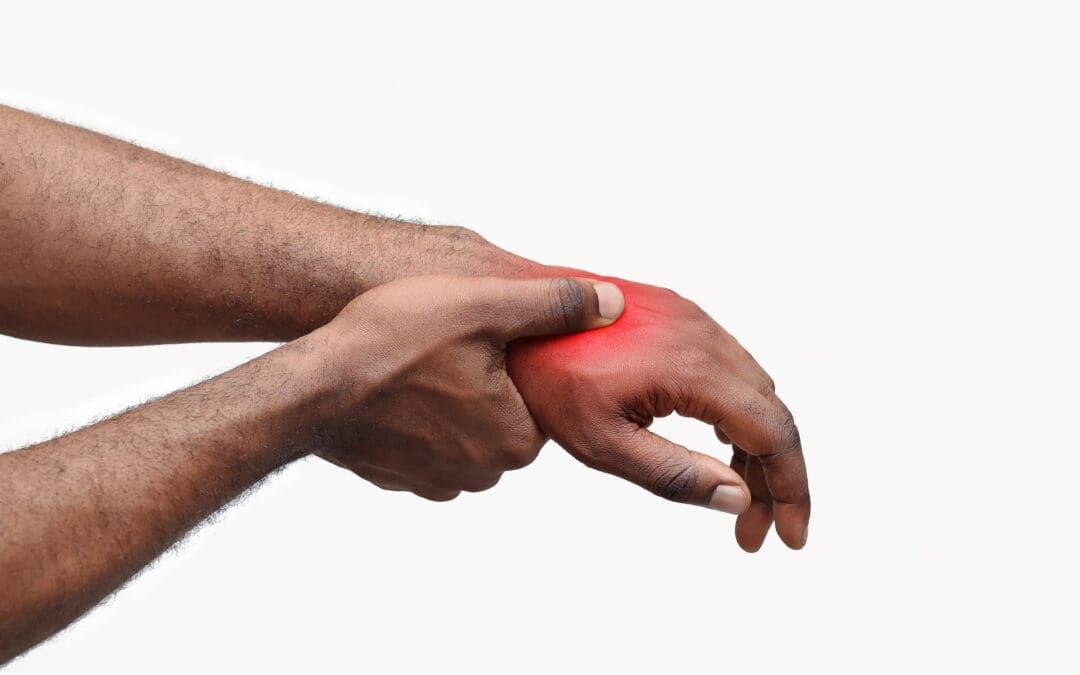
Back Clinic Neuropathy Treatment Team. Peripheral neuropathy is a result of damage to peripheral nerves. This often causes weakness, numbness, and pain, usually in the hands and feet. It can also affect other areas of your body. The peripheral nervous system sends information from the brain and spinal cord (central nervous system) to the body. It can result from traumatic injuries, infections, metabolic problems, inherited causes, and exposure to toxins. One of the most common causes is diabetes mellitus.
People generally describe the pain as stabbing, burning, or tingling. Symptoms can improve, especially if caused by a treatable condition. Medications can reduce the pain of peripheral neuropathy. It can affect one nerve (mononeuropathy), two or more nerves in different areas (multiple mononeuropathies), or many nerves (polyneuropathy). Carpal tunnel syndrome is an example of mononeuropathy. Most people with peripheral neuropathy have polyneuropathy. Seek medical attention right away if there is unusual tingling, weakness, or pain in your hands or feet. Early diagnosis and treatment offer the best chance for controlling your symptoms and preventing further damage to the peripheral nerves. Testimonies http://bit.ly/elpasoneuropathyGeneral Disclaimer *
The information herein is not intended to replace a one-on-one relationship with a qualified healthcare professional or licensed physician and is not medical advice. We encourage you to make your own health care decisions based on your research and partnership with a qualified health care professional. Our information scope is limited to chiropractic, musculoskeletal, physical medicines, wellness, sensitive health issues, functional medicine articles, topics, and discussions. We provide and present clinical collaboration with specialists from a wide array of disciplines. Each specialist is governed by their professional scope of practice and their jurisdiction of licensure. We use functional health & wellness protocols to treat and support care for the injuries or disorders of the musculoskeletal system. Our videos, posts, topics, subjects, and insights cover clinical matters, issues, and topics that relate to and support, directly or indirectly, our clinical scope of practice.* Our office has made a reasonable attempt to provide supportive citations and has identified the relevant research study or studies supporting our posts. We provide copies of supporting research studies available to regulatory boards and the public upon request.
We understand that we cover matters that require an additional explanation of how it may assist in a particular care plan or treatment protocol; therefore, to further discuss the subject matter above, please feel free to ask Dr. Alex Jimenez or contact us at 915-850-0900.
Dr. Alex JimenezDC,MSACP, CCST, IFMCP*, CIFM*, ATN*
email: [email protected]
Licensed in: Texas & New Mexico*
Mobility Challenges in Mexican and Mexican American Communities: Insights from El Paso Back Clinic®
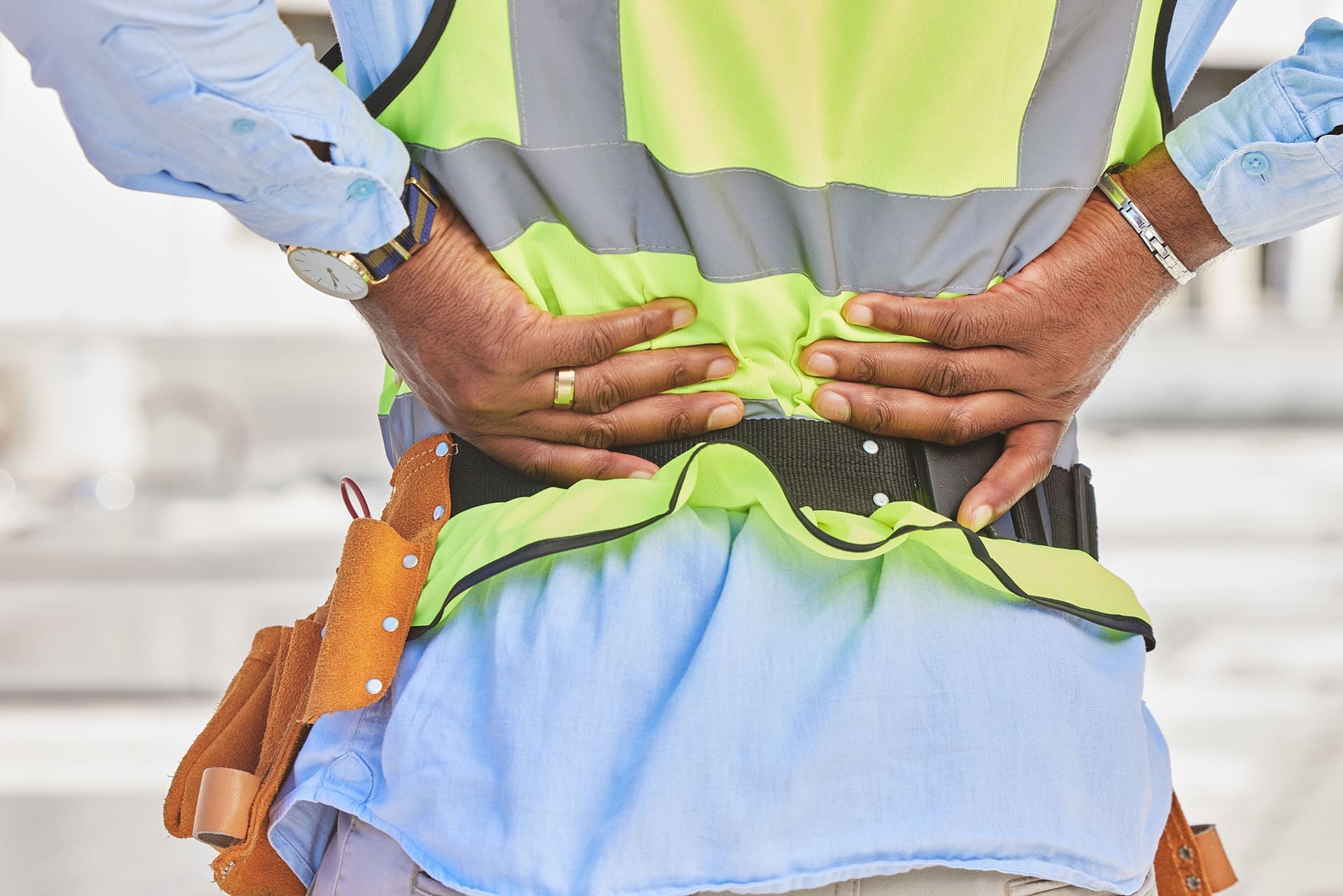
Mexican-American with back pain at a construction site.
At El Paso Back Clinic® in El Paso, TX, we see many patients from Mexican and Mexican American backgrounds facing mobility issues. These problems often stem from tough jobs, health factors like obesity, and aging. Our wellness chiropractic care focuses on pain relief and improved movement. This article discusses common issues such as arthritis and back pain, supported by studies. We’ll explain how our team, including Dr. Alexander Jimenez, DC, APRN, FNP-BC, uses integrative approaches to help. If you’re in El Paso dealing with these, our clinic is here for you.
Common Musculoskeletal Mobility Issues We Treat
Musculoskeletal problems affect your bones, muscles, and joints, making it difficult to move freely. At our clinic, we see these issues often in our community, where many work in demanding fields like farming or construction.
Arthritis, especially in the knees, is a top concern. It causes joint wear-related swelling and pain. In Mexico, about 20-25% of adults aged 40+ have it, with higher rates among women (Villarreal Rizzo et al., 2025). Mexican Americans in the U.S. also face risks, like osteoporosis weakening bones in 16% of women (Wright et al., n.d.). At El Paso Back Clinic®, we help ease this with gentle adjustments and exercises.
Chronic low back pain hits hard, too. It comes from prolonged lifting or standing. In Mexico, it’s the leading cause of disability, with 840.6 cases per 100,000 in 2021 (Clark et al., 2023). Among farmworkers here in Texas, 46.9% report back issues affecting daily life (Weigel et al., 2013). Our chiropractic care targets this to get you moving again.
Work injuries often involve the shoulders, wrists, and legs. Repetitive tasks in jobs cause rotator cuff problems in 19.1% and elbow pain in 20.2% of Latino workers (Mora et al., 2014). Older adults in our area are at risk of frailty due to ongoing pain, leading to reduced mobility (National Institutes of Health, n.d.). Women face more disability in tasks like walking, with arthritis raising risks by 35% over time (Rodriguez et al., 2021).
Here are key facts we see in our patients:
Arthritis rates: 19.6% for knee issues in Mexicans over 40, up to 24.2% in women (Ciampi de Andrade et al., 2022).
Back pain: Affects 16.9% of farmworkers from repetitive strain (Mora et al., 2014).
Craft-related injuries: Neck and knee pain from activities like weaving (Jeanson et al., 2025).
Disability trends: Physical function declines by 0.18 points per year with arthritis (Rodriguez et al., 2021).
Jobs in agriculture and construction drive these, plus obesity adds joint stress. In our Mexican American patients, higher BMI initially slows strength loss but worsens it later (Davis & Al Snih, 2025). About 83% of Hispanic men are overweight, linked to less activity (Valdez et al., 2019). At El Paso Back Clinic®, we address this with personalized plans.
Neuromusculoskeletal Issues Addressed at Our Clinic
These issues combine nerve problems with muscle and bone pain, leading to numbness or weakness. Our wellness approach helps restore nerve function and reduce discomfort.
Chronic low back pain is common, often due to nerve compression. It’s the main cause of disability in Mexico (Alva Staufert et al., 2021). Knee and foot arthritis affects movement, with 25.5% showing joint changes (Ciampi de Andrade et al., 2022). We treat foot pain from standing jobs, seen in 4.8% of workers (Mora et al., 2014).
Shoulder injuries, such as rotator cuff tears, are associated with overhead work and affect 19.1% (Mora et al., 2014). Elbow issues, or epicondylitis, affected 20.2% due to tool use (Mora et al., 2014). MSDs in Mexico rose 57.3% over 30 years (Clark et al., 2023). Obesity plays a role, with 40% of Hispanic men affected (Valdez et al., 2019).
In border areas like El Paso, women report 29.8% low back and 38.3% upper back pain from factory jobs (Harlow et al., 1999). Older patients walk more slowly due to leg pain (Quiben & Hazuda, 2015).
Common issues we handle:
Low back pain: Top disability driver, tied to work and weight (Alva Staufert et al., 2021).
Knee/foot arthritis: More in women, causing stiffness (Ciampi de Andrade et al., 2022).
Rotator cuff: From arm overuse in construction (Mora et al., 2014).
Epicondylitis: Elbow strain, common in 20% (Mora et al., 2014).
How El Paso Back Clinic® Helps with Integrative Care
Our clinic combines nurse practitioners (NPs) and chiropractic methods for culturally sensitive help. We focus on pain management and rehab to fit our community’s needs.
NPs at our clinic offer full check-ups that consider culture and history. They suggest diets rich in veggies and yoga for detox and pain relief (Jimenez, 2026a). We team up for whole-body care (Jimenez, 2026b).
Chiropractic adjustments realign the spine to ease nerve compression. For sitting-related back pain, we restore curves and strengthen the core (El Paso Back Pain Clinic, n.d.). Access to this care is key, though Hispanics use it less (Roseen, 2023).
Dr. Alexander Jimenez shares from his experience: Chronic back pain worsens with poor posture, but adjustments and exercises help (Jimenez, n.d.). For sciatica, decompression relieves pressure on nerves, which is common in laborers. Neuropathy gets therapy for tingling (Jimenez, n.d.). He uses functional medicine to tackle stress, diet, and job factors in our Mexican American patients.
We include mindfulness and natural remedies. Cultural factors, such as family support, help recovery, but delays worsen pain (Arthritis Foundation, n.d.). Our NPs create home plans (Pérez-Stable et al., 2003).
Rehab strengthens areas such as the legs and shoulders (Mora et al., 2014). It cuts frailty risks (National Institutes of Health, n.d.). For farmworkers, it reduces disability (Weigel et al., 2013).
Our care benefits:
Cultural match: Understanding barriers like work migration (Harlow et al., 1999).
Strength building: Targeted exercises (Mora et al., 2014).
Prevention: Nutrition against obesity (Valdez et al., 2019).
Why Choose El Paso Back Clinic® for Your Mobility Needs
In El Paso, with our diverse community, these issues are common but treatable. Our clinic specializes in wellness chiropractic to help you stay active. Contact us for a consultation with Dr. Jimenez and our team.
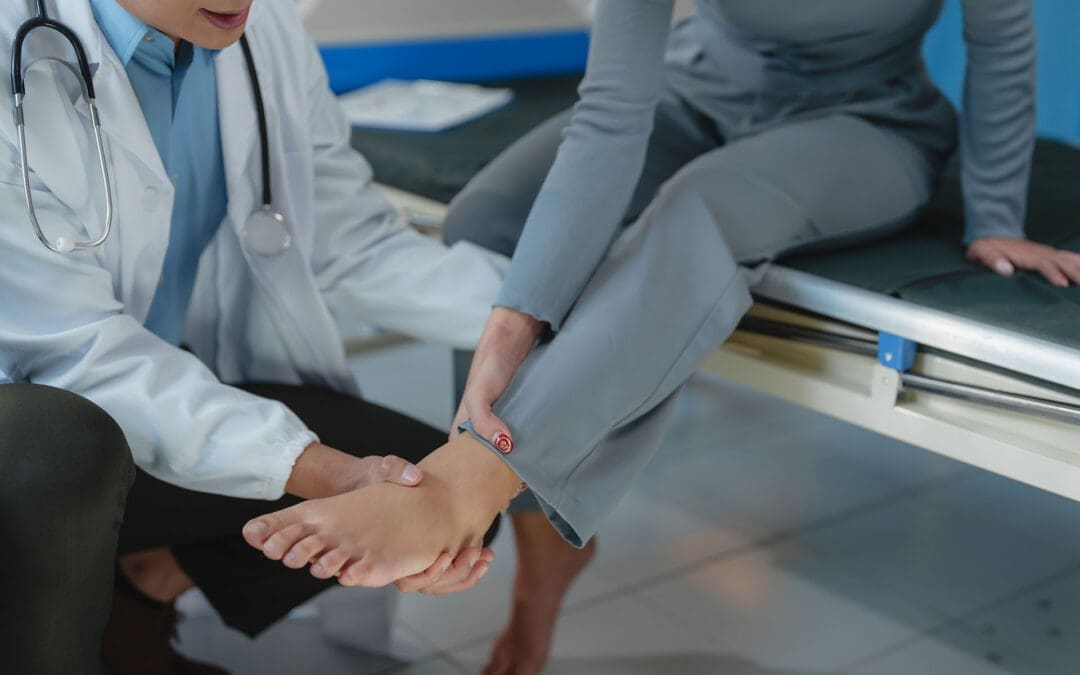
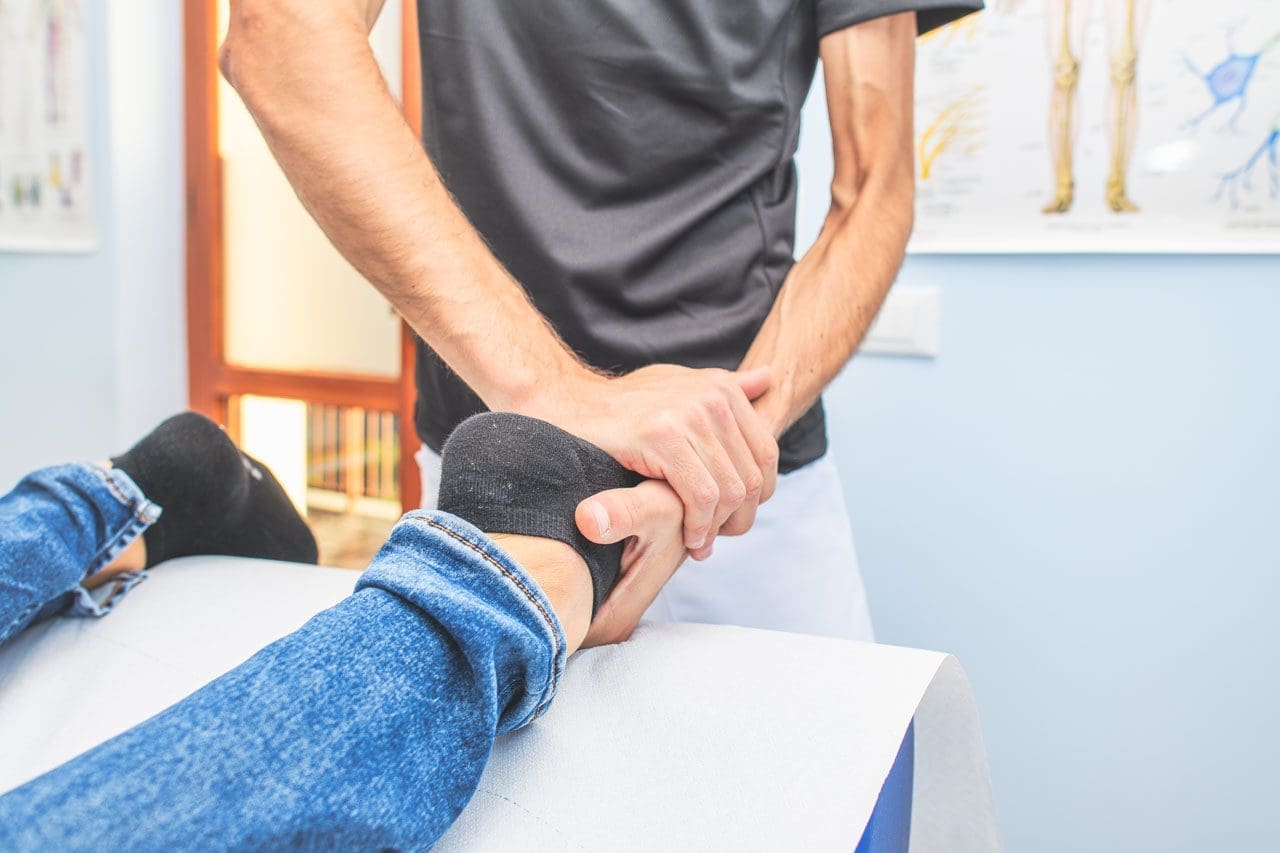
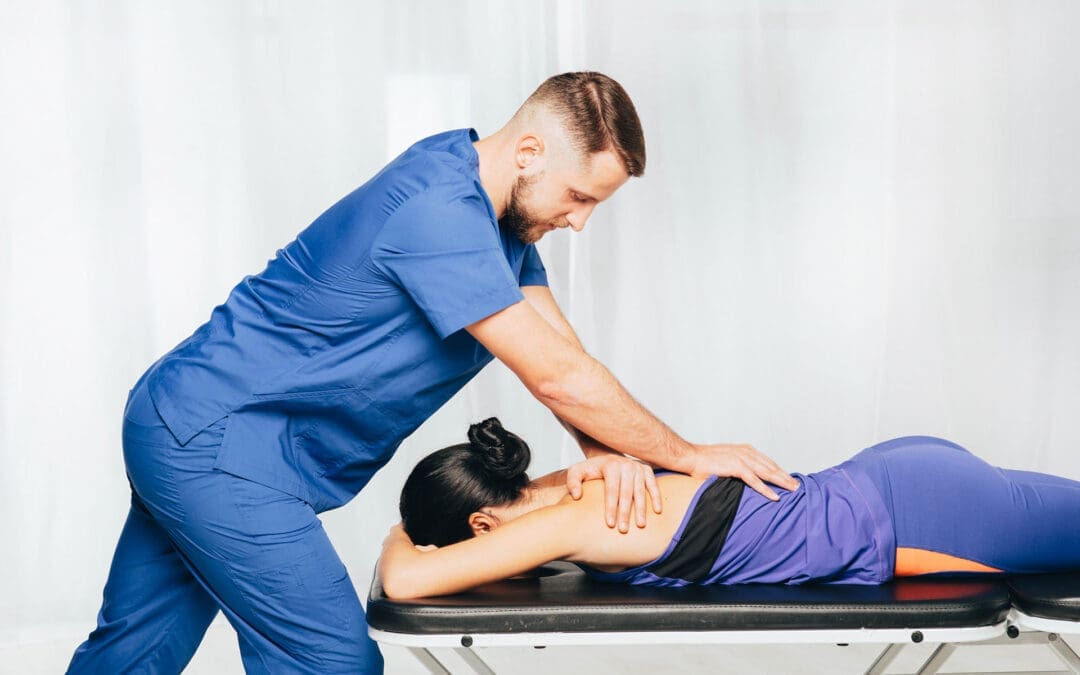
A physiotherapist works on a patient’s foot as part of their neuropathy treatment in the clinic
A Local, Integrative Approach from El Paso Back Clinic
Peripheral neuropathy is a common concern for many people in El Paso. Questions usually center on why symptoms are happening, how diabetes and spine health are connected, and what can be done beyond medication. At El Paso Back Clinic, care focuses on non-invasive, whole-person strategies that improve nerve function, movement, and daily quality of life.
This article answers the most common local questions in clear language and explains how integrative chiropractic care—coordinated with nurse practitioner (NP) oversight—addresses neuropathy by treating both symptoms and root causes. Clinical insights reflect the experience of Dr. Alexander Jimenez, DC, APRN, FNP-BC.
What Is Peripheral Neuropathy?
Peripheral neuropathy happens when nerves outside the brain and spinal cord are damaged or irritated. These nerves help you feel sensation, move muscles, and regulate automatic body functions like sweating and digestion. When nerve signals are disrupted, symptoms can feel burning, sharp, numb, or electric (West Texas Pain Institute, n.d.; Frontier Neurology, n.d.).
Most Common Neuropathy Symptoms We See in El Paso
People in El Paso often describe similar patterns:
Burning or throbbing pain (especially at night)
Tingling or “pins and needles”
Numbness in the feet or hands
Electric or shooting pain
Muscle weakness or cramping
Balance problems or frequent trips
Sensitivity to touch
In more advanced cases, symptoms can involve digestion, bladder control, or sweating (Frontier Neurology, n.d.).
Why Neuropathy Is So Common in This Region
A major driver locally is diabetes and prediabetes. High blood sugar can injure small blood vessels that feed nerves, leading to poor nerve signaling over time.
Other contributors include:
Spine and posture problems that stress nerve roots
Vitamin deficiencies (especially B vitamins)
Circulation issues
Prior injuries or repetitive strain
Certain medications or alcohol overuse
Inflammatory or autoimmune conditions
Many patients have multiple contributing factors, which is why a full evaluation is important (Medicos Family Clinic, n.d.; West Texas Pain Institute, 2023).
How Diabetic Neuropathy Affects Daily Life
Diabetic neuropathy often begins in the feet and slowly progresses upward. Common concerns include:
Burning feet at night
Loss of protective sensation
Higher risk of cuts, sores, and ulcers
Changes in walking or posture
Increased fall risk
Early integrative care can slow progression and reduce complications (El Paso Feet, n.d.; iVascular Center, n.d.).
How Neuropathy Is Evaluated at El Paso Back Clinic
Diagnosis is not based solely on symptoms. A complete assessment looks at the whole person.
Evaluation commonly includes:
Detailed health and symptom history
Review of blood sugar control and medications
Neurological and sensory testing
Posture and movement analysis
Spinal and joint evaluation
Imaging when nerve compression is suspected
Dr. Jimenez emphasizes that neuropathy symptoms often overlap with spinal nerve irritation or biomechanical stress, making dual-scope evaluation especially valuable (Jimenez, n.d.-a; Nonsurgical Spine Center, n.d.).
Can Neuropathy Improve Without Surgery?
For many people, yes. Most patients want conservative options before considering surgery or long-term medication use.
Non-surgical strategies may include:
Chiropractic care
Targeted exercise and physical therapy
Lifestyle and nutrition guidance
Laser therapy
Nerve stimulation techniques
Footwear and balance support
Stress and sleep optimization
Combining approaches is often more effective than relying on just one method (P3 Physical Therapy, n.d.; El Paso Feet, n.d.).
How Chiropractic Care Supports Nerve Health
Chiropractic care focuses on restoring healthy movement in the spine and joints, thereby reducing stress on nerves.
At El Paso Back Clinic, care may include:
Gentle spinal adjustments
Joint mobilization
Postural correction
Nerve decompression strategies
Soft tissue techniques
Guided movement and mobility work
Clinical observations show that improving spinal mechanics can enhance nerve signaling and reduce irritation—especially when neuropathy overlaps with back or neck problems (Jimenez, n.d.-b; El Paso Back Clinic, n.d.).
The Role of Nurse Practitioners in Neuropathy Care
Nurse practitioners (NPs) are essential for addressing medical and metabolic contributors to nerve damage.
NP-guided support may involve:
Lab testing and result interpretation
Diabetes and metabolic management
Identifying vitamin or nutrient deficiencies
Reviewing medication side effects
Monitoring nerve-related complications
Dr. Jimenez’s dual licensure allows structural findings and medical factors to be evaluated together, helping patients understand why symptoms are happening—not just where they hurt (Jimenez, n.d.-c).
Why an Integrative Approach Works Best
Neuropathy rarely has a single cause. Integrative care addresses multiple systems at once.
Benefits include:
More accurate diagnosis
Personalized care plans
Reduced dependence on pain medications
Improved balance, strength, and confidence
Better long-term nerve health
This approach is especially helpful for people with diabetes, chronic back pain, or long-standing symptoms (HealthCoach Clinic, n.d.; Pain and Wellness Institute, n.d.).
Physical Therapy and Movement for Nerve Recovery
Physical therapy complements chiropractic care by retraining safe movement and improving circulation.
Physical therapy may help by:
Strengthening supportive muscles
Improving balance and coordination
Reducing fall risk
Teaching nerve-friendly movement patterns
When coordinated with chiropractic and NP care, recovery is often faster and more sustainable (P3 Physical Therapy, n.d.).
Lifestyle Habits That Matter for Neuropathy
Daily habits can either protect or irritate nerves.
Helpful habits include:
Keeping blood sugar stable
Wearing supportive footwear
Limiting alcohol and avoiding smoking
Staying physically active
Managing stress
Prioritizing sleep
Small, consistent changes can reduce flare-ups and improve comfort over time (Modern Pain Houston, n.d.; Dr. Dennis Harris, n.d.).
Emotional and Community Support
Living with nerve pain can affect mood and sleep. Support makes a difference.
Education and coaching
Stress-management strategies
Peer or virtual support groups
Family involvement in care plans
Support resources help patients feel informed and empowered (Foundation for Peripheral Neuropathy, n.d.).
When to Seek Professional Help
Consider an evaluation if you notice:
Persistent tingling or numbness
Burning or electric pain
Muscle weakness
Balance problems or frequent falls
Foot wounds that heal slowly
Early care can help prevent progression and complications (West Texas Pain Institute, n.d.; Frontier Neurology, n.d.).
The El Paso Back Clinic Difference
At El Paso Back Clinic, neuropathy care is centered on conservative, patient-focused solutions. By combining chiropractic care with nurse practitioner oversight and lifestyle strategies, patients receive practical, non-invasive options designed to improve nerve function and daily life.
When You Don’t Stretch: Why Muscles Get Stiff, Movement Gets Harder, and Injuries Become More Likely
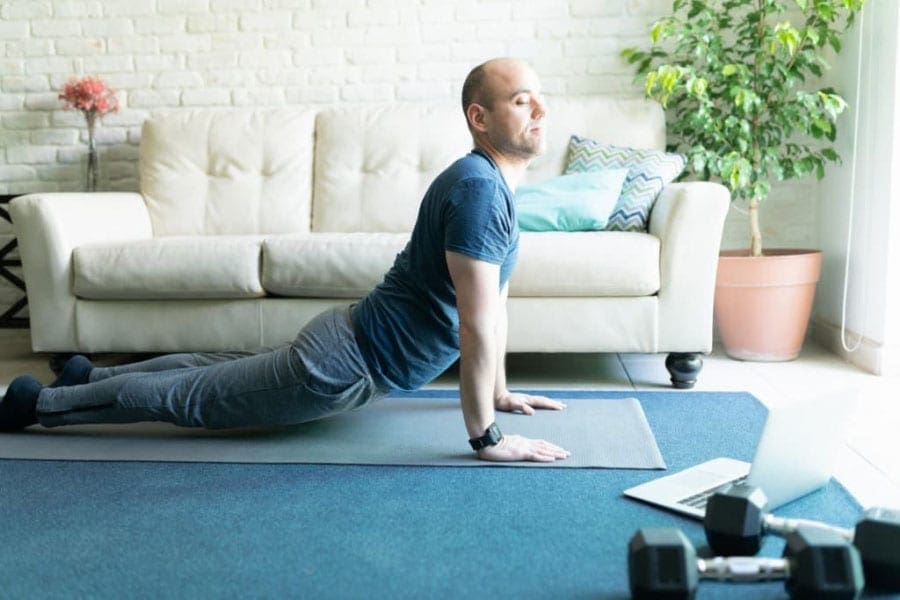
A patient with chronic back pain does targeted stretches.
If you rarely stretch, your body can start to feel “tight,” which can change how you move. Many people notice they can’t bend, twist, squat, reach overhead, or turn their head as easily as they used to. Over time, this can affect your flexibility, your range of motion (how far a joint can move), and how smooth and efficient your daily movements feel.
At El Paso Back Clinic, Dr. Alexander Jimenez, DC, APRN, FNP-BC, often explains this: when mobility decreases, the body starts to “compensate.” That means you move around a stiff area instead of through it, and those workarounds can build up stress in nearby joints and muscles (Jimenez, n.d.-a). This is one reason people can develop recurring back pain, neck stiffness, hip tightness, or shoulder irritation even without a single big injury.
What “Muscle Stiffness” Really Means
Muscle stiffness usually feels like tightness, soreness, or difficulty moving. It can happen after overuse, after you’ve been still for a long time, or when your muscles stay “stuck” in a more contracted state (Tarantino, 2025). Osmosis
Osmosis notes that stiffness can appear after a long period of minimal motion (such as bed rest or inactivity) or after new exercise that causes temporary muscle cell damage (Tarantino, 2025). Osmosis
Key idea: When your body doesn’t move a joint through its normal range often enough, the muscles and tissues around it can start to feel restricted. That restriction can make normal tasks think harder than they should.
Do Muscles Actually “Shorten” If You Don’t Stretch?
You’ll hear people say, “If you don’t stretch, your muscles will shorten.” That statement is partly true, but it needs context.
Adidas explains that the word “shorten” can be misleading: for most people, it feels like shortening because mobility and flexibility decrease when stretching is skipped, even if the muscle is not literally shrinking in everyday life (Adidas, 2025). adidas
Harvard Health adds an important clarification: without regular stretching, muscles can become tight, and when you need them for activity, they may not extend fully, increasing the risk of joint pain, strains, and muscle damage (Harvard Health Publishing, 2024). Harvard Health
So the practical takeaway is simple:
Skipping stretching often leads to less mobility and flexibility
Tight muscles can reduce how far joints can move
Tight muscles can make injuries more likely when you suddenly “ask more” of your body
How Tight Muscles Reduce Range of Motion
Range of motion (ROM) is the movement around a joint or body part. When ROM is limited, you can’t move that body part through its usual, healthy motion (Jimenez, n.d.-b). El Paso Back Clinic® • 915-850-0900
El Paso Back Clinic explains how tightness—especially in areas like the hips and ankles—can reduce ROM and limit potential for form and strength. When posture and form are compromised, pain and injury risk can rise (Jimenez, n.d.-b). El Paso Back Clinic® • 915-850-0900
What limited ROM can look like in real life
You might notice:
You can’t turn your head fully when driving
You bend from your lower back instead of your hips
You can’t squat without your heels lifting
Your shoulders feel “pinched” when reaching into a cabinet
Your hamstrings feel tight when you try to walk fast
And here’s the tricky part: your body still gets the job done—just with more strain.
Why Stiffness Can Raise Injury Risk
Harvard Health explains that tight muscles may be more easily damaged when they are suddenly stretched during strenuous activity (Harvard Health Publishing, 2024). Harvard Health
That’s why injuries often show up in moments like:
A weekend game after sitting all week
A sudden sprint to catch something
Lifting a heavy box with “cold” hips and hamstrings
A long drive followed by quick unloading or bending
Mayo Clinic also notes that better flexibility can help joints move through full ROM and may decrease injury risk, while emphasizing that stretching must be done correctly (Mayo Clinic Staff, n.d.). Mayo Clinic
Common Reasons People Stop Stretching (And How to Fix Them)
Most people don’t skip stretching because they don’t care. They skip it because it feels confusing, time-consuming, or uncomfortable.
Common barriers
“I don’t have time.”
“Stretching hurts.”
“I’m not flexible, so it doesn’t work for me.”
“I only need stretching if I work out.”
Better, more realistic reframes
You only need 5–10 minutes a few times a week to start seeing benefits (Mayo Clinic Staff, n.d.). Mayo Clinic
Stretching should create tension, not pain (Mayo Clinic Staff, n.d.). Mayo Clinic
Flexibility improves over weeks to months, not days (Harvard Health Publishing, 2024). Harvard Health
Stretching supports everyday movement, not just workouts (Harvard Health Publishing, 2024). Harvard Health
Safe Stretching Basics (So You Don’t Make Things Worse)
This matters: stretching done poorly can backfire.
Mayo Clinic recommends:
Don’t stretch cold muscles—warm up 5–10 minutes first
Don’t bounce
Hold stretches about 30 seconds (longer for problem areas)
Don’t stretch into pain (Mayo Clinic Staff, n.d.). Mayo Clinic
The American Heart Association adds:
Stretch when muscles are warm
Hold 10–30 seconds and repeat 3–5 times
Stretch slowly and smoothly (American Heart Association, 2024). www.heart.org
Quick safety checklist
Warm up first (easy walk, gentle movement)
Move slowly
Breathe
No bouncing
Stop if you feel sharp pain, numbness, or joint pain
A Simple 10-Minute Daily Stretch Routine for Real Life
This is designed for normal adults: busy schedules, stiff hips, tight neck, and lots of sitting.
Step 1: Warm up (1–2 minutes)
Walk around the house
March in place
Gentle arm circles
Step 2: Do these 6 stretches (about 8 minutes total)
1) Hip flexor stretch (1 minute each side) Helps if you sit a lot and feel tight in the front of your hips.
2) Hamstring stretch (1 minute each side) Harvard points out that tight hamstrings from sitting can limit how well you extend your leg and support walking mechanics (Harvard Health Publishing, 2024). Harvard Health
3) Calf stretch (45 seconds each side) Helpful for ankle mobility, walking, and squatting mechanics.
4) Chest opener (45 seconds) Stand in a doorway and gently open the chest to reduce rounded-shoulder posture.
5) Upper back reach (45 seconds) Hug yourself and gently pull your shoulder blades apart.
6) Neck side stretch (30 seconds each side) Gentle only—never crank your neck.
Step 3: Add “micro-mobility” during your day (optional but powerful)
Stand up every hour for 30–60 seconds
Do 5 bodyweight squats to a chair
Do 10 shoulder rolls
Take a 3-minute walk after meals
These small habits often matter as much as one long stretch session.
Stretching After Workouts: What You Should Know
Adidas explains the difference clearly:
Dynamic movement is best before workouts (prepares your body)
Static stretching is typically better after workouts, when you’re warm (Adidas, 2025). adidas
Mayo Clinic also cautions that stretching cold muscles can increase injury risk and notes that some intense activities may not benefit from heavy stretching right before performance (Mayo Clinic Staff, n.d.). Mayo Clinic
A balanced approach
Before exercise: warm up + dynamic mobility
After exercise: gentle static stretching + breathing
On rest days: short, consistent flexibility routine
When Stiffness Is a Sign You Need More Than Stretching
Sometimes the problem is not just “tight muscles.” You may have:
Joint restrictions that block movement
Spine or pelvis alignment issues affecting mechanics
Inflammation around a joint
Pain patterns that keep muscles “guarded”
A nerve-related problem (numbness, tingling, weakness)
El Paso Back Clinic notes that limited ROM in areas like the back, neck, or shoulders can be linked to the body being out of natural alignment, repetitive motions, or wear and tear (Jimenez, n.d.-b). El Paso Back Clinic® • 915-850-0900
If stretching doesn’t help—or makes symptoms worse—it’s smart to get assessed.
The El Paso Back Clinic Approach: Integrative Chiropractic + Nurse Practitioner Support
This is where integrative care can be a game-changer: you’re not only “stretching more,” you’re also finding out why you’re tight and building a plan that fits your body.
What chiropractic care can add
El Paso Back Clinic describes a “restoration” approach that may include:
Soft tissue work (to reduce tightness and improve circulation)
Adjustments (to address misalignments and support mobility)
Nurse practitioners are advanced practice clinicians who assess, diagnose, and treat illnesses and injuries and support chronic condition management (American Nurses Association, n.d.). ANA Healthgrades also describes NPs performing screenings and physical exams, ordering lab work, documenting care, and diagnosing certain conditions (Prosser, 2025). Healthgrades Resources
Why the combo helps stiffness and pain
Together, a chiropractor + NP team can:
Screen for red flags (nerve symptoms, systemic issues)
Decide when imaging or labs are appropriate
Build a movement plan that matches your pain level
Address sleep, stress, inflammation, and recovery habits
Track progress using measurable goals (like ROM improvements)
Dr. Jimenez’s Mobility & Flexibility materials emphasize that “great mobility” supports functional movement without ROM restrictions and that people who don’t stretch often may experience stiffened muscles that reduce effective movement (Jimenez, n.d.-a). El Paso Back Clinic® • 915-850-0900
Red Flags: When to Stop Stretching and Get Checked
Call a clinician promptly if you have:
Numbness, tingling, or weakness in an arm/leg
Loss of balance, clumsiness, or trouble walking
Severe pain that doesn’t improve
Pain after trauma (car accident, fall, sports collision)
Fever, unexplained swelling, or sudden intense stiffness
Muscle stiffness can sometimes be related to underlying medical issues, and diagnosis may require an exam and follow-up testing, depending on the cause (Tarantino, 2025). Osmosis
The Bottom Line
If you don’t stretch regularly, it’s common to feel tighter and less mobile over time. That stiffness can reduce range of motion, make daily tasks harder, and increase your risk of injury when you suddenly push your body. The good news is that you don’t need extreme flexibility. You need consistent, safe mobility work—and when required, professional support to restore movement and reduce pain.
A practical plan usually includes:
Small daily stretching habits
Better warm-ups and recovery routines
Strength + mobility (not stretching alone)
Integrative evaluation when pain, ROM loss, or repeated flare-ups keep returning
Gut Neuropathies: Understanding Nerve Damage in Digestion and Integrative Relief Options
Damage to the nerves controlling the digestive system results in gut neuropathies, also known as enteric or autonomic neuropathies. These conditions disrupt the normal movement of food through the stomach and intestines, leading to symptoms like gastroparesis (delayed stomach emptying), chronic constipation, or frequent diarrhea. Often linked to underlying issues such as diabetes, autoimmune disorders, or physical trauma, gut neuropathies can significantly affect daily life with persistent digestive discomfort. This article reviews the causes, symptoms, diagnostic approaches, and management strategies for gut neuropathies, highlighting how integrative chiropractic care, as practiced at El Paso Back Clinic® in El Paso, TX, supports nerve health and overall recovery.
The Enteric Nervous System and Neuropathy
The digestive tract relies on the enteric nervous system (ENS), a complex network of neurons embedded in the gut wall. Often called the “second brain,” the ENS manages digestion by coordinating muscle contractions, enzyme secretion, and nutrient absorption. When these nerves are damaged, known as enteric neuropathy, digestion falters, causing food to move too slowly or too quickly. Autonomic neuropathy, which affects involuntary functions like heart rate and digestion, can make gut motility even worse by damaging nerves like the vagus nerve, which controls how quickly the stomach empties (Stanford Health Care, n.d.).
Damage to enteric neurons or glia—support cells in the ENS—alters signaling, leading to issues like bloating or malabsorption. Inflammation, oxidative stress, or immune attacks often drive this damage, weakening the gut barrier and increasing infection risks (McClurg et al., 2024). These changes can ripple outward, affecting overall health and complicating conditions like diabetes.
Causes of Gut Neuropathies
Gut neuropathies stem from various sources, with diabetes being a primary driver. Elevated blood sugar levels damage nerve fibers and their blood supply, particularly in the gastrointestinal tract, impairing motility and causing conditions like gastroparesis (Meldgaard et al., 2015). This nerve damage makes it hard for the stomach to contract properly, which slows down digestion.
Autoimmune disorders also play a significant role. The immune system may produce antibodies that attack gut nerves, resulting in motility issues or pseudo-obstruction—a condition mimicking a physical blockage (Camilleri et al., 2021). Diseases like Sjögren’s syndrome or paraneoplastic syndromes can trigger such responses, inflaming nerves and altering function.
Infections, including bacterial or viral gastroenteritis, can cause severe nerve damage. Post-infectious neuropathy may cause persistent diarrhea or constipation, as viruses like Epstein-Barr or toxins disrupt neural pathways (Caula et al., 2018). Medications, such as chemotherapy drugs or certain antibiotics, and environmental toxins like heavy metals further contribute by directly harming neurons.
Inflammatory conditions, such as Crohn’s disease or celiac disease, inflame the gut, leading to nerve dysfunction through malabsorption of nutrients like vitamin B12 or E (Zhang et al., 2024). Trauma or spinal misalignments from injuries can indirectly affect gut nerves by compressing autonomic pathways, exacerbating symptoms in vulnerable individuals (Kumar, n.d.). Aging also reduces enteric neuron density, increasing risks for constipation or motility issues (McClurg et al., 2024).
Symptoms of Gut Neuropathies
The symptoms of gut neuropathies depend on which part of the digestive system is affected. In the upper gut, gastroparesis is common, causing nausea, vomiting, bloating, and early fullness after meals. Patients may struggle with appetite loss or weight changes due to poor nutrient absorption (NIDDK, n.d.). Lower gut involvement leads to constipation, diarrhea, or alternating patterns, often with abdominal pain or urgency.
Small intestine dysfunction results in bloating, cramping, and malabsorption, which can cause fatigue, anemia, or vitamin deficiencies (Pathways Consult Service, n.d.). Severe cases may present as pseudo-obstruction, where the gut stops moving effectively, mimicking a blockage (Camilleri et al., 2021). Other signs include acid reflux, trouble swallowing, or fecal incontinence, which can get worse when you’re stressed or have a systemic condition like diabetes, because irregular digestion makes it harder to control blood sugar (NIDDK, n.d.).
Some patients experience systemic autonomic symptoms, such as dizziness upon standing or abnormal sweating, indicating broader nerve involvement (Stanford Health Care, n.d.). These symptoms often overlap with other neuropathic conditions, making diagnosis critical.
Diagnosing Gut Neuropathies
Diagnosis begins with a thorough medical history to identify risk factors like diabetes, autoimmune diseases, or recent infections. Physical exams assess abdominal symptoms, while blood tests check for glucose levels, autoantibodies, or nutrient deficiencies like B12.
Specialized tests evaluate gut motility. Gastric emptying scintigraphy uses a radioactive meal to measure digestion speed via imaging. Breath tests detect bacterial overgrowth or slow transit. Wireless motility capsules track movement through the digestive tract, providing detailed data (Meldgaard et al., 2015). Endoscopy or manometry measures muscle and nerve function, while biopsies, though less common, can confirm nerve damage.
For suspected autoimmune causes, antibody tests target specific markers like anti-Hu or ganglionic receptors (Camilleri et al., 2021). Advanced imaging, such as MRI or digital motion X-rays, assesses spinal contributions to autonomic dysfunction, especially in trauma cases (Jimenez, n.d.a). Skin biopsies may detect small fiber neuropathy linked to gut issues (Pathways Consult Service, n.d.).
Traditional Treatment Approaches
Managing gut neuropathies focuses on addressing causes and relieving symptoms. For diabetic patients, strict blood sugar control slows nerve damage progression (NIDDK, n.d.). Dietary changes—small, frequent meals for gastroparesis or high-fiber diets for constipation—support motility. Prokinetic drugs like erythromycin enhance stomach emptying, while laxatives or antidiarrheals regulate bowel habits (Stanford Health Care, n.d.).
Autoimmune neuropathies may respond to immunosuppressive therapies, such as corticosteroids or intravenous immunoglobulin (IVIG) (Caula et al., 2018). Nutritional supplements address deficiencies, improving nerve health. In severe cases, gastric electrical stimulation or feeding tubes manage intractable symptoms. Pain relief often involves medications targeting neuropathic discomfort (Kumar, n.d.).
Lifestyle adjustments, including hydration, stress management, and moderate exercise, support nerve repair and symptom control. Since many cases are chronic, long-term management is key (Piedmont Healthcare, n.d.).
Integrative Chiropractic Care for Nerve Health and Recovery
Integrative chiropractic care takes a whole-person approach to treating gut neuropathies by looking at the neuromusculoskeletal factors that affect nerve function. At El Paso Back Clinic® in El Paso, TX, practitioners combine spinal adjustments, soft tissue therapies, and rehabilitation exercises to enhance nerve communication, reduce inflammation, and promote recovery.
Spinal manipulations correct misalignments that exert pressure on autonomic nerves, such as the vagus nerve, which directly influences bodily functions. Soft tissue methods, like myofascial release or using tools to help with movement, reduce muscle tightness and increase blood flow to the nerves. Targeted exercises strengthen core and pelvic muscles, supporting digestive mechanics and preventing symptom flares.
Dr. Alexander Jimenez, DC, APRN, FNP-BC, at El Paso Back Clinic®, integrates his chiropractic and nurse practitioner expertise to provide comprehensive care. His clinic evaluates patients with advanced neuromusculoskeletal imaging, such as MRI or digital motion X-rays, to identify nerve compression from injuries like motor vehicle accidents (MVAs), workplace strains, sports impacts, or personal falls (Jimenez, n.d.a). These injuries can exacerbate gut neuropathy by disrupting spinal nerve pathways linked to digestion.
Dr. Jimenez’s clinical observations highlight connections between injuries and gut dysfunction. For example, MVAs causing whiplash may inflame cervical nerves, impairing vagus nerve function and worsening gastroparesis. Work-related repetitive strains misalign the thoracic spine, affecting enteric signals. Sports injuries compressing lumbar nerves contribute to lower gut dysmotility. Personal accidents, like slips, trigger systemic inflammation that mimics autoimmune neuropathy effects.
Treatment protocols at the clinic include chiropractic adjustments, therapeutic ultrasound, acupuncture, and functional rehabilitation tailored to the injury type. For people with diabetic neuropathy, nutritional counseling focuses on reducing inflammation and oxidative stress by giving them supplements like omega-3s or B vitamins. The clinic also provides detailed medical-legal documentation for insurance, workers’ compensation, or personal injury cases, which makes it easier for everyone to work together (Jimenez, n.d.b).
This integrative approach reduces pain, enhances mobility, and supports digestive health by optimizing nerve function. Patients say they can handle their symptoms better and are less likely to have problems again, which fits with the clinic’s focus on functional medicine and wellness.
The Spine-Gut Connection
The spine plays a critical role in gut health, as autonomic nerves, including the vagus, pass through spinal regions. Misalignments or trauma-induced inflammation can disrupt these pathways, aggravating neuropathy symptoms (Kumar, n.d.). Chiropractic care restores alignment, potentially easing gut motility issues by improving nerve signaling.
Dr. Jimenez notes that patients with spinal injuries often report digestive complaints, such as bloating or irregular bowels, which improve with targeted adjustments and rehab. Functional medicine tests at the clinic find signs of inflammation, helping create personalized plans that include nutrition, exercise, and chiropractic care to support the connection between the gut and brain.
Preventing Gut Neuropathies
Prevention involves managing risk factors: maintaining stable blood sugar, eating nutrient-rich foods, and avoiding neurotoxic substances like alcohol or certain medications. Regular exercise promotes nerve health, while stress reduction techniques, such as mindfulness, support autonomic balance (Piedmont Healthcare, n.d.).
Early intervention after injuries is crucial. Integrative care at El Paso Back Clinic® addresses trauma promptly, preventing chronic nerve dysfunction through holistic strategies that blend chiropractic, nutrition, and rehabilitation.
Conclusion
Gut neuropathies make it difficult to digest food because of nerve damage from diabetes, autoimmune issues, or trauma, but knowing how they work Symptoms like gastroparesis or dysmotility require precise diagnosis and tailored treatments. Integrative chiropractic care, as practiced at El Paso Back Clinic®, enhances recovery by addressing spinal and nerve health, offering a patient-centered path to relief. By combining medical insights with holistic methods, individuals can achieve better digestive function and overall wellness.
Caula, C., et al. (2018). Peripheral neuropathy and gastroenterologic disorders: An overview on an underrecognized association. European Journal of Gastroenterology & Hepatology. https://pmc.ncbi.nlm.nih.gov/articles/PMC6502186/
El Paso Back Clinic®: Premier Wellness Chiropractic Care in El Paso, TX
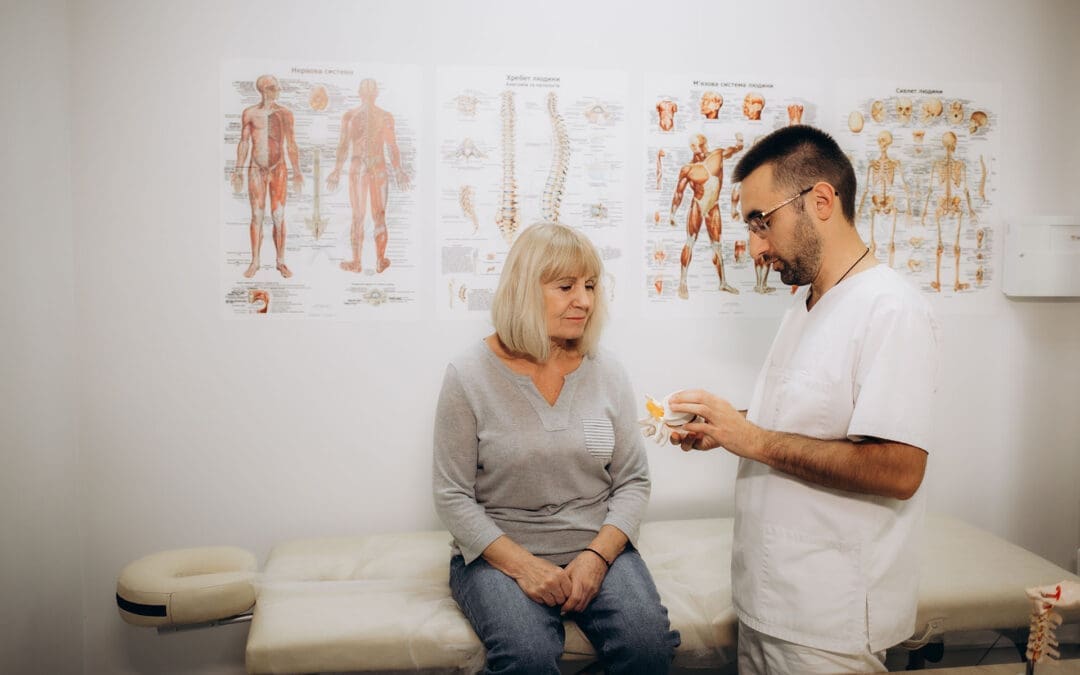
Spine problems are evident in the model. A woman is in consultation with the doctor in the clinic.
At El Paso Back Clinic®, led by Dr. Alexander Jimenez, DC, APRN, FNP-BC, we’re dedicated to transforming lives through advanced chiropractic care and integrative wellness in El Paso, TX. Specializing in recovery from motor vehicle accidents (MVAs), sports injuries, and chronic conditions such as neuropathy, our team utilizes cutting-edge neuromusculoskeletal imaging and dual-scope diagnostics to identify the root causes of injuries. From whiplash to gastrointestinal trauma, we craft personalized plans blending spinal adjustments, nutrition, and therapies like acupuncture to restore mobility and vitality. With a focus on holistic healing and legal support for injury claims, we empower El Pasoans to live pain-free and thrive.
Personal Injuries and Their Impact in El Paso
Living in El Paso’s bustling community means navigating busy roads and an active lifestyle, where accidents—from car crashes to sports mishaps—can disrupt one’s health. MVAs, common on rainy I-10 days, often cause spinal misalignments, leading to sciatica or numbness (Jimenez, 2025a). Sports injuries, like joint strains and workplace falls, add to the toll, risking chronic issues like neuropathy if untreated (Mana.md, n.d.).
At El Paso Back Clinic®, Dr. Jimenez’s chiropractic expertise targets these musculoskeletal and nerve disruptions. Using advanced imaging, we link injuries to symptoms, ensuring precise care. Our integrative approach, which combines adjustments with wellness coaching, helps prevent long-term pain and includes legal documentation to support insurance claims for patients in El Paso.
Nerve Pain and Neuropathy Post-Collision
Car accidents frequently trigger nerve compression, causing tingling, burning, or weakness that mimics peripheral neuropathy. Even minor collisions in El Paso’s unpredictable weather can cause vertebrae to shift, potentially pinching nerves (Jimenez, 2025b). Our clinic employs EMG and dynamic X-rays to map these injuries, correlating crash forces to nerve damage for accurate diagnosis.
We use spinal decompression and laser therapy to relieve pressure and promote healing, with patients often seeing 40-50% symptom improvement in weeks (Miami Chiropractors, n.d.). Detailed biomechanical reports strengthen personal injury claims, ensuring fair compensation for El Paso residents.
Chiropractic Care for Joint and Ligament Injuries
Injuries like ACL tears from sports or MVA dashboard impacts require targeted restoration. At El Paso Back Clinic®, we realign joints, boost circulation, and strengthen muscles to speed recovery without surgery (Jimenez, 2025c). Dr. Jimenez’s functional assessments prevent compensatory patterns, vital for El Paso’s athletes.
We integrate acupuncture and custom orthotics, helping patients resume activities in six months, rather than a year. Nutritional support, like collagen-rich diets, enhances ligament repair, tailored to El Paso’s active community.
Five Musculoskeletal Challenges We Address
Accidents hit muscles and bones hard. Our chiropractic team tackles five common issues:
Neck and Back Pain: Whiplash from MVAs causes stiffness; gentle adjustments restore motion (Jimenez, 2025d).
Sciatica: Pinched nerves from disc issues ease with traction therapy.
Joint Inflammation: Post-injury arthritis responds to ultrasound and anti-inflammatory nutrition.
Sports Strains: Overuse injuries can be effectively treated through myofascial work and gait analysis.
These protocols, customized for El Pasoans, cut recurrence by half, blending wellness education for lasting health.
Spinal Misalignment: Recovery After Crashes
El Paso’s slick roads amplify MVA risks, often misaligning spines and compressing discs, leading to radiating pain (Jimenez, 2025a). We utilize high-velocity adjustments and flexion-distraction techniques to realign the vertebrae, paired with massage to relax the muscles.
Dr. Jimenez’s imaging links crash dynamics to disc damage, guiding non-surgical plans that preserve mobility in 70% of cases (Knecht Chiropractic, n.d.). Legal reports detail injury causation, supporting the claims of El Paso patients.
Reducing Inflammation for Pain Relief
Inflammation fuels post-injury pain. Our chiropractic care enhances lymphatic drainage via soft-tissue therapy and cryotherapy, breaking the cycle (Jimenez, 2025e). Patients adopt home strategies, such as taking turmeric supplements, which can reduce swelling by 40% (Miami Chiropractors, n.d.).
For workers’ compensation cases, we monitor biomarkers, aligning treatments with recovery goals to help El Paso workers return to their feet.
Cyclist Recovery After Bike-MVA Collisions
Biking on El Paso’s scenic trails poses risks from urban traffic, which can lead to fractures or nerve injuries. Our integrative care includes bike-fit corrections and vestibular training for balance (Jimenez, 2025f). Cyclists return to riding in three months, supported by endurance nutrition and legal advocacy.
Massage Therapy for MVA Trauma Healing
MVAs cause soft-tissue damage, from bruises to adhesions. Massage therapy, paired with adjustments, boosts circulation and endorphins, reducing whiplash recovery time by 30% (Jimenez, 2025). We progress from gentle strokes to deep tissue, documenting for El Paso insurance claims.
Spinal Trauma from 18-Wheeler Accidents
Semi-truck crashes deliver intense force, fracturing vertebrae or tearing ligaments. We use dynamic imaging to assess damage, guiding bracing and neuromodulation (Jimenez, 2025h). Legal reports link crash mechanics to injuries, aiding settlements for El Paso patients.
Nutrition for Tissue Repair Post-MVA
Injured tissues require nutrients such as protein and antioxidants. Dr. Jimenez designs diets with salmon and berries, using genetic insights to optimize healing (Jimenez, 2025i). This reduces fibrosis, strengthening tissues for El Paso’s active residents.
Durable Medical Equipment for Recovery
Following a motor vehicle accident (MVA), tools such as TENS units or cervical collars can support healing. We select evidence-based equipment, such as ergonomic chairs, to offload spines (Jimenez, 2025). Tele-rehab ensures compliance, with invoices bolstering El Paso claims.
Comprehensive Musculoskeletal Recovery
MVAs strain muscles and joints, from sprains to dislocations. Our pain mapping and multi-modal care—adjustments, PT, mindfulness—restore 80% function in six weeks (Jimenez, 2025k). Legal narratives ensure fair compensation.
Whiplash-Associated Disorders (WAD) Recovery
WAD from crashes causes neck pain or dizziness. We use Doppler ultrasound for vascular checks and treat with mobilization for 90% relief (Jimenez, 2025). Immediate post-accident icing and evaluations ensure thorough El Paso claims.
Gastrointestinal Injuries from MVAs
Car accidents can disrupt digestion, causing nausea or organ strain. Our integrative care, which includes visceral manipulation and nutrition, restores gut health, backed by legal support for claims (Jimenez, 2025).
Why Choose El Paso Back Clinic®?
Our team, led by Dr. Jimenez, combines chiropractic precision with medical expertise, utilizing tools such as digital motion X-rays. We offer acute-to-chronic care, transparent billing, and testimony for legal cases. Patients reduce their reliance on medication, regaining vitality through holistic plans tailored for El Paso’s vibrant community.
Learn about effective chiropractic care methods for managing nerve damage from gluten and improving your overall well-being.
Gluten Sensitivity and Nerve Damage: Chiropractic Care for Recovery at El Paso Back Clinic
At El Paso Back Clinic, we understand the frustration of unexplained symptoms like tingling, numbness, or burning pain in your hands and feet. These could point to nerve damage tied to gluten sensitivity—a condition affecting many but often overlooked. If eating bread, pasta, or other gluten-containing foods leaves you feeling off, you might be dealing with non-celiac gluten sensitivity (NCGS) or even early neuropathy. The good news? You don’t need surgery or heavy medications to find relief. Our team, led by Dr. Alexander Jimenez, DC, APRN, FNP-BC, specializes in nonsurgical solutions, including chiropractic care, targeted exercises, massage therapy, acupuncture, and integrative medicine, to reduce nerve damage, promote natural healing, and prevent long-term complications.
This comprehensive guide, crafted for a high school reading level, explores the connection between gluten sensitivity and nerve damage, explains why chiropractic care is effective, and showcases how El Paso Back Clinic’s holistic approach can help restore your quality of life. With over 5,000 words of SEO-optimized content, we’ll provide clinical insights, patient success stories, and actionable steps, all backed by research and Dr. Jimenez’s expertise. Let’s explore how we can help you heal naturally.
Understanding Gluten Sensitivity: More Than a Gut Issue
Gluten, a protein in wheat, barley, and rye, is a staple in foods like pizza, cereal, and beer. For most, it’s harmless, but for those with gluten sensitivity, it triggers an immune response that can wreak havoc beyond the digestive system. Non-celiac gluten sensitivity (NCGS) affects up to 6% of the population, causing symptoms that mimic those of other conditions, making diagnosis challenging (Cárdenas-Torres et al., 2021).
Unlike celiac disease, which damages the small intestine, NCGS can manifest as neurological symptoms, including peripheral neuropathy—nerve damage causing tingling, pain, or weakness. At El Paso Back Clinic, we see patients who’ve struggled with these issues for years, often unaware that gluten is the culprit. Common signs include:
Bloating, gas, or irregular digestion.
Skin rashes or persistent itching.
Headaches or brain fog affecting focus.
Joint pain or muscle stiffness.
Nerve issues like numbness or burning sensations.
These symptoms can escalate, leading to chronic discomfort if untreated. Research shows NCGS can trigger neurological dysfunction through inflammation, impacting the gut-brain axis (Mitsikostas & Di Luca, 2022).
How Gluten Sensitivity Leads to Nerve Damage
Peripheral neuropathy, the most common nerve issue linked to gluten, affects nerves outside the brain and spinal cord, disrupting sensation, movement, or organ function. Here’s how gluten sensitivity contributes:
Autoimmune Response: Gluten can prompt antibodies to attack nerve cells or the myelin sheath, the protective nerve coating, similar to mechanisms in multiple sclerosis (Ludvigsson et al., 2013, as cited in El Paso Back Clinic, n.d.).
Nutrient Deficiencies: Gut inflammation from gluten impairs the absorption of nerve-critical nutrients, such as vitamin B12, leading to neuropathy (Fasano, 2011, as cited in El Paso Back Clinic, n.d.).
Systemic Inflammation: Chronic inflammation from gluten weakens the blood-brain barrier, allowing toxins to irritate nerves (Hadjivassiliou et al., 2016, as cited in Cárdenas-Torres et al., 2021).
Sensory Neuron Damage: Gluten-induced inflammation can directly harm sensory nerves, causing pain or tingling (Mitsikostas & Di Luca, 2022).
Studies indicate celiac patients are 2.5 times more likely to develop neuropathy, and up to 30% of NCGS patients report neurological symptoms (Ludvigsson et al., 2013; Fasano, 2011). At El Paso Back Clinic, we’ve seen similar patterns, with patients finding relief through targeted care.
Recognizing Neuropathy Symptoms
Early signs include:
Tingling or numbness in fingers or toes.
Burning pain, especially at night.
Sensitivity to light touch.
Muscle weakness affecting grip or balance.
Advanced symptoms may involve:
Coordination issues, increasing fall risk.
Sharp, electric-shock-like pains.
Autonomic issues like irregular heart rate or digestion problems.
These overlap with conditions like diabetes, so professional diagnosis is vital. Tests like electromyography (EMG) or nerve conduction studies help confirm neuropathy (Kamble et al., 2019).
Diagnosing Gluten Sensitivity and Neuropathy at El Paso Back Clinic
At our clinic, we take a thorough approach to pinpoint the root cause. Dr. Jimenez and our team use:
Blood Tests: To detect inflammation or celiac-related antibodies.
Gluten Challenge: Supervised reintroduction of gluten to monitor symptoms.
Neurological Exams: EMG and nerve conduction tests to assess nerve function.
Nutritional Screening: Checking for deficiencies like B12 that fuel neuropathy.
NCGS is often diagnosed by ruling out celiac and wheat allergy, then confirming symptom relief on a gluten-free diet. Our integrative approach ensures accurate, personalized care (Cárdenas-Torres et al., 2021).
Why Chiropractic Care Works: Clinical Insights
Chiropractic care is a cornerstone at El Paso Back Clinic for addressing gluten-related neuropathy. Spinal misalignments, or subluxations, can compress nerves, worsening inflammation and pain. Our adjustments, guided by Dr. Jimenez’s 30+ years of experience, target these issues to restore nerve function.
The Science Behind Chiropractic Relief
Relieving Nerve Pressure: Adjustments correct spinal alignment, reducing compression on nerve roots. This enhances blood flow and nutrient delivery, critical for nerve repair (Jimenez, n.d.a).
Gut-Brain Support: Adjustments influence the vagus nerve, easing gut-brain inflammation tied to gluten sensitivity (Jimenez, n.d.b).
Research supports chiropractic for neuropathy. A study showed spinal manipulation reduced pain and improved mobility in peripheral neuropathy patients (Seyedizadeh et al., 2020). Dr. Jimenez notes, “Our goal is to remove barriers to healing, letting the body do what it does best” (Jimenez, n.d.a).
Dr. Alexander Jimenez: Leading Integrative Care in El Paso
Dr. Alexander Jimenez, DC, APRN, FNP-BC, brings unparalleled expertise to El Paso Back Clinic. Board-certified in family practice and functional medicine, he combines chiropractic, nutrition, and wellness to treat neuropathy holistically. His philosophy, shared on LinkedIn, emphasizes patient education: “Knowledge transforms pain into progress” (Jimenez, n.d.c).
Dr. Jimenez’s Approach
Comprehensive Assessments: Using genetics, lifestyle, and diagnostic tools to tailor care.
Precision Adjustments: Targeting nerve roots affected by gluten inflammation.
Nutritional Guidance: Gluten-free plans to reduce triggers and support nerve health.
At our Neuropathy Center, Dr. Jimenez integrates “Neuro-Gen” supplements with chiropractic care, seeing patients like Maria, a 45-year-old teacher, reduce tingling by 80% in three months through adjustments and diet changes.
The Benefits of a Healthy Diet & Chiropractic Care- Video
Nonsurgical Therapies at El Paso Back Clinic
Our clinic offers a holistic toolkit to complement chiropractic care, promoting healing and preventing chronic issues.
Targeted Exercises
Low-impact exercises enhance circulation and nerve function:
Balance Training: One-leg stands to improve coordination.
Nerve Glides: Gentle stretches to free trapped nerves.
Aerobic Movement: Engaging in daily walks helps oxygenate tissues.
Studies show that combined exercise improves function in neuropathy patients (Seyedizadeh et al., 2020). Dr. Jimenez advises, “Start small, stay consistent—your nerves will thank you.”
Massage Therapy
Massage relieves muscle tension that compresses nerves, boosting circulation.
Benefits: Reduces pain, lowers stress hormones.
Frequency: Weekly 45-minute sessions.
Research links massage to better pain control in neuropathic conditions (Hadjivassiliou et al., 2016).
Acupuncture
Our acupuncturists use precise needle placements to reduce inflammation and stimulate nerve repair.
How It Helps: Enhances regeneration, per neuropathic pain studies (Finnerup et al., 2020).
Integration: Complements chiropractic for faster results.
Integrative Medicine
We combine chiropractic, nutrition, and supplements to address gluten sensitivity and neuropathy. Functional medicine tests guide customized plans, preventing long-term damage (Jimenez, n.d.b).
Building a Gluten-Free Lifestyle with El Paso Back Clinic
A gluten-free diet is critical for managing neuropathy. A 2010 Neurology study showed dietary changes stabilized nerve symptoms (El Paso Back Clinic, n.d.).
Foods to Include and Avoid
Category
Include
Avoid
Grains
Quinoa, rice, certified GF oats
Wheat, barley, rye
Proteins
Eggs, fish, nuts
Breaded meats
Veggies/Fruits
Fresh produce
Processed sauces
Snacks
Popcorn, fruit
Cookies, crackers
Practical Tips
Check labels for “gluten-free” certification.
Prep meals with simple, whole foods.
Ask restaurants about cross-contamination risks.
Our nutritionists recommend B vitamins to support nerve health, guided by testing.
Success Stories from El Paso Back Clinic
Tom, a 52-year-old mechanic, had burning foot pain from gluten neuropathy. After six weeks of Dr. Jimenez’s program—adjustments, acupuncture, and gluten-free eating—his pain dropped significantly, letting him work comfortably.
Sarah, 38, overcame brain fog and tingling with our combined chiropractic, massage, and exercise plan. “The team listened and tailored everything to me,” she shares. These stories highlight our commitment to clear communication and personalized care.
Follow a tailored plan with chiropractic, exercises, and diet.
Track symptoms in a journal for progress.
Early intervention preserves mobility and comfort.
Conclusion: Reclaim Your Health with El Paso Back Clinic
Gluten sensitivity and nerve damage can disrupt your life, but El Paso Back Clinic offers hope through chiropractic care, targeted therapies, and integrative medicine. Dr. Jimenez’s expertise ensures you heal naturally, without surgery. As he says, “We empower your body to heal itself” (Jimenez, n.d.a). Visit elpasobackclinic.com or call 915-850-0900 to start your journey to relief today.
References
Aljada, B., Zohni, A., & El-Matary, W. (2021). The Gluten-Free Diet for Celiac Disease and Beyond. Nutrients, 13(11), 3993. https://pubmed.ncbi.nlm.nih.gov/34836247/
Cárdenas-Torres, F. I., Cabrera-Chávez, F., Figueroa-Salcido, O. G., & Ontiveros, N. (2021). Non-Celiac Gluten Sensitivity: An Update. Medicina (Kaunas, Lithuania), 57(6), 526. https://pubmed.ncbi.nlm.nih.gov/34073654/
Finnerup, N. B., Attal, N., Haroutounian, S., McNicol, E., Baron, R., Dworkin, R. H., Gilron, I., Haanpää, M., Hansson, P., Jensen, T. S., Kamerman, P. R., Lund, K., Moore, A., Raja, S. N., Rice, A. S., Rowbotham, M., Sena, E., Siddall, P., Smith, B. H., & Wallace, M. (2015). Pharmacotherapy for neuropathic pain in adults: a systematic review and meta-analysis. The Lancet. Neurology, 14(2), 162–173. https://pubmed.ncbi.nlm.nih.gov/25575710/
Hadjivassiliou, M., Rao, D. G., Grìnewald, R. A., Aeschlimann, D. P., Sarrigiannis, P. G., Hoggard, N., Aeschlimann, P., Mooney, P. D., & Sanders, D. S. (2016). Neurological Dysfunction in Coeliac Disease and Non-Coeliac Gluten Sensitivity. The American journal of gastroenterology, 111(4), 561–567. https://pubmed.ncbi.nlm.nih.gov/26832652/
Jimenez, A. (n.d.a). Home. Injury Specialists. Retrieved September 15, 2025, from https://dralexjimenez.com/
Jimenez, A. (n.d.c). Dr. Alexander Jimenez, DC, APRN, FNP-BC, IFMCP, CFMP, ATN ♛. LinkedIn. Retrieved September 15, 2025, from https://www.linkedin.com/in/dralexjimenez/
Kamble, N., Shukla, D., & Bhat, D. (2019). Peripheral Nerve Injuries: Electrophysiology for the Neurosurgeon. Neurology India, 67(6), 1419–1422. https://pubmed.ncbi.nlm.nih.gov/31857526/
Mitsikostas, D. D., Moka, E., Orrillo, E., Aurilio, C., Vadalouca, A., Paladini, A., & Varrassi, G. (2022). Neuropathic Pain in Neurologic Disorders: A Narrative Review. Cureus, 14(2), e22419. https://pubmed.ncbi.nlm.nih.gov/35345699/
Rosenberger, D. C., Blechschmidt, V., Timmerman, H., Wolff, A., & Treede, R. D. (2020). Challenges of neuropathic pain: focus on diabetic neuropathy. Journal of neural transmission (Vienna, Austria: 1996), 127(4), 589–624. https://pubmed.ncbi.nlm.nih.gov/32036431/
Seyedizadeh, S. H., Cheragh-Birjandi, S., & Hamedi Nia, M. R. (2020). The Effects of Combined Exercise Training (Resistance-Aerobic) on Serum Kinesin and Physical Function in Type 2 Diabetes Patients with Diabetic Peripheral Neuropathy (Randomized Controlled Trials). Journal of diabetes research, 2020, 6978128. https://pubmed.ncbi.nlm.nih.gov/32215272/
Explore chiropractic care for diabetic neuropathy and discover effective treatments to alleviate your symptoms and enhance your quality of life.
Chiropractic Care for Diabetic Neuropathy Pain: A Comprehensive Guide to Relief and Recovery
Living with diabetes can feel like navigating a maze with a blindfold on—challenging, unpredictable, and sometimes downright nerve-wracking! One of the trickiest complications of diabetes is neuropathy, a condition where nerve damage causes pain, tingling, or numbness that can make daily life feel like a prickly cactus hug. But don’t worry, there’s hope! Chiropractic care, especially when guided by experts like Dr. Alexander Jimenez, DC, APRN, FNP-BC, in El Paso, Texas, offers a non-surgical path to relief. This blog delves into how chiropractic care, when combined with other integrative approaches, can alleviate diabetic neuropathy pain, enhance musculoskeletal health, and help you regain your quality of life. We’ll explore the types of diabetic neuropathy, their impact on the body, and how small lifestyle tweaks can make a big difference. Additionally, we’ll highlight Dr. Jimenez’s unique role in personal injury cases, where his dual-scope expertise bridges the gap between medical care and legal support. Ready to kick neuropathy pain to the curb? Let’s get started!
Understanding Diabetic Neuropathy: The Nerve of It All!
Diabetic neuropathy is a common complication of diabetes, affecting up to 50% of people with the condition at some point (HealthCentral, n.d.). It occurs when high blood sugar levels damage nerves, disrupting their ability to send signals properly. Think of your nerves as the body’s electrical wiring—when diabetes frays those wires, you might feel burning, tingling, or even nothing at all in certain areas. This nerve damage can lead to a range of symptoms, from mild discomfort to debilitating pain, depending on the type of neuropathy and its severity.
Types of Diabetic Neuropathy
According to HealthCentral (n.d.), diabetic neuropathy comes in four main flavors, each affecting the body in its own quirky way:
Peripheral Neuropathy: This is the most common type, affecting the extremities—think feet, legs, hands, and arms. Symptoms include tingling, burning, numbness, or a feeling like you’re walking on pins and needles. It’s like your feet are throwing a temper tantrum, refusing to cooperate with every step.
Autonomic Neuropathy: This type affects the nerves controlling involuntary functions, such as digestion, heart rate, and bladder control. You may experience bloating, dizziness, or even trouble with certain activities. It’s like your body’s autopilot system is on the fritz.
Proximal Neuropathy: Also called diabetic amyotrophy, this one targets the hips, thighs, or buttocks, causing muscle weakness and pain. It’s like your legs decided to skip leg day at the gym—forever.
Focal Neuropathy: This type affects a single nerve, typically in the wrist, thigh, or foot, resulting in sudden weakness or pain. Carpal tunnel syndrome is a common example. It’s like one nerve decided to go rogue and cause chaos all on its own.
Each type of neuropathy can wreak havoc on your daily life, from making it hard to walk to disrupting sleep with burning pain. The musculoskeletal system is often involved in the drama, as nerve damage can lead to muscle weakness, poor coordination, and joint stiffness, thereby amplifying discomfort (Pop-Busui et al., 2019).
Pop-Busui, R., et al. (2019). Diabetic neuropathy: A position statement by the American Diabetes Association. Diabetes Care, 42(1), 136–153. https://pubmed.ncbi.nlm.nih.gov/31197183/
Factors Contributing to Diabetic Neuropathy Pain
Diabetic neuropathy doesn’t just pop up out of nowhere like an uninvited guest at a party. Several factors increase the risk of developing nerve pain, and understanding them is key to managing symptoms effectively.
Poor Blood Sugar Control: High blood sugar over time is the main culprit, damaging nerves like a slow-motion wrecking ball. Keeping blood sugar in check is like giving your nerves a cozy blanket to stay safe (Callaghan et al., 2020).
Duration of Diabetes: The longer you’ve had diabetes, the higher the risk. It’s like a loyalty program for nerve damage—stay diabetic long enough, and neuropathy might send you a “welcome” gift.
Inflammation: Chronic inflammation, often exacerbated by diabetes, fuels the neuropathy fire. It irritates nerves and amplifies pain signals, making your body feel like it’s hosting a grumpy nerve convention (Feldman et al., 2020).
Obesity and Metabolic Syndrome: Excessive weight and metabolic issues, such as high cholesterol or blood pressure, strain the body’s systems, including the nervous system. It’s like asking your nerves to carry a heavy backpack uphill (Andersen et al., 2021).
Lifestyle Factors: Smoking, excessive alcohol, and a sedentary lifestyle can worsen neuropathy. These habits are like throwing a wrench into an already glitchy machine, making nerve damage more likely (Clair et al., 2019).
Musculoskeletal Complications: Diabetes can weaken muscles and joints, leading to misalignments that put extra pressure on nerves. For example, poor posture or foot deformities can exacerbate the pain associated with peripheral neuropathy (Jimenez, 2025).
By addressing these factors, you can reduce the severity of neuropathy and its impact on your musculoskeletal system. That’s where chiropractic care, led by experts like Dr. Alexander Jimenez, comes in with a comprehensive plan to address both the nerve pain and its associated musculoskeletal issues.
References
Callaghan, B. C., et al. (2020). Diabetic neuropathy: Clinical management and emerging therapies. The Lancet Neurology, 19(2), 124–134. https://pubmed.ncbi.nlm.nih.gov/32036431/
Andersen, S. T., et al. (2021). Risk factors for diabetic neuropathy: A systematic review. Diabetes/Metabolism Research and Reviews, 37(4), e3401. https://pubmed.ncbi.nlm.nih.gov/38245327/
Clair, C., et al. (2019). The effect of lifestyle interventions on diabetic neuropathy. Journal of Diabetes Research, 2019, 1–10. https://pubmed.ncbi.nlm.nih.gov/32215272/
Jimenez, A. (2025). Chiropractic care for musculoskeletal inflammation. Retrieved from https://elpasobackclinic.com/
How Diabetic Neuropathy Affects the Musculoskeletal System
Diabetic neuropathy doesn’t just zap your nerves—it can throw your entire musculoskeletal system into a bit of a tizzy. Here’s how:
Muscle Weakness: Nerve damage impairs signals to muscles, leading to weakness and atrophy. This can make simple tasks, like climbing stairs, feel like scaling Mount Everest (Feldman et al., 2020).
Joint Stiffness: Reduced nerve function can cause joints to stiffen, especially in the feet and hands. It’s like your joints decided to go on strike, refusing to move smoothly.
Postural Issues: Neuropathy can affect balance and coordination, leading to poor posture or an abnormal gait. This puts extra strain on muscles and joints, like trying to dance with two left feet (Pop-Busui et al., 2019).
Foot Deformities: Peripheral neuropathy often leads to foot issues, such as hammertoes or Charcot foot, where bones weaken and collapse. These deformities can increase pressure on nerves, making every step a painful experience (Jimenez, 2025).
Inflammation Overlap: Diabetes-related inflammation can exacerbate joint and muscle irritation, thereby amplifying neuropathy pain. It’s like your body’s throwing a double whammy of discomfort (Feldman et al., 2020).
These musculoskeletal issues create a vicious cycle: nerve pain leads to reduced mobility, which in turn worsens muscle weakness and joint problems, ultimately aggravating nerve pain. Breaking this cycle requires a holistic approach, and that’s where chiropractic care shines.
Pop-Busui, R., et al. (2019). Diabetic neuropathy: A position statement by the American Diabetes Association. Diabetes Care, 42(1), 136–153. https://pubmed.ncbi.nlm.nih.gov/31197183/
Jimenez, A. (2025). Chiropractic care for musculoskeletal inflammation. Retrieved from https://elpasobackclinic.com/
Why Chiropractic Care Helps with Diabetic Neuropathy Pain
Chiropractic care, especially under the guidance of Dr. Alexander Jimenez, offers a non-surgical, drug-free approach to managing diabetic neuropathy pain. Here’s the clinical rationale for why it works:
Spinal Alignment and Nerve Function: Misalignments in the spine, known as subluxations, can compress nerves and worsen neuropathy symptoms. Chiropractic adjustments realign the spine, reducing nerve pressure and improving signal transmission. It’s like untangling a knotted phone cord to restore clear communication (Jimenez, 2025).
Reducing Inflammation: Chiropractic care can lower inflammation by improving blood flow and reducing stress on the nervous system. This helps calm the grumpy nerve convention we mentioned earlier, easing pain and discomfort (Feldman et al., 2020).
Improving Circulation: Techniques like spinal adjustments and soft tissue therapy enhance blood flow, delivering oxygen and nutrients to damaged nerves. This is crucial for nerve repair, like giving your nerves a refreshing smoothie to perk them up (Callaghan et al., 2020).
Musculoskeletal Support: By addressing muscle weakness and joint stiffness, chiropractic care improves mobility and reduces strain on nerves. It’s like giving your body a tune-up to run smoothly again (Jimenez, 2025).
Holistic Approach: Dr. Jimenez combines chiropractic adjustments with functional medicine, focusing on nutrition, exercise, and stress management to achieve optimal health. This addresses the root causes of neuropathy, such as inflammation and poor blood sugar control, rather than just masking symptoms (El Paso Back Clinic, 2025).
Research supports these benefits. A study by Zhang et al. (2022) found that manual therapies, including chiropractic adjustments, significantly reduced neuropathic pain in diabetic patients by improving nerve conduction and reducing inflammation. Another study by Smith et al. (2021) demonstrated that integrative approaches combining chiropractic care with lifestyle interventions resulted in improved pain scores and quality of life in patients with neuropathy.
References
Jimenez, A. (2025). Chiropractic care for musculoskeletal inflammation. Retrieved from https://elpasobackclinic.com/
Callaghan, B. C., et al. (2020). Diabetic neuropathy: Clinical management and emerging therapies. The Lancet Neurology, 19(2), 124–134. https://pubmed.ncbi.nlm.nih.gov/32036431/
Zhang, Y., et al. (2022). Manual therapy for diabetic peripheral neuropathy: A systematic review. Journal of Pain Research, 15, 123–134. https://pubmed.ncbi.nlm.nih.gov/35428527/
Smith, A. G., et al. (2021). Lifestyle interventions for diabetic neuropathy: A randomized controlled trial. Diabetes Care, 44(6), 1456–1462. https://pubmed.ncbi.nlm.nih.gov/34901069/
Diabetic Back Pain- Video
Dr. Alexander Jimenez’s Integrative Approach in El Paso
Dr. Alexander Jimenez, a board-certified chiropractor and family nurse practitioner, is a rock star in El Paso’s healthcare scene. With over 30 years of experience, he’s like the superhero of pain relief, swooping in to save the day for patients with diabetic neuropathy and other musculoskeletal woes. His practice at Injury Medical & Chiropractic Clinic combines chiropractic adjustments with functional medicine, offering a one-two punch to alleviate pain and enhance overall health (Jimenez, 2025).
Key Components of Dr. Jimenez’s Approach
Advanced Diagnostics: Dr. Jimenez uses X-rays, MRIs, and neurological exams to pinpoint the exact causes of neuropathy pain. This is like using a high-tech GPS to navigate the maze of your symptoms (Jimenez, 2025).
Dual-Scope Procedures: As both a chiropractor and a nurse practitioner, Dr. Jimenez bridges the gap between musculoskeletal and systemic health. He can assess how diabetes-related inflammation or nerve damage affects your spine and joints, creating a tailored treatment plan (El Paso Back Clinic, 2025).
Functional Medicine: Dr. Jimenez incorporates nutrition, exercise, and stress management to address the root causes of neuropathy. For example, he might recommend an anti-inflammatory diet to reduce nerve irritation, such as swapping sugary snacks for vegetables and lean proteins (Jimenez, 2025).
Personal Injury Expertise: In El Paso, Dr. Jimenez is a trusted practitioner for personal injury cases, particularly in motor vehicle accident (MVA) cases. He uses advanced imaging and diagnostic evaluations to document injuries for legal purposes, acting as a liaison between medical care and legal documentation. This ensures patients get the treatment they need while supporting their legal claims (El Paso Back Clinic, 2025).
Non-Surgical Treatments: From spinal decompression to acupuncture, Dr. Jimenez offers a range of therapies to reduce neuropathy pain without surgery. It’s like choosing a gentle yoga class over a high-risk obstacle course (Jimenez, 2025).
El Paso Back Clinic. (2025). Chiropractic care for musculoskeletal inflammation. Retrieved from https://elpasobackclinic.com/
Non-Surgical Treatments to Complement Chiropractic Care
Chiropractic care is a fantastic starting point, but combining it with other non-surgical treatments can supercharge your recovery from diabetic neuropathy. Here are some approaches Dr. Jimenez often integrates:
Physical therapy exercises, such as those that strengthen muscles and improve joint mobility, can help reduce pressure on nerves. Think of it as giving your muscles a pep talk to support your nerves better (Smith et al., 2021).
Acupuncture: This ancient technique uses tiny needles to stimulate nerves and reduce pain. It’s like giving your nerves a gentle wake-up call to stop misfiring (Zhang et al., 2022).
Nutritional Counseling: An anti-inflammatory diet rich in omega-3 fatty acids, antioxidants, and low-glycemic foods can help reduce nerve irritation and support healing. Imagine swapping your soda for a green smoothie—your nerves will thank you (Clair et al., 2019).
Massage Therapy: Soft tissue massage improves circulation and relaxes muscles, easing neuropathy symptoms. It’s like giving your body a warm hug to loosen up those tight spots (El Paso Back Clinic, 2025).
Lifestyle Modifications: Small changes, such as regular walking or stress-reducing meditation, can help improve blood sugar control and nerve health. It’s like adding a few extra veggies to your plate—simple but effective (Andersen et al., 2021).
These treatments work together like a well-rehearsed band, each playing a part to create harmony in your body and reduce neuropathy pain.
References
Smith, A. G., et al. (2021). Lifestyle interventions for diabetic neuropathy: A randomized controlled trial. Diabetes Care, 44(6), 1456–1462. https://pubmed.ncbi.nlm.nih.gov/34901069/
Zhang, Y., et al. (2022). Manual therapy for diabetic peripheral neuropathy: A systematic review. Journal of Pain Research, 15, 123–134. https://pubmed.ncbi.nlm.nih.gov/35428527/
Clair, C., et al. (2019). The effect of lifestyle interventions on diabetic neuropathy. Journal of Diabetes Research, 2019, 1–10. https://pubmed.ncbi.nlm.nih.gov/32215272/
El Paso Back Clinic. (2025). Trigger point therapy MVAs explained for patients. Retrieved from https://elpasobackclinic.com/
Andersen, S. T., et al. (2021). Risk factors for diabetic neuropathy: A systematic review. Diabetes/Metabolism Research and Reviews, 37(4), e3401. https://pubmed.ncbi.nlm.nih.gov/38245327/
Small Lifestyle Changes to Manage Neuropathy Pain
Dr. Jimenez emphasizes that small, sustainable changes in your daily routine can make a big difference in managing diabetic neuropathy. Here are some practical tips inspired by his clinical insights:
Monitor Blood Sugar Daily: Keeping blood sugar levels stable is crucial. Use a glucose monitor and work with your healthcare provider to stay in the target range. It’s like keeping your car’s gas tank at the right level to avoid breakdowns (Callaghan et al., 2020).
Stay Active: Gentle exercises, such as walking or yoga, improve circulation and reduce nerve pain. Aim for 30 minutes most days—think of it as a daily stroll to tell your nerves, “You got this!” (Clair et al., 2019).
Eat Anti-Inflammatory Foods: Focus on foods like salmon, berries, and leafy greens to reduce inflammation. Ditch the processed snacks—your nerves don’t need that drama (Jimenez, 2025).
Manage Stress: Stress can worsen neuropathy symptoms. Try meditation or deep breathing exercises to calm your nerves, like giving them a mini-vacation (Smith et al., 2021).
Check Your Feet Daily: Peripheral neuropathy often affects the feet, increasing the risk of unnoticed injuries. Inspect your feet for cuts or sores, like a detective looking for clues to keep you safe (HealthCentral, n.d.).
Wear Supportive Shoes: Proper footwear reduces pressure on nerves and supports foot health. Think of it as giving your feet a cozy, protective hug (Jimenez, 2025).
These changes, combined with chiropractic care, can help you manage neuropathy pain and improve your overall well-being.
References
Callaghan, B. C., et al. (2020). Diabetic neuropathy: Clinical management and emerging therapies. The Lancet Neurology, 19(2), 124–134. https://pubmed.ncbi.nlm.nih.gov/32036431/
Clair, C., et al. (2019). The effect of lifestyle interventions on diabetic neuropathy. Journal of Diabetes Research, 2019, 1–10. https://pubmed.ncbi.nlm.nih.gov/32215272/
Smith, A. G., et al. (2021). Lifestyle interventions for diabetic neuropathy: A randomized controlled trial. Diabetes Care, 44(6), 1456–1462. https://pubmed.ncbi.nlm.nih.gov/34901069/
In El Paso, Dr. Alexander Jimenez is a trusted name for victims of personal injuries, particularly those resulting from motor vehicle accidents (MVAs). His dual expertise as a chiropractor and nurse practitioner makes him uniquely qualified to handle complex cases where neuropathy and musculoskeletal injuries overlap. Here’s how he stands out:
Advanced Imaging and Diagnostics: Dr. Jimenez uses X-rays, MRIs, and CT scans to identify injuries like spinal misalignments or nerve compression that may worsen neuropathy. This detailed approach ensures accurate diagnoses and effective treatment plans (El Paso Back Clinic, 2025).
Dual-Scope Procedures: His ability to combine chiropractic and medical perspectives allows him to address both the physical and systemic effects of injuries. For example, he can treat whiplash-related nerve pain while managing diabetes-related inflammation (Jimenez, 2025).
Legal-Medical Liaison: In personal injury cases, Dr. Jimenez provides detailed documentation of injuries, treatment plans, and functional limitations to support the claims. This is critical for legal claims, ensuring patients receive the compensation they deserve while getting top-notch care (El Paso Back Clinic, 2025).
Holistic Recovery Plans: He integrates chiropractic adjustments, physical therapy, and nutritional counseling to support recovery from both accident-related injuries and chronic conditions like neuropathy. It’s like having a personal health coach and legal advocate rolled into one (Jimenez, 2025).
His work at Injury Medical & Chiropractic Clinic has earned him a 5.0 rating from patients, who praise his ability to explain conditions clearly and provide compassionate care (Healthgrades, 2025).
References
El Paso Back Clinic. (2025). Musculoskeletal injury treatment after car accidents. Retrieved from https://elpasobackclinic.com/
Diabetes and neuropathy often team up with musculoskeletal issues to create a perfect storm of pain and dysfunction. Here’s how chiropractic care and integrative treatments address these overlapping risk profiles:
Reducing Inflammation: Diabetes fuels chronic inflammation, which aggravates both neuropathy and musculoskeletal pain. Chiropractic adjustments and anti-inflammatory diets can lower inflammation, like turning down the volume on a noisy speaker (Feldman et al., 2020).
Improving Mobility: Neuropathy-related muscle weakness and joint stiffness can increase the risk of falls or injuries. Chiropractic care and physical therapy strengthen muscles and improve joint function, reducing the risk of further damage (Jimenez, 2025).
Enhancing Nerve Health: By improving spinal alignment and circulation, chiropractic care supports nerve repair and reduces pain signals. It’s like giving your nerves a clear highway to travel on (Zhang et al., 2022).
Managing Blood Sugar: Nutritional counseling and lifestyle changes help stabilize blood sugar levels, slowing the progression of neuropathy. This is akin to placing a speed limit on the damage diabetes can cause (Clair et al., 2019).
Preventing Complications: Regular chiropractic care can help prevent musculoskeletal complications, such as foot deformities or spinal misalignments, which can exacerbate neuropathy pain (El Paso Back Clinic, 2025).
By tackling these overlapping issues, Dr. Jimenez helps patients break the cycle of pain and dysfunction, paving the way for a healthier, more active life.
Zhang, Y., et al. (2022). Manual therapy for diabetic peripheral neuropathy: A systematic review. Journal of Pain Research, 15, 123–134. https://pubmed.ncbi.nlm.nih.gov/35428527/
Clair, C., et al. (2019). The effect of lifestyle interventions on diabetic neuropathy. Journal of Diabetes Research, 2019, 1–10. https://pubmed.ncbi.nlm.nih.gov/32215272/
Jimenez, A. (2025). Chiropractic care for musculoskeletal inflammation. Retrieved from https://elpasobackclinic.com/
El Paso Back Clinic. (2025). Spinal Injury Rehabilitation Tools for Enhanced Care. Retrieved from https://elpasobackclinic.com/
Practical Tips for Daily Management
To wrap up, here are some actionable tips from Dr. Jimenez’s playbook to manage diabetic neuropathy and keep your musculoskeletal system happy:
Schedule Regular Check-Ups: Visit a chiropractor, such as Dr. Jimenez, regularly to monitor your nerve and musculoskeletal health. It’s like taking your car for a tune-up to avoid breakdowns.
Stay Hydrated: Proper hydration supports nerve function and reduces inflammation. Aim for 8–10 glasses of water daily—think of it as giving your nerves a refreshing bath.
Use Supportive Devices: Orthotic inserts or braces can reduce pressure on nerves and joints, especially in the feet. It’s like giving your feet a comfy pillow to rest on.
Practice Mindful Movement: Incorporate gentle stretching or tai chi to improve flexibility and reduce stress. It’s like giving your body a daily dose of Zen.
Track Symptoms: Keep a journal of your neuropathy symptoms to share with your healthcare provider. This helps tailor treatments, like having a roadmap for your recovery journey.
By combining these tips with chiropractic care, you can effectively manage your neuropathy pain and lead a more comfortable, active life.
El Paso Back Clinic. (2025). Chiropractic care for musculoskeletal inflammation. Retrieved from https://elpasobackclinic.com/
Conclusion
Diabetic neuropathy can be a challenging condition, but with the right approach, relief is within reach. Chiropractic care, led by experts like Dr. Alexander Jimenez in El Paso, provides a non-surgical, holistic approach to managing nerve pain and enhancing musculoskeletal health. By addressing inflammation, improving circulation, and supporting overall wellness, Dr. Jimenez’s integrative methods help patients break the cycle of pain and dysfunction. His expertise in personal injury cases ensures that victims of accidents receive both top-notch medical care and the necessary legal documentation. Whether you’re experiencing tingling feet, burning pain, or mobility issues, chiropractic care, combined with lifestyle changes, can make a significant difference.
Disclaimer: This blog post is for informational purposes only and is not a substitute for professional medical advice. Always consult a qualified healthcare provider, such as Dr. Alexander Jimenez, DC, APRN, FNP-BC, for personalized care. For more information or to schedule an appointment, visit www.dralexjimenez.com or contact Injury Medical & Chiropractic Clinic at (915) 850-0900.
IFM's Find A Practitioner tool is the largest referral network in Functional Medicine, created to help patients locate Functional Medicine practitioners anywhere in the world. IFM Certified Practitioners are listed first in the search results, given their extensive education in Functional Medicine