Back Clinic For Seniors. Older individuals do not have to learn how to live with pain! Chiropractic care for the elderly can help, as it is one of the most effective and safest forms of health care to treat pain-related conditions. The elder we live, the more issues we have with our muscles and joints. Dr. Jimenez discusses the aging process and how it affects those in their prime of life.
Dr. Jimenez offers a range of treatment options. From deep tissue massage, manual therapy, and spinal manipulation. Seniors experiencing problems and or pain can benefit from chiropractic treatment. Chiropractic treatment has been shown to have multiple benefits for the elderly. Increased mobility, decreased risk of falls, and other injuries. And routine chiropractic treatment can help improve overall health and well-being and give them more sense of independence in their lives.
Clinical Walkthrough: Ultrasound-Guided Hydrodissection for Radial Tunnel Pain
Abstract
In this educational post, I present a clear, evidence-based walkthrough of ultrasound-guided hydrodissection for radial tunnel–related lateral elbow pain, grounded in modern musculoskeletal research and my clinical observations.
I explain why patients with forearm-burning pain aggravated by pronation and supination often benefit from targeted nerve hydrodissection, how we safely perform perineural injections under ultrasound guidance, and where integrative chiropractic care and rehabilitation accelerate functional recovery.
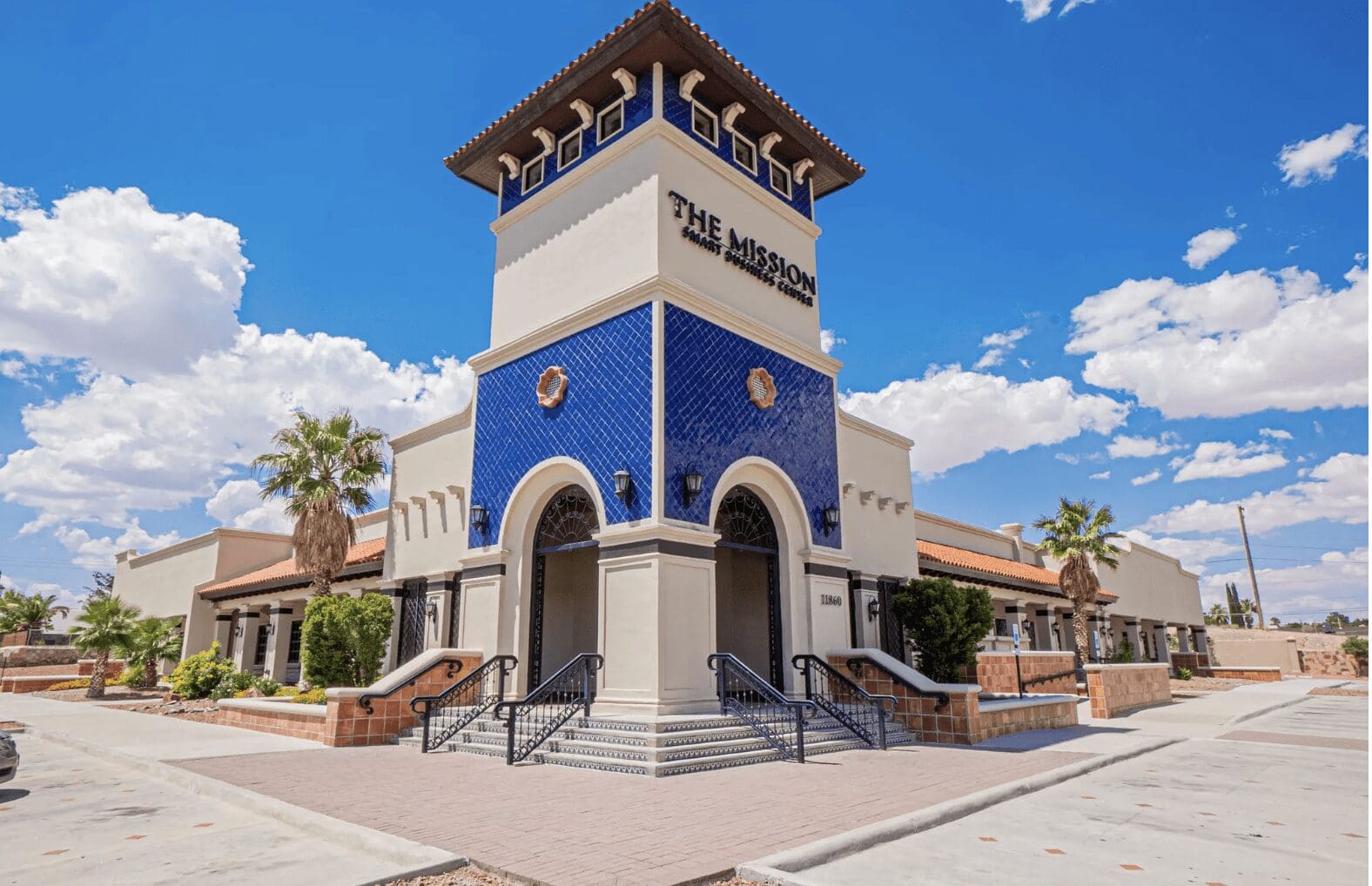
I also describe our multidisciplinary workflow at Injury Medical Clinic PA (Mission Plaza Injury Medical Clinic) in El Paso, Texas, where I collaborate with Dr. Maria Guadalupe Cardenas, MD, to combine medical oversight with integrative chiropractic, functional rehabilitation, and personal injury care.
My focus here is on chiropractic and physical therapy–driven strategies, using medications and hormones only as background support when necessary.
By the end, you will understand the physiologic rationale for hydrodissection, how it reduces nerve irritation and restores movement, and how a coordinated plan supports lasting outcomes.
Hydrodissection For Radial Tunnel–Related Lateral Elbow Pain: A First-Person Clinical Walkthrough
As Dr. Alex Jimenez, DC, APRN, FNP-BC, CFMP, IFMCP, ATN, CCST, I routinely evaluate persistent lateral elbow and dorsal forearm pain—especially when classic “tennis elbow” does not fit the picture. When a patient reports a dull, burning discomfort in the dorsum of the forearm, worsened by pronation and supination, and tenderness is distal to the lateral epicondyle, I consider involvement of the deep branch of the radial nerve (posterior interosseous nerve) near the radial tunnel and the arcade of Frohse over the supinator muscle.
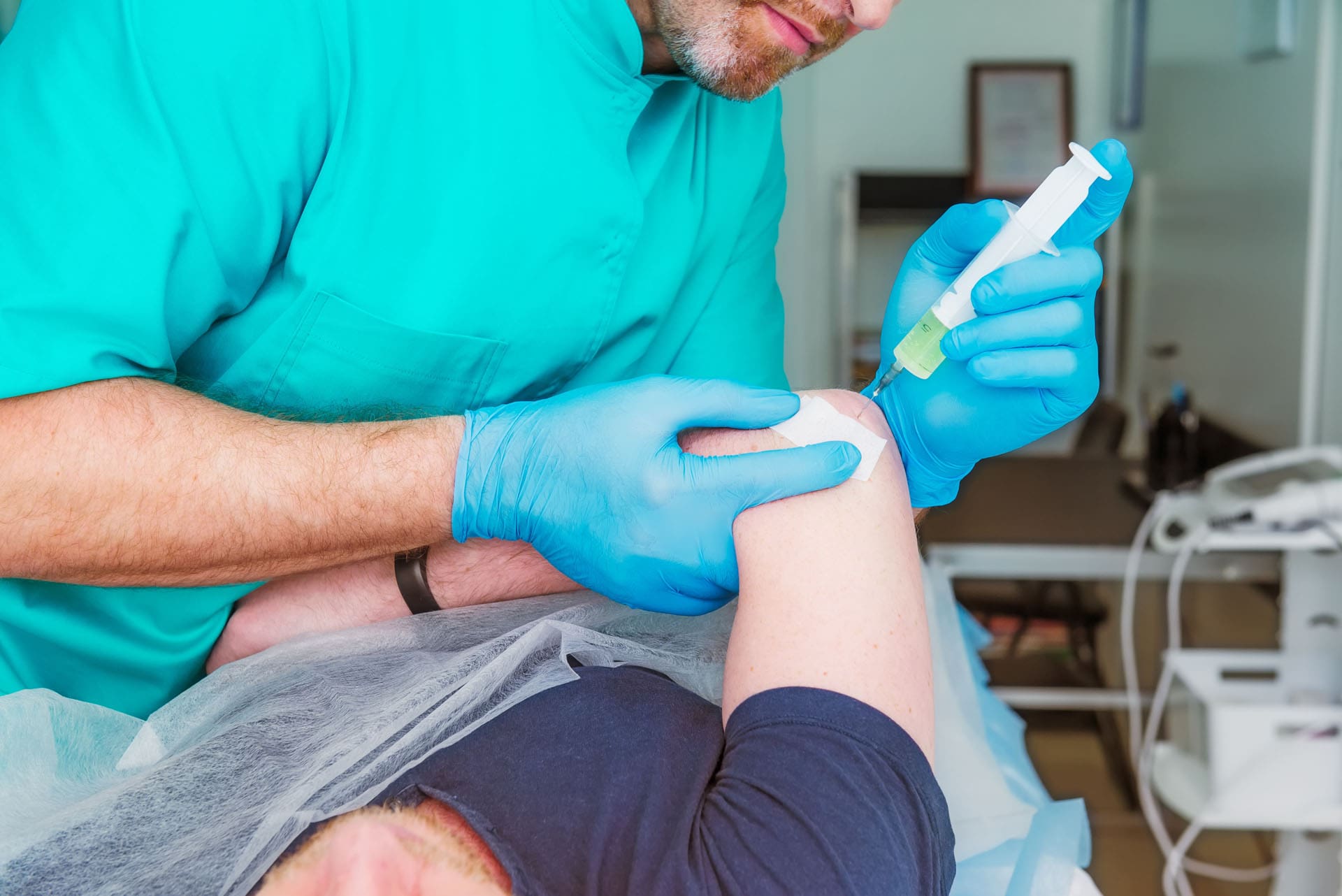
In the case described below, the patient experienced more than six months of pain. A 1 mL lidocaine test injection delivered to the vicinity of the radial nerve temporarily improved symptoms, corroborating a nerve-entrapment pain generator. From there, we proceeded with ultrasound-guided hydrodissection—a perineural technique using carefully controlled fluid volumes to free and “float” the nerve away from surrounding fascial planes, adhesions, and compressive interfaces.
Why Hydrodissection? Physiologic Rationale And Evidence
Entrapment physiology:
The radial tunnel is a tight anatomical corridor where fascial thickening, muscle hypertonicity, or micro-adhesions can compress the deep branch of the radial nerve.
This compression causes ischemia, mechanical deformation, and neurogenic inflammation—manifesting as burning pain, weakness in wrist or finger extension, and symptom provocation with forearm rotation.
Perineural hydrodissection mechanism:
Using ultrasound guidance, a needle is advanced to the perineural plane—never intraneural—and small, pulsed injections of fluid are delivered circumferentially.
The fluid creates a “halo” effect around the nerve, gently separating it from tight fascial envelopes and adjacent tissues, reducing local mechanical stress and improving microvascular perfusion.
The result is decreased nociceptor activation, improved axoplasmic flow, and the potential restoration of normal neurodynamics during movement (Brown et al., 2022; Cass et al., 2021).
Evidence-based insight:
Ultrasound-guided perineural hydrodissection has been studied in peripheral nerve entrapments, showing favorable short- and mid-term outcomes, especially when combined with rehabilitation to address root causes and movement patterns (Wu et al., 2017; Lam et al., 2021).
The superiority of ultrasound guidance lies in precise needle visualization, reduced risk of intraneural placement, and real-time confirmation of fluid spread (Özçakar et al., 2018).
Clinical Orientation: What I See On Ultrasound
Landmarks:
Brachioradialis lies superficially and laterally; the supinator wraps around the proximal radius; the deep branch of the radial nerve courses between them, just proximal to the arcade of Frohse.
The neurovascular bundle is identified between the brachioradialis and supinator, with the nerve appearing as a honeycomb structure in short axis.
Approach:
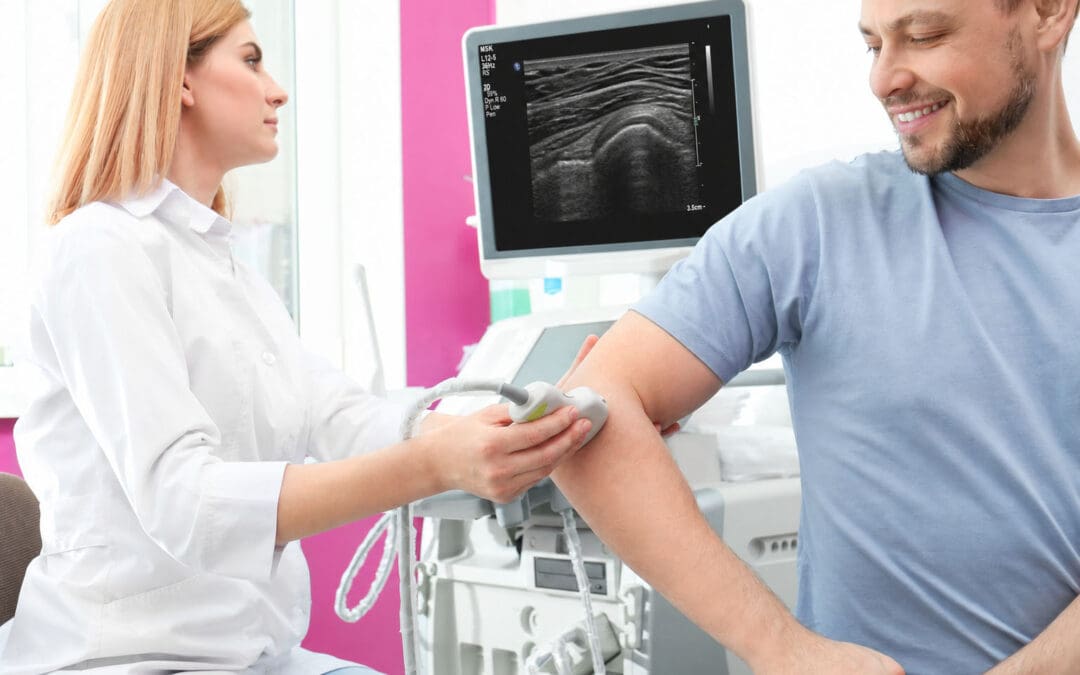
I position a linear ultrasound probe for a short-axis view of the deep branch of the radial nerve.
Using an in-plane technique, I introduce a fine needle (often a 25-gauge) under ultrasound visualization, advancing through the brachioradialis toward the perineural space around the nerve.
Confirmation:
I watch for muscle twitching when passing through contractile tissue—expected and typically benign—and constantly verify needle-tip location relative to the nerve.
The target is the perineural plane. We avoid the nerve fascicles themselves. The goal is a circumferential fluid halo that elevates and frees the nerve from adhered tissue.
Step-By-Step Hydrodissection: Perineural, Not Intraneural
Preparation and safety:
Anesthetize the skin with a cold spray or local infiltration.
Strict sterile technique with probe cover and sterile gel.
Real-time ultrasound ensures continuous visualization of the needle path and the nerve.
We check for prior response to diagnostic local anesthetic—useful for confirming the pain generator.
Needle movement and fluid delivery:
I make very small, subtle adjustments of the needle tip while keeping the ultrasound beam aligned.
I pulse small aliquots of fluid—often lidocaine with a minute dose of corticosteroid or buffered saline—to create gentle blunt dissection around the nerve.
I rotate the needle around the nerve’s perimeter (above, lateral, and below) to complete the halo, avoiding direct nerve penetration.
Why these choices?
Lidocaine provides immediate analgesia, facilitating comfortable movement post-procedure.
A small corticosteroid component may reduce perineural inflammation for several weeks, giving tissue time to remodel and patients time to implement corrective rehabilitation (Chang et al., 2019).
The hydrodissection itself is the primary mechanical solution—releasing entrapment and normalizing glide.
Integrative Chiropractic Care: How We Restore Function After Hydrodissection
Hydrodissection relieves the mechanical compression, but patients achieve durable results when we address biomechanics and neuromuscular control. At El Paso’s Injury Medical Clinic PA (Mission Plaza Injury Medical Clinic), I integrate chiropractic, functional rehabilitation, and physical therapy to correct movement patterns that feed radial tunnel stress.
Chiropractic neuro-biomechanical assessment:
I evaluate cervical and thoracic alignment, scapular mechanics, first rib mobility, and radial head mechanics.
Dysfunctions at the cervical spine (particularly C5–C7) can alter motor patterns through the radial nerve distribution; thoracic stiffness can disrupt scapulothoracic rhythm, increasing demand on forearm musculature.
Specific chiropractic techniques and reasoning:
Radial head mobilization: Restores proximal radio-ulnar mechanics, reducing supinator strain on the deep radial nerve during pronation-supination cycles.
Cervical and thoracic adjustments: Improve segmental mobility, reduce aberrant muscle guarding, and normalize descending motor control—beneficial for forearm extensor loading.
First rib and scapular mobilization: Optimizes scapular upward rotation and reduces compensatory forearm overuse.
Physical therapy integration:
Nerve gliding for the radial nerve: Gentle, pain-free sliders that encourage normal neural excursion and reduce post-procedure adhesiogenesis. We avoid aggressive tensioners early to protect the perineural interface (Shacklock, 2005).
Isometric extensor loading: Early-stage isometrics reduce pain via central modulation and prepare tissues for progressive strengthening.
Eccentric-concentric forearm training: Targets extensor carpi radialis brevis/longus and supinator-pronator balance, gradually building resilience.
Proprioceptive and motor control drills: Wrist stabilization, scapular setting, and kinetic chain integration to reduce forearm overload during work or sport.
Soft tissue and myofascial methods:
Instrument-assisted soft tissue mobilization and precise myofascial release around the supinator-brachioradialis interval can complement hydrodissection by promoting glide and lymphatic flow.
Dry needling may be considered for myofascial trigger points, performed conservatively to avoid nerve irritation.
Medical Oversight With Dr. Maria Guadalupe Cardenas, MD: Safety And Coordination
Our multidisciplinary clinic benefits from the seasoned medical direction of Dr. Maria Guadalupe Cardenas, MD (Board Certified in Internal Medicine, NPI #1164426749, Texas MD License #J2933), who has practiced internal medicine for over 40 years. She collaborates with me across personal injury, musculoskeletal pain, and functional recovery settings.
Role of medical oversight:
Ensures patient selection, contraindication screening (e.g., bleeding disorders, anticoagulant use, active infection), and medically appropriate use of local anesthetics and corticosteroids during hydrodissection.
Coordinates diagnostic frameworks and follow-up schedules, including consideration of imaging if atypical features emerge (e.g., profound weakness suggesting true posterior interosseous nerve palsy).
Provides backup strategies for complex cases where systemic factors—like diabetes or inflammatory conditions—increase neuropathic vulnerability.
Why this matters:
Interprofessional collaboration increases procedural safety and supports evidence-based care—from diagnosis to post-procedure rehabilitation—while keeping medication and hormonal therapy in the background unless clearly indicated for comorbidities.
Functional Medicine In Context: Keeping It Focused On Movement
Although my credentials include advanced functional medicine training, at El Paso Back Clinic we focus on movement-based solutions and reserve metabolic or hormonal interventions for select cases. Where appropriate:
We may recommend anti-inflammatory nutrition basics to support tissue healing.
We prioritize sleep optimization, stress modulation, and graded activity, all shown to affect pain perception and recovery trajectories (Clarke et al., 2023).
Supplements, if used, are adjuncts—not replacements—for chiropractic and physical therapy.
Personal Injury Care: Documentation And Recovery Pathways
In personal injury cases, clear causation and precise documentation are crucial:
High-resolution ultrasound documentation of nerve appearance, surrounding fascial tightness, and fluid spread during hydrodissection.
Objective measures: Grip strength, dynamometry, range-of-motion in pronation-supination, and functional tests tied to occupational demands.
Return-to-work plans: Staged exposure with ergonomic coaching and task modifications to prevent recurrence.
My Clinical Observations: What Patients Experience And Why
Drawing from years of care at El Paso Back Clinic and my clinical notes shared via our platforms, including our website and professional profiles:
Patients with dorsal forearm burning pain often report rapid reduction in symptoms after hydrodissection, particularly when the fluid halo is well established and the radial tunnel is decompressed.
Those who adhere to nerve glides, proximal kinetic chain correction, and graded strengthening experience more durable outcomes.
When cervical or scapular mechanics are neglected, symptoms tend to creep back during high-repetition tasks. Addressing the whole chain prevents over-reliance on the forearm extensors.
Safety Considerations And How We Minimize Risk
Perineural, not intraneural: We never inject directly into the nerve fascicles; ultrasound confirms placement.
Conservative volumes: Adequate to create separation without excessive tissue pressure.
Real-time visualization: The needle tip is visible throughout the procedure; we observe and respect tissue twitch.
Post-procedure monitoring: We encourage gentle movement the same day to promote neural glide and reduce stiffness. We advise patients on transient numbness from lidocaine and set expectations for gradual improvement over days to weeks.
When Hydrodissection Is Appropriate—And When It’s Not
Appropriate when:
Pain localizes distally in the dorsal forearm, worse with rotation, and examination indicates radial tunnel irritation.
The patient demonstrates temporary relief with a diagnostic local anesthetic block.
There is no frank motor deficit suggesting a complete posterior interosseous nerve palsy requiring surgical evaluation.
Consider alternatives or adjuncts when:
Pure lateral epicondylitis without nerve involvement is present—then tendinopathy protocols dominate the plan (eccentric loading, manual therapy).
Systemic neuropathies or inflammatory arthropathies are the primary drivers—then medical and rheumatologic collaboration guides care.
Putting It All Together: A Patient-Centered Care Pathway
Initial visit:
Thorough history, functional assessment, and targeted ultrasound of the radial tunnel.
Rule in nerve involvement with examination maneuvers and consider a small test lidocaine injection.
Procedure day:
Ultrasound-guided perineural hydrodissection using a fine needle and pulsed fluid delivery.
Immediate post-procedure instructions: gentle range of motion; avoid aggressive loading on day one.
Rehabilitation phase:
Begin radial nerve sliders, isometric extensor work, and scapular posture drills.
Progress to eccentric-concentric strengthening and functional task replication.
Maintenance:
Address workstation ergonomics, grip variation strategies, and sport technique refinements.
Periodic rechecks to ensure sustained neurodynamics and joint mechanics.
Summary
Today’s post provides a transparent, first-person account of how I identify and treat radial tunnel–related lateral elbow pain using ultrasound-guided hydrodissection, followed by integrative chiropractic and physical therapy. The core physiologic goals are to reduce perineural compression, normalize nerve glide, and retrain movement patterns across the kinetic chain. With medical oversight by Dr. Maria Guadalupe Cardenas, MD, we execute a safe, coordinated plan that emphasizes manual care, exercise therapy, and patient education—keeping medications and hormones in the background unless clinically necessary. This integrated approach delivers rapid symptom relief and durable function for forearm-burning pain aggravated by pronation and supination.
Key Takeaways
Hydrodissection creates a perineural fluid halo that frees the deep branch of the radial nerve in the radial tunnel.
Ultrasound guidance improves safety and precision and confirms fluid spread.
Integrative chiropractic and physical therapy restore biomechanics, ensuring durable results.
Medical oversight ensures appropriate selection, safety, and follow-up, especially in complex cases.
As a practitioner dedicated to the forefront of integrative and functional medicine, I constantly seek the latest evidence-based research to better serve my patients. It is also my privilege to share the work of leading researchers. I translate their advanced findings into practical, understandable knowledge for you.
My name is Dr. Alex Jimenez, and I hold several credentials, including DC, APRN, FNP-BC, CFMP, IFMCP, ATN, and CCST. At our clinic, Injury Medical Clinic PA, we pride ourselves on a multidisciplinary approach. This means we combine various specialties in one location to provide comprehensive care. Furthermore, our team is under the medical direction of Dr. Maria Guadalupe Cardenas, MD, an internist with over 40 years of experience. This team integrates chiropractic care, functional medicine, rehabilitation, and medical oversight to create personalized treatment plans. Today, I want to share insights into an advanced technique for treating chronic tendinopathy. We often see this condition in our practice.
Understanding Brisement and High-Volume Injections for Tendinopathy
Abstract
This educational post discusses a minimally invasive procedure called brisement, or high-volume injection (HVI), for treating chronic tendinopathies like Achilles and patellar tendinopathy. As Dr. Jimenez, I will guide you through the physiological basis of this technique and explain how it differs from other treatments like fenestration. We will also cover the procedure itself, from patient positioning to the injection process. We use insights from leading researchers like Dr. Fran O’Connor. The focus is on the mechanical and physiological effects of the injection, particularly hydrostatic decompression and the disruption of problematic neovessels and neonerves that contribute to chronic tendon pain. We will also discuss how this innovative medical procedure integrates seamlessly with our chiropractic and rehabilitative care at Injury Medical Clinic. This promotes optimal healing, restores function, and provides long-term relief for our patients.
What Is Tendinopathy, and Why Does It Become Chronic?
Before we dive into the specifics of the procedure, let’s understand the condition it treats: tendinopathy. Many people use the term “tendinitis,” which implies inflammation. However, in chronic cases, we often find not active inflammation but degeneration and a failed healing response within the tendon. This is more accurately called tendinopathy.
In a healthy healing process, the body repairs damaged tissue. However, with chronic tendinopathy, this process goes awry. The body attempts to heal the area by growing new, disorganized blood vessels and nerve endings. This process is called neovascularization and neoinnervation. These new structures, or neovessels and neonerves, are not beneficial. In fact, they are often the primary source of the persistent pain that patients experience. The disorganized tissue and these new nerve endings create a cycle of pain and dysfunction. This cycle is difficult to break with conventional treatments alone.
At our clinic, we often see athletes, laborers, and individuals with chronic tendon pain from repetitive strain. My clinical observations have shown that conditions like Achilles tendinopathy can be incredibly stubborn, significantly impacting a person’s ability to walk, run, or even stand comfortably. This is where advanced interventions become necessary.
Introducing Brisement: A Targeted Hydrostatic Approach
So, what is brisement, also called a high-volume injection (HVI)? It’s an advanced, ultrasound-guided technique designed to address the root cause of chronic tendon pain. The term “brisement” is French for “breaking” or “disruption.” This procedure is distinct from other needle-based treatments like fenestration or tenotomy. In those treatments, the goal is to repeatedly puncture the tendon itself to stimulate a healing response.
With brisement, the focus is entirely different. We are not targeting the tendon directly. Instead, the needle is carefully guided to the space next to the tendon—specifically, the interface between the tendon and adjacent soft tissues, like the paratenon (the sheath around the tendon) or a nearby fat pad (such as Kager’s fat pad behind the Achilles tendon).
The goal of brisement is twofold:
Mechanical Disruption: To physically break up the fine, pain-causing neovessels and neonerves that have grown into the area.
Hydrostatic Decompression: To use the pressure of the injected fluid to separate tissues that have become adhered or scarred together, freeing the tendon and relieving compressive forces.
Think of it as using a precise stream of fluid to gently peel apart layers of tissue that are stuck together. At the same time, we wash away the very structures that transmit pain signals.
The Brisement Procedure: A Step-by-Step Journey
Drawing from the work of experts like Dr. O’Connor, let’s walk through how this procedure is performed, illustrating the precision and care required. For this example, we’ll focus on Achilles tendinopathy, a common and challenging condition.
1. Patient Preparation and Imaging
The first step is proper positioning. The patient is typically placed prone (lying face down), with their feet hanging off the edge of the treatment table. This position provides excellent access to the Achilles tendon. The area is then meticulously prepped and draped to maintain sterility.
Next, we use a high-frequency ultrasound probe to visualize the tendon. This is not just a preliminary step; ultrasound guidance is critical throughout the entire procedure. We examine the tendon in both long-axis (lengthwise) and short-axis (cross-section) views. This allows us to:
Pinpoint the exact area of tendinopathy, which often appears as a thickened, disorganized, and sometimes darker region on the ultrasound image.
Identify the crucial interface between the anterior (front) border of the Achilles tendon and the underlying Kager’s fat pad, which is our target zone.
2. Anesthesia
Once the target is identified, we ensure the patient’s comfort. A very fine needle (typically 25- or 27-gauge) is used to administer a local anesthetic, such as lidocaine, to numb the skin and the subcutaneous tissues along the planned needle path. This helps keep the main part of the procedure as painless as possible.
3. The High-Volume Injection
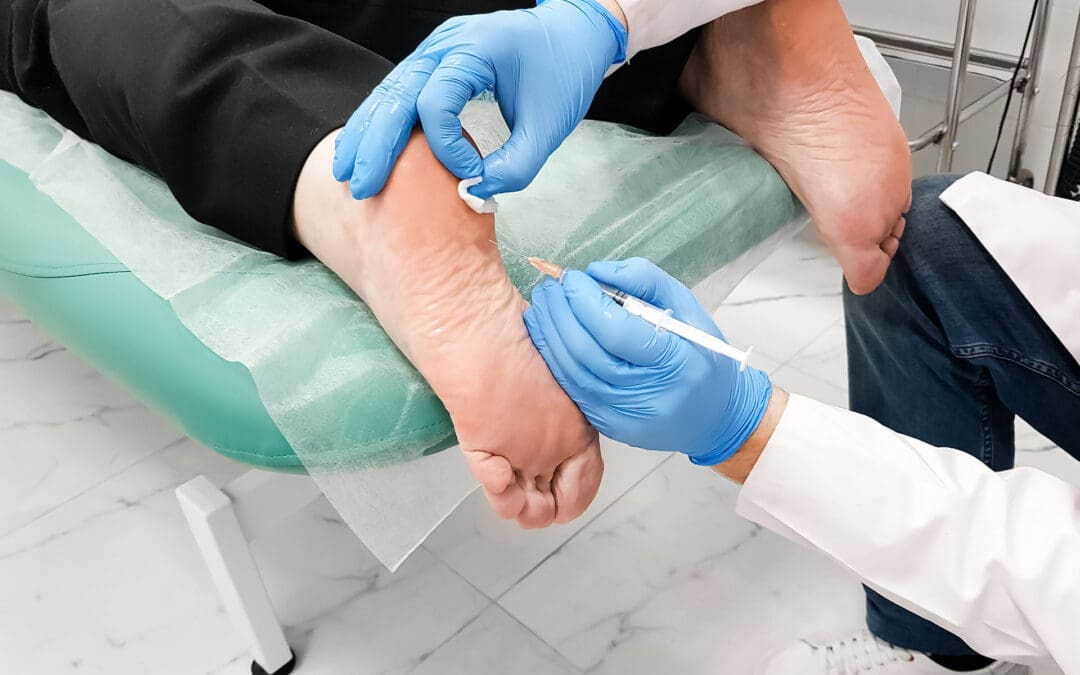
With the area anesthetized, the main procedure begins. A slightly larger needle (21- or 22-gauge) is used for the high-volume injection. The injectate is a combination of a local anesthetic (like lidocaine, for continued pain control) and a large volume of sterile normal saline.
Under continuous ultrasound guidance, the needle is advanced to the target space—the potential space anterior to the Achilles tendon. What happens next is the core of the brisement technique.
As the fluid is injected, we can see it in real-time on the ultrasound screen. The fluid begins to spread, creating a visible separation between the tendon and the adjacent fat pad. This is hydrostatic decompression in action. You can literally watch the layers of tissue peel apart.
The pressure and volume of the fluid mechanically “strip” or disrupt the delicate neovessels and neonerves that have infiltrated this space. By breaking these connections, we are directly targeting the source of the pain.
The amount of fluid used can vary significantly, with literature describing volumes anywhere from 5 to 100 cc. The endpoint is determined by either patient tolerance or when we feel significant resistance to further injection. This indicates the space has been sufficiently filled and decompressed. While large volumes are effective, caution is necessary to avoid complications like tendon rupture or compartment syndrome. Therefore, precise, real-time guidance is non-negotiable.
The Integrative Approach: How Chiropractic Care Complements Brisement
A procedure like brisement is a powerful tool. However, in our integrative model at Injury Medical Clinic, it’s one part of a larger, more comprehensive recovery strategy. This is where our expertise in chiropractic, physical therapy, and functional medicine comes into play. Dr. Cardenas provides essential medical oversight for these procedures. Meanwhile, my role focuses on restoring the body’s biomechanical function.
Here’s how we integrate this care:
Addressing the Root Biomechanical Cause: Why did the tendinopathy develop in the first place? Often, it’s due to underlying biomechanical imbalances. This could be poor foot mechanics (like overpronation), pelvic misalignment, or muscular imbalances in the kinetic chain (the interconnected system of the feet, ankles, knees, hips, and spine). As a chiropractor, my first step is to perform a thorough biomechanical assessment. I use techniques like spinal and extremity adjustments, soft tissue mobilization, and myofascial release to correct these imbalances. By restoring proper joint alignment and muscle function, we reduce abnormal load on the healing tendon and help prevent re-injury.
Post-Procedure Rehabilitation: After the brisement procedure has disrupted the pain-generating tissues, the body needs to heal correctly. This is where a structured rehabilitation program is crucial. Our physical therapy team designs a progressive loading program. This starts with gentle range-of-motion exercises to maintain mobility without stressing the tendon. It then progresses to eccentric exercises (lengthening the muscle-tendon unit under load), which have been shown to stimulate proper collagen remodeling and strengthen the tendon (Alfredson, H., Pietilä, T., Jonsson, P., & Lorentzon, R., 1998).
Enhancing Healing with Functional Medicine: From a functional medicine perspective, we look at the body’s internal environment. Healing requires the right nutrients. We may recommend specific supplements like Vitamin C, manganese, zinc, and certain amino acids (proline, glycine) that are essential building blocks for collagen, the primary protein in tendons. We also focus on reducing systemic inflammation through diet and lifestyle modifications, which creates a more favorable environment for tissue repair.
Pain and Inflammation Management: In the initial phases after the procedure, we use non-pharmacological methods to manage discomfort and support healing. This can include modalities like laser therapy or acoustic wave therapy, which can help modulate inflammation and enhance cellular repair processes. Chiropractic adjustments also strongly affect the nervous system, helping downregulate pain signals and improve overall function.
By combining the targeted medical intervention of brisement with holistic chiropractic and rehabilitative care, we create a powerful synergy. The injection provides the “reset” by eliminating the chronic pain source. Meanwhile, our therapies address the underlying cause and guide the body through a robust, complete healing process. This integrated model, overseen by Dr. Cardenas and implemented by our dedicated team, ensures that we are not just treating a symptom. We are restoring the patient to full, pain-free function.
Battlefield Acupuncture and Chiropractic Pain Relief
Abstract
Welcome to our educational series. I’m Dr. Alex Jimenez, and today, we’re exploring a powerful, non-pharmacological tool for pain management: Battlefield Acupuncture (BFA). This post will guide you through the principles and applications of this innovative technique, which uses auricular (ear) acupuncture to provide rapid, significant pain relief. We will explore the neurophysiological mechanisms behind BFA, identify key anatomical points on the ear, and explain their connection to the brain’s pain-processing centers. I’ll explain the step-by-step protocol, from patient assessment to needle insertion, and discuss its effectiveness for both acute and chronic pain conditions. As part of our commitment to integrative care at Injury Medical Clinic, we will also explore how Battlefield Acupuncture seamlessly complements our core chiropractic, physical rehabilitation, and functional medicine strategies. By combining these modalities, we can create a comprehensive, patient-centered treatment plan that addresses pain from multiple angles, promotes faster recovery, and restores function while minimizing the need for medication.
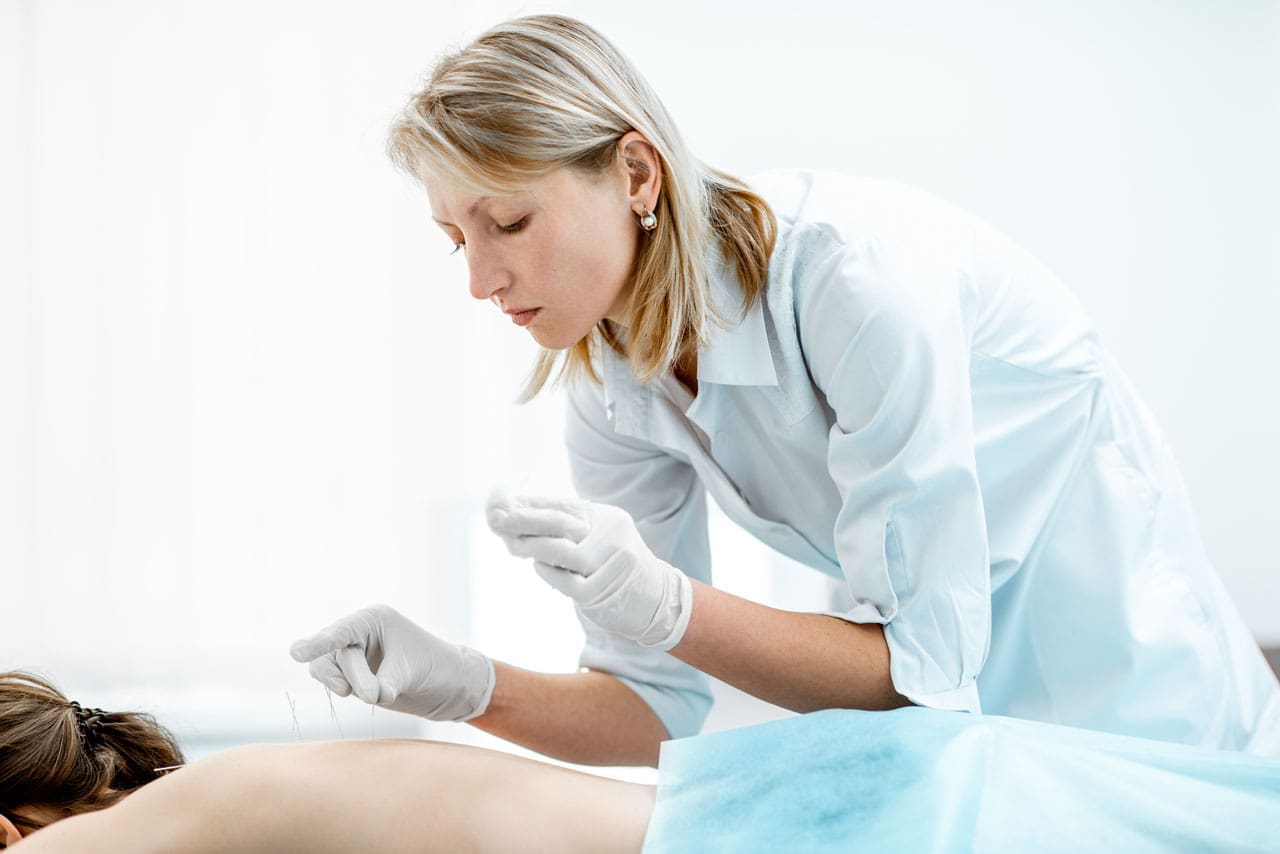
An acupuncturist puts needles into the patient’s back, removing inflammation of the muscles
A Modern Approach to Ancient Healing: Understanding Battlefield Acupuncture
As a clinician dedicated to finding the most effective and evidence-based treatments for my patients, I am constantly exploring advancements in integrative medicine. One of the most remarkable techniques I’ve incorporated into my practice is Battlefield Acupuncture (BFA). Developed by Dr. Richard Niemtzow, a retired Air Force physician, this protocol is a specialized form of auricular acupuncture designed for rapid pain relief in diverse settings, from the front lines of combat to our clinical practice here in El Paso.
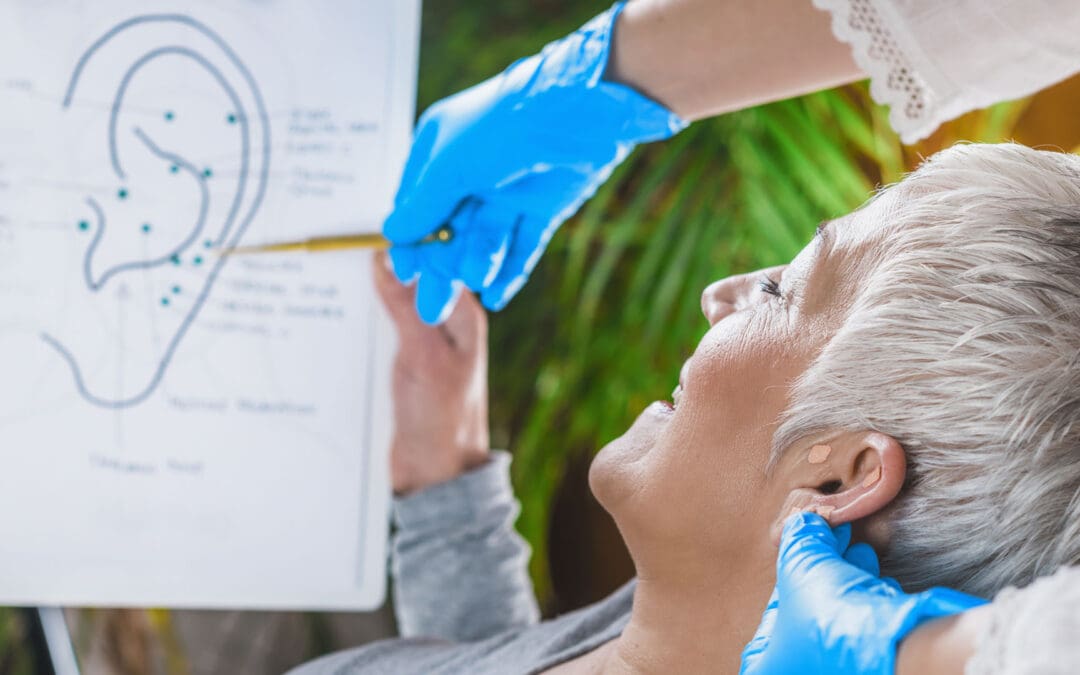
The name might sound intense, but the technique is precise, minimally invasive, and incredibly effective. It involves placing small, semi-permanent needles, called ASP® needles (Aiguille Semi-Permanente), at specific points on the ear. These are not your typical acupuncture needles; they are tiny, dart-like needles designed to stay in place for several days, providing continuous stimulation to the nervous system. The primary goal is to interrupt pain signals and modulate the body’s own pain-relieving mechanisms.
The Neurological Blueprint of Pain Relief: How BFA Works
To appreciate how placing a tiny needle in the ear can alleviate pain in the lower back or a knee, we must first understand the intricate connection between the ear and the central nervous system. The external ear, or auricle, is one of the most densely innervated parts of the body, with connections to major nerves like the vagus nerve, trigeminal nerve, and cervical plexus.
Ancient acupuncture charts depicted the ear as a “homunculus,” an inverted fetus map where different parts of the body correspond to specific points on the ear. Modern research has validated this concept, showing that stimulating these auricular points sends signals directly to the brain and influences key areas involved in pain perception and processing.
The BFA protocol targets five specific points that correspond to major pain-processing centers in the brain:
Cingulate Gyrus: This is a crucial part of the limbic system, which governs our emotional response to pain. By targeting this point, we can help detach the emotional suffering and anxiety often associated with chronic pain.
Thalamus: Often called the brain’s “relay station,” the thalamus receives sensory signals from the body and directs them to the appropriate cortical areas for processing. Modulating this point helps to filter and reduce the intensity of incoming pain signals before they even reach conscious awareness.
Omega 2: This point is associated with regulating the autonomic nervous system, helping to shift the body from a “fight-or-flight” (sympathetic) state, which often exacerbates pain, to a “rest-and-digest” (parasympathetic) state that promotes healing.
Point Zero: Considered the “autonomic balance” point of the ear, this area helps to bring the entire body back into a state of physiological equilibrium, or homeostasis.
Shen Men (“Spirit Gate”): A master point used in many forms of acupuncture, Shen Men helps to calm the mind, reduce stress, and has a powerful general analgesic (pain-relieving) effect.
When an ASP needle is inserted, it stimulates these nerve endings, sending a signal along neural pathways to the brainstem and higher brain centers. This process is believed to trigger the release of the body’s own natural painkillers—endorphins and enkephalins—and to downregulate the activity in brain regions that process pain, effectively turning down the “volume” of the pain signal.
The Battlefield Acupuncture Protocol: A Step-by-Step Guide
The BFA protocol is systematic and patient-driven. The patient’s feedback on their pain level at each step determines how we proceed. This ensures the treatment is customized in real-time to achieve the best possible outcome.
Initial Assessment and Preparation
Pain Assessment: Before we begin, I ask the patient to rate their pain on a scale of 0 to 10. I also ask them to perform a simple movement that provokes their pain, such as walking, bending, or rotating their neck. This provides us a functional baseline.
Choosing the Starting Ear: For generalized pain or pain on both sides of the body, we typically start with the ear on the patient’s non-dominant side. If the pain is localized to one side (e.g., right-sided sciatica), we start on the contralateral (opposite) ear.
Sanitization: The ear is thoroughly cleaned with an alcohol swab to ensure a sterile field. While some practitioners may not use gloves, I believe it is prudent to wear them to maintain the highest standards of hygiene for patient safety.
Needle Insertion and Reassessment
The magic of BFA lies in its sequential process. We don’t simply insert all five needles at once.
First Point (Cingulate Gyrus): I begin by inserting the first ASP needle into the Cingulate Gyrus point. I hold the needle with a special applicator and, with a quick, firm press, insert it with a small “click.” It’s surprisingly well tolerated, with most patients feeling only a momentary pinch.
Ambulation and Reassessment: After the first needle is in, I ask the patient to stand up and walk around for a minute. I then ask them to rate their pain again. “Has the pain level decreased?” “Does the movement feel easier?”
Decision Point: If the patient reports a significant reduction in pain (e.g., from an 8 down to a 4) with just one needle, we may stop there. The goal is maximum relief with the minimum number of needles.
Progressing the Protocol: If the pain relief is minimal or non-existent, I proceed to the next point in the sequence, the Thalamus. After inserting the second needle, the patient ambulates and reassesses their pain again. We continue this process through the five points, stopping at any point where the patient experiences substantial relief. If we complete all five points in one ear and the pain is still not adequately controlled, we can then move to the other ear and repeat the process.
The ASP needles are designed to stay in the ear for three to seven days. They are covered by a small adhesive patch, and patients can shower and sleep with them in place. They typically fall out on their own as the skin naturally exfoliates. This provides continuous, low-level stimulation that extends the therapeutic benefit long after the patient leaves our clinic.
Integrating BFA with Chiropractic and Rehabilitative Care
At Injury Medical Clinic, our philosophy is rooted in a multidisciplinary, integrative approach. Under the medical direction of our internist, Dr. Maria Cardenas, we blend various disciplines to create a synergistic healing effect. Battlefield Acupuncture is not a standalone cure but a powerful component of a larger, comprehensive treatment plan.
BFA as a Gateway to Movement and Rehabilitation
One of the biggest obstacles in rehabilitating a musculoskeletal injury, such as a herniated disc or severe sciatica, is pain. Pain creates fear of movement (kinesiophobia), leading to muscle guarding, stiffness, and deconditioning. This creates a vicious cycle where pain leads to immobility, and immobility worsens the pain.
This is where BFA shines. By providing rapid and significant pain relief, it creates a crucial “window of opportunity.” A patient who walked in with 8/10 back pain and could barely bend might, after a BFA treatment, experience a drop to 3/10 pain. This newfound comfort allows them to engage more effectively in the other essential parts of their recovery:
Chiropractic Adjustments: When a patient’s muscles are relaxed and they are not in excruciating pain, they are more receptive to spinal adjustments. The chiropractic adjustment, aimed at restoring proper joint mechanics and relieving nerve pressure, can be performed more gently and effectively. BFA helps break the cycle of muscle spasm that often resists manipulation.
Physical Therapy and Functional Exercise: With pain reduced, patients can participate fully in their prescribed therapeutic exercises. They can perform stretches with a greater range of motion and engage in strengthening exercises without the fear of immediate, sharp pain. This is critical for stabilizing the spine, correcting muscular imbalances, and building the resilience needed to prevent re-injury.
Decompression Therapy: For conditions like disc herniation or spinal stenosis, we use non-surgical spinal decompression. This therapy works best when the patient is relaxed. BFA helps calm the nervous system and reduce the reflexive muscle guarding that can interfere with the gentle traction of the decompression table.
In essence, BFA acts as a catalyst for recovery. It doesn’t replace the foundational work of chiropractic and physical rehabilitation; it enables it. By managing the primary symptom of pain, we empower patients to become active participants in their healing journey, accelerating their return to function and daily life. My clinical observations consistently show that patients who receive BFA alongside their regular chiropractic and rehab programs report faster pain reduction and improved functional outcomes compared to those who receive traditional care alone.
A Patient-Centered, Holistic Vision
Our team, guided by the collaborative expertise of Dr. Cardenas and me, looks at each patient through a holistic lens. We understand that pain is a complex experience influenced by physical, biochemical, and emotional factors. Battlefield Acupuncture fits perfectly within this model because it directly addresses the neurological and emotional components of pain, complementing the biomechanical focus of chiropractic care and the functional focus of physical therapy. This integrated system allows us to provide truly comprehensive care for everything from acute personal injuries to chronic, stubborn pain conditions, always keeping the patient’s well-being and long-term health as our ultimate goal.
References
Niemtzow, R. C. (2018). Battlefield acupuncture: An emerging tool for pharmacists to participate in pain management. Hospital Pharmacy, 53(2), 85–86. https://doi.org/10.1177/0018578718761271
Niemtzow, R. C., Burns, S. M., & Zeliadt, S. B. (2020). Battlefield acupuncture for the provider. Medical Acupuncture, 32(4), 196–203. https://doi.org/10.1089/acu.2020.1449
Faster Injury Recovery in El Paso: Pairing IV Infusion Therapy with Spinal Adjustments
IV infusion therapy and spinal adjustments can work together to help the body heal from injuries faster. This article explains what each treatment does, why they work together, and how they relax tense muscles, reduce joint inflammation, and speed tissue repair. You will also see how integrative chiropractic care belongs in the plan, how the El Paso medical and chiropractic team works, and what a personal recovery path can look like.
What IV Infusion Therapy Does
IV infusion therapy sends fluids, vitamins, minerals, and other nutrients straight into the bloodstream through a small vein. Because the nutrients skip the stomach and intestines, the body can use nearly all of them right away. This is often called 100 percent bioavailability.
A typical recovery mix includes fluids for hydration, magnesium to help muscles relax, B vitamins for energy and nerve support, vitamin C to fight inflammation and help build collagen, and sometimes antioxidants. These ingredients reach cells quickly. The result is better hydration at the cellular level, less oxidative stress, and faster new tissue building.
People often notice less muscle tightness and more energy within hours. The session itself usually lasts 30 to 45 minutes and is done in a comfortable clinic setting under medical supervision.
How Spinal Adjustments Support Healing
Spinal adjustments, also called chiropractic manipulations, gently restore proper alignment to the spine and other joints. When bones sit in the right place, nerves can send clearer signals, muscles can fire more evenly, and blood flow improves around injured areas.
Misalignment from a car accident, sports strain, or everyday wear can keep muscles in a protective spasm and limit the nutrients that reach damaged tissue. An adjustment reduces that mechanical stress. It also helps the nervous system settle, which can lower the body’s overall pain response.
Integrative chiropractic care looks at the whole person. It does not stop at the adjustment. It includes movement exercises, posture work, and coordination with other therapies so the structural change lasts.
Why the Two Treatments Work Better Together
IV infusion therapy complements spinal adjustments by delivering 100 percent bioavailable fluids, magnesium, and vitamins directly into the bloodstream. This rapid cellular hydration and nutrient delivery, bypassing the digestive system, relaxes tense muscles, reduces joint inflammation, and speeds tissue repair, optimizing the body for structural healing.
Think of the adjustment as resetting the frame of a house and the IV as delivering the right building materials and water to every room at once. Once the spine is better aligned, circulation and nerve signals improve. The nutrients from the IV can then travel more easily to the exact spots that need repair. Spinal adjustments combined with IV infusion therapy help the body recover faster by treating structural misalignment while delivering nutrients directly to cells to fight inflammation. This integrated approach improves nutrient bioavailability and accelerates tissue repair, reducing the chronic pain associated with musculoskeletal injuries. If you’re in El Paso and want a full, tailored recovery plan, contact Injury Medical & Chiropractic Clinic.
Magnesium in the IV mix helps muscles release extra tension after an adjustment. Vitamin C and antioxidants help quiet the inflammatory chemicals that often linger after a sprain, strain, or disc injury. Better hydration also keeps joints moving more freely, so the benefits of the adjustment last longer.
Key Benefits for Musculoskeletal Injuries
Patients with back pain, neck pain, whiplash, sports injuries, or post-accident stiffness often see these improvements when the two therapies are used together:
Faster drop in muscle spasm and stiffness
Less swelling around joints and soft tissue
Quicker return of energy and daily function
Better collagen formation for ligaments and tendons
Reduced need for extra pain medication in many cases
Support for the immune system so healing is not delayed by extra stress
These effects are especially helpful after auto accidents or when recovery has stalled. Direct nutrient delivery can reach areas that have limited blood flow, such as some tendons and spinal discs.
How Integrative Chiropractic Care Fits the Picture
Integrative chiropractic care is more than a single adjustment. It includes a full assessment of posture, movement patterns, and how the injury affects the rest of the body. The chiropractor addresses the structural side, while the IV provides biochemical support.
This combination is common in clinics that treat personal-injury cases and chronic musculoskeletal problems. The adjustment improves joint motion and nerve function. The IV then gives the cells the raw materials they need to rebuild. Functional medicine principles—looking at nutrition, inflammation, and lifestyle—tie the two together so the plan is personalized.
Dr. Alexander Jimenez, DC, APRN, FNP-BC, CCST, CFMP, IFMCP, ATN, has observed that patients recover more completely when structural care and cellular nutrition are addressed at the same time. His clinical work in El Paso focuses on non-invasive, root-cause approaches that restore function after trauma rather than just masking symptoms.
The Team at Injury Medical Clinic PA
Injury Medical Clinic PA in El Paso uses a multidisciplinary model. Dr. Alex Jimenez provides chiropractic and functional medicine expertise. Dr. Maria Guadalupe Cardenas, MD, board-certified in internal medicine (NPI #1164426749, Texas MD License #J2933), serves as medical director and collaborative physician. She has more than 40 years of experience as an internist.
This setup is typical in integrative injury-care clinics. The MD oversees medical safety, reviews lab work when needed, and ensures IV therapies are appropriate. The chiropractor handles spinal and musculoskeletal alignment. Together, they also coordinate rehabilitation, personal-injury documentation, and functional-medicine testing.
The team treats auto-accident injuries, sports strains, work-related pain, and chronic conditions such as sciatica or disc problems. Patients receive a plan that can include adjustments, targeted IV infusions, movement therapy, and nutrition guidance—all under one roof.
What a Typical Recovery Journey Looks Like
A first visit usually starts with a history and exam. Imaging or labs may be ordered if needed. The doctors then decide which IV formula (hydration, Myers’-style cocktail, or recovery blend) matches the injury and which adjustment techniques will help most.
Treatments are often scheduled close together at first—sometimes the same day or within 24–48 hours—so the nutrients and the alignment change can reinforce each other. Follow-up visits track pain levels, range of motion, and energy. Frequency is adjusted as healing progresses.
Safety is a priority. Trained staff administers IVs in a sterile setting. Patients are screened for any conditions that would make an infusion unsuitable.
Taking the Next Step in El Paso
If you are dealing with lingering pain, slow healing after an injury, or muscle tightness that will not ease, the combination of IV infusion therapy and spinal adjustments offers a practical, evidence-informed option. The goal isn’t just short-term relief, but a body that can repair itself more efficiently.
If you’re in El Paso and want a full, tailored recovery plan, contact Injury Medical & Chiropractic Clinic. The team can review your history, explain the options, and design a program that fits your needs.
Unlocking the Body’s Healing Potential: Integrating PRP, Peptides, and Advanced Chiropractic Care
Abstract
Welcome to our educational series. As Dr. Alex Jimenez, I am dedicated to bringing you the latest in evidence-based, integrative healthcare. Today, we will explore the fascinating world of platelet-rich plasma (PRP) and peptide therapies, powerful tools in regenerative medicine. This post will take you on a journey through the science behind these treatments, from the meticulous laboratory process of preparing PRP to its application in treating joint pain and promoting tissue regeneration.
We will discuss the physiological mechanisms that make these therapies so effective, including how they stimulate the body’s natural healing cascade. Furthermore, we will explore how these advanced regenerative techniques are seamlessly integrated into our multidisciplinary practice at Injury Medical Clinic. Here, under the collaborative medical direction of Dr. Maria Guadalupe Cardenas, MD, we combine these innovative treatments with foundational care like integrative chiropractic, physical therapy, and functional medicine to create a holistic and personalized path to wellness for our patients in El Paso, Texas.
Our Collaborative Approach to Integrative Healthcare
At the Injury Medical Clinic, our philosophy is rooted in a comprehensive, patient-centered model. My journey as a doctor of chiropractic, advanced practice registered nurse, and certified functional medicine practitioner has shown me that the most effective healing occurs when we address the body as an interconnected system. This is why our practice is built on a multidisciplinary foundation.
I work in close collaboration with Dr. Maria Guadalupe Cardenas, MD, our esteemed medical director. With over 40 years of experience as a board-certified internist, Dr. Cardenas provides essential medical oversight, ensuring that our treatments are safe, effective, and grounded in sound medical principles. This partnership between a chiropractor (DC) and a medical doctor (MD) is a cornerstone of our integrative approach. It allows us to bridge the gap between different healthcare disciplines, offering our patients the best of both worlds.
Our team integrates a wide range of services:
Chiropractic Care: We focus on optimizing musculoskeletal function, correcting spinal misalignments, and relieving nerve pressure, which is often the foundational step in recovery.
Medical Oversight: Dr. Cardenas provides medical evaluations, diagnostics, and collaborative treatment planning, particularly for personal injury cases and complex chronic conditions.
Regenerative Medicine: We utilize advanced therapies like PRP and peptides to stimulate the body’s own healing mechanisms.
Physical Therapy & Rehabilitation: Our programs are designed to restore strength, mobility, and function, helping patients return to their daily activities without pain.
Functional Medicine: We investigate the root causes of illness, looking at genetics, lifestyle, and environmental factors to create personalized wellness plans.
This synergistic model ensures that every patient receives a tailored treatment protocol that addresses their unique needs, whether they are recovering from a personal injury or seeking solutions for chronic pain. Our primary focus at elpasobackclinic.com remains on physical medicine—chiropractic and rehabilitation—while leveraging these advanced biological treatments as powerful adjuncts to accelerate healing.
The Science and Art of Preparing Platelet-Rich Plasma (PRP)
One of the most exciting frontiers in regenerative medicine is the use of Platelet-Rich Plasma (PRP). PRP is a concentrated solution derived from a patient’s own blood, rich in platelets and growth factors that orchestrate the body’s natural healing and repair processes. Preparing PRP is a precise laboratory procedure that requires both technical skill and a deep understanding of the underlying biology.
The Centrifugation Process
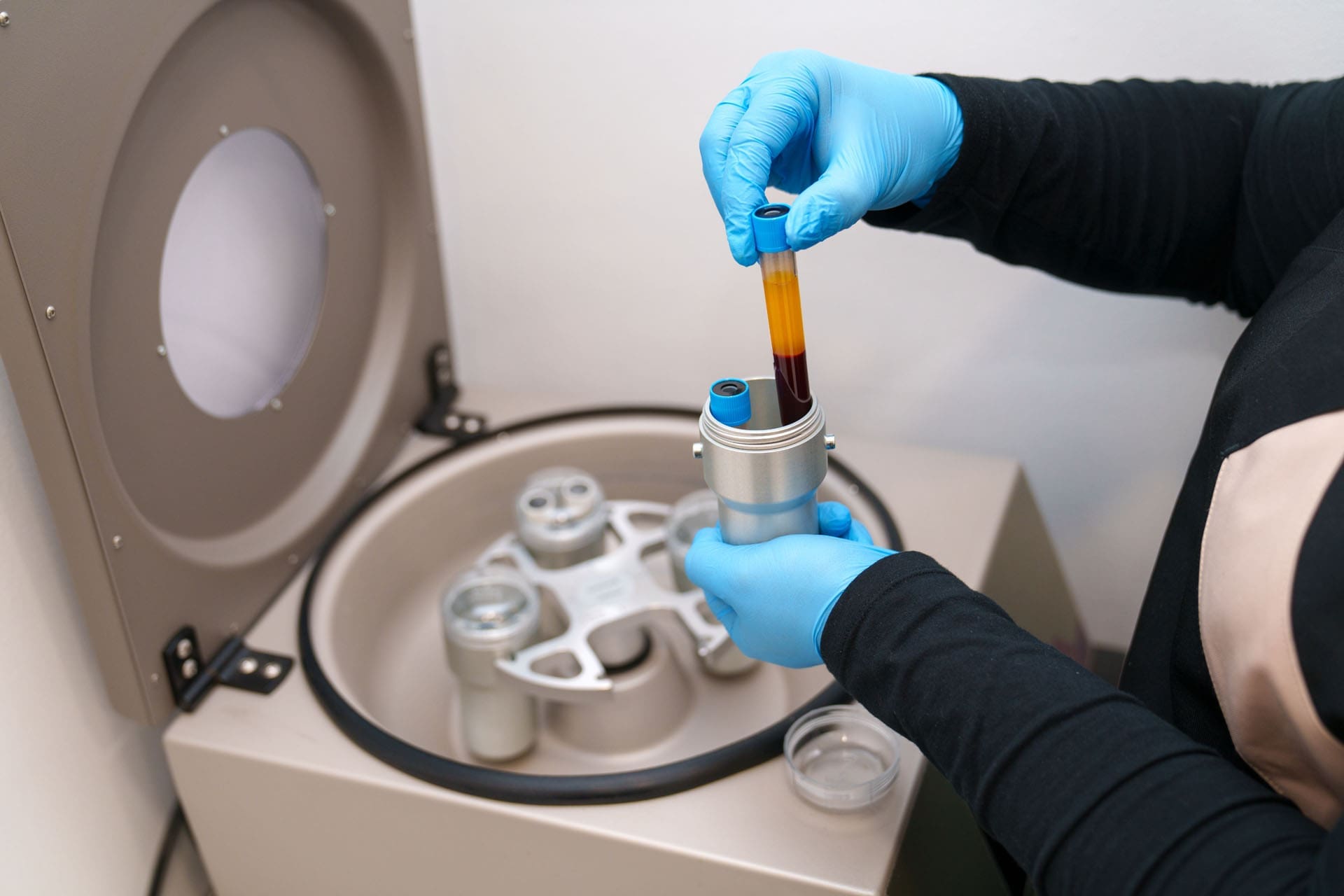
The journey begins with a simple blood draw, similar to what you would have for routine lab work. This whole blood is then placed in a specialized centrifuge, a machine that spins at high speeds to separate the blood into its different components based on their density.
Red Blood Cells: Being the densest, these cells settle at the very bottom of the tube.
Plasma: This is the liquid component of blood, which is the least dense and rises to the top.
The Buffy Coat: Between these two layers lies a thin, whitish layer known as the “buffy coat.” This is the treasure we are after. It contains a high concentration of platelets and white blood cells.
After the initial spin, the plasma layer, which now contains a high concentration of platelets, is carefully separated. This is what we call platelet-rich plasma.
The Importance of Technique: A Clinical Observation
During the extraction process, precision is paramount. The goal is to collect the maximum amount of PRP without disturbing the layers below it. We use a gel separator in our collection tubes, which forms a physical barrier between the red blood cells and the plasma after centrifugation.
A critical detail in this process is ensuring the tip of the collecting syringe does not touch or puncture this gel separator. If the gel is disturbed, it can cause the red blood cells to leak back into the plasma. This would contaminate the PRP, diminishing its purity and efficacy. Should this happen, the sample would need to be re-spun to separate the components again, a step we strive to avoid to maintain the highest quality of the preparation. This meticulous attention to detail is why I prefer a technique where I have maximum control, anchoring my hand and using a steady, precise motion to draw the plasma from just above the gel layer. It’s an art form guided by science.
The final product is a golden-hued liquid, densely packed with the healing potential of the patient’s own body. We can use this powerful biologic for various applications, from injecting it into arthritic joints to using it in aesthetic procedures like microneedling to rejuvenate the skin.
Applying PRP: From Joint Injections to Topical Creams
Once we have prepared the PRP, it’s ready to be deployed to the areas of the body that need it most. The versatility of PRP is one of its greatest strengths.
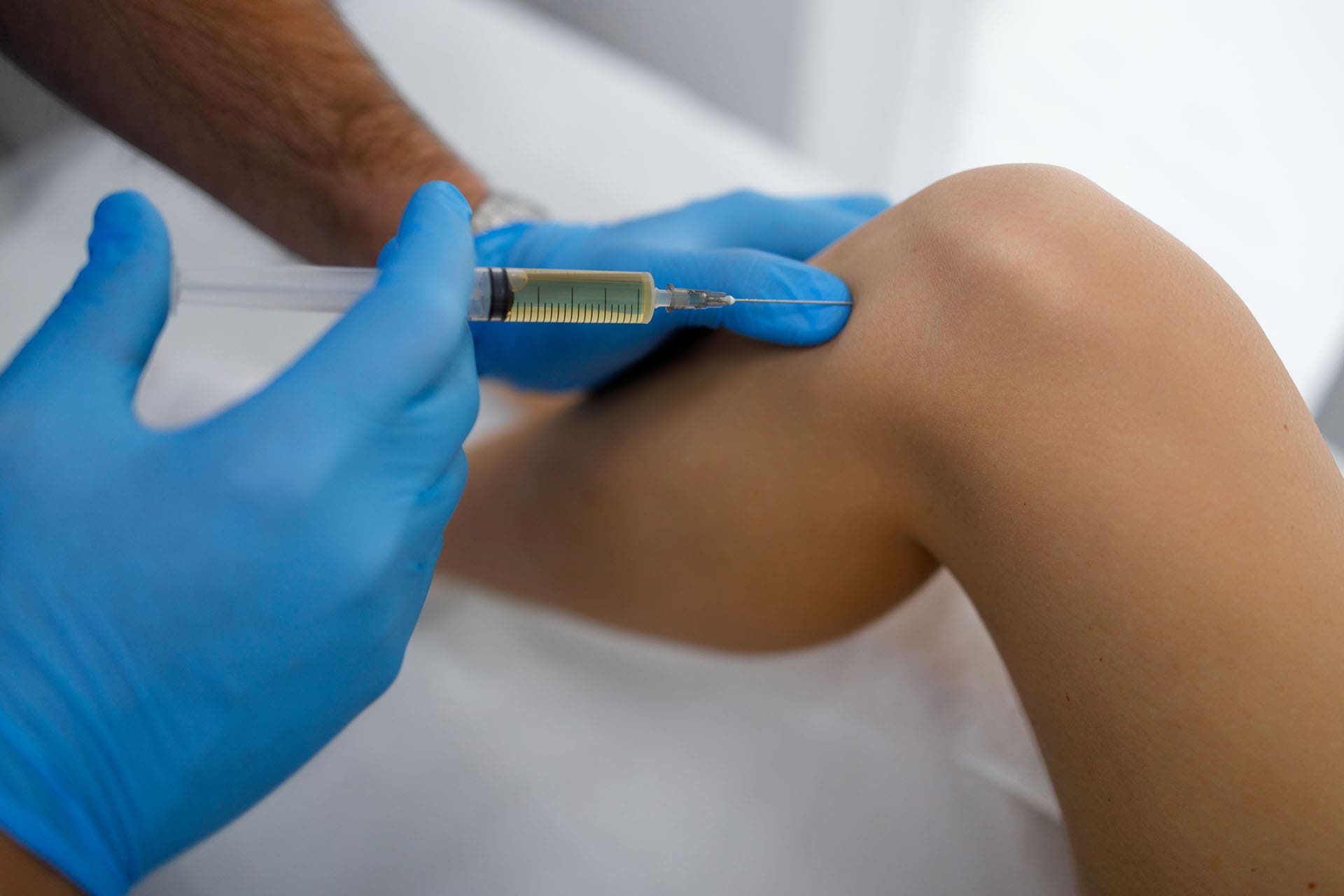
Joint Injections: For patients suffering from osteoarthritis or ligament and tendon injuries, injecting PRP directly into the affected joint can be transformative. We recently had a case where we prepared multiple tubes of PRP for a single patient to treat her ankle, knee, and hip. The concentrated growth factors in the PRP, such as Platelet-Derived Growth Factor (PDGF) and Transforming Growth Factor-Beta (TGF-β), signal local stem cells to migrate to the area of injury. They then initiate a cascade of repair processes, including the formation of new cartilage, ligaments, and blood vessels. This reduces inflammation, alleviates pain, and, most importantly, promotes true tissue regeneration rather than just masking symptoms. This approach aligns perfectly with the chiropractic goal of restoring function, as healthier joints move better and with less pain.
Topical Applications: Not all PRP is used for injections. Any leftover PRP can be repurposed for topical use. For instance, it can be mixed with a specialized carrier cream, like Pro-Cell, which is designed to stabilize the platelets and allow for transdermal absorption. This PRP-infused cream can then be taken home by the patient and applied to the skin, prolonging the regenerative effects of a procedure like microneedling or providing anti-inflammatory benefits to a sore joint.
Enhancing Healing with Peptides: The Next Level of Regenerative Therapy
While PRP harnesses the body’s existing healing components, we can further amplify this process by introducing peptides. Peptides are short chains of amino acids, which are the building blocks of proteins. They act as signaling molecules in the body, telling cells what to do. Certain peptides have powerful regenerative, anti-inflammatory, and healing properties.
In our practice, we often combine PRP treatments with the application of specific peptides to enhance the therapeutic outcome. For example, after performing a PRP treatment for hair restoration on the scalp, we can apply a specialized peptide solution to the area.
The PRP, which we’ve already injected, has created micro-channels in the skin and initiated the healing response. By massaging the peptide solution into the scalp immediately after, we leverage these open channels for enhanced absorption. The peptides can then penetrate deeper into the hair follicles, providing an additional layer of stimulation. For instance, a peptide like GHK-Cu (Copper Peptide) is known to stimulate hair growth by enlarging the follicle size and prolonging the growth phase of the hair cycle.
This combination therapy is synergistic. The PRP prepares the tissue and starts the healing process, while the peptides provide specific, targeted instructions to the cells to amplify that regeneration.
The Patient Experience: A Moment of Relief
Patients are often curious and a bit apprehensive about these procedures. A common question is, “What will it feel like?” When treating the scalp, for instance, patients may experience a temporary sensation of pressure or a feeling like a tension headache. As one patient described it, it felt like a “headache on the scalp,” not a deep, internal pain.
This sensation is a normal response to the injections and the volume of fluid being introduced. However, it is typically very brief. My clinical observation is that this feeling of “heaviness” or pressure resolves within minutes. The massaging of the peptides afterward is often described as the best part of the treatment—it feels soothing and helps to distribute the peptides evenly. This immediate transition from a strange pressure to a relaxing massage is reassuring for patients and is an integral part of the positive therapeutic experience we aim to create.
The Role of Integrative Chiropractic Care in Regenerative Medicine
So, where does chiropractic fit into this picture of high-tech regenerative therapies? It’s the foundation upon which everything else is built.
The central nervous system, which is housed and protected by the spine, is the master controller of every function in the body, including healing and regeneration. Spinal misalignments (subluxations) can create nerve interference, hindering the body’s ability to heal itself efficiently.
My role as a chiropractor is to identify and correct these misalignments through specific chiropractic adjustments. By restoring proper spinal alignment and motion, we achieve several critical goals:
Optimize Nerve Function: A well-aligned spine allows for clear communication between the brain and the rest of the body. This ensures that the healing signals initiated by treatments like PRP are transmitted effectively.
Improve Biomechanics: When we inject a joint like the knee or hip with PRP, we want that joint to function in a mechanically sound environment. If the patient has poor posture, an imbalanced gait, or spinal misalignments, these conditions place abnormal stress on the joint, which can counteract the benefits of the regenerative injection. Chiropractic care and physical therapy correct these biomechanical faults, creating an optimal environment for the repaired tissue to thrive.
Reduce Systemic Inflammation: Spinal misalignments can contribute to a state of chronic, low-grade inflammation. Chiropractic adjustments have been shown to help down-regulate inflammatory processes, creating a more favorable systemic environment for healing.
Therefore, we see chiropractic care not as a separate treatment but as an essential, integrated component of our regenerative protocols. We first ensure the body’s framework and communication systems are functioning optimally. Then, we introduce advanced therapies like PRP and peptides to target specific areas of injury and accelerate the healing that the body is now better equipped to perform. This holistic approach, combining hands-on structural care with cutting-edge biological treatments under medical supervision, is the future of musculoskeletal and personal injury medicine. It allows us to help our patients not just manage their pain but truly heal and regain their quality of life.
References
Everhart, J. S., Jayaram, P., & Dragoo, J. L. (2020). Autologous biologics in the treatment of knee osteoarthritis: A systematic review of the past 10 years of clinical evidence. The American Journal of Sports Medicine, 48(8), 2027–2040.https://journals.sagepub.com/doi/abs/10.1177/0363546519894762
Pickart, L., & Margolina, A. (2018). Regenerative and protective actions of the GHK-Cu peptide in the light of the new gene data. International Journal of Molecular Sciences, 19(7), 1987.https://www.mdpi.com/1422-0067/19/7/1987
Roy, R. A., Boucher, J. P., & Comtois, A. S. (2010). Inflammatory response following a short-term course of chiropractic treatment in subjects with and without chronic low back pain. Journal of Chiropractic Medicine, 9(3), 107–114.https://www.ncbi.nlm.nih.gov/pmc/articles/PMC3081333/
Integrative Peptide Science And Chiropractic Care For Regeneration, Repair, And Performance
As a doctor of chiropractic, advanced practice registered nurse, and board-certified family nurse practitioner with certifications in functional and integrative medicine, I, Dr. Alex Jimenez, am constantly exploring the forefront of evidence-based research to bring the most effective and innovative treatments to our patients. My journey is one of continuous learning, seeking the latest findings from leading researchers to integrate into our clinical practice. This commitment allows us to offer therapies that are not just cutting-edge but also grounded in a profound understanding of human physiology.
At Injury Medical Clinic, we pride ourselves on a multidisciplinary approach to health. Our team is a testament to this philosophy, bringing together diverse expertise to create comprehensive and personalized care plans. I am honored to work alongside Dr. Maria Guadalupe Cardenas, MD, a board-certified internist with over four decades of experience. As our Medical Director and Collaborative Physician, Dr. Cardenas provides essential medical oversight, ensuring our integrative model adheres to the highest standards of safety and efficacy.
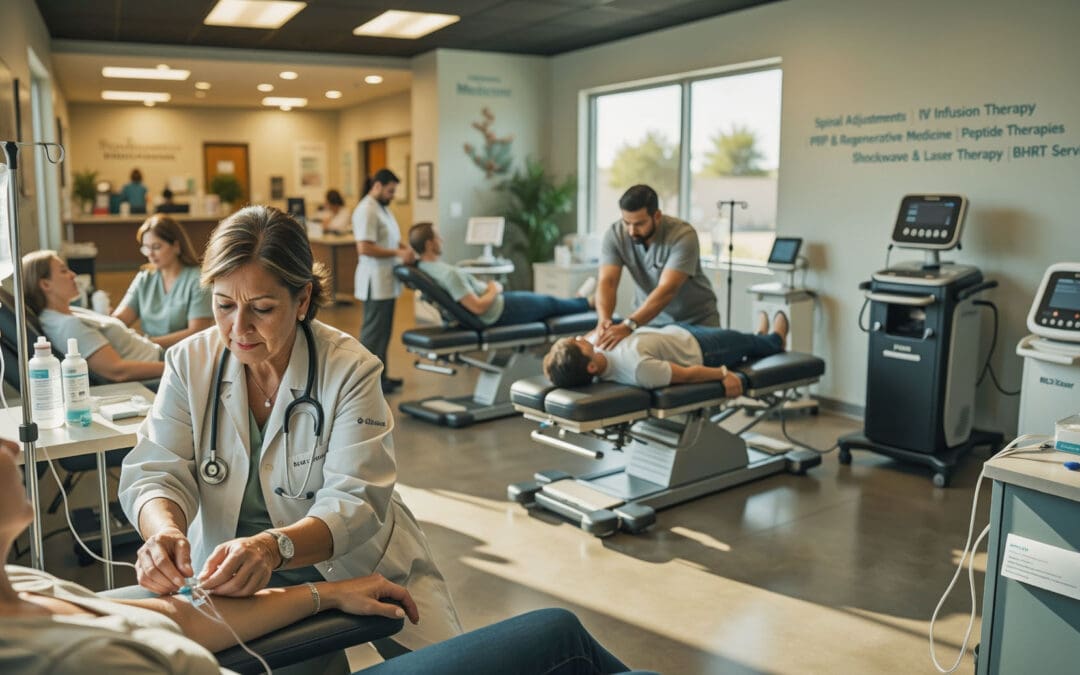
Our unique clinical setup in El Paso, Texas, combines the strengths of chiropractic care, medical direction, functional medicine, personal injury care, and physical rehabilitation. This collaborative environment allows us to view each patient through multiple lenses, addressing not just their symptoms but the root causes of their health concerns. We believe in treating the whole person, and our integrated team is the cornerstone of that belief. Whether a patient is recovering from an injury, managing a chronic condition, or seeking to optimize their overall well-being, our coordinated efforts ensure they receive the most thorough and effective care possible.
Abstract
In this educational post, I walk you through how modern peptide science fits into integrative musculoskeletal care, rehabilitation, hair restoration, and weight management. I explain the difference between peptides and bioregulators, how these biological messengers support regeneration and homeostasis, and why delivery mechanisms matter. You will learn about commonly discussed compounds such as GHK-Cu (blue copper), BPC-157, and GLP-1-related strategies, alongside exercise-mimetic blends that target mitochondrial efficiency.
I also detail how our multidisciplinary team at Injury Medical Clinic PA (Mission Plaza Injury Medical Clinic) in El Paso, Texas, integrates chiropractic care, physical therapy-style rehabilitation, and functional medicine under the medical direction of Dr. Maria Guadalupe Cardenas, MD, with coordinated oversight for safe and evidence-informed use. Throughout, I share clinical observations from my practice and highlight evidence-based frameworks from leading researchers that shape our protocols. The emphasis here is on rehab-first, chiropractic-centric solutions, with peptides and other advanced therapies considered as adjuncts under appropriate medical guidance.
About Our Multidisciplinary Team in El Paso, Texas
I am Dr. Alexander Jimenez, DC, APRN, FNP-BC, CFMP, IFMCP, ATN, CCST. In our clinic—Injury Medical Clinic PA, also known as Mission Plaza Injury Medical Clinic—we operate within a collaborative, multidisciplinary model that is common in integrative injury-care environments. This structure allows us to prioritize chiropractic and active rehabilitation while maintaining medical oversight for safety, scope, and clinical appropriateness. Peptide-related strategies, when used, remain adjunctive—supporting tissue repair and metabolic function without overshadowing the foundation of spine-centric care and progressive loading.
Our team integrates:
Medical Director: Dr. Maria Guadalupe Cardenas, MD, Board Certified in Internal Medicine (NPI #1164426749, Texas MD License #J2933), with over 40 years of experience as an internist, serves as our collaborative physician and provides medical direction.
Chiropractic Care: I lead integrative chiropractic and functional neuromusculoskeletal care, focusing on biomechanical assessment, spinal and extremity adjustments, and manual therapies.
Rehabilitation: We include manual therapy, active care, therapeutic exercise, and movement corrections rooted in physical therapy-style protocols.
Functional Medicine: We incorporate nutrition, sleep optimization, stress modulation, and targeted biochemical support as appropriate to support the body’s innate healing capacity.
Personal Injury: We use evidence-based pathways for musculoskeletal trauma, ensuring documentation, objective measures, and standardized rehab progression for auto, work-related, and sports injuries.
Why Integrative Chiropractic First: The Physiology of Load and Adaptation
Chiropractic care and targeted rehab anchor our outcomes because they leverage mechanotransduction: the process by which cells convert mechanical stimuli into biochemical signals. This is the very foundation of how tissues heal and adapt.
Tendons and Ligaments: Eccentric loading, a cornerstone of our rehab programs, increases tenocyte activity and promotes collagen alignment. This enhances the tensile strength and stiffness of connective tissues, which is core to preventing re-injury (Kjaer, 2004).
Cartilage and Bone: Controlled loading stimulates chondrocyte metabolism in cartilage and osteogenesis (bone formation) via complex signaling pathways like Wnt/β-catenin and integrin signaling (Humphrey et al., 2019).
Neuromuscular Control: Chiropractic adjustments and corrective exercises reduce inhibitory reflexes that arise from pain, normalize motor unit recruitment patterns, and improve overall movement economy.
Biological messengers, such as peptides, complement this process by creating a more favorable internal environment for these mechanical inputs to work. They can help by:
Reducing local inflammatory mediators (e.g., IL-6, TNF-α).
Enhancing Extracellular Matrix (ECM) synthesis and angiogenesis (new blood vessel formation) for better nutrient delivery.
Supporting mitochondrial resilience to help patients tolerate higher training volumes during rehabilitation.
Peptides And Bioregulators: Clarifying The Biological Messenger Landscape
To understand how we support tissue repair, it’s essential to differentiate between two types of biological messengers.
Peptides: These are chains of amino acids—commonly 2 to 40 residues in the United States—that bind to receptors on cell membranes. This binding triggers downstream signaling cascades for regeneration, repair, and homeostasis. They act via a precise “lock-and-key” mechanism, creating selective effects with typically lower off-target risks compared to many small-molecule drugs (Fosgerau & Hoffmann, 2015).
Bioregulators: These are ultra-short peptides (often 2 to 4 residues) that are small enough to enter cells and their nuclei, where they modulate DNA transcription and epigenetic pathways. They directly influence the gene expression of structural proteins, antioxidant systems, and neurotrophic factors (Khavinson & Linkova, 2019).
The key concept is that both are biological messengers, not broad-spectrum synthetic drugs. Their role is to enhance existing signaling pathways rather than override normal physiology. In musculoskeletal care, tissues respond to mechanical loading via mechanotransduction. Peptides can potentiate this process, increasing ECM turnover and mitochondrial capacity, enabling better adaptation to chiropractic adjustments, soft-tissue work, and therapeutic exercise.
Endogenous Messengers: GHK-Cu And BPC-157 In Repair Biology
Two peptides frequently discussed in the context of tissue repair are GHK-Cu and BPC-157.
GHK-Cu (blue copper): This peptide is endogenously present in human saliva and plasma. It plays strong roles in musculoskeletal repair and has antimicrobial actions. Research shows it can upregulate collagen types I–III, decorin, elastin, and fibronectin, while also supporting angiogenesis (Pickart & Thaler, 2019). Clinically, I observe improved soft-tissue quality and skin elasticity in patients undergoing structured loading programs when topical or oral forms are used adjunctively.
BPC-157 (Body Protection Compound): Originally associated with gastric juice, this peptide has been studied for its effects on angiogenesis, fibroblast migration, tendon/ligament repair, and gut mucosal integrity (Sikiric et al., 2018). While it is frequently discussed, it is not extracted for medical use from natural sources; instead, it is synthesized. In our clinic, we keep discussions of such peptides under medical oversight and emphasize rehab-first protocols.
My clinical observation from our El Paso practice is that patients who maintain graded activity, receive precision chiropractic adjustments, and adhere to sleep and nutrition plans show superior outcomes. Adjunctive biological messengers can amplify results but do not replace mechanical stimulus, movement quality, or progressive strengthening.
A Comprehensive Approach to Hair Restoration
Hair loss, whether due to genetics, hormonal changes, or as a side effect of weight loss, can be distressing. Our hair restoration program is another example of our multi-faceted, integrative approach. We address the problem from multiple angles to achieve the best possible outcome.
Chiropractic Integration and Scalp Biomechanics: Restricted cervical and cranial soft tissues can impair local blood flow and lymphatic drainage. Gentle neck mobilization, soft tissue work around the occipital region and temporalis, and thoracic mobility can reduce tension, support autonomic balance, and improve scalp perfusion.
In-Office Regenerative Procedures: The foundation of our program involves stimulating the hair follicles directly. Under medical oversight, we use Platelet-Rich Plasma (PRP) and exosome injections into the scalp. PRP increases blood flow to dormant follicles and delivers a high concentration of growth factors, while exosomes provide signaling molecules that encourage follicles to shift from the resting (telogen) phase back into the active growth (anagen) phase.
Peptide Support (Oral and Topical): To support these in-office treatments, we use oral peptide capsules containing compounds like GHK-Cu. This peptide is crucial for building stronger, denser hair and has shown a remarkable ability to influence follicular pigmentation. I have seen this firsthand with my own patients and even my wife, who noticed that her graying hairs began growing back in their natural blonde color from the root. We also provide patients with a topical peptide spray for at-home use, delivering growth-promoting signals directly to the scalp daily.
Hormonal Modulation: For men experiencing androgenic alopecia (male pattern baldness), addressing the hormone dihydrotestosterone (DHT) is critical. Our program includes strategies to naturally modulate DHT levels, tackling one of the primary drivers of hair loss.
Success with hair restoration requires patience. It takes time for dormant follicles to re-enter the growth phase. We are transparent with our patients, letting them know it will likely be a month before they see the first new sprouts, and a full course of treatment may involve several sessions over six to nine months.
A Tiered, Evidence-Based Approach to Medical Weight Loss
Managing weight is one of the most significant challenges my patients face. For our readers at elpasobackclinic.com, we emphasize that movement correction, chiropractic care, and strength progression are the primary focus. However, when medically appropriate and under the direction of Dr. Cardenas, we have developed a tiered program that leverages the latest advancements in peptide therapy.
Good: Semaglutide Program: An excellent starting point for many patients.
Better: Tirzepatide Program: For those who need a more potent intervention, as it acts on two receptors (GLP-1 and GIP).
Best: Retatrutide Program: At the pinnacle of our program, this groundbreaking peptide targets three receptors (GLP-1, GIP, and glucagon) for comprehensive metabolic benefits.
A crucial component of our methodology is integrating lipotropic injections with each weekly GLP-1 agonist dose. These injections, containing compounds like L-carnitine and B vitamins, support the liver in metabolizing fat and improve cellular energy production.
Advanced Delivery Concepts: Getting Messengers Where They Need To Go
Delivery determines bioavailability and effectiveness. The route matters, whether we’re discussing supplements, topicals, or peptides.
Topical and Oral Routes: For compounds like GHK-Cu, these routes are more accessible and compliant with current regulations. Topical use supports local tissue (skin, superficial fascia), while oral forms may influence systemic availability. We emphasize non-invasive pathways to complement chiropractic care.
Advanced Oral Delivery: The gut often breaks down peptides like proteins. Modern formulations use enteric coatings to protect peptides from stomach acid and release them in the small intestine. Other strategies include trehalose lyophilized microcrystals to prevent denaturation and permeability enhancers to improve absorption without invasive methods (Maher et al., 2019).
Transdermal Delivery: For skin and aesthetics, the challenge is getting larger molecules past the stratum corneum. A properly formulated serum can facilitate passage to the dermis, allowing actives like PRP, exosomes, and peptides to exert local effects without injections. This is particularly useful after procedures like microneedling to reduce redness and speed recovery (Prausnitz & Langer, 2008).
Exercise-Mimetics and Mitochondrial Support: Why Energy Systems Matter
An exercise-mimetic approach aims to enhance cellular energy production without stimulants, which is critical for helping patients tolerate progressive rehab.
Mitochondrial Upregulation: Peptide strategies that increase ATP synthesis, support the electron transport chain, and reduce oxidative stress are invaluable. Enhanced mitochondrial efficiency reduces the burden of reactive oxygen species (ROS) during exercise, preserves muscle fiber integrity, and supports satellite cell activation.
NAD+ Support: As a central cofactor in redox reactions, NAD+ impacts sirtuin signaling, DNA repair, and mitochondrial function (Yoshino et al., 2018). When combined with mechanical loading, patients often report better recovery, less fatigue, and improved performance.
Structured Care Pathway: From Assessment To Return-To-Function
We translate this complex science into practical, actionable steps for our patients.
Comprehensive Evaluation:
History and Mechanism of Injury
Posture and Movement Screens
ROM, Strength, and Endurance Tests
Palpation and Regional Interdependence Assessment
Chiropractic and Manual Therapy:
Segmental Adjustments to optimize joint mechanics.
Myofascial Release and Instrument-Assisted Techniques.
Joint Mobilizations to restore motion.
Progressive Rehabilitation:
Isometrics for pain-modulated entry into exercise.
Eccentric Loading for tendon health.
Functional Integration for return-to-work or sport.
Lifestyle and Functional Medicine Supports:
Sleep Quality optimization.
Anti-inflammatory Nutrition.
Stress and Autonomic Modulation through breathwork.
Optional Adjuncts Under Medical Oversight:
Topical/Oral Biological Messengers.
Mitochondrial Supports.
PRP/Exosome therapies for hair and skin.
We use validated scales (pain, disability), performance metrics (strength, endurance), and functional milestones to measure progress and refine our protocols.
Real-World Observations From My El Paso Practice
From my clinical experience at elpasobackclinic.com, I have observed consistent themes:
Shoulder impingement with capsular tightness often resolves faster when we combine thoracic mobility, scapular retraction work, and rotator cuff eccentrics. Adjunct supports that foster collagen remodeling help patients reach end-range strength more quickly.
Chronic low back pain tied to hip flexor tightness and gluteal inhibition responds best to lumbar adjustments, psoas lengthening, and glute medius activation. Supporting tissue repair and energy metabolism helps sustain gains during work or sport.
Tendon recovery timelines shorten dramatically when patients adhere to sleep, nutrition, and graded loading. Adjunctive biological messengers may reduce soreness and enhance the quality of contraction during return-to-play phases.
Hair restoration patients often notice subtle vellus growth within 2–3 weeks when using copper peptide-based topicals and making lifestyle changes. More robust density changes typically require ongoing application with monthly photographic tracking.
Coordinated Care With Medical Oversight
Our clinic’s structure ensures safety, compliance, and data-informed decisions.
Safety: Dr. Cardenas provides medical direction, reviewing the appropriateness of all protocols and monitoring patient responses, especially for any adjuncts.
Scope and Compliance: We emphasize topical/oral approaches within regulatory guidelines and avoid overstepping our scope of practice.
Data-Informed Decisions: We use evidence-based protocols, reflect new research findings, and adjust care plans accordingly.
This disciplined approach keeps chiropractic and rehab at the forefront, using modern biological tools where they genuinely add value.
Practical Takeaways For Patients And Clinicians
Make movement and mechanical loading the foundation of any recovery plan. Biological messengers are adjuncts, not replacements.
Emphasize sleep, nutrition, and stress management to create the physiological environment needed for tissue adaptation.
Consider topical/oral supports where evidence and medical oversight align, especially for enhancing collagen synthesis, angiogenesis, and mitochondrial function.
Track outcomes and adjust care plans; what is measured can be improved.
Our mission in El Paso is simple: help patients move better, feel better, and live better—safely and consistently. With integrative chiropractic care at the forefront and medical oversight ensuring safety, we bring modern, evidence-based strategies to hair, skin, weight, and recovery, grounded in movement, tissue biology, and patient education.
Chiropractic Care and Regenerative Therapies: How Nutrition Reduces Inflammation and Speeds Tissue Repair
When injuries or ongoing pain affect your daily life, finding real relief often means looking beyond one type of treatment. Many people in El Paso and beyond now benefit from a combined approach that brings together chiropractic care and regenerative therapies. The main goal of this integration is simple yet powerful: lower whole-body inflammation while giving your tissues the exact nutrients they need to rebuild and heal.
This article walks you through why this combination works, how an anti-inflammatory diet supports it, and what practical steps you can take. You will also learn how a dedicated local team puts these ideas into action every day.
Why Combine Chiropractic Care with Regenerative Therapies?
Chiropractic care focuses on spinal alignment and nervous system function. Gentle adjustments help reduce pressure on nerves, improve movement, and ease muscle tension. Regenerative therapies, such as platelet-rich plasma (PRP) injections or bone marrow concentrate procedures, work at the cellular level to promote new tissue growth in damaged areas, such as joints, ligaments, or nerves.
When these two approaches are used together, they address both the structural and the biological sides of healing. Chiropractic care helps the body move better and reduces mechanical stress, while regenerative treatments supply growth factors that promote repair. The shared result is less systemic inflammation—the kind of widespread swelling that slows recovery and keeps pain going.
Dr. Alexander Jimenez, DC, APRN, FNP-BC, CFMP, IFMCP, ATN, has observed through years of clinical work that patients recover more completely when care addresses both spinal function and the body’s overall healing capacity. His approach at the clinic emphasizes natural restoration, using advanced therapies alongside hands-on care so the body can heal itself more effectively.
The Main Objective: Lower Inflammation and Supply Building Blocks
Systemic inflammation acts like a roadblock. It increases pain, stiffens tissues, and makes it harder for new cells to form. Regenerative treatments aim to turn down this response while delivering growth factors directly to the injured site.
To make those treatments work even better, the body needs the right raw materials. Think of it like construction: you can have the best workers (growth factors from PRP or similar therapies), but without lumber, nails, and tools (nutrients), progress stalls.
An anti-inflammatory diet rich in whole foods supplies those building blocks. It provides lean protein for tissue repair, healthy fats that help calm inflammation, and antioxidants that protect cells from further damage. Research and clinical experience show that patients who follow smart nutrition guidelines often see smoother recoveries and better long-term results.
How Nutrition Supports Healing Alongside Chiropractic and Regenerative Care
Nutrition does more than fill your stomach. The foods you eat directly influence inflammation levels, blood flow, and how well your body responds to adjustments or regenerative procedures.
Chiropractic adjustments work best when inflammation is already trending downward. Regenerative treatments like PRP or similar therapies also perform better in a less inflamed environment because growth factors can focus on repair instead of fighting constant swelling.
A steady anti-inflammatory eating pattern helps in several ways:
It lowers baseline inflammation before procedures.
It supplies protein and collagen-building nutrients right when tissues need them most.
It supports hydration and circulation so nutrients reach healing areas.
It complements other modalities you may receive, such as epidural injections for severe nerve pain, MLS laser therapy for deep tissue relief, or shockwave treatments that stimulate repair.
Because your specific plan may include several of these therapies, nutrient timing becomes important. Your care team can help match meals and supplements to each phase of treatment for the best possible outcome.
Key Foods That Fight Inflammation and Build Stronger Tissues
Focus on colorful, minimally processed choices. Here are the categories that matter most:
Lean proteins for repair: Protein gives your body the amino acids needed to rebuild muscle, ligaments, and cartilage. Good sources include wild-caught fish, pasture-raised poultry, eggs, Greek yogurt, lentils, and tofu. Aim for steady intake throughout the day rather than one large serving.
Healthy fats that calm inflammation: Omega-3 fats from salmon, sardines, mackerel, walnuts, flaxseeds, and chia seeds help turn down inflammatory signals. Extra-virgin olive oil and avocados add more anti-inflammatory compounds and support joint lubrication.
Antioxidant-rich plants: Berries (blueberries, strawberries, raspberries), dark leafy greens (spinach, kale), turmeric, ginger, and brightly colored vegetables supply compounds that protect cells and reduce oxidative stress. These foods pair especially well with regenerative treatments.
Supporting nutrients: Vitamin C (citrus, bell peppers, kiwi) helps build collagen. Zinc (pumpkin seeds, seafood) and magnesium (leafy greens, avocados, nuts) aid muscle relaxation and tissue recovery. Staying well hydrated—roughly half your body weight in ounces of water daily—helps move nutrients and clear waste.
Foods and Habits That Can Slow Progress
Just as some foods help, others can increase inflammation and interfere with healing. Limit or avoid:
Refined sugars and sugary drinks
White flour products and highly processed snacks
Fried foods and trans fats
Excessive alcohol
Processed meats
These choices raise inflammatory markers and can reduce the effectiveness of regenerative treatments. Many patients notice better energy and less pain within a few weeks of making these simple swaps.
Timing Your Nutrition Around a Multi-Modality Plan
When your care includes several treatments—such as an epidural injection for nerve relief, MLS laser sessions for inflammation, or shockwave therapy for tissue stimulation—nutrient timing helps each step work better.
Before procedures: Emphasize anti-inflammatory foods and stay well hydrated to lower baseline swelling.
After regenerative injections or procedures: Prioritize protein and collagen-supporting nutrients to give tissues the building blocks they need right away.
Around laser or shockwave sessions: Keep meals balanced with antioxidants and healthy fats to support the body’s natural repair response.
Daily foundation: Maintain consistent anti-inflammatory eating so your system stays primed for whatever therapy comes next.
Your clinical team, including providers who understand both the chiropractic and medical aspects of care, can provide you with a personalized schedule. Small adjustments in meal timing often lead to noticeably smoother recoveries.
Expert, Multidisciplinary Support in El Paso
At Injury Medical Clinic PA in El Paso, Texas, patients receive coordinated care that blends chiropractic expertise with medical oversight. Dr. Alexander Jimenez, DC, APRN, FNP-BC, CFMP, IFMCP, ATN, brings extensive clinical experience in spinal care, functional medicine, personal injury recovery, and regenerative approaches. His observations show that patients achieve better mobility and reduced pain when spinal alignment and whole-body inflammation are addressed together through nutrition and targeted therapies.
Working alongside him is Dr. Maria Guadalupe Cardenas, MD, board-certified in Internal Medicine. With over 40 years of experience, NPI #1164426749, and Texas MD License #J2933, she serves as Medical Director and Collaborative Physician. This medically integrated model is common in strong injury and wellness clinics. The MD provides oversight for complex cases, diagnostics, and certain procedures, while the chiropractic and functional medicine team delivers hands-on care and lifestyle guidance. Together they create safe, personalized plans that cover rehabilitation, personal injury documentation, and advanced regenerative options.
This team approach means you are never navigating treatments alone. Providers communicate, adjust plans based on your progress, and help you time nutrition and other supports for maximum benefit.
Practical Next Steps
Start where you are. Add one extra serving of leafy greens or berries each day. Swap one processed snack for nuts or yogurt. Drink an extra glass of water with meals. These small changes add up quickly when combined with consistent chiropractic or regenerative care.
Keep an open conversation with your providers about your diet, any supplements you take, and how you feel between sessions. They can refine recommendations as your treatment plan evolves.
Healing is a journey, not a single appointment. By lowering inflammation through smart food choices and giving your body the precise building blocks it needs, you support every adjustment, every regenerative treatment, and every step toward feeling like yourself again.
Clinical insights and observations shared on Dr. Alexander Jimenez’s site and clinic resources regarding integrated chiropractic, regenerative, and functional medicine approaches at Injury Medical Clinic PA.
IFM's Find A Practitioner tool is the largest referral network in Functional Medicine, created to help patients locate Functional Medicine practitioners anywhere in the world. IFM Certified Practitioners are listed first in the search results, given their extensive education in Functional Medicine