Understanding Chiropractic Spinal Adjustments: Techniques, Benefits, and Integrated Care
Chiropractic spinal adjustments, also known as spinal manipulations or reductions, offer a natural way to address back pain, improve mobility, and support overall health. These procedures focus on aligning the spine to reduce discomfort and enhance body function without surgery or heavy reliance on medications. Many people seek chiropractic care for issues like chronic back pain, neck strain, or injury recovery. This article explores what happens during an adjustment, its effects on the body, common techniques, and how team-based care can boost results.
What Is a Chiropractic Spinal Adjustment?
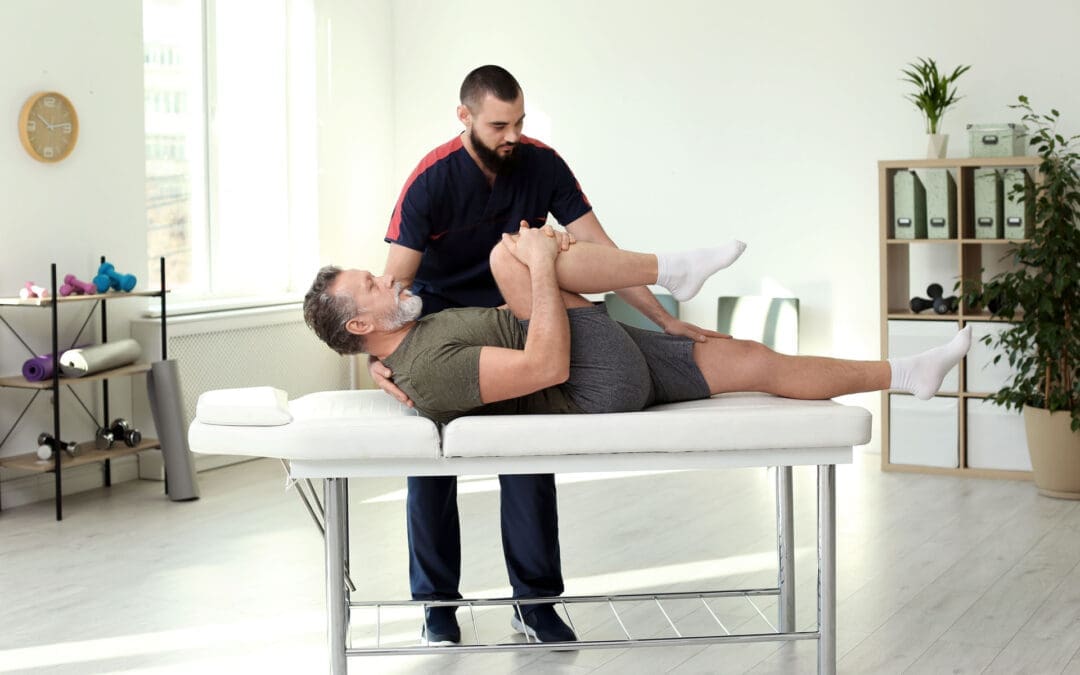
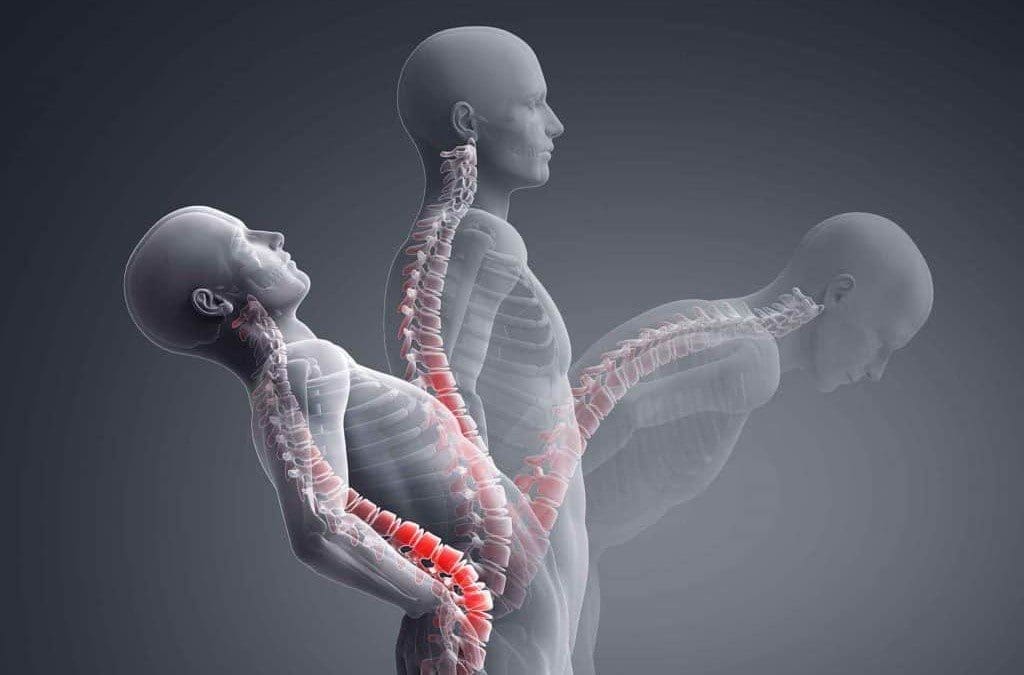
A chiropractic spinal adjustment involves a trained practitioner using their hands or a tool to apply a quick, controlled force to misaligned parts of the spine. This helps restore proper alignment and movement to the joints. The goal is to ease pain, improve joint function, and reduce pressure on the nerves and surrounding muscles (Cleveland Clinic, n.d.). It’s a non-surgical method that stretches the joint, often releasing gas bubbles like nitrogen, oxygen, and carbon dioxide, which create that familiar cracking sound—similar to when you crack your knuckles (Chiro One, n.d.).
Adjustments target areas of restriction, called subluxations, where vertebrae are out of place or not moving well. By correcting these, the procedure can improve nervous system function, leading to reduced irritation and better overall health (NCCIH, n.d.). Patients often feel an increase in range of motion right away, along with looser muscles.
Key Aspects of a Chiropractic Adjustment
Here are some main features of this treatment:
Procedure: The chiropractor first checks the spine for problem spots. Then, they use a sudden but precise push to fix the joint (Revive Chiropractic DSM, n.d.).
Sensations: You might hear a pop or crack, but it’s just gas escaping the joint fluid, not bones breaking (Cleveland Clinic, n.d.).
Physical Effects: The thrust stretches tight joints, relaxes tense muscles, and frees trapped gases, reducing built-up pressure (Physicians Group LLC, n.d.).
Benefits: It restores normal joint motion, supports nerve health, and reduces pain from nerve compression (Spine Health, n.d.).
What It Feels Like: Most find it painless, though some notice mild soreness afterward, like after a workout. Many report quick relief and easier movement (Complete Care, n.d.).
These elements make adjustments a popular choice for managing pain without invasive options.
Techniques Used in Chiropractic Adjustments
Chiropractors use different methods based on the patient’s needs. Common ones include:
Manual Adjustment: This is a high-velocity, low-amplitude (HVLA) thrust done by hand. It’s direct and aims to realign the spine quickly (Towson Chiro, n.d.).
Instrument-Assisted: Tools provide gentle taps to the spine, ideal for those who prefer less force (Visit Chiro First, n.d.).
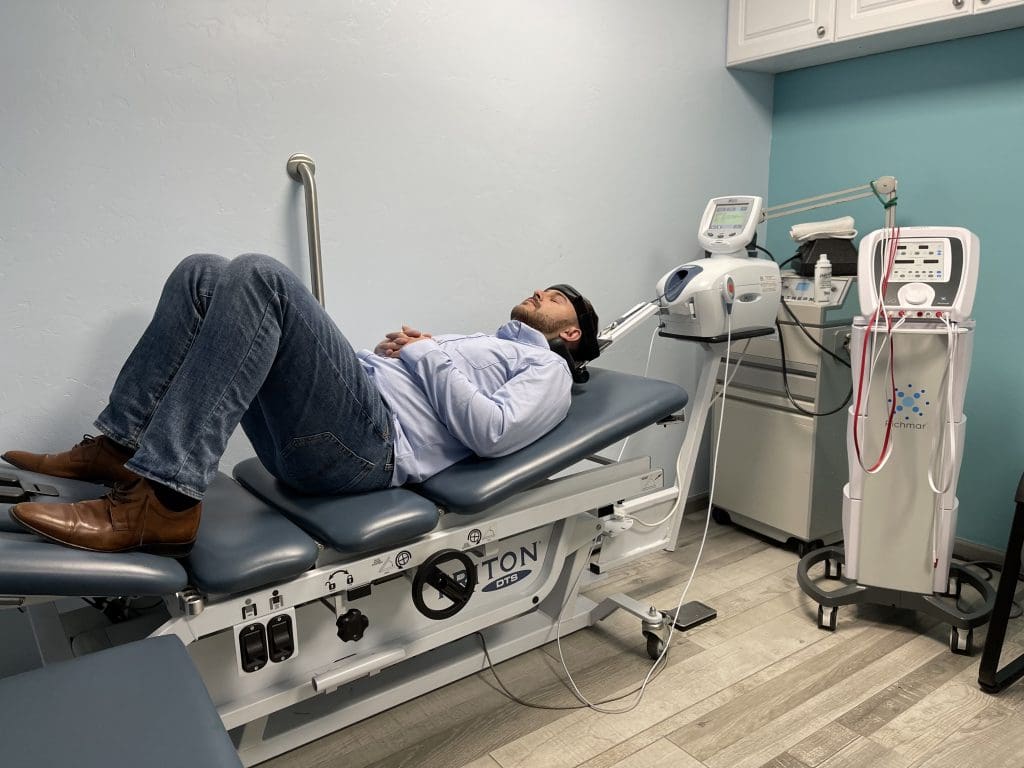
Spinal Decompression: Using a specialized table, the spine is stretched to create space between the vertebrae, helping with issues such as herniated discs (Get Adjusted Columbia, n.d.).
These techniques can be tailored to conditions such as whiplash or back injuries sustained in accidents (Utah Therapeutic Massage, n.d.).
What Happens During a Chiropractic Spinal Adjustment
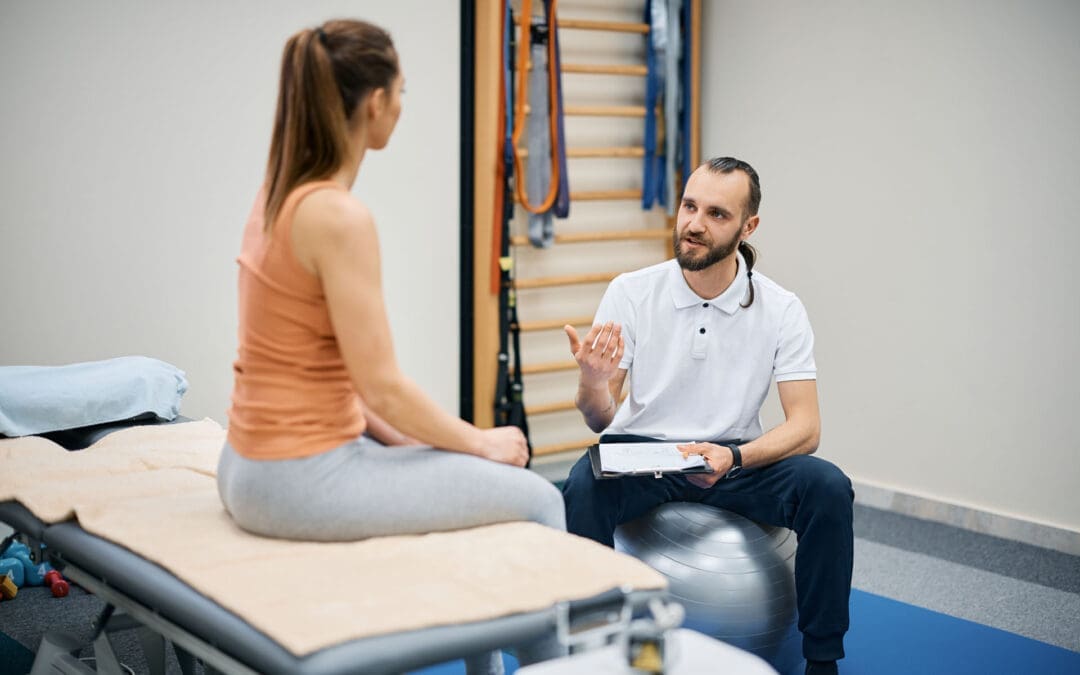
A typical session starts with an assessment. The chiropractor reviews your health history, performs a physical exam, and may use X-rays to identify subluxations (Dubuque Chiropractic, n.d.). Once identified, the adjustment begins.
The practitioner positions you on a table and applies a fast, targeted thrust to the specific joint. This might cause cavitation—the popping sound from gas release in the joint fluid (Starkwood Chiropractic, n.d.). Right after, muscles relax, nerve irritation drops, and joint motion improves (Personal Injury Doctor Group, 2024).
Sessions often include additional therapies such as soft-tissue work, trigger-point release, or stretches to support the adjustment (Boca Chiropractic SW, n.d.). The whole process is quick and focused on comfort.
Benefits of Chiropractic Spinal Adjustments
Regular adjustments offer several advantages:
Pain Relief: They reduce mechanical stress on the spine and ease nerve compression, helping with back, neck, and headache pain (Chiro One, n.d.).
Improved Function: By fixing alignment, they enhance posture and spinal health, preventing future issues (Boca Chiropractic SW, n.d.).
Nervous System Support: Adjustments promote improved nerve signaling, supporting overall bodily function (Physicians Group LLC, n.d.).
Faster Recovery: For injuries like car accidents, this approach speeds healing by addressing root causes (Dallas Accident and Injury Rehab, n.d.).
Studies show these benefits lead to higher patient satisfaction when combined with other care (My Chiro, n.d.).
Incorporating an Interdisciplinary Team for Better Results
Bringing in a team of experts—like advanced practice registered nurses (APRNs), family nurse practitioners (FNP-BC), certified functional medicine providers (CFMP and IFMCP), advanced translational nutrigenomics specialists (ATN), and certified chiropractic spinal trauma experts (CCST)—makes treatment more effective. This approach combines structural fixes with medical and nutritional support to provide holistic care (Health Coach Clinic, n.d.).
For complex cases, such as auto injuries or chronic pain, this team provides comprehensive plans. It focuses on root causes rather than just symptoms, leading to lasting improvements (LinkedIn, n.d.).
How Each Role Contributes
APRN/FNP-BC: These nurses offer medical checks, diagnose issues, and manage meds if needed. They educate patients and integrate chiropractic with traditional medicine to improve pain control (Nursing World, n.d.; Goodwin University, n.d.).
CFMP/IFMCP: They dig into metabolic and nutritional roots of problems, using functional medicine to heal the musculoskeletal system faster (LinkedIn, n.d.).
ATN: By studying genetics and nutrition, they create custom diets and supplements to cut inflammation and aid repair (Jimenez, n.d.).
CCST: Experts in spinal trauma handle tough injuries like whiplash or disc herniations with advanced techniques (Spine Stop, n.d.).
This teamwork enhances outcomes, especially in recovery from accidents or ongoing conditions (Dallas Accident and Injury Rehab, n.d.).
Clinical Observations from Dr. Alexander Jimenez, DC, APRN, FNP-BC
Dr. Alexander Jimenez, with his dual roles in chiropractic and nursing, observes that adjustments restore function in conditions such as sciatica and herniated discs by reducing nerve compression without surgery (Jimenez, n.d.). He notes that patients often experience rapid pain relief and improved mobility after sessions, especially when combined with functional nutrition.
In trauma cases, such as car accidents, Jimenez highlights how spinal decompression and shockwave therapy speed recovery by addressing inflammation and nerve damage (LinkedIn, n.d.). His integrated approach, blending chiropractic with nutrigenomics, helps address root causes such as gut issues that affect spinal health. Patients report reduced symptoms in fibromyalgia and neuropathies through personalized plans that include team input from therapists and nutritionists.
Jimenez emphasizes holistic care for all ages, using assessments to uncover environmental factors. His observations show that interdisciplinary teams lead to sustained health, with testimonials praising relief from chronic pain and improved vitality (Jimenez, n.d.).
Conclusion
Chiropractic spinal adjustments provide a safe, effective way to manage pain and improve spinal health. By understanding the process, techniques, and benefits, you can see why many choose this path. Adding an interdisciplinary team takes it further by offering comprehensive care for better long-term results. If you’re dealing with back issues or injuries, consider consulting a qualified chiropractor.
Spinal Hygiene Explained: Daily Habits to Keep Your Spine Strong and Pain-Free
A woman performs spinal hygiene exercises on a fitness ball at home, strengthening her back muscles.
Spinal hygiene is the practice of caring for your spine every day to keep it strong, flexible, and healthy. Just like brushing your teeth helps prevent cavities, spinal hygiene helps avoid back problems and keeps your body moving well. The spine supports your whole body, protects the nervous system, and lets you bend, twist, and stand tall. Good habits can make a big difference in how you feel now and as you get older.
What Spinal Hygiene Means
Spinal hygiene includes simple daily actions to protect the spine’s natural shape and movement. The spine has gentle curves that help absorb shock and allow smooth motion. When these curves stay balanced, and the spine moves freely, you feel better overall.
Proper posture: Sit and stand with your shoulders back, head aligned over your spine, and pelvis in a neutral position to avoid extra strain.
Regular movement and exercise: Stay active with walking, swimming, or stretching to keep joints loose and muscles strong.
Proper body mechanics: Lift things by bending your knees, keeping objects close to your body, and avoiding twists to prevent injury.
Core strength: Build muscles around your midsection for better support and stability.
Hydration and nutrition: Drink plenty of water to keep spinal discs cushioned, and eat foods rich in calcium, vitamin D, magnesium, and omega-3 fatty acids to support bone and tissue health.
Stress management: Use deep breathing, meditation, or yoga to reduce tension that tightens back muscles.
These steps help maintain the spine’s integrity and prevent issues like stiffness or pain (Spinenpain.org, n.d.; Lifemovesmt.com, n.d.).
Neglecting spinal hygiene can lead to problems over time. Poor habits can cause muscle imbalances, joint wear, reduced motion, and conditions such as herniated discs or chronic back pain. This can affect your nervous system, since the spine houses nerves that control body functions. When the spine is out of alignment, it may press on nerves, leading to pain, weakness, or other issues (Servinglifedallas.com, n.d.; Drmmalone.com, n.d.).
Benefits of Good Spinal Hygiene
Taking care of your spine brings many advantages. It reduces the chance of back pain, improves how easily you move, and supports better posture. A healthy spine also helps the nervous system function smoothly, boosting energy, coordination, and overall well-being. Regular care can slow age-related changes, lower injury risk, and help you stay active longer.
Prevents muscle tightness and joint problems
Improves blood flow and nutrient delivery to spinal tissues
Enhances balance and reduces fall risk
Supports better sleep and less daily discomfort
Studies and experts note that these habits promote long-term health and vitality (Illinoisspinalcare.com, n.d.; Spinehealth.org, n.d.).
How Chiropractic Care Fits In
Chiropractic care plays a key role in spinal hygiene. Chiropractors use gentle adjustments to fix misalignments, called subluxations, that can stress the spine and nerves. These adjustments restore proper movement, reduce pain, and improve function. Regular chiropractic visits act as preventive maintenance, catching small issues before they grow.
Many people combine chiropractic with other habits for the best results. Adjustments improve alignment, while daily posture and exercise help maintain gains. This approach helps address common complaints such as neck or low back pain and supports recovery from injuries (Illinoisspinalcare.com, n.d.; Eastportlandchiropractor.com, n.d.).
The Power of Integrative Care with Chiropractors and Nurse Practitioners
An integrative approach brings together diverse experts to achieve stronger results. Chiropractors focus on the spine’s structure, alignment, and movement through adjustments and rehab. Nurse practitioners (NPs), especially those with advanced training, address broader health needs such as nutrition, stress management, hormone balance, and lifestyle changes.
This team effort addresses both the physical spine and daily habits that affect it. For example, a chiropractor might correct alignment after an injury, while an NP guides on anti-inflammatory foods or stress reduction to aid healing. Together, they create personalized plans that work better than one alone, especially for complex pain, chronic issues, or recovery from accidents.
Dr. Alexander Jimenez, DC, APRN, FNP-BC, stands out in this field. As a Doctor of Chiropractic and board-certified Family Nurse Practitioner, he combines spinal adjustments, decompression therapy, and functional medicine. His practice emphasizes root-cause care, using nutrition, lifestyle tweaks, and advanced diagnostics for musculoskeletal problems, personal injuries, and overall wellness. Clinical observations from his work show that integrative methods restore mobility, reduce pain, and improve quality of life by treating the whole person—not just symptoms (Dralexjimenez.com, n.d.; A4m.com, n.d.).
Simple Ways to Start Spinal Hygiene Today
You can begin with easy changes that fit into daily life.
Posture checks: Set reminders to sit tall and take breaks from sitting every 30 minutes.
Daily stretches: Try cat-cow pose, child’s pose, or seated twists for 5-10 minutes.
Safe lifting: Always bend at the knees and use your legs.
Stay hydrated: Drink water throughout the day to keep your discs healthy.
Eat spine-friendly foods: Include leafy greens, fish, nuts, and dairy or alternatives for key nutrients.
Move often: Walk or do low-impact activity for at least 30 minutes most days.
Manage stress: Practice deep breathing or short meditation sessions.
Adding regular chiropractic check-ups can help monitor and maintain progress (Lifemovesmt.com, n.d.; Newlifefamilychiropractic.net, n.d.).
Final Thoughts
Spinal hygiene is a smart, everyday way to protect one of your body’s most important parts. By focusing on posture, movement, nutrition, and professional care when needed, you support a strong spine, healthy nerves, and a better quality of life. Small habits add up to big benefits, helping you stay active and pain-free for years.
Preventing Sports & Back Injuries: The El Paso Back Clinic Approach
Athletes, weekend warriors, and active individuals often push their bodies to the limit. Without smart preparation and care, minor misalignments or imbalances can lead to back pain, sprains, or more serious injuries. At El Paso Back Clinic, our mission is to prevent injuries before they occur, maintain spine health, and support long-term performance and wellness.
In this article, you’ll learn how a multifaceted strategy—involving movement, conditioning, chiropractic, integrative therapies, and recovery—can reduce injury risk. We’ll also show how El Paso Back Clinic applies these principles in real-world care.
Why Back & Sports Injuries Occur
Biomechanical Stress & Misalignment
Even small spinal misalignments or joint restrictions can change movement mechanics. Over time, stresses that should spread evenly across tissues become concentrated on certain discs, muscles, or ligaments, making them vulnerable (Mount Sinai, n.d.; Emery & Meeuwisse, 2008).
Overuse and Repetition
Playing the same sport repeatedly without variation often leads to overuse injuries—microtears that accumulate faster than the body can heal. Many youth and amateur athletes suffer from this because they skip rest phases (Nationwide Children’s, n.d.; CHOP, n.d.).
Fatigue, Poor Technique, and Weakness
When muscles fatigue, the muscle fibers break down. A runner might collapse inward at the knee, or a basketball player might land with improper form. These movement faults under fatigue cause injury (Walker Physical Therapy, n.d.; PWR Physio, n.d.).
Insufficient Recovery
Without proper rest, nutrition, and tissue repair, microdamage lingers. Eventually, the body’s threshold is crossed, and a dramatic injury occurs.
Core Prevention Pillars
At El Paso Back Clinic, we emphasize these foundational pillars:
1. Dynamic Warm-Up & Mobility Routines
Warm-ups aren’t just stretching—they’re activation drills, joint movements, and controlled progressions that prepare muscles and joints. Cooling down, stretching, and mobility work afterward help flush byproducts and reduce stiffness (First Physio Plus, n.d.; Garden State Pain, n.d.).
2. Technique Monitoring and Movement Quality
We routinely analyze movement—such as running gait, jumping, squatting, and twisting—to identify harmful patterns. By coaching technique and correcting faults, we reduce stress on the back and joints (GPOA, n.d.; Walker Physical Therapy, n.d.).
3. Balanced Strength, Stability & Flexibility
Having a strong core, glutes, and stabilizers protects the lumbar spine. We design programs that incorporate strength, balance, flexibility, and endurance to create a well-rounded system (PWR Physio, n.d.; Walker Physical Therapy, n.d.).
4. Strategic Rest and Load Management
We guide patients and athletes in periodization, which involves alternating high and low loads, scheduling rest days, and monitoring fatigue to prevent overtraining (Bayfront Health, n.d.; Fick PT & Performance, n.d.).
5. Nutrition, Hydration & Recovery Support
Good hydration and nutrients (protein, vitamins, minerals) are essential for tissue repair. A poor diet hinders recovery and increases the risk of injury (LI Spine Med, 2024).
The Role of Chiropractic & Back Clinic Services
El Paso Back Clinic (under Dr. Jimenez) stands out by combining back/spine care with integrative therapies. Here’s how chiropractic and back-clinic services help prevent injuries:
Spinal Alignment & Joint Function
Chiropractic adjustments and spinal mobilizations help maintain vertebral alignment, ease restrictions, and ensure joints move properly. This reduces compensatory stress on surrounding tissues (Dallas Accident & Injury Rehab, n.d.; Evolved Health Chiropractic, n.d.).
Posture, Movement Pattern Correction & Neuromuscular Feedback
We assess posture and movement patterns across the kinetic chain. Correcting compensations (e.g., pelvic tilt, scoliosis curves) helps protect the spine during sport demands (Dallas Accident & Injury Rehab, n.d.; Evolved Health Chiropractic, n.d.).
Proper nerve input from spinal segments supports muscle activation and timing. By improving the communication between the spine and joints and the surrounding muscles, we help the body respond more effectively under stress (Fremont Chiropractic, n.d.; Young Chiropractic, n.d.).
Versatile Soft-Tissue & Myofascial Work
Muscles, fascia, and connective tissues often tighten, pulling on the spine. Techniques, such as soft-tissue work, instrument-assisted release, and myofascial release, help reduce tension and restore balance (Garmon Chiropractic, n.d.).
Monitoring & Maintenance Care
We often schedule preventive “maintenance” visits. Even when patients feel fine, small dysfunctions can arise. Regular check-ins allow us to catch them early—before they develop into problems.
Integrative Therapies & Supportive Methods
To maximize prevention, El Paso Back Clinic layers on integrative and complementary care:
Physical Therapy & Exercise Therapy
Sometimes muscles need retraining. Our clinic can collaborate with or provide therapeutic exercise programs that focus on weakness, imbalance, mobility deficits, and sport-specific drills (Current Physical Therapy, 2025).
Massage, Trigger Point Work & Soft-Tissue Modulation
Massage and trigger point therapy enhance circulation, alleviate adhesions, and promote muscular recovery. These help tissues remain supple and resilient (Primary Health & Wellness, n.d.).
Acupuncture & Electro-Acupuncture
Using needles or micro-current stimulation, we stimulate healing, reduce inflammation, and modulate pain. These methods pair well with structural work (clinic’s integrative model).
Kinesio Taping & Supportive Bracing
Taping techniques provide gentle support, reduce stress on soft tissues, and enhance proprioception during dynamic phases of sports (Premier Injury Clinics of DFW, n.d.).
Nutritional & Functional Medicine Guidance
As part of Dr. Jimenez’s broader practice, we assess systemic contributors—such as nutrition, inflammation, and hormonal balance—to optimize the body’s healing environment.
Putting It Together: How El Paso Back Clinic Builds a Preventive Protocol
Here’s how our clinic might structure a prevention plan for an athlete or active individual:
Watch performance metrics, fatigue trends, and pain signals
Adjust load or interventions accordingly
Over time, this layered approach builds resilience—spines become more stable, tissues more durable, and neuromuscular control more refined.
Why Choose El Paso Back Clinic
Dual Expertise for Spine & Whole-Body Health
At El Paso Back Clinic, Dr. Jimenez offers both advanced back-centric care and integrative medicine. The clinic’s services extend beyond symptom relief to encompass systemic wellness, functional movement, and injury prevention (El Paso Back Clinic, n.d.).
Local Focus, Tailored to El Paso Athletes
We are familiar with the terrain, climate, demands, and sports culture in El Paso. Our protocols are adapted to local conditions—heat, elevation, sports trends—and we serve individuals, teams, schools, and sports clubs.
Evidence-Informed, Patient-Centered Approach
Our protocols integrate best practices from sports medicine, chiropractic research, and functional health models. We emphasize care plans unique to each patient—not cookie-cutter templates.
Support for Injury, Recovery & Prevention
Whether someone has already been injured or is simply seeking preventive care, our clinic handles a spectrum: back pain, sports injuries, work injuries, and even personal injury/auto trauma.
Summary & Next Steps
Preventing back and sports injuries is not about a single fix. It’s about a synergistic strategy: warm-ups, monitoring technique, balanced conditioning, spinal care, integrative therapies, and smart recovery. El Paso Back Clinic weaves these together in a real-world, locally tuned model.
If you are an athlete or an active person looking to protect your spine and enhance your performance, consider a preventive evaluation. Contact us to begin your tailored, resilience-building program.
Exercise and Integrative Care: Healing the Spine and Supporting Gut Health
Why the Spine and Gut Are Connected
At El Paso Back Clinic, Dr. Alexander Jimenez, DC, APRN, FNP-BC, often explains to patients that the spine and gut influence each other. The nervous system links spinal alignment with digestive processes, while digestive stress can increase inflammation and tension in the back. When either system is disrupted—by injury, poor posture, or stress—the other often suffers.
This is why recovery programs at the clinic combine chiropractic care, functional medicine, and targeted exercises designed to restore both spinal stability and digestive balance.
Walking for Recovery and Digestive Energy
Walking is one of the simplest yet most effective tools for recovery. It improves circulation, strengthens spinal muscles, and encourages proper posture (Harvard Health, n.d.). Regular walking also promotes peristalsis, the natural movement of the intestines that keeps digestion flowing smoothly (Mission Health, n.d.).
Dr. Jimenez frequently recommends short daily walks for patients healing from motor vehicle accidents or work injuries. These gentle movements improve both spine and gut function while lowering stress.
Stretches That Heal Both Systems
Cat-Cow Mobility
Alternating between arching and rounding the spine with cat-cow relieves stiffness, improves flexibility, and massages abdominal organs (Institute of Living, n.d.).
Child’s Pose Relief
Child’s pose gently decompresses the spine and calms the nervous system while placing pressure on the abdomen to support digestion (St. Vincent’s, n.d.).
Knee-to-Chest Reset
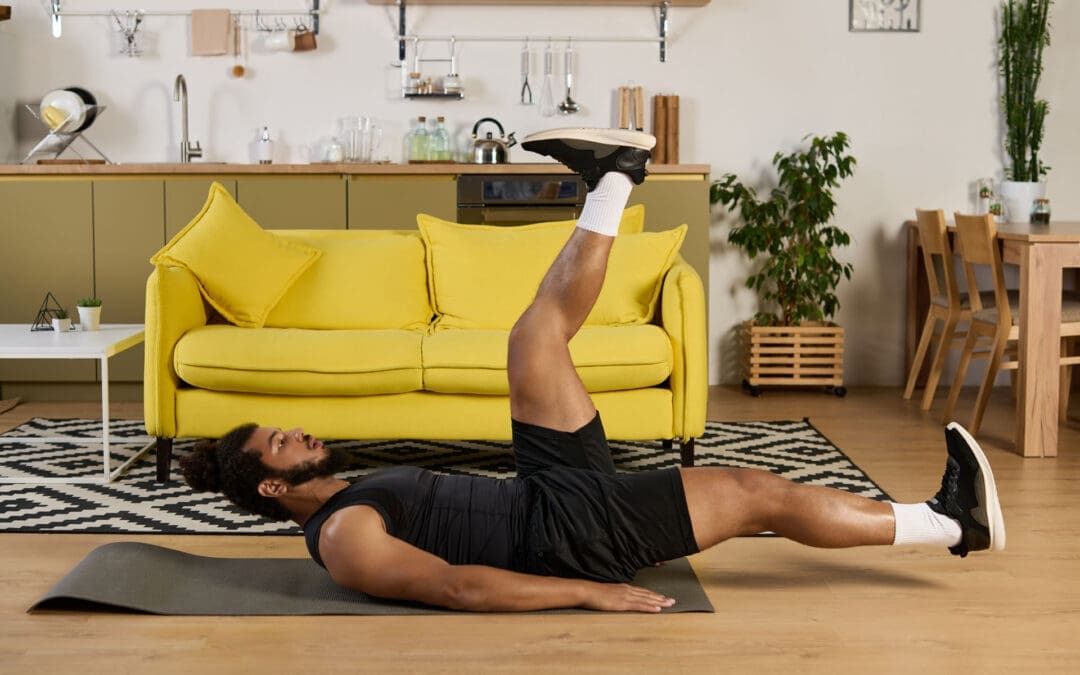
The knee-to-chest stretch eases lumbar strain and stimulates gut motility, especially useful for patients who sit for long periods (Mayo Clinic, n.d.).
These stretches are easy to perform at home, making them ideal additions to chiropractic treatment.
Twists for Circulation and Core Flexibility
Seated twists rotate the spine, lengthen core muscles, and stimulate blood flow to abdominal organs. This “digestive massage” effect improves nutrient absorption and reduces bloating (SC Gastro, n.d.; NMRNJ, n.d.).
For patients recovering from accidents, Dr. Jimenez integrates twists into therapy sessions to restore spinal flexibility while encouraging smoother digestion.
Core Strengthening for Lasting Support
Bird-Dog Stability
This exercise trains spinal stabilizers and improves balance, reducing the risk of further injury (Harvard Health, n.d.).
Plank Endurance
Planks build deep abdominal strength and support the spine without added strain (Hackensack Meridian, 2023).
Core stability not only improves posture but also reduces abdominal pressure, helping digestive organs function more effectively.
Breathwork: Calming Stress and Stimulating Digestion
Diaphragmatic breathing lowers stress by activating the parasympathetic nervous system, which also stimulates healthy bowel movement (Healthline, n.d.).
Patients at El Paso Back Clinic often learn breathing exercises alongside chiropractic therapy to promote relaxation, enhance digestion, and speed up recovery from injury.
Dr. Jimenez’s Dual-Scope Approach
As both a chiropractor and nurse practitioner, Dr. Jimenez provides comprehensive injury care:
Chiropractic methods such as flexion-distraction therapy and spinal adjustments.
Functional medicine tools to improve systemic health.
Massage therapy and acupuncture to support healing naturally.
Detailed legal documentation for personal injury cases involving motor vehicle accidents or workplace injuries.
Advanced imaging and dual-scope evaluation for accurate diagnosis and treatment.
This integrated model prevents long-term complications and supports total wellness for spine and gut health.
Taking the Next Step
Exercises like walking, stretching, twisting, planking, and breathwork can transform your recovery journey. When combined with chiropractic and integrative care, they help patients live pain-free and improve digestive balance.
If you’re in pain or recovering from an accident, the team at El Paso Back Clinic can help. Contact Dr. Jimenez and start your path to natural healing.
Can individuals dealing with scoliosis incorporate various exercises and stretches to improve their posture and reduce pain?
What Is Scoliosis?
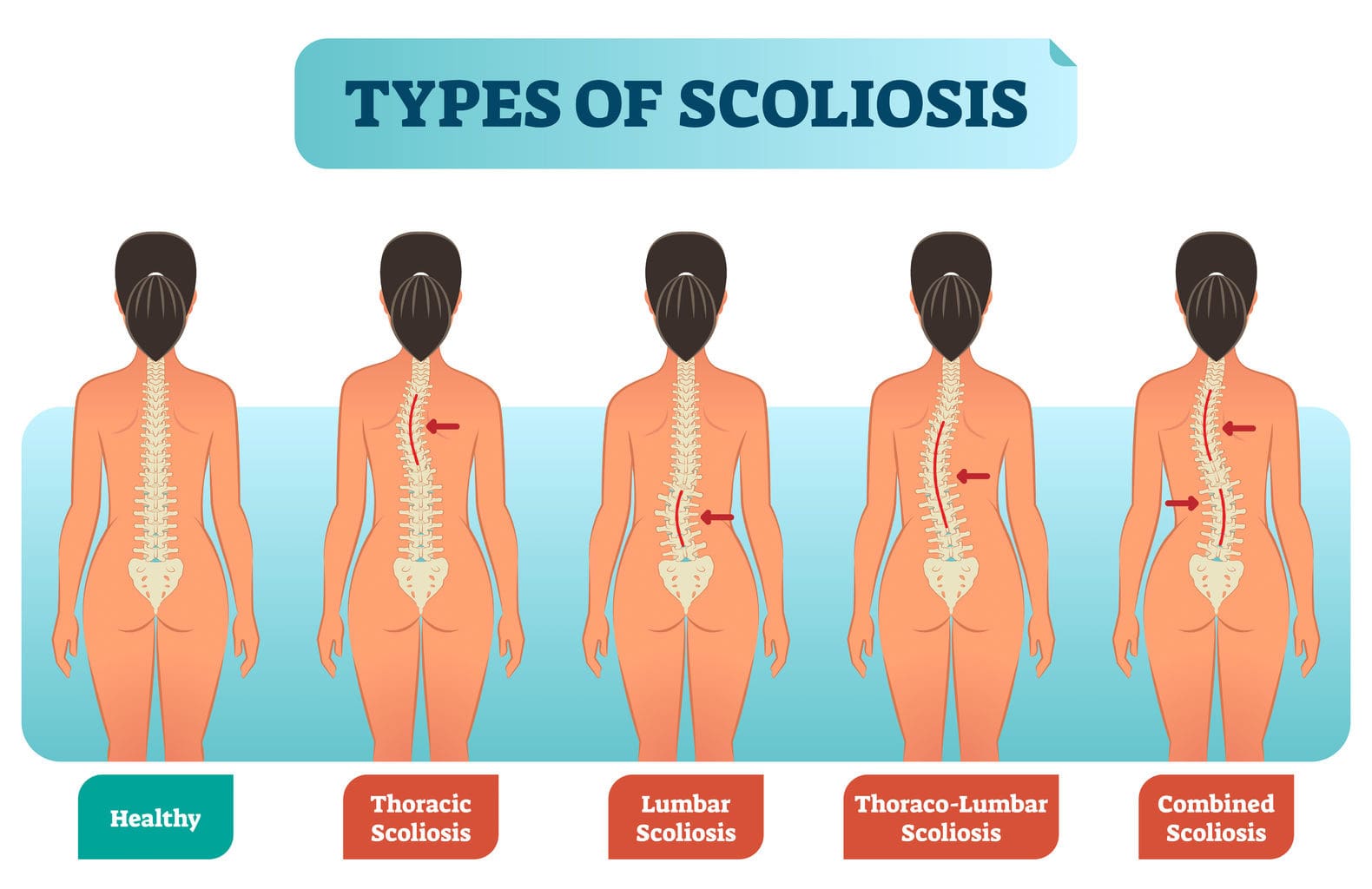
More often than anything, many people have tried to maintain proper posture to prevent musculoskeletal and spinal conditions from forming. However, it can be difficult to maintain an appropriate posture when strenuous environmental factors come into play. This can range from being in a hunched position to developing spinal conditions that can affect the curvature of the spine. One of the most well-known spinal conditions many people can develop through numerous risk factors is spinal scoliosis. Spinal scoliosis is often defined as a curvature deviation in the normal vertical spinal line. (Janicki & Alman, 2007) This causes the spine to develop an S or C curve in the thoracic or lumbar portion of the spine, leading to overlapping risk profiles in the body and causing pain-like symptoms that can make a person feel miserable. Today’s article looks at scoliosis, how it affects the body, and how various exercises can help manage scoliosis. We discuss with certified medical providers who inform our patients how non-surgical treatments, like various exercises, help manage symptoms associated with scoliosis. While asking informed questions to our associated medical providers, we advise patients to include various exercises and pain management techniques to reduce pain-like symptoms correlating with scoliosis. Dr. Alex Jimenez, D.C., encompasses this information as an academic service. Disclaimer.
How Does It Affect The Body?
Since scoliosis is a spinal deformity condition that affects the spine, it can happen at any age and is categorized into four group forms:
Congenital (Presented by birth)
Neuromuscular (Resulted from cerebral palsy or muscular dystrophy)
Idiopathic (The common spinal condition)
Degenerative (Adult-onset scoliosis)
Within these four groups of scoliosis, some of the pain-like symptoms can vary depending on the size of the curve and how far the progression leads to overlapping risk profiles in the thoracic and lumbar spine portions. (Aebi, 2005) Some of the symptoms that are associated with scoliosis are back pain. Many individuals with scoliosis, especially adolescent individuals, have back pain associated with adolescent idiopathic scoliosis due to increasing age, injuries, and how severe the spine is curved. (Achar & Yamanaka, 2020) Additional symptoms that many individuals experience with scoliosis that can affect their bodies have specific features that cause pain. Individuals with scoliosis often have increasing asymmetrical pain when standing for prolonged periods and residing at rest, thus mimicking sciatica pain. (Zaina et al., 2023) This is because pain is one of the biomarkers for scoliosis. When pain starts to affect the body, issues like muscle dysfunction, concave disc pressure, asymmetrical facet joint strains, and a high BMI (body mass index) become the main mechanical parameters in the body. They are assessed by doctors when being examined. (Ilharreborde et al., 2023) When individuals are being assessed by their doctors to manage scoliosis, non-surgical treatments can help manage the pain-like symptoms and restore joint stability and mobility to the body.
Movement Medicine: Chiropractic Care- Video
Various Exercises For Managing Scoliosis
When many individuals dealing with scoliosis go in for non-surgical treatments, they will be assessed and evaluated by pain specialists to determine what the next steps for treatment can be provided for them. For scoliosis, non-surgical treatments like chiropractic care can be provided to reduce the musculoskeletal conditions associated with scoliosis. Chiropractors utilize mechanical and manual spinal manipulation of the spine. They can set the vertebra back in place while restoring the spinal joint with optimal motion, improving the range of motion, and allowing the body to function properly. (Milne et al., 2022) At the same time, chiropractors can recommend various exercises and stretches to help manage symptoms associated with scoliosis as part of their treatment plan. Incorporating various exercises can help rectify spinal deformity, help the different muscle groups become stronger, and allow the individual to work a bit on managing scoliosis symptoms. Below are some of the various exercises and stretches to manage scoliosis.
Practicing Good Posture
Practicing good posture can benefit many individuals with scoliosis, especially young ones. Many people realize that maintaining good posture can help reduce muscle pain and tension in the back. It allows many people to realign their bodies and retrain them to stand with good posture naturally. Maintaining good posture, whether standing or seated, can allow doctors to scan the body for any tension signs. For those with scoliosis, it can gradually strengthen the weak core muscles in their bodies.
Abdominal Presses
Abdominal presses allow the individual to maintain neutral spinal alignment while strengthening the abdominal core muscles. To do this:
Individuals must lie on their backs on a yoga mat, keeping their backs in a neutral, tension-free position with bent knees.
They raise both feet and thighs off the mat to form a 90-degree angle with their knees above the hips. *They can support themselves with a chair or wall.
Next, individuals can use their hands to push and pull the knees with their abdominal muscles.
When doing this static exercise, make sure that they hold for three full breaths in two sets of ten and relax in between.
Bird-Dog
Bird-dog is a yoga move that can help stretch tight and weak muscles in the back and allow the body to balance itself. To do this:
Individuals can be on their hands and knees with a neutral spine position on a yoga mat, ensuring their hands are under their shoulders and their knees are under their hips.
With controlled breathing, extend one arm straight out while extending the opposite leg back.
Maintain the position for five to thirty seconds, andslowly return to the neutral spine.
Repeat the motion with the opposite for 10 to 15 reps.
Incorporating these exercises can help manage pain-like symptoms associated with scoliosis, help many individuals strengthen their weak muscles, and help improve their posture on their health and wellness journey.
Ilharreborde, B., Simon, A. L., Shadi, M., & Kotwicki, T. (2023). Is scoliosis a source of pain? J Child Orthop, 17(6), 527-534. https://doi.org/10.1177/18632521231215861
Janicki, J. A., & Alman, B. (2007). Scoliosis: Review of diagnosis and treatment. Paediatr Child Health, 12(9), 771-776. https://doi.org/10.1093/pch/12.9.771
Milne, N., Longeri, L., Patel, A., Pool, J., Olson, K., Basson, A., & Gross, A. R. (2022). Spinal manipulation and mobilisation in the treatment of infants, children, and adolescents: a systematic scoping review. BMC Pediatr, 22(1), 721. https://doi.org/10.1186/s12887-022-03781-6
Zaina, F., Marchese, R., Donzelli, S., Cordani, C., Pulici, C., McAviney, J., & Negrini, S. (2023). Current Knowledge on the Different Characteristics of Back Pain in Adults with and without Scoliosis: A Systematic Review. J Clin Med, 12(16). https://doi.org/10.3390/jcm12165182
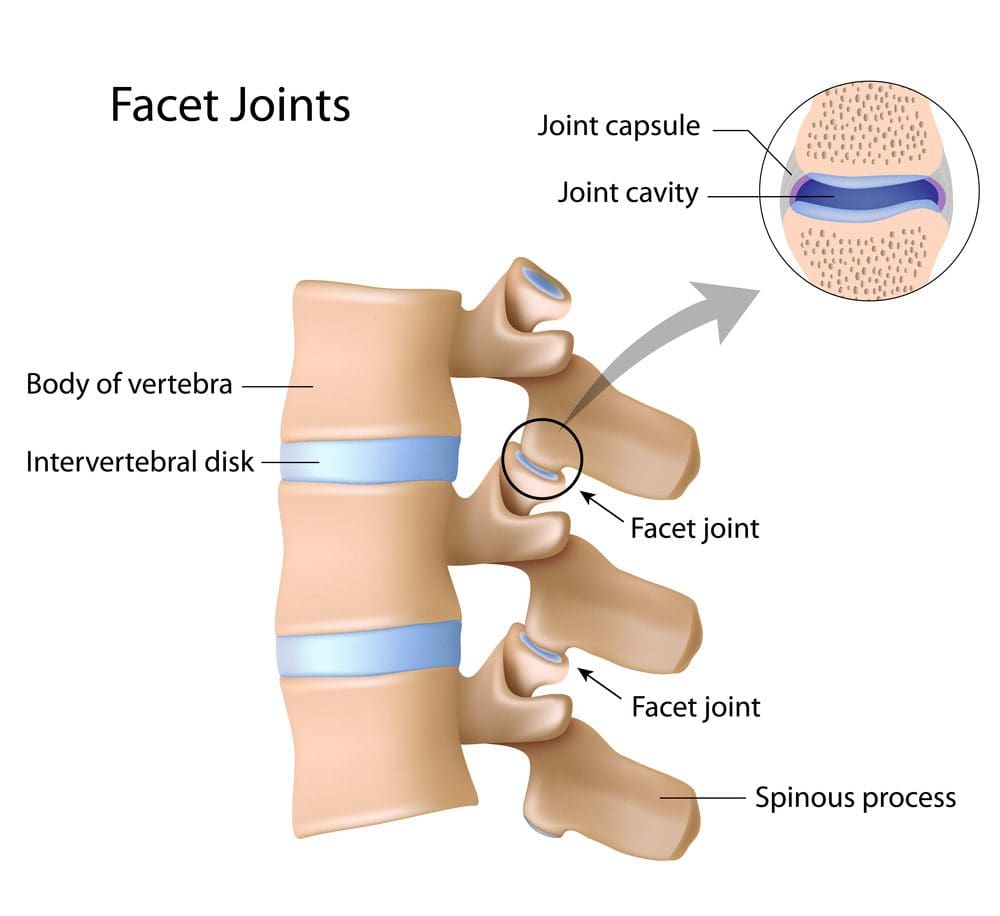
In many people with facet joint syndrome, how does spinal decompression compare to traditional spinal surgery alleviate low back pain?
Introduction
Many people around the globe experience lower back pain for various reasons, such as lifting or carrying heavy objects, sedentary jobs, or traumatic events that can cause spinal injuries. The spine has a crucial role in providing mobility and flexibility without discomfort. The facet joints and spinal discs work together to generate healthy movement and stability within each segment. However, when the muscles, ligaments, and tissues surrounding the spinal disc are overstretched or compressed due to normal or traumatic factors, it can aggravate the nerve roots and cause discomfort. As we age or carry excess weight, our spinal discs can experience wear and tear, leading to facet joint syndrome. This syndrome is often associated with lower back pain caused by injured facet joints. This article will explore how facet joint syndrome is linked to lower back pain and how non-surgical treatments can help alleviate it. We work with certified medical providers who use our patients’ valuable information to treat individuals suffering from facet joint syndrome affecting spine mobility and causes low back pain. We also inform them about non-surgical treatments to regain spinal mobility and reduce pain-like symptoms that correlate with this spinal condition. We encourage patients to ask essential questions and seek education from our associated medical providers about their situation. Dr. Jimenez, D.C., provides this information as an educational service. Disclaimer
Facet Joint Syndrome
Are you experiencing pain that radiates down to your legs, especially when standing? Do you constantly hunch over, affecting your posture during everyday activities? Have you noticed numbness or loss of sensation in your feet or buttocks? As we age or experience traumatic injuries, the facet joints on either side of our spine can become damaged, resulting in a condition called facet joint syndrome. Research indicates that environmental conditions can cause joint degeneration, leading to symptoms similar to other spinal conditions. Cartilage erosion and inflammation on the spine are common signs of facet joint syndrome, often associated with musculoskeletal disorders like low back pain.
Low Back Pain Associated With Facet Syndrome
Research studiesmusculoskeletal disorders like low back pain are associated with facet syndrome. When the facet joints start to degenerate from repetitive overuse motions caused by everyday activities, it can cause micro instabilities to the facet joints while compressing the surrounding nerve roots. When this happens, many individuals will experience low back pain and sciatic nerve pain conditions that cause them to be unstable while walking. Additional research studies stated that low back pain associated with facet syndrome can cause symptoms of restricted movement, reduce the quality of life and greatly impact the entire lumbar vertebral structure. Since low back pain is a common problem many individuals have, the combination with facet syndrome can trigger reactive muscle spasms, a protective mechanism in the spine to cause the individual to have difficulty moving comfortably and experience severe sudden pain. To that point, low back pain associated with facet syndrome causes the person to be dealing with constant ongoing pain, making a normal lifestyle almost difficult.
Discover The Benefits Of Chiropractic Care-Video
Low back pain associated with facet joint syndrome should not make life difficult. Numerous treatments pertain to relieving the pain-like symptoms and help slow the process of facet syndrome from causing more issues to the spine. Non-surgical treatments like chiropractic care can help reduce the effects of facet syndrome as they can provide benefits to restore spinal mobility. The video above explores the benefits of chiropractic care, as chiropractors will discuss the recommended course of personalized treatment with you. Non-surgical treatments are safe, gentle on the spine, and cost-effective as they help regain your body’s mobility from facet syndrome. At the same time, non-surgical treatments like chiropractic care can be combined with other non-surgical therapies that can help restart the body’s natural healing process to allow the compressed spinal disc and joint to be rehydrated.
Spinal Decompression Alleviating Facet Syndrome
According to research studies, non-surgical treatments like spinal decompression can help reduce the effects of facet syndrome as it can help improve the spine;’s mobility through gentle traction and can help stretch out the affected muscles associated with low back pain by taking pressure off the aggravating nerve root. In “The Ultimate Spinal Decompression,” Dr. Eric Kaplan, D.C., FIAMA, and Dr. Perry Bard, D.C., mentioned that when individuals are going in for spinal decompression, they might experience a “popping sensation” as the jammed facet joints are being open for treatment. This is normal for early facet arthropathy and can occur within the first few treatment sessions. At the same time, spinal decompression can gently stretch the adjacent compressed nerve root and find instant relief. After the treatment, many individuals can combine other treatments like physical therapy to reduce the painful symptoms from returning. Non-surgical treatments like spinal decompression and chiropractic care can help revitalize the spine affected by facet joint syndrome and help restore a person’s quality of life.
When it comes to the body, many factors can cause low back pain without a person knowing they encounter it. Simple actions like sitting, standing, and walking can be difficult or helpful, depending on the person’s actions. Since low back pain tends to vary from person to person and the possible factors that can cause low back pain make diagnosing a bit difficult. Fortunately, there are available treatments that can help manage low back pain symptoms and can help alleviate its associated symptoms in the body. Today’s article examines the causes and symptoms of low back pain, aqua therapy for low back pain, and how chiropractic care goes hand in hand with aqua therapy. We refer patients to certified providers specializing in musculoskeletal treatments and hydrotherapy to help many individuals with low back pain. We also guide our patients by referring to our associated medical providers based on their examination when it’s appropriate. We find that education is the solution to asking our providers insightful questions. Dr. Alex Jimenez DC provides this information as an educational service only. Disclaimer
The Causes Of Low Back Pain
Have you been feeling aches along the sides of your back? Do you feel stiff when hunched over for an extended period? Or does sitting down make the pain go away or worsen? Many of these factors are associated with signs that you could be suffering from low back pain. Low back pain is considered the leading disability causes worldwide, as studies reveal, which can be influenced by many factors that a person is going through. Anyone can risk developing low back pain as it can derive from different sources that overlap many potential issues. Some of the causes associated with low back pain vary depending on how severely the factors affect the individual, which includes:
Muscle and ligament sprain (Overused muscles and ligaments from injuries, poor posture, or lifting heavy objects)
When it comes to the symptoms of low back pain, many individuals will experience pain ranging from a dull ache to a sudden shooting burning pain that travels down the legs. Many individuals often feel pain from one location of the lower half of the body; instead, it is located on the other side, known as referred pain. Low back pain can potentially mean that another issue is affecting the body. Some of the symptoms associated with low back pain include:
Muscle stiffness
Sciatica
Muscle spasms
Limited mobility on the hips and pelvis
Inflammation
Muscle tenderness
All is not lost, as treatments are available to manage low back pain symptoms and alleviate the body’s pain.
Aqua Therapy For Spine Health-Video
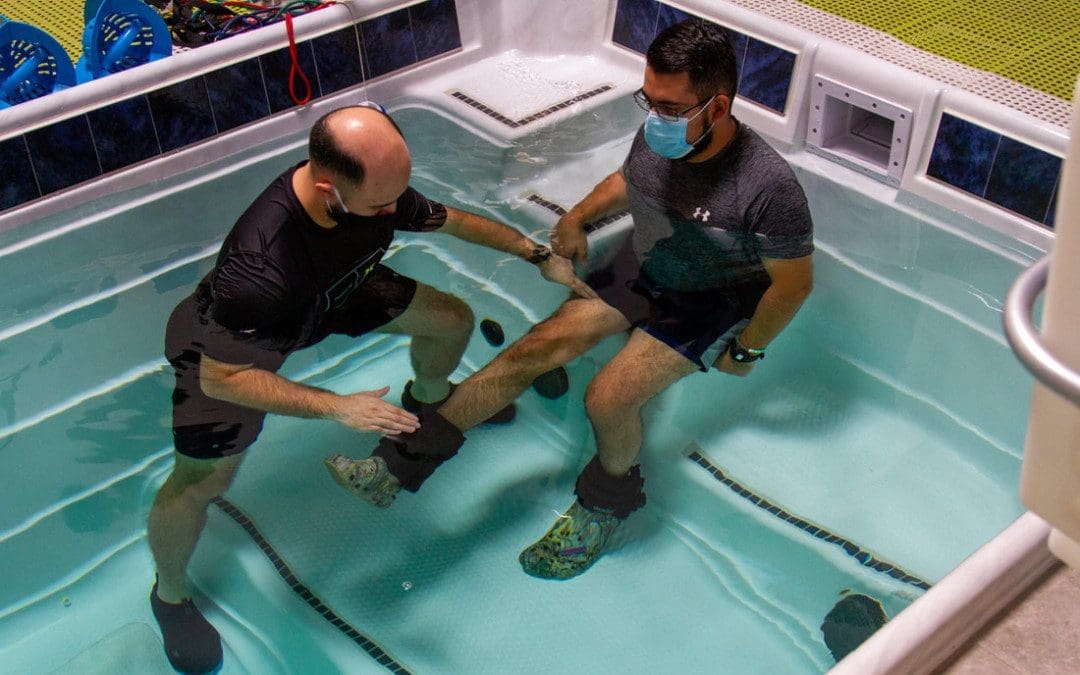
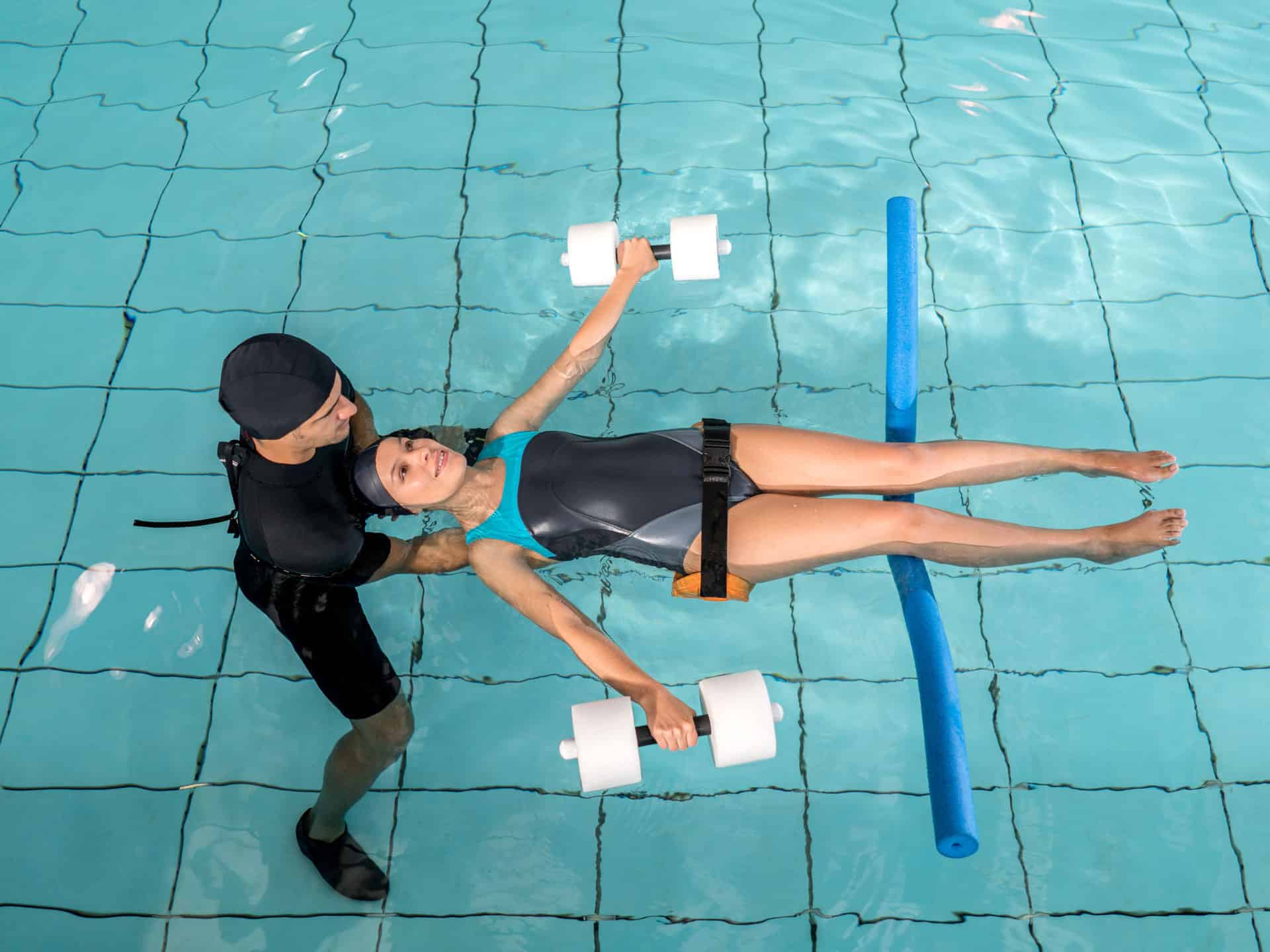
Have you been experiencing muscle stiffness in your lower back? Do hip pain and sciatic symptoms cause mobility issues in your legs? Or does it hurt when you are bending down to pick something up? You could be dealing with low back pain associated with chronic symptoms affecting the body, so why not try aqua therapy? The video above demonstrates what aqua therapy does to the body and the exercises used to relieve low back pain. Studies reveal that the therapeutic purposes of water have dated back to ancient Egypt, Greek, and Roman civilization; that helps cleanse the body from ailments. Many physical therapists utilize aqua therapy to enable individuals with low back pain. Aqua therapy engages the waters, buoyancy, resistance, and hydrostatic pressure that helps rehabilitate injuries and maintain health.
Aqua Therapy For Low Back Pain
Many individuals that suffer from low back pain will try to find ways to alleviate the pain. Aqua therapy is one available treatment that doesn’t strain the lower back and has therapeutic properties. Studies reveal that the beneficial properties of aqua therapy allow the body to improve muscle strength and range of motion while reducing muscle fatigue by using water buoyancy to take the pressure off the spine. Since low back pain is a common health issue associated with environmental factors for many individuals, studies reveal that water buoyancy can eliminate the gravitational forces impacting the body weight by counteracting it. To that point, this reduces joint stress on the body to perform the water aerobic exercises with ease. Individuals who incorporate aqua therapy in their health and wellness journey may be more motivated to exercise in the water without worrying about constant pain.
Aqua Therapy Goes Hand In Hand With Chiropractic Care
Like any treatment, chiropractic care and aqua therapy have an excellent relationship as they work together to assess and analyze the individual’s problem and devise a plan for them. Chiropractors utilize spinal manipulation to determine where the pain is located. So when a person is dealing with low back pain due to spinal subluxation or misalignment, a chiropractor can help the individual by loosening the stiff muscles and increasing the range of motion back to the spine. At the same time, aqua therapy incorporates the same benefits associated with land-based physical therapy, including a treatment plan tailored to the individual. Chiropractors and physical therapists work together to determine the best possible action to speed up the recovery process when it comes to a person’s pain, giving them the best chance to get back their quality of life.
Conclusion
Low back pain is one of many individuals’ most common complaints worldwide. The many factors associated with low back pain vary and range from a dull ache to a sharp pain radiating down the legs as part of the symptoms of low back pain. Treatments like aqua therapy can help take the load off the spine through water buoyancy and can help reduce the stress on the joints in the lumbar spine while reducing muscle fatigue. Combined with chiropractic care, many individuals can recover faster from their low back pain and bring back their quality of life without being in so much pain.
References
Abadi, Fariba Hossein, et al. “The Effect of Aquatic Exercise Program on Low-Back Pain Disability in Obese Women.” Journal of Exercise Rehabilitation, Korean Society of Exercise Rehabilitation, 31 Dec. 2019, https://www.ncbi.nlm.nih.gov/pmc/articles/PMC6944883/.
Allegri, Massimo, et al. “Mechanisms of Low Back Pain: A Guide for Diagnosis and Therapy.” F1000Research, F1000Research, 28 June 2016, https://www.ncbi.nlm.nih.gov/pmc/articles/PMC4926733/.
Carayannopoulos, Alexios G, et al. “The Benefits of Combining Water and Land-Based Therapy.” Journal of Exercise Rehabilitation, Korean Society of Exercise Rehabilitation, 26 Feb. 2020, https://www.ncbi.nlm.nih.gov/pmc/articles/PMC7056478/.
Cole, Andrew, and Bruce Becker. “Water Therapy Exercise Program.” Spine, Spine-Health, 26 Feb. 2010, https://www.spine-health.com/wellness/exercise/water-therapy-exercise-program.
IFM's Find A Practitioner tool is the largest referral network in Functional Medicine, created to help patients locate Functional Medicine practitioners anywhere in the world. IFM Certified Practitioners are listed first in the search results, given their extensive education in Functional Medicine