For individuals experiencing back pain, can lying in the supine position help bring relief?
Supine Position
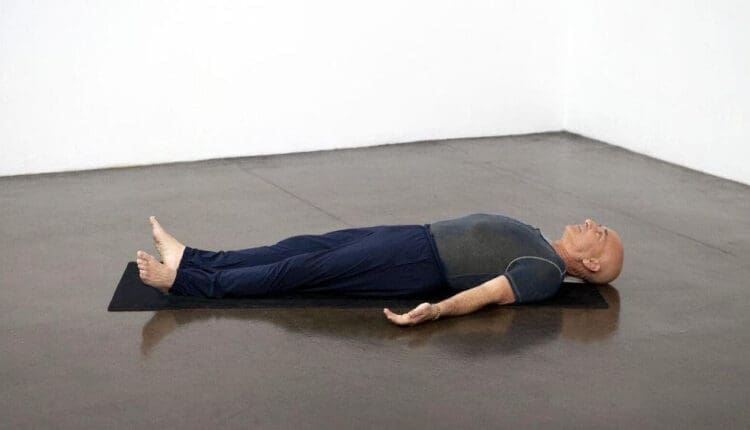
The supine position describes the body’s position when lying on your back with your face up. The individual is flat on their back with no incline, arms at their sides or bent at a 90-degree angle. It’s commonly used in medical settings for examinations, surgeries, and procedures, particularly when access to the anterior/front of the body is needed. It can benefit certain conditions, like helping relieve pain, but exacerbate others, like acid reflux. The term is also used as a modifier for exercises and stretches that begin with the individual on their back. (ScienceDirect Topics, 2009)
Medical Uses
Examinations
Healthcare providers often use the supine position for physical examinations, including vital signs, palpation of the abdomen, and chest inspection. (Nurse.com, 2024)
Procedures
It’s also used for various procedures, such as lumbar punctures and injections. (Steris Healthcare, 2025)
Surgery
Due to its accessibility to the front of the body, the supine position is frequently used for surgeries such as cardiac, abdominal, thoracic, and cranial procedures.
It allows for easy access to the airway, facilitates anesthesia choices, and can be readily converted to an open procedure if necessary. ScienceDirect Topics, 2009)
Overall Health
Natural Position
Many individuals naturally fall asleep in the supine position, finding it comfortable and conducive to spinal alignment.
Back Pain Relief
Sometimes, lying supine with proper support can relieve back pain, particularly in individuals with lumbar spinal issues. (MedicalNewsToday, 2022)
Acid Reflux
However, the supine position can exacerbate acid reflux, as gravity allows stomach acid to travel up the esophagus. (MedicalNewsToday, 2022)
Sleep Apnea
The supine position can worsen sleep apnea in some individuals.
Clinical Uses
A physical therapist, trainer, or clinician may use supine to describe positions used for manual therapy or when having the patient do stretching and back exercises as part of a home exercise program.
If the therapist or personal trainer is training the individual on core stabilization exercises for the first time, the individual will most likely start in the supine position.
This is because when the body is supine, the muscles have the least work to do to maintain correct posture and position against the force of gravity.
Many bed exercises begin in this position for rehabilitation.
Back Care
Here are a few recommendations to relieve low back pain using the supine position.
First, individuals can release the tension in the back by assuming the hook-lying position, a modification of the supine position in which the knees are bent and the feet are resting flat on the floor (Aurora BayCare Medical Center, N.D.).
Start breathing and relaxing, allowing the tension to drain out of the muscles.
In a hook-lying position with the fingertips on the lower belly, inhale deeply, then exhale naturally and puff out the remaining air.
At that point, the fingertips should feel the transverse abdominal muscle engage.
Release and repeat 10 times.
After the body is warmed up, move on to actual exercise. For example, beginners may be given hip stretches to help relieve back pain. These might be done to maintain or prevent back pain. Individuals can do yoga for their back while in the supine position. As with any exercise program, not all yoga poses involve lying on the back, but many beginners and restorative ones do.
For example, the supine spinal twist involves lying on the back, bending the knees, and gently placing them to one side. The idea is to stay in that position for a few moments—and breathe—to allow the oblique abdominal and back muscles to release.
Variations
Lawn Chair Position
This variation involves slightly bending the hips and knees and elevating them above the heart, which can help relieve lower back pain.
Frog-Leg Position
The frog-leg position involves lying on the back with bent knees pushed out to the sides, providing access to the groin and perineum. (Steris Healthcare, 2025)
Injury Medical Chiropractic & Functional Medicine Clinic
Injury Medical Chiropractic and Functional Medicine Clinic works with primary healthcare providers and specialists to develop an optimal health and wellness solution. We focus on what works for you to relieve pain, restore function, and prevent injury. Regarding musculoskeletal pain, specialists like chiropractors, acupuncturists, and massage therapists can help mitigate the pain through spinal adjustments that help the body realign itself. They can also work with other medical professionals to integrate a treatment plan to resolve musculoskeletal issues.
Thoracic Spine Pain
References
ScienceDirect. (2009). Supine Position. Morrey’s The Elbow and Its Disorders (Fourth Edition), 567-577. https://doi.org/https://doi.org/10.1016/B978-1-4160-2902-1.50042-5
Nurse.com. (2024). What Is Supine Position? https://www.nurse.com/nursing-resources/definitions/what-is-supine-position/#:~:text=During%20routine%20physical%20examinations%2C%20the,easier%20to%20perform%20comprehensive%20assessments.
STERIS. (2025). The Complete Guide to Patient Positioning. https://www.steris.com/healthcare/knowledge-center/surgical-equipment/complete-guide-to-patient-positioning#:~:text=The%20most%20common%20position%20used,and%20elevating%20the%20sternal%20notch.
MedicalNewsToday. (2022). What is the supine position? https://www.medicalnewstoday.com/articles/supine-position
Aurora BayCare Medical Center. (N.D.). Lumbar stabilization hooklying position. https://ahc.aurorahealthcare.org/fywb/baycare/x06913bc.pdf
Could making their own cervical neck roll help relieve pain and improve sleep for individuals who have neck pain after sleeping or during sleep?
Sleep Cervical Neck Roll
Neck pain can lead to sleep loss, leading to various health problems. Neck pain and everything that comes with it can limit the ability to work, drive, or sleep normally. A cervical roll may be one way to keep your neck in the optimal position while sleeping. Many with neck pain require extra support from their pillow. A cervical pillow can provide that support.
For individuals who develop neck pain, a visit to a chiropractic physical therapist can help manage symptoms. Treatments and modalities like traction may be necessary to relieve pressure on cervical nerves. (Gudavalli M. R. et al., 2015) Steps to self-manage neck pain may include performing specific neck exercises and maintaining proper posture (Hesby B. B. et al., 2019). Using the right pillow with the right support can help keep the neck in correct alignment, decrease or eliminate neck pain, and get you back to normal activities.
Neck Support During Sleep
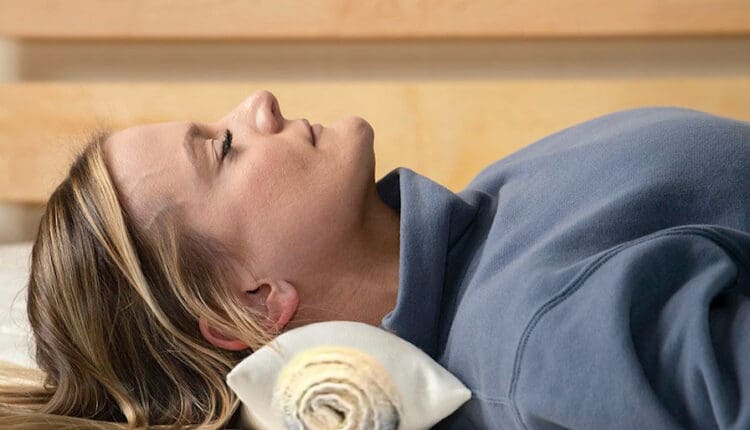
The neck comprises seven vertebrae bones, normally forming a slight curve called lordosis. Maintaining a forward curve in the neck is important when treating neck pain, as it can help relieve pressure on spinal discs and nerves. A cervical roll, also known as a neck roll or cervical pillow, is a small pillow placed in the pillowcase that supports the neck while sleeping. The cervical roll provides the right amount of support for the neck and maintains alignment while lying down. (Gross A. R. et al., 2013)
Individuals can purchase a cervical roll online or at a store or pharmacy.
Individuals can also contact a physical therapist to help them obtain a cervical roll.
Making Your Own
Making a cervical roll is simple to do. Here’s how:
Using a hand towel.
Fold it in half.
Slide the towel into the pillowcase along the lower edge.
Be sure the towel is tucked in so it doesn’t slip out.
Individuals can place tape around it so it stays in the rolled shape.
The towel roll will also help support the neck when lying on one side or the other, filling in the space between the head and shoulder. Sleeping on the stomach is usually not recommended for neck pain. Exercise and postural correction training are essential components of treatment for neck pain, and finding the right sleeping posture can help quickly eliminate pain. (Harvard Publishing, 2022)
If neck pain persists, worsens, or is accompanied by arm weakness or numbness and tingling, a visit to a healthcare provider may be necessary to assess the cause. A visit to a local chiropractic physical therapist can also help. They can immediately show you how to treat neck pain.
Injury Medical Chiropractic & Functional Medicine Clinic
A cervical roll can give your neck the right support while sleeping. This can help you quickly and safely manage neck pain and return to your previous level of function. Injury Medical Chiropractic and Functional Medicine Clinic works with primary healthcare providers and specialists to develop an optimal health and wellness solution. We focus on what works for you to relieve pain, restore function, and prevent injury. Regarding musculoskeletal pain, specialists like chiropractors, acupuncturists, and massage therapists can help mitigate the pain through spinal adjustments that help the body realign itself. They can also work with other medical professionals to integrate a treatment plan to resolve musculoskeletal issues.
The Road To Recovery: Chiropractic Care
References
Gudavalli, M. R., Salsbury, S. A., Vining, R. D., Long, C. R., Corber, L., Patwardhan, A. G., & Goertz, C. M. (2015). Development of an attention-touch control for manual cervical distraction: a pilot randomized clinical trial for patients with neck pain. Trials, 16, 259. https://doi.org/10.1186/s13063-015-0770-6
Hesby, B. B., Hartvigsen, J., Rasmussen, H., & Kjaer, P. (2019). Electronic measures of movement impairment, repositioning, and posture in people with and without neck pain-a systematic review. Systematic reviews, 8(1), 220. https://doi.org/10.1186/s13643-019-1125-2
Gross, A. R., Kaplan, F., Huang, S., Khan, M., Santaguida, P. L., Carlesso, L. C., Macdermid, J. C., Walton, D. M., Kenardy, J., Söderlund, A., Verhagen, A., & Hartvigsen, J. (2013). Psychological Care, Patient Education, Orthotics, Ergonomics, and Prevention Strategies for Neck Pain: A Systematic Overview Update as Part of the ICON Project. The open orthopaedics journal, 7, 530–561. https://doi.org/10.2174/1874325001307010530
Harvard Health Publishing. (2022). Say “good night” to neck pain. https://www.health.harvard.edu/pain/say-good-night-to-neck-pain
For many individuals, getting on the floor to do crunches or other exercises can be difficult due to medical conditions, age, and injuries. Can engaging in chair abdominal exercises at home, work, or anywhere a chair is available help strengthen the upper, lower, and oblique abdominal muscles?
Chair Abdominal Exercises
Chair abdominal exercises are essential for strengthening the core, maintaining healthy flexibility, mobility, posture, and injury prevention. Incorporating abdominal exercise into one’s day can be easy, regardless of schedule or fitness level. Various exercises are designed to be performed while seated, making them accessible to everyone, including those with mobility issues or new to exercise.
Benefits
Building and maintaining a solid core is essential for overall health, posture, and daily activities, especially as the body ages. A strong core maintains body balance and stability, prevents falls, protects individuals from back pain, and makes lifting, bending, and walking easier. It allows individuals to stay independent and active. The abdominal muscles are one part of the core, which includes muscles in the back, glutes, pelvic floor, and diaphragm. These are important for keeping the body upright and stable, protecting the spine and organs, and assisting with movements between the ribcage and pelvis. Adding abdominal exercise workouts to a fitness routine is one way to improve overall core strength and stability. Chair-based exercises are convenient and accessible as individuals don’t need specialized machines or equipment, just a sturdy chair and some space. (Frizziero A. et al., 2021)
Chair Workout
Chair abdominal exercises are ideal gentle exercises for older individuals who need to increase their strength and mobility. Because chairs provide stability and safety, these exercises focus on seated movements and are intended for those with limited mobility. Chair abdominal exercises can be adapted and modified to individual preferences and needs, preparing the body for more advanced standing exercises. They improve the ability to perform daily tasks and increase joint mobility, muscle strength, and coordination. To prevent injuries, each exercise session should begin with a warm-up and end with a cool-down.
A warm-up could be gentle seated marches, shoulder rolls, and deep breathing exercises.
A cool-down can include seated stretches, focusing on the back, neck, and legs to help the body recover and prevent stiffness.
It is recommended that patients talk to a healthcare provider first if they have limited mobility or chronic health issues. Here are some sample exercises.
Sitting Knee Lifts
Sit on the edge of the chair with your back straight.
Lift your knees toward your chest, engaging the upper abs.
Lower them slowly back down.
Repeat for 10 to 15 reps.
Beginners lift one knee at a time.
Lower it and repeat with the other leg.
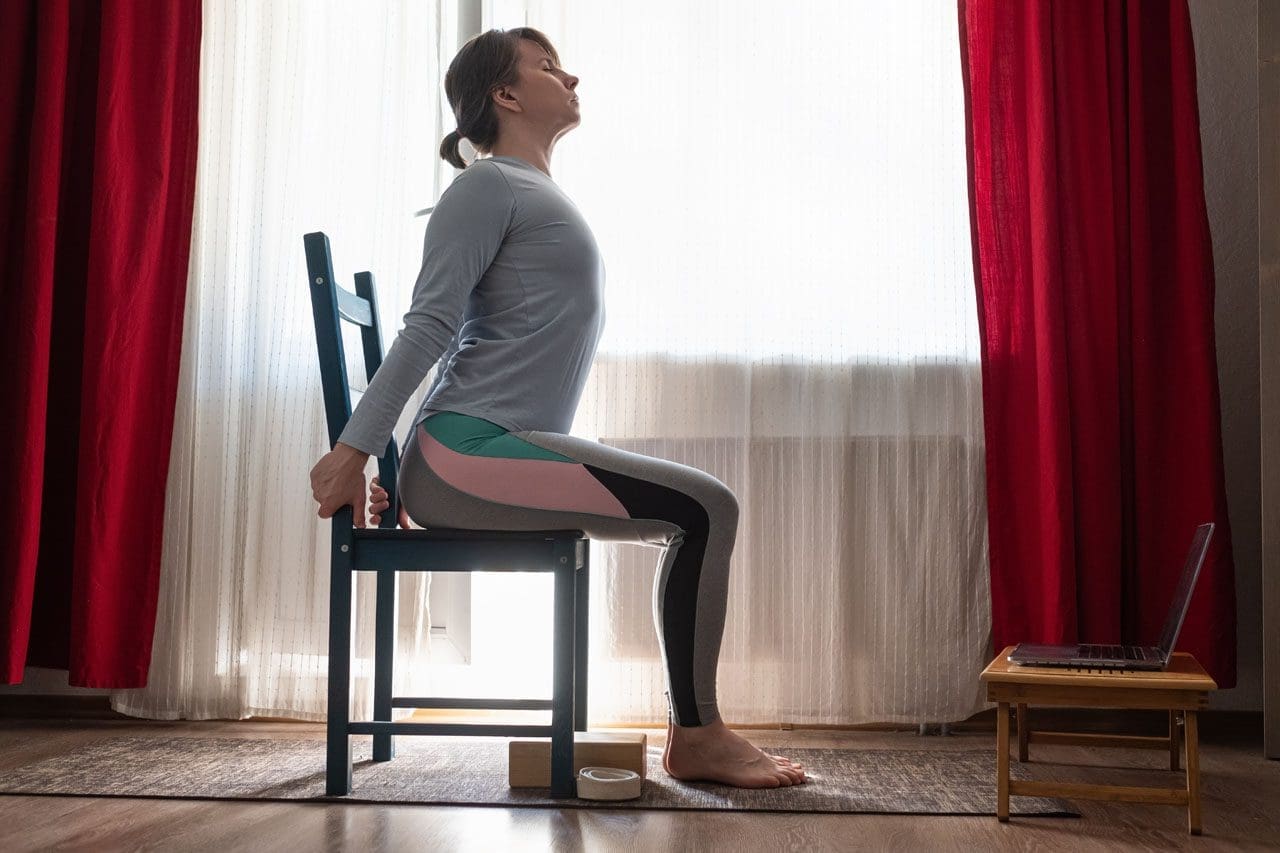
Sitting Crunches
Sit on the edge of the chair.
Lean back slightly.
Place hands behind your head.
Crunch forward, bringing the chest toward your knees.
Return to the starting position.
Repeat for 10 to 15 reps.
Beginners can sit more on the chair and hold the seat for stability.
Reduce the range of motion when crunching the chest toward the knees.
Sitting Leg Lifts
Sit on the edge of the chair with the back straight.
Extend your legs in front of you and lift them together, engaging the lower abdominals.
Lower them back down slowly.
Repeat for 10 to 15 repetitions.
Beginners sit back on the chair and grip the sides.
Lift one leg and hold for a count before lowering.
Switch legs.
Sitting Scissor Kicks
Sit on the edge of the chair and lean back slightly.
Extend your legs in front.
Alternate lifting each leg up and down in a scissor motion.
Perform for 30 seconds to one minute.
Beginners tap one heel on the floor between lifts to reduce abdominal tension.
Sitting Side Crunches
Sit on the edge of the chair with the back straight.
Lift one knee toward the chest while bringing the opposite elbow toward the knee, engaging the obliques.
Alternate for 10 to 15 reps per side.
Beginners, keep your feet flat on the floor with your hands behind your head.
Gently bend to the side, return to the center, and bend to the other side.
Sitting Bicycle Crunches
Sit on the edge of the chair and lean back slightly.
Lift the feet off the ground.
Alternate bringing each knee toward the opposite elbow in a pedaling motion.
Perform for 30 seconds to one minute.
For beginners, keep the heel gently on the ground while you crunch on the opposite side.
For a challenge, slow the motion and hold each twist a few seconds longer to create more tension. (Krzysztofik M. et al., 2019)
Progress
For beginners, start with the easier versions and perform fewer repetitions and shorter durations if needed. Focus on maintaining proper posture and form. As the body gets stronger, increase the number of repetitions or extend the duration of each exercise. Once comfortable, try more challenging chair exercises. Chair abdominal exercises are a simple, effective way to strengthen the core, improve posture, and support overall health. Regularly doing these exercises as part of a well-rounded routine can build a solid core without special equipment. Remember to listen to the body and progress at your own pace to more challenging variations over time to keep building strength.
Injury Medical Chiropractic and Functional Medicine Clinic
Achieving and maintaining fitness requires consistent work and development. Retraining the body and maintaining its optimal health requires daily efforts through exercise. Injury Medical Chiropractic and Functional Medicine Clinic works with primary healthcare providers and specialists to develop an optimal health and wellness solution. We focus on what works for you to relieve pain, restore function, and prevent injury. Regarding musculoskeletal pain, specialists like chiropractors, acupuncturists, and massage therapists can help mitigate the pain through spinal adjustments that help the body realign itself. They can also work with other medical professionals to integrate a treatment plan to resolve musculoskeletal issues.
Core Exercises and Back Pain
References
Frizziero, A., Pellizzon, G., Vittadini, F., Bigliardi, D., & Costantino, C. (2021). Efficacy of Core Stability in Non-Specific Chronic Low Back Pain. Journal of functional morphology and kinesiology, 6(2), 37. https://doi.org/10.3390/jfmk6020037
Krzysztofik, M., Wilk, M., Wojdała, G., & Gołaś, A. (2019). Maximizing Muscle Hypertrophy: A Systematic Review of Advanced Resistance Training Techniques and Methods. International journal of environmental research and public health, 16(24), 4897. https://doi.org/10.3390/ijerph16244897
Postural orthostatic tachycardia syndrome is a medical condition that causes lightheadedness and palpitations after standing. Can lifestyle adjustments and multidisciplinary strategies help reduce and manage symptoms?
Postural Orthostatic Tachycardia Syndrome – POTS
Postural orthostatic tachycardia syndrome, or POTS, is a condition that varies in severity from relatively mild to incapacitating. With POTS:
The heart rate increases dramatically with body position.
This condition often affects young individuals.
Most individuals with postural orthostatic tachycardia syndrome are women between the ages of 13 and 50.
Some individuals have a family history of POTS; some individuals report POTS began after an illness or stressor, and others report it began gradually.
It usually resolves over time.
Treatment can be beneficial.
Diagnosis is based on assessing blood pressure and pulse/heart rate.
Symptoms
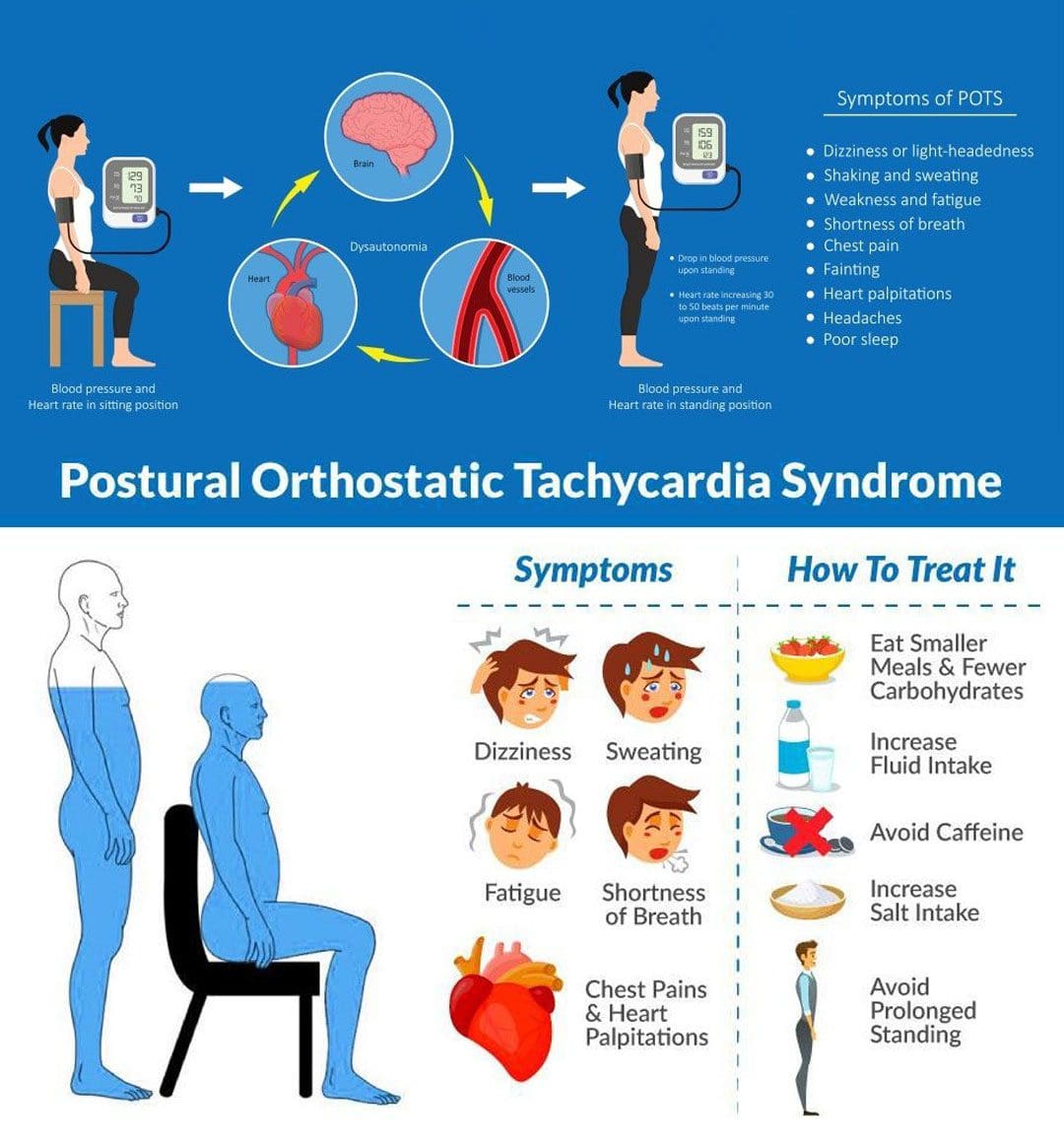
Postural orthostatic tachycardia syndrome can affect young individuals who are otherwise healthy and can begin suddenly. It usually happens between the ages of 15 and 50, and women are more likely to develop it than men. Individuals can experience various symptoms within a few minutes of standing up from a lying or seated position. The symptoms can occur regularly and daily. The most common symptoms include: (National Institutes of Health. National Center for Advancing Translational Sciences. Genetic and Rare Diseases Information Center. 2023)
Anxiety
Lightheadedness
A feeling like you’re about to pass out.
Palpitations – sensing rapid or irregular heart rate.
Dizziness
Headaches
Blurred vision
Legs turn to reddish-purple.
Weakness
Tremors
Fatigue
Sleep problems
Trouble concentrating/brain fog.
Individuals may also experience recurrent episodes of fainting, usually without any trigger/s other than standing up.
Individuals can experience any combination of these symptoms.
Sometimes, individuals cannot handle sports or exercise and may feel light-headed and dizzy in response to mild or moderate physical activity, which can be described as exercise intolerance.
Associated Effects
Postural orthostatic tachycardia syndrome can be associated with other dysautonomia or nervous system syndromes, like neurocardiogenic syncope.
Individuals are often co-diagnosed with other conditions like:
Chronic fatigue syndrome
Ehlers-Danlos syndrome
Fibromyalgia
Migraines
Other autoimmune conditions.
Bowel conditions.
Causes
Usually, standing up causes blood to rush from the torso to the legs. The sudden change means less blood is available for the heart to pump. To compensate, the autonomic nervous system sends signals to the blood vessels to constrict to push more blood to the heart and maintain blood pressure and a normal heart rate. Most individuals do not experience significant changes in blood pressure or pulse when standing up. Sometimes, the body is unable to perform this function correctly.
If blood pressure drops from standing and causes symptoms like lightheadness, it is known as orthostatic hypotension.
If the blood pressure remains normal, but the heart rate gets faster, it is POTS.
The exact factors that cause postural orthostatic tachycardia syndrome are different in individuals but are related to changes in:
The autonomic nervous system, adrenal hormone levels, total blood volume, and poor exercise tolerance. (Robert S. Sheldon et al., 2015)
Autonomic Nervous System
The autonomic nervous system controls blood pressure and heart rate, which are the areas of the nervous system that manage internal bodily functions like digestion, respiration, and heart rate. It is normal for blood pressure to drop slightly and the heart rate to speed up a little when standing. With POTS, these changes are more pronounced.
POTS is considered a type of dysautonomia, which is diminished regulation of the autonomic nervous system.
Several other syndromes are also thought to be related to dysautonomia, like fibromyalgia, irritable bowel syndrome, and chronic fatigue syndrome.
It isn’t clear why the syndrome or any of the other types of dysautonomia develop, but there seems to be a familial predisposition.
Sometimes the first episode of POTS manifests after a health event like:
Pregnancy
Acute infectious illness, for example, a severe case of influenza.
An episode of trauma or concussion.
Major surgery
Diagnosis
A diagnostic evaluation will include a medical history, a physical examination, and diagnostic tests.
The healthcare provider will take blood pressure and pulse at least twice. Once while lying down and once while standing.
Blood pressure measurements and pulse rate lying down, sitting, and standing are orthostatic vitals.
Typically, standing up increases the heart rate by 10 beats per minute or less.
With POTS, heart rate increases by 30 beats per minute while blood pressure remains unchanged. (Dysautonomia International. 2019)
The heart rate stays elevated for over a few seconds upon standing/usually 10 minutes or more.
Symptoms happen frequently.
Lasts more than a few days.
Positional pulse changes are not the only diagnostic consideration for postural orthostatic tachycardia syndrome, as individuals can experience this change with other conditions.
During this test, blood pressure and pulse are measured several times when lying on a table and when the table is moved to an upright position.
Differential Diagnosis
There are various causes of dysautonomia, syncope, and orthostatic hypotension.
Throughout the evaluation, the healthcare provider may look at other conditions, like dehydration, deconditioning from prolonged bed rest, and diabetic neuropathy.
Medications like diuretics or blood pressure medication can cause similar effects.
Treatment
Several approaches are used in managing POTS, and individuals may require a multidisciplinary approach. The healthcare provider will advise regularly checking blood pressure and pulse at home to discuss the results when going in for medical checkups.
Fluids and Diet
Drinking non-caffeinated fluids can keep the body hydrated.
A healthcare provider can calculate the right amount of fluids that are needed each day.
Overnight dehydration is common, so it is especially important to drink fluids first thing in the morning, preferably before getting out of bed and standing.
Exercise and physical therapy can help the body learn to adjust to an upright position.
Because it can be challenging to exercise when dealing with POTS, a targeted exercise program under supervision may be required.
An exercise program may begin with swimming or using rowing machines, which do not require upright posture. (Dysautonomia International. 2019)
After a month or two, walking, running, or cycling may be added.
Studies have shown that individuals with POTS, on average, have smaller cardiac chambers than individuals who don’t have the condition.
Regular aerobic exercise has been shown to increase cardiac chamber size, slow heart rate, and improve symptoms. (Qi Fu, Benjamin D. Levine. 2018)
Individuals must continue an exercise program for the long term to keep symptoms from returning.
Medication
Prescription medications to manage POTS include midodrine, beta-blockers, pyridostigmine – Mestinon, and fludrocortisone. (Dysautonomia International. 2019)
Ivabradine, used for the heart condition of sinus tachycardia, has also been used effectively in some individuals.
Conservative Interventions
Other ways to help prevent symptoms include:
Sleeping in the head-up position by elevating the head of the bed off the ground 4 to 6 inches utilizing an adjustable bed, blocks of wood, or risers.
This increases the blood volume in circulation.
Performing countermeasure maneuvers like squatting, squeezing a ball, or crossing the legs. (Qi Fu, Benjamin D. Levine. 2018)
Wearing compression stockings to prevent too much blood from flowing into the legs when standing can help avoid orthostatic hypotension. (Dysautonomia International. 2019)
Conquering Congestive Heart Failure
References
National Institutes of Health. National Center for Advancing Translational Sciences. Genetic and Rare Diseases Information Center (GARD). (2023). Postural orthostatic tachycardia syndrome.
Sheldon, R. S., Grubb, B. P., 2nd, Olshansky, B., Shen, W. K., Calkins, H., Brignole, M., Raj, S. R., Krahn, A. D., Morillo, C. A., Stewart, J. M., Sutton, R., Sandroni, P., Friday, K. J., Hachul, D. T., Cohen, M. I., Lau, D. H., Mayuga, K. A., Moak, J. P., Sandhu, R. K., & Kanjwal, K. (2015). 2015 heart rhythm society expert consensus statement on the diagnosis and treatment of postural tachycardia syndrome, inappropriate sinus tachycardia, and vasovagal syncope. Heart rhythm, 12(6), e41–e63. https://doi.org/10.1016/j.hrthm.2015.03.029
Sciatica Sleep: Poor sleep can leave the body feeling off and unable to function. Not getting the proper amount of sleep can decrease health, decrease work or school productivity, and cause burnout. If it becomes chronic, it can have serious side effects on the brain and body that include:
When sleeping, certain positions/postures can place added pressure on the spine, irritating the nerve. The best sleeping positions maintain the spine’s natural curve and are different for everybody. For example, many individuals sleep on their side. They do not start sleeping this way, but they end up on their side and wake up in pain to find their sciatica flaring up. Other individuals can turn on a specific side, and the symptoms fade or go away.
Positions
The best sleeping position for one individual may not be the best for another. A lot of this depends on the placement of the injury/pinching that can affect how certain sleep positions work, causing no symptoms, while other sleep postures generate all kinds of symptoms, especially pain. Individuals are recommended to sleep in the position that works for them, provided with the correct posture.
Side Sleepers
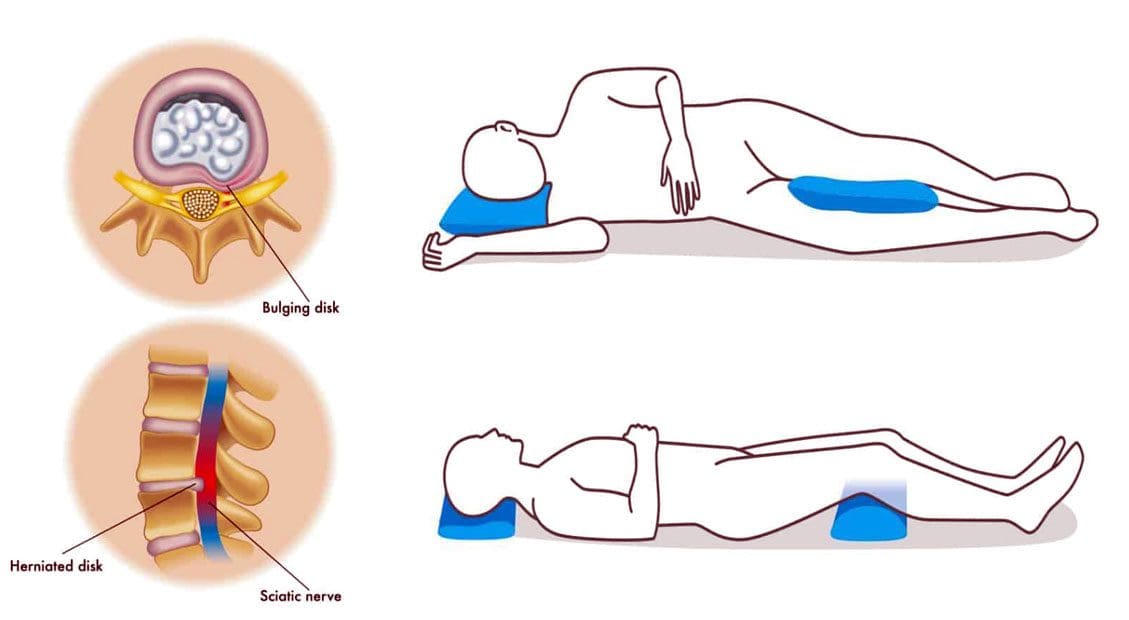
Side sleepers are recommended to place a pillow between their knees for healthy sleep and pain avoidance results.
A pillow between the legs helps to prevent twisting.
A firm pillow will work or a soft pillow folded in half.
It is also recommended to consider a small pillow under the waist to maintain the alignment between the ribs, hips, and the spine.
Back Sleepers
Back sleepers can benefit from a pillow under the knees to maintain a neutral curve of the spine.
This keeps the legs slightly elevated helping prevent the legs from tilting the pelvis and pulling the spine out of a neutral position.
Individuals that sleep on their back but end up on their side, are recommended to use a large pillow or body pillow placed on the side they turn on to prevent this.
Stomach Sleeping Not Recommended
Sciatic pain can become worse with sleeping on the stomach.
Sleeping on the stomach can collapse the spine and the pelvis as there is no support underneath. This causes damage to the nerves, increasing symptoms and pain levels.
Try to avoid sleeping on the stomach until the sciatic nerve has healed or try to train the body to sleep on the side or back.
Non-Surgical Spinal Decompression Can Help Sciatica Sleep Symptoms
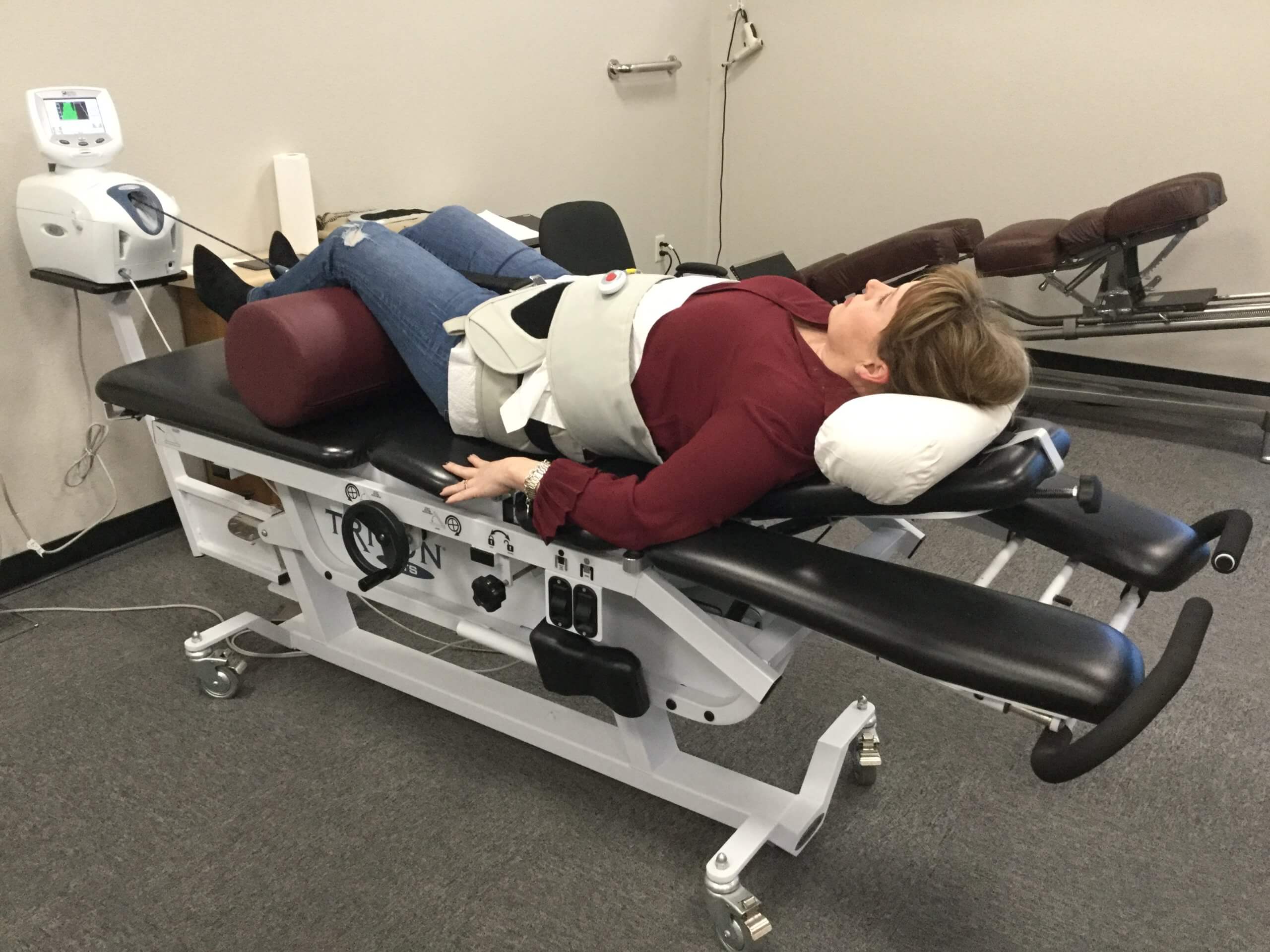
Non-surgical spinal decompression therapy relieves pressure on the sciatic nerve, spine, and surrounding muscles by pulling/stretching them in small increments. The decompression creates negative pressure within the discs that floods the area with an abundance of nutrients to activate and expedite the healing response.
The chiropractic physical therapy team uses motorized medical equipment with sensors linked to a computer-aided system to perform the procedure.
The equipment is designed to adjust the pull force accordingly to prevent muscle resistance.
The adjustable table also allows the spine to be stretched at different angles to target all areas of the back.
Relieves Pressure On The Sciatic Nerve
Decompression stretches the nerve out and increases the space around the impinged and inflamed nerve.
Pain Relief
Decompression relieves tension in tight, spasming, or injured muscles.
Stimulates the nervous system to release the body’s natural pain killers.
Spinal tissue healing from fluids, cells, and other substances that enter the damaged tissue.
Restores Disc and Joint Alignment
Decompression realigns the joints and discs, preventing pain, inflammation, mobility/flexibility problems, and dysfunction.
Encourages Sleep
There are toxins in the body, decompression causes these toxins to be expelled.
This causes exhaustion because the body needs time to adjust after expelling the negative energy.
After a short time, energy levels will return.
The decompression relaxes the entire body which allows for more restful sleep.
DRX9000
References
Kim, Shin Hyung et al. “Risk factors associated with clinical insomnia in chronic low back pain: a retrospective analysis in a university hospital in Korea.” The Korean journal of pain vol. 28,2 (2015): 137-43. doi:10.3344/kjp.2015.28.2.137
Radwan, Ahmed, et al. “Effect of different mattress designs on promoting sleep quality, pain reduction, and spinal alignment in adults with or without back pain; a systematic review of controlled trials.” Sleep health vol. 1,4 (2015): 257-267. doi:10.1016/j.sleh.2015.08.001
Santilli, Valter, et al. “Chiropractic manipulation in the treatment of acute back pain and sciatica with disc protrusion: a randomized, double-blind clinical trial of active and simulated spinal manipulations.” The spine journal: official journal of the North American Spine Society vol. 6,2 (2006): 131-7. doi:10.1016/j.spinee.2005.08.001
Sleeping with a bulging disc can be challenging for the body to achieve the proper rest. And sleeping in an awkward position can add stress to the spine, making the bulge worse, which can cause tingling, numbness, pain, and digestive problems. This can disrupt the sleep cycle and prevent proper healing of the spinal injury.
Sleeping With a Bulging Disc
When sleeping, most back pain occurs in the lumbar or lower back, in one of two places where the spine meets the pelvis. Around 95% of lower back herniations happen in the L4-L5 spinal segment or the L5-S1 Lumbosacral joint. Any back pain can turn into a vicious cycle of:
Sleeping with a bulging disc requires maintaining the ears, shoulders, and hips aligned to keep the spine aligned.
Sleeping on The Back
Back sleeping done correctly is the best way to sleep for the spine’s health. The important thing is to ensure the entire back is supported when sleeping. If there is a gap or space between the mattress and the back, the weight and gravity force the spine to lower in an unnatural way to fill the space. This can cause back muscle soreness, injury, and sciatica. A thin pillow, blanket, or towel can be used to fill the space, giving the spine the support it needs. Back sleepers can also benefit from a pillow or two under the knees to elevate the legs and help maintain the natural curve of the pine.
Sleeping on The Side
Side sleepers can try pulling the legs up toward the chest, and placing a pillow between the knees can provide relief when sleeping with a bulging disc. Pulling the legs up in the fetal position can relieve pressure on the discs. It is recommended to switch sides to keep the spine balanced. This helps maintain hip alignment, which helps keep the spine in a neutral position.
Sleeping On The Stomach
It is recommended to avoid sleeping on the stomach. This pulls the spine down into an unnatural curve that can cause and exacerbate back pain. For individuals that naturally stomach sleep, it is recommended to place a pillow under the hips and lower abdomen to prevent unnatural spinal positioning.
Chiropractic Relief
Utilizing the right sleeping position can provide pain relief and thorough rest. However, sleeping with a herniated disc is far from what is needed to get back to a normal healthy sleeping pattern. This depends on the location of the bulging disc, severity, and cause. A chiropractor can:
Help the individual develop an optimal sleeping routine and positioning.
Body Composition
Sleep and Growth Hormone In Children
Growth, in all ages, is primarily controlled by growth hormone. The hormone is regulated by the hypothalamus and pituitarygland which plays an important role in sleep. Growth hormone has been found:
It peaks during the beginning of deep sleep.
There are multiple smaller peaks during the other stages of sleep.
Those who have a delay at the beginning of deep sleep have delayed rises in growth hormone levels.
For children to grow they need to have proper levels of growth hormone. This means they need to have the proper amount of sleep for proper body composition. Research has found that increased levels of sleep resulted in less overall fat mass and a reduced percentage of body fat allowing their bodies to grow.
References
Al Qaraghli MI, De Jesus O. Lumbar Disc Herniation. [Updated 2021 Aug 30]. In: StatPearls [Internet]. Treasure Island (FL): StatPearls Publishing; 2022 Jan-. Available from: https://www.ncbi.nlm.nih.gov/books/NBK560878/
Desouzart, Gustavo et al. ‘Effects of Sleeping Position on Back Pain in Physically Active Seniors: A Controlled Pilot Study. 1 Jan. 2016: 235 – 240.
Kose, Gulsah et al. “The Effect of Low Back Pain on Daily Activities and Sleep Quality in Patients With Lumbar Disc Herniation: A Pilot Study.” The Journal of neuroscience nursing: Journal of the American Association of Neuroscience Nurses vol. 51,4 (2019): 184-189. doi:10.1097/JNN.0000000000000446
Sener, Sevgi, and Ozkan Guler. “Self-reported data on sleep quality and psychologic characteristics in patients with myofascial pain and disc displacement versus asymptomatic controls.” The International Journal of prosthodontics vol. 25,4 (2012): 348-52.
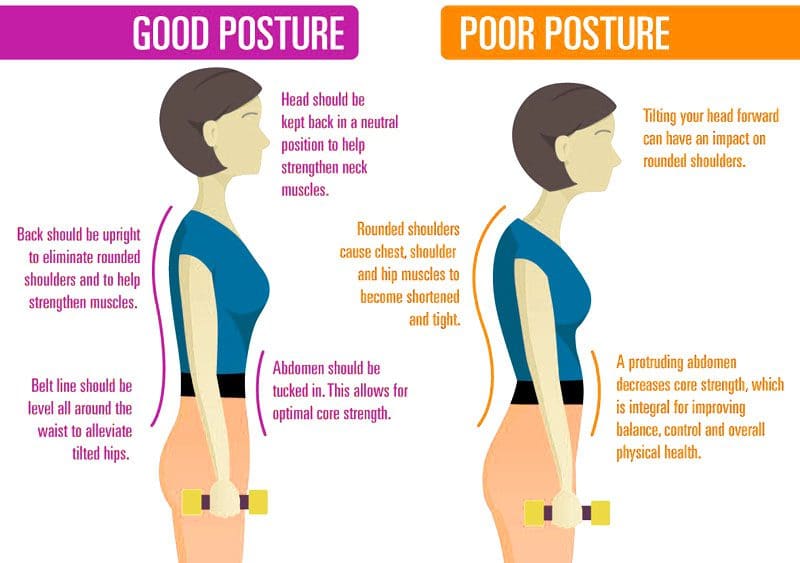
Posture is how we hold our bodies while standing, sitting, or lying down. A healthy posture is the correct alignment of the body supported by the right amount of muscle tension. Our everyday movements and activities affect the body’s alignment. A postural imbalance can impact the body’s health in various ways. It can cause:
General soreness
Back pain
Muscular pain
Fatigue
Digestive problems
Poor self-esteem
Unhealthy posture can increase the risk of spinal dysfunction, joint degeneration, stress joints, and muscles, resulting in permanent damage if left untreated. The best way to prevent postural imbalances is to be aware of the causes utilize proper ergonomic and movement strategies that can help avoid these problems. As the everyday bad habits, behaviors, and activities are understood, it is much easier to prevent and correct them.
Everyday Posture Is Important
Specific muscles maintain the body’s posture, so we don’t have to think about it and constantly adjust. Muscle groups, including the hamstrings and large back muscles, are essential in maintaining healthy positions. When the muscles function correctly, the postural muscles prevent gravity from pushing the body forward. Postural muscles also maintain balance when moving. A healthy posture reduces strain on the supporting muscles and ligaments during everyday movement and weight-bearing activities. Engaging in healthy posture helps:
Keep the bones and joints in correct alignment so that the muscles function correctly.
Decrease the abnormal wearing of joints resulting in degenerative arthritis and joint pain.
Reduce the stress on the ligaments holding the spinal joints together, preventing injury.
Allow muscles to work more efficiently.
The body exert less energy.
Prevent muscle fatigue and muscle pain.
Prevent muscle strain and overuse disorders.
Unhealthy Posture
Unhealthy posture results when the body sits or stands with the spine in an abnormal position. When an individual practices unhealthy posture over a long period, it progressively leads to muscles and ligaments becoming elongated and weak, while others become short and tight. This creates a physical imbalance that leads to postural abnormalities like:
Individuals can begin to develop unhealthy habits that negatively impact their posture, like walking with their head looking towards the ground. This shifts the body out of alignment.
Sitting For Too Long
Spending too much time sitting even with the correct posture will impact the spine and muscles. It weakens the muscles, ligaments, and abdominals.
Weight
Carrying extra weight can force the spine into an awkward position. This is true for individuals with pot bellies, as it pulls the lower back forward, increasing the risk of lumbar lordosis.
Unhealthy Diet
If the spine does not have access to the vitamins and nutrients it needs, it can struggle to maintain its strength and flexibility. It is also more difficult for the body to repair damage to the spine’s muscles and ligaments.
Clothing and Footwear
Clothing and footwear can impact posture.
High heels, poor-fitting shoes, saggy jeans, large belts, heavy jackets, and other items can force the spine into an unnatural position.
These are fine to wear for short periods but avoid wearing them day in and day out.
Treatment
Chiropractors specialize in issues affecting the spine, especially posture. They can:
Perform a postural examination involving a complete assessment of the musculoskeletal system to identify any joint misalignments and issues that affect soft tissue.
Perform adjustments of misaligned joints using various techniques.
Recommend stretches to loosen/lengthen tight muscles and strengthen weak ones, leading to improvements. A chiropractor will develop an effective stretching regimen to target the correct muscles.
Individuals who sit for extended periods, don’t exercise and don’t watch their diet can experience insulin resistance. Insulin resistance happens when insulin cannot transport excess blood sugar out of the blood and into the muscles. One study found that women who sat for eight hours a day had a higher chance of developing diabetes. Individuals with diabetes tend to have more fat within their bodies, particularly visceral fat, increasing insulin resistance potential. Individuals with diabetes experience a faster loss of muscle mass as they age, further intensifying symptoms and deterioration of body composition.
References
Feldman, Anatol G. “The Relationship Between Postural and Movement Stability.” Advances in experimental medicine and biology vol. 957 (2016): 105-120. doi:10.1007/978-3-319-47313-0_6
Jaromi, Melinda et al. “Treatment and ergonomics training of work-related lower back pain and body posture problems for nurses.” Journal of clinical nursing vol. 21,11-12 (2012): 1776-84. doi:10.1111/j.1365-2702.2012.04089.x
Jung, Suk Hwa et al. “Visceral Fat Mass Has Stronger Associations with Diabetes and Prediabetes than Other Anthropometric Obesity Indicators among Korean Adults.” Yonsei medical journal vol. 57,3 (2016): 674-80. doi:10.3349/ymj.2016.57.3.674
Pope, Malcolm H et al. “Spine ergonomics.” Annual review of biomedical engineering vol. 4 (2002): 49-68. doi:10.1146/annurev.bioeng.4.092101.122107
IFM's Find A Practitioner tool is the largest referral network in Functional Medicine, created to help patients locate Functional Medicine practitioners anywhere in the world. IFM Certified Practitioners are listed first in the search results, given their extensive education in Functional Medicine