Integrative Chiropractic Care for Gut-Hormone Health
Abstract
In this educational post, we embark on a journey deep into the intricate systems that govern our health, exploring the profound and often overlooked influence of the gut microbiome and key nutrients on our overall well-being, particularly hormone metabolism and systemic inflammation. Drawing on my years of clinical practice, I will share the latest findings from leading researchers, translated into practical insights for your health journey. We will demystify complex concepts such as gut dysbiosis and leaky gut, explaining their physiological underpinnings and how they can manifest as common conditions like PCOS, endometriosis, autoimmune disorders, and even mood changes. This post will illuminate the intricate process of estrogen metabolism and how an imbalanced gut can disrupt it, potentially increasing health risks. We’ll then bridge this knowledge to practical, evidence-based strategies, emphasizing how integrative chiropractic care, combined with targeted nutritional support and lifestyle adjustments, provides a powerful framework for restoring gut health, optimizing hormonal balance, and enhancing your body’s natural healing capabilities.
Unlocking Systemic Wellness By Understanding The Gut Microbiome
Welcome. For years, in my clinical practice at the El Paso Back Clinic, I have observed patients with chronic musculoskeletal issues who also struggle with seemingly unrelated problems—fatigue, hormonal imbalances, and persistent inflammation. This led me, nearly a decade ago, to delve deeper into the science of the gut. What I discovered, and what is now being robustly confirmed by leading researchers, is that the root cause of many metabolic and hormonal disruptions lies within our digestive system. My goal today is not to overwhelm you, but to raise awareness of key concepts that can significantly impact your health outcomes.
The gut microbiome is a complex ecosystem comprised of trillions of microorganisms—bacteria, viruses, fungi, and more—residing primarily in our large intestine. These microbes are not passive bystanders; they are crucial for:
Digestion and Nutrient Absorption: Breaking down food components that our bodies cannot.
Immune System Regulation: Training and modulating our immune responses.
Hormone Metabolism: Playing a direct role in regulating hormones like estrogen through a process known as enterohepatic circulation.
This intricate internal world is influenced by our diet, lifestyle, stress levels, medications, and even genetics. The gut’s influence extends far beyond digestion, affecting everything from brain function (the gut-brain axis) to cardiovascular health.
Gut Dysbiosis: When The Internal Ecosystem Is Disrupted
One of the most critical concepts in gut health is dysbiosis. This term describes an imbalance in the gut’s microbial community, specifically an overgrowth of “bad” or pathogenic bacteria at the expense of beneficial, or commensal, bacteria.
Why is this imbalance so problematic? One major reason is the production of lipopolysaccharides (LPS). LPS are endotoxins found in the outer membrane of certain pathogenic bacteria. When these bacteria proliferate, more LPS is released. If the gut lining is compromised, these inflammatory molecules can enter the bloodstream, triggering a systemic inflammatory response. This low-grade, chronic inflammation is a known driver of numerous conditions, including:
Cardiovascular disease
Neuropathology
Polycystic Ovary Syndrome (PCOS)
Autoimmune conditions like Hashimoto’s thyroiditis
As an integrative clinician, I’ve learned that addressing the gut is non-negotiable for achieving lasting results. By restoring the dominance of beneficial bacteria, which can help manage and clear pathogenic strains, we can significantly reduce the body’s inflammatory load and improve clinical outcomes, whether we’re treating chronic back pain, metabolic syndrome, or hormonal disruption.
Leaky Gut (Intestinal Permeability): The Breach In The Barrier
Hand in hand with dysbiosis is the concept of leaky gut, or increased intestinal permeability. While they are distinct, they often occur together and fuel each other in a vicious cycle.
Imagine the lining of your intestines as a tightly controlled barrier, made up of a single layer of cells joined by structures called tight junctions. These junctions act as gatekeepers, allowing micronutrients to pass into the bloodstream while blocking larger, undigested food particles, toxins, and microbes.
Leaky gut occurs when these tight junctions loosen and become “leaky”. This allows substances that should remain confined to the gut to enter the systemic circulation, where the immune system identifies them as foreign invaders and launches an inflammatory response. This process is a primary mechanism behind food sensitivities, allergies, and autoimmune reactions.
Common Causes of Leaky Gut:
Poor Diet: The Standard American Diet (SAD), high in processed foods, sugar, and unhealthy fats, is a major contributor.
Chronic Stress: Both mental and physical stress elevate cortisol, a hormone that can degrade the integrity of the gut lining.
Toxin Overload: Environmental toxins, alcohol, and certain medications can damage intestinal cells.
Physical Trauma: Research has shown that a break in these tight junctions can occur within just 20 minutes of a traumatic brain injury (TBI) or concussion. This highlights the profound and immediate connection between physical trauma and gut integrity, a key consideration in our chiropractic and physical therapy practice.
Because we live in a society filled with these triggers, many of us are likely experiencing some degree of intestinal permeability. Recognizing the signs is the first step toward healing.
The Gut-Hormone Axis: PCOS, Endometriosis, And Estrogen
The connection between gut health and hormonal balance is one of the most exciting frontiers in medicine. Recent studies are cementing the gut’s role as a central regulator of our endocrine system.
The PCOS and Endometriosis Connection
For conditions like Polycystic Ovary Syndrome (PCOS) and endometriosis, the current literature increasingly points to gut dysbiosis as a foundational root cause.
PCOS: Gut dysbiosis can drive the pathophysiology of PCOS by worsening inflammation and insulin resistance—two key features of the syndrome. The inflammatory cascade initiated by LPS directly contributes to these metabolic disruptions, as detailed in a comprehensive 2025 review (He & Li, 2025).
Endometriosis: An imbalanced gut microbiome can increase the levels of circulating estrogen metabolites that stimulate the growth of endometrial lesions. The link is so strong that studies show a 50% increased risk of Inflammatory Bowel Disease (IBD) in individuals with endometriosis, underscoring the shared inflammatory pathway originating in the gut (Jiang et al., 2021).
How The Gut Directly Metabolizes Estrogen
The gut’s role in hormone regulation is not just indirect; it’s a direct, biochemical process. Here’s how it works:
Liver Conjugation: Hormones like estrogen are sent to the liver for detoxification. The liver attaches a molecule to estrogen metabolites to neutralize them and tag them for excretion.
Excretion via the Gut: This “packaged” or conjugated estrogen is then sent to the gut for elimination from the body.
The Role of Beta-Glucuronidase: This is where gut health becomes critical. If you have dysbiosis, unhealthy bacteria produce an enzyme called beta-glucuronidase.
Recirculation of “Bad” Estrogen: Beta-glucuronidase acts like a pair of scissors, “un-packaging” the estrogen. This frees the potentially harmful estrogen to be reabsorbed back into the bloodstream, where it can increase the risk for estrogen-dominant conditions and hormone-related cancers (Plottel & Blaser, 2011).
This is a powerful example of how addressing gut health can directly mitigate hormonal risks. By fostering a healthy microbiome, we reduce beta-glucuronidase levels, ensuring that harmful estrogen metabolites are safely excreted.
The Synergistic Power of Essential Vitamins
While gut health is foundational, a body’s ability to use hormones correctly also depends on crucial vitamin cofactors. The assumption that symptoms like fatigue or depression automatically signal low hormone levels can be misleading.
I recall a case from over a decade ago involving an 18-year-old male presenting with depression, obesity, and profound fatigue. His labs revealed a robust testosterone level of 900 ng/dL but critically low Vitamin B12 and nearly non-existent Vitamin D. Instead of hormones, we used a simple, powerful regimen: a high-quality B-complex, a blend of vitamins A, D, and K, and iodine. The transformation was remarkable. This illustrates a key principle: hormones are useless if your cells lack the cofactors to utilize them.
The Critical Link Between Vitamin D, A, and K2
The connection between Vitamin D and testosterone is well-documented (Wehr et al., 2010). In my clinical observation, I aim for patients’ Vitamin D levels to be in the optimal range of 60-80 ng/mL to support endocrine function, immune health, and disease prevention.
However, Vitamin D supplementation must be balanced:
Vitamin D3 raises serum calcium. This is beneficial, but without proper direction, calcium can accumulate in arteries and soft tissues.
Vitamin K2 (Menaquinone) is the “calcium shuttle.” It activates proteins that direct calcium into bones and teeth, preventing arterial calcification (Shearer & Newman, 2008).
Vitamin A (Retinol) works with D and K2. It helps the body excrete any excess calcium, completing this tightly regulated system. It’s also essential for activating receptors for both Vitamin D and thyroid hormone.
If a patient on a high dose of oral Vitamin D isn’t seeing their levels rise, it’s a strong indicator of potential gut malabsorption issues, which then becomes a primary focus of our investigation.
The Universal Importance of Iodine and Selenium
Iodine is a critical mineral for thyroid hormone production, but it’s also vital for the health of breast, ovarian, and prostate tissues. Low iodine status is strongly linked to an increased risk of hormone-sensitive cancers (Eskin, 1977). This systemic deficiency is why I consider iodine a crucial part of a comprehensive health strategy.
A persistent myth suggests that individuals with Hashimoto’s thyroiditis should avoid iodine. The actual issue is not iodine but a selenium deficiency. The thyroid uses iodine to make hormones, producing hydrogen peroxide as a byproduct. Selenium is the key antioxidant needed to neutralize this byproduct. Insufficient selenium increases oxidative stress, damaging the thyroid and triggering an autoimmune attack. Therefore, many researchers now consider Hashimoto’s to be, at its core, a selenium deficiency state until proven otherwise.
The Role of Integrative Chiropractic and Functional Medicine
At our clinic, we believe in a multifaceted strategy that combines physical medicine with functional nutrition to address these core issues. A healthy gut and balanced nutritional status are foundational to reducing systemic inflammation, which in turn helps alleviate musculoskeletal pain and improves the body’s ability to heal from injury.
The Chiropractic Foundation for Systemic Health
Your nervous system is the master control system for your entire body, including your endocrine (hormonal) system and your digestive tract. The brain communicates with your glands and organs via the spinal cord and peripheral nerves.
Structural Alignment and Nerve Function: If there are misalignments in the spine, known as vertebral subluxations, they can interfere with this communication pathway. This is like having static on the phone line between your brain and your gut or hormone-producing glands. By performing specific chiropractic adjustments, we can restore proper alignment and mobility, which may improve nerve flow to the digestive organs, potentially enhancing absorption and overall gut health.
Stress Reduction: Chiropractic adjustments have been shown to have a powerful effect on the autonomic nervous system, helping to shift the body from a “fight-or-flight” (sympathetic) state to a “rest-and-digest” (parasympathetic) state. Chronic stress is a major driver of hormonal imbalance and leaky gut. By reducing neurological stress, chiropractic care helps create a more favorable internal environment for both hormonal balance and gut healing.
Enhanced Healing and Physical Therapy: A body that is not fighting a constant internal battle against inflammation caused by a leaky gut is one that can heal from a spinal injury more quickly and respond better to therapeutic exercise. By addressing the body’s internal environment, we enhance the effectiveness of our core chiropractic and physical therapy services. This allows us to create personalized, effective treatment plans that not only alleviate symptoms but also build a resilient foundation for long-term health and wellness.
A Comprehensive “4R” Gut Healing Program
For patients with significant gut-related symptoms, we implement a structured “4R” program alongside our physical medicine protocols:
Remove: The first step is to remove the triggers damaging the gut. This involves identifying and eliminating inflammatory foods, infections, and other toxins.
Replace: Next, we replace what’s missing for proper digestion, such as digestive enzymes or hydrochloric acid (HCI), to reduce the burden on the gut.
Reinoculate: This involves reintroducing beneficial bacteria using high-quality, multi-strain probiotics and feeding them prebiotics, such as fiber and polyphenols.
Repair: Finally, we provide key nutrients to help heal and seal the gut lining. L-glutamine is the primary fuel for intestinal cells and is critical for repairing leaky gut. Other powerful anti-inflammatory and healing nutrients include berberine, zinc, and marshmallow root.
By integrating these functional medicine principles with our core chiropractic and physical therapy services, we create a truly holistic and powerful approach. This comprehensive model addresses the body as an interconnected system, leading to more profound and lasting health transformations.
Decoding Hormones: A Modern Look at Women’s Health, Cancer Risk, and Chronic Pain
Abstract
As a practitioner dedicated to integrative health, I frequently encounter patients searching for answers that conventional medicine hasn’t provided. This educational post aims to demystify the complex world of hormones—specifically estrogen, progesterone, and testosterone—and their profound impact on women’s health, from menopause and chronic pain to cancer risk and overall vitality. We will journey through the history of hormone research, dissecting the pivotal Women’s Health Initiative (WHI) study and its long-term consequences, and challenge long-held myths with compelling, evidence-based research from leading figures in the field. By exploring the molecular differences between bioidentical hormones and synthetic progestins, we can understand why hormone type and delivery systems are crucial for safety and efficacy. Crucially, this discussion will explore how an integrative chiropractic approach, focusing on the body’s structural and neurological integrity, provides a foundational pillar for achieving hormonal balance and overall wellness. My goal is to empower you with knowledge, helping you make informed decisions about your health journey by combining an evidence-based understanding of hormone biochemistry with a foundational chiropractic approach that honors the body’s innate intelligence.
Rethinking the Women’s Health Initiative: What If We Got It Wrong?
As a clinician, I often begin my consultations by asking, “Why are you here today?” The answer, more often than not, is a quiet frustration. Many of my patients feel that the conventional approaches they’ve tried simply aren’t working. They don’t feel better, they’re not content, and they’re searching for a different path. This is where our journey of discovery begins—by asking “why” and challenging long-held assumptions.
Let’s start with a significant moment in medical history: the Women’s Health Initiative (WHI) study. This study, published in 2002, dramatically changed the landscape of hormone therapy. But I often wonder, what if the study had been designed differently? What if, instead of using conjugated equine estrogens (like Premarin) and a synthetic progestin (medroxyprogesterone acetate, found in Prempro), the researchers had used bioidentical hormones?
Imagine if they had used a 17-beta estradiol patch, a form of estrogen identical to what the human body produces, delivered non-orally. This is a critical distinction.
Oral vs. Non-Oral Delivery: When you take a hormone pill, it first passes through your digestive system and then to your liver—a process known as the first-pass metabolism. Your liver has to work extra hard to process this substance. In response, it produces various byproducts, including an increased amount of clotting factors. This is why oral contraceptives and oral estrogen therapies like Premarin are known to increase the risk of blood clots.
The Cardioprotective Effect: We’ve long known that estrogen has cardioprotective benefits. However, when you take it in pill form, which slightly increases clotting, you effectively negate that heart-protective benefit. Most heart attacks and strokes are, at their core, related to clotting events. So, the WHI concluded that hormones didn’t help, but in reality, it may have been the wrong molecule delivered through the wrong system.
Had the WHI used bioidentical estradiol delivered via a patch or cream, which bypasses that first-pass liver metabolism, and paired it with natural, bioidentical progesterone, I firmly believe we would not be having this conversation today. The medical establishment would likely recommend that every woman begin estrogen and progesterone therapy at the onset of menopause and continue it for life. The science would have been clear.
The Aftermath of 2002: A Public Health Crisis
I was in private practice in 2002 when the results of the WHI study hit the front page of Time magazine with the headline, “The Truth About Hormones.” Positive news rarely makes the front page; fear sells. And this news scared millions. I had to hire an extra receptionist just to handle the flood of calls from panicked women wanting to stop their hormone therapy immediately.
In the years that followed, an estimated half a million women in the U.S. stopped their hormone therapy. What have we seen since then?
Cognitive Decline: How are we doing with Alzheimer’s disease and cognitive decline in women? The rates are staggering. I see the heartbreaking effects in my community, where women who were once vibrant and sharp now struggle with basic memory and function.
Heart Disease: Have we made any significant progress in reducing heart disease deaths over the last 25 years? The statistics show little improvement. We stopped using one of the most cardioprotective substances available to women.
Bone Health: Hip fractures, often a devastating event for older adults, are intrinsically linked to the loss of bone density that accelerates after menopause when estrogen levels plummet.
From a musculoskeletal and neurological perspective, the loss of estrogen is catastrophic. As a chiropractor, I focus on the intricate connection between the nervous system, spine, and overall body function. Hormones, particularly estrogen, are powerful neurological modulators. They influence pain perception, inflammation, and tissue repair. When these hormone levels decline, patients often experience a surge in chronic pain, joint stiffness, and a decreased ability to heal from injuries. This is why a purely mechanical approach to back pain or joint issues in menopausal women often falls short. We must consider the underlying biochemical environment.
Vindicating Estrogen: The Long-Term Data
The story doesn’t end in 2002. Researchers continued to follow the same group of women from the WHI study. What they found, years later, completely upended the initial conclusions.
A follow-up report published in 2013, after a median of 18 years, found that estrogen-alone therapy (the Premarin-only arm) was not associated with an increased risk of all-cause, cardiovascular, or cancer mortality. It was a quiet retraction, a “never mind” that didn’t make front-page news. It was an apology to the grandmothers who suffered from preventable fractures and the grandfathers who faded away with Alzheimer’s.
It gets even more compelling. In 2020, another analysis of the same long-term data was published in JAMA. This analysis found that women who took estrogen-only for approximately eight years had a lower incidence of breast cancer and were less likely to die from it over the course of their lives.
Let that sink in. The only medicine in the history of medical science that has been shown in a prospective, randomized, placebo-controlled trial to reduce a woman’s chance of both getting and dying from breast cancer is estrogen. And this was demonstrated with Premarin, a formulation derived from horse urine that is far from ideal. Imagine the potential benefits of using bioidentical estradiol. This evidence, which came out years ago, should have revolutionized how we approach women’s health. We should be ensuring our patients are well-informed to help prevent breast cancer, not withholding it out of fear.
The Progesterone vs. Progestin Debate: Getting the Molecules Right
It is absolutely critical to understand the difference between progesterone and progestins. They are not the same. When I see a new study claiming “hormone replacement therapy” caused a negative outcome, the first thing I do is check the abstract to see which molecules were used. If they used a synthetic progestin, I know the results are likely skewed.
Progesterone (P4): This is the natural hormone our bodies produce. It has a specific molecular structure that fits perfectly into our progesterone receptors. It is neuroprotective and has calming effects, which is why it’s so beneficial for sleep.
Progestins: These are synthetically created molecules designed to mimic some of progesterone’s effects. There are many different families, such as medroxyprogesterone acetate and norethindrone acetate. Their structures differ from those of natural progesterone, and they can bind to other hormone receptors (such as androgen or glucocorticoid receptors), leading to a range of side effects. The WHI study used a synthetic progestin, not bioidentical progesterone, and this was the source of the trend towards increased breast cancer risk.
The constant confusion in the media and even in some medical literature between these two distinct classes of substances is a major source of misinformation. When I refer to progesterone, I am exclusively talking about bioidentical, natural progesterone.
The Chiropractic Connection: Structural Integrity and Hormonal Flow
From an integrative chiropractic standpoint, we see the body as a self-regulating, self-healing organism. Our primary goal is to remove interference to the nervous system, which controls and coordinates every other system in the body, including the endocrine (hormone) system. Misalignments in the spine, known as vertebral subluxations, can create nerve interference that disrupts the delicate communication pathways between the brain and the glands that produce hormones, like the ovaries.
We utilize specific chiropractic adjustments to restore proper spinal alignment and motion. This isn’t just about relieving back pain; it’s about optimizing nerve function. By ensuring the nerves that supply the pelvic organs are free from interference, we help create an optimal physiological environment for the endocrine system to function. Physical therapy modalities are also integrated to strengthen core muscles, improve posture, and support the structural integrity that is foundational to neurological health. When a woman is going through menopause, her body is already under significant stress. Adding the stress of nerve interference from a misaligned spine can exacerbate symptoms like hot flashes, mood swings, and sleep disturbances. By addressing the structural component, we support the body’s innate ability to adapt and find balance.
Testosterone: The Underappreciated Hormone for Women’s Health
One of the most persistent and damaging myths in medicine is that testosterone is a “male hormone.” This is fundamentally incorrect. In fact, over her lifetime, a woman produces significantly more testosterone than she does estrogen. The highest production occurs in the first 30-35 years of life, which is why its decline is so acutely felt as women enter perimenopause and menopause. Further proof lies in our genetics: the androgen receptor is located on the X chromosome. You can’t obtain more evidence than that to show it is essential for both sexes.
A fascinating study revealed that removing the ovaries in menopausal women (oophorectomy) led to a significant increase in the risk of all-cause mortality, heart disease, and strokes. However, women who retained their ovaries, even post-menopause, had substantially lower risks. The question is, what is that tiny menopausal ovary producing that offers such protection? The answer is testosterone. That small amount was the critical factor, influencing everything from cardiovascular function to longevity.
Testosterone: A Protective Force Against Breast Cancer
This brings us to one of the most exciting and underappreciated areas of research: the protective role of testosterone in women, especially concerning breast cancer. The leading voice in this field is Dr. Rebecca Glaser, a breast surgeon whose work has demonstrated time and again that testosterone is not the enemy; it is a powerful ally.
Here’s what the evidence shows:
Testosterone is Anti-Proliferative: In study after study, testosterone has been shown to have anti-inflammatory and anti-cancer effects on breast tissue.
Improving Quality of Life During Cancer Treatment: Many women on aromatase inhibitors suffer debilitating side effects like joint pain and fatigue. Dr. Glaser’s research showed that giving these women testosterone dramatically improved their quality of life, helping them adhere to their life-saving treatment.
Direct Anti-Tumor Effects: In a remarkable study, Dr. Glaser’s team implanted testosterone pellets directly into the tissue surrounding breast tumors before surgery. They observed a staggering 46% average reduction in tumor volume, providing powerful evidence of testosterone’s anti-cancer properties.
A landmark prospective study she conducted followed more than 1,000 women for 5 years. The study predicted 80 invasive breast cancers would occur in this group based on standard risk models. In the women receiving testosterone therapy, only 11 occurred. This represents a massive reduction in breast cancer incidence, demonstrating a powerful protective effect.
Hormones and Chronic Pain: The Missing Piece in Pain Management
As a specialist in musculoskeletal and spinal health, I work extensively with patients suffering from chronic pain. The literature is rich in data linking testosterone, thyroid hormones, and progesterone to pain perception, yet this knowledge often remains siloed.
The Opioid-Hormone Vicious Cycle: Chronic pain patients are often on opioids. Increased pain leads to higher opioid doses, which in turn suppress critical hormones like testosterone. Low testosterone then exacerbates pain perception, creating a feedback loop.
A Call for a New Standard of Care: Leading voices in pain management now argue that functional testosterone testing and replacement should be a mandatory component of care for chronic pain patients.
I vividly recall a patient with a fibromyalgia diagnosis. She had suffered for years with widespread pain and fatigue. After a comprehensive evaluation that included her hormonal status, we began a protocol to optimize her testosterone levels alongside targeted chiropractic care and physical therapy. Within months, her change was remarkable. She told me, “You know what, my fibromyalgia is gone.” Her experience, and many others since, has solidified my conviction.
The mechanism is fascinating. The conversion of testosterone to estrogen is crucial for joint health. Estrogen helps maintain joint integrity. The number one symptom of menopause is not hot flashes, but joint pain, bone pain, and muscle pain. It’s the first sign of what I call “Energy Deficiency Syndrome,” a state in which the body’s hormonal engine is running on empty.
The Role of Integrative Chiropractic in Pain and Hormonal Balance
The connection between my work at a chiropractic clinic and hormonal health is direct and synergistic.
Addressing the Root of Musculoskeletal Pain: When a patient presents with chronic joint pain or fibromyalgia, simply adjusting the spine or prescribing exercises may only provide temporary relief if the underlying issue is hormonal. By integrating a functional medicine assessment, we can address the biochemical root of their pain. Optimizing testosterone not only reduces inflammation but also enhances joint health from within.
Enhancing Physical Therapy Outcomes: Patients with low testosterone suffer from fatigue, low motivation, and an inability to build muscle (sarcopenia). This makes it incredibly difficult to benefit from physical therapy. Restoring their hormonal balance gives them the energy, strength, and drive to perform their prescribed exercises, leading to faster recovery. Chiropractic adjustments become more effective as the supporting musculature strengthens, allowing adjustments to be held longer and improving overall biomechanics.
A Whole-Body Approach: My philosophy, as both a Doctor of Chiropractic (DC) and an Advanced Practice Registered Nurse Practitioner (APRN), is to view the body as an interconnected system. The nervous system, which I directly influence through chiropractic care, is intricately linked with the endocrine (hormone) system. Stress on the spine can impact hormonal regulation, and hormonal imbalances can increase pain sensitivity. By addressing both simultaneously—optimizing spinal function through adjustments and cellular function through hormonal balance—we create a powerful healing synergy that leads to true, lasting health.
By combining an evidence-based understanding of hormone biochemistry with a foundational chiropractic approach that honors the body’s structural and neurological integrity, we can create a truly holistic and effective path to wellness for women at every stage of life.
Proactive Spine and Joint Care: Evidence-Based Chiropractic, Physical Therapy, and Integrative Rehabilitation for Better Patient Outcomes
Abstract
This post explores the historical evolution of modern medicine, tracing its path from protocol-driven practices in the 19th and 20th centuries to the rise of the pharmaceutical industry and the current “pill-for-an-ill” model. I will discuss the widespread use of medications like statins and the emerging evidence suggesting potential downsides, particularly regarding brain health and immune function. As a Doctor of Chiropractic and Advanced Practice Registered Nurse, I have observed the limitations of a purely reactive, symptom-based system. This article advocates for a fundamental shift towards proactive, personalized healthcare that integrates evidence-based chiropractic care, physical therapy, and nutritional science. We will delve into why a “one-size-fits-all” approach is failing our patients and how a holistic, patient-centered model that addresses the root cause of dysfunction—rather than just masking symptoms—is essential for restoring true health and vitality. We’ll examine the importance of critical thinking, medical freedom, and the powerful role of integrative therapies in transforming patient outcomes and reshaping the future of medicine.
As a healthcare professional with a diverse background spanning chiropractic (DC), advanced practice nursing (APRN, FNP-BC), and functional medicine (CFMP, IFMCP), I’ve had a unique vantage point from which to observe the landscape of modern health. My clinical experience at the El Paso Back Clinic has reinforced a core belief: to truly heal, we must look beyond symptoms and address the whole person. This post presents the latest findings from leading researchers and my own clinical observations to advocate for a more integrated, proactive approach to your health.
The Rise of the Pill: A Shift in Medical Thinking
The trajectory of modern medicine has been fascinating and, in some ways, troubling. The early 1900s saw science and industry reshape healthcare, leading to incredible advancements. However, this era also paved the way for a business-centric model. By the 1980s, a significant shift occurred, with a prioritization of standardized protocols that aligned perfectly with the rise of Big Pharma.
A landmark moment came in 1987 with the introduction of the first statin medication. This event solidified a new paradigm in patient care: conduct a blood test, identify a number outside the “normal” range, and prescribe a pill to correct it. This “number-and-a-pill” approach became the cornerstone of chronic disease management.
Let’s look at the most prescribed medications in the United States today. Data projections for 2025 are staggering:
Statins: Over 200 million patients.
Metformin: 150 million patients.
Ibuprofen: 56 million patients.
These numbers reveal a system heavily reliant on pharmaceutical intervention. While these drugs can be life-saving in acute situations, their long-term use for chronic conditions requires careful consideration, particularly in light of the physiological consequences.
The Statin Dilemma: Unintended Consequences for Brain and Body
For decades, the prevailing medical wisdom has been to lower cholesterol levels aggressively to prevent heart disease. While the intention is beneficial, we must ask critical questions about the downstream effects of this strategy.
What is cholesterol? It’s not an evil substance to be eradicated. In fact, cholesterol is a vital component of every cell membrane in your body. It is particularly crucial for the brain. Your brain’s volume is largely composed of cholesterol, which is essential for forming neuronal connections and ensuring proper neurological function.
So, when we systemically suppress cholesterol levels with statins, what are the potential long-term effects? Emerging research and clinical observations suggest we may be inadvertently contributing to another epidemic: Alzheimer’s disease and dementia. What was once considered a rare disease is now frighteningly common. A growing body of evidence indicates a correlation between chronically low cholesterol levels and an increased risk of cognitive decline (Du et al., 2018). We are, in essence, potentially shrinking our patients’ brains in the pursuit of a specific number on a lab report.
Furthermore, a study from February 2025 revealed another critical role of cholesterol: it fuels dendritic cells, which are key players in the immune system. These cells are activated by tumors and help mount a stronger immune response to cancer (Ringel et al., 2023). By reflexively crushing cholesterol, are we also dampening our body’s natural ability to fight disease? This is a question we must have the courage to ask.
From a chiropractic and physical therapy perspective, I see patients whose primary complaints of musculoskeletal pain, weakness, and fatigue are often intertwined with systemic issues. It is not uncommon for patients on long-term statin therapy to report muscle aches and weakness, which can significantly hinder their progress with physical rehabilitation and chiropractic adjustments. Addressing the whole physiological picture is paramount.
The Current System: Reactive, Impersonal, and Ineffective
My experience with the conventional medical system, even as a patient, has often felt cold and impersonal. The typical waiting room experience—the sterile environment, the focus on insurance cards and numbers—reflects a larger problem. The system is designed for efficient processing of people, not for fostering healing relationships. This is the “here’s your pill, see you in six months” model of sick care.
This reactive approach was further entrenched in 2010 with the Affordable Care Act, which brought big insurance and big government into an even closer alliance with big pharma. The result has been a multi-trillion-dollar industry focused on medical research and pharmaceutical sales, while reimbursement for practitioners—the ones providing hands-on care—continues to shrink. The global pharmaceutical industry’s net profit in 2024 was estimated at a staggering $1.7 trillion.
Despite this massive expenditure, we are sicker than ever. We spend nearly $4.9 trillion annually on healthcare in the U.S., yet chronic diseases like diabetes, heart disease, and autoimmune conditions are rampant. The people I see every day in my clinic—our friends, family, and neighbors—are not getting well. They are being managed, their symptoms band-aided, but the underlying causes of their diseases are rarely addressed.
A New Path Forward: Proactive, Personalized Healthcare
The good news is that patients and practitioners are starting to question this broken model. There is a growing demand for something different, something better. The core principle that medicine has forgotten is that choice isn’t optional; it’s everything.
A “one-size-fits-all” approach to health makes no logical sense. Each of us is genetically and biochemically unique. We have different histories, lifestyles, and environmental exposures. How can we possibly expect the same protocol, the same medication, and the same dosage to work for everyone? At my clinic, this is a foundational principle. Treatment plans for chronic low back pain or post-surgical recovery are always tailored to each individual’s specific needs, functional capacity, and health goals.
Today, we stand at a crossroads. We can continue down the path of reactive sick care, or we can choose to become proactive champions of true healthcare. This means shifting our mindset:
We go to the doctor to stay well, not just because we are sick.
We treat patients, not lab reports or imaging studies.
We dig into the root cause of disease rather than just silencing symptoms.
The Return of Curiosity and Critical Thinking
To make this shift, we must revive curiosity and critical thinking in medicine. It takes character to admit that what we’ve been doing may not be the best way. It’s easy to defend the status quo, but it takes courage to step back, look at the evidence, and say, “We can do better.”
I am not anti-allopathic medicine. We have the most remarkable surgical and emergency care in the world. The problem isn’t the tools; it’s the over-reliance on a single tool—the prescription pad—for every problem. The cycle of “a pill for this, and another pill for the side effect of that” has led us astray.
We must remember that we are treating human beings, not pieces of paper. How often does a practitioner stare at a lab report while the patient sits before them, unheard? True healing begins when we put down the paper and engage with the person. In my practice, the patient’s story—their subjective experience of pain, their daily struggles, their goals—is just as important as the objective findings from a physical exam or an X-ray. It’s in that conversation that we uncover the clues to the root cause of their suffering.
Nutrition and Lifestyle: The Missing Pillars of Health
For years, integrative practitioners have championed the role of nutrition in health, often to the skepticism of the mainstream. Now, the tide is turning. Major institutions are finally acknowledging that advising patients on nutrition fosters a more holistic and comprehensive approach to health. Addressing a patient’s diet can dramatically increase their response to other therapies, including chiropractic care and physical therapy. Chronic inflammation, often driven by a poor diet, can stall healing and perpetuate pain cycles. By incorporating nutritional guidance, we can reduce systemic inflammation, providing a better physiological environment for tissues to heal and respond to manual therapies.
Your cells don’t have a political affiliation. They respond to the information they are given—whether it comes from food, movement, or stress. We must start treating food as the powerful medicine it is. The change may be slow, but the science is clear. Following the evidence on nutrition will profoundly shift our patients’ health over the next five to ten years.
Similarly, we are seeing a re-evaluation of long-held beliefs, such as the idea that estrogen causes cancer. New evidence has led the FDA to reconsider its stance, recognizing that bioidentical hormone therapy may actually protect the heart, brain, and bones. While our clinic’s focus is on musculoskeletal health, we recognize that hormonal balance plays a crucial role in tissue repair, inflammation, and overall well-being. Acknowledging this interplay is part of a truly integrative approach.
Breaking Free from Cognitive Inertia
One of the major obstacles to progress is a psychological phenomenon known as cognitive inertia. This is the human tendency to stick with familiar mental models and resist information that challenges our existing beliefs—a form of confirmation bias.
Albert Einstein famously said, “We cannot solve our problems with the same thinking we used when we created them.” We must get out of our own way. We have to be willing to challenge our biases and embrace a new way of thinking that prioritizes the individual.
This means transitioning from treating the masses to personalizing medicine. We must remember the humanity of our patients. They are mothers, fathers, teachers, and grandparents. They are the fabric of our community. When they don’t feel well, they cannot fully participate in their own lives. Helping them regain their health, vitality, and life itself is the true calling that brought most of us to medicine in the first place.
The Future of Medicine Begins Now
On March 27, 2026, we embark on a new journey. This is the day we commit to a different path. History remembers the practitioners who didn’t just follow the system, but transformed it. Today, that responsibility belongs to us. We have the option to either remain within the confines of an outdated model or to initiate a change.
Let’s make this our finest hour. Let’s:
Treat patients, not cases.
Provide proactive healthcare, not reactive sick care.
Be integrative, not just allopathic.
Become true wellness and healthcare providers.
The future of medicine is about restoring health freedom—your freedom as a patient to choose the care that is right for you, and our freedom as practitioners to provide it. It’s about empowering you with the knowledge and tools to take control of your health. It’s about digging deeper, treating smarter, and never forgetting the person behind the pain.
References
Du, F., Yu, Q., Li, X., & Cao, Y. (2018). The role of cholesterol in the pathogenesis of Alzheimer’s disease. Journal of Alzheimer’s Disease, 63(4), 1223–1235. https://doi.org/10.3233/JAD-180026
Ringel, A. E., Drijvers, J. M., Baker, G. J., Cato, L., Sir-Dane, K. A., Gyonfi, A., & Haigis, M. C. (2023). Cholesterol biosynthesis inhibition reprograms the tumor immune microenvironment to allow for effective combination immunotherapy. Science Advances, 9(33), eadg7537. https://doi.org/10.1126/sciadv.adg7537
Sciatic Nerve Health at El Paso Back Clinic: Holistic Healing Solutions
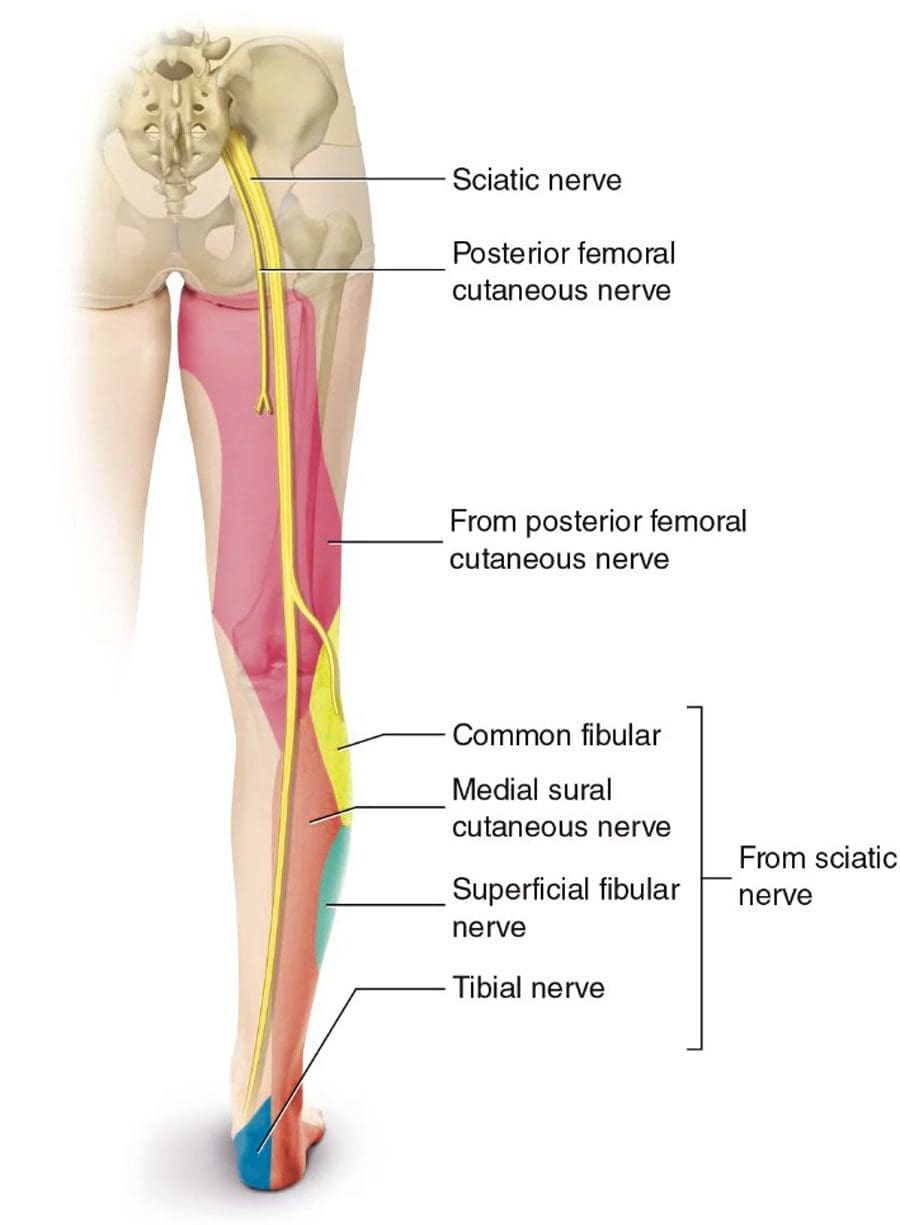
The sciatic nerve is essential for movement and sensation, stretching from the lower back through the legs as the body’s largest nerve. When irritated or compressed, it can cause sciatica—sharp pain, numbness, or tingling that radiates down the leg. At El Paso Back Clinic® in El Paso, TX, we specialize in helping patients overcome sciatic nerve issues through expert chiropractic care and integrative therapies.
This article explores the sciatic nerve’s structure, made of axon bundles wrapped in protective connective tissue, and how El Paso Back Clinic’s chiropractic techniques relieve nerve pressure. We’ll also highlight our integrative approach, combining massage, physical therapy, acupuncture, and nutrition to promote natural healing. Led by Dr. Alexander Jimenez, DC, APRN, FNP-C, our clinic addresses injuries from work, sports, personal accidents, and motor vehicle accidents (MVAs) with personalized, evidence-based care.
Whether you’re managing sciatica or aiming to prevent nerve problems, El Paso Back Clinic offers solutions to help you regain mobility and live pain-free.
Understanding the Sciatic Nerve
The sciatic nerve originates from the L4 to S3 nerve roots in the lower back, runs through the buttocks, and extends down each leg, controlling muscles and sending sensations from the thighs, calves, and feet. Compression from a herniated disk, tight muscles, or injury can trigger sciatica, disrupting daily activities like walking or sitting.
At El Paso Back Clinic, we focus on addressing the root causes of sciatica using non-invasive methods to support the body’s natural healing process, helping patients return to an active lifestyle.
Sciatic Nerve Structure: Axons and Protective Layers
The sciatic nerve is a complex network of neurons, each with a long fiber called an axon that transmits electrical signals. These axons are organized into bundles called fascicles, supported by layers of connective tissue:
Endoneurium: Wraps each axon and its myelin sheath, which speeds up signals and protects the nerve fiber.
Perineurium: Encases each fascicle, regulating the environment to maintain signal efficiency.
Epineurium: The outer layer surrounds the entire nerve, providing strength and flexibility.
These layers, which can comprise up to half of the nerve’s volume, ensure durability but can cause issues if they become inflamed or scarred, trapping axons and triggering pain. El Paso Back Clinic’s treatments aim to reduce inflammation and restore nerve function.
Causes of Sciatic Nerve Issues
Sciatica often results from nerve compression due to:
Herniated disks: Bulging spinal disks pressing on nerve roots.
Spinal stenosis: Narrowed spinal canals crowd the nerves.
Piriformis syndrome: A Tight piriformis muscle pinching the nerve.
Injuries: Trauma from work, sports, falls, or MVAs.
Our clinic sees these issues in patients with repetitive job strains, athletic injuries, or car accidents. Accurate diagnosis is key to effective treatment.
Chiropractic Care at El Paso Back Clinic: Relieving Nerve Pressure
Chiropractic care is at the heart of our approach at El Paso Back Clinic. Dr. Alexander Jimenez and our team use precise spinal adjustments to realign vertebrae and reduce pressure on the sciatic nerve. The procedure alleviates pain and improves mobility by addressing misalignments that cause disc bulging or muscle tension.
For example, a patient with sciatica from a slipped disk may receive lumbar adjustments to create space for the nerve. Dr. Jimenez uses advanced imaging like X-rays and MRIs to identify the issue, ensuring targeted care. His dual expertise as a chiropractor and nurse practitioner allows for comprehensive assessments, combining spinal exams with neurological testing.
Research supports the effectiveness of chiropractic care for chronic pain over medications alone (Ideal Spine, n.d.). For a delivery driver with sciatica from heavy lifting, Dr. Jimenez might use spinal decompression to gently stretch the spine, paired with rehab exercises to prevent recurrence.
Integrative Care: A Holistic Approach to Nerve Health
El Paso Back Clinic embraces integrative medicine, combining chiropractic care with massage therapy, physical therapy, acupuncture, and nutrition for optimal results. Our team, including chiropractors, therapists, and nutritionists, collaborates to create personalized treatment plans.
Massage Therapy: Techniques like deep tissue and trigger point massage relax tight muscles, such as the piriformis, reducing nerve compression. Patients often report less numbness and better movement.
Physical Therapy: Exercises like the McKenzie method or core strengthening stabilize the spine and improve flexibility, guided by our skilled therapists.
Acupuncture: Needle placements reduce inflammation and stimulate the body’s natural pain relief mechanisms, thereby enhancing chiropractic outcomes.
Nutrition Counseling: We recommend nerve-supporting nutrients like vitamin B12 (found in fish and eggs) for myelin repair and alpha-lipoic acid (in spinach) to reduce inflammation (RxWellness, n.d.; Verywell Health, n.d.).
This approach aligns with evidence-based principles of integrative care (NCCIH, n.d.), promoting healing while minimizing reliance on medications.
Dr. Jimenez’s Expertise: Healing Diverse Injuries
With over 25 years of experience, Dr. Alexander Jimenez leads El Paso Back Clinic with a dual perspective as a DC and APRN. His clinic uses advanced tools like EMG, MRI, and functional assessments to diagnose sciatica and related injuries.
Work Injuries: For a construction worker with sciatica from repetitive bending, Dr. Jimenez combines adjustments with B-vitamin supplements and ergonomic advice to prevent further strain.
Sports Injuries: A soccer player experiencing leg pain receives decompression therapy and acupuncture, supplemented by balance exercises to help restore function.
Personal Injuries: A fall victim benefits from massage and PT to reduce swelling, with detailed documentation for insurance claims.
MVAs: Car accident patients get full-body scans to connect whiplash to sciatica, with legal reports to support recovery and claims.
Dr. Jimenez’s approach, detailed on dralexjimenez.com, focuses on root-cause treatment and patient empowerment through holistic care.
Supporting Legal and Medical Needs
Injury cases often require legal or insurance documentation to support claims. El Paso Back Clinic provides thorough records, from initial X-rays to recovery progress, using pain scales and range-of-motion tests. For MVA patients, we collaborate with attorneys to streamline paperwork, ensuring patients focus on healing.
Preventing Long-Term Nerve Issues
Our integrative care promotes natural healing by improving blood flow to axons, strengthening supporting muscles, and reducing inflammation through nutrition. Regular checkups and personalized therapy goals help prevent chronic pain or arthritis, keeping patients active.
Choose El Paso Back Clinic for Sciatic Nerve Care
Located in El Paso, TX, El Paso Back Clinic® offers a welcoming environment where licensed professionals deliver tailored care. Our services—chiropractic, physical therapy, acupuncture, and nutrition—work together to relieve sciatica and boost wellness. Contact us at 915-850-0900 or visit our blog for more insights.
With El Paso Back Clinic, you’re investing in a healthier, pain-free future.
Recovering from Motor Vehicle Accident Injuries with El Paso Back Clinic’s Expertise and Durable Medical Equipment
Motor vehicle accidents (MVAs) can result in a wide range of musculoskeletal injuries, from minor sprains to severe spinal damage, significantly affecting mobility, independence, and quality of life. Effective recovery requires a comprehensive approach, combining specialized medical devices, known as Durable Medical Equipment (DME), with expert care from professionals at El Paso Back Clinic. This blog post explores MVA-related musculoskeletal injuries, the essential role of DME in rehabilitation, and the clinic’s integrative approach, led by Dr. Alexander Jimenez, blending advanced diagnostics, chiropractic care, and functional medicine. This article aims to inform and empower accident victims.
Understanding Musculoskeletal Injuries from Motor Vehicle Accidents
Motor vehicle accidents are a major cause of musculoskeletal injuries, impacting muscles, bones, joints, ligaments, and tendons. The severity of these injuries depends on the collision’s force, body position during impact, and individual health. Common injuries include:
Whiplash: A neck injury caused by rapid head movement, often in rear-end collisions, leading to pain, stiffness, and headaches.
Back and Spinal Injuries: Including herniated discs, vertebral fractures, or misalignments (subluxations), causing chronic pain and reduced mobility.
Soft Tissue Injuries: Sprains, strains, or tears in muscles, tendons, or ligaments, resulting in swelling and limited movement.
Joint Injuries: Damage to shoulders, knees, or hips, causing pain and restricted range of motion.
Nerve Damage: Nerve compression or irritation, leading to tingling, numbness, or radiating pain, as seen in sciatica.
The sudden forces in MVAs, even at low speeds, can disrupt the body’s alignment and function. Research shows that 40.2% of MVA patients require ongoing treatment for persistent pain, with headaches and low back pain extending treatment duration (Dies & Strapp, 1992). Without timely intervention, these injuries can lead to chronic pain, disability, and reduced quality of life.
The Importance of Early Treatment
Seeking care within 72 hours of an accident is critical to prevent long-term complications. Symptoms like pain or stiffness may appear hours or days later, making early intervention essential. El Paso Back Clinic’s integrative approach, combined with DME, addresses injuries promptly, reducing inflammation, restoring function, and preventing chronic issues.
References
Dies, S., & Strapp, J. W. (1992). Chiropractic treatment of patients in motor vehicle accidents: A statistical analysis. PMC. https://pmc.ncbi.nlm.nih.gov
El Paso Back Clinic. (2025). Injury Medical & Chiropractic Clinic. https://elpasobackclinic.com/
The Role of Durable Medical Equipment (DME) in Recovery
Durable Medical Equipment (DME) refers to reusable devices designed to aid recovery, improve mobility, and enhance quality of life for those with injuries. Prescribed by El Paso Back Clinic’s professionals, DME supports rehabilitation after MVAs, helping patients manage pain, support injured areas, and engage in physical therapy safely.
Types of DME for MVA Recovery
Mobility Aids
Examples: Canes, walkers, crutches, wheelchairs, and four-wheel-drive wheelchairs.
Purpose: These devices assist patients with limited mobility, reducing fall risks and further injury. For example, a walker supports leg or back injury recovery, while a wheelchair aids severe spinal injury patients (Family Health Associates, n.d.).
Impact: Mobility aids restore independence, enabling tasks like navigating the home or bathroom.
Orthotic Devices and Braces
Examples: Cervical collars, back braces, knee braces, and ankle supports.
Purpose: Braces stabilize injured areas, promote alignment, and reduce strain. A back brace supports the spine post-herniated disc, while a cervical collar manages whiplash by limiting neck movement (PhysioRoom, n.d.).
Impact: These devices alleviate pain, prevent further damage, and promote proper healing.
Exercise and Rehabilitation Equipment
Examples: Resistance bands, balance boards, Pilates reformers, and exercise balls.
Purpose: These tools enhance physical therapy by improving strength, flexibility, and coordination. Pilates reformers provide low-impact resistance to strengthen core muscles and support spinal alignment, reducing reinjury risk (Pilates Reformers Plus, n.d.).
Impact: Rehabilitation equipment rebuilds strength and mobility, crucial for returning to daily activities.
Assistive Devices for Daily Living
Examples: Grab bars, shower chairs, elevated toilet seats, and ramps.
Purpose: These devices make daily tasks safer for those with limited mobility. Grab bars prevent bathroom falls, and ramps facilitate wheelchair access (Crossbay Physical Therapy, n.d.).
Examples: Cervical traction units and spinal decompression tables.
Purpose: These devices relieve spinal pressure, reducing pain from herniated discs or nerve compression. They complement chiropractic adjustments at El Paso Back Clinic (El Paso Back Clinic, 2025).
Impact: Traction devices accelerate recovery by reducing inflammation and improving alignment.
Importance of Proper DME Selection
Choosing the right DME is vital for effective recovery. El Paso Back Clinic’s team, led by Dr. Jimenez, assesses injuries, mobility needs, and lifestyle to prescribe appropriate devices. For example, a spinal injury patient may need a custom-fitted back brace and walker, while a whiplash patient might benefit from a cervical collar and resistance bands. Improper equipment can worsen injuries or delay healing, emphasizing the need for expert guidance (Penn Spine and Ortho, n.d.). In personal injury cases, DME documentation supports insurance claims and legal settlements by proving injury extent and treatment necessity (Power Liens, 2024).
Impact on Recovery and Quality of Life
DME enhances recovery by:
Reducing Pain: Braces and traction devices alleviate pressure on injured areas.
Restoring Function: Mobility aids and rehabilitation equipment rebuild strength and movement.
Promoting Independence: Assistive devices enable patients to manage daily tasks.
Improving Quality of Life: DME facilitates safe movement, supporting return to work and hobbies.
For example, a spinal injury patient may progress from a wheelchair to a walker with therapy, eventually regaining mobility using exercise equipment, boosting confidence and well-being.
El Paso Back Clinic, led by Dr. Alexander Jimenez, DC, APRN, FNP-BC, offers over 25 years of experience treating MVA injuries. Dr. Jimenez’s dual licensure as a chiropractor and board-certified family nurse practitioner enables a unique integrative approach, combining chiropractic care, functional medicine, and advanced diagnostics to promote healing and long-term wellness.
Dual-Scope Diagnosis and Treatment
Dr. Jimenez’s dual licensure facilitates a comprehensive approach:
Chiropractic Assessments: Evaluating spinal alignment, joint function, and soft tissue damage through manual exams and movement screens.
Medical Evaluations: Assessing systemic factors like inflammation, hormonal imbalances, or nutritional deficiencies impacting recovery.
Advanced Diagnostics: Using X-rays, MRIs, CT scans, and electromyography (EMG) to identify injuries like disc herniations or nerve compression (El Paso Back Clinic, 2025).
This dual-scope method addresses the root causes of injuries. For example, a patient with back pain may have a spinal misalignment and systemic inflammation, which can be treated with adjustments and functional lab testing to identify nutritional or hormonal issues.
Role of Advanced Imaging
El Paso Back Clinic employs advanced imaging for precise diagnosis:
X-rays: Detect fractures or misalignments.
MRIs/CT Scans: Identify soft tissue injuries or nerve compression.
EMG: Assess nerve function for symptoms like tingling.
Functional Lab Testing: Evaluate metabolic or hormonal factors affecting healing.
These tools provide objective evidence for treatment and legal documentation, ensuring targeted interventions and reducing chronic pain risks (El Paso Back Clinic, 2025).
Chiropractic and Integrative Medicine
The clinic’s integrative approach includes:
Spinal Adjustments: Correcting misalignments to relieve nerve pressure and pain.
Soft Tissue Therapy: Massage or myofascial release to reduce tension and improve circulation.
Rehabilitation Exercises: Utilizing DME, such as resistance bands or Pilates reformers, to strengthen muscles.
Nutritional Guidance: Reducing inflammation through diet and supplements.
Acupuncture: Relieving pain and improving blood flow.
This holistic method treats symptoms and prevents complications. For example, a whiplash patient may receive adjustments, a cervical collar, nutritional advice, and acupuncture to accelerate healing. El Paso Back Clinic is the city’s largest mobility, flexibility, and agility center, integrating chiropractors, nurse practitioners, nutritionists, and physical therapists for measurable outcomes (El Paso Back Clinic, 2025).
Legal Documentation in Personal Injury Cases
Dr. Jimenez’s dual licensure is invaluable in personal injury cases. As a nurse practitioner, he provides detailed medical reports, prescribes DME, and coordinates diagnostics, while his chiropractic expertise ensures accurate musculoskeletal injury documentation. These reports, including imaging results and treatment plans, support insurance claims and legal settlements by proving injury extent and treatment necessity. The clinic’s detailed intake process correlates injuries with the MVA event, strengthening legal cases (Personal Injury Doctor Group, 2017).
El Paso Back Clinic’s integrative care and DME maximize recovery:
Whiplash Example: A patient receives a cervical collar, spinal adjustments, acupuncture, and resistance band exercises to reduce pain and restore neck mobility.
Spinal Injury Example: A back brace and decompression table relieve spinal pressure, while adjustments and Pilates reformer exercises build strength. Nutritional guidance addresses inflammation.
This tailored approach ensures faster recovery, greater independence, and improved quality of life, supported by the clinic’s expertise and advanced diagnostics.
Musculoskeletal injuries from MVAs can disrupt lives, but recovery is achievable with expert care and the right tools. Durable Medical Equipment, such as mobility aids and braces, supports rehabilitation, reduces pain, and enhances independence. El Paso Back Clinic, led by Dr. Alexander Jimenez, offers an integrative approach, combining chiropractic care, functional medicine, and advanced diagnostics to address injury root causes. If you’ve been in an MVA, consult El Paso Back Clinic to explore how DME and integrative care can support your healing journey.
Recovering from Car Accidents: A Holistic Approach at El Paso Back Clinic
Motor vehicle accidents (MVAs) can leave lasting physical and emotional impacts, often causing injuries like whiplash, chronic back and neck pain, or nerve damage. At El Paso Back Clinic, led by Dr. Alexander Jimenez, DC, APRN, FNP-BC, we specialize in helping accident victims recover through personalized physical therapy, chiropractic care, nurse practitioner expertise, acupuncture, and integrative medicine. This post explores how these treatments address common MVA injuries and promote long-term health. Discover how our clinic’s comprehensive approach, backed by advanced diagnostics and dual-scope expertise, can guide you toward full recovery.
Common Injuries from Motor Vehicle Accidents
MVAs can result in a range of injuries, from minor sprains to severe musculoskeletal and nerve conditions. The sudden force of a collision stresses the body, leading to issues that may not appear immediately but can become chronic if untreated. Common injuries include:
Whiplash: A rapid back-and-forth head motion that strains neck muscles and ligaments, causing pain and stiffness.
Back and Neck Pain: Spinal injuries like herniated discs or strains can lead to persistent discomfort.
Soft Tissue Damage: Torn or stretched muscles, tendons, and ligaments cause swelling and limited mobility.
Nerve Irritation: Compressed nerves may result in numbness, tingling, or sharp pain, as seen in sciatica.
Fractures: High-impact crashes can break bones, requiring careful rehabilitation.
Prompt treatment is essential to prevent these injuries from worsening. At El Paso Back Clinic, we use advanced diagnostics to identify issues early and create tailored recovery plans.
Physical therapy (PT) is a cornerstone of MVA recovery, helping restore movement, reduce pain, and prevent chronic issues. At El Paso Back Clinic, our physical therapists work closely with patients to design individualized programs that address specific injuries.
Our Physical Therapy Techniques
Manual Therapy: Hands-on techniques like joint mobilization and soft tissue massage relieve tension and improve mobility, especially for whiplash (Head2Toe Care, 2023).
Range-of-Motion Exercises: Gentle stretches, such as shoulder circles, enhance flexibility in the neck and shoulders (Results Physiotherapy, 2023).
Stretching Routines: Targeted stretches promote blood flow and reduce stiffness, ideal for early recovery (Cordisco & Saile, 2024).
Strengthening Exercises: Core-focused exercises like pelvic tilts strengthen muscles to support the spine and prevent re-injury (B Physical Therapy, 2024).
Specialized Modalities: Cryotherapy reduces inflammation, while aquatic therapy supports low-impact movement for severe injuries (JJ Legal, 2024).
Why Choose Our PT Program?
Our therapists at El Paso Back Clinic use evidence-based methods to ensure optimal outcomes. By correcting posture, improving strength, and teaching home exercises, we empower patients to take control of their recovery and avoid long-term pain (Synergy Rehab, 2024).
Exercise is vital for rebuilding strength and flexibility after an MVA. At El Paso Back Clinic, we guide patients through safe, effective exercises tailored to their injuries, ensuring proper form and gradual progression.
Neck and Shoulder Exercises
Neck Tilts: Sit upright and tilt your head toward one shoulder, hold briefly, then switch sides. This reduces neck stiffness (One Rehab, 2024).
Shoulder Circles: Roll your shoulders forward and backward in slow circles to improve mobility and ease tension (Results Physiotherapy, 2023).
Back and Core Exercises
Pelvic Tilts: Lie on your back, knees bent, and press your lower back into the floor by tightening your abs. This strengthens core muscles (PTSMc, 2024).
Bridges: Lift your hips while lying on your back with knees bent, engaging your glutes to support the lower back (B Physical Therapy, 2024).
Lower Body Exercises
Seated Leg Extensions: Extend one leg while seated, hold, then lower. This builds leg strength without spinal stress (One Rehab, 2024).
Safety Guidelines
Always consult our team before starting exercises. Begin with low-impact movements, avoid pain, and follow our therapists’ instructions to ensure safe recovery (Sports PT Centers, 2023).
Chiropractic care is a cornerstone of our holistic approach, focusing on spinal alignment and musculoskeletal health. Dr. Alexander Jimenez and our chiropractic team use advanced techniques to treat MVA injuries effectively.
Chiropractic Techniques
Spinal Adjustments: Precise corrections of spinal misalignments reduce nerve pressure and improve mobility, ideal for whiplash and back pain (Jimenez, 2024).
Soft Tissue Therapy: Massage and myofascial release relieve muscle tension and promote healing (Healthwest Therapy, 2024).
Rehabilitative Exercises: We prescribe exercises to strengthen muscles, complementing adjustments and preventing re-injury.
Benefits of Our Chiropractic Care
Our chiropractic treatments target the root causes of pain, reducing inflammation and enhancing joint function. Combined with integrative medicine, such as nutritional support, our care promotes lasting recovery (Jimenez, 2024).
Nurse practitioners (NPs) at El Paso Back Clinic, led by Dr. Jimenez, provide comprehensive medical care, integrating conventional and holistic treatments to support MVA recovery.
NP Roles
Thorough Assessments: NPs order MRIs, X-rays, and lab tests to diagnose nerve damage or systemic issues (Jimenez, 2023).
Care Coordination: They collaborate with chiropractors and therapists to create cohesive treatment plans.
Medical Oversight: NPs manage medications and evidence-based therapies when needed.
Our NP Advantage
Our NPs, with their medical and holistic expertise, address both physical injuries and underlying conditions like inflammation, ensuring a well-rounded recovery (Jimenez, 2023).
Acupuncture and integrative medicine are powerful tools for managing chronic pain at El Paso Back Clinic. These therapies complement our chiropractic and physical therapy services.
Acupuncture Benefits
Acupuncture involves inserting fine needles to stimulate pain relief and reduce inflammation. It’s effective for soft tissue injuries and nerve pain, enhancing other treatments (PushAsRx, 2024).
Integrative Medicine Approach
Our integrative protocols include acupuncture, nutritional counseling, and stress management to address pain, inflammation, and overall health, promoting long-term wellness (Jimenez, 2024).
Why It Works
These therapies reduce medication dependency, improve mobility, and support conditions like sciatica or fibromyalgia, offering a holistic path to recovery (PushAsRx, 2024).
References
Jimenez, A. (2024). Integrative MVA recovery strategies for lasting health. https://dralexjimenez.com/
PushAsRx. (2024). Car crash wellness protocol: A guide to recovery. https://pushasrx.com/
Dr. Alexander Jimenez: Leading Recovery at El Paso Back Clinic
Dr. Alexander Jimenez, a chiropractor and board-certified family nurse practitioner, brings over 25 years of experience to El Paso Back Clinic. His dual licensure and integrative approach make him a trusted expert in MVA recovery.
Dual-Scope Clinical Expertise
Dr. Jimenez combines chiropractic and medical perspectives:
Musculoskeletal Analysis: He uses motion tests and palpation to diagnose spinal and soft tissue injuries.
Systemic Health: As an NP, he evaluates metabolic and hormonal factors to address inflammation or fatigue (Jimenez, 2023).
Advanced Diagnostics
Our clinic employs state-of-the-art tools:
Imaging: X-rays, MRIs, and CT scans identify spinal and ligament issues, guiding treatment and legal documentation (Jimenez, 2024).
Functional Testing: EMG and movement screens assess nerve and mobility issues.
Legal Documentation
Dr. Jimenez’s expertise ensures detailed injury reports for personal injury cases, using imaging and assessments to validate claims, supporting both recovery and legal needs (Jimenez, 2024).
Why Choose Dr. Jimenez?
His integrative protocols—blending chiropractic, PT, acupuncture, and nutrition—address the whole person, promoting resilience and health (LinkedIn, 2025).
Conclusion: Your Path to Recovery with El Paso Back Clinic
At El Paso Back Clinic, we believe in a holistic approach to MVA recovery, addressing musculoskeletal injuries, nerve issues, and chronic pain through a combination of physical therapy, chiropractic care, nurse practitioner expertise, acupuncture, and integrative medicine. Led by Dr. Alexander Jimenez, our team uses advanced diagnostics and personalized plans to guide you toward full health. Early intervention, consistent treatment, and home exercises are key to preventing long-term issues. Contact El Paso Back Clinic at https://elpasobackclinic.com/ to start your recovery journey today.
Understand the benefits of physical therapy for managing auto injuries, whiplash, and improving your overall health.
Introduction
Motor vehicle accidents (MVAs) are a significant cause of injury worldwide, with millions of people experiencing collisions each year that lead to conditions like whiplash. Whiplash, a neck injury caused by rapid head movement, is particularly common and can result in persistent pain and disability if not addressed properly. This comprehensive guide explores why physical therapy is essential for individuals recovering from MVAs, focusing on whiplash, its symptoms, and the clinical rationale behind effective treatments. Drawing on insights from reputable sources and the expertise of Dr. Alexander Jimenez, DC, APRN, FNP-BC, a distinguished chiropractor and nurse practitioner in El Paso, Texas, we’ll highlight how physical therapy can transform recovery. We’ll also emphasize the importance of personal injury care in El Paso, where Dr. Jimenez stands out as a trusted practitioner. With a touch of humor to lighten the mood, this post aims to inform and engage readers while concluding with a serious note on the importance of professional care.
What is Whiplash and How Does It Occur?
Whiplash is a neck injury resulting from a sudden, forceful back-and-forth movement of the head, often compared to the cracking of a whip. This motion, common in rear-end car collisions, strains or tears the neck’s muscles, ligaments, and tendons. According to research on ligament injuries, such trauma can lead to partial or complete tears in structures like the medial collateral ligament (MCL) or anterior cruciate ligament (ACL), though in whiplash, the cervical ligaments are primarily affected (Smith, n.d.). These injuries disrupt normal joint stability, leading to a cascade of symptoms.
Symptoms of Whiplash
Whiplash symptoms can vary widely in intensity and timing, making it a complex condition to manage. Common symptoms include:
Neck Pain and Stiffness: The most frequent complaint, often worsening with movement.
Headaches: Typically starting at the base of the skull.
Dizziness and Fatigue: Affecting balance and energy levels.
Shoulder or Arm Pain: Sometimes radiating from the neck.
Tinnitus and Blurred Vision: Less common but disruptive.
Cognitive Issues: Difficulty concentrating or remembering.
Sleep Disturbances and Irritability: Affecting Overall Well-being.
These symptoms may appear immediately or develop over days to weeks, complicating diagnosis. Chronic whiplash, if untreated, can lead to long-term pain and reduced quality of life, as noted in a blog post on whiplash and exercise (El Paso Chiropractor Blog, 2016).
Key Citations
El Paso Chiropractor Blog. (2016, May). Whiplash and Exercise. Retrieved from Whiplash and Exercise
Discovering the Benefits of Chiropractic Care- Video
The Clinical Rationale for Physical Therapy
Physical therapy is a cornerstone of whiplash recovery, offering evidence-based methods to alleviate symptoms and restore function. The clinical rationale for its use stems from its ability to address both the immediate and long-term effects of MVA-related injuries. Here’s why physical therapy is effective, supported by clinical insights:
Pain Management
Physical therapy employs techniques like manual therapy, heat or ice application, and electrical stimulation to reduce pain and inflammation. These methods target the inflamed tissues and muscles affected by whiplash, providing relief without relying solely on medication.
Restoring Range of Motion
Gentle stretching and range-of-motion exercises help loosen stiff neck muscles and ligaments. Patients who began physical therapy within a month of injury experienced significantly better outcomes, with 39-44% reporting reduced pain after six months (El Paso Chiropractor Blog, 2016).
Strengthening and Stabilization
Strengthening exercises rebuild the neck and upper back muscles, which are crucial for supporting the spine. Ligament injuries from motor vehicle accidents (MVAs) can lead to disorganized scar tissue and reduced strength, resulting in 50% of normal failure loads, which increases the risk of further injury (Smith, n.d.). Physical therapy promotes controlled joint motion to enhance stability and reduce laxity.
Preventing Chronic Issues
Early intervention can prevent chronic whiplash-associated disorders. The El Paso Chiropractor Blog (2016) notes that neck exercises, when guided by a trained therapist, significantly increase the chances of recovery, particularly for individuals with chronic pain.
Patient Education
Therapists educate patients on posture, ergonomics, and self-care to prevent symptom recurrence. This empowers individuals to manage their recovery actively, reducing their reliance on long-term medical interventions.
Therapy Goal
Techniques Used
Expected Outcome
Pain Management
Manual therapy, heat/ice, electrical stimulation
Reduced pain and inflammation
Restore Range of Motion
Stretching, range-of-motion exercises
Improved neck mobility
Strengthening
Targeted neck and upper back exercises
Enhanced spinal support, reduced injury risk
Prevent Chronic Issues
Early intervention, guided exercises
Lower likelihood of long-term pain
Patient Education
Posture training, ergonomic advice
Empowered self-management
Key Citations
El Paso Chiropractor Blog. (2016, May). Whiplash and Exercise. Retrieved from Whiplash and Exercise
Dr. Alexander Jimenez, DC, APRN, FNP-BC, is a renowned healthcare provider in El Paso, Texas, with over 30 years of experience in chiropractic care and functional medicine. His clinic, Injury Medical & Chiropractic Clinic, is a beacon for MVA victims seeking comprehensive recovery. Dr. Jimenez’s dual licensure as a chiropractor and nurse practitioner allows him to offer integrative care that bridges traditional and alternative medicine.
Advanced Diagnostics
Dr. Jimenez utilizes advanced imaging techniques, including MRI and CT scans, in conjunction with laboratory tests and functional assessments to pinpoint the cause of injuries. This precision ensures accurate diagnoses, critical for tailoring effective treatment plans (El Paso Back Clinic, n.d.).
Integrative Treatment Approaches
His practice combines chiropractic adjustments, physical therapy, and functional medicine, addressing not only symptoms but also underlying issues such as inflammation and nutritional deficiencies. This holistic approach promotes long-term wellness and resilience.
Liaison for Legal Documentation
In personal injury cases, Dr. Jimenez acts as a vital link between the medical and legal realms. He provides detailed medical reports and expert testimony, ensuring patients’ injuries are well-documented for legal claims, which is essential in El Paso’s busy personal injury landscape.
Collaborative Care
Dr. Jimenez collaborates with surgeons, rehabilitation specialists, and other healthcare professionals to ensure comprehensive care. His clinic’s focus on non-invasive protocols minimizes the need for surgery, prioritizing natural recovery (Jimenez, n.d.).
Key Citations
El Paso Back Clinic. (n.d.). Physical Therapy Exercises After Motor Vehicle Accidents. Retrieved from Physical Therapy Exercises
Jimenez, A. (n.d.). Injury Medical & Chiropractic Clinic. Retrieved from Injury Medical Clinic
Personal Injury Cases in El Paso
El Paso, Texas, sees a high volume of personal injury cases due to MVAs, with victims facing physical, emotional, and financial challenges. The city’s busy roads and proximity to major highways contribute to a high frequency of accidents, making specialized care essential. Dr. Jimenez stands out as a trusted practitioner, offering:
Comprehensive Diagnostics: Using advanced imaging and functional assessments to document injuries for medical and legal purposes.
Dual-Scope Procedures: Referring patients to specialists for complex cases, ensuring all aspects of injury are addressed.
Legal Support: Providing detailed medical documentation to support personal injury claims, helping victims secure fair compensation.
His clinic’s patient-centered approach, backed by a 5.0/5 rating from 89 patient reviews, underscores his reputation as a top provider in El Paso (Sharecare, n.d.).
Key Citations
Jimenez, A. (n.d.). Auto Accident Doctor: Finding the Best Medical. Retrieved from Auto Accident Doctor
Sharecare. (n.d.). Dr. Alexander Jimenez, DC, Chiropractor – El Paso, TX. Retrieved from Dr. Jimenez Profile
A Light Touch of Humor
Recovering from whiplash can feel like a rollercoaster—minus the fun. Imagine celebrating every neck turn like it’s a gold medal moment at the Olympics! Or picture yourself mastering the art of nodding without wincing, earning you the unofficial title of “Neck Ninja.” These lighthearted moments remind us that recovery, while challenging, can include small victories that bring a smile. However, the seriousness of whiplash underscores the need for professional care to turn these humorous milestones into lasting recovery.
Conclusion
Physical therapy is a critical tool for recovering from whiplash and other MVA-related injuries, offering pain relief, improved mobility, and long-term health benefits. In El Paso, Dr. Alexander Jimenez provides exceptional care, combining advanced diagnostics, integrative treatments, and legal support to help personal injury victims reclaim their lives. His expertise ensures that patients receive not only medical care but also the documentation needed for legal recourse. For those navigating the aftermath of a motor vehicle accident (MVA), seeking care from a qualified professional like Dr. Jimenez can pave the way for a smoother recovery.
Disclaimer: This blog post is for informational purposes only and does not constitute medical advice. Always consult a qualified healthcare professional for diagnosis and treatment. Individual results may vary, and the information provided may not apply to every situation. Contact Dr. Alexander Jimenez or another licensed provider for personalized care.
IFM's Find A Practitioner tool is the largest referral network in Functional Medicine, created to help patients locate Functional Medicine practitioners anywhere in the world. IFM Certified Practitioners are listed first in the search results, given their extensive education in Functional Medicine