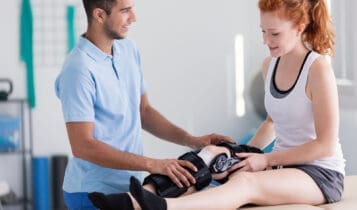
Recovering from Motor Vehicle Accidents: A Comprehensive Guide to Healing with Chiropractic and Integrative Medicine
Motor vehicle accidents (MVAs) can leave a lasting impact on your body, causing injuries that range from minor aches to severe, life-altering conditions. Whether it’s a fender-bender or a major collision, the forces involved can disrupt the body’s natural alignment, leading to indirect trauma, nerve injuries, back and neck pain, and even intestinal damage. These injuries often manifest as musculoskeletal joint pain, which limits mobility and affects quality of life. Fortunately, chiropractic care, integrative medicine, and targeted physical therapy can play a pivotal role in recovery, helping individuals restore function, reduce pain, and prevent long-term complications. This blog post explores the science behind MVA-related injuries and the role of chiropractic and integrative medicine in healing, offering practical exercises to aid recovery. It draws on insights from Dr. Alexander Jimenez, a renowned chiropractor and nurse practitioner in El Paso, Texas.
Understanding the Impact of Motor Vehicle Accidents
MVAs subject the body to sudden, high-impact forces that can disrupt the musculoskeletal system, nervous system, and even internal organs. Common injuries include:
Whiplash and Neck Pain: Caused by the rapid back-and-forth motion of the head, whiplash strains neck muscles and ligaments, leading to pain and stiffness (Carroll et al., 2008).
Back Pain: The spine, particularly the lumbar and thoracic regions, can suffer from herniated discs, muscle strains, or subluxations due to impact (Jimenez, 2024).
Nerve Injuries: Compression or irritation of nerves, such as in sciatica or radiculopathy, can result from spinal misalignments or soft tissue damage (Advance Orthopedic and Physical Therapy, n.d.).
Intestinal Damage: Less commonly discussed, the force of an MVA can cause visceral trauma, leading to gastrointestinal issues like irritable bowel syndrome or motility disorders (Jimenez, 2024).
These injuries often lead to musculoskeletal joint pain, where joints become stiff, inflamed, or misaligned, hindering movement and daily activities. Without proper intervention, these conditions can progress into chronic pain syndromes, affecting long-term health and well-being (IS Rehab, n.d.).
Chiropractic care is a cornerstone of MVA recovery, focusing on restoring spinal alignment, reducing nerve compression, and alleviating pain through non-invasive techniques. Dr. Alexander Jimenez, DC, APRN, FNP-BC, a board-certified chiropractor and nurse practitioner in El Paso, Texas, is a leading expert in this field. His dual licensure allows him to combine chiropractic adjustments with advanced medical diagnostics, offering a holistic approach to healing. (Jimenez, 2025).
Key Chiropractic Techniques
Spinal Adjustments: These precise manipulations correct misalignments (subluxations) in the spine, relieving pressure on nerves and restoring joint mobility. A 2020 study found that spinal manipulative therapy significantly reduces pain and disability in chronic low back pain cases (Rubinstein et al., 2020).
Manual Therapy: Techniques such as myofascial release and trigger point therapy help relax strained muscles and improve soft tissue flexibility. (Maxwell Therapy, n.d.).
Decompression Therapy: This method gently stretches the spine to alleviate disc pressure, which is beneficial for individuals with herniated discs and sciatica. (Jimenez, 2024).
Dr. Jimenez’s clinic, Injury Medical & Chiropractic Center, integrates these techniques with advanced diagnostics, including MRI, CT scans, and electromyography (EMG), to accurately assess injuries and tailor treatment plans. His approach not only addresses physical symptoms but also supports legal documentation for personal injury cases by providing objective evidence of injury progression (Jimenez, 2024).
Integrative Medicine and Functional Medicine Approaches
Integrative medicine combines conventional and alternative therapies to address the root causes of health issues, promoting overall well-being. Dr. Jimenez’s practice is grounded in functional medicine, which focuses on identifying underlying dysfunctions—such as inflammation, hormonal imbalances, or nutritional deficiencies—that contribute to MVA-related symptoms (Jimenez, 2024).
Functional Medicine Strategies
Nutritional Counseling: Anti-inflammatory diets rich in omega-3 fatty acids, antioxidants, and whole foods can reduce pain and support tissue repair. For example, turmeric may help alleviate inflammation caused by MVAs (Jimenez, 2019).
Lifestyle modifications, including stress management, sleep optimization, and ergonomic adjustments, can prevent injury recurrence and support recovery. (El Paso Back Clinic, n.d.).
Metabolic Assessments: Blood panels and other diagnostic tools identify systemic issues, such as gut dysbiosis, that may exacerbate pain or delay healing (Jimenez, 2024).
These strategies are particularly effective for addressing intestinal damage, which can result from the stress and trauma of an MVA. By restoring gut health, functional medicine enhances overall recovery and reduces systemic inflammation (Jimenez, 2024).
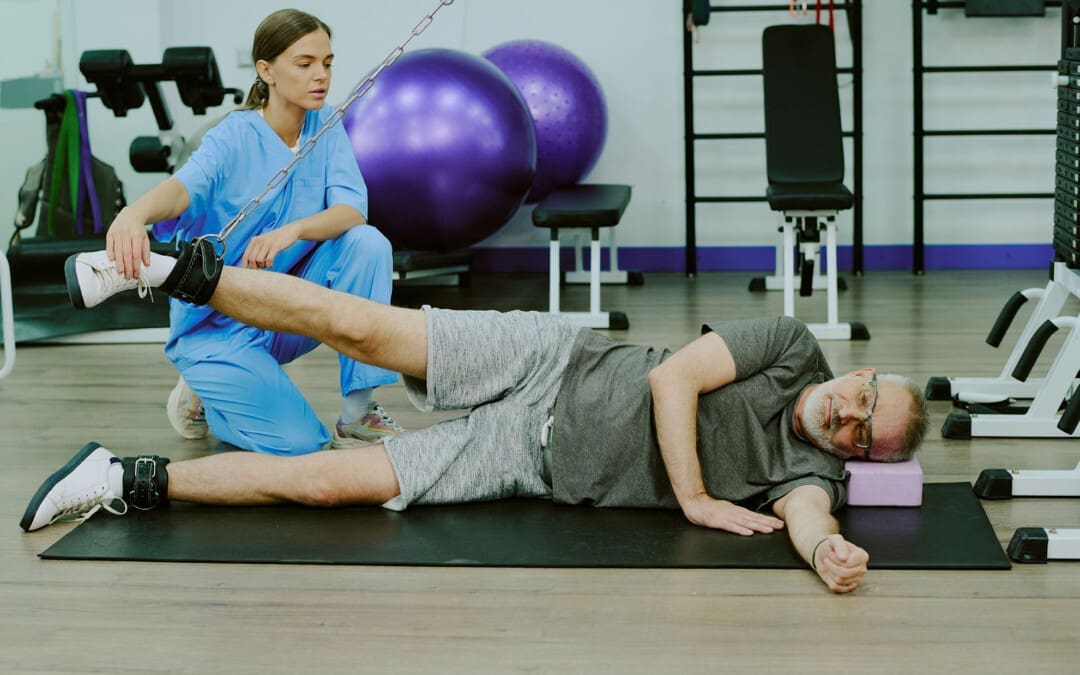
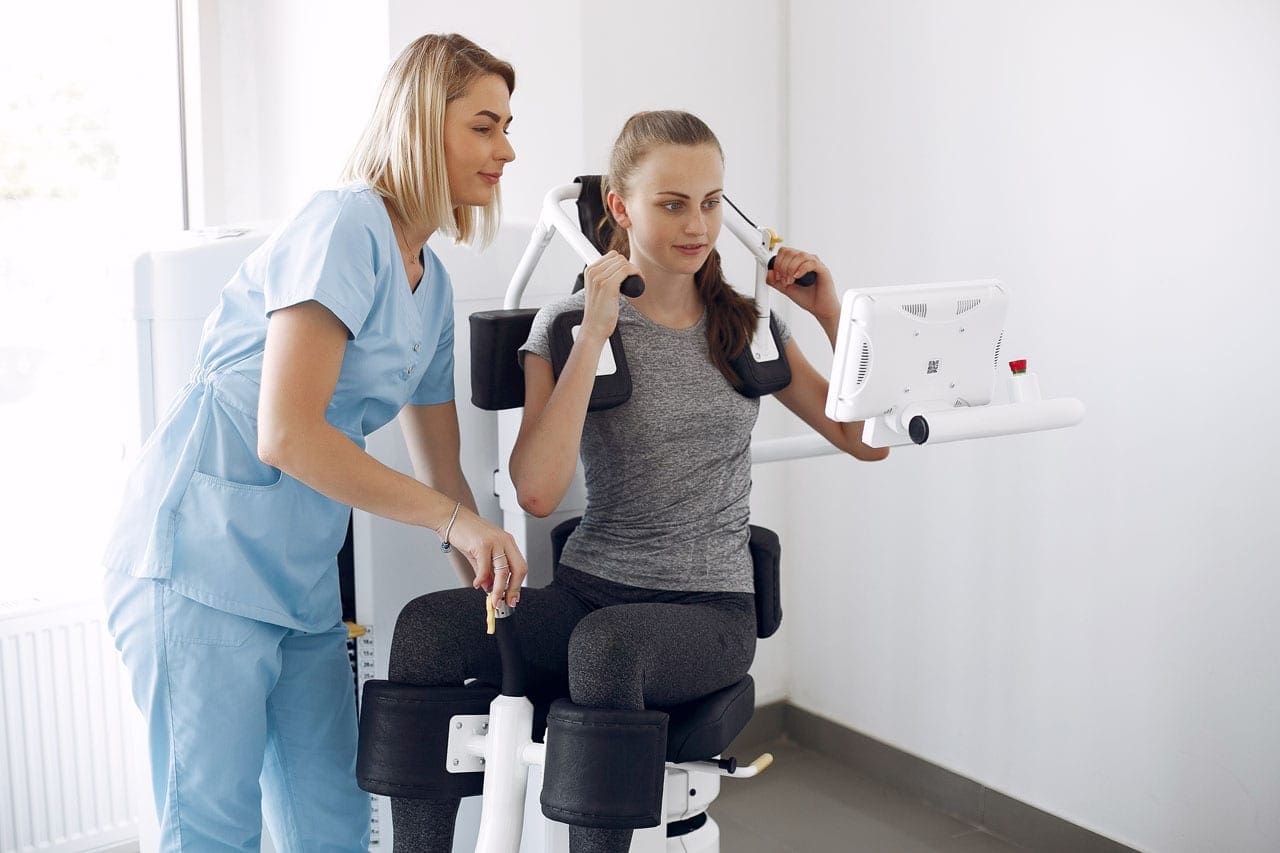
Physical therapy (PT) is crucial for restoring mobility, alleviating pain, and regaining strength after a motor vehicle accident (MVA). When combined with sports training principles, physical therapy (PT) can help individuals return to their pre-accident level of function and prevent long-term issues. (Sports Physical Therapy Centers, n.d.).
Key Physical Therapy Techniques
Therapeutic exercises include stretching, range-of-motion exercises, and bodyweight activities such as squats and push-ups, designed to improve flexibility and strength. (Procare Medical Center, n.d.).
Neuromuscular reeducation retrains the brain and muscles to work together, thereby improving coordination and balance. (Maxwell Therapy, n.d.).
Nerve Mobilization: Exercises that gently stretch and mobilize nerves can reduce tingling, numbness, and pain caused by nerve compression. (Advance Orthopedic and Physical Therapy, n.d.).
Safe Exercise Progression
Starting exercise too soon after an MVA can worsen injuries, so it’s crucial to follow a gradual progression under professional guidance:
Week 1-2: Focus on light stretching and range-of-motion exercises, such as neck rotations or shoulder rolls, to maintain mobility without straining tissues (GTAKG, n.d.).
Weeks 3-4: Introduce bodyweight exercises, such as squats, lunges, or modified push-ups, while maintaining pain-free movements. (Procare Medical Center, n.d.).
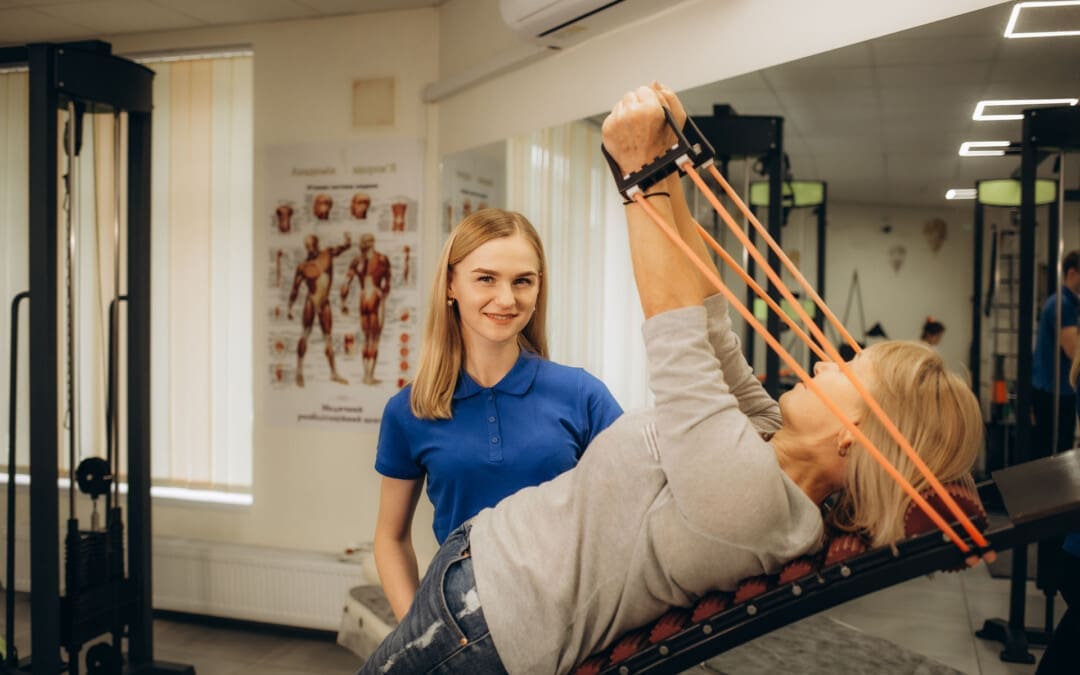
Week 5+: Incorporate low-impact strength training, such as resistance band exercises, to rebuild muscle and joint stability (Sports Physical Therapy Centers, n.d.).
Dr. Jimenez emphasizes the importance of individualized exercise plans, tailored to the patient’s injury severity and stage of recovery. His clinic’s PUSH-as-Rx system integrates functional fitness and agility training to optimize recovery (Jimenez, 2024).
Dr. Jimenez’s Clinical Approach: Bridging Medical and Legal Needs
Dr. Jimenez’s unique dual licensure as a chiropractor and nurse practitioner enables him to provide comprehensive care that addresses both medical and legal aspects of MVA recovery. His clinical reasoning is rooted in advanced diagnostics and evidence-based protocols, ensuring accurate injury assessment and effective treatment (Jimenez, 2025).
Advanced Diagnostics
Imaging: MRI and CT scans reveal soft tissue damage, disc herniations, and spinal misalignments that may not be visible on X-rays (Jimenez, 2024).
Electromyography (EMG): This assesses nerve function, identifying compression or damage that contributes to pain or numbness (Jimenez, 2024).
Functional Movement Screens: These evaluate mobility and strength deficits, guiding exercise prescriptions (Jimenez, 2024).
Legal Documentation
In personal injury cases, accurate documentation is critical for securing fair compensation. Dr. Jimenez’s clinic provides detailed reports on injury progression, pain scales, and functional limitations, which serve as objective evidence for attorneys and insurance companies. His dual-scope approach ensures that medical findings are correlated with symptoms, strengthening legal claims (Jimenez, 2024).
Exercise is a powerful tool for managing musculoskeletal joint pain and promoting recovery. Below are safe, beginner-friendly exercises recommended for MVA survivors, based on Dr. Jimenez’s protocols and industry standards (Jimenez, 2024; Procare Medical Center, n.d.).
Stretching Exercises
Neck Rotations:
Sit or stand with a straight spine.
Slowly rotate your head to the right, hold for 5 seconds, then return to center.
Repeat on the left side. Perform 10 reps per side.
Benefits: Improves neck mobility and reduces stiffness.
Cat-Cow Stretch:
Begin by positioning yourself on all fours, maintaining a neutral spine.
Inhale, arch your back (cow pose), lifting your head and tailbone.
Exhale, round your spine (cat pose), tucking your chin and pelvis.
Repeat for 8-10 cycles.
Benefits: Enhances spinal flexibility and relieves back tension.
Range-of-Motion Exercises
Shoulder Rolls:
Stand with arms relaxed at your sides.
Roll your shoulders forward in a circular motion for 10 reps, then backward for 10 reps.
Benefits: Loosens shoulder joints and reduces upper back pain.
Ankle Circles:
Sit with one leg extended and lift your foot off the ground.
Rotate your ankle clockwise for 10 circles, then counterclockwise.
Switch legs and repeat.
Benefits: Restores ankle mobility, especially after lower limb injuries.
Bodyweight Strength Exercises
Wall Push-Ups:
Stand at arm’s length from a wall, and place your hands at shoulder height.
Bend your elbows to lower your chest toward the wall, then push back.
Perform 2 sets of 10-12 reps.
Benefits: Strengthens chest and arms without straining the spine.
Bodyweight Squats:
Stand with feet shoulder-width apart.
Lower your hips as if sitting in a chair, keeping your knees behind your toes.
Return to standing. Perform 2 sets of 8-10 reps.
Benefits: Builds leg and core strength, improving stability.
Safety Tip: Always consult a healthcare provider before starting exercises, especially if you experience pain or discomfort (Sports Physical Therapy Centers, n.d.).
Untreated MVA injuries can lead to chronic conditions like degenerative disc disease, fibromyalgia, or persistent nerve pain (Solutions Physical Therapy, n.d.). Chiropractic care, integrative medicine, and physical therapy work together to:
Restore Alignment: Correcting spinal and joint misalignments prevents uneven wear and tear (Jimenez, 2024).
Reduce Inflammation: Nutritional and manual therapies lower systemic inflammation, reducing pain and promoting healing (Jimenez, 2019).
Enhance Resilience: Strength and flexibility exercises build a robust musculoskeletal system, reducing the risk of re-injury (Sports Physical Therapy Centers, n.d.).
Dr. Jimenez’s holistic approach ensures that patients not only recover physically but also maintain long-term health through lifestyle changes and preventive care (Jimenez, 2025).
Recovering from a motor vehicle accident requires a multifaceted approach that addresses the physical, neurological, and systemic effects of trauma. Chiropractic care, led by experts like Dr. Alexander Jimenez, restores spinal alignment and alleviates pain, while integrative medicine addresses underlying causes through targeted nutrition and lifestyle modifications. Physical therapy and sports training rebuild strength and mobility, empowering individuals to return to their daily activities and prevent chronic issues. By combining advanced diagnostics, personalized treatment plans, and legal documentation, Dr. Jimenez’s practice provides a comprehensive model for MVA recovery. If you’ve been in an accident, consult a qualified healthcare provider to start your healing journey today.
Functional Medicine: A Holistic Approach to Recovery from Motor Vehicle Accidents
Motor vehicle accidents (MVAs) can leave individuals with a range of injuries, from visible trauma to hidden damage that affects long-term health. Beyond the immediate physical pain, MVAs can cause indirect trauma, back and neck pain, and even intestinal damage, impacting overall well-being. Functional medicine offers a comprehensive, patient-centered approach to recovery by addressing the root causes of these injuries and promoting holistic healing. This blog post examines how functional medicine, when combined with chiropractic care, can aid individuals in recovering from motor vehicle accidents (MVAs), with a focus on the expertise of Dr. Alexander Jimenez, a renowned chiropractor and nurse practitioner in El Paso, Texas. Written at a high school level, this 5,000-word guide is designed to educate and empower those seeking natural recovery options.
Understanding Motor Vehicle Accident Injuries
Motor vehicle accidents are a leading cause of injuries in the United States, with nearly 300,000 car accidents occurring annually in Texas alone, resulting in over 60,000 injuries (Jimenez, 2018). These injuries range from minor to severe, affecting various body systems. Common injuries include:
Whiplash and Neck Pain: Caused by the sudden acceleration and deceleration during a collision, whiplash affects the cervical spine, leading to muscle tightness, spasms, and headaches (Jimenez, 2018).
Back Pain: The force of an MVA can strain or tear muscles, ligaments, and discs in the lumbar or thoracic spine, causing acute or chronic pain (Jimenez, 2025).
Musculoskeletal Joint Pain: Joints, such as the shoulders, knees, or hips, can suffer from soft tissue damage or misalignment, leading to persistent discomfort (Jimenez, 2025).
Intestinal Damage and Gut Health Issues: Less obvious but equally significant, MVAs can disrupt gut health through stress-induced inflammation or physical trauma, potentially leading to conditions like leaky gut or irritable bowel syndrome. (Jimenez, 2025).
Indirect Trauma: Emotional and psychological stress from MVAs can manifest as post-traumatic stress disorder (PTSD), anxiety, or depression, which further complicates physical recovery (Visionary Law Group, n.d.).
These injuries often have interconnected effects, where physical trauma exacerbates mental health issues, and vice versa. Functional medicine addresses this complexity by treating the body as an integrated system, rather than focusing solely on isolated symptoms.
Functional medicine is a holistic, patient-centered approach that seeks to identify and address the root causes of health issues, rather than merely treating symptoms (Premier Functional Medicine, n.d.). In the context of MVA recovery, functional medicine offers individualized treatment plans that integrate chiropractic care, nutrition, physical therapy, and mental health support to restore balance across the body’s systems.
Key Principles of Functional Medicine
Individualized Care: Each patient receives a customized treatment plan tailored to their unique medical history, lifestyle, and injury profile.
Root Cause Analysis: Practitioners use advanced diagnostics to uncover underlying issues, such as inflammation, hormonal imbalances, or gut dysfunction, that may prolong recovery.
Holistic Healing: Treatment addresses physical, mental, and emotional health to promote overall well-being.
Preventive Focus: Functional medicine emphasizes the prevention of chronic conditions by addressing injuries early and optimizing overall health.
By focusing on these principles, functional medicine helps MVA victims recover faster and reduces the risk of long-term complications, such as chronic pain or gastrointestinal disorders.
Dr. Alexander Jimenez, DC, APRN, FNP-BC, is a board-certified chiropractor and family nurse practitioner in El Paso, Texas, with over 25 years of experience treating motor vehicle accident (MVA) injuries. (Jimenez, 2025). His dual licensure enables him to bridge chiropractic care with medical diagnostics, providing him with an unusual perspective on injury recovery. At his Injury Medical & Chiropractic Clinic, Dr. Jimenez combines functional medicine with evidence-based treatments to address the complex needs of motor vehicle accident (MVA) victims.
Clinical Rationale and Diagnostic Approach
Dr. Jimenez emphasizes the importance of thorough assessments to identify both obvious and hidden injuries. His clinical rationale includes:
Advanced Imaging: Magnetic resonance imaging (MRI) and X-rays are used to detect structural damage, such as herniated discs or fractures, that may not be immediately apparent (Jimenez, 2016).
Dual-Scope Procedures: As both a chiropractor and nurse practitioner, Dr. Jimenez employs electromyography (EMG), functional movement screens, and neurologic exams to assess nerve injuries and musculoskeletal dysfunction (Jimenez, 2025).
Diagnostic Assessments: Tools like the Living Matrix help identify systemic contributors to pain, such as inflammation or gut dysfunction, which are often overlooked in traditional care (Jimenez, 2016).
This comprehensive approach ensures accurate diagnoses, which are critical for effective treatment and legal documentation in personal injury cases. Dr. Jimenez’s team meticulously documents injury timelines, treatment outcomes, and functional limitations, providing objective evidence for attorneys and insurance companies (Jimenez, 2025).
Addressing Specific MVA Injuries with Functional Medicine
Functional medicine, combined with chiropractic care, provides targeted strategies to address the diverse injuries resulting from motor vehicle accidents (MVAs). Below, we explore how these approaches tackle back and neck pain, musculoskeletal joint pain, intestinal damage, and indirect trauma.
Back and Neck Pain
Back and neck pain are among the most common MVA injuries, often resulting from whiplash or spinal misalignment. Functional medicine and chiropractic care address back and neck pain through the following methods:
Chiropractic Adjustments: Spinal manipulation restores alignment, reduces nerve interference, and alleviates pain (Jimenez, 2025). Dr. Jimenez uses gentle thrusts to improve flexibility and promote recovery.
Soft Tissue Therapy: Massage and myofascial release relieve muscle tension and reduce scar tissue, enhancing mobility (RX Wellness, n.d.).
Anti-Inflammatory Nutrition: A diet rich in omega-3 fatty acids, antioxidants, and anti-inflammatory foods, such as turmeric and leafy greens, can help reduce systemic inflammation that exacerbates pain (Jimenez, 2019).
Physical therapy exercises to improve range of motion (ROM) and strengthen supporting muscles can help prevent chronic pain. (Health Coach Clinic, 2025).
Dr. Jimenez’s protocols often include ultrasound therapy and muscle energy techniques to reduce inflammation further and restore function (Jimenez, 2025).
Musculoskeletal Joint Pain
Joint pain after an MVA can result from soft tissue damage, ligament sprains, or biomechanical imbalances. Functional medicine addresses these issues by:
Functional Movement Screens: These assessments identify compensatory movement patterns that contribute to joint pain, allowing for targeted rehabilitation (Jimenez, 2025).
Nutritional Support: Supplements like collagen, glucosamine, and vitamin D support joint repair and reduce inflammation (Health Coach Clinic, 2025).
Manual Therapies: Chiropractic adjustments and acupuncture restore joint alignment and improve circulation, reducing pain and stiffness (Altitude Health, n.d.).
Exercise Programs: Low-impact exercises, such as yoga or swimming, rebuild strength and flexibility without stressing injured joints (County Line Chiropractic, n.d.).
Dr. Jimenez’s multidisciplinary approach ensures that joint pain is addressed from both a structural and systemic perspective, preventing progression to chronic conditions.
Intestinal Damage and Gut Health
MVAs can indirectly affect gut health through stress, inflammation, or trauma to the abdominal region. For instance, the force of a collision can disrupt the gut microbiome, leading to symptoms like bloating, diarrhea, or food sensitivities (Jimenez, 2025). Functional medicine strategies include:
Gut-healing diets, such as elimination diets or protocols like the Specific Carbohydrate Diet (SCD), reduce inflammation and support gut repair (Jimenez, 2025).
Probiotics and Prebiotics: These supplements restore healthy gut flora, improving digestion and immune function (Pacific Natural Medicine, n.d.).
Stress Management: Techniques such as mindfulness, meditation, or biofeedback can help reduce cortisol levels, which can exacerbate gut dysfunction (Heartspring Health, n.d.).
Functional Testing: Stool analysis or food sensitivity tests identify underlying issues, such as leaky gut or dysbiosis, allowing for targeted interventions. (Balance Body Med, n.d.).
Dr. Jimenez’s expertise in functional medicine enables him to address gut health as a crucial component of MVA recovery, recognizing its significant role in systemic inflammation and overall well-being.
Indirect Trauma and Emotional Health
The psychological impact of MVAs can be profound, with victims experiencing PTSD, anxiety, or depression (Visionary Law Group, n.d.). Functional medicine addresses these issues through:
Mind-Body Therapies: Techniques such as cognitive-behavioral therapy (CBT), yoga, or acupuncture help manage stress and enhance mental resilience. (Heartspring Health, n.d.).
Nutritional Psychiatry: Diets rich in omega-3s, B vitamins, and magnesium support brain health and mood stability (Health Coach Clinic, 2025).
Herbal Support: Adaptogens, such as ashwagandha or rhodiola, help the body cope with stress and promote emotional balance (Pacific Natural Medicine, n.d.).
Chiropractic Care: By reducing physical pain, chiropractic adjustments can help alleviate stress and improve sleep, both of which are crucial for maintaining mental health. (Accident Care Chiropractic, n.d.).
Dr. Jimenez’s comprehensive approach guarantees the importance of emotional health in physical recovery.
The Connection Between MVA Injuries and Musculoskeletal Joint Pain
MVA injuries often contribute to the progression of musculoskeletal joint pain, as the trauma can disrupt the body’s biomechanical balance. For example, whiplash can cause cervical spine misalignment, leading to compensatory strain on the shoulders, hips, or knees (Jimenez, 2016). Similarly, inflammation from soft tissue injuries can spread systemically, affecting joint health and mobility (Jimenez, 2025).
Dr. Jimenez’s clinical observations highlight that untreated MVA injuries can lead to chronic conditions, such as osteoarthritis or fibromyalgia, due to persistent inflammation and biomechanical imbalances (Jimenez, 2025). His approach involves:
Early Intervention: Addressing injuries promptly to prevent scar tissue formation and joint degeneration.
Systemic Treatment: Using functional medicine to reduce inflammation and support joint repair through nutrition and supplementation.
Rehabilitation: Implementing strength training and mobility exercises to restore joint function and prevent further damage.
By addressing both the structural and systemic aspects of joint pain, Dr. Jimenez helps patients avoid long-term complications and regain their quality of life.
Personal Injury Cases in El Paso: Dr. Jimenez’s Expertise
In El Paso, Dr. Jimenez is a trusted provider for personal injury cases, particularly those involving motor vehicle accidents (MVAs). His clinic has treated thousands of patients, helping them navigate the medical and legal complexities of their injuries (Jimenez, 2019). His expertise is particularly valuable in:
Legal Documentation: Dr. Jimenez’s team provides detailed reports on injury timelines, treatment progress, and functional limitations, which are critical for personal injury claims (Jimenez, 2025).
Patient Advocacy: By combining chiropractic care with nurse practitioner-driven medical management, Dr. Jimenez ensures patients receive comprehensive care while supporting their legal rights (Jimenez, 2017).
Holistic Recovery: His functional medicine approach addresses the physical, emotional, and systemic effects of injuries, enabling patients to return to work and their daily activities. (Accident Care Chiropractic, n.d.).
Patient testimonials highlight Dr. Jimenez’s transformative impact, with many reporting significant improvements in pain, mobility, and quality of life (Jimenez, 2025). His commitment to evidence-based care and patient education empowers individuals to take an active role in their recovery.
Recovering from an MVA is not just about healing immediate injuries; it’s about preventing chronic conditions and optimizing health. Functional medicine offers long-term strategies to support sustained recovery:
Lifestyle Modifications: Regular exercise, stress management, and adequate sleep promote resilience and prevent pain recurrence (Heartspring Health, n.d.).
Nutritional Optimization: A balanced diet rich in anti-inflammatory foods and targeted supplements supports tissue repair and overall systemic health (Health Coach Clinic, 2025).
Mental Health Support: Counseling or mind-body therapies address lingering emotional trauma, ensuring comprehensive recovery (Visionary Law Group, n.d.).
Dr. Jimenez’s clinic offers virtual and in-person coaching to ensure patients maintain these strategies, empowering them to live pain-free and healthy lives (Jimenez, 2025).
Motor vehicle accidents can have far-reaching effects, from back and neck pain to intestinal damage and emotional trauma. Functional medicine, combined with chiropractic care, offers a holistic and effective approach to recovery by addressing the root causes of these injuries and promoting overall well-being. Dr. Jimenez’s expertise in El Paso, Texas, exemplifies this approach, blending advanced diagnostics, personalized treatment plans, and legal documentation to support MVA victims. By focusing on individualized care, systemic healing, and long-term prevention, functional medicine enables individuals to regain their health and quality of life following an accident. If you or a loved one has been injured in an MVA, consider consulting a functional medicine practitioner like Dr. Jimenez to explore natural, comprehensive recovery options.
Physical Therapy After a Car Accident: Addressing Indirect Trauma, Pain, and Mobility Issues
Motor vehicle accidents (MVAs) can leave individuals grappling with a range of physical and emotional challenges, even when injuries seem minor at first glance. The sudden forces exerted on the body during a collision—whether a rear-end crash, side impact, or head-on accident—can cause significant indirect trauma, leading to back and neck pain, nerve damage, mobility and flexibility issues, and posture problems. These injuries often manifest as musculoskeletal joint pain, which can persist or worsen without proper intervention. Physical therapy (PT) is a cornerstone of recovery for MVA victims, offering a non-invasive, customized approach to restoring function, alleviating pain, and preventing long-term complications. In El Paso, Texas, professionals such as Dr. Alexander Jimenez, a distinguished chiropractor and board-certified family nurse practitioner, combine clinical expertise with advanced diagnostic tools to effectively address these injuries. This blog post explores the role of physical therapy in MVA recovery, drawing on clinical observations, evidence-based practices, and Dr. Jimenez’s integrative approach to care.
Understanding the Impact of Motor Vehicle Accidents
Motor Vehicle Accidents (MVAs) expose the body to sudden, powerful forces beyond its capacity to absorb. Even low-speed collisions can strain or injure the spine, muscles, joints, and nerves. According to the National Highway Traffic Safety Administration, over 2.1 million people in the U.S. sustain injuries in car crashes annually, with soft tissue injuries being the most common (NHTSA, 2023). These injuries often include whiplash, back strains, herniated discs, and nerve compression, which can lead to chronic pain and mobility limitations if untreated.
Indirect Trauma and Its Consequences
Indirect trauma refers to injuries that result from the body’s reaction to the sudden forces of a collision, rather than direct impact. For example, the rapid back-and-forth motion of the neck during a rear-end collision can strain muscles, ligaments, and nerves, leading to whiplash-associated disorders (WAD). This condition often causes neck pain, stiffness, and headaches, which may not appear immediately (Apex Spine & Neurosurgery, 2024). Similarly, the spine’s natural curves can be disrupted, contributing to posture problems and increased stress on joints and muscles.
Back and neck pain are among the most commonly reported symptoms following a motor vehicle accident (MVA). The spine, a complex structure of vertebrae, discs, and nerves, is particularly vulnerable. Herniated discs, where the inner material of a spinal disc protrudes and presses on nearby nerves, can cause radiating pain, numbness, or weakness (Jimenez, 2024). Nerve damage, such as neuropraxia, can occur when nerves are stretched or compressed, resulting in tingling, muscle weakness, or loss of sensation. (Personal Injury Doctors, 2016).
Mobility and flexibility issues often arise as the body attempts to compensate for pain or stiffness. For instance, a person with lower back pain may alter their gait, resulting in uneven stress on the hips and knees. Over time, these changes can exacerbate joint pain and contribute to the development of degenerative conditions, such as arthritis. Posture problems, such as forward head posture or slouching, may also develop, particularly if pain discourages proper alignment and posture. (Jimenez, 2016).
Musculoskeletal Joint Pain Progression
Musculoskeletal joint pain often progresses due to untreated or poorly managed MVA injuries. For example, whiplash can lead to chronic neck pain if scar tissue forms in strained muscles or if spinal misalignments (subluxations) persist (Baystate Physical Therapy, 2024). Similarly, a herniated disc in the lumbar spine may cause sciatica, characterized by sharp pain radiating down the leg due to nerve compression. These conditions can limit range of motion, reduce strength, and impair daily activities, significantly affecting quality of life.
Citations:
National Highway Traffic Safety Administration. (2023). Traffic safety facts. https://www.nhtsa.gov/
Physical therapy is a non-invasive, evidence-based approach to treating injuries related to motor vehicle accidents (MVAs). It focuses on restoring mobility, reducing pain, and preventing long-term complications through a combination of manual therapy, therapeutic modalities, and targeted exercises. Texas Physical Therapy Specialists emphasize that PT programs are tailored to each patient’s specific injuries and needs, ensuring optimal recovery (Texas Physical Therapy Specialists, 2024).
Key Components of Physical Therapy
Manual Therapy: Techniques such as joint mobilization and soft tissue massage help reduce muscle tension, improve circulation, and restore joint function. These hands-on methods are particularly effective for addressing stiffness and pain in the neck and back (Apex Orthopaedics Spine & Neurology, 2024).
Pain-Relieving Modalities: Tools like electrical stimulation, ultrasound, and heat/cold therapy can alleviate pain and inflammation. For example, transcutaneous electrical nerve stimulation (TENS) uses low-voltage currents to block pain signals (Rocky Mountain Physical Therapy, 2024).
Stretching and Range-of-Motion Exercises: These exercises improve flexibility and restore normal joint movement. Gentle neck stretches, for instance, can counteract whiplash-induced stiffness (OneRehab, 2024).
Strengthening Exercises: Building muscle strength supports injured areas and prevents re-injury. Core exercises, such as planks, stabilize the spine, while leg exercises like squats enhance overall mobility (Breakthrough Physical Therapy, 2024).
Functional Training: Multi-joint, multi-muscle movements, such as lunges or rotational exercises, mimic daily activities, improving balance and coordination (Release Physical Therapy, 2024).
Customization of Treatment Plans
A physical therapist begins with a thorough evaluation, assessing the patient’s range of motion, strength, posture, and pain levels. Based on this assessment, they develop a personalized treatment plan. For example, a patient with whiplash may start with gentle stretches and progress to strengthening exercises as pain subsides. The duration of PT varies, typically ranging from a few weeks to several months, depending on the severity of the injury and the patient’s progress. (Georgia Spine & Orthopaedics, 2024).
In El Paso, Dr. Alexander Jimenez stands out as a leader in treating injuries related to motor vehicle accidents (MVAs). With over 25 years of experience as a chiropractor and board-certified family nurse practitioner, Dr. Jimenez integrates chiropractic care, functional medicine, and advanced diagnostics to address the complex needs of personal injury patients (Jimenez, 2024). His dual licensure enables him to bridge the gap between biomechanical and systemic health, providing a holistic approach to recovery.
Clinical Rationale and Diagnostic Assessments
Dr. Jimenez emphasizes the importance of correlating patient injuries with objective diagnostic findings. He employs advanced imaging techniques, such as X-rays and MRIs, to identify spinal misalignments, disc herniations, and soft tissue injuries. These tools are crucial for detecting subtle injuries, such as ligament tears or nerve compression, that may not be apparent in initial examinations (Jimenez, 2024). Dual-scope procedures, combining chiropractic and medical evaluations, provide a comprehensive view of the patient’s condition, enabling precise treatment planning.
For example, a patient with neck pain post-MVA may undergo motion and static palpation to assess spinal joint mobility, followed by an MRI to confirm a suspected herniated disc. Dr. Jimenez’s diagnostic assessments also include neurological evaluations to detect nerve damage, such as radiculopathy or peripheral neuropathy, which can cause symptoms like numbness or muscle weakness (Jimenez, 2018).
Balancing Medical and Legal Needs
In personal injury cases, Dr. Jimenez’s expertise extends beyond clinical care to legal documentation. He meticulously documents examination findings and treatment plans to support insurance claims and legal proceedings, ensuring patients receive fair compensation (Jimenez, 2017). His ability to translate complex medical findings into clear, legally admissible reports is particularly valuable in El Paso, where personal injury cases are common due to the high volume of traffic.
Treatment Protocols
Dr. Jimenez’s treatment protocols often include chiropractic adjustments to correct spinal misalignments, reduce nerve compression, and restore mobility. He complements these with physical therapy modalities, such as ultrasound and electrical stimulation, to manage pain and inflammation. Functional strength training, tailored to the patient’s needs, enhances recovery by improving stability and preventing re-injury (Jimenez, 2024).
Specific Physical Therapy Exercises for MVA Recovery
The type and severity of MVA injuries dictate the exercises prescribed in physical therapy. Below are examples of exercises commonly used to address back and neck pain, nerve damage, mobility issues, and posture problems.
Stretching Exercises
Neck Stretches: Gently tilting the head side to side or forward and backward can help relieve tension in the cervical spine. These are ideal for whiplash patients. (OneRehab, 2024).
Hamstring Stretches: Lying on the back and lifting one leg while keeping it straight stretches the lower back and hamstrings, improving flexibility (Sports Physical Therapy, 2024).
Range-of-Motion Exercises
Shoulder Rolls: Rolling the shoulders forward and backward enhances mobility in the upper back and neck, counteracting stiffness (Breakthrough Physical Therapy, 2024).
Spinal Twists: Seated or supine twists gently rotate the spine, improving lumbar mobility and reducing lower back pain (Texas Physical Therapy Specialists, 2024).
Strengthening Exercises
Core Bridges: Lying on the back with knees bent, lifting the hips strengthens the core and lower back, stabilizing the spine (Rocky Mountain Physical Therapy, 2024).
Planks: Holding a plank position builds core and shoulder strength, supporting proper posture (Release Physical Therapy, 2024).
Functional Training
Squats: Multi-joint squats improve leg and core strength, enhancing overall stability (Synergy Rehab, 2024).
Lunges: Forward or lateral lunges mimic walking and climbing, improving balance and coordination (Benchmark Physical Therapy, 2024).
Timing and Progression
It’s recommended to start physical therapy (PT) exercises within days of the accident, once acute pain subsides, to prevent stiffness and promote healing. Patients typically begin with low-impact stretches and progress to strengthening and functional exercises over the course of weeks or months. (Sports Physical Therapy, 2024).
Untreated MVA injuries can lead to chronic pain, reduced mobility, and degenerative conditions. Physical therapy helps prevent these outcomes by addressing inflammation, restoring function, and strengthening supportive muscles. For example, regular PT can reduce the risk of post-traumatic arthritis by maintaining joint mobility (Synergy Rehab, 2024). Dr. Jimenez’s combined method enhances prevention by integrating physical therapy (PT) with guidance on nutrition and overall health to address issues such as inflammation and metabolic imbalances. (Jimenez, 2024).
Motor vehicle accidents can cause a cascade of physical challenges, from indirect trauma and pain to mobility, flexibility, and posture issues. Physical therapy, with its focus on manual therapy, pain relief, and targeted exercises, is a vital tool for recovery. In El Paso, Dr. Alexander Jimenez’s expertise in chiropractic care, functional medicine, and diagnostic assessments ensures that MVA victims receive comprehensive, personalized treatment. By addressing both the medical and legal aspects of personal injury cases, Dr. Jimenez helps patients recover their health and regain their quality of life. If you’ve been in a car accident, consult a physical therapist or specialist like Dr. Jimenez to start your journey to recovery.
How Motor Vehicle Accidents Impact Mobility and Flexibility: A Comprehensive Guide
Introduction to Motor Vehicle Accidents and Their Impact
Motor vehicle accidents (MVAs) are a leading cause of injuries that can significantly affect a person’s ability to move freely and comfortably. Whether it’s a minor fender-bender or a severe collision, these accidents often result in physical injuries that limit mobility and flexibility, as well as emotional challenges that impact overall well-being. According to the National Center for Biotechnology Information, traffic accidents are the primary cause of spinal cord injuries in the United States, underscoring their serious consequences. This post examines the types of injuries caused by motor vehicle accidents (MVAs), their impact on daily life, and the crucial role of treatment and rehabilitation, offering special insights from Dr. Alexander Jimenez, a renowned chiropractor and nurse practitioner in El Paso, Texas, who specializes in treating victims of MVAs.
MVAs can lead to a range of injuries, from soft tissue damage like whiplash to severe spine and joint issues. These injuries often cause pain, stiffness, and reduced range of motion, making everyday tasks challenging. Beyond physical harm, victims may experience emotional distress, such as anxiety or post-traumatic stress disorder (PTSD), which can further hinder recovery. Understanding these impacts is crucial for seeking timely medical care and legal support, especially in personal injury cases where accurate documentation is essential.
References
National Center for Biotechnology Information. (n.d.). Spinal Cord Injury.
Common Injuries from MVAs That Affect Mobility and Flexibility
MVAs can cause various injuries that impair mobility and flexibility. Below, we discuss three main categories: soft tissue injuries, spine injuries, and joint injuries, each with significant effects on movement and function.
Soft Tissue Injuries: Whiplash and Beyond
Whiplash is one of the most common injuries resulting from MVAs, affecting nearly 2 million Americans each year (Metairie Spine and Rehab). A sudden jerk of the head forward and backward strains the neck’s muscles and ligaments, causing whiplash. Symptoms include neck pain, stiffness, and a reduced range of motion, which can make it difficult to turn the head or perform tasks like driving or working at a computer. Other soft tissue injuries, such as sprains or strains, can cause swelling and pain, further limiting movement (Wall Family Chiropractic).
Spine Injuries: Herniated Discs and Spinal Cord Damage
Spine injuries are among the most severe outcomes of MVAs. Damage to the soft tissue between vertebrae, known as herniated discs, can result in pain, numbness, and weakness in the limbs, thereby limiting mobility. More severe cases, such as spinal cord damage, may lead to partial or complete paralysis, drastically altering a person’s ability to move. The National Center for Biotechnology Information notes that traffic accidents are the leading cause of spinal cord injuries in the U.S., highlighting their prevalence. These injuries often result in chronic pain and significant mobility loss (Cox & Cox Filo).
References
National Center for Biotechnology Information. (n.d.). Spinal Cord Injury.
Joint Injuries: Osteoarthritis and Long-Term Effects
Joint injuries, such as those to the knees, shoulders, or hips, are common in MVAs and can lead to long-term complications like osteoarthritis. This condition causes chronic pain and stiffness, which limits movement and affects daily activities. Research suggests that joint damage from MVAs may require ongoing medical treatment and rehabilitation to manage symptoms and prevent further deterioration (Kitchel Law).
How These Injuries Affect Daily Activities and Quality of Life
The injuries caused by motor vehicle accidents (MVAs) can profoundly impact a person’s ability to perform daily tasks and maintain a high quality of life. Physical limitations, such as difficulty walking, lifting, or bending, can make routine activities like household chores, work, or hobbies challenging. For example, whiplash-related neck stiffness may hinder driving or desk work, while a herniated disc could prevent lifting heavy objects (Simply PT).
Emotionally, MVA victims may experience frustration, depression, or anxiety due to their reduced independence and persistent pain. Indirect trauma, such as PTSD or adjustment disorder, affects over 30% of crash survivors, leading to symptoms like flashbacks, avoidance of driving, or emotional numbness (Michigan Auto Law). These psychological effects can exacerbate physical challenges, creating a cycle of pain and disability that lowers overall well-being.
Impact Area
Physical Effects
Emotional Effects
Daily Activities
Limited mobility, difficulty with tasks like lifting or walking
Frustration, reduced independence
Work
Inability to perform job duties, reduced productivity
Anxiety about job security
Social Life
Restricted participation in hobbies or social events
Isolation and depression due to limited engagement
The Role of Physical Therapy and Rehabilitation in Recovery
Physical therapy and rehabilitation are crucial for regaining mobility and flexibility after a motor vehicle accident (MVA). Physical therapists utilize targeted exercises, manual therapy, and education to alleviate pain and enhance function. For instance, therapeutic exercises can help strengthen muscles weakened by whiplash, while manual therapy can improve joint mobility. (Sage Hill Physio).
Chiropractic care, often combined with physical therapy, focuses on spinal alignment and musculoskeletal health. Spinal adjustments and soft tissue therapy can alleviate pain and restore normal movement patterns. Studies, such as those published in the Journal of Chiropractic Medicine, suggest that combining these approaches leads to better outcomes in terms of mobility and pain reduction. (Wall Family Chiropractic).
Treatment Type
Techniques
Benefits
Physical Therapy
Manual therapy, therapeutic exercises, and education
Insights from Dr. Alexander Jimenez: Clinical Observations and Treatment Approaches
Dr. Alexander Jimenez, DC, APRN, FNP-BC, is a leading expert in treating motor vehicle accident (MVA)-related injuries in El Paso, Texas. At the El Paso Back Clinic, he specializes in personal injury and auto accident care, addressing conditions like whiplash, ligamentous injuries, and sciatica. His approach integrates chiropractic adjustments, physical therapy, and functional medicine to promote natural recovery without the need for unnecessary surgeries or medications (Dr. Alex Jimenez).
Dr. Jimenez utilizes advanced diagnostic tools, including X-rays, MRIs, and CT scans, to accurately assess the extent of injuries. These tools allow him to develop tailored treatment plans that address each patient’s unique needs. His comprehensive evaluations, which include posture assessments and neurological exams, ensure precise diagnoses. This precision is critical not only for effective treatment but also for providing detailed medical documentation required in personal injury cases, where he collaborates with legal teams to support claims (El Paso Back Clinic).
Personal Injury Cases in El Paso: Dr. Jimenez’s Expertise
In El Paso, Dr. Jimenez has established a reputation for treating a wide range of injuries related to motor vehicle accidents (MVAs), from soft tissue damage to complex musculoskeletal conditions. His clinic handles cases involving whiplash, compression injuries, thoracic outlet syndrome, and delayed symptoms from auto accidents. By working with a multidisciplinary team, including chiropractors, nutritionists, and nurse practitioners, he provides comprehensive care that addresses both physical and functional recovery (El Paso Back Clinic).
Dr. Jimenez’s ability to provide detailed medical records and testify in court makes him a valuable asset in personal injury cases. His documentation supports claims for compensation by clearly linking injuries to the accident, ensuring victims receive the support they need for recovery and financial relief.
The Importance of Advanced Imaging and Diagnostic Assessments
Advanced imaging and diagnostic assessments are crucial for both treating motor vehicle accident (MVA) injuries and supporting legal claims. Tools like X-rays, MRIs, and CT scans provide detailed views of internal damage, such as fractures, herniated discs, or soft tissue injuries. Dr. Jimenez collaborates with top diagnostic imaging clinics to ensure accurate diagnoses, which inform his treatment plans and enhance patient outcomes (El Paso Back Clinic).
In personal injury cases, these diagnostics are equally important for legal documentation. Precise medical records, supported by imaging results, strengthen claims for compensation by demonstrating the extent of injuries and their impact on the victim’s life. Dr. Jimenez’s expertise in correlating clinical findings with diagnostic results bridges the gap between medical treatment and legal requirements, benefiting his patients both in recovery and in court.
Addressing Indirect Trauma: Psychological Impacts of MVAs
Beyond physical injuries, MVAs can cause indirect trauma, such as emotional and psychological distress. Conditions like PTSD and adjustment disorders can cause symptoms such as flashbacks, avoidance behaviors, and anxiety, affecting over 30% of crash survivors. These issues can significantly impair daily functioning and quality of life, often requiring professional mental health support alongside physical treatment (Michigan Auto Law).
While Dr. Jimenez’s primary focus is on physical injuries, his holistic approach, which includes functional medicine, may address overall well-being, and he may refer patients to mental health specialists when needed. Recognizing and treating these psychological impacts is essential for comprehensive recovery.
Motor vehicle accidents can have a profound impact on mobility and flexibility, causing injuries like whiplash, herniated discs, and joint damage that limit movement and disrupt daily life. These physical challenges, combined with emotional distress like PTSD, can significantly reduce quality of life. However, with timely intervention through physical therapy, chiropractic care, and advanced diagnostics, recovery is possible. Dr. Jimenez’s expertise in El Paso exemplifies how comprehensive care, supported by precise diagnostics, can restore mobility and support legal claims in personal injury cases. BBy addressing both the physical and psychological impacts, victims can work toward achieving a full recovery and improved well-being.
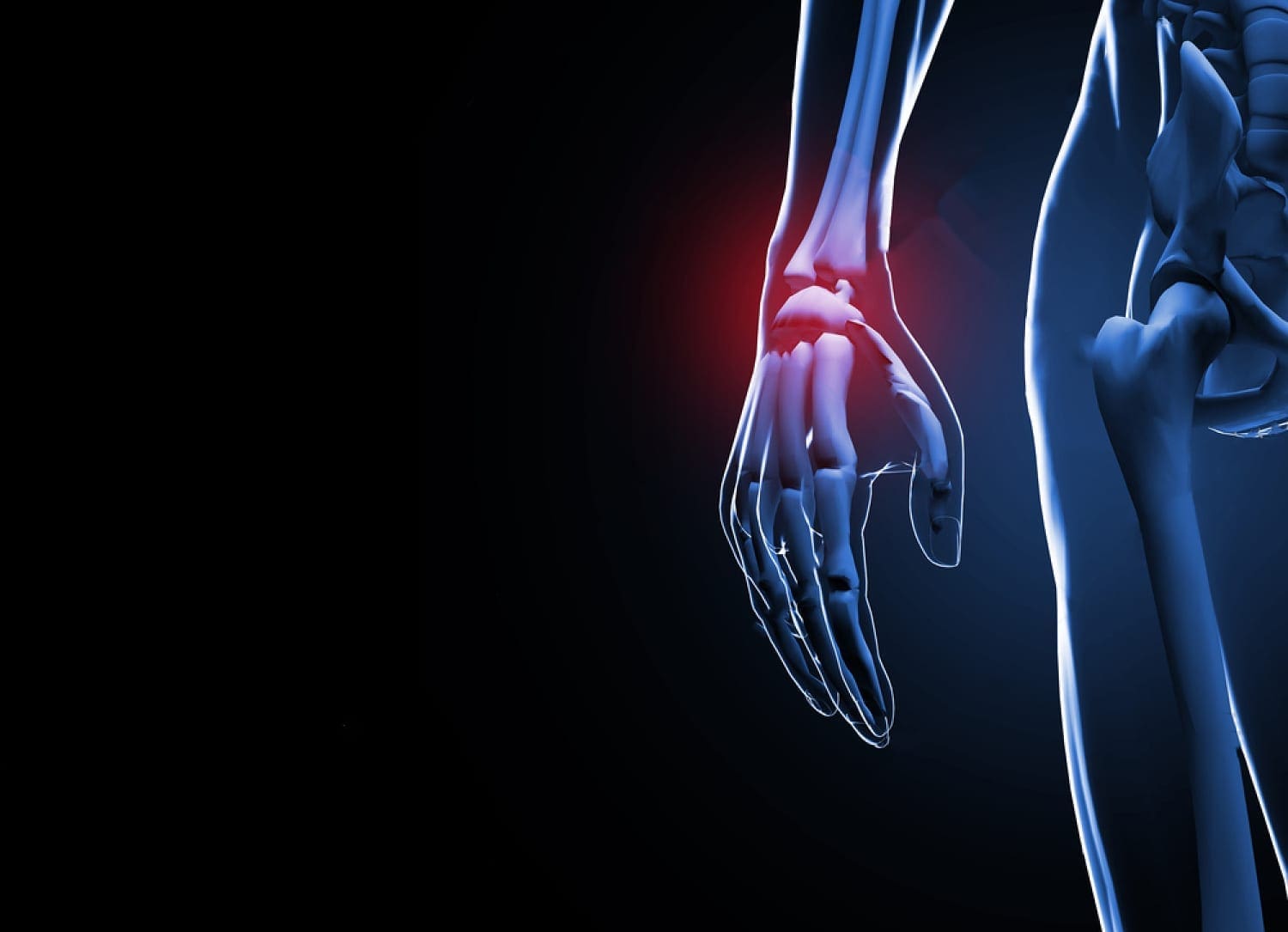
Individuals who have fractured their scaphoid bone may experience pain and swelling in the wrist just below the thumb. Can immobilization with a cast and physical therapy help?
Scaphoid Fracture
A scaphoid fracture is a break in one of the wrist’s small or carpal bones. This type of fracture occurs most often after a fall onto an outstretched hand. Symptoms typically include swelling and pain in the wrist just below the base of the thumb. These fractures can be difficult to diagnose since they don’t always appear on an X-ray. If the X-ray is negative and the healthcare provider suspects a scaphoid fracture, an MRI may be necessary. Surgery may be required in more severe cases or when the injury is not healing correctly. (American Academy of Orthopaedic Surgeons, 2023)
A Break In The – Navicular Bone
The scaphoid is one of eight carpal bones in the wrist. It is located just below the thumb’s base and is shaped like a kidney bean. This bone can be identified by holding a thumbs-up position and feeling for the hollow between the two tendons below your thumb. The scaphoid is located at the base of the hollow. A break in the scaphoid bone most commonly occurs in the middle of the bone but can also happen at either end. A scaphoid fracture can be displaced or non-displaced (American Academy of Orthopaedic Surgeons, 2023)
Displaced Fracture
It is when the bone fragments have moved out of alignment.
Non-displaced Fracture
It is when the fragments are still in their normal location in the hand.
The scaphoid’s blood supply comes from a small vessel that enters the most distant part of the bone and flows back through the bone. Because of this one small blood supply, a fracture in the center can stop the circulation to the proximal portion of the bone. Because of this, scaphoid fractures need immediate diagnosis and treatment.
Symptoms
Pain or deep aching on the thumb-side of the wrist, typically after a fall on an outstretched arm, could be a scaphoid fracture. Other symptoms experienced include: (American Academy of Orthopaedic Surgeons, 2023)
A healthcare provider will evaluate the hand for tenderness and pain in the hollow and/or the bone. If a break is suspected, they will order an X-ray. (Clementson M., Björkman A., & Thomsen N. O. B. 2020) Many patients are diagnosed with a wrist sprain when they have a fracture. Diagnosis can be difficult because the fracture often doesn’t appear on X-rays until weeks after the healing process starts. Physicians commonly treat a wrist injury as a scaphoid fracture initially and then repeat X-rays within two weeks. (American Academy of Orthopaedic Surgeons, 2023) If the injury doesn’t show on an X-ray, the provider may order an MRI, as these fractures can be easier to see on an MRI. An MRI can help ensure appropriate treatment immediately. (Wong S. B. S., & Peh W. C. G. 2019)
Treatment
If a wrist fracture is diagnosed, the wrist will be immobilized in a cast. However, a healthcare provider may also put the wrist in a cast if the X-ray is negative but they suspect a fracture. This will stabilize the injury until an MRI can be performed. With immobilization and follow-up treatment, scaphoid fractures often heal without surgery. Repeat X-rays are taken over several weeks or months so the provider can make sure the injury is healing correctly. If it is not healing correctly, surgery may be recommended. (Clementson M., Björkman A., & Thomsen N. O. B. 2020) If the fracture is displaced, healing correctly may be a challenge. In this case, a physician may recommend initial surgery to reposition the bones. (Clementson M., Björkman A., & Thomsen N. O. B. 2020) This type of surgery involves pinning the bone in place with screws.
Rehabilitation is an important part of healing because immobilization takes a long time. Wrist range-of-motion exercises can be started, followed by strengthening exercises for the wrist flexors and extensors. Supination, pronation, and grip exercises are also part of physical therapy.
This condition causes degeneration of the cartilage in the joint.
Avascular Necrosis
This is when the blood supply to the bone is reduced or cut off, causing the bone to die.
Injury Medical Chiropractic and Functional Medicine Clinic
Injury Medical Chiropractic and Functional Medicine Clinic works with primary healthcare providers and specialists to build optimal health and wellness solutions. We focus on what works for you to relieve pain, restore function, prevent injury, and mitigate issues through adjustments that help the body realign itself. The clinic can also work with other medical professionals to integrate a treatment plan to resolve musculoskeletal problems.
Skateboarding Injury Treatment
References
American Academy of Orthopaedic Surgeons. (2023). Scaphoid fracture of the wrist. https://orthoinfo.aaos.org/en/diseases–conditions/scaphoid-fracture-of-the-wrist
Clementson, M., Björkman, A., & Thomsen, N. O. B. (2020). Acute scaphoid fractures: guidelines for diagnosis and treatment. EFORT open reviews, 5(2), 96–103. https://doi.org/10.1302/2058-5241.5.190025
Wong, S. B. S., & Peh, W. C. G. (2019). The role of magnetic resonance imaging in the evaluation of scaphoid fractures. Journal of Medical Radiation Sciences, 66(1), 3–4. https://doi.org/10.1002/jmrs.316
Almigdad, A., Al-Zoubi, A., Mustafa, A., Al-Qasaimeh, M., Azzam, E., Mestarihi, S., Khair, Y., & Almanasier, G. (2024). A review of scaphoid fracture, treatment outcomes, and consequences. International orthopaedics, 48(2), 529–536. https://doi.org/10.1007/s00264-023-06014-2
Can individuals experiencing difficulty with functional mobility benefit from physical therapy to help them return to normal activities?
Outcome Measurement Tests
Outcome measurement tests assess the effects of a treatment plan on a patient. They can be used to determine a patient’s baseline function, monitor their progress, and evaluate the effectiveness of treatment. They also give the therapy team an effective way to measure mobility, flexibility, and range of motion.
The physical therapist may use other functional outcome measurements to help assess physical therapy progress.
They may measure your strength and range of motion.
Balance and posture may be evaluated.
Effective functional outcome measurement tests must meet certain criteria to be useful in a physical therapy clinic. First, they must be reliable, meaning the results must be consistent with each patient and within groups of patients. They must also be valid to measure exactly what they are intended to measure. An effective measurement test must also be easy to administer, so it must be practical and simple. Outcome measurement tests must also be purposeful. For example, a balance test must reflect a patient’s current function and be related to their balance ability.
Common Outcome Measurement Tests Used
Common functional outcome measurement tools that a physical therapist may use include:
The timed up-and-go or TUG test is a simple assessment used to evaluate a person’s mobility and balance by measuring how long it takes them to stand up from a chair, walk a short distance, turn around, walk back, and sit down again; it’s often used to identify potential fall risks in older adults, particularly those with mobility concerns, as a longer time to complete the task may indicate increased fall risk. (Centers for Disease Control and Prevention, 2017)
The Tinetti balance and gait evaluation, also known as the Performance-Oriented Mobility Assessment (POMA), is a clinical test used to assess balance and gait abilities, particularly in older adults. It evaluates stability during various standing and walking tests and provides a score that indicates a person’s fall risk potential.
The Berg Balance Scale (BBS) is a standardized test for adults that measures balance and the risk of falling. It’s widely used and can be performed in various settings.
The six-minute walk test (6MWT) is a medical assessment in which a person walks as far as they can in a designated area for exactly six minutes. This allows healthcare providers to evaluate their functional exercise capacity. It is particularly useful for assessing patients with lung or heart conditions where walking ability might be compromised. The distance covered during the six minutes is the key measurement used to interpret the test results. (Ferreira M. B. et al., 2022)
The functional reach test (FRT) is a clinical assessment that measures an individual’s dynamic balance by determining the maximum distance they can reach forward while standing in a fixed position. It assesses their risk of falling by evaluating how far they can extend their arm before losing stability. The FRT is often used to assess older adults or individuals with potential balance issues.
The Oswestry low back pain disability questionnaire is a self-administered questionnaire used to measure the level of disability a person experiences due to low back pain. It assesses how the pain impacts their daily activities in various aspects of life, such as personal care, work, and social life; a higher score indicates greater disability.
The functional independence measure (FIM) assesses a patient’s ability to perform daily activities independently. It also measures the patient’s disability level and how much assistance is needed.
Functional outcome measurement tests provide a starting point for developing physical therapy goals. For example, if the TUG test takes 19 seconds, individuals may aim for 10 seconds. A TUG score that falls at or over 10 seconds indicates reduced physical capacity (Kear B. M., Guck T. P., & McGaha A. L. 2017). This can be the motivation needed to reach physical therapy goals.
Injury Medical Chiropractic and Functional Medicine Clinic
Injury Medical Chiropractic and Functional Medicine Clinic works with primary healthcare providers and specialists to build optimal health and wellness solutions. We focus on what works for you to relieve pain, restore function, prevent injury, and help mitigate issues through adjustments that help the body realign itself. They can also work with other medical professionals to integrate a treatment plan to resolve musculoskeletal problems.
Understanding The Effects of Personal Injury
References
American Physical Therapy Association. (N.D.). Outcome Measures in Patient Care. https://www.apta.org/your-practice/outcomes-measurement
Centers for Disease Control and Prevention. (2017). Timed Up & Go Assessment. Retrieved from https://www.cdc.gov/steadi/media/pdfs/steadi-assessment-tug-508.pdf
Ferreira, M. B., Saraiva, F. A., Fonseca, T., Costa, R., Marinho, A., Oliveira, J. C., Carvalho, H. C., Rodrigues, P., & Ferreira, J. P. (2022). Clinical associations and prognostic implications of 6-minute walk test in rheumatoid arthritis. Scientific reports, 12(1), 18672. https://doi.org/10.1038/s41598-022-21547-z
Kear, B. M., Guck, T. P., & McGaha, A. L. (2017). Timed Up and Go (TUG) Test: Normative Reference Values for Ages 20 to 59 Years and Relationships With Physical and Mental Health Risk Factors. Journal of primary care & community health, 8(1), 9–13. https://doi.org/10.1177/2150131916659282
Can a knee brace relieve discomfort, provide support, and expedite recovery for individuals recovering from an injury or surgery?
Knee Brace
A knee brace is a medical device that supports and stabilizes the knee joint to help with pain and recovery after an injury or surgery. Many knee braces are made of various materials and offer a range of support levels. A healthcare provider or physical therapist can recommend the appropriate one for your condition and suggest the best one. Ask a healthcare provider if you’re unsure, as wearing a knee brace correctly and for the recommended time is important for healing. They are generally safe. However, individuals with health conditions such as poor circulation should be cautious when using them and consult their healthcare provider.
What They Do
The knee joint comprises bones, cartilage, ligaments, tendons, and muscles. A knee brace stabilizes these structures, preventing them from moving too much or too fast. Some braces redistribute the knee joint’s weight, decreasing the force the knee absorbs. (American Academy of Family Physicians, 2020)
Conditions
A knee brace is used after surgery to aid in healing and following an injury. This can be:
Knee braces differ in function and support level. Some stabilize the knee, while others completely immobilize the joint. A healthcare provider and/or physical therapist will explain what support is needed and how to use it. They can also check the brace’s fit and determine if adjustments or a different size are required.
Most Commonly Used
Prophylactic Brace
This is a protective knee pad that shields the kneecap from direct impact.
A knee unloader is typically used to control discomfort due to inflammatory conditions like tendonitis and osteoarthritis.
Functional
This brace limits motion in the joint after an injury or prevents dislocation.
Bledsoe Brace
This brace has straps to wrap around the thigh and shin and support brackets on the inside and outside of the knee joint.
A small mechanism locks the knee into full extension or allows the knee to bend a specific amount.
Knee Immobilizer
A knee immobilizer keeps the knee in one position.
It is a long cloth brace that runs the length of the shin and thigh.
Knee Brace vs Knee Support
A knee support or sleeve is usually a tight-fitting fabric garment. It provides compression to help reduce swelling and discomfort. A knee brace offers more support and can also be set to limit mobility.
Wearing The Brace
Individuals may need to wear a knee brace all day or only when performing specific tasks and operations. It depends on the individual and the condition the brace is being used for. Some may only need to wear a knee brace during certain activities or a flare-up of pain. (Mayo Clinic, 2022) Wearing a brace for unnecessarily long periods can cause skin abrasion, joint stiffness, and muscle atrophy. (American Academy of Family Physicians, 2020) Conversely, neglecting to wear it can cause more susceptibility to injury or extend and or impair healing time. Ask a healthcare provider when you should and should not wear the brace. This could be when:
Sitting
Walking
Driving
Sleeping
Stretching
Contraindications
Some medical conditions can make an individual susceptible to injury and adverse effects from wearing a knee brace. These include: (Holden, M. A. et al., 2021)
Poor circulation
Superficial wounds on the knee
Psoriasis
Eczema
Arterial insufficiency
Severe varicose veins
A history of thrombophlebitis
Injury Medical Chiropractic and Functional Medicine Clinic
If you have one of these conditions, a healthcare provider will decide if a knee brace is safe. Injury Medical Chiropractic and Functional Medicine Clinic works with primary healthcare providers and specialists to build optimal health and wellness solutions. We focus on what works for you to relieve pain, restore function, prevent injury, and help mitigate issues through adjustments that help the body realign itself. They can also work with other medical professionals to integrate a treatment plan to resolve musculoskeletal problems.
Best Knee Injury Chiropractor
References
American Academy of Family Physicians. (2020). Knee Bracing: What Works? https://familydoctor.org/knee-bracing-what-works/
Sprouse, R. A., McLaughlin, A. M., & Harris, G. D. (2018). Braces and Splints for Common Musculoskeletal Conditions. American family physician, 98(10), 570–576.
American Academy of Pediatrics. (2019). Knee pain: how to choose the right knee brace for your child. https://www.healthychildren.org/English/health-issues/injuries-emergencies/sports-injuries/Pages/Knee-Pain-and-braces.aspx
Mayo Clinic. (2022). To brace or not to brace: What’s the best answer? https://www.mayoclinichealthsystem.org/hometown-health/speaking-of-health/to-brace-or-not-to-brace#:~:text=If%20you%20have%20early%20onset%2C%20mild%20arthritis,below%20the%20knee%20for%20compression%20and%20comfort.
Holden, M. A., Callaghan, M., Felson, D., Birrell, F., Nicholls, E., Jowett, S., Kigozi, J., McBeth, J., Borrelli, B., Jinks, C., Foster, N. E., Dziedzic, K., Mallen, C., Ingram, C., Sutton, A., Lawton, S., Halliday, N., Hartshorne, L., Williams, H., Browell, R., … Peat, G. (2021). Clinical and cost-effectiveness of bracing in symptomatic knee osteoarthritis management: protocol for a multicentre, primary care, randomised, parallel-group, superiority trial. BMJ open, 11(3), e048196. https://doi.org/10.1136/bmjopen-2020-048196
IFM's Find A Practitioner tool is the largest referral network in Functional Medicine, created to help patients locate Functional Medicine practitioners anywhere in the world. IFM Certified Practitioners are listed first in the search results, given their extensive education in Functional Medicine