Integrative Chiropractic Care for Gut-Hormone Health
Abstract
In this educational post, we embark on a journey deep into the intricate systems that govern our health, exploring the profound and often overlooked influence of the gut microbiome and key nutrients on our overall well-being, particularly hormone metabolism and systemic inflammation. Drawing on my years of clinical practice, I will share the latest findings from leading researchers, translated into practical insights for your health journey. We will demystify complex concepts such as gut dysbiosis and leaky gut, explaining their physiological underpinnings and how they can manifest as common conditions like PCOS, endometriosis, autoimmune disorders, and even mood changes. This post will illuminate the intricate process of estrogen metabolism and how an imbalanced gut can disrupt it, potentially increasing health risks. We’ll then bridge this knowledge to practical, evidence-based strategies, emphasizing how integrative chiropractic care, combined with targeted nutritional support and lifestyle adjustments, provides a powerful framework for restoring gut health, optimizing hormonal balance, and enhancing your body’s natural healing capabilities.
Unlocking Systemic Wellness By Understanding The Gut Microbiome
Welcome. For years, in my clinical practice at the El Paso Back Clinic, I have observed patients with chronic musculoskeletal issues who also struggle with seemingly unrelated problems—fatigue, hormonal imbalances, and persistent inflammation. This led me, nearly a decade ago, to delve deeper into the science of the gut. What I discovered, and what is now being robustly confirmed by leading researchers, is that the root cause of many metabolic and hormonal disruptions lies within our digestive system. My goal today is not to overwhelm you, but to raise awareness of key concepts that can significantly impact your health outcomes.
The gut microbiome is a complex ecosystem comprised of trillions of microorganisms—bacteria, viruses, fungi, and more—residing primarily in our large intestine. These microbes are not passive bystanders; they are crucial for:
Digestion and Nutrient Absorption: Breaking down food components that our bodies cannot.
Immune System Regulation: Training and modulating our immune responses.
Hormone Metabolism: Playing a direct role in regulating hormones like estrogen through a process known as enterohepatic circulation.
This intricate internal world is influenced by our diet, lifestyle, stress levels, medications, and even genetics. The gut’s influence extends far beyond digestion, affecting everything from brain function (the gut-brain axis) to cardiovascular health.
Gut Dysbiosis: When The Internal Ecosystem Is Disrupted
One of the most critical concepts in gut health is dysbiosis. This term describes an imbalance in the gut’s microbial community, specifically an overgrowth of “bad” or pathogenic bacteria at the expense of beneficial, or commensal, bacteria.
Why is this imbalance so problematic? One major reason is the production of lipopolysaccharides (LPS). LPS are endotoxins found in the outer membrane of certain pathogenic bacteria. When these bacteria proliferate, more LPS is released. If the gut lining is compromised, these inflammatory molecules can enter the bloodstream, triggering a systemic inflammatory response. This low-grade, chronic inflammation is a known driver of numerous conditions, including:
Cardiovascular disease
Neuropathology
Polycystic Ovary Syndrome (PCOS)
Autoimmune conditions like Hashimoto’s thyroiditis
As an integrative clinician, I’ve learned that addressing the gut is non-negotiable for achieving lasting results. By restoring the dominance of beneficial bacteria, which can help manage and clear pathogenic strains, we can significantly reduce the body’s inflammatory load and improve clinical outcomes, whether we’re treating chronic back pain, metabolic syndrome, or hormonal disruption.
Leaky Gut (Intestinal Permeability): The Breach In The Barrier
Hand in hand with dysbiosis is the concept of leaky gut, or increased intestinal permeability. While they are distinct, they often occur together and fuel each other in a vicious cycle.
Imagine the lining of your intestines as a tightly controlled barrier, made up of a single layer of cells joined by structures called tight junctions. These junctions act as gatekeepers, allowing micronutrients to pass into the bloodstream while blocking larger, undigested food particles, toxins, and microbes.
Leaky gut occurs when these tight junctions loosen and become “leaky”. This allows substances that should remain confined to the gut to enter the systemic circulation, where the immune system identifies them as foreign invaders and launches an inflammatory response. This process is a primary mechanism behind food sensitivities, allergies, and autoimmune reactions.
Common Causes of Leaky Gut:
Poor Diet: The Standard American Diet (SAD), high in processed foods, sugar, and unhealthy fats, is a major contributor.
Chronic Stress: Both mental and physical stress elevate cortisol, a hormone that can degrade the integrity of the gut lining.
Toxin Overload: Environmental toxins, alcohol, and certain medications can damage intestinal cells.
Physical Trauma: Research has shown that a break in these tight junctions can occur within just 20 minutes of a traumatic brain injury (TBI) or concussion. This highlights the profound and immediate connection between physical trauma and gut integrity, a key consideration in our chiropractic and physical therapy practice.
Because we live in a society filled with these triggers, many of us are likely experiencing some degree of intestinal permeability. Recognizing the signs is the first step toward healing.
The Gut-Hormone Axis: PCOS, Endometriosis, And Estrogen
The connection between gut health and hormonal balance is one of the most exciting frontiers in medicine. Recent studies are cementing the gut’s role as a central regulator of our endocrine system.
The PCOS and Endometriosis Connection
For conditions like Polycystic Ovary Syndrome (PCOS) and endometriosis, the current literature increasingly points to gut dysbiosis as a foundational root cause.
PCOS: Gut dysbiosis can drive the pathophysiology of PCOS by worsening inflammation and insulin resistance—two key features of the syndrome. The inflammatory cascade initiated by LPS directly contributes to these metabolic disruptions, as detailed in a comprehensive 2025 review (He & Li, 2025).
Endometriosis: An imbalanced gut microbiome can increase the levels of circulating estrogen metabolites that stimulate the growth of endometrial lesions. The link is so strong that studies show a 50% increased risk of Inflammatory Bowel Disease (IBD) in individuals with endometriosis, underscoring the shared inflammatory pathway originating in the gut (Jiang et al., 2021).
How The Gut Directly Metabolizes Estrogen
The gut’s role in hormone regulation is not just indirect; it’s a direct, biochemical process. Here’s how it works:
Liver Conjugation: Hormones like estrogen are sent to the liver for detoxification. The liver attaches a molecule to estrogen metabolites to neutralize them and tag them for excretion.
Excretion via the Gut: This “packaged” or conjugated estrogen is then sent to the gut for elimination from the body.
The Role of Beta-Glucuronidase: This is where gut health becomes critical. If you have dysbiosis, unhealthy bacteria produce an enzyme called beta-glucuronidase.
Recirculation of “Bad” Estrogen: Beta-glucuronidase acts like a pair of scissors, “un-packaging” the estrogen. This frees the potentially harmful estrogen to be reabsorbed back into the bloodstream, where it can increase the risk for estrogen-dominant conditions and hormone-related cancers (Plottel & Blaser, 2011).
This is a powerful example of how addressing gut health can directly mitigate hormonal risks. By fostering a healthy microbiome, we reduce beta-glucuronidase levels, ensuring that harmful estrogen metabolites are safely excreted.
The Synergistic Power of Essential Vitamins
While gut health is foundational, a body’s ability to use hormones correctly also depends on crucial vitamin cofactors. The assumption that symptoms like fatigue or depression automatically signal low hormone levels can be misleading.
I recall a case from over a decade ago involving an 18-year-old male presenting with depression, obesity, and profound fatigue. His labs revealed a robust testosterone level of 900 ng/dL but critically low Vitamin B12 and nearly non-existent Vitamin D. Instead of hormones, we used a simple, powerful regimen: a high-quality B-complex, a blend of vitamins A, D, and K, and iodine. The transformation was remarkable. This illustrates a key principle: hormones are useless if your cells lack the cofactors to utilize them.
The Critical Link Between Vitamin D, A, and K2
The connection between Vitamin D and testosterone is well-documented (Wehr et al., 2010). In my clinical observation, I aim for patients’ Vitamin D levels to be in the optimal range of 60-80 ng/mL to support endocrine function, immune health, and disease prevention.
However, Vitamin D supplementation must be balanced:
Vitamin D3 raises serum calcium. This is beneficial, but without proper direction, calcium can accumulate in arteries and soft tissues.
Vitamin K2 (Menaquinone) is the “calcium shuttle.” It activates proteins that direct calcium into bones and teeth, preventing arterial calcification (Shearer & Newman, 2008).
Vitamin A (Retinol) works with D and K2. It helps the body excrete any excess calcium, completing this tightly regulated system. It’s also essential for activating receptors for both Vitamin D and thyroid hormone.
If a patient on a high dose of oral Vitamin D isn’t seeing their levels rise, it’s a strong indicator of potential gut malabsorption issues, which then becomes a primary focus of our investigation.
The Universal Importance of Iodine and Selenium
Iodine is a critical mineral for thyroid hormone production, but it’s also vital for the health of breast, ovarian, and prostate tissues. Low iodine status is strongly linked to an increased risk of hormone-sensitive cancers (Eskin, 1977). This systemic deficiency is why I consider iodine a crucial part of a comprehensive health strategy.
A persistent myth suggests that individuals with Hashimoto’s thyroiditis should avoid iodine. The actual issue is not iodine but a selenium deficiency. The thyroid uses iodine to make hormones, producing hydrogen peroxide as a byproduct. Selenium is the key antioxidant needed to neutralize this byproduct. Insufficient selenium increases oxidative stress, damaging the thyroid and triggering an autoimmune attack. Therefore, many researchers now consider Hashimoto’s to be, at its core, a selenium deficiency state until proven otherwise.
The Role of Integrative Chiropractic and Functional Medicine
At our clinic, we believe in a multifaceted strategy that combines physical medicine with functional nutrition to address these core issues. A healthy gut and balanced nutritional status are foundational to reducing systemic inflammation, which in turn helps alleviate musculoskeletal pain and improves the body’s ability to heal from injury.
The Chiropractic Foundation for Systemic Health
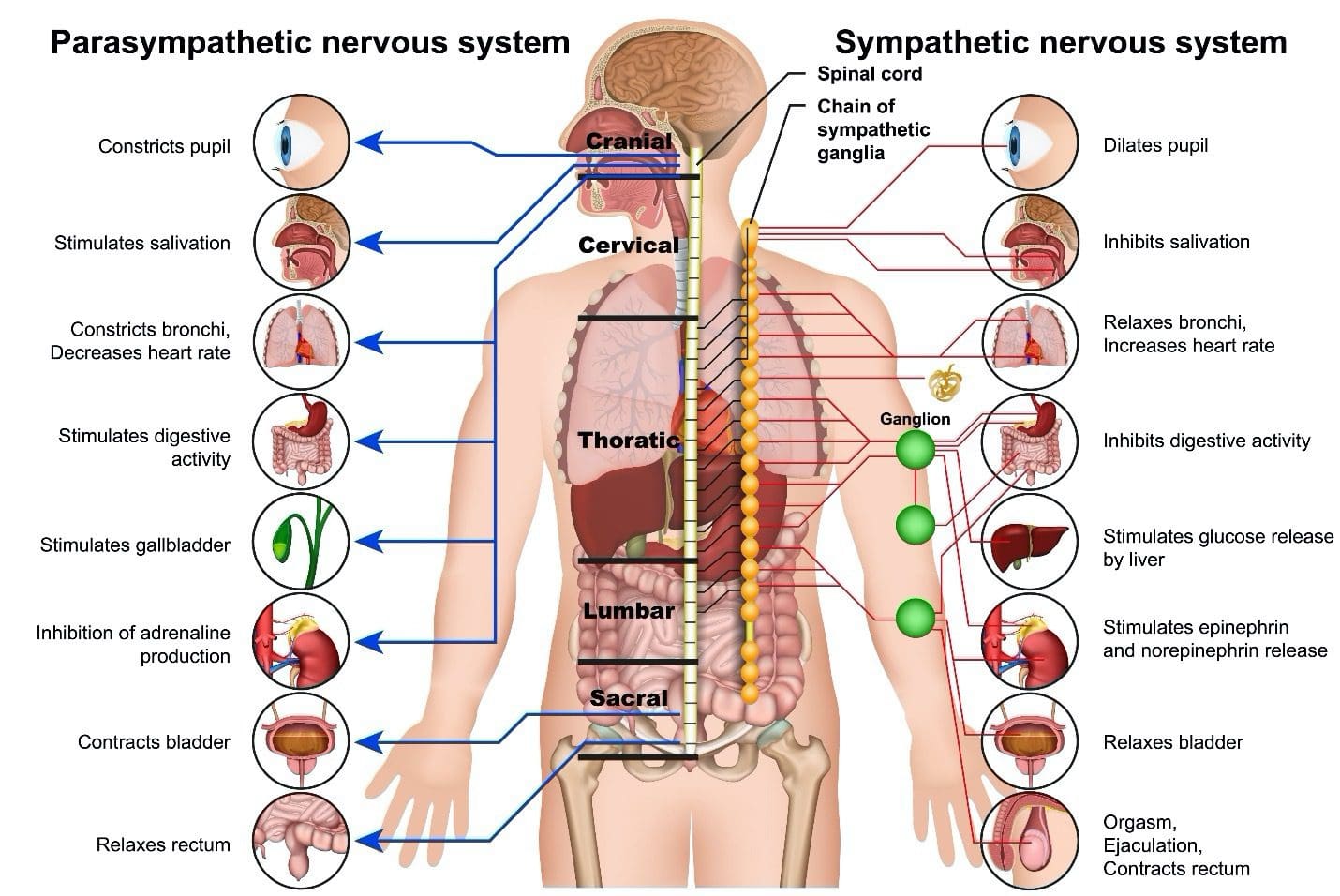
Your nervous system is the master control system for your entire body, including your endocrine (hormonal) system and your digestive tract. The brain communicates with your glands and organs via the spinal cord and peripheral nerves.
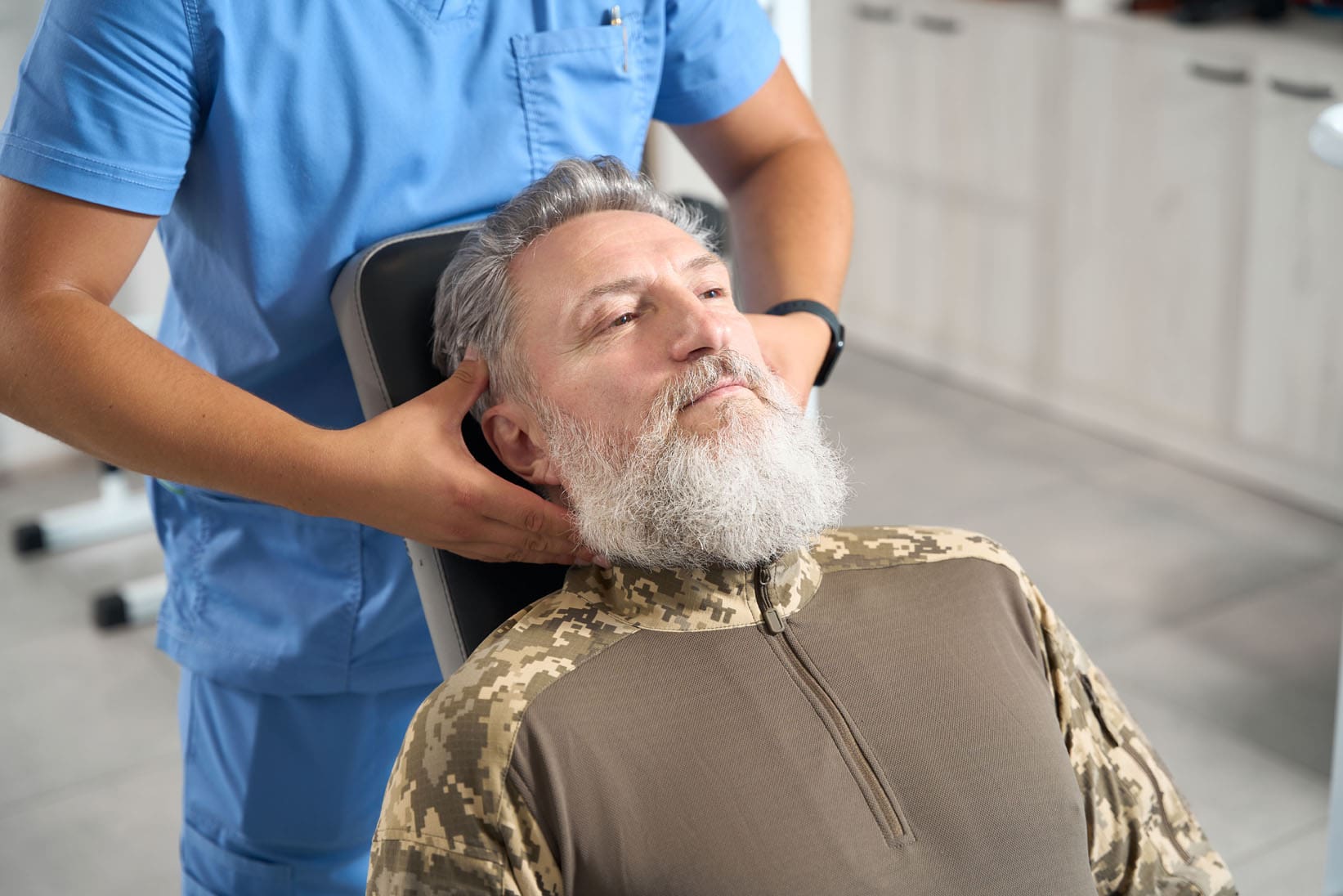
Structural Alignment and Nerve Function: If there are misalignments in the spine, known as vertebral subluxations, they can interfere with this communication pathway. This is like having static on the phone line between your brain and your gut or hormone-producing glands. By performing specific chiropractic adjustments, we can restore proper alignment and mobility, which may improve nerve flow to the digestive organs, potentially enhancing absorption and overall gut health.
Stress Reduction: Chiropractic adjustments have been shown to have a powerful effect on the autonomic nervous system, helping to shift the body from a “fight-or-flight” (sympathetic) state to a “rest-and-digest” (parasympathetic) state. Chronic stress is a major driver of hormonal imbalance and leaky gut. By reducing neurological stress, chiropractic care helps create a more favorable internal environment for both hormonal balance and gut healing.
Enhanced Healing and Physical Therapy: A body that is not fighting a constant internal battle against inflammation caused by a leaky gut is one that can heal from a spinal injury more quickly and respond better to therapeutic exercise. By addressing the body’s internal environment, we enhance the effectiveness of our core chiropractic and physical therapy services. This allows us to create personalized, effective treatment plans that not only alleviate symptoms but also build a resilient foundation for long-term health and wellness.
A Comprehensive “4R” Gut Healing Program
For patients with significant gut-related symptoms, we implement a structured “4R” program alongside our physical medicine protocols:
Remove: The first step is to remove the triggers damaging the gut. This involves identifying and eliminating inflammatory foods, infections, and other toxins.
Replace: Next, we replace what’s missing for proper digestion, such as digestive enzymes or hydrochloric acid (HCI), to reduce the burden on the gut.
Reinoculate: This involves reintroducing beneficial bacteria using high-quality, multi-strain probiotics and feeding them prebiotics, such as fiber and polyphenols.
Repair: Finally, we provide key nutrients to help heal and seal the gut lining. L-glutamine is the primary fuel for intestinal cells and is critical for repairing leaky gut. Other powerful anti-inflammatory and healing nutrients include berberine, zinc, and marshmallow root.
By integrating these functional medicine principles with our core chiropractic and physical therapy services, we create a truly holistic and powerful approach. This comprehensive model addresses the body as an interconnected system, leading to more profound and lasting health transformations.
Rejuvenate After Travel: Chiropractic and Integrative Care at El Paso Back Clinic
Travel, whether for a weekend getaway or a long road trip, can leave you feeling drained, stiff, and mentally foggy. At El Paso Back Clinic, under the expertise of Dr. Alexander Jimenez, DC, APRN, FNP-BC, we specialize in addressing travel fatigue through chiropractic care and integrative therapies. This article explores how our holistic approach addresses the physical and neurological effects of travel, including muscle stiffness and nervous system imbalances, while promoting relaxation, stress relief, and enhanced sleep quality. Learn how Dr. Jimenez’s dual-scope expertise helps travelers, athletes, and injury victims recover naturally and prevent long-term issues.
What is Travel Fatigue?
Travel fatigue is a combination of physical and mental exhaustion resulting from prolonged sitting, time zone changes, or the stress of navigating unfamiliar environments (Kuoda Travel, 2023). It affects everyone, from high school students returning from a vacation to frequent flyers. At El Paso Back Clinic, we understand that travel fatigue can disrupt your quality of life, making it hard to bounce back to daily routines.
Physical Impacts: Muscle and Joint Stiffness
Sitting in cramped airplane seats or hunching over the steering wheel during a road trip can lead to muscle tightness and poor posture. This lack of movement reduces circulation, causing stiffness in the neck, back, and legs (Get Radiant Life, 2023). Over time, these issues can contribute to chronic pain if not addressed.
Neurological Impacts: Nervous System Disruptions
Travel disrupts the nervous system, affecting the body’s internal clock and leading to symptoms such as jet lag, irritability, and brain fog (Collective Chiro, 2023). These disturbances can weaken your immune system, leaving you vulnerable to illness post-travel.
Why Address Travel Fatigue?
Ignoring travel fatigue can prolong recovery and impact your health. At El Paso Back Clinic, we use chiropractic adjustments and integrative therapies to restore balance, helping you feel refreshed and ready to tackle your routine.
At El Paso Back Clinic, chiropractic care is the cornerstone of our approach to travel fatigue. Dr. Jimenez’s expertise as a chiropractor and nurse practitioner ensures a comprehensive recovery plan tailored to each patient.
Aligning the Spine for Optimal Health
Prolonged sitting during travel can misalign the spine, causing discomfort and restricted mobility. Chiropractic adjustments correct these misalignments, relieving nerve pressure and improving circulation (Desert Shadows Chiropractic, 2023). This process reduces stiffness and restores posture, helping you move freely again.
Supporting Nervous System Balance
A healthy spine supports a balanced nervous system, which is critical for overcoming travel-related fatigue. Adjustments enhance nerve communication, aiding recovery from jet lag and stress (Advantage Chiropractic, 2023). This balance boosts energy and mental clarity, essential for returning to school or work.
Clinical Benefits
Dr. Jimenez’s adjustments are evidence-based, reducing inflammation and improving blood flow to support recovery (Get Radiant Life, 2023). Regular chiropractic care helps prevent chronic issues, promoting long-term wellness.
Our integrative therapies at El Paso Back Clinic complement chiropractic care, addressing relaxation, stress, and sleep quality to ensure a full recovery.
Swedish Massage for Muscle Relaxation
Swedish massage uses gentle strokes to relax tight muscles and improve blood flow, ideal for easing travel-related tension (Red Mint, 2023). It also promotes endorphin release, reducing anxiety and improving mood after a long trip.
Acupuncture for Energy Restoration
Acupuncture stimulates specific points to enhance energy flow and balance the nervous system. This therapy improves circulation and sleep quality, helping you recover from fatigue and jet lag (Trinity Acupuncture, 2023; Acupuncture NE, 2023).
IV Therapy for Nutrient Replenishment
Travel can deplete essential nutrients, worsening fatigue. IV therapy delivers vitamins and hydration directly to your bloodstream, supporting muscle and nerve function (Austin MD Clinic, 2023). This rapid rehydration is ideal for students or athletes who need a quick recovery.
Massage for Jet Lag and Stress Relief
Massage therapy regulates the digestive system and promotes mental relaxation, countering jet lag’s effects (Spa Theory, 2023). It also flushes toxins from muscles, reducing post-travel soreness (Kaizen Health Group, 2023).
Dr. Jimenez’s dual licensure allows him to treat a wide range of injuries at El Paso Back Clinic, from travel fatigue to severe trauma caused by work, sports, personal incidents, or motor vehicle accidents (MVAs).
Work-Related Injuries
Repetitive strain or lifting injuries can cause chronic pain. Dr. Jimenez uses spinal adjustments and targeted exercises to restore mobility, while acupuncture and massage reduce inflammation (Jimenez, 2023, https://dralexjimenez.com/).
Sports Injuries
Athletes benefit from our spinal decompression and manual adjustments, paired with acupuncture to speed recovery and prevent re-injury. Nutritional guidance supports performance (Jimenez, 2023, https://www.linkedin.com/in/dralexjimenez/).
Personal Injuries
Falls or accidents at home can lead to neck or back pain. Dr. Jimenez employs advanced imaging and integrative therapies like IV therapy to promote healing (Jimenez, 2023, https://www.facebook.com/reel/24240689962228572).
Motor Vehicle Accident Injuries
MVAs often cause whiplash or soft tissue damage. Our clinic combines chiropractic care with acupuncture and massage, supported by detailed diagnostics for comprehensive recovery (Jimenez, 2023, https://www.instagram.com/reel/DMXxvgsiwAt/).
Dr. Jimenez’s expertise extends to medical care and legal documentation for personal injury cases, ensuring patients receive both healing and justice.
Holistic Medical Care
Using X-rays, MRIs, and dual-scope diagnostics, we identify the causes of injuries and create tailored treatment plans that incorporate chiropractic care, exercises, and integrative therapies (Jimenez, 2023, https://x.com/threebestrated/status/1947288030055678043).
Advanced Diagnostics and Treatment at El Paso Back Clinic
Our clinic’s approach integrates cutting-edge diagnostics with personalized treatment to address the root causes of injuries and fatigue.
Dual-Scope Diagnosis
Dr. Jimenez combines chiropractic and medical assessments to evaluate musculoskeletal and systemic issues, ensuring a thorough understanding of each patient’s condition (Jimenez, 2023, https://www.pinterest.com/pin/1132936850022111288/).
At El Paso Back Clinic, Dr. Alexander Jimenez and our team provide a comprehensive solution to address travel fatigue and injuries. Through chiropractic care, Swedish massage, acupuncture, IV therapy, and advanced diagnostics, we address muscle stiffness, nervous system imbalances, and more. Whether recovering from a vacation weekend or an MVA, our personalized treatments promote natural healing and prevent long-term issues. Contact El Paso Back Clinic at 915-850-0900 to start your recovery today!
El Paso Back Clinic’s Holistic Path to Wellness and Recovery
At El Paso Back Clinic® | El Paso, TX Wellness Chiropractic Care Clinic, we champion a comprehensive approach that integrates chiropractic care with personalized nutrition and lifestyle strategies to foster optimal health and recovery. Our team, guided by Dr. Alex Jimenez, DC, APRN, FNP-BC, focuses on finding and treating the main reasons for injuries and ongoing pain by combining spinal adjustments, customized diet plans, and various therapies. This holistic method ensures patients recover from injuries, manage pain, and achieve lasting wellness. Below, we explore how our approach enhances healing, focusing on key elements like spinal health, nutrition, and rehabilitation, tailored for the El Paso, TX community.
Restoring Spinal Wellness
Spinal health is the foundation of our care at El Paso Back Clinic. Chiropractic adjustments correct misalignments, relieving nerve pressure and enhancing mobility. A properly aligned spine reduces discomfort and improves overall body function. Paired with a nutrient-rich diet, including foods high in calcium and vitamin D, these adjustments strengthen bones and support long-term spinal health. Our experienced chiropractors, led by Dr. Jimenez, use evidence-based techniques to promote lasting spinal wellness (Chiropractor in Oviedo, 2023).
Personalized Nutrition Guidance
At El Paso Back Clinic, we offer customized nutritional counseling to meet each patient’s specific needs. Our team, including nurse practitioners and nutritionists, evaluates health goals to create meal plans that reduce inflammation, boost energy, or aid recovery from injuries. By encouraging nutrient-dense foods like fruits, vegetables, and lean proteins, we amplify the benefits of chiropractic care, empowering patients to adopt sustainable dietary habits for long-term wellness (Dr. Matt Lucas, 2023).
Designing a Nutrient-Rich Diet
We craft our nutrition plans to provide balance and support healing. They feature lean proteins, whole grains, and healthy fats to fuel the body, alongside anti-inflammatory foods like berries and fatty fish. Consistent meals stabilize energy, while targeted nutrients promote recovery. This structured dietary approach aligns with our holistic philosophy, supporting the body’s natural healing processes (Dr. Marc Rogers, 2023).
Easing Inflammation Naturally
Chronic inflammation can prolong pain and hinder recovery. At El Paso Back Clinic, we incorporate omega-3-rich foods, such as salmon and flaxseeds, into our nutrition plans to combat inflammation naturally. Chiropractic adjustments complement the strategy by reducing joint stress, further lowering inflammation levels. This dual approach accelerates healing and enhances patient comfort, particularly for those recovering from injuries (Active Health Center, 2023).
Enhancing Musculoskeletal Strength
Our clinic supports the musculoskeletal system through chiropractic care and nutrition. Adjustments improve joint mobility, while nutrients like magnesium and vitamin C aid muscle repair and bone strength. Our rehabilitation programs, including targeted exercises, enhance flexibility and prevent injuries. This comprehensive approach ensures patients maintain strength and mobility, supporting an active lifestyle (Grove Chiropractic, 2023).
Supporting Nervous System Balance
A healthy nervous system is critical for overall wellness. Our spinal adjustments remove nerve interference, improving communication between the brain and body. Nutritional plans rich in B vitamins and antioxidants support nerve health, enhancing coordination and reducing discomfort. This integrated approach optimizes nervous system function, helping patients feel balanced and energized (Rangeline Chiropractic, 2023).
Promoting Digestive Health
Gut health significantly impacts overall well-being, and we address it through diet and stress management. Our nutrition plans include fiber-rich foods like broccoli and probiotics from yogurt to support digestion and immunity. Chiropractic care reduces stress, which can disrupt gut function, fostering a healthier digestive system. This approach boosts energy and strengthens the body’s natural defenses (Dr. Marc Rogers, 2023).
Hydration for Optimal Recovery
Hydration is essential for health and recovery. Water lubricates joints, supports nutrient delivery, and enhances spinal function. At El Paso Back Clinic, we encourage patients to maintain proper hydration to amplify the benefits of chiropractic care and improve overall body performance. This simple practice significantly enhances treatment outcomes (Active Health Center, 2023).
Individualized Supplementation Plans
Each patient at El Paso Back Clinic receives a personalized care plan, often including supplements like vitamin D or omega-3s based on diagnostic assessments. Our nurse practitioner services, led by Dr. Jimenez, use blood tests and health evaluations to ensure precise recommendations. This tailored approach maximizes the effectiveness of chiropractic and nutritional interventions, supporting optimal recovery (Dr. Matt Lucas, 2023).
Unified Approach to Wellness
The power of our approach lies in its integration of therapies. Chiropractic care corrects spinal misalignments, while nutrition and lifestyle changes promote long-term health. Therapies like acupuncture, massage, and rehabilitation address pain’s root causes, providing a comprehensive path to recovery. This holistic approach ensures lasting results for our patients (Grove Chiropractic, 2023).
Dr. Alex Jimenez: Leader in Injury Recovery
Dr. Alex Jimenez, a board-certified chiropractor and family nurse practitioner, has led El Paso Back Clinic for over 20 years since graduating from the University of Vermont. Specializing in work, sports, personal, and motor vehicle injuries, he uses advanced imaging, like X-rays, and diagnostic assessments to pinpoint injury causes. His dual expertise ensures accurate diagnoses and tailored treatment plans, combining chiropractic care, targeted exercises, massage therapy, acupuncture, and nutrition.
Dr. Jimenez excels in managing legal paperwork for personal injury cases, simplifying insurance claims for patients. His integrative approach addresses neuromusculoskeletal issues, promotes natural healing, and prevents long-term complications. Clinical observations from his practice highlight how this method restores optimal health by targeting injury root causes (Jimenez, 2023).
Integrated Rehabilitation for Injuries
Our rehabilitation services combine chiropractic care, targeted exercises, massage therapy, acupuncture, and nutrition to address a wide range of injuries. Adjustments restore spinal alignment, exercises strengthen muscles, and massage therapy relieves tension. Acupuncture reduces pain, while nutrition supports overall recovery. This multi-faceted approach promotes natural healing, prevents chronic issues, and helps patients return to an active lifestyle (Rangeline Chiropractic, 2023).
At El Paso Back Clinic® | El Paso, TX Wellness Chiropractic Care Clinic, our integrative care and nutrition plan offers a powerful approach to healing. By combining chiropractic adjustments with personalized nutrition and comprehensive therapies, we help patients recover from injuries, manage pain, and achieve optimal health. Contact us at 915-850-0900 or [email protected] to start your journey to a pain-free, healthier life.
Discover the connection between the nervous system, auto injuries, and long-term health consequences in this informative article.
Introduction: The Sneaky Nature of Whiplash
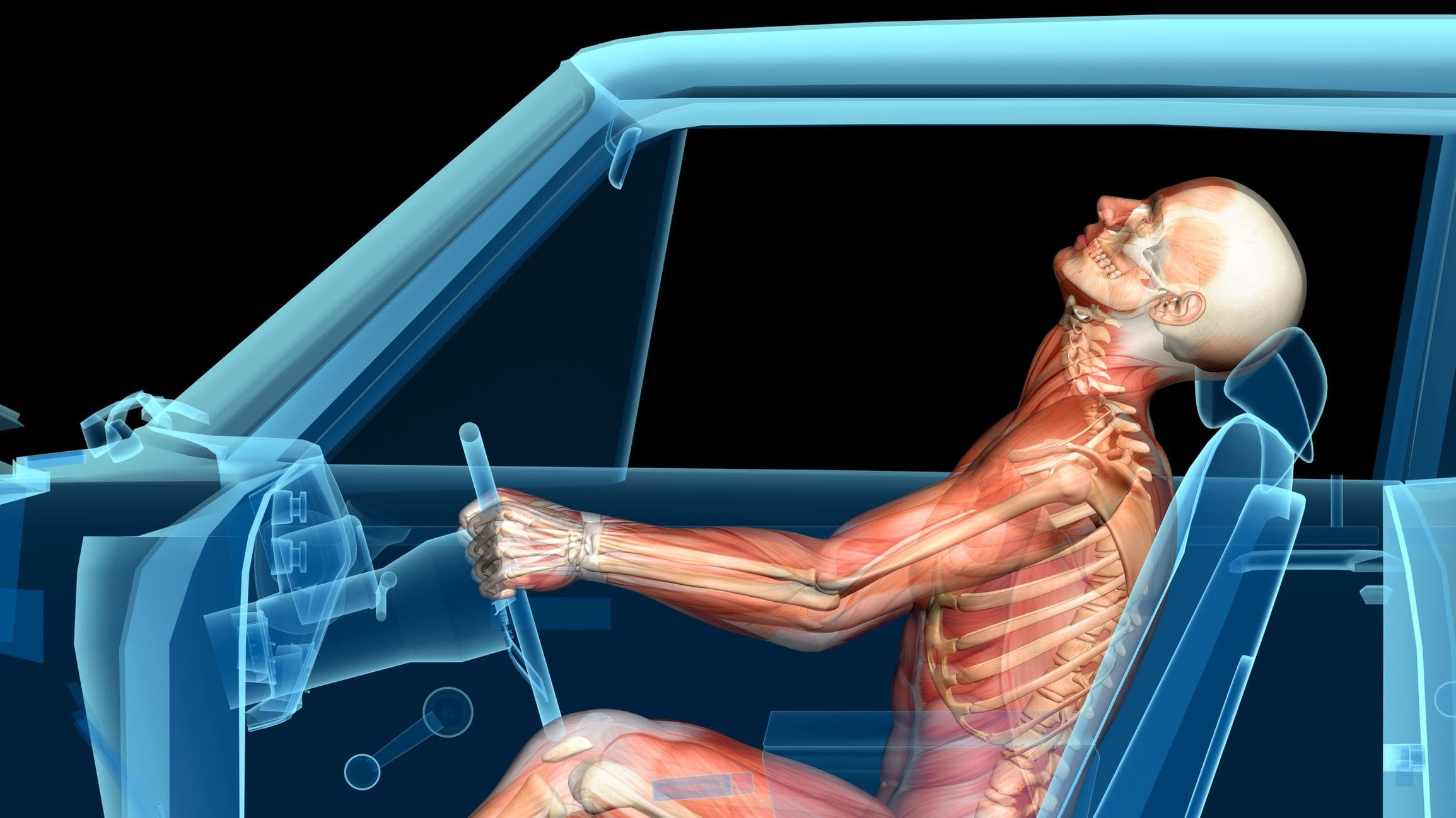
Picture this: you’re cruising along, maybe singing to your favorite tune, when—BAM!—another car rear-ends you. Your head snaps back and forth like a bobblehead on a bumpy road. That’s whiplash, and it’s not just a pain in the neck (pun intended). Whiplash is a common injury from motor vehicle accidents (MVAs), particularly rear-end collisions, and it can wreak havoc on your nervous system and even cause low back pain. It’s like that one guest at a party who spills punch on your carpet and then rearranges your furniture—disruptive and far-reaching.
In this comprehensive guide, we’ll explore how whiplash affects your nervous system, why it might lead to low back pain, and what symptoms to watch for. We’ll also delve into nonsurgical treatments, with a focus on chiropractic care, and highlight the expertise of Dr. Alexander Jimenez, a leading practitioner in El Paso, Texas, who specializes in helping accident victims recover. With a touch of humor to keep things light (think Uncle Fester from The Addams Family chuckling through the pain), we’ll make this journey informative and engaging. Let’s get started!
Understanding Whiplash: What’s Happening to Your Body?
Whiplash occurs when your neck undergoes a rapid back-and-forth motion, typically resulting from a car accident. This sudden force can stretch or tear muscles, ligaments, and tendons in your neck, like overstretching a rubber band. According to the National Safety Council, over 3 million car accidents happen annually in the U.S., with rear-end collisions being a leading cause of whiplash. The injury doesn’t always scream “I’m here!” right away—symptoms can sneak up days or even weeks later, making it a tricky condition to pin down.
Whiplash isn’t just about sore muscles. It can affect your spine, discs, and nerves, leading to a condition called whiplash-associated disorders (WADs). These disorders can range from mild discomfort to chronic pain, impacting your quality of life. The economic toll is also significant, with whiplash-related costs in the U.S. estimated at $10 billion annually, encompassing medical bills, lost work, and legal fees (Whaangaard et al., 2017).
Whiplash and the Nervous System: A Wiring Mishap
Your nervous system is like the internet of your body, with your brain as the central server and nerves as the cables that transmit signals. Whiplash can cause a “power surge” in this system, leading to issues like central hypersensitivity. This is when your brain and spinal cord become overly sensitive to pain, amplifying even minor sensations. It’s like your body’s alarm system going off for a leaf falling on your lawn instead of an actual intruder.
A meta-analysis of 27 trials found strong evidence of central hyperexcitability in chronic whiplash patients, making them more sensitive to pain throughout their body (El Paso Chiropractor Blog, 2016). This hypersensitivity can cause symptoms such as numbness, tingling, or weakness in your arms or hands, as nerves in your neck become irritated or damaged. Research also indicates that whiplash can lead to structural damage in nerves, including nerve root damage or injury to the cervical sympathetic chain, which regulates involuntary functions such as heart rate (ScienceDirect, n.d.).
In rare cases, whiplash can even affect specific nerves, such as the long thoracic or spinal accessory nerves, leading to unique symptoms, including shoulder weakness or pain (PMC, n.d.). These nervous system effects explain why whiplash can feel like more than just a neck injury—it’s a full-body communication breakdown.
The Connection to Low Back Pain: Why Your Back Hurts Too
You might be wondering, “If whiplash is a neck injury, why does my lower back hurt?” It’s a fair question, and the answer lies in the interconnected nature of your spine and nervous system. Here are the main reasons:
Referred Pain: Pain from your neck can “travel” to your lower back through shared nerve pathways. It’s like getting a headache from loud music—you’re not sure how it started, but it’s there. The cervical spine (neck) and lumbar spine (lower back) are linked by nerves, so irritation in one area can be felt in another.
Spinal Hypersensitivity: Whiplash can cause your spinal cord to become overly sensitive, amplifying pain signals throughout your body. This means even if your lower back wasn’t directly injured, it might still hurt because your nervous system is on high alert (Johnson & Davis, 2018).
Whole-Spine Impact: The force of a car accident doesn’t just affect your neck. The jolt can strain muscles and ligaments in your lower back, causing direct injury. Studies show that low back pain is reported in about 35% of whiplash patients, and interscapular (between the shoulder blades) pain is common in 20% (ScienceDirect, n.d.).
This connection highlights why whiplash is often misdiagnosed or undertreated—doctors might focus on the neck and miss the root cause of the back pain.
The Science of Motion- Video
Symptoms of Whiplash: A Symphony of Discomfort
Whiplash can produce a wide range of symptoms, like a band playing out of tune. Here’s a breakdown of the most common ones, affecting both the nervous and musculoskeletal systems:
Symptom
Description
Neck Pain and Stiffness
The hallmark of whiplash ranges from mild aches to severe pain, which can limit movement.
Headaches
Often starting at the skull’s base, linked to muscle tension or nerve irritation.
Dizziness
A spinning sensation, possibly from vestibular or cervical nerve issues.
Shoulder Pain
Pain is spreading from the neck due to shared muscles and nerves.
Low Back Pain
Reported in 35% of cases, either referred from the neck or from direct injury.
Numbness/Tingling
In arms or hands, caused by nerve irritation or compression.
Fatigue
Persistent tiredness, possibly from chronic pain or nervous system stress.
Cognitive Difficulties
Trouble concentrating or experiencing memory issues, sometimes referred to as “brain fog.”
These symptoms can vary in intensity and may not appear immediately, making it crucial to seek medical evaluation after an accident, even if you feel fine initially.
Nonsurgical Treatments: Getting Back to Normal Without a Scalpel
The good news? Most whiplash cases can be treated without surgery, and there are several effective options to help you recover. Here’s a look at the main approaches:
Chiropractic Care
Chiropractors are like the body’s mechanics, tweaking your spine to get everything back in alignment. By performing gentle spinal adjustments, they can reduce nerve pressure and ease pain. A study published in The Spine Journal found that chiropractic care significantly reduced pain and improved function in patients with whiplash (Osmotherly et al., 2012). It’s particularly effective for addressing central hypersensitivity, calming those overactive nerves (El Paso Chiropractor Blog, 2016).
Physical Therapy
Physical therapists design exercise programs to strengthen neck and back muscles, improve flexibility, and restore range of motion. Techniques such as massage, ultrasound, or electrical stimulation can also help reduce pain and inflammation.
Medications
Over-the-counter pain relievers, such as ibuprofen or acetaminophen, can help manage pain and reduce inflammation. In severe cases, doctors may prescribe muscle relaxants or stronger anti-inflammatory drugs.
Electro-acupuncture
This involves placing small needles in specific points and applying a low-level electrical current. It’s thought to reduce nerve compression and improve function, especially for nerve-related pain (El Paso Back Clinic, n.d.).
Functional Medicine
This holistic approach examines underlying factors, such as inflammation or hormonal imbalances, that may exacerbate pain. Practitioners may recommend dietary changes, supplements, or stress management to support recovery (El Paso Back Clinic, n.d.).
These treatments work best when started early, as delaying care can lead to chronic pain or disability.
Personal Injury Cases in El Paso: Dr. Alexander Jimenez’s Expertise
In El Paso, Texas, personal injury cases from MVAs are a significant concern, and Dr. Alexander Jimenez is a standout figure in helping victims recover. As a Doctor of Chiropractic, Advanced Practice Registered Nurse, and Board-Certified Family Nurse Practitioner, Dr. Jimenez brings a unique blend of skills to the table. His clinic, El Paso Back Clinic, offers comprehensive care for whiplash and other accident-related injuries.
Dr. Jimenez excels at using advanced imaging techniques, such as MRI and CT scans, and diagnostic evaluations to pinpoint the extent of injuries. This is crucial not only for treatment but also for legal documentation in personal injury cases. He acts as a liaison between medical care and legal proceedings, ensuring that injuries are accurately documented for insurance claims or lawsuits. His multidisciplinary team, including therapists, integrative doctors, nutritionists, and exercise specialists, provides holistic care that addresses both physical and systemic issues.
For example, a patient named Jane (name changed for privacy) shared: “After my car accident, I couldn’t turn my head without pain, and my lower back was killing me. Dr. Jimenez’s team used imaging to find the problem and created a plan that got me moving again. They also helped with my insurance claim, which took so much stress off my plate.” Stories like Jane’s highlight why Dr. Jimenez is a trusted name in El Paso.
The Importance of Early Intervention
Time is critical when it comes to whiplash. The sooner you seek treatment, the better your chances of avoiding chronic pain. Left untreated, whiplash can lead to long-term issues like persistent neck or back pain, headaches, or even psychological effects like anxiety. In places like Florida, you have only 14 days after an accident to seek care to qualify for certain insurance coverage, so acting fast is key (Alexander Orthopaedics, n.d.).
Dr. Jimenez emphasizes the importance of early evaluation, utilizing tools such as the Living Matrix to assess systemic factors that may contribute to pain. This proactive approach can make all the difference in your recovery.
The Bigger Picture: Whiplash’s Impact on Society
Whiplash isn’t just a personal issue—it’s a public health concern. With millions of car accidents annually, the prevalence of whiplash is staggering. Proper headrest adjustment can reduce the risk of neck pain by 24%, yet many drivers fail to use this simple precaution (PubMed, n.d.). The economic burden, including medical costs and lost productivity, underscores the need for effective treatment and prevention strategies.
Conclusion: Taking Whiplash Seriously
Whiplash from motor vehicle accidents can disrupt your nervous system, leading to symptoms like neck pain, headaches, and even low back pain. While it might seem like a minor injury, its effects can be far-reaching, especially if left untreated. Nonsurgical treatments, such as chiropractic care, physical therapy, and functional medicine, offer hope for recovery, and early intervention is crucial in preventing chronic issues.
In El Paso, Dr. Alexander Jimenez stands out as a leader in personal injury care. His expertise in advanced diagnostics and his role as a bridge between medical and legal needs make him an invaluable resource for accident victims. If you’ve been in a car accident, don’t wait—seek professional help to get back to your best self.
Disclaimer: This article is for informational purposes only and does not constitute medical advice. Always consult a qualified healthcare professional for diagnosis and treatment.
Can individuals reduce being sick by incorporating chiropractic care and health coaching as a treatment plan to relieve pain?
What Happens To The Body When It’s Sick?
How often do you feel constant aches and pains in various locations of your body? Do you feel that your head feels like there is cotton inside or that you have a pounding sensation that makes you stay in bed? Or how often have allergies made you constantly sneeze, making your back and chest hurt continuously? When it comes to the human body, these scenarios can cause a person to develop various ailments that can cause the body to become tired and sick. Environmental factors like stress, an excessive workload, improper dieting, and physical inactivity all play a role in causing overlapping risk profiles to the body while causing the immune system to work overtime. When it comes to the immune system and environmental factors, there is a bidirectional relationship as the immune system releases inflammatory cytokines to foreign pathogens and eliminates the issue. However, environmental factors affecting the immune system can even impact its functioning at the physical level. (Venter et al., 2020) When the body starts to feel sick, many people experience aches and pain in their muscles in the upper and lower quadrants. This can, over time, develop into overlapping pain-like symptoms that can cause doctors to prescribe medication to control these symptoms. Many symptoms that can be combined with being sick include:
Headaches/migraines
Nausea/vomiting
Fatigue
Muscle aches & pains
Allergies
When this happens, a person could be dealing with a tired, nervous system and experiencing body pains that can lead to various issues, thus needing treatment. We associate with certified medical providers who inform our patients of the benefits of incorporating chiropractic care and health coaching to improve their health and reduce sickness. While asking important questions to our associated medical providers, we advise patients to integrate ways to reduce the chances of being sick through a customized treatment plan. Dr. Alex Jimenez, D.C., envisions this information as an academic service. Disclaimer.
A Tired Nervous System & Body Pains
When it comes to the body starting to feel sick, it can be due to a tired, nervous system that is causing problems to arise in the body. The nervous system is the main control for the body as it controls pain, movement, organ function, and reactions, and the body needs to be consistently maintained to achieve optimal operations. When environmental factors affect the nervous system, it can lead to symptoms of nerve interference and body pain that can cause various issues. When various biomechanical, biochemical, and neuropsychological factors contribute to the body and cause pain, it can negatively affect a person’s quality of life. (Sarkovich et al., 2024) It can also negatively impact the spine and cause spinal misalignment, thus affecting the individual. When a person is dealing with spinal misalignment, they begin dealing with poor postural habits, limited range of motion, and pain within the upper, middle, and lower back. (Chu & Trager, 2022) This, in turn, causes a longer duration of the symptoms while increasing the presence and severity of degenerative changes. (Davis et al., 2022) So when degenerative changes and dangerous pressure are affecting the nerves correlated with spinal misalignment, many people can begin to seek treatment to realign the spine and reduce the chances of becoming sick.
The Role of Chiropractic Care On Improving Your Health-Video
Chiropractic Care For Improving The Body
When restoring spinal alignment and reducing the chances of the body becoming sick again, many people seek holistic, non-invasive, customized, cost-effective, holistic treatment. Chiropractic care can help realign the spine through manual and mechanical manipulation to determine the root cause of the issue and reduce nerve interference. Chiropractors can assess and detect nerve interference to identify any problems affecting the body. At the same time, chiropractic care can be used as a therapeutic intervention to regulate the body’s blood pressure and provide spinal rehabilitation. (Sullivan et al., 2020) At the same time, chiropractic care has a unique relationship with other treatments to ensure the body is healthy and energetic.
Health Coaching To Reduce Being Sick
While chiropractors can help restore the body through spinal realignment and rehabilitation, they also work with a health coach to make small changes and incorporate healthy habits to enhance chiropractic care. Exercise, proper dieting, and incorporating supplements combined with chiropractic care benefit complete wellness by reducing days of suffering from illnesses. (Khodakarami, 2020) When people start to think more about their help, incorporating chiropractic care with health coaching can be the key to maintaining healthy habits, listening, and being mindful of their bodies to reduce the effects of pain and discomfort. A healthy body can be energetic and free from diseases, dysfunction, pain, and discomfort, allowing individuals to continue their routine more healthily.
References
Chu, E. C., & Trager, R. J. (2022). Neck Pain and Headache After Pinealectomy: Improvement with Multimodal Chiropractic Therapies. Am J Case Rep, 23, e937906. https://doi.org/10.12659/AJCR.937906
Davis, B. A., Dunn, A. S., Golley, D. J., & Chicoine, D. R. (2022). Chiropractic Clinical Outcomes Among Older Adult Male Veterans With Chronic Lower Back Pain: A Retrospective Review of Quality-Assurance Data. J Chiropr Med, 21(2), 77-82. https://doi.org/10.1016/j.jcm.2022.02.004
Khodakarami, N. (2020). Treatment of Patients with Low Back Pain: A Comparison of Physical Therapy and Chiropractic Manipulation. Healthcare (Basel), 8(1). https://doi.org/10.3390/healthcare8010044
Sarkovich, S., Leonardi, C., Darlow, M., Martin, D., Issa, P., Soria, T., Bronstone, A., & Clement, C. (2024). Back pain in adolescent idiopathic scoliosis: frequency and risk factors. Spine Deform, 12(5), 1319-1327. https://doi.org/10.1007/s43390-024-00904-0
Sullivan, S. G., Paolacci, S., Kiani, A. K., & Bertelli, M. (2020). Chiropractic care for hypertension: Review of the literature and study of biological and genetic bases. Acta Biomed, 91(13-S), e2020017. https://doi.org/10.23750/abm.v91i13-S.10524
Venter, C., Eyerich, S., Sarin, T., & Klatt, K. C. (2020). Nutrition and the Immune System: A Complicated Tango. Nutrients, 12(3). https://doi.org/10.3390/nu12030818
The nervous system is a network of roads that feed into highways that connect to an interstate system. The roads are the nerves that innervate the muscles and the extremities; the interstate is the spinal cord. When the system works optimally, the nerves consistently transmit signals/messages to and from the brain without any problems. The signals travel back and forth, and the traffic flows smoothly. When the activities of these nerves and cells get disrupted, the central nervous system fails to perform basic functions that can cause musculoskeletal issues, conditions, and CNS diseases. Keeping the nervous system strong can be done by adopting ways to maintain health and function.
The Nervous System
The system regulates and coordinates body activities and is made up of two major divisions, these include the following:
Central nervous system – consists of the brain and spinal cord.
Peripheral nervous system – consists of all other neural elements, including the peripheral and autonomic nerves.
The principal organs of the nervous system include:
Brain
Spinal cord
Eyes
Ears
Sensory taste organs
Sensory smell organs
Sensory receptors are located in the muscles, joints, skin, and other areas throughout the body.
A complex network of nerves, the nervous system reacts to internal and external stimuli through several physical actions to maintain vital bodily functions. These include:
The symptoms of a nervous system disorder may present like other medical conditions or problems. Always see a professional healthcare provider for proper diagnosis.
Keeping the Nervous System Strong
Nutrition To Transmit Signals
Nerves need minerals, proteins, and vitamins to send electrical impulses. Foods that contain these nutrients include:
Calcium — regulates the generated and transmitted electrical impulses. Milk, leafy greens and eggs are rich sources of calcium.
Potassium – bananas, oranges, pomegranates, and prunes, are good sources of potassium.
Dark chocolate contains tryptophan, an amino acid that produces and maintains neurotransmitters.
Vitamin B — Vitamins B1, B2, and B6 assist the nerves in sending impulses from the brain to the body.
B Vitamins Provide Nerve Protection
A myelin sheath covers the nerves for protection and provides insulation for transmitting. Worn-out or damaged myelin sheaths have been associated with illnesses like Alzheimer’s. Vitamin B12 helps repair damaged nerves and regenerate fibers. It is found in beef, poultry, eggs, and seafood.
Folate or vitamin B9 promotes Schwann cell proliferation, migration, and production of nerve growth factor. This vitamin is found in spinach, pomegranates, and beets.
Stretching and Breathing
Stress produces the hormone cortisol. Constant production of cortisol affects the nervous system, which can affect reflexes, concentration, and memory. Stretching the body and learning breathing exercises and relaxation techniques activates the part of the nervous system responsible for breathing and heart rate, decreasing cortisol levels.
Chiropractic Care and Functional Medicine
The spinal cord has multiple functions in restoring, rejuvenating, and keeping the nervous system strong. Chiropractic care has a highly responsive therapeutic effect on the nervous system because of its focus on the spine. Spinal decompression, traction, soft tissue manipulation, and other treatments help regulate and restore the function of the nervous system. Chiropractic benefits:
Reduces or eliminates pain.
Regulates respiration.
Lowers heart rate.
Improves the quality of sleep.
Increases energy.
Improves digestive function.
Improves cognition and clarity.
Improves balance and coordination.
Increases flexibility and mobility.
Reduces or eliminates headaches and migraines.
Hyperhomocysteinemia
References
Archibald, Lennox K., and Ronald G. Quisling. “Central Nervous System Infections.” Textbook of Neurointensive Care 427–517. 7 May. 2013, doi:10.1007/978-1-4471-5226-2_22
Bhagavati, Satyakam. “Autoimmune Disorders of the Nervous System: Pathophysiology, Clinical Features, and Therapy.” Frontiers in neurology vol. 12 664664. 14 Apr. 2021, doi:10.3389/fneur.2021.664664
Gyer, Giles, et al. “Spinal manipulation therapy: Is it all about the brain? A current review of the neurophysiological effects of manipulation.” Journal of integrative medicine vol. 17,5 (2019): 328-337. doi:10.1016/j.joim.2019.05.004
Jessen, Kristján R et al. “Schwann Cells: Development and Role in Nerve Repair.” Cold Spring Harbor perspectives in biology vol. 7,7 a020487. 8 May. 2015, doi:10.1101/cshperspect.a020487
Powers, Scott K et al. “Disease-Induced Skeletal Muscle Atrophy and Fatigue.” Medicine and science in sports and exercise vol. 48,11 (2016): 2307-2319. doi:10.1249/MSS.0000000000000975
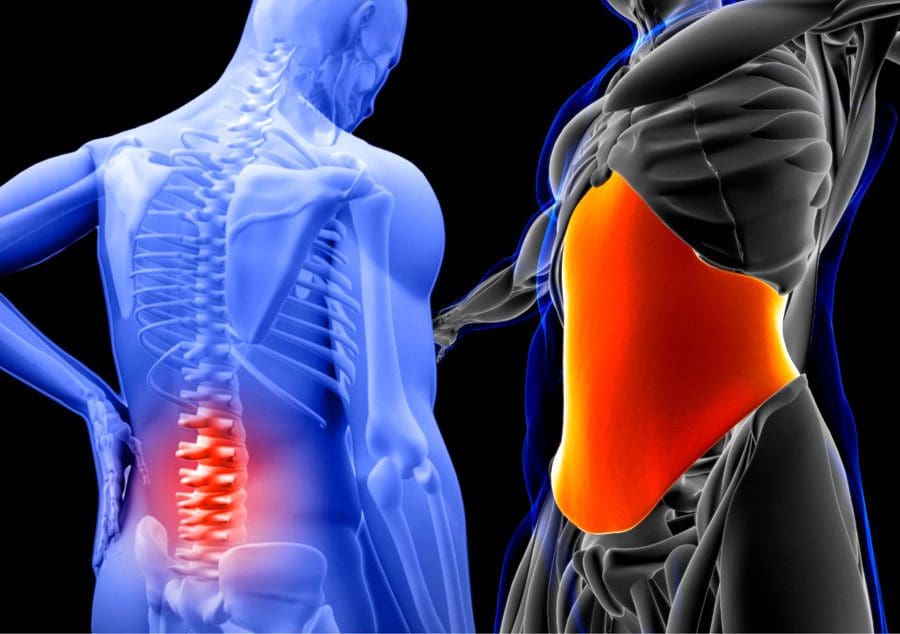
The lower back core muscles initiate and control movement and posture. Total body movements start at the pelvis and are carried out by the low back and abdominal muscles. These core muscles provide control and stability when moving. When the body is not moving, standing and sitting posture habits (healthy and unhealthy) develop based on how an individual controls/holds their pelvis posture. The lower back muscles are in constant demand for performing repetitive motions or forceful actions. The muscles become chronically tight and sore, joints and nerves get compressed, and bones and connective tissue stay in a stressed state, causing intense pain and damage to the body’s structure. These problems can result from muscle memory, the nervous system’s operating procedure to make movements automatic.
Muscle Memory
The nervous system controls the movement and contraction in the muscles and constantly reinforces and learns new movement patterns to become more efficient through muscle memory. However, this learning process allows for the development of healthy muscle habits and unhealthy muscular habits. An example is sitting using a slouching posture. The nervous system will store that posture data and subconsciously contract the abdominal and pectoral muscles, so the slouched posture takes over. Because of the continual usage and compromised postures, various muscles start to tighten up. Individuals are typically not aware of the gradual tightening until stiffness, soreness, and pain sets in. Tight muscles pull the skeleton in awkward ways that cause body misalignments, causing:
Individuals develop unique muscle patterns and tension levels throughout the body due to repetitive daily activities, stress responses, injuries sustained, and physical activities. Muscle memory issues can contribute to chronic back pain and sciatica. Unhealthy muscle memory causes the muscles not to return to their natural state but to the awkward position and makes that the natural state. Healthy muscle memory leads to instant reflexes that make movements smooth and effortless.
Chiropractic will relieve back and sciatica pain by inducing deep muscle relaxation that releases endorphins. The soreness and tension will be massaged, and mechanical decompression if necessary. Massage and stretching will help retrain muscle and movement memory, along with exercises to reinforce the retraining.
Spinal Decompression Therapy
References
Campbell, James N, and Richard A Meyer. “Mechanisms of neuropathic pain.” Neuron vol. 52,1 (2006): 77-92. doi:10.1016/j.neuron.2006.09.021
Wilder, David G et al. “Effect of spinal manipulation on sensorimotor functions in back pain patients: study protocol for a randomized controlled trial.” Trials vol. 12 161. 28 Jun. 2011, doi:10.1186/1745-6215-12-161
IFM's Find A Practitioner tool is the largest referral network in Functional Medicine, created to help patients locate Functional Medicine practitioners anywhere in the world. IFM Certified Practitioners are listed first in the search results, given their extensive education in Functional Medicine