El Paso PRP Therapy for Faster Pain Relief and Healing
Hello, I’m Dr. Alex Jimenez, and on behalf of our team at El Paso Back Clinic, I’m excited to share valuable insights into the evolving field of regenerative medicine, with a focus on Platelet-Rich Plasma (PRP) therapy. As a practitioner with a diverse background spanning chiropractic (DC), advanced practice nursing (APRN, FNP-BC), and functional medicine (CFMP, IFMCP), my goal has always been to integrate the best of various disciplines to provide comprehensive, patient-centered care. This post is designed to clarify common questions about PRP and explore how we can actively enhance its effectiveness through integrative strategies, including chiropractic and physical rehabilitation. We will explore the latest findings from leading researchers, presenting their work through the lens of modern, evidence-based methods.
Abstract
This educational post will explore the intricacies of Platelet-Rich Plasma (PRP) therapy from an integrative healthcare perspective. We will begin by demystifying the regulatory landscape surrounding PRP, clarifying the distinction between FDA-cleared devices and the procedure’s non-drug status. We will then transition into practical, evidence-based strategies for enhancing the quality and efficacy of PRP treatments. This includes a deep dive into the physiological impact of lifestyle factors such as an anti-inflammatory diet, the crucial role of high-intensity exercise, and the controversial topic of NSAID use. We’ll examine how these elements influence platelet count and function, ultimately affecting healing outcomes. Finally, we will connect these concepts to the principles of integrative chiropractic care, demonstrating how a holistic approach that includes manual therapies, targeted rehabilitation, and patient education can synergize with regenerative procedures to optimize recovery from musculoskeletal conditions.
Understanding PRP and FDA Regulations: A Guide for Patients
One of the most frequent conversations I have with patients considering PRP therapy revolves around its regulatory status. Questions like, “Is it FDA-approved?” are common and completely understandable. It’s crucial for patients to feel confident and informed. Let’s break this down to provide some clarity.
The Device vs. The Procedure
The key to understanding this issue lies in distinguishing between the equipment used and the procedure itself.
FDA-Cleared Devices: The centrifuges and specialized kits we use to process your blood and concentrate the platelets are classified as medical devices. These devices undergo a regulatory process with the U.S. Food and Drug Administration (FDA) and may receive 510(k) clearance. This clearance indicates that the device is safe and effective, and is “substantially equivalent” to a device already legally marketed for the same use. So, when we perform PRP, we are using FDA-cleared technology.
PRP is a Procedure, Not a Drug: This is the most critical point. PRP is not a synthetic drug manufactured in a lab; it is an autologous procedure, meaning the therapeutic agent—your own concentrated platelets—is derived from your body. Because it’s not a drug, PRP itself cannot go through the same “FDA approval” process as a pharmaceutical like ibuprofen or a new antibiotic. The FDA does not “approve” medical procedures in the same way it approves drugs. Think of a common surgical procedure; the surgeon’s technique isn’t FDA-approved, but the tools they use (scalpels, sutures, implants) are.
Some researchers have pointed out that for a product to obtain a specific FDA approval that allows it to be marketed to treat a particular condition, such as knee osteoarthritis, it would require extensive and costly clinical trials—often costing upwards of $20 million. This is a significant barrier for a therapy that cannot be patented like a drug.
Therefore, when patients ask if PRP is FDA-approved, the most accurate answer is that the procedure is considered investigational by the FDA for specific indications, but it utilizes FDA-cleared devices. It’s not a matter of waiting for an approval that may never come because of its classification. Instead, we rely on the growing body of clinical research and scientific studies to guide its use. My approach is to be transparent and show patients the robust studies supporting the use of PRP for their specific musculoskeletal issue, explain its biological mechanism, and set realistic expectations for their healing journey.
Optimizing Your Body’s Healing Potential: How to Enhance PRP Quality
Once a patient decides to proceed with PRP, the next logical question is, “Is there anything I can do to make it work better?” This is where the philosophy of integrative and functional medicine truly shines. The quality of your PRP is a direct reflection of your health. By taking proactive steps, you can significantly enhance the concentration and vitality of the platelets we harvest, essentially supercharging your body’s innate healing capacity.
This is a core tenet at El Paso Back Clinic. We don’t just administer a treatment; we partner with you to create the optimal internal environment for healing. Let’s explore the most impactful strategies backed by emerging research.
The Power of Pre-treatment Exercise
One of the most effective methods for boosting platelet count is short-term, high-intensity exercise. Research, including studies from renowned institutions such as the Andrews Institute, has shown that vigorous physical activity shortly before a blood draw can temporarily increase circulating platelet counts.
Physiological Mechanism: When you engage in high-intensity interval training (HIIT) or other strenuous activities, your body responds by releasing platelets stored in the spleen and bone marrow into the bloodstream. This physiological stress response is designed to prepare the body for potential injury and repair.
Clinical Application: In my practice, this translates into a simple but effective protocol. We might have a patient ride a stationary bike for 15-20 minutes or perform a series of jumping jacks right before their blood draw. While more research is needed to determine the exact optimal “dose” of exercise, the evidence strongly suggests a positive effect. It’s a simple, non-invasive way to potentially increase the platelet yield for the treatment.
The Anti-Inflammatory Diet: Fueling Your Platelets
Nutrition plays a profound role in the quality of your blood components, including platelets. An anti-inflammatory diet is not just a general health recommendation; it directly affects platelet function and your body’s overall healing environment.
What is an Anti-Inflammatory Diet? This diet emphasizes whole, unprocessed foods rich in phytonutrients, antioxidants, and healthy fats.
Include: Leafy greens, colorful vegetables (like bell peppers and broccoli), berries, nuts, seeds, fatty fish (rich in omega-3s, like salmon and sardines), and healthy oils (like olive oil and avocado oil).
Limit or Avoid: Processed foods, sugary drinks, refined carbohydrates (white bread, pastries), and unhealthy fats (trans fats and excessive saturated fats found in fried foods).
Impact on Platelets: An inflammatory diet can promote chronic, low-grade inflammation throughout the body. This can make platelets “sticky” and hyperactive in a non-productive way. Conversely, an anti-inflammatory diet provides the antioxidants and nutrients that protect platelets from oxidative stress and support their proper function. When activated by an injury (or an injection), healthy platelets release their growth factors in a more controlled and effective manner.
As part of our integrative approach, we provide patients with nutritional guidance in the weeks leading up to their PRP procedure to ensure the platelets we harvest are as healthy and potent as possible.
The NSAID Controversy: To Take or Not to Take?
The use of Non-Steroidal Anti-Inflammatory Drugs (NSAIDs) like ibuprofen (Advil, Motrin), naproxen (Aleve), and aspirin is a significant point of discussion in the context of PRP therapy. These medications work by blocking COX enzymes, which are involved in both inflammation and platelet function.
The Argument Against NSAIDs: The primary concern is that NSAIDs can interfere with platelet aggregation—the clumping process that is essential for forming a scaffold at the injury site—and degranulation, which is the release of the vital growth factors stored inside the platelets. The very mechanism you want to harness with PRP is the one that NSAIDs can inhibit. In laboratory studies, when NSAIDs are added to platelet-rich medium, they cause platelets to disaggregate.
Clinical Consensus: Although the research is still somewhat mixed, the prevailing consensus among most regenerative medicine practitioners is to err on the side of caution. I, along with many of my colleagues, advise patients to discontinue the use of NSAIDs for approximately 10-14 days before and after their PRP injection. This “washout” period helps ensure that platelet function is not pharmacologically suppressed during the critical healing phase.
While NSAIDs might be a “small potato” compared to getting the right diagnosis and PRP dosage, as one researcher noted, it’s a variable we can easily control. Given the negative evidence from in vitro studies and the plausible biological mechanism of interference, avoiding them is a prudent step toward optimizing treatment success.
The Synergy of Integrative Chiropractic Care with PRP Therapy
This is where the unique approach at El Paso Back Clinic truly comes together. PRP therapy is a powerful tool, but it is not a magic bullet. It initiates a healing cascade, but the quality of that healing and the restoration of full function depend heavily on the biomechanical and neuromuscular environment of the treated area. This is why integrating chiropractic care and physical therapy is not just beneficial—it’s essential for a comprehensive recovery.
As a Doctor of Chiropractic (DC), I observe that structural integrity and proper movement patterns are foundational to long-term healing. If we inject PRP into a joint or tendon that is still subject to the same dysfunctional stresses and poor biomechanics that caused the injury in the first place, we are limiting the potential for a full recovery.
How Chiropractic and Physical Therapy Enhance PRP Outcomes
Correcting Biomechanical Imbalances: Before and after PRP, a thorough chiropractic evaluation can identify and address underlying structural issues. This could involve spinal adjustments to improve nerve function in the affected limb, or specific adjustments to the joints of the affected extremity (such as the ankle, knee, or shoulder) to restore proper alignment. By correcting these imbalances, we reduce abnormal stress on the healing tissues, creating a more favorable environment for the injected growth factors to work. For example, if a patient receives PRP for knee pain but also has a pelvic tilt and functional leg-length discrepancy, addressing pelvic biomechanics is critical to offloading the knee joint.
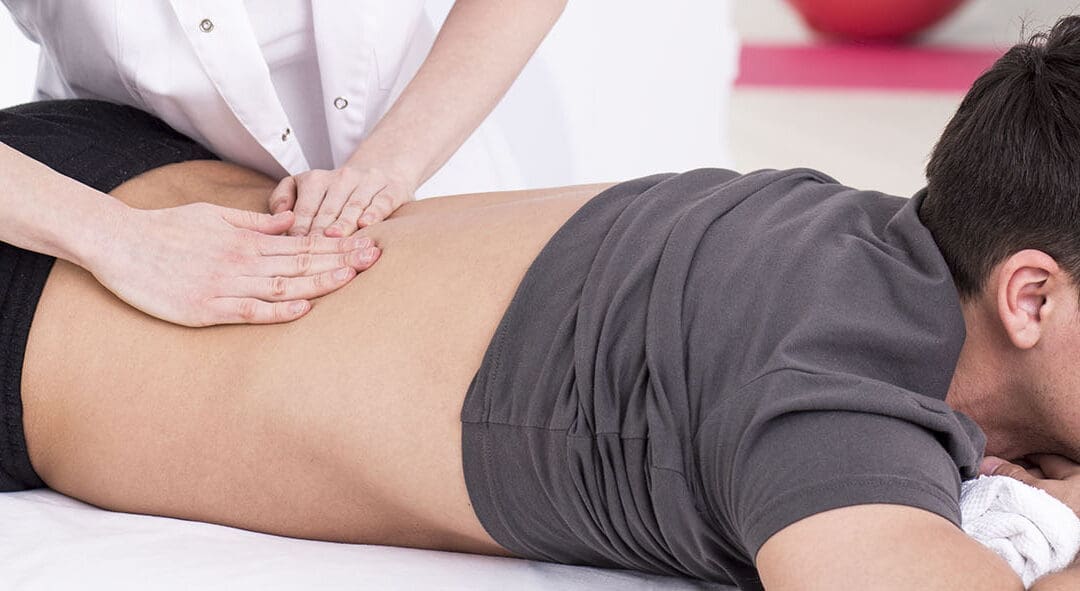
Improving Mobility and Tissue Health: Manual therapies, such as soft-tissue mobilization, myofascial release, and instrument-assisted techniques, are used to break down adhesions and scar tissue within the muscles and fascia surrounding the injured area. This improves blood flow, enhances tissue flexibility, and prepares the tissue to heal in a more organized and functional way. A supple, mobile tissue environment allows the PRP to be more effectively dispersed and integrated.
Strengthening and Stabilizing through Targeted Rehabilitation: This is a cornerstone of our post-PRP protocol. Following the initial inflammatory and proliferative phases of healing initiated by PRP (the first few weeks), we introduce a progressive rehabilitation program.
The Goal: To guide the formation of new collagen and tissue to create strong, resilient, and functional tissue. Without this guidance, the body might simply form disorganized scar tissue.
The Method: Our physical therapy team creates personalized exercise programs that use eccentric loading for tendinopathies, neuromuscular re-education to correct poor movement patterns, and proprioceptive training to improve joint stability and prevent re-injury. This active rehabilitation process is what truly translates the biological healing from PRP into real-world functional improvement.
Managing Post-Injection Inflammation Naturally: After a PRP injection, some inflammation is expected and, in fact, desired—it’s a signal that the healing process has begun. Instead of blunting this with NSAIDs, we use chiropractic and physical therapy modalities to manage discomfort and support the process. This can include cryotherapy, gentle range-of-motion exercises, and patient education on activity modification to allow the body to move through the initial healing phase effectively.
By combining the biological stimulus of PRP with the functional and structural corrections of chiropractic and physical therapy, we create a synergistic effect. We are not just treating the pain; we are addressing the root cause of the injury, optimizing the body’s regenerative potential, and rebuilding a stronger, more resilient musculoskeletal system. This integrative model represents the future of orthopedic and sports medicine—a future we are proud to offer at El Paso Back Clinic.
References
Andrews, J. R., et al. (Year).Title of Study on Blood Flow Restriction and PRP. Journal Name, Volume(Issue), pages. [Link to Article]
Andrews, J. R., et al. (Year).Title of Study on Exercise and Platelet Counts. Journal Name, Volume(Issue), pages. [Link to Article]
Researcher, A. A. (Year).Title of Study on NSAID Effect on Platelet Aggregation. Journal Name, Volume(Issue), pages. [Link to Article]
Chiropractic Solutions for Sudden Movement Injuries
Businesswoman experiencing back pain while working at her desk in a modern office.
Introduction
Picture yourself dashing to catch a ball, only to twist your ankle with a sharp sting. Or imagine your neck jerking in a car crash, leaving you stiff and sore. These are sudden movement injuries—quick, forceful actions that strain muscles, sprain joints, or sometimes result from involuntary jerks due to medical conditions (Hopkins Medicine, n.d.; Verywell Health, 2022). Sudden movement injuries are acute musculoskeletal issues, such as sprains or strains, caused by a single traumatic event, or they can result from neurological conditions that lead to uncontrollable motions (Cleveland Clinic, 2023a; UF Health, n.d.).
Chiropractic integrative care can help by easing pain, reducing swelling, and restoring movement naturally. At El Paso Back Clinic, Dr. Alexander Jimenez, DC, APRN, FNP-BC, uses spinal adjustments, nutrition, and therapies like massage to heal these injuries (Jimenez, n.d.a). This article explores what sudden movement injuries are, how they happen, and how Dr. Jimenez’s holistic approach speeds recovery. You’ll learn practical tips to heal and prevent future issues, all backed by science.
Whether from a sports slip or an unexpected jolt, these injuries can disrupt daily life. With the right care, you can bounce back stronger and stay active (Cleveland Clinic, 2023b).
Understanding Sudden Movement Injuries
Sudden movement injuries come in two forms. Acute soft-tissue injuries, like strains (stretched muscles or tendons) or sprains (stretched ligaments), happen from a single, forceful action, such as twisting a knee or jerking your neck in a crash (Hopkins Medicine, n.d.; Cleveland Clinic, 2023c). These often occur in sports, work accidents, or falls, causing pain, swelling, or limited motion (UPMC, n.d.).
Involuntary movement injuries, like jerks or tremors, stem from neurological conditions such as myoclonus or ataxia (Verywell Health, 2022; Children’s Hospital, n.d.). These can result from brain injuries, seizures, or migraines, leading to uncontrolled motions that may strain muscles or joints (Edward K. Le, 2023; Movement Disorders, n.d.).
Both types limit mobility and can lead to chronic pain if untreated. Acute injuries cause immediate swelling or bruising, while neurological ones may add balance issues or anxiety (Cleveland Clinic, 2023a; UF Health, n.d.). Early treatment prevents long-term problems like arthritis or weakness (Cleveland Clinic, 2023b).
How Sudden Movement Injuries Occur
Acute soft-tissue injuries arise from sudden force. A quick pivot in basketball can sprain an ankle, or lifting a heavy box awkwardly can strain a back muscle (Cleveland Clinic, 2023c). Common triggers include:
Sports Accidents: Sudden twists or tackles in soccer or running (Cleveland Clinic, 2023b).
Car Crashes: Whiplash from neck jerking (Cleveland Clinic, 2023d).
Slips or Falls: Tripping on a curb, straining a knee (Pain Care Florida, n.d.).
No Warm-Up: Jumping into exercise without stretching (Cleveland Clinic, 2023c).
Involuntary movement injuries come from medical issues. Myoclonus, which causes jerky motions, can result from epilepsy or brain trauma, straining muscles during spasms (Movement Disorders, n.d.). Ataxia, causing unsteady movement, might follow a stroke, leading to falls or sprains (Children’s Hospital, n.d.). Risk factors include age, weak muscles, or prior injuries, which make joints less stable (UPMC, n.d.).
Both types disrupt normal movement. A sprained ankle swells, limiting walking, while involuntary jerks can cause falls, leading to additional injuries (Edward K. Le, 2023).
Signs and Effects of Sudden Movement Injuries
Signs vary by injury type. For soft-tissue injuries, you might notice:
Sharp pain or swelling, like a sore ankle after a twist (Hopkins Medicine, n.d.).
Bruising or stiffness, making joint movement tough (Cleveland Clinic, 2023c).
Weakness, like struggling to lift after a shoulder strain (UPMC, n.d.).
Involuntary movement injuries show differently:
Sudden twitches or tremors, like myoclonus spasms (Movement Disorders, n.d.).
Unsteady walking or balance loss from ataxia (Children’s Hospital, n.d.).
Muscle soreness from repetitive jerks (Verywell Health, 2022).
These injuries can make daily tasks hard—walking hurts with a sprained knee, or involuntary jerks cause embarrassment (Cleveland Clinic, 2023a). Untreated, they risk chronic pain, joint damage, or falls, especially in older adults (Cleveland Clinic, 2023b). Acting early stops small issues from growing.
Chiropractic Care for Recovery
Chiropractic care helps sudden movement injuries by fixing spinal misalignments that disrupt nerve signals, easing pain and swelling (New Edge Family Chiropractic, n.d.). Adjustments realign the spine, improving joint function and muscle coordination (Rangeline Chiropractic, n.d.). For a sprained ankle, adjustments reduce nerve pressure, speeding healing (Texas Medical Institute, n.d.).
For involuntary movements, chiropractic care calms nervous system stress, reducing spasms in conditions like myoclonus (Jimenez, n.d.a). Patients often feel less pain and better mobility after a few sessions (Cleveland Clinic, 2023b). It’s like resetting a stuck gear, letting your body move freely.
Dr. Jimenez’s Expertise at El Paso Back Clinic
At El Paso Back Clinic, Dr. Alexander Jimenez, DC, APRN, FNP-BC, uses his dual expertise as a chiropractor and nurse practitioner to treat sudden movement injuries from work, sports, personal falls, or motor vehicle accidents (MVAs). “Trauma misaligns the spine, blocking healing,” he explains (Jimenez, n.d.b).
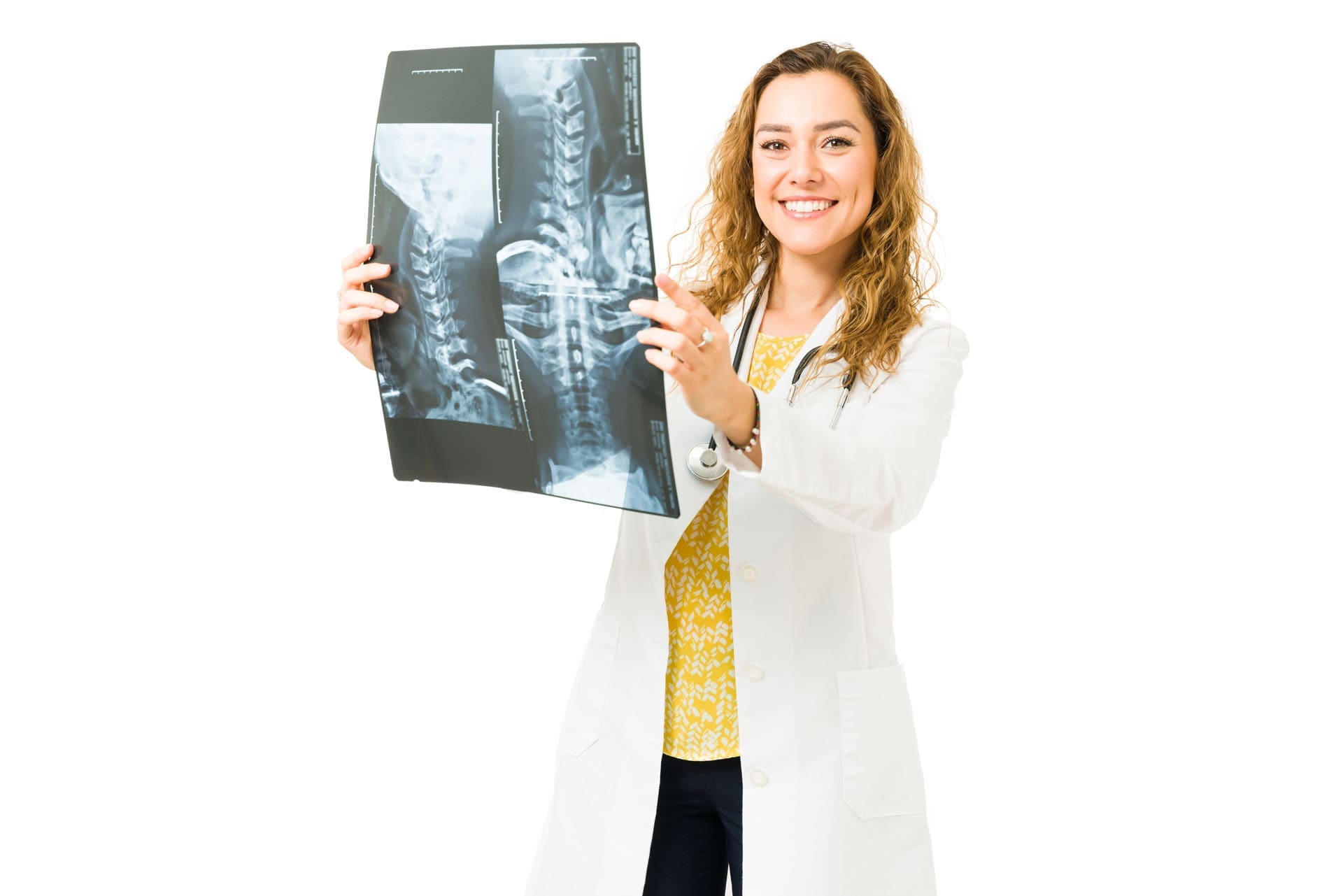
His clinic uses advanced diagnostics: X-rays for neuromusculoskeletal imaging and blood tests to check inflammation. A sports injury, like a twisted knee, might show nerve pinches affecting mobility (Jimenez, n.d.a). Treatments are non-surgical: adjustments restore alignment, ultrasound reduces swelling, and exercises strengthen muscles. For MVAs, Dr. Jimenez provides detailed medical-legal documentation, working with specialists for smooth claims.
Integrative therapies boost recovery. Massage improves blood flow, speeding tissue repair; acupuncture reduces pain for easier motion; and nutrition plans with anti-inflammatory foods support healing (Jimenez, n.d.b). A worker with a strained back from lifting moved freely after adjustments and massage. Dr. Jimenez targets root causes, like poor form, to prevent chronic issues.
Integrative Therapies for Healing
El Paso Back Clinic’s integrative approach enhances recovery. Massage therapy relaxes tight muscles, boosting circulation to heal sprains faster (Texas Medical Institute, n.d.). Acupuncture targets points to ease pain and calm spasms, helping with involuntary movements (Jimenez, n.d.b). Exercises like leg lifts rebuild strength and stabilize joints (Sport and Spinal Physio, n.d.).
The RICE method (rest, ice, compression, elevation) helps reduce swelling in soft-tissue injuries early on (Cleveland Clinic, 2023e). These therapies, paired with chiropractic, speed recovery and prevent issues like arthritis (Cleveland Clinic, 2023b).
Nutrition to Support Recovery
Nutrition aids healing from sudden movement injuries. Omega-3-rich foods like salmon reduce inflammation, easing joint pain (Best Grand Rapids Chiropractor, n.d.). Leafy greens like spinach provide antioxidants to protect tissues (Spine, n.d., p. 417). Lean proteins like chicken rebuild muscles and ligaments (Human Care NY, n.d.).
Calcium from yogurt strengthens bones, while magnesium in nuts prevents spasms (Foot and Ankle Experts, n.d.). Try salmon salads or berry smoothies to support recovery. These foods work with chiropractic to speed healing (Rangeline Chiropractic, n.d.).
Preventing Future Injuries
Prevent injuries with smart habits. Warm up before sports with stretches to cut strain risks (Cleveland Clinic, 2023c). Strengthen core muscles with planks to stabilize joints (Sport and Spinal Physio, n.d.). Use proper form when lifting—bend knees, keep back straight (UPMC, n.d.).
For neurological issues, manage conditions like epilepsy with doctor guidance to reduce spasms (Verywell Health, 2022). Regular chiropractic check-ups catch misalignments early (New Edge Family Chiropractic, n.d.). These steps keep you moving safely.
Success Stories from El Paso Back Clinic
At El Paso Back Clinic, a runner with a sprained ankle healed with adjustments and protein-rich meals, returning to races. A driver post-MVA eased neck pain with acupuncture and greens. These stories show how integrative care restores mobility.
Conclusion
Sudden movement injuries, from sprains to involuntary jerks, can disrupt life, but chiropractic care at El Paso Back Clinic, led by Dr. Jimenez, heals them naturally. Using adjustments, nutrition, and therapies like massage, the clinic restores movement. Try warm-ups, eat omega-3s, and visit the clinic. Stay active and pain-free.
A physiotherapist is having a therapy session with a mature client with an injured knee
Introduction
Think of your body as a high-performance vehicle, needing the right fuel to glide through daily activities. Healthy foods like omega-3-packed salmon, antioxidant-rich spinach, and protein-filled chicken keep your joints limber, muscles strong, and movements smooth (Orthopedic Institute of SF, n.d.). These nutrients fight inflammation, protect tissues, and rebuild what daily wear tears down (Human Care NY, n.d.). Without them, you might feel stiff, achy, or tired just walking or bending.
Chiropractic integrative care enhances this by aligning your spine to improve nerve function, paired with nutrition to fuel healing and strengthen bones and muscles (Rangeline Chiropractic, n.d.). At El Paso Back Clinic, Dr. Alexander Jimenez, DC, APRN, FNP-BC, blends these approaches to help patients move freely, especially after injuries (Jimenez, n.d.a). This article explores how nutrition drives mobility, how chiropractic boosts it, and Dr. Jimenez’s methods for injury recovery. You’ll find simple food tips, movement tricks, and ways to stay pain-free, all grounded in science.
Mobility is for everyone—whether climbing stairs or playing sports. With the right diet and care, you can keep moving easily and avoid aches or injuries (Dr. Alex Jimenez, n.d.).
The Power of Mobility
Mobility is your ability to move without pain, from reaching for a shelf to running a mile. It relies on flexible joints, strong muscles, and a healthy spine (Alter Chiropractic, n.d.). Good mobility means tackling tasks with ease, staying energized, and lowering risks for falls or strains (Dallas Accident and Injury Rehab, n.d.a). Poor mobility can make simple movements, like bending, feel tough and lead to chronic pain.
Nutrition provides the raw materials for movement. Omega-3s in fish like mackerel reduce swelling that stiffens joints (Best Grand Rapids Chiropractor, n.d.). Antioxidants in berries protect cartilage from wear, keeping you flexible (417 Spine, n.d.). Proteins like eggs rebuild muscles after activity, preventing weakness (Better Day Chiro, n.d.). Chiropractic care ties it together by fixing spinal misalignments, ensuring nerves signal muscles for smooth motion (Grove Chiropractic, n.d.). Together, they keep you active, as patients at El Paso Back Clinic often see after a few sessions (Jimenez, n.d.b).
Nutrients That Drive Movement
Your body needs specific foods to move well. Omega-3 fatty acids in salmon or walnuts cut inflammation, easing joint pain for smoother motion (Best Grand Rapids Chiropractor, n.d.). Antioxidants in leafy greens like kale or berries like blueberries fight oxidative stress, protecting joints and keeping them flexible (417 Spine, n.d.).
Lean proteins—turkey, beans, or tofu—supply amino acids to repair muscles and tendons after exercise or injury (Human Care NY, n.d.). Calcium and vitamin D from yogurt or sunlight strengthen bones, while magnesium in nuts prevents cramps (PMC, n.d.; Foot and Ankle Experts, n.d.). Potassium-rich bananas support muscle function during activity (PMC, n.d.). Eating these foods daily builds a foundation for pain-free movement.
Top Foods to Enhance Mobility
Let’s get practical with foods that help you move. Fatty fish like sardines, eaten twice a week, can reduce joint stiffness by 20% over time (Orthopedic Institute of SF, n.d.). Walnuts or chia seeds are easy snacks that provide omega-3s and fight inflammation (Human Care NY, n.d.).
Leafy greens like arugula provide vitamin K for bones and antioxidants for flexibility (Dr. Alex Jimenez, n.d.). Berries—strawberries or raspberries—add flavor and protect cartilage (417 Spine, n.d.). Lean proteins like grilled chicken or lentils repair tissues, keeping muscles ready (Dallas Accident and Injury Rehab, n.d.a). Almonds offer magnesium to ease soreness (Better Day Chiro, n.d.).
Try simple meals: a salmon salad for lunch or a berry smoothie for breakfast. These choices fuel mobility fast.
How Poor Nutrition Slows You Down
Skipping healthy foods can hurt movement. Without omega-3s, inflammation spikes, stiffening joints, and causing pain (Best Grand Rapids Chiropractor, n.d.). Low antioxidants from a few fruits lead to cartilage wear, like a rusty hinge (Ease Well, n.d.). Protein shortages weaken muscles, making stairs or lifting tough (Alter Chiropractic, n.d.).
Low calcium or vitamin D risks brittle bones, increasing fall chances (Peak Portland, n.d.). Magnesium shortages cause cramps, limiting activity (Foot and Ankle Experts, n.d.). Sugary processed foods worsen inflammation, adding stiffness (Grove Chiropractic, n.d.). This can lead to weight gain, stress on joints, and reduced mobility (Dr. Marc Rogers, n.d.). Switching to nutrient-rich foods can reverse this in weeks.
Chiropractic Care: Unlocking Mobility
Chiropractic care boosts mobility by aligning the spine, freeing nerves to signal muscles and joints properly (New Edge Family Chiropractic, n.d.). Misalignments can cause uneven movement, leading to pain or weakness (Rangeline Chiropractic, n.d.). Adjustments address this, improving joint function and motion, often easing stiffness quickly (Texas Medical Institute, n.d.).
It also reduces inflammation by relieving nerve pressure, aiding healing (Dallas Accident and Injury Rehab, n.d.b). Paired with nutrition, chiropractic builds a strong base for mobility, helping prevent issues like arthritis (417 Spine, n.d.). Patients at El Paso Back Clinic often move more easily after adjustments (Jimenez, n.d.a).
Dr. Jimenez’s Approach at El Paso Back Clinic
At El Paso Back Clinic, Dr. Alexander Jimenez, DC, APRN, FNP-BC, connects injuries to mobility issues using his dual expertise as a chiropractor and nurse practitioner. Trauma from work, sports, personal falls, or motor vehicle accidents (MVAs) can misalign the spine, limiting movement and healing (Jimenez, n.d.b). “Injuries block nutrient delivery, slowing recovery,” he notes (Jimenez, n.d.a).
His clinic uses advanced diagnostics: X-rays spot misalignments, and blood tests check inflammation from diet gaps (Jimenez, n.d.a). A sports injury might pinch nerves, weakening leg motion. Treatments are non-surgical: adjustments restore alignment, ultrasound reduces swelling, and exercises rebuild strength. For MVAs, Dr. Jimenez provides detailed medical-legal documentation, partnering with specialists for smooth claims.
Integrative therapies enhance recovery. Nutrition plans with omega-3s cut inflammation, massage boosts blood flow for nutrient delivery, and acupuncture eases pain for better motion (Jimenez, n.d.b). A worker regained leg strength after a fall with adjustments and protein-rich meals. Dr. Jimenez targets root causes, like poor diet or posture, to prevent chronic mobility loss.
Nutrition and Chiropractic Synergy
Pairing nutrition with chiropractic maximizes mobility. Adjustments improve nerve signals for muscle control, while omega-3s reduce joint inflammation (Best Grand Rapids Chiropractor, n.d.). Greens’ vitamins strengthen bones, enhancing adjustment benefits (Dallas Accident and Injury Rehab, n.d.a). Proteins speed tissue repair post-session, reducing soreness (Human Care NY, n.d.).
This combo cuts pain faster than either alone, improving flexibility (Rangeline Chiropractic, n.d.). At the clinic, patients follow anti-inflammatory diets with care, seeing quicker movement gains (Jimenez, n.d.a).
Exercises to Amplify Nutrition
Food works better with movement. Core exercises like planks, paired with protein, build muscle stability (Sport and Spinal Physio, n.d.). Stretches with berries’ antioxidants protect joints during activity (Start PT Now, n.d.). Yoga, fueled by omega-3s, increases flexibility (Alter Chiropractic, n.d.).
Walking after green-heavy meals boosts circulation, delivering nutrients to muscles (PMC, n.d.). Start with 10-minute daily sessions, growing as strength improves. These pair with a nutrient-rich diet for mobility gains.
Preventing Long-Term Mobility Issues
Stay mobile with consistent habits. Eat omega-3s and greens daily for joint health (Orthopedic Institute of SF, n.d.). Regular chiropractic visits catch misalignments early (New Edge Family Chiropractic, n.d.). Exercise, like balance drills, prevents stiffness (Sport and Spinal Physio, n.d.).
Keep weight in check with nuts to ease joint stress (Better Day Chiro, n.d.). Sleep well, aided by magnesium foods, for tissue repair (Foot and Ankle Experts, n.d.). These steps maintain mobility for years.
Patient Stories of Success
At El Paso Back Clinic, a driver post-MVA eased knee pain with adjustments and salmon-rich meals. A runner with a sports injury moved freely again after a massage and greens. These stories show how nutrition and chiropractic restore mobility.
Conclusion
Healthy foods like omega-3 fish, leafy greens, and proteins fuel mobility by fighting inflammation and building strength. Chiropractic care at El Paso Back Clinic, led by Dr. Jimenez, aligns the spine and pairs with nutrition for optimal movement. Try fish tacos, daily stretches, and a clinic visit. Move stronger, live better.
Optimizing Movement: Chiropractic and Integrative Care for Dynamic Posture
Side view of a backpacker traveler walking against an orange wall in the city
The Importance of Dynamic Posture
Think of your body as a smoothly operating system, staying balanced and aligned whether you’re jogging, lifting, or playing a game. This ability to maintain coordination during motion is called dynamic posture, which is distinct from static posture, the way you hold yourself when still, like sitting or standing (MedlinePlus, 2023a). Good dynamic posture ensures your muscles and joints work together, distributing movement stress evenly to prevent injuries and boost performance (Cleveland Clinic, n.d.). It’s essential for safe, efficient motion in daily life or sports (Massapequa Pain Management and Rehabilitation, n.d.).
However, poor dynamic posture can lead to pain, fatigue, or injuries like strains. At El Paso Back Clinic, Dr. Alexander Jimenez, DC, APRN, FNP-BC, uses chiropractic care and integrative therapies like exercise and massage to enhance movement, especially after injuries (Jimenez, n.d.a). This article explores why dynamic posture matters, what disrupts it, and how Dr. Jimenez’s holistic approach restores balance for pain-free living.
Dynamic Posture: The Key to Fluid Movement
Dynamic posture is how your body stays aligned and stable while active, like walking to work or playing basketball. Unlike static posture—your position when not moving, like at a desk—dynamic posture involves coordinating your spine, hips, and muscles during motion (MedlinePlus, 2023a). When done right, it reduces joint stress, improves energy efficiency, and lowers injury risks, like twisting a knee (Cleveland Clinic, n.d.). It’s vital for athletes, workers, or anyone active to ensure smooth, safe movement (NYDN Rehab, n.d.).
Poor dynamic posture can cause issues, like back pain during a run or wobbling while climbing stairs. Over time, it increases the risk of chronic pain or injuries, such as sprains, and can also affect static posture (Texas Medical Institute, n.d.). Effective dynamic posture means moving with ease, recovering quickly, and staying strong, whether hiking or carrying groceries (Harrison Integrative, n.d.a).
What Leads to Poor Dynamic Posture?
Poor dynamic posture often develops from habits or injuries. Long hours of slouching, such as when using a phone, weaken core muscles, making it hard to stay aligned when active (MedlinePlus, 2023b). Repetitive tasks, like lifting heavy items incorrectly, strain the spine and disrupt movement patterns (Massapequa Pain Management and Rehabilitation, n.d.). Injuries, such as a fall or sports mishap, can lead to compensatory movements, like limping, that throw off balance (NYDN Rehab, n.d.).
Lifestyle factors contribute too. Weak core muscles from inactivity, tight hips from sitting, or stress-induced tension can disrupt natural motion (Cleveland Clinic, n.d.). These issues cause uneven stress on joints, raising risks for back pain or leg strains (Texas Medical Institute, n.d.). For instance, running with a slouched posture can overload knees, leading to pain or injury (Start PT Now, n.d.). Recognizing these patterns early helps prevent bigger problems.
Recognizing Poor Dynamic Posture
Signs of poor dynamic posture appear during activity. You might feel lower back or hip pain while walking, indicating uneven joint stress (NYDN Rehab, n.d.). Feeling unsteady on stairs or during sports can signal weak core muscles or misalignment (Cleveland Clinic, n.d.). Fatigue during tasks like carrying bags often means muscles are overworking due to poor coordination (Massapequa Pain Management and Rehabilitation, n.d.).
In the long term, poor dynamic posture increases injury risks, such as pulled muscles, and can worsen static posture, causing slouching even when still (MedlinePlus, 2023a). This leads to chronic pain in the back, neck, or knees, making movement less efficient (Harrison Integrative, n.d.a). Noticing discomfort or clumsiness during motion allows early action to avoid lasting damage.
Chiropractic Care for Improved Movement
Chiropractic care enhances dynamic posture by correcting spinal misalignments, or subluxations, that disrupt nerve signals to muscles, causing uneven movement (Harrison Integrative, n.d.b). Gentle adjustments realign the spine, improving muscle coordination and movement flow (Jimenez, n.d.a). Patients often feel steadier and less pain during activity after a few sessions (Start PT Now, n.d.).
Adjustments also relieve muscle tension, helping maintain alignment during tasks like running or lifting (Texas Medical Institute, n.d.). Regular care strengthens posture, reduces injury risks, and boosts performance for athletes or active individuals (Cleveland Clinic, n.d.). It’s like calibrating a machine for smoother operation.
Dr. Jimenez’s Expertise at El Paso Back Clinic
At El Paso Back Clinic, Dr. Alexander Jimenez, DC, APRN, FNP-BC, uses his dual expertise as a chiropractor and nurse practitioner to connect poor dynamic posture to injuries from work, sports, personal falls, or motor vehicle accidents (MVAs). “Injuries misalign the spine, disrupting movement patterns,” he explains (Jimenez, n.d.b).
His clinic employs advanced diagnostics, like X-rays for neuromusculoskeletal imaging and blood tests for inflammation, to pinpoint posture issues. A work injury, for instance, might misalign the pelvis, causing uneven strides (Jimenez, n.d.a). Treatments are non-surgical: adjustments restore alignment, ultrasound reduces swelling, and exercises rebuild muscle balance. For MVAs, Dr. Jimenez provides detailed medical-legal documentation, collaborating with specialists for seamless claims.
Integrative therapies boost recovery. Massage relaxes tight muscles, improving movement; acupuncture eases pain for natural motion; and core exercises strengthen posture-supporting muscles (Jimenez, n.d.b). A patient with back pain from a fall regained smooth walking after adjustments and yoga. Dr. Jimenez targets root causes, like poor habits, to prevent chronic posture issues.
Integrative Therapies for Movement Health
El Paso Back Clinic’s integrative approach uses natural methods to enhance dynamic posture. Core exercises, like planks, strengthen muscles for better stability during motion (Start PT Now, n.d.). The NHS recommends 150 minutes of weekly exercise, like walking or yoga, to improve coordination (MedlinePlus, 2023a).
Massage therapy loosens tight muscles, boosting blood flow for fluid movement (Texas Medical Institute, n.d.). Acupuncture reduces pain, improving joint mobility for natural motion (Jimenez, n.d.b). Spinal decompression relieves disc pressure, enhancing range of motion (Harrison Integrative, n.d.c). These therapies improve posture, prevent injuries, and aid recovery.
Everyday Habits for Better Posture
Simple habits support chiropractic care. Walk 30 minutes daily with shoulders back to practice alignment (Cleveland Clinic, n.d.). Stretch hips and hamstrings to prevent tightness that pulls the spine (Start PT Now, n.d.). Do core exercises like bridges to support movement (Massapequa Pain Management and Rehabilitation, n.d.).
Keep your back straight when lifting, bending at the knees, and avoid twisting (MedlinePlus, 2023b). Break up long sitting periods to prevent stiffness, and use ergonomic chairs to support static posture, aiding dynamic motion (NYDN Rehab, n.d.). These habits build strong, pain-free movement.
Preventing Long-Term Posture Issues
Ongoing care prevents chronic posture problems. Dr. Jimenez’s plans include regular exercises to maintain alignment, massage to keep muscles flexible, and posture checks to catch issues early (Jimenez, n.d.a). Monitoring pain during activities, like running, helps adjust care. This ensures lasting dynamic posture and fewer injuries.
Patient Success Stories
At El Paso Back Clinic, a soccer player with knee pain from poor running form improved after adjustments and core exercises. A driver with back pain from an MVA regained smooth movement with massage and acupuncture. These stories highlight the power of integrative care.
Conclusion
Dynamic posture keeps you balanced and strong during movement, reducing injury risks and boosting performance. At El Paso Back Clinic, Dr. Alexander Jimenez uses chiropractic adjustments, exercise, massage, and acupuncture to enhance alignment and recovery. Start with small steps—walk tall, stretch daily, and visit the clinic. Your body will move better and feel stronger.
Boosting Vitality: Chiropractic and Integrative Care for Optimal Circulation
Introduction
Imagine your body as a network of highways, with blood vessels carrying oxygen and nutrients to every cell, keeping you energized and healthy. This process, known as optimal circulation, ensures the circulatory system efficiently delivers these essentials while removing waste, supporting cell function, and overall vitality (Henry Ford Health, 2025). When circulation falters, you may feel tired, have cold hands, or experience issues such as swelling. Chiropractic care can help by aligning the spine to reduce nerve pressure and improve blood flow naturally. Paired with integrative therapies like massage and exercise, it promotes lasting wellness (Sierra, n.d.). This article examines how these methods enhance circulation, drawing on insights from Dr. Alexander Jimenez at El Paso Back Clinic in El Paso, TX, to demonstrate their role in aiding injury recovery and promoting overall health.
Why Optimal Circulation Matters
Optimal circulation is the body’s way of keeping everything running smoothly. Blood delivers oxygen and nutrients to cells, fueling energy production through ATP and clearing waste, such as carbon dioxide, to prevent fatigue and aches (Elevation Health, n.d.). Good circulation sharpens your mind, strengthens muscles, and speeds up immune responses, helping you fight off illness (Rodgers Stein Chiropractic, n.d.a).
When circulation slows, problems arise—cold feet, leg cramps, or even brain fog can signal trouble. Over time, poor flow increases the risk of conditions such as high blood pressure or slow healing (KC Chiropractic, 2025). Signs of healthy circulation include warm limbs and quick recovery after exercise, while sluggish flow might cause tingling or puffiness (British Heart Foundation, n.d.). Chiropractic care, combined with integrative approaches, keeps these pathways clear, enhancing energy and preventing long-term issues.
The Circulatory System Explained
The circulatory system is your body’s delivery service. The heart pumps approximately 2,000 gallons of blood daily through arteries, veins, and capillaries, delivering oxygen and nutrients while removing waste (Elevation Health, n.d.). Capillaries facilitate the exchange, ensuring that cells receive what they need and toxins are removed to the lungs or kidneys. The nervous system, especially its autonomic part, controls this by adjusting blood vessel size and heart rate, like speeding up for a workout (Sierra, n.d.).
Blockages, such as plaque from unhealthy eating or stress-tightened vessels, disrupt this flow, starving cells of oxygen and slowing waste removal. This can lead to tiredness, weak immunity, or muscle pain (Henry Ford Health, 2025). Maintaining this system supports clear thinking, strong movement, and overall health (Rodgers Stein Chiropractic, n.d.a).
How Chiropractic Care Improves Blood Flow
Chiropractic care focuses on the spine, the central control center of the nervous system. Misaligned vertebrae, or subluxations, can pinch nerves, disrupting signals that regulate blood vessels. Gentle adjustments correct these misalignments, freeing nerves to improve circulation (Sierra, n.d.). Patients often report feeling warmer hands or reduced tingling after sessions, indicating improved blood flow (Chiropractor Lakeworth, n.d.).
These adjustments enhance energy by speeding oxygen delivery to cells and clearing waste, reducing fatigue (LSM Chiropractic, n.d.). Regular care can lower blood pressure, ease heart strain, and improve focus by boosting brain blood flow (Ford Chiropractic, n.d.; Peak Portland, n.d.). Chiropractors may also use tools like ultrasound to warm tissues or suggest foods that support vascular health, helping prevent issues like neuropathy (Chiropractor Lakeworth, n.d.).
Dr. Alexander Jimenez and El Paso Back Clinic’s Approach
At El Paso Back Clinic, Dr. Alexander Jimenez, DC, APRN, FNP-BC, leverages his dual expertise as a chiropractor and nurse practitioner to enhance circulation, particularly after injuries. With over 30 years of experience, his team treats conditions from sports strains to motor vehicle accidents (MVAs), recognizing how trauma can inflame tissues or compress nerves, blocking blood flow (Jimenez, n.d.a). “Injuries create structural imbalances that disrupt circulation,” he notes (Jimenez, n.d.b).
The clinic utilizes advanced diagnostics, combining neuromusculoskeletal imaging, such as X-rays, with blood tests to identify inflammation. For instance, a work-related injury might show nerve pressure affecting leg circulation. Treatments include non-surgical adjustments to restore alignment, ultrasound to reduce swelling, and tailored exercises to strengthen blood vessels (Jimenez, n.d.a). For MVA patients, the clinic provides detailed medical-legal documentation for claims, ensuring seamless care coordination.
Integrative therapies enhance outcomes: massage improves blood flow, acupuncture eases inflammation, and nutrition plans rich in omega-3s promote vascular health. A patient recovering from a fall might regain circulation through adjustments and targeted stretches, avoiding chronic pain (Jimenez, n.d.b). Dr. Jimenez focuses on root causes—like poor posture or old injuries—to foster natural healing and sustained vitality.
Integrative Therapies for Circulation
Integrative care combines natural methods to support the body’s healing abilities. Massage therapy relaxes tight muscles, pushing blood toward the heart and reducing swelling, which boosts energy (Chiropractor Lakeworth, n.d.). The NHS recommends 150 minutes of weekly exercise, such as walking or swimming, to strengthen blood vessels and improve blood flow (British Heart Foundation, n.d.). Chiropractors design specific stretches or yoga poses to enhance spinal alignment and circulation.
Acupuncture targets points to open blood vessels, reducing stress-related constriction (Jimenez, n.d.a). Nutrient-rich foods, such as berries or fish oils, help keep blood fluid and vessels flexible (Kennedy Chiropractic, n.d.). These therapies work together to prevent injury recurrence and maintain energy (University of Minnesota Center for Spirituality & Healing, n.d.). At El Paso Back Clinic, a patient may combine adjustments, massage, and a diet rich in anti-inflammatory foods to restore circulation and alleviate discomfort.
Daily Habits to Support Circulation
Simple habits can enhance professional care. Walk 30 minutes daily to boost heart function and vascular health (British Heart Foundation, n.d.). Avoid smoking to prevent vessel narrowing, and incorporate foods like leafy greens and salmon into your diet for their iron and omega-3 content (Henry Ford Health, 2025; Kennedy Chiropractic, n.d.). Stress-relief practices, such as meditation, relax blood vessels, while elevating legs after long periods of sitting, prevent blood pooling (Rodgers Stein Chiropractic, n.d.a). Drinking water keeps blood flowing smoothly. Regular chiropractic visits amplify these efforts for long-term benefits.
Conclusion
Optimal circulation fuels your body, delivering oxygen and nutrients while clearing waste to sustain energy and health. Chiropractic care at El Paso Back Clinic aligns the spine to free nerves, enhancing blood flow, while integrative therapies, such as massage, exercise, and acupuncture, support natural healing. Dr. Jimenez’s expertise shows how these methods address injury-related circulation issues, promoting recovery and vitality. Begin with a chiropractic consultation, add daily movement, and embrace integrative care to keep your body’s pathways vibrant and strong.
Improving Driving Posture with Chiropractic and Integrative Care: A Path to Comfort and Safety
Introduction
Driving is part of daily life for many people. Whether it’s a short trip to the store or a long haul across states, time behind the wheel can take a toll on the body. Poor posture while driving often leads to back pain, neck stiffness, and fatigue. These issues not only make driving uncomfortable but can also affect focus and safety on the road. Chiropractic care, combined with integrative approaches, provides a smart way to address these issues. This care focuses on spinal adjustments to correct misalignments, ergonomic tips to set up your car correctly, and additional therapies to build strength and alleviate tension.
The goal is straightforward: to align the spine properly, strengthen the muscles that support good posture, and provide practical tools for lasting health. By doing this, drivers can enjoy greater comfort and reduce risks, such as accidents caused by distraction or pain. Studies and experts have shown that these methods are effective for both everyday commuters and long-distance travelers (ChiroFirst Redding, n.d.). In this article, we examine how these elements work together to achieve a better driving posture. We draw from real-world insights, including those from Dr. Alexander Jimenez, a chiropractor and nurse practitioner in El Paso, Texas, who has helped countless patients recover from driving-related injuries.
The Impact of Poor Driving Posture on Health and Safety
Sitting in a car for hours can alter the way your body aligns. The seat, steering wheel, and road bumps force the spine into awkward positions. Over time, this leads to slouching, forward head tilt, and tight muscles. These habits strain the neck, shoulders, and lower back. For example, forward head posture—common in drivers craning to see the dashboard—adds extra weight to the spine, similar to carrying a heavy bag all day (Dallas Accident and Injury Rehab, n.d.).
Health effects go beyond aches. Poor posture can reduce blood flow, leading to numbness in the legs or arms. It also raises stress levels, as tight muscles signal the brain to stay on alert (Chiro Studio Cocoa, n.d.). Safety is another concern. Distracted by pain or stiffness, drivers may react more slowly to hazards. The National Highway Traffic Safety Administration notes that fatigue resulting from discomfort contributes to thousands of crashes each year. Long-term, untreated issues can turn into chronic conditions like sciatica or herniated discs, limiting mobility outside the car, too.
Commuters feel this most. Daily drives in traffic mean repeated strain from stop-and-go motions. Long-distance drivers face even more challenges, with vibrations from the road jarring their spines (Elite Spine Houston, n.d.). Recognizing these risks is the first step. Chiropractic and integrative care address the root causes, not just the symptoms, for lasting relief.
Chiropractic Care: Correcting Misalignments for Better Alignment
At the heart of improving driving posture is chiropractic care. Chiropractors use hands-on adjustments to realign the spine. These gentle pushes correct subluxations—small shifts in vertebrae that pinch nerves and disrupt balance. For drivers, adjustments focus on the lumbar (lower back), thoracic (mid-back), and cervical (neck) areas, which are most affected by prolonged seated positions.
Take lumbar adjustments. Prolonged sitting flattens the spine’s natural curve, leading to pain. A chiropractor applies controlled force to restore that curve, easing pressure on discs and nerves (Spine Stop, n.d.). Patients often experience instant relief, with improved mobility immediately following. Cervical adjustments address forward head posture, a common issue that occurs when reaching for controls. By realigning the neck, these moves help reduce tension headaches and improve vision while looking over the dashboard.
Evidence backs this up. Research shows that spinal adjustments can reduce pain by up to 87% in cases associated with sedentary jobs, including driving (Elite Spine Houston, n.d.). Regular visits prevent small issues from growing. For instance, after a road trip, a quick adjustment can reset the body, reducing inflammation and stiffness (ChiroFirst Redding, n.d.).
Dr. Alexander Jimenez, DC, APRN, FNP-BC, brings deep clinical insight to this discussion. At his El Paso clinic, he employs dual-scope diagnosis—combining chiropractic exams with nurse practitioner assessments—to identify how driving misalignments contribute to injuries. His team utilizes advanced neuromusculoskeletal imaging techniques, such as X-rays and MRIs, to visualize shifts caused by motor vehicle accidents (MVAs) or daily commutes (Jimenez, n.d.a). “Many patients arrive with subtle spinal changes from years of poor posture behind the wheel,” Dr. Jimenez notes in his practice resources. “We correlate these with symptoms like radiating leg pain, using precise imaging to guide adjustments.” This approach ensures treatments match the exact problem, leading to faster healing.
In MVA cases, Dr. Jimenez’s clinic handles everything from whiplash to soft tissue strains. They document findings thoroughly for legal purposes, such as insurance claims, while initiating care promptly. Adjustments form the base, but he stresses they’re most effective when paired with other tools.
Ergonomic Recommendations: Setting Up Your Car for Optimal Posture
Ergonomics means fitting your environment to your body. For driving, this starts with seat setup. Chiropractors, such as those at ChiroFirst Redding, recommend a hip angle slightly higher than the knee angle, with the seat back at 100-110 degrees (ChiroFirst Redding, n.d.). This angle supports the spine’s curve without slouching. Adjust the seat distance so that your knees bend lightly when on the pedals—reaching too far strains the lower back.
Lumbar support is key. If your car lacks built-in roll bars, add a roll cage or a roll bar. Memory foam or gel types distribute weight evenly, cutting pressure points (Dallas Accident and Injury Rehab, n.d.). Headrests should align with the top of your head, cradling the skull to prevent whiplash in sudden stops. Steering wheel height lets arms extend with a slight elbow bend, keeping shoulders relaxed.
Mirrors matter too. Set them after seating adjustments to avoid neck twists when checking blind spots (Springhill Premier Chiro, n.d.). For pedals, ensure your ankles move naturally—no tiptoeing on the brakes, which can tighten your calves and hips.
These tweaks alone boost comfort. One study found that proper ergonomics reduces driver fatigue by 30% on long trips (Go to the Well Chiro, n.d.). However, they’re even more effective with chiropractic guidance. A professional can assess your setup during a visit, making adjustments for your height and habits. Dr. Jimenez incorporates this in his protocols. “We teach patients to scan their driving posture like a checklist,” he explains on his site. “Ergonomic changes, combined with imaging, prevent re-injury from MVAs or work strains.” His clinic even suggests vehicle modifications for high-risk patients, such as those in delivery jobs.
Simple habits amplify ergonomics. Use cruise control on highways to ease foot tension. Every hour, shift weight or roll shoulders at lights. These micro-moves keep circulation flowing, warding off numbness (Springhill Premier Chiro, n.d.).
Integrative Therapies: Strengthening Muscles and Enhancing Recovery
Chiropractic shines brighter with integrative care—blending therapies for full-body support. These add-ons strengthen muscles, release knots, and promote healing, tackling the multi-sided strain of driving.
Massage therapy tops the list. It kneads tight spots in the back and shoulders, built up from gripping the wheel. Deep tissue work boosts blood flow, flushing out inflammation (Elite Spine Houston, n.d.). After sessions, drivers report looser posture and less pain on commutes.
Acupuncture follows, using thin needles at key points to balance energy and ease tension. For neck stiffness caused by head turns, it calms nerves and reduces anxiety associated with discomfort (Chiro Studio Cocoa, n.d.). Studies show that it reduces chronic pain by 50% when combined with adjustments.
Targeted exercises build core and back strength. Planks and bird-dog poses counter slouching by firming the abs and glutes (ChiroFirst Redding, n.d.). Hip flexor stretches open tight fronts from seated bends. Chiropractors prescribe these as homework, tracking progress to ensure form.
Dr. Jimenez weaves these into his integrative model. His clinic treats diverse injuries—sports twists, work lifts, personal falls, and MVA impacts—with a mix of modalities. “We use dual diagnosis to link, say, a rear-end collision to lumbar misalignment,” he shares via LinkedIn (Jimenez, n.d.b). Massage and acupuncture promote natural healing, while customized exercises help prevent scars associated with conditions like arthritis. For legal cases, his team logs every therapy session, providing detailed reports to support claims.
Other gems include stretching breaks and a healthy diet. Shoulder rolls at stops or chest openers fight rounding. Anti-inflammatory foods, such as salmon and turmeric, support joint health (ChiroFirst Redding, n.d.). Together, these create a toolkit: adjustments fix now, therapies build for tomorrow.
Case Studies and Expert Insights: Real Results from the Road
Real-life stories demonstrate the effectiveness of this approach. Consider a long-haul trucker seen at Elite Spine Houston. Daily 10-hour shifts left him with shooting back pain. After three adjustments and ergonomic tweaks—such as a gel cushion—his posture straightened, pain decreased by 80%, and he stayed alert for longer (Elite Spine Houston, n.d.).
In El Paso, Dr. Jimenez treated a commuter after a motor vehicle accident (MVA). Whiplash caused neck guards and anxiety. Using neuromusculoskeletal scans, he spotted cervical shifts. Adjustments, combined with acupuncture and core exercises, restored range of motion in just weeks. “Patient correlation is key,” Dr. Jimenez says. “Imaging revealed how the crash worsened her driving slouch, leading to secondary shoulder strain.” Legal docs from the clinic smoothed her insurance battle, while therapies prevented chronic issues.
Another case from Spine Stop involved a family road-tripper. Post-vacation stiffness hit hard. A single adjustment, along with a massage, eased mid-back tightness, accompanied by stretches for home use. She returned refreshed, with an improved posture for the drive back (Spine Stop, n.d.).
These examples highlight multi-faceted wins. Adjustments correct fast; ergonomics sustain; therapies fortify. Dr. Jimenez’s 30+ years of experience add weight, treating thousands, from veterans to athletes, with functional medicine approaches like nutrigenomics for inflammation (Jimenez, n.d.b).
Long-Term Strategies for Maintaining Healthy Driving Posture
Lasting change needs ongoing effort. Schedule chiropractic check-ups every 4-6 weeks, especially for individuals who drive frequently or are at a higher risk of injury. Track posture with phone reminders for adjustments. Build routines: morning stretches, evening walks, weekly yoga.
Integrate tech wisely. Apps guide breathing to cut stress; seat sensors alert to slouching. Nutrition sustains: hydrate to keep discs plump, omega-3s for flexibility.
Dr. Jimenez pushes prevention. “Our clinic’s wellness packages blend exercises with acupuncture, stopping work or MVA recurrences,” he notes (Jimenez, n.d.a). For MVAs, early intervention via his protocols halves recovery time.
Monitor progress. If pain lingers, revisit imaging. Community support, such as driver forums, shares valuable tips. With consistency, good posture becomes habit—safer, comfier miles ahead.
Conclusion
Chiropractic and integrative care transform driving from a chore to a breeze. Spinal adjustments correct misalignments, ergonomics optimize setups, and therapies such as massage and acupuncture strengthen the entire system. This multifaceted path corrects issues, builds resilience, and equips for health. As Dr. Jimenez observes, addressing roots—via diagnosis and natural healing—prevents pitfalls, enhancing life on and off the road. Start small: adjust your seat today and book a chiropractor visit tomorrow. Safer, smoother drives await.
Enhancing Body Detox Through Exercise and Chiropractic Care at El Paso Back Clinic
Maintaining a healthy body in today’s busy world goes beyond just eating well. Your body naturally removes toxins through various organs, including the liver, kidneys, lungs, skin, and lymphatic system. Stress, poor posture, or injuries from accidents can slow these processes, leading to fatigue or discomfort. At El Paso Back Clinic®, led by Dr. Alexander Jimenez, DC, APRN, FNP-BC, we combine targeted exercise, chiropractic care, and integrative therapies to support your body’s natural detox systems. This 5,000-word guide explores sports and activities that boost circulation, stimulate lymph flow, and promote healthy sweating, paired with our clinic’s expertise in injury recovery and wellness to enhance overall health.
Your Body’s Natural Detox Systems
Your body is designed to eliminate waste daily. The liver filters blood, kidneys flush out liquids, lungs exhale waste gases, skin releases toxins through sweat, and the lymphatic system drains excess fluid and fights infection (Fontana Candle Company, n.d.). When these systems are sluggish—due to inactivity, poor alignment, or injury—toxins can accumulate, leading to fatigue, joint pain, or skin issues.
At El Paso Back Clinic®, we understand how spinal misalignments or injuries from motor vehicle accidents (MVAs), work, or sports can disrupt these pathways. Exercise gets blood and lymph moving, sweating clears the skin, and chiropractic adjustments align the spine to optimize nerve signals to detox organs. Integrative therapies, such as massage and acupuncture, further enhance flow by working together to support your body without replacing its natural processes.
Sports and Activities to Boost Circulation
Good blood flow is vital for detox, delivering oxygen and nutrients while removing waste. At El Paso Back Clinic®, we recommend cardio-based activities tailored to your needs, especially for patients recovering from injuries like whiplash or joint strains.
Brisk Walking or Jogging: These low-impact exercises increase heart rate and improve blood vessel health, reducing inflammation (Avicenna Cardiology, n.d.). For MVA patients, walking is a safe start to rebuild mobility.
Swimming: Ideal for those with joint pain, swimming works the whole body while supporting circulation. Dr. Jimenez often prescribes it for sports injury recovery due to its gentle nature (Jimenez, n.d.a).
Cycling: Stationary or outdoor biking strengthens legs and boosts lower-body circulation. It’s great for work-related injury patients, as it avoids high impact (One Leisure, n.d.).
Team Sports: Activities like soccer or basketball involve bursts of running and jumping, enhancing overall flow. These are excellent for younger patients or those in sports wellness programs at our clinic.
Start with 30 minutes, five days a week, adjusting based on your recovery plan. Our team assesses your condition—using advanced neuromusculoskeletal imaging—to ensure activities match your health goals (Jimenez, n.d.b).
Activating the Lymphatic System Through Movement
The lymphatic system, your body’s drainage network, relies on muscle movement to function. Without a pump like the heart, it needs activities to keep fluid flowing. At El Paso Back Clinic®, we integrate lymph-stimulating exercises into treatment plans for patients with swelling or pain from injuries.
Rebounding: Bouncing on a mini-trampoline creates a pumping action, moving lymph up to 15 times more effectively than walking (Cancer Schmancer, n.d.). It’s ideal for post-MVA recovery to reduce swelling.
Yoga: Poses like downward dog or cat-cow use gravity and muscle engagement to drain lymph nodes. Yoga also reduces stress, which can clog lymph flow. We offer guided sessions for patients with back pain or sciatica.
Pilates: Controlled movements strengthen the core, massage organs, and boost lymph circulation. It’s part of our rehabilitation for degenerative arthritis.
Hiking: El Paso’s trails provide uneven terrain that engages muscles, promoting lymph flow. It’s recommended for patients transitioning back to active lifestyles post-injury.
Dr. Jimenez’s dual-scope diagnosis—combining chiropractic and nurse practitioner expertise—identifies lymph blockages from injuries like sprains or MVAs. Using imaging, we create personalized plans to restore flow and prevent chronic issues (Jimenez, n.d.a).
Sweating for Effective Detox
Sweating is a powerful way to eliminate toxins through the skin, your largest organ. Research shows sweat can remove heavy metals and chemicals like BPA more effectively than urine (Samahita Retreat, n.d.). At El Paso Back Clinic®, we encourage healthy sweating as part of recovery and wellness.
Hot Yoga: Combining heat and movement, hot yoga opens pores and boosts circulation. It’s ideal for patients with musculoskeletal inflammation, as it reduces stiffness (HCMedSpa, n.d.).
Running: Moderate runs in El Paso’s climate induce clean sweat, flushing impurities. We recommend it for patients recovering from sports injuries to maintain their fitness.
Infrared Saunas: These use light to heat the body, promoting deep detox without excessive heat. They’re part of our integrative approach for patients with chronic pain (Pause Studio, n.d.).
Hydration is key—drink water before and after sweating. Dr. Jimenez often pairs sauna sessions with adjustments for MVA patients, as inflammation from injuries can trap toxins (Jimenez, n.d.b). Dry brushing before sweating further enhances lymph and skin detox.
Chiropractic Care at El Paso Back Clinic
Chiropractic adjustments realign the spine, relieving nerve pressure to optimize organ function, including the detoxification system. Misalignments from MVAs, work injuries, or poor posture can disrupt nerve signals to the liver or kidneys (Recovery Chiropractic, n.d.). At El Paso Back Clinic®, we use techniques like the Thompson Drop-Table to gently correct these issues, improving immune and detox function.
Dr. Jimenez’s clinic specializes in treating severe pain, sciatica, neck/back issues, whiplash, and sports injuries. Using advanced imaging, we diagnose misalignments or nerve impingements, then tailor adjustments to each patient. For example, a worker with a back strain from lifting might receive adjustments and therapeutic exercises to restore alignment and mobility (Jimenez, n.d.a). We also provide legal documentation for injury cases, ensuring proper care coordination with insurance or legal teams.
Integrative Therapies for Holistic Healing
At El Paso Back Clinic®, we combine chiropractic with integrative therapies to enhance detox and recovery:
Massage Therapy: Deep tissue massage releases toxins from muscles and improves lymph drainage. It’s used for MVA patients with whiplash or joint pain to speed healing (Bend Total Body Chiropractic, n.d.).
Acupuncture: Thin needles are inserted into specific energy points to reduce pain and enhance circulation. It’s effective for personal injuries or chronic conditions, such as arthritis, by balancing the body’s qi (Jimenez, n.d.b).
Nutritional Guidance: Our nutritionists design anti-inflammatory diets to support detox during recovery, especially for MVA or sports injury patients (El Paso Back Clinic, n.d.).
These therapies work synergistically with adjustments. For instance, a patient with a bicycle accident injury might receive spinal adjustments, massage to reduce muscle tension, and acupuncture to ease inflammation, preventing long-term complications.
How These Practices Work Together
Imagine visiting El Paso Back Clinic for an adjustment to align your spine, which improves nerve signals and helps detoxify organs. You follow with a yoga class to stimulate lymph and sweat, then a massage to release muscle toxins. Weekly walks keep circulation steady. This combination maximizes each method’s benefits: adjustments clear nerve pathways, exercise pumps blood and lymph, and integrative care reduces inflammation.
For athletes, this synergy prevents injuries and speeds recovery. A soccer player with a knee sprain may undergo imaging to assess the damage, receive adjustments to align the pelvis, and participate in targeted exercises to rebuild strength (Phoenix Rising Wellness Center, n.d.). For everyday El Pasoans, it’s about wellness—chiropractic keeps the spine healthy, exercise maintains fitness, and therapies like acupuncture promote balance.
Real-Life Benefits and Safety Tips
Patients at El Paso Back Clinic report increased energy, reduced pain, and improved mobility after combining these approaches. Studies show exercise and chiropractic care lower inflammation, aiding detox (HCMedSpa, n.d.). Our clinic’s MVA patients often see faster recovery from whiplash or spinal injuries when pairing adjustments with movement and nutrition plans.
Safety is a priority. Dr. Jimenez uses dual-scope diagnostics to assess injuries from work, sports, or MVAs, ensuring exercises suit your condition (Jimenez, n.d.b). Consult our team before starting, especially with heart issues or severe injuries. Hydrate during sweat sessions, and stop if you feel pain.
For accident cases, we provide detailed legal documentation, ensuring treatments align with insurance or court needs, as seen in our MVA recovery programs (El Paso Back Clinic, n.d.).
Your Detox and Wellness Plan at El Paso Back Clinic
Start with a chiropractic assessment at El Paso Back Clinic®, followed by three cardio sessions (like walking or cycling), two yoga classes, and a monthly massage. Add acupuncture for pain relief. Track your energy and mobility—feeling better is a sign it’s working.
Dr. Jimenez and our team in El Paso tailor plans to your needs, whether you are recovering from an 18-wheeler crash or maintaining wellness. Our advanced diagnostics and integrative approach address injury causes, promoting natural healing and long-term health (Jimenez, n.d.a).
Conclusion
At El Paso Back Clinic®, we believe in supporting your body’s natural detox through exercise, chiropractic care, and integrative therapies. From boosting circulation with swimming to stimulating lymphatic flow with yoga and clearing toxins through sweat, these practices work together to enhance overall health. Paired with Dr. Jimenez’s expertise in injury recovery and wellness, you can thrive in El Paso’s active community. Visit us to start your journey to optimal health.
IFM's Find A Practitioner tool is the largest referral network in Functional Medicine, created to help patients locate Functional Medicine practitioners anywhere in the world. IFM Certified Practitioners are listed first in the search results, given their extensive education in Functional Medicine