Why Gut Pain Persists Even When Eating Healthy: Root Causes and Integrative Chiropractic Solutions at El Paso Back Clinic
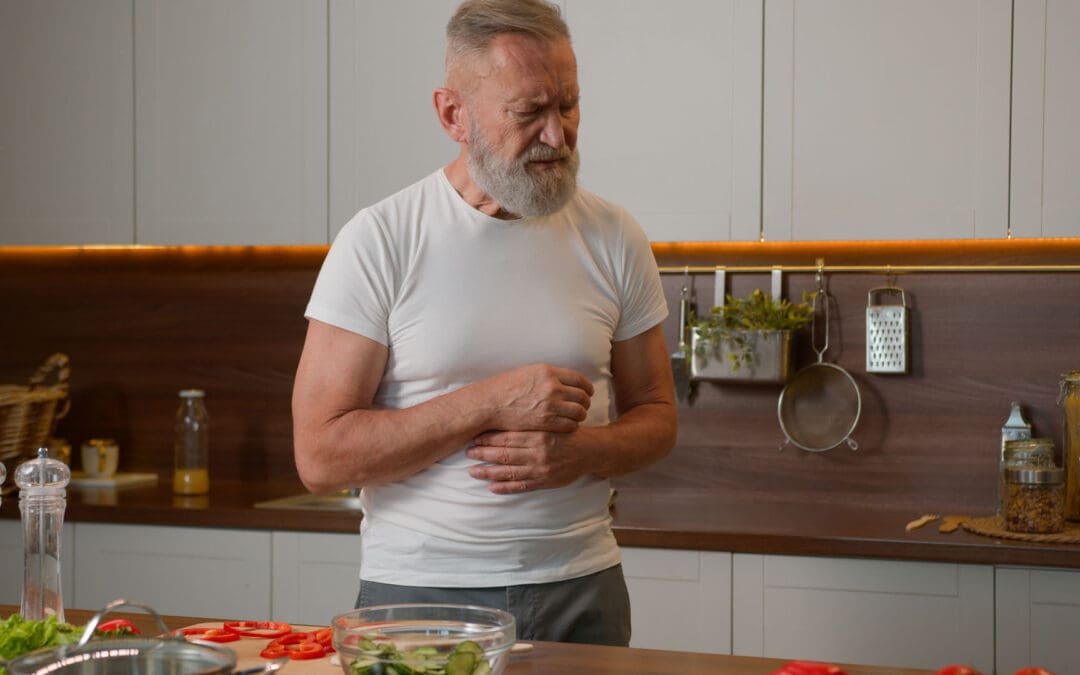
Many people switch to salads, fresh fruits, whole grains, and lean proteins, hoping their stomach troubles will finally end. They cut out fast food and feel optimistic. Yet the bloating, cramps, and pain often continue or even worsen. At El Paso Back Clinic in El Paso, Texas, Dr. Alex Jimenez, DC, APRN, FNP-BC, CFMP, IFMCP, sees this pattern daily. As a leading injury specialist and scientific chiropractor, he explains that persistent gut pain often stems from underlying issues such as leaky gut, hidden food sensitivities, low stomach acid, and insufficient digestive enzymes. The clinic’s integrative chiropractic approach identifies and addresses these root causes rather than just masking symptoms. They blend gentle spinal adjustments, functional medicine testing, and targeted nutrition for real, lasting relief.
Leaky gut, also known as increased intestinal permeability, is a common hidden reason why pain lingers. The lining of the small intestine should work like a smart filter. It lets nutrients pass into the bloodstream while keeping out bacteria, toxins, and undigested food. When the lining gets damaged, tiny gaps form. Harmful particles slip through and trigger immune responses. This creates inflammation that shows up as gut pain, fatigue, brain fog, or skin problems.
Here are key factors that can weaken the gut lining:
Frequent use of pain relievers like ibuprofen or antibiotics
Too much alcohol or processed foods
Ongoing stress that keeps the body in fight-or-flight mode
Dysbiosis, an imbalance of good and bad gut bacteria
Environmental toxins or past infections
These triggers break the tight junctions between cells, allowing leaks that spark body-wide inflammation.
Hidden food sensitivities make the problem even trickier
You might eat what seems like healthy food—avocados, chicken, or broccoli—yet still feel discomfort hours later. These are often delayed reactions, unlike the rapid swelling seen in true allergies. Once particles leak through a damaged gut, the immune system makes antibodies. This leads to constant low-level irritation and pain in the intestines.
Low stomach acid and insufficient digestive enzymes add to the struggle. Stomach acid normally breaks down food and kills harmful germs. Enzymes from the pancreas chop proteins, fats, and carbs into pieces the body can absorb. Stress, aging, or antacid medicines lower acid levels, so food sits half-digested. Undigested bits then feed harmful bacteria, create gas, and irritate the lining. Healthy meals alone cannot fix this cycle.
The spine plays a surprising role in gut health, which is why El Paso Back Clinic specializes in connecting back care to digestion. The vagus nerve runs from the brain through the neck and spine down to the stomach and intestines. It controls acid production, enzyme release, and proper gut movement. Misalignments in the upper back or neck tension from poor posture, injuries, or desk work can pinch or irritate this nerve. When vagus signaling slows, digestion lags, bacteria overgrow, and leaky gut worsens. Many patients who come in for back pain or sciatica also report stubborn gut issues that improve once spinal alignment is restored.
Dr. Alex Jimenez has observed these spine-gut connections for years in his clinical practice at El Paso Back Clinic
His dual training as a Doctor of Chiropractic and a Family Nurse Practitioner allows him to treat both structural problems and functional imbalances. Gentle chiropractic adjustments restore proper nerve flow, reduce inflammation, and support better digestion. Patients with chronic back pain, bloating, and fatigue often see major improvements when the clinic addresses the full picture. Dr. Jimenez uses advanced testing and personalized plans that include nutrition, supplements, and spinal care to resolve symptoms standard diets miss.
Dysbiosis and chronic stress frequently hide behind “healthy” eating struggles. Dysbiosis means the trillions of gut microbes get out of balance. Helpful bacteria that digest fiber and make vitamins decline, while harmful ones produce gas and toxins. Stress keeps the body from entering the calm “rest-and-digest” mode. The vagus nerve cannot function well, so acid and enzymes stay low, and the gut lining stays irritated.
Small Intestinal Bacterial Overgrowth (SIBO) takes this further. When nerve interference or low acid slows movement, bacteria that belong in the large intestine migrate upward. They ferment food too early in the small intestine, causing pressure, bloating, and pain. Even a vegetable-rich diet can feed SIBO if the root spinal or nerve issue remains untreated.
El Paso Back Clinic stands out because they treat the whole person. They do not simply hand out another diet sheet. Instead, the team listens to your full story—back pain history, stress levels, sleep, past injuries, and posture. They order precise functional tests and combine them with chiropractic adjustments for a custom plan.
Here are common steps in a gut-healing protocol used at the clinic:
Temporarily remove irritants while testing to find exact triggers
Add bone broth, fermented foods like sauerkraut, and fiber-rich vegetables to feed good bacteria
Use digestive enzymes and herbal bitters before meals to boost acid and break down
Sip warm ginger or chamomile tea to calm the nervous system and improve motility
Practice slow, mindful eating with deep breaths to activate the vagus nerve
Include supportive herbs like marshmallow root and calendula to repair the lining
These steps work best when paired with spinal adjustments and lab results
Testing matters more than guessing. Simply changing diets without knowing the cause often fails. One person might need extra acid support. Another might fight SIBO linked to vagus nerve pressure from neck strain. A third could have a hidden sensitivity to gluten or dairy. Functional labs check stool microbes, measure gut permeability, or scan for food antibodies. Dr. Jimenez and the El Paso Back Clinic team use these tools, plus chiropractic exams, to build plans that last.
The nervous system strongly affects digestion. Eating while stressed or in a rush keeps the body in fight-or-flight. Digestion slows, food sits longer, and the gut lining stays open. Simple daily habits help: take five slow breaths before meals, chew thoroughly, and eat without distractions. These cues tell the vagus nerve it is safe to produce acid, release enzymes, and move food smoothly.
Healing takes time
The gut lining renews every few days, but full repair often needs weeks or months of consistent care. Professional guidance at a clinic like El Paso Back Clinic prevents wasted effort on random changes. Many patients feel surprised when pain fades once the real issue is fixed. One client who ate only clean foods still had daily cramps until tests revealed SIBO and low enzymes. After chiropractic adjustments, targeted nutrition, and stress work, digestion normalized. Another person who had ongoing back pain and bloating felt better when integrated care fixed hidden sensitivities and tension in the vagus nerve.
El Paso Back Clinic also links low secretory IgA—a key gut defense—to leaky gut and autoimmunity. Their approach combines stress reduction, anti-inflammatory eating, and supplements to rebuild defenses. The team emphasizes functional nutrition that heals from the inside out while keeping the spine aligned to optimize nerve flow.
In the end, ongoing gut pain despite healthy eating is your body’s way of asking for help. It often points to leaky gut, sensitivities, poor digestion, dysbiosis, or nerve interference due to spinal issues. Targeted testing and root-cause care at El Paso Back Clinic deliver real results. Dr. Alex Jimenez and the team show how chiropractic science, functional medicine, and personalized protocols turn pain into steady wellness. Listen to the signals, get evaluated, and take step-by-step action. Your gut—and your back—will thank you.
Long-Term Weight Loss Solutions at El Paso Back Clinic: Healthy Diet and Integrative Care
Losing weight the right way means making changes that last. At El Paso Back Clinic in Texas, the focus is on a steady plan that cuts calories a bit each day while eating nutrient-dense foods. This avoids quick fixes that often lead to gaining weight back, which can be detrimental to long-term health and may result in a cycle of yo-yo dieting. The clinic, led by Dr. Alexander Jimenez, combines nutrition advice with chiropractic care to help people reach their goals in a healthy manner.
A good weight loss diet creates a moderate caloric deficit, meaning you eat fewer calories than you use, but enough to avoid feeling starved. Aim to lose 1 to 2 pounds per week, which is mostly fat. Fill your meals with whole foods like veggies, lean meats, and high-fiber grains. Skip processed snacks and sweet drinks that add empty calories.
At El Paso Back Clinic, experts help you build this plan. They offer personalized nutrition counseling to help you choose the best foods for your body. The clinic uses functional medicine to check for issues like hormonal imbalances or inflammation that make losing weight hard. Dr. Jimenez and his team create diets that reduce swelling and boost energy, making it easier to stay on track.
Here are key parts of a solid diet:
Lots of Veggies: Fill half your plate with greens, broccoli, or other colorful options. They fill you up with fewer calories.
Lean Proteins: Choose chicken, fish, beans, or eggs to keep muscles strong and hunger away.
Fiber-Rich Carbs: Go for oats, brown rice, or whole wheat over refined stuff.
Healthy Fats: Use avocado or nuts in small amounts for beneficial health.
Cut Back On: Sugary foods, soda, and fried items that slow progress, as these can lead to weight gain and hinder overall health improvements.
The clinic’s approach
The clinic’s approach includes balanced meals that include proteins, fats, and veggies to keep you satisfied. They stress eating at set times and drinking water to help your body burn fat. Nutritionists at the clinic guide you on anti-inflammatory diets that address hidden issues affecting weight, such as chronic inflammation and food sensitivities, which can hinder weight-loss efforts.
El Paso Back Clinic stands out with its integrative care. They do metabolic testing to see how your body works and suggest supplements if needed. Chiropractic adjustments realign the body, reducing pain so you can move more and burn more calories. This comprehensive approach addresses both food and physical issues to improve outcomes, such as increasing nutritional intake and enhancing physical mobility, leading to overall health benefits.
Dr. Alexander Jimenez, DC, APRN, FNP-BC, CFMP, IFMCP, leads the team. He uses his skills in chiropractic and functional medicine to offer custom plans. In his practice, he sees that mixing diet with adjustments helps reset the body. Patients report less inflammation, better sleep, and easier weight loss. The clinic also has meal prep services with healthy options like bowls and oats to make eating right simple.
Programs like Ideal Protein are available for some, focusing on hormones and inflammation, and they offer structured meal plans and support to help patients achieve their weight-loss goals effectively. The clinic’s functional medicine approach examines genes, lifestyle, and gut health to address root causes. This makes weight loss last longer than just dieting alone.
Combining nutrition with chiropractic care at the clinic targets metabolism and structure, enhancing the effectiveness of weight-loss efforts and promoting long-term health benefits. Adjustments ease pain from misalignments, letting you exercise without pain. Nutrition reduces swelling, supporting overall health. This duo leads to steady progress and fewer setbacks.
Try these easy meals, like those suggested in the clinic’s counseling:
Breakfast: Oats with fruit and nuts for a filling start.
Lunch: Salad with grilled chicken and veggies.
Dinner: Fish, quinoa, and greens for balance.
Snacks: Yogurt or veggies with dip to curb hunger.
Add movement, like walks or the clinic’s rehab exercises, to speed things up. El Paso Back Clinic offers gym access and coaching for full support. With locations in El Paso and a team ready to help, it’s a great spot for lasting change. Call +1-915-850-0900 or visit to start.
Healing Through Food: Functional Medicine at El Paso Back Clinic for Fighting Chronic Diseases
Functional medicine is a fresh way to approach health that digs into the root causes of long-term illnesses. At El Paso Back Clinic, this approach uses food as a main tool to help the body heal naturally. Instead of just counting calories, food helps reduce inflammation, balance hormones, and address gut issues. The clinic, led by Dr. Alex Jimenez, creates custom diets full of whole, nutrient-packed foods that fight inflammation to tackle chronic problems (Institute for Functional Medicine, n.d.).
Located in El Paso, Texas, the clinic offers a mix of chiropractic care and functional medicine. Patients get personalized plans based on their genes, habits, and health history. This means eating plenty of fresh fruits, veggies, lean meats, and good fats. Foods like berries, green leaves, and nuts stand out because they boost the body’s performance. For instance, blueberries and strawberries are loaded with compounds that protect cells and ease swelling (Big Life Colorado, n.d.).
Whole Foods Priority: Go for natural items like fresh fruits, grains, and proteins, and skip processed foods.
Nutrient-Rich Picks: Choose foods rich in vitamins, minerals, and fiber, such as avocados for healthy fats or salmon for omega-3s.
Anti-Swelling Emphasis: Ditch sugar and white carbs; pick turmeric, ginger, and green tea to soothe the body.
This custom method helps people control their health. Functional medicine views the body as a single, integrated system. It doesn’t stop at symptoms; it examines how all parts connect, including the interactions among organs and systems that can affect overall health. Nutrition is huge here, supplying what the body needs to function well (Trivida Functional Medicine, n.d.).
A significant aspect of special diets is their role in restoring bodily functions. Elimination diets remove potential trigger foods like gluten or dairy to pinpoint issues. Healing diets like paleo or keto aim to achieve specific goals. Paleo sticks to old-time eats like meats, veggies, and fruits to build toughness and avoid junk. Keto goes high-fat, low-carb to steady blood sugar and power (Nourish Medicine, n.d.).
The low FODMAP plan cuts specific carbs, known as fermentable oligosaccharides, disaccharides, monosaccharides, and polyols, that bug the gut, aiding with bloat, gas, and pain. It’s ideal for gut troubles like IBS. These diets promote gut wall healing and the growth of beneficial bacteria (Think Vida, n.d.; The Good Trade, n.d.).
Paleo Perks: Aids weight, digestion, and energy by dropping grains and dairy.
Keto Gains: Boosts brain work, cuts hunger, and balances hormones via fat energy.
Low FODMAP Hints: Skip onions and garlic first; reintroduce slowly to identify culprits.
At El Paso Back Clinic, functional medicine addresses the root causes of ongoing illnesses, such as constant swelling or leaky gut. These can spark diabetes, heart woes, or autoimmune issues. Diets rich in nutrients, sometimes cutting undesirable foods, help repair. Fermented items like yogurt or sauerkraut nourish gut bugs, while ditching junk lets the gut heal (Functional Nexus, n.d.; Boost Nevada, n.d.a).
The clinic blends these techniques with chiropractic. Spinal tweaks ease pain, paired with nutrition tips, life advice, and supplements to boost function. Chiropractors align the spine to improve nerve flow, benefiting the whole body by reducing pain and enhancing overall health and wellness. Taken together, it provides comprehensive care (Cary Pain & Injury, n.d.; Team Chiro, n.d.; El Paso Back Clinic, n.d.).
Dr. Alex Jimenez, DC, APRN, FNP-BC, heads the clinic, bringing dual expertise in chiropractic and nursing. He uses food plans to address inflammation and hormone issues. He sees anti-inflammatory diets, like Mediterranean styles, help stop cancer and ease injury pain. Patients with back pain or sciatica recover more quickly when nutrition and lifestyle tweaks are incorporated (Jimenez, n.d.a; Jimenez, n.d.b; El Paso Back Clinic, n.d.).
Spine Tweaks: Realign to relieve nerve pinch and improve movement.
Nutrition Guidance: Tailored food advice, like yeast for vegans or probiotics for guts.
Life Tweaks: Exercise, stress cuts, and sleep tips for total wellness.
Supplements help, but food leads. Omega-3s from fish or veggie sources fill the gaps. Dr. Jimenez notes fibromyalgia patients feel less overloaded with low-swelling diets. He uses detox and fast-like plans to reset (Jimenez, n.d.a; El Paso Back Clinic, n.d.).
Patients see major shifts: more pep, less hurt, and better moods. Custom plans mean lasting wins over quick patches. Clinic observations show that folks with chronic pain improve quickly with this mix (Perform Health Wellness, n.d.; SA Family Integrative Health, n.d.).
Videos explain the impact of food on the gut and its healing (HFYPwRrPOL0, 2023). Another study ties spine health to eating (8P5viA0Roq8, 2022).
Quick Wins: Weeks bring less swelling with the right foods.
Lasting Health: Habits maintain vitality without relying on medication.
Full Care: Hits mind, body, and spirit.
The clinic uses scans and tests to develop custom plans tailored to individual health needs and promote overall well-being. Dr. Jimenez stresses that nutrition helps prevent issues at all ages. His work shares recovery stories from accidents through integrated care (Jimenez, n.d.b.; El Paso Back Clinic, n.d.).
Empowering folks is core. Learn how to use food to hear body signals. The gut microbiome reacts to what we eat; proper nutrition helps heal and combat illness (The Good Trade, n.d.).
The clinic saves cash through early prevention. Diet shifts and tweaks beat costly fixes later (SA Family Integrative Health, n.d.; Reno Spine Care, n.d.), as they can lead to improved health outcomes and reduce the need for expensive medical interventions in the future.
Money Savers: Seasonal veggies for cheap, nutrient-dense options.
Simple Starts: Swap soda for lemon water to drop sugar.
Progress Track: Food logs show body fits.
Functional medicine at El Paso Back Clinic is transformed by wise food, helping patients improve their overall health and well-being through personalized dietary plans and lifestyle changes. Beyond calories, it heals inside. With Dr. Jimenez’s help, gain lasting health tools, including personalized dietary plans, lifestyle modifications, and ongoing support, to promote overall well-being (Docere IM, n.d.a; Docere IM, n.d.b).
It is gaining popularity due to its effectiveness, supported by studies on nutrition comparable to those conducted by Harvard (Docere IM, n.d.a). In chiropractic, it amplifies pain and energy results, leading to improved overall well-being and enhanced physical performance.
Patients feel reborn. Balancing hormones via diet fixes sleep and mood. Dr. Jimenez sees diabetes and thyroid conditions reverse safely with custom eats (Jimenez, n.d.b.; El Paso Back Clinic, n.d.).
Hormone Foods: Eggs for protein, nuts for fats, and greens for vitamins.
Gut Fixes: Broth, kefir, and fiber veggies.
Swelling Busters: Berries, fish, and olive oil.
Integrative medicine emphasizes treating the whole person, not just the illness. Without life changes, there can be no improvement (Parkview, n.d.).
Dr. Jimenez offers podcasts and webinars on stress, guts, and food. Poor posture worsens digestion, but combined care can fix it (Jimenez, n.d.b.; El Paso Back Clinic, n.d.).
The clinic treats back injuries such as disc problems with decompression, sciatica with acupuncture, and scoliosis with braces. It combines functional medicine, sports rehabilitation, and nutrition to address root causes without surgery (El Paso Back Clinic, n.d.).
Testimonials shine: Bobby’s hip relief, Andrew’s ankle heal, and Madison’s sports aid. Videos cover hip pain, sciatica, and shoulders (El Paso Back Clinic, n.d.).
With its central location at 11860 Vista Del Sol, Ste. 128, El Paso, TX 79936, call +1-915-850-0900 or email [email protected] for care (El Paso Back Clinic, n.d.).
In the end, functional medicine with food and chiropractic at El Paso Back Clinic offers hope for chronic issues, such as hip pain and sciatica, by addressing the root causes and promoting overall wellness. Build strength through choices.
Motivation That Lasts: Fun, Low-Impact Workouts and SMART Goal Strategies
Losing weight does not have to feel impossible, even if back pain, low energy, or busy days get in the way. Many people in El Paso start with easy exercises like short walks or gentle stretches, but staying motivated is what brings real results. The good news is that small, smart steps, plus help from a local expert team, can make all the difference. At El Paso Back Clinic, patients discover how chiropractic care and functional medicine remove roadblocks so basic weight-loss exercises feel safe, doable, and even enjoyable. This guide shares straightforward ways to set goals, track progress, choose fun movement, and get professional support right here in El Paso. You will learn practical tips that fit real life and see how the clinic’s team, led by Dr. Alexander Jimenez, helps turn “I can’t” into steady success.
Basic weight-loss exercises like walking, light yoga, or dancing burn calories without stressing your joints. When your body feels better and pain drops, motivation stays strong. El Paso Back Clinic combines chiropractic adjustments, personalized rehab, and health coaching to make these simple moves part of your everyday routine.
Setting Attainable SMART Objectives for Steady Progress
SMART goals keep your weight-loss journey clear and reachable. SMART means Specific, Measurable, Achievable, Relevant, and Time-bound. Instead of saying “I need to lose weight,” try “I will walk for 15 minutes after dinner, five days this week.” This type of goal is easy to follow and gives quick wins. (Hey Life Training, n.d.; El Paso Back Clinic, n.d.-b)
Here are SMART goal examples perfect for basic weight-loss exercises:
Walk briskly for 15 minutes, five days a week, starting this Monday.
Do gentle yoga stretches for 10 minutes each morning for the next two weeks.
Dance to favorite music for 15 minutes, three evenings a week.
Swim or walk in water for 15 minutes twice a week at a local pool.
Take the stairs instead of the elevator at least five times daily this week.
Start small, so you build confidence fast
At El Paso Back Clinic, health coaches help patients turn these goals into custom plans that match their energy and schedule.
Monitoring progress keeps motivation alive. Use a simple notebook or phone app to log your walks, steps, or how your back feels after movement. Seeing checkmarks add up or a line on a graph climb feels rewarding. Patients at the clinic often say watching their own improvements beats staring at the scale. (Zen Habits, n.d.)
To avoid burnout, pick fun, low-impact activities. Yoga, swimming, and walking ease joints and lift mood through natural feel-good chemicals. These basic exercises become something you look forward to instead of dread. (HelpGuide.org, n.d.)
Find accountability with a workout buddy or the clinic’s support network. Many patients walk with family or join gentle group sessions. Reward small wins with non-food treats like new walking shoes or a relaxing evening. Remember your “why”—more energy for family, better sleep, or less back pain. Read it daily on tough days. (Planet Fitness, n.d.-a)
Easy, Efficient Strategies to Stay Motivated Every Day
Consistency beats intensity when building habits. Here are proven strategies that work well with basic weight-loss exercises:
Start small for lasting consistency: Begin with just 10–15 minutes of movement. This avoids burnout and makes exercise a normal part of your day. (Reddit community insights, 2024)
Track your development: Write down workouts, steps, or how clothes fit. Graphs show real progress and keep you excited. (Zen Habits, n.d.)
Make it fun: Choose dancing, swimming, cycling, or active games. Fun turns movement into “me time.” (HelpGuide.org, n.d.)
Reward yourself: After five good days, celebrate with new socks, a movie, or a quiet bath. (Modern Image Aesthetics, n.d.)
Build accountability: Walk with a friend, pet, or join a beginner class. The clinic’s health coaches provide extra check-ins. (Healthline, n.d.)
Recall your “why”: Focus on deeper reasons like steady energy or pride in your posture. (Planet Fitness, n.d.-b)
Prepare for low-energy days: Have a backup like 10 minutes of gentle stretches at home. (Cleveland Clinic, n.d.)
These steps fit real El Paso life—hot days, long work hours, and family needs. Short walks during lunch or evening strolls add up fast.
Walking Your Way to Better Results: Clinic-Approved Tips
Walking is one of the easiest basic weight-loss exercises, and El Paso Back Clinic shares clear ways to burn more fat while protecting your back. Start with 15 minutes daily, five days a week, then add five minutes each week. Walk at a brisk pace faster than normal, swing your arms, and keep a healthy posture. Add short speed bursts or gentle hills for extra calorie burn without hurting knees. Wear supportive shoes and breathe steadily. (El Paso Back Clinic, n.d.-c)
Benefits include stronger bones, less joint pain, better mood, and reduced belly fat linked to heart health. Even short 15-minute walks several times a day work when time is tight. Patients at the clinic combine walking with chiropractic care for faster mobility gains and steady motivation.
Making Fitness Enjoyable and Part of Your Routine
Pick activities you actually like. If running hurts, try dancing at home, water walking, or bike rides on flat paths. Listen to music or podcasts while moving. Many patients discover they enjoy low-impact options once pain eases. (Medical Beauty and Weight Loss, n.d.)
Social support helps too. Walk with neighbors or join light classes. At El Paso Back Clinic, personalized rehab programs make movement feel safe again, so you stay consistent longer.
How El Paso Back Clinic Boosts Motivation Through Integrative Care
Back pain or low energy often stops people from exercising. El Paso Back Clinic, led by Dr. Alexander Jimenez, DC, APRN, FNP-BC, removes these barriers with chiropractic and functional medicine. Their approach helps thousands of El Paso patients move more freely and lose weight sustainably.
Chiropractic adjustments reduce chronic back, hip, and joint pain, so walking or yoga no longer hurts. Better spinal alignment improves nervous system signals that control metabolism and fat burning. When the body works more smoothly, energy rises, and motivation follows naturally. (El Paso Back Clinic, n.d.-a; Adjusted Life Chiropractic, n.d.)
Dr. Alexander Jimenez has observed over 30 years that fixing spinal misalignments breaks the pain-obesity cycle. Pain leads to less movement and comfort eating; extra weight adds more pain. His team uses gentle adjustments, advanced imaging, and lab tests to address root causes such as inflammation, hormonal imbalances, and gut issues. Patients report less pain, better sleep, steadier moods, and fewer cravings. (Jimenez, n.d.; El Paso Back Clinic, n.d.-a)
Custom low-impact exercise plans are a clinic specialty. Instead of heavy gym work, they recommend practical moves: walking programs, water exercises, light resistance bands, and core stretches that fit daily life. These plans build confidence fast because they feel safe. The clinic’s rehabilitation centers offer guided sessions with trainers who understand back issues. (Robinhood Integrative Health, n.d.; El Paso Back Clinic, n.d.-c)
Functional medicine digs deeper. The team checks for slow metabolism, insulin resistance, or stress hormones that block weight loss. Personalized nutrition advice, supplements, and lifestyle tips clear these hurdles. Health coaches then create step-by-step plans with SMART-style process goals—like “walk three to four times this week”—so patients focus on what they can control. (El Paso Back Clinic, n.d.-b, n.d.-d)
Stress management is built in
High stress raises cortisol and belly fat while lowering motivation. Chiropractic care relaxes tight muscles and calms the nervous system. Many patients report feeling more positive and ready to move on after visits. (Dr. P Chiro, n.d.)
Personalized accountability keeps progress on track. Regular check-ins, body scans, and plan updates show results beyond the scale. Improved posture from adjustments makes patients stand taller and feel stronger—boosting confidence to keep going. (Obesity Action Coalition, n.d.; Westport Chiropractic, n.d.)
Dr. Jimenez often reminds patients that big changes start with small, consistent steps. His team at El Paso Back Clinic offers multiple convenient locations across El Paso, including rehab and fitness centers with 24/7 access. Military discounts, virtual coaching options, and meal-prep support make healthy living easier. Patients with past injuries or long-term back pain often return to activities they once avoided, creating a positive cycle of more movement and faster weight-loss results.
By reducing pain, improving mobility, addressing metabolic issues, and providing expert coaching, El Paso Back Clinic turns basic weight-loss exercises into something patients actually enjoy and stick with long-term.
Putting It All Together for Real, Lasting Success
Begin today with one small change. Choose a SMART goal, schedule a 15-minute walk, and note your “why.” Add music or a friend for fun. If back pain or low energy holds you back, contact El Paso Back Clinic for a personalized evaluation. Dr. Alexander Jimenez and his multidisciplinary team combine chiropractic care, functional medicine, and health coaching to support your goals safely.
Motivation comes and goes—some days feel easier than others, and that is normal. The strategies here—SMART goals, tracking, fun movement, rewards, accountability, and professional help—help you bounce back quickly. Over weeks and months, these habits create real momentum.
Basic weight-loss exercises like daily walking or gentle yoga do more than burn calories. They improve heart health, lift mood, strengthen muscles, ease back pain, and raise self-esteem. With support from El Paso Back Clinic, you gain energy for work, family, and life. Celebrate every step, every stretch, and every healthy choice. You have local experts ready to help—one simple, consistent day at a time.
Ketogenic Diet in 2026: A Smarter, Safer Approach for Metabolic Health, Brain Support, and Better Movement
In early 2026, the ketogenic (“keto”) diet is still widely used—but the way people use it has matured. Keto is no longer just a “trend diet.” It is now better understood as a structured clinical nutrition strategy that can help certain people with epilepsy, type 2 diabetes, and weight loss, while also being actively studied for brain health and mental health. At the same time, leading medical sources continue to warn that keto can raise LDL (“bad”) cholesterol in some people, and long-term heart outcomes are still not fully clear. That is why the modern keto plan in 2026 is less about “more fat” and more about better fat, better fiber, and better monitoring. (Harvard Health Publishing, 2024a, 2024b)
For a clinic focused on spine, mobility, and whole-body function—such as El Paso Back Clinic—this is important because metabolic and musculoskeletal health are interconnected. Many people who want to lose weight or improve blood sugar also deal with back pain, neck pain, joint stiffness, poor sleep, and high stress, which can make lifestyle changes harder to stick with. In 2026, the best outcomes usually come from a team approach: nutrition guidance (often supported by a nurse practitioner) plus chiropractic support for movement, posture, and nervous system regulation—so the person can keep moving and recover well while changing how they eat. (Masood et al., 2023)
What the Keto Diet Is (Plain and Simple)
A ketogenic diet is typically:
Very low in carbohydrates
Moderate in protein
Higher in fat
The goal is to achieve nutritional ketosis, in which the body uses fat and ketones for much of its energy rather than relying primarily on glucose (blood sugar). UC Davis describes keto as a strict high-fat plan with very low carbohydrates, and they emphasize that it is not right for everyone. (UC Davis Health, 2025)
Important safety note: Nutritional ketosis is not the same as diabetic ketoacidosis (DKA). DKA is a dangerous medical emergency, most often linked to type 1 diabetes and uncontrolled blood sugar. Keto dieting is not meant to create that state, which is why medical screening and medication review matter—especially for people taking diabetes medications. (Masood et al., 2023)
Why Keto Is Still Clinically Relevant in 2026
Epilepsy: Keto’s Most Established Medical Use
Keto has a long history in epilepsy care and is still used in specialized settings for seizure control. This is one reason keto has remained part of mainstream medical conversation, not just social media. (Masood et al., 2023)
Key point: When keto is used therapeutically for epilepsy, it is often monitored closely, with specific nutrition targets and professional oversight. (Masood et al., 2023)
Type 2 Diabetes and Insulin Resistance: Helpful for Some, Needs Monitoring
Keto can sharply reduce carbohydrate intake, which often improves blood glucose control for some people. Many people also experience changes in appetite and reduced cravings after adaptation. But if a person is taking glucose-lowering medications, the plan must be coordinated with a clinician to reduce the risk of hypoglycemia and to adjust medications safely. (Masood et al., 2023)
UC Davis also notes that keto can lead to weight loss and metabolic changes, but it is restrictive and should be approached carefully with individual health factors in mind. (UC Davis Health, 2025)
Weight Loss: Often Fast Early Results, Long-Term Success Requires a Real Plan
Keto is known for quick early weight change, often due to:
Lower carbohydrate intake
Water shifts early on
More structured eating patterns (fewer refined foods for many people)
But long-term outcomes depend less on “perfect keto” and more on:
Sleep
Stress
Food quality
Consistency you can sustain Harvard also points out that keto may work short-term, but long-term heart effects and sustainability are big concerns. (Harvard Health Publishing, 2024a)
Keto and the Brain in 2026: Mental Health and “Metabolic Therapy”
One of the most significant shifts in 2026 is the growing interest in the effects of keto on brain metabolism. Stanford Medicine reported results from a small pilot study in severe mental illness, suggesting potential improvements in metabolic health and psychiatric measures while participants followed a ketogenic diet under clinical guidance. (Stanford Medicine, 2024; Sethi et al., 2024)
Stanford also discussed “keto therapy” as a topic of active interest in psychiatry, while still emphasizing that larger trials are needed and keto is not a replacement for standard care. (Stanford Medicine, 2025)
The responsible 2026 takeaway: Keto may be promising for certain brain-related conditions, but it should not be oversold as a cure. It should be included in a medically supervised, whole-person plan when appropriate. (Stanford Medicine, 2025; Sethi et al., 2024)
Keto and Athletic Performance: It Depends on the Sport and the Person
In 2026, keto is often discussed differently for endurance athletes vs. power athletes. Some people report steadier energy after adaptation, whereas others struggle with high-intensity training, where rapid carbohydrate fuel helps performance.
A practical way to view this:
Keto may fit some endurance goals
Keto may be tougher during high-intensity bursts
Training quality, sleep, hydration, and recovery matter either way (UC Davis Health, 2025)
The Heart Question in 2026: Why Fat Quality Matters So Much
Here is the reality: keto can improve some markers (like triglycerides and HDL) while raising LDL in some people—especially when saturated fat intake is high. (McGaugh et al., 2022; Harvard Health Publishing, 2024a, 2024b)
Harvard Health warns that keto is associated with increased LDL cholesterol and that long-term heart outcomes remain uncertain. They also emphasize limiting saturated fat due to its association with increased risk of heart disease. (Harvard Health Publishing, 2024a)
A scientific review in PMC reports that ketogenic diets often lower triglycerides and raise HDL, but lipid responses can vary, and LDL may rise depending on diet composition and the person. (McGaugh et al., 2022)
“Better Keto” fats (heart-smarter choices)
If you do keto in 2026, many clinicians push the plan toward unsaturated fats and fiber-rich foods:
Extra-virgin olive oil
Avocados and avocado oil
Nuts and seeds (portion-aware)
Fatty fish (like salmon and sardines)
Lots of low-carb vegetables for fiber (Harvard Health Publishing, 2024a)
Fats to limit if LDL rises
Heavy reliance on butter, cream, and fatty processed meats
Frequent fried foods
A pattern where saturated fat dominates most meals (Harvard Health Publishing, 2024a)
Long-Term Keto and Longevity: Newer Cautions in 2026
A UT Health San Antonio-led study (animal research) found that continuous long-term ketogenic dieting in mice increased cellular senescence (“aged cells”) in multiple organs, with particular attention to heart and kidney tissues. The same research line reported that an intermittent approach appeared to prevent those pro-inflammatory senescence effects in their model. This does not automatically prove the same outcome in humans, but it supports today’s more careful “longevity-minded” keto planning. (UT Health San Antonio, 2024)
Practical meaning for 2026: Some people may do better with:
Cycles or planned breaks
A “modified keto” approach with more fiber and better fats
Regular lab monitoring and symptom tracking (UT Health San Antonio, 2024)
Who Should Be Careful (Or Avoid Keto)
Clinical education sources emphasize screening for contraindications and identifying patients who need close monitoring or personalized adjustments before starting keto. (Masood et al., 2023)
Situations that often require extra caution:
Diabetes medications that can cause low blood sugar (needs clinician review)
History of kidney stones or significant kidney disease (case-by-case)
Pregnancy or breastfeeding (specialized guidance)
History of eating disorders (risk of triggering restrictive patterns)
Certain rare metabolic conditions (Masood et al., 2023)
Why El Paso Back Clinic’s “Whole-Person” Angle Fits 2026, Keto
A common reason people fail on diet plans is not lack of motivation—it is pain, poor sleep, stress overload, and limited movement capacity. Back pain and neck pain can reduce daily activity. Reduced activity can worsen insulin resistance. Poor sleep can increase hunger hormones and cravings. Stress can increase comfort eating. These factors stack together.
That is why keto in 2026 works best with an integrated plan that addresses:
Nutrition structure
Mobility and function
Sleep and stress regulation
Realistic habit systems (Masood et al., 2023)
The Nurse Practitioner role: safety, labs, and medication review
The NP-guided side of keto commonly includes:
Reviewing medications and contraindications
Tracking metabolic markers and side effects
Personalizing protein, fiber, hydration, and electrolytes
Adjusting the plan based on response (Masood et al., 2023)
This is also consistent with the increasing involvement of nurse practitioners in contemporary obesity and metabolic care, which combines nutrition strategies with patient-centered support and medical interventions when appropriate. (American Association of Nurse Practitioners, 2025)
The Chiropractic role: movement, posture, and the “pain barrier” problem
When pain limits activity, people often get stuck. Chiropractic care can support the musculoskeletal side of the plan by helping patients:
Improve mobility and joint motion
Reduce mechanical stress that flares pain
Support posture and movement patterns
Build a more consistent foundation for walking, training, and rehab work
El Paso Back Clinic has published educational materials on ketogenic diets and brain-fuel concepts (ketones vs. glucose), as well as on basic principles, reflecting an integrative wellness approach that links nutrition and function. (El Paso Back Clinic, n.d.-a, n.d.-b)
A Practical “Safer Keto” Framework for 2026
Step 1: Choose your goal (and set a time frame)
Common goals:
Weight loss jump-start
Blood sugar improvement
Reduced cravings
A monitored metabolic therapy trial for brain or mood support (UC Davis Health, 2025; Stanford Medicine, 2025)
Step 2: Build your plate the 2026 way (quality first)
Protein: eggs, poultry, fish, leaner cuts as needed
Fluids/electrolytes: plan ahead (many people feel “keto flu” symptoms when hydration and sodium are too low) (UC Davis Health, 2025)
Step 3: Track the markers that matter
Beyond the scale:
Waist measurement
Blood pressure
Energy and sleep quality
Lipid panel (LDL, HDL, triglycerides)
A1C (for blood sugar trends) (Harvard Health Publishing, 2024a; McGaugh et al., 2022)
Step 4: Re-check at 6–12 weeks and personalize
If LDL climbs or symptoms worsen, a clinician may adjust:
Fat quality (shift from saturated → unsaturated)
Fiber intake
Carb target (sometimes “less strict” works better long-term)
Overall approach (including cycling or modified keto) (Harvard Health Publishing, 2024a; UT Health San Antonio, 2024)
Bottom Line: Keto Is Still Useful in 2026—But It Must Be Done Well
Keto remains a valuable tool for:
Epilepsy therapy (the most established medical use)
Some cases of type 2 diabetes and insulin resistance (with monitoring)
Fast early weight loss (especially when it reduces refined foods)
But in 2026, the higher-standard approach is clear:
Keto is not a cure-all
Heart markers matter
Fat quality matters
Long-term planning matters
A team approach helps people succeed safely (Harvard Health Publishing, 2024a; Masood et al., 2023)
For individuals pursuing weight loss and metabolic health while managing chronic back or neck problems, pairing clinical nutrition guidance with function-focused chiropractic care can remove key obstacles, making the plan not only possible but also sustainable.
Sugar Hangover: Why You Feel “Off” After Too Much Sugar (El Paso Back Clinic Guide)
If you’ve ever eaten a lot of sweets and then woken up (or hit a wall a few hours later) feeling tired, foggy, cranky, or headachy, you’re not imagining it. Many people call this a “sugar hangover.” It’s not an official medical diagnosis, but the experience is real for many people—and there are clear reasons it can happen.
At El Paso Back Clinic®, we see something important: when your body is stressed—by poor sleep, dehydration, inflammation, neck tension, headaches, and irregular meals—you can feel worse after a sugar-heavy day. That’s why our clinic approach is often integrative, combining chiropractic care, functional rehabilitation, and nurse practitioner support when appropriate.
Let’s break down what a sugar hangover is, what it feels like, why it happens, and what to do—without hype and without scary claims.
What Is a “Sugar Hangover”?
A sugar hangover is a short-term slump that can happen after eating a lot of added sugar or refined carbs (like candy, pastries, sweet coffee drinks, soda, or a big plate of white pasta). People often feel symptoms like:
Fatigue
Headache
Brain fog
Irritability
Cravings
Thirst or dry mouth
Low motivation
Upset stomach (sometimes)
Houston Methodist explains the basic idea: simple carbs can be digested quickly, causing a blood sugar spike, and if that spike is big enough, it can lead to unpleasant side effects.
Levels (a metabolic health education site) also describes the sugar hangover pattern as feeling “crummy” after a sugar splurge, often tied to glucose swings.
Why It Happens: The Spike → Crash Cycle
Your body runs on glucose (blood sugar). After you eat, glucose rises. Then your body releases insulin, which helps move glucose into cells for energy.
When you eat a lot of sugar (especially on an empty stomach), the swing can be bigger:
Sugar absorbs fast
Sugary and refined foods often have little fiber, so they hit your bloodstream quickly.
Insulin response can be strong
A bigger spike can trigger a bigger insulin response.
Blood sugar can drop quickly afterward
That drop is what many people call the “crash.”
Some people experience a true pattern called reactive hypoglycemia—blood sugar that drops after eating. Mayo Clinic notes that reactive hypoglycemia can improve with food choices like high-fiber meals, avoiding sugary foods on an empty stomach, and eating smaller meals spaced throughout the day.
Stress hormones can kick in
When your body senses a drop in blood sugar, it may release hormones (like adrenaline) to bring levels back up. This can feel like:
jitters
anxiety
sweating
irritability
Levels describes these hormone shifts as part of why people can feel shaky, wired, or off during a crash.
Dehydration can cause headaches and fatigue
Some people get thirstier after a sugar-heavy day, and dehydration can worsen headaches and brain fog.
What a Sugar Hangover Feels Like (And Why Headaches Are Common)
A sugar hangover can feel like your brain is “slow.” That’s partly because your brain is sensitive to energy changes.
Common complaints include:
Headache + neck tightness
Brain fog
Heavy fatigue
Mood swings
Sugar cravings
Levels connects sugar hangover symptoms to glucose swings and the body’s stress response.
At El Paso Back Clinic®, we also notice something practical: headaches often come with muscle tension, especially in the neck, upper back, and jaw—and tension can feel worse when you’re dehydrated and underslept. (This doesn’t mean sugar “causes” all headaches. It means sugar swings can be one more stressor on a tense system.)
Who Is More Likely to Get Sugar Hangovers?
Anyone can feel it, but it’s more common if you have:
Irregular meals (skipping breakfast, long gaps)
Poor sleep
High stress
A mostly refined-carb diet
A lot of sugary drinks
Prediabetes or diabetes risk factors
If you have diabetes (or take glucose-lowering meds), you should treat big swings seriously and follow your care plan.
Business Insider also notes that sugar can contribute to feeling sick a few hours after eating sweets, even separate from alcohol hangovers.
Is a Sugar Hangover Dangerous?
Usually, it’s temporary and improves within hours.
But you should get medical help if you have:
Fainting or near-fainting
Confusion that doesn’t clear
Severe weakness
Chest pain
Repeated vomiting
Symptoms plus known diabetes/insulin use
Mayo Clinic provides clear guidance that post-meal low blood sugar patterns should be managed with dietary structure and, when needed, medical evaluation.
What To Do: A Simple “Next-Day Reset” Plan
You don’t need a cleanse. You need stability.
Step 1: Hydrate first
Start the day with water.
Helpful options:
Water
Unsweetened electrolyte drink (if you’re very thirsty)
Herbal tea
Try to avoid:
Sugary coffee drinks
Soda or sweet tea (as they can restart the spike)
Levels emphasizes hydration and avoiding more sugar when you’re trying to stabilize.
Step 2: Eat a steady breakfast (protein + fiber)
Pick something that slows digestion:
Eggs + veggies
Greek yogurt + berries + nuts
Oatmeal + chia + peanut butter
Beans + avocado + salsa (easy and filling)
Mayo Clinic recommends high-fiber foods and avoiding sugary/refined carbs on an empty stomach—especially for people prone to post-meal drops.
Step 3: Walk for 10–20 minutes
A short walk after eating helps many people feel clearer and less sluggish.
Step 4: Calm the “tension loop” (neck, jaw, shoulders)
If your sugar hangover comes with headaches, try:
Gentle neck range-of-motion
Shoulder rolls
Slow nasal breathing (2–3 minutes)
Light stretching
At El Paso Back Clinic®, we focus on restoring function after neck and back strain, and many patients notice that reducing mechanical stress can help them feel better overall—especially when headaches are linked to tension patterns.
Step 5: Don’t “punish” yourself with extreme restriction
A common mistake is skipping food all day. That can create more cravings and more swings.
Better:
normal meals
protein + fiber each time
water
early bedtime
How to Prevent Sugar Hangovers (Without Giving Up All Treats)
Prevention is mostly about how you eat sugar, not whether you ever eat it.
Use the “anchor meal” rule
If you want dessert, have it after a real meal that includes:
protein
fiber
healthy fat
This slows the glucose rise.
Avoid “liquid sugar” most days
Sugary drinks are one of the easiest ways to overshoot your daily sugar without feeling full.
Keep added sugar within reasonable limits
The American Heart Association recommends:
Women: no more than 25 g (about 6 teaspoons) added sugar/day
Men: no more than 36 g (about 9 teaspoons) added sugar/day
Watch for hidden sugar
Johns Hopkins points out that added sugar hides in many “normal” foods and can add up fast.
Common hidden sources:
flavored yogurt
granola bars
cereals
sauces and dressings
“coffee drinks”
sports/energy drinks
Where Chiropractic + Nurse Practitioner Support Fits (El Paso Back Clinic Approach)
A sugar hangover is usually a metabolic + lifestyle issue first. Chiropractic is not a “blood sugar cure.” But integrative care can help because real life is not a one-system-only world.
At El Paso Back Clinic®, our clinical model is built around restoring function and supporting whole-body recovery with a multidisciplinary team.
How a Nurse Practitioner (NP) can help
An NP can:
review symptoms and timing (what you ate + when you crashed)
screen for risk factors (prediabetes, diabetes, anemia, thyroid issues)
recommend lab work when appropriate
build a realistic food plan (not extreme)
help with sleep and stress strategies
Dr. Alexander Jimenez, DC, APRN, FNP-BC often frames this as building repeatable daily habits that support recovery—rather than chasing “quick fixes.”
How chiropractic care can support the “stress and tension side”
Sugar hangovers often come with:
headaches
neck tension
poor sleep
low activity the next day
Chiropractic care may help by:
assessing neck/back mechanics that contribute to tension headaches
improving mobility so you can move and walk more comfortably
El Paso Back Clinic focuses on restoring function after neck, back, and soft-tissue issues through integrated approaches.
Why a combined approach can be stronger
Because a “sugar hangover” often sits on top of other real-world problems:
bad sleep
dehydration
stress overload
chronic tightness
irregular meals
low protein/fiber patterns
Integrative chiropractic + NP care can address both:
the chemical side (glucose swings, nutritional structure)
the structural side (tension, headaches, movement limits)
That’s the practical “whole-person” logic behind multidisciplinary care at El Paso Back Clinic®.
A Quick Word on Nutrition Scope and Safety
Nutrition rules can differ by state and profession. The American Nutrition Association explains that nutrition regulations vary and that the scope of practice can differ across states and providers.
If your symptoms are frequent, intense, or confusing, the safest move is a clinical evaluation—especially if you might have reactive hypoglycemia or diabetes risk.
When to Get Checked (Don’t Ignore These Patterns)
Make an appointment if:
you crash after meals often (2–5 hours later)
headaches + fatigue are frequent
cravings feel out of control
you have a family history of diabetes
you feel shaky, sweaty, or confused after eating
Mayo Clinic recommends a dietary structure for reactive hypoglycemia patterns and supports evaluation when symptoms persist.
Key Takeaways
A “sugar hangover” is a real experience for many people, often driven by glucose spikes and crashes.
Symptoms can include fatigue, headache, brain fog, irritability, and cravings.
The best fix is stable meals, hydration, and light movement, not extreme restriction.
Long-term prevention includes limiting added sugar and watching hidden sugars.
At El Paso Back Clinic®, integrative care can support both the metabolic plan (NP) and the tension/movement side (chiropractic + rehab).
Affordable Healthy Eating in El Paso, TX: Tips from El Paso Back Clinic® for Wellness and Chiropractic Care
A man and woman are eating some fresh fruit as a snack.
In El Paso, Texas, people often wonder about ways to boost their wellness and lifestyle. A big question is: How do I make healthy eating affordable? At El Paso Back Clinic®, we know that good nutrition is key to feeling great and healing the body. We help patients eat better without breaking the bank as the leading provider of wellness chiropractic care in El Paso. To make healthy eating affordable in El Paso, try meal planning, choosing seasonal or frozen produce, using beans for protein, shopping at sales and discount stores, and cooking at home more often. We also suggest using local spots like farmers’ markets and food pantries to save on nutritious foods.
At El Paso Back Clinic®, making healthy eating affordable means smart shopping, such as buying seasonal produce, buying in bulk at local markets, and cutting food waste through batch cooking. Our integrative chiropractic care fits right in. We offer holistic, patient-centered services that mix spinal adjustments with nutrition counseling, physical rehab, and lifestyle coaching. This helps fix the main causes of health problems. Led by Dr. Alex Jimenez, DC, APRN, FNP-BC, our clinic focuses on whole-body wellness to support your healthy eating goals.
Healthy eating gives you energy, helps you control your weight, and helps fight disease. In the Paso del Norte area, including El Paso, eating a balanced diet with the right calories provides the needed nutrients and reduces the risk of conditions like obesity and diabetes (Paso del Norte Health Foundation, n.d.). Many folks skip enough fruits and veggies, but our tips at El Paso Back Clinic® can help change that.
Why Healthy Eating Matters at El Paso Back Clinic®
El Paso mixes cultures, with many Mexican flavors in its meals. But eating out can cost more and offer less nutrition. In the U.S., eating out accounts for 46% of food spending, and it can lead to weight gain (City of El Paso, n.d.). Cooking at home lets you pick ingredients and sizes. Local efforts like Eat Well El Paso work with eateries to add healthier choices, making it simpler to eat well even outside.
Wellness is more than food—it’s about body balance too. At El Paso Back Clinic®, our integrative chiropractic care fixes spinal problems that impact health. We link nutrition to better results, helping patients in El Paso live stronger.
Meal Planning: A Simple Start from El Paso Back Clinic®
Meal planning saves cash and keeps you healthy. Begin by writing out weekly meals. Check your kitchen first to use what you have and skip waste (Scripps Health, n.d.). This stops random buys.
Here are easy tips:
Plan with sales: Check store flyers and build recipes around cheap items.
Add mix: Include a variety of proteins, veggies, and grains for balance.
Prep early: Make big batches and freeze. Saves time on rushed days (American Heart Association, n.d.).
Try apps: Use MyPlate’s Shop Simple for deals and ideas (Office of Disease Prevention and Health Promotion, 2024).
At El Paso Back Clinic®, we teach meal planning in our nutrition counseling. It fits local tastes, like healthy tacos with beans.
Our meal prep services make it even easier. We offer macro-friendly options like Player Bowls and overnight oats starting at $6. These are packed with nutrients to fuel your day and support recovery (El Paso Back Clinic, n.d.).
Picking Affordable Produce with Clinic Advice
Produce brings vitamins, but fresh produce can be expensive. Choose seasonal fruits and veggies for low prices and fantastic flavor. In Texas, look for in-season items like summer tomatoes or winter greens (Lone Star Circle of Care, 2024).
Frozen or canned: Often cheaper and nutritious. Get fruits in water or juice and veggies without salt (American Heart Association, n.d.).
Farmers’ markets: El Paso markets offer fresh, local produce at great prices. Hunt for closing deals.
Grow some: Plant herbs or simple veggies if you can—it’s low-cost fun.
No waste: Buy what you’ll eat. Freeze leftovers for blends or broths.
Seasonal picks in El Paso let you enjoy chiles at a low price. At our clinic, we suggest anti-inflammatory foods to reduce pain and aid healing.
Budget Protein: Tips from El Paso Back Clinic®
Protein builds strength and fills you up, but meat adds up. Swap in beans, lentils, and tofu for savings. They also provide fiber (Lone Star Circle of Care, 2024).
Beans/lentils: Dry or canned for soups, salads, and burritos.
Eggs/nuts: Cheap and store well.
Seafood weekly: Canned tuna or salmon on a budget (Scripps Health, n.d.).
Veggie days: One or two meat-free meals cut costs.
Beans work in El Paso dishes. Our nutrition team recommends them to help fight inflammation, which ties into chiropractic care.
Smart Shopping at El Paso Back Clinic®’s View
Smart shopping gets you more value. Use sales, coupons, and stores like Aldi or markets.
List it: Follow it to dodge extras.
Bulk buys: Cheaper for rice and oats.
Read labels: Less sugar, salt.
Eat first: Avoid hunger buys (Lone Star Circle of Care, 2024).
Programs like SNAP help low-income folks (Office of Disease Prevention and Health Promotion, 2024). El Paso pantries give free or cheap food.
We guide patients on shopping in counseling sessions, linking it to wellness plans.
Home Cooking and Batch Methods
Home cooking beats eating out for savings. Batch cooking uses big meals to store extras, cutting waste.
Easy recipes: Roast veggies or bean mixes (Scripps Health, n.d.).
Double it: Cook more, freeze half.
Reuse: Chicken becomes tacos next.
Local healthy: Whole grains and veggies in Mexican food.
Paso del Norte Health Foundation classes teach affordable cooking (Paso del Norte Health Foundation, n.d.).
At El Paso Back Clinic®, batch cooking fits our meal prep. We provide ready meals for busy patients to support rehab.
El Paso Resources for Savings
El Paso offers help for healthy food.
Markets: Low-price fresh produce.
Pantries: Free items from places like the Kelly Center (Paso del Norte Health Foundation, n.d.).
Eat Well: Healthier menus at spots like Andale and Track One (City of El Paso, n.d.).
Restaurants: Queen’s Table for cauliflower and Pokeworks for bowls (Tripadvisor, 2026).
WIC and school programs aid families (Office of Disease Prevention and Health Promotion, 2024).
Our clinic ties these to care, suggesting coaching resources.
Blending Chiropractic Care at El Paso Back Clinic®
Healthy eating teams with our integrative care. We do spinal adjustments, nutrition advice, rehab, and coaching.
El Paso Back Clinic® is El Paso’s go-to for injury and wellness. Our 30,000+ square feet include gyms and therapy spots. We use non-invasive methods such as decompression and acupuncture (El Paso Back Clinic, n.d.).
Holistic: Fixes roots, not just pain.
Nutrition: Anti-inflammatory foods for less swelling.
Custom: Plans for El Paso patients.
This supports affordable habits through long-term health education.
Dr. Alexander Jimenez’s Observations
Dr. Alex Jimenez, our leader with 30+ years of experience, sees nutrition as the core of healing. He promotes affordable macro- and probiotic supplements for gut health, reducing inflammation (Jimenez, n.d.a).
In El Paso, he says healthy fajitas keep flavor while nourishing (Jimenez, n.d.b). Probiotics in yogurt help digestion, boosting chiropractic results (Jimenez, n.d.c).
Gut link: To immunity, pain cut.
Plans: Adjustments plus diet for metabolism.
Local: Webinars on loss and swelling for locals.
His dual skills drive natural, cheap wellness.
Wrapping Up
Affordable healthy eating in El Paso uses planning, choices, and resources. At El Paso Back Clinic®, we pair this with chiropractic for full wellness. Dr. Jimenez’s tips show nutrition and care team up.
Jimenez, A. (n.d.b). Dr. Alexander Jimenez, DC, APRN, FNP-BC, IFMCP, CFMP, ATN ♛ – Injury Medical Clinic PA | LinkedIn. Retrieved from https://www.linkedin.com/in/dralexjimenez/
IFM's Find A Practitioner tool is the largest referral network in Functional Medicine, created to help patients locate Functional Medicine practitioners anywhere in the world. IFM Certified Practitioners are listed first in the search results, given their extensive education in Functional Medicine