Traumatic Brain Injury Recovery: Effective Exercises and Chiropractic Care for Head Injuries
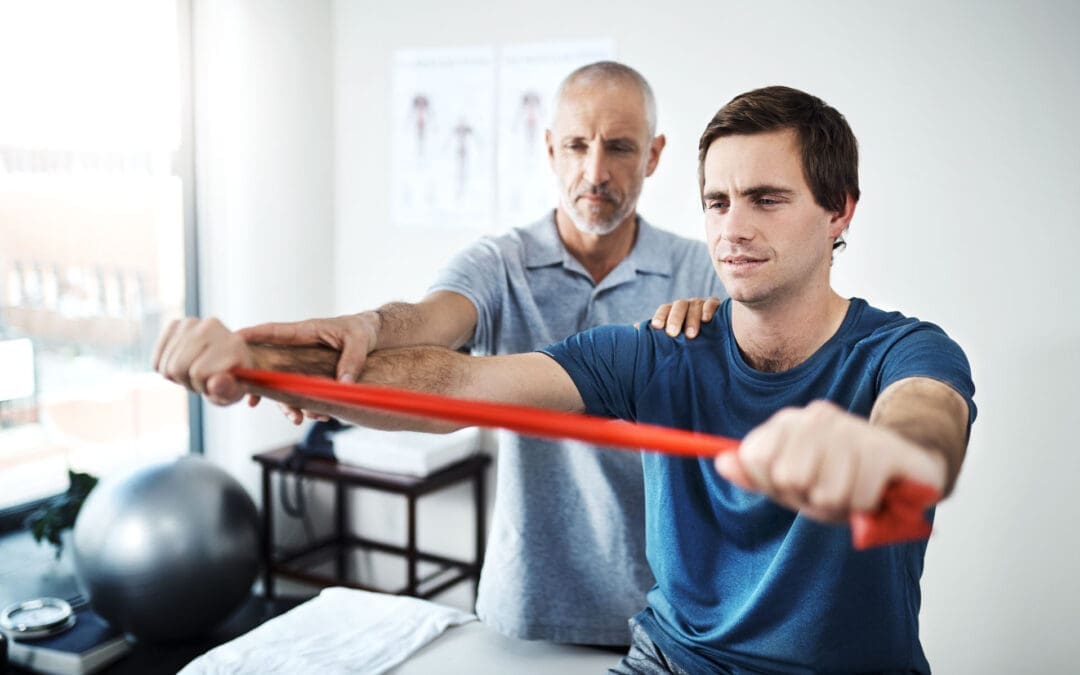
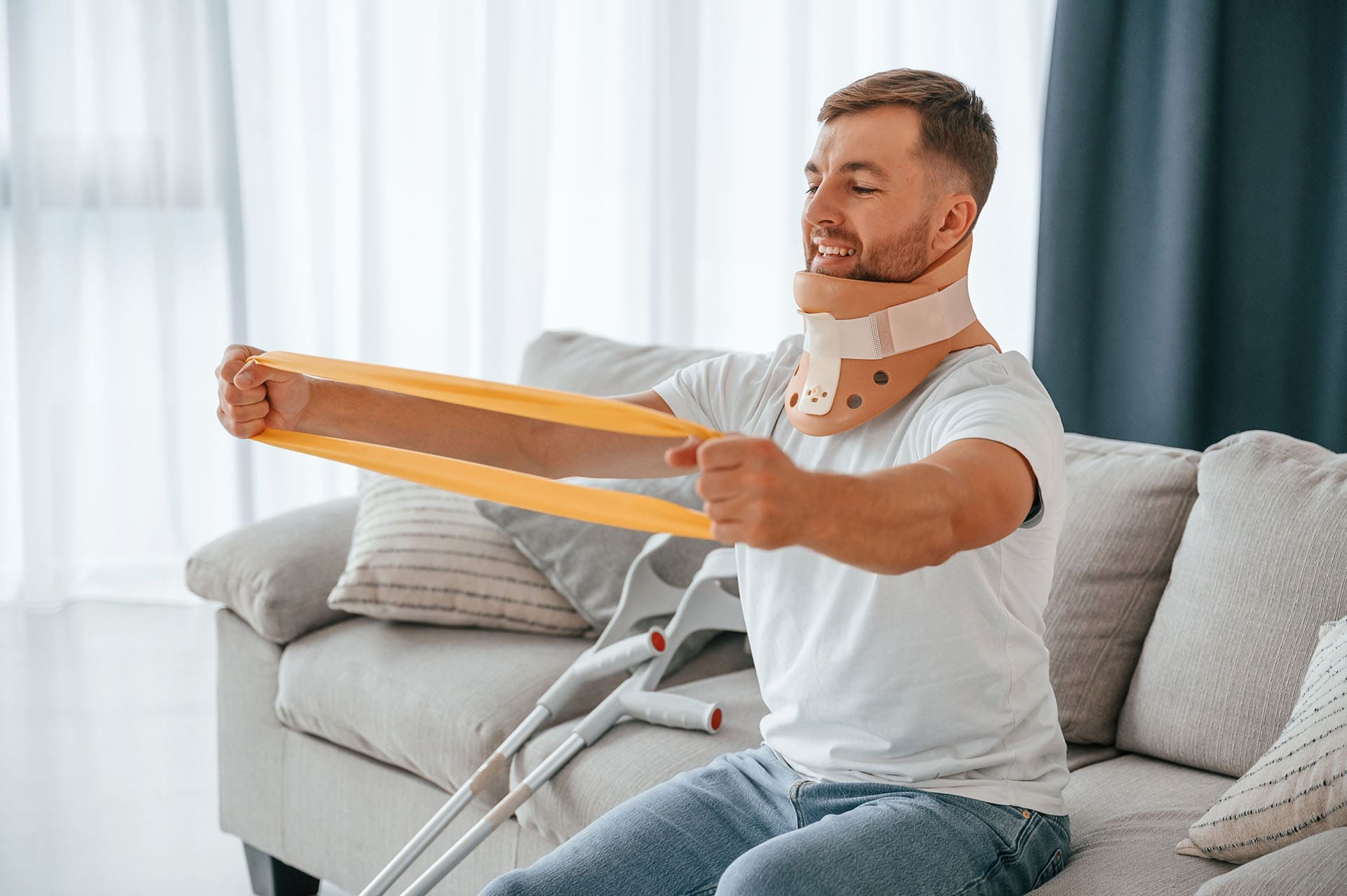
Rehabilitation exercises after an auto accident with head injuries.
Traumatic brain injury, or TBI, happens when a strong hit to the head harms the brain. This can come from falls, car crashes, sports, or other accidents. Head injuries are much like TBIs because they often involve the same kinds of damage to the brain and body. Recovery from these injuries requires time and effort. It focuses on getting back physical strength, mental sharpness, and balance. Rehabilitation utilizes a combination of exercises to aid recovery. These include activities that get the heart pumping, build muscle, improve steadiness, and sharpen the mind. Chiropractic care can also play a significant role, particularly in addressing issues such as headaches and dizziness. This article examines ways to recover, with a strong focus on training and improving step by step.
People with TBI or head injuries often face problems like pain, trouble moving, forgetfulness, or feeling off-balance. Starting recovery early is crucial, but it must be done slowly and safely. Doctors and therapists guide the process. Exercises help the brain rewire itself through something called neuroplasticity. This means the brain can create new pathways to repair damaged ones. Training helps build these paths. Recovery is not limited to a single type of exercise. It combines various types to cater to all needs. Let’s dive into the details.
Physical Exercises for Strength and Aerobic Health
Physical exercises are a big part of getting better from TBI or head injuries. They help rebuild muscle, boost energy, and enhance overall bodily function. Start slow because rushing can cause more harm. Always check with a doctor first.
Aerobic activities get the heart rate up without too much strain. Walking is a simple start. It can be done inside or outside, and it helps blood flow to the brain. This brings oxygen and nutrients for the healing process. Jogging on a treadmill or using a stationary bike are other options. Swimming is great too because the water supports the body, making movement easier. Aim for 150 minutes a week of moderate aerobic work, spread out over days. This could be 20 to 40 minutes per session, three to four times a week. These activities lower the risk of other health issues like heart problems or diabetes, which can slow recovery. They also lift mood and reduce tiredness.
Strength training builds muscle power. This is important because injuries can weaken muscles. Squats are a good exercise. Stand with your feet apart, as if your shoulders are wide, bend your knees as if sitting back in a chair, then stand up. Do this 10 times. Rows work the back and arms. Sit or stand, pull your elbows back like squeezing something between your shoulder blades. Use light weights or resistance bands if possible. Bicep curls are simple: Hold a water bottle, bend your elbow to bring it to your shoulder, then lower it. Repeat 10 times per arm. For legs, try seated marching. Sit in a chair and lift one knee up, then the other, like walking in place. These exercises help with daily tasks, such as getting up from a chair or carrying objects.
Other strength moves include push-ups against a wall or chair for the chest and arms. Shoulder presses: Lift arms overhead with light weights. Do these in sets, with rests in between. Strength training should be done two to three times a week, focusing on the larger muscle groups. It helps with posture and stops falls. As you become stronger, add more reps or increase the weight. But listen to your body. If it hurts, stop and rest.
Seated exercises are beneficial for individuals who are unable to stand or walk. Seated hip rotations: Sit and turn your hips side to side. This builds core strength. Alternating heel-toe raises: Lift your heels, then your toes, while sitting. These improve lower-body control and blood flow. Arm push: Push a bottle across a table with your wrist. This strengthens arms without much effort. Mixing aerobic and strength training keeps the workout fun and covers more ground for recovery.
Balance Exercises to Regain Stability
Balance problems are common after TBI or head injuries. They can cause falls and make walking hard. Balance training helps the brain and body work together better. It uses neuroplasticity to fix these issues.
Tandem stance is a basic exercise. Stand with one foot right in front of the other, like on a tightrope. Hold for 30 seconds, then switch feet. If it’s too hard, spread feet wider. Close your eyes to make it tougher once you’re ready. Weight shifts: Stand with your feet apart, shift your weight to one side, and lift the other foot slightly. Hold 30 seconds per side. This builds steadiness.
Romberg stance: Stand with feet together, eyes closed. Hold as long as you can, up to two minutes. It trains the body to use senses apart from sight for balance. Alternating heel-to-toe raises: Stand and rise on your toes, then rock back onto your heels. Do it 10 times. This strengthens legs and improves coordination.
For more challenge, use tools. A gym ball: Sit on it and reach for objects. This makes the surface unstable, forcing better control. Balance boards: Stand on a wobbly board and try not to lose your balance. Start with help. Walking on various surfaces, such as grass or sand, trains the body to adapt.
Vestibular exercises help with dizziness. These include head turns while focusing on a point, as well as eye movements such as following a finger. They retrain the inner ear and brain. Do balance work daily, but in short sessions to avoid fatigue. Progress slowly from a seated to a standing position. Good balance means safer movement and less fear of falling.
Mix balance with other training. For example, do squats while on one leg. Or walk while turning your head. This makes exercises more realistic. Recovery improves when training mimics daily activities.
Cognitive Exercises for Mental Sharpness
Mental skills can be affected after TBI or head injuries. Aspects such as memory, focus, and problem-solving require improvement. Cognitive exercises challenge the brain to build new connections.
Try new things: Walk a different path or try a new food. This sparks neuron growth. Use your non-dominant hand for tasks such as brushing your teeth. It activates the other side of the brain and strengthens thinking. Brain-training games: Play chess, Sudoku, or apps like Lumosity. These improve logic and memory.
Memorization: Recall a grocery list or song lyrics. Start small and build up. Draw maps from memory, like your route to the store. This boosts spatial thinking. Read out loud: It works reading, speaking, and listening parts of the brain.
Puzzles and games: Jigsaw puzzles or board games like Connect Four help develop planning and hand-eye coordination skills. Mental math: Add numbers in your head or count backwards by sevens. Keep a journal of senses: Note what you see, hear, and smell each day. This mixes memory and senses.
Start slow with easy tasks. Increase difficulty as you improve. Do 15-20 minutes a day. Combine with physical exercises for a complete recovery. Cognitive training helps with daily life, like remembering names or following recipes.
Integrative Chiropractic Therapy for Support
Chiropractic care helps with TBI and head injury recovery. It focuses on the spine and nervous system. This can help alleviate headaches and dizziness caused by injuries.
Adjustments align the spine, reducing nerve pressure. This improves blood flow to the brain and cuts inflammation. Craniosacral therapy: Light touch on the head and spine boosts fluid flow around the brain. It helps with headaches and brain function.
Chiropractors offer lifestyle tips, such as healthy eating and adequate sleep. They also suggest exercises, such as those for strength and balance. Combining chiropractic care with physical therapy can accelerate recovery. It addresses both body and mind.
For long-term care, regular visits prevent chronic pain. Chiropractic supports neuroplasticity by stimulating the nervous system. It’s non-invasive and can be used in conjunction with other treatments.
Insights from Dr. Alexander Jimenez
Dr. Alexander Jimenez, a chiropractor with over 30 years of experience, shares observations on TBI and head injuries. He uses integrative care for recovery. His work includes functional medicine to fix root causes. For injuries, he emphasizes the importance of prompt action with rehabilitation programs. These include exercises for mobility and nerve health. He helps with symptoms like pain and weakness through adjustments and nutrition. His clinic focuses on achieving full healing without the use of drugs or surgery.
Jimenez notes that personalized plans are most effective. He combines chiropractic with exercises to boost recovery. His insights demonstrate how training can rebuild strength and function after head injuries.
Putting It All Together for Recovery
Recovery from TBI or head injuries needs a mix of exercises and care. Focus on training: Do aerobic exercises for heart health, strength training for muscles, balance training for stability, and cognitive exercises for the mind. Add chiropractic for extra support. Start slow, be consistent, and track progress. With time, these steps lead to a better quality of life.
Always work with pros. Recovery is a journey, but training makes it possible.
Healing After a Head Injury: How Your Body Can Recover with the Right Team
Your son sustained a severe blow during Friday-night football. Your wife walked away from a three-car pile-up. Your husband fell 12 feet off a scaffold. All three left the hospital with the same three letters: TBI – traumatic brain injury. The doctor said, “Go home and rest.” But two weeks later, the headaches, foggy thinking, and stomach troubles are worse. You feel lost. This article is written for you – the person healing, the family member searching at 2 a.m., and the nurse, coach, or therapist who wants to help.
We will walk through:
What really happens inside the skull in the first minutes, hours, and weeks?
Why does the damage keep spreading if no one stops the “second wave”
How a whole-body team – including chiropractic nurse practitioners (CNPs) – can turn the tide.
Simple daily steps you can start tomorrow.
Let’s begin where the injury begins.
The Two Waves That Steal Recovery
Wave 1: The First Hit (Primary Injury)
A helmet-to-helmet tackle, a steering wheel to the forehead, or a beam to the hard hat cracks open brain cells in an instant. Blood vessels tear. The skull may stay whole, but the soft brain bounces like gelatin in a jar. This is the damage everyone sees on the CT scan (Missouri University of Science and Technology, 2025).
Wave 2: The Hidden Fire (Secondary Injury)
The real thief shows up later. Four chemical storms start inside the brain and body:
Excitotoxicity – Too much glutamate (brain messenger chemical) pours out. Neurons fire relentlessly until they burn out (Waters, 2023).
Oxidative stress – Tiny sparks called reactive oxygen species (ROS) act like rust on brain wires (Gharavi et al., 2023).
Neuroinflammation – Immune cells rush in to help, but stay too long and attack healthy tissue (Simon et al., 2017).
Gut-brain meltdown – The gut lining leaks, bad bacteria cross into the blood, and the brain swells even more (Heuer Fischer, 2024).
These four storms can last weeks, not hours. One mouse study showed that brain toxins still remained elevated 7 days after the crash (Missouri University of Science and Technology, 2025). That is why “I feel worse at week three” is so common.
Real People, Real Storms
Jake, 17, linebacker – Cleared to play after 10 days. By week four, he had forgotten his homework, snapped at his mom, and thrown up every morning. Gut-brain tests showed that no good bacteria remained.
Maria, 34, Uber driver – Whiplash plus airbag to the temple. Doctors only checked her neck X-ray. Six months later, she still can’t balance her checkbook. Blood tests revealed extremely high levels of inflammation markers.
Carlos, 42, roofer – The hard hat saved his life, but it could not protect him from the diffuse twist inside his body. His wife noticed he cried at commercials and slept 14 hours a day. His oxidative stress score was triple the norm.
All three were told, “It’s just a concussion. Wait it out.” Waiting lets the second wave win.
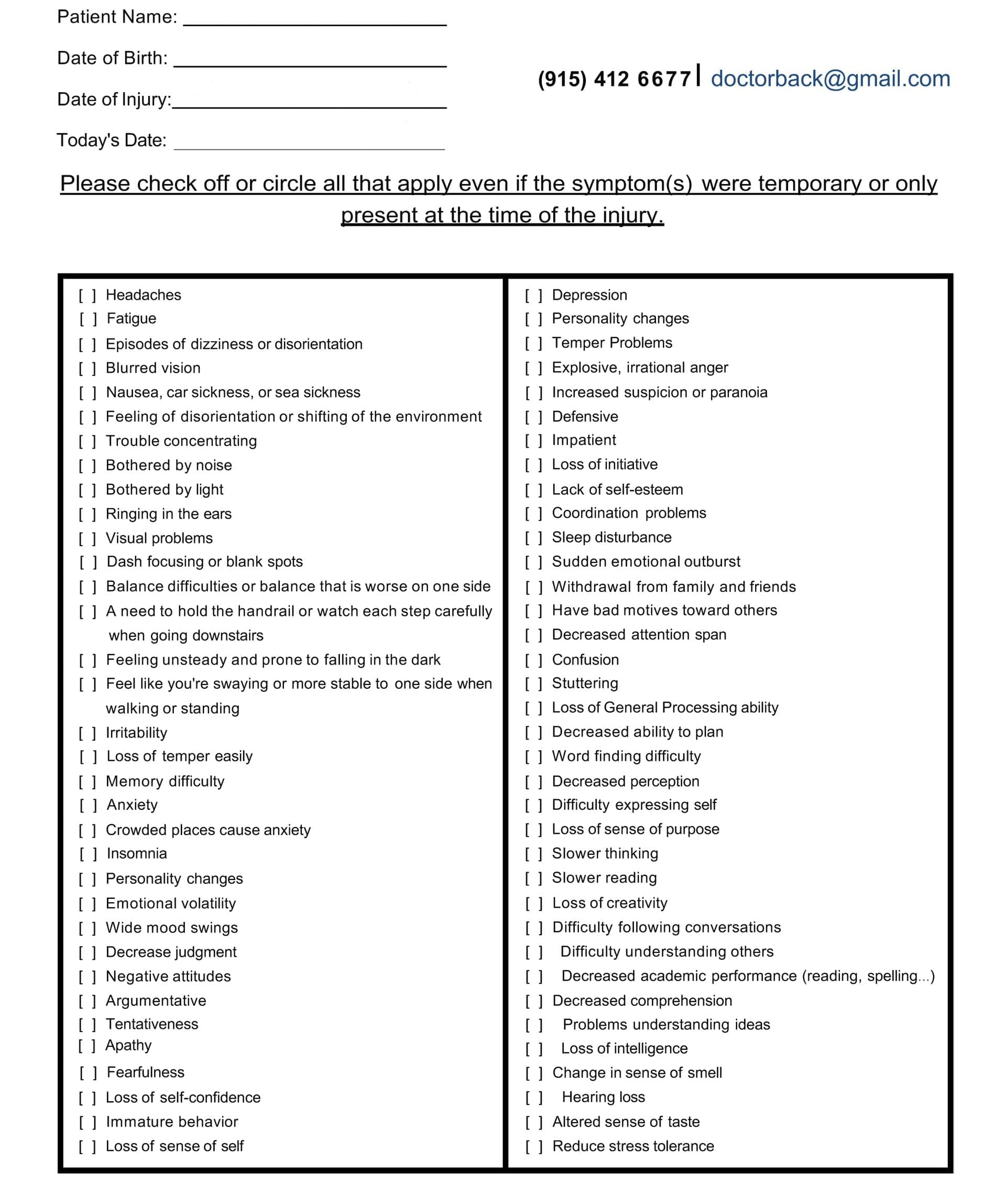
Symptom Questionnaire:
The Blood-Brain Barrier: Your Skull’s Broken Gate
Think of the blood-brain barrier (BBB) as a velvet rope around a VIP club. After TBI, it rips. Proteins and water leak in, causing brain swelling (edema). Two kinds matter:
Cytotoxic edema – Cells drink too much water and burst.
Vasogenic edema – The rope is cut; everything floods the dance floor (Kuriakose & Uzunova, 2023).
Swelling squeezes healthy areas. Memory, mood, and movement shut down. MRI may still look “normal” because standard scans miss these tiny leaks.
The Gut-Brain Highway No One Talks About
Your gut has more nerve endings than your spinal cord. After TBI:
Stress hormones crash.
Good bacteria die.
The gut wall gets holes.
Toxins ride the vagus nerve straight to the brain.
Result? Anxiety, constipation, and brain fog that no pill fixes (Heuer Fischer, 2024). Heal the gut, calm the brain.
Meet the Team That Sees the Whole Picture
The Chiropractic Nurse Practitioner (CNP)
A CNP is a registered nurse with extra doctoral training in chiropractic neurology and functional medicine. Dr. Alexander Jimenez, DC, APRN, FNP-BC, in El Paso, Texas, has treated more than 4,000 TBI patients. Dr. Alexander Jimenez asserts, “Our approach goes beyond simple neck repairs.” We reset the entire nervous system dashboard” (Jimenez, 2025).
The Core Four Tests Every TBI Patient Needs
qEEG brain map – Shows which brain waves are stuck.
Ice for 10 minutes on / 20 minutes off, behind the neck.
Zero screens after 7 p.m. Blue light feeds excitotoxicity.
Sip bone broth; it contains glycine, nature’s brake pedal on glutamate.
Week 2 – Feed the Repair Crew
20 g collagen + 500 mg vitamin C before breakfast.
Walk 10 minutes outside; sunlight reboots the circadian rhythm.
Family rule: No yelling. Loud voices re-trigger fight-or-flight.
Week 3 – Reboot the Gut-Brain Highway
One new fermented food daily: sauerkraut, kimchi, kefir.
4-7-8 breathing with kids: In 4, hold 7, out 8. Calms the vagus nerve.
Week 4 – Gentle Brain Games
Lumosity 10 min/day.
Chiropractic CNP checks the pupil’s response and the balance board.
Month 2 – Return-to-Life Checklist
Driver’s test with an occupational therapist.
Coach reviews film for neck-safe tackling.
The employer receives a light-duty note based on the HRV score.
Stories That Prove It Works
Jake – After 6 weeks of CNP care plus fermented foods, his qEEG looked like his pre-season map. He started in the playoffs.
Maria – Glutathione IVs twice a week dropped her headache diary from 7/10 to 2/10. She passed the driving retest on her first try.
Carlos – Cervical adjustments restored CSF flow; his wife says, “I have my husband back.” He returned to framing houses with a new hard-hat liner.
Why Insurance Is Starting to Pay
Medicare and most Blue Cross plans now cover:
Chiropractic neurology E/M codes 99xxx
IV antioxidant therapy under “medically necessary”
qEEG as diagnostic code R94.01
Request Dr. Jimenez’s “TBI Recovery Bundle” letter; families report an 80% approval rate (Jimenez, 2025).
Your 3-Minute Action Plan Tonight
Text your CNP: “Can we do the Core Four tests?”
Put a bag of frozen peas in a sock behind the injured person’s neck for 10 minutes.
Open the fridge, eat one spoon of yogurt, and hum “Happy Birthday” out loud.
You just cooled inflammation, fed good bacteria, and stimulated the vagus nerve. That is real medicine.
The Promise We Make to Families
No one should feel alone in the dark after a head injury. The brain wants to heal. Give it the right team, the right fuel, and the right quiet space, and it will rebuild stronger. You are not “just concussed.” You are a whole person with a whole team ready to walk the road with you.
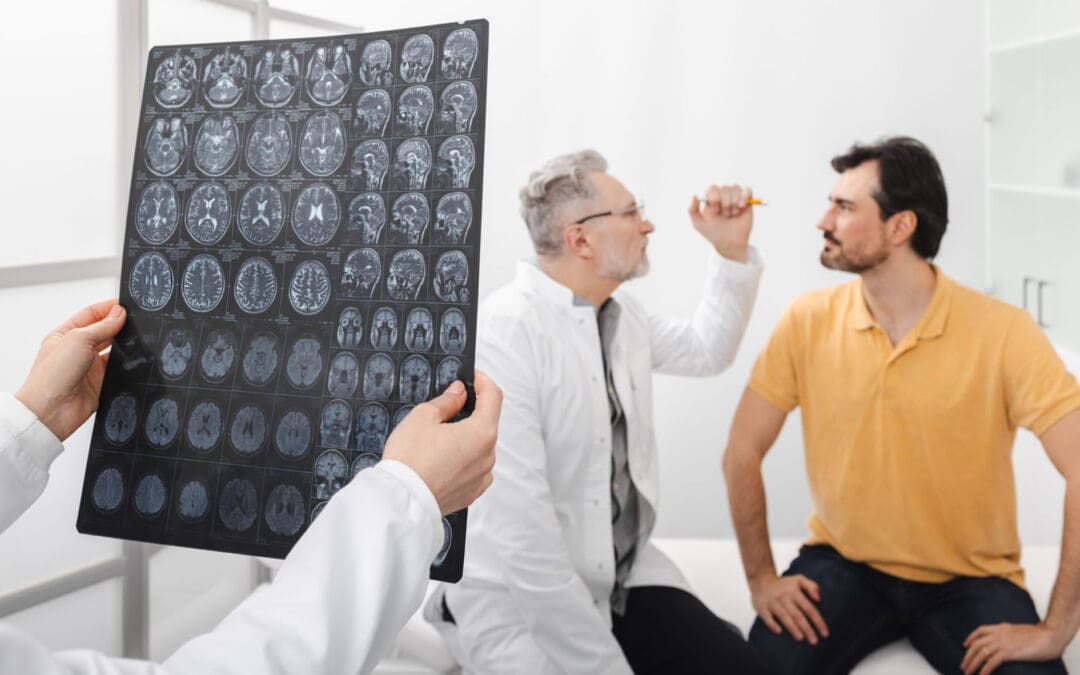
Discover the relationship between cognitive impairment and traumatic brain injury to improve awareness and prevention strategies.
Understanding Traumatic Brain Injury and Cognitive Impairment: An Integrative Approach to Recovery
Introduction
Brain injuries represent one of the most significant health challenges of our time, affecting millions of people annually and creating long-lasting impacts that extend far beyond the initial injury. Traumatic brain injuries stand as a major cause of death and disability around the world, with more than thirty percent of injury-related deaths in the United States involving some form of brain trauma (Bailes & Borlongan, 2020). These injuries trigger a complex cascade of events that affect not only brain function but also create widespread changes throughout the entire body.missionlegalcenter When someone experiences a traumatic brain injury, the damage occurs in two distinct phases. The primary injury happens at the moment of impact when external forces cause immediate mechanical damage to brain tissue. This is followed by a secondary injury phase, during which biochemical processes, including inflammation, cell death, oxidative stress, and other harmful changes, lead to further brain deterioration over days, weeks, and even months following the initial trauma (Bailes & Borlongan, 2020). Understanding these injury patterns helps healthcare providers develop more effective treatment approaches that address both immediate concerns and long-term recovery needs.missionlegalcenter Cognitive impairment represents one of the most common and challenging consequences of traumatic brain injury. Problems with attention, memory, and executive functioning emerge as the primary neurocognitive consequences across all levels of injury severity (Cognitive Impairment Following Traumatic Brain Injury, 2002). These cognitive disruptions profoundly affect daily life, making it difficult for individuals to work, maintain relationships, manage household tasks, and participate fully in their communities. Because attention and memory serve as foundational cognitive abilities, their disruption can trigger additional problems with executive function, communication, and other complex mental processes (Cognitive Impairment Following Traumatic Brain Injury, 2002).pubmed.ncbi.nlm.nih
The connection between brain and body becomes especially important when considering traumatic brain injury recovery. The brain controls virtually every function in the human body through an intricate network of nerves and chemical signals. The central nervous system, comprising the brain and spinal cord, regulates awareness, movement, sensation, thought, speech, and memory (Anatomy and physiology of the nervous system, 2020). When injury disrupts these control centers, the effects ripple throughout the entire body, affecting muscles, bones, organs, and metabolic processes.cancer An integrative approach that combines chiropractic care with nurse practitioner oversight offers promising possibilities for individuals recovering from traumatic brain injuries. This collaborative model addresses the neurological, musculoskeletal, cognitive, emotional, and metabolic aspects of recovery. Chiropractic care focuses on restoring nervous system function through spinal adjustments, soft-tissue therapies, and targeted exercises, while nurse practitioners provide comprehensive medical management, cognitive support, and coordination of overall health needs. Together, these providers can create comprehensive treatment plans that support the brain’s natural healing processes and help patients regain function and improve their quality of life.
What is a Traumatic Brain Injury?
Traumatic brain injury refers to brain damage caused by an outside force that disrupts normal brain function. This external force can take many forms, including a forceful bump, blow, or jolt to the head or body, or an object penetrating the skull and damaging brain tissue (Traumatic Brain Injury, 2023). The injury occurs when the brain moves violently inside the skull or when an external object breaks through the skull barrier. Common causes include motor vehicle accidents, falls, sports injuries, violence, and blast exposures from explosions (Types of Traumatic Brain Injury, 2024).ninds.nih+1 Healthcare providers classify traumatic brain injuries according to their severity, which helps guide treatment decisions and predict outcomes. The three main categories include mild, moderate, and severe traumatic brain injury. Medical professionals use several measures to determine severity, including the Glasgow Coma Scale score, duration of loss of consciousness, length of post-traumatic amnesia, and results from brain imaging studies (Criteria used to classify TBI severity, 2012).ncbi.nlm.nih+1
Mild traumatic brain injury, often called a concussion, generally does not cause prolonged loss of consciousness. If unconsciousness occurs, it typically lasts less than thirty minutes. The Glasgow Coma Scale score ranges from thirteen to fifteen for mild injuries. Common symptoms include headaches, dizziness, confusion, nausea, vision problems, difficulty thinking clearly, balance issues, sleep disturbances, sensitivity to light and sound, problems with attention and concentration, fatigue, anxiety, irritability, and emotional changes (4 Types of Brain Injuries and 3 Levels of Severity, 2021). Memory loss associated with mild traumatic brain injury usually lasts less than twenty-four hours. Most people with mild injuries recover within a few days to weeks with appropriate rest and management (4 Types of Brain Injuries and 3 Levels of Severity, 2021).missionlegalcenter
Moderate traumatic brain injury involves unconsciousness lasting more than thirty minutes but less than twenty-four hours. The Glasgow Coma Scale score falls between nine and twelve. Individuals with moderate injuries experience all the symptoms associated with mild traumatic brain injury, plus additional concerning signs. These include headaches that worsen or do not improve, seizures or convulsions, numbness or weakness in the arms and legs, repeated vomiting, inability to wake from sleep, and slurred speech (4 Types of Brain Injuries and 3 Levels of Severity, 2021). Post-traumatic amnesia lasts more than one day but less than seven days. Brain imaging may show abnormalities such as bleeding, bruising, or swelling (Criteria used to classify TBI severity, 2012).ncbi.nlm.nih+1
Severe traumatic brain injury represents the most serious category, with loss of consciousness exceeding twenty-four hours. The Glasgow Coma Scale score ranges from three to eight. Post-traumatic amnesia persists for more than seven days. Individuals with severe injuries often require intensive medical care and extended rehabilitation. They may experience altered consciousness states, including coma, vegetative state, or minimally conscious state (Traumatic Brain Injury, 2023). Brain imaging typically reveals significant abnormalities including bleeding within the brain tissue, bleeding over the brain surface, bleeding in the brain’s ventricles, swelling, and tissue damage (Types of Traumatic Brain Injury, 2024).medschool.ucla+1
The type of traumatic brain injury also provides important classification information. Closed head injuries occur when the head experiences impact or rapid movement without skull penetration. Concussions, diffuse axonal injury, and contusions fall into this category. Diffuse axonal injury, one of the most common types, involves widespread damage to the brain’s white matter, which contains nerve fibers that facilitate communication between different brain regions. This type of injury commonly happens in auto accidents, falls, and sports-related trauma (Traumatic Brain Injury, 2023). Penetrating brain injuries occur when an object breaks through the skull and enters brain tissue, as seen with gunshot wounds or impalement injuries (Types of Traumatic Brain Injury, 2024).ninds.nih+1 Understanding whether an injury is primary or secondary helps guide treatment approaches. Primary traumatic brain injury refers to the immediate structural damage inside the brain resulting directly from the initial impact. This includes bruising, bleeding, and tearing of brain tissue and blood vessels. Secondary traumatic brain injury describes complications that develop after the initial trauma and cause additional damage to an already compromised brain. Secondary injury mechanisms include increased pressure inside the skull, progressive brain swelling, damage to blood vessels triggering stroke or seizures, and lack of oxygen related to blood pressure drops or breathing difficulties (Types of Traumatic Brain Injury, 2024).medschool.ucla
How TBI Causes Cognitive Impairment
Traumatic brain injury triggers a complex series of events that disrupt normal brain function and lead to cognitive impairment. Understanding these mechanisms enables healthcare providers to develop targeted interventions that support recovery and effectively manage symptoms.
The physical damage from traumatic brain injury affects brain structure and function in multiple ways. When the brain experiences trauma, nerve cells can be stretched, torn, or destroyed. The white matter tracts that connect different brain regions become damaged, disrupting the communication networks essential for coordinated brain function. Diffuse axonal injury particularly affects these communication pathways, as the nerve fibers that transmit signals between brain cells break down and lose their ability to conduct information efficiently (Traumatic Brain Injury, 2023).ninds.nih
Bleeding within the brain creates additional problems. When blood vessels rupture, blood accumulates in spaces where it does not belong, creating pressure that compresses surrounding brain tissue. This compression damages cells both directly through physical pressure and indirectly by reducing blood flow to affected areas. Swelling further compounds these problems, as increased fluid within the rigid skull creates mounting pressure that can damage brain tissue and reduce oxygen delivery (Types of Traumatic Brain Injury, 2024).medschool.ucla
At the cellular level, traumatic brain injury initiates harmful biochemical cascades. Cell membranes become disrupted, allowing excessive calcium and sodium to enter neurons. This triggers a series of destructive processes including activation of enzymes that break down cellular components, production of free radicals that damage cell structures, mitochondrial dysfunction that impairs energy production, and release of inflammatory molecules that promote further injury (Bailes & Borlongan, 2020). These processes can continue for days, weeks, or even months after the initial injury, explaining why symptoms sometimes worsen or new problems emerge well after the traumatic event.missionlegalcenter
Inflammation plays a particularly important role in post-traumatic brain injury cognitive impairment. Within seconds after trauma, inflammatory responses activate in the brain. The blood-brain barrier, which normally protects the brain from harmful substances in the bloodstream, becomes damaged and allows inflammatory cells and molecules to enter brain tissue. While some inflammation helps with healing and clearing damaged tissue, excessive or prolonged inflammation damages healthy brain cells and interferes with recovery. Inflammatory molecules affect neurotransmitter systems, disrupt nerve signaling, and impair the formation of new neural connections needed for cognitive recovery (Mesenchymal stem cell therapy alleviates the neuroinflammation, 2020).medicine.washu
Different brain regions show varying vulnerability to traumatic injury, which explains the specific cognitive impairments that develop. The frontal lobes, responsible for executive functions such as planning, decision-making, impulse control, and working memory, are particularly susceptible to damage from trauma. The temporal lobes, involved in memory formation and language processing, also commonly sustain injury. Damage to the hippocampus, a structure critical for forming new memories, explains why memory problems rank among the most frequent cognitive complaints after traumatic brain injury (Cognitive Problems After Traumatic Brain Injury, n.d.).uwmsktc.washington
Attention and concentration problems emerge as foundational deficits following traumatic brain injury. Individuals may struggle to focus, pay attention to relevant information while filtering out distractions, or attend to more than one task at a time. This leads to restlessness, easy distractibility, difficulty finishing projects, problems carrying on conversations, and trouble sitting still for extended periods. Because attention skills serve as building blocks for higher-level cognitive abilities, people with attention problems often develop additional difficulties with memory, reasoning, and problem-solving (Cognitive Problems After Traumatic Brain Injury, n.d.).uwmsktc.washington
Processing speed commonly slows after brain injury. Individuals take longer to understand what others are saying, need more time to follow directions, struggle to keep up with television shows or movies, require additional time to read and comprehend written material, and show delayed reactions to stimuli. This slowed processing affects everyday activities and can make tasks that were once automatic feel laborious and exhausting. The reduced reaction time poses particular concerns for activities requiring quick responses, such as driving (Cognitive Problems After Traumatic Brain Injury, n.d.).uwmsktc.washington
Memory impairments manifest in various ways after traumatic brain injury. Short-term memory problems make it difficult to hold information in mind temporarily, such as remembering a phone number long enough to dial it or recalling items on a shopping list. Long-term memory difficulties affect the ability to store and retrieve information over extended periods. People may struggle to remember recent events, learn new information, or recall facts and procedures they previously knew well. Working memory, which involves holding and manipulating information simultaneously, becomes compromised, affecting complex cognitive tasks like mental arithmetic, following multi-step directions, and reasoning (Cognitive Impairment Following Traumatic Brain Injury, 2002).pubmed.ncbi.nlm.nih
Executive function deficits represent another hallmark of traumatic brain injury cognitive impairment. Executive functions include the mental processes that help people plan activities, organize information, initiate tasks, monitor performance, shift between tasks flexibly, solve problems, make decisions, and control impulses. When these abilities become impaired, individuals struggle with goal-directed behavior, adapting to new situations, regulating emotions, and functioning independently in daily life (Cognitive Problems After Traumatic Brain Injury, n.d.).uwmsktc.washington
The Brain-Body Connection
The relationship between the brain and body represents one of the most fundamental aspects of human physiology. This intricate connection enables all body functions, from voluntary movements to unconscious processes that sustain life. Understanding this connection becomes especially important when considering how traumatic brain injury affects not just cognitive abilities but overall physical health and function.
The central nervous system serves as the command center for the entire body. Made up of the brain and spinal cord, this system controls awareness, movements, sensations, thoughts, speech, and the five senses of seeing, hearing, feeling, tasting, and smelling (Central nervous system function, 2025). The brain manages most body functions by processing information from sensory receptors throughout the body and sending out instructions through an extensive network of nerves. The spinal cord acts as an extension of the brain, carrying messages between the brain and peripheral nerves that reach every part of the body (Central nervous system function, 2025).healthdirect
The peripheral nervous system complements the central nervous system by connecting the brain and spinal cord to the rest of the body. This network of nerves and ganglia sends signals to and receives signals from the central nervous system, enabling two-way communication between the brain and body tissues. The peripheral nervous system divides into the somatic nervous system, which controls voluntary movements like walking and grasping objects, and the autonomic nervous system, which manages involuntary functions that the body performs automatically, such as breathing, heartbeat, digestion, and blood pressure regulation (Anatomy and physiology of the nervous system, 2020).cancer
The autonomic nervous system further separates into two complementary branches that maintain balance in body functions. The sympathetic nervous system prepares the body for situations requiring strength, heightened awareness, or rapid response, commonly known as the fight-or-flight response. Activation of this system increases heart rate, elevates blood pressure, speeds breathing, dilates pupils, and increases metabolic rate. The parasympathetic nervous system creates opposite effects, returning heart rate and breathing to normal, constricting pupils, and slowing metabolism to conserve energy and promote rest and recovery (Anatomy and physiology of the nervous system, 2020).cancer
Research demonstrates that the brain and body maintain constant, bidirectional communication through multiple pathways. Recent studies show that parts of the brain area controlling movement connect directly to networks involved in thinking, planning, and control of involuntary body functions such as blood pressure and heartbeat. This literal linkage of body and mind in brain structure helps explain phenomena like why anxiety makes people pace, why vagus nerve stimulation can alleviate depression, and why regular exercise improves mental outlook (Mind-body connection is built into brain, 2023).medicine.washu
The vagus nerve exemplifies this brain-body connection. This cranial nerve carries signals between the brain and internal organs, providing information about organ function and regulating processes like digestion and heart rate. Signals traveling through the vagus nerve are coded independently by specialized neurons, allowing the brain to discriminate precisely among various body signals and respond appropriately. This sophisticated communication system enables the brain to monitor and adjust organ function continuously based on changing body needs and environmental demands (Revealing Communications Between Brain and Body, 2022).medicine.yale
Blood flow represents another critical aspect of brain-body connection. The brain, despite constituting only about two percent of total body mass, consumes over twenty percent of the body’s glucose-derived energy. Continuous glucose metabolism supports neuronal signaling, as adenosine triphosphate, the cell’s energy currency, powers action potentials, maintains ionic gradients, and supports synaptic transmission. Because the brain cannot synthesize or store glucose independently, it depends entirely on glucose from dietary intake and blood circulation. Any disruption to blood flow or energy metabolism can significantly impair brain function (Metabolic hormones mediate cognition, 2009).sciencedirect
The musculoskeletal system connects intimately with brain function through sensory feedback and motor control. Muscles contain specialized receptors that constantly send information to the brain about body position, movement, and force. This proprioceptive feedback allows the brain to coordinate movement, maintain posture, and adjust to environmental demands. The brain processes this information and sends motor commands back to muscles, enabling precise, coordinated movement. When traumatic brain injury disrupts these communication pathways, both sensory perception and motor control become impaired (Nervous System Function, 2024).clevelandclinic
Hormonal systems provide another dimension of brain-body connection. The hypothalamus and pituitary gland, located deep within the brain, regulate hormonal signals that control growth, metabolism, reproduction, stress response, and many other functions. These structures form a feedback loop, with the hypothalamus releasing hormones that signal the pituitary gland, which then distributes hormones to various body systems including the adrenal glands, thyroid, reproductive organs, skin, bone, and muscle. This hormonal regulation affects mood, memory, metabolism, muscle mass, energy levels, stress response, and reproductive function (Neuroendocrine Disturbances Following TBI, 2023).biausa
The immune system also maintains constant communication with the brain. Immune cells and inflammatory molecules can cross from the bloodstream into brain tissue, particularly when the blood-brain barrier becomes damaged following injury. The brain, in turn, can influence immune function through neural and hormonal signals. This bidirectional communication becomes particularly important following traumatic brain injury, when both local brain inflammation and systemic immune responses affect recovery and long-term outcomes (Multiorgan Dysfunction After Severe TBI, 2021).pmc.ncbi.nlm.nih
Causes and Symptoms of Cognitive Impairment
Cognitive impairment following traumatic brain injury arises from multiple interrelated causes that affect brain structure and function. Understanding these causes enables healthcare providers to identify risk factors, develop effective prevention strategies, and tailor targeted treatment approaches.
The primary cause of cognitive impairment stems from direct damage to brain tissue at the moment of injury. When the brain experiences sudden acceleration, deceleration, or rotational forces, nerve cells stretch and tear, blood vessels rupture, and tissue bruises. The specific location and extent of damage determine which cognitive functions become impaired. Injuries to the frontal lobes typically affect executive functions, attention, and working memory. Damage to the temporal lobe disrupts memory formation and language processing. Parietal lobe injuries interfere with sensory processing and spatial awareness, while occipital lobe damage affects visual processing (Traumatic Brain Injury, 2023).ninds.nih
Secondary injury mechanisms compound the initial damage. Swelling increases pressure within the rigid skull, compressing brain tissue and reducing blood flow. Bleeding creates masses that displace normal brain structures and increase intracranial pressure. Chemical imbalances develop as damaged cells release excessive amounts of neurotransmitters, particularly glutamate, which overstimulates neighboring neurons and triggers cell death. Free radicals produced during cellular metabolism damage cell membranes and DNA. Mitochondrial dysfunction impairs energy production, leaving neurons unable to maintain normal function. These secondary processes continue for days to weeks after the initial injury, explaining why cognitive symptoms may worsen or emerge gradually (Bailes & Borlongan, 2020).missionlegalcenter
Inflammation represents a major contributor to cognitive impairment following traumatic brain injury. The inflammatory response activates within seconds after trauma and can persist for months or even years. While acute inflammation helps remove damaged tissue and initiate healing, chronic inflammation damages healthy neurons and interferes with recovery. Inflammatory molecules disrupt neurotransmitter systems, impair synaptic plasticity, reduce the production of growth factors needed for neural repair, and contribute to the ongoing death of brain cells. This persistent inflammation particularly affects cognitive functions requiring complex neural networks and plasticity, such as learning, memory consolidation, and executive function (Mesenchymal stem cell therapy alleviates the neuroinflammation, 2020).medicine.washu
Disrupted blood flow contributes to cognitive impairment by reducing oxygen and nutrient delivery to brain tissue. Traumatic brain injury can damage blood vessels directly, alter blood pressure regulation, and trigger vasospasm where blood vessels constrict excessively. The brain requires constant, abundant blood supply to meet its high metabolic demands. Even brief or partial reductions in blood flow can impair neural function and contribute to cell death. Chronic reductions in cerebral blood flow may explain some persistent cognitive deficits that remain long after the initial injury (Long-term Consequences of TBI in Bone, 2018).pmc.ncbi.nlm.nih
Hormonal disruptions following traumatic brain injury affect cognition through multiple pathways. The hypothalamus and pituitary gland, structures that regulate hormonal systems, are particularly vulnerable to traumatic injury due to their location and delicate structure. Damage to these areas causes hypopituitarism, a condition where insufficient hormone production affects growth, metabolism, stress response, and reproduction. Growth hormone deficiency, thyroid hormone deficiency, and sex hormone deficiencies all contribute to cognitive impairment, affecting memory, attention, processing speed, and executive function (Neuroendocrine Disturbances Following TBI, 2023).biausa
The symptoms of cognitive impairment following traumatic brain injury vary widely depending on injury severity, location, and individual factors. Attention and concentration problems rank among the most common complaints. Individuals struggle to focus on tasks, become easily distracted by environmental stimuli, have difficulty filtering out irrelevant information, and cannot maintain attention for extended periods. These problems make it challenging to follow conversations, complete work tasks, read for comprehension, or perform activities requiring sustained mental effort (Cognitive Problems After Traumatic Brain Injury, n.d.).uwmsktc.washington
Memory impairments manifest in various ways. Short-term memory problems make it difficult to remember recent events, conversations, or instructions. People may repeatedly ask the same questions, forget appointments, or lose track of items. Long-term memory difficulties affect the ability to recall past events, previously learned information, or familiar procedures. Working memory deficits interfere with tasks requiring simultaneous information holding and manipulation, such as mental calculations, following multi-step directions, or reasoning through problems (Cognitive Impairment Following Traumatic Brain Injury, 2002).pubmed.ncbi.nlm.nih
Processing speed reductions cause delays in understanding and responding to information. Individuals take longer to comprehend spoken or written language, need extra time to formulate responses, show slowed reaction times, and struggle to keep pace in conversations or fast-moving situations. This slowed processing affects virtually all cognitive tasks and creates frustration when individuals recognize their difficulties but cannot overcome them through effort alone (Cognitive Problems After Traumatic Brain Injury, n.d.).uwmsktc.washington
Executive function deficits create problems with higher-order cognitive processes. People struggle with planning and organizing activities, initiating tasks without prompting, maintaining focus on long-term goals, shifting flexibly between tasks or mental sets, monitoring their own performance, solving novel problems, making sound decisions, and controlling impulses. These difficulties severely impact independence, as they interfere with managing finances, maintaining employment, keeping appointments, completing household tasks, and regulating behavior in social situations (Cognitive Problems After Traumatic Brain Injury, n.d.).uwmsktc.washington
Communication problems often accompany cognitive impairment. Individuals may have difficulty finding the right words, organizing their thoughts coherently, following complex conversations, understanding nonliteral language like sarcasm or idioms, interpreting social cues, or maintaining appropriate topics in conversation. These challenges affect relationships and social participation, contributing to isolation and reduced quality of life (Cognitive Impairment Following Traumatic Brain Injury, 2002).pubmed.ncbi.nlm.nih
Learning difficulties emerge when cognitive impairment affects the ability to acquire new information or skills. People need more repetition to learn new material, struggle to transfer learned skills to new situations, have difficulty recognizing patterns, and cannot efficiently organize information for storage and retrieval. These learning problems affect vocational rehabilitation, academic pursuits, and adaptation to life changes necessitated by the injury (Cognitive Impairment Following Traumatic Brain Injury, 2002).pubmed.ncbi.nlm.nih
Effects on Musculoskeletal and Neurological Systems
Traumatic brain injury creates widespread effects throughout the musculoskeletal and neurological systems, affecting movement, coordination, sensation, and physical integrity. These effects arise from both direct injury to neural structures that control these systems and secondary changes that develop over time. The musculoskeletal system experiences significant impacts following traumatic brain injury through multiple mechanisms. Spasticity, characterized by increased muscle tone and involuntary muscle contractions, develops in a substantial proportion of individuals with moderate to severe traumatic brain injury. The degree of spasticity varies from mild muscle stiffness to severe, painful, uncontrollable muscle spasms. Affected muscles may resist passive stretching, contract involuntarily, and develop shortened resting length over time. Spasticity interferes with movement, positioning, comfort, and functional activities. It can lead to joint contractures, pain, skin breakdown, and difficulty with daily care (TBI-Induced Spasticity, 2015).ncbi.nlm.nih
Muscle weakness and paralysis occur when traumatic brain injury damages motor cortex areas or descending motor pathways that transmit movement commands from brain to muscles. The pattern and severity of weakness depend on injury location. Hemiparesis, weakness affecting one side of the body, develops when injury occurs to motor areas in one brain hemisphere. Quadriparesis involves weakness in all four limbs. Even mild weakness significantly impacts function, affecting walking, reaching, grasping, and other essential movements. Muscle atrophy, or wasting, develops over time when muscles cannot be used normally due to weakness or inactivity (Physical effects of brain injury, n.d.).headway
Balance and coordination problems represent common musculoskeletal consequences of traumatic brain injury. Damage to the cerebellum, a brain structure that coordinates movement, causes ataxia characterized by unsteady gait, difficulty with fine motor tasks, tremor during purposeful movements, and impaired ability to judge distances. Balance problems also arise from vestibular system damage, proprioceptive deficits, visual processing impairments, and motor control difficulties. These balance and coordination deficits increase fall risk, limit mobility, and reduce independence in daily activities (Physical effects of brain injury, n.d.).headway
Post-traumatic seizures develop in some individuals following traumatic brain injury, representing neurological system dysfunction. Seizures can occur immediately after injury, within the first week, or months to years later. They result from abnormal electrical activity in damaged brain tissue. The risk increases with injury severity, presence of bleeding in the brain, skull fractures, and penetrating injuries. Seizures interfere with daily activities, increase injury risk, and may worsen cognitive impairment if not well controlled (Traumatic Brain Injury, 2023).ninds.nih
Sensory disturbances commonly accompany traumatic brain injury. Individuals may experience numbness, tingling, burning sensations, or altered temperature perception. Pain syndromes develop, including headaches, neck pain, and widespread body pain. These sensory changes result from damage to sensory processing areas in the brain, peripheral nerves, or spinal structures often injured concurrently with traumatic brain injury. Chronic pain significantly affects quality of life, mood, sleep, and rehabilitation participation (Pain and Traumatic Brain Injury, 2024).health
Vestibular dysfunction affects up to fifty percent of traumatic brain injury patients at five years post-injury. The vestibular system, which controls balance and spatial orientation, can be damaged at the peripheral level in the inner ear, at the central level in the brain, or both. Common vestibular diagnoses following traumatic brain injury include benign paroxysmal positional vertigo, where calcium crystals in the inner ear become displaced causing brief spinning sensations with position changes; acute unilateral peripheral vestibular loss, where one inner ear loses function; and migraine-associated vertigo. Vestibular dysfunction causes dizziness, vertigo, imbalance, nausea, and difficulty with activities requiring head movement. Interestingly, many individuals with objective vestibular dysfunction do not report symptoms, likely because traumatic brain injury affects perceptual mechanisms (Vestibular dysfunction in acute TBI, 2019).pmc.ncbi.nlm.nih
Vision and eye movement problems affect up to ninety percent of traumatic brain injury patients. These problems include difficulty tracking moving objects smoothly, impaired ability to shift gaze rapidly between targets, reduced convergence ability needed for near vision tasks, double vision from misalignment of the eyes, difficulty focusing, reduced visual field, and light sensitivity. These visual disturbances result from damage to cranial nerves that control eye muscles, brain areas that process visual information, or brain regions that coordinate eye movements. Visual dysfunction significantly impacts reading, driving, balance, and participation in rehabilitation activities (Eye Movement Problems After Brain Injury, 2021).optometrists+1
The skeletal system experiences long-term consequences from traumatic brain injury that are less obvious but clinically significant. Research shows that traumatic brain injury patients have increased risk of osteopenia and osteoporosis, conditions characterized by reduced bone mineral density and increased fracture risk. Bone loss occurs through multiple mechanisms, including reduced physical activity, hormonal disruptions affecting bone metabolism, vitamin D deficiency, inflammation, and altered bone formation and resorption signaling. Adults with traumatic brain injury show accelerated bone mineral density loss in the femur, particularly within the first year after injury. This increased skeletal fragility raises concern for future fractures that could complicate recovery and independence (Long-term Consequences of TBI in Bone, 2018).pmc.ncbi.nlm.nih
Heterotopic ossification, the formation of bone in soft tissues where bone should not normally exist, develops in some traumatic brain injury patients. This condition commonly affects muscles and soft tissues around major joints, particularly the hips, knees, elbows, and shoulders. Heterotopic ossification causes pain, limits joint range of motion, and interferes with positioning and movement. The mechanisms involve altered signaling from the injured brain that activates bone-forming cells in abnormal locations, increased inflammation, and changes in local blood flow (Long-term Consequences of TBI in Bone, 2018).pmc.ncbi.nlm.nih
Effects on Vital Organs
Traumatic brain injury extends its impact beyond the brain to affect vital organs throughout the body. This multiorgan dysfunction occurs through autonomic nervous system disruption, inflammatory mediators, hormonal changes, and metabolic alterations that the injured brain cannot properly regulate.
The cardiovascular system experiences significant effects following traumatic brain injury. Severe injuries trigger massive catecholamine release and autonomic nervous system activation, leading to elevated heart rate, increased blood pressure, and altered heart rhythm. While these changes may initially help maintain blood flow to the injured brain, they can become harmful if excessive or prolonged. Cardiac complications include neurogenic stress cardiomyopathy, where the heart muscle weakens temporarily; cardiac arrhythmias; and increased myocardial oxygen demand that can trigger ischemia in vulnerable individuals. Blood pressure dysregulation complicates management, as both very high and very low blood pressure can worsen brain injury outcomes (Multiorgan Dysfunction After Severe TBI, 2021).pmc.ncbi.nlm.nih
The pulmonary system suffers frequent complications after traumatic brain injury. Acute lung injury develops in many patients with severe brain trauma due to neurogenic pulmonary edema, where fluid accumulates in the lungs from autonomic nervous system dysfunction and altered blood vessel permeability. Pneumonia occurs frequently due to impaired ability to protect the airway, reduced cough effectiveness, and prolonged mechanical ventilation when required. Acute respiratory distress syndrome, a severe form of lung injury, can develop. These pulmonary complications reduce oxygen delivery to the injured brain and other organs, potentially worsening outcomes (Multiorgan Dysfunction After Severe TBI, 2021).pmc.ncbi.nlm.nih
The gastrointestinal system demonstrates vulnerability to traumatic brain injury effects. Autonomic nervous system disruption alters gut motility, reduces blood flow to intestinal tissues, and changes the gut microbiome composition. These changes increase intestinal permeability, potentially allowing bacteria and bacterial products to enter the bloodstream. Stress ulcers develop in the stomach and duodenum from reduced mucosal blood flow and altered protective mechanisms. Feeding intolerance complicates nutritional support. Gastrointestinal complications affect nutrient absorption, contribute to systemic inflammation, and may influence brain recovery (Multiorgan Dysfunction After Severe TBI, 2021).pmc.ncbi.nlm.nih
Kidney function becomes impaired in many traumatic brain injury patients through multiple mechanisms. Sympathetic nervous system activation reduces blood flow to the kidneys, decreasing glomerular filtration. Inflammatory mediators released from the injured brain affect kidney cells directly. Acute kidney injury develops in a significant proportion of patients with severe traumatic brain injury, potentially requiring dialysis and affecting long-term kidney function. Impaired kidney function complicates medication dosing, fluid management, and elimination of metabolic waste products (Multiorgan Dysfunction After Severe TBI, 2021).pmc.ncbi.nlm.nih
The liver, which synthesizes proteins and lipids crucial for brain recovery, experiences altered function following traumatic brain injury. Inflammatory signals affect hepatic protein synthesis, lipid metabolism, and glucose production. The liver may become a source of inflammatory mediators that worsen brain injury. Liver dysfunction affects drug metabolism, coagulation factor production, and nutritional status. Recent research suggests the liver plays a crucial role in traumatic brain injury pathogenesis through its metabolic and inflammatory functions (Traumatic brain injury from a peripheral axis perspective, 2025).sciencedirect
Metabolic and endocrine systems show widespread dysfunction after traumatic brain injury. The hypothalamic-pituitary axis, which regulates hormonal systems, commonly sustains damage. This results in deficiencies of growth hormone, thyroid hormone, adrenal hormones, and sex hormones. Growth hormone deficiency contributes to muscle wasting, bone loss, fatigue, and cognitive impairment. Thyroid hormone deficiency slows metabolism, affects mood and cognition, and impairs recovery. Adrenal insufficiency compromises stress response and blood pressure regulation. Sex hormone deficiencies affect mood, energy, muscle mass, and bone density. These hormonal disturbances can develop acutely or emerge months to years after injury, emphasizing the need for ongoing monitoring (Neuroendocrine Disturbances Following TBI, 2023).biausa
Blood sugar regulation becomes disrupted following traumatic brain injury, with both hyperglycemia and hypoglycemia occurring. The injured brain has altered glucose metabolism and increased metabolic demands. Insulin resistance can develop, affecting cellular energy metabolism throughout the body. These metabolic changes complicate nutritional management and may affect recovery outcomes. Evidence suggests that metabolic dysregulation contributes to cognitive impairment, as insulin and other metabolic hormones influence neuroplasticity and synaptic function (Metabolic hormones mediate cognition, 2009).sciencedirect
A TBI Symptom Questionnaire Example:
Detailed History and Questioning by Providers
Comprehensive assessment through detailed history-taking and systematic questioning forms the foundation of effective traumatic brain injury care. Both chiropractors and nurse practitioners use specific strategies to uncover cognitive impairment and identify the full scope of injury-related problems. A thorough history begins with understanding the mechanism of injury. Providers need detailed information about how the traumatic event occurred, including the forces involved, direction of impact, presence of acceleration or deceleration, rotational forces, and any loss of consciousness. This information helps predict injury patterns and potential complications. For example, motor vehicle accidents often cause both brain injury and cervical spine trauma, blast injuries affect multiple organ systems, and falls in older adults carry high risk for bleeding complications (Survey of chiropractic clinicians on MTBI, 2018).pmc.ncbi.nlm.nih
Timeline documentation provides essential context for symptom development. Providers should ask when symptoms first appeared, whether they emerged immediately after injury or developed gradually, how symptoms have changed over time, and whether any factors make symptoms better or worse. Some traumatic brain injury symptoms appear immediately, while others develop days, weeks, or months later. This temporal pattern helps distinguish primary injury effects from secondary complications and guides treatment planning (Survey of chiropractic clinicians on MTBI, 2018).pmc.ncbi.nlm.nih Cognitive symptoms require detailed exploration through specific questioning. Providers should systematically assess attention and concentration by asking about distractibility, ability to complete tasks, difficulty maintaining focus during conversations or activities, and need for frequent breaks. Memory problems should be explored across multiple domains, including difficulty remembering recent events, appointments, or conversations; problems with learning new information; struggles with recalling previously known facts or procedures; and concerns expressed by family members about changes in memory. Executive function difficulties often manifest as problems with planning, organizing, initiating tasks, managing time, making decisions, solving problems, and regulating emotions (Cognitive Problems After Traumatic Brain Injury, n.d.).uwmsktc.washington
Musculoskeletal symptoms deserve thorough investigation because they often accompany cognitive impairment and affect rehabilitation. Providers should ask about neck pain, back pain, headaches, dizziness, balance problems, muscle weakness, numbness or tingling, muscle stiffness or spasms, and changes in coordination or movement. The cervical spine frequently sustains injury concurrently with traumatic brain injury, and cervical dysfunction can contribute to headaches, dizziness, and cognitive symptoms through its effects on blood flow and proprioceptive input (Chiropractic Management of Post Traumatic Vertigo, 2004).pmc.ncbi.nlm.nih Vestibular symptoms require specific questioning because they are common but often underreported. Providers should directly ask about dizziness, vertigo, lightheadedness, imbalance, motion sensitivity, visual disturbances with movement, and situations that provoke symptoms. Many traumatic brain injury patients have vestibular dysfunction but do not report symptoms spontaneously, possibly because brain injury affects symptom perception. Direct questioning reveals these problems that might otherwise remain unidentified (Vestibular dysfunction in acute TBI, 2019).pmc.ncbi.nlm.nih
Visual symptoms affect the majority of traumatic brain injury patients and significantly impact function. Providers should systematically assess blurred vision, double vision, difficulty focusing, eye strain, light sensitivity, problems tracking moving objects, difficulty with reading, visual field deficits, and eye misalignment. Because visual dysfunction contributes to balance problems, reading difficulties, and participation limitations, thorough visual assessment guides appropriate referrals and treatment planning (Eye Movement Problems After Brain Injury, 2021).optometrists Sleep disturbances occur in thirty to seventy percent of traumatic brain injury patients and affect recovery. Providers should ask about difficulty falling asleep, frequent nighttime awakenings, early morning awakening, excessive daytime sleepiness, prolonged sleep need, nightmares, and changes in sleep schedule or quality. Sleep disruption worsens cognitive function, mood, pain perception, and overall recovery. Identifying sleep problems allows targeted interventions that may improve multiple outcome domains (Sleep Disorders After Brain Injury, 2025).practicalneurology
Mood and emotional symptoms commonly develop after traumatic brain injury and require sensitive, direct questioning. Depression affects forty to sixty percent of individuals with moderate to severe traumatic brain injury. Symptoms include persistent sadness, loss of interest in previously enjoyed activities, feelings of hopelessness, changes in appetite, sleep disturbances, fatigue, difficulty concentrating, and suicidal thoughts. Anxiety disorders affect eleven to seventy percent of traumatic brain injury patients, with symptoms including excessive worry, restlessness, tension, hypervigilance, and panic attacks. Emotional dysregulation may manifest as irritability, anger outbursts, emotional lability, or apathy (Mood Disorders Following TBI, 2025).practicalneurology
Functional impacts should be thoroughly explored to understand how symptoms affect daily life. Providers should ask about changes in work or school performance, difficulty managing household tasks, problems maintaining relationships, challenges with self-care activities, driving limitations, and overall quality of life. Understanding functional limitations helps prioritize treatment goals and measure progress over time. Family member or caregiver input provides valuable perspective on functional changes that patients may not fully recognize (Strategies Nurses Use when Caring for Patients with TBI, 2019).pmc.ncbi.nlm.nih Inquiry about significant others’ observations proves particularly valuable, as cognitive impairment can affect self-awareness. Studies show that seventy to eighty-eight percent of healthcare providers inquire about family members’ observations of cognitive changes. Family members often notice personality changes, memory problems, emotional shifts, and functional declines that patients minimize or do not recognize (Survey of chiropractic clinicians on MTBI, 2018).pmc.ncbi.nlm.nih
Associated Symptoms from TBI
Beyond cognitive impairment, traumatic brain injury produces a constellation of associated symptoms that significantly affect quality of life and recovery. Understanding these symptoms helps providers develop comprehensive treatment approaches and set realistic expectations for recovery.
Fatigue represents one of the most common and debilitating symptoms after traumatic brain injury. Research indicates that as many as ninety-eight percent of people who have experienced traumatic brain injury have some form of fatigue. This fatigue differs from normal tiredness in that it does not improve adequately with rest, appears disproportionate to activity level, and significantly limits function. Physical fatigue manifests as muscle weakness, reduced endurance, and increased need for rest. Mental fatigue involves reduced ability to sustain cognitive effort, difficulty concentrating as the day progresses, and overwhelming sense of mental exhaustion. Fatigue worsens other symptoms, including pain, cognitive problems, and mood disturbances (Fatigue After Brain Injury, 2021).biausa
Headaches affect up to eighty percent of traumatic brain injury survivors and may persist for months or years. Post-traumatic headaches take various forms, including tension-type headaches characterized by band-like pressure, migraine-type headaches with throbbing pain and associated symptoms, cervicogenic headaches originating from neck dysfunction, and neuralgic headaches involving specific nerve distributions. Headaches interfere with concentration, sleep, mood, and participation in rehabilitation activities. The mechanisms involve inflammation, altered pain processing, muscle tension, cervical spine dysfunction, and vascular changes (Traumatic Brain Injury, 2023).ninds.nih
Sleep disorders affect thirty to seventy percent of traumatic brain injury patients and take various forms. Insomnia, characterized by difficulty initiating or maintaining sleep, affects approximately twenty-nine percent of patients. Sleep apnea, where breathing repeatedly stops during sleep, occurs in about twenty-five percent. Hypersomnia, excessive sleepiness or prolonged sleep need, affects twenty-eight percent. Narcolepsy develops in approximately four percent. These sleep disturbances result from damage to brain structures regulating sleep-wake cycles, hormonal disruptions affecting sleep, pain interfering with rest, and mood disturbances. Poor sleep quality worsens cognitive function, mood, pain, fatigue, and overall recovery (Impact of TBI on sleep, 2019).pmc.ncbi.nlm.nih
Depression emerges as a frequent complication, affecting thirteen to fifty-three percent of traumatic brain injury survivors. Post-traumatic depression may result from direct brain damage affecting mood-regulating circuits, particularly in frontotemporal regions, or from psychological response to injury-related losses and life changes. Symptoms include persistent sadness, loss of interest, feelings of worthlessness, guilt, changes in appetite and sleep, fatigue, difficulty concentrating, psychomotor agitation or retardation, and suicidal ideation. Depression significantly impairs rehabilitation participation, functional recovery, and quality of life. It increases caregiver burden and raises risk of suicide (Mood Disorders Following TBI, 2025).pmc.ncbi.nlm.nih+1
Anxiety disorders develop in eleven to seventy percent of traumatic brain injury patients. Post-traumatic stress disorder occurs particularly in those whose injuries resulted from violence, combat, or accidents. Generalized anxiety disorder involves excessive, uncontrollable worry about multiple life domains. Panic disorder includes unexpected panic attacks with physical symptoms like rapid heartbeat, sweating, trembling, and fear of dying. Social anxiety involves fear of social situations and negative evaluation. Anxiety often co-occurs with depression and exacerbates cognitive symptoms, sleep problems, and pain (Anxiety and Depression Following TBI, 2023).connectivity+1
Irritability and emotional dysregulation commonly follow traumatic brain injury, resulting from damage to frontal lobe regions that regulate emotions and control impulses. Individuals may experience frequent anger, decreased frustration tolerance, emotional outbursts disproportionate to triggers, rapid mood shifts, and difficulty calming down once upset. These symptoms strain relationships, interfere with community reintegration, and may limit employment options (Traumatic brain injury and mood disorders, 2020).pmc.ncbi.nlm.nih
Sensory sensitivities develop in many traumatic brain injury survivors. Light sensitivity, or photophobia, makes normal lighting uncomfortable and can trigger headaches. Noise sensitivity causes ordinary sounds to seem overwhelmingly loud or irritating. Some individuals develop increased sensitivity to touch, temperature, or smells. These sensitivities result from altered sensory processing in the injured brain and often accompany headaches and cognitive symptoms. They limit participation in bright or noisy environments and affect quality of life (Traumatic Brain Injury, 2023).ninds.nih
Beyond the Surface: Understanding the Effects of Personal Injury- Video
Integrative Approach: Chiropractic and Nurse Practitioner Care
An integrative approach combining chiropractic care with nurse practitioner oversight offers comprehensive support for individuals recovering from traumatic brain injuries. This collaborative model addresses the complex, multifaceted nature of brain injury by bringing together complementary expertise and treatment approaches. Chiropractic care focuses on the nervous system and musculoskeletal health through manual therapies, rehabilitative exercises, and supportive interventions. Chiropractors assess and address spinal alignment, particularly in the cervical spine which commonly sustains injury alongside traumatic brain injury. Cervical spine dysfunction contributes to many post-traumatic brain injury symptoms, including headaches, neck pain, dizziness, balance problems, and potentially cognitive symptoms through effects on blood flow and proprioceptive input (Chiropractic Care Supports TBI Healing, 2009).pinnaclehealthchiro
Spinal adjustments form a core component of chiropractic care for traumatic brain injury patients. These precise, controlled movements applied to spinal joints aim to restore proper alignment, reduce nerve interference, and optimize nervous system function. In the cervical spine, adjustments may improve blood flow to the brain by reducing compression on vertebral arteries. Research demonstrates that correction of cervical lordosis associates with immediate increases in cerebral blood flow, suggesting that biomechanical improvements can positively affect brain perfusion (Cervical lordosis correction increases cerebral blood flow, 2019).pmc.ncbi.nlm.nih
Chiropractic care addresses cerebrospinal fluid circulation, which plays important roles in brain health and recovery. Cerebrospinal fluid protects and nourishes the brain, removes metabolic waste products, and facilitates nutrient delivery. Traumatic brain injury can disrupt normal cerebrospinal fluid flow. Manual chiropractic techniques and spinal adjustments may help restore optimal cerebrospinal fluid dynamics, supporting brain healing processes (Chiropractic Care Supports TBI Healing, 2009).pinnaclehealthchiro
Soft tissue therapies complement spinal adjustments by addressing muscle tension, fascial restrictions, and myofascial pain that commonly develop after trauma. Techniques include manual therapy, instrument-assisted soft tissue mobilization, therapeutic massage, and trigger point release. These interventions reduce pain, improve tissue quality, restore range of motion, and promote healing. Addressing soft tissue dysfunction proves particularly important for cervical and upper thoracic regions where muscle tension contributes to headaches and affects cervical spine mechanics (Chiropractic Care Supports TBI Healing, 2009).elpasochiropractorblog+1
Rehabilitative exercises form an essential component of chiropractic traumatic brain injury care. Exercise programs address specific deficits identified through comprehensive assessment. Cervical strengthening and stabilization exercises improve neck muscle function and support spinal structures. Vestibular rehabilitation exercises help retrain balance systems through specific movements and visual tasks. Oculomotor exercises address eye tracking and coordination problems. Proprioceptive training improves body position awareness and motor control. Progressive strengthening builds overall fitness and supports functional recovery (Therapeutic Interventions for TBI, 2024).physio-pedia
Chiropractic neurologists employ specialized techniques to stimulate nervous system recovery. These approaches use specific sensory inputs, including light, sound, movement, and other stimuli, to activate targeted brain regions and promote neuroplasticity. The principle recognizes that the brain responds to appropriate stimulation similarly to how muscles respond to exercise, strengthening neural pathways through repeated activation. This non-invasive approach may benefit patients who have not responded well to traditional treatments (Chiropractic Neurology Supports Brain Healing, 2025).hmlfunctionalcare+1 Nurse practitioners provide medical oversight and management that complements chiropractic interventions. As board-certified family practice nurse practitioners with advanced training, they perform comprehensive health assessments, order and interpret diagnostic tests, prescribe medications when appropriate, manage medical comorbidities, and coordinate care across specialties. This medical oversight ensures that serious complications are identified and addressed promptly while supporting the body’s natural healing processes (Dr. Alex Jimenez’s Integrative Practice, n.d.).missionlegalcenter
Cognitive support represents an important aspect of nurse practitioner care for traumatic brain injury patients. Nurse practitioners assess cognitive function using standardized tools, provide education about cognitive symptoms and compensatory strategies, recommend cognitive rehabilitation services, and monitor cognitive recovery over time. They help patients and families understand cognitive changes and develop practical approaches to manage daily activities despite cognitive limitations (Strategies Nurses Use when Caring for Patients with TBI, 2019).nursing.duke+1
Metabolic and nutritional support provided by nurse practitioners addresses the altered metabolic demands following traumatic brain injury. The injured brain has increased energy requirements and specific nutritional needs. Nurse practitioners assess nutritional status, develop individualized nutrition plans, recommend supplements when indicated, and monitor response to nutritional interventions. Emerging research suggests that specific nutrients, including omega-3 fatty acids, vitamin D, magnesium, and amino acids, may support brain recovery when provided during the acute and subacute phases after injury (Nutritional interventions to support acute mTBI recovery, 2022).frontiersin
Emotional and psychological support forms another critical component of nurse practitioner care. They screen for depression, anxiety, post-traumatic stress disorder, and other mood disturbances, provide counseling and supportive therapy, prescribe psychotropic medications when appropriate, and refer to mental health specialists when needed. Addressing emotional health proves essential for overall recovery, as mood disturbances affect rehabilitation participation, cognitive function, and quality of life (Mood Disorders Following TBI, 2025).practicalneurology
Sleep management represents an area where nurse practitioner expertise particularly benefits traumatic brain injury patients. Nurse practitioners assess sleep quality and quantity, identify specific sleep disorders, recommend sleep hygiene improvements, prescribe sleep aids when appropriate, and coordinate sleep studies when indicated. Improving sleep quality enhances cognitive function, mood, pain management, and overall recovery (Sleep Disorders After Brain Injury, 2025).practicalneurology
The integrative model exemplified by Dr. Alexander Jimenez’s dual-scope practice demonstrates how chiropractic and nurse practitioner expertise can be combined within a single provider or collaborative team. Dr. Jimenez’s approach incorporates functional medicine principles, detailed health assessments, spinal and musculoskeletal care, nutritional support, exercise therapy, and comprehensive medical case management. This holistic model addresses the person as a whole rather than treating isolated symptoms, potentially leading to more complete and sustained recovery (Dr. Alex Jimenez’s Integrative Practice, n.d.).elpasochiropractorblog+1
Holistic Treatment Plans
Comprehensive, holistic treatment plans for traumatic brain injury incorporate multiple therapeutic approaches that address physical, cognitive, emotional, and metabolic aspects of recovery. These plans recognize that healing requires supporting the body’s natural recovery mechanisms while addressing specific symptoms and functional limitations.
Initial assessment forms the foundation of effective treatment planning. Comprehensive evaluation includes detailed history of the injury and symptom development, neurological examination assessing mental status, cranial nerves, motor function, sensory function, reflexes, coordination, and gait. Cervical spine assessment evaluates posture, range of motion, segmental mobility, muscle tone and strength, and joint function. Vestibular and oculomotor testing examines balance, eye movements, and visual-vestibular integration. Cognitive screening identifies attention, memory, processing speed, and executive function deficits. Mood and sleep questionnaires quantify emotional and sleep-related symptoms (Hidden TBI Symptoms: Integrative Model, 2025).elpasochiropractorblog
Spinal care targets cervical and upper thoracic dysfunction that commonly accompanies traumatic brain injury. Treatment begins with gentle mobilization techniques before progressing to specific adjustments as tolerated. The approach remains cautious, individualized, and responsive to patient symptoms, as excessive or aggressive treatment could worsen symptoms in vulnerable patients. Spinal adjustments aim to restore proper alignment, reduce nerve interference, improve proprioceptive input, and enhance blood flow to the brain. Treatment frequency and intensity adapt based on patient response, with some individuals benefiting from frequent initial visits that taper as function improves (Hidden TBI Symptoms: Integrative Model, 2025).zakerchiropractic+1
Soft tissue interventions address muscle tension, trigger points, fascial restrictions, and movement dysfunction. Manual therapy techniques include ischemic compression for trigger points, myofascial release for fascial restrictions, instrument-assisted soft tissue mobilization to address tissue quality, and therapeutic massage for overall relaxation and pain relief. These interventions reduce pain, improve tissue flexibility, restore normal movement patterns, and support overall healing. Treatment focuses particularly on cervical, upper thoracic, and cranial regions where soft tissue dysfunction contributes to headaches, neck pain, and dizziness (Hidden TBI Symptoms: Integrative Model, 2025).elpasochiropractorblog
Exercise therapy progresses systematically based on symptom tolerance and functional goals. Early-phase exercises focus on gentle range of motion, postural awareness, and basic strengthening within symptom limits. As tolerance improves, exercises advance to include cervical stabilization training to support injured structures, vestibular rehabilitation exercises to retrain balance systems, oculomotor exercises to improve eye coordination and tracking, proprioceptive training to enhance body position awareness, and progressive aerobic and strengthening exercises to build overall fitness. Exercise prescription follows graduated principles, starting with brief, low-intensity activities and progressing gradually while monitoring for symptom exacerbation (Hidden TBI Symptoms: Integrative Model, 2025).elpasochiropractorblog
Nutritional support addresses the increased metabolic demands and specific nutrient needs following traumatic brain injury. The injured brain requires adequate calories, high-quality protein for tissue repair, essential fatty acids particularly omega-3s for neural membrane health and anti-inflammatory effects, antioxidants to combat oxidative stress, vitamins and minerals for metabolic processes and neurotransmitter synthesis, and adequate hydration for optimal brain function. Nutritional assessment identifies deficiencies and guides supplement recommendations. Evidence suggests that omega-3 fatty acids, vitamin D, magnesium, and certain amino acids may support brain recovery when provided during acute and subacute phases (Nutritional interventions to support acute mTBI recovery, 2022).pmc.ncbi.nlm.nih+1
Cognitive rehabilitation strategies help individuals compensate for cognitive impairments and retrain affected abilities. Techniques include external memory aids such as written schedules, calendars, lists, and electronic reminders; attention strategies like reducing distractions, taking breaks, and focusing on one task at a time; organization systems that simplify and structure tasks; time management tools that help with planning and prioritization; and specific cognitive exercises that challenge and strengthen affected abilities. Education helps patients and families understand cognitive changes and develop realistic expectations while maintaining hope for continued improvement (Strategies Nurses Use when Caring for Patients with TBI, 2019).nursing.duke+1
Sleep optimization represents a crucial treatment component that affects multiple outcome domains. Sleep hygiene education covers maintaining consistent sleep-wake schedules, creating optimal sleep environments that are dark, quiet, and cool, limiting screen time before bed, avoiding caffeine and alcohol, and using relaxation techniques. Treatment of specific sleep disorders may include continuous positive airway pressure for sleep apnea, repositioning techniques for positional sleep disorders, or medications when appropriate. Improving sleep quality enhances cognitive function, mood, pain management, and overall recovery (Sleep Disorders After Brain Injury, 2025).practicalneurology
Pain management employs multiple modalities to address headaches, neck pain, and other pain complaints. Non-pharmacological approaches include manual therapy, therapeutic exercise, heat or cold application, relaxation techniques, and biofeedback. Pharmacological options when needed include appropriate analgesics, muscle relaxants, or nerve pain medications, used cautiously to avoid medication overuse and unwanted side effects. The goal emphasizes restoring function and reducing pain interference rather than complete pain elimination, which may not be achievable (Pain and Traumatic Brain Injury, 2024).health
Mood and emotional support acknowledges the profound psychological impacts of brain injury and chronic symptoms. Interventions include supportive counseling addressing adjustment to injury and life changes, cognitive-behavioral therapy to modify unhelpful thought patterns and behaviors, stress management techniques, mindfulness and relaxation training, support groups connecting individuals with others facing similar challenges, and psychiatric medications when appropriate. Family involvement and education play a crucial role in creating a supportive home environment that fosters recovery from mood disorders following traumatic brain injury (TBI) (Mood Disorders Following TBI, 2025).practicalneurology
Coordination across providers ensures comprehensive, efficient care. Regular communication between chiropractors, nurse practitioners, physical therapists, occupational therapists, speech-language pathologists, neuropsychologists, and other specialists involved in care promotes integrated treatment planning. Case conferences discuss patient progress, treatment responses, and plan modifications. This team approach prevents fragmented care and ensures all providers work toward shared goals. Dr. Alexander Jimenez’s practice exemplifies this coordination by offering multiple services within an integrated setting while maintaining referral relationships with specialists for needs beyond the clinic’s scope (Dr. Alex Jimenez’s Integrative Practice, n.d.).missionlegalcenter
Progress monitoring uses both objective measures and subjective reports to assess treatment effectiveness. Standardized outcome measures track symptom severity, functional abilities, and quality of life over time. Regular reassessments identify improvements, plateaus, or declines that necessitate adjustments to treatment. Flexible treatment plans adapt to changing needs as recovery progresses, with some interventions becoming less necessary as function improves, while others may need to be added or intensified. This responsive approach ensures that treatment remains appropriate throughout the recovery trajectory.
Conclusion
Traumatic brain injury represents a complex medical condition that affects not only the brain but the entire body through disrupted neural control, inflammatory processes, hormonal imbalances, and metabolic changes. Cognitive impairment emerges as one of the most significant consequences, affecting attention, memory, processing speed, executive function, and other mental abilities essential for independent living. The impacts extend to the musculoskeletal system through spasticity, weakness, coordination problems, and balance deficits, and to vital organs through autonomic dysfunction and systemic inflammatory responses. Understanding the brain-body connection proves essential for comprehensive traumatic brain injury care. The intricate communication networks linking the brain to muscles, bones, organs, and metabolic systems become disrupted by injury, creating widespread effects that require multifaceted treatment approaches. Detailed history-taking and systematic questioning by healthcare providers help uncover the full scope of injury-related problems, including cognitive impairments that patients may not spontaneously report and musculoskeletal or systemic symptoms that significantly affect recovery.
An integrative approach combining chiropractic care with nurse practitioner oversight addresses the multidimensional nature of traumatic brain injury recovery. Chiropractic interventions restore nervous system function through spinal adjustments, soft tissue therapies, and rehabilitative exercises that improve biomechanics, reduce pain, and support neuroplasticity. Nurse practitioners provide medical oversight, cognitive support, nutritional guidance, mood management, and coordination of comprehensive care. This collaboration, exemplified by Dr. Alexander Jimenez’s dual-scope practice, creates holistic treatment plans that address physical, cognitive, emotional, and metabolic aspects of recovery. Holistic treatment plans incorporate multiple therapeutic modalities tailored to individual needs and adjusted based on response. These plans recognize that effective recovery requires supporting the body’s natural healing processes while addressing specific symptoms and functional limitations. Spinal care, soft tissue work, exercise therapy, nutritional support, cognitive rehabilitation, sleep optimization, pain management, and emotional support work synergistically to promote healing and restore function. Progress monitoring and treatment flexibility ensure that interventions remain appropriate throughout the recovery journey. The path to recovery from traumatic brain injury varies considerably among individuals, depending on injury severity, location, age, pre-injury health, and many other factors. While some people experience relatively rapid and complete recovery, others face persistent symptoms and long-term functional limitations. An integrative, holistic approach offers hope for improved outcomes by addressing the whole person rather than isolated symptoms and by supporting the brain’s remarkable capacity for healing and adaptation. Continued research, improved diagnostic tools, and refined treatment approaches promise to further enhance recovery possibilities for individuals facing the challenges of traumatic brain injury.
Collins, M. E., & Misukanis, T. M. (2004). Chiropractic Management of a Patient with Post-Traumatic Vertigo of Complex Origin. Journal of Chiropractic Medicine, 4(4), 32-38. https://pmc.ncbi.nlm.nih.gov/articles/PMC2647031/
Figueiredo, T. H., et al. (2024). An integrative, holistic treatment approach for veterans with chronic traumatic brain injury and associated comorbidities: case report. Frontiers in Neurology. https://pmc.ncbi.nlm.nih.gov/articles/PMC12081389/
Kanayama, G., et al. (2019). Increase in cerebral blood flow indicated by increased cerebral arterial area and pixel intensity on brain magnetic resonance angiogram following correction of cervical lordosis. Brain Circulation, 5(1), 19-26. https://pmc.ncbi.nlm.nih.gov/articles/PMC6458772/
Oyesanya, T. O., & Thomas, M. A. (2019). Strategies Nurses Use when Caring for Patients with Moderate-to-Severe Traumatic Brain Injury who have Cognitive Impairments. Journal of Clinical Nursing, 28(23-24), 4277-4289. https://pmc.ncbi.nlm.nih.gov/articles/PMC6800766/
Willing, A. E., et al. (2020). Potential of mesenchymal stem cells alone, or in combination, to treat traumatic brain injury. CNS Neuroscience & Therapeutics, 26(6), 616-627. https://pmc.ncbi.nlm.nih.gov/articles/PMC7248541/
How Traumatic Brain Injuries Affect Posture: From Balance Issues to Abnormal Stiffening and How Chiropractic Care Can Help
The doctor consults with the patient using the medical traumatic brain injury symptom questionnaire.
Traumatic brain injuries, or TBIs, happen when a sudden bump or blow to the head damages the brain. These injuries can range from mild, like a concussion, to severe, where the brain suffers major harm. One key way TBIs impact the body is through changes in posture—the way we hold and balance ourselves. In mild cases, individuals may experience persistent balance issues that make standing or walking difficult. In severe cases, the body can lock into stiff, unnatural positions known as abnormal posturing. TBIs can also cause the spine to shift out of place, especially in the neck and upper back areas, leading to more issues like headaches and dizziness.
This article explores these effects in detail. It examines how damage to specific brain areas, such as those involved in sensory processing, vision, or inner ear balance, can disrupt postural control. We will also discuss how chiropractic care, which focuses on fixing spine alignments, can help by improving nerve signals, blood flow, and body coordination. Drawing from medical sources and experts, such as Dr. Alexander Jimenez, a chiropractor with over 30 years of experience, we see how integrated treatments support recovery without the need for drugs or surgery.
Understanding Traumatic Brain Injuries and Their Range
TBIs affect millions each year, from sports accidents to falls or car crashes. Mild TBIs, often called concussions, might seem minor at first but can have a lasting effect on how the body maintains balance. Severe TBIs, on the other hand, can cause immediate and life-threatening changes, including rigid body positions that signal deep brain damage. Balance relies on the brain working with muscles, eyes, and the inner ear systems to keep us steady. When a TBI affects these areas, posture suffers, making everyday tasks more challenging.
Research shows that even after mild TBIs heal, people can have subtle shifts in how they control their posture. For example, studies using special tests found that those with past concussions show different patterns in body sway compared to healthy people. These changes may not be apparent in basic balance checks but become visible in more detailed analyses. This means that the brain’s ability to adapt and remain stable can weaken over time, increasing the risk of falls.
In severe TBIs, the damage often hits deeper brain parts, leading to reflexive stiffening. This is the body’s way of reacting without conscious control, and it requires prompt medical attention to prevent worse outcomes.
Symptom Questionnaire:
Subtle and Long-Lasting Balance Problems from Mild TBIs
Mild TBIs don’t always cause obvious symptoms right away, but they can quietly change postural control for months or years. Postural control refers to the brain’s ability to maintain the body’s upright and balanced position during movement or rest. It involves integrating signals from the eyes (visual system), inner ear (vestibular system), and body sensors (sensory system). A TBI can disrupt any of these, leading to dizziness, unsteadiness, or trouble walking straight.
For instance, about 30% to 65% of people with brain injuries report balance issues. These problems stem from weakened muscle strength, poor coordination, or faulty signals from the central nervous system. In one study of over 900 adults with TBIs, only 16% had normal standing balance soon after injury, showing how common these issues are. Factors like age play a role—younger people under 50 tend to recover balance more quickly—but severe injuries or complications, such as infections, can worsen the condition.
These balance changes can be subtle. People might lean to one side without noticing or feel dizzy in crowded places. Over time, this affects daily life, from climbing stairs to playing sports. The brain’s vestibular system, which regulates head position and motion, is often the most severely affected, leading to ongoing instability. Visual problems, such as blurry vision, add to the mix, making it harder for the brain to process where the body is in space.
Dr. Alexander Jimenez, a chiropractor and family nurse practitioner in El Paso, Texas, notes in his clinical work that hidden TBI symptoms, such as these balance shifts, are often overlooked. He emphasizes the importance of early checks and integrative care to identify and address issues before they worsen. His approach combines chiropractic adjustments with nutrition to support long-term healing.
Severe TBIs and Abnormal Posturing: Decorticate and Decerebrate Types
In severe TBIs, the body can exhibit abnormal posturing—stiff, reflexive poses that indicate serious brain damage. These aren’t voluntary; they’re automatic responses from damaged areas of the brain. Two main types are decorticate and decerebrate posturing, both of which require urgent care.
Decorticate posturing happens when damage affects the brain’s outer layers or midbrain pathways. The arms bend inward toward the chest, with clenched fists and curled wrists. Legs stay straight and extended, toes pointing down. The flexed upper body and rigid lower body give the person a stiff and unbalanced appearance. It’s often a sign of a head injury and can happen on one or both sides. The survival rate is about 37%, which is better than the other type, but it still means coma or deep unconsciousness.
Decerebrate posturing is more severe and often associated with deeper brain damage, such as in the brainstem. Here, arms and legs extend straight out, toes point down, and the head arches back with the neck stiff. Muscles tighten rigidly, sometimes with severe spasms called opisthotonos. This extended pose signals life-threatening issues and has only a 10% survival rate. Both types respond to pain or stimuli in unconscious people and require immediate help, like breathing support or ICU care.
These postures render balance impossible, as the body becomes rigid and inflexible. They result from disrupted nerve paths that control movement. Quick treatment focuses on stabilizing the brain to stop more damage.
Spinal Misalignments from TBIs: Adding to Posture Problems
TBIs not only damage the brain, but they can also cause spinal misalignment, particularly in the cervical and thoracic regions of the neck. This occurs due to the force of the injury, such as in whiplash resulting from a car accident. Misalignments, or subluxations, mess up posture by causing uneven weight distribution and muscle strain.
Poor spinal alignment worsens TBI symptoms. Headaches intensify from pinched nerves, and dizziness increases because blood and fluid flow to the brain gets blocked. Studies show TBIs often lead to ongoing musculoskeletal pain, like in the back or shoulders, from these shifts. In one hospital study, 85% of brain injury patients had pain, often from spine issues.
Dr. Jimenez notes a connection between TBIs and spinal issues such as disc herniations, which lead to inflammation and pain. He uses chiropractic to realign the spine and reduce these effects, promoting better posture and less dizziness.
Chiropractic Integrated Care: A Path to Recovery
Chiropractic care provides a natural approach to addressing TBI-related posture issues. It begins with spinal adjustments—gentle movements to correct misalignments. This optimizes the nervous system, as the spine protects the nerves that link the brain to the body. Better alignment means clearer signals, helping with balance and coordination.
For TBIs, chiropractic care can enhance blood and cerebrospinal fluid flow to the brain, facilitating healing and reducing inflammation. This reduces headaches, dizziness, and fatigue. Integrated care incorporates sensory and motor therapies, such as balance exercises or eye movement drills, to retrain the brain. These help rebuild postural control by strengthening muscles and improving proprioception—the sense of body position.
One approach includes soft tissue massage to ease tension and rehab exercises for strength. Lifestyle tips, such as eating anti-inflammatory foods and managing stress, support overall recovery.
Dr. Jimenez’s work highlights this integration. At his clinic, he combines chiropractic with functional medicine for TBIs, focusing on root causes like spinal shifts. His insights demonstrate how adjustments can restore mobility and reduce pain, often in conjunction with a balanced diet to combat inflammation. Patients experience improved posture and reduced symptoms through personalized plans.
Chiropractic care isn’t a cure-all, but it works well in conjunction with medical care. For mild TBIs, it alleviates ongoing balance issues; for severe cases, it supports recovery after acute treatment. The costs of TBIs run high—over $13 billion annually—so non-invasive options like this can be beneficial.
Wrapping Up: Hope Through Awareness and Care
TBIs change posture in ways big and small, from wobbly balance in mild cases to rigid posturing in severe ones. Spinal misalignments add layers of trouble, worsening headaches and instability. But chiropractic integrated care provides tools to fight back—adjustments for alignment, therapies for coordination, and holistic steps for healing.
Experts like Dr. Jimenez remind us that early action and combined treatments make a difference. If you or someone you know has a TBI, talk to a doctor about these options. With the right support, achieving better posture and an improved quality of life is possible.
Detecting Hidden Traumatic Brain Injury: How Chiropractors and Nurse Practitioners Work Together for Better Recovery
Patient answers the doctor’s traumatic brain injury questions.
Traumatic brain injuries (TBIs) affect millions each year, often in ways that are hard to spot right away. These injuries happen from falls, car crashes, sports hits, or other sudden jolts to the head or body. While severe cases show clear signs like unconsciousness or seizures, milder ones can hide in plain sight. This can lead to ongoing problems with thinking, feelings, and daily life if not caught early. Healthcare providers like chiropractors and nurse practitioners play key roles in spotting these hidden signs through careful talks with patients. By asking the right questions, they uncover subtle clues that point to brain damage.
An integrative approach combines chiropractic adjustments with nurse-led medical care. This team effort targets both the body’s frame and the brain’s wiring, helping people heal better after a TBI. Treatments include gentle spine work, muscle therapies, and custom exercises to fix imbalances and boost brain power. Nurse practitioners add layers of support for mood, energy, and overall health. Advanced tools help confirm diagnoses, starting from simple checks to high-tech scans. Missing a TBI is easy because symptoms mimic stress or fatigue, but thorough checks and treatments can change lives. This article dives into how to detect, treat, and recover from these “invisible” wounds.
The Sneaky Nature of Traumatic Brain Injuries
TBIs disrupt brain function through direct hits or shaking forces. Mild forms, like concussions, might seem minor at first but can linger. According to the Mayo Clinic, symptoms can start right after the injury or pop up days later (Mayo Clinic, 2023). This delay makes them tricky. For example, someone might walk away from a car accident feeling fine, only to struggle with focus at work weeks later. Without prompt care, these issues can worsen, leading to long-term changes in how a person thinks or feels.
The brain controls everything from movement to emotions, so damage shows up in varied ways. Physical signs include headaches that won’t quit or a constant feeling of tiredness. Cognitive hints involve forgetting simple things or zoning out during talks. Emotional shifts, like sudden anger bursts, strain relationships. Sensory changes, such as a weird metallic taste in food or a loss of smell, add to the puzzle. These aren’t always dramatic, which is why they’re often ignored. Friends or family might notice first, saying, “You’ve been off since the fall.” Early spotting is vital because the brain can rewire itself if helped soon (Hauger et al., 2024).
Statistics paint a stark picture: About 1.7 million TBIs occur yearly in the U.S., with many going undiagnosed (Reis, 2022). Military personnel and athletes face higher risks, but anyone can be hit. Children and older adults show unique signs, such as kids losing interest in play or elders stumbling more often. The key? Listen to the body’s quiet signals. Untreated TBIs raise the chances of depression, job loss, or even repeat injuries. But with awareness, recovery paths open up.
Spotting Hidden Signs: A Step-by-Step Guide for Providers
Chiropractors and nurse practitioners are on the front lines for catching TBIs. They start with a deep dive into the patient’s story. This isn’t a quick chat—it’s a series of targeted questions to peel back layers. For instance, a chiropractor might ask, “Have you noticed foods tasting off, or smells fading since your accident?” This uncovers sensory shifts linked to brain areas involved in taste and smell (Fisher Stark, P.C., n.d.). Such details often slip past standard checkups.
A thorough history covers the injury event, immediate aftermath, and ongoing quirks. Questions probe cognitive slips: “Do tasks that used to take 10 minutes now drag on for hours?” This flags concentration woes common in TBIs (BrainLine, 2023). Emotional probes include, “Have small frustrations sparked big anger lately?” Irritability or mood swings signal disrupted emotional centers (U.S. Air Force, 2017). Balance checks ask, “Do you feel wobbly in crowds or after standing quickly?” These point to coordination hits.
Symptom questionnaire:
Nurse practitioners layer in health checks, asking about sleep: “Are you crashing early but waking foggy?” Disturbed rest is a red flag (Mayo Clinic, 2023). Fatigue questions follow: “Does everyday stuff leave you wiped out?” Together, these inquiries build a full picture. Dr. Alexander Jimenez, a chiropractor and nurse practitioner, stresses personalized histories in his practice. He notes that linking subtle symptoms to past traumas helps tailor care, drawing from his work in integrative injury recovery (Jimenez, n.d.a). By cross-checking answers, providers spot patterns missed in rushed visits.
This method shines in real cases. One patient described headaches as “just stress,” but questions revealed post-accident timing, leading to TBI confirmation (Denver Chiropractic, LLC, n.d.). Multiple angles—physical, mental, sensory—ensure nothing hides. It’s simple yet powerful: Listen actively, ask openly, and connect dots.
Nuanced Symptoms: What to Watch For
TBI signs aren’t always obvious; they whisper through daily life. Cognitive disturbances top the list. Trouble focusing might mean rereading the same page over and over or missing deadlines. Memory lapses, like forgetting recent chats, disrupt routines (BrainLine, 2023). These stem from damaged brain pathways handling attention and recall.
Emotional turbulence follows closely. Anger flares over minor things, or flat moods replace joy. Depression creeps in, with unexplained sadness (U.S. Air Force, 2017). Loved ones often spot this first, as the injured person might downplay it. Dr. Jimenez observes in his clinic that these shifts strain families, urging early emotional screens (Jimenez, n.d.b).
Sensory oddities add intrigue. Taste changes turn meals bland or metallic; smells vanish, making cooking a chore (Fisher Stark, P.C., n.d.). Vision blurs, or lights sting eyes. These links to brain regions processing senses are hit hard by jolts.
Physical clues include relentless headaches, pulsing behind the eyes. Fatigue hits like a wall, even after rest. Sleep goes haywire—too much or too little, with nightmares or insomnia (Mayo Clinic, 2023). Balance falters, turning walks into teeters; coordination slips, fumbling keys or tripping.
In kids, signs differ: cranky spells, play changes, or nap shifts (BrainLine, 2023). Elders might show confusion mimicking dementia. These nuances demand vigilance. As one source notes, symptoms overlap with those of stress, delaying help-seeking (Reis, 2022). Recognizing them early prevents cascades, like poor sleep fueling more fatigue.
Building an Integrative Recovery Team
Recovery thrives on teamwork. Chiropractic care fixes body mechanics, while nurse practitioners oversee whole-body health. This blend heals the brain’s hardware and software. Spinal tweaks ease nerve pressure, boosting signals to damaged areas (Northwest Florida Physicians Group, LLC, n.d.). Nurses handle meds, nutrition, and mood support, creating balance.
Dr. Jimenez embodies this, merging his DC and APRN roles for seamless care. His clinic uses functional assessments to link spine health to brain function, echoing collaborative models (Jimenez, n.d.a). Studies back this: Teams reduce recovery time by addressing root causes (Holden et al., 2010).
Chiropractic Tools for Brain and Body Healing
Chiropractors target the spine-brain link. Adjustments realign vertebrae, improving fluid flow and nerve flow (Pinnacle Health Chiropractic, 2023). This cuts headaches and fog. Soft-tissue work kneads tight muscles, easing tension from impacts (Calibration Mansfield, n.d.).
Targeted exercises build strength and balance. Simple drills, like ball tosses, retrain coordination (HML Functional Care, n.d.). Vestibular therapies steady dizziness. Low-level lasers reduce swelling, aiding neuron repair (Reis, 2022).
Benefits stack: Better circulation delivers oxygen to the brain; balanced nerves sharpen focus (Apex Chiropractic, n.d.). One case saw a survivor return to EMT work after such care (Reis, 2022). It’s drug-free, focusing on the body’s own fixes.
Nurse Practitioners: Holistic Health Guardians
Nurses round out the plan with metabolic and emotional aid. They monitor blood sugar and electrolytes, preventing crashes that slow healing (Kim et al., 2024). Nutrition plans help fight inflammation, a key factor in TBI recovery.
Mental support includes therapy referrals and family coaching. Sedation eases agitation; family visits calm nerves (Kim et al., 2024). Dr. Jimenez integrates this, using coaching for stress and hormones (Jimenez, n.d.b). This full-spectrum care lifts mood, energy, and resilience.
Diagnostic Tools: From Basics to High-Tech
Diagnosis starts simple, scaling with needs. Basic tools include the Glasgow Coma Scale (GCS), scoring eye, verbal, and motor responses for quick severity checks (Mayo Clinic, 2023). Vital signs track blood pressure and heart rate, spotting brain pressure rises.
Next, CT scans image bleeds or swells—fast for emergencies (Mayo Clinic, 2023). MRIs detail soft tissue damage, revealing axon tears invisible on CT.
Advanced options: EEGs catch hidden seizures via brain waves (Kim et al., 2024). Neuropsychological tests probe memory and focus. Functional MRIs map active brain areas; diffusion tensor imaging traces nerve paths (HML Functional Care, n.d.).
Eye-tracking tools like RightEye assess gaze for subtle deficits (Calibration Mansfield, n.d.). Blood tests measure biomarkers for the extent of damage. Order matters: Basics rule out crises; advanced confirm and guide plans.
Why TBIs Slip Through Cracks—and How to Fix It
Traumatic Brain Injuries (TBIs) often go unnoticed because their symptoms can be mistaken for everyday life stresses. A headache? Blame work. Irritability? “Bad day.” This oversight delays care, worsening outcomes (BrainLine, 2023). Providers miss them without deep histories, as one study shows that up to 50% of mild cases go undiagnosed (Reis, 2022).
Meticulous evaluation changes this. Multi-question intakes and team huddles catch clues. Treatment urgency: Early adjustments prevent scarring; holistic plans build lasting gains. Paula’s story proves it— from bedbound to marathon training via integrated care (Reis, 2022).
In military settings, recognition cuts long-term woes (U.S. Air Force, 2017). For all, it means reclaiming life. Push for thorough checks; the brain deserves it.
Holden, C. Q., et al. (2010). Chiropractors and collaborative care: An overview illustrated with a case report. Chiropractic & Osteopathy, 18(21). https://doi.org/10.1186/1746-1340-18-21
Kim, J., et al. (2024). Nursing interventions to prevent secondary injury in critically ill patients with traumatic brain injury: A scoping review. Journal of Clinical Medicine, 13(8), 2396. https://doi.org/10.3390/jcm13082396
Chiropractic & Manual Therapies. (2018). Be good, communicate, and collaborate: A qualitative analysis of stakeholder perspectives on adding a chiropractor to the multidisciplinary rehabilitation team. Chiropractic & Manual Therapies, 26(17). https://doi.org/10.1186/s12998-018-0200-4
Post-Accident Headaches in El Paso: An Integrative Chiropractic Plan at El Paso Back Clinic
Persistent headaches after a car crash are common—and treatable. This patient-first guide explains why headaches linger and how an integrated chiropractic approach at El Paso Back Clinic can address soft-tissue injuries, spinal misalignments, and nerve irritation, helping you return to normal life.
Why do headaches linger after a car accident?
A collision can strain the neck’s soft tissues (muscles, fascia, and ligaments), disturb cervical alignment, and irritate nearby nerves. These changes limit normal joint motion, increase guarding, and sensitize pain pathways—fueling tension-type, cervicogenic, post-traumatic migraine, or post-concussive headache patterns that may show up days or weeks after the crash (Cascade Spine & Injury Center, 2023; Wellness Chiropractic Care, n.d.). Cascade Spine and Injury Center+1
At El Paso Back Clinic, we see four mechanics behind lingering pain:
Soft-tissue microtrauma & guarding. Strained muscles develop trigger points (e.g., suboccipitals, SCM, scalenes, upper trapezius) that refer pain to the head and behind the eyes. Guarding compresses joints and keeps the cycle going (Brookdale Health, n.d.). brookdalehealth.com
Spinal misalignments & facet joint irritation. Dysfunction in the upper cervical spine can refer pain into the skull and worsen with neck movement or poor posture (North Port Chiropractic, 2025; Dr. Toth Chiropractic, n.d.). northport-chiropractor.com+1
Nerve irritation & autonomic upset. Inflamed tissues and joint fixations can irritate nerve roots and sympathetic fibers, amplifying pain sensitivity (Premier Care Chiropractic, 2024). premiercarechiro.com
Delayed onset & chronicity risk. Symptoms often surface days to weeks later as inflammation evolves and compensations set in—one reason early evaluation is so important (Premier Care Chiropractic, 2024). premiercarechiro.com
Emergency red flags: severe or worsening headache, repeated vomiting, confusion, weakness/numbness, vision/speech changes, or loss of consciousness require urgent medical care; chiropractic care complements—not replaces—emergency evaluation (Cascade Spine & Injury Center, 2023). Cascade Spine and Injury Center
Headache patterns we commonly treat
Tension-type headaches. Dull, band-like pressure that starts at the neck/base of skull; flares with stress or screen time. Gentle cervical/upper-thoracic adjustments and soft-tissue release reduce muscle guarding and frequency (Brookdale Health, n.d.; Wellness Chiropractic Care, n.d.). brookdalehealth.com+1
Cervicogenic headaches. Pain begins in the neck (often upper cervical joints) and is “felt” in the head; it worsens with neck motion or sustained posture. Segment-specific mobilization/adjustment plus deep-neck-flexor reconditioning are key (North Port Chiropractic, 2025). northport-chiropractor.com
Post-traumatic migraines. Impact can dysregulate trigeminovascular/autonomic systems; attacks may include throbbing pain, nausea, and light/sound sensitivity. Improving cervical mechanics, reducing muscle tension, pacing activity, and normalizing sleep/hydration help (Premier Care Chiropractic, 2024). premiercarechiro.com
Post-concussive headaches. Rapid acceleration/deceleration can injure the brain and cervical tissues even without a direct head strike. Medical clearance comes first; then, graded cervical care addresses neck drivers once safe (Cascade Spine & Injury Center, 2023). Cascade Spine and Injury Center
How El Paso Back Clinic treats the root causes
Our integrated plan pairs chiropractic adjustments with soft-tissue care, targeted rehab, and sensible self-care. When indicated, we coordinate neuromusculoskeletal imaging and provide documentation support.
1) Cervical/Thoracic Adjustments (manual or instrument-assisted)
Specific adjustments restore segmental motion, reduce facet irritation, and refine alignment—especially at the upper cervical spine—helping reduce headache frequency and intensity (Dr. Toth Chiropractic, n.d.; North Port Chiropractic, 2025). drtoth.com+1
2) Soft-Tissue Therapy
Myofascial release and trigger-point techniques deactivate common referral sources (suboccipitals, SCM, scalenes, upper traps), reduce guarding, and help adjustments “hold” (Brookdale Health, n.d.). brookdalehealth.com
3) Cervical Traction/Decompression (as indicated)
For patients with nerve irritation or axial loading, gentle traction can create more space, reduce pressure, and improve local circulation—often easing cervicogenic and tension-type triggers (Premier Care Chiropractic, 2024). premiercarechiro.com
4) Corrective Exercise & Postural Retraining
We rebuild deep neck-flexor endurance, scapular stability, and thoracic mobility to support healthy mechanics during driving and desk work. This approach lowers relapse risk and extends results (Premier Care Chiropractic, 2024; Lutz Chiropractic, 2025). premiercarechiro.com+1
5) Education & Self-Care
Micro-breaks, workstation tweaks, sleep and hydration routines, and gradual activity protect progress and reduce flare-ups (Cascade Spine & Injury Center, 2023). Cascade Spine and Injury Center
Our integrated process (what to expect)
1) History & red-flag screen. We document the crash mechanics (rear-end, side-impact, headrest position), immediate/delayed symptoms, prior headache history, medications, sleep, and work demands. Red flags trigger urgent medical referral (Cascade Spine & Injury Center, 2023). Cascade Spine and Injury Center
2) Neuromusculoskeletal exam.
Cervical/thoracic range of motion and segmental joint testing
Soft-tissue palpation for tender bands and trigger points
Headache triggers (posture, screen/drive time, sleep)
3) Imaging when indicated. If neurological findings, trauma severity, or stalled progress suggest deeper structural issues, we coordinate X-ray/MRI/CT as appropriate (El Paso Back Clinic & Dr. Alex Jimenez resources on headaches/whiplash) (El Paso Back Clinic, n.d.; Jimenez, n.d.). El Paso Back Clinic® • 915-850-0900+1
4) Diagnosis & plan. We identify dominant drivers—such as joint dysfunction, muscle guarding, nerve irritation, migraine physiology, or mixed—and match them with precise interventions (Dr. Toth Chiropractic, n.d.; Brookdale Health, n.d.). drtoth.com+1
5) Documentation & care coordination. For personal-injury cases, we prepare clear chart notes, imaging findings, and progress metrics and coordinate with primary care, specialists, and (if needed) legal teams (El Paso Chiropractic, 2025). Synergy Chiropractic
A local advantage: Dual-scope leadership and community-specific care
El Paso Back Clinic is part of the care ecosystem led by Dr. Alexander Jimenez, DC, APRN, FNP-BC, whose dual training in chiropractic and nurse-practitioner care informs our evaluation, imaging decisions, and case management. This dual-scope perspective supports accurate diagnosis, timely referrals when required, and practical documentation for auto-injury cases (El Paso Back Clinic; Dr. Alex Jimenez sites). El Paso Back Clinic® • 915-850-0900+2El Paso, TX Doctor Of Chiropractic+2
Suggested timeline (example—your plan will be individualized)
Reassess ROM, headache frequency/intensity, and disability scores (Premier Care Chiropractic, 2024; Lutz Chiropractic, 2025). premiercarechiro.com+1
Weeks 6–12: Stabilize & prevent
Maintain adjustment frequency as needed
Progress strength/endurance; add job- or sport-specific tasks
Build a prevention kit: mobility sequence, ergonomic playbook, flare-control plan (Premier Care Chiropractic, 2024). premiercarechiro.com
When to start: Many patients benefit from evaluation within the first 1–2 weeks after a crash; don’t wait for headaches to “just go away.” Early care reduces the risk of chronic pain (Premier Care Chiropractic, 2024). premiercarechiro.com
Practical home strategies you can start today
Screens at eye level. Keep ears over shoulders; set a 20–30-minute break timer (Cascade Spine & Injury Center, 2023). Cascade Spine and Injury Center
Warm before, cool after. Brief heat before mobility to relax tissue; short ice intervals after workload spikes (Brookdale Health, n.d.). brookdalehealth.com
Hydration and sleep. Even mild dehydration and poor sleep raise headache intensity; aim for consistent routines (Premier Care Chiropractic, 2024). premiercarechiro.com
Ease into cardio. Short, easy walks improve circulation without provoking flares (Premier Care Chiropractic, 2024). premiercarechiro.com
Know your triggers. Track links between posture, stress spikes, and headache intensity; adjust positions and add micro-breaks (Cascade Spine & Injury Center, 2023). Cascade Spine and Injury Center
Local pages you may find helpful
Headaches | El Paso Back Clinic — overview of head pain and whiplash links, plus when to seek medical evaluation. (El Paso Back Clinic, n.d.). El Paso Back Clinic® • 915-850-0900
Chiropractic Improves Driving Posture & Health — how neck alignment supports safer, more comfortable driving. (El Paso Back Clinic, 2025). El Paso Back Clinic® • 915-850-0900
Chiropractic + Nurse Practitioner Care After Accidents — how our team coordinates dual-scope care. (El Paso Back Clinic, 2025). El Paso Back Clinic® • 915-850-0900
Bottom line
Headaches linger after car accidents because a sudden impact can injure soft tissues, disrupt cervical alignment, and irritate nerves. At El Paso Back Clinic, we target those root causes with precise adjustments, soft-tissue care, traction when appropriate, and stepwise rehabilitation—backed by clear documentation and coordinated referrals when necessary. Most importantly, your plan is built around your exam findings, goals, and life in El Paso (El Paso Chiropractic, 2025; El Paso Back Clinic, 2025). Synergy Chiropractic+1
El Paso Back Clinic®: Premier Wellness Chiropractic Care in El Paso, TX
Spine problems are evident in the model. A woman is in consultation with the doctor in the clinic.
At El Paso Back Clinic®, led by Dr. Alexander Jimenez, DC, APRN, FNP-BC, we’re dedicated to transforming lives through advanced chiropractic care and integrative wellness in El Paso, TX. Specializing in recovery from motor vehicle accidents (MVAs), sports injuries, and chronic conditions such as neuropathy, our team utilizes cutting-edge neuromusculoskeletal imaging and dual-scope diagnostics to identify the root causes of injuries. From whiplash to gastrointestinal trauma, we craft personalized plans blending spinal adjustments, nutrition, and therapies like acupuncture to restore mobility and vitality. With a focus on holistic healing and legal support for injury claims, we empower El Pasoans to live pain-free and thrive.
Personal Injuries and Their Impact in El Paso
Living in El Paso’s bustling community means navigating busy roads and an active lifestyle, where accidents—from car crashes to sports mishaps—can disrupt one’s health. MVAs, common on rainy I-10 days, often cause spinal misalignments, leading to sciatica or numbness (Jimenez, 2025a). Sports injuries, like joint strains and workplace falls, add to the toll, risking chronic issues like neuropathy if untreated (Mana.md, n.d.).
At El Paso Back Clinic®, Dr. Jimenez’s chiropractic expertise targets these musculoskeletal and nerve disruptions. Using advanced imaging, we link injuries to symptoms, ensuring precise care. Our integrative approach, which combines adjustments with wellness coaching, helps prevent long-term pain and includes legal documentation to support insurance claims for patients in El Paso.
Nerve Pain and Neuropathy Post-Collision
Car accidents frequently trigger nerve compression, causing tingling, burning, or weakness that mimics peripheral neuropathy. Even minor collisions in El Paso’s unpredictable weather can cause vertebrae to shift, potentially pinching nerves (Jimenez, 2025b). Our clinic employs EMG and dynamic X-rays to map these injuries, correlating crash forces to nerve damage for accurate diagnosis.
We use spinal decompression and laser therapy to relieve pressure and promote healing, with patients often seeing 40-50% symptom improvement in weeks (Miami Chiropractors, n.d.). Detailed biomechanical reports strengthen personal injury claims, ensuring fair compensation for El Paso residents.
Chiropractic Care for Joint and Ligament Injuries
Injuries like ACL tears from sports or MVA dashboard impacts require targeted restoration. At El Paso Back Clinic®, we realign joints, boost circulation, and strengthen muscles to speed recovery without surgery (Jimenez, 2025c). Dr. Jimenez’s functional assessments prevent compensatory patterns, vital for El Paso’s athletes.
We integrate acupuncture and custom orthotics, helping patients resume activities in six months, rather than a year. Nutritional support, like collagen-rich diets, enhances ligament repair, tailored to El Paso’s active community.
Five Musculoskeletal Challenges We Address
Accidents hit muscles and bones hard. Our chiropractic team tackles five common issues:
Neck and Back Pain: Whiplash from MVAs causes stiffness; gentle adjustments restore motion (Jimenez, 2025d).
Sciatica: Pinched nerves from disc issues ease with traction therapy.
Joint Inflammation: Post-injury arthritis responds to ultrasound and anti-inflammatory nutrition.
Sports Strains: Overuse injuries can be effectively treated through myofascial work and gait analysis.
These protocols, customized for El Pasoans, cut recurrence by half, blending wellness education for lasting health.
Spinal Misalignment: Recovery After Crashes
El Paso’s slick roads amplify MVA risks, often misaligning spines and compressing discs, leading to radiating pain (Jimenez, 2025a). We utilize high-velocity adjustments and flexion-distraction techniques to realign the vertebrae, paired with massage to relax the muscles.
Dr. Jimenez’s imaging links crash dynamics to disc damage, guiding non-surgical plans that preserve mobility in 70% of cases (Knecht Chiropractic, n.d.). Legal reports detail injury causation, supporting the claims of El Paso patients.
Reducing Inflammation for Pain Relief
Inflammation fuels post-injury pain. Our chiropractic care enhances lymphatic drainage via soft-tissue therapy and cryotherapy, breaking the cycle (Jimenez, 2025e). Patients adopt home strategies, such as taking turmeric supplements, which can reduce swelling by 40% (Miami Chiropractors, n.d.).
For workers’ compensation cases, we monitor biomarkers, aligning treatments with recovery goals to help El Paso workers return to their feet.
Cyclist Recovery After Bike-MVA Collisions
Biking on El Paso’s scenic trails poses risks from urban traffic, which can lead to fractures or nerve injuries. Our integrative care includes bike-fit corrections and vestibular training for balance (Jimenez, 2025f). Cyclists return to riding in three months, supported by endurance nutrition and legal advocacy.
Massage Therapy for MVA Trauma Healing
MVAs cause soft-tissue damage, from bruises to adhesions. Massage therapy, paired with adjustments, boosts circulation and endorphins, reducing whiplash recovery time by 30% (Jimenez, 2025). We progress from gentle strokes to deep tissue, documenting for El Paso insurance claims.
Spinal Trauma from 18-Wheeler Accidents
Semi-truck crashes deliver intense force, fracturing vertebrae or tearing ligaments. We use dynamic imaging to assess damage, guiding bracing and neuromodulation (Jimenez, 2025h). Legal reports link crash mechanics to injuries, aiding settlements for El Paso patients.
Nutrition for Tissue Repair Post-MVA
Injured tissues require nutrients such as protein and antioxidants. Dr. Jimenez designs diets with salmon and berries, using genetic insights to optimize healing (Jimenez, 2025i). This reduces fibrosis, strengthening tissues for El Paso’s active residents.
Durable Medical Equipment for Recovery
Following a motor vehicle accident (MVA), tools such as TENS units or cervical collars can support healing. We select evidence-based equipment, such as ergonomic chairs, to offload spines (Jimenez, 2025). Tele-rehab ensures compliance, with invoices bolstering El Paso claims.
Comprehensive Musculoskeletal Recovery
MVAs strain muscles and joints, from sprains to dislocations. Our pain mapping and multi-modal care—adjustments, PT, mindfulness—restore 80% function in six weeks (Jimenez, 2025k). Legal narratives ensure fair compensation.
Whiplash-Associated Disorders (WAD) Recovery
WAD from crashes causes neck pain or dizziness. We use Doppler ultrasound for vascular checks and treat with mobilization for 90% relief (Jimenez, 2025). Immediate post-accident icing and evaluations ensure thorough El Paso claims.
Gastrointestinal Injuries from MVAs
Car accidents can disrupt digestion, causing nausea or organ strain. Our integrative care, which includes visceral manipulation and nutrition, restores gut health, backed by legal support for claims (Jimenez, 2025).
Why Choose El Paso Back Clinic®?
Our team, led by Dr. Jimenez, combines chiropractic precision with medical expertise, utilizing tools such as digital motion X-rays. We offer acute-to-chronic care, transparent billing, and testimony for legal cases. Patients reduce their reliance on medication, regaining vitality through holistic plans tailored for El Paso’s vibrant community.
IFM's Find A Practitioner tool is the largest referral network in Functional Medicine, created to help patients locate Functional Medicine practitioners anywhere in the world. IFM Certified Practitioners are listed first in the search results, given their extensive education in Functional Medicine