Sciatic Nerve Health and Sciatica Relief: An Integrative Chiropractic Approach at El Paso Back Clinic
The sciatic nerve should work like a clear, pain-free communication line between the lower spine and the lower body. When it is healthy, it carries nerve signals smoothly from the lower back through the hips, buttocks, legs, and feet. This allows comfortable walking, bending, standing, climbing, and turning. It also helps the body perceive touch, pressure, and position in the lower leg and foot. In simple terms, optimal sciatic nerve function means you can move well, feel normal sensation, and stay steady on your feet without burning, tingling, weakness, or pain traveling down the leg (Cleveland Clinic, 2026; Health.com, 2024; MedlinePlus, 2024).
The sciatic nerve is the longest and widest single nerve in the body. It is formed from spinal nerve roots L4 through S3 and travels from the lower spine through the pelvis, under the buttock area, down the back of the thigh, and toward the lower leg and foot. Because it is so long, irritation in the lower back, pelvis, or deep hip area can create symptoms that run down the leg. That is why sciatica often feels like more than just back pain. It can affect movement, balance, comfort, and daily function from the low back all the way to the foot (TeachMeAnatomy, 2025; Cleveland Clinic, 2026).
Why the Sciatic Nerve Matters So Much
The sciatic nerve has both motor and sensory jobs. On the motor side, it helps control the hamstrings and, through its branches, many muscles in the lower leg and foot. That means it plays a major role in bending the knee, moving the ankle, controlling the foot, and helping the body walk with stability. On the sensory side, it helps carry feeling from much of the lower leg and foot. Without normal sciatic nerve function, movement may feel weak or awkward, and sensation may feel dull, numb, sharp, or irritated (TeachMeAnatomy, 2025; NCBI Bookshelf, 2023).
When the sciatic nerve is functioning well, people often do not think about it at all. That is actually a positive sign. The nerve is quietly doing its job, helping the lower body move smoothly and respond to its environment.
Healthy sciatic nerve function supports:
Comfortable walking and standing
Smooth bending and lifting
Stable balance and coordination
Normal sensation in the lower leg and foot
A fuller, less painful range of motion
Better confidence in everyday movement
When any part of that nerve pathway becomes irritated, compressed, or inflamed, the result may be sciatica. Sciatica is not a separate disease by itself. It is a symptom pattern that usually happens when the sciatic nerve or the nerve roots that form it become irritated (Cleveland Clinic, 2026; Mayo Clinic, 2025).
What Can Interfere With Sciatic Nerve Function?
The sciatic nerve works best when signals can move freely without obstruction. Problems begin when pressure, inflammation, or mechanical strain affects the nerve roots or the nerve itself. One of the most common reasons is a herniated lumbar disc. Other causes include spinal stenosis, bone spurs, spondylolisthesis, muscle imbalance, piriformis syndrome, postural strain, and movement patterns that keep irritating the nerve (Mayo Clinic, 2025; MedlinePlus, 2024; Health.com, 2024).
People with sciatica may notice:
Sharp, shooting, or burning pain down one leg
Tingling or “pins and needles”
Numbness in part of the leg or foot
Weakness when walking or climbing stairs
Pain that worsens with long sitting
Tightness or pulling in the buttocks and thighs
Trouble standing up straight or moving normally
Sciatica can range from mild to severe. Some people feel a dull ache. Others feel intense nerve pain that makes simple movement difficult. Symptoms often get worse with prolonged sitting, repeated bending, lifting, twisting, or sudden spikes in activity (MedlinePlus, 2024; Hinge Health, 2025).
What Healthy Sciatic Function Feels Like
When the sciatic nerve is healthy, the lower body usually feels freer and more responsive. The hips and legs move with less guarding. Walking feels smoother. The foot responds normally. Stretching and changing position do not trigger a wave of pain down the leg. Good sciatic function also supports better posture and more efficient movement because the muscles and sensory pathways are working together the way they should (TeachMeAnatomy, 2025; Cleveland Clinic, 2026).
A healthy sciatic nerve should allow:
Nerve signals travel freely from the lower back to the foot
Stronger and more coordinated leg movement
Better lower-body flexibility
Comfortable daily activity with less compensation
Less irritation during sitting, standing, and walking
How an Integrative Chiropractic Clinic Can Help
At El Paso Back Clinic, sciatica care fits into a broader multidisciplinary model. The clinic website highlights chiropractic care, sciatica treatment, mobility and flexibility science, rehabilitation, exams and imaging diagnostics, injury care, and integrative wellness services as part of its approach to musculoskeletal recovery and function
That matters because sciatica is often more than a simple pain complaint. It can involve the spine, discs, joints, muscles, fascia, movement patterns, posture, and sometimes broader health and recovery factors. A more complete evaluation can help uncover why the nerve is irritated, rather than just covering up symptoms.
An integrative chiropractic clinic may help by focusing on:
Spinal alignment and joint motion
Disc stress and nerve root irritation
Muscle tightness and soft tissue tension
Hip and pelvic imbalance
Poor posture and repetitive strain
Weakness in the core, hips, and lower body
Mobility limits that keep the nerve irritated
When these issues are addressed together, the goal is to reduce pressure on the irritated nerve, improve motion, and help the body function better without relying only on pain medication.
Conservative, Non-Surgical Support for Sciatica
Many people with sciatica improve with conservative care. A non-surgical approach may include chiropractic adjustments, mobilization, soft tissue work, guided exercise, stretching, walking progression, posture correction, and activity modification. NICE guidance states that manual therapy, such as spinal manipulation, mobilization, or massage, may be considered as part of a treatment package that includes exercise for low back pain with or without sciatica (National Institute for Health and Care Excellence [NICE], 2016).
That kind of combined care can be helpful because the nerve usually responds best when the surrounding body is also improving. If the spine moves better, the soft tissues calm down, the hips become more balanced, and the core becomes stronger, then the lower back and nerve pathway may be under less stress.
Conservative sciatica care may include:
Chiropractic spinal adjustments or mobilization
Soft tissue therapy for the low back, gluteal area, and hips
Stretching for tight muscles that may affect nerve movement
Core and hip strengthening
Walking and mobility drills
Ergonomic and posture coaching
Recovery strategies that reduce repeated flare-ups
Cleveland Clinic also notes that stretching, light movement, and exercise can help relieve pressure, build strength, and support recovery in many cases of sciatica (Cleveland Clinic, 2026).
Clinical Observations from Dr. Alexander Jimenez
Dr. Alexander Jimenez, DC, APRN, FNP-BC, describes sciatica care as a root-cause process that should look beyond pain alone to identify why the nerve is being irritated. On his clinical and professional platforms, he emphasizes integrative, personalized treatment plans designed to improve mobility, reduce nerve irritation, and support long-term healing rather than only temporary symptom control
His published clinical perspective also supports a broader model of care. That includes chiropractic treatment, rehabilitation strategies, movement assessment, posture evaluation, and, when needed, more advanced diagnostic thinking. Because of his dual licensure as a chiropractor and nurse practitioner, Dr. Jimenez often frames sciatic pain as something that benefits from both structural and clinical evaluation, especially in more complex cases involving severe pain, weakness, chronic recurrence, or injury-related nerve irritation
That style fits the El Paso Back Clinic platform well. The site presents itself as a multidisciplinary clinic focused on severe pain, mobility, flexibility, injury recovery, rehabilitation, and advanced diagnostics, all of which are highly relevant when dealing with sciatica or nerve-related lower back pain
Restoring Mobility, Flexibility, and Daily Function
A major goal in sciatica care is not just pain relief. It is restoring function. Many people with sciatic irritation stop moving normally. They sit, stand, and walk differently, and avoid bending, lifting, or exercising. That can create a cycle where stiffness, weakness, fear of movement, and poor mechanics keep the problem going.
An integrative chiropractic approach tries to break that cycle. Early care may focus on calming pain, reducing guarding, and improving tolerance for basic movement. Later care often shifts toward strengthening, posture correction, improved movement habits, and prevention of new flare-ups.
That functional recovery may include:
Improving walking tolerance
Restoring hip and lower back mobility
Building core support
Relearning safer lifting and bending
Reducing repeated postural strain
Improving flexibility without overstretching the nerve
Helping patients return to work, exercise, and normal daily life
Ohio State Wexner Medical Center and Hinge Health both emphasize prevention strategies, such as regular movement, posture awareness, exercise, and limiting long periods of sitting, to reduce the risk of sciatic flare-ups (Hinge Health, 2025; Ohio State Wexner Medical Center, n.d.).
Why Medication Alone Is Not the Full Answer
Pain medication may sometimes help control symptoms, especially during a severe flare. But medication alone usually does not correct the mechanical or functional issue that keeps the nerve irritated. If the body still has poor spinal motion, muscle imbalance, repeated compression, or weak support systems, the symptoms may return.
That is why a more complete plan often works better for long-term progress. A patient may still need medical guidance, but the strongest long-term gains usually come from improving how the body moves, supports itself, and protects the irritated nerve pathway (NICE, 2016; Cleveland Clinic, 2026).
When Sciatica Needs Urgent Medical Attention
Even though many cases respond well to conservative care, some symptoms should be treated as urgent. Mayo Clinic advises prompt medical attention for sudden severe weakness, numbness, bowel or bladder control changes, or pain after major trauma. Those symptoms may point to a more serious problem and should not be ignored (Mayo Clinic, 2025).
Red flags include:
Sudden leg weakness
Loss of bowel or bladder control
Numbness in the groin or saddle area
Severe pain after a fall or crash
Rapidly worsening symptoms
When conservative care is appropriate, a good integrative clinic should recognize the need for referral, imaging, or urgent medical evaluation.
Conclusion
For optimal health, the sciatic nerve should function as a pain-free, unobstructed pathway for nerve signals between the lower spine and lower body. It should help the legs move with strength and coordination while providing sensory feedback that supports balance, movement, and comfort. Because it is the largest and longest nerve in the body, irritation anywhere along its pathway can significantly affect daily life, leading to symptoms such as pain, numbness, or weakness in the legs, which can hinder mobility and overall quality of life.
At El Paso Back Clinic, the sciatica model presented across the site supports a broader view of recovery that includes chiropractic care, rehabilitation, mobility work, injury support, diagnostics, and integrative wellness services. That kind of approach is useful because sciatica often involves more than pain alone. It may involve disc stress, joint restriction, muscle imbalance, posture, weakness, reduced flexibility, and repeated mechanical strain.
When care focuses on identifying and correcting underlying issues, patients may experience improved mobility, greater flexibility, reduced nerve irritation, and less dependence on medication alone. In that way, integrative chiropractic care can support not just temporary relief but also stronger long-term function and better lower-body movement.
That “Reset Pain” After You Sit or Hold a Weird Position: What It Is and How El Paso Back Clinic Approaches It
Have you ever held your body in an awkward position—like slouching on a couch, twisting in a chair, leaning on one hip, or sleeping with your neck turned—then you stand up and feel a sharp ache, tightness, or a “catch”? Sometimes it feels like a joint or muscle has to “reset” before you feel normal again. You might even feel clumsy for a minute, then things settle down.
At El Paso Back Clinic, this pattern is commonly discussed as a mix of postural strain, muscle guarding, myofascial tightness (trigger points), and sometimes joint restriction—especially when movement has been limited for too long or posture has been stressing the same tissues over and over.
This article explains what that “reset” feeling usually means, why it happens, and how integrative chiropractic care—like the approach described at El Paso Back Clinic—can help restore smoother motion and reduce the chances of it happening again.
What Do You Call This “Reset” Feeling?
There isn’t one single official name that covers every case, because different tissues can create the same sensation. But the most common clinical labels include:
Postural strain (tissues overloaded by a sustained position)
Muscle stiffness (tightness and reduced ease of motion)
Muscle guarding (protective tension driven by the nervous system)
Myofascial trigger points (irritable “knots” in muscle/fascia)
Joint restriction / joint dysfunction (a joint that temporarily doesn’t glide well)
Many people casually call it a “stuck joint” or “something out of place.” In reality, it’s often less dramatic than it feels—more like a temporary movement problem plus a protective muscle response.
Why It Often Hurts When You Return to Neutral (Not While You’re Sitting)
This surprises many people: “If the posture was the problem, why didn’t it hurt until I moved?”
Because your body adapts to the position you hold. While you’re still:
Your muscles settle into a holding pattern
Your joints move less
Your fascia (connective tissue) can get less “slippery” with inactivity or repeated stress
Your nervous system may “turn down” certain signals until movement starts again
Then you stand, rotate, or straighten up—and your tissues have to slide, load, and coordinate again. That’s when you feel the catch, the sting, or the awkward “reset” moment.
What’s Actually Happening: 5 Common Mechanisms Behind the “Reset”
Most cases are a combo, not just one thing.
Postural Strain: You Overloaded a Region
When you hold a position that isn’t friendly to your body—like forward head posture, slumped sitting, or a rotated spine—you can stress:
muscles
ligaments
joint capsules
fascia
Over time, those tissues complain when you ask them to move again. El Paso Back Clinic describes how repetitive positions and mechanical issues can contribute to stiffness and restriction patterns.
Muscle Guarding: Your System “Braces” for Safety
Muscle guarding is your nervous system’s way of saying, “I’m not sure this movement is safe, so I’m going to tighten things up.” It can feel like:
locked
braced
hard to relax
stiff even when you try to stretch
El Paso Back Clinic notes that pain patterns can keep muscles guarded and that stiffness may involve more than “tight muscles.”
Trigger Points: The “Knot” That Bites When You Move
Trigger points are sensitive spots in tight muscle bands. When you change position, those fibers stretch and can cause sharp, deep, or referred pain.
Fascia health is closely tied to this, because fascia surrounds muscle and helps movement feel smooth. Johns Hopkins Medicine explains that fascia can become “gummy,” stiff, and painful with limited movement, repetitive movement, or trauma.
Fascial Stiffness: The “Gummy Tissue” Effect
Fascia is like a body-wide web. When you don’t move much or repeat the same posture all day, fascia can get less elastic and less hydrated. That can make motion feel “sticky.”
Johns Hopkins Medicine specifically lists limited activity, repetitive movement, and trauma as factors that can contribute to fascia adhesions and stiffness.
Joint Cavitation: The Pop or Release
Sometimes the reset comes with a pop. A well-known imaging study found evidence that joint cracking is linked to cavity formation in the joint fluid (not bones grinding).
A pop isn’t automatically “good” or “bad.” What matters more is:
Do you move more easily afterward?
Does pain decrease?
Or does pain increase and function drop?
Why You Feel Awkward for a Bit After the “Reset”
That lingering weirdness—seconds to minutes—is often your body downshifting from protection back into normal movement.
Common reasons include:
muscles slowly letting go of guarding
irritated tissue calming down
fascia rehydrating and sliding better with movement
your brain re-mapping posture and balance (proprioception “recalibration”)
This is one reason many people feel better after a short walk post-sitting.
A Quick Self-Check: Is This Normal Stiffness or Something More?
Muscle stiffness is common and often improves with gentle movement and better posture habits. The Cleveland Clinic notes that stiffness often improves without medical treatment, but it should be taken more seriously if it comes with concerning symptoms such as fever, weakness, swelling, or persistent worsening.
Consider getting evaluated if you notice:
pain that’s getting worse over days/weeks
tingling, numbness, or weakness
pain that wakes you up repeatedly
symptoms after a significant fall or crash
the “reset pain” keeps happening in the exact same spot
What You Can Do Right Away (Safe, Simple, and Usually Helpful)
The 2–3 minute “reset without forcing it”
Stand up and walk 30–90 seconds
Do small, slow movements in a pain-free range
Try a long exhale breathing pattern (relaxes guarding)
Use gentle heat if it helps you relax
Simple posture habits that reduce repeat episodes
Change position every 30–60 minutes
Avoid “camping” in end-range posture (deep slouch, deep twist)
Use a supportive setup for workstations when possible
Build basic endurance in the muscles that hold posture (core, glutes, upper back)
How El Paso Back Clinic Approaches This Pattern (Integrative Chiropractic Style)
El Paso Back Clinic describes an integrative model that blends chiropractic care with rehab-style strategies and multidisciplinary support for spine and soft tissue problems.
Identify what’s actually driving the “reset”
Sometimes stiffness isn’t just “tight muscles.” It may involve:
joint restrictions
spine or pelvis mechanics
inflammation around a joint
pain patterns that keep muscles guarded
nerve-related problems
That’s why an exam matters—so the plan matches the cause.
Restore motion with chiropractic adjustments or mobilization
A chiropractic adjustment is a controlled force applied to a spinal joint to improve motion and movement ability.
When a joint isn’t moving well, nearby muscles often overwork and tighten. Improving joint motion can reduce the need for your body to “force” a painful reset.
Address myofascial tightness (muscle + fascia)
Because fascia can become stiff due to limited movement or repetitive strain, integrative care often includes hands-on work and guided movement to improve tissue glide.
Stabilize the area so it doesn’t keep “getting stuck”
If a joint repeatedly feels like it “locks,” the missing piece is often:
strength
endurance
timing/control
movement habits
El Paso Back Clinic frequently emphasizes rehabilitation and conditioning alongside chiropractic care to restore normal function after spine and soft-tissue issues.
A “Stop the Reset Cycle” Plan (2–3 Weeks)
These are general strategies that many patients tolerate well. Keep it gentle and pain-free.
Daily (2–5 minutes, 1–2 times/day)
1 minute easy walking
5 slow neck turns each side (easy range)
8 shoulder blade squeezes (2–3 sec hold)
8 hip hinges (small, smooth)
3 slow breaths with long exhale
During the day (30–60 seconds every hour)
stand up
10–20 steps
reset your sitting position (hips back, chest relaxed, neck tall)
3 days/week (10–15 minutes)
core stability (dead bug / modified plank)
glute strength (bridges / step-ups)
upper back endurance (band rows)
If stretching makes symptoms worse, or if stiffness keeps returning the same way, that’s a good reason to get assessed—El Paso Back Clinic even notes that persistent stiffness may signal joint restrictions or mechanics issues beyond “tight muscles.”
When to Reach Out to El Paso Back Clinic
If your “reset pain” is frequent, sharp, or starting to change your daily routine, it’s reasonable to get an evaluation—especially if you suspect joint restriction, posture-related mechanics, or muscle guarding patterns.
El Paso Back Clinic lists multiple El Paso locations and a main phone line for help and questions.
Phone: (915) 850-0900
Location (example listing): 11860 Vista Del Sol, Ste 128, El Paso, TX 79936
Key Takeaway
The experience of “I held a posture → now it hurts → then it resets” usually indicates that your body is showing a predictable pattern:
posture overloads tissues
fascia and muscle tension increase
a joint may move less smoothly
the nervous system guards
returning to neutral triggers a brief recalibration
The goal isn’t to chase pops or force releases. The goal is to restore smooth motion + stable control, so your body doesn’t keep needing that painful “reset.”
El Paso Back Clinic Shockwave Therapy: A Non-Surgical Option for Chronic Pain
Why Real ESWT Matters for Deep Healing at an Integrative El Paso Back Clinic
When people hear the term shockwave therapy, they often assume every machine is the same. It is not.
Some devices are true medical Extracorporeal Shockwave Therapy (ESWT) systems. Other devices are weaker radial pressure wave tools that are sometimes marketed as shockwave devices, even though they work differently. That difference matters if your goal is real tissue healing, not just short-term soreness relief. Mayo Clinic explains that focused shockwave (FSW) and radial pressure wave (RPW) are distinct waveforms, and only FSW is considered a “true shockwave” in a strict physical sense.
For a clinic like El Paso Back Clinic, where patients often come in with chronic pain, sports injuries, auto injuries, soft-tissue damage, and complex back conditions, the type of device and the treatment plan can make a big difference. The clinic’s site emphasizes multidisciplinary care, non-surgical recovery, and an integrative model that includes chiropractic, rehab, and functional medicine support.
This article explains, in plain language, what “real” shockwave therapy is, why focused shockwave is different from weaker devices, and how it fits into a complete recovery program in an integrative chiropractic setting.
What Is Real Shockwave Therapy?
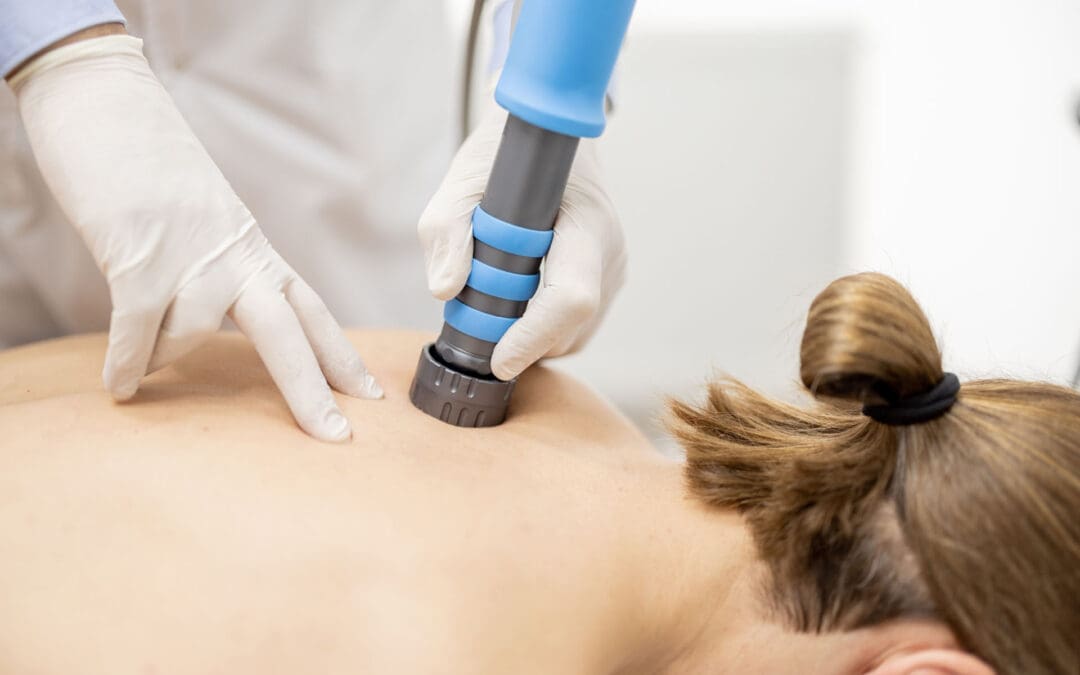
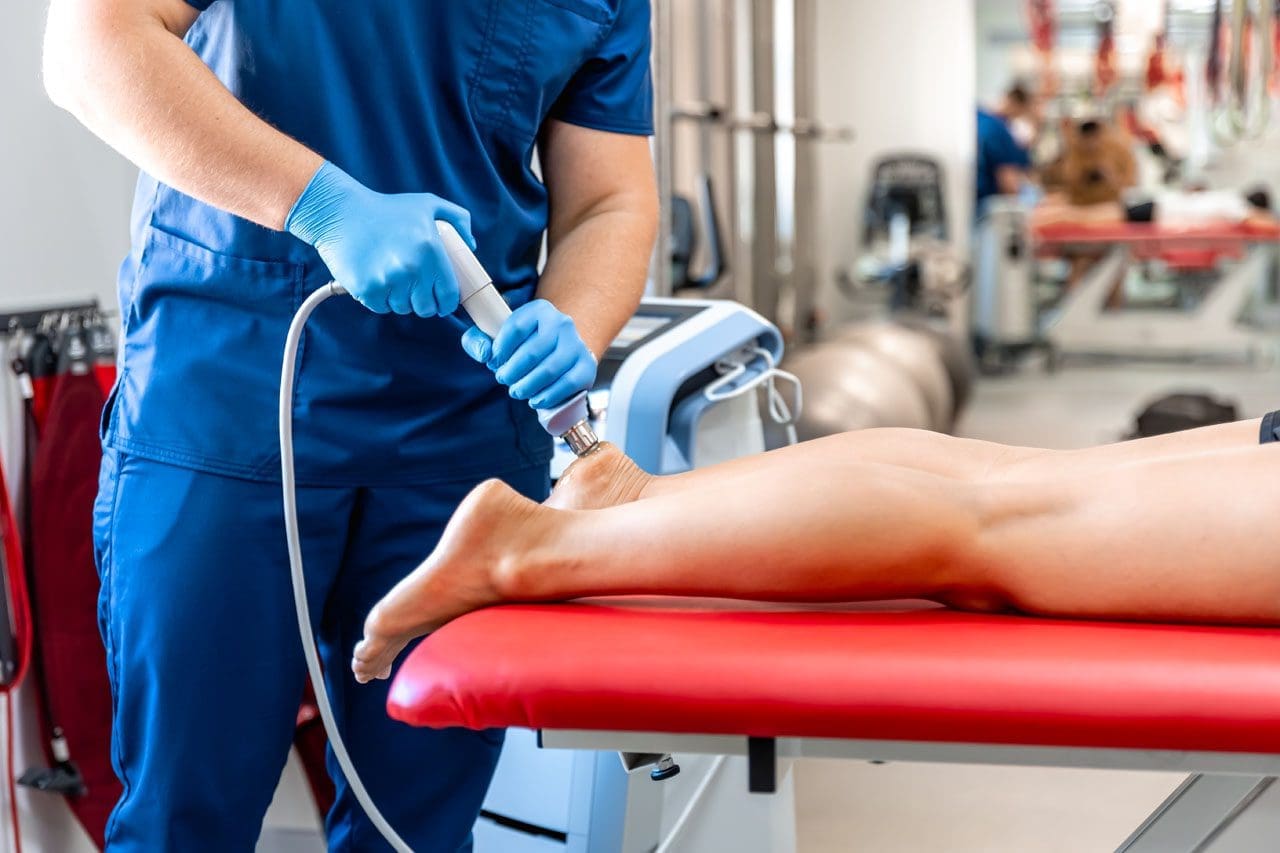
Extracorporeal Shockwave Therapy (ESWT) is a non-invasive treatment that sends acoustic energy (sound waves) into injured tissue from outside the body. It is used in musculoskeletal care to help reduce pain and support healing in stubborn injuries. UCHealth describes ESWT as a noninvasive option for people who have not responded well to more conventional treatments, noting that it delivers high-energy acoustic waves to injured areas.
Mayo Clinic also describes shockwave therapy as a growing tool in physical medicine and sports medicine, especially for tendon and fascia problems.
In simple terms
Shockwave therapy is used to help the body “restart” healing in tissue that has been painful or stuck for a long time, such as:
tendons
fascia
ligaments
some chronic soft-tissue injuries
certain bone healing problems (in selected cases)
Mayo Clinic lists many musculoskeletal uses, including plantar fasciitis, Achilles tendinopathy, patellar tendinopathy, and lateral epicondylitis (tennis elbow).
Not All “Shockwave” Machines Are the Same
This is the most important part of the topic.
Many clinics use the word shockwave, but there are two main categories of devices used in musculoskeletal care:
Focused Shockwave (FSW / F-ESWT)
Radial Pressure Wave (RPW / radial therapy)
Mayo Clinic clearly explains that these are different technologies and should not be treated as identical. In fact, Mayo states that only focused shockwave generates a true shockwave, while radial devices generate a radial pressure wave.
Why that matters
The difference is not just marketing. It affects:
how deep the energy goes
how precise the treatment is
how much energy reaches the target tissue
what conditions may respond best
If a patient has a deep tendon problem, scar tissue, or a stubborn chronic injury, the provider should know exactly what machine is being used and why.
Focused Shockwave vs. Radial Pressure Wave
Here is the practical difference in plain language.
Focused Shockwave (FSW)
Focused shockwave is designed to deliver energy to a specific target depth. It is more precise and is often the better choice when the provider wants to treat a deeper structure or a smaller, more exact area. Mayo Clinic notes that focused shockwave has different physical properties and can be used alone or in combination with radial treatment, depending on the condition.
Radial Pressure Wave (RPW)
Radial therapy spreads energy more broadly and is often more surface-level. Mayo Clinic explains that radial devices generate pressure waves and notes tissue penetration of about 4 to 5 cm in its 2022 discussion of radial ESWT.
That does not mean radial is “bad.” It means it is different. In many cases, radial therapy remains helpful. But if a clinic claims “shockwave” and the patient expects high-energy focused treatment, the patient should ask which device is being used.
Quick comparison
Focused shockwave
More precise targeting
True shockwave physics
Often used for deeper or more exact lesions
Better fit for some regenerative goals
Radial pressure wave
Broader spread
Pressure-wave technology
Often, more superficial or diffuse treatment
Can still be useful in the right case
Why Energy Dose Matters
Real ESWT is not just “machine on, machine off.” It is dosed.
One of the main ways clinicians describe ESWT dose is Energy Flux Density (EFD), and the standard unit is mJ/mm² (millijoules per square millimeter). A PubMed Central review explains that EFD is the professional parameter used to describe shockwave energy flow through tissue, and specifically notes the unit of measurement as mJ/mm².
This is important because:
stronger energy is not always better
tissue type matters
the diagnosis matters
different injuries need different treatment settings
A quality clinic should be able to explain the treatment plan in a way that matches your condition, rather than using the same approach for every patient.
Does Shockwave Therapy Create “Microtrauma”?
Many people explain shockwave therapy by saying it creates “microtrauma” that triggers healing. That is a common explanation, and Mayo Clinic Sports Medicine uses this language in a patient-friendly way, noting that acoustic waves can create microtrauma to help reinitiate a healing response in tendons.
That said, many experts also describe the process in a more modern way as mechanotransduction—meaning the waves create a mechanical signal that helps cells activate repair pathways. Mayo Clinic’s 2025 article also highlights mechanotransduction and regenerative effects like cellular signaling and neovascular changes.
A simple way to think about it
Shockwave therapy helps by:
stimulating local tissue response
improving healing signaling
reducing pain pathways over time
helping stubborn tissue become more “active” in repair
So the short answer is:
Yes, “microtrauma” is a common way to explain it.
But the bigger idea is that the shockwave creates a healing signal, not uncontrolled tissue damage.
FDA Regulation and Why It Matters
Another reason patients should ask questions is that regulatory status matters.
The FDA has approved/cleared specific extracorporeal shockwave devices for specific uses. For example, the FDA PMA listing for the OrthoSpec Extracorporeal Shock Wave Therapy device states that it is indicated for adults with proximal plantar fasciitis (with or without a heel spur) who have had symptoms for 6 months or more and have failed conservative treatment.
That helps patients understand two important points:
real ESWT is a recognized medical technology
device claims should match actual indications and training
If a clinic says “shockwave,” it is fair to ask:
What exact device is this?
Is it focused or radial?
Is it FDA-cleared/approved for a musculoskeletal indication?
These are smart questions, not rude questions.
Why Real ESWT Is Useful in an Integrative Chiropractic Clinic
Shockwave therapy can be very effective, but it works best when the diagnosis is correct, and the rest of the care plan supports healing.
That is where an integrative clinic model is helpful.
The El Paso Back Clinic describes on its website a multidisciplinary, non-surgical, and functional recovery approach that includes chiropractic care, rehab, and broader wellness support. It also describes care for back, auto, and sports injuries, tendinopathy-related issues, and chronic pain.
Why this pairing makes sense
Shockwave therapy targets soft tissue and the healing response.
Chiropractic and rehab help restore:
joint motion
spinal alignment
posture
movement control
load tolerance
When these are combined, the patient gets a more complete plan.
Example of an integrative recovery setup
A patient with chronic Achilles pain, plantar fasciitis, or post-accident scar tissue restriction may benefit from:
Focused shockwave or radial therapy (depending on the tissue depth and goal)
Chiropractic adjustments to improve joint mechanics
Mobility work to reduce compensation patterns
Strength training/rehab exercise to improve tissue tolerance
Lifestyle support (sleep, inflammation control, nutrition)
This is especially important for back and soft-tissue injuries, as pain often has multiple causes. The tissue may be irritated, but there may also be a movement issue, posture problem, or old compensation pattern keeping it from healing.
Clinical Observations in Dr. Alexander Jimenez’s Integrative Model
Public information on dralexjimenez.com and El Paso Back Clinic describes Dr. Alexander Jimenez as a Doctor of Chiropractic and board-certified Family Nurse Practitioner (DC, APRN, FNP-BC) who uses a multidisciplinary, integrative approach focused on non-surgical recovery, diagnostics, and personalized care.
His El Paso Back Clinic content also emphasizes:
advanced injury rehabilitation
chronic pain care
sports injury care
auto injury care
functional medicine support
team-based recovery planning
These clinic observations support the idea that shockwave therapy should not be used as a stand-alone “gadget” treatment. Instead, it fits best within a broader care plan that includes biomechanics, rehab, and whole-person recovery.
Why dual training matters in this setting
In a clinic model that blends chiropractic and nurse practitioner perspectives, the provider can often look at a case more completely, including:
musculoskeletal pain drivers
nerve irritation patterns
inflammation
healing delays
activity limitations
overall recovery readiness
That type of clinical reasoning is helpful when deciding whether a patient should receive:
focused shockwave
radial therapy
chiropractic and rehab only
imaging first
referral or co-management
What Conditions Often Respond to Shockwave Therapy?
Shockwave therapy is often used for chronic injuries that have not improved enough with standard care.
Mayo Clinic and UCHealth commonly describe these types of cases:
Plantar fasciitis
Tennis elbow (lateral epicondylitis)
Achilles tendinopathy
Patellar tendinopathy
Shoulder tendinopathy
Other chronic tendon or fascia pain problems
Mayo’s clinical articles also note that ESWT has roles in treating tendons, ligaments, fascia, and even in selected bone-healing situations.
It may be especially helpful when:
pain has lasted for months
the patient plateaued in regular therapy
surgery is being considered, but not yet desired
the injury is painful with loading (walking, running, lifting, gripping)
the provider wants a non-invasive option
How to Tell if a Clinic Is Offering “Real” Shockwave Therapy
Because the market uses confusing language, patients should ask direct questions before paying for treatment.
Ask these questions
Is this focused shockwave (FSW) or radial pressure wave (RPW)?
What condition are you treating, and why is this device the right choice?
How do you set the energy dose (EFD/mJ/mm2)?
How many sessions are usually recommended for my condition?
Will I also get rehab or movement treatment?
If my pain is deep, how will you target it?
Is the device FDA-cleared/approved for musculoskeletal use?
A strong clinic should be comfortable answering these questions in simple language.
Why Device Hype Alone Is Not Enough
Some clinics advertise shockwave therapy as a miracle treatment. That is not the best way to present it.
Shockwave therapy can be a powerful tool, but results depend on:
Even the best technology will not work well if the diagnosis is wrong or if the patient returns to the same harmful movement pattern right away.
This is one reason integrated care models, like the one described at El Paso Back Clinic and Dr. Jimenez’s clinical sites, can be so useful for complex injuries: patients receive more than one treatment option and more than one clinical lens.
Bottom Line: Focused ESWT Is the Better Choice for True Regenerative Shockwave Goals
If your goal is real regenerative shockwave therapy, focused shockwave (FSW/F-ESWT) is usually the benchmark because it is the true shockwave form and offers more precise targeting. Mayo Clinic makes this distinction very clearly.
Radial devices can still be helpful in many cases, but they are not the same technology. Patients should not be told they are identical.
For patients in El Paso dealing with:
chronic tendon pain
back-related soft tissue problems
sports injuries
accident-related soft tissue injury
stubborn pain that has not improved
An integrative clinic model like El Paso Back Clinic can be a strong fit because it combines:
non-invasive care
structural assessment
chiropractic and rehab
broader healing support
multidisciplinary planning
That is often what it takes to move from “temporary pain relief” to true recovery.
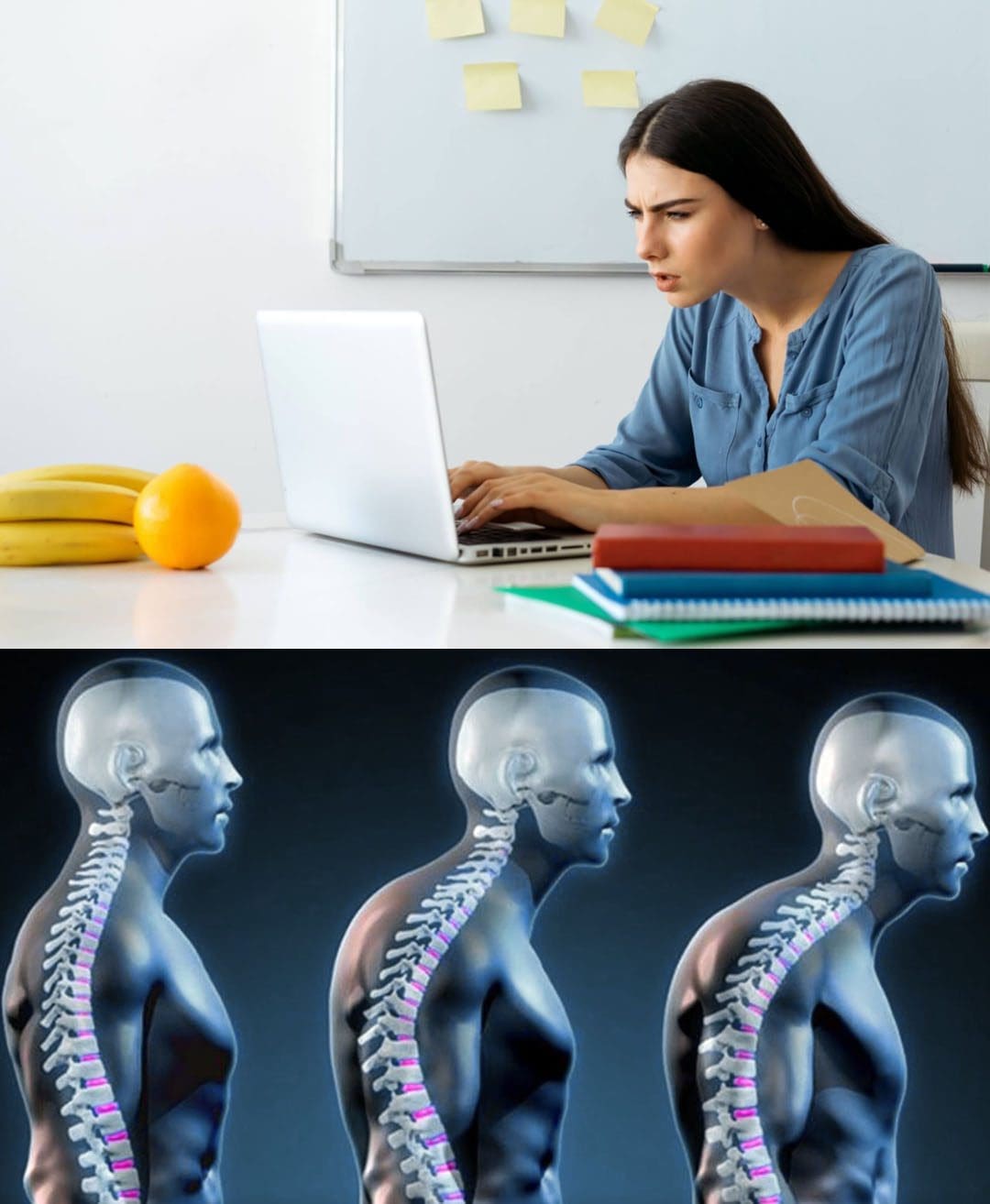
Poor posture is more than a back or neck problem. It can also affect how well you breathe and how well your digestive system works. When a person slouches, hunches forward, or carries the head too far in front of the shoulders, the rib cage and abdomen lose space. That change can make it harder for the diaphragm to move well, which may lead to shallow breathing and lower oxygen intake. It can also place extra pressure on the stomach and intestines, which may contribute to reflux, bloating, and constipation (UCLA Health, 2024; Harvard Health Publishing, 2023).
This article is written for the El Paso Back Clinic audience and follows the clinic’s integrative approach: look at posture, spinal alignment, breathing mechanics, mobility, and daily habits together. The clinic and Dr. Alexander Jimenez frequently discuss posture and breathing as a functional pattern, not just a pain issue, on their educational pages. In other words, how you hold your body can shape how your lungs, core, and digestive system work throughout the day (Jimenez, n.d.; El Paso Back Clinic, n.d.).
Why Posture Matters for Breathing
Your diaphragm is the main muscle used for breathing. It sits below the lungs and helps pull air in when it moves downward. For that to happen easily, your rib cage and abdomen need enough room to expand.
When posture collapses (slouching, rounded shoulders, forward head posture), several things can happen:
The chest may cave inward
The upper back may round more
The ribs may not expand as well
The diaphragm may not move as freely
The body may rely more on neck and shoulder muscles to breathe
UCLA Health explains that poor posture can cause the chest to cave in, affecting breathing mechanics (UCLA Health, 2024). Harvard also lists breathing difficulties among the less obvious problems linked to poor posture (Harvard Health Publishing, 2023).
A research article on head-neck posture and respiratory function also found that posture changes can alter normal breathing mechanics, including diaphragm function. This matters because many people spend hours sitting at a desk, driving, or looking down at phones, which can reinforce forward head posture and rounded shoulders (Zafar et al., 2018).
Common signs that posture may be affecting your breathing
You may not always say, “I can’t breathe.” Instead, people often describe it like this:
“I can’t take a full deep breath”
“My chest feels tight when I sit”
“My neck and shoulders always feel tense”
“I sigh a lot”
“I feel winded faster than I should”
Sources on physical therapy and posture education also note a connection between poor posture and reduced diaphragm mobility, poor chest expansion, and shallow breathing (Capital Area PT, 2025; Total Health Chiropractic, 2022).
How Poor Posture Can Affect Digestion
Most people think digestion is only about food choices, enzymes, or stomach acid. Those are important, but body position matters too.
When you slouch, your abdomen compresses. That pressure can affect the stomach and intestines. UCLA Health notes that poor posture can slow digestion and increase abdominal pressure, which may trigger heartburn and acid reflux (UCLA Health, 2024).
BreatheWorks and other posture-focused digestive resources describe similar patterns: slouched alignment can increase abdominal pressure, affect swallowing and breathing coordination, and make reflux or bloating worse for some people (BreatheWorks, 2023a, 2023b).
Digestive symptoms that may be worse with slouching
Some common examples include:
Heartburn after meals
Acid reflux (GERD) symptoms when sitting or bending
Bloating or pressure in the upper abdomen
Feeling overly full
Constipation (especially with long periods of sitting)
Chiropractic and posture education sources (including Nolensville Chiropractic and BreatheWorks) often describe poor posture as a “compression” problem that can interfere with comfortable digestion and gut motility (Nolensville Chiropractic, 2025; BreatheWorks, 2023a).
The Breathing–Digestion Connection
Breathing and digestion are closely linked, and posture affects both simultaneously.
Here’s why:
The diaphragm supports both breathing and abdominal pressure control
The diaphragm is not just a breathing muscle. It also helps regulate pressure in the trunk. If it cannot move well, breathing becomes less efficient, and pressure control in the abdomen may change.
Poor posture can encourage shallow chest breathing
When breathing shifts more into the upper chest and neck, the body often feels more tense. In many people, this goes along with stress and “fight-or-flight” patterns, which can make digestion feel worse.
Slouching compresses the digestive area
A flexed, collapsed posture can reduce the space available to the stomach and intestines. That can be especially noticeable after eating.
BreatheWorks specifically describes how breathing coordination, alignment, and digestive comfort are connected, especially in people with reflux and bloating symptoms (BreatheWorks, 2023a, 2023b). El Paso Back Clinic and Dr. Jimenez’s educational content also emphasize this whole-body view, especially in patients with both musculoskeletal complaints and gut-related symptoms (Jimenez, n.d.; El Paso Back Clinic, n.d.).
Posture Patterns That Commonly Cause Problems
At El Paso Back Clinic, many patients dealing with neck, upper back, or shoulder pain also show posture patterns that can affect breathing and digestion. Dr. Jimenez’s educational content often highlights the same patterns in functional assessments (Jimenez, n.d.).
Forward head posture
This happens when the head moves in front of the shoulders. It increases neck strain and often leads to upper-chest breathing.
Rounded shoulders
Rounded shoulders can limit chest expansion and change rib cage motion.
Excessive upper-back rounding (kyphotic posture)
This can reduce thoracic mobility (mid-back motion), which is important for full breathing.
Slumped sitting posture
A tucked pelvis, a collapsed lower back, and a caved chest can increase abdominal pressure, making both breathing and digestion less efficient.
Why Integrative Chiropractic Care Can Help
A strong posture plan usually needs more than a quick reminder to “sit up straight.” Many people need a combination of mobility work, spinal/rib movement restoration, soft-tissue care, breathing retraining, and strength work to build lasting change.
That is why the El Paso Back Clinic approach is helpful for many people. The clinic’s posture and rehabilitation content describes a broader plan that can include:
Spinal adjustments
Mobility and stretching
Movement retraining
Soft-tissue care
Posture-focused exercises
Health coaching (El Paso Back Clinic, n.d.)
How this may improve breathing
When spinal and rib mobility improve, the chest can move more naturally during breathing. That can support deeper, more efficient breaths and reduce overuse of neck muscles.
How this may improve digestion
When posture improves, abdominal compression may decrease. Better alignment can also make it easier to breathe diaphragmatically, which may support calmer, more comfortable digestion in some patients.
Dr. Jimenez’s educational pages also describe the importance of posture, breathing mechanics, rib mobility, and functional movement in patients with reflux, bloating, and related complaints (Jimenez, n.d.).
Practical Steps to Improve Posture, Breathing, and Digestion
The good news is that small daily changes can make a real difference.
Reset your sitting posture
Try this simple “stacking” setup:
Feet flat on the floor
Hips level (not rolled backward)
The rib cage is stacked over the pelvis
Shoulders relaxed (not rounded forward)
Chin level (not poking forward)
Even a few posture resets per day can help reduce the long stretches of slouching that many people fall into while working or driving (UCLA Health, 2024).
Use posture breaks every 30–60 minutes
Long sitting is a major factor in the worsening of posture over time. A short break helps.
Quick break routine (2 minutes)
Stand up
Roll your shoulders back gently
Take 5 slow breaths
Walk for 1 minute
Reset your sitting position
This kind of movement break can reduce stiffness and help restore better breathing mechanics. General health and posture guidance consistently supports frequent movement to reduce the effects of prolonged sitting (Harvard Health Publishing, 2023; UCLA Health, 2024).
Practice diaphragmatic breathing
Diaphragmatic breathing can help train the body away from shallow chest breathing.
Simple drill (1–2 minutes)
Sit upright or lie on your back
Place one hand on your chest and one on your belly/ribs
Breathe in through your nose
Try to expand the lower ribs and belly gently
Exhale slowly and fully
Keep shoulders relaxed
Posture-focused breathing resources often recommend this type of drill to improve breathing efficiency and reduce tension (Capital Area PT, 2025; Total Health Chiropractic, 2022).
Improve meal posture
How you sit while eating matters, especially if you have reflux.
Better meal posture tips
Sit upright when eating
Avoid eating while slouched on a couch
Chew slowly
Stay upright after meals
Take a light walk after eating if possible
BreatheWorks and UCLA Health both discuss how posture can affect reflux and digestive comfort, especially in people who slouch during or after meals (BreatheWorks, 2023b; UCLA Health, 2024).
When to Get Medical Care Right Away
Posture can affect breathing and digestion, but some symptoms require medical evaluation and should not be blamed solely on posture.
Seek prompt medical care if you have:
Chest pain
Severe shortness of breath
Trouble swallowing
Vomiting blood
Black/tarry stools
Severe abdominal pain
Unexplained weight loss
Ongoing reflux that is not improving
These can be signs of a more serious condition and need a full medical workup (UCLA Health, 2024; Harvard Health Publishing, 2023).
Clinical Perspective from Dr. Alexander Jimenez, DC, APRN, FNP-BC
For the El Paso Back Clinic audience, the key message is simple: posture problems are often functional problems. In Dr. Jimenez’s educational content, posture is not treated as an isolated issue. It is part of a bigger clinical picture that includes spinal mechanics, rib motion, breathing patterns, stress load, and daily movement habits (Jimenez, n.d.).
That is why many patients feel better when care is more comprehensive. Instead of only focusing on pain, an integrative plan may help by:
Improving spinal and rib mobility
Restoring more natural breathing mechanics
Reducing neck and shoulder overuse
Addressing posture during work and meals
Supporting better movement and daily function
The El Paso Back Clinic posture and rehabilitation pages also describe a personalized approach using adjustments, exercise, stretching, and movement retraining, which fits well with this type of whole-body care model (El Paso Back Clinic, n.d.).
Final Takeaway
Poor posture can affect much more than the spine. Slouching and forward head posture can limit diaphragm movement, reduce chest expansion, and lead to shallow breathing. At the same time, abdominal compression can make digestion less comfortable and may worsen reflux, bloating, and constipation in some people.
The good news is that posture can improve. With the right plan—especially one that includes posture correction, breathing retraining, and integrative chiropractic care—many people can breathe better, move better, and feel more comfortable after meals.
For readers of El Paso Back Clinic, this is an important reminder: posture is not just about standing tall. It is about giving your body the space and mechanics it needs to function well.
Sciatica Self-Massage at Home (The El Paso Back Clinic Approach to Safer Relief)
Sciatica is a nerve irritation pattern, not just a tight muscle. It often feels like burning, aching, tingling, or “electric” pain that can start in the low back or buttock and travel into the thigh, calf, and foot. Many people in El Paso experience sciatica after long hours of sitting, driving, or heavy lifting, or after an old injury that never fully healed. At El Paso Back Clinic, sciatica care is commonly described as integrative—meaning hands-on chiropractic care plus soft-tissue work, rehab, and (when appropriate) decompression strategies to reduce nerve pressure and help the body heal instead of just “chasing symptoms.”
Self-massage can be an effective home tool when done correctly. The goal is to relax the tissues around the irritated nerve pathway—especially the glutes, piriformis, low back muscles, hamstrings, and sometimes the calf—without smashing the nerve itself.
The safety rule that matters most: don’t “dig into” the sciatic nerve
If you press directly on the most “zappy” spot, you can flare symptoms. Instead, aim for gentle, targeted pressure that feels like a controlled release.
Use the “hurts good” rule:
Keep pressure 0–3 out of 10 (mild to moderate discomfort)
Avoid 4–10 out of 10 (too aggressive)
If symptoms worsen, stop right away and reduce pressure next time
Tools that work well at home
You do not need expensive equipment. These basic tools are enough for most people:
Tennis ball (beginner-friendly pressure)
Foam roller (great for slow myofascial release)
Two tennis balls taped together or in a sock (to work beside the spine more safely)
Heat pack (before or after)
Many sciatica massage guides recommend simple tools like tennis balls and foam rollers because they help you reach deep glute and hip muscles without overworking your hands.
Step-by-step: a simple self-massage routine for sciatica relief
Start with heat (optional, but helpful)
Apply heat to the lower back or glutes for 10–15 minutes. Heat can help muscles relax, so you do not need to apply as much pressure during a massage.
Tip: Heat should feel soothing, not scorching.
Trigger point release for the glutes and piriformis (tennis ball)
This is one of the most helpful self-massage steps because the piriformis and nearby glute muscles can tighten and irritate the sciatic nerve pathway.
How to do it:
Sit on the floor (or a firm bed) and place a tennis ball under one buttock.
Lean your weight into the ball until you find a tender “knot.”
Hold steady pressure for 20–45 seconds while breathing slowly.
Move the ball 1–2 inches and repeat on 2–4 spots.
Keep it safe:
If pain becomes sharp, numbness increases, or symptoms travel farther down the leg, stop immediately.
Low back muscle release (two tennis balls—NOT on the spine)
At El Paso Back Clinic, massage and soft-tissue work are considered a key part of sciatica treatment because relaxing tight tissues can reduce pressure on irritated structures. A safe home approach is to use two tennis balls so that pressure is applied beside the spine.
How to do it:
Tape two tennis balls together (or place them in a sock).
Lie on your back with knees bent.
Place the balls on either side of the spine, not on the bone.
Make tiny shifts and pauses—no fast rolling.
Work for 1–2 minutes, then rest.
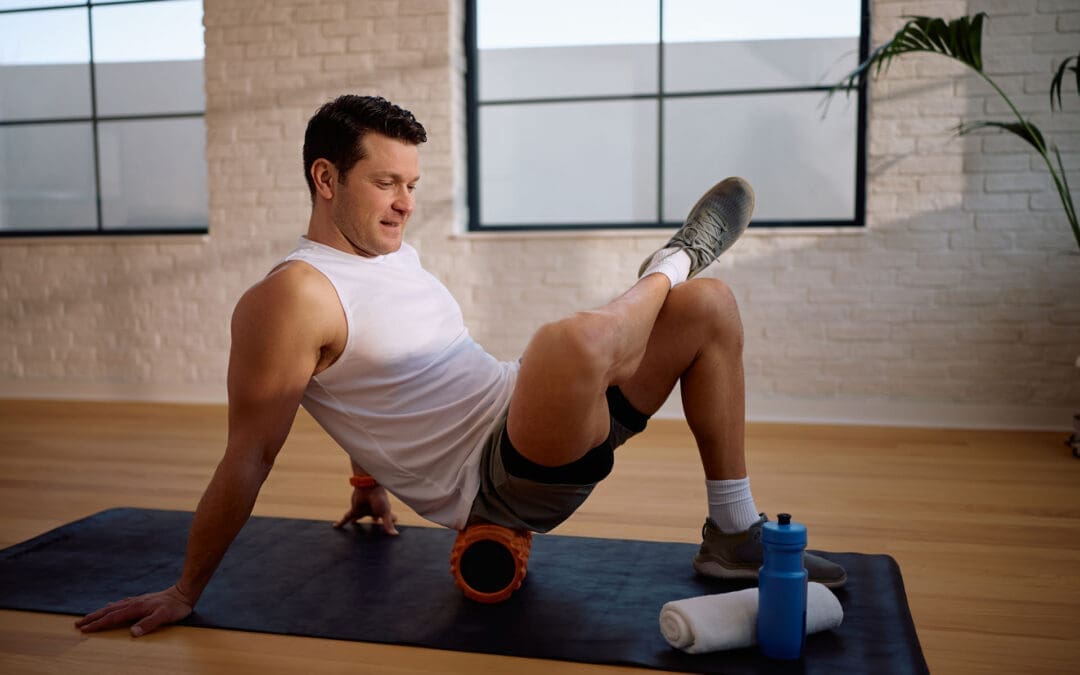
Myofascial release for hamstrings (foam roller)
If your hamstrings are tight, they can “pull” on the pelvis and keep the low back and hip region tense. Slow foam rolling is often described as a form of self-myofascial release that warms and loosens tissue over time.
How to do it:
Sit with the roller under the back of your thigh.
Roll slowly and pause on tight spots for 20–30 seconds.
Don’t chase pain—stay in the 0–3/10 range.
Calf massage for referred pain (hands or roller)
Some sciatica patterns show up strongly in the calf or foot. Gentle calf work may help reduce guarding and improve comfort.
How to do it:
Use your hands to squeeze and glide from ankle toward knee.
Pause on a tender spot and breathe.
Keep pressure light to moderate.
What to avoid (so you don’t flare symptoms)
Heavy pressure on the “electric” pain spot
Fast rolling over the lower back or buttocks
Long sessions that leave you sore for 1–2 days
Pressing on the bone (spine, sacrum ridge, hip bone)
If you feel worse after self-massage, your body is telling you the dose was too high. Reduce pressure and shorten the next session.
Why chiropractic + massage often works better than either alone
Self-massage can help relieve muscle tension, but some cases of sciatica also involve spinal joint restriction, disc irritation, or nerve root pressure. That is why integrative chiropractic care is often paired with soft-tissue work.
On El Paso Back Clinic, sciatica care is described as focusing on addressing sources of pain (not only masking it), and the clinic also highlights combining chiropractic adjustments with therapeutic massage and non-surgical decompression options.
Common integrative components include:
Targeted chiropractic adjustments to improve motion and reduce irritation
Myofascial release/therapeutic massage to reduce spasms and improve circulation
Non-surgical spinal decompression (when appropriate) to reduce pressure on discs/nerve roots
Clinical observations from Dr. Alexander Jimenez
Across sciatica-focused education on the clinic’s site, the recurring theme is that lasting relief often improves when care addresses both sides of the problem:
tissue tension (glutes/piriformis/low back tightness), and
spinal mechanics (how joints/discs and nerve pathways are loading under stress).
When to stop home care and get evaluated quickly
Get urgent medical evaluation if you have:
New or worsening leg weakness
Loss of bowel or bladder control
Numbness in the saddle area
Severe pain with fever, unexplained weight loss, or major trauma
These may indicate a condition requiring immediate care beyond self-massage.
Is It Safe to Wear a Backpack? Expert Tips on Spinal Health and Back Pain Prevention in the US and El Paso, TX
A woman walking, wearing a backpack with the recommended weight, and maintaining correct posture to prevent back pain and problems.
Back pain is a big issue for many people in the United States
Up to 80% of adults face low back pain at some point in their lives. This is one of the top reasons for doctor visits and missed workdays. The cost is huge too, with over $100 billion spent on spine problems each year. In El Paso, Texas, where people often have active jobs like industrial work or lots of driving, back pain questions focus on things like sciatica, herniated discs, and spinal stenosis. A common concern across the country, including in places like El Paso, is whether wearing a backpack is safe for the spine. The good news is that it can be safe if you follow some simple rules. This article focuses on backpack safety and then addresses other key questions about managing back pain, treatment options, and daily habits to keep your spine healthy.
Understanding Backpack Safety and Spinal Health
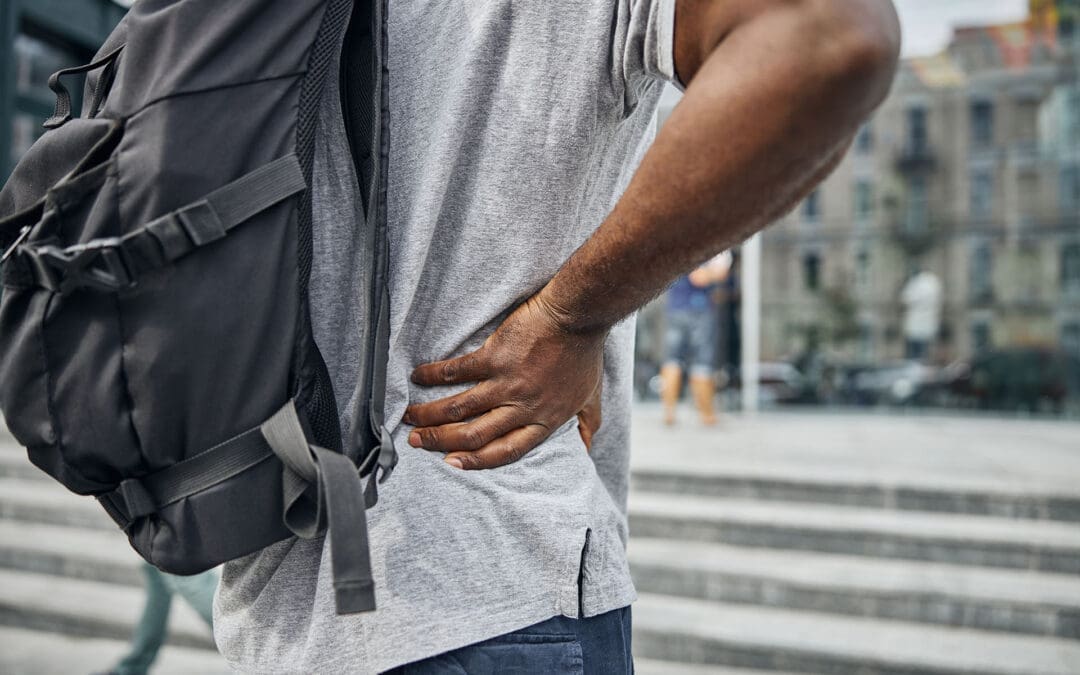
Wearing a backpack is common for carrying things, but if it’s too heavy or worn incorrectly, it can hurt your back. Heavy backpacks can strain muscles and joints in your back, neck, and shoulders. This might lead to pain or bad posture over time. However, backpacks do not cause scoliosis, a spinal curvature that affects about 2% to 3% of people. Scoliosis often starts in teens and is more common in girls, but it’s not linked to backpacks.
Is it safe? Yes, as long as you distribute the weight right and follow the tips to avoid strain. Improper use can cause muscle fatigue, poor posture (such as slouching), and even chronic pain if left unaddressed. In El Paso, where people might carry tools or bags for work, this is especially important to prevent issues such as sciatica, where pain radiates down the leg due to nerve pressure.
Here are some key tips for safe backpack use:
Choose the right backpack: Pick one with wide, padded straps and a padded back. It should fit your body size and have a waist strap for heavy loads. Lightweight materials help too.
Limit the weight: Keep the backpack under 10-15% of your body weight. For example, if you weigh 150 pounds, aim for no more than 15-22.5 pounds.
Distribute weight evenly: Put heavier items at the bottom and close to your back. Use compartments to balance things and stop shifting.
Wear it correctly: Always use both straps. Adjust them so the pack sits in the middle of your back, not sagging low. Bend your knees to lift it.
Make smart choices: Remove extra items often. Use lockers or storage if possible. For very heavy loads, try a rolling backpack or crossbody bag.
These steps help distribute the load across your strong back muscles and keep your spine aligned. If you feel pain, stop and adjust. In places like El Paso, with busy lifestyles, following these can help prevent accidents from becoming long-term back issues.
Common Causes of Back Pain in the US
Back pain affects millions. In the US, about 26% of adults have it at any time, and it’s more common after age 45. Among adults aged 50 and older, up to 45.6% experience it. Causes include muscle strains, ligament injuries, herniated discs (where the disc’s soft center protrudes), arthritis, and spinal stenosis (where the spinal canal narrows). Stress can make it worse by causing muscle spasms. Even factors such as obesity or infections can play a role.
Chronic back pain lasts more than 3 months and affects 8% of adults. It often comes from wear and tear on discs or joints. Poor sleep makes it worse because pain disrupts rest, and lack of sleep raises inflammation. In the US, this results in high costs, such as lost work and medical bills.
Symptoms vary. You might feel an ache in your lower back or sharp pain if it’s sciatica. Numbness, tingling, or weakness in the legs are red flags. Scoliosis, which affects 7 million Americans, can cause symptoms such as uneven shoulders or back pain; most cases are mild.
Muscle or ligament strain: From lifting incorrectly or sudden moves.
Disc problems: Bulges or herniations press on nerves.
Arthritis: Joint wear is common in older people.
Stenosis: Narrowing squeezes nerves, causing leg pain.
Stress and lifestyle: Tension builds up, leading to spasms.
Knowing these helps prevent pain. For example, strengthening your core muscles supports your spine and reduces strain from daily activities like wearing a backpack.
Managing Chronic Back Pain
Chronic back pain needs long-term plans. First, see if it’s new or ongoing. Most cases improve with rest and simple fixes, but if it lasts, get checked. Avoid bed rest; gentle movement helps recovery faster.
Daily habits matter. Exercise like walking or swimming builds strength. Maintain a healthy weight to reduce spinal load. Quit smoking, as it negatively affects spinal tissues and raises surgery risk by up to 50%. Good posture and ergonomic setups at work prevent strain.
In El Paso, with industrial jobs and driving, pain from accidents is common. Recovery focuses on building habits to avoid re-injury.
Stay active: Low-impact exercises like yoga or Pilates.
Watch your diet: Healthy foods reduce inflammation.
Manage stress: Deep breathing or mindfulness helps.
Sleep well: Use pillows to maintain spinal alignment.
Stretch daily: Loosen tight muscles, such as the hamstrings.
These steps reduce pain and improve quality of life.
Treatment Options: Surgery vs. Conservative Care
When pain doesn’t go away, choices include conservative care or surgery. Conservative means non-surgical options such as physical therapy, medications, injections, chiropractic care, or massage. These are tried first for 8-12 weeks. Surgery is indicated for severe cases, such as nerve damage or instability.
Ask your doctor: What causes my pain? What tests do I need? What are the risks and benefits? For surgery, ask about the surgeon’s experience, recovery time, and whether you’ll need help at home. Alternatives like spinal decompression stretch the spine to ease disc pressure.
Chiropractic vs. orthopedic: Chiropractors focus on spinal adjustments to realign the spine and relieve pain without medication. Orthopedists may recommend surgery for significant issues. Both can help, but chiropractic care is well-suited to conservative care.
In El Paso, many choose chiropractic for herniated discs or sciatica. It’s safe and effective for back pain, reducing symptoms by fixing alignment and boosting blood flow.
Spinal Health in El Paso, TX
El Paso has unique needs. Active lives, work injuries, and car accidents lead to questions about sciatica, where nerve pain goes down the leg, or spinal stenosis with leg weakness. Herniated discs are common from lifting or falls.
Lumbar stenosis FAQs: It causes leg pain or numbness when walking. Avoid high-impact exercises like running; try swimming instead. Treatments include therapy or decompression.
Local care often combines chiropractic and orthopedic care. Dr. Alexander Jimenez, a chiropractor in El Paso with over 30 years of experience, notes that integrative care is most effective. He uses adjustments, nutrition, and therapy for root causes. For example, a worker’s back pain improved by 50% within weeks with his plan. He stresses non-surgical options for sciatica and injuries, helping people stay active in El Paso’s environment.
Sciatica: From disc pressure; chiropractic eases it.
Chiropractic: Aligns the spine, safe for all ages.
Dr. Jimenez’s work shows personalized plans reduce pain without surgery.
Daily Habits to Prevent Spinal Injury
Preventing pain starts with habits. Lift by bending knees, not back. Stand every 15 minutes if sitting for long. For driving in El Paso, take breaks to stretch.
Core strength is key. Exercises like planks support your spine. Avoid smoking for better healing. Ergonomics: Screen at eye level, chair with back support.
For backpacks, combine with these: Even weight helps posture.
Lift right: Knees bent, close to body.
Posture: Stand tall, no slouch.
Exercise: Core and back focus.
Weight control: Less strain on the spine.
Breaks: Move often.
These reduce the risk of injury and tie into backpack safety.
Conclusion
Wearing a backpack is safe when done properly, with proper weight distribution and habits. This fits into broader questions about spinal health in the US and El Paso. Manage chronic pain with conservative care first, like chiropractic, and build daily routines to prevent issues. Experts like Dr. Jimenez show that integrative approaches work. Stay active, ask questions, and protect your spine for a better life.
Sciatica Numbness in the Hamstring and Foot (Without Low Back Pain): An El Paso Back Clinic Guide to What It Means and What to Do
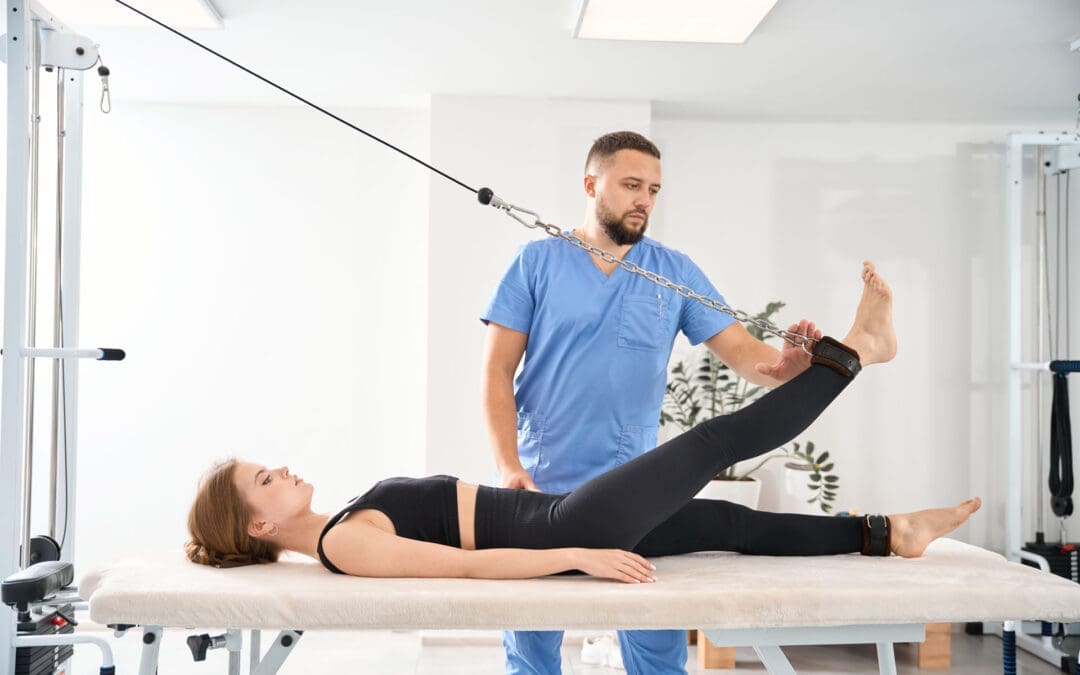
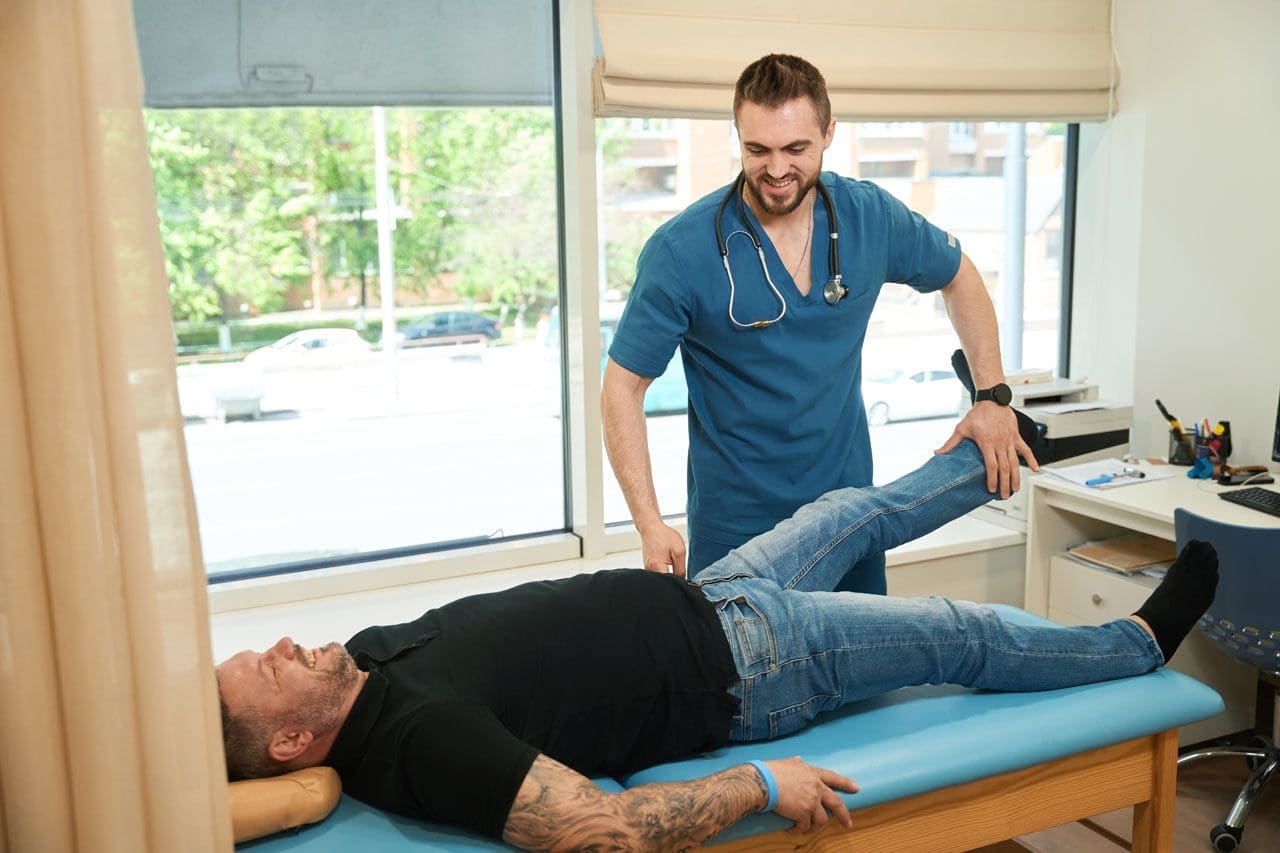
Patient with sciatica symptoms but no back pain, only leg and foot numbness and pain, lies supine on the examination table while the chiropractor/nurse practitioner lifts his extended leg with resistance.
If your hamstring feels numb or your foot feels tingly or “asleep,” it’s easy to think you pulled a muscle. But many people in El Paso are surprised to learn that sciatica can show up as leg numbness without much (or any) low back pain. That pattern is common—and it’s one reason sciatica can get missed at first. (Yale Medicine, n.d.; Penn Medicine, n.d.; AMA, 2024)
At El Paso Back Clinic, we often see this exact concern:
“My lower back doesn’t hurt… so how can this be sciatica?”
“Why is there numbness in my hamstring and foot?”
“Is this a hamstring strain or a nerve issue?”
“When should I worry and get checked?”
This article explains the “why,” helps you distinguish between muscle and nerve pain, and shows how an integrative chiropractic approach may reduce sciatica-related numbness by addressing the spine, hips, soft tissues, and movement habits that keep the nerve irritated. (HSS, 2024; Fletcher Family Chiropractic, 2025; Auburn Hills Chiropractic, n.d.)
Important: Numbness can have several causes. A careful evaluation matters—especially if symptoms persist or worsen.
What Sciatica Really Is (And Why It Can Feel Like a Hamstring/Foot Problem)
Sciatica is a set of symptoms caused by irritation or compression of nerve roots in the lower back or of the sciatic nerve pathway itself. The sciatic nerve is the largest nerve in the body. It starts in the lower back and travels through the buttocks, down the back of the thigh, and into the lower leg and foot. (Yale Medicine, n.d.; Penn Medicine, n.d.; HSS, 2024)
That pathway explains a big point:
You can feel the problem far away from where it starts. So even if your low back feels “fine,” the nerve signals going into your hamstring, calf, or foot can still be affected. (Yale Medicine, n.d.; Mayo Clinic, 2025)
Common sciatica symptoms include:
Pain that travels down the leg
Tingling (“pins and needles”)
Numbness in the thigh, leg, or foot
Burning or electric-like feelings
Weakness in the leg or foot (Mayo Clinic, 2025; Penn Medicine, n.d.)
Why Sciatica Can Cause Hamstring and Foot Numbness Without Back Pain
The nerve is irritated “upstream,” but you feel it “downstream”
A nerve can be irritated near the spine, but the symptoms often show up where the nerve travels—like the hamstring or foot. This is one reason people feel confused: the pain isn’t always in the back. (Yale Medicine, n.d.; Penn Medicine, n.d.)
Some sciatica patterns are leg-dominant
Some people mainly feel sciatica below the knee (calf/foot) with little low back pain. That’s still consistent with nerve involvement. (AMA, 2024; Mayo Clinic, 2025)
The irritation may be outside the spine (hip/buttock region)
Not every case is a disc issue. Sometimes the sciatic nerve becomes irritated where it passes through the buttocks. Tight, overworked muscles can compress or irritate the nerve, leading to numbness down the leg. (Total Ortho Sports Med, 2025; HSS, 2024)
Common Causes of Sciatica-Like Numbness (Even When the Low Back Doesn’t Hurt)
Think of these as the “usual suspects.” A proper exam helps pinpoint which one fits your pattern.
A) Lumbar nerve root irritation (radiculopathy)
A disc bulge/herniation, arthritic changes, or narrowing of the spaces in the spine can irritate nerve roots. You may feel numbness in the legs even if the back pain is mild. (Mayo Clinic, 2025; Penn Medicine, n.d.)
Clues that this may be happening:
Symptoms travel below the knee
Sitting makes it worse (especially long drives)
Coughing/sneezing increases symptoms
You notice weakness or heaviness in the foot (Mayo Clinic, 2025; Goodman Campbell, 2025)
B) Piriformis syndrome / deep buttock compression
When the buttock area is the main source of compression, you may feel:
Buttock tightness or a deep ache
Symptoms worsen with sitting
Numbness/tingling down the leg with minimal back pain (Total Ortho Sports Med, 2025)
C) Mobility and movement problems that keep the nerve irritated
Even when the “main” cause is a disc or nerve root, symptoms can stick around if:
The hips don’t move well
The pelvis is rotating during walking
The core and glutes aren’t supporting the spine
Work and driving keep you in nerve-irritating positions (HSS, 2022; Mayo Clinic, 2025)
In clinical settings like El Paso Back Clinic, we often see a pattern where spine mechanics + hip tension + repeated sitting/positioning team up to keep the nerve cranky. (Jimenez, n.d.)
D) Non-sciatica causes that mimic sciatica
Some issues look like sciatica but are different, such as:
Peripheral neuropathy
Other nerve entrapments lower in the leg
Vascular problems (circulation)
Rare but serious spinal conditions (AMA, 2024; Mayo Clinic, 2025)
That’s why ongoing numbness deserves a focused exam.
Sciatica vs. Hamstring Strain: How to Tell the Difference
This is one of the biggest “either/or” questions.
Hamstring strain is usually a muscle problem
Hamstring strains often occur during sprinting, sudden acceleration, or deep stretching. (Ducker Physio, 2025)
Typical hamstring strain signs:
Local pain in the back of the thigh
Tenderness to touch in the muscle
Pain with resisted knee bending or stretching the hamstrings
Usually no tingling or numbness in the foot (Ducker Physio, 2025)
Sciatica is a nerve problem
Sciatica symptoms often behave differently.
Typical sciatica signs:
Tingling, numbness, burning, or electric sensations
Symptoms can travel below the knee into the foot
Sitting, bending, or twisting can trigger it
The sensation may come and go with certain positions (Mayo Clinic, 2025; Yale Medicine, n.d.)
Quick comparison (simple and practical)
Hamstring strain: muscle pain, tender spot, worse with stretch/strength work, no foot numbness (Ducker Physio, 2025)
Sciatica: numbness/tingling, traveling symptoms, position-sensitive, may include weakness (Mayo Clinic, 2025)
Why You Can Have Foot Numbness and Not Much Pain
People often say, “It doesn’t hurt that badly, it’s just numb.” That can still be significant.
Numbness can happen when nerve signals are disrupted. Instead of sharp pain, your body gives you:
Reduced sensation
Tingling
A “sock-like” strange feeling
A foot that feels off when you walk (Mayo Clinic, 2025)
If numbness persists, spreads, or is accompanied by weakness, it’s a strong reason to get evaluated. (AMA, 2024; Mayo Clinic, 2025)
When to Get Help: Red Flags You Shouldn’t Ignore
Get urgent care if you have:
New or worsening leg weakness
Trouble lifting the foot (or frequent tripping)
Loss of bowel or bladder control
Numbness in the groin/saddle area
Severe symptoms after trauma (AMA, 2024; Mayo Clinic, 2025)
Schedule an evaluation soon if:
Numbness lasts more than 1–2 weeks
Symptoms keep returning
Numbness is moving farther down the leg
Pain/numbness is affecting sleep or walking
Home care isn’t working (Mayo Clinic, 2025; Goodman Campbell, 2025)
How El Paso Back Clinic Approaches Sciatica-Related Numbness (Integrative Chiropractic Perspective)
In Dr. Alexander Jimenez’s clinical observations, leg-dominant sciatica symptoms often improve best when care focuses on more than one area:
Spine mechanics (how the lumbar joints and discs are loading)
Hip and pelvis motion (how the leg is moving under the trunk)
Soft tissue tension (especially deep gluteal and posterior chain tightness)
Movement habits (sitting, driving posture, bending technique, sports training patterns) (Jimenez, n.d.)
This integrative approach aims to answer a simple question:
“Where is the nerve being stressed, and why is it staying stressed?” (Jimenez, n.d.)
Orthopedic tests (to reproduce or reduce symptoms)
Movement checks (hip hinge, gait, pelvic control)
Posture and work/drive habit review If findings suggest serious compression or a non-spine cause, referral or imaging may be appropriate. (Mayo Clinic, 2025; Penn Medicine, n.d.)
How Integrative Chiropractic Therapy May Help Reduce Hamstring and Foot Numbness
Sciatica-related numbness can improve when you reduce mechanical stress and calm irritation around the nerve.
Spinal and pelvic adjustments (when appropriate)
Chiropractic adjustments are often used to improve joint motion and reduce mechanical irritation patterns. Many chiropractic resources describe symptom improvement by addressing mobility restrictions and reducing stress on sensitive tissues. (Auburn Hills Chiropractic, n.d.; Alliance Ortho, 2024)
Soft tissue therapy for buttock/hip and posterior chain tension
Soft-tissue methods can help when muscle tension and fascial tightness contribute to irritation—especially in the deep gluteal region. (AFCadence, n.d.; Collective Chiro, 2024)
Common tools include:
Myofascial release
Trigger point work
Targeted stretching (symptom-guided)
Gentle mobilization
Rehab exercises that “retrain” movement, not just stretch
When numbness is linked to nerve irritation, the goal is often:
Better hip mobility without nerve flare-ups
Stronger glute support and core stability
Improved walking mechanics and posture
Gradual return to bending and lifting patterns (HSS, 2022; Mayo Clinic, 2025)
Technique options like flexion-distraction (case-by-case)
Some clinics use flexion-distraction approaches for certain disc-related patterns to reduce irritation and improve movement tolerance. (Fletcher Family Chiropractic, 2025; Spinal Recovery Center, n.d.)
The best plan depends on the pattern. If numbness is your main symptom, a clinician should check for weakness, reflex changes, and other signs that require faster escalation of care. (AMA, 2024; Mayo Clinic, 2025)
Practical Self-Care Tips for Sciatica Numbness (Simple, Safe, and Nerve-Friendly)
These are general strategies commonly recommended in conservative sciatica care.
Helpful basics
Take walking breaks if walking helps
Avoid long sitting without standing up
Use heat or ice based on what feels better
Don’t force stretches that shoot symptoms into the foot (Mayo Clinic, 2025; HSS, 2022)
If symptoms are not improving—or if weakness is appearing—get reassessed.
Key Takeaways
Sciatica can cause hamstring and foot numbness without back pain, because nerve irritation is often felt along the nerve’s path. (Yale Medicine, n.d.; Penn Medicine, n.d.)
It’s important to tell nerve symptoms apart from a hamstring strain, since numbness/tingling usually points to nerve involvement. (Ducker Physio, 2025)
An integrative chiropractic plan often combines mobility care, soft tissue work, and rehab exercises to reduce irritation and restore movement. (HSS, 2022; Alliance Ortho, 2024; Jimenez, n.d.)
Red flags like weakness or bowel/bladder changes require urgent evaluation. (AMA, 2024; Mayo Clinic, 2025)
If you’re dealing with hamstring or foot numbness—especially if it’s lingering—getting a focused evaluation can help you figure out whether it’s sciatica or something else and build a plan that fits your life in El Paso.
IFM's Find A Practitioner tool is the largest referral network in Functional Medicine, created to help patients locate Functional Medicine practitioners anywhere in the world. IFM Certified Practitioners are listed first in the search results, given their extensive education in Functional Medicine