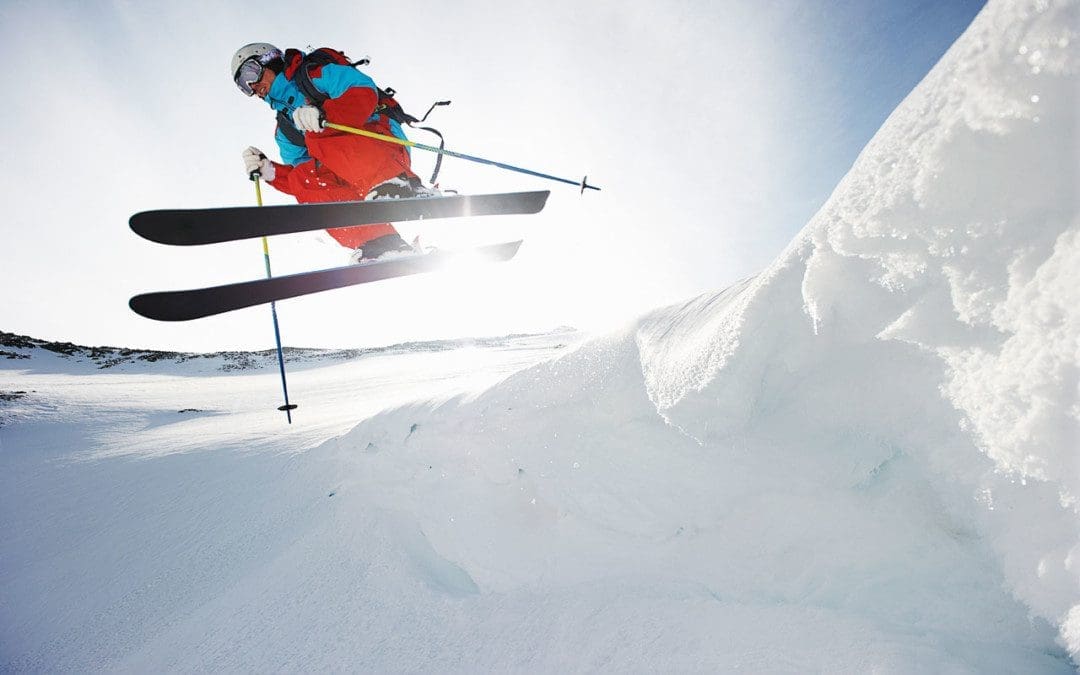
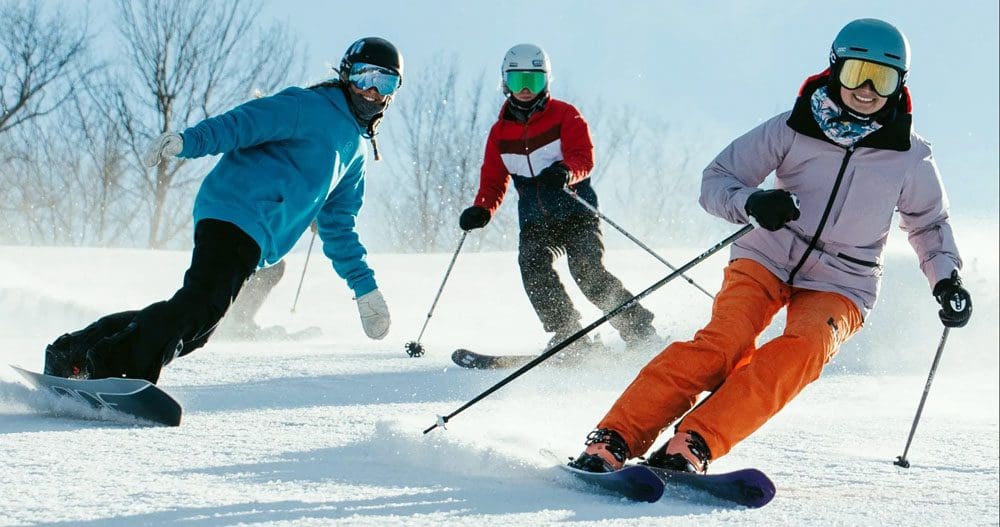
Skiing sports require balance, strength, endurance, and muscle power. It is recommended to start training for ski season about eight to twelve weeks before heading to the slopes. However, any amount of training is better than no training; as long as you stay consistent and focus on exercises that enhance skiing or snowboarding, even a few weeks of fitness training can make a difference. A ski conditioning workout can help you ski better, stay out longer, prevent injuries, and have more fun.
Skiing
Before beginning any training plan, check with your doctor or a certified training professional. The recommended strategy is a cardio and strength workout routine that trains and strengthens the lower-body muscles, including the quads, hamstrings, and glutes. This will improve mobility and balance to help control the skis better and support body parts like the knees, which are more prone to skiing injuries.
General Overview of Training
Increase Muscle Power
Strengthen the quads, glutes, hamstrings, and hips.
Posture and Balance
Train the core and the muscles around the hips, which helps provide stability.
Increase Endurance
Condition the body to handle vigorous conditions.
Increase Cardiovascular Function
Cardiovascular activities include running, biking, or interval training to strengthen the lungs and heart.
Training Schedule
Starting
With skiing, you’ll need a combination of cardio and strength training and enhanced aerobic fitness for the higher altitude.
Individuals are encouraged to start around six to eight weeks before ski season because it takes around that amount of time to experience the benefits.
The muscles need time to recover and repair themselves between sessions.
As aforementioned, you can still exercise even if you have missed the training window.
Pick an enjoyable activity: jogging, biking, and high-intensity interval training/HITT.
The goal should be 30 minutes of cardio activity 2-3 times a week to prepare the heart and lungs for downhill runs.
Recommended workouts for getting into ski shape:
Elliptical trainer – The elliptical trainer is highly recommended for ski training, as it mimics the same upper-body and lower-body movements used in Nordic skiing.
This could be a short session on a treadmill, jumping jacks, or a quick jog.
Guidelines as you progress through the workout:
Inhale during initial exertion, and exhale as you return to the starting position.
Maintain breathing patterns during faster exercises.
Rest at the end of each exercise.
Walking Lunge with Rotation Exercise
This exercise works the glutes, quads, hamstrings, and abdominals and improves core rotation.
Stand with your feet slightly apart.
Step one foot forward into a lunge.
As you step forward, rotate your body to the side in the direction of your lead knee.
Arms should be at chest height, slightly elevated from the sides.
Drive up and through your forward leg to take the next lunge.
Repeat ten times on each side for a total of 20.
Tips and modifications:
If you don’t have enough space, you can stay in one spot and alternate lunging.
Make it easier by keeping the back leg straight.
Make sure that your knees do not go inward.
Stay in a straight line with your foot and hip.
Lateral Ski Jump Exercise
This power exercise prepares for the explosive ski movements and energy bursts needed to control the descent.
Stand with your feet hip-width apart and knees slightly bent, balancing on one leg.
Jump to the side, landing on the other leg.
Think about landing softly with your knee slightly bent.
Jump to the other side, landing softly on the other leg.
Swing the arms sideways across your body like a speed skater.
Repeat 15 on each side.
Tips and modifications:
Make smaller jumps to the side
Move slower
Touch your toe to the ground instead of keeping it off the floor.
Chop Exercise
This exercise will strengthen the core to initiate turns using the core rather than the arms or shoulders and help prevent lower back pain.
Use a resistance band that you can secure slightly above the shoulders.
Stand sideways to where the band is anchored.
Position yourself so that you can reach up evenly with your shoulder to grab the free end of the band with both hands.
Your knees should be slightly bent.
Pull the band down across your body while turning your body.
Think about the trunk doing most of the work for this exercise, not the arms and shoulders.
Keep your arms as straight as you can as you pull the band down
The arms should act as guides, with the obliques and back muscles generating the pulling and rotating power.
Do this 15 times, then repeat facing the other way.
Rest for 90 seconds before moving on to the next exercise.
Tips and modifications:
Adjust the band resistance level by shortening it to increase resistance or lengthening it to ease resistance.
The goal is to feel tired at the end of the reps but not so exhausted that you struggle to finish.
Hip Roll Exercise
This exercise strengthens the muscles of the hips, including the glutes, to help prevent knee pain. There’s a direct relationship between hip strength and knee control. When hip strength is weak, the knees tend to shift inward.
Stand on your left leg.
Lean your body forward at the hips, keeping the back straight.
Lift your right leg back behind you, slightly off the ground.
Rotate or roll your hip away from your standing foot.
Maintain the body in a straight line as you roll your hips back.
Repeat 10-15 times on each side.
Tips and modifications:
If balancing is difficult, hold on to the back of a chair or keep your toes on the ground.
Whether you’re going alpine or Nordic skiing, these are just a few exercises designed to help all types and levels of recreational skiers and snowboarders. Always check with your doctor before starting any exercise routine, and it is recommended to consult a ski instructor or personal trainer for more comprehensive and intense workouts.
Ski Team Workout
References
Laskowski, E R. “Snow skiing.” Physical medicine and rehabilitation clinics of North America vol. 10,1 (1999): 189-211.
Nagle, Kyle B. “Cross-Country Skiing Injuries and Training Methods.” Current sports medicine reports vol. 14,6 (2015): 442-7. doi:10.1249/JSR.0000000000000205
Steadman, J R et al. “Training for Alpine skiing.” Clinical orthopedics and related research,216 (1987): 34-8.
Therell, Terese, et al. “Effects of Core Strength Training on Skiing Economy in Elite Junior Cross-Country Skiers.” Research quarterly for exercise and sport vol. 93,3 (2022): 608-614. doi:10.1080/02701367.2021.1887441
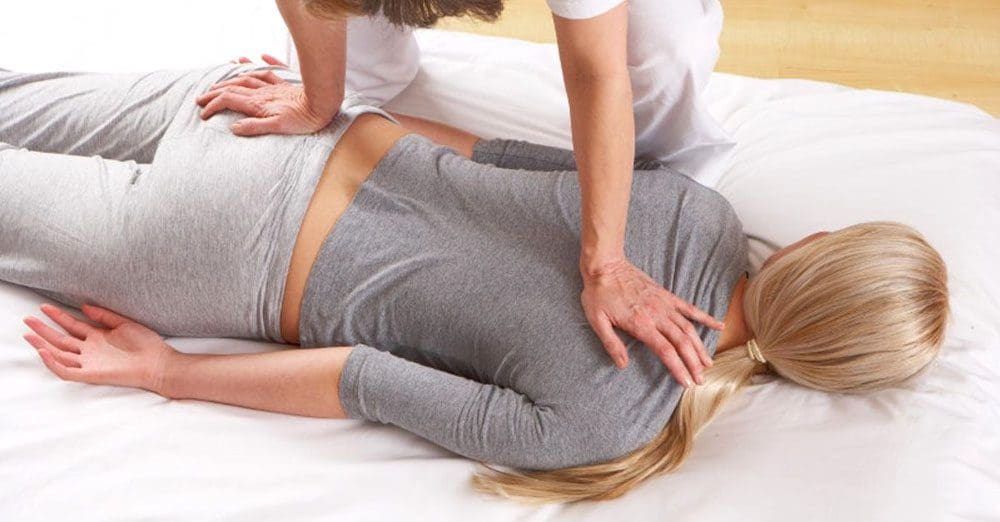
A certified/licensed massage therapist performs chiropractic therapeutic massage under the direction of a chiropractor to soothe tense muscles, release pressure on the nerve/s, break up scar tissue, and stimulate the release of endorphins. Studies have shown that a therapeutic chiropractic massage is as effective as nonsteroidal anti-inflammatory medications for pain relief caused by various musculoskeletal conditions, including sciatica. Although medications can work for a time, they do not deal with the underlying cause of sciatica.
Sciatica Massage
A sciatica massage offers several benefits that include the following:
Improved and increased blood circulation.
Lowered blood pressure.
Release of hormones that help reduce anxiety, depression, and pain.
Relieves body discomfort and soreness by decreasing the activation of pain receptors in the spine and muscles.
Inflammation alleviation.
Muscle stress relief.
Muscle relaxation.
Flare-up relief and prevention.
Improves sleep.
Massage Types
Each type of massage is designed for a different purpose.
Manual Manipulation
Improves mobility and reduces pain.
Stretches tendons, ligaments, and muscles.
Mobilization
Focuses on the musculoskeletal system to improve mobility.
Connective Tissue
A deeper massage that targets connective tissues like ligaments and tendons.
Deep Tissue Massage
Designed to reach the deep layers to realign the muscles and fascia.
Myofascial Massage
Releases trigger points, adhesions, and nerve endings.
Healing Phases
Most cases of sciatica resolve in less than 4 to 6 weeks with conservative treatment. More severe cases with neurologic symptoms can have a longer recovery period.
Phase One
Alleviates discomfort, numbness, tingling, pain, and other symptoms.
The pain is reduced so the chiropractor and therapists can begin to address the cause, although the other symptoms and sensations could still be experienced.
If muscle spasms are present, they will be less frequent and with less intensity.
Phase Two
The individual can focus on functioning within their normal environment.
The chiropractor and therapists examine if they can get up and stand from a chair without problems, get in and out of a car, sit for longer periods, and walk with less discomfort.
A reflex test will be performed to analyze how the healing process is coming along.
If there is significant nerve damage, reflexes could be lessened.
For example, if sciatic inflammation is present, and the Achilles tendon is tapped with a reflex hammer, there could be little or no movement of the calf muscles.
If there is an improvement, there will be a healthy reflex.
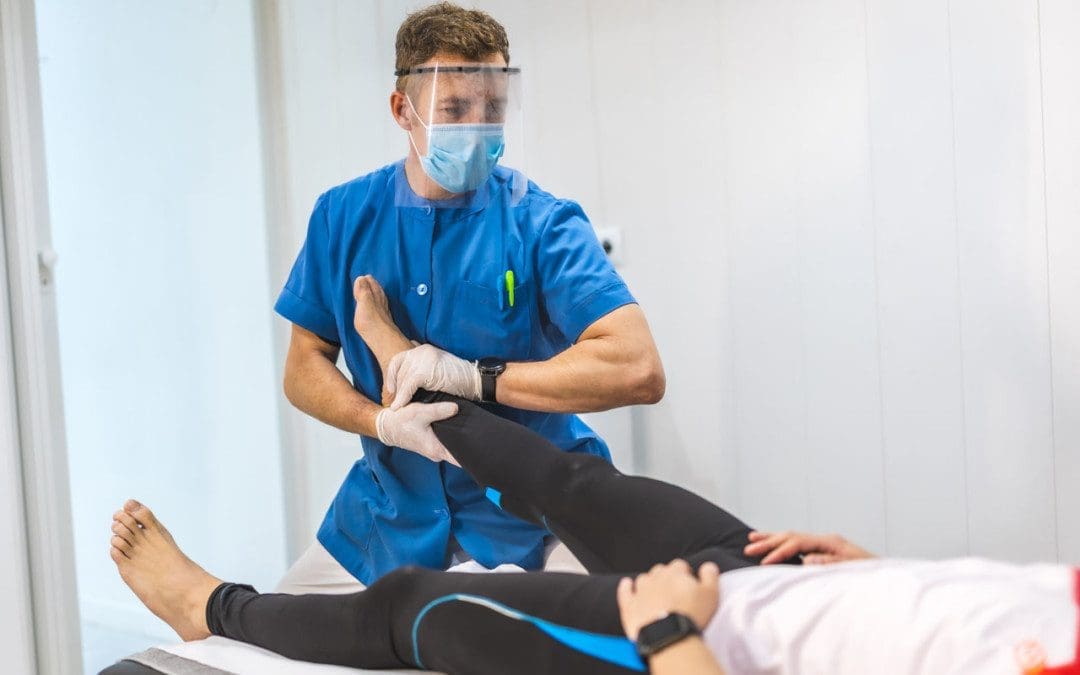
The straight leg test will show if the individual can lift their leg with little or no pain.
Phase Three
The final healing phase provides the ability of normal movements and full strength.
This is when the individual can resume normal activities, specifically, those stopped because of the pain.
This can include walking, driving, house chores, sports, or working out.
Contact our office for treatment options customized to the individual and their injury.
Sciatica?
References
Camino Willhuber GO, Piuzzi NS. Straight Leg Raise Test. [Updated 2022 June 22]. In: StatPearls [Internet]. Treasure Island (FL): StatPearls Publishing; 2022 Jan-. Available from: https://www.ncbi.nlm.nih.gov/books/NBK539717/
Chang C, Jeno SH, Varacallo M. Anatomy, Bony Pelvis, and Lower Limb, Piriformis Muscle. [Updated 2022 October 3]. In: StatPearls [Internet]. Treasure Island (FL): StatPearls Publishing; 2022 Jan-. Available from: https://www.ncbi.nlm.nih.gov/books/NBK519497/
Davis D, Maini K, Vasudevan A. Sciatica. [Updated 2022 May 6]. In: StatPearls [Internet]. Treasure Island (FL): StatPearls Publishing; 2022 Jan-. Available from: https://www.ncbi.nlm.nih.gov/books/NBK507908/
Marian Majchrzycki, Piotr Kocur, Tomasz Kotwicki, “Deep Tissue Massage and Nonsteroidal Anti-Inflammatory Drugs for Low Back Pain: A Prospective Randomized Trial,” The Scientific World Journal, vol. 2014, Article ID 287597, 7 pages, 2014. https://doi.org/10.1155/2014/287597
Miller, Kenneth Jeffrey. “Physical assessment of lower extremity radiculopathy and sciatica.” Journal of chiropractic medicine vol. 6,2 (2007): 75-82. doi:10.1016/j.jcme.2007.04.001
The Centralization Phenomenon in Chiropractic Spinal Manipulation of Discogenic Low Back Pain and Sciatica. https://chiro.org/Low_Back_Pain/The_Centralization_Phenomenon.shtml. Accessed October 22, 2022.
The 0blique muscles support and aid in side-to-side movement, helping maintain back strength and healthy posture. There are two oblique muscle sets, the internal and external obliques. Maintaining a strong core is one recommended way to protect the body and spine. However, many forget to train and strengthen all of the oblique muscles. Individuals tend to focus on the superficial core muscle, or rectus abdominis, and not enough or any attention goes to the lateral stabilizers or the internal and external obliques. Chiropractic and functional medicine can restore musculoskeletal flexibility, mobility, and function.
Oblique Muscles
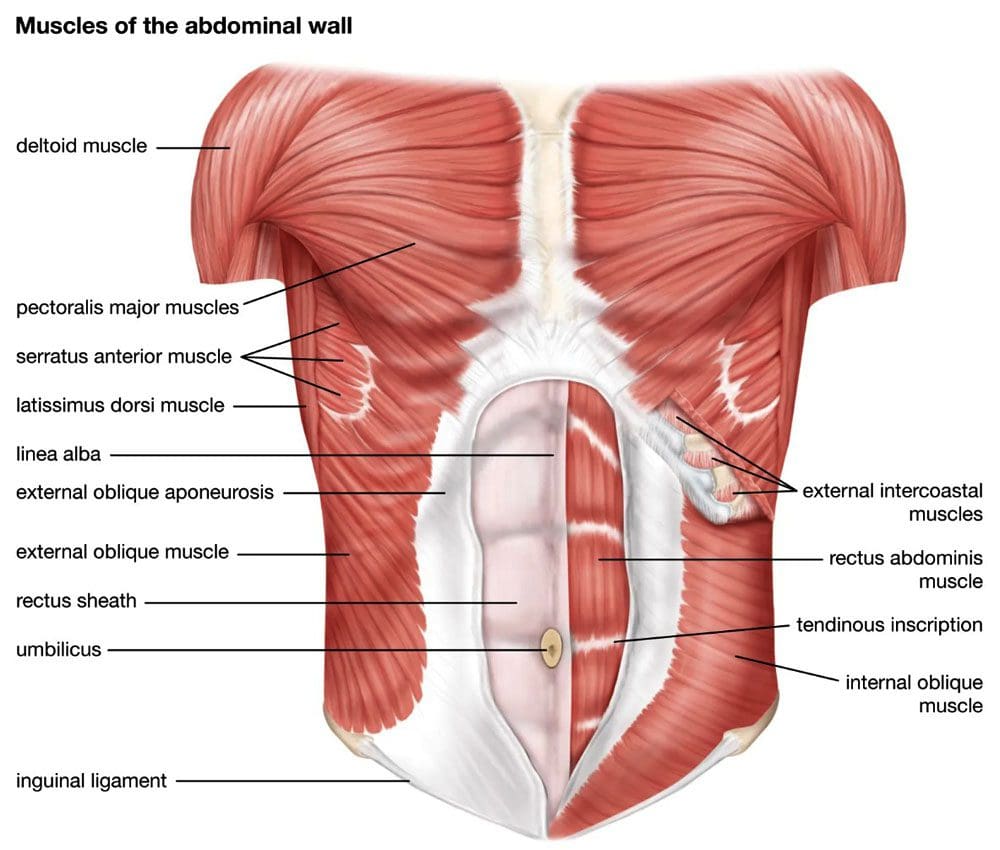
The external obliques make up a large part of the trunk area. There are two external obliques on either side of the body, located on the lateral sides of the abdominal region. These muscles have an essential role in daily movements.
External
External obliques help with trunk rotation and support spine rotation.
They assist with pulling the chest down to compress the abdominal cavity.
They help with bending from side to side.
Any strain or injury to these muscles can lead to abdominal, hip, and back issues.
Maximizing external oblique strength is important to maintain a strong core.
Internal
The internal oblique is a muscle deep within the lateral side of the abdomen.
The internal oblique muscle is one of the main stabilizers and functions to flex the trunk and compress the chest.
Its positioning makes it invisible, but it still has an essential role in body movement.
This muscle can function bilaterally, meaning both sides can operate at the same time.
These muscles provide spinal and posture support.
Strain or injury in this area can cause posture problems and abdominal, hip, and back issues.
Rotation and Mobility
The internal and external obliques are the primary rotators of the spine and provide thoracic spine mobility.
The internal obliques work with the external obliques and the rectus abdominis for lateral spine flexion of the quadratus lumborum and lumbar paraspinals.
They attach to the diaphragm, transverse abdominis, and thoracolumbar fascia, contributing to core stabilization.
A quadratus lumborum muscle spasm can result from muscle inhibition in the obliques.
Inhibition
If the internal obliques are inhibited, compensation can cause an alteration in the sequence patterns of the posterior oblique subsystem.
When this system is not functioning correctly, individuals usually complain of discomfort in the hips and shoulders.
A common sign of oblique inhibition is individuals holding their breath during basic movement patterns to gain stability, indicating dysfunction in the intrinsic stabilization subsystem.
Simple movements include walking gait, single-leg stance, flexion, extension, etc.
If you are experiencing waistline, hip, and low back stiffness or tightness and pain, consult our professional chiropractic team. We’re ready to help!
Oblique Anatomy and Movement
References
Calais-Germain, Blandine, and Stephen Anderson. Anatomy of Movement. Seattle: Eastland, 1993.
Cook G. Movement: Functional Movement Systems: Screening, Assessment, and Corrective Strategies. Aptos, CA: On Target Publications, 2010.
Elphinston J. Stability, Sport and Performance Movement: Practical Biomechanics and Systematic Training for Movement Efficacy and Injury Prevention. Lotus Publishing, 2013.
Huxel Bliven, Kellie C, and Barton E Anderson. “Core stability training for injury prevention.” Sports health vol. 5,6 (2013): 514-22. doi:10.1177/1941738113481200
Myers TW. Anatomy Trains: Myofascial Meridians for Manual and Movement Therapists. Edinburgh: Churchill Livingstone, 2001.
Neumann DA. Kinesiology of the Musculoskeletal System: Foundations for Physical Rehabilitation. St. Louis: Mosby, 2002.
Starrett K, Cordoza G. Becoming a Supple Leopard: The Ultimate Guide to Resolving Pain, Preventing Injury, and Optimizing Athletic Performance. Las Vegas: Victory Belt Pub., 2013.
Weinstock D. NeuroKinetic Therapy: An Innovative Approach to Manual Muscle Testing. Berkeley, CA: North Atlantic, 2010.
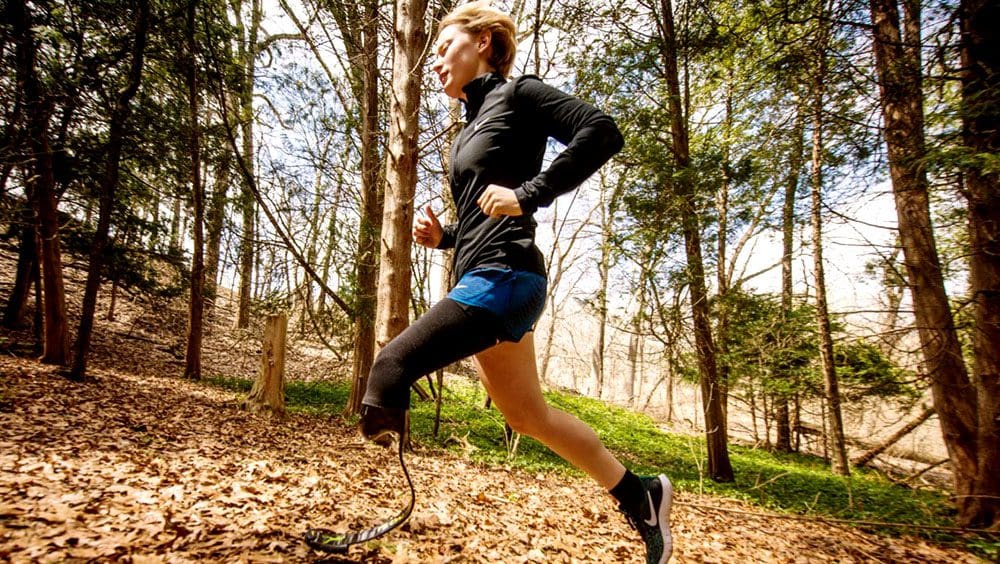
Before you begin running, talk with your physician, prosthetist, and other clinicians involved in your rehabilitation/health care treatment. Learning to use a prosthetic takes time and practice. Individuals that meet the minimum recommendations for running and have mastered walking on a prosthesis can begin running. The world of sports prosthetics has realized technological advancements to become highly refined and targeted for all levels of competition.
Before Running Recommendations
Every individual has specific healthcare needs, and guidelines should be considered to prevent injuries.
To become a runner and progress to a good runner, individuals need to focus on strengthening their legs to build endurance levels to meet the energy demands.
Working with a sports chiropractic and physical therapy team is recommended to build, strengthen, and condition the muscles and develop healthy posture and walking habits.
Skin Health
Talk with your healthcare team to ensure the skin can withstand the forces while running. If limb skin quality is insufficient, running can result in sores and blisters that prevent wearing a prosthesis until they heal. Other considerations include the following:
The incision should be healed.
All stitches and staples have been removed.
There should be no drainage.
Ensure there are no open wounds or blisters.
Bone Health
Research suggests in some cases that a decrease in bone density/osteopenia or osteoporosis of the residual limb can occur after amputation.
This can result in pain when applying weight through the residual limb.
Some amputations can result in heterotopic ossification – bone growth in the soft tissues outside the normal skeleton.
If heterotopic ossification is causing symptoms, it is not recommended to run and talk to your physician and prosthetist about options.
Proper Fitting of Prosthetic
Suboptimal socket fit can result in an altered gait.
If there is any compensation when walking, the gait deviations will be exacerbated when running.
Gait deviations can result in abnormal loading, resulting in injuries.
Talk to your prosthetist about the fit if it is less than optimal.
It is recommended to participate in gait training with a chiropractic physical therapy team to learn to walk with proper form.
Balance and Agility
Agility drills are recommended to transition from walking to running.
They help coordinate the limbs and can be done with a regular prosthesis.
Agility and balance exercises promote stability in the socket to become more stabilized during quick movements.
They can help to prevent balance-related falls.
When working on balance, do it in a safe environment with a friend, family, or something to hold on to.
Strength Training
The unaffected leg will now be the main powerhouse, so the focus needs to be on strengthening all the muscles in that leg.
If you have bilateral amputations or both legs, the hips will be the powerhouse for running. It needs to generate all the force to propel the body forward.
Individuals with a below-knee amputation will also have the hamstrings to help out.
Hip musculature needs to be strong to meet running demands.
Without proper strength, the body will compensate in various ways, which can lead to injuries.
Endurance
Endurance training is essential.
A high level of endurance is required before training to run to meet the energy demands.
Running on a prosthesis requires more energy. It could be recommended to use a running prosthesis instead of the everyday prosthesis. The energy needed to run is:
Greater for individuals with amputations above the knee than those below the knee.
Even greater for those with amputations on both sides.
Asymmetry
Asymmetrical loading is a common problem when running with a prosthesis. Runners want to use the unaffected limb more than maintain balance for reasons that include:
Not trusting the prosthetic.
Discomfort when loading the residual limb.
Not enough strength in the residual limb.
Unbalanced amounts of force from impact can result in injuries.
Practice Schedule
In the first week, asses how the socket fits and if there is any discomfort.
If something does not feel correct, check with your prosthetist.
Don’t run for more than 10 minutes in the beginning without stopping to check the skin to see if any red spots appear.
The pressure will be increased, so be aware of anything irritating or rubbing the skin.
Individuals who had their amputations some time ago may be able to tolerate the load more easily at the beginning than individuals who recently had an amputation.
Too much too soon can result in injuries.
Slowly ease into running and give the limbs and body time to adapt to the physical and mental stress.
Running With A Prosthetic Limb
References
Beck, Owen N et al. “Reduced prosthetic stiffness lowers the metabolic cost of running for athletes with bilateral transtibial amputations.” Journal of applied physiology (Bethesda, Md.: 1985) vol. 122,4 (2017): 976-984. doi:10.1152/japplphysiol.00587.2016
Bragaru, Mihai, et al. “Sport prostheses and prosthetic adaptations for the upper and lower limb amputees: an overview of peer-reviewed literature.” Prosthetics and orthotics international vol. 36,3 (2012): 290-6. doi:10.1177/0309364612447093
Kanas, Joanne L, and Mark Holowka. “Adaptive upper extremity prostheses for recreation and play.” Journal of pediatric rehabilitation medicine vol. 2,3 (2009): 181-7. doi:10.3233/PRM-2009-0082
Matthews, D et al. “Return to sport following amputation.” The Journal of sports medicine and physical fitness vol. 54,4 (2014): 481-6.
Meyers, Carolyn, et al. “Heterotopic Ossification: A Comprehensive Review.” JBMR plus vol. 3,4 e10172. 27 Feb. 2019, doi:10.1002/jbm4.10172
Morgan, Sara J et al. “Mobility with a lower limb prosthesis: experiences of users with high levels of functional ability.” Disability and rehabilitation vol. 44,13 (2022): 3236-3244. doi:10.1080/09638288.2020.1851400
The body’s musculoskeletal system consists of bones, cartilage, ligaments, tendons, and connective tissues. These parts get pushed to the extreme with everyday wear and tear, job, school, house chores, and tasks. All the flexing and contracting cause tightness, strain, and soreness that can contribute to negative muscle behavior that holds the muscles in an unhealthy position and in a semi-flexed or tightened state. An example is an unhealthy posture that becomes the norm for an individual. A percussive massage can release tightness, maintain flexibility, relieve discomfort, alleviate stress, and improve circulation.
Percussive Massage Therapy
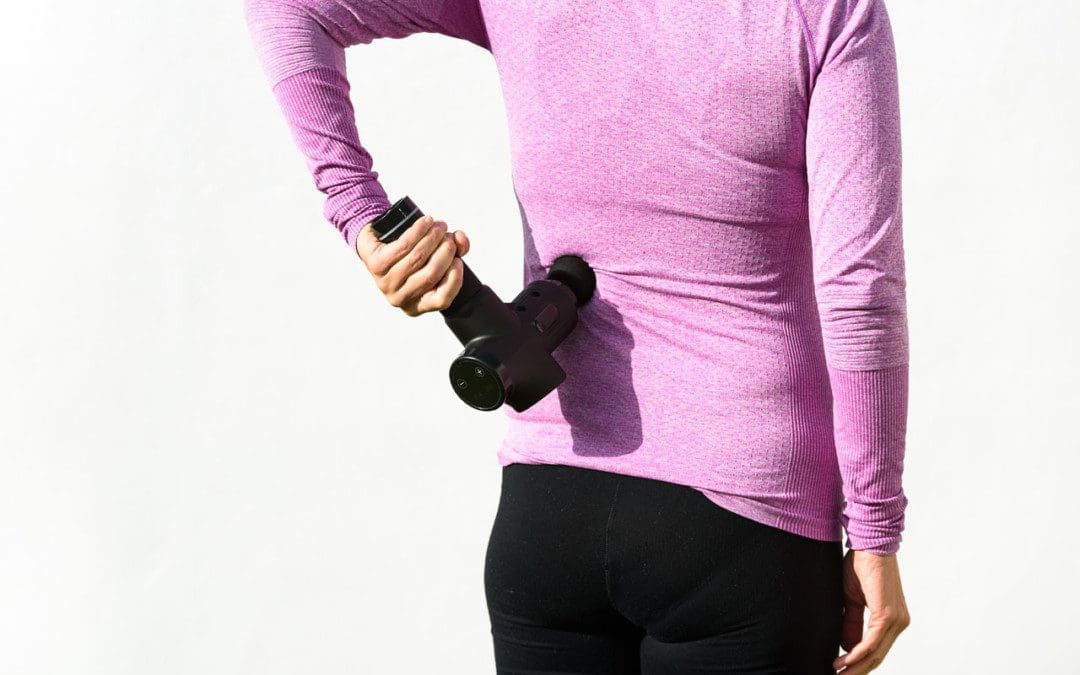
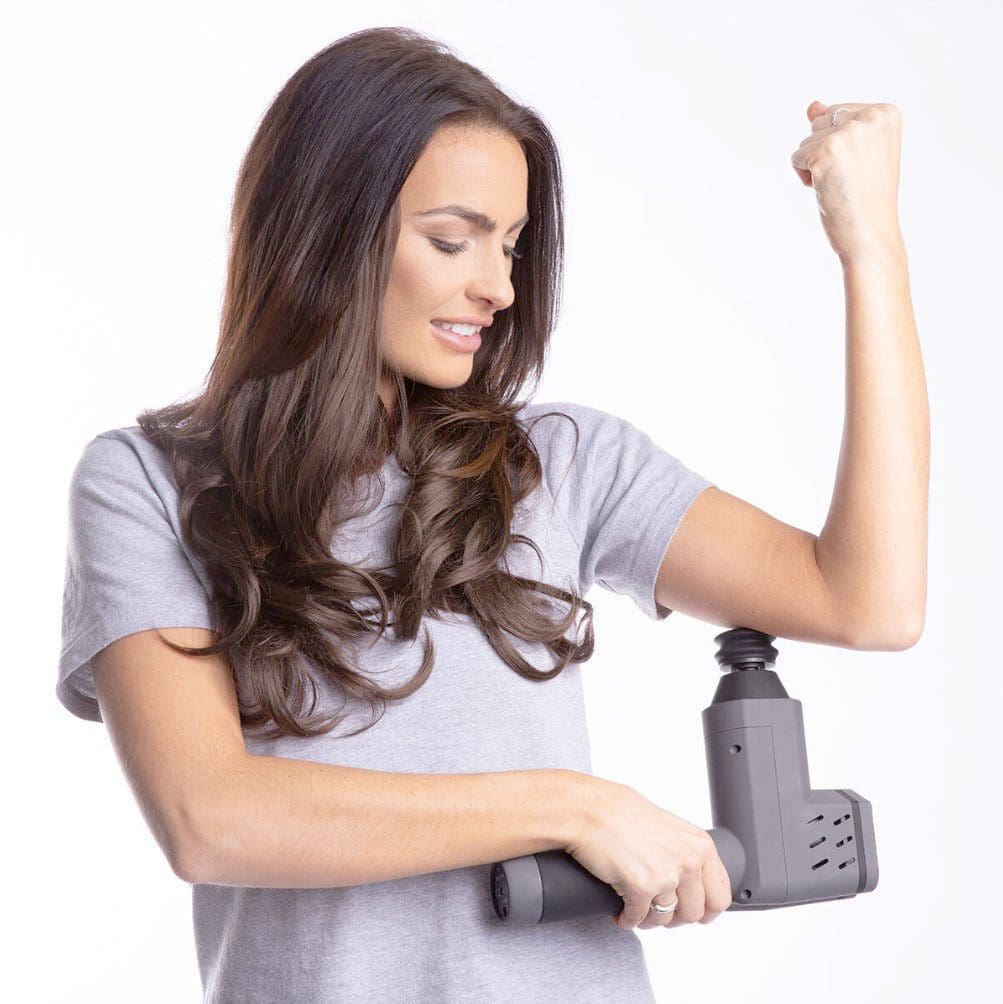
A percussive/percussion massage is a form of physical therapy that utilizes vibration through repeated pressure bursts to massage muscles. Percussive therapy offers more control over targeted muscle groups than foam rollers and other static massagers. The treatment involves using an electric massage device to relieve muscle tension. Different massage heads for various therapeutic purposes move rapidly and forcefully, applying pressure directly to the soft tissues while the vibrations help release and loosen the areas.
How The Massage Works
Fascia, which wraps around the muscles and joints, can become tight and inflamed, causing soreness and pain.
Research shows that tight fascia can limit mobility and proper range of motion.
When a muscle group is stiff and limits the range of motion of a specific part of the body, the rest of the muscles and body will overcompensate. This increases the risk of serious injury.
Percussive therapy loosens the tissues and increases blood circulation.
Once the stiffness and soreness are relieved, continued percussive therapy can prevent tightness from reforming, improve the range of motion, and speed up muscle recovery.
Massage guns can penetrate up to an inch into the soft tissue, stimulating the muscles and helping release tension.
Benefits
Improved mobility
Percussive massage distributes the thickened fascia fluid to relieve pressure and tightness.
Repeated pressure at high speed thins the fluids, making the fascia more workable so the muscles can move easily and efficiently.
Reduced Soreness
Lactic acid builds up in the muscles after working, physical activity, and exercise.
This build-up causes soreness and pain.
The percussion forces muscle fibers to release the lactic acid, reducing the soreness.
Decreased DOMS/Delayed Onset Muscle Soreness
It’s common to experience pain and soreness 24 to 72 hours after unfamiliar physical activity, such as a new job, exercise routine, or rehabilitation after injury or surgery.
This is known as delayed onset muscle soreness or DOMS, which results from tiny muscle fiber tears.
Percussive therapy increases skin temperature, blood flow, and hormonal responses to reduce inflammation and pain.
Increases Relaxation
After work, school, physical activities, and working out, a percussive massage session can help the body wind down and relax.
A percussive massage will help the muscles release and relax when the body is exhausted or overwhelmed.
How To Use A Percussive Massager
Before starting a new medical treatment, including percussion therapy, talk to your doctor, physical therapist, or chiropractor.
Ensure you know the difference between normal muscle soreness and pain from an injury.
Don’t use a massager on an injured muscle or body part, as the aggressive motion could aggravate the injury.
Avoid using the device on bones or joints.
Never use a massage gun directly on the neck; perform the massage on the shoulders and upper back.
Start with the lowest intensity level.
The low and medium settings should provide plenty of power for most users.
As you become more comfortable with the device, you’ll understand how your body reacts then you can try out the higher settings.
A percussive massager should be used in short bursts on small, targeted areas.
It is recommended to perform treatments for only a few minutes.
Seeing the muscles turning reddish during the massage signals that blood is flowing and it’s time to move on to another area.
If the massage gun makes the skin sore or sensitive, make tiny circles instead of holding the massager in one spot.
Combined with chiropractic and professional massage, percussive therapy can help individuals maintain a relaxed musculoskeletal system.
Best Massage Guns
References
Cafarelli, E et al. “Vibratory massage and short-term recovery from muscular fatigue.” International journal of sports medicine vol. 11,6 (1990): 474-8. doi:10.1055/s-2007-1024840
Cerciello, Simone, et al. “Clinical applications of vibration therapy in orthopedic practice.” Muscles, ligaments and tendons journal vol. 6,1 147-56. 19 May. 2016, doi:10.11138/mltj/2016.6.1.147
Cheatham, Scott W et al. “Mechanical Percussion Devices: A Survey of Practice Patterns Among Healthcare Professionals.” International journal of sports physical therapy vol. 16,3 766-777. 2 Jun. 2021, doi:10.26603/001c.23530
García-Sillero, Manuel et al. “Acute Effects of a Percussive Massage Treatment on Movement Velocity during Resistance Training.” International journal of environmental research and public health vol. 18,15 7726. 21 Jul. 2021, doi:10.3390/ijerph18157726
Jack Martin, “A critical evaluation of percussion muscle gun therapy as a rehabilitation tool focusing on lower limb mobility.” A literature review. Department of Health and Wellbeing. The University of Winchester. https://osf.io/preprints/sportrxiv/j9ya8/
Imtiyaz, Shagufta et al. “To Compare the Effect of Vibration Therapy and Massage in Prevention of Delayed Onset Muscle Soreness (DOMS).” Journal of clinical and diagnostic research: JCDR vol. 8,1 (2014): 133-6. doi:10.7860/JCDR/2014/7294.3971
Konrad, Andreas et al. “The Acute Effects of a Percussive Massage Treatment with a Hypervolt Device on Plantar Flexor Muscles’ Range of Motion and Performance.” Journal of sports science & medicine vol. 19,4 690-694. 19 Nov. 2020
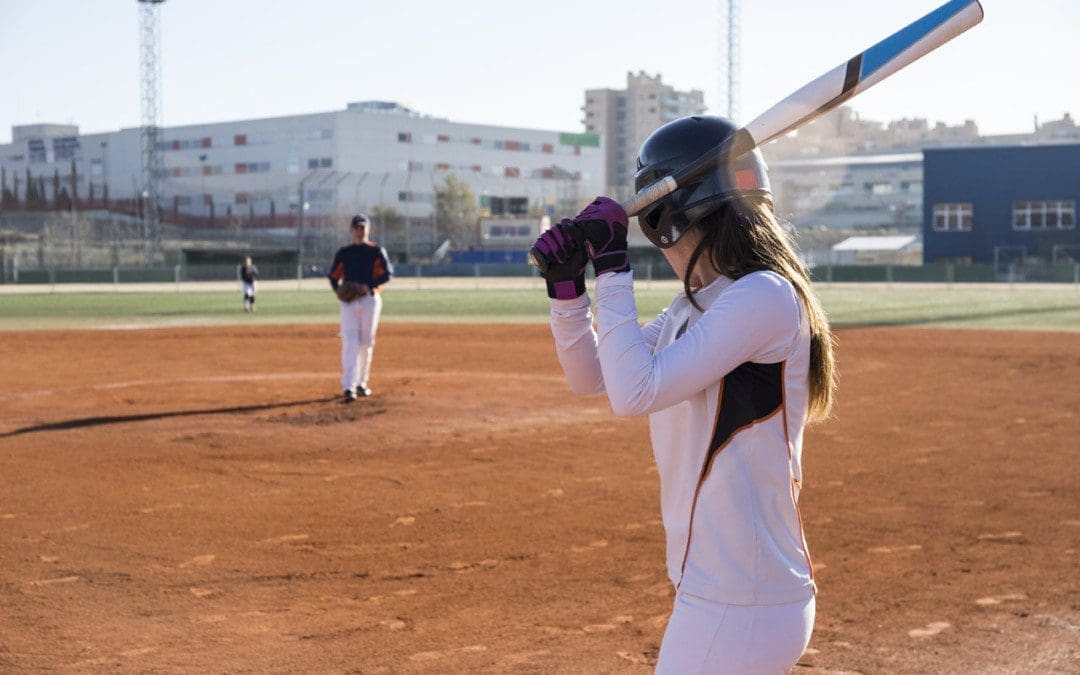
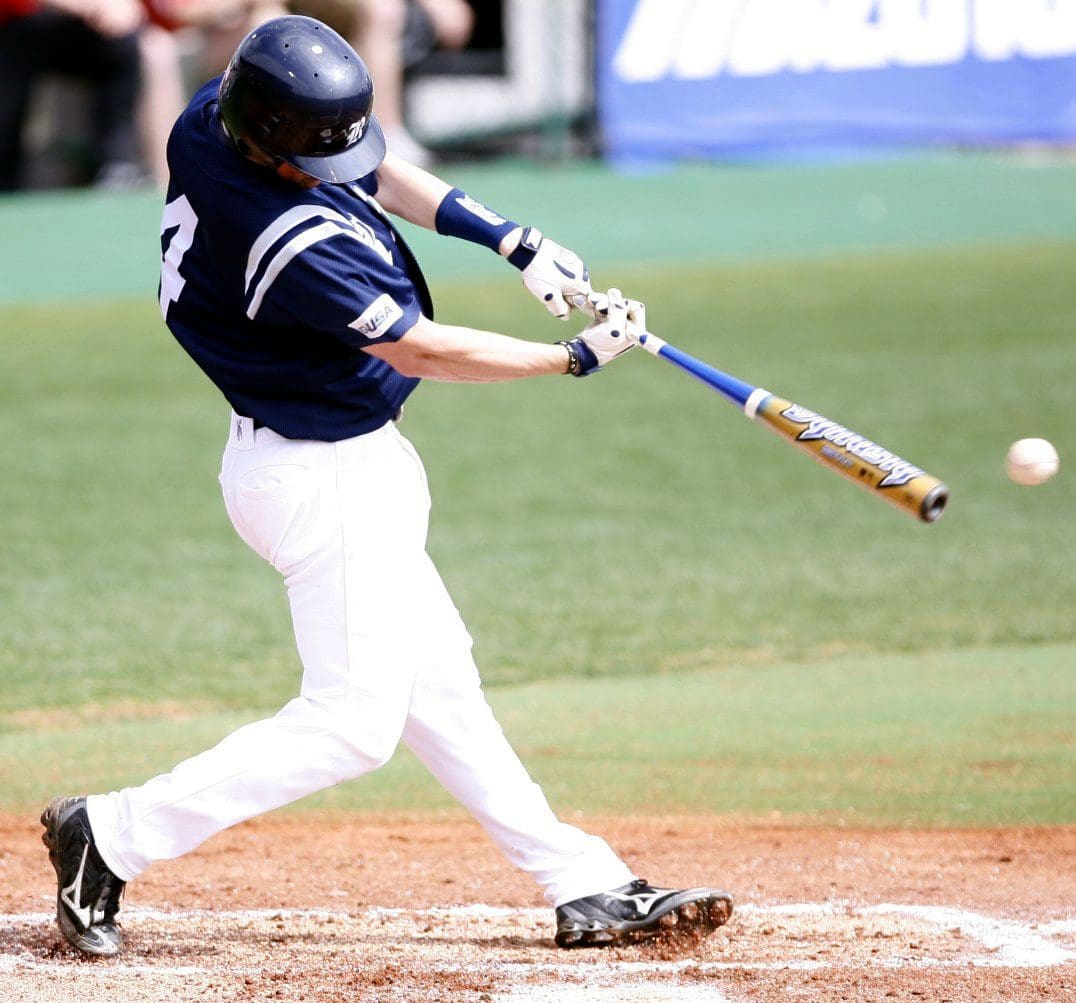
All sports differ in the relative importance of various physical skills contributing to the game and individual performance. Baseball is a precision sport with fast, explosive movements and full-body activity. The ability to repeatedly perform near maximum level with little rest is necessary for baseball players. Baseball training involves a multidimensional approach that focuses on speed, agility, and strength in a way that is relative to the motions and requirements of the sport.
Baseball Training
Trainers have to assess the unique needs of the sport and determine the time needed to improve each quality within the athlete. They should focus on the following:
Baseball training workouts are targeted at increasing running speed, bat speed, pitching, and throwing velocity that breaks down the muscle groups for improving performance while decreasing the risk of injury. Training consists of combined conditioning that includes:
Throwing a baseball at high velocity is a full-body movement that requires total body development.
Strong leg, hip, and core muscles are necessary to transfer power from the ground, up through the lower body, to the torso, and then the arm and hand to generate a fast, whipping ball release.
This will improve generating power in the throwing muscles.
The objective is to build power utilizing a heavy and then a light load to build arm speed, and using proper form will improve throwing velocity safely.
Proper trunk rotation during arm cocking and strength and flexibility training should involve trunk rotational exercises to develop the obliques so that maximum arm speed can be generated.
Players have to deal with consistent failure and remain confident.
Hitting Mistakes
References
Ellenbecker, Todd S, and Ryoki Aoki. “Step-by-Step Guide to Understanding the Kinetic Chain Concept in the Overhead Athlete.” Current reviews in musculoskeletal medicine vol. 13,2 (2020): 155-163. doi:10.1007/s12178-020-09615-1
Fleisig, Glenn S et al. “Biomechanical Analysis of Weighted-Ball Exercises for Baseball Pitchers.” Sports health vol. 9,3 (2017): 210-215. doi:10.1177/1941738116679816
Rhea, Matthew R, and Derek Bunker. “Baseball-specific conditioning.” International journal of sports physiology and performance vol. 4,3 (2009): 402-7. doi:10.1123/ijspp.4.3.402
Seroyer, Shane T et al. “The kinetic chain in overhand pitching: its potential role for performance enhancement and injury prevention.” Sports health vol. 2,2 (2010): 135-46. doi:10.1177/1941738110362656
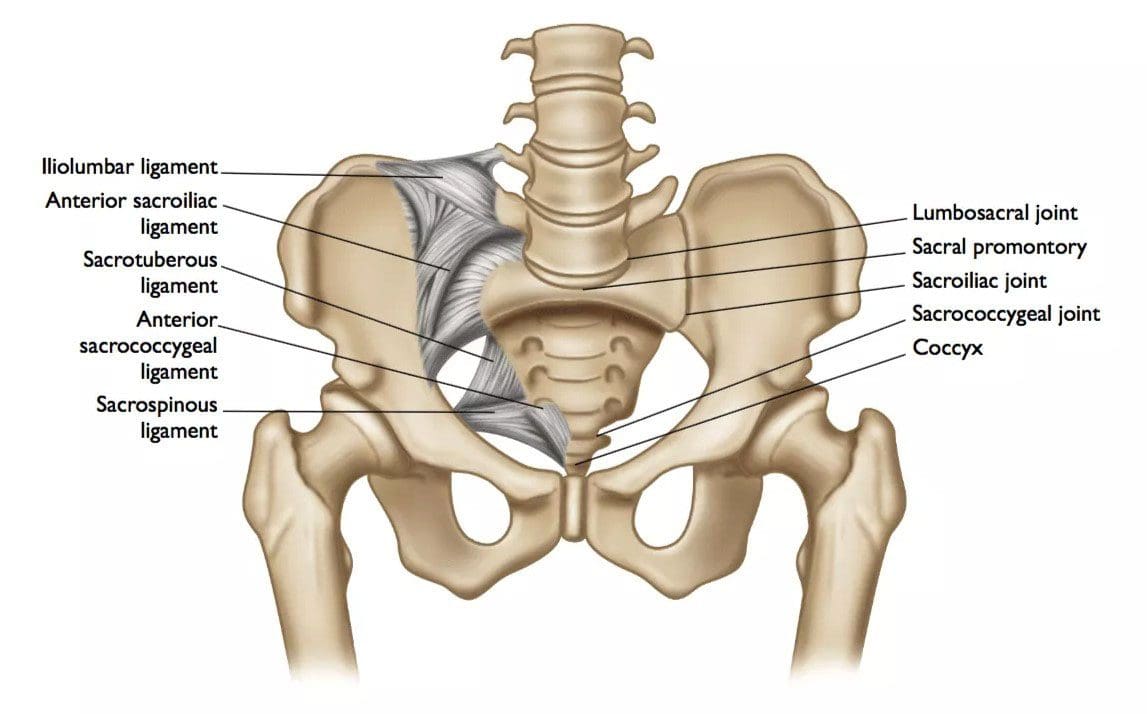
The function of the SI joints is to allow torsional or twisting movements when moving the legs that act as levers. Without the sacroiliac joints and the pubic symphysis at the front of the pelvis, which allow these precision movements, the pelvis would be at higher risk of a fracture. The sacroiliac joints transmit body weight and all the physical forces down through the sacrum to the hips and legs. Individuals, especially athletes with pain in the lower back, hip, groin, or leg, could be experiencing SIJ/sacroiliac joint dysfunction. A physician or surgeon could recommend sacroiliac joint surgery for severe SI joint dysfunction and pain that has not resolved with conservative treatment.
Sacroiliac Joint Surgery
There are two sacroiliac joints. They connect the large iliac bones that make up the sides of the pelvis and the sacrum or triangle-shaped vertebrae between the iliac bones at the base of the spine. Pain in this area can come from sacroiliitis or inflammation of an SI joint, and referred pain may present. A doctor will consider causes such as:
There is a pathology of sacroiliac joint dysfunction in athletes. Sports that require repetitive and/or asymmetric loading that includes:
Kicking
Swinging
Throwing
Single-leg stance
Any athlete can develop sacroiliac joint dysfunction, but the highest prevalence activities include:
Soccer
Football
Basketball
Gymnastics
Golfing
Powerlifting
Cross-country skiing
Step aerobics
Stair stepper machines
Elliptical machines
Fusion Surgery
Surgery is not for patients with less than six months of confirmed localized pain or impairment with other causes ruled out. Surgery is the last option for SI joint pain unless it is an emergency. Doctors and surgeons will recommend non-invasive treatment methods before recommending surgery. Surgery recommendations come when the pain has become intolerable, and the individual can no longer move or operate.
Sacroiliac joint fusion is a minimally invasive procedure involving a small incision less than two inches long.
Under image guidance, titanium implants are inserted across the sacroiliac joint to provide stability.
Holes in the hardware allow for adding bone or for the bone to grow naturally across or onto the area to maintain stability.
This surgery can be either outpatient or overnight, depending on surgeon preference and the type of support available.
Surgery Recovery Time
For most individuals, recovery time is around three weeks on crutches.
Pain management depends on whether screws or bolts are involved; bolts tend to be more uncomfortable.
Post-op pain dissipates in a few days or a couple of weeks.
Fusion itself takes six or more months to complete.
Conservative Treatment Options
Conservative treatment modalities to reduce the inflammation can include:
Chiropractic
Physical therapy
Nonsurgical spinal decompression
Medications
Injections
Rest
Staying off your feet for a few days can help decrease pressure on the SI joint.
Using an ice or heating pad on the lower back and/or buttocks.
Massaging the surrounding muscles may help if the apparent cause is an injury.
A doctor could suggest using a cane, walker, or crutches under medical supervision.
Medications
Medications include anti-inflammatories such as ibuprofen, naproxen, or prescription alternatives.
Acetaminophen helps with pain but not inflammation.
Corticosteroids
Steroids are the most powerful anti-inflammatory.
A common nonsurgical treatment is cortisol steroids, injected under X-ray guidance.
Injections go directly to the source.
Oral steroids spread throughout the body but can cause undesirable side effects.
Chiropractic and Physical Therapy
Depending on the severity of the condition, chiropractic and physical therapy may be able to strengthen the muscles around the area and realign the joint.
A chiropractor will level the pelvis through sacroiliac joint manipulation and mobilization.
It works by applying compression around the hip and across the joint.
Back, Hip, and Radiating Pain
References
Brolinson, P Gunnar, et al. “Sacroiliac joint dysfunction in athletes.” Current sports medicine reports vol. 2,1 (2003): 47-56. doi:10.1249/00149619-200302000-00009
Heil, Jessica. “Load-Induced Changes of Inter-Limb Asymmetries in Dynamic Postural Control in Healthy Subjects.” Frontiers in human neuroscience vol. 16 824730. 11 Mar. 2022, doi:10.3389/fnhum.2022.824730
International Journal of Spine Surgery. (2020*) “International Society for the Advancement of Spine Surgery Policy 2020 Update—Minimally Invasive Surgical Sacroiliac Joint Fusion (for Chronic Sacroiliac joint Pain): Coverage Indications, Limitations, and Medical Necessity.” https://doi.org/10.14444/7156
Peebles, Rebecca DO1; Jonas, Christopher E. DO, FAAFP2. Sacroiliac Joint Dysfunction in the Athlete: Diagnosis and Management. Current Sports Medicine Reports: 9/10 2017 – Volume 16 – Issue 5 – p 336-342
doi: 10.1249/JSR.0000000000000410
IFM's Find A Practitioner tool is the largest referral network in Functional Medicine, created to help patients locate Functional Medicine practitioners anywhere in the world. IFM Certified Practitioners are listed first in the search results, given their extensive education in Functional Medicine

 Oblique Muscles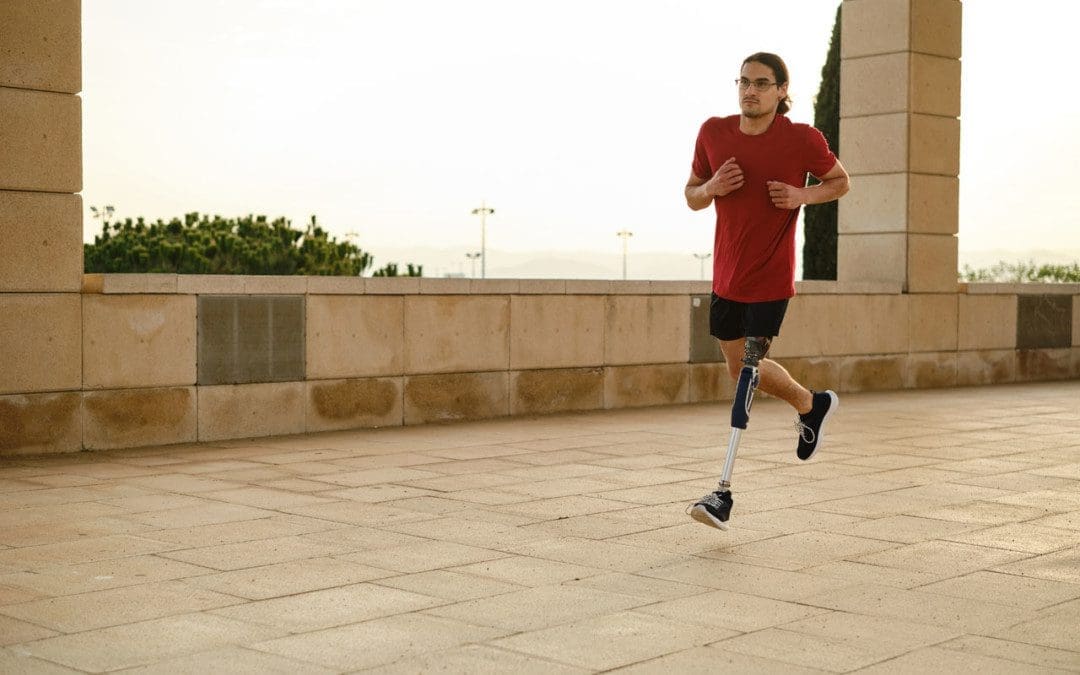
 Baseball Training
 Sacroiliac Joint Surgery