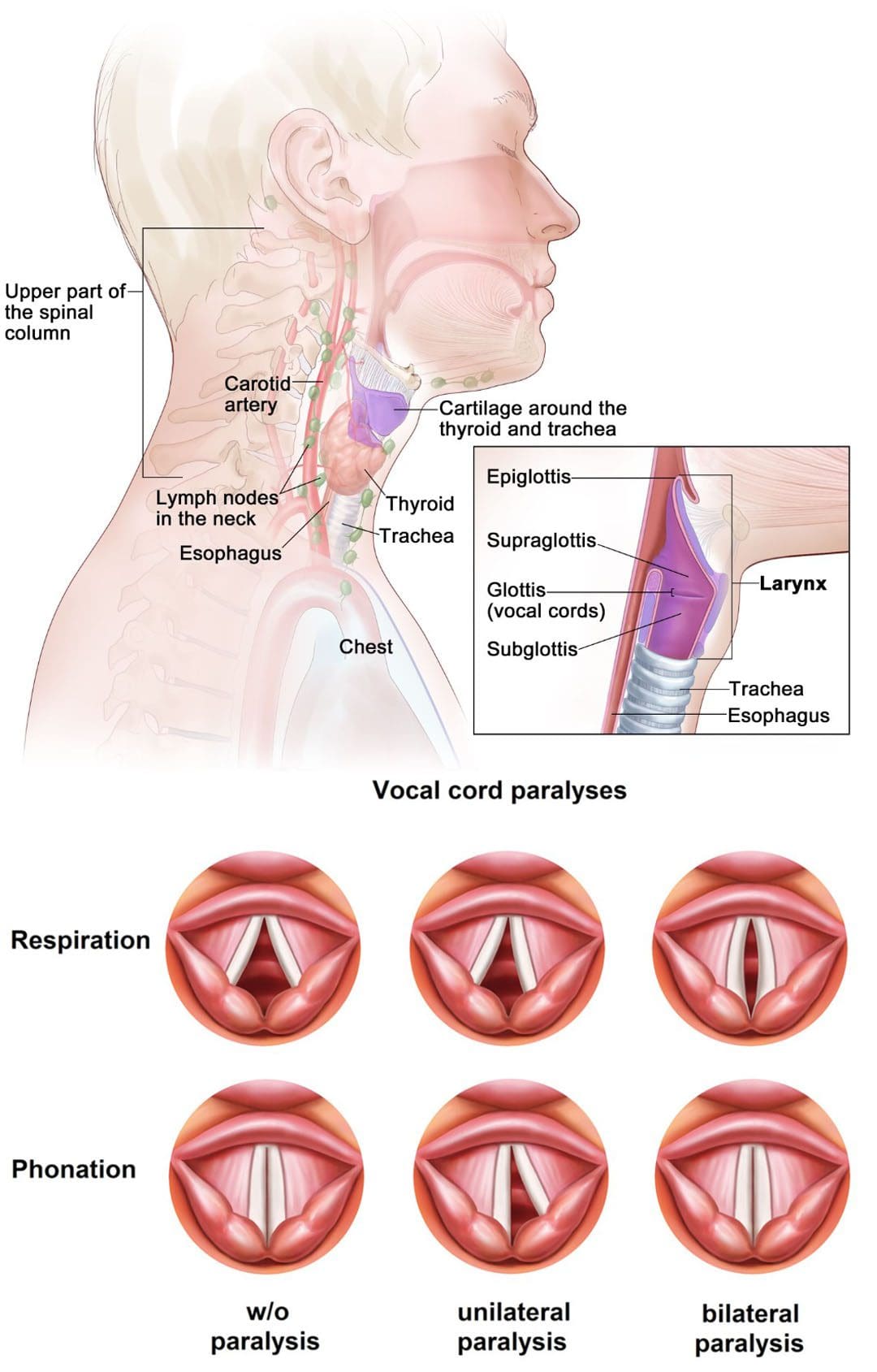
Automobile collisions, work, sports, and personal accidents can cause neck injuries that can affect other areas, leading to long-term health problems. Neck injuries involving soft tissue damage frequently persist after the incident. One of the injuries includes vocal cord damage caused by impact to the larynx. The larynx, or voicebox, is an organ that is behind the Adam’s apple. A neck injury impacting the larynx can affect the ability to speak and breathe and cause vocal cord paralysis. Treatment can involve surgery, voice therapy, physical therapy, and chiropractic.
Vocal Cord Injury
The vocal cords are two flexible bands of muscle tissue at the entrance of the trachea. The vocal cords are normally in a relaxed open position to allow breathing. When talking, the bands combine and vibrate to make a sound. Surgery, viral infections, certain cancers, and neck trauma can cause vocal cord paralysis. In this condition, nerve damage blocks or inhibits impulses from transmitting to the voice box. The muscles, usually one of them, become paralyzed, preventing swallowing and ingesting saliva through the windpipe/trachea. In rare cases, both muscles are unable to move.
Trauma to the neck or chest can injure the voice box nerves.
Infections
Infections like Lyme disease, Epstein-Barr virus, and herpes can cause inflammation and nerve damage.
Tumors
Tumors, cancerous and noncancerous, can grow inside or around the muscles, cartilage, and nerves.
Neurological
Neurological conditions like multiple sclerosis or Parkinson’s disease can lead to vocal cord paralysis.
Surgical Injury
Surgical procedure mistakes or complications on or near the neck or upper chest can result in damage to the voice box nerves.
Surgeries to the thyroid or parathyroid glands, esophagus, neck, and chest have an increased risk.
Stroke
A stroke chokes blood flow to the brain and can damage the region of the brain that transmits messages to the voice box.
Treatment
Treatment is determined by a doctor based on the individual medical condition and diagnostic tests. Treatment can involve:
Speech Therapy
Speech therapy is recommended as the laryngeal muscles are strengthened through various exercises, improving breathing function. A speech therapist will begin working with the individual on exercises targeting the weakened vocal folds by enhancing airflow and blood circulation.
Physical Therapy and Chiropractic
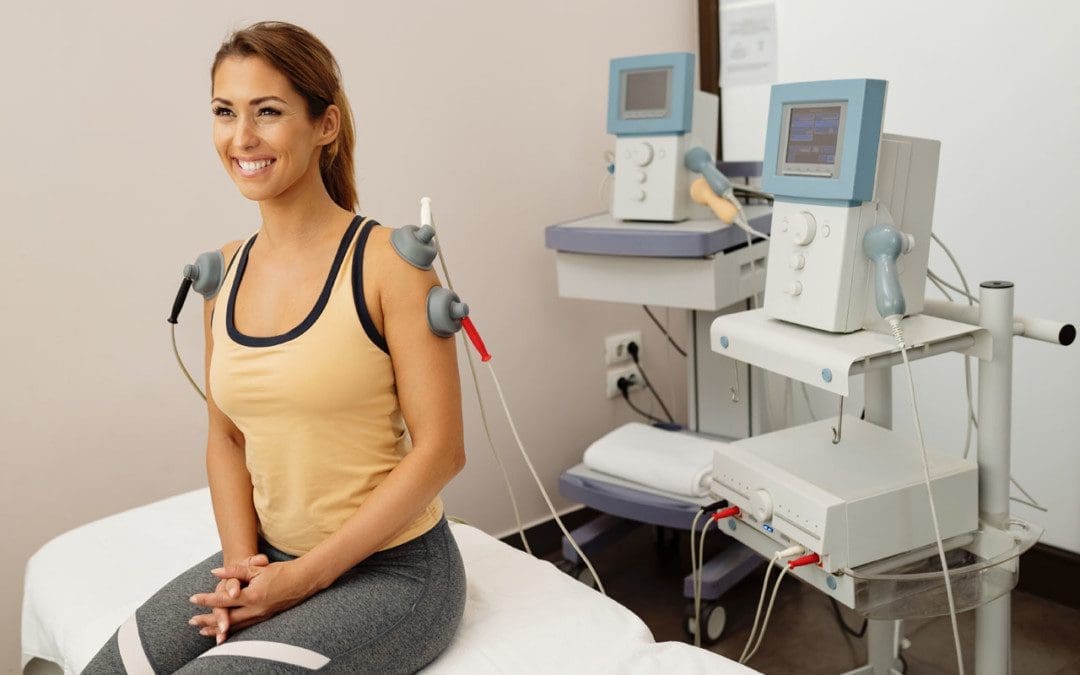
Treatment involves performing gentle exercises that work on the vocal cords gradually and progressively but does not stress them. Chiropractors work with the physical therapist performing high-velocity, low-amplitude manipulation targeted at the lower neck and upper thoracic area, the C3/T1 vertebrae. A treatment plan will also use massage, non-surgical decompression, instrument/tool-assisted soft-tissue mobilization, low laser or ultrasound, and at-home stretches and exercises.
Surgery
Surgery could be necessary for individuals experiencing no improvement despite doing the prescribed speech and physical therapy exercises. Different types of procedures are based on the degree and extent of the paralysis:
Injections – Collagen and fillers are injected into the vocal cords to reposition the affected muscles closer to the larynx.
Phonosurgery – The vocal cords are repositioned through restructuring.
Tracheotomy – If the vocal folds are closing, a surgeon may make an incision in the neck at the opening of the windpipe and insert a breathing tube. This bypasses the air blockage caused by the vocal folds and promotes proper air circulation.
Cervical Spine Instability
References
Chen, Ching-Chang, et al. “Long-term result of vocal cord paralysis after anterior cervical discectomy.” The European spine journal: official publication of the European Spine Society, the European Spinal Deformity Society, and the European Section of the Cervical Spine Research Society vol. 23,3 (2014): 622-6. doi:10.1007/s00586-013-3084-y
Dankbaar JW, et al. Vocal cord paralysis: Anatomy, imaging, and pathology. Insights in Imaging. 2014; doi:10.1007/s13244-014-0364-y.
Fitzpatrick, P C, and R H Miller. “Vocal cord paralysis.” The Journal of the Louisiana State Medical Society: official organ of the Louisiana State Medical Society vol. 150,8 (1998): 340-3.
Kriskovich, M D et al. “Vocal fold paralysis after anterior cervical spine surgery: incidence, mechanism, and prevention of injury.” The Laryngoscope vol. 110,9 (2000): 1467-73. doi:10.1097/00005537-200009000-00011
Vocal fold paralysis. National Institute on Deafness and Other Communication Disorders. https://www.nidcd.nih.gov/health/vocal-fold-paralysis. Accessed May 18, 2022.
Vocal fold paralysis. American Speech-Language-Hearing Association. https://www.asha.org/public/speech/disorders/Vocal-Fold-Paralysis. Accessed May 18, 2022.
Waddell, Roger K. “Chiropractic care for a patient with spasmodic dysphonia associated with cervical spine trauma.” Journal of chiropractic medicine vol. 4,1 (2005): 19-24. doi:10.1016/S0899-3467(07)60108-6
Sports exercise medicine – SEM addresses and treats physical activity/sports-related injuries using chiropractic care, physical therapy, therapeutic massage, functional nutrition, and targeted rehabilitation exercises. Sports medicine aims to prevent injury and keep individuals safe when pursuing their training goals. It combines general medical education with sports science principles, exercise physiology, biomechanics, orthopedics, nutrition, and sports psychology.
Sports Exercise Medicine
Sports medicine specialists focus on medical, therapeutic, and functional aspects to rehabilitate and strengthen the body to improve physical performance. Conditions include:
A sports exercise medicine team can include medical and non-medical specialists. This includes:
Coaches
Athletic trainers
Personal trainers
Chiropractors
Physical therapists
Nutritionists
Physicians
Surgeons
Sports psychologists
Sports exercise medicine is not a medical specialty but means the health care providers have undergone training focused on the medical aspects of physical activities/sports, fitness, and exercise.
Doctors and Physicians
Sports medicine physicians are medical doctors who specialize in diagnosing and treating sports and exercise-related injuries and conditions. These physicians are certified in family medicine, emergency medicine, pediatrics, internal medicine, or orthopedics. They are qualified to treat:
Muscle, bone, joint, and nerve injuries.
Head injuries.
Chronic conditions.
Return-to-play decisions.
Injury prevention.
Nutrition and supplements.
Orthopedic surgeons focus on the surgical treatment, repair, and restoration of sports and physical activity injuries.
Psychologists
Sports psychology focuses on athletes’/sports enthusiasts’ mental and emotional states. Athletes go through various stresses that a sports psychologist can train to regulate anxiety and improve focus specifically on their sport. They use tools and techniques like psychotherapy, stress management, and goal-setting to help athletes maintain mental and emotional balance during competition or injury recovery. Professional sports teams employ psychologists to help prepare the team for competition or develop strategies to overcome mental or emotional challenges affecting performance.
Sports Science
Sports science is the focused study of physiology, anatomy, and psychology related to human movement and physical activity. Exercise science is primarily focused on clinical research, including:
Physiological responses to exercise.
Effectiveness of exercise techniques.
Impact of performance supplements.
Chiropractic Sports Physician
Chiropractic care is a non-invasive, medication-free treatment alternative that can help individual athletes find relief from various musculoskeletal issues. A chiropractic sports physician has the tools and skills necessary to optimize the performance of an individual’s musculoskeletal and nervous systems. This specialized training allows sports chiropractors to provide therapies to heal injuries effectively, maintain strength and prevent injury. The benefits of applying chiropractic medicine include the following:
It is a non-invasive treatment.
Improves overall range of motion.
Reduces and alleviates discomfort symptoms.
Stretches and strengthens the body.
Assists in post-surgical repair.
Decreases recovery time.
Sport Rehabilitation
References
Brown, G J. “Sports medicine at work.” British journal of sports medicine vol. 33,1 (1999): 5.
Hsu, Joseph R et al. “Clinical Practice Guidelines for Pain Management in Acute Musculoskeletal Injury.” Journal of orthopedic trauma vol. 33,5 (2019): e158-e182. doi:10.1097/BOT.0000000000001430
Kaufman, Matthew W et al. “The Impact of Supplements on Sports Performance for the Trained Athlete: A Critical Analysis.” Current sports medicine reports vol. 21,7 232-238. 1 Jul. 2022, doi:10.1249/JSR.0000000000000972
King, J B. “Sports medicine.” Journal of the Royal Society of Medicine vol. 79,8 (1986): 441-2. doi:10.1177/014107688607900803
Kreher, Jeffrey B, and Jennifer B Schwartz. “Overtraining syndrome: a practical guide.” Sports health vol. 4,2 (2012): 128-38. doi:10.1177/1941738111434406
McCrory, P. “What are sports and exercise medicine?.” British journal of sports medicine vol. 40,12 (2006): 955-7.
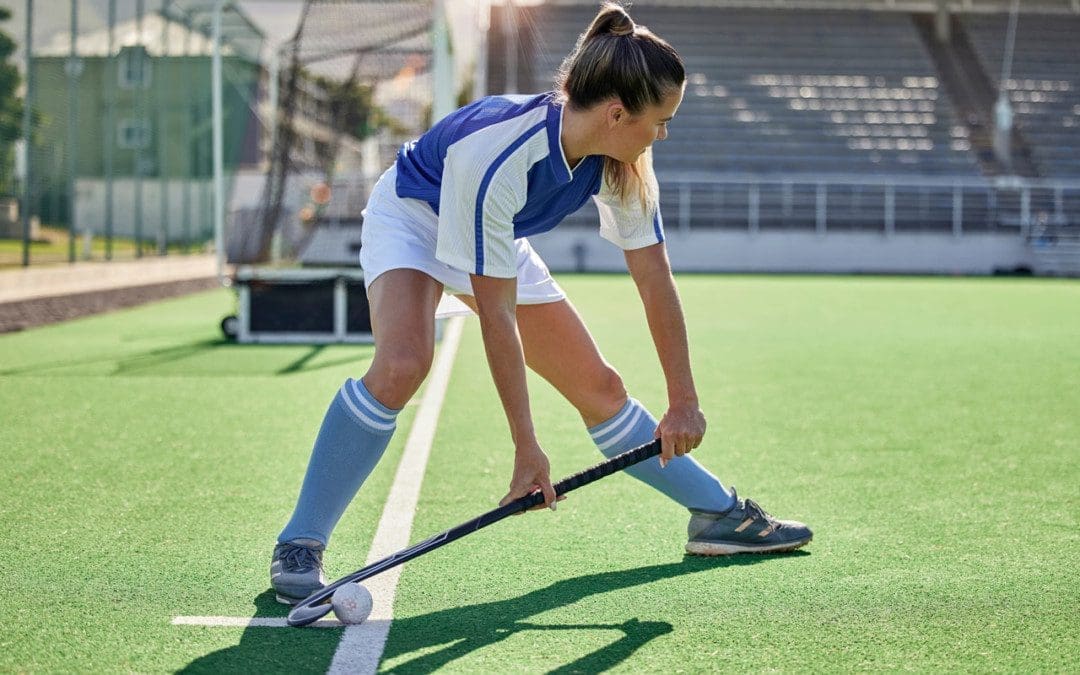
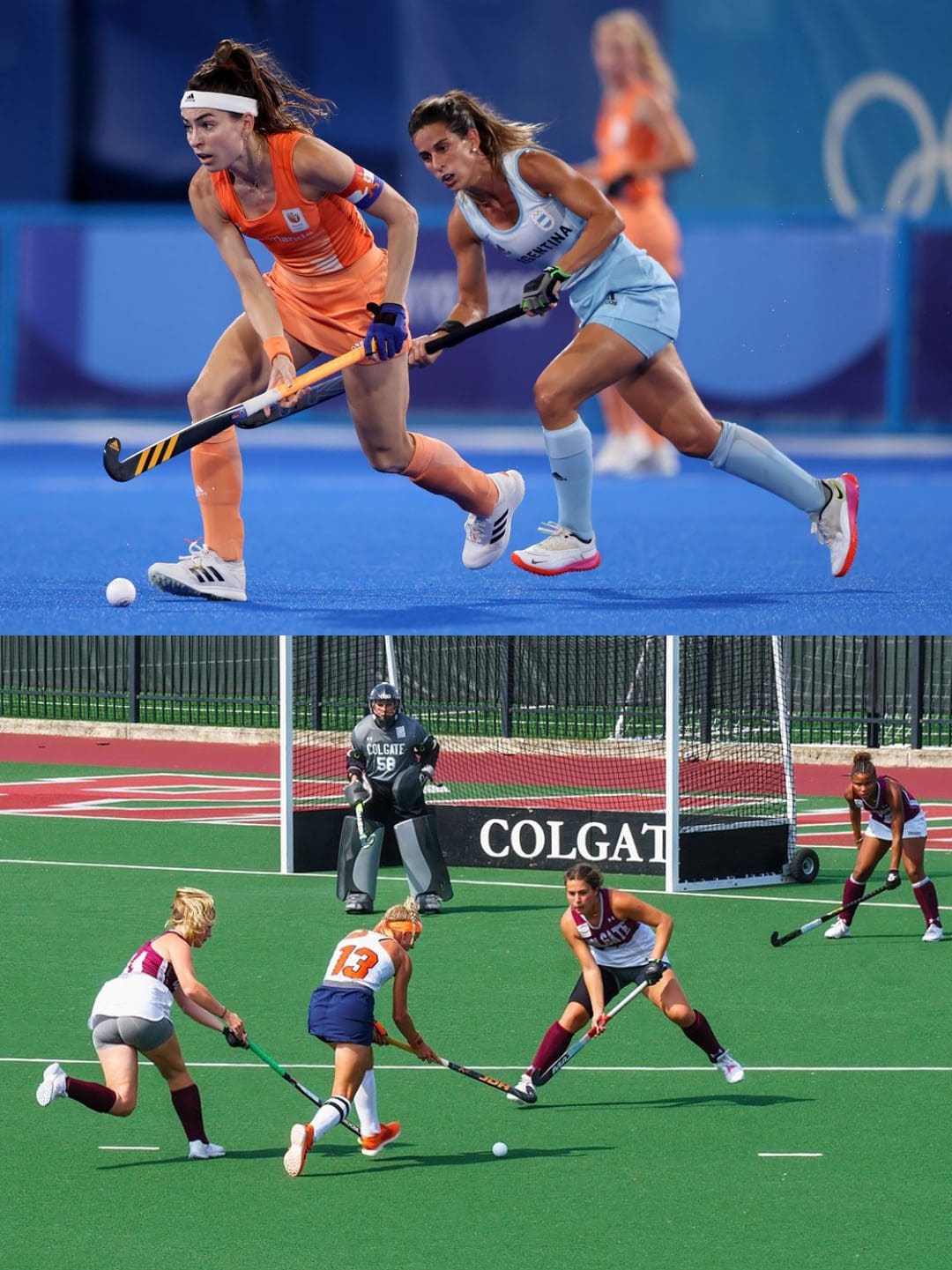
Field hockey is one of the world’s oldest team sports, dating back to the classical Greek era. It also is recognized as one of the oldest college sports in America. It is a game where teams composed of 11 players, including one goalkeeper, come together on a field and use hockey sticks to drive a ball into a net to score points. The winner is determined by whoever has the most points at the end of the game. The sport requires high aerobic and anaerobic fitness to provide endurance, strength to position, trap, pass, and hit the ball, push and flick the ball, and acceleration/speed and agility. Here we look at the basic fitness components and chiropractic care benefits.
Field Hockey
Aerobic Fitness
Field hockey players need to have high levels of endurance to perform. The game consists of 2 35 – minute halves, with a 10-minute break, plus stoppages. This consistent use of energy and muscular strength requires the cardiovascular system to supply oxygen through the blood.
A conditioning workout should include long-distance and interval training.
Long-distance running or biking is a great way to build up the endurance to run back and forth on the field.
To keep workouts fun, alternate between long-distance and interval.
Strength and Power
Players need to be physically strong to power through an opponent, drive the ball, or push the ball out from another player’s stick. Incorporating exercises that strengthen the entire body will help.
Body-weight workouts will work if you don’t have access to a gym or weights.
Squats, glute bridges, and lunges can help build a strong lower body.
Push-ups and tricep dips are great for the upper body.
Lower body injuries are common. The risk can be reduced by 50% through regular participation in a strength training program with a resistance component, such as neuromuscular training.
Agility
The ability to change direction quickly is important, as players will change direction at least every 5 seconds during a game.
Players should include interval training to increase quickness and agility.
Common agility drills are ladder drills, lateral sprints, and hill climbs.
Flexibility
Healthy hamstring and lower back flexibility maintain stability and balance, which is also important for injury prevention.
Field hockey fitness is about perfecting moves to become an automatic reaction.
Chiropractic Benefits
After putting their body through intense training, players can benefit from sports massage and chiropractic. Benefits include:
Increased Range of Motion
The sport requires a wide range of motion. A misaligned area like the spine and hips causes weakness in the muscles and tendons near the joints causing the player to take on awkward positioning that can lead to various neuromusculoskeletal issues and injuries. Chiropractic reset and realignment maintain body flexibility, muscle relaxation, optimal circulation and strengthen the areas causing weakness.
Enhanced Balance and Coordination
Balance and coordination are critical as the players sprint, shift, twist, and turn. The eyes and ears are the main balance components, but the nervous system plays a role. Chiropractic spinal alignment increases the nervous system’s function of sending signals to the rest of the body.
Speeds up Recovery From Injury
Chiropractic helps heal injury quicker because fluids and nutrients released after an adjustment will move toward the damage expediting healing. Chiropractic breaks up scar tissue and trigger points to rebuild that strength and stamina without the risk of worsening or further injury.
Chiropractic care will improve how the central nervous system communicates with the rest of the body.
Strength Training
References
Espí-López, Gemma V et al. “Effect of manual therapy versus proprioceptive neuromuscular facilitation in dynamic balance, mobility and flexibility in field hockey players. A randomized controlled trial.” Physical therapy in sport: official journal of the Association of Chartered Physiotherapists in Sports Medicine vol. 32 (2018): 173-179. doi:10.1016/j.ptsp.2018.04.017
Krzykała, M et al. “Does field hockey increase morphofunctional asymmetry? A pilot study.” Homo : internationale Zeitschrift fur die vergleichende Forschung am Menschen vol. 69,1-2 (2018): 43-49. doi:10.1016/j.jchb.2018.03.003
Reilly, T, and A Borrie. “Physiology applied to field hockey.” Sports medicine (Auckland, N.Z.) vol. 14,1 (1992): 10-26. doi:10.2165/00007256-199214010-00002
Tapsell, Liam C et al. “Validity and Reliability of a Field Hockey-Specific Dribbling Speed Test.” Journal of strength and conditioning research vol. 36,6 (2022): 1720-1725. doi:10.1519/JSC.0000000000003700
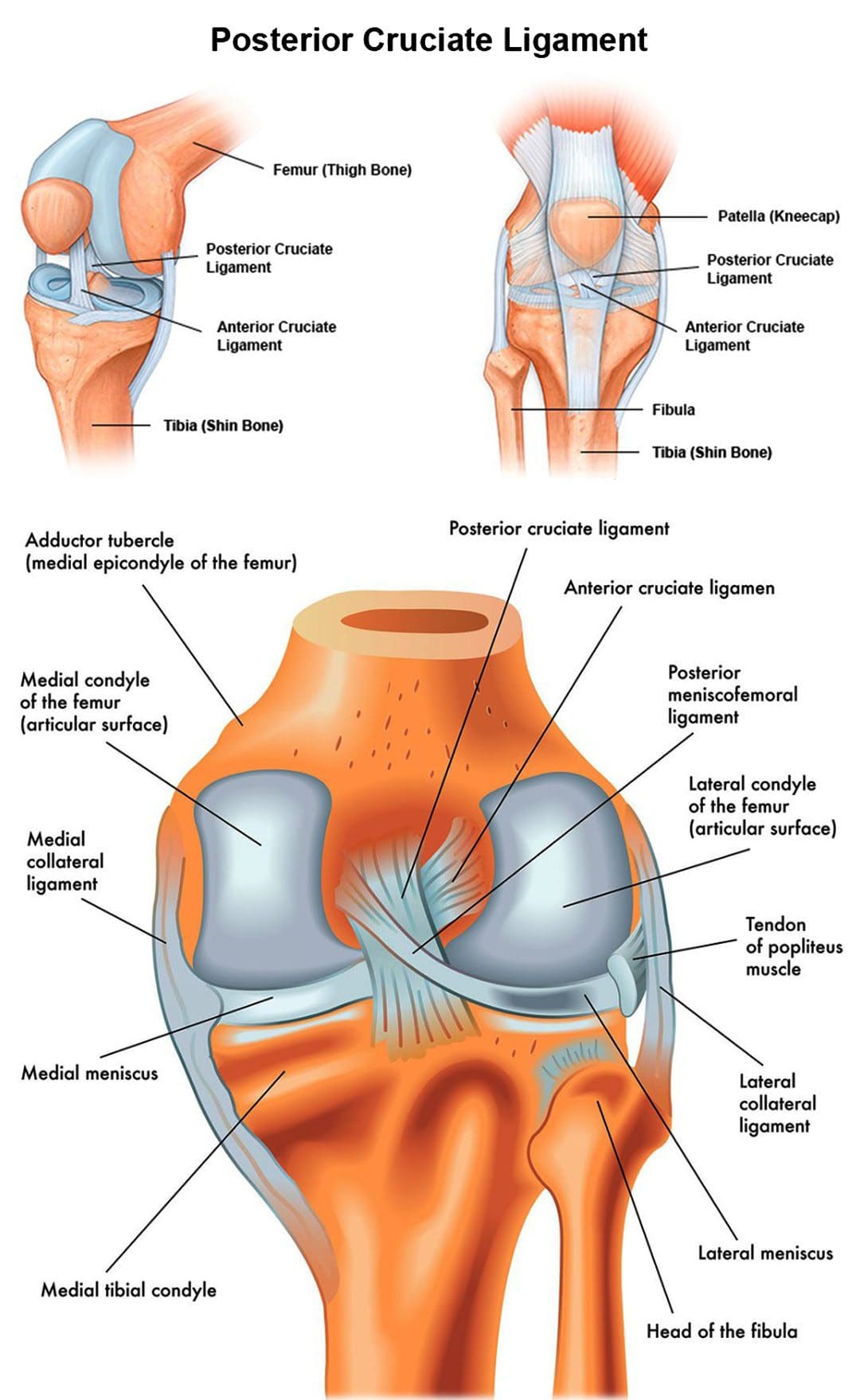
The body has around 1,000 ligaments that connect bones and joints. Ligaments are strong bands of tissue that support joint mobility and stabilize the muscles and bones. An injury to one or more ligaments can cause inflammation, swelling, discomfort, and instability. The PCL refers to the posterior cruciate ligament that runs along the back of the knee joint. This ligament connects the femur/thigh bone to the tibia/shinbone. Anyone can suffer from an injury to the posterior cruciate ligament. It can be caused by the knee hitting a dashboard in an automobile collision, a worker twisting or falling on a bent knee or a sports contact injury. The Injury Medical Chiropractic and Functional Medicine Clinic Team provide soft tissue work, trigger point therapy, and targeted non-surgical treatment through advanced therapy methods and technologies.
Posterior Cruciate Ligament
The posterior cruciate ligament – PCL is located inside the knee, just behind the anterior cruciate ligament – ACL. It is one of several ligaments that connect the femur/thighbone to the tibia/shinbone. The posterior cruciate ligament keeps the tibia from moving backward.
Injury
Posterior cruciate ligament injuries are far less common than ACL – anterior cruciate tears. PCL injuries make up less than 20% of all knee ligament injuries. It is more common for PCL tears to occur with other ligament injuries. A PCL injury can cause mild, moderate, or severe damage and is rated into four different categories:
Grade I
A partial tear is present in the ligament.
Grade II
There is a partial tear.
The ligament can feel loose.
Grade III
The ligament is completely torn.
The knee is unstable.
Grade IV
The PCL is injured.
Other knee ligaments are damaged.
Individuals with posterior cruciate ligament injuries can have short or long-term symptoms. Typically, long-term symptoms occur when an injury slowly develops over time. In mild cases, individuals may still be able to walk, and their symptoms may be less noticeable. Common symptoms associated with PCL injuries include:
Difficulty placing weight on the injured knee.
Stiffness.
Walking difficulties.
Difficulty descending stairs.
A wobbly sensation inside the knee.
Inflammation and swelling can be mild to severe.
Knee pain.
Pain that worsens over time.
Over time, tears could lead to the development of osteoarthritis.
There is an increased risk of extensive damage and chronic pain conditions if left untreated.
Chiropractic Care
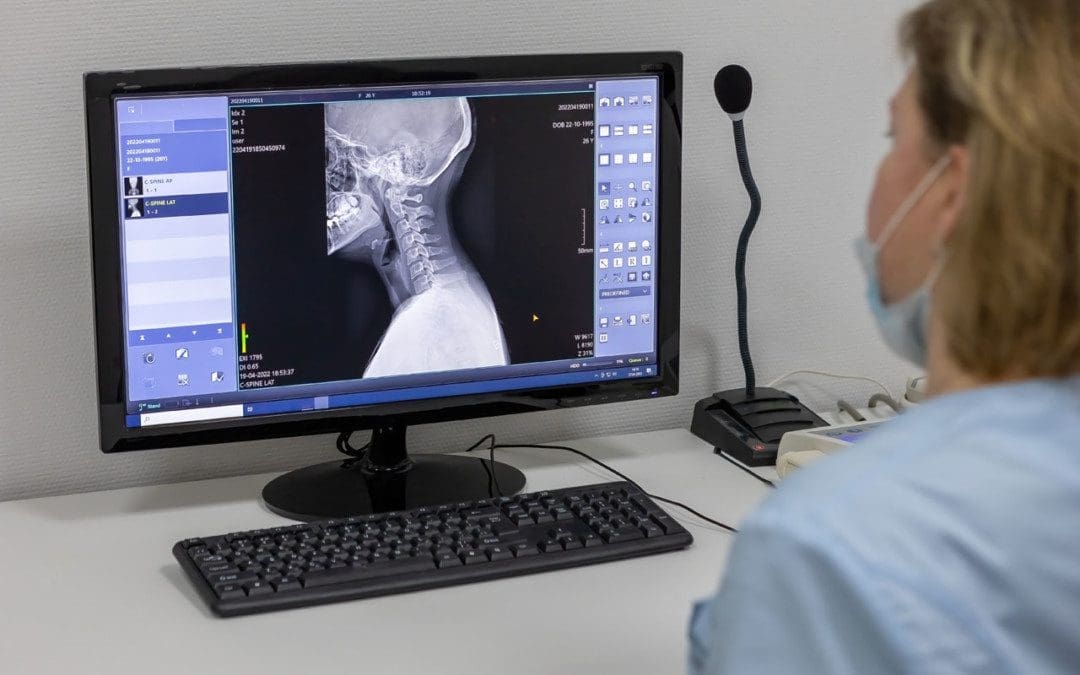
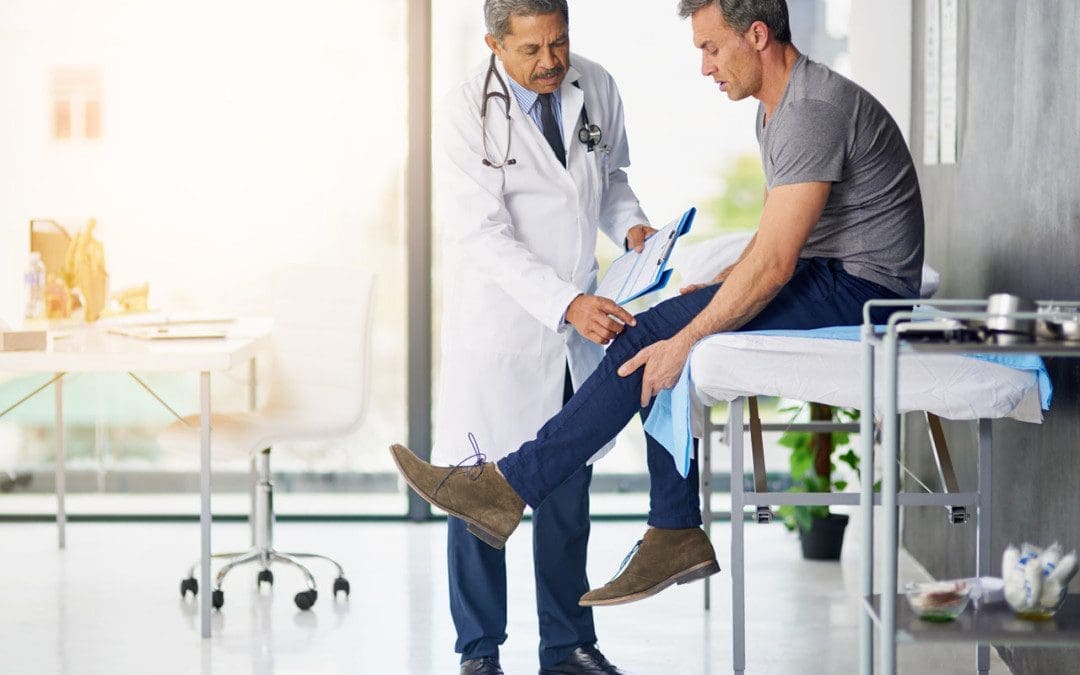
The continued participation in work or activity following a mild injury is the primary reason individuals undergo therapy, injections, or surgical repairs. Knee injuries need immediate attention to prevent worsening or further damage. A chiropractor will examine the knee, check the range of motion and ask about symptoms. They may request imaging tests to determine the extent of the damage. These tests may include the following:
X-rays.
Magnetic resonance imaging.
CT scan.
During the physical examination, they will check all the structures of the injured knee and compare them to the non-injured knee. The wounded knee may appear to sag backward when bent or could slide back too far, specifically when beyond a 90-degree angle. Treatment depends on the severity of the injury. Common treatments include:
Crutches
Crutches may be recommended to limit the weight placed on the knee.
Knee Brace
A special brace can address instability and help prevent the tibia bone from sagging backward.
Gravity tends to pull the bone backward when lying down.
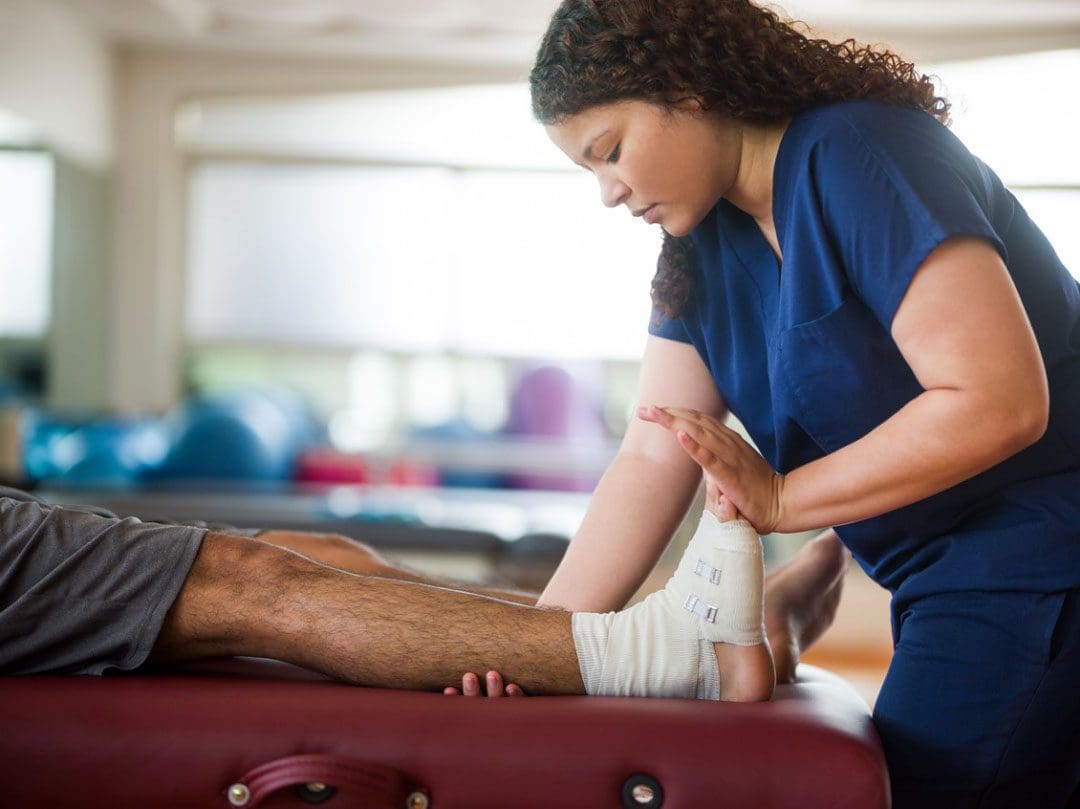
Chiropractic and Physical Therapy
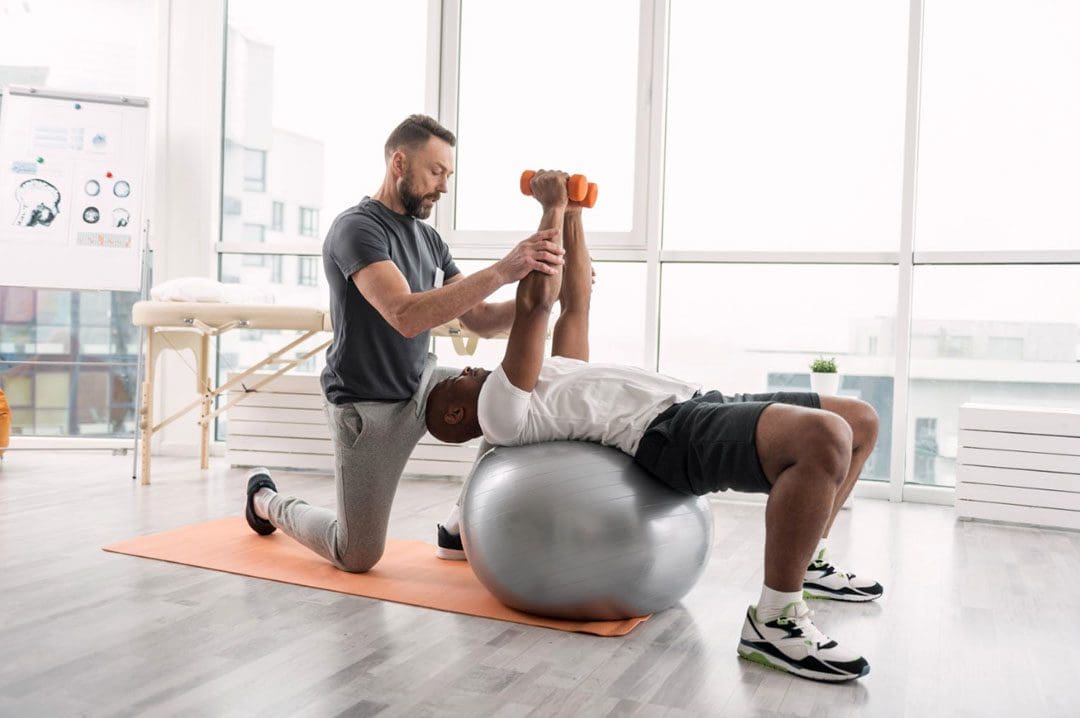
As the swelling goes down, a carefully personalized rehabilitation program can begin.
This procedure is less invasive compared to traditional surgical methods.
Recovery time varies from person to person. If the injury is mild, it may only take around ten days to heal. If surgery was needed, recovery could take about six to nine months. Full recovery typically requires 6 to 12 months.
Best Knee Injury Chiropractor
References
American Academy of Orthopaedic Surgeons. Posterior Cruciate Ligament Injuries. (https://orthoinfo.aaos.org/en/diseases–conditions/posterior-cruciate-ligament-injuries) Accessed 7/26/21.
Bedi A, Musahl V, Cowan JB. Management of Posterior Cruciate Ligament Injuries: An Evidence-Based Review. Journal of the American Academy of Orthopedic Surgery. 2016 May;24(5):277-89. Accessed 7/26/21.
Lu, Cheng-Chang, et al. “Twelve Weeks of a Staged Balance and Strength Training Program Improves Muscle Strength, Proprioception, and Clinical Function in Patients with Isolated Posterior Cruciate Ligament Injuries.” International journal of environmental research and public health vol. 18,23 12849. 6 Dec. 2021, doi:10.3390/ijerph182312849
Pierce, Casey M et al. “Posterior cruciate ligament tears: functional and postoperative rehabilitation.” Knee surgery, sports traumatology, arthroscopy: official journal of the ESSKA vol. 21,5 (2013): 1071-84. doi:10.1007/s00167-012-1970-1
Schüttler, K F et al. “Verletzungen des hinteren Kreuzbands” [Posterior cruciate ligament injuries]. Der Unfallchirurg vol. 120,1 (2017): 55-68. doi:10.1007/s00113-016-0292-z
Zsidai, Bálint, et al. “Different injury patterns exist among patients undergoing operative treatment of isolated PCL, combined PCL/ACL, and isolated ACL injuries: a study from the Swedish National Knee Ligament Registry.” Knee surgery, sports traumatology, arthroscopy: official journal of the ESSKA vol. 30,10 (2022): 3451-3460. doi:10.1007/s00167-022-06948-x
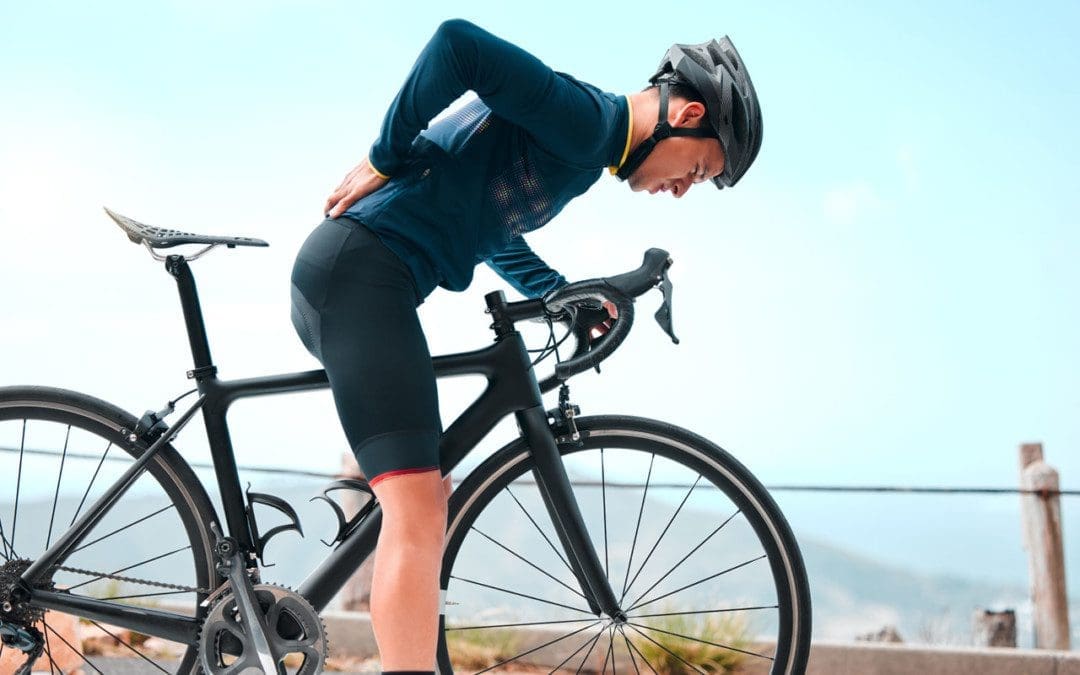
Bicycle riding is a form of transportation and a popular leisure and exercise activity. It helps with brain, heart, and whole body health. Whether recreational or pro cyclist, road or mountain biking, injuries are most often caused by overuse, repetitive strain, or a traumatic fall. If not treated properly by a medical professional, bicycle riding injuries can develop into long-term problems. Chiropractic care, sports massage, and decompression therapy combined with functional medicine can alleviate symptoms, rehabilitate the muscles, release compressed nerves, and restore mobility and function.
Bicycle Riding Injuries
Long-term cycling can cause muscle fatigue, leading to various injuries.
Overuse injuries occur when performing the same motion over and over again.
Musculoskeletal injuries range from sprains, torn ligaments, and tendons to fractures from crashes and falls.
Bicycle Setup
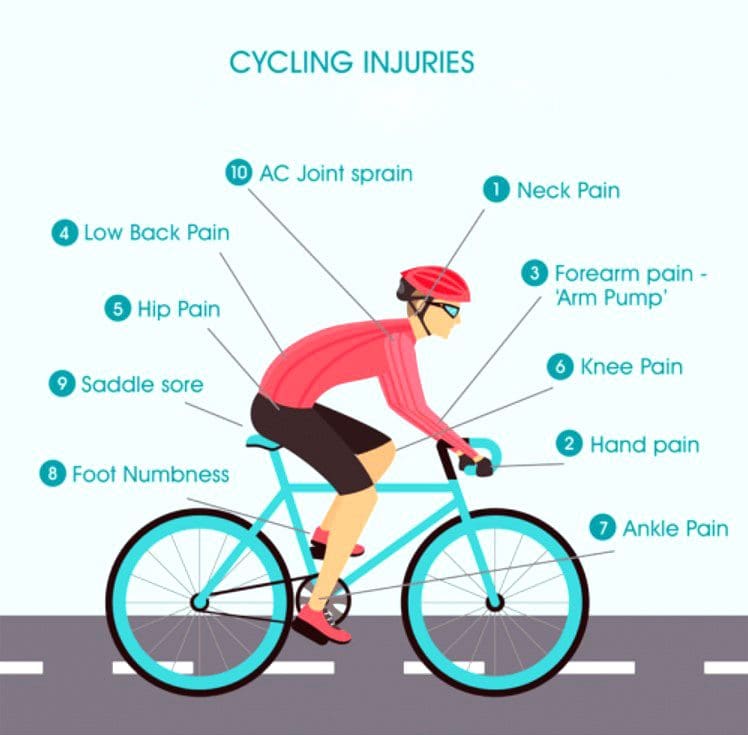
Not having the correct bike setup for the individual affects posture.
A seat that is too high causes the hips to rotate, leading to hip, back, and knee pain.
A seat that is too low causes over-flexion of the knees and pain.
Improper footwear not set in the right position can lead to pain in the calves and feet.
Handlebars that are too far forward can cause neck, shoulder, and back problems.
If any discomfort symptoms result from cycling, it’s recommended to get checked by a medical professional as soon as possible. After a correct diagnosis, resolving the issue/s could involve altering the bike setup to reduce the strain on certain body parts. Conversely, a condition could be developing that needs a personalized treatment program consisting of chiropractic care, physical therapy, steroid injections, or, if necessary, surgery.
Injuries
Hips
Tightness develops at the front of the hip/hip flexors from prolonged sitting and can lead to decreased flexibility and cause irritation of the bursa (fluid-filled sacs between the muscle and bone to reduce friction) at the front of the hip.
Symptoms at the front and outer side of the hip can travel down the thigh toward the knees.
Checking that the saddle height is correct can help.
Knees
The knee is the most common site for overuse injuries. Common knee overuse injuries include:
Patellofemoral syndrome
Patella and quadriceps tendinitis
Medial plica syndrome
Iliotibial band friction syndrome
The first four involve discomfort and pain around the kneecap. The last condition results in outer knee pain. Shoe insoles, wedges, and positioning can help prevent some of these injuries.
Feet
Foot tingling, numbness, burning sensations, or pain on the underside of the foot are common.
This occurs from pressure on the nerves that travel through the ball of the foot and toward the toes.
Shoes that are poorly fitted, too tight, or narrow are often the cause.
This comes from increased pressure in the lower leg and results in compressed nerves.
Neck and Back
Discomfort and pain in the neck result from staying in one riding position for too long.
Usually, if the handlebars are too low, the rider has to round their back, adding strain to the neck and back.
Tight hamstrings and/or hip flexor muscles can also cause riders to round/arch the back, causing the neck to be hyperextended.
Doing shoulder shrugs and neck stretches will help relieve neck tension. Regular stretching will create flexibility and make it easier to maintain proper form.
Shoulders
Shoulder overuse injuries cause muscle weakness, stiffness, swelling, tingling or numbness in the fingers, and pain. Treatments depend on the severity of the condition.
Shoulder impingement/pinching
Swelling of soft tissues
Rotator cuff tears
Injuries to the ball-and-socket joint tend to be labral tears of the socket lining cartilage or damage to other structures. Damage to the cartilage can lead to arthritis if not treated effectively.
Falls can cause:
Minor fractures or dislocation.
Fractured collarbone/clavicle – must be immobilized for four to six weeks before rehabilitation exercises are started.
Damage to the joint on the top of the shoulder/acromioclavicular joint or ACJ.
Many of these impact-related injuries can be treated with chiropractic and targeted physical therapy to strengthen the muscles and improve mobility. However, some cases, like severely displaced fractures, require surgical reconstruction or repair.
Intense aching in the forearm can make gripping and ungripping the hands difficult and painful.
These can be prevented by changing hand positions and alternating the pressure from the inside to the outsides of the palms ensuring the wrists don’t drop below the handlebars.
Cyclists are recommended to ride with their elbows slightly bent, not with their arms locked or straight. Bent elbows act as shock absorbers when riding over bumps or rough terrain.
Using padded gloves and stretching the hands and wrists before riding can help. Changing the grip on the handlebars takes the stress off of over-used muscles and redistributes pressure to different nerves.
Head Injuries
Head injuries can range from scrapes, contusions, concussions, or traumatic brain injury.
Wearing a helmet can reduce the risk of head injury by 85 percent.
Chiropractic Treatment
Chiropractic for cyclists can relieve symptoms, rehabilitate and strengthen muscles, improve posture, and prevent future injuries. Cyclists have also reported enhanced:
Respiration
Range of motion
Heart rate variability
Muscle strength
Athletic ability
Neurocognitive functions such as reaction time and information processing.
Common Bicycle Riding Injuries
References
Mellion, M B. “Common cycling injuries. Management and prevention.” Sports medicine (Auckland, N.Z.) vol. 11,1 (1991): 52-70. doi:10.2165/00007256-199111010-00004
Olivier, Jake, and Prudence Creighton. “Bicycle injuries and helmet use: a systematic review and meta-analysis.” International journal of epidemiology vol. 46,1 (2017): 278-292. doi:10.1093/ije/dyw153
Silberman, Marc R. “Bicycling injuries.” Current sports medicine reports vol. 12,5 (2013): 337-45. doi:10.1249/JSR.0b013e3182a4bab7
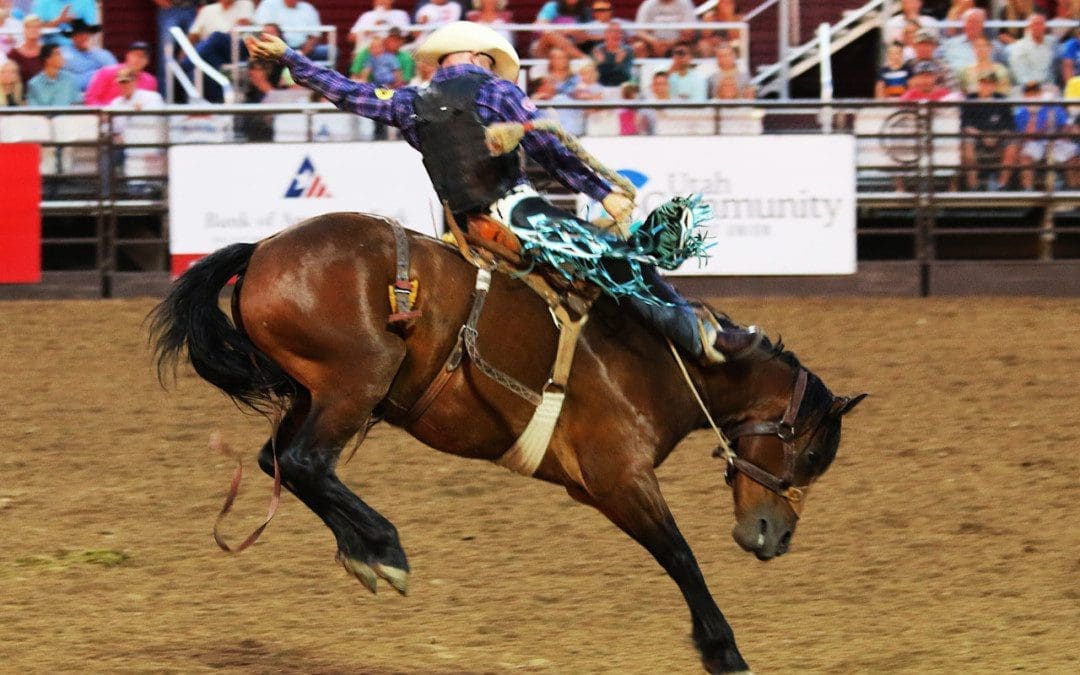
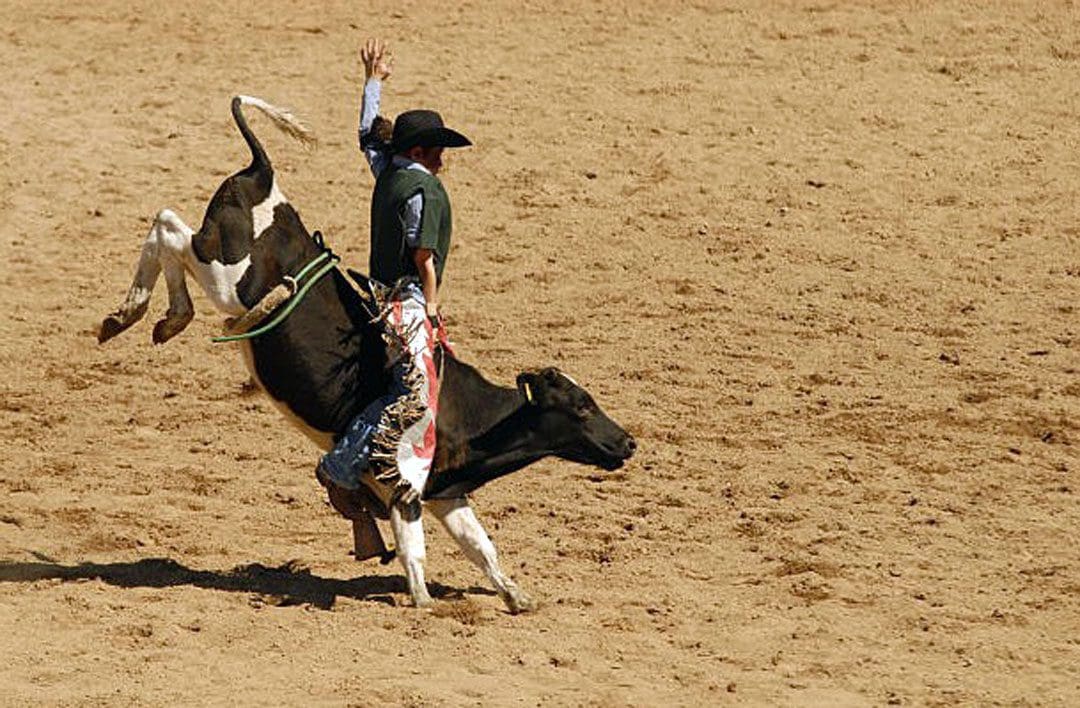
Rodeo Training: Rodeo has become a sport that is now open to anyone, and there are even programs for weekend warriors. Like all sports, it can offer a rewarding experience but can be dangerous. As the sport grows, individuals and spectators realize the importance of being strong, mobile, and durable. Individuals need to assess their health and ability and be in top shape due to the demands this sport places on the body. Here we look at the muscle groups needed in this sport.
Rodeo Training
Fitness has always had a place in rodeo and all equine sports, but it wasn’t paid much attention. Professional rodeo instructors recommend incorporating a strength, conditioning, and personal training regimen, to keep rodeo athletes, including bull riders, steer wrestlers, and calf ropers, in top form. Even for weekend warriors and hobbyists, increasing strength and mobility will make the hobby much more enjoyable.
Body Strength
The core strength of the abdominals and lower back is very important. The connection between the upper and lower body and groin strength has to be strong for the athletes to stay on the animal and control their bodies as the animal runs, shifts, and jumps. The focus should be on every muscle needed to move with proper form and control and learning how your body moves.
Upper Body
Scapula Stabilizers
These muscles help control the shoulder blade and maintain a healthy posture.
These muscles aid the rotator cuff and deltoid muscles to upwardly or downwardly rotate the shoulder blade/scapula while the shoulder joint/arm is moving overhead, behind the back, or reaching away from the trunk.
Strengthening these muscle groups prevents the rounding of the shoulders and provides strength when dealing with a strong animal.
Roughstock riders use these muscles to maintain pressure when lifting their rigging, reign, or rope while maintaining a square posture.
This muscle group needs strengthening, but it is equally important to ensure they’re flexible throughout the chest.
Many individuals have strong chest muscles, but there may be an imbalance of strength and flexibility, causing unhealthy posture.
The spine and stabilizer muscles cannot work to maintain proper posture or stabilize if the chest muscles are too tight.
The focus is maintaining balance in the chest’s mobility while ensuring they are strong enough to handle the force.
Core
Abdominal Muscles
Four major groups comprise the abdominal muscle group, including the rectus abdominis, internal and external oblique, and transversus abdominis.
These muscles work together with the spine and back muscles to help create core stability.
Core strength is not as important as core stability in rodeo sports.
The core fundamentals of riding require the hips, pelvis, and low back to move with the animal.
These muscles coordinate with each other to produce stability.
Focusing only on strength causes rigid or stiff riding.
Being excessively rigid through the abdominals and back muscles prevents shock absorption and can lead to lower back symptoms.
Lower Body
Hip Adductors
These inner thigh muscles include the gracilis, obturator externus, adductor brevis, longus, and magnus.
These muscles should typically be the strongest because of their natural riding use.
Problems with these muscles happen because the athletes generally don’t ride horses recreationally and don’t know how to strengthen them.
This leads to various injuries throughout the pelvic floor and hips.
Balance is required as the muscles can be too weak or too strong.
Where riders begin to depend/rely too much on them can lead to imbalances with the upper and lower body muscles.
Too much use/gripping with the adductors can lead to over-rotation of the hip, resulting in the toes-out walking gait and musculoskeletal issues.
Hip Abductors
The outer thigh/hip muscles are the gluteus medius, gluteus minimus, and tensor fasciae latae/TFL.
They move the leg away from the body and help rotate at the hip joint.
The abductors are necessary for staying stable when walking or standing on one leg.
They help stabilize the hip and pelvis and maintain proper leg alignment, allowing correct leg movements without excessive shifting in the saddle.
Sitting in the saddle with more pressure on one side or leaning to one side when jumping will cause an imbalance in the hip abductors.
Hip Extensors
These are the posterior/back and hip/thigh muscles and are made up of the gluteus maximus and the hamstrings.
These are the most powerful muscles in the body and are responsible for giving the horse the cues to perform what they need to.
Strong hamstrings and glutes allow the rider to exert appropriate pressure through the legs to move the horse from a walk, trot, lope, run, and direction change.
The gluteus maximus acts as a buffer between the hamstrings and the lower back muscles.
Weakened gluteus maximus muscles can cause tight hamstrings that shift the pelvis and begin pulling on the low back muscles.
Building strength and mobility throughout the hip extensors will prevent injury.
Understanding which muscles are responsible for each part of the movements needed to compete in this sport is essential. However, rodeo sports are learned by doing, and it is recommended to go to a rodeo school or rodeo clinics as there is no substitute for experience. Some schools hold numerous classes around the country. These are usually taught by championship athletes and are a great way to try rodeo in a safe and controlled learning environment.
Rodeo Training: What It Takes
References
Meyers, Michael C, and C Matthew Laurent Jr. “The rodeo athlete: injuries – Part II.” Sports medicine (Auckland, N.Z.) vol. 40,10 (2010): 817-39. doi:10.2165/11535330-000000000-00000
Sinclair Elder, Amanda J, and Rachel Tincknell. “Epidemiology of Hip Injuries in Professional Rodeo: A 4-Year Analysis.” Orthopedic journal of sports medicine vol. 8,10 2325967120959321. 27 Oct. 2020, doi:10.1177/2325967120959321
Sinclair, Amanda J, and Jack W Ransone. “Physical activity and its relationship to rodeo injury and success.” Journal of strength and conditioning research vol. 18,4 (2004): 873-7. doi:10.1519/14623.1
Watts, Melinda, et al. “Characteristics of Injury in Collegiate Rodeo.” Clinical journal of sports medicine: official journal of the Canadian Academy of Sports Medicine vol. 32,2 (2022): e145-e150. doi:10.1097/JSM.0000000000000904
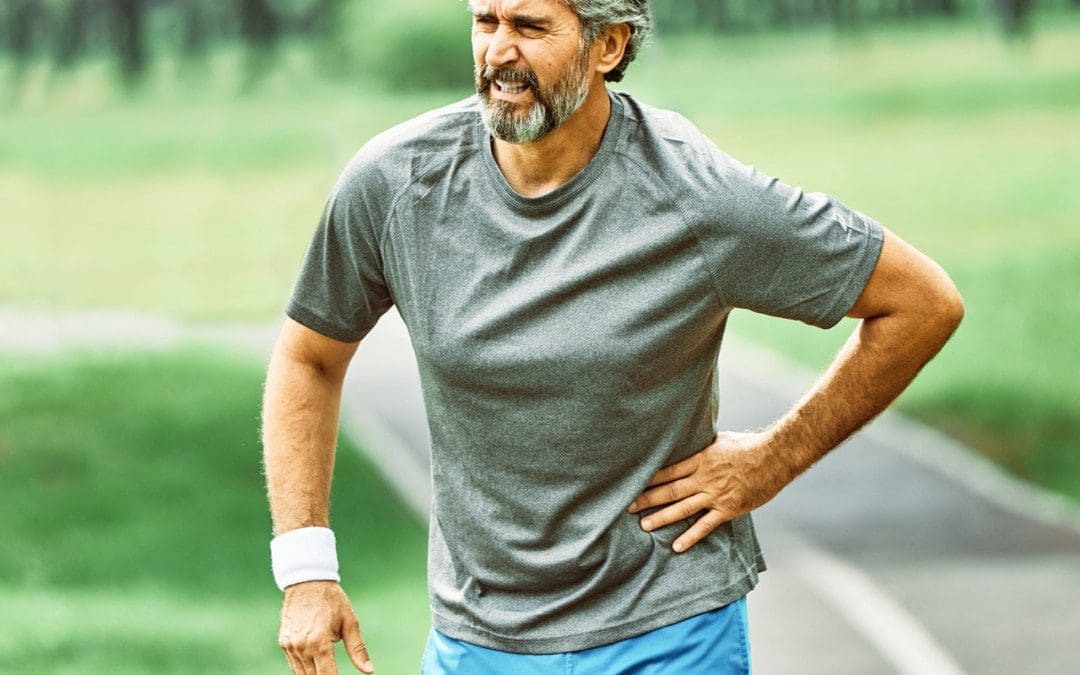
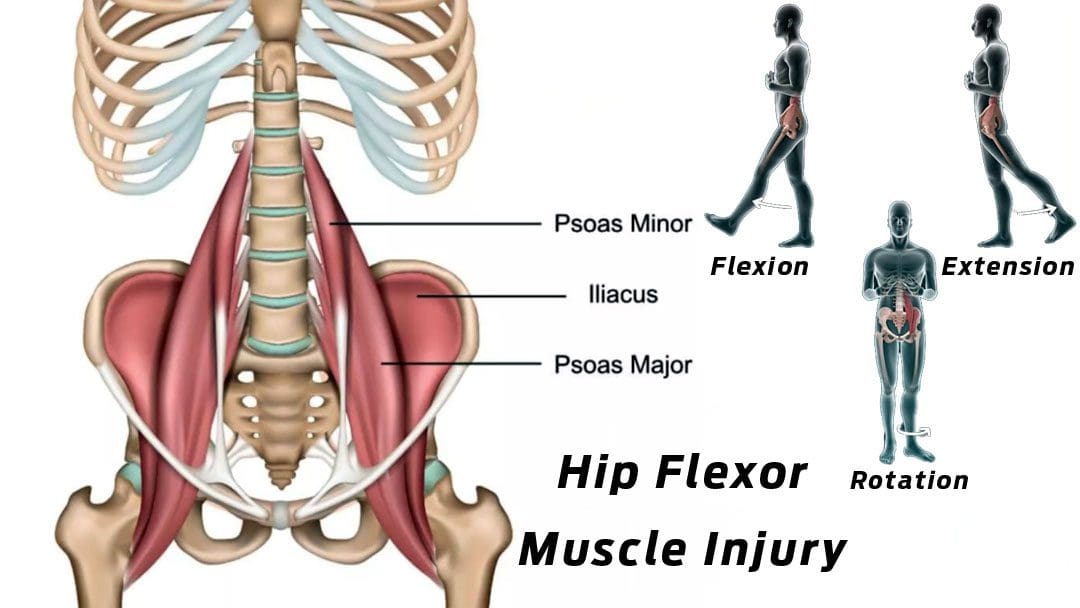
The iliopsoas muscle is a primary hip flexor that assists in the femur’s external rotation and maintains the hip joint’s strength and integrity. It also helps to stabilize the lumbar spine and pelvis. Athletes often overuse these muscles with all the sprinting, jumping, kicking, and changing directions when running, causing strains and/or tears. Repetitive hip flexion can result in chronic degenerative tendon changes. Chiropractic care and physical therapy can assist in the early phases of healing, safely transitioning to rehabilitation, and returning to physical activities.
Iliopsoas Muscle
The hip flexors are the group of muscles, including the iliac and psoas major muscles/iliopsoas and the rectus femoris/quadriceps. One of the largest and thickest muscles in the body, the psoas, extends from the lumbar vertebrae, crosses in front of each hip, and attaches to the inside top of the thigh bone. The muscle works by flexing the hip joint and lifting the upper leg towards the body. These fibers can tear if tension is more than the muscle can bear. An iliopsoas strain occurs when one or more of these hip flexor muscles become overly stretched or begin to tear.
Injury
The injury can occur from sports or everyday physical activities. This leads to inflammation, pain, and scar tissue formation. An iliopsoas injury is commonly caused by sudden movements, including sprinting, kicking, and changing direction fast while running. Individuals participating in any sports, especially cycling, running, dance, tennis, martial arts, and soccer, are more likely to experience this injury. Other contributing factors include:
Muscle tightness
Joint stiffness
Muscle weakness
Inadequate core stability
Not warming up correctly
Improper biomechanics
Decreased fitness and conditioning
Individuals will feel a sudden stinging pain or pulling sensation, usually on the front of the hip, groin, or abdominal area. Other symptoms include:
Healing and recovery depend on the severity of the injury. A minor iliopsoas muscle injury can take around three weeks to recover fully. More serious strains and tears take six to eight weeks before returning to activity, as the tissue needs time to repair before starting rehabilitation.
Chiropractic Rehabilitation and Recovery
The first steps when dealing with this injury should be P.R.I.C.E. protection, rest, ice, compression, and elevation. It is important to rest and seek treatment immediately; if left untreated, the condition could worsen, lead to a chronic condition, and require surgery. A chiropractic treatment and rehabilitation plan will consist of the following:
Soft tissue massage
Joint mobilization
A chiropractor may recommend crutches to keep the weight off the hip.
A brace can help compress and stabilize the hip flexor to expedite healing.
A flexibility and strengthening program will be implemented to target the muscles around the hip.
Core strengthening exercises will improve the stability of the pelvis area to prevent any further overuse problems.
Wearing compression clothing could also be recommended, as the clothing helps maintain muscle temperature.
Labral Tear
References
Dydyk AM, Sapra A. Psoas Syndrome. [Updated 2022 Oct 24]. In: StatPearls [Internet]. Treasure Island (F.L.): StatPearls Publishing; 2022 Jan-. Available from: https://www.ncbi.nlm.nih.gov/books/NBK551701/
Lifshitz, Liran BPt, MSc, PT; Bar Sela, Shlomo BPt MPE; Gal, Noga BPt, MSc; Martin, RobRoy PhD, PT; Fleitman Klar, Michal BPt. Iliopsoas the Hidden Muscle: Anatomy, Diagnosis, and Treatment. Current Sports Medicine Reports 19(6):p 235-243, June 2020. | DOI: 10.1249/JSR.0000000000000723
Rauseo, Carla. “THE REHABILITATION OF A RUNNER WITH ILIOPSOAS TENDINOPATHY USING AN ECCENTRIC-BIASED EXERCISE-A CASE REPORT.” International journal of sports physical therapy vol. 12,7 (2017): 1150-1162. doi:10.26603/ijspt20171150
Rubio, Manolo, et al. “Spontaneous Iliopsoas Tendon Tear: A Rare Cause of Hip Pain in the Elderly.” Geriatric orthopedic surgery & rehabilitation vol. 7,1 (2016): 30-2. doi:10.1177/2151458515627309
IFM's Find A Practitioner tool is the largest referral network in Functional Medicine, created to help patients locate Functional Medicine practitioners anywhere in the world. IFM Certified Practitioners are listed first in the search results, given their extensive education in Functional Medicine

 Posterior Cruciate Ligament