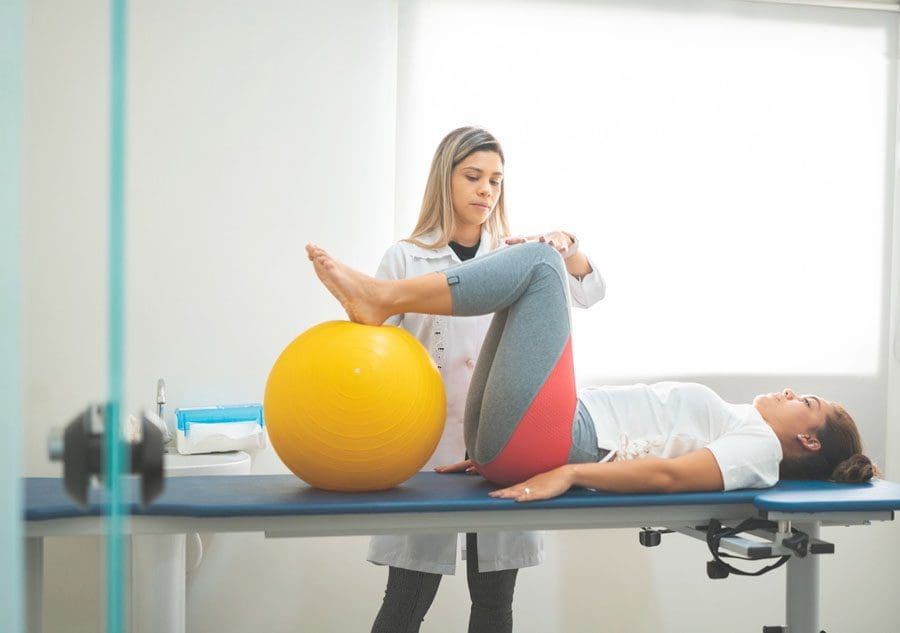
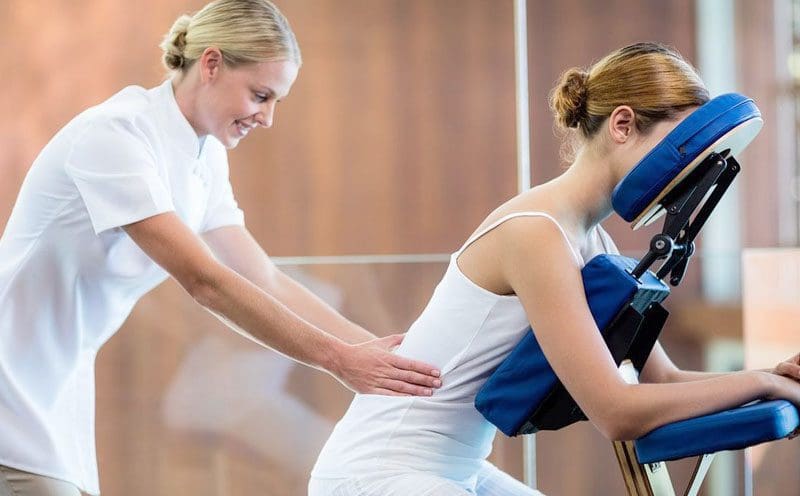
Sports chiropractic athletes: A sports chiropractor is a specialist that works with athletes to improve their performance. These doctors specialize in assessing and treating sports injuries. Treatment also prevents future damage/injury by providing a customized rehabilitation, strengthening, flexibility, and mobility program, that includes:
Exercise prescription
Ergonomic recommendations
Health coaching/counseling
Therapeutic sports massage
Sports chiropractic deals with preventing, diagnosing, and treating sports-athletic-based injuries to muscles, tendons, ligaments, and joints. Sports chiropractors have extensive training in evaluating muscular-skeletal problems related to sports participation overuse. Diagnosis is acquired through:
Chiropractors are masters of the human body and trained to use advanced diagnostics tools. A sports chiropractor evaluates individuals from all levels of sports and fitness, including:
Athletes – professional or recreational
Weekend warriors
Military personnel
The objective is to identify musculoskeletal problems related to sporting activity or overuse, alleviate pain, rehabilitate, and strengthen to prevent future injury. They can diagnose and treat sports-related injuries from common overuse injuries like:
Hip pain from frequently running on pavement.
Shoulder pain from damage caused by continued overhead throwing or hitting.
Low back and leg issues from twisting, bending, jumping, and reaching.
Balance
Athletes need a healthy balance of endurance, strength, and structure. Through biomechanics training, sports chiropractic restores the body’s natural balance and proper function. The goal is to get the athlete re-engaged and protected against further injury and play without any problems or limitations. Sports chiropractic athletes can return in a short amount of time from injuries that include:
Torn ACLs
MCL Sprain
Ankle Sprain
Achilles Tendonitis
Rotator cuff tears
Quadriceps Strains
Hamstrings Strains
Shin Splints
Sports Hernia
Neck Pain
Back Pain
Spondylolisthesis
Prevention Regimen
They can recommend prevention programs to prevent potential problems before an athlete gets hurt. A chiropractor will detect developing muscle imbalances before they turn into a chronic condition that can lead to damage to the rest of the body. Additional therapies include:
Massage
Hot/cold treatments
Ultrasound therapy
Low-level laser therapy
Adjustments, stretching, core training, therapeutic sports massage, health coaching, and nutritional counseling will strengthen the body, allowing for performing physical activities and sports at optimum levels.
Body Composition
Sports Performance
Working with sports chiropractic athletes means achieving a balance of lean mass to maintain sports performance and reduce the risk of injury. Athletes, doctors, and trainers monitor gains over time to maximize performance and watch for signs of potential injury. A method of monitoring for potential injury is the ECW/TBW Analysis. When training and engaging in sports, the body is under physical stress. The proper amount of rest and recovery are needed to allow muscles to recover and regrow. Inflammation is reflected in the ECW/TBW by monitoring changes over time. A steady increase can indicate a sign of overtraining or improper recovery. Monitoring this progression can alert doctors and trainers that an athlete needs a less intense workout or longer recovery to reduce the potential for overtraining injury.
References
Corcoran, Kelsey L et al. “Association Between Chiropractic Use and Opioid Receipt Among Patients with Spinal Pain: A Systematic Review and Meta-analysis.” Pain medicine (Malden, Mass.) vol. 21,2 (2020): e139-e145. doi:10.1093/pm/pnz219
Naqvi U, Sherman Al. Muscle Strength Grading. [Updated 2021 Sep 2]. In: StatPearls [Internet]. Treasure Island (F.L.): StatPearls Publishing; 2022 Jan-. Available from: https://www.ncbi.nlm.nih.gov/books/NBK436008/
Nelson, Luke et al. “A descriptive study of sports chiropractors with an International Chiropractic Sports Science Practitioner qualification: a cross-sectional survey.” Chiropractic & manual therapies vol. 29,1 51. 13 Dec. 2021, doi:10.1186/s12998-021-00405-1
Williams, Sean et al. “Kinesio taping in treatment and prevention of sports injuries: a meta-analysis of the evidence for its effectiveness.” Sports medicine (Auckland, N.Z.) vol. 42,2 (2012): 153-64. doi:10.2165/11594960-000000000-00000
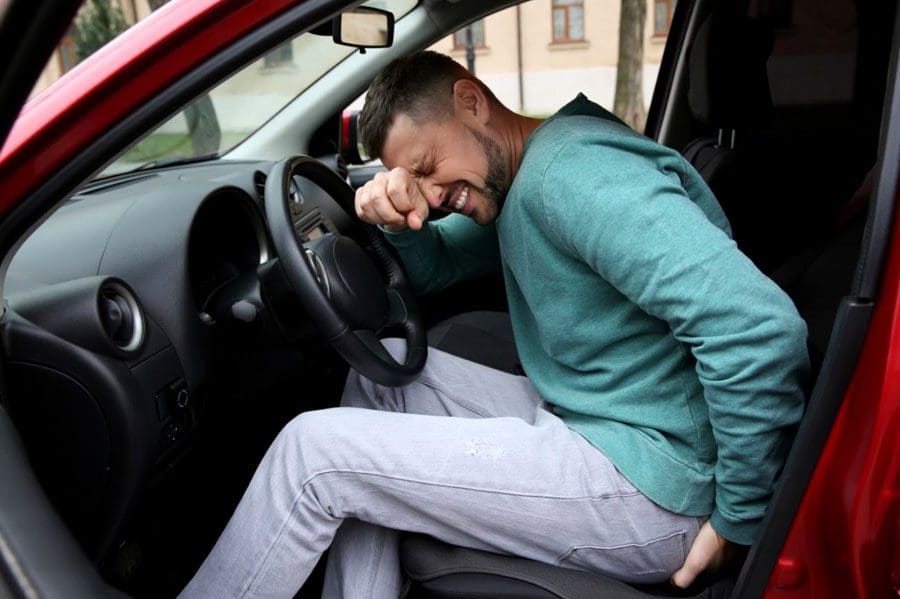
Sciatica motor vehicle crash. After an automobile crash/accident, symptoms of pain and discomfort can immediately follow the force of impact, indicating an injury. Many injuries and symptoms appear right away, like:
Pain from high-impact trauma and cuts.
Bone fractures.
Dislocations.
Neck whiplash.
Back pain.
The sciatic nerve is the largest in the body, and any damage can cause pain in one or both sides of the body. Pressure and compression on the nerves, ligaments, and muscles accompanied by weakness or numbness in the lower back, legs, or feet could cause delayed sciatica symptoms hours, days, even weeks later. It is critical to meet with a doctor and auto accident chiropractor after any type of accident, large or small, to develop a thorough personalized treatment plan.
Sciatica Motor Vehicle Crash
Sciatica can be brought on by a pinched nerve, which is often the result of the spine shifting out of place, causing herniation and compression on the sciatic nerve. The trauma from a motor vehicle accident can cause the spinal discs to be knocked out of place, rupture, and leak out, irritating the surrounding tissue and nerve endings. Back injuries are among the most common forms of damage/injury resulting from a motor vehicle accident/crash that can lead to sciatica. Broken and/or fractured vertebral, hip, or pelvis bone fragments can compress the sciatic nerve. Even when the initial result of the impact does not result in sciatica, over time, an untreated back injury could lead to sciatica symptoms.
Symptoms
Motor vehicle crashes often activate or aggravate pre-existing conditions like asymptomatic degenerative disc disease, affecting the sciatic nerve causing discomfort and pain. Common symptoms include:
Mild discomfort or achiness.
Tingling sensations from the lower back and down the back of the leg.
Weakness, numbness, or difficulty moving the leg and foot.
Inability to bend the foot upward at the ankle- known as foot drop.
Constant pain in one side of the buttocks or leg.
Sharp pain that makes it difficult to stand up and walk
Difficulty sitting.
Burning or tingling in one leg can worsen when sitting.
Intense pain.
Sharp burning and/or what feels like shooting electricity pain.
Diagnosis
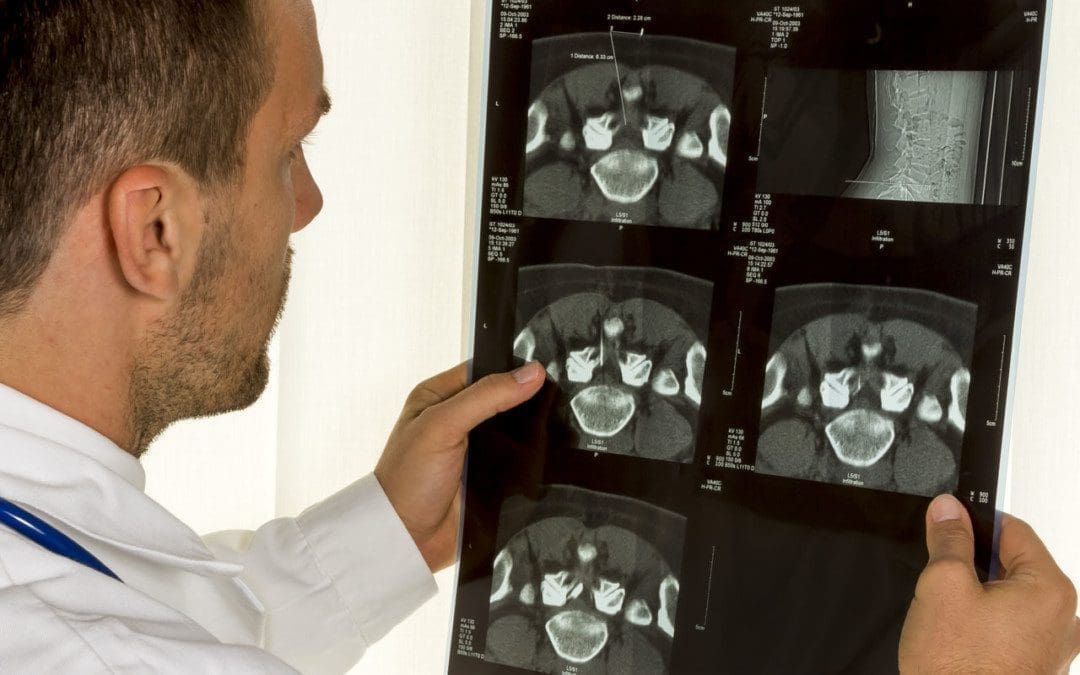
A spine doctor and chiropractor will use diagnostic imaging tools like X-rays, and CT scans to see the scope of the injured area.
An X-ray will show a detailed image of the spine and affected bones in the area.
A CT scan will include a 3D image that shows the surrounding musculature, tissues, and nerves that could be damaged/injured.
Treatment
The doctor and chiropractor will then develop an appropriate and personalized treatment plan that could utilize various methods and techniques.
Chiropractic is commonly the first treatment to realign the spine and relieve pressure on the nerve.
A pain management specialist or physical therapist will be brought in for rehabilitation/recovery as adjustments progress.
Orthopedists and neurologists may be brought in for less conservative treatment in more severe cases, including surgical options.
Other treatments can include steroid injections or anti-inflammatory medicines to relieve nerve pressure.
Body Composition
Injury Rehabilitation Phase
Current in-clinic methods of measuring the composition of an injured body are indirect, while medically advanced techniques limit the frequency of testing. InBody provides cost-effective, comprehensive, and timely measurements that identify areas of weakness from damage, injury, or recent surgery and develop a customized rehabilitation program to improve functional status.
During the rehabilitation phase, increased sedentary behavior and/or immobilization causes muscle loss in the injured or operated region. By independently evaluating lean mass in each segment of the arms, legs, and torso, a chiropractor or physical therapist gathers baseline information on the body segments with restricted mobility.
InBody can help provide further insight into an individual’s body composition to analyze long-term health risks and develop a personalized exercise intervention to improve overall health and reduce health risks. This provides beneficial information for identifying potential imbalances related to muscle loss post-injury/surgery that can be targeted and improved. Identifying these imbalances allows the therapists to increase functional fitness and mobility, helping the individual reduce the risk of re-injury or new injuries.
References
Defouilloux, B et al. “A propos de trois observations chez des polytraumatisées de la route présentag une fracture du bassin associée à des signes neurologiques” [Apropos of 3 cases of multiple traffic injuries presenting pelvic fractures associated with neurologic signs]. Journal de radiologie, d’electrologie, et de medecine nucleaire vol. 48,8 (1967): 505-6.
Noble, J et al. “Analysis of upper and lower extremity peripheral nerve injuries in a population of patients with multiple injuries.” The Journal of trauma vol. 45,1 (1998): 116-22. doi:10.1097/00005373-199807000-00025
Walsh, K et al. “Risk of low back pain in people admitted to hospital for traffic accidents and falls.” Journal of epidemiology and community health vol. 46,3 (1992): 231-3. doi:10.1136/jech.46.3.231
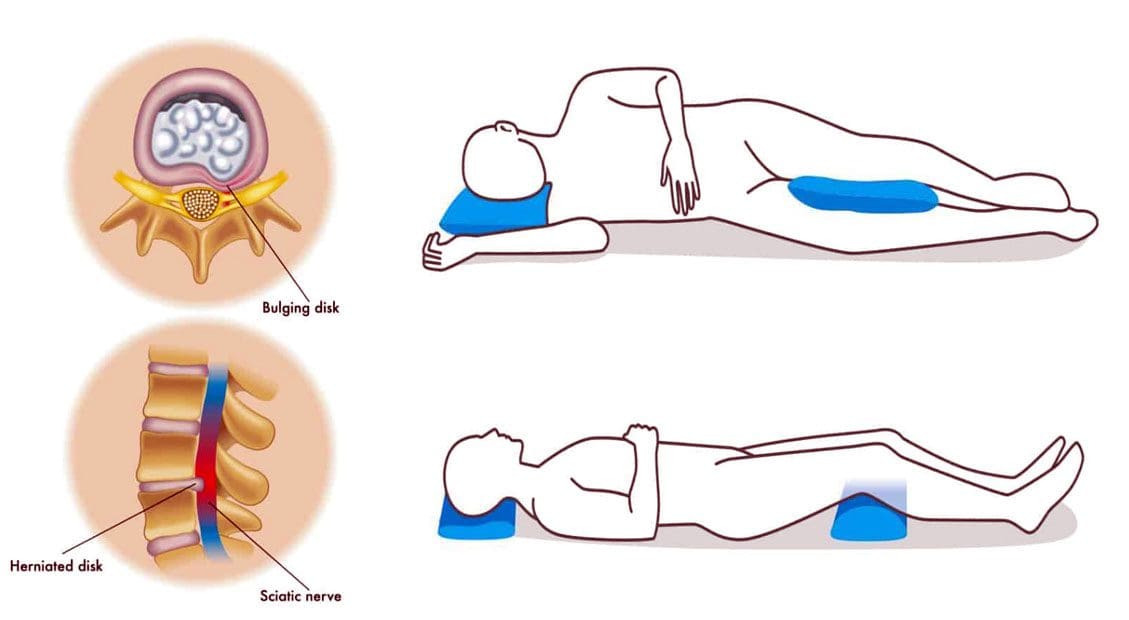
Sleeping with a bulging disc can be challenging for the body to achieve the proper rest. And sleeping in an awkward position can add stress to the spine, making the bulge worse, which can cause tingling, numbness, pain, and digestive problems. This can disrupt the sleep cycle and prevent proper healing of the spinal injury.
Sleeping With a Bulging Disc
When sleeping, most back pain occurs in the lumbar or lower back, in one of two places where the spine meets the pelvis. Around 95% of lower back herniations happen in the L4-L5 spinal segment or the L5-S1 Lumbosacral joint. Any back pain can turn into a vicious cycle of:
Sleeping with a bulging disc requires maintaining the ears, shoulders, and hips aligned to keep the spine aligned.
Sleeping on The Back
Back sleeping done correctly is the best way to sleep for the spine’s health. The important thing is to ensure the entire back is supported when sleeping. If there is a gap or space between the mattress and the back, the weight and gravity force the spine to lower in an unnatural way to fill the space. This can cause back muscle soreness, injury, and sciatica. A thin pillow, blanket, or towel can be used to fill the space, giving the spine the support it needs. Back sleepers can also benefit from a pillow or two under the knees to elevate the legs and help maintain the natural curve of the pine.
Sleeping on The Side
Side sleepers can try pulling the legs up toward the chest, and placing a pillow between the knees can provide relief when sleeping with a bulging disc. Pulling the legs up in the fetal position can relieve pressure on the discs. It is recommended to switch sides to keep the spine balanced. This helps maintain hip alignment, which helps keep the spine in a neutral position.
Sleeping On The Stomach
It is recommended to avoid sleeping on the stomach. This pulls the spine down into an unnatural curve that can cause and exacerbate back pain. For individuals that naturally stomach sleep, it is recommended to place a pillow under the hips and lower abdomen to prevent unnatural spinal positioning.
Chiropractic Relief
Utilizing the right sleeping position can provide pain relief and thorough rest. However, sleeping with a herniated disc is far from what is needed to get back to a normal healthy sleeping pattern. This depends on the location of the bulging disc, severity, and cause. A chiropractor can:
Help the individual develop an optimal sleeping routine and positioning.
Body Composition
Sleep and Growth Hormone In Children
Growth, in all ages, is primarily controlled by growth hormone. The hormone is regulated by the hypothalamus and pituitarygland which plays an important role in sleep. Growth hormone has been found:
It peaks during the beginning of deep sleep.
There are multiple smaller peaks during the other stages of sleep.
Those who have a delay at the beginning of deep sleep have delayed rises in growth hormone levels.
For children to grow they need to have proper levels of growth hormone. This means they need to have the proper amount of sleep for proper body composition. Research has found that increased levels of sleep resulted in less overall fat mass and a reduced percentage of body fat allowing their bodies to grow.
References
Al Qaraghli MI, De Jesus O. Lumbar Disc Herniation. [Updated 2021 Aug 30]. In: StatPearls [Internet]. Treasure Island (FL): StatPearls Publishing; 2022 Jan-. Available from: https://www.ncbi.nlm.nih.gov/books/NBK560878/
Desouzart, Gustavo et al. ‘Effects of Sleeping Position on Back Pain in Physically Active Seniors: A Controlled Pilot Study. 1 Jan. 2016: 235 – 240.
Kose, Gulsah et al. “The Effect of Low Back Pain on Daily Activities and Sleep Quality in Patients With Lumbar Disc Herniation: A Pilot Study.” The Journal of neuroscience nursing: Journal of the American Association of Neuroscience Nurses vol. 51,4 (2019): 184-189. doi:10.1097/JNN.0000000000000446
Sener, Sevgi, and Ozkan Guler. “Self-reported data on sleep quality and psychologic characteristics in patients with myofascial pain and disc displacement versus asymptomatic controls.” The International Journal of prosthodontics vol. 25,4 (2012): 348-52.
Today, more than ever, individuals are less physically active and sitting down for more extended periods causing the gluteus muscles to be used less and weaken. Weak, inactive, or tightening glutes can cause instability in the lower spine, the hips, and the pelvis to shift out of alignment. This leads to low back and buttock pain. The pain is constantly dull, aching, pulsating, then when moving, getting up, it throbs and stings. Gluteal strengthening exercises can strengthen the muscles and alleviate the pain.
Gluteal Strengthening
Every individual has a unique physiology. The body develops asymmetrically as the individual favors one side or area of the body over another. This can cause imbalances in the muscular system, leading to awkward positioning that causes pain. The muscle groups that support the lower back consist of the:
Core muscles
The gluteal muscle group includes:
Gluteus Maximus
Gluteus medius
Gluteus minimus
Pelvis muscles
Hamstrings
Quadriceps
In some cases, the development or lack of level of an individual’s upper back strength can also affect the amount of strain on the lower back.
Gluteal Strengthening Difference
Many joints connect in this area that can have functional problems. The muscles within the lower back need:
Stretching allows the body to enhance the limits of its flexibility and mobility. Most of the stretches are involve the hip joint, as this is one of the most effective ways to loosen the gluteal regions. It’s essential to warm the muscles slightly with a light activity while stretching them to elongate naturally.
Seated Figure 4 Stretch
Sitting in a chair.
Cross the right leg over the left.
With the right ankle resting on the left knee.
It should resemble the number 4.
Bend forward at the hip, placing slight pressure onto the left leg.
Hold this stretch for ten-twenty seconds.
Stretch the other side.
Placing the left foot on the right knee.
Repeat this three times.
Downward Dog
This yoga pose engages all the muscles along the back. With the glutes at the top in this position, it forces them to activate, allowing them to stretch fully.
Hold this pose and focus the attention on the glutes.
Squats naturally engage the glutes. This is a variation on a squat that focuses on developing gluteal strength.
Stand with the back facing the wall.
Place a Swiss stability ball between the wall and the back.
Lean back into the ball for balance.
Lower the torso until the knees reach 90 degrees.
Return to standing.
Repeat for ten reps.
Do three sets.
Body Composition
Analysis An Effective Tool
Opportunities to increase physical activity lead individuals in a positive direction. The most common reason for reducing and stopping healthy changes is a lack of motivation and feedback. Strategies that provide immediate feedback are essential to:
Monitor progress for establishing a baseline.
Set appropriate and attainable goals.
Track changes over time.
Ensure success.
Monitoring changes with a simple weight scale or Body Mass Index calculator provides limited ability to accurately track changes that only highlight weight changes and not track progress in muscle gain or fat loss. In less than 45 seconds, the InBody Test provides doctors, trainers, and physical therapists with easy-to-understand, accurate and objective measurements to evaluate body composition that includes:
Assessing muscle distribution.
Target areas weakened by condition or injury.
Identify muscle and fat imbalances in each area of the body.
Monitor changes to determine the efficacy of the treatment plan, exercise program, and diet plan to ensure long-term success.
References
Akuthota, Venu et al. “Core stability exercise principles.” Current sports medicine reports vol. 7,1 (2008): 39-44. doi:10.1097/01.CSMR.0000308663.13278.69
Distefano, Lindsay J et al. “Gluteal muscle activation during common therapeutic exercises.” The Journal of orthopedic and sports physical therapy vol. 39,7 (2009): 532-40. doi:10.2519/jospt.2009.2796
Glaviano, Neal R et al. “Gluteal muscle inhibition: Consequences of patellofemoral pain?.” Medical hypotheses vol. 126 (2019): 9-14. doi:10.1016/j.mehy.2019.02.046
Jeong, Ui-Cheol et al. “The effects of gluteus muscle strengthening exercise and lumbar stabilization exercise on lumbar muscle strength and balance in chronic low back pain patients.” Journal of physical therapy science vol. 27,12 (2015): 3813-6. doi:10.1589/jpts.27.3813
Macadam, Paul et al. “AN EXAMINATION OF THE GLUTEAL MUSCLE ACTIVITY ASSOCIATED WITH DYNAMIC HIP ABDUCTION AND HIP EXTERNAL ROTATION EXERCISE: A SYSTEMATIC REVIEW.” International Journal of sports physical therapy vol. 10,5 (2015): 573-91.
Back pain and soreness are widespread conditions that affect all genders, races, and lifestyles. The causes for back pain are varied from injury, poor posture, arthritis, age, overuse, etc. If back pain is frequent, perhaps the last assumption is that the pain could be caused by cancer. While it’s far from the most common causes, cancer back pain is possible, which makes consulting a doctor that will figure out the root cause, especially if there are other non-related symptoms, and treat the back pain very important.
Cancer Back Pain
Back pain that could be caused by cancer usually occurs with other symptoms and include:
Back pain that is not related to movement.
Pain does not get worse with activity.
Back pain usually presents at night or early in the morning and fades away or improves as the day progresses.
Back pain persists even after physical therapy or other treatments.
Changes in bowel movements or blood in urine or stool.
Like lung cancers, some breast cancer tumors can press on nerves connected to the spine, causing discomfort and pain.
Gastrointestinal
Cancers of the stomach, colon, and rectum can cause back pain.
The pain radiates from where the cancer is to the back.
Tissue and Blood Cancers
Blood and tissue cancers like:
Multiple myeloma
Lymphoma
Melanoma
Can cause back pain.
Diagnosing Cancer and Back Pain
Medical treatments for back pain-related cancer depend on its type and how advanced it is. A doctor will consider symptoms and medical history when diagnosing possible back pain causes. Because cancer is a rare cause of back pain, a doctor may recommend various treatments before a full cancer work-up. The doctor may order imaging studies and blood testing if the pain persists after chiropractic, physical therapy, or anti-inflammatory medications. These tests will help identify potential cancer markers causing back pain.
Treatments usually include chemotherapy and radiation to shrink a tumor.
A doctor will recommend surgery to remove a tumor.
Chiropractic
Cancer patients have found chiropractic treatment to be effective for:
Pain management.
Flexibility improvement.
Mobility improvement.
Strengthening muscles.
Helping to reduce stress.
Helping the body function more efficiently.
Chiropractic physiotherapy benefits patients undergoing chemotherapy, as it helps the body withstand the debilitating effects of the treatment based on the whole-body approach.
Body Composition
Don’t Hate Dieting
Individuals hate dieting, usually because they go about it the wrong way. Individuals do not need to starve themselves and live at the gym. Reaching quick weight loss goals might sound appealing; however, going through it for an extended time can make individuals feel:
Tired
Depressed
Unmotivated
Individuals can find a nutrition plan/exercise balance that works for them and their lifestyle. For some individuals, dieting alone is effective, but more than likely, they have increased metabolisms. Trying to lose fat by only cutting calories can be difficult for individuals with smaller metabolisms. The goal is to find a balance between diet and exercise. This does not mean having to go on an extreme diet, skip meals, or cut out entire macronutrient groups like fat or carbs, as the body needs both of these nutrients. Finding a sustainable long-term nutrition plan takes planning and support. A dietician, nutritionist, or health coach can offer a variety of nutrition and exercise plans customized to the individual.
References
Downie, Aron et al. “Red flags to screen for malignancy and fracture in patients with low back pain: a systematic review.” BMJ (Clinical research ed.) vol. 347 f7095. 11 Dec. 2013, doi:10.1136/bmj.f7095
Mabry, Lance M et al. “Metastatic cancer mimicking mechanical low back pain: a case report.” The Journal of manual & manipulative therapy vol. 22,3 (2014): 162-9. doi:10.1179/2042618613Y.0000000056
Vasser, Melinda, and Matthew Koroscil. “When Back Pain Turns Deadly: An Unusual Presentation of Lung Cancer.” Respiratory medicine case reports vol. 29 101009. 28 Jan. 2020, doi:10.1016/j.rmcr.2020.101009
Verhagen, Arianne P et al. “Red flags presented in current low back pain guidelines: a review.” The European spine journal: official publication of the European Spine Society, the European Spinal Deformity Society, and the European Section of the Cervical Spine Research Society vol. 25,9 (2016): 2788-802. doi:10.1007/s00586-016-4684-0
Orthopedic massage is part of injury rehabilitation that focuses on the muscles and soft tissues surrounding the joints and ligaments. Pain could be caused post-surgery, an acute injury, or overuse/repetitive motion injury from work or sports. The objective is to:
Decrease pain
Release tension
Restore balance
Increase mobility and flexibility
Preparing the body to return to everyday routines and activities.
Whatever the cause of the muscle damage or injury, an orthopedic massage will lengthen and soften the muscles and ligaments, allowing for a better range of motion of the affected joints.
Orthopedic Massage
All massage techniques can improve joint movement and function. Orthopedic massage is specifically designed to return the joints to their normal position function and alleviate pain with movement.
Swedish massage focuses on overall relaxation.
Deep tissue massage reduces deep muscle pain and strain.
Orthopedic massage therapists have an extensive understanding of anatomy, soft tissues, and misalignment of the musculoskeletal system that can cause pain and injury. It is similar to sports massage targeting damaged areas for recovery and rehabilitation from conditions and injuries. Sports massage helps the individual strengthen and retrain the damaged areas back to optimal performance and prevent injury. Orthopedic massage utilizes:
Massage benefits many symptoms and conditions. It has been shown to help with:
Sprains
Pulled muscles
Torn ligaments
Carpal-tunnel syndrome
Frozen shoulder
Tennis elbow
Tendinitis
Sciatica
Bulging discs
Post-surgery
Techniques
A therapist will look at the range of motion, flexibility, and rotation of the tissues. This will help determine what muscle groups and tendons are involved and which techniques to use. Massage therapists use an assortment of approaches to loosen muscles and tendons. These include:
Active Engagement
This is used to reach deep, hard-to-reach muscles by applying pressure and massaging lengthwise in a perpendicular motion.
It is beneficial for whiplash and/or back pain.
Positional Release
This is a gentle treatment for inflamed muscles and tissues highly sensitive to other techniques.
Soft tissues are manipulated into comfortable positions and held in place for a specific time.
This lengthens and softens tissues to bring pain relief.
Nerve Mobilization
Also known as neural mobilization, this method addresses strained nerves and pain sources.
Muscle Energy Release
The therapist provides resistance while the individual voluntarily contracts muscles.
Effective with low back pain.
Trigger Point Therapy
Pressure intervals are held on trigger areas to release lactic acid and promote circulation.
Myofascial Release
Gentle pressure is applied to stretch fascia tissues.
Body Composition
Brittle Bones
The reason bones become weaker is that bone tissue is living tissue that constantly forms new bone material and absorbs the old bone material. As the body ages, the rate at which bone is reabsorbed becomes faster than newly formed bone material. One reason for rapid bone loss is lack of exercise and physical activity. The Mayo Clinic has stated that individuals that spend a great deal of time sitting, whether at home or work, have an increased risk of osteoporosis than more active individuals. Sitting too much with little to no activity can lead to weakened bones. Just like the muscles, bones get stronger when they are in use. Walking, running, jumping, and getting the body moving along with using some resistance, can increase the strength and durability of the bones.
References
Kim, Seung-Kook et al. “Clinical outcomes and cost-effectiveness of massage chair therapy versus basic physiotherapy in lower back pain patients: A randomized controlled trial.” Medicine vol. 99,12 (2020): e19514. doi:10.1097/MD.0000000000019514
Klein, Ifat et al. “Lymphatic treatments after orthopedic surgery or injury: A systematic review.” Journal of bodywork and movement therapies vol. 24,4 (2020): 109-117. doi:10.1016/j.jbmt.2020.06.034
Loew, Laurianne M et al. “Deep, transverse friction massage for treating lateral elbow or lateral knee tendinitis.” The Cochrane database of systematic reviews vol. 2014,11 CD003528. 8 Nov. 2014, doi:10.1002/14651858.CD003528.pub2
Majewski-Schrage, Tricia, and Kelli Snyder. “The Effectiveness of Manual Lymphatic Drainage in Patients With Orthopedic Injuries.” Journal of sport rehabilitation vol. 25,1 (2016): 91-7. doi:10.1123/jsr.2014-0222
Setting spinal goals is important for an individual’s treatment plan to ensure a thorough and successful recovery following:
Surgery
Trauma
Spinal condition
When developing goals with a surgeon or spine specialist, utilizing a well-known method known as SMART is recommended. Individuals are encouraged to set goals to accomplish personal growth and improvement. It is a model for forming goals and objectives that for medical purposes include:
This could be fitness trackers, daily journaling – writing, video, health coach, etc.
Attainable
Determine if the goal is achievable.
Figure out what tools or skill sets are needed to reach the goal.
Realistic
Results-oriented goals.
Measure results or output, including accomplishments.
Time Frame
Set goals within a doable time frame.
Goal setting helps individuals monitor their progress when recovering from injury, surgery, and/or spinal conditions. Making goals smaller makes it easier to achieve improvements. It’s recommended to have a partner assistant during the goal-setting because the pain can compromise decision-making. Pain affects the mind’s abilities to assess improvement and treatment response rationally. Taking the most important goals and focusing on small building blocks helps individuals maintain motivation during a long recovery process.
Difference Between Goal Setting and Treatment
A standard treatment plan is structured for a specific result and is not set up for adjusting the way goal setting does. A treatment plan is created and prescribed to a patient with little patient input. Goal setting is a collaboration between a patient and a doctor setting objectives as stepping-off points to achieve goals. Goal setting empowers patients with education, skillsets, and tools to succeed and continue that mindset as their lives move on. Achieving short-term goals helps individuals reflect positively on small gains that set a solid foundation for more challenging future goals.
Spinal Treatment Goals
Goals are personalized/custom-tailored to the individual’s case and condition. For example, a patient could set a goal of returning to weekend sports activities. Therefore, achieving the goal could require the individual to engage in exercise five days a week for the next two weeks that could include physical therapy rehabilitation:
These activities are small goals that help the body adapt to handling additional physical stress.
Goal Setting When In Recovery
Spinal issues are dealt with by creating reasonable small objectives to reach a goal. SMART goal setting is an instrumental framework for medical providers to help identify what is important to the patient. Modifications on SMART goals can be done to adjust to the individual’s needs. Spinal goals help patients accomplish what is necessary, keeping them empowered and motivated.
Body Composition
Too Comfortable With Goals
An individual may have a great deal of success doing the same workouts initially but then notice they’re getting easier and are not seeing the same rate of progression. That same workout routine, same weights, and equipment will only go so far in goal achievement. In recovery, as the body gets stronger and fitness levels improve, it is recommended to consistently challenge yourself to avoid falling into a rehabilitation fitness plateau. Part of the recovery process is to change up workouts to challenge the body to achieve optimal health and healing. Individuals are recommended to:
Increase weight and or reps
Increase the amount of weight or the number of reps in each set.
Increase or decrease the tempo
Shorten the rest period between sets to keep the heart rate high or slow down to focus on muscle contraction.
Experiment with different types of workout sets
If you’ve been doing the same kinds of lifts, try drop sets, supersets, or AMRAP (as many reps as possible) to challenge your muscles differently.
Individuals doing high-intensity interval training are recommended to incorporate a long run or bike ride.
Changing the workout routine will keep challenging the body, which is great for health progress.
References
Alexanders, Jenny et al. “Goal setting practices used within anterior cruciate ligament rehabilitation: An exploration of physiotherapists understanding, training, and experiences.” Musculoskeletal care vol. 19,3 (2021): 293-305. doi:10.1002/msc.1535
Bovend’Eerdt, Thamar J H et al. “Writing SMART rehabilitation goals and achieving goal attainment scaling: a practical guide.” Clinical rehabilitation vol. 23,4 (2009): 352-61. doi:10.1177/0269215508101741
Haas, B et al. “Rehabilitation goals of people with spinal cord injuries can be classified against the International Classification of Functioning, Disability and Health Core Set for spinal cord injuries.” Spinal cord vol. 54,4 (2016): 324-8. doi:10.1038/sc.2015.155
IFM's Find A Practitioner tool is the largest referral network in Functional Medicine, created to help patients locate Functional Medicine practitioners anywhere in the world. IFM Certified Practitioners are listed first in the search results, given their extensive education in Functional Medicine