PRP Therapy in El Paso for Back Pain Relief and Joint Healing
Abstract
As a clinician dedicated to integrative and evidence-based care, I am constantly exploring the latest advancements that can help my patients heal more effectively. This post explores the science behind Platelet-Rich Plasma (PRP), a powerful regenerative therapy. We will journey into the microscopic world of platelets, exploring their crucial role in orchestrating the body’s natural healing processes. You will learn about the specific growth factors and signaling molecules released by platelets, how they reduce inflammation, and how we can concentrate this healing potential to treat various musculoskeletal conditions. We will also discuss how PRP, as a cornerstone of orthobiologic therapy, integrates seamlessly with chiropractic care and physical rehabilitation to create a comprehensive, synergistic treatment plan that accelerates your return to a pain-free, active life.
Hello, I’m Dr. Alexander Jimenez. With my extensive background in both chiropractic and advanced practice nursing, coupled with certifications in functional and integrative medicine, my primary mission has always been to offer my patients the most effective, evidence-based pathways to wellness. At our El Paso clinic, we are passionate about harnessing the body’s innate ability to heal itself. One of the most exciting fields that allows us to do this is orthobiologics, and a cornerstone of this approach is Platelet-Rich Plasma, or PRP.
Today, I want to take you on a journey—not into a complex scientific lecture, but into an easy-to-understand exploration of your body’s remarkable healing capabilities. We’re going to look at the latest findings from leading researchers and see how this science translates into real-world results for conditions such as chronic back pain, joint injuries, and soft-tissue damage.
The Orchestra Within: Understanding the Power of Platelets
When you think of platelets, you probably think of blood clotting. If you get a cut, platelets rush to the scene to form a plug and stop the bleeding. While this is a critical function, it’s only the beginning of their story. Platelets are not just simple plugs; they are sophisticated, mobile storage units packed with powerful biological instructions.
Think of your platelets as the first-response commanders at an injury site. Once they arrive, they don’t just patch the hole; they release a cascade of potent signaling molecules—growth factors, cytokines, and chemokines—that direct a complex healing orchestra. It’s this biological symphony that truly drives tissue repair and regeneration.
PRP therapy is based on a simple yet profound concept: what if we could concentrate these healing commanders and deliver them directly to an area of chronic injury or degeneration? By doing so, we can amplify the body’s natural healing signals, telling it to repair tissue that it may have otherwise “given up” on.
Inside the Platelet: The Granules That Drive Healing
To truly appreciate PRP, we need to look inside the platelet itself. A single platelet contains several types of tiny packets, or granules, each with a specific job.
Alpha Granules: These are the most important for regenerative medicine. Each platelet contains about 50 to 80 alpha granules, which house hundreds of different proteins, including the essential growth factors that orchestrate tissue repair. When platelets are activated at an injury site, they undergo a process called degranulation, releasing the contents of these alpha granules into the surrounding environment. This is the moment the healing cascade truly begins.
Dense Granules: These granules release smaller molecules that are crucial for amplifying the initial response. They help recruit more platelets (platelet aggregation), signal blood vessels to constrict to limit bleeding, and modulate the initial immune response.
Lysosomes: These act as the cleanup crew. They release enzymes that help break down damaged tissue, clear cellular debris, and exert antimicrobial effects, essentially preparing the site for new, healthy tissue to form.
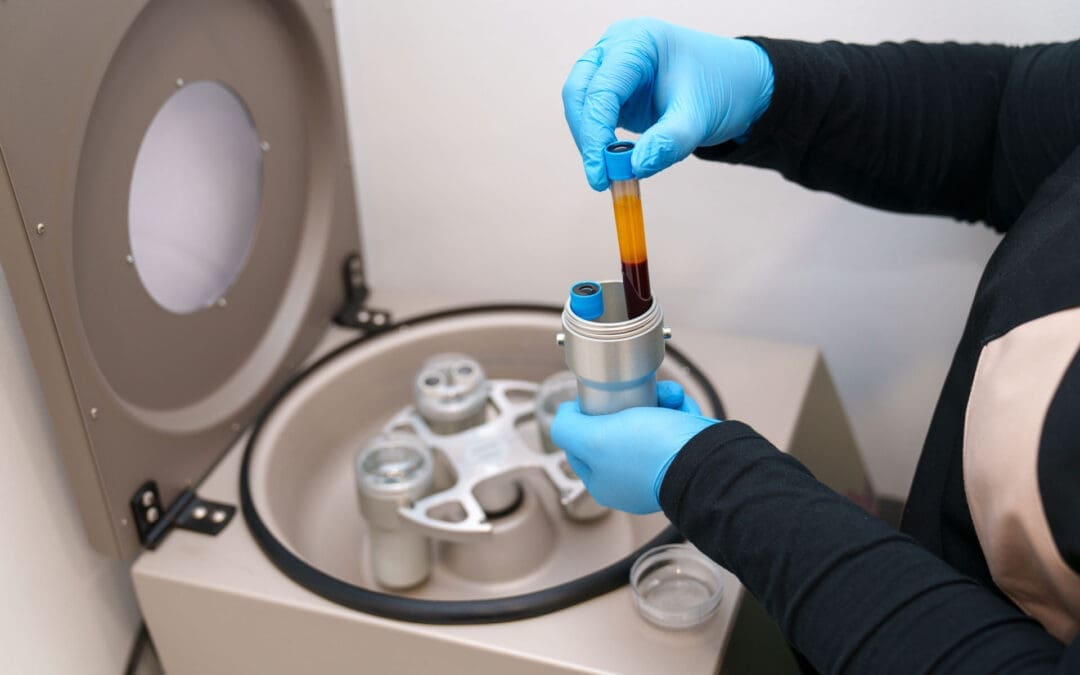
In our clinical practice, we’ve observed that the effectiveness of PRP is directly tied to the concentration and quality of these platelets. Newer research highlights the importance of reticulated platelets—younger, denser platelets recently released from the bone marrow. These platelets are richer in alpha granules and, therefore, contain a higher payload of growth factors. Our advanced processing techniques are designed to capture these highly potent platelets, ensuring that the PRP we administer has the maximum regenerative potential. This concentration is key; by increasing platelet count, we dramatically increase the number of biological signals delivered to the injured area.
The Key Players: Growth Factors and Their Roles
When the alpha granules release their contents, a variety of growth factors become active. While it’s a complex interaction among hundreds of proteins, let’s focus on a few of the star players and their specific roles in healing.
Platelet-Derived Growth Factor (PDGF)
As its name suggests, PDGF was one of the first growth factors discovered in platelets. Think of PDGF as the “beacon.” Its primary role is to attract other healing cells to the injury site. It sends out a powerful chemical signal that recruits mesenchymal stem cells (MSCs)—the body’s master repair cells—as well as other cells necessary for tissue repair.
A Crucial Note on Stem Cells: PRP itself does not contain stem cells. However, it is a powerful signaling therapy. PDGF effectively awakens and recruits the local stem cells that are already present but dormant in your tissues, directing them to the site of injury, where they can begin their work of repair and regeneration.
The Power of PDGF-BB: Researchers have identified PDGF-BB as the most biologically active and important isoform. It is a potent stimulator of cell replication and is vital for initiating the entire repair process.
Transforming Growth Factor-Beta (TGF-β)
TGF-β is the master architect of tissue reconstruction. Once cells have been recruited to the area, TGF-β provides them with their building instructions.
Collagen Synthesis: It strongly promotes the synthesis of type I collagen, which is the primary structural protein in tendons, ligaments, and cartilage. This is crucial for restoring the strength and integrity of injured tissues.
Angiogenesis: In coordination with other growth factors, TGF-β stimulates angiogenesis, the formation of new blood vessels. This is a critical step because new blood vessels bring a fresh supply of oxygen and nutrients to the healing area, fueling the repair process and removing waste products.
Vascular Endothelial Growth Factor (VEGF)
VEGF works hand in hand with TGF-β to build this new blood supply. It specifically enhances endothelial cell proliferation (the cells that line blood vessels), promotes the sprouting of new capillaries, and is essential for neovascularization. Research has shown that platelet concentration is a significant factor in this effect. Studies suggest that a PRP concentration of approximately 1.5 billion platelets per milliliter is optimal for robust angiogenesis, a key target in our preparation protocols.
Fibroblast Growth Factor (FGF)
FGF is a powerful “mitogen,” meaning it stimulates cell division and proliferation. It acts on a wide variety of cells, including MSCs recruited by PDGF, as well as fibroblasts (which produce collagen) and osteoblasts (which build bone). FGF helps to ensure that a sufficient number of builder cells are available to carry out the repairs directed by the other growth factors.
Beyond Building: The Anti-Inflammatory Power of PRP
Chronic pain is often driven by chronic inflammation. An injury that never fully heals can get stuck in a persistent inflammatory state, causing ongoing pain and tissue degradation. One of the most profound benefits of PRP therapy is its ability to break this cycle.
While the initial response to an injury involves inflammation (a necessary step to clear damage), PRP helps guide the process toward resolution and healing. It does this in several ways:
Modulating Macrophages: PRP influences the behavior of immune cells called macrophages. These cells can exist in an inflammatory state (M1) or an anti-inflammatory, pro-healing state (M2). PRP promotes a shift from the M1 to the M2 phenotype, effectively flipping the switch from “inflammation” to “repair.”
Leukocyte Interaction: Platelets in PRP can interact with white blood cells (leukocytes) at the injury site, prompting them to release anti-inflammatory cytokines. This helps to quiet the inflammatory storm.
Preventing Cell Death: The chemokines released by platelets also act as survival factors for monocytes (which become macrophages), preventing their premature death and allowing them to complete their transition to the healing M2 state.
From my clinical observations, this powerful anti-inflammatory effect is often the first thing patients notice. Many report a significant reduction in pain and swelling within weeks of treatment as the chronic inflammatory environment begins to normalize, paving the way for long-term tissue repair.
The Synergy of Integrative Care: PRP, Chiropractic, and Physical Therapy
At the El Paso Back Clinic, we firmly believe that no single therapy is a magic bullet. True healing comes from a comprehensive, integrative approach. This is where PRP, chiropractic care, and physical therapy come together to create a powerful synergy.
Imagine a patient with chronic low back pain due to a degenerated disc and facet joint arthritis. The underlying problem is both biochemical (inflammation, tissue decay) and biomechanical (spinal misalignment, muscle imbalance, faulty movement patterns).
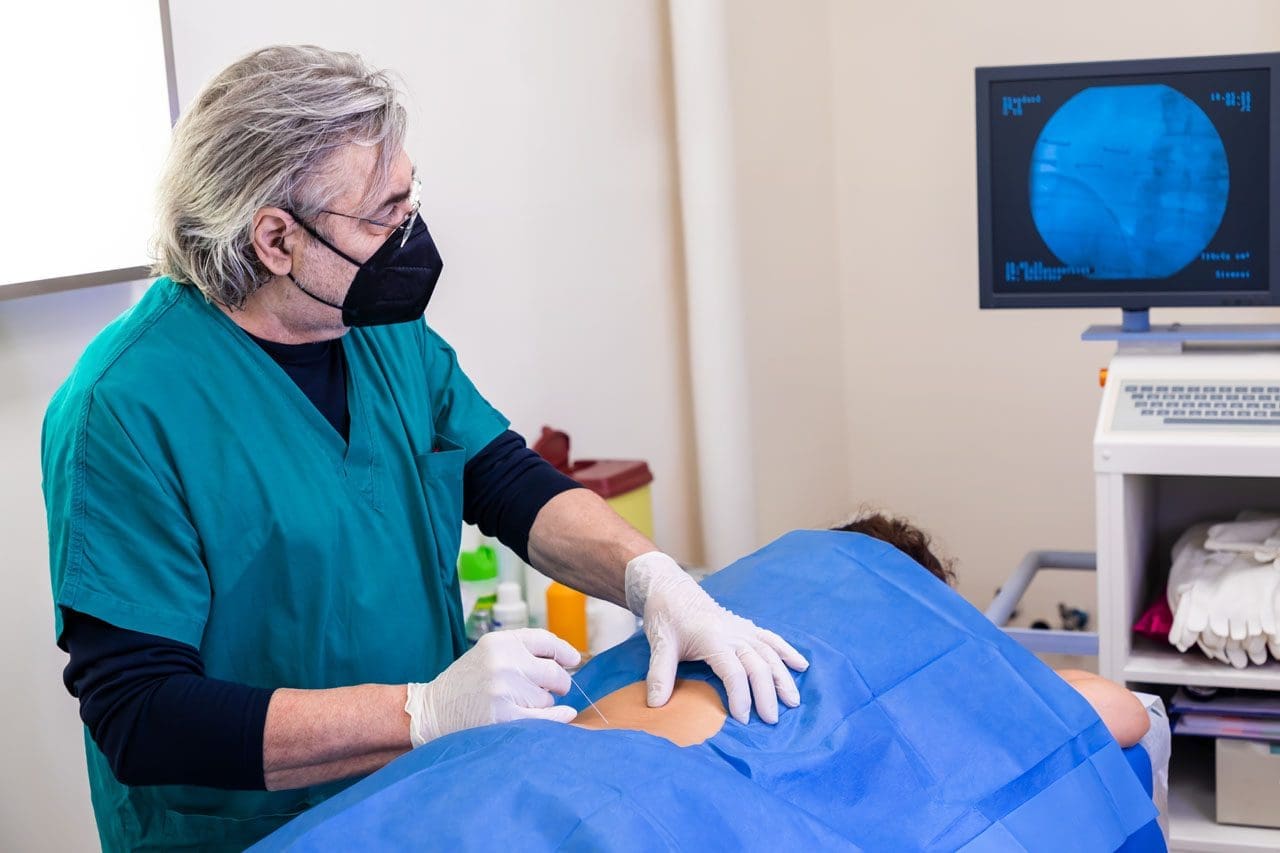
PRP Injections to Reboot Healing: We first use ultrasound guidance to precisely inject PRP into the degenerated disc space and the arthritic facet joints. This delivers a high concentration of growth factors directly to the source of pain, reducing inflammation and initiating biological repair of damaged cartilage and connective tissue. The PRP effectively “reboots” the local healing environment.
Chiropractic Care to Restore Function: While PRP works at the cellular level, a dysfunctional joint will remain dysfunctional unless its mechanics are addressed. This is the crucial role of chiropractic adjustments. Through specific, gentle manipulations, we restore proper motion to the spinal segments. This not only alleviates pain by decompressing nerves but also improves the flow of nutrients to healing tissues and ensures that the new collagen formed by PRP is laid down in an organized, functional way. Correcting the biomechanics prevents the joint from being repeatedly re-injured, allowing the PRP-stimulated healing to take hold.
Physical Therapy to Rebuild and Stabilize: Once the pain is reduced and joint mechanics are improved, physical therapy and rehabilitation become essential. Our customized exercise programs focus on strengthening the deep core and spinal stabilizing muscles. This creates a “muscular corset” that supports the spine, offloads the healing joints, and corrects the poor movement patterns that contributed to the injury in the first place. This phase ensures that PRP and chiropractic care achieve results that are not just temporary but are sustained for the long term.
This three-pronged approach addresses the injury from every angle: PRP promotes biochemical repair, chiropractic care corrects structural and biomechanical dysfunction, and physical therapy provides functional stabilization for lasting recovery. Each therapy enhances the effects of the others, leading to faster, more complete, and more durable healing than any single approach could achieve on its own.
Summary: A New Era in Healing
PRP therapy represents a paradigm shift in how we treat musculoskeletal injuries. Instead of just masking symptoms with medications or resorting to invasive surgery, we can now harness the body’s sophisticated biological toolkit to promote true healing and regeneration.
The main takeaway is that PRP provides a powerful, short-term biological “dose” of instructions. It doesn’t do all the work itself; rather, it acts as the director of the orchestra, calling in the body’s own repair cells and guiding them to reduce inflammation, rebuild damaged tissue, and restore function. When combined with an integrative framework of expert chiropractic care and targeted physical therapy, PRP becomes a transformative tool that can help our patients break free from chronic pain and get back to living their lives to the fullest.
References
The following resources provide a deeper look into the science of platelet-rich plasma and its applications.
ESWT for Car Accident Injuries in El Paso: How El Paso Back Clinic Uses Shockwave Therapy With Integrative Chiropractic + NP Care
Motor vehicle accidents (MVAs) can cause injuries that do not always show up clearly on basic imaging. You might be told, “Nothing is broken,” but still feel real pain, stiffness, tightness, and limited movement. That is because many car accident injuries involve soft tissue injuries such as muscle strains, tendon irritation, ligament sprains, fascia tightness, and painful scar tissue (adhesions). These injuries can lead to chronic pain when tissues remain inflamed, circulation remains poor, and the body continues to guard the area.
At El Paso Back Clinic, an integrative approach can help people recover more completely. The clinic’s content emphasizes non-invasive care, structural assessment, chiropractic and rehab, and broader healing support as part of a multi-disciplinary recovery plan. This matters because post-MVA pain is rarely caused by just one issue. It is often a combination of tissue injury, movement dysfunction, and ongoing sensitivity.
One tool that can make a big difference in stubborn cases is genuine Extracorporeal Shockwave Therapy (ESWT). True ESWT delivers therapeutic acoustic waves into injured tissues to help break down tight scar tissue, reduce pain signaling, improve circulation, and stimulate tissue repair. Mayo Clinic describes shockwave therapy as a noninvasive option used in musculoskeletal care with generally minimal adverse effects when appropriately applied.
This article explains, in plain language, how genuine ESWT can help with MVA injuries and why it works even better when combined with integrative chiropractic care and nurse practitioner (NP) oversight, a care model frequently discussed across El Paso Back Clinic content.
What “genuine ESWT” means (and why it matters)
Not all “shockwave” or “acoustic wave” treatments are the same. Real ESWT is designed to deliver a measurable therapeutic dose of acoustic energy into tissue. In simple terms, it is meant to do more than feel like a massage tool. The goal is to create a controlled mechanical stimulus that tells your body, “Restart repair here.”
A major review in the medical literature describes ESWT as working through mechanotransduction, meaning the mechanical stimulus triggers biological healing responses in the tissue. These responses can include improved signaling for healing, pain modulation, and tissue remodeling.
At El Paso Back Clinic, ESWT is presented as a non-surgical option that can be especially useful for deeper, stubborn pain patterns and chronic soft tissue problems.
Why car accident injuries can linger for months
After an accident, your body tries to protect you. It tightens muscles, limits motion, and increases inflammation around the injured area. That is normal at first. The problem happens when this protective pattern sticks around too long.
Common reasons MVA injuries become chronic include:
Scar tissue and adhesions that limit motion and pull on pain-sensitive tissue
Poor micro-circulation around the injury, slowing repair
Trigger points and muscle guarding that keep joints stiff
Altered biomechanics (compensation patterns) that overload nearby areas
Nervous system sensitivity, where pain signals stay “turned up”
El Paso Back Clinic’s approach highlights that many chronic pain cases improve when you combine structural assessment, conservative care, and a plan that supports true recovery rather than temporary relief.
How ESWT helps MVA injuries heal
Genuine ESWT can help through several overlapping effects. Think of it as improving the tissue environment so your body can complete the healing process.
It helps break down thick, painful scar tissue
Many chiropractic and rehab clinics describe shockwave therapy as useful for breaking down scar tissue and adhesions that form after injuries, especially when those tissues stay tight and painful.
It increases circulation to injured tissue
Better blood flow helps deliver oxygen and nutrients needed for repair. This is one reason ESWT is often used for chronic injuries that feel “stuck.” UCHealth describes shockwave therapy as promoting a reparative healing process that includes changes in circulation and tissue response.
It stimulates tissue remodeling and collagen repair
Tendons, ligaments, and fascia rely heavily on collagen structure. ESWT is commonly discussed as supporting tissue regeneration and collagen-related remodeling in musculoskeletal injuries.
It can reduce pain signaling
Pain relief from ESWT is not just “numbing.” Research reviews describe pain reduction effects that may involve changes in nerve sensitivity and local biochemical signaling.
It can support recovery in stubborn muscle injuries
Some reviews describe ESWT as associated with improvements in pain and function in certain muscle injury contexts (including sports-related muscle injuries), which can be relevant when car accidents result in deep strains and protective tightness.
MVA conditions that may respond well to ESWT
ESWT is commonly used for soft tissue and chronic pain patterns. In post-accident care, it may be considered for:
Whiplash-related muscle strain patterns (neck/upper back tightness)
Shoulder strain and rotator cuff irritation
Thoracic and rib region soft tissue pain and stiffness
Low back sprains/strains and persistent tight bands
Hip and glute strain patterns (piriformis-type tightness, trigger points)
Hamstring and calf strains from bracing during impact
Tendon irritation that does not respond well to rest alone
Chronic “knots” and trigger points that restrict motion
El Paso Back Clinic’s ESWT-focused content specifically points toward accident-related soft tissue injury and stubborn pain that has not improved as situations where this approach may fit well.
How many sessions does ESWT usually take?
Many patients report improvement early, but full remodeling can take time. A common pattern described in clinic-based educational resources is:
Noticeable changes often occur within 2–3 sessions
Full treatment plans commonly range from 4 to 12 sessions, depending on severity and how long the injury has been present
What often improves first:
Reduced sharpness or intensity at the worst pain points
Better range of motion (turning the neck, lifting the shoulder, bending)
Less stiffness the next morning
Improved tolerance to rehab exercises and daily activities
Why ESWT works best when paired with integrative chiropractic + NP care
ESWT helps tissue repair, but most MVA injuries also involve movement dysfunction. If a joint is not moving well, the tissue around it can stay irritated. That is why combining tissue work and structural care often produces better results.
Clear documentation of progress and functional improvement
El Paso Back Clinic’s content highlights the value of an integrated chiropractic + nurse practitioner approach.
Why the combination accelerates healing
When ESWT improves tissue quality and pain sensitivity, it often becomes easier to:
Move better
Accept and benefit from adjustments and mobility work
Build strength and stability through rehab
Return to work, training, and daily life with fewer flare-ups
Some integrative therapy articles describe combining chiropractic care with shockwave therapy (and sometimes laser therapy or rehab) to address both tissue injury and mechanical contributors.
What an ESWT session is like at a practical level
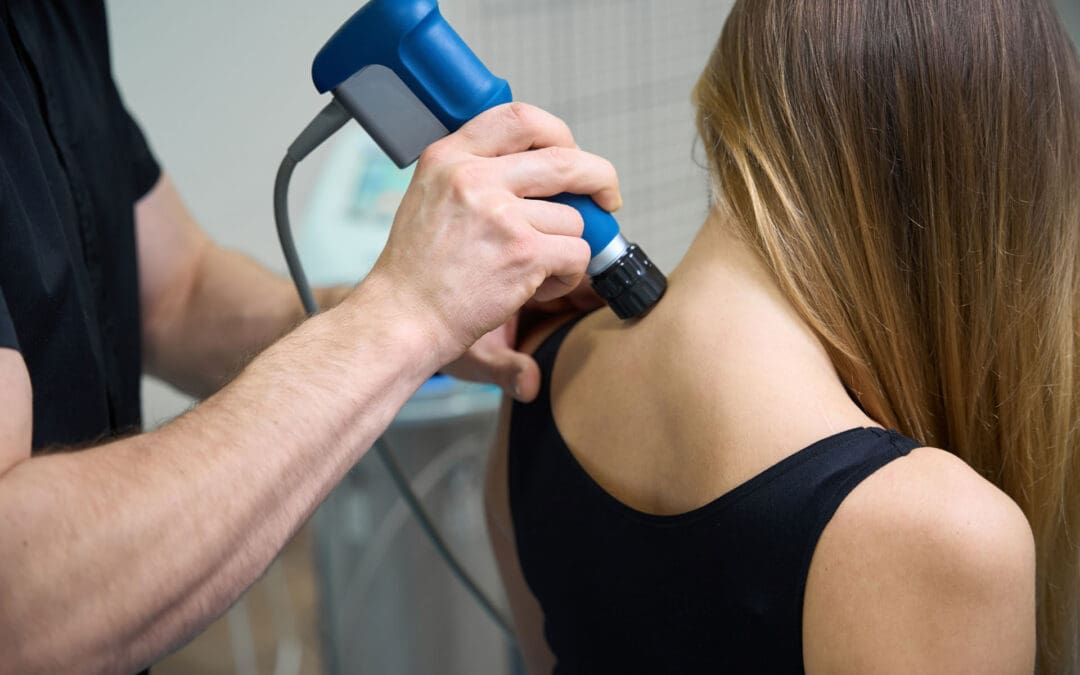
ESWT is typically done with a handheld applicator placed on the skin over the injured area. You may feel a tapping or pulsing sensation that can be intense in tight spots.
Many people experience:
Mild soreness afterward (similar to deep tissue work)
Temporary redness or sensitivity
A sense of looseness or improved motion over the next day or two
Mayo Clinic notes that shockwave therapy is generally associated with minimal adverse effects when used appropriately in musculoskeletal care.
Simple ways to get more out of ESWT after a car accident
ESWT is not magic by itself. It works best as part of a plan. Helpful steps often include:
Hydrate and walk after treatment (gentle circulation support)
Avoid overloading the area the same day (do not “test it” aggressively)
Track function, not just pain (turning your neck, lifting, walking, sitting tolerance)
Signs your plan is working:
You can do more with less flare-up
Your range of motion is improving
Pain is less frequent or less intense
Rehab feels more doable and less aggravating
Clinical perspective aligned with Dr. Alexander Jimenez’s educational approach
Across El Paso Back Clinic’s content, Dr. Alexander Jimenez presents a multidisciplinary, evidence-informed style that connects tissue healing, biomechanics, rehab, and whole-person factors. In this framework, ESWT fits as a regenerative tool that supports deeper tissue recovery, while chiropractic and rehab restore movement quality.
The practical takeaway is simple:
ESWT supports tissue repair and pain reduction
Chiropractic care supports structure and motion
NP oversight supports safer decision-making and whole-body recovery planning
That combination is often what helps MVA patients move from “surviving day to day” to building a stable recovery.
Live Pain-Free: Chiropractic and Integrative Care for Injury Recovery at El Paso Back Clinic
In the vibrant heart of El Paso, Texas, where desert trails beckon and hardworking days define our community, injuries can derail your active lifestyle. From car accidents to workplace strains or sports mishaps, overexertion and trauma often lead to pain, stiffness, or chronic issues that linger without proper care. These setbacks can limit your ability to work, play, or enjoy El Paso’s unique spirit. At El Paso Back Clinic, led by Dr. Alexander Jimenez, DC, APRN, FNP-BC, chiropractic and integrative care offer a path to recovery. Through spinal adjustments, soft tissue therapy, and neuromuscular re-education, the clinic accelerates healing, restores flexibility, enhances balance, and boosts heart and lung function. With holistic nutrition and stress management plans, Dr. Jimenez’s team crafts personalized strategies to prevent future injuries, empowering El Pasoans to live pain-free and thrive.
This article explores how injuries arise, the benefits of integrative care, and how El Paso Back Clinic delivers top-tier recovery solutions.
The Impact of Overuse and Accidents: Why Pain Persists
El Paso’s dynamic lifestyle—hiking the Franklin Mountains, working long shifts, or driving busy roads—can strain the body. Overexertion from repetitive tasks like lifting or intense workouts causes sprains, strains, or joint issues. Motor vehicle accidents (MVAs) bring sudden trauma, with 60% of cases leading to lingering pain if untreated (Jimenez, n.d.). Even minor falls at home can spark chronic discomfort.
Dr. Alexander Jimenez, a chiropractor and nurse practitioner with over 30 years of experience, sees these patterns daily. “Our dual-scope diagnostics, combining chiropractic and nursing insights, uncover how trauma or overuse triggers pain cycles,” he shares on his clinic’s site (Jimenez, n.d.). Using advanced neuromusculoskeletal imaging, his team pinpoints root causes, from workplace injuries to MVA trauma. Ignoring early signs, such as stiffness or fatigue, can lead to reduced mobility, increased stress, and sleep disturbances. El Paso Back Clinic’s integrative approach breaks this cycle, restoring health naturally.
Everyday Injuries: From Crashes to Chronic Strains
Injuries vary but share a common impact: they disrupt your life. MVAs cause neck and back pain, limiting movement. Work-related strains, like those from lifting or repetitive tasks, create nagging discomfort. Sports injuries, such as twisted ankles or knees, sideline active El Pasoans. Personal falls at home can lead to shoulder or hip pain, while untreated stress may cause chronic conditions like joint stiffness.
Dr. Jimenez’s clinic tackles these with precision. “We connect injury origins—crashes, work tasks, or sports—to customized treatments,” he explains. MVAs receive urgent care with legal documentation for claims. Work injuries get rehab to restore function, and sports or personal injuries benefit from targeted plans to prevent recurrence. Without care, these issues worsen, lowering the quality of life. El Paso Back Clinic’s chiropractic and integrative methods pave the way to recovery.
Realigning for Relief: The Power of Spinal Adjustments
Spinal adjustments are the foundation of chiropractic care at El Paso Back Clinic. These precise, hands-on techniques realign vertebrae, easing nerve pressure and restoring balance to the body. Injuries from accidents or overuse misalign the spine, causing pain and impaired movement. Adjustments can boost blood flow, reduce inflammation, and alleviate pain by up to 25% in as little as a few weeks (Trident Health Chiropractic, n.d.).
For MVA patients, adjustments relieve neck stiffness, restoring mobility. Work injury patients regain strength for daily tasks. Dr. Jimenez’s approach is unique: “We use imaging to guide adjustments, targeting issues from trauma or strains,” he says. Legal reports ensure MVA patients have clear records for claims. From athletes to office workers, adjustments help El Pasoans move freely and heal quickly.
Healing Muscles: Soft Tissue Therapy for Recovery
Injuries tighten muscles, creating knots that misalign joints and prolong pain. Soft tissue therapy, like massage or myofascial release, targets these areas, breaking up scar tissue and boosting circulation. This delivers nutrients to damaged tissues, speeding recovery. A single session can significantly reduce healing time, getting you back to work or play faster (Yoder Chiropractic Center, n.d.).
Picture a construction worker with shoulder pain from heavy lifting. Therapy loosens tightness, improving arm range. MVA patients find relief from neck strain. Dr. Jimenez’s team pairs therapy with imaging for precision. “We treat trauma from accidents or sports non-surgically,” he notes. Legal documentation tracks progress for claims, prioritizing natural healing. Patients feel relaxed, move more easily, and recover more quickly.
Injuries disrupt nerve-muscle communication, resulting in shaky balance or impaired movements. Neuromuscular re-education uses exercises like balance drills or resistance training to retrain these pathways, reducing fall risks and boosting confidence. A soccer player with a sprained ankle, for example, regains stability, thereby lowering the odds of re-injury (Integrative Chiropractic, n.d.).
Dr. Jimenez’s clinic excels here. “We link nerve issues to injury histories, guiding re-education for MVA, work, or sports recovery,” he says. A retail worker with back pain learns core-strengthening moves; an MVA patient rebuilds neck control. Legal reports detail progress for claims, ensuring comprehensive care. This sharpens coordination, making daily tasks and active pursuits feel natural again.
Faster Healing, Better Mobility: Recovery and Flexibility Gains
Chiropractic care at El Paso Back Clinic speeds healing by optimizing body systems. Adjustments and therapy reduce swelling, allowing tissues to mend faster—often in weeks, not months (Abundant Life Chiropractor, n.d.). Flexibility improves as tight muscles and joints stretch safely. A warehouse worker lifts without strain; an accident victim moves freely again.
Dr. Jimenez’s holistic plans amplify results. “Targeted exercises and adjustments build lasting mobility, preventing chronic issues,” he says. Nutrition tips, like anti-inflammatory foods, fuel healing. MVA and work cases get legal-grade documentation, aligning care with claims. El Pasoans recover quickly, staying active in our vibrant community.
Balance and coordination are key to preventing injuries and enhancing daily function. Re-education drills steady wobbly steps, helping MVA victims or athletes avoid falls. A delivery driver navigates uneven terrain easily post-care. Chiropractic also boosts stamina by freeing the spine for deeper breaths, improving oxygen flow and endurance (ASR Sports Medicine, n.d.).
Jimenez’s integrative approach shines: “Acupuncture and massage enhance flow, boosting stamina for work or sports.” Virtual coaching reinforces gains, and legal support ensures MVA patients have clear records. Patients work longer, play harder, and live stronger.
Whole-Person Healing: Nutrition, Stress, and Custom Plans
El Paso Back Clinic’s functional medicine approach goes beyond physical fixes. Nutrition advice—like omega-3s or antioxidant-rich fruits—fights inflammation and boosts energy. Stress management, such as mindfulness or breathing exercises, eases tension, aiding sleep and recovery. Personalized plans fit your injury, lifestyle, and goals.
Dr. Jimenez leads the way. “We uncover root causes—poor diet, stress—and craft plans with acupuncture or massage,” he says. MVA or work injuries get detailed reports for legal cases, prioritizing natural healing. Patients receive plans tailored to their El Paso lives, ensuring lasting wellness.
El Paso Back Clinic: Your Trusted Recovery Partner
At El Paso Back Clinic, Dr. Alexander Jimenez combines chiropractic and nursing expertise for exceptional care. Awarded from 2015 to 2024, his team treats MVAs, work strains, sports injuries, and personal falls with precision. “Our imaging and dual expertise catch hidden issues,” he says. A crash victim drives pain-free in weeks. A nurse lifts patients again. Legal documentation supports MVA and work cases, while virtual coaching and nutrition webinars empower long-term health.
Patients praise the results: “Dr. Jimenez restored my mobility and energy,” one shares. From veterans to families, his care transforms lives, helping El Pasoans thrive.
Preventing Future Pain: A Strategy for Lifelong Wellness
Prevention keeps you active. Regular chiropractic checkups spot misalignments early, cutting injury risks by 20% (Erie Chiro, n.d.). Holistic habits—such as balanced diets, stress relief, and smart exercise—build resilience. Dr. Jimenez’s team creates plans for workers, athletes, or retirees. “We flag risks like posture or stress early, ensuring lasting health,” he notes.
With care, education, and documentation, El Pasoans live pain-free, embracing our city’s vibrant spirit.
IFM's Find A Practitioner tool is the largest referral network in Functional Medicine, created to help patients locate Functional Medicine practitioners anywhere in the world. IFM Certified Practitioners are listed first in the search results, given their extensive education in Functional Medicine