Understanding Chiropractic Spinal Adjustments: Techniques, Benefits, and Integrated Care
Chiropractic spinal adjustments, also known as spinal manipulations or reductions, offer a natural way to address back pain, improve mobility, and support overall health. These procedures focus on aligning the spine to reduce discomfort and enhance body function without surgery or heavy reliance on medications. Many people seek chiropractic care for issues like chronic back pain, neck strain, or injury recovery. This article explores what happens during an adjustment, its effects on the body, common techniques, and how team-based care can boost results.
What Is a Chiropractic Spinal Adjustment?
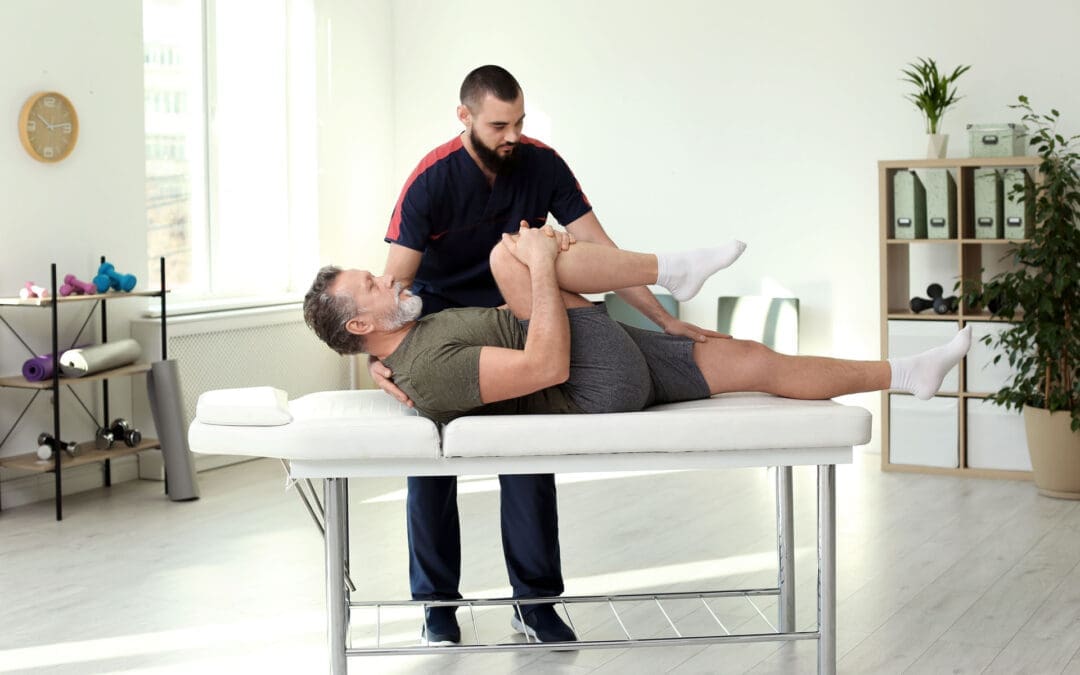
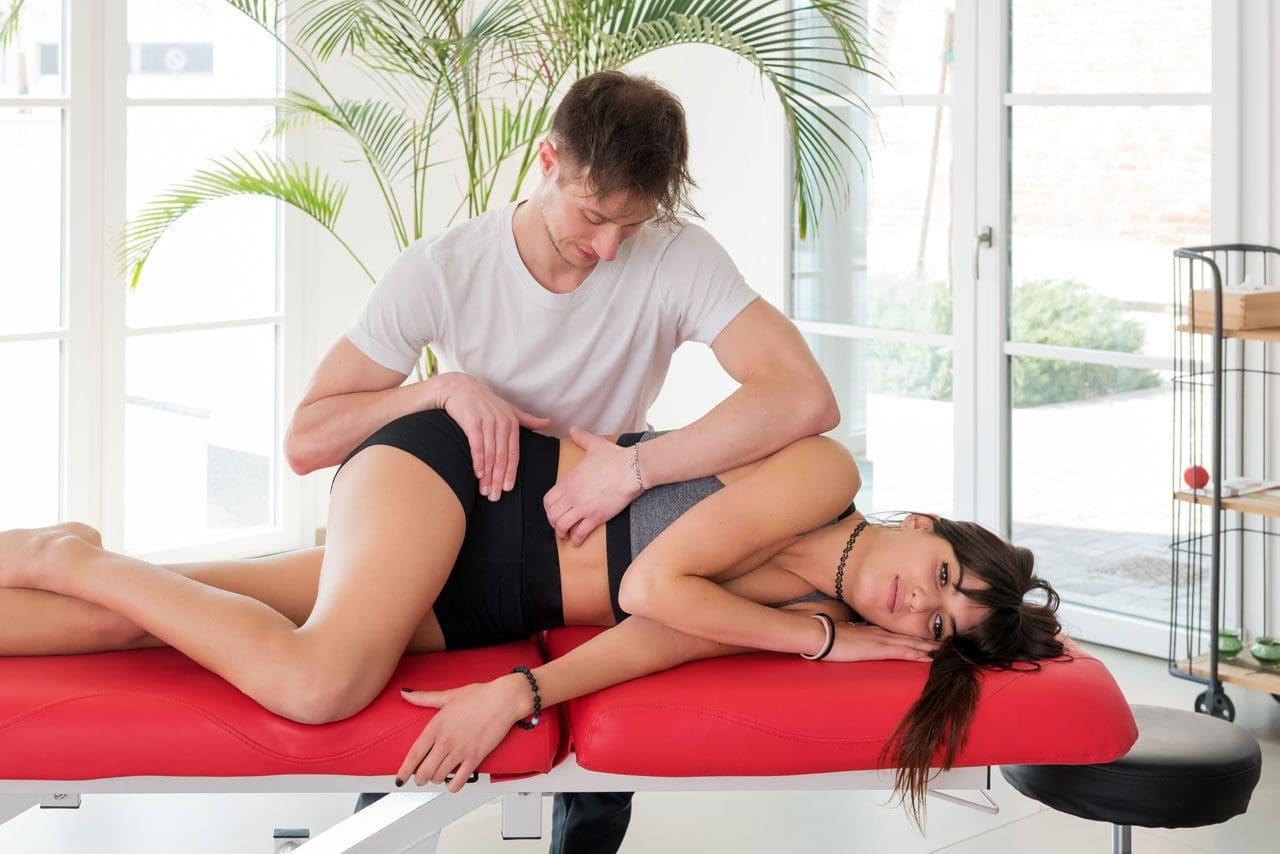
A chiropractic spinal adjustment involves a trained practitioner using their hands or a tool to apply a quick, controlled force to misaligned parts of the spine. This helps restore proper alignment and movement to the joints. The goal is to ease pain, improve joint function, and reduce pressure on the nerves and surrounding muscles (Cleveland Clinic, n.d.). It’s a non-surgical method that stretches the joint, often releasing gas bubbles like nitrogen, oxygen, and carbon dioxide, which create that familiar cracking sound—similar to when you crack your knuckles (Chiro One, n.d.).
Adjustments target areas of restriction, called subluxations, where vertebrae are out of place or not moving well. By correcting these, the procedure can improve nervous system function, leading to reduced irritation and better overall health (NCCIH, n.d.). Patients often feel an increase in range of motion right away, along with looser muscles.
Key Aspects of a Chiropractic Adjustment
Here are some main features of this treatment:
Procedure: The chiropractor first checks the spine for problem spots. Then, they use a sudden but precise push to fix the joint (Revive Chiropractic DSM, n.d.).
Sensations: You might hear a pop or crack, but it’s just gas escaping the joint fluid, not bones breaking (Cleveland Clinic, n.d.).
Physical Effects: The thrust stretches tight joints, relaxes tense muscles, and frees trapped gases, reducing built-up pressure (Physicians Group LLC, n.d.).
Benefits: It restores normal joint motion, supports nerve health, and reduces pain from nerve compression (Spine Health, n.d.).
What It Feels Like: Most find it painless, though some notice mild soreness afterward, like after a workout. Many report quick relief and easier movement (Complete Care, n.d.).
These elements make adjustments a popular choice for managing pain without invasive options.
Techniques Used in Chiropractic Adjustments
Chiropractors use different methods based on the patient’s needs. Common ones include:
Manual Adjustment: This is a high-velocity, low-amplitude (HVLA) thrust done by hand. It’s direct and aims to realign the spine quickly (Towson Chiro, n.d.).
Instrument-Assisted: Tools provide gentle taps to the spine, ideal for those who prefer less force (Visit Chiro First, n.d.).
Spinal Decompression: Using a specialized table, the spine is stretched to create space between the vertebrae, helping with issues such as herniated discs (Get Adjusted Columbia, n.d.).
These techniques can be tailored to conditions such as whiplash or back injuries sustained in accidents (Utah Therapeutic Massage, n.d.).
What Happens During a Chiropractic Spinal Adjustment
A typical session starts with an assessment. The chiropractor reviews your health history, performs a physical exam, and may use X-rays to identify subluxations (Dubuque Chiropractic, n.d.). Once identified, the adjustment begins.
The practitioner positions you on a table and applies a fast, targeted thrust to the specific joint. This might cause cavitation—the popping sound from gas release in the joint fluid (Starkwood Chiropractic, n.d.). Right after, muscles relax, nerve irritation drops, and joint motion improves (Personal Injury Doctor Group, 2024).
Sessions often include additional therapies such as soft-tissue work, trigger-point release, or stretches to support the adjustment (Boca Chiropractic SW, n.d.). The whole process is quick and focused on comfort.
Benefits of Chiropractic Spinal Adjustments
Regular adjustments offer several advantages:
Pain Relief: They reduce mechanical stress on the spine and ease nerve compression, helping with back, neck, and headache pain (Chiro One, n.d.).
Improved Function: By fixing alignment, they enhance posture and spinal health, preventing future issues (Boca Chiropractic SW, n.d.).
Nervous System Support: Adjustments promote improved nerve signaling, supporting overall bodily function (Physicians Group LLC, n.d.).
Faster Recovery: For injuries like car accidents, this approach speeds healing by addressing root causes (Dallas Accident and Injury Rehab, n.d.).
Studies show these benefits lead to higher patient satisfaction when combined with other care (My Chiro, n.d.).
Incorporating an Interdisciplinary Team for Better Results
Bringing in a team of experts—like advanced practice registered nurses (APRNs), family nurse practitioners (FNP-BC), certified functional medicine providers (CFMP and IFMCP), advanced translational nutrigenomics specialists (ATN), and certified chiropractic spinal trauma experts (CCST)—makes treatment more effective. This approach combines structural fixes with medical and nutritional support to provide holistic care (Health Coach Clinic, n.d.).
For complex cases, such as auto injuries or chronic pain, this team provides comprehensive plans. It focuses on root causes rather than just symptoms, leading to lasting improvements (LinkedIn, n.d.).
How Each Role Contributes
APRN/FNP-BC: These nurses offer medical checks, diagnose issues, and manage meds if needed. They educate patients and integrate chiropractic with traditional medicine to improve pain control (Nursing World, n.d.; Goodwin University, n.d.).
CFMP/IFMCP: They dig into metabolic and nutritional roots of problems, using functional medicine to heal the musculoskeletal system faster (LinkedIn, n.d.).
ATN: By studying genetics and nutrition, they create custom diets and supplements to cut inflammation and aid repair (Jimenez, n.d.).
CCST: Experts in spinal trauma handle tough injuries like whiplash or disc herniations with advanced techniques (Spine Stop, n.d.).
This teamwork enhances outcomes, especially in recovery from accidents or ongoing conditions (Dallas Accident and Injury Rehab, n.d.).
Clinical Observations from Dr. Alexander Jimenez, DC, APRN, FNP-BC
Dr. Alexander Jimenez, with his dual roles in chiropractic and nursing, observes that adjustments restore function in conditions such as sciatica and herniated discs by reducing nerve compression without surgery (Jimenez, n.d.). He notes that patients often experience rapid pain relief and improved mobility after sessions, especially when combined with functional nutrition.
In trauma cases, such as car accidents, Jimenez highlights how spinal decompression and shockwave therapy speed recovery by addressing inflammation and nerve damage (LinkedIn, n.d.). His integrated approach, blending chiropractic with nutrigenomics, helps address root causes such as gut issues that affect spinal health. Patients report reduced symptoms in fibromyalgia and neuropathies through personalized plans that include team input from therapists and nutritionists.
Jimenez emphasizes holistic care for all ages, using assessments to uncover environmental factors. His observations show that interdisciplinary teams lead to sustained health, with testimonials praising relief from chronic pain and improved vitality (Jimenez, n.d.).
Conclusion
Chiropractic spinal adjustments provide a safe, effective way to manage pain and improve spinal health. By understanding the process, techniques, and benefits, you can see why many choose this path. Adding an interdisciplinary team takes it further by offering comprehensive care for better long-term results. If you’re dealing with back issues or injuries, consider consulting a qualified chiropractor.
Understanding Core Overtraining Injuries: Wellness Strategies and Chiropractic Solutions at El Paso Back Clinic
A man is training in a gym to build strong and healthy muscles.
Pushing your core muscles too far without proper rest can create big issues for your overall health, especially your back. At El Paso Back Clinic® in El Paso, TX, we specialize in wellness chiropractic care that helps people recover from these problems and stay strong. Core overtraining affects the muscles around your midsection, which support your spine and daily movements. This article breaks down the injuries that can happen, why they occur, ways to stop them, and how our chiropractic methods provide relief. We focus on natural wellness to keep your back and body in balance.
The Role of Core Muscles in Back Health and Overtraining Basics
Your core is like the foundation of a house—it holds everything together. It includes muscles in your stomach, sides, lower back, and hips. These help with bending, twisting, and standing straight. When you overtrain, you repeat exercises like sit-ups or lifts too much, without breaks. This wears down tissues faster than they can heal. Wellness experts note that this leads to lasting soreness, reduced energy, and risks to your spine.
At our clinic, we treat many cases where core issues cause back pain. Overtraining disrupts the natural alignment, pulling on the back. Science shows repetitive stress changes how muscles and bones work together, leading to problems.
Everyday Muscle Strains from Pushing the Core Too Hard
Strains are pulls or small tears in muscles. They are common when the core gets overworked and can’t support the body well.
Strains Around the Groin
These happen in the inner thigh muscles tied to the core. Quick stops and starts in activities like hiking or playing kickball can trigger them. If the core is weak from too much training, it adds extra pull. You feel a sudden sharp pain, maybe see bruising, and have trouble moving your legs inward. In the back, this strain can tug on the lower spine, causing aches there too.
Strains in the Stomach Area
Abdominal strains come from forceful turns, like swinging a racket or carrying heavy bags. Overdoing core workouts builds up damage over time. Pain hits when you tense up or laugh, and the area feels sore to the touch. This connects to back health because weak abs force the back muscles to overcompensate, leading to stiffness.
Problems with Hip Flexors
These muscles help raise your legs and link directly to the core. Running uphill or doing too many leg raises without rest inflames them. Symptoms include a tight feeling in the front of the hip and pain when stepping up. Poor core balance makes the back arch unnatural, adding pressure.
Our wellness approach at El Paso Back Clinic uses gentle checks to find these strains early and guide healing without harsh methods.
Deeper Issues: Fractures and Bone Stress from Core Overuse
When overtraining goes on, it can harm bones, which support the core and back.
Fractures in the Ribs
Rib stress fractures are tiny breaks from constant tugging by core muscles. This shows up in paddling sports or even heavy coughing fits from overuse. The muscles contract hard, stressing the bone until it cracks. Pain sharpens with deep breaths or twists, and it can feel tender. Since ribs protect the upper back area, this injury often leads to posture problems and back discomfort.
Other Stress Fractures
These small cracks appear in weight-bearing bones like the pelvis or lower spine from ongoing impact. Walkers or dancers who ignore rest will experience issues when bone repair lags behind damage. Early signs are dull aches that worsen with activity. In young active people, it might involve cartilage issues, too. Back clinic patients often report these symptoms linked to core weakness, causing spinal instability.
Healing takes rest, but our chiropractic wellness plans speed it up safely.
Extra Effects Like Ongoing Pain, Loss of Power, and Stiffness
Overtraining doesn’t stop at big injuries—it brings smaller but nagging problems.
Lasting Pain and Rigid Muscles
You might wake up stiff or feel constant soreness in the core. This spreads to the back, making sitting or standing tough. It’s a sign the body is inflamed and needs recovery time.
Weaker Muscles Overall
Tired core muscles can’t hold strong, leading to drops in power. One side might become too tight while the other weakens, throwing off balance. This imbalance pulls on the back, increasing the risk of slips or strains during daily tasks.
Tight Spots in the Legs and Sides
Muscles like the back of the thighs (hamstrings) or the outer thigh band (IT band) tighten to make up for a worn-out core. This causes knee or hip issues that refer pain to the lower back. Wellness care addresses these chains of problems.
Signs also include getting sick more or feeling down, as the body fights overload.
How These Injuries Develop and What Increases the Risk
Injuries build from too much activity without balance. Body mechanics play a part—bad posture during exercises adds uneven stress. Muscles need time to fix small wear, but skipping rest lets damage grow.
In jobs with lifting or sports with jumps, core pulls transfer to bones. Poor shoes or low nutrients weaken things further. At our back clinic, we look at the whole picture, including how back alignment affects core strain.
Smart Ways to Avoid Core Overtraining Problems
Wellness starts with prevention. Ramp up workouts slowly, adding just a bit more each week. Switch activities to give muscles variety. Take full rest days and stretch gently.
Eat foods rich in vitamins for strong bones, and use supportive gear. Pay attention to body signals like unusual tiredness. Our clinic offers wellness checks to catch risks early.
Chiropractic Wellness Care for Healing Core Injuries
At El Paso Back Clinic, we use integrated chiropractic to resolve core issues and boost back health.
Adjustments to the Spine
These hands-on moves realign the back, easing nerve pressure and helping muscles relax. It improves how the core and back communicate, reducing pain fast.
Therapies for Soft Tissues
Massage-like techniques release tight spots, increase blood flow, and calm inflammation. This works well for strains and stiffness.
Our methods treat current pain while building wellness to avoid repeats. They enhance flexibility, strength, and nerve health for long-term back care.
Expertise from Dr. Alexander Jimenez at El Paso Back Clinic
Dr. Alexander Jimenez, DC, APRN, FNP-BC, leads our wellness efforts with deep knowledge in chiropractic science.
Linking Injuries to Patient Histories
He connects core overtraining to back pain through detailed stories, exams, and imaging. For instance, work lifts or sports twists can lead to patterns in muscle and nerve issues.
Diagnosis with Dual Expertise
Using his skills as a nurse practitioner and chiropractor, he does thorough assessments. Advanced scans reveal hidden bone or tissue problems in core areas.
Step-by-Step Treatments
Procedures include spine adjustments, tissue work, and guided exercises. For sports or personal injuries, he adds strength training. In car accidents, focus is on impact-related core and back strains.
Care for Medical and Legal Needs
The clinic manages full treatment plans, including reports for insurance or court in injury cases. This covers work, auto, or everyday accidents with clear documentation.
Dr. Jimenez promotes education on wellness to empower patients.
Bringing It All Together for Better Health
Core overtraining brings strains, fractures, pain, and imbalances that hit the back hard. Prevention through smart habits and chiropractic care keeps you moving well. At El Paso Back Clinic®, our wellness focus helps restore balance naturally.
Exercise and Integrative Care: Healing the Spine and Supporting Gut Health
Why the Spine and Gut Are Connected
At El Paso Back Clinic, Dr. Alexander Jimenez, DC, APRN, FNP-BC, often explains to patients that the spine and gut influence each other. The nervous system links spinal alignment with digestive processes, while digestive stress can increase inflammation and tension in the back. When either system is disrupted—by injury, poor posture, or stress—the other often suffers.
This is why recovery programs at the clinic combine chiropractic care, functional medicine, and targeted exercises designed to restore both spinal stability and digestive balance.
Walking for Recovery and Digestive Energy
Walking is one of the simplest yet most effective tools for recovery. It improves circulation, strengthens spinal muscles, and encourages proper posture (Harvard Health, n.d.). Regular walking also promotes peristalsis, the natural movement of the intestines that keeps digestion flowing smoothly (Mission Health, n.d.).
Dr. Jimenez frequently recommends short daily walks for patients healing from motor vehicle accidents or work injuries. These gentle movements improve both spine and gut function while lowering stress.
Stretches That Heal Both Systems
Cat-Cow Mobility
Alternating between arching and rounding the spine with cat-cow relieves stiffness, improves flexibility, and massages abdominal organs (Institute of Living, n.d.).
Child’s Pose Relief
Child’s pose gently decompresses the spine and calms the nervous system while placing pressure on the abdomen to support digestion (St. Vincent’s, n.d.).
Knee-to-Chest Reset
The knee-to-chest stretch eases lumbar strain and stimulates gut motility, especially useful for patients who sit for long periods (Mayo Clinic, n.d.).
These stretches are easy to perform at home, making them ideal additions to chiropractic treatment.
Twists for Circulation and Core Flexibility
Seated twists rotate the spine, lengthen core muscles, and stimulate blood flow to abdominal organs. This “digestive massage” effect improves nutrient absorption and reduces bloating (SC Gastro, n.d.; NMRNJ, n.d.).
For patients recovering from accidents, Dr. Jimenez integrates twists into therapy sessions to restore spinal flexibility while encouraging smoother digestion.
Core Strengthening for Lasting Support
Bird-Dog Stability
This exercise trains spinal stabilizers and improves balance, reducing the risk of further injury (Harvard Health, n.d.).
Plank Endurance
Planks build deep abdominal strength and support the spine without added strain (Hackensack Meridian, 2023).
Core stability not only improves posture but also reduces abdominal pressure, helping digestive organs function more effectively.
Breathwork: Calming Stress and Stimulating Digestion
Diaphragmatic breathing lowers stress by activating the parasympathetic nervous system, which also stimulates healthy bowel movement (Healthline, n.d.).
Patients at El Paso Back Clinic often learn breathing exercises alongside chiropractic therapy to promote relaxation, enhance digestion, and speed up recovery from injury.
Dr. Jimenez’s Dual-Scope Approach
As both a chiropractor and nurse practitioner, Dr. Jimenez provides comprehensive injury care:
Chiropractic methods such as flexion-distraction therapy and spinal adjustments.
Functional medicine tools to improve systemic health.
Massage therapy and acupuncture to support healing naturally.
Detailed legal documentation for personal injury cases involving motor vehicle accidents or workplace injuries.
Advanced imaging and dual-scope evaluation for accurate diagnosis and treatment.
This integrated model prevents long-term complications and supports total wellness for spine and gut health.
Taking the Next Step
Exercises like walking, stretching, twisting, planking, and breathwork can transform your recovery journey. When combined with chiropractic and integrative care, they help patients live pain-free and improve digestive balance.
If you’re in pain or recovering from an accident, the team at El Paso Back Clinic can help. Contact Dr. Jimenez and start your path to natural healing.
El Paso Back Clinic®: Conquering Iliac Crest Pain Syndrome
At El Paso Back Clinic® in El Paso, TX, we focus on treating iliac crest pain syndrome, which is a condition that causes long-lasting lower back pain often related to injuries of the iliolumbar ligament or problems with the sacroiliac (SI) joint ( Led by Dr. Alexander Jimenez, DC, APRN, FNP-BC, our team combines chiropractic care with integrative therapies like massage, acupuncture, and targeted exercises to provide holistic, patient-centered solutions for injuries from sports, work, personal incidents, or motor vehicle accidents (MVAs).
This syndrome arises from overuse, trauma, or weak core muscles, leading to strain on the ligaments connecting the lumbar spine to the pelvis (Medical News Today, 2023). Muscle spasms, especially in the quadratus lumborum, can make the pain worse by causing instability or pulling on the iliac crest. At El Paso Back Clinic®, we use advanced diagnostics and personalized treatment plans to relieve pain, restore function, and promote long-term wellness, helping patients reclaim their quality of life.
El Paso Back Clinic® employs a comprehensive approach to iliac crest pain syndrome, integrating chiropractic care with therapies like massage, acupuncture, and targeted exercises to address the condition holistically. Our methods target the structural, muscular, and inflammatory aspects of the condition, promoting natural healing and preventing chronic issues (NCCIH, 2023).
Chiropractic adjustments form the cornerstone of our treatment, realigning the spine and pelvis to reduce pressure on the iliac crest and SI joint. These precise techniques improve joint mobility and alleviate pain, often providing immediate relief (Miami Chiropractors, 2023a). Our skilled team, including acupuncturists and therapists, enhances this technique with massage therapy to relieve muscle spasms in the lower back, such as in the quadratus lumborum, improving circulation and relaxing tight tissues (Binns Family Chiropractic, 2023).
Acupuncture targets inflammation and stimulates natural pain-relief mechanisms, particularly effective for SI joint-related pain (Healthline, 2023). We also prescribe targeted exercises, such as core strengthening and hip stretches, to stabilize the pelvis and prevent further ligament strain (WebMD, 2023). Nutrition counseling, a key part of our functional medicine approach, supports recovery with anti-inflammatory diets, reducing swelling and enhancing overall health (Spinal Backrack, 2023). This integrative strategy ensures all facets of iliac crest pain syndrome are addressed for lasting relief.
Dr. Alexander Jimenez’s Expertise in Injury Recovery
Dr. Alexander Jimenez, a chiropractor and nurse practitioner with over 25 years of experience, leads El Paso Back Clinic® with a dual-scope approach to treating iliac crest pain syndrome. His expertise in managing injuries from MVAs, sports, work, or personal incidents makes him a trusted provider in El Paso (Jimenez, 2023a). By integrating chiropractic techniques with medical diagnostics, Dr. Jimenez creates tailored treatment plans that address each patient’s unique needs.
Using advanced imaging techniques like X-rays or MRIs, Dr. Jimenez finds the main reasons for pain, such as injuries to the iliolumbar ligament, problems with the SI joint, or herniated discs that cause muscle spasms. His thorough assessments guide treatments like spinal adjustments to realign the pelvis or exercises to strengthen supporting muscles. For instance, a patient with a sports injury might receive adjustments to correct SI joint misalignment, paired with rehabilitation to restore stability.
Dr. Jimenez also excels at handling the legal aspects of personal injury cases, providing detailed clinical reports that link injuries to symptoms, aiding in insurance claims or legal proceedings (Jimenez, 2023c). This comprehensive approach ensures patients receive both effective medical care and the support needed to navigate complex legal processes, making recovery seamless and efficient.
El Paso Back Clinic® offers a robust rehabilitation program for iliac crest pain syndrome, designed to promote natural healing and prevent long-term complications. Our approach integrates chiropractic care, physical therapy, and complementary therapies to address injuries from MVAs, sports, or workplace incidents, ensuring patients achieve optimal health (El Paso Back Clinic, 2023).
Rehabilitation begins with a detailed assessment using advanced imaging to identify issues like iliolumbar ligament injuries or SI joint dysfunction (Physio-Pedia, 2023b). Chiropractic adjustments correct misalignments, reducing strain on the iliac crest and improving mobility (Gonstead Chiropractic Center, 2023). Physical therapy includes exercises to strengthen core and back muscles, stabilize the pelvis, and prevent further injury (WebMD, 2023).
Massage therapy and acupuncture enhance recovery by relieving muscle tension and reducing inflammation, while nutrition counseling supports overall health with anti-inflammatory diets (Healthline, 2023; NCCIH, 2023). This holistic approach tackles the structural, muscular, and inflammatory aspects of iliac crest pain syndrome, reducing the risk of chronic issues like arthritis (Dr. Justin Dean, 2023). Our team collaborates with other healthcare providers to ensure treatments complement conventional care, creating a seamless recovery plan tailored to each patient.
Iliac crest pain syndrome causes chronic low back pain, often originating from the iliac crest, the curved top edge of the pelvis. This condition is commonly triggered by injury to the iliolumbar ligament, which links the lumbar spine to the pelvis, or dysfunction in the SI joint (Physio-Pedia, 2023b). Causes include overuse from activities like running or lifting, trauma from accidents, or weak core and back muscles that fail to support the pelvis (Medical News Today, 2023).
Muscle spasms, particularly in the quadratus lumborum, exacerbate the pain by creating instability or straining ligaments around the iliac crest (Physio-Pedia, 2023a). Symptoms include a dull ache or sharp pain along the iliac crest, tenderness when pressed, and discomfort that may spread to the hips or abdomen (Aesthetics and Medical Lasers, 2023). At El Paso Back Clinic®, our advanced diagnostics, including X-rays and MRIs, pinpoint the cause, allowing us to create targeted treatment plans that address these issues effectively.
Conclusion: Your Path to Wellness with El Paso Back Clinic®
Iliac crest pain syndrome can be debilitating, but El Paso Back Clinic® in El Paso, TX, offers a comprehensive solution through integrative care. Led by Dr. Alexander Jimenez, our team combines chiropractic adjustments, massage, acupuncture, and targeted exercises to address the root causes of pain, whether from sports injuries, work accidents, or MVAs (El Paso Back Clinic, 2023). Our holistic approach promotes natural healing, enhances mobility, and prevents long-term complications, helping you return to optimal health. Contact us at 915-850-0900 to begin your recovery journey today.
IFM's Find A Practitioner tool is the largest referral network in Functional Medicine, created to help patients locate Functional Medicine practitioners anywhere in the world. IFM Certified Practitioners are listed first in the search results, given their extensive education in Functional Medicine