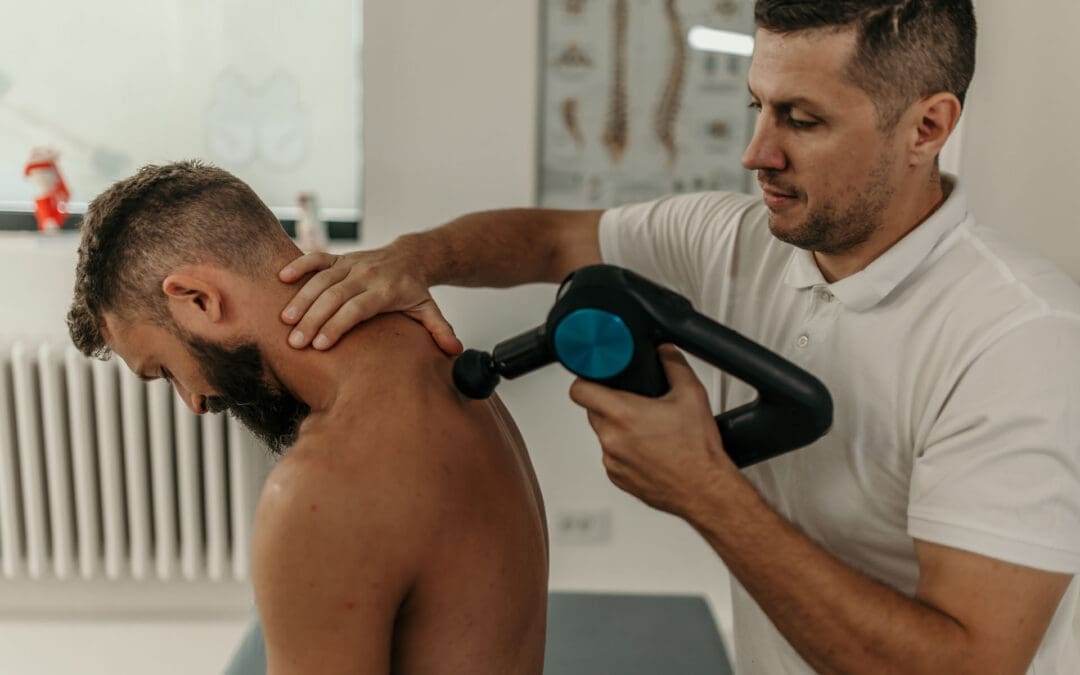
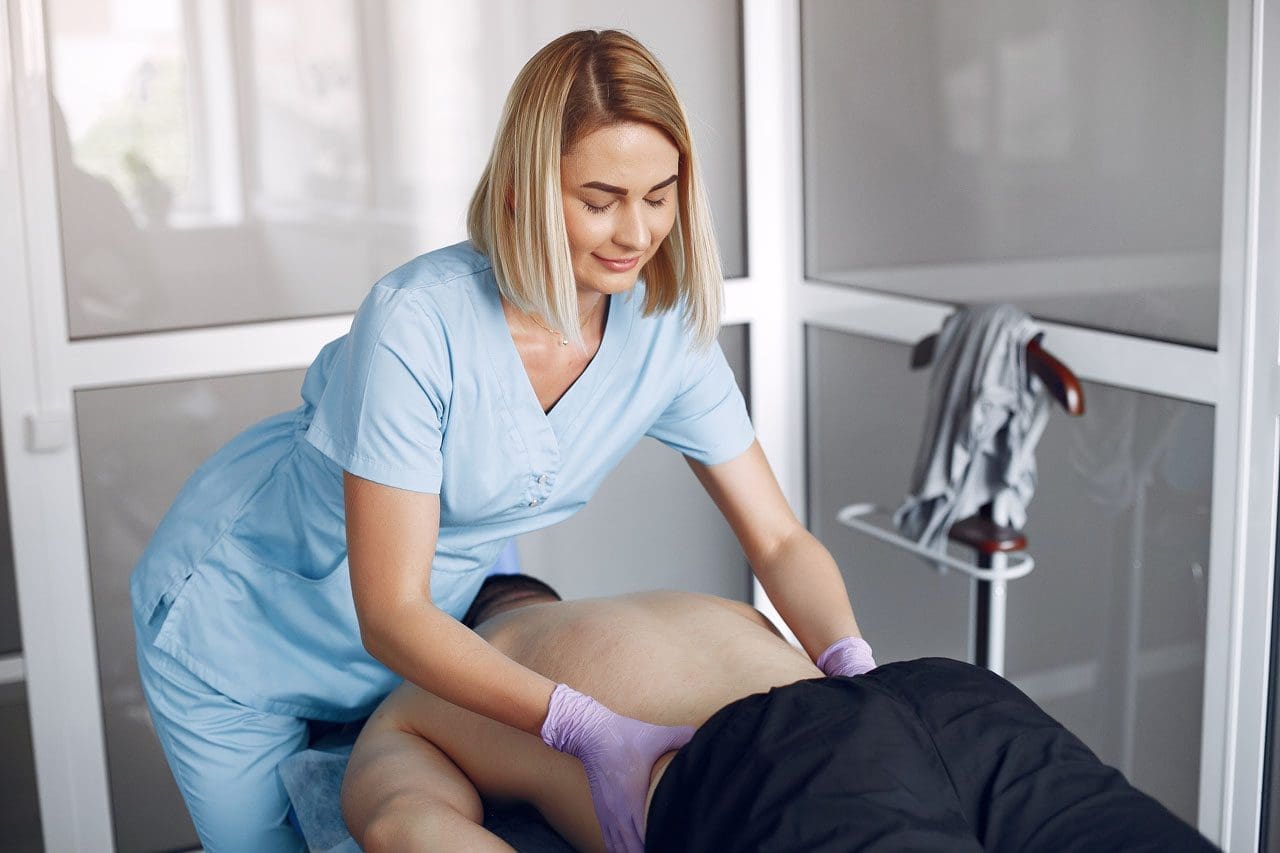
Massage Before or After Workout: Timing for Better Results and Pairing with Chiropractic at El Paso Back Clinic
Staying active with workouts keeps you feeling strong and energized. But sometimes, exercise leads to tight muscles or minor aches in the back or legs. A professional massage can help fix that. Before a workout, a gentle massage increases blood flow and makes moving easier. After a workout, it cuts down soreness and helps you unwind. Just don’t do deep tissue right before exercising—it might leave muscles feeling a bit weak for a short time.
At El Paso Back Clinic®, pairing massage with chiropractic care makes everything work even better. Chiropractors adjust your spine and joints to boost movement and flexibility and ease everyday discomforts. This combo leads to longer-lasting relief and smoother recovery. This article explains how to time your massages around workouts, the benefits of each, and how to get started at a place like El Paso Back Clinic® in El Paso, TX. You’ll also learn from Dr. Alex Jimenez, who uses smart, team-based care for active people.
How Massage Supports Your Active Lifestyle
Massage therapy uses simple rubs and presses to relax muscles and improve your feeling. It’s perfect for anyone who walks, runs, or lifts weights. Exercise makes muscles work hard, which can cause tightness. Massage boosts blood flow to bring fresh oxygen and remove waste, helping you recover faster (Northwich Foot Clinic, n.d.). Research shows it can reduce soreness by up to 30% after a tough session (Verywell Fit, 2023).
Choose the right type: Swedish for gentle calm, sports for targeted help, or deep tissue for stubborn spots—but save that for non-workout days. Studies prove it improves motion and eases stiffness (PureGym, n.d.). For folks in El Paso staying fit, getting the timing right keeps you going strong without extra aches.
Pre-Workout Massage: Warm Up Smart
Starting with a massage before exercise preps your body perfectly. It ramps up blood flow so muscles get more oxygen, letting you move better and stronger (One Peloton, n.d.). This lowers the chance of strains during runs or lifts.
Plus, it boosts flexibility. Light strokes loosen up areas like your lower back or thighs for smoother steps (Marathon Handbook, n.d.). It even calms your mind, cutting stress for better focus (Northwich Foot Clinic, n.d.). Keep it to 10-15 minutes of easy work. Evidence backs this: better range and less tightness (PureGym, n.d.).
If you’re aiming to feel ready and loose, try it before gym time. Local runners or weight trainers in El Paso often use it for legs and back.
Booking a Pre-Workout Massage at El Paso Back Clinic®
At El Paso Back Clinic®, licensed therapists make it simple. Call +1-915-850-0900 or book online at www.elpasobackclinic.com. Tell them it’s for workout prep—they’ll use light techniques on key spots like the back, legs, or arms.
Sessions last 30 minutes and cost $50-$80. You’ll relax on a table with oils for smooth strokes. Drink water afterward, then hit your workout. Share any tight areas so they can focus safely. Locations like 11860 Vista Del Sol Dr make it easy to stop by.
Post-Workout Massage: Bounce Back Quick
After your session, a massage is key for recovery. It clears out muscle waste, easing that delayed soreness (Verywell Fit, 2023). Studies show less pain and quicker strength return (Marathon Handbook, n.d.).
It also relaxes your nerves for deeper sleep and less tension (One Peloton, n.d.). Go for Swedish with soothing strokes (Verywell Fit, 2023). Schedule 24-48 hours after intense workouts (Prime Massage Chairs, n.d.). It aids rehab by softening scar tissue (Thai Kosai, n.d.).
Ideal for post-run or lift recovery—get back to feeling great sooner.
Getting a Post-Workout Massage at El Paso Back Clinic
El Paso Back Clinic® pros handle recovery sessions. Book via phone or site, sharing your workout and sore spots. 45-60 minute treatments cost $60-$100 at spots like 6440 Gateway East.
Breathe easily on the table as they target tightness. Hydrate and rest after—no heavy moves right away. Their team ensures you leave refreshed.
Don’t Do Deep Tissue Before Workouts
Deep tissue massages are great for deep knots but can temporarily decrease muscle power (Delta VAC, 2025). They also slow speed and strength (Marathon Handbook, n.d.). It is advisable to reserve deep tissue massages for rest days and allow 24 hours before engaging in weightlifting (Delta VAC, 2025).
Stick to light pre-workout rubs. If drained, switch timing.
Pick Based on What You Want
Prep and flexibility? Pre-massage. Soreness relief? Post. Many do both weekly (Quora, n.d.). Runners prep legs pre-race; lifters recover post-set (Thai Kosai, n.d.). Test for your routine.
Chiropractic Care: Fix Alignment for Easy Movement
At El Paso Back Clinic®, chiropractic adjusts the spine and joints for better flow. It improves mobility and flexibility and reduces aches (Neu Life Chiropractic, n.d.). About 20% of active adults use it for back or leg issues (Islip Chiropractic, n.d.).
Boosts blood for healing (Hanson Chiropractic, n.d.). Solves root problems for smoother workouts.
Massage + Chiropractic: Team Up for Real Relief
Massage softens muscles; chiropractic aligns bones. Together, better flow, less pain, more motion (Maverick Chiropractic, n.d.). Massage first prepares the body for adjustments, which are then locked in afterward (The Joint, 2025).
Speeds healing, stops issues, and ups performance (ChiroSports USA, n.d.). Research shows faster relief and a wider range (Yoder Chiropractic Center, n.d.). Perfect for an active El Paso life.
Dr. Alex Jimenez’s Team Approach at El Paso Back Clinic®
Dr. Alex Jimenez, DC, APRN, FNP-BC, leads El Paso Back Clinic®, which has been blending chiropractic and nurse care for 30+ years (Jimenez, n.d.a). His team treats workout tweaks, daily strains, sports hits, work injuries, and auto accidents.
He links muscle, bone, and nerve issues. Dual checks—adjustments plus full health scans—find causes like stress or diet (Jimenez, n.d.b). Non-surgical fixes include decompression, acupuncture, and rehab exercises.
For back tweaks from lifts, massage loosens, and adjustments align. Team therapies cut inflammation in auto whiplash. Advanced imaging spots nerve pinches exactly.
They handle medical care and legal documents for claims. Patients gain strength and less pain via custom plans. Their focus is natural healing for all ages.
Dr. Jimenez’s Clinical Insights on Active Recovery
Dr. Jimenez sees injury ties: workouts strain the spine, causing leg aches if unchecked. Dual diagnosis uses exams, labs, and MRIs for full views—like disc issues from poor form.
Treatments: pre-massage for adjustments, post for hold. Sports cases add agility drills; work strains build core. Documentation smooths insurance.
This method shortens downtime and boosts daily ease in El Paso.
Your Routine at El Paso Back Clinic®
Start weekly massages. Add monthly chiropractic if your muscles are tight. Track energy and soreness. Clinic coaches tailor plans for nutrition and stretches.
Virtual options are available. Call 915-850-0900 to begin.
Conclusion
The timing for massages is as follows: use pre-workout massages for warm-up and post-workout massages for healing. Skip deep pre-workout massages. Chiropractic at El Paso Back Clinic® adds alignment for pain-free moves. Dr. Jimenez’s integrated care keeps you thriving. Add this to stay active and strong.
Live Pain-Free: Chiropractic and Integrative Care for Injury Recovery at El Paso Back Clinic
In the vibrant heart of El Paso, Texas, where desert trails beckon and hardworking days define our community, injuries can derail your active lifestyle. From car accidents to workplace strains or sports mishaps, overexertion and trauma often lead to pain, stiffness, or chronic issues that linger without proper care. These setbacks can limit your ability to work, play, or enjoy El Paso’s unique spirit. At El Paso Back Clinic, led by Dr. Alexander Jimenez, DC, APRN, FNP-BC, chiropractic and integrative care offer a path to recovery. Through spinal adjustments, soft tissue therapy, and neuromuscular re-education, the clinic accelerates healing, restores flexibility, enhances balance, and boosts heart and lung function. With holistic nutrition and stress management plans, Dr. Jimenez’s team crafts personalized strategies to prevent future injuries, empowering El Pasoans to live pain-free and thrive.
This article explores how injuries arise, the benefits of integrative care, and how El Paso Back Clinic delivers top-tier recovery solutions.
The Impact of Overuse and Accidents: Why Pain Persists
El Paso’s dynamic lifestyle—hiking the Franklin Mountains, working long shifts, or driving busy roads—can strain the body. Overexertion from repetitive tasks like lifting or intense workouts causes sprains, strains, or joint issues. Motor vehicle accidents (MVAs) bring sudden trauma, with 60% of cases leading to lingering pain if untreated (Jimenez, n.d.). Even minor falls at home can spark chronic discomfort.
Dr. Alexander Jimenez, a chiropractor and nurse practitioner with over 30 years of experience, sees these patterns daily. “Our dual-scope diagnostics, combining chiropractic and nursing insights, uncover how trauma or overuse triggers pain cycles,” he shares on his clinic’s site (Jimenez, n.d.). Using advanced neuromusculoskeletal imaging, his team pinpoints root causes, from workplace injuries to MVA trauma. Ignoring early signs, such as stiffness or fatigue, can lead to reduced mobility, increased stress, and sleep disturbances. El Paso Back Clinic’s integrative approach breaks this cycle, restoring health naturally.
Everyday Injuries: From Crashes to Chronic Strains
Injuries vary but share a common impact: they disrupt your life. MVAs cause neck and back pain, limiting movement. Work-related strains, like those from lifting or repetitive tasks, create nagging discomfort. Sports injuries, such as twisted ankles or knees, sideline active El Pasoans. Personal falls at home can lead to shoulder or hip pain, while untreated stress may cause chronic conditions like joint stiffness.
Dr. Jimenez’s clinic tackles these with precision. “We connect injury origins—crashes, work tasks, or sports—to customized treatments,” he explains. MVAs receive urgent care with legal documentation for claims. Work injuries get rehab to restore function, and sports or personal injuries benefit from targeted plans to prevent recurrence. Without care, these issues worsen, lowering the quality of life. El Paso Back Clinic’s chiropractic and integrative methods pave the way to recovery.
Realigning for Relief: The Power of Spinal Adjustments
Spinal adjustments are the foundation of chiropractic care at El Paso Back Clinic. These precise, hands-on techniques realign vertebrae, easing nerve pressure and restoring balance to the body. Injuries from accidents or overuse misalign the spine, causing pain and impaired movement. Adjustments can boost blood flow, reduce inflammation, and alleviate pain by up to 25% in as little as a few weeks (Trident Health Chiropractic, n.d.).
For MVA patients, adjustments relieve neck stiffness, restoring mobility. Work injury patients regain strength for daily tasks. Dr. Jimenez’s approach is unique: “We use imaging to guide adjustments, targeting issues from trauma or strains,” he says. Legal reports ensure MVA patients have clear records for claims. From athletes to office workers, adjustments help El Pasoans move freely and heal quickly.
Healing Muscles: Soft Tissue Therapy for Recovery
Injuries tighten muscles, creating knots that misalign joints and prolong pain. Soft tissue therapy, like massage or myofascial release, targets these areas, breaking up scar tissue and boosting circulation. This delivers nutrients to damaged tissues, speeding recovery. A single session can significantly reduce healing time, getting you back to work or play faster (Yoder Chiropractic Center, n.d.).
Picture a construction worker with shoulder pain from heavy lifting. Therapy loosens tightness, improving arm range. MVA patients find relief from neck strain. Dr. Jimenez’s team pairs therapy with imaging for precision. “We treat trauma from accidents or sports non-surgically,” he notes. Legal documentation tracks progress for claims, prioritizing natural healing. Patients feel relaxed, move more easily, and recover more quickly.
Injuries disrupt nerve-muscle communication, resulting in shaky balance or impaired movements. Neuromuscular re-education uses exercises like balance drills or resistance training to retrain these pathways, reducing fall risks and boosting confidence. A soccer player with a sprained ankle, for example, regains stability, thereby lowering the odds of re-injury (Integrative Chiropractic, n.d.).
Dr. Jimenez’s clinic excels here. “We link nerve issues to injury histories, guiding re-education for MVA, work, or sports recovery,” he says. A retail worker with back pain learns core-strengthening moves; an MVA patient rebuilds neck control. Legal reports detail progress for claims, ensuring comprehensive care. This sharpens coordination, making daily tasks and active pursuits feel natural again.
Faster Healing, Better Mobility: Recovery and Flexibility Gains
Chiropractic care at El Paso Back Clinic speeds healing by optimizing body systems. Adjustments and therapy reduce swelling, allowing tissues to mend faster—often in weeks, not months (Abundant Life Chiropractor, n.d.). Flexibility improves as tight muscles and joints stretch safely. A warehouse worker lifts without strain; an accident victim moves freely again.
Dr. Jimenez’s holistic plans amplify results. “Targeted exercises and adjustments build lasting mobility, preventing chronic issues,” he says. Nutrition tips, like anti-inflammatory foods, fuel healing. MVA and work cases get legal-grade documentation, aligning care with claims. El Pasoans recover quickly, staying active in our vibrant community.
Balance and coordination are key to preventing injuries and enhancing daily function. Re-education drills steady wobbly steps, helping MVA victims or athletes avoid falls. A delivery driver navigates uneven terrain easily post-care. Chiropractic also boosts stamina by freeing the spine for deeper breaths, improving oxygen flow and endurance (ASR Sports Medicine, n.d.).
Jimenez’s integrative approach shines: “Acupuncture and massage enhance flow, boosting stamina for work or sports.” Virtual coaching reinforces gains, and legal support ensures MVA patients have clear records. Patients work longer, play harder, and live stronger.
Whole-Person Healing: Nutrition, Stress, and Custom Plans
El Paso Back Clinic’s functional medicine approach goes beyond physical fixes. Nutrition advice—like omega-3s or antioxidant-rich fruits—fights inflammation and boosts energy. Stress management, such as mindfulness or breathing exercises, eases tension, aiding sleep and recovery. Personalized plans fit your injury, lifestyle, and goals.
Dr. Jimenez leads the way. “We uncover root causes—poor diet, stress—and craft plans with acupuncture or massage,” he says. MVA or work injuries get detailed reports for legal cases, prioritizing natural healing. Patients receive plans tailored to their El Paso lives, ensuring lasting wellness.
El Paso Back Clinic: Your Trusted Recovery Partner
At El Paso Back Clinic, Dr. Alexander Jimenez combines chiropractic and nursing expertise for exceptional care. Awarded from 2015 to 2024, his team treats MVAs, work strains, sports injuries, and personal falls with precision. “Our imaging and dual expertise catch hidden issues,” he says. A crash victim drives pain-free in weeks. A nurse lifts patients again. Legal documentation supports MVA and work cases, while virtual coaching and nutrition webinars empower long-term health.
Patients praise the results: “Dr. Jimenez restored my mobility and energy,” one shares. From veterans to families, his care transforms lives, helping El Pasoans thrive.
Preventing Future Pain: A Strategy for Lifelong Wellness
Prevention keeps you active. Regular chiropractic checkups spot misalignments early, cutting injury risks by 20% (Erie Chiro, n.d.). Holistic habits—such as balanced diets, stress relief, and smart exercise—build resilience. Dr. Jimenez’s team creates plans for workers, athletes, or retirees. “We flag risks like posture or stress early, ensuring lasting health,” he notes.
With care, education, and documentation, El Pasoans live pain-free, embracing our city’s vibrant spirit.
Rainy Weather and Motor Vehicle Accidents: Understanding the Risks and Recovery
Rainy weather can make driving more hazardous, increasing the likelihood of minor car accidents that may result in injuries such as spinal misalignment or soft tissue damage. These accidents, while often not severe, can still cause significant health issues if not treated properly. This article examines how rain creates hazardous driving conditions, how these conditions contribute to minor accidents, and how such accidents can lead to injuries that impact spinal health. It also highlights the expertise of Dr. Alexander Jimenez, a chiropractor and nurse practitioner in El Paso, Texas, who specializes in treating auto accident injuries using a unique combination of chiropractic care, medical diagnostics, and integrative medicine to promote recovery and overall health.
How Rainy Weather Increases Accident Risks
Rainy weather creates a cascade of challenges for drivers, making roads more dangerous and increasing the likelihood of minor accidents. Wet roads reduce tire traction, making it harder for vehicles to stop or steer effectively. According to the Texas Department of Insurance, rain is a leading cause of weather-related accidents due to slippery surfaces and reduced visibility (Texas Department of Insurance, n.d.). When tires lose grip on wet roads, vehicles may slide or hydroplane, especially during sudden stops or turns, which can lead to low-speed collisions, such as fender-benders or rear-end accidents (Chicago Lawyer, 2023).
Reduced visibility is another major issue. Heavy rain can obscure a driver’s view, even with windshield wipers on high, making it difficult to see other vehicles, pedestrians, or road signs (Lawyer Schwartz, n.d.). This limited visibility often forces drivers to react more slowly, increasing the risk of minor accidents, such as bumping into another car while braking or changing lanes (Knowles Law Firm, n.d.). Additionally, rain can make roads uneven by creating puddles or washing out gravel, which affects vehicle control and alignment, further contributing to accidents (Springs Auto, n.d.).
These conditions create a chain reaction: wet roads and poor visibility lead to compromised driving conditions, which in turn increase the likelihood of minor accidents. Even low-speed collisions can cause jolts to the body, resulting in injuries that affect spinal alignment and soft tissues, such as muscles and ligaments (Joyce & Macdonald, n.d.). For example, a sudden stop on a slippery road can cause a rear-end collision, leading to whiplash, a common injury where the neck jerks forward and backward, straining muscles and misaligning the spine (Salinas Trial Law, n.d.).
The Link Between Minor Accidents and Spinal Injuries
Minor car accidents, such as those caused by rainy weather, may seem harmless, but they can still cause significant injuries. The sudden forces from even a low-speed collision can strain the body, particularly the spine and surrounding tissues. Whiplash is one of the most common injuries, occurring when the head and neck are jolted rapidly, stretching muscles, ligaments, and tendons beyond their normal range (South Sound Law Group, n.d.). This can lead to spinal misalignment, where the vertebrae shift out of their proper position, potentially pressing on nerves and causing pain or discomfort (Jimenez, 2025).
Soft tissue injuries, such as sprains or strains in the neck, back, or shoulders, are also common. These injuries occur when the muscles or ligaments are stretched or torn due to the impact (Because You Want to Win, n.d.). Over time, untreated soft tissue damage can contribute to spinal misalignment by creating uneven tension around the spine, which can lead to chronic pain or reduced mobility (HSI, n.d.). For instance, a minor rear-end collision on a wet road might cause a driver to tense up, resulting in muscle strain that pulls the spine out of alignment.
Spinal misalignments, or subluxations, can disrupt the nervous system, leading to symptoms like headaches, numbness, or tingling in the arms or legs (Jimenez, 2025). If left untreated, these injuries can worsen, causing long-term issues like chronic back pain or reduced range of motion. Early intervention is crucial in preventing minor injuries from developing into chronic conditions, and professionals like Dr. Alexander Jimenez specialize in identifying and treating these issues before they escalate.
Dr. Alexander Jimenez: A Leader in Auto Accident Recovery
Dr. Alexander Jimenez, a chiropractor and board-certified family nurse practitioner in El Paso, Texas, has over 25 years of experience treating injuries from motor vehicle accidents (MVAs). His unique dual licensure allows him to combine chiropractic expertise with medical diagnostics, offering a comprehensive approach to recovery (Jimenez, 2025). At his Injury Medical & Chiropractic Clinic, Dr. Jimenez uses advanced tools and integrative medicine to address both the symptoms and root causes of injuries, helping patients regain mobility and prevent long-term complications.
Clinical Correlation and Dual Diagnosis
Dr. Jimenez’s approach involves a dual diagnosis process, combining chiropractic assessments with medical evaluations. He utilizes advanced imaging techniques, including X-rays, MRIs, and CT scans, to detect spinal misalignments, disc herniations, and soft tissue damage (Jimenez, 2025). These tools help him correlate a patient’s symptoms, like neck pain or numbness, with objective findings, ensuring accurate treatment plans. For example, a patient with whiplash might show cervical misalignment on an MRI, which Dr. Jimenez can address with targeted spinal adjustments.
His nurse practitioner training enables him to assess systemic issues, such as inflammation or hormonal imbalances, that may impede recovery. By combining chiropractic and medical perspectives, Dr. Jimenez creates personalized treatment plans that address both biomechanical (spine and muscle) and physiological (body-wide) factors (Jimenez, 2025). This dual approach ensures that injuries are treated holistically, thereby reducing the risk of chronic pain.
Advanced Diagnostics and Imaging
Dr. Jimenez relies on advanced diagnostics to guide his treatments. X-rays and MRIs reveal structural issues, such as misaligned vertebrae or herniated discs, while electromyography (EMG) and functional movement screens assess nerve damage or muscle dysfunction (Jimenez, 2025). These tools are especially important for minor accident injuries, which may not be apparent in standard exams but can cause significant problems if left untreated. For instance, a low-speed collision might cause a subtle ligament tear that can only be detected by an MRI, allowing Dr. Jimenez to tailor his treatment to the specific injury.
Chiropractic and Integrative Medicine
Chiropractic care is central to Dr. Jimenez’s approach, using spinal adjustments to correct misalignments and relieve nerve pressure. These adjustments restore joint mobility and reduce pain, enabling patients to recover without the need for surgery or long-term medication (Jimenez, 2025). He also incorporates soft tissue therapies, such as massage and myofascial release, to reduce muscle tension and improve circulation, which accelerates the healing process.
Integrative medicine enhances his treatments by addressing overall health and well-being. Dr. Jimenez provides nutritional guidance to reduce inflammation, offers acupuncture to alleviate pain, and recommends rehabilitation exercises to strengthen muscles and improve flexibility (Jimenez, 2025). For example, a patient with a soft tissue injury might receive spinal adjustments to realign the spine, nutritional advice to reduce inflammation, and exercises to restore mobility, ensuring a comprehensive recovery.
Legal Paperwork and Personal Injury Cases
Dr. Jimenez’s dual licensure makes him uniquely qualified to handle the legal aspects of personal injury cases. He provides detailed medical reports that document injuries, treatments, and progress, which are essential for insurance claims or legal proceedings (Jimenez, 2025). His reports include objective evidence from imaging and diagnostic tests, giving attorneys and insurance companies clear proof of injury. This thorough documentation helps patients secure fair compensation while focusing on their recovery and rehabilitation.
Recovering from Minor Accidents with Chiropractic Care
Chiropractic care is highly effective for recovering from minor accident injuries, especially those caused by rainy weather. Spinal adjustments correct misalignments, reducing pressure on nerves and alleviating pain (Jimenez, 2025). Soft tissue therapies, like massage, help heal strained muscles and ligaments, while rehabilitation exercises strengthen the body to prevent future injuries. Dr. Jimenez’s integrative approach also includes acupuncture and nutritional counseling to support overall health, addressing inflammation and stress that can worsen injuries.
Early intervention is crucial. Seeking care within 72 hours of an accident can prevent minor injuries from becoming chronic (Jimenez, 2025). For instance, a patient with whiplash resulting from a rainy-day collision may receive adjustments to correct cervical misalignment, soft tissue therapy to reduce muscle tension, and nutritional guidance to combat inflammation, ultimately leading to a faster recovery and improved long-term health.
References
Jimenez, A. (2025). Spinal alignment pain relief for motor vehicle injuries. Retrieved from https://dralexjimenez.com/
Conclusion
Rainy weather increases the risk of minor car accidents by creating slippery roads and reducing visibility, which can lead to collisions that may cause spinal misalignments and soft tissue injuries. These injuries, if untreated, can lead to chronic pain or reduced mobility. Dr. Alexander Jimenez’s expertise as a chiropractor and nurse practitioner enables him to provide comprehensive care, utilizing advanced diagnostics, chiropractic adjustments, and integrative medicine to address both the symptoms and underlying causes of injuries. His ability to handle medical and legal aspects ensures patients recover fully while navigating personal injury cases. By seeking early treatment, individuals can restore their health and prevent long-term complications.
Avoid Eating While Driving: Protect Your Safety and Recover with El Paso Back Clinic
Eating while driving may seem like a time-saver, but it’s a risky habit that can lead to motor vehicle accidents (MVAs). Foods that are messy, greasy, hot, or need two hands—like hot coffee or tacos—cause distractions, increasing crash risks. These accidents can result in musculoskeletal injuries, chronic pain, and costs like fines or legal fees. The safest choice is to eat before or after driving. At El Paso Back Clinic, our dual-licensed chiropractor and nurse practitioner provide integrative care, combining advanced diagnostics, chiropractic adjustments, and holistic therapies to help MVA victims recover while supporting legal claims. This 4,000-word blog post, written at a high school reading level, details the dangers of eating while driving, the riskiest foods, crash consequences, and how El Paso Back Clinic’s expertise promotes healing, optimized for search engines.
Why Eating While Driving Is Hazardous
Eating while driving is a form of distracted driving, contributing to 3,308 fatalities in 2022, according to the National Highway Traffic Safety Administration (NHTSA). It involves three distractions:
Visual: Looking at food, unwrapping it, or cleaning spills can pull eyes away from the road.
Manual: Holding food or napkins takes your hands off the steering wheel.
Cognitive: Focusing on eating reduces mental attention to driving.
These distractions slow reaction times by up to 44%, making it difficult to respond to hazards such as a sudden stop. For example, reaching for a dropped fry or wiping sauce can lead to a crash. The NHTSA reports that eating while driving raises accident risk by 80%, outranking some distractions like texting. A 2020 survey by The Zebra found that 56.7% of Americans eat or drink while driving, highlighting the prevalence of this dangerous behavior. The best way to stay safe is to avoid eating behind the wheel.
References:
National Highway Traffic Safety Administration. (2022). Distracted driving statistics.
Some foods are riskier due to their messiness, heat, or the need for two-handed handling. Here are the top 10 hazardous foods and drinks, based on expert insights:
Hot Coffee: Spills from loose lids or hot sips cause burns, prompting sudden reactions.
Soups: Hot-to-go soups spill easily, requiring cleanup that can distract drivers.
Tacos: Falling fillings need two hands and draw eyes away from the road.
Fried Chicken: Greasy hands and napkins complicate steering and focus.
Barbecue: Messy sauces lead to cleanup attempts while driving.
Hamburgers: Large burgers need two hands, and toppings fall easily.
Chili: Hot and messy, it can burn or spill, demanding attention.
These foods amplify distractions through spills, burns, or complex handling. For example, eating a taco involves holding it, avoiding drips, and cleaning up—all while navigating traffic. Eat at a stop or before driving to stay safe.
MVAs from eating while driving cause physical, financial, and legal issues that can disrupt lives.
Physical Injuries
Crashes often lead to:
Whiplash: Neck strain from sudden jolts, causing pain and stiffness.
Back Pain: Spinal misalignments or soft tissue damage can lead to chronic issues.
Nerve Damage: Pinched nerves or herniated discs, resulting in numbness.
Fractures: Broken bones from impact or seatbelt trauma.
These injuries may not appear immediately, but can become chronic without care. For instance, untreated whiplash can cause long-term neck pain or disc problems.
Financial and Legal Burdens
Other impacts include:
Fines: Reckless driving tickets may apply, especially in hazardous conditions.
Legal Costs: At-fault drivers may face lawsuits, which can result in costly defense. C&B Law Group notes distracted drivers can be liable for negligence, leading to hefty claims.
Long-Term Effects
Chronic pain can affect work and daily life, while emotional trauma, like anxiety, may persist. Early treatment is crucial in preventing long-term issues.
At El Paso Back Clinic, our dual-licensed chiropractor and family nurse practitioner, with over 25 years of experience, specializes in treating MVA injuries. Holding DC, APRN, FNP-BC credentials, as well as certifications in Functional Medicine (IFMCP) and Clinical Chiropractic Sports Therapy (CCST), he offers comprehensive care that addresses both medical and legal needs, ensuring a holistic recovery.
Dual-Scope Approach
Our clinician’s philosophy combines chiropractic and medical expertise to treat both biomechanical and systemic issues. MVAs can cause spinal misalignments and systemic issues, such as inflammation. His approach includes:
Comprehensive Diagnosis: Tools like the Neural Zoomer Plus blood test detect brain inflammation or neuropathy, ensuring no injury is missed.
Tailored Treatments: Plans combine spinal adjustments, acupuncture, physical therapy, and nutrition, including anti-inflammatory diets, to address the root causes.
Advanced Diagnostics
El Paso Back Clinic uses:
MRI/CT Scans: Detect soft tissue damage or fractures.
Electromyography (EMG): Assesses nerve function.
Functional Movement Screens: Guide rehabilitation by evaluating mobility and movement patterns.
Blood Panels: Identify systemic inflammation or hormonal issues.
These tools provide evidence-based treatment plans that support healing and legal claims.
Unique Qualifications
Our clinician’s dual licensure enables:
Integrated Care: Combines holistic and conventional treatments, prescribing medications if needed while prioritizing non-invasive methods.
Legal Documentation: Detailed reports, backed by imaging, strengthen insurance or lawsuit claims.
Holistic Expertise: Functional medicine and sports therapy address complex injuries with nutrition and stress management.
Educational blogs and webinars empower patients, making El Paso Back Clinic a trusted resource for recovery.
Chiropractic care and integrative medicine at El Paso Back Clinic provide non-invasive, holistic recovery for MVA injuries, targeting root causes and promoting long-term health.
Chiropractic Care
Techniques include:
Spinal Adjustments: Realign the spine to relieve nerve pressure and improve mobility.
Soft Tissue Mobilization: Reduces inflammation and speeds healing.
Corrective Exercises: Strengthen muscles to prevent chronic pain.
For whiplash, gentle adjustments can restore neck function without the need for surgery. A 1986 study showed that early chiropractic care improves cervical injury outcomes.
Integrative Therapies
Complementary treatments include:
Acupuncture: Stimulates endorphins to reduce pain and stress.
Massage Therapy: Relieves muscle tension and boosts circulation.
Nutrition: Anti-inflammatory diets rich in omega-3s support tissue repair.
Nurse Practitioner Support: Coordinates diagnostics and medications if needed.
These therapies address both physical and emotional recovery, making them ideal for MVA patients.
Benefits
Holistic care provides:
Non-Invasive Options: Avoids surgical risks.
Comprehensive Healing: Addresses both symptoms and underlying causes.
Legal Support: Detailed reports are essential for personal injury claims.
This approach ensures faster recovery and improved quality of life.
References:
Ameis, A. (1986). Cervical whiplash: Considerations in the rehabilitation of cervical myofascial injury. Canadian Family Physician, 32, 1871–1876.
Eating while driving, especially risky foods like coffee or tacos, increases MVA risk by 80%, leading to injuries, financial burdens, and legal issues. Eating before or after driving is the safest option. At El Paso Back Clinic, our dual-licensed chiropractor and nurse practitioner offer integrative care, using advanced diagnostics, chiropractic adjustments, and holistic therapies to treat MVA injuries and support legal claims. This comprehensive approach ensures physical and systemic recovery. Avoid distracted driving and seek prompt care at El Paso Back Clinic to stay safe and healthy.
References
Ameis, A. (1986). Cervical whiplash: Considerations in the rehabilitation of cervical myofascial injury. Canadian Family Physician, 32, 1871–1876.
IFM's Find A Practitioner tool is the largest referral network in Functional Medicine, created to help patients locate Functional Medicine practitioners anywhere in the world. IFM Certified Practitioners are listed first in the search results, given their extensive education in Functional Medicine