Back Clinic Nerve Injury Team. Nerves are fragile and can be damaged by pressure, stretching, or cutting. Injury to a nerve can stop signals to and from the brain, causing muscles not to work properly and losing feeling in the injured area. The nervous system manages a great majority of the body’s functions, from regulating an individual’s breathing to controlling their muscles as well as sensing heat and cold. But, when trauma from an injury or an underlying condition causes nerve injury, an individual’s quality of life may be greatly affected. Dr. Alex Jimenez explains various concepts through his collection of archives revolving around the types of injuries and condition which can cause nerve complications as well as discuss the different form of treatments and solutions to ease nerve pain and restore the individual’s quality of life.
General Disclaimer *
The information herein is not intended to replace a one-on-one relationship with a qualified healthcare professional or licensed physician and is not medical advice. We encourage you to make your own health care decisions based on your research and partnership with a qualified health care professional. Our information scope is limited to chiropractic, musculoskeletal, physical medicines, wellness, sensitive health issues, functional medicine articles, topics, and discussions. We provide and present clinical collaboration with specialists from a wide array of disciplines. Each specialist is governed by their professional scope of practice and their jurisdiction of licensure. We use functional health & wellness protocols to treat and support care for the injuries or disorders of the musculoskeletal system. Our videos, posts, topics, subjects, and insights cover clinical matters, issues, and topics that relate to and support, directly or indirectly, our clinical scope of practice.* Our office has made a reasonable attempt to provide supportive citations and has identified the relevant research study or studies supporting our posts. We provide copies of supporting research studies available to regulatory boards and the public upon request.
We understand that we cover matters that require an additional explanation of how it may assist in a particular care plan or treatment protocol; therefore, to further discuss the subject matter above, please feel free to ask Dr. Alex Jimenez or contact us at 915-850-0900.
Dr. Alex JimenezDC,MSACP, CCST, IFMCP*, CIFM*, ATN*
email: [email protected]
Licensed in: Texas & New Mexico*
Hip Injuries in Motor Vehicle Accidents: Understanding the Trauma and Finding Healing
Car accidents send powerful forces through the body in seconds. The hips often absorb much of that energy because they connect the legs to the pelvis and spine. Even when the crash does not look severe, hip injuries can appear right away or develop days later. These injuries range from bone fractures and dislocations to tears in soft tissues such as cartilage and muscle.
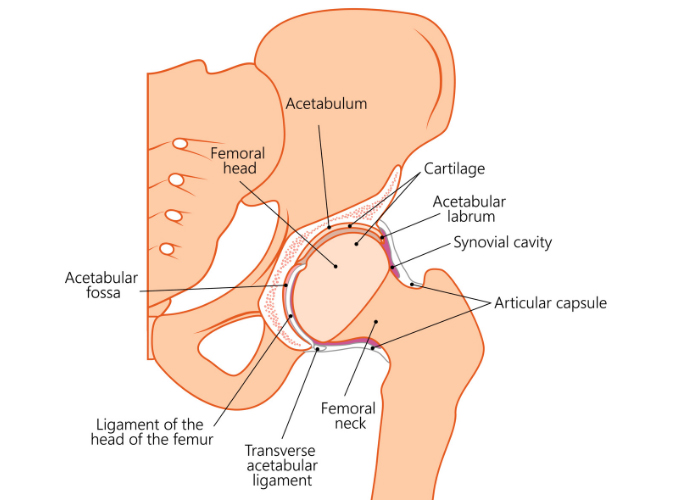
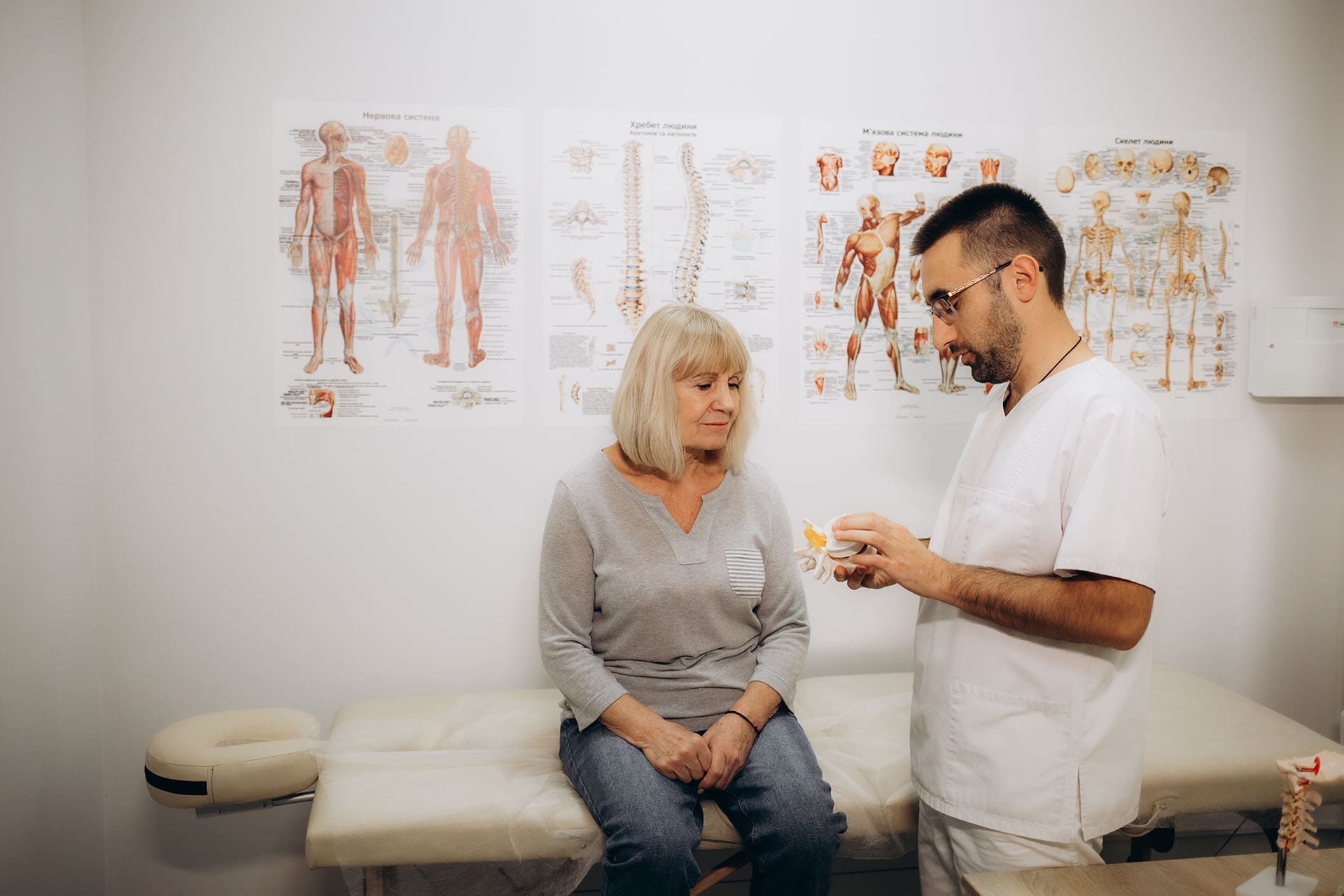
The hip works as a ball-and-socket joint. The ball is the rounded top of the thigh bone. The socket is a deep cup in the pelvis. Strong ligaments and muscles, along with a ring of special cartilage called the labrum, keep the joint stable and smooth. It takes considerable force to damage this sturdy setup. That is why hip problems after a crash are often serious and need careful attention.
Understanding what can happen helps you know when to seek care and what options are available for recovery.
Common Hip Injuries from Motor Vehicle Accidents
The exact injury often depends on body position at impact. Legs braced, knees hitting the dashboard, or side forces from a T-bone crash all create different patterns of damage.
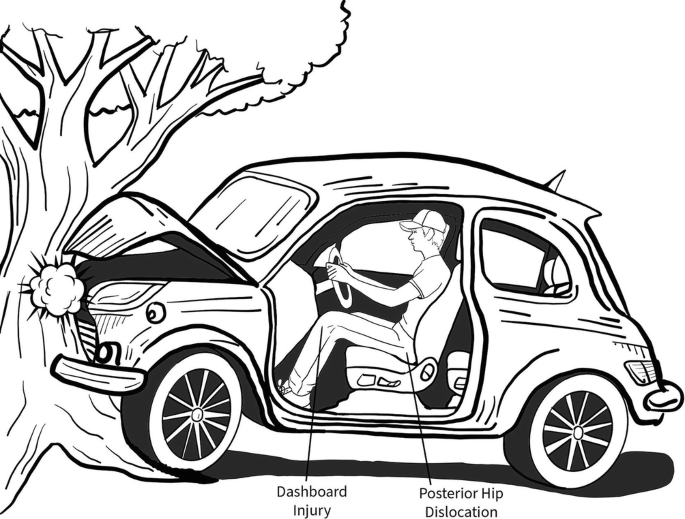
A classic dashboard injury happens in head-on crashes. The knee slams forward into the dashboard. This drives the thigh bone backward and pops the ball out of the socket. This is called a posterior hip dislocation. It causes immediate, severe pain. The leg may look shorter or rotated. You usually cannot put weight on it (American Academy of Orthopaedic Surgeons, n.d.).
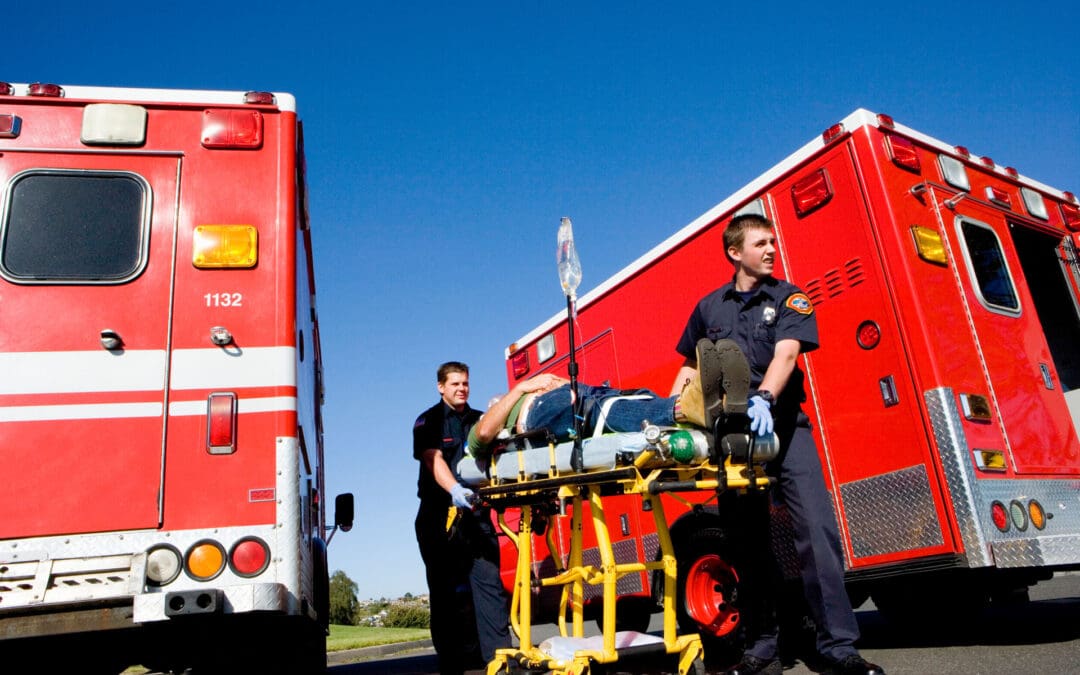
Quick medical help is needed to put the joint back in place. Even after reduction, the labrum, ligaments, or blood supply to the ball can be damaged. Some people later face arthritis or bone death in the ball if blood flow is interrupted.
Acetabular Fractures
The socket itself can crack or shatter. High-energy dashboard hits or side impacts drive the ball forcefully into the cup. These breaks change the smooth surface the ball glides on. Many need surgery to restore the socket shape so the joint moves correctly again (OrthoInfo – AAOS, n.d.).
Femoral Head Fractures
The ball on top of the thigh bone can crack, crush, or break into pieces. This often occurs with a dislocation from the same dashboard force. The ball shears against the socket rim as it pops out or gets driven back in. These injuries raise the risk of long-term joint problems.
Labral Tears
The labrum is the cartilage rim that deepens the socket and helps seal joint fluid. A sudden dislocation, twist, or even strong bracing against the floor or seatbelt can tear it. People experience groin pain, clicking or catching, or a sensation that the hip gives way. Pain often worsens with sitting, walking, or twisting (Mayo Clinic, n.d.).
Muscle Strains, Sprains, and Soft Tissue Damage
Not every injury breaks a bone. Violent jerking or bracing can strain the hip flexor muscles or sprain ligaments around the joint. Seatbelt pressure or direct impact can inflame the bursa (a fluid-filled sac) on the side of the hip, causing trochanteric bursitis. These bring pain with movement, swelling, stiffness, and weakness. They heal more slowly when walking patterns are avoided due to pain (High Mountain Orthopedics, n.d.).
Why These Injuries Matter Long-Term
The hip joint is deep and well-protected, but damage here can affect walking, standing, and balance. Untreated dislocations or fractures can lead to arthritis years later. Labral tears and chronic muscle imbalance change how you move and stress the low back, knees, and opposite hip. Early care reduces these risks.
Doctors diagnose with physical exams plus imaging. X-rays show bone position and breaks. CT scans give detailed fracture pictures. MRI reveals labral tears, muscle damage, and soft tissue injury.
How Integrative Chiropractic Care Supports Recovery
Many hip injuries, especially soft-tissue and labral problems, or those requiring support after initial bone care, respond well to non-surgical approaches. An integrative chiropractic clinic combines hands-on structural work with regenerative therapies that use your body’s own healing tools. The goal is to reduce inflammation, repair tissue, and restore smooth movement without surgery when possible.
Chiropractic adjustments gently realign the pelvis, spine, and hip. This improves joint motion, eases tight muscles, and reduces nerve irritation. Better alignment helps blood flow and healing signals reach the injured area more effectively.
Regenerative therapies add biological support:
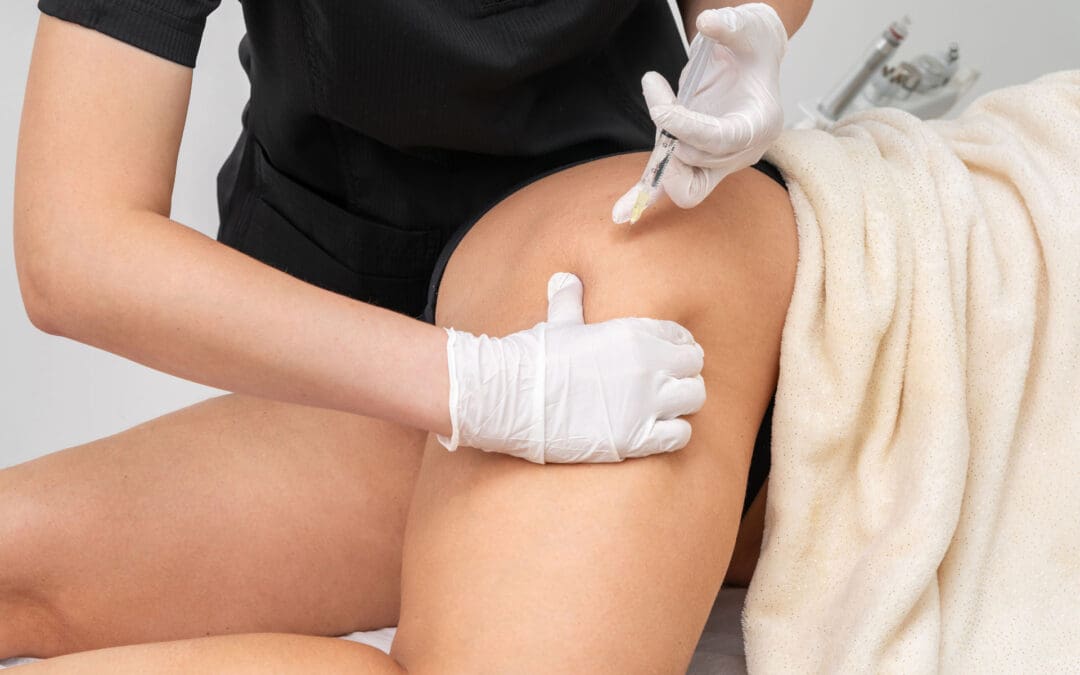
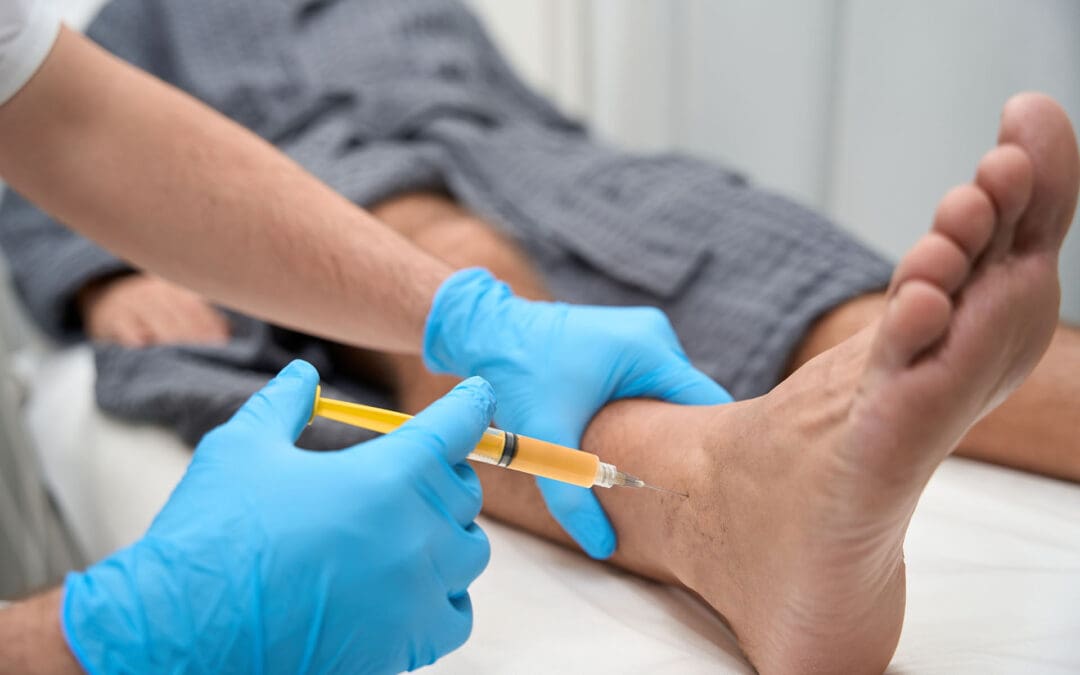
PRP (Platelet-Rich Plasma): A small amount of your blood is spun to concentrate platelets rich in growth factors. The concentrate is injected into the hip area to signal repair in tendons, ligaments, the labrum, and cartilage while calming inflammation.
PFP (Platelet-Fibrin Products): Similar to PRP but includes fibrin for slower, longer release of healing factors. This gives sustained support during recovery.
MFAT (Microfragmented Adipose Tissue): A tiny amount of your fat tissue is processed into micro pieces containing healing cells and natural cushioning material. It is injected to support regeneration and provide padding in the joint or around damaged tissues.
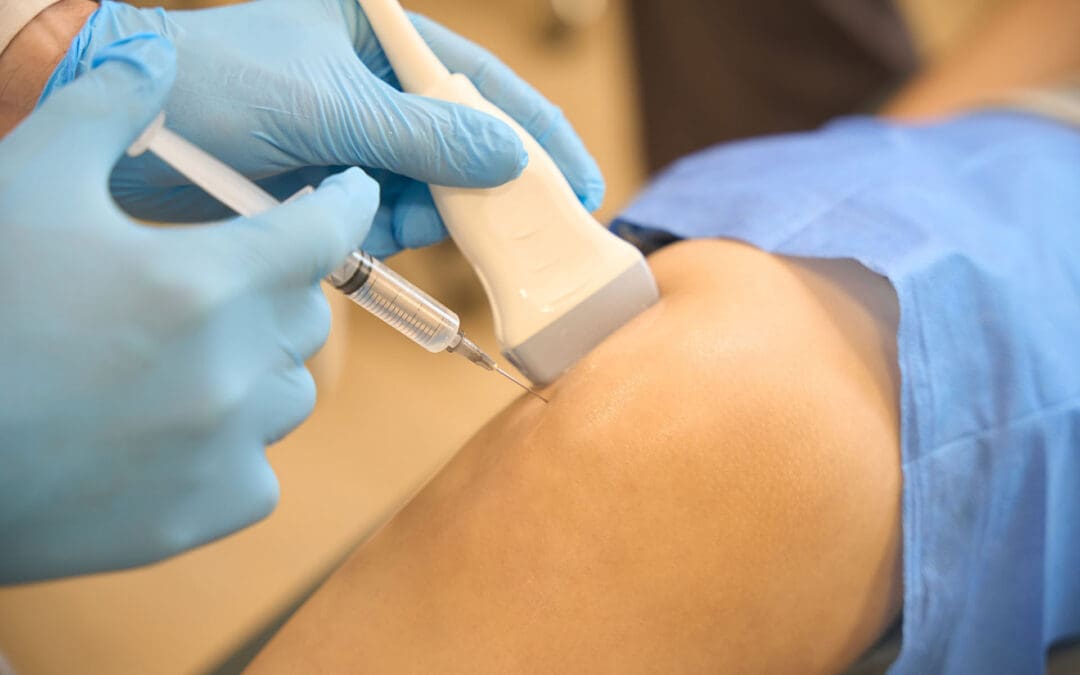
These injections are often guided by ultrasound for accuracy. When paired with chiropractic adjustments, they address both structure and biology. Adjustments keep the joint moving correctly so new tissue forms in the right pattern. Regenerative support reduces pain and swelling, so adjustments work better and last longer (Health Coach Clinic, n.d.).
Patients often notice gradual improvement over weeks as tissues rebuild. Many regain mobility and return to daily activities with less pain and lower risk of future problems.
The Collaborative Care Team
At Injury Medical Clinic PA in El Paso, Texas, care is built on teamwork. Dr. Alexander Jimenez, DC, APRN, FNP-BC, CFMP, IFMCP, ATN, CCST, brings extensive experience treating personal injury and motor vehicle accident cases. His clinical observations show that patients with hip trauma from crashes often achieve better long-term function and less chronic pain when structural corrections and regenerative support are started early. He focuses on whole-person recovery, including rehabilitation exercises and addressing posture or gait changes that develop after an accident.
Dr. Maria Guadalupe Cardenas, MD, board-certified in Internal Medicine with more than 40 years of experience, serves as Medical Director and Collaborative Physician. She provides medical oversight for the practice. This includes reviewing complex cases, ensuring safety for regenerative procedures and injections, managing any underlying medical factors that affect healing, and collaborating on care plans. This MD-DC partnership is common in quality integrative and injury clinics. It combines precise medical direction with specialized chiropractic and regenerative expertise.
The broader team integrates functional medicine, rehabilitation, and personal injury support. This multidisciplinary setup helps patients heal thoroughly by addressing root causes rather than only symptoms.
What to Expect on the Road to Healing
Recovery time depends on the type and severity of the injury. Simple strains may improve in a few weeks with adjustments and guided movement. Labral tears or post-reduction care often take several months. Regenerative injections typically show progressive benefits over 4 to 12 weeks. The focus stays on restoring comfortable movement, strength, and daily function.
Early attention matters. Waiting can allow scar tissue or changed movement patterns to set in, making later recovery harder. A thorough evaluation helps create a clear plan tailored to your injury and goals.
Moving Forward After a Crash
Hip injuries from motor vehicle accidents do not have to mean ongoing pain or major surgery. Many people regain good function through integrative care that works with the body’s natural healing abilities—proper alignment, regenerative signals from your tissues, and expert guidance every step of the way.
If hip pain continues after a car accident, consider a clinic experienced in these injuries and equipped with both structural and regenerative options. In El Paso, the team at Injury Medical Clinic PA provides this comprehensive approach. Knowing what happened to your hip is the first step toward restoring your mobility and quality of life.
El Paso’s Integrated Injury Clinic: One-Stop Care for Faster Recovery and Strong Legal Support
If you got hurt in a car crash or at work in El Paso, Texas, you know how frustrating it can be. You go to one place for an exam, another for therapy, and still another for special treatments. Papers get lost. Your story gets told many times. Healing slows down. An integrated, multidisciplinary injury clinic solves this problem. Everything happens under one roof. A team of experts works together on your care. They handle medical checks, hands-on therapy, and advanced healing methods. At the same time, they build clear, complete records that help your legal or workers’ compensation case.
This kind of care is different from going to separate offices. You get faster answers, smoother progress, and stronger support for your claim.
Why an Integrated Health System Works Better
Ordinary clinics often focus on one thing. You might get only adjustments or only medications. An integrated clinic brings many experts together in the same place. They share one plan for you. This stops gaps in care and mixed messages.
Here are the main advantages:
One team, one story: Every provider sees your full history and current progress. No one works in the dark.
Faster decisions: If you need a new test or different therapy, the group talks it over quickly.
Better healing: Treatments work in tandem. Chiropractic care improves movement while medical oversight watches your overall health.
Clear records from day one: Everything gets written down in one system. This matters a lot for insurance and legal needs.
Patients who use this model often feel less stressed. They spend less time driving between offices and more time actually getting better.
How the Team Works Together for You
In a true multidisciplinary setup, each expert brings their skills. Nurse practitioners handle full health evaluations. They can order tests, manage medications as needed, and monitor for other health issues that might slow healing.
Physical therapists, massage therapists, and chiropractors team up on your body’s movement. They improve flexibility, strength, and posture. Chiropractic adjustments help the spine and joints work better. Physical therapy builds safe exercises. Massage eases tight muscles. Together, they create a plan that fits your exact injuries.
This is not random care. It is coordinated. Everyone knows what the others are doing. That teamwork often leads to quicker pain relief and better long-term results.
Special Treatments That Help Serious or Lasting Injuries
Some injuries need more than basic care. Car accidents and work injuries can damage deep tissues, nerves, or joints. An integrated clinic offers modern options that directly target the problem.
Here are treatments often used together:
Spinal decompression: A special table gently stretches your spine. This takes pressure off pinched nerves and bulging discs. Many people feel relief from sciatica or radiating leg pain.
MLS laser and shockwave therapy: These use light or sound waves to wake up your body’s healing cells. They lower swelling and help soft tissues repair without drugs or surgery.
Epidural injections: When nerves are very irritated, guided injections can calm the area so you can move and heal.
Regenerative therapies: Treatments such as PRP (platelet-rich plasma), PRF (platelet-rich fibrin), and MFAT (micro-fragmented adipose tissue) use components of your blood or fat. They are placed exactly where tissue is damaged to support natural repair.
These options go beyond what a basic clinic usually offers. They aim at the root of the injury rather than merely masking pain.
Strong Medical-Legal Documentation That Protects Your Case
When your injury comes from a car accident or a job, good records are just as important as good treatment. Insurance companies and lawyers need proof. They want to see what happened, how bad it is, and that the care you received was necessary.
An integrated team creates one complete file. It includes:
Your accident story and first exam findings
Objective tests like range of motion, strength checks, and imaging
Daily notes on how you feel and what treatments you receive
Progress reports that show improvement or ongoing limits
A final summary that explains the lasting effects on your life and work
This kind of documentation helps personal injury lawyers build a stronger case. It shows a clear link between the crash or incident and your injuries. It also proves you followed a real treatment plan.
Many clinics work directly with attorneys. They send updates quickly and often handle cases on a lien basis. This means you can focus on healing while the legal side stays organized.
Expert Care Led by Dr. Alex Jimenez and Dr. Maria Guadalupe Cardenas in El Paso
At Injury Medical Clinic PA in El Paso, this integrated model is led by experienced professionals who understand both health and legal needs.
Dr. Alexander Jimenez, DC, APRN, FNP-BC, CCST, CFMP, IFMCP, ATN, is dual-licensed as a chiropractor and board-certified family nurse practitioner. He has spent decades helping people with car accident injuries, work injuries, whiplash, sciatica, and soft tissue damage. His clinical observations focus on treating the whole person. He looks at root causes, not just symptoms. He stresses careful documentation with clear findings and progress measures, especially when a case involves an auto or work injury claim. His practice combines chiropractic care, functional medicine, rehabilitation, and regenerative options under one roof.
Working alongside him is Dr. Maria Guadalupe Cardenas, MD. She is board-certified in internal medicine with over 40 years of experience. Her NPI is 1164426749, and her Texas MD license is J2933. She serves as Medical Director and Collaborative Physician. In this multidisciplinary setting, she provides medical oversight, reviews overall health, guides advanced procedures, and helps ensure compliance with Texas rules.
Together, they create a powerful team. Chiropractic care from Dr. Jimenez addresses alignment, nerves, and movement. Medical direction from Dr. Cardenas provides safety, diagnostic, and medication management as needed. Functional medicine, personal injury documentation, and rehabilitation services all connect in the same location. This is the kind of collaborative model common in high-quality integrative injury clinics.
Your Simple Path to Recovery in El Paso
Here is what the journey usually looks like:
You call or come in for an evaluation. A nurse practitioner or medical director, along with the chiropractic team, sees you together.
They create one clear plan that may include adjustments, therapy, advanced treatments, or regenerative options.
You receive care in one place. Notes stay organized from the first visit to the last.
Progress is tracked and shared with your lawyer or insurance when needed.
You heal with less stress and stronger support for your claim.
Many patients notice they move better sooner and have less confusion about next steps.
Choose Coordinated Care for Your Injury
If you want care that treats your injury and protects your legal position, an integrated multidisciplinary clinic in El Paso is worth considering. You get medical diagnostics, physical therapy, advanced healing therapies, and solid documentation all in one coordinated system. Dr. Alex Jimenez and Dr. Maria Guadalupe Cardenas lead a team that puts your recovery and your case first.
You do not have to piece your care together alone. One roof, one team, one clear plan can make a real difference in how fast you feel better and how well your case is supported.
Regenerative Spine Care and Sciatica Relief in El Paso: How Epidural Injections, PRP, mFAT, and Shockwave Therapy Work Together
Sciatica and chronic back pain can affect almost every part of daily life. Sitting can hurt. Walking can feel limited. Sleep may be broken. Work, exercise, driving, and family time can become harder than they should be.
At El Paso Back Clinic, the goal is to look deeper than the pain signal. Pain is important, but it is often only the warning light. The real problem may involve an irritated nerve, a damaged disc, a strained ligament, a weak core, poor spinal motion, scar tissue, inflammation, or a past injury that never healed correctly.
This is why a modern spine care plan may combine chiropractic care, rehabilitation, medical oversight, functional medicine, epidural spinal injections, regenerative therapies, and shockwave therapy. Each part has a different job. Together, they may help calm nerve irritation, support tissue repair, improve movement, and help the body return to better function.
What Is Sciatica?
Sciatica is pain that travels along the sciatic nerve. This nerve starts in the lower back and travels through the buttock, hip, leg, and foot. When a spinal nerve root becomes irritated or compressed, pain can travel down the leg.
Common sciatica symptoms may include:
Low back pain
Buttock or hip pain
Burning pain down the leg
Numbness or tingling
Weakness in the leg or foot
Pain that worsens with sitting
Pain that improves when lying down or changing position
Sciatica is not always caused by the same problem. It may come from a herniated disc, disc degeneration, spinal stenosis, facet arthritis, muscle tension, pelvic imbalance, scar tissue, or inflammation. This is why a complete exam matters.
Why Chronic Back Pain Needs More Than Temporary Relief
Chronic back pain is pain that lasts longer than expected. It often continues for more than 12 weeks. By that time, the body may start to change how it moves. Muscles tighten. Joints stiffen. Nerves become more sensitive. The patient may avoid activity, which can lead to weakness and more pain.
Traditional care often focuses on short-term pain relief. That can help during a flare-up, but it may not be enough when the deeper problem is structural or inflammatory.
A more complete plan may look at:
Spinal alignment and joint motion
Disc health
Nerve irritation
Ligament and tendon stress
Muscle weakness
Core control
Inflammation
Nutrition
Sleep
Blood sugar and metabolic health
Prior auto, work, or sports injuries
This whole-person view is important because healing is not only about one painful spot. The spine is part of a larger system.
How Epidural Spinal Injections May Help Sciatica
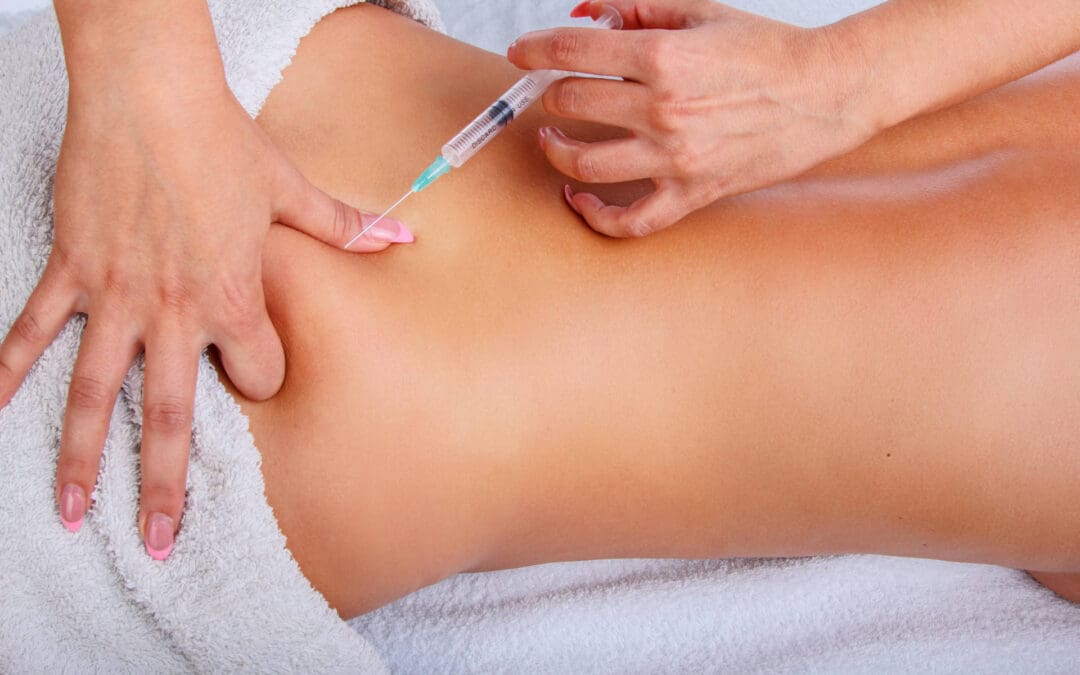
An epidural spinal injection places medication or biologic material near an irritated spinal nerve. The goal is to reduce inflammation around the nerve root and help calm leg pain.
For a patient with strong nerve pain, this can be helpful. When pain is severe, the patient may not be able to move, stretch, exercise, or sleep well. If an epidural injection reduces the pain enough, the patient may be able to begin rehabilitation and chiropractic care more safely.
Epidural steroid injections are commonly used for spinal stenosis and nerve-related back and leg pain. However, long-term outcomes may vary. In one PCORI-supported report on lumbar spinal stenosis, epidural injections with corticosteroid plus lidocaine did not show long-term benefits over lidocaine alone for pain, function, opioid use, or surgery rates in the studied group (Friedly et al., 2019).
This does not mean epidural injections are useless. It means they should be used carefully and as part of a larger care plan.
Why Some Patients Look Beyond Repeated Steroid Injections
Steroids can reduce inflammation. That is why they are often used during painful flare-ups. But repeated steroid use may carry risks. Cortisone injections can have side effects, including cartilage damage, tendon weakening, blood sugar changes, infection risk, and bone thinning, especially when used too often or in high amounts (Mayo Clinic, 2026).
For some patients, this raises an important question:
Can we reduce pain while also supporting tissue repair?
This is where regenerative therapies may enter the conversation. Regenerative care does not simply try to hide symptoms. It aims to support the body’s natural healing response.
What Are Regenerative Spine Therapies?
Regenerative spine therapies use biologic materials, often from the patient’s own body, to support healing. These treatments may be considered for chronic spine pain, disc-related pain, ligament injury, facet joint pain, and nerve irritation when the patient is a proper candidate.
Common regenerative options include:
PRP: platelet-rich plasma
PFP: platelet-fibrin plasma or platelet-fibrin products
Platelet lysate: a platelet-derived fluid rich in growth factors
mFAT: microfragmented adipose tissue
These therapies are often called orthobiologics. “Ortho” refers to bones, joints, muscles, ligaments, and spine structures. “Biologics” refers to healing materials that come from living tissue.
The University of Iowa Health Care describes regenerative medicine as care that may use a person’s own cells, tissues, or biologic materials to support healing and repair (University of Iowa Health Care, n.d.).
PRP: Platelet-Rich Plasma for Spine and Nerve-Related Pain
PRP is made from a small sample of the patient’s blood. The blood is processed to concentrate platelets. Platelets are best known for helping blood clot, but they also carry growth factors and healing signals.
In spine care, PRP may be used to support damaged or irritated tissues, such as:
Disc-related pain areas
Facet joints
Ligaments
Tendons
Soft tissues around the spine
Research on PRP for low back pain is still growing. A narrative review on regenerative medicine for chronic low back pain described PRP and other biologic therapies as promising options, while also noting that more high-quality research is needed (Wang et al., 2023). A systematic review of PRP for low back pain found PRP was generally effective and safe for degenerative low back pain but also called for stronger studies and better treatment standards (Machado et al., 2023).
In simple terms, PRP is not a magic cure. But for selected patients, it may help support a better healing environment.
Platelet Lysate and Epidural Biologic Injections
Platelet lysate is made from platelets, but it is processed differently than PRP. The platelets are broken open, releasing growth factors into a thinner fluid. Because it is less thick than PRP, platelet lysate may be considered for nerve-related areas, including epidural use in some regenerative medicine settings.
A study of lumbar epidural platelet lysate for radicular pain reported improvements in pain and function through 24 months, with mild adverse events reported in a small percentage of patients (Centeno et al., 2017). More research is still needed, but this area is important because it examines biological support for nerve-related back and leg pain.
A 2025 meta-analysis also compared epidural PRP with steroid injections for lumbar disc disease with radiculopathy. The authors reviewed randomized controlled trials and examined pain and function outcomes over several time points (Muthu et al., 2025). This growing research shows why biologic epidural options are becoming a major topic in modern spine care.
PFP: A Natural Scaffold for Healing
PFP, or platelet-fibrin plasma, is similar to PRP but includes more fibrin activity. Fibrin is a natural protein involved in clotting and wound repair.
You can think of fibrin as a healing web. It may help hold platelets and growth factors in one area longer. This may be useful when the care plan is focused on damaged ligaments, tendons, or joint tissues.
PFP may support:
Local repair signaling
Tissue stability
Collagen remodeling
Longer contact time for healing factors
A more organized repair response
Like other regenerative options, PFP should be used after a detailed exam and proper diagnosis.
mFAT: Microfragmented Adipose Tissue
mFAT stands for microfragmented adipose tissue. Adipose tissue is fat tissue. In this treatment, a small amount of a patient’s own fat is collected, processed, and prepared for injection into a target area.
Fat tissue contains signaling cells and support structures that may help with tissue repair. mFAT is often discussed in regenerative medicine for joint, soft tissue, and orthopedic problems. It does not “regrow” a spine overnight. Instead, it may help support the local repair environment in selected cases.
For chronic spine problems, mFAT may be considered when there is deeper tissue degeneration, joint wear, or long-standing injury patterns. The key is proper patient selection, medical screening, imaging review, and follow-up care.
Shockwave Therapy: The Biological Catalyst
Shockwave therapy, also called extracorporeal shockwave therapy (ESWT), uses sound waves to stimulate tissue. It is non-surgical and does not involve medication.
Shockwave therapy may help painful tissues by creating a controlled healing signal. This process is called mechanotransduction. That means the body turns mechanical energy into a biological response.
ESWT may support healing by helping:
Increase local blood flow
Stimulate new small blood vessel formation
Improve cell activity
Reduce pain signaling
Break down scar-like tissue
Improve collagen remodeling
Support tissue repair pathways
A systematic review and meta-analysis found that ESWT improved pain and lumbar function in patients with chronic low back pain, with no serious adverse effects reported in the included studies (Liu et al., 2023). Another review described shockwave as a tool that may support tissue repair through blood vessel growth, anti-inflammatory effects, and cell signaling (Cheng & Wang, 2015).
Why Shockwave and Regenerative Injections May Work Well Together
Regenerative injections bring healing signals to damaged tissue. Shockwave therapy may help prepare the tissue to respond better.
This is why ESWT can be described as a biological catalyst. A catalyst helps a process move forward. Shockwave does not replace PRP, PFP, platelet lysate, or mFAT. It may help create a better local environment for healing.
A simple way to picture it is this:
PRP, PFP, platelet lysate, and mFAT bring healing signals.
Shockwave therapy helps wake up slow-healing tissue.
Chiropractic care improves joint motion and biomechanics.
Rehabilitation rebuilds strength, balance, and control.
Functional medicine looks for healing barriers inside the body.
When combined correctly, these tools may help the body repair itself more effectively than a single treatment alone.
The Role of Chiropractic Care at El Paso Back Clinic
Chiropractic care is often central to sciatica and back pain recovery because movement matters. If spinal joints, hips, pelvis, and soft tissues are not moving well, stress can build up around the nerves and discs.
At El Paso Back Clinic, chiropractic care may support:
Better spinal motion
Less joint stiffness
Improved posture
Better pelvic and hip mechanics
Reduced muscle guarding
Safer return to activity
Better rehab progress
Dr. Alexander Jimenez, DC, APRN, FNP-BC, CCST, CFMP, IFMCP, ATN, uses a dual-scope clinical view that connects chiropractic evaluation, injury care, functional medicine, and rehabilitation. His clinical observations often focus on how spinal structure, inflammation, metabolic health, and movement patterns work together.
This matters because many patients do not only have “a bad disc.” They may have a body system that is under stress.
Medical Oversight With Dr. Maria Guadalupe Cardenas, MD
At Injury Medical Clinic PA and within the larger integrative care model connected with El Paso Back Clinic, Dr. Maria Guadalupe Cardenas, MD, serves as Medical Director and Collaborative Physician. She is Board Certified in Internal Medicine, has over 40 years of experience as an internist, and is listed with NPI #1164426749 and Texas MD License #J2933.
This medical oversight is valuable because many spine patients have other health issues that can affect treatment safety and healing.
These may include:
Diabetes or blood sugar problems
High blood pressure
Autoimmune conditions
Medication use
Blood thinner use
Hormone changes
Infection risk
Poor sleep
Chronic inflammation
Older injuries or surgeries
A multidisciplinary clinic can help connect the dots between medical history, spine pain, nerve symptoms, and recovery goals.
Functional Medicine: Looking for Healing Barriers
Functional medicine asks a deeper question:
Why is this patient not healing well?
For chronic back pain and sciatica, the answer may lie beyond the spine. The body heals best when it has the right nutrients, blood flow, hormones, oxygen, sleep, and control of inflammation.
Functional medicine support may look at:
Vitamin D status
Blood sugar and insulin
Inflammation markers
Thyroid function
Hormone balance
Gut health
Nutrition
Weight management
Sleep quality
Stress load
This does not replace spine care. It supports spine care. A patient with poor blood sugar control, low protein intake, poor sleep, and high inflammation may heal more slowly. Improving these areas may help the patient respond better to chiropractic care, rehab, injections, and shockwave therapy.
Why Personal Injury Patients May Benefit
After a car crash, work injury, or sports injury, pain may not show up right away. Some symptoms appear hours or days later. Neck pain, back pain, headaches, sciatica, numbness, and stiffness can develop after the body’s stress response calms down.
Personal injury care needs careful documentation and a clear clinical plan. At El Paso Back Clinic, the care model may include:
Injury history
Orthopedic testing
Neurological testing
Range-of-motion findings
Imaging review when needed
Functional limits
Treatment response
Rehab progress
Referrals when needed
This matters because injury recovery is not only about pain relief. It is also about restoring function and documenting how the injury changed it.
A Step-by-Step Spine Recovery Plan
A patient-centered spine plan may include several phases.
Phase 1: Calm the Nerve
When sciatica is active, the first goal is to reduce irritation. This may include careful activity changes, decompression, gentle chiropractic care, targeted injection options, and pain-control strategies.
Phase 2: Improve the Healing Environment
Once pain is more controlled, regenerative therapies and shockwave therapy may be considered. The goal is to support tissue repair, improve circulation, and help chronic tissue move out of a stalled healing state.
Phase 3: Restore Motion
Chiropractic care, soft-tissue therapy, mobility work, and decompression may help the spine and pelvis move more freely.
Phase 4: Rebuild Strength
Rehabilitation helps the patient rebuild core strength, hip control, balance, posture, and endurance. This step helps protect the spine from future flare-ups.
Phase 5: Maintain Long-Term Function
The final goal is not just to feel better for a few days. The goal is to help the patient return to life with improved movement, strength, and awareness of how to prevent future problems.
Who May Be a Candidate?
A patient may be a candidate for this type of care if they have:
Sciatica
Chronic low back pain
Disc herniation
Disc degeneration
Annular tear
Facet arthritis
Ligament injury
Post-accident back pain
Pain that returns after basic care
Difficulty walking, sitting, or sleeping due to nerve pain
Not every patient is a candidate for every treatment. Severe weakness, loss of bowel or bladder control, fever, infection signs, cancer history, major trauma, or rapidly worsening nerve symptoms need urgent medical attention.
Final Thoughts
Sciatica and chronic back pain can be frustrating, but patients now have more options than short-term pain masking. Epidural spinal injections may help calm acute nerve irritation. Regenerative therapies such as PRP, PFP, platelet lysate, and mFAT may support repair in damaged or irritated tissues. Shockwave therapy may act as a biological catalyst by improving blood flow, stimulating cell activity, and helping chronic tissue respond.
At El Paso Back Clinic, this kind of care fits into a larger model that includes chiropractic care, medical oversight, functional medicine, personal injury care, and rehabilitation. With Dr. Alex Jimenez, DC, APRN, FNP-BC, working alongside Dr. Maria Guadalupe Cardenas, MD, Medical Director and Collaborative Physician, patients receive a team-based approach focused on structure, function, safety, and long-term healing.
The goal is simple: reduce pain, restore movement, support healing, and help patients return to the life they want.
Platelet-Rich Plasma (PRP) Therapy for Spinal Care: A Natural Path to Pain Relief and Healing
Platelet-rich plasma (PRP) therapy helps people with back pain find relief without surgery. Doctors take a small sample of the patient’s own blood and turn it into a powerful healing mixture. This mixture uses the body’s natural platelets to reduce swelling and repair damaged areas of the spine. Many patients with mild to moderate spine problems choose PRP after other treatments like physical therapy do not fully work.
What Is Platelet-Rich Plasma Therapy?
PRP therapy is a simple treatment that comes from the patient’s blood. A nurse or doctor draws a small amount of blood from the arm. Then the blood spins in a machine called a centrifuge. This step pulls out the platelets and makes them extra strong. The result is platelet-rich plasma, rich in growth factors. These growth factors act like signals that tell the body to start healing. PRP does not use drugs or chemicals from outside the body. It works with what the patient already has inside. This makes it a safe and natural choice for many people who want to avoid surgery.
How PRP Therapy Supports Spinal Healing
The spine has discs, facet joints, ligaments, and nerves that can wear down over time. PRP goes right to these spots and gets to work. The growth factors reduce inflammation and kick-start tissue repair. For example, they help degenerated discs hold more water and stay flexible. They also calm painful facet joints and strengthen loose ligaments. Because PRP comes from the patient’s own blood, the body accepts it and begins repairing the damage quickly. Studies show PRP can even help nerves heal and reduce chronic pain signals.
Releases growth factors that tell cells to grow and repair
Lowers swelling around discs and joints
Builds new blood vessels so nutrients can reach damaged areas
Helps ligaments and tendons get stronger
Supports natural disc repair without cutting into the body
Key Benefits of PRP for Back and Spine Issues
Patients often notice real changes after PRP. The treatment gives long-lasting pain relief instead of short-term fixes like steroid shots. Many people move better and feel more active in daily life. PRP also cuts the need for strong pain pills. Because it is minimally invasive, patients avoid hospital stays and big scars. Recovery is quick, and the risk of side effects stays low since the body uses its own material. Over time, PRP may slow down further spine wear.
Natural healing that lasts months or even years
Less pain without heavy medication
Better mobility and daily function
Quick return to normal activities
Lower chance of allergic reactions
Works well with other non-surgical care
Common Spinal Conditions PRP Can Help
Doctors use PRP for several spine problems that cause daily discomfort. It works best when the damage is mild to moderate. Conditions include degenerative disc disease, where discs lose height and cause stiffness. Spinal stenosis, which narrows the space around nerves, also responds well. Facet joint arthritis causes sharp pain that PRP can help ease. Herniated discs and ligament strains improve, too. Even chronic low back pain and sciatica often get better. Patients who tried rest, therapy, or meds without complete success often turn to PRP next.
The Step-by-Step PRP Procedure
The whole process feels straightforward and takes about an hour. First, the nurse draws blood from the arm. Next, the blood spins in the centrifuge to create the PRP. Then the doctor uses ultrasound or X-ray guidance to place the PRP exactly where it is needed. Patients stay awake and feel only mild pressure. No stitches or long cuts are involved. The clinic sends the patient home the same day with simple care instructions.
Blood draw (small amount from the arm)
Centrifuge step to concentrate platelets
Ultrasound-guided injection into the spine
Short rest period before going home
Follow-up visits to check progress
Who’s a Good Candidate for PRP Therapy?
PRP is suitable for people with mild to moderate spinal wear who have not found sufficient relief from physical therapy or medication. It is not usually the first choice for very severe damage. A doctor checks imaging and health history to decide. Patients who want to stay active and avoid surgery often like this option. Good health and realistic goals help the treatment work best.
Integrative Spinal Care: Combining PRP with Chiropractic and Functional Medicine
In clinics that blend different care styles, PRP becomes even more effective. An Advanced Practice Registered Nurse (APRN/FNP-BC) with functional medicine training (CFMP, IFMCP, ATN, CCST) can administer precise, ultrasound-guided PRP injections. At the same time, chiropractic adjustments keep the spine aligned. Nutritional support from functional medicine fixes any missing vitamins or inflammation triggers in the body. This team approach creates the perfect setting for repair. The body gets structural help, cellular healing, and inside support all at once.
Insights from Dr. Alexander Jimenez on PRP and Spine Health
Dr. Alexander Jimenez, DC, APRN, FNP-BC, sees PRP as part of whole-body healing in El Paso, Texas. As both a chiropractor and nurse practitioner, he combines spinal adjustments with regenerative shots and metabolic checks. His clinical work shows that patients with sciatica or disc problems heal faster when PRP teams up with chiropractic care and proper nutrition. Dr. Jimenez notes that this mix helps clear waste from injured tissues, builds stronger blood flow, and stops pain cycles. Many of his patients return to work and sports with less discomfort and more confidence.
What to Expect During Recovery
Most people feel mild soreness for a few days after the shot, like a deep bruise. Ice packs and gentle movement help. Light activities can start right away, but heavy lifting waits one to two weeks. Full benefits build over four to six weeks as the growth factors continue to work. Some patients need a second shot after a month or two for the best results. Follow-up visits track progress and adjust the plan.
Evidence and Safety of PRP Therapy
Research backs PRP for spine care. Clinical reviews show pain drops and better movement in patients with degenerative discs and facet problems. Nerve repair studies also point to positive results. Side effects are rare because the treatment uses the patient’s own blood. No major complications appear in most studies. Doctors continue to track long-term outcomes, but current data look promising for people who want natural options.
Conclusion
Platelet-rich plasma therapy offers a fresh way to handle spinal pain and damage. It uses the body’s own tools to reduce swelling, repair tissues, and restore movement. When paired with expert chiropractic and functional medicine, the results can feel even better. Patients who have struggled with ongoing back issues often discover new hope through PRP. Talking with a trained provider helps decide if this path fits personal needs. With steady advances in regenerative care, many more people may soon enjoy life with less spine pain and more freedom.
Neuropathy Relief Through Integrative Chiropractic Care in El Paso
Neuropathy can make daily life challenging. Many people experience burning pain, tingling, numbness, weakness, or a “pins and needles” sensation in the feet, legs, hands, or arms. These symptoms can affect sleep, walking, balance, exercise, and work. For many patients, the best long-term plan is not built around a single pill or a single procedure. It is built around a full recovery strategy that improves nerve function, supports the spine and joints, boosts circulation, and helps the body heal from the inside out.
At El Paso Back Clinic, the focus is naturally on integrative chiropractic care, physical therapy, rehabilitation, functional medicine, and lifestyle support. In that kind of setting, platelet-rich plasma, or PRP, may be used as a background regenerative option in selected cases, but it is not the center of the treatment plan. The main goal is to improve mobility, reduce pressure on irritated nerves, reduce inflammation, restore function, and address the root causes that sustain neuropathy (Mayo Clinic, 2023; NIDDK, 2018).
What Is Neuropathy?
Neuropathy means nerve damage. Peripheral neuropathy is one of the most common forms and often affects the hands and feet. Diabetic neuropathy is another major type and happens when high blood sugar damages nerves over time. Other causes may include spine problems, chronic inflammation, poor circulation, vitamin deficiencies, repetitive stress, injury, and metabolic imbalance (National Institute of Diabetes and Digestive and Kidney Diseases [NIDDK], 2018; Mayo Clinic, 2023).
Common symptoms include:
Burning pain
Tingling
Numbness
Sharp or shooting pain
Muscle weakness
Poor coordination
Trouble with balance
Reduced sensation in the feet or hands
These symptoms do not just affect comfort. They can also reduce quality of life and raise the risk of falls, poor posture, and less activity. Over time, that can create even more weakness and stiffness in the body (NIDDK, n.d.).
Why an Integrative Chiropractic Approach Matters
Neuropathy is often treated as if it were only a nerve problem. In reality, many cases involve much more than the nerve itself. The spine, muscles, joints, posture, circulation, inflammation levels, blood sugar control, and nutrition can all affect how nerves feel and function. That is why an integrative chiropractic and physical therapy setting can be such a good fit.
Instead of focusing only on symptom control, an integrative clinic may look at:
Spinal alignment and joint motion
Muscle tightness and weakness
Balance and gait problems
Mobility loss
Blood sugar and metabolic health
Inflammation
Nutritional deficiencies
Functional movement patterns
Daily habits that keep nerves irritated
This broader model is important because a nerve that is already stressed may be further affected by poor biomechanics, limited circulation, chronic inflammation, and weak supporting muscles (Mayo Clinic, 2023; Jimenez, n.d.-a).
How Chiropractic Care May Support Neuropathy Patients
Chiropractic care does not claim to “cure” every case of neuropathy. But it may help patients by addressing the mechanical and functional issues that often worsen nerve symptoms. When the spine and joints do not move well, the body may develop abnormal tension, poor posture, reduced mobility, and stress on surrounding tissues. These problems can increase pain and decrease function.
Chiropractic care may help by:
Improving spinal and joint motion
Reducing mechanical stress on irritated nerves
Helping posture and balance
Lowering muscle tension
Supporting better movement patterns
Improving comfort during walking and daily activity
Working together with rehabilitation and exercise care
For some patients, especially those with back-related leg symptoms, sciatica-like symptoms, or nerve irritation associated with spinal dysfunction, chiropractic treatment may be an important part of a broader care plan. When paired with rehab and lifestyle support, it can help patients move better and feel more stable (Lowery Chiropractic, n.d.; Mayo Clinic, 2023).
The Role of Physical Therapy and Rehabilitation
Search engines already recognize El Paso Back Clinic as a chiropractic and physical therapy clinic, and that makes sense because rehab is a major part of neuropathy support. A person with nerve pain often changes the way they walk, stand, bend, or exercise. Over time, those changes can create greater weakness, poorer balance, and increased strain on the body.
Physical therapy and rehab may focus on:
Balance training
Stretching tight muscles
Strengthening the legs, hips, core, and postural muscles
Improving gait
Restoring range of motion
Teaching safer movement patterns
Supporting better function in daily life
This matters because nerves do not work in isolation. They work inside a moving body. When muscles are weak and joints are stiff, the nervous system often performs worse. Better motion and stronger support can help reduce the overload on sensitive areas and improve quality of life (Mayo Clinic, 2023).
Functional Medicine and Nutritional Support for Root-Cause Care
A strong neuropathy program should also look at internal health. If the body is dealing with high blood sugar, insulin resistance, chronic inflammation, poor gut health, low B vitamins, oxidative stress, or other metabolic problems, nerve tissue may have a harder time recovering.
An integrative clinic may use functional and nutritional strategies to support:
Blood sugar control
Reduced inflammation
Better circulation
Healthier nerve metabolism
Improved energy production
Weight management
Better tissue healing
This root-cause approach fits neuropathy care very well. For example, diabetic neuropathy cannot be fully addressed without improving metabolic control. Even in non-diabetic cases, poor nutrition and chronic inflammation can make nerve symptoms worse. That is why APRNs, FNPs, CFMPs, and IFMCP-trained providers may add strong value to a chiropractic clinic model. They help connect musculoskeletal care with whole-body healing (NIDDK, 2018; Mayo Clinic, 2023).
Where PRP Fits In
PRP should be seen as a supportive regenerative option, not the main focus of a neuropathy article for a chiropractic and rehab-centered clinic. Platelet-rich plasma is made from the patient’s own blood and contains a higher concentration of platelets and growth factors. Research suggests these growth factors may help nerve healing, reduce inflammation, improve local blood flow, and support tissue repair (Shang et al., 2025; Wang et al., 2024).
As part of an integrative treatment plan, PRP may be considered in selected cases to support the recovery of damaged tissue and nerves. It may be especially useful when imaging-guided precision treatment is needed as part of a larger care strategy. Still, PRP is best understood as an added regenerative tool, not a replacement for chiropractic care, rehab, nutrition, exercise, and metabolic correction.
That is important because neuropathy usually does not improve with a single isolated treatment. Most patients need a layered approach to improve both nerve health and bodily function over time (Kennedy et al., 2025; Hassanien et al., 2020).
What the Research Says About PRP for Neuropathy
The research on PRP for neuropathy is promising but still developing. Reviews suggest PRP may support nerve regeneration, reduce neuropathic pain, and help with recovery in peripheral nerve conditions. Growth factors in PRP may stimulate Schwann cells, support axon repair, and improve the healing environment around injured nerves (Shang et al., 2025; Wang et al., 2022).
One randomized clinical study in patients with painful diabetic neuropathy found that ultrasound-guided perineural PRP, combined with medical treatment, improved pain and neuropathic symptoms more than medical treatment alone over several months (Hassanien et al., 2020). That is encouraging, but it does not mean PRP is a stand-alone answer for every patient.
The better message for a chiropractic and rehab audience is this: PRP may support healing in the background, but daily function improves most when patients also work on movement, stability, posture, circulation, metabolic health, and long-term lifestyle change.
Clinical Observations from Dr. Alexander Jimenez
Clinical materials from Dr. Alexander Jimenez, DC, APRN, FNP-BC, describe a multidisciplinary model that blends chiropractic care, physical medicine, rehabilitation, functional medicine, nutrition, and advanced clinical assessment. His observations support the idea that neuropathy care should not focus only on pain suppression. Instead, it should examine structure, movement, inflammation, metabolic health, and tissue healing together (Jimenez, n.d.-a; Jimenez, n.d.-b).
This type of model is a natural fit for El Paso Back Clinic because it keeps the main focus on the following:
Chiropractic treatment
Physical therapy and rehab
Functional movement
Metabolic and nutritional support
Whole-body recovery
Long-term improvement instead of short-term symptom masking
In this setting, regenerative treatments like PRP can stay in the background as one part of a broader plan rather than becoming the main message.
A Better Long-Term Message for Neuropathy Patients
Patients with neuropathy often want simple answers, but healing usually requires a combination of strategies. The best message is not “one injection fixes everything.” The stronger message is that an integrative chiropractic clinic can help patients improve function, reduce nerve stress, strengthen the body, and support healthier tissue over time.
A full neuropathy strategy may include:
Chiropractic adjustments when appropriate
Physical therapy and rehabilitation
Balance and gait training
Stretching and strengthening
Nutrition support
Functional medicine evaluation
Blood sugar and inflammation management
Imaging-guided regenerative support in select cases
This type of plan matches how real recovery works. Nerves need support, but so do muscles, joints, posture, circulation, and metabolism.
Final Thoughts
Neuropathy is complex, and many patients need more than symptom control. A chiropractic and physical therapy clinic like El Paso Back Clinic is well-positioned to help by focusing on biomechanics, movement, rehabilitation, and root-cause care. Integrative chiropractic treatment should remain front and center because it aligns with the clinic’s identity and offers patients a more comprehensive, natural path to relief.
PRP injections can be mentioned as a supportive regenerative option in the background, especially in selected cases where tissue repair and nerve support are part of the plan. But for search visibility and patient clarity, the stronger focus should stay on chiropractic care, rehabilitation, functional medicine, and long-term healing strategies that improve the body’s overall function.
When neuropathy care is built around structure, motion, metabolism, and recovery, patients get a more realistic and more complete path forward (Mayo Clinic, 2023; NIDDK, 2018; Jimenez, n.d.-a).
PRP Therapy for Sports Injuries: How It May Speed Healing Without Surgery
Sports injuries can slow life down fast. A sore tendon, a strained ligament, or a muscle tear can make it difficult to train, work, sleep, or even walk comfortably. That is one reason Platelet-Rich Plasma, or PRP, has gained attention in sports medicine. PRP is made from a patient’s own blood and then injected into an injured area to support healing. Medical centers such as Yale Medicine, Penn Medicine, Johns Hopkins Medicine, and Temple Health describe PRP as a biologic or regenerative treatment that may help repair tissue, lower pain, and improve function in certain musculoskeletal injuries. It is often used for tendon, ligament, muscle, cartilage, and joint problems, including some cases of osteoarthritis. (Johns Hopkins Medicine, n.d.; Penn Medicine, 2025; Yale Medicine, n.d.).
PRP is appealing because it is non-surgical and uses the body’s own healing tools. Still, it is not a miracle fix for every athlete or every injury. Research shows promising results in many cases, but outcomes can vary depending on the tissue involved, how long the injury has been present, how the PRP is prepared, and whether the person also follows a successful rehab plan. In other words, PRP works best as part of a comprehensive care strategy rather than a stand-alone shot. (Saini et al., 2021; Jimenez, n.d.).
What PRP Therapy Is
PRP stands for Platelet-Rich Plasma. Plasma is the liquid part of blood, and platelets are blood components best known for their role in clotting. However, platelets also carry growth factors and signaling molecules that help tissue repair. To make PRP, a clinician draws a small amount of blood, spins it in a centrifuge, and separates out a platelet-rich portion. That concentrated solution is then placed into the injured area. The goal is to increase healing signals directly at the site of tissue damage. (Johns Hopkins Medicine, n.d.; Yale Medicine, n.d.; HSS, n.d.; Penn Medicine, 2025).
A simple way to think about PRP is this: it does not just try to numb pain. It tries to support the body’s repair response. Hospital for Special Surgery describes PRP as a form of regenerative medicine that amplifies natural growth factors in blood cells to help damaged tissue heal. Johns Hopkins Medicine similarly explains that the concentrated growth factors in PRP may stimulate tissue regeneration and speed healing in the treated area. (HSS, n.d.; Johns Hopkins Medicine, n.d.).
What the procedure usually includes
A small blood draw from the patient
Processing the sample in a centrifuge
Preparing the platelet-rich portion
Injecting the PRP into the injured tissue
In some cases, using ultrasound to guide the injection
A visit that often takes less than an hour
This basic process is described by major medical centers, including Penn Medicine, Yale Medicine, and Johns Hopkins Medicine. (Johns Hopkins Medicine, n.d.; Penn Medicine, 2025; Yale Medicine, n.d.).
How PRP May Help Sports Injuries Heal
When tissue is injured, the body sends platelets to the area early in the healing process. Temple Health explains that platelets contain growth factors that help promote cell growth, repair tissue, and reduce inflammation. Yale Medicine notes that PRP contains concentrated platelets, cytokines, and growth factors with anti-inflammatory properties. This is why PRP is often used for injuries that have been slow to heal on their own. (Temple Health, 2021; Yale Medicine, n.d.).
PRP may be especially useful in tissues that do not receive a strong blood supply. The 2021 review in the Indian Journal of Orthopaedics notes that tendons heal more slowly than many other tissues because of their poor vascularity. That same review also explains that PRP has been studied in tendon disorders such as Achilles tendinopathy, rotator cuff tendinitis, and epicondylitis, as well as in muscle strains and osteoarthritis. (Saini et al., 2021).
For athletes, this matters because many sports injuries are overuse or repetitive-stress injuries. If a tendon stays irritated for months, or a ligament strain never fully calms down, the body may need extra support to restart a healthier repair process. Some research suggests earlier PRP use in select injuries may help guide inflammation toward recovery and restore tissue balance. Even so, researchers also note there is no universal PRP formula or perfect protocol yet, so treatment must be individualized. (Saini et al., 2021).
Common Sports Injuries PRP Is Used For
Medical centers and sports medicine sources commonly describe PRP for the following problems:
Chronic tendinitis or tendinopathy
Tennis elbow
Patellar tendinopathy or “jumper’s knee”
Achilles tendon problems
Ligament strains
Muscle strains and some muscle tears
Cartilage irritation
Osteoarthritis in active adults
These uses are repeatedly listed by Penn Medicine, Yale Medicine, Temple Health, and HSS. (Penn Medicine, 2025; Temple Health, 2021; Yale Medicine, n.d.; HSS, n.d.).
Temple Health highlights tennis elbow and jumper’s knee as common orthopedic conditions that may benefit from PRP. In its overview, Penn Medicine also lists structures such as the Achilles tendon, ACL, hamstring, patellar tendon, and cartilage as areas in sports medicine where PRP is used. Yale Medicine adds tendon, ligament, and muscle conditions, as well as degenerative joint conditions, to that list. (Penn Medicine, 2025; Temple Health, 2021; Yale Medicine, n.d.).
There is also supportive evidence for muscle injury care when injections are placed carefully. A 2014 study in Blood Transfusion reported that athletes with grade II muscle lesions who received ultrasound-guided PRP showed full healing on ultrasound, pain resolution, and return to sport, with only one relapse reported a year later. That does not prove PRP is right for every muscle injury, but it does show why sports clinicians remain interested in it. (Borrione et al., 2014).
What Recovery Feels Like After PRP
One important point for patients is that PRP can cause short-term soreness. Yale Medicine says the most common side effects are discomfort, pain, and stiffness at the injection site. Penn Medicine also notes that mild soreness, swelling, or stiffness is common for the first few days. Johns Hopkins Medicine adds that some people notice soreness and bruising after the procedure. In most cases, these effects are temporary. (Johns Hopkins Medicine, n.d.; Penn Medicine, 2025; Yale Medicine, n.d.).
Patients also need realistic expectations. PRP is not usually an instant pain reliever. Penn Medicine says improvement may take a few weeks to become noticeable, with fuller benefits developing over months. Yale Medicine reports that some people notice pain improvement in four to six weeks, with continued progress for up to a year. (Penn Medicine, 2025; Yale Medicine, n.d.).
Aftercare often includes
Resting the area for a short time
Avoiding hard exercise right away
Using a guided rehab plan
Following instructions about pain control
Avoiding some anti-inflammatory medicines when advised
Penn Medicine and HSS both note that anti-inflammatory medicines may interfere with the early healing response that PRP is meant to support, so patients should follow their treating clinician’s advice. (HSS, n.d.; Penn Medicine, 2025).
Why Ultrasound-Guided PRP Matters
Not every injection needs the same level of precision, but many sports injuries benefit from careful image guidance. Both Johns Hopkins Medicine and Yale Medicine acknowledge the use of ultrasound during PRP procedures. Research in athletes also supports this approach. The 2014 study on muscle injuries emphasized that ultrasound was important for both locating the lesion and guiding the needle accurately into it. The 2021 sports injury review similarly reported that ultrasound-guided injections improve accuracy, particularly for musculoskeletal conditions. (Johns Hopkins Medicine, n.d.; Yale Medicine, n.d.; Borrione et al., 2014; Saini et al., 2021).
On Dr. Alexander Jimenez’s public clinical website, one recent educational article describes ultrasound-guided intra-articular hip PRP as a precision-focused procedure in which ultrasound helps the clinician visualize anatomy, confirm correct placement, and improve safety. That same article stresses that biologic injections work best when they are combined with rehabilitation and movement-based recovery rather than used alone. (Jimenez, n.d.).
Dr. Alexander Jimenez’s Clinical Observations and the Value of Integrated Care
Dr. Alexander Jimenez, DC, APRN, FNP-BC, describes his El Paso practice as a multidisciplinary and integrative model that combines chiropractic care, functional medicine thinking, sports medicine principles, rehabilitation, and regenerative strategies. His website presents regenerative medicine as a natural, non-surgical option designed not only to reduce pain but also to improve structure, movement, and function. (Jimenez, n.d.).
That point matters in sports injury care. A tendon or muscle may not stay healthy if the athlete still has poor joint mechanics, weak stabilizers, incorrect loading patterns, or nutrition and recovery habits that slow healing. Dr. Jimenez’s site repeatedly frames recovery as a full process that includes a detailed history, physical evaluation, attention to biomechanics, regenerative options when appropriate, chiropractic care to improve motion, rehab planning, and follow-up focused on function. (Jimenez, n.d.).
In a comprehensive clinic model, that means PRP can be paired with structural care, progressive rehabilitation, and functional medicine support. The injection may help the tissue biologically, while rehab helps the athlete move better and reduce repeated stress on the injured area. This combined approach aligns with the broader message from both sports medicine research and Dr. Jimenez’s clinical content: better recovery usually comes from treating the tissue and the movement pattern together. (Borrione et al., 2014; Jimenez, n.d.; Saini et al., 2021).
Benefits and Limits of PRP
Possible benefits
Uses the patient’s own blood
Minimally invasive
May reduce pain and improve function
May help some chronic tendon, ligament, muscle, and joint problems
Can be part of a non-surgical recovery plan
Can be combined with rehab and other supportive care
These benefits are commonly described by Yale Medicine, Penn Medicine, Johns Hopkins Medicine, and HSS. (HSS, n.d.; Johns Hopkins Medicine, n.d.; Penn Medicine, 2025; Yale Medicine, n.d.).
Important limits
Results vary from person to person
Some injuries still need surgery or other procedures
Relief may take weeks or months, not days
PRP preparation methods are not fully standardized
Some tissues have stronger evidence than others
Those limits are important because proper medicine depends on the right treatment for the right injury at the right time. PRP may be a strong option, but it should be chosen carefully after a full exam and diagnosis. (Saini et al., 2021; Penn Medicine, 2025).
Final Thoughts
PRP therapy offers a promising non-surgical option for sports injuries because it delivers a concentrated dose of the patient’s own platelets to damaged tissue, where growth factors may support repair, reduce inflammation, and improve recovery. It is commonly used for chronic tendinopathy, ligament strain, muscle injury, and some joint conditions. Short-term soreness at the injection site can happen, but serious side effects are uncommon. The best results usually come when PRP is matched to the right injury and combined with smart rehabilitation, movement correction, and careful follow-up. (Johns Hopkins Medicine, n.d.; Penn Medicine, 2025; Yale Medicine, n.d.; Jimenez, n.d.).
Sciatica Relief in El Paso: How Integrative Chiropractic Care Supports Healing and Mobility
Sciatica can make daily life challenging. It often causes pain that starts in the lower back or buttocks and travels down the leg. Some people also feel tingling, numbness, burning, or weakness. In many cases, the problem begins when a lumbar disc, tight soft tissue, joint irritation, or spinal narrowing compresses a nerve root. Because sciatica can have multiple causes, treatment works best when it focuses on the whole person, not just the pain. That is why a chiropractic rehabilitation model aligns well with this topic for El Paso Back Clinic. The clinic publicly describes itself as a chiropractic rehabilitation and integrated medicine center focused on injury recovery, movement, function, and whole-person care. (Berry et al., 2019; El Paso Back Clinic, n.d.-a; El Paso Back Clinic, n.d.-b).
At El Paso Back Clinic, the public-facing message centers on chiropractic care, rehabilitation, mobility, flexibility, nutrition, and integrated support. The site describes Dr. Alexander Jimenez as both a chiropractor and a family nurse practitioner, leading a multidisciplinary team that blends evidence-based care with natural and functional approaches. That positioning is relevant for sciatica because many people improve with conservative care built around assessment, education, movement, and structured rehabilitation before more invasive options are considered. (El Paso Back Clinic, n.d.-a; El Paso Back Clinic, n.d.-c; Jimenez, n.d.).
What Sciatica Really Means
Sciatica is a symptom pattern, not a stand-alone diagnosis. It usually describes pain that follows the path of the sciatic nerve, often from the lower back into the buttocks, thigh, calf, or foot. A careful exam usually includes a history, strength testing, reflexes, sensation testing, and nerve tension testing. This matters because sciatica-like pain can arise from lumbar disc herniation, degenerative disc changes, facet joint irritation, spinal stenosis, piriformis-related irritation, or combined movement-related problems. When the source is correctly identified, treatment can be more specific and effective. (Berry et al., 2019).
Why a Chiropractic and Physical Rehabilitation Approach Fits So Well
Current guidance for lumbosacral radicular pain supports a stepped, conservative approach as first-line treatment. That usually means education, staying active, exercise therapy, and treatment matched to the patient’s symptoms and function. Recent guideline work also emphasizes clear communication, a gradual return to activity, and exercise therapy tailored to the person’s needs and tolerance. In other words, successful care is not just about lying down and waiting. It is about restoring motion, building support around the spine, and helping the nervous system calm down while the tissues recover. (Apeldoorn et al., 2024; Schmid & Tampin, 2023).
This conservative framework matches the public model of El Paso Back Clinic. The clinic’s website describes a whole-person plan that addresses posture, movement, daily habits, flexibility, strength, and nutrition. It also highlights chiropractic adjustments, rehabilitation-based care, and functional support rather than making injections the center of the message. That is a strong fit for a sciatica article aimed at a chiropractic and physical therapy audience. (El Paso Back Clinic, n.d.-d; El Paso Back Clinic, n.d.-e; El Paso Back Clinic, n.d.-f).
How Integrative Chiropractic Care May Help Sciatica
Chiropractic care for sciatica is not just one quick adjustment. In a more integrative setting, it can include a mix of spinal manipulation or mobilization, soft-tissue work, guided stretching, core-stability work, gait and posture correction, mobility drills, and progressive strengthening. The goal is to reduce mechanical stress, improve joint motion, improve movement patterns, and support the body’s own recovery. El Paso Back Clinic’s public materials describe a broader plan, including adjustments, exercises, and wellness strategies designed to restore mobility and reduce pressure on irritated structures. (El Paso Back Clinic, n.d.-b; El Paso Back Clinic, n.d.-d; El Paso Back Clinic, n.d.-e).
A 2024 narrative review on lumbar disc herniation with radiculopathy reported that spinal mobilization with leg movement, lumbar stabilization exercises, and manipulation can reduce symptoms and improve stability and mobility in selected patients. The same review emphasized that weak core muscles and poor spinal stability can delay healing, which is why structured rehabilitation matters so much. This supports a chiropractic rehabilitation strategy that focuses on both pain relief and rebuilding support around the lumbar spine. (El Melhat et al., 2024).
The Role of Exercise, Rehab, and Movement Training
For many people with sciatica, movement is medicine when it is used the right way. Recent physical therapy guidance recommends exercise therapy for patients who need help with daily activities, participation, or movement-related limits. The program should match irritability, tolerance, and function. In early stages, that may mean gentle pain-relieving movements, walking progressions, and avoiding positions that sharply increase symptoms. Later, it often expands into core work, hip strength, endurance, balance, and return-to-activity training. (Apeldoorn et al., 2024).
This is one of the biggest advantages of an integrative chiropractic clinic with a rehabilitation mindset. A patient is not just told where the pain is. They are shown how to move better, sit and lift with less strain, rebuild spinal support, and reduce the repeated stresses that may have contributed to the problem. El Paso Back Clinic’s site repeatedly highlights mobility, flexibility, sports medicine concepts, rehabilitation, and personalized exercise support as part of care. (El Paso Back Clinic, n.d.-d; El Paso Back Clinic, n.d.-f).
Common parts of a chiropractic rehabilitation plan for sciatica
Spinal adjustments or mobilization to improve motion
Soft tissue work for tight lumbar, hip, and gluteal tissues
Nerve-friendly movement progressions
Core stabilization exercises
Hip and pelvic strength work
Posture and ergonomic coaching
Walking programs and activity modification
Nutrition and inflammation support when needed
These tools do not all apply to every patient, but together they show why conservative care can be more than temporary pain relief. It can help correct the patterns that keep irritating the sciatic nerve. (Apeldoorn et al., 2024; El Melhat et al., 2024; El Paso Back Clinic, n.d.-e).
Clinical Observations from Dr. Alexander Jimenez
Dr. Alexander Jimenez’s public pages describe a dual-scope model that blends chiropractic care with nurse practitioner-level medical evaluation, functional medicine, and individualized rehabilitation planning. His clinic materials emphasize non-surgical recovery, movement restoration, advanced assessment, and whole-person healing. At El Paso Back Clinic, sciatica care is presented as a process of locating the source of the problem, improving alignment and mechanics, and guiding the patient back toward better function. That practical, layered approach is especially useful for chronic or recurring sciatica, where structural, inflammatory, stress-related, and lifestyle factors may overlap. (Jimenez, n.d.; El Paso Back Clinic, n.d.-a; El Paso Back Clinic, n.d.-b).
Where PRP Fits In
Platelet-Rich Plasma is made from a patient’s own blood and is used in regenerative medicine to deliver concentrated platelets and growth factors to a target area. In lumbar radiculopathy research, PRP injections have shown promising results in pain and function, and some studies suggest longer-lasting improvement than steroid injections in selected patients. Still, PRP is best presented as an adjunct option for carefully chosen cases, not as the foundation of care for every person with sciatica. (Gupta et al., 2024; Saraf et al., 2023).
That is also the most natural fit for a chiropractic and rehab-focused clinic. The main message should remain focused on conservative care, mechanical correction, mobility, strength, and function. PRP can be discussed as a secondary option for patients with persistent disc-related irritation who have not improved sufficiently with conservative care and who want a non-surgical option that goes beyond short-term symptom control. (Schmid & Tampin, 2023; Gupta et al., 2024; Saraf et al., 2023).
Why Whole-Person Care Matters
Sciatica is often worse when movement quality, stress load, inflammation, sleep, conditioning, and work demands are ignored. That is why integrative care can be valuable. A patient may need chiropractic treatment for joint motion, rehabilitation for core support and hip control, coaching on posture and lifting, and broader wellness strategies to reduce ongoing irritation. El Paso Back Clinic publicly describes this kind of combined approach, which includes chiropractic, rehabilitation, functional medicine, nutrition, and injury recovery planning. (El Paso Back Clinic, n.d.-c; El Paso Back Clinic, n.d.-f; Jimenez, n.d.).
Final Thoughts
For El Paso Back Clinic, the strongest sciatica message is clear: chiropractic rehabilitation should lead the conversation. People searching for help with sciatic pain often want answers that feel practical, natural, and functional. They want to know whether they can move again, work again, sleep better, and get back to life without jumping straight to drugs or procedures. A chiropractic and physical therapy-based strategy speaks directly to those goals. PRP can stay in the background as an advanced regenerative option for selected cases, but the heart of the article should stay on spinal mechanics, rehabilitation, movement, and whole-person recovery. That approach is consistent with both modern stepped-care guidance and the public identity of El Paso Back Clinic. (Apeldoorn et al., 2024; Schmid & Tampin, 2023; El Paso Back Clinic, n.d.-a).
IFM's Find A Practitioner tool is the largest referral network in Functional Medicine, created to help patients locate Functional Medicine practitioners anywhere in the world. IFM Certified Practitioners are listed first in the search results, given their extensive education in Functional Medicine