Restore Flexibility and Mobility with Integrative Chiropractic Care and Shockwave Therapy at El Paso Back Clinic
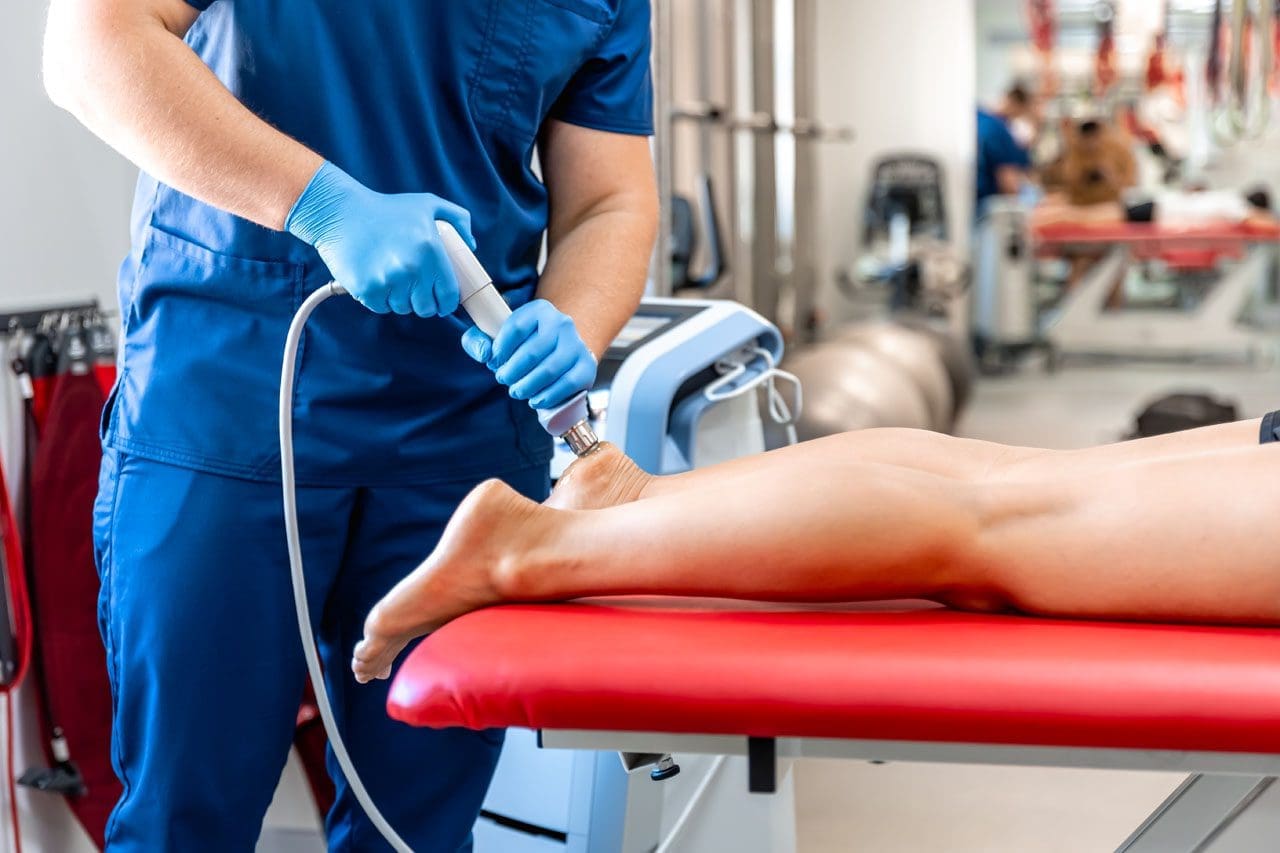
Many El Paso residents wake up with stiff joints or tight muscles, making simple daily tasks feel hard. Reaching overhead, bending down, or walking for long stretches can become painful or limited. At El Paso Back Clinic, integrative chiropractic care combined with Extracorporeal Shockwave Therapy (ESWT) offers a natural solution. This approach restores proper joint alignment, reduces muscle tension, and resolves soft-tissue restrictions, allowing patients to move freely again. Led by Dr. Alexander Jimenez, DC, APRN, FNP-BC, the clinic’s team uses gentle adjustments, stretching, exercises, and advanced shockwave treatments to help people regain flexibility and enjoy life in El Paso.
What Integrative Chiropractic Care Does for Flexibility at El Paso Back Clinic
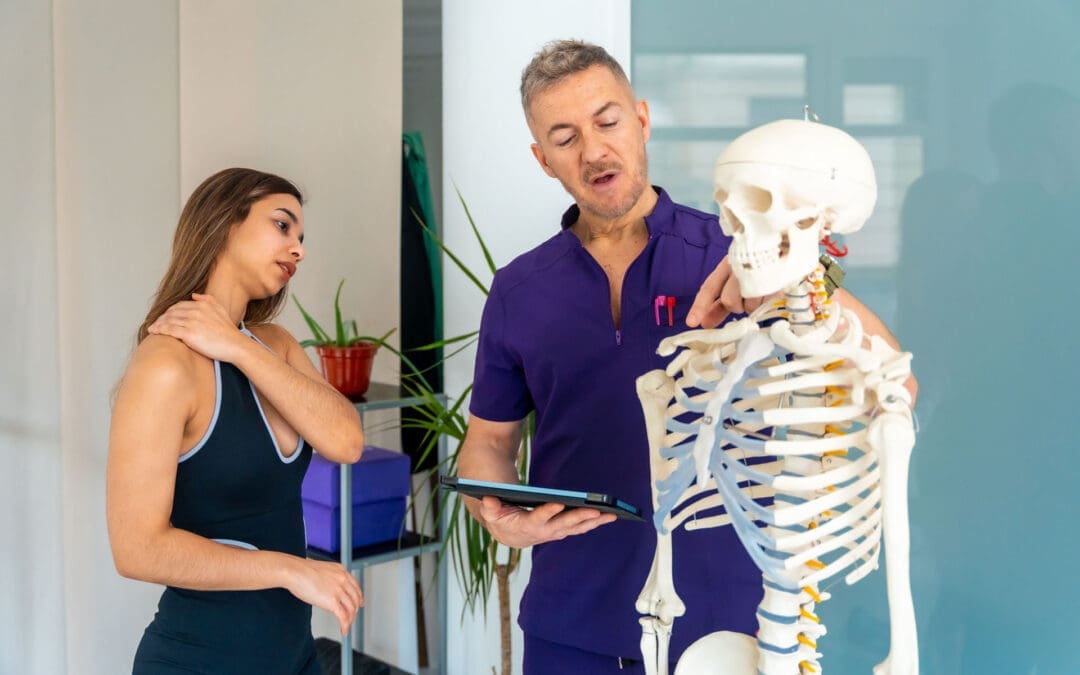
Integrative chiropractic care at El Paso Back Clinic treats the whole body instead of just one problem area. It corrects small misalignments, called subluxations, in the spine and joints. These misalignments put pressure on nerves and tighten muscles. Regular adjustments gently move everything back into place. This restores proper joint alignment, eases tension, and lets the nervous system send clearer signals to the muscles.
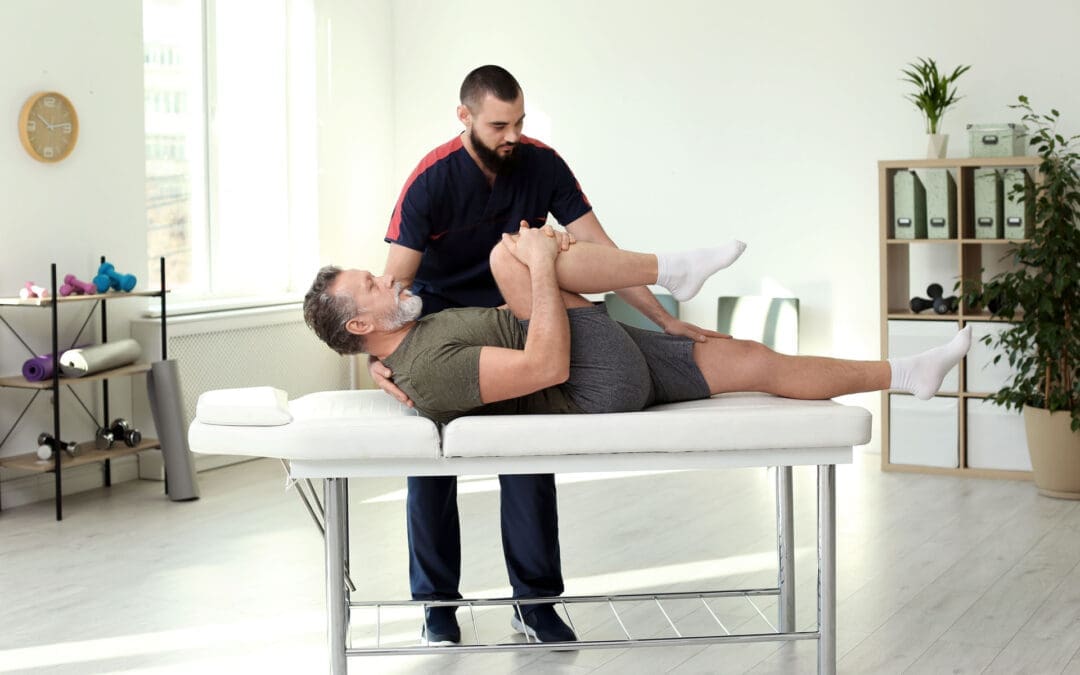
When joints line up correctly, range of motion improves right away. Stiffness fades, and daily movements become smoother and more efficient. Patients at the clinic often say they feel looser and more energetic after just a few visits. (Gentle Chiro, n.d.) The care also includes stretching and therapeutic exercises to maintain gains over time. Muscles and joints start working together as a team, building resilience that lasts.
How Chiropractic Adjustments Restore Joint Alignment and Reduce Stiffness
Adjustments form the core of care at El Paso Back Clinic. The team uses precise, gentle pressure to correct subluxations. This simple step brings clear benefits that patients notice quickly:
Better range of motion, so joints glide freely without catching
Less muscle tension around the back, neck, and limbs
Improved nervous system function for better balance and coordination
Smoother daily activities like turning your head while driving or reaching for groceries
Lower risk of future stiffness because proper alignment trains the body to stay balanced
Many people in El Paso report that these changes make physical activities feel easier and less tiring. (Rodgers Stein Chiropractic, n.d.) The adjustments help the body move more efficiently without pain, supporting an active lifestyle.
Adding Stretching and Therapeutic Exercises for Long-Term Results
Adjustments open the door to better movement, but stretching and exercises keep it open. At El Paso Back Clinic, the rehabilitation team creates simple home programs that match each patient’s needs. Dynamic stretches warm up the body before activity. Static stretches hold the new mobility after adjustments. Therapeutic exercises strengthen the muscles that support the joints.
These steps build endurance and agility. Patients find they can stay active longer without soreness. The clinic’s sports medicine approach helps people return to hiking in the Franklin Mountains, playing with family, or working without the same old limitations. (Chiropractic Fitness, n.d.) Consistent practice turns short-term gains into lasting flexibility.
Introducing Extracorporeal Shockwave Therapy (ESWT) at El Paso Back Clinic
ESWT uses focused sound waves to reach deep into muscles, tendons, and ligaments. The waves create tiny pulses that restart healing in areas stuck with scar tissue or chronic tightness. This noninvasive treatment increases blood flow, breaks down old buildup, and reduces inflammation. At El Paso Back Clinic, ESWT is available as a key component of advanced care plans for patients who need additional support for soft tissue problems.
Why Combining Chiropractic Care and ESWT Delivers Stronger Flexibility Gains
The real power at El Paso Back Clinic comes from pairing chiropractic adjustments with ESWT. Adjustments fix the mechanical side—joint position and nerve signals—while ESWT handles the soft-tissue side—scar tissue, poor circulation, and stubborn tension. Together, they create faster, longer-lasting results than either method alone.
This dual approach works in several key ways:
Chiropractic restores spinal and joint mobility
ESWT breaks down scar tissue and releases tight fascia
The pair reduces inflammation and collagen cross-linking that causes stiffness
Blood flow improves, helping muscles and tendons heal
Patients regain a greater range of motion because both structure and tissue health get better at once
Clinic reports show that this combination can significantly improve outcomes compared with standard care. Many El Paso patients with ongoing tightness notice a real return of freedom of movement.
Common Conditions That Benefit from This Integrated Approach
El Paso Back Clinic uses this combined approach to treat several conditions that rob people of flexibility. Here are some of the most common:
Frozen shoulder – Adjustments free stuck joints while ESWT dissolves scar tissue and calcium deposits. Patients often regain full arm motion without pain.
Achilles tendinopathy – Chiropractic realigns the lower body to ease strain. Shockwave therapy stimulates the growth of new blood vessels and clears chronic buildup, so walking and running feel normal again.
General chronic muscle tension – Tightness in the back, neck, or legs from stress, work, or old injuries—responds well. The therapies release trigger points and restore smooth movement.
Post-injury stiffness from car accidents or sports – The clinic specializes in personal injury care. The combination speeds recovery and safely rebuilds mobility.
Other issues, such as plantar fasciitis and tennis elbow, also improve because the care addresses both alignment and tissue damage. (Bend Total Body Chiropractic, n.d.)
Clinical Insights from Dr. Alexander Jimenez at El Paso Back Clinic
Dr. Alexander Jimenez, DC, APRN, FNP-BC, leads El Paso Back Clinic with more than 30 years of experience. As both a Doctor of Chiropractic and a board-certified Family Nurse Practitioner, he brings a unique integrative perspective to every patient. In his clinical work in El Paso, Dr. Jimenez sees how chiropractic adjustments correct subluxations and improve nervous system function, thereby boosting flexibility and range of motion. When combined with ESWT, the results are even stronger for soft tissue injuries from accidents or overuse.
Dr. Jimenez often notes that this teamwork helps patients break down scar tissue, reduce inflammation, and restore proper movement patterns faster than traditional methods alone. His approach includes personalized functional medicine, nutritional support, and rehabilitation exercises to help patients build lasting resilience. At the clinic’s convenient El Paso locations, patients receive complete care that addresses the root causes of stiffness and helps them return to daily life and favorite activities with confidence.
Tips to Get the Most from Care at El Paso Back Clinic
Start with a full evaluation so the team can build a plan that fits your body and lifestyle. Attend regular adjustments and ESWT sessions as recommended. Follow the simple stretching and exercise routine at home every day. Support your progress with good posture, daily walks, proper hydration, and enough rest. The friendly staff at El Paso Back Clinic makes the process easy and supportive. Many patients see big improvements in flexibility within just a few weeks when they stay consistent.
A Natural Path to a More Flexible, Resilient Life in El Paso
Integrative chiropractic care and ESWT at El Paso Back Clinic offer a powerful, drug-free way to fight stiffness and reclaim natural movement. By correcting joint alignment, releasing muscle tension, and healing soft tissues, this approach makes daily life and physical activity feel effortless again. Muscles and joints work in harmony, the nervous system functions smoothly, and the body stays strong through the years.
Whether you deal with occasional tightness or a specific injury, the experienced team at El Paso Back Clinic can help. Contact the clinic today to schedule an evaluation and discover how these natural tools can work for you. With the right plan, better flexibility and mobility are well within reach for El Paso residents.
Why Gut Pain Persists Even When Eating Healthy: Root Causes and Integrative Chiropractic Solutions at El Paso Back Clinic
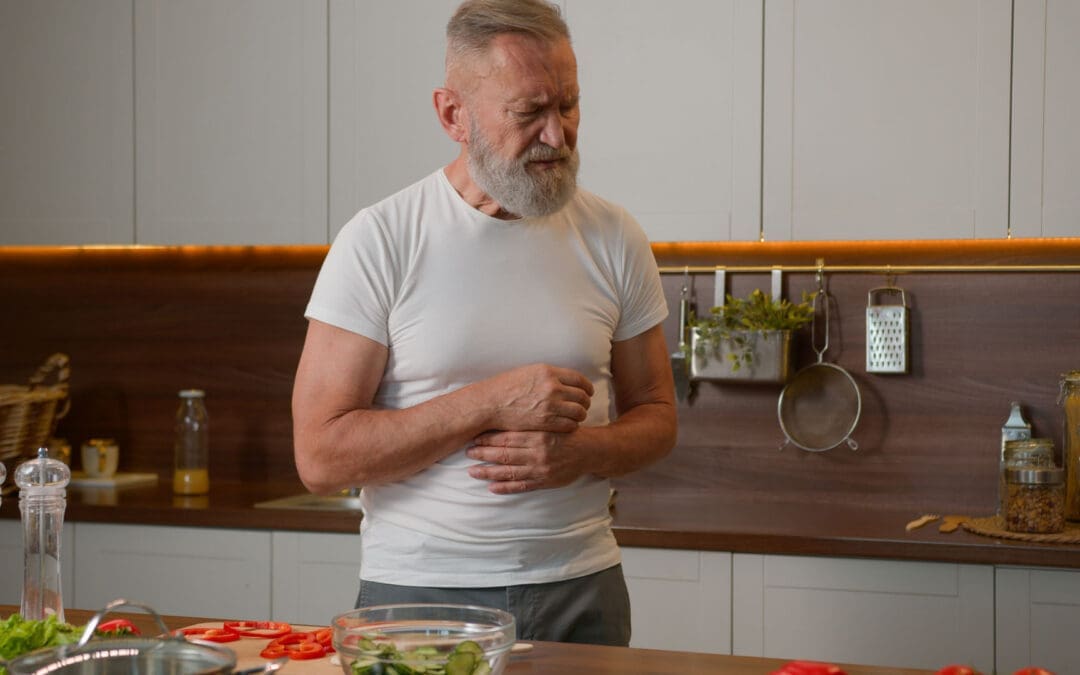
Many people switch to salads, fresh fruits, whole grains, and lean proteins, hoping their stomach troubles will finally end. They cut out fast food and feel optimistic. Yet the bloating, cramps, and pain often continue or even worsen. At El Paso Back Clinic in El Paso, Texas, Dr. Alex Jimenez, DC, APRN, FNP-BC, CFMP, IFMCP, sees this pattern daily. As a leading injury specialist and scientific chiropractor, he explains that persistent gut pain often stems from underlying issues such as leaky gut, hidden food sensitivities, low stomach acid, and insufficient digestive enzymes. The clinic’s integrative chiropractic approach identifies and addresses these root causes rather than just masking symptoms. They blend gentle spinal adjustments, functional medicine testing, and targeted nutrition for real, lasting relief.
Leaky gut, also known as increased intestinal permeability, is a common hidden reason why pain lingers. The lining of the small intestine should work like a smart filter. It lets nutrients pass into the bloodstream while keeping out bacteria, toxins, and undigested food. When the lining gets damaged, tiny gaps form. Harmful particles slip through and trigger immune responses. This creates inflammation that shows up as gut pain, fatigue, brain fog, or skin problems.
Here are key factors that can weaken the gut lining:
Frequent use of pain relievers like ibuprofen or antibiotics
Too much alcohol or processed foods
Ongoing stress that keeps the body in fight-or-flight mode
Dysbiosis, an imbalance of good and bad gut bacteria
Environmental toxins or past infections
These triggers break the tight junctions between cells, allowing leaks that spark body-wide inflammation.
Hidden food sensitivities make the problem even trickier
You might eat what seems like healthy food—avocados, chicken, or broccoli—yet still feel discomfort hours later. These are often delayed reactions, unlike the rapid swelling seen in true allergies. Once particles leak through a damaged gut, the immune system makes antibodies. This leads to constant low-level irritation and pain in the intestines.
Low stomach acid and insufficient digestive enzymes add to the struggle. Stomach acid normally breaks down food and kills harmful germs. Enzymes from the pancreas chop proteins, fats, and carbs into pieces the body can absorb. Stress, aging, or antacid medicines lower acid levels, so food sits half-digested. Undigested bits then feed harmful bacteria, create gas, and irritate the lining. Healthy meals alone cannot fix this cycle.
The spine plays a surprising role in gut health, which is why El Paso Back Clinic specializes in connecting back care to digestion. The vagus nerve runs from the brain through the neck and spine down to the stomach and intestines. It controls acid production, enzyme release, and proper gut movement. Misalignments in the upper back or neck tension from poor posture, injuries, or desk work can pinch or irritate this nerve. When vagus signaling slows, digestion lags, bacteria overgrow, and leaky gut worsens. Many patients who come in for back pain or sciatica also report stubborn gut issues that improve once spinal alignment is restored.
Dr. Alex Jimenez has observed these spine-gut connections for years in his clinical practice at El Paso Back Clinic
His dual training as a Doctor of Chiropractic and a Family Nurse Practitioner allows him to treat both structural problems and functional imbalances. Gentle chiropractic adjustments restore proper nerve flow, reduce inflammation, and support better digestion. Patients with chronic back pain, bloating, and fatigue often see major improvements when the clinic addresses the full picture. Dr. Jimenez uses advanced testing and personalized plans that include nutrition, supplements, and spinal care to resolve symptoms standard diets miss.
Dysbiosis and chronic stress frequently hide behind “healthy” eating struggles. Dysbiosis means the trillions of gut microbes get out of balance. Helpful bacteria that digest fiber and make vitamins decline, while harmful ones produce gas and toxins. Stress keeps the body from entering the calm “rest-and-digest” mode. The vagus nerve cannot function well, so acid and enzymes stay low, and the gut lining stays irritated.
Small Intestinal Bacterial Overgrowth (SIBO) takes this further. When nerve interference or low acid slows movement, bacteria that belong in the large intestine migrate upward. They ferment food too early in the small intestine, causing pressure, bloating, and pain. Even a vegetable-rich diet can feed SIBO if the root spinal or nerve issue remains untreated.
El Paso Back Clinic stands out because they treat the whole person. They do not simply hand out another diet sheet. Instead, the team listens to your full story—back pain history, stress levels, sleep, past injuries, and posture. They order precise functional tests and combine them with chiropractic adjustments for a custom plan.
Here are common steps in a gut-healing protocol used at the clinic:
Temporarily remove irritants while testing to find exact triggers
Add bone broth, fermented foods like sauerkraut, and fiber-rich vegetables to feed good bacteria
Use digestive enzymes and herbal bitters before meals to boost acid and break down
Sip warm ginger or chamomile tea to calm the nervous system and improve motility
Practice slow, mindful eating with deep breaths to activate the vagus nerve
Include supportive herbs like marshmallow root and calendula to repair the lining
These steps work best when paired with spinal adjustments and lab results
Testing matters more than guessing. Simply changing diets without knowing the cause often fails. One person might need extra acid support. Another might fight SIBO linked to vagus nerve pressure from neck strain. A third could have a hidden sensitivity to gluten or dairy. Functional labs check stool microbes, measure gut permeability, or scan for food antibodies. Dr. Jimenez and the El Paso Back Clinic team use these tools, plus chiropractic exams, to build plans that last.
The nervous system strongly affects digestion. Eating while stressed or in a rush keeps the body in fight-or-flight. Digestion slows, food sits longer, and the gut lining stays open. Simple daily habits help: take five slow breaths before meals, chew thoroughly, and eat without distractions. These cues tell the vagus nerve it is safe to produce acid, release enzymes, and move food smoothly.
Healing takes time
The gut lining renews every few days, but full repair often needs weeks or months of consistent care. Professional guidance at a clinic like El Paso Back Clinic prevents wasted effort on random changes. Many patients feel surprised when pain fades once the real issue is fixed. One client who ate only clean foods still had daily cramps until tests revealed SIBO and low enzymes. After chiropractic adjustments, targeted nutrition, and stress work, digestion normalized. Another person who had ongoing back pain and bloating felt better when integrated care fixed hidden sensitivities and tension in the vagus nerve.
El Paso Back Clinic also links low secretory IgA—a key gut defense—to leaky gut and autoimmunity. Their approach combines stress reduction, anti-inflammatory eating, and supplements to rebuild defenses. The team emphasizes functional nutrition that heals from the inside out while keeping the spine aligned to optimize nerve flow.
In the end, ongoing gut pain despite healthy eating is your body’s way of asking for help. It often points to leaky gut, sensitivities, poor digestion, dysbiosis, or nerve interference due to spinal issues. Targeted testing and root-cause care at El Paso Back Clinic deliver real results. Dr. Alex Jimenez and the team show how chiropractic science, functional medicine, and personalized protocols turn pain into steady wellness. Listen to the signals, get evaluated, and take step-by-step action. Your gut—and your back—will thank you.
Can Athletes Keep Training with Integrative Chiropractic Care at El Paso Back Clinic? Safe Modifications for Faster Recovery
Athletes in El Paso often worry when pain slows them down
They do not want to lose strength or miss games. The good news is clear. While receiving treatment from an integrative chiropractor at El Paso Back Clinic, athletes can usually continue training or participating in sports; however, activity modification is often necessary to promote healing and prevent further injuries. “Complete rest is rarely the answer,” according to an integrative approach, which promotes “optimal loading”—applying just enough stress to promote healing without overtaxing injured structures.
To recover to full, pain-free performance more quickly, the athlete should see the chiropractor as a partner who offers a customized, structured strategy that shifts the goal from “complete rest” to “controlled, modified training.” At El Paso Back Clinic, led by Dr. Alexander Jimenez, DC, APRN, FNP-BC, this teamwork happens every day. The clinic blends chiropractic adjustments, functional medicine, sports rehab, and the PUSH Functional Fitness System to keep athletes moving safely while their bodies heal.
El Paso Back Clinic sits right here in El Paso, Texas. The team treats back pain, sports injuries, and chronic issues with a whole-person plan. Dr. Jimenez and his staff check posture, movement, and daily habits. They create plans that fit each athlete’s sport and life. Adjustments ease joint pressure. Nutrition tips fight swelling. Light fitness drills keep strength high. The result is faster healing and stronger returns to the field or court.
Many athletes fear losing fitness during recovery
At El Paso Back Clinic, modified training transforms that fear into steady progress. Gentle movement helps deliver blood and nutrients to injured areas. This speeds repair and stops muscles from getting weak. Clinic experience and research show athletes who stay active the smart way return sooner and stay healthier longer.
• Check how your body feels before and after activity
• Warm up with five minutes of easy walking every time
• Keep pain mild—no more than a 2 out of 10
• Write down small daily improvements
• Meet with your provider each week to adjust the plan
These simple steps make recovery feel active and hopeful instead of frustrating
Optimal loading is the heart of care at El Paso Back Clinic. Tissues heal best with the right amount of stress. No stress slows rebuilding. Too much stress causes new problems. Dr. Jimenez guides athletes to that perfect balance. A runner with knee pain might skip long runs but keep swimming and light cycling. A football player with a shoulder issue might pause heavy lifts but continue band work and core drills. This method protects overall fitness while targeted areas mend.
One trusted guide notes that gradually reintroducing exercise helps avoid high-impact or strenuous moves at first. Athletes who follow this advice stay ready for their sport instead of starting over later.
Chiropractic adjustments at the clinic realign the spine and joints, so nerves fire cleanly, and pain drops fast. Sessions often add soft-tissue release, stretches, and in-office exercises. These steps make everyday movement smoother. Many patients notice less stiffness after just a few visits. The clinic’s sports rehab programs incorporate mobility-agility training and the PUSH Functional Fitness System to safely rebuild power.
• Use ice for ten minutes on swollen areas
• Drink plenty of water to keep joints flexible
• Try low-impact cardio like pool walking or biking
• Stretch tight muscles each morning
• Choose meals high in protein and colorful vegetables
These easy habits work with the clinic’s functional medicine approach and boost results between visits
A clear step-by-step return plan keeps everything safe. Experts recommend building activity in stages. Begin with light aerobic moves that gently raise your heart rate. Add moderate effort next. Then move to sport-specific drills without contact. A full return occurs only after pain-free testing.
The Centers for Disease Control and Prevention outlines a similar graduated path that fits many injuries. Each stage lasts at least twenty-four hours. If symptoms flare, step back and rest briefly. This safety net stops athletes from rushing and builds real confidence.
• Stage 1: Short walks or stationary bike sessions
• Stage 2: Light jogging plus easy resistance moves
• Stage 3: Faster drills and full weights with no contact
• Stage 4: Skill practice by yourself
• Stage 5: Full practice or competition
Athletes at El Paso Back Clinic who follow these stages often feel stronger and more prepared when they return to games
Personalized plans set the clinic apart. No two athletes are the same. A soccer player’s ankle plan looks different from a weightlifter’s back plan. Dr. Jimenez reviews movement patterns, lab results, and daily routines. Then he builds a custom roadmap. Weekly check-ins let the plan grow with healing.
Clinical observations from Dr. Alexander Jimenez, DC, APRN, FNP-BC, demonstrate powerful real-world results. At El Paso Back Clinic, he sees athletes recover fastest when chiropractic care teams up with functional fitness and whole-body support. Instead of ordering full rest, Dr. Jimenez uses tailored rehab that mixes mobility drills, core stability, light conditioning, and nutrition guidance. His patients return to sport more quickly because the plans address root causes and keep controlled training alive. Many gain better movement habits that last long after recovery (Jimenez, n.d.).
Active recovery days keep momentum going. Light walks, foam rolling, or gentle yoga replace couch time. These sessions improve blood flow, clear muscle waste, and keep nerve pathways sharp. One recovery tip explains that active recovery involves engaging in low-intensity activities to promote blood flow and reduce muscle soreness. Staying hydrated makes these sessions even better.
• Foam roll tight spots for five minutes daily
• Stretch big muscle groups after light work
• Add simple balance drills
• Use compression sleeves for mild swelling
• Aim for seven to nine hours of sleep each night
Small actions like these prevent weakness and support the clinic’s goal of optimal mobility and fitness
Nutrition plays a huge role at El Paso Back Clinic. Food acts as fuel for repair. Protein rebuilds tissue. Anti-inflammatory choices calm swelling. The team shares easy meal ideas that fit busy training schedules. When athletes eat and drink right, soreness drops, and progress speeds up between appointments.
Early inflammation needs smart handling. Light ice and compression calm the area at first. Gentle motion then keeps fluids moving. Adjustments improve circulation and ease nerve pressure. The focus stays on guiding healing with the right activity.
Timing after an adjustment matters. Most athletes can start light movement soon, but waiting 20 to 30 minutes lets the joints settle. Begin easy and build slowly. Pain stays the guide—keep it low and slow down if needed.
• Warm up lightly before every session
• Focus on perfect form over heavy weights
• Cross-train to rest injured areas
• Log workouts in a simple notebook
• Celebrate wins like easier daily movement
These habits turn recovery into real progress
Beyond healing, care at El Paso Back Clinic lifts performance. Adjustments improve range of motion, balance, and power. Many athletes notice faster speed and better endurance after regular visits. The same tools that fix today’s injuries also prevent tomorrow’s.
Knowing when to pause is key. Sharp pain, growing swelling, or numbness means you should rest that spot. The team teaches self-checks so athletes stay safe between visits. Plans work for every sport—runners cut miles but add hills slowly, contact athletes drill form with lighter loads, swimmers focus on technique.
The biggest shift is mental. Athletes stop fearing rest and start partnering with experts for smart progress. The goal moves from “complete rest” to “controlled, modified training.” This builds trust and keeps the drive high.
Results show quickly. Shorter breaks mean more practice time and better seasons. Lower re-injury rates extend careers. Many athletes learn smarter movement habits that help them reach new levels.
El Paso Back Clinic welcomes players of all levels
—from weekend players to serious competitors. Plans adjust for age, background, and goals. The integrative style fits busy lives in El Paso and beyond, with clear in-person and follow-up support.
Modern research confirms smart loading beats total rest for most injuries. The clinic stays current by mixing classic chiropractic with functional science and sports medicine. Athletes gain body knowledge that lasts a lifetime. Dr. Jimenez and his team become ongoing partners for wellness and peak performance.
Recovery no longer means sitting out. With guidance from El Paso Back Clinic, athletes train smarter, heal naturally, and return stronger. Optimal loading, custom plans, and whole-person support turn every setback into a powerful comeback.
Integrative Chiropractic Care at El Paso Back Clinic: Boosting Body Function, Easing Pain, and Building Lasting Wellness
Living in El Paso can mean long days on your feet, heavy lifting at work, or weekend sports that leave your back sore and your energy low. Many people deal with nagging pain, stiff joints, slow healing, and constant tiredness. At El Paso Back Clinic, integrative chiropractic care offers a natural path to resolve these problems and help your body work at its best. This approach improves human body function by removing nerve interference through safe spinal adjustments. It also enhances mobility and calms the nervous system. Patients often feel less pain, more energy, better blood flow, and smoother movement right away. The team at El Paso Back Clinic pairs gentle adjustments with soft tissue work and simple exercises for real, long-term health gains.
What sets El Paso Back Clinic apart is its full-body focus. Care extends beyond a single spot to support your overall physical and emotional well-being. The clinic may add helpful therapies like massage and acupuncture. When chiropractic joins forces with functional medicine and advanced nursing, the results get even stronger. This team effort lines up your spine and structure with your nutrition, metabolism, and nerve health. Pain and swelling drop fast. Nervous system signals sharpen. Mobility improves, so you can move freely again. The collaborative model at El Paso Back Clinic combines biomechanical fixes with biochemical support to deliver truly lasting comfort and strength.
How Spinal Adjustments at El Paso Back Clinic Clear Nerve Interference
Spinal adjustments sit at the center of care at El Paso Back Clinic. When bones in your spine shift out of place, they can press on nerves and block signals traveling between your brain and body. This nerve interference causes pain, weakness, and slow recovery. A quick, controlled adjustment uses gentle force to guide the bones back into proper alignment. Once pressure lifts, nerves fire clearly again.
The science behind these moves is clear and simple. Joints regain smooth motion and lose stiffness almost instantly. Tight muscles relax, easing strain on nearby tissues. Many patients at El Paso Back Clinic notice quick relief because their bodies can now heal themselves without blocked signals. The clinic’s advanced tools, such as digital motion X-rays, help Dr. Alex Jimenez pinpoint exactly where help is needed.
Top Benefits of Clearing Nerve Interference at El Paso Back Clinic
Adjustments ease back, neck, and joint pain by fixing misalignments and relaxing tight muscles.
Soft-tissue work and custom exercises reduce swelling and prevent problems from returning.
Functional medicine adds nutrition plans to lower whole-body inflammation for steady results.
These steps do far more than treat one ache. They help your entire system run more smoothly every day.
Improving Mobility and Calming the Nervous System
Good mobility means bending, walking, lifting, and playing without limits or pain. At El Paso Back Clinic, integrative chiropractic care unlocks this freedom. Spinal adjustments restore normal joint range so your hips, shoulders, and back move easily again. Patients often say they can walk farther, play sports longer, and handle daily tasks with confidence.
The nervous system also settles down beautifully. Clear nerve signals improve the brain-body connection. Stress that used to tighten your shoulders or trigger headaches fades away. Your body shifts out of “fight or flight” mode into a calm, healing state. This balance supports better sleep, steadier moods, and faster recovery from everyday wear and tear. The clinic’s sports rehabilitation and functional training lock these gains in place.
Mobility and Calm Benefits Patients Love
Spinal adjustments improve joint range of motion and reduce stiffness, making daily activities easier.
Functional strength exercises and rehab build support, so injuries stay away.
Combined therapies help people stay active at work, in sports, or around the house.
Better movement creates a positive loop. More activity keeps the nervous system relaxed and your body strong.
Reducing Pain, Raising Energy, and Boosting Circulation
Pain relief is the number one reason El Paso residents visit El Paso Back Clinic. Adjustments trigger your body’s natural pain-fighting mechanisms while addressing the root cause. Issues like sciatica, headaches, or lower back strain often improve after just a few visits. When pain drops, energy rises because your body stops wasting strength fighting constant discomfort.
Blood circulation gets a major lift, too. Proper spinal alignment lets blood flow freely, delivering oxygen and nutrients to every cell. Waste leaves faster. Patients report warmer hands and feet, sharper thinking, and less fatigue. This improved flow supports heart health and helps muscles recover more quickly after physical activity.
Energy and Circulation Wins at El Paso Back Clinic
Care boosts blood flow so oxygen reaches muscles and the brain more easily.
Less muscle tension and nerve pressure bring higher energy and clearer focus.
Regular sessions leave patients feeling refreshed instead of drained.
These changes add up quickly. Less pain plus steady energy makes life in El Paso feel lighter and more fun.
Optimizing Movement with Soft Tissue Work and Exercises
Integrative chiropractic care at El Paso Back Clinic goes way beyond quick adjustments. Soft tissue techniques, such as targeted massage, loosen tight muscles and break up scar tissue. This works hand in hand with spinal changes to keep your body balanced for longer. Simple exercises then strengthen the muscles around your newly aligned spine. The clinic’s rehab centers teach stretches and core moves you can do at home to maintain your progress.
This complete package prevents old problems from coming back. Instead of chasing symptoms, care at El Paso Back Clinic builds a rock-solid foundation for active living. Over time, patients enjoy better posture, stronger balance, and real confidence in their movements.
Complementary Therapies for Full-Body Wellness
Massage and acupuncture blend perfectly into plans at El Paso Back Clinic. Massage relaxes muscles and improves blood flow right after an adjustment. Acupuncture calms the nervous system and eases emotional stress that often shows up as tight shoulders. Together, these tools address both the physical ache and the hidden tension many people carry. The result is a complete sense of balance that touches every part of life.
Patients who add these therapies often sleep more deeply, feel happier, and handle daily stress with ease. Body and mind work together instead of against each other.
The Power of Chiropractic, Functional Medicine, and Advanced Nursing Together
The strongest results occur when chiropractic, functional medicine, and advanced nursing come together at El Paso Back Clinic. Functional medicine looks deep into nutrition, gut health, and hormones to fix issues at their source. Advanced nursing brings medical checks, lab tests, and personalized plans. Dr. Alex Jimenez, DC, APRN, FNP-BC, leads this team with his dual training, making El Paso Back Clinic one of the most complete injury and wellness centers in Texas.
This trio aligns structural fixes with inner-chemistry support. Pain and inflammation drop fast. Nervous system function sharpens. Mobility improves, and long-term health becomes normal. The model combines biomechanical care with nutritional and neurological support for lasting results.
Dr. Alexander Jimenez’s Clinical Observations at El Paso Back Clinic
Dr. Alexander Jimenez, DC, APRN, FNP-BC, CFMP, IFMCP, has helped thousands of El Paso patients at his clinic. He sees spinal adjustments helping even complex herniated discs and severe sciatica heal naturally without surgery. When he combines chiropractic care with functional medicine, nutrition, and advanced nursing, inflammation in the joints and gut drops quickly. Patients gain more energy and far less pain.
Dr. Jimenez notes that proper alignment restores nerve signals, helping the body heal faster from injuries such as whiplash, sports strains, or work-related back issues. His patients with chronic conditions regain mobility and strength through custom plans that blend structure, diet, and lifestyle. He often points out that clear nerve pathways plus metabolic support improve sleep, lower stress hormones, and strengthen immune health. People enjoy lasting gains in posture, agility, and daily function when structural care is combined with nutritional and neurological support at El Paso Back Clinic.
His work proves that this integrated style delivers results far beyond what any single treatment can offer. Patients leave feeling empowered to stay healthy and active for years ahead.
Linking Movement, Recovery, and Stress Relief
Care at El Paso Back Clinic also connects movement with faster recovery. After an adjustment, guided rehab exercises rebuild strength while your body heals. This stops new injuries before they start and keeps you moving. Stress from work or daily life often shows up as tight muscles or poor posture. The clinic eases both kinds of tension so your nervous system stays balanced. Patients perform at their best because their bodies handle pressure without breaking down.
Long-Term Health and Immune Support
Regular visits to El Paso Back Clinic support your immune system naturally. Clear nerve signals help your body fight illness more effectively. Reduced inflammation and better circulation keep energy high and sick days low. Over months and years, patients report fewer health setbacks, stronger resilience, and a brighter outlook. This natural boost comes from your body’s own healing power once nerve interference is gone.
Many people stay with the clinic because it delivers steady improvements without drugs or surgery. They gain simple tools to manage their own wellness while knowing expert help is always close by.
Why El Paso Residents Choose Integrative Chiropractic Care at El Paso Back Clinic
Integrative chiropractic care at El Paso Back Clinic truly transforms how your body functions. It clears nerve interference, improves mobility, calms the nervous system, reduces pain, boosts energy, improves circulation, and optimizes movement. By blending spinal adjustments with soft-tissue work, exercises, massage, acupuncture, functional medicine, and advanced nursing, this approach delivers comprehensive physical and emotional support. Dr. Alexander Jimenez and the team at El Paso Back Clinic show that this collaborative style creates real, lasting health for people of all ages in our community.
If you live with ongoing back pain, sciatica, stiff joints, or just want to feel stronger every day, El Paso Back Clinic offers a safe, effective path forward. Small changes in your spine lead to big wins across your whole body. Call today or visit https://elpasobackclinic.com/ to start your journey toward pain-free living and lasting wellness.
How PRP Supports Tissue Repair and Recovery at El Paso Back Clinic
Platelet-Rich Plasma, or PRP, is a treatment that uses a concentrated portion of your blood to support healing in a specific injured area. Platelets are best known for helping blood clot, but they also carry growth factors and signaling proteins that help guide tissue repair. PRP is made by drawing a small amount of blood, spinning it in a centrifuge, and then placing the platelet-rich portion back into the area that needs help healing. Reviews of PRP describe it as an autologous therapy, meaning it comes from the patient, with platelet levels above baseline and a strong supply of growth factors and cytokines that can affect inflammation, angiogenesis, and cell proliferation.
For El Paso Back Clinic, this topic fits naturally with the clinic’s broader identity as a multidisciplinary injury and recovery practice. The clinic presents itself as a center for chiropractic care, functional medicine, injury care, rehabilitation, imaging and diagnostics, and wellness support, with a strong focus on injury recovery and musculoskeletal problems. That makes PRP a logical part of a larger recovery conversation rather than a stand-alone trend.
What PRP Really Does
PRP is often described in popular language as helping the body “clean up” damaged tissue. That idea can be helpful, but it needs to be explained carefully. PRP is not a whole-body cleanse or a detox program. The better scientific explanation is that PRP supports local tissue healing in a targeted area by releasing growth factors and signaling molecules that help coordinate repair. These signals may encourage cell recruitment, help regulate inflammation, support blood vessel growth, and improve the rebuilding of connective tissue.
In simple terms, PRP helps the body do three major things at an injured site:
Signal that healing needs to begin
Support the cleanup of damaged material
Help rebuild healthier tissue
That is why PRP is often used for tendons, ligaments, muscles, joints, and other slow-healing structures. Hospital for Special Surgery explains that PRP is injected into injured or diseased tissue to accelerate healing of tendons, ligaments, muscles, bones, and joints.
PRP and the Early Healing Response
Every injured tissue needs an organized healing response. In many chronic injuries, that response becomes weak, disorganized, or incomplete. PRP helps by creating a stronger healing signal in the injured area. A major review on PRP explains that platelets release growth factors and cytokines that influence inflammation, angiogenesis, stem cell migration, and cell proliferation. Another HSS review states that activated concentrated platelets release growth factors that stimulate the body to produce more reparative cells.
This is one of the reasons PRP is attractive in conservative and regenerative care. Instead of only covering pain, it aims to support the body’s own repair process. That does not mean results are guaranteed. PRP outcomes vary by tissue type, injury severity, preparation method, and the patient’s health. Still, the basic goal is clear: support better healing instead of simply masking symptoms.
How PRP Supports Tissue “Cleanup”
When people talk about PRP helping with detoxification or cleansing, the best way to describe it is local biologic cleanup. Injured tissue often contains damaged cells, inflammatory byproducts, and disorganized matrix material. Research shows that PRP helps create a regenerative microenvironment that supports both structural repair and functional recovery. A 2025 review describes key PRP pathways, including immune modulation, angiogenesis, and support for M2 macrophage polarization, which is linked to tissue repair.
Macrophages are important because they help remove damaged material. In healing tissues, they act like cleanup and coordination cells. They help phagocytose, or break down and remove, debris and necrotic material while also supporting repair signals. So when PRP is used in an injured joint, tendon, or soft-tissue area, it may help the body more effectively clear damaged tissue while also moving the area toward repair. That is much more accurate than saying PRP “flushes toxins” out of the whole body.
Angiogenesis: Bringing Better Blood Supply to Injured Tissue
A major part of healing is circulation. If tissue has a poor blood supply, healing can be slower and less complete. PRP has been linked to angiogenesis, which means the formation of new blood vessels. A major review of PRP biology reports that platelets release factors, including vascular endothelial growth factor and fibroblast growth factor, both of which are involved in angiogenesis. A newer PRP review also states that PRP’s overall effect is predominantly pro-angiogenic in therapeutic settings such as wound repair and tissue regeneration.
This matters because new blood vessel growth can help the injured area receive:
More oxygen
More nutrients
More signaling molecules
Better support for tissue remodeling
For a spine, joint, tendon, or sports-injury practice like El Paso Back Clinic, angiogenesis is one reason PRP may fit into broader musculoskeletal recovery plans. Better blood flow support can help move tissue from a stuck or slow-healing state toward active repair.
Fibroblasts, Collagen, and Matrix Remodeling
PRP is also important because healing is not only about cleanup. It is also about rebuilding. Fibroblasts are connective tissue cells that help produce collagen and organize the extracellular matrix. Research reviews show that PRP can stimulate fibroblast proliferation, collagen production, and extracellular matrix remodeling. These effects are part of why PRP is studied in wound care, scar remodeling, skin repair, and musculoskeletal recovery.
This rebuilding phase is important for injuries in which tissues have become weak, irritated, or degenerated over time. In those situations, PRP may help encourage a better repair environment by supporting stronger collagen organization and more orderly tissue remodeling. In practical terms, that can support recovery in tissues that need structure as well as symptom relief.
Inflammation: Starting It, Then Regulating It
Some people get concerned when they hear that PRP can create a healing response that includes inflammation. But a short and controlled inflammatory response is a normal part of repair. The goal is not endless inflammation. The goal is an organized healing phase followed by better regulation of the tissue environment. The 2025 PRP review notes that PRP can reduce pro-inflammatory cytokines while promoting tissue-repair pathways. This is part of why PRP is described as both reparative and immunomodulatory.
This balanced effect is important for chronic injuries. A tissue that has been irritated for a long time may need a better biologic signal to restart and organize healing. PRP can support that process by helping shift the local environment away from ongoing dysfunction and toward recovery.
Why Image Guidance and Clinical Precision Matter
PRP is only as useful as the way it is applied. Cleveland Clinic notes that providers may use ultrasound to locate the appropriate injection site. Hospital for Special Surgery also notes that ultrasound imaging is sometimes used to guide the injection directly into the area of injury.
That point matters for a clinic like El Paso Back Clinic because the site emphasizes injury care, diagnostics, imaging, rehabilitation, and multidisciplinary support. When PRP is paired with careful diagnosis and precise placement, the treatment is more likely to target the tissue that actually needs help. This is especially important in complex cases of back pain, sports injuries, ligament problems, and other musculoskeletal conditions where multiple structures may be involved.
An Integrative Recovery Approach
One of the strongest ways to frame PRP for El Paso Back Clinic is as part of a bigger recovery plan. The clinic site highlights chiropractic care, functional medicine, rehabilitation, injury care, wellness medicine, and diagnostic services. That kind of setting supports the idea that tissue repair works best when the injection is not treated like a one-step fix.
A full PRP recovery plan may also include:
A clear diagnosis
Image-guided placement when needed
Activity modification
Rehabilitation exercises
Joint and spine support
Nutrition and metabolic support
Follow-up to track healing progress
This broader model lines up well with Dr. Alexander Jimenez’s public clinical approach, which emphasizes injury recovery, rehabilitation, imaging, wellness, and integrated musculoskeletal care through the El Paso Back Clinic platform and related services. Based on that public positioning, PRP can be described as one piece of a comprehensive repair strategy rather than a stand-alone solution.
What Patients Should Keep in Mind
PRP has real potential, but it also has limits. HSS notes that one of the main uncertainties with PRP is that effectiveness can vary from patient to patient. The same source notes that the risk of infection is low but still possible, as with any injection. Because PRP comes from the patient’s own blood, side effects are usually limited, but results are not identical for everyone.
So the most honest summary is this:
PRP supports local tissue repair, not a whole-body detox
PRP may help damaged tissue move through the cleanup and rebuilding phases
PRP can support angiogenesis, fibroblast activity, and collagen remodeling
PRP often works best when paired with diagnosis, rehab, and follow-up care
PRP is promising, but patient response can vary
That kind of balanced explanation is helpful for patients who want both hope and realism.
Final Thoughts
For El Paso Back Clinic, PRP is best suited as a biologic support tool within a broader musculoskeletal and wellness model. It uses the patient’s own platelets to deliver growth factors and signaling molecules into injured tissue. Those signals can help start healing, support local immune cleanup, encourage angiogenesis, stimulate fibroblasts, and improve collagen and matrix remodeling. In other words, PRP may help the body clear damaged tissue and build healthier tissue in the same area.
That message matches the clinic’s public identity as a multidisciplinary injury and recovery center in El Paso. When PRP is paired with careful diagnosis, image-guided precision, rehabilitation, chiropractic and wellness support, and a thoughtful follow-up plan, it can be presented as a practical part of an integrative recovery strategy for back pain, sports injuries, and other musculoskeletal conditions.
Why Poor Posture Habits Develop and How Integrating Chiropractic Care Can Help Restore Alignment
Poor posture is one of the most common physical problems in modern life. It often starts quietly. A person looks down at a phone for hours, leans forward at a desk, drives long distances, or relaxes in a slouched position at home. At first, it may not seem serious. Over time, however, these repeated positions can train the body into unhealthy movement patterns. What feels normal after months or years of slouching may actually be a sign that the muscles, joints, and spine are no longer working in balance.
At El Paso Back Clinic, posture problems are often viewed as more than a simple bad habit. They are usually the result of repeated stress on the body, weak supporting muscles, muscle tension, and changes in how the spine and joints move. Integrative chiropractic care can help address these root causes by improving spinal mobility, reducing soft-tissue tension, and teaching patients how to move, sit, stand, and work in healthier ways. This kind of approach does not just cover up symptoms. It helps restore a more natural, upright, and pain-free posture over time (Harvard Health Publishing, 2025a; OAA Orthopaedic Specialists, 2025).
Poor Posture Usually Develops Slowly
Most people do not suddenly wake up one day with poor posture. It usually develops gradually through daily routines. Modern life encourages a posture pattern that pulls the body forward. Many people spend hours doing the following:
Looking down at smartphones
Leaning toward computer screens
Sitting for long periods without breaks
Driving with rounded shoulders
Carrying tension in the neck and shoulders
Avoiding regular exercise or strength training
These habits can make the body adapt to a slouched position. Muscles in the chest, neck, and hip flexors often become tight, while the core, glutes, and upper back muscles grow weaker. This creates an imbalance. As a result, the head shifts forward, the shoulders round, and the spine loses some of its natural support and alignment (Better Health Channel, n.d.; Brown University Health, 2024).
Technology Has Changed the Way People Hold Their Bodies
One of the primary causes of poor posture today is the constant use of technology. Phones, tablets, and laptops often pull the head and shoulders forward. This forward-leaning pattern is commonly called “text neck” or “tech neck.” The neck must then support the weight of the head in a less efficient position, placing extra strain on the muscles, joints, and ligaments.
Brown University Health explains that looking down at a phone or tablet for long periods is a major contributor to bad posture. Harvard Health also notes that prolonged use of a computer or smartphone can lead to postural changes, muscle fatigue, and pain. These habits do not just affect the neck. They can also influence the shoulders, upper back, mid-back, and even the lower back because the body functions as a single, interconnected system (Brown University Health, 2024; Harvard Health Publishing, 2025a).
Sedentary Living Weakens the Body’s Support System
Poor posture is not only about how someone sits or stands. It is also about whether the body has enough strength and endurance to maintain healthy alignment. Sitting for long periods can weaken the muscles that support posture, especially the deep core muscles, glutes, and upper back stabilizers. When these muscles weaken, the body often relies on passive structures such as ligaments and joint surfaces rather than active muscular support.
This is one reason why slouching can start to feel easier than sitting upright. Slumping reduces the need for muscles to stay active, at least for a short time. However, that temporary comfort can lead to long-term strain. Harvard Health explains that poor posture habits can overstretch some muscles while shortening others, leading to pain and loss of function. Better Health Channel also notes that incorrect posture is often linked with inactivity, muscle fatigue, and poor physical conditioning (Harvard Health Publishing, 2025b; Better Health Channel, n.d.).
Stress and Tension Also Affect Posture
Posture is not only physical. It is also influenced by mental and emotional stress. When people feel stressed, they often tighten their shoulders, clench their jaw, and brace their upper body without realizing it. Over time, that tension pattern can become part of their normal posture. Instead of standing tall with relaxed shoulders and balanced breathing, the body stays guarded and compressed.
Stress-related tension can make it harder to maintain a neutral spine and relaxed shoulder position. It can also reduce normal breathing mechanics, especially when the chest feels tight, and the upper body remains rounded. This may help explain why poor posture is sometimes linked with headaches, neck tension, and fatigue (OrthoCarolina, 2025; Brown University Health, 2024).
The Body Adapts to What It Repeats
A key reason poor posture becomes difficult to fix is that the body adapts to repeated positions. If someone spends enough time in a slouched posture, the body begins to accept that shape as normal. Tight muscles stay tight. Weak muscles stay weak. Joint restrictions may develop. A person may even feel uncomfortable when trying to stand taller because upright posture now feels unfamiliar.
This process helps explain why poor posture is more than a simple choice. It becomes a learned physical pattern. Better Health Channel explains that repeated poor positioning and inactivity can lead to muscle fatigue and strain. Harvard Health also reports that poor posture can contribute to back pain, neck pain, headaches, difficulty breathing, and, in more serious cases, difficulty walking (Better Health Channel, n.d.; Harvard Health Publishing, 2025a).
Common Signs of Poor Posture
Poor posture can show up in many ways. Some signs are easy to see, while others are felt more than seen.
Common visual signs include:
Forward head posture
Rounded shoulders
A slouched upper back
An exaggerated low back arch
Uneven shoulders or hips
A tendency to lean to one side
Common symptoms may include:
Neck pain
Shoulder tightness
Upper back stiffness
Low back discomfort
Headaches
Muscle fatigue
Reduced range of motion
Pain after sitting for long periods
Feeling stiff when standing up after sitting
At El Paso Back Clinic, these patterns would typically be viewed as functional problems that affect more than appearance. They can change the way a person moves, breathes, works, and recovers from daily stress.
Why Integrative Chiropractic Care Can Help
Integrative chiropractic care focuses on the mechanical and functional causes of poor posture. Instead of just telling a patient to “sit up straight,” this approach examines why the posture problem developed in the first place. That may include joint restriction, muscle imbalance, repetitive strain, weak stabilizing muscles, and daily habits that continue to stress the spine.
Chiropractic adjustments can help restore motion in spinal and joint segments that are not moving well. OAA Orthopaedic Specialists explains that adjustments may improve spinal alignment and joint mobility, helping reduce compensatory patterns that contribute to poor posture. When joints move more freely, the body often has an easier time maintaining a more natural posture (OAA Orthopaedic Specialists, 2025).
Soft Tissue Work Helps Reduce Tension
Posture problems often involve more than the spine itself. Tight muscles in the chest, neck, shoulders, and hips can continue to pull the body forward even after a spinal correction. That is why integrative chiropractic care often includes soft tissue work, such as manual therapy, myofascial release, stretching, and mobility work.
This is important because posture is controlled by both joints and muscles. If the muscles remain tight and overactive, it becomes harder to maintain better alignment. Releasing muscle tension can make posture correction feel more natural and less forced. Many chiropractic posture-focused sources describe soft tissue therapy as a helpful component in improving posture and reducing pain associated with muscle imbalances (DE Integrative Healthcare, 2025; Zaker Chiropractic, 2025).
Corrective Exercises Support Long-Term Change
Posture usually does not improve for long unless the body becomes stronger and more aware. Corrective exercises help retrain the muscles that support healthy alignment. This may include exercises for the core, glutes, shoulder blades, upper back, and deep neck stabilizers.
Helpful exercise goals often include:
Strengthening the upper back
Activating the deep core
Improving glute strength
Stretching the chest
Opening tight hip flexors
Training shoulder blade control
Improving balance and body awareness
Harvard Health recommends strengthening the upper back, chest, and core while also reducing the activities that contribute to poor posture. This is one reason why posture care works best when treatment and exercise are combined rather than used alone (Harvard Health Publishing, 2025a).
Ergonomic Education Helps Prevent Recurrence
Even the best treatment plan can lose momentum if a person returns to the same habits that caused the problem. That is why ergonomic education is a major part of posture care. Patients need to understand how they sit, stand, lift, sleep, and use technology during the day.
Simple posture-friendly changes may include:
Raising a screen to eye level
Keeping feet flat while sitting
Taking standing or walking breaks every 20 to 30 minutes
Avoiding long periods of looking down at a phone
Using lumbar support when needed
Keeping shoulders relaxed instead of lifted
Changing positions often instead of holding one posture too long
Brown University Health and Better Health Channel both emphasize that work setup, movement breaks, and body awareness are important in preventing and correcting posture problems (Brown University Health, 2024; Better Health Channel, n.d.).
Clinical Observations from Dr. Alexander Jimenez
The public clinical information shared by Dr. Alexander Jimenez, DC, APRN, FNP-BC, reflects an integrative view of posture-related problems. His materials describe how posture issues are often connected to spinal stress, muscle imbalance, functional movement problems, and broader lifestyle factors. His clinical approach emphasizes looking beyond symptoms alone and considering biomechanics, rehabilitation, and whole-person recovery.
That approach aligns well with posture correction, as poor posture is rarely caused by a single factor. It is usually a combination of sedentary habits, repetitive stress, tight muscles, weak stabilizers, and poor body mechanics. Dr. Jimenez’s public educational content supports a model in which chiropractic care, movement correction, rehabilitation, and lifestyle guidance work together to improve long-term outcomes (DrAlexJimenez.com, 2026a, 2026b).
Better Posture Is About Function, Not Perfection
Proper posture does not mean being rigid or stiff. It means that the body is aligned well enough to move efficiently, breathe more easily, and reduce unnecessary strain. The goal is not to maintain perfect posture every second of the day. The goal is better support, better awareness, and better function.
When posture improves, people may notice benefits such as:
Less neck and back pain
Less tension in the shoulders
Easier breathing
Better movement quality
Less fatigue while sitting or standing
Improved comfort during work and daily life
At El Paso Back Clinic, a posture-centered message would likely focus on helping patients restore natural alignment by addressing the causes of dysfunction rather than only reacting to pain after it appears.
Final Thoughts
People develop poor posture habits mainly because modern life pulls the body into repeated forward, slouched positions. Sitting too much, using phones and computers for long hours, carrying stress, and having weak support muscles all contribute to muscle imbalance and joint strain. Over time, the body adapts to these unhealthy positions until they begin to feel normal.
Integrative chiropractic care can help break that cycle. By improving spinal motion, reducing muscle tension, guiding corrective exercise, and teaching better ergonomic habits, this type of care addresses the root causes of poor posture. That makes it more likely that changes will last. When posture improves, patients often feel better, move better, and place less daily stress on the body.
Understanding Chiropractic Spinal Adjustments: Techniques, Benefits, and Integrated Care
Chiropractic spinal adjustments, also known as spinal manipulations or reductions, offer a natural way to address back pain, improve mobility, and support overall health. These procedures focus on aligning the spine to reduce discomfort and enhance body function without surgery or heavy reliance on medications. Many people seek chiropractic care for issues like chronic back pain, neck strain, or injury recovery. This article explores what happens during an adjustment, its effects on the body, common techniques, and how team-based care can boost results.
What Is a Chiropractic Spinal Adjustment?
A chiropractic spinal adjustment involves a trained practitioner using their hands or a tool to apply a quick, controlled force to misaligned parts of the spine. This helps restore proper alignment and movement to the joints. The goal is to ease pain, improve joint function, and reduce pressure on the nerves and surrounding muscles (Cleveland Clinic, n.d.). It’s a non-surgical method that stretches the joint, often releasing gas bubbles like nitrogen, oxygen, and carbon dioxide, which create that familiar cracking sound—similar to when you crack your knuckles (Chiro One, n.d.).
Adjustments target areas of restriction, called subluxations, where vertebrae are out of place or not moving well. By correcting these, the procedure can improve nervous system function, leading to reduced irritation and better overall health (NCCIH, n.d.). Patients often feel an increase in range of motion right away, along with looser muscles.
Key Aspects of a Chiropractic Adjustment
Here are some main features of this treatment:
Procedure: The chiropractor first checks the spine for problem spots. Then, they use a sudden but precise push to fix the joint (Revive Chiropractic DSM, n.d.).
Sensations: You might hear a pop or crack, but it’s just gas escaping the joint fluid, not bones breaking (Cleveland Clinic, n.d.).
Physical Effects: The thrust stretches tight joints, relaxes tense muscles, and frees trapped gases, reducing built-up pressure (Physicians Group LLC, n.d.).
Benefits: It restores normal joint motion, supports nerve health, and reduces pain from nerve compression (Spine Health, n.d.).
What It Feels Like: Most find it painless, though some notice mild soreness afterward, like after a workout. Many report quick relief and easier movement (Complete Care, n.d.).
These elements make adjustments a popular choice for managing pain without invasive options.
Techniques Used in Chiropractic Adjustments
Chiropractors use different methods based on the patient’s needs. Common ones include:
Manual Adjustment: This is a high-velocity, low-amplitude (HVLA) thrust done by hand. It’s direct and aims to realign the spine quickly (Towson Chiro, n.d.).
Instrument-Assisted: Tools provide gentle taps to the spine, ideal for those who prefer less force (Visit Chiro First, n.d.).
Spinal Decompression: Using a specialized table, the spine is stretched to create space between the vertebrae, helping with issues such as herniated discs (Get Adjusted Columbia, n.d.).
These techniques can be tailored to conditions such as whiplash or back injuries sustained in accidents (Utah Therapeutic Massage, n.d.).
What Happens During a Chiropractic Spinal Adjustment
A typical session starts with an assessment. The chiropractor reviews your health history, performs a physical exam, and may use X-rays to identify subluxations (Dubuque Chiropractic, n.d.). Once identified, the adjustment begins.
The practitioner positions you on a table and applies a fast, targeted thrust to the specific joint. This might cause cavitation—the popping sound from gas release in the joint fluid (Starkwood Chiropractic, n.d.). Right after, muscles relax, nerve irritation drops, and joint motion improves (Personal Injury Doctor Group, 2024).
Sessions often include additional therapies such as soft-tissue work, trigger-point release, or stretches to support the adjustment (Boca Chiropractic SW, n.d.). The whole process is quick and focused on comfort.
Benefits of Chiropractic Spinal Adjustments
Regular adjustments offer several advantages:
Pain Relief: They reduce mechanical stress on the spine and ease nerve compression, helping with back, neck, and headache pain (Chiro One, n.d.).
Improved Function: By fixing alignment, they enhance posture and spinal health, preventing future issues (Boca Chiropractic SW, n.d.).
Nervous System Support: Adjustments promote improved nerve signaling, supporting overall bodily function (Physicians Group LLC, n.d.).
Faster Recovery: For injuries like car accidents, this approach speeds healing by addressing root causes (Dallas Accident and Injury Rehab, n.d.).
Studies show these benefits lead to higher patient satisfaction when combined with other care (My Chiro, n.d.).
Incorporating an Interdisciplinary Team for Better Results
Bringing in a team of experts—like advanced practice registered nurses (APRNs), family nurse practitioners (FNP-BC), certified functional medicine providers (CFMP and IFMCP), advanced translational nutrigenomics specialists (ATN), and certified chiropractic spinal trauma experts (CCST)—makes treatment more effective. This approach combines structural fixes with medical and nutritional support to provide holistic care (Health Coach Clinic, n.d.).
For complex cases, such as auto injuries or chronic pain, this team provides comprehensive plans. It focuses on root causes rather than just symptoms, leading to lasting improvements (LinkedIn, n.d.).
How Each Role Contributes
APRN/FNP-BC: These nurses offer medical checks, diagnose issues, and manage meds if needed. They educate patients and integrate chiropractic with traditional medicine to improve pain control (Nursing World, n.d.; Goodwin University, n.d.).
CFMP/IFMCP: They dig into metabolic and nutritional roots of problems, using functional medicine to heal the musculoskeletal system faster (LinkedIn, n.d.).
ATN: By studying genetics and nutrition, they create custom diets and supplements to cut inflammation and aid repair (Jimenez, n.d.).
CCST: Experts in spinal trauma handle tough injuries like whiplash or disc herniations with advanced techniques (Spine Stop, n.d.).
This teamwork enhances outcomes, especially in recovery from accidents or ongoing conditions (Dallas Accident and Injury Rehab, n.d.).
Clinical Observations from Dr. Alexander Jimenez, DC, APRN, FNP-BC
Dr. Alexander Jimenez, with his dual roles in chiropractic and nursing, observes that adjustments restore function in conditions such as sciatica and herniated discs by reducing nerve compression without surgery (Jimenez, n.d.). He notes that patients often experience rapid pain relief and improved mobility after sessions, especially when combined with functional nutrition.
In trauma cases, such as car accidents, Jimenez highlights how spinal decompression and shockwave therapy speed recovery by addressing inflammation and nerve damage (LinkedIn, n.d.). His integrated approach, blending chiropractic with nutrigenomics, helps address root causes such as gut issues that affect spinal health. Patients report reduced symptoms in fibromyalgia and neuropathies through personalized plans that include team input from therapists and nutritionists.
Jimenez emphasizes holistic care for all ages, using assessments to uncover environmental factors. His observations show that interdisciplinary teams lead to sustained health, with testimonials praising relief from chronic pain and improved vitality (Jimenez, n.d.).
Conclusion
Chiropractic spinal adjustments provide a safe, effective way to manage pain and improve spinal health. By understanding the process, techniques, and benefits, you can see why many choose this path. Adding an interdisciplinary team takes it further by offering comprehensive care for better long-term results. If you’re dealing with back issues or injuries, consider consulting a qualified chiropractor.
IFM's Find A Practitioner tool is the largest referral network in Functional Medicine, created to help patients locate Functional Medicine practitioners anywhere in the world. IFM Certified Practitioners are listed first in the search results, given their extensive education in Functional Medicine