PRP Therapy for Sports Injuries: How It May Speed Healing Without Surgery
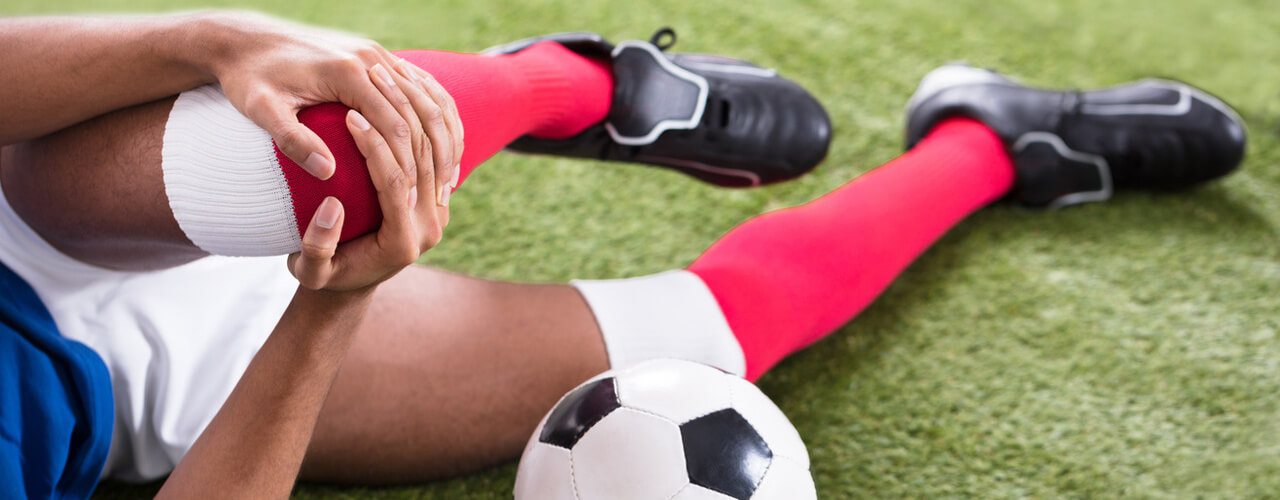
Sports injuries can slow life down fast. A sore tendon, a strained ligament, or a muscle tear can make it difficult to train, work, sleep, or even walk comfortably. That is one reason Platelet-Rich Plasma, or PRP, has gained attention in sports medicine. PRP is made from a patient’s own blood and then injected into an injured area to support healing. Medical centers such as Yale Medicine, Penn Medicine, Johns Hopkins Medicine, and Temple Health describe PRP as a biologic or regenerative treatment that may help repair tissue, lower pain, and improve function in certain musculoskeletal injuries. It is often used for tendon, ligament, muscle, cartilage, and joint problems, including some cases of osteoarthritis. (Johns Hopkins Medicine, n.d.; Penn Medicine, 2025; Yale Medicine, n.d.).
PRP is appealing because it is non-surgical and uses the body’s own healing tools. Still, it is not a miracle fix for every athlete or every injury. Research shows promising results in many cases, but outcomes can vary depending on the tissue involved, how long the injury has been present, how the PRP is prepared, and whether the person also follows a successful rehab plan. In other words, PRP works best as part of a comprehensive care strategy rather than a stand-alone shot. (Saini et al., 2021; Jimenez, n.d.).
What PRP Therapy Is
PRP stands for Platelet-Rich Plasma. Plasma is the liquid part of blood, and platelets are blood components best known for their role in clotting. However, platelets also carry growth factors and signaling molecules that help tissue repair. To make PRP, a clinician draws a small amount of blood, spins it in a centrifuge, and separates out a platelet-rich portion. That concentrated solution is then placed into the injured area. The goal is to increase healing signals directly at the site of tissue damage. (Johns Hopkins Medicine, n.d.; Yale Medicine, n.d.; HSS, n.d.; Penn Medicine, 2025).
A simple way to think about PRP is this: it does not just try to numb pain. It tries to support the body’s repair response. Hospital for Special Surgery describes PRP as a form of regenerative medicine that amplifies natural growth factors in blood cells to help damaged tissue heal. Johns Hopkins Medicine similarly explains that the concentrated growth factors in PRP may stimulate tissue regeneration and speed healing in the treated area. (HSS, n.d.; Johns Hopkins Medicine, n.d.).
What the procedure usually includes
A small blood draw from the patient
Processing the sample in a centrifuge
Preparing the platelet-rich portion
Injecting the PRP into the injured tissue
In some cases, using ultrasound to guide the injection
A visit that often takes less than an hour
This basic process is described by major medical centers, including Penn Medicine, Yale Medicine, and Johns Hopkins Medicine. (Johns Hopkins Medicine, n.d.; Penn Medicine, 2025; Yale Medicine, n.d.).
How PRP May Help Sports Injuries Heal
When tissue is injured, the body sends platelets to the area early in the healing process. Temple Health explains that platelets contain growth factors that help promote cell growth, repair tissue, and reduce inflammation. Yale Medicine notes that PRP contains concentrated platelets, cytokines, and growth factors with anti-inflammatory properties. This is why PRP is often used for injuries that have been slow to heal on their own. (Temple Health, 2021; Yale Medicine, n.d.).
PRP may be especially useful in tissues that do not receive a strong blood supply. The 2021 review in the Indian Journal of Orthopaedics notes that tendons heal more slowly than many other tissues because of their poor vascularity. That same review also explains that PRP has been studied in tendon disorders such as Achilles tendinopathy, rotator cuff tendinitis, and epicondylitis, as well as in muscle strains and osteoarthritis. (Saini et al., 2021).
For athletes, this matters because many sports injuries are overuse or repetitive-stress injuries. If a tendon stays irritated for months, or a ligament strain never fully calms down, the body may need extra support to restart a healthier repair process. Some research suggests earlier PRP use in select injuries may help guide inflammation toward recovery and restore tissue balance. Even so, researchers also note there is no universal PRP formula or perfect protocol yet, so treatment must be individualized. (Saini et al., 2021).
Common Sports Injuries PRP Is Used For
Medical centers and sports medicine sources commonly describe PRP for the following problems:
Chronic tendinitis or tendinopathy
Tennis elbow
Patellar tendinopathy or “jumper’s knee”
Achilles tendon problems
Ligament strains
Muscle strains and some muscle tears
Cartilage irritation
Osteoarthritis in active adults
These uses are repeatedly listed by Penn Medicine, Yale Medicine, Temple Health, and HSS. (Penn Medicine, 2025; Temple Health, 2021; Yale Medicine, n.d.; HSS, n.d.).
Temple Health highlights tennis elbow and jumper’s knee as common orthopedic conditions that may benefit from PRP. In its overview, Penn Medicine also lists structures such as the Achilles tendon, ACL, hamstring, patellar tendon, and cartilage as areas in sports medicine where PRP is used. Yale Medicine adds tendon, ligament, and muscle conditions, as well as degenerative joint conditions, to that list. (Penn Medicine, 2025; Temple Health, 2021; Yale Medicine, n.d.).
There is also supportive evidence for muscle injury care when injections are placed carefully. A 2014 study in Blood Transfusion reported that athletes with grade II muscle lesions who received ultrasound-guided PRP showed full healing on ultrasound, pain resolution, and return to sport, with only one relapse reported a year later. That does not prove PRP is right for every muscle injury, but it does show why sports clinicians remain interested in it. (Borrione et al., 2014).
What Recovery Feels Like After PRP
One important point for patients is that PRP can cause short-term soreness. Yale Medicine says the most common side effects are discomfort, pain, and stiffness at the injection site. Penn Medicine also notes that mild soreness, swelling, or stiffness is common for the first few days. Johns Hopkins Medicine adds that some people notice soreness and bruising after the procedure. In most cases, these effects are temporary. (Johns Hopkins Medicine, n.d.; Penn Medicine, 2025; Yale Medicine, n.d.).
Patients also need realistic expectations. PRP is not usually an instant pain reliever. Penn Medicine says improvement may take a few weeks to become noticeable, with fuller benefits developing over months. Yale Medicine reports that some people notice pain improvement in four to six weeks, with continued progress for up to a year. (Penn Medicine, 2025; Yale Medicine, n.d.).
Aftercare often includes
Resting the area for a short time
Avoiding hard exercise right away
Using a guided rehab plan
Following instructions about pain control
Avoiding some anti-inflammatory medicines when advised
Penn Medicine and HSS both note that anti-inflammatory medicines may interfere with the early healing response that PRP is meant to support, so patients should follow their treating clinician’s advice. (HSS, n.d.; Penn Medicine, 2025).
Why Ultrasound-Guided PRP Matters
Not every injection needs the same level of precision, but many sports injuries benefit from careful image guidance. Both Johns Hopkins Medicine and Yale Medicine acknowledge the use of ultrasound during PRP procedures. Research in athletes also supports this approach. The 2014 study on muscle injuries emphasized that ultrasound was important for both locating the lesion and guiding the needle accurately into it. The 2021 sports injury review similarly reported that ultrasound-guided injections improve accuracy, particularly for musculoskeletal conditions. (Johns Hopkins Medicine, n.d.; Yale Medicine, n.d.; Borrione et al., 2014; Saini et al., 2021).
On Dr. Alexander Jimenez’s public clinical website, one recent educational article describes ultrasound-guided intra-articular hip PRP as a precision-focused procedure in which ultrasound helps the clinician visualize anatomy, confirm correct placement, and improve safety. That same article stresses that biologic injections work best when they are combined with rehabilitation and movement-based recovery rather than used alone. (Jimenez, n.d.).
Dr. Alexander Jimenez’s Clinical Observations and the Value of Integrated Care
Dr. Alexander Jimenez, DC, APRN, FNP-BC, describes his El Paso practice as a multidisciplinary and integrative model that combines chiropractic care, functional medicine thinking, sports medicine principles, rehabilitation, and regenerative strategies. His website presents regenerative medicine as a natural, non-surgical option designed not only to reduce pain but also to improve structure, movement, and function. (Jimenez, n.d.).
That point matters in sports injury care. A tendon or muscle may not stay healthy if the athlete still has poor joint mechanics, weak stabilizers, incorrect loading patterns, or nutrition and recovery habits that slow healing. Dr. Jimenez’s site repeatedly frames recovery as a full process that includes a detailed history, physical evaluation, attention to biomechanics, regenerative options when appropriate, chiropractic care to improve motion, rehab planning, and follow-up focused on function. (Jimenez, n.d.).
In a comprehensive clinic model, that means PRP can be paired with structural care, progressive rehabilitation, and functional medicine support. The injection may help the tissue biologically, while rehab helps the athlete move better and reduce repeated stress on the injured area. This combined approach aligns with the broader message from both sports medicine research and Dr. Jimenez’s clinical content: better recovery usually comes from treating the tissue and the movement pattern together. (Borrione et al., 2014; Jimenez, n.d.; Saini et al., 2021).
Benefits and Limits of PRP
Possible benefits
Uses the patient’s own blood
Minimally invasive
May reduce pain and improve function
May help some chronic tendon, ligament, muscle, and joint problems
Can be part of a non-surgical recovery plan
Can be combined with rehab and other supportive care
These benefits are commonly described by Yale Medicine, Penn Medicine, Johns Hopkins Medicine, and HSS. (HSS, n.d.; Johns Hopkins Medicine, n.d.; Penn Medicine, 2025; Yale Medicine, n.d.).
Important limits
Results vary from person to person
Some injuries still need surgery or other procedures
Relief may take weeks or months, not days
PRP preparation methods are not fully standardized
Some tissues have stronger evidence than others
Those limits are important because proper medicine depends on the right treatment for the right injury at the right time. PRP may be a strong option, but it should be chosen carefully after a full exam and diagnosis. (Saini et al., 2021; Penn Medicine, 2025).
Final Thoughts
PRP therapy offers a promising non-surgical option for sports injuries because it delivers a concentrated dose of the patient’s own platelets to damaged tissue, where growth factors may support repair, reduce inflammation, and improve recovery. It is commonly used for chronic tendinopathy, ligament strain, muscle injury, and some joint conditions. Short-term soreness at the injection site can happen, but serious side effects are uncommon. The best results usually come when PRP is matched to the right injury and combined with smart rehabilitation, movement correction, and careful follow-up. (Johns Hopkins Medicine, n.d.; Penn Medicine, 2025; Yale Medicine, n.d.; Jimenez, n.d.).
Can Athletes Keep Training with Integrative Chiropractic Care at El Paso Back Clinic? Safe Modifications for Faster Recovery
Athletes in El Paso often worry when pain slows them down
They do not want to lose strength or miss games. The good news is clear. While receiving treatment from an integrative chiropractor at El Paso Back Clinic, athletes can usually continue training or participating in sports; however, activity modification is often necessary to promote healing and prevent further injuries. “Complete rest is rarely the answer,” according to an integrative approach, which promotes “optimal loading”—applying just enough stress to promote healing without overtaxing injured structures.
To recover to full, pain-free performance more quickly, the athlete should see the chiropractor as a partner who offers a customized, structured strategy that shifts the goal from “complete rest” to “controlled, modified training.” At El Paso Back Clinic, led by Dr. Alexander Jimenez, DC, APRN, FNP-BC, this teamwork happens every day. The clinic blends chiropractic adjustments, functional medicine, sports rehab, and the PUSH Functional Fitness System to keep athletes moving safely while their bodies heal.
El Paso Back Clinic sits right here in El Paso, Texas. The team treats back pain, sports injuries, and chronic issues with a whole-person plan. Dr. Jimenez and his staff check posture, movement, and daily habits. They create plans that fit each athlete’s sport and life. Adjustments ease joint pressure. Nutrition tips fight swelling. Light fitness drills keep strength high. The result is faster healing and stronger returns to the field or court.
Many athletes fear losing fitness during recovery
At El Paso Back Clinic, modified training transforms that fear into steady progress. Gentle movement helps deliver blood and nutrients to injured areas. This speeds repair and stops muscles from getting weak. Clinic experience and research show athletes who stay active the smart way return sooner and stay healthier longer.
• Check how your body feels before and after activity
• Warm up with five minutes of easy walking every time
• Keep pain mild—no more than a 2 out of 10
• Write down small daily improvements
• Meet with your provider each week to adjust the plan
These simple steps make recovery feel active and hopeful instead of frustrating
Optimal loading is the heart of care at El Paso Back Clinic. Tissues heal best with the right amount of stress. No stress slows rebuilding. Too much stress causes new problems. Dr. Jimenez guides athletes to that perfect balance. A runner with knee pain might skip long runs but keep swimming and light cycling. A football player with a shoulder issue might pause heavy lifts but continue band work and core drills. This method protects overall fitness while targeted areas mend.
One trusted guide notes that gradually reintroducing exercise helps avoid high-impact or strenuous moves at first. Athletes who follow this advice stay ready for their sport instead of starting over later.
Chiropractic adjustments at the clinic realign the spine and joints, so nerves fire cleanly, and pain drops fast. Sessions often add soft-tissue release, stretches, and in-office exercises. These steps make everyday movement smoother. Many patients notice less stiffness after just a few visits. The clinic’s sports rehab programs incorporate mobility-agility training and the PUSH Functional Fitness System to safely rebuild power.
• Use ice for ten minutes on swollen areas
• Drink plenty of water to keep joints flexible
• Try low-impact cardio like pool walking or biking
• Stretch tight muscles each morning
• Choose meals high in protein and colorful vegetables
These easy habits work with the clinic’s functional medicine approach and boost results between visits
A clear step-by-step return plan keeps everything safe. Experts recommend building activity in stages. Begin with light aerobic moves that gently raise your heart rate. Add moderate effort next. Then move to sport-specific drills without contact. A full return occurs only after pain-free testing.
The Centers for Disease Control and Prevention outlines a similar graduated path that fits many injuries. Each stage lasts at least twenty-four hours. If symptoms flare, step back and rest briefly. This safety net stops athletes from rushing and builds real confidence.
• Stage 1: Short walks or stationary bike sessions
• Stage 2: Light jogging plus easy resistance moves
• Stage 3: Faster drills and full weights with no contact
• Stage 4: Skill practice by yourself
• Stage 5: Full practice or competition
Athletes at El Paso Back Clinic who follow these stages often feel stronger and more prepared when they return to games
Personalized plans set the clinic apart. No two athletes are the same. A soccer player’s ankle plan looks different from a weightlifter’s back plan. Dr. Jimenez reviews movement patterns, lab results, and daily routines. Then he builds a custom roadmap. Weekly check-ins let the plan grow with healing.
Clinical observations from Dr. Alexander Jimenez, DC, APRN, FNP-BC, demonstrate powerful real-world results. At El Paso Back Clinic, he sees athletes recover fastest when chiropractic care teams up with functional fitness and whole-body support. Instead of ordering full rest, Dr. Jimenez uses tailored rehab that mixes mobility drills, core stability, light conditioning, and nutrition guidance. His patients return to sport more quickly because the plans address root causes and keep controlled training alive. Many gain better movement habits that last long after recovery (Jimenez, n.d.).
Active recovery days keep momentum going. Light walks, foam rolling, or gentle yoga replace couch time. These sessions improve blood flow, clear muscle waste, and keep nerve pathways sharp. One recovery tip explains that active recovery involves engaging in low-intensity activities to promote blood flow and reduce muscle soreness. Staying hydrated makes these sessions even better.
• Foam roll tight spots for five minutes daily
• Stretch big muscle groups after light work
• Add simple balance drills
• Use compression sleeves for mild swelling
• Aim for seven to nine hours of sleep each night
Small actions like these prevent weakness and support the clinic’s goal of optimal mobility and fitness
Nutrition plays a huge role at El Paso Back Clinic. Food acts as fuel for repair. Protein rebuilds tissue. Anti-inflammatory choices calm swelling. The team shares easy meal ideas that fit busy training schedules. When athletes eat and drink right, soreness drops, and progress speeds up between appointments.
Early inflammation needs smart handling. Light ice and compression calm the area at first. Gentle motion then keeps fluids moving. Adjustments improve circulation and ease nerve pressure. The focus stays on guiding healing with the right activity.
Timing after an adjustment matters. Most athletes can start light movement soon, but waiting 20 to 30 minutes lets the joints settle. Begin easy and build slowly. Pain stays the guide—keep it low and slow down if needed.
• Warm up lightly before every session
• Focus on perfect form over heavy weights
• Cross-train to rest injured areas
• Log workouts in a simple notebook
• Celebrate wins like easier daily movement
These habits turn recovery into real progress
Beyond healing, care at El Paso Back Clinic lifts performance. Adjustments improve range of motion, balance, and power. Many athletes notice faster speed and better endurance after regular visits. The same tools that fix today’s injuries also prevent tomorrow’s.
Knowing when to pause is key. Sharp pain, growing swelling, or numbness means you should rest that spot. The team teaches self-checks so athletes stay safe between visits. Plans work for every sport—runners cut miles but add hills slowly, contact athletes drill form with lighter loads, swimmers focus on technique.
The biggest shift is mental. Athletes stop fearing rest and start partnering with experts for smart progress. The goal moves from “complete rest” to “controlled, modified training.” This builds trust and keeps the drive high.
Results show quickly. Shorter breaks mean more practice time and better seasons. Lower re-injury rates extend careers. Many athletes learn smarter movement habits that help them reach new levels.
El Paso Back Clinic welcomes players of all levels
—from weekend players to serious competitors. Plans adjust for age, background, and goals. The integrative style fits busy lives in El Paso and beyond, with clear in-person and follow-up support.
Modern research confirms smart loading beats total rest for most injuries. The clinic stays current by mixing classic chiropractic with functional science and sports medicine. Athletes gain body knowledge that lasts a lifetime. Dr. Jimenez and his team become ongoing partners for wellness and peak performance.
Recovery no longer means sitting out. With guidance from El Paso Back Clinic, athletes train smarter, heal naturally, and return stronger. Optimal loading, custom plans, and whole-person support turn every setback into a powerful comeback.
Sleep, Athletic Performance, and Recovery: Why Rest Matters and How Integrative Chiropractic Care May Help
Athletes often focus on training, nutrition, and discipline. However, sleep is one of the most important performance tools in sports. When athletes do not get enough sleep, performance can drop fast. Reaction time slows, decision-making worsens, speed and accuracy may decline, and the body tires sooner. Poor sleep also increases the risk of illness and injury by reducing recovery and weakening immune function. Research suggests that sleep loss is not just a side issue. It can be an independent risk factor for sports injury.
For most adults, about 7 to 9 hours of sleep per night is a common recommendation. Athletes, especially those training hard, may benefit from the upper end of that range or even more in some cases. Sleep is when the body repairs tissue, supports hormone balance, strengthens memory, and prepares the brain and muscles for the next day’s demands.
Why Sleep Is So Important for Athletes
Sleep is not passive downtime. It is active recovery. During sleep, the body repairs tissue, supports cardiovascular recovery, and produces immune signals that help fight infection. Sleep also supports memory and learning, which are important when an athlete is building skills, timing, and game awareness.
Deep sleep is especially important. Mass General Brigham notes that muscle repair happens best when an athlete spends enough time in deep sleep. The same source explains that poor sleep can weaken brain signals, which then affect decision-making, reaction time, and how quickly muscles respond.
In simple terms, sleep helps athletes in three major ways:
It restores the body
It sharpens the brain
It lowers injury risk
When sleep is cut short night after night, all three areas can suffer.
What Happens When Athletes Do Not Sleep Enough
Athletes who sleep too little often notice physical changes first. They may feel slower, heavier, and less explosive. Sprinting, accuracy, and endurance can all drop. The Sleep Foundation reports that both sleep quantity and quality can affect performance, and more sleep has been linked to better results in sport-specific skills. In a well-known study cited by the Sleep Foundation, basketball players who extended their sleep improved their sprinting and shooting performance.
Poor sleep also affects the mind. A tired athlete may still be motivated, but the brain is not working at full speed. That can lead to:
Slower reaction times
Worse judgment under pressure
Lower concentration
Poorer memory and learning
More irritability and emotional stress
These changes matter in all sports, but they are especially dangerous in sports that depend on split-second timing, field awareness, and fast motor control.
Sleep loss can also affect overall health. The Sleep Foundation explains that sleep helps the immune system function properly, and reduced sleep may make athletes more vulnerable to common illnesses. That matters because even mild sickness can reduce training quality and delay recovery.
Sleep Deprivation and Injury Risk
One of the strongest concerns in sports medicine is the link between short sleep and injury. The American Academy of Cardiovascular Sleep Medicine states that athletes who sleep fewer than 7 hours per night may have about 1.7 times the risk of musculoskeletal injury compared with well-rested peers. The same source also highlighted research showing that athletes who slept more had lower odds of sustaining a new injury.
A PubMed-indexed study on adolescent athletes found that those sleeping less than 8 hours per night were 1.7 times more likely to have had an injury than athletes who slept 8 hours or more. The authors concluded that sleep deprivation appeared to be associated with injury in this athletic population.
This makes sense clinically. An athlete who is under-rested may have slower reflexes, worse coordination, poorer body control, and more fatigue. Over time, that can increase the chance of:
Bad landings
Delayed muscle firing
Poor movement patterns
Overuse stress
Mistakes during play or training
Sleep loss does not guarantee injury, but it clearly increases the odds.
Recovery, Hormones, and Immune Function
Recovery is more than just “feeling rested.” It includes muscle repair, nervous system reset, energy restoration, and immune support. The Sleep Foundation notes that sleep helps cells and tissues repair and supports illness prevention through immune signaling. Mass General Brigham adds that without enough deep sleep, the body may not repair muscles well enough to train at the same level the next day.
A broader PubMed review also explains that sleep is part of the adaptive process between bouts of exercise and that improved sleep is associated with better performance and competitive success.
Athletes who routinely cut sleep may feel trapped in a cycle:
Hard training creates soreness and fatigue
Pain or stress disrupts sleep
Poor sleep slows recovery
Slower recovery worsens soreness and performance
The athlete keeps training while under-recovered
That loop can lead to burnout, mood changes, reduced output, and a greater risk of injury. This is one reason sleep should be treated like training, not as something optional.
Can Integrative Chiropractic Care Help Athletes Sleep Better?
Integrative chiropractic care may help some athletes sleep better, especially when pain, stiffness, muscle tension, or poor recovery—issues related to the body’s musculoskeletal system— are keeping them awake. The strongest support here is indirect: pain and musculoskeletal problems can disrupt sleep, and improving them may lead to better rest. Evidence specifically proving chiropractic as a direct treatment for insomnia is still limited. A review of the literature found only minimal high-quality evidence supporting chiropractic as a primary treatment for insomnia.
That said, the relationship between pain and sleep is well established. Poor sleep can worsen pain, and pain can worsen sleep. When an athlete has neck pain, back pain, joint restriction, or muscle tension, care that reduces discomfort and improves movement may make it easier to rest.
A careful, balanced way to say it is: integrative chiropractic care may support better sleep by reducing musculoskeletal pain, improving mobility, lowering physical tension, and supporting an athlete’s overall recovery plan. It should not be presented as a guaranteed cure for insomnia, but it can be part of a broader recovery strategy.
Clinical Observations from Dr. Alexander Jimenez
Dr. Alexander Jimenez, DC, APRN, FNP-BC, describes athlete recovery as a system, not a single treatment. In his clinical education materials, he emphasizes that athletes need training, nutrition, and proper rest together, and he recommends treating sleep as seriously as training and diet. His sports rehabilitation content also highlights a dual-scope model that combines chiropractic care, medical diagnostics, soft tissue therapy, exercise, nutrition, and recovery planning for athletes.
Based on Dr. Jimenez’s published observations, athletes often do better when care addresses several factors at the same time:
Joint and spinal motion
Soft tissue tension
Neuromuscular control
Inflammation and pain
Nutrition and hydration
Stress and recovery habits
Sleep quality
This integrative view is useful because athletes rarely have only one issue. A player with poor sleep may also have soreness, overtraining stress, tight hips, neck pain, poor recovery habits, or nutritional gaps. In that setting, hands-on care, movement correction, sleep support, and medical evaluation may work better together than any single strategy.
Practical Ways Athletes Can Improve Sleep
Athletes do not need perfect sleep every night, but they do need consistent sleep habits. Helpful steps include:
Aim for a regular sleep schedule
Protect 7 to 9 hours of sleep, and sometimes more during heavy training
Reduce screens and stimulation before bed
Keep the room cool, dark, and quiet
Avoid very late caffeine
Watch for overtraining
Address pain early instead of trying to “push through” it
Use recovery routines such as mobility work, breathing, hydration, and proper nutrition
Athletes with ongoing pain, repeated sleep disruption, or signs of overtraining may need a deeper evaluation. Sometimes the real problem is not motivation. It is an under-recovered nervous system and body.
Final Thoughts
Athletes who do not sleep enough usually perform worse, think more slowly, recover less effectively, and face a higher risk of injury. Sleep affects speed, reaction time, memory, mood, immune health, and muscle repair. It is one of the most powerful and most overlooked tools in athletic recovery.
Integrative chiropractic care may help athletes stuck in a cycle of pain, poor sleep, and poor recovery, especially when treatment is paired with exercise guidance, nutritional support, and good sleep habits, which promote better rest and recovery. The best evidence supports improving sleep itself and reducing pain-related barriers to sleep. The evidence for chiropractic as a direct insomnia treatment remains limited, so it is best viewed as one part of a full recovery approach rather than a stand-alone sleep cure.
For athletes, the message is simple: sleeping better is not laziness. It is performance care.
Skateboarding Training Essentials: Strength, Balance, and Injury Prevention with Chiropractic Support at El Paso Back Clinic
Skateboarding is an exciting sport that mixes skill, speed, and style. It began as a land-based surf practice but has grown into a worldwide hobby for many. To excel in skateboarding, you need targeted training that strengthens your core and legs, improves balance, and teaches safe falling to prevent harm. This training uses repetitive drills, explosive jumps, and endurance workouts to create automatic responses and lasting energy. It also includes mental prep like imagining tricks and steady practice routines.
The sport’s demands, such as repeated one-sided pushes and hard landings, can strain your body. That’s where integrative chiropractic care shines. At El Paso Back Clinic in El Paso, Texas, this approach improves joint mobility, corrects imbalances from skateboarding habits, and accelerates healing after impacts. It improves balance, body sync, and bendiness while offering diet and safety tips to reduce injury risk. Led by Dr. Alex Jimenez, DC, APRN, FNP-BC, the clinic offers tailored care for skateboarders and athletes, blending chiropractic care with rehab and nutrition to support top performance.
This article covers skate training basics and how chiropractic at El Paso Back Clinic supports it. For beginners or pros, these insights can help you advance safely. Visit https://elpasobackclinic.com/ to learn more about their services.
Core Elements of Skateboarding Training
Skateboarding success starts with body and mind prep. Training goes beyond board time—it’s about a solid base for tricks and endurance. Prioritize core and leg power, as these drive your actions (Austin Simply Fit, n.d.). Muscles like abs, lower back, quads, hamstrings, glutes, and calves handle shifts from an upright to a low position in moves like ollies.
Core Workouts: Try planks by holding a straight body pose for 30 seconds. Side versions hit obliques for twist stability.
Leg Boosters: Squats mimic board crouches—lower then rise for three sets of 10 reps.
Importance: Strong cores prevent shakes during jumps, lowering fall risks.
Balance is vital in skating. Poor balance leads to wipeouts on basic maneuvers. Newbies should pick a stance: regular (left-forward) or goofy (right-forward). Place the feet over the truck bolts for maximum stability (Skateboard GB, n.d.).
Balance Practices: Stand on one foot and draw letters with the other toe. Switch sides for ankle strength.
Next Level: Manuals lift the front wheels, balancing on the rear for ramp preparation.
Routine: Dedicate 10 minutes daily to weight shifts on your board for a natural feel.
Safe falling is key to injury avoidance. Falls are part of skating, but proper methods reduce severe damage. Roll instead of bracing with arms to protect wrists (Healthcare.utah.edu, 2024).
Fall Methods: Tuck chin and roll to distribute force. Aim for protected spots like padded knees.
Gear Essentials: Helmets, wrist, knee, and elbow pads absorb shocks.
Safe Start: Use grass or mats for low-risk practice.
Repetitive training builds muscle memory. Repeat actions until they’re instinctive, like pushing and halting (Braille Skateboarding, n.d.). This aids tricks such as frontside kickturns and backwheel pivots (How to Skate, 2018).
Drill Reps: Push 10 times, stop, and redo for fluid flow.
Trick Steps: Divide into parts, like board pop, then foot flick for kickflips.
Side Hops: Mimic skating with 30-second lateral jumps.
Gains: Higher leaps and fast reflexes elevate skills.
Cardio keeps you going strong. Skating provides some, but extras build heart health (Skateboard GB, n.d.).
Rope Skipping: 30 seconds on, rest, three rounds for calf power and breath control.
Crawls: Bear walk forward and back 10 meters.
Cardio Value: Longer sessions with quicker recovery.
Mental training tackles fear. Visualize wins before attempts (Florida Atlantic University, n.d.). Commitment means regular sessions despite setbacks.
Imagery: Eyes shut, see perfect landings.
Fear Busting: Small steps build confidence.
Drive: Love for skating fuels persistence.
Follow principles such as targeted work, gradual increases, and variety to ensure safe progress (The Daily Push, n.d.). Skate-specific drills, slight pushes, and mixes prevent plateaus.
This foundation makes skating enjoyable, but one-sided strains need expert help, like at El Paso Back Clinic.
Integrative Chiropractic Care for Skateboarders at El Paso Back Clinic
At El Paso Back Clinic, integrative chiropractic merges adjustments with therapies for whole-body health. For skaters, it enhances joint flow in hips, knees, and ankles, easing restrictions from twists (Push as RX, n.d.). The clinic’s team uses advanced tools for custom plans.
Adjustments: Hands-on fixes realign for better motion.
Skating often causes imbalances—one leg pushes more, enlarging muscles unevenly (Instagram Reel, n.d.). This risks pain or bad posture.
Balance Fixes: Single-side workouts like one-leg squats.
Clinic Approach: Exams spot issues, then adjustments and drills even out.
Prevention: Avoids strains from overuse.
Falls bring impacts, but clinic care hastens recovery by reducing inflammation (Injury 2 Wellness, n.d.). For sprains, they combine rest and rehab.
Healing Tools: Ice, wraps, and elevations cut swelling. Adjustments aid nerves.
Rehab: Planks and stretches rebuild strength.
Quick Return: Less time off the board.
The clinic boosts balance, sync, and flexibility. Core support from deep muscles aids control (Robins, n.d.). Alignment improves awareness.
Balance Enhancers: Fixes heightened position sense.
Sync Training: Patterns restored post-injury.
Flex Moves: Stretches like yoga poses loosen spines.
Nutrition and prevention advice lowers risks. Proteins and veggies aid repair; warm-ups are key (Thompson, n.d.). Clinic experts guide anti-inflammation diets.
Food Advice: Fruits and healthy fats for recovery.
Safety Steps: Check-ups catch problems early; use gear.
Habits: Stay hydrated, foam roll to loosen up.
Dr. Alex Jimenez, a clinic leader with 30+ years, notes that integrative methods prevent injuries by addressing root causes such as imbalances (Jimenez, n.d.). He blends functional medicine, nutrition, and rehab for skateboarders. LinkedIn shares tips on sciatica and balanced routines (Jimenez, n.d.). For skate injuries like ankles or wrists, assessments lead to adjustments and strengthening (Jimenez, n.d.). Teamwork with therapies ensures full recovery.
Chiropractic at the clinic elevates performance, keeping bodies primed (Dallas Thrive, n.d.). Their sports focus includes strength, flexibility, and proprioception for athletes.
Conclusion
Pair skate training with the chiropractic services at El Paso Back Clinic for strength, balance, and safety. Build habits through drills and mental work. Let experts fix strains, speed healing, and advise prevention. Consistency pays off—practice wisely. For personalized care in El Paso, check https://elpasobackclinic.com/.
Common Fastpitch Softball Injuries and How El Paso Back Clinic’s Integrative Chiropractic Care Can Help
Fastpitch softball is a tough sport that asks a lot from players. Pitchers use the underhand windmill throw frequently, and everyone must move quickly and change direction quickly. This leads to pain in muscles and bones. The most common are overuse problems in the shoulder and elbow, like rotator cuff strains and UCL tears from all that pitching. Then there are sudden hurts, such as ACL tears in the knee, ankle sprains, and breaks from sliding, diving, or running into others. Players also deal with finger and hand issues, lower back pain, and concussions. At El Paso Back Clinic in El Paso, TX, they use integrative chiropractic care. This is a gentle, whole-body approach that includes spinal adjustments, muscle therapy, and rehab exercises. It addresses both acute injuries and the root causes of overuse. This care helps softball players heal faster, get stronger, and prevent re-injury. Led by Dr. Alexander Jimenez, DC, APRN, FNP-BC, the clinic focuses on athletes with personalized plans.
Common Injuries in Fastpitch Softball
Fastpitch softball can cause injuries due to its speed and repeated moves. Pitchers throw hard and often, putting stress on their arms. Other players dive, slide, and run, which can twist joints or cause impacts. Research shows shoulder and elbow overuse is the top issue for pitchers because of the windmill pitch (Rothman Orthopaedics, n.d.; Andrews Sports Medicine, n.d.). Lower-body problems result from quick stops and turns (Sports Medicine Clinics, 2025). Head injuries come from hits or crashes (Children’s Health, n.d.).
Here are some main overuse injuries:
Rotator cuff strains: Repeated throwing inflames the shoulder muscles, causing pain. This hits pitchers and throwers hard (Share UPMC, 2020; HDP Chiro, n.d.).
UCL tears: The elbow ligament gets stretched or torn due to the pitching force. Young players who overdo it are at risk (UC Health, n.d.; North Central Surgical, n.d.).
Sudden, acute injuries include:
ACL tears: Knee ligament rips during fast changes in direction. It can keep players out for months (Andrews Sports Medicine, n.d.; PubMed, n.d.).
Ankle sprains: Ankles twist while running or sliding into bases (Rock Valley PT, n.d.; Children’s Hospital, 2022).
Fractures: Breaks in fingers, hands, or wrists from dives or ball hits (Summit Orthopedics, 2022; Therapy Partners Group, n.d.).
Other common problems are:
Finger and hand injuries: From catching or batting (UC Health, n.d.).
Lower back pain: Caused by twisting or bad pitching form (North Central Surgical, n.d.; Share UPMC, 2020).
Concussions: Brain injuries from collisions or head hits (Children’s Health, n.d.; YouTube, n.d.).
These often stem from excessive play without breaks (PubMed, n.d.; PMC, n.d.). Strains and sprains are frequent in arms and legs (PMC, n.d.). To prevent them, use warm-ups, good technique, rest, and pitch limits (Rothman Orthopaedics, n.d.; UC Health, n.d.; NCYS, 2022).
Integrative Chiropractic Care at El Paso Back Clinic
At El Paso Back Clinic, integrative chiropractic care treats the whole body without surgery or meds. It’s holistic, meaning it looks at everything that affects health. The clinic combines chiropractic care with functional medicine and sports rehabilitation to address injuries and their causes (El Paso Back Clinic, n.d.; Integrative Chiro Center, n.d.). Dr. Alexander Jimenez and his team use evidence-based ways to help athletes.
Key parts of their care:
Spinal adjustments: These correct spinal misalignments to reduce pain, improve mobility, and support nerve function (Injury2Wellness, n.d.; SCUHS, n.d.).
Soft tissue therapy: Techniques such as massage reduce swelling and promote muscle healing (SCUHS, n.d.; Peoria Spine and Sport, n.d.).
Functional rehabilitation: Exercises build strength, balance, and flexibility to prevent re-injury (Push as RX, n.d.; Dallas Accident and Injury Rehab, n.d.).
The clinic also offers nutrition, stress management, and lifestyle tips to support full recovery (El Paso Back Clinic, n.d.). This differs from basic care by addressing root causes of softball injuries, such as poor posture or weak muscles (Chiropractic Sports Care, n.d.; El Paso Back Clinic, n.d.).
Benefits for Softball Players at El Paso Back Clinic
El Paso Back Clinic helps softball players recover quickly, play better, and avoid injuries. Their care corrects alignment and reduces inflammation to promote faster healing (SCUHS, n.d.). Players gain more power from balanced bodies, leading to stronger pitches and quicker moves (Dallas Accident and Injury Rehab, n.d.). Prevention is key—they spot problems early (Push as RX, n.d.; El Paso Back Clinic, n.d.).
Dr. Alexander Jimenez shares from his work: Overuse in softball causes inflammation and nerve issues. His methods, such as adjustments and nutrition, can help without surgery (Dr. Alexander Jimenez, n.d.; Dr. Alexander Jimenez LinkedIn, n.d.). He treats shoulders, knees, and backs with movement checks to stop repeats. This fits softball, where arm strain is common.
Benefits include:
Quicker recovery: Adjustments reduce pain and swelling so players return soon (Injury2Wellness, n.d.; SCUHS, n.d.).
Better performance: Stronger muscles and joints mean harder throws and faster runs (Dallas Accident and Injury Rehab, n.d.).
Injury prevention: Regular visits address imbalances, reducing overuse risk (El Paso Back Clinic, n.d.; Push as RX, n.d.).
Studies and videos support this. One shows that therapy for softball injuries is beneficial (YouTube, n.d.). At the clinic, athletes receive custom plans that include rehabilitation and education (El Paso Back Clinic, n.d.).
If you’re in El Paso or nearby, like Horizon City, contact El Paso Back Clinic today. Call +1-915-850-0900 or schedule an appointment. Locations include 11860 Vista Del Sol, Ste 128. Discover how Dr. Jimenez can help your game.
In the end, fastpitch softball risks injuries, but El Paso Back Clinic’s integrative care offers real help. It heals holistically and builds strength. Players stay on the field longer and stronger.
How Integrative Chiropractic Care Prevents Future Injuries in Athletes Using Functional Movement Assessments
Sports: an athlete is in action on the field, ready to hit the ball during the game.
Athletes often push their bodies hard during training and competition. Small problems can build up over time and turn into painful injuries that force time off from sports. To catch these issues early, many athletes now ask for functional movement assessments as part of integrative chiropractic care. This method spots hidden imbalances like muscle tightness, weak spots, or stiff joints before pain starts. By addressing these problems with adjustments, soft-tissue work, and targeted exercises, practitioners help athletes stay healthy, move better, and avoid overuse injuries.
Functional movement assessments check how the body moves during everyday and sport-specific actions. These tests look at mobility, stability, balance, and coordination. Common movements include squats, lunges, reaching overhead, or stepping in different directions. The goal is to find areas where the body does not move smoothly or evenly. Even if nothing hurts yet, these assessments reveal subclinical imbalances—small issues that do not cause pain right away but can lead to bigger problems later.
Early detection of poor posture or uneven weight distribution
Spotting a limited range of motion in the hips, shoulders, or ankles
Identifying weak core or glute muscles that affect overall stability
Noting tight muscles that pull joints out of proper alignment
Integrative chiropractic care
Integrative chiropractic care combines spinal adjustments, soft-tissue therapies, and corrective exercises to effectively address these findings. Gentle adjustments move joints back into better positions, improving nerve signals and reducing pressure on surrounding tissues. Soft tissue work, such as massage or instrument-assisted techniques, loosens tight muscles and breaks up scar tissue. Corrective exercises then build strength and teach proper movement patterns. Together, these steps enhance nervous system function, optimize biomechanics, and stop the body from developing harmful compensation patterns.
The nervous system controls every muscle movement. When the spine or joints are misaligned, nerve messages can get disrupted. This leads to weaker muscle coordination or slower reaction times. Chiropractic adjustments help restore clear nerve pathways, so muscles fire at the right time and with the right force. Better biomechanics means joints move through their full, natural range without extra stress. This reduces wear and tear on knees, hips, shoulders, and the lower back.
Compensation patterns occur when one part of the body works harder to compensate for a weakness elsewhere. For example, tight hip flexors or a tilted pelvis in runners can cause the knees to track incorrectly, leading to pain or stress fractures over time. Faulty shoulder mechanics in swimmers or weightlifters can overload the rotator cuff. Integrative care addresses these root causes rather than just treating symptoms later.
Common subclinical imbalances identified through functional movement assessments include:
Muscle tension in the lower back or hamstrings that limits forward bending
Weak glute muscles that fail to stabilize the pelvis during running or jumping
Joint restrictions in the ankles that change walking or landing mechanics
Uneven shoulder mobility that affects throwing or overhead lifting
Poor core stability causes excessive arching in the lower back during lifts
By addressing these early, athletes lower their injury risk and maintain consistent training. Regular care also speeds recovery if minor issues arise, resulting in less downtime overall.
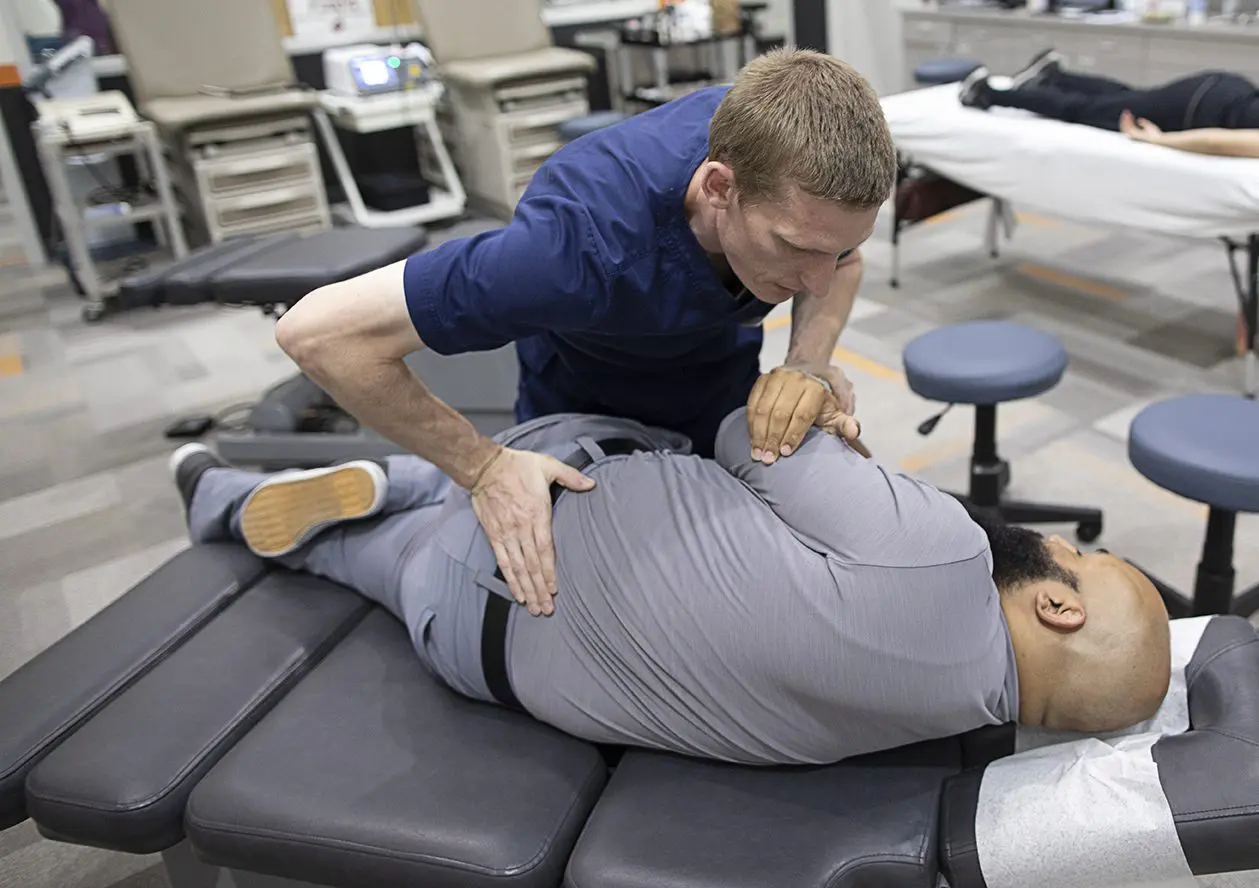
Practitioners often start with a thorough history and physical exam. They watch the athlete perform key movements and note any asymmetries or compensations. Based on the results, they create a personalized plan. Spinal adjustments realign the vertebrae to take pressure off nerves. Soft tissue therapies release tight fascia and muscles. Then, corrective exercises strengthen weak areas and retrain proper form. Over time, these steps improve balance, coordination, flexibility, and power output.
Key benefits of combining functional movement assessments with integrative chiropractic care:
Reduced chance of sprains, strains, tendonitis, and stress fractures
Improved joint mobility and muscle flexibility for better performance
Faster reaction times and coordination through better nerve function
Less inflammation and quicker recovery between workouts
Longer sports careers by preventing chronic overuse problems
Runners frequently show pelvic imbalances that tilt the hips and strain the iliotibial band or shins. Chiropractic adjustments and exercises that strengthen the glutes and core help keep the pelvis level, improving stride efficiency and cutting injury risk. Weightlifters with restricted shoulder mobility may compensate by excessively arching their backs, which can lead to low-back strain. Targeted soft tissue work and mobility drills correct this pattern before pain develops.
Football players and other contact-sport athletes benefit from regular checks of spinal alignment to better handle impacts. Swimmers gain from improved shoulder mechanics that prevent rotator cuff irritation. Weekend warriors who lift weights or cycle also see gains in endurance and reduced soreness. The approach works for athletes of all levels because it focuses on the root causes rather than waiting for symptoms.
Dr. Alexander Jimenez, DC, APRN, FNP-BC, brings valuable clinical observations to this field. As a chiropractor and board-certified family nurse practitioner with certifications in functional medicine, he emphasizes non-invasive, root-cause approaches. His work highlights how chiropractic adjustments, combined with functional assessments of mobility and biomechanics, help treat sports injuries, sciatica, and musculoskeletal imbalances. Dr. Jimenez observes that addressing nerve compression, inflammation, and movement dysfunction early—through adjustments, nutrition support, and tailored rehabilitation—enhances recovery and prevents recurrence in athletes and active individuals. His integrative practice in El Paso integrates chiropractic care with functional medicine to optimize performance, reduce chronic pain, and support long-term wellness.
This holistic view aligns with broader chiropractic principles that view the body as interconnected. When one area is restricted, it affects the whole kinetic chain. Integrative care breaks that cycle by restoring proper alignment and teaching sustainable movement habits.
Additional advantages athletes notice include:
Better posture during daily activities and sports
Enhanced proprioception (body awareness) for safer landings and cuts
Decreased muscle fatigue during long training sessions
Greater overall strength and power from efficient mechanics
Support for mental focus through reduced nagging discomfort
Preventing injuries this way also saves time and money by avoiding expensive treatments or missed competitions later. Many athletes report feeling stronger, more balanced, and more confident in their movements after consistent care.
To maintain results, athletes typically schedule regular visits. Frequency depends on training intensity, sport demands, and individual findings. Some come weekly during heavy training periods, while others maintain monthly check-ins. Between visits, they perform prescribed exercises at home or in the gym to reinforce new patterns.
Education plays a big role, too. Chiropractors teach proper warm-up routines, cool-down stretches, and body mechanics for specific sports. Nutritional guidance can sometimes complement care to support tissue repair and reduce inflammation. Collaboration with coaches, physical therapists, or trainers creates a complete support team.
In summary, functional movement assessments allow integrative chiropractic care to identify subclinical imbalances long before pain appears. Adjustments restore joint function, soft tissue therapies release restrictions, and corrective exercises build resilience. This combination enhances nervous system communication, optimizes biomechanics, and prevents compensation patterns that cause overuse injuries. Athletes—from runners dealing with pelvic tilts to lifters correcting shoulder mechanics—benefit by training more consistently, performing at higher levels, and enjoying longer, healthier careers. By addressing small issues proactively, this approach helps athletes stay in the game without painful interruptions.
Common Sports Injuries in El Paso and How El Paso Back Clinic Supports Full Recovery
Sports and physical activity are part of everyday life in El Paso. From running and weight training to football, soccer, and basketball, people of all ages stay active year-round. While this active lifestyle is healthy, it also leads to a high number of sports-related musculoskeletal injuries—especially when combined with the region’s heat, rough ground, and uneven terrain.
At El Paso Back Clinic, sports injury care focuses on restoring spinal alignment, joint mobility, muscle balance, and overall movement quality. When chiropractic care is combined with nurse practitioner (NP) support, athletes receive complete, coordinated care that promotes healing, performance, and long-term injury prevention.
Clinical observations from Dr. Alexander Jimenez, DC, APRN, FNP-BC, show that athletes recover more efficiently when spine health, joint mechanics, muscle function, and medical oversight are addressed together rather than separately.
Why Sports Injuries Are So Common in El Paso
El Paso presents unique physical challenges for athletes and active individuals. The environment itself can increase stress on the musculoskeletal system.
Common contributing factors include:
High temperatures, which increase fatigue and dehydration
Hard and uneven surfaces, stressing feet, ankles, knees, and hips
Year-round activity, limiting rest and recovery
High-impact sports, such as football and basketball
Repetitive movement patterns, common in running and training
When the spine and joints are not moving properly, the body compensates. Over time, these compensations increase injury risk and slow healing (NIAMS, n.d.).
Common Sports-Related Musculoskeletal Injuries Seen in El Paso
Sprains and Strains
Sprains and strains are among the most frequently treated injuries at El Paso Back Clinic.
Sprains affect ligaments
Strains affect muscles or tendons
Common areas include:
Ankles
Knees
Hamstrings
Lower back
These injuries often occur during quick movements, twisting, jumping, or improper warm-ups (Orthospine Centers, n.d.).
Knee Injuries (ACL, Meniscus, Runner’s and Jumper’s Knee)
Knee injuries are especially common in sports that involve cutting, jumping, or sudden stops.
Typical knee problems include:
ACL tears
Meniscus tears
Patellar tendonitis (jumper’s knee)
Runner’s knee
Misalignment in the spine, hips, or feet can increase stress on the knee joint, making chiropractic care an important part of recovery (Spectrum Therapy Consultants, n.d.).
Tendonitis and Overuse Injuries
Tendonitis develops when tendons are repeatedly stressed without enough recovery.
Common forms include:
Tennis elbow
Golfer’s elbow
Achilles tendonitis
Patellar tendonitis
These injuries often worsen slowly and are common in athletes who push through pain (Woodlands Sports Medicine, n.d.).
Shin Splints and Stress Fractures
Lower-leg injuries are common in runners and field athletes.
These include:
Shin splints
Foot stress fractures
Tibial stress injuries
Hard surfaces, worn footwear, and poor biomechanics increase the risk of these injuries (CTX Foot & Ankle, n.d.).
Hip Labral Tears
Hip labral tears affect the cartilage that stabilizes the hip joint.
Common symptoms include:
Deep hip or groin pain
Clicking or locking sensations
Reduced range of motion
These injuries are common among athletes who frequently twist, pivot, or sprint (Texas Spine Clinic, n.d.).
Rotator Cuff and Shoulder Injuries
Shoulder injuries often occur in athletes who lift, throw, or absorb contact.
Common issues include:
Rotator cuff strains or tears
Shoulder impingement
Joint instability
Shoulder pain is often linked to spinal and postural imbalances that chiropractic care addresses (Marque Medical, n.d.).
Lower Back Pain and Sciatica
Lower back pain is one of the most common complaints among athletes.
Contributing factors include:
Muscle strain
Core weakness
Poor posture
Spinal joint restrictions
When spinal alignment is compromised, nerve irritation such as sciatica may occur (Marque Medical, n.d.).
How Chiropractic Care at El Paso Back Clinic Helps Sports Injuries
Chiropractic care at El Paso Back Clinic focuses on restoring proper motion to the spine and joints. This allows the nervous system, muscles, and joints to work together efficiently.
Improving alignment reduces stress on injured tissues and supports natural healing (Vista Hills Chiropractic, n.d.).
Benefits of Chiropractic Care for Athletes
Athletes receiving chiropractic care often experience:
Reduced pain and stiffness
Improved joint mobility
Better balance and coordination
Faster recovery times
Lower risk of repeat injuries
Clinical experience shows that addressing spinal alignment early improves outcomes across many sports injuries (Jimenez, n.d.).
The Role of Nurse Practitioners in Integrated Sports Injury Care
Nurse practitioners (NPs) play an important role in sports injury management by providing medical oversight and coordination of care.
NPs may assist by:
Performing initial evaluations
Ordering diagnostic imaging (X-ray, MRI)
Managing pain and inflammation
Coordinating physical therapy
Monitoring healing progress
This medical support ensures injuries are accurately diagnosed and treated safely (NIAMS, n.d.).
Functional and Preventive Approach to Recovery
NPs often use a functional approach that looks beyond the injured area.
This includes evaluating:
Movement patterns
Training load
Nutrition and hydration
Sleep and recovery habits
Inflammation levels
Addressing these factors helps athletes heal fully and return stronger.
Coordinated Care: Chiropractic, NP, and Rehabilitation
One of the strengths of El Paso Back Clinic is coordinated care. Chiropractic care and NP oversight work together with rehabilitation to create a clear recovery plan.
A coordinated plan may include:
Chiropractic adjustments for alignment
Rehabilitation exercises for strength and stability
Medical monitoring for healing progress
Gradual return-to-sport planning
This team-based approach improves outcomes and reduces setbacks (Southwest Chiropractors, n.d.).
PRP Therapy and Advanced Recovery Options
For certain injuries, platelet-rich plasma (PRP) therapy may be recommended.
PRP may support healing for:
Tendon injuries
Ligament sprains
Knee injuries
Early osteoarthritis
NPs evaluate whether PRP is appropriate and coordinate care alongside chiropractic treatment and rehabilitation (Desert Institute of Sports Medicine, n.d.).
Clinical Example: Knee Injury Recovery at El Paso Back Clinic
Based on clinical observations from Dr. Jimenez, a typical knee injury recovery plan may include:
NP evaluation to diagnose the injury
Imaging to assess ligament or cartilage damage
Chiropractic care to improve spinal, hip, and knee alignment
Rehabilitation exercises to restore strength and stability
PRP therapy, when appropriate
Performance monitoring to prevent re-injury
This integrated approach supports long-term joint health and athletic performance.
Preventing Future Sports Injuries
Prevention is a major focus at El Paso Back Clinic.
Key strategies include:
Proper warm-ups and mobility work
Strengthening core and stabilizing muscles
Maintaining hydration in hot conditions
Correcting posture and movement patterns
Allowing adequate recovery time
Chiropractic and NP care help identify small problems before they become serious injuries (Texas Children’s Hospital, n.d.).
Long-Term Benefits of Integrated Sports Injury Care
Athletes who receive integrated care often experience:
Faster recovery
Fewer recurring injuries
Improved flexibility and strength
Better overall performance
Greater confidence in movement
Treating the spine, joints, muscles, and nervous system together leads to a more complete recovery.
Conclusion
Sports injuries are common in El Paso due to the climate, terrain, and high levels of physical activity. Injuries such as sprains, strains, knee injuries, tendonitis, back pain, and stress fractures can limit performance if not treated properly.
At El Paso Back Clinic, chiropractic care restores alignment and mobility, while nurse practitioners provide diagnostics, medical oversight, and coordinated treatment options. Together, this approach supports full recovery, injury prevention, and long-term performance.
Clinical experience from Dr. Alexander Jimenez shows that athletes recover best when care focuses on the whole musculoskeletal system—not just the painful area.
IFM's Find A Practitioner tool is the largest referral network in Functional Medicine, created to help patients locate Functional Medicine practitioners anywhere in the world. IFM Certified Practitioners are listed first in the search results, given their extensive education in Functional Medicine