Individuals in post-surgery recovery or dealing with illness or an injury can experience weakened muscles and endurance that can cause temporary loss of sleeping mobility and not being able to move around normally because of weakness, decreased range of motion, or pain. Can they benefit from physical therapy to help get back to normal functional mobility?
Sleeping Mobility
For individuals who are hospitalized or homebound from injury, illness, or surgical recovery, a physical therapist will assess various areas of functional mobility. These include transfers – from sitting to standing positions, walking, and sleeping mobility. Sleeping mobility is the ability to perform specific motions while in bed. A therapist can assess sleeping or bed mobility and recommend strategies and exercises to improve movements. (O’Sullivan, S. B., Schmitz, T. J. 2016) A therapist may have the individual use specific devices, like an over-the-bed trapeze or a sliding board, to help move around.
All of these movements require strength in different muscle groups. By checking out individual motions in sleeping mobility, a therapist can work out specific muscle groups that may be weak and require targeted exercises and stretches to restore mobility to normal. (O’Sullivan, S. B., Schmitz, T. J. 2016) Individuals visiting a therapist in an outpatient clinic or rehabilitation area may have the individual work on sleeping mobility on a treatment table. The same motions on the treatment table can be done in the bed.
Importance
The body is meant to move.
For individuals who cannot move comfortably on their bed, the body may suffer disuse atrophy or the wasting away of muscular strength, which can lead to increased difficulties. Not being able to move can also lead to pressure ulcers, especially for individuals who are severely deconditioned and/or remain in one position for a long period. Skin health may start to break down, leading to painful wounds that require specialized care. Being able to move around in bed can help prevent pressure ulcers. (Surajit Bhattacharya, R. K. Mishra. 2015)
Improvement
A physical therapist can prescribe specific exercises to strengthen muscle groups and improve sleeping mobility. The muscles include:
Shoulder and rotator cuff muscles.
Triceps and biceps in the arms.
Gluteus muscles of the hips.
Hamstrings
Quadriceps
Calf muscles
The shoulders, arms, hips, and legs work together when moving the body around the bed.
Various Exercises
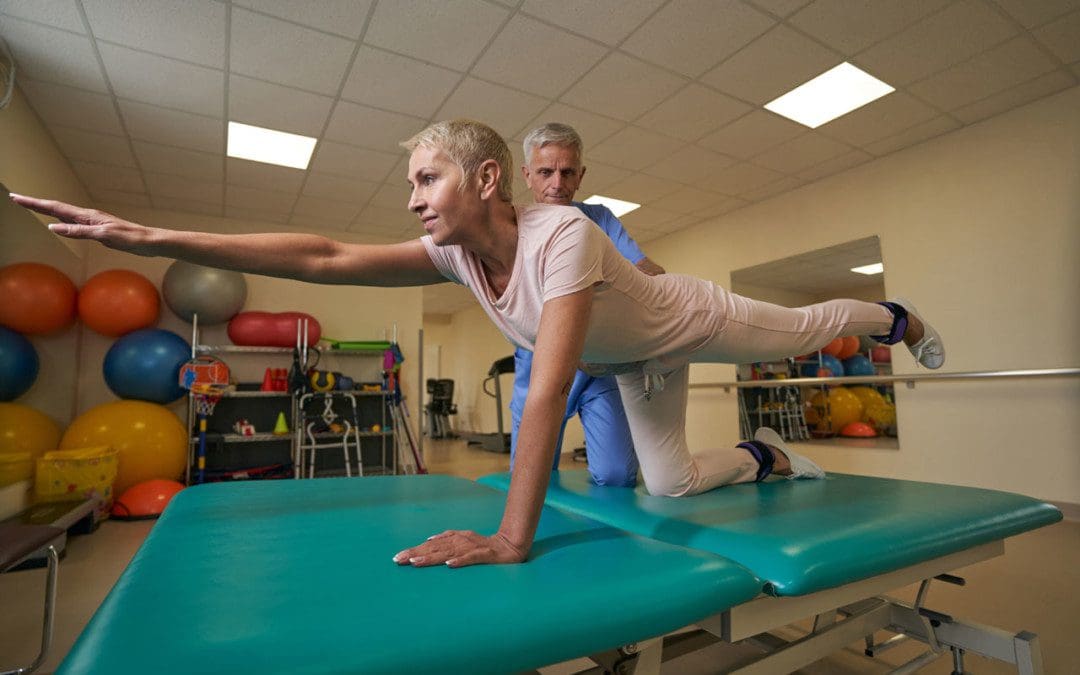
To improve bed movement, physical therapy exercises can include:
Physical therapists are trained to assess these motions and functions and prescribe treatments to improve body movement. (O’Sullivan, S. B., Schmitz, T. J. 2016) Maintaining appropriate physical fitness can help the body stay active and mobile. Performing mobility exercises prescribed by a physical therapist can keep the right muscle groups working properly, and working with a physical therapist can ensure the exercises are correct for the condition and are performed properly.
Bhattacharya, S., & Mishra, R. K. (2015). Pressure ulcers: Current understanding and newer modalities of treatment. Indian journal of plastic surgery : official publication of the Association of Plastic Surgeons of India, 48(1), 4–16. https://doi.org/10.4103/0970-0358.155260
For individuals having difficulty moving or functioning normally due to injury, surgery, or illness, can a chiropractic and physical therapy team help expedite recovery?
Friction Massage
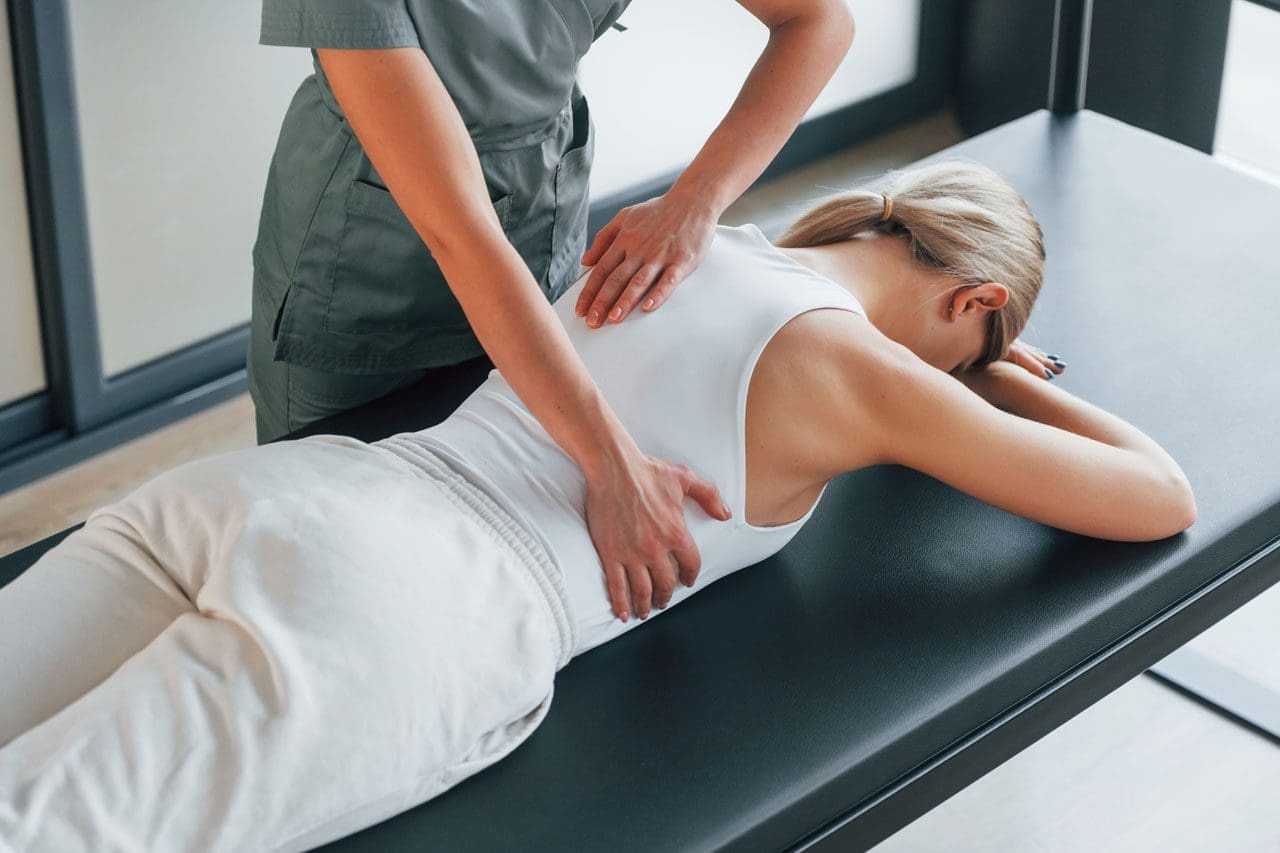
Individuals may develop scar tissue or tissue adhesions that limit normal motion after injury or surgery. A pain management team may use various treatments and modalities and may incorporate friction massage as part of a rehabilitation treatment plan. Friction massage, also known as transverse friction or cross friction massage, is a technique used to help improve scar tissue and adhesion mobility to move better and decrease the negative effects. The therapist uses their fingers to massage the scar in a direction that is at right angles to the scar line. It is a specialized technique that breaks up tissue adhesions that are limiting normal movement in the skin and underlying tissues. (Haris Begovic, et al., 2016)
Scar Tissue and Adhesions
For individuals who require surgery due to an injury or an orthopedic condition, their doctor will cut into the skin, tendons, and muscle tissue during the operation. Once sutured and healing has begun, scar tissue forms. Healthy tissue is made up of collagen that is comprised of cells that are arranged in a regular pattern. Healthy collagen is strong and can resist forces when tissues are pulled and stretched. (Paula Chaves, et al., 2017)
During the healing process after an injury, the collagen cells are laid down in a haphazard pattern and form scar tissue. The random accumulation of cells becomes tight and does not react well to tension and stretching forces. (Qing Chun, et al., 2016) The body can form scar tissue after a soft tissue injury, like a muscle or tendon strain. (Qing Chun, et al., 2016)
If a muscle or tendon gets strained the body will generate new collagen during the healing. The new collagen is laid down in a random fashion, and scar tissue or tissue adhesions can form that can limit the normal range of motion. Healthy tissue stretches and glides as the body moves. Scar tissue is rigid. At the site of the scar tissue, there can be some movement, but it is tight, less pliable, and can be painful. If scar tissue or adhesions are limiting motion, cross-friction massage can improve tissue gliding and sliding. This process is referred to as remodeling.
Massage Objectives
The objectives and goals of friction massage to adhesions or scar tissue may include:
Stimulation of nerve fibers to decrease and relieve pain.
The entire area of scar tissue or adhesion should be treated.
If the scar tissue is in a muscle, it should be relaxed.
If the scar tissue is in a tendon sheath, that tendon should be slightly stretched during the procedure.
The therapist places two or three fingers over the scar or adhesion and moves their fingers perpendicular to the scar to smooth the collagen fibers down.
The fingers and underlying tissues move together.
The massage should feel deep and uncomfortable but not painful.
There may be some pain, but should remain within the individual’s tolerance.
If the massage is too painful, less pressure may be used.
After several minutes the therapist will assess the tissue mobility.
Specific stretches may be done to elongate the scar tissue or adhesions.
At-home exercises and stretches may be prescribed to maintain flexibility.
Contraindications
There are situations where friction massage should not be used and can include: (Paula Chaves, et al., 2017)
Around an active open wound.
If there is a bacterial infection.
Areas with decreased sensation.
If calcification is present in the muscle or tendon tissue.
The therapist will explain the procedure and inform of the goals and risks associated with it.
Adhesive capsulitis in the shoulder/frozen shoulder.
Joint contracture.
Ligament tears.
Scar tissue buildup after surgery or trauma.
Friction massage is a popular technique used in physical therapy, but some research suggests it is not any more effective than other rehabilitation techniques. One study found that static stretches and exercises were more effective than massage in improving tissue length and strength in uninjured soccer players. Other studies have supported this, but individuals may find that the massage helps improve injured tissues’ movement as well. (Mohammed Ali Fakhro, et al. 2020)
The main goal of any treatment in physical therapy is to help the individual regain movement and flexibility. Friction massage, combined with targeted stretches and exercises, can help individuals expedite recovery and get back to normal.
Chiropractic Care After Accidents and Injuries
References
Begovic, H., Zhou, G. Q., Schuster, S., & Zheng, Y. P. (2016). The neuromotor effects of transverse friction massage. Manual therapy, 26, 70–76. https://doi.org/10.1016/j.math.2016.07.007
Chaves, P., Simões, D., Paço, M., Pinho, F., Duarte, J. A., & Ribeiro, F. (2017). Cyriax’s deep friction massage application parameters: Evidence from a cross-sectional study with physiotherapists. Musculoskeletal science & practice, 32, 92–97. https://doi.org/10.1016/j.msksp.2017.09.005
Chun, Q., ZhiYong, W., Fei, S., & XiQiao, W. (2016). Dynamic biological changes in fibroblasts during hypertrophic scar formation and regression. International wound journal, 13(2), 257–262. https://doi.org/10.1111/iwj.12283
Fakhro, M. A., Chahine, H., Srour, H., & Hijazi, K. (2020). Effect of deep transverse friction massage vs stretching on football players’ performance. World journal of orthopedics, 11(1), 47–56. https://doi.org/10.5312/wjo.v11.i1.47
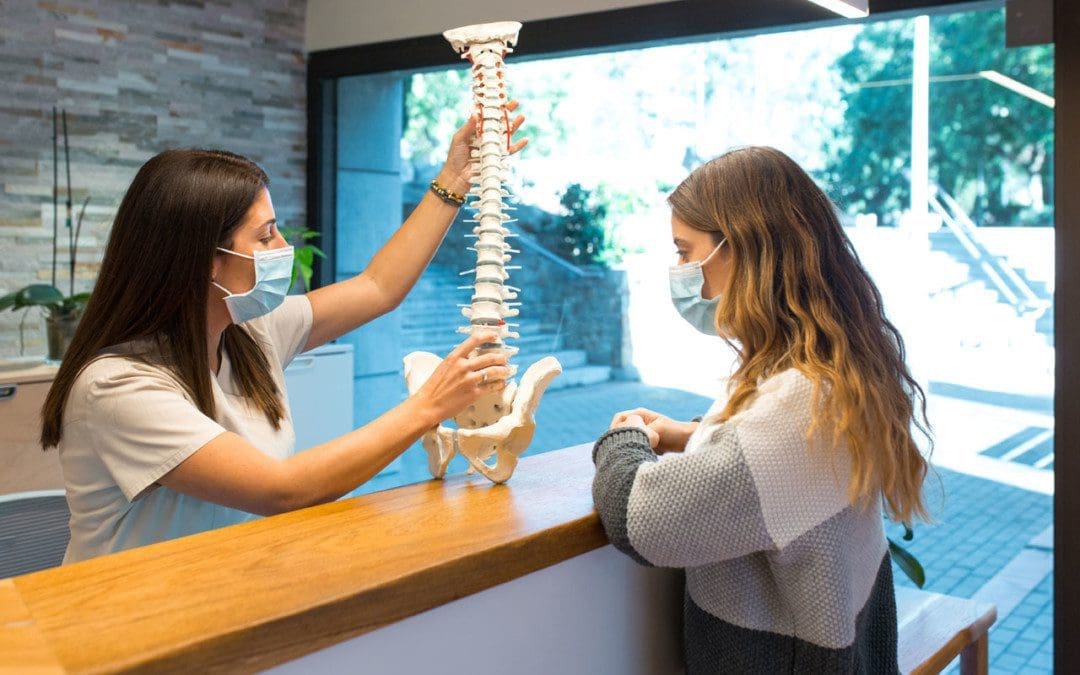
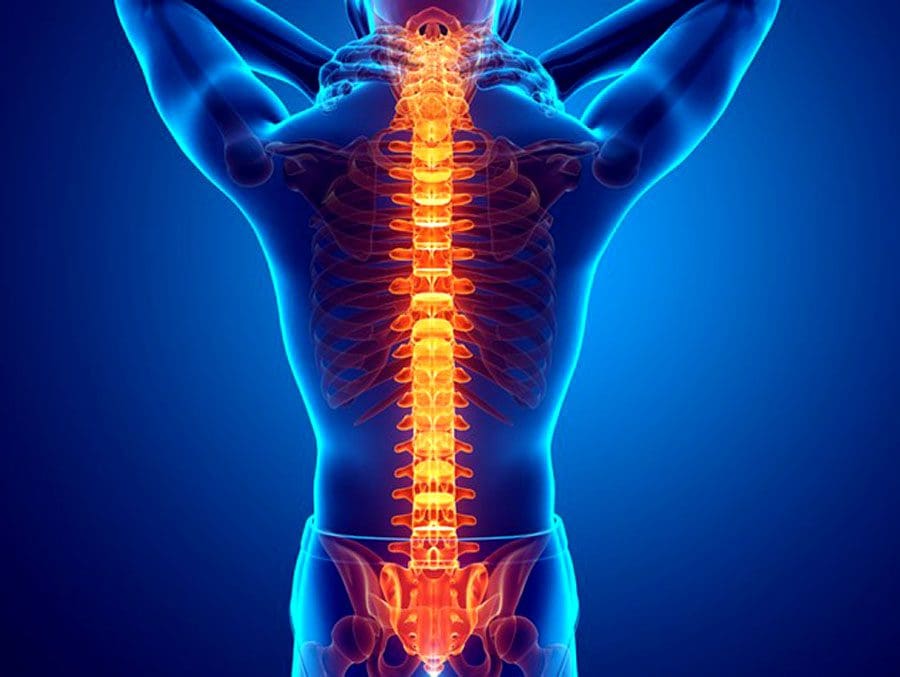
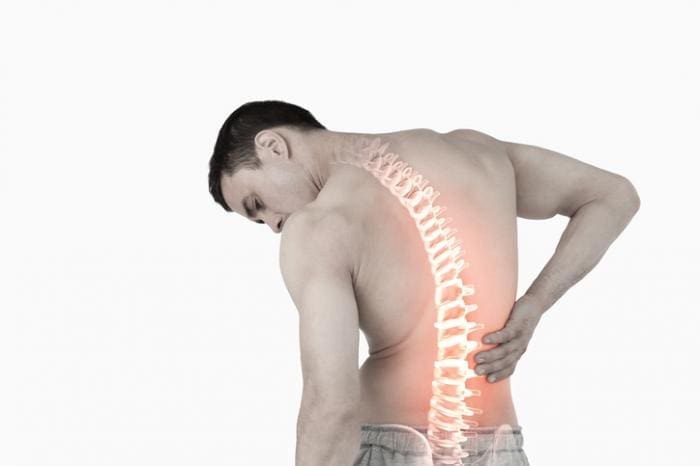
Back pain is a common problem that affects people worldwide, but many individuals are unaware of it until they experience constant back muscle aches. Back pain can impact the cervical, thoracic, and lumbar spine and can even lead to referred pain in the arms and legs. Repetitive movements, poor posture, prolonged sitting, and physical inactivity are common causes of back pain. In some cases, traumatic incidents or accidents can also contribute to the development of back pain. To manage back pain, individuals often seek treatments to alleviate it and improve their quality of life. In this article, we’ll explore two treatments to help alleviate back pain and provide tips on managing the pain effectively. We work with certified medical providers who use our patients’ valuable information to treat individuals with back pain and find the right treatment to alleviate their pain. We encourage patients to ask essential questions and seek education from our associated medical providers about their condition. Dr. Jimenez, D.C., provides this information as an educational service. Disclaimer
Spine Surgery For Low Back Pain
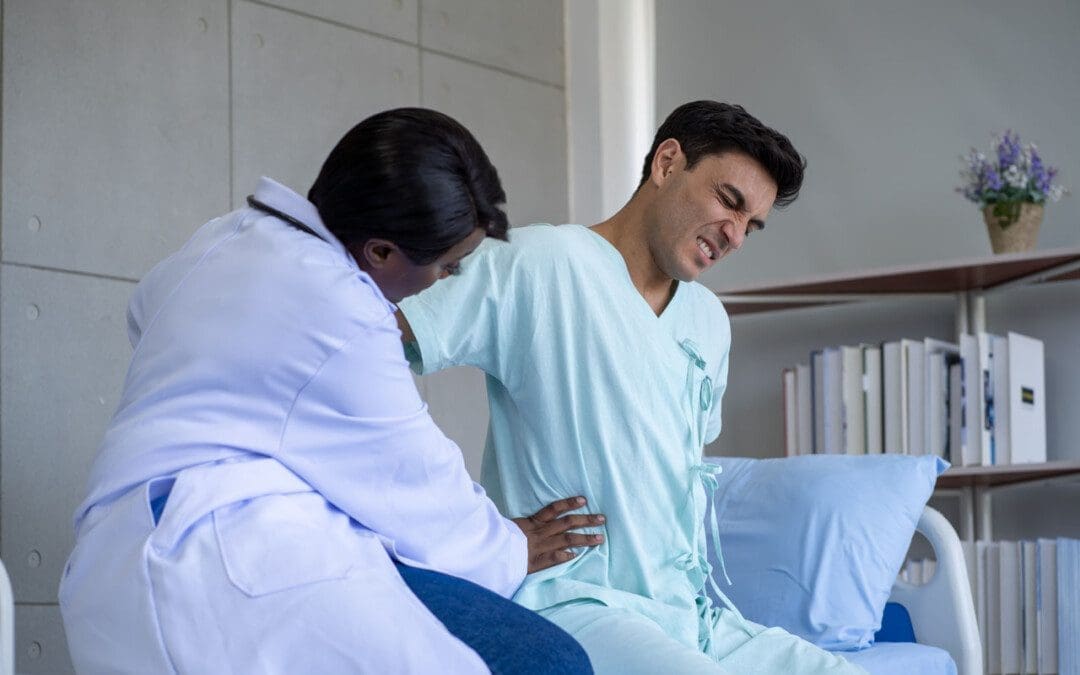
Are you experiencing pain in your upper, middle, or lower back? Do you feel a radiating pain running down your arms or legs, or have you noticed that you are hunching over more than usual? These symptoms are often associated with back pain, which can be debilitating. Many people who suffer from back pain seek relief and may opt for surgery to alleviate their symptoms. Research studies revealed that spinal surgery could effectively reduce neurogenic pain and deficits that exacerbate spinal nerve root compression and may help individuals regain their functionality and mobility. However, as research studies stated, surgery is typically recommended only after conservative treatments have been tried for at least six months without success. Several surgical options are available, including injection therapy, non-fusion stabilization, facet and disc replacement, and spinal fusion surgery, which may relieve back pain.
Managing Back Pain After Surgery
Individuals who undergo surgery for back pain must follow a recovery plan to prevent the pain from recurring. Research studies suggest that the effects of spinal surgery for back pain should last for three days, after which adequate rest is essential. Following this, individuals should become pain-free and able to move again. To prevent back pain from returning, doctors often recommend changing daily habits and activities and creating a personalized treatment plan to strengthen back muscles. While surgery for back pain can be expensive, non-surgical treatments are available to alleviate the pain.
The Science Of Motion & Chiropractic Care- Video
Are you experiencing pain in your upper, middle, or lower back? Do you feel discomfort, stiffness, or aches when stretching? Have you engaged in activities that can strain your back muscles? These symptoms often indicate back pain, a common problem many people face at some point. Several factors contribute to back pain, including repetitive movements, spinal disc compression, and spinal nerve root irritation. Physical inactivity, prolonged sitting, heavy lifting, and poor posture are common causes of back pain that can lead to disability. However, various treatments can alleviate the effects of back pain and prevent it from recurring. The video above demonstrates how chiropractic care can help relieve back pain by using spinal manipulation to align the spine. Chiropractic care is a safe, gentle, and affordable non-surgical treatment that can be combined with other therapies to prevent future back pain.
Spinal Decompression For Back Pain
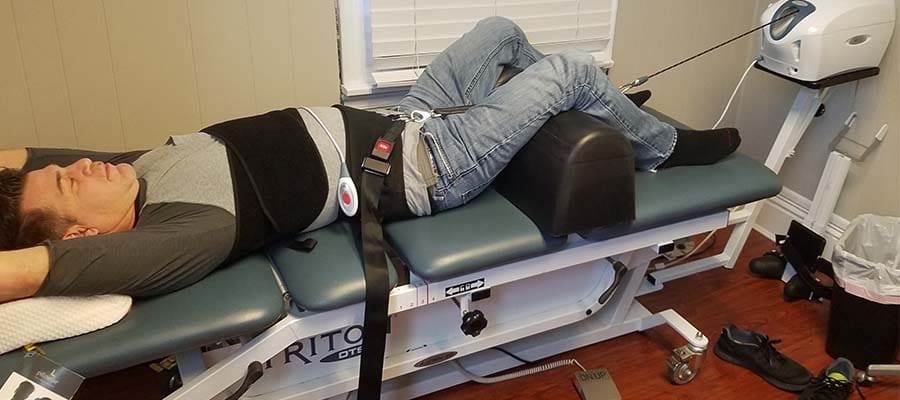
When relieving back pain, some people avoid surgery because it can be expensive. Fortunately, alternative treatments are safe, affordable, and gentle on the spine. Non-surgical options can relieve many individuals suffering from back pain without surgery. Research shows that spinal decompression is an effective treatment that uses gentle traction to create negative pressure in the spinal disc. This can increase hydration and reduce pressure on the nerve root, which can alleviate back pain. Spinal decompression can also help relax and stretch the back muscles by gently pulling the spine. This treatment is cost-effective and can be combined with other therapies to prevent the return of back pain.
The Effects Of Spinal Decompression On Back Pain
Dr. Eric Kaplan, D.C., FIAMA, and Dr. Perry Bard, D.C., wrote “The Ultimate Spinal Decompression,” which states that spinal decompression is safe and effective in reducing back pain. Through spinal decompression, the herniated disc causing back pain is pulled back to its original position, allowing the surrounding nerve roots to relax. Research studies have shown that spinal decompression can help increase spinal disc height and restore mobility to the back and spine, enabling individuals to return to their daily activities without pain.
Conclusion
Across the world back pain is a widespread problem that affects many people worldwide. It can be a significant problem if left untreated. Fortunately, numerous treatment options can alleviate the symptoms and allow individuals to resume their daily activities. The two main types of treatment are surgical and non-surgical therapies. While surgical treatment can be effective, it is also expensive. Non-surgical therapy, on the other hand, is cost-effective. Combining these treatments with other therapies is possible to decrease the likelihood of back pain returning. By listening to their bodies and taking preventive measures, individuals can avoid a reoccurrence of pain.
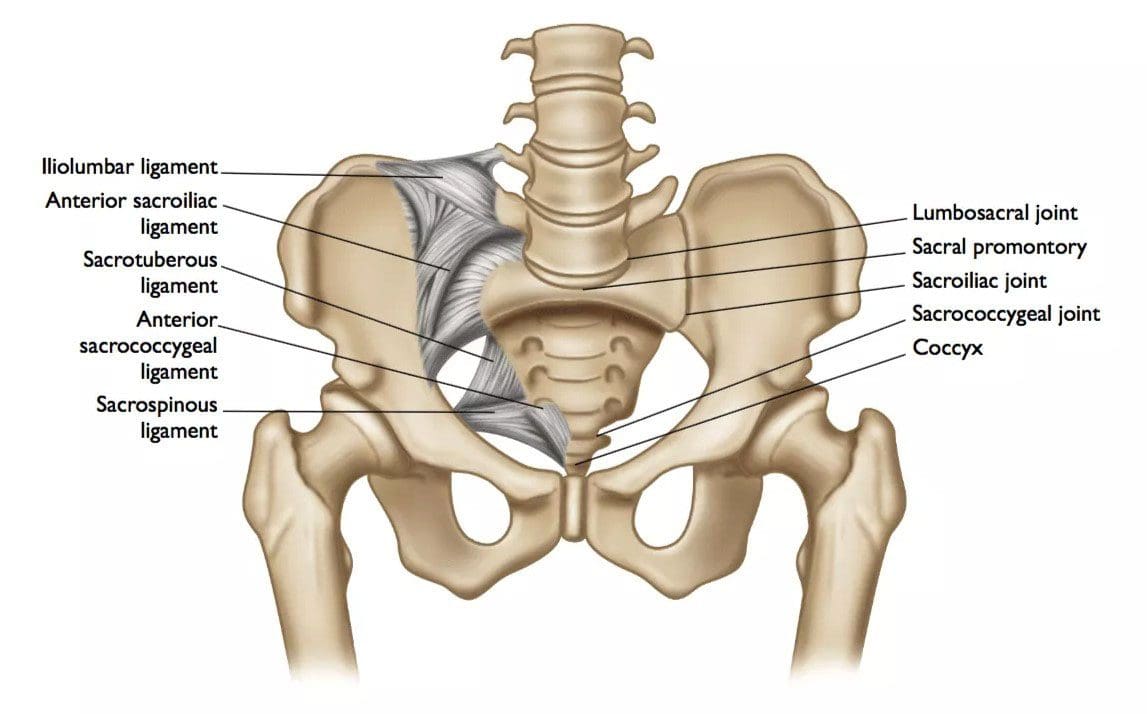
The function of the SI joints is to allow torsional or twisting movements when moving the legs that act as levers. Without the sacroiliac joints and the pubic symphysis at the front of the pelvis, which allow these precision movements, the pelvis would be at higher risk of a fracture. The sacroiliac joints transmit body weight and all the physical forces down through the sacrum to the hips and legs. Individuals, especially athletes with pain in the lower back, hip, groin, or leg, could be experiencing SIJ/sacroiliac joint dysfunction. A physician or surgeon could recommend sacroiliac joint surgery for severe SI joint dysfunction and pain that has not resolved with conservative treatment.
Sacroiliac Joint Surgery
There are two sacroiliac joints. They connect the large iliac bones that make up the sides of the pelvis and the sacrum or triangle-shaped vertebrae between the iliac bones at the base of the spine. Pain in this area can come from sacroiliitis or inflammation of an SI joint, and referred pain may present. A doctor will consider causes such as:
There is a pathology of sacroiliac joint dysfunction in athletes. Sports that require repetitive and/or asymmetric loading that includes:
Kicking
Swinging
Throwing
Single-leg stance
Any athlete can develop sacroiliac joint dysfunction, but the highest prevalence activities include:
Soccer
Football
Basketball
Gymnastics
Golfing
Powerlifting
Cross-country skiing
Step aerobics
Stair stepper machines
Elliptical machines
Fusion Surgery
Surgery is not for patients with less than six months of confirmed localized pain or impairment with other causes ruled out. Surgery is the last option for SI joint pain unless it is an emergency. Doctors and surgeons will recommend non-invasive treatment methods before recommending surgery. Surgery recommendations come when the pain has become intolerable, and the individual can no longer move or operate.
Sacroiliac joint fusion is a minimally invasive procedure involving a small incision less than two inches long.
Under image guidance, titanium implants are inserted across the sacroiliac joint to provide stability.
Holes in the hardware allow for adding bone or for the bone to grow naturally across or onto the area to maintain stability.
This surgery can be either outpatient or overnight, depending on surgeon preference and the type of support available.
Surgery Recovery Time
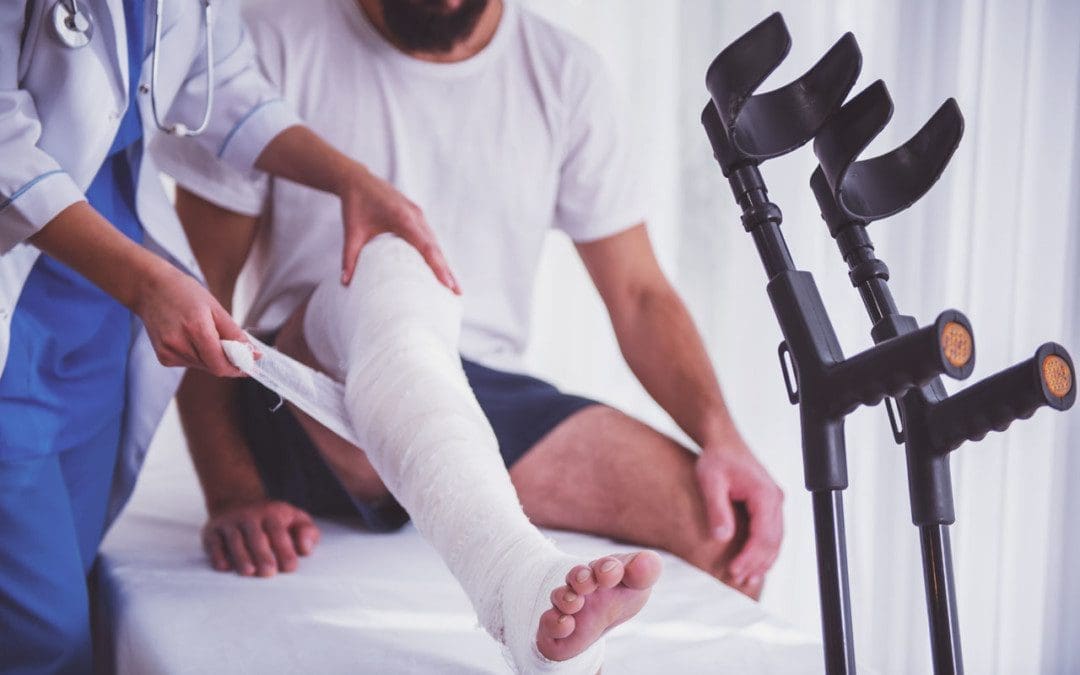
For most individuals, recovery time is around three weeks on crutches.
Pain management depends on whether screws or bolts are involved; bolts tend to be more uncomfortable.
Post-op pain dissipates in a few days or a couple of weeks.
Fusion itself takes six or more months to complete.
Conservative Treatment Options
Conservative treatment modalities to reduce the inflammation can include:
Chiropractic
Physical therapy
Nonsurgical spinal decompression
Medications
Injections
Rest
Staying off your feet for a few days can help decrease pressure on the SI joint.
Using an ice or heating pad on the lower back and/or buttocks.
Massaging the surrounding muscles may help if the apparent cause is an injury.
A doctor could suggest using a cane, walker, or crutches under medical supervision.
Medications
Medications include anti-inflammatories such as ibuprofen, naproxen, or prescription alternatives.
Acetaminophen helps with pain but not inflammation.
Corticosteroids
Steroids are the most powerful anti-inflammatory.
A common nonsurgical treatment is cortisol steroids, injected under X-ray guidance.
Injections go directly to the source.
Oral steroids spread throughout the body but can cause undesirable side effects.
Chiropractic and Physical Therapy
Depending on the severity of the condition, chiropractic and physical therapy may be able to strengthen the muscles around the area and realign the joint.
A chiropractor will level the pelvis through sacroiliac joint manipulation and mobilization.
It works by applying compression around the hip and across the joint.
Back, Hip, and Radiating Pain
References
Brolinson, P Gunnar, et al. “Sacroiliac joint dysfunction in athletes.” Current sports medicine reports vol. 2,1 (2003): 47-56. doi:10.1249/00149619-200302000-00009
Heil, Jessica. “Load-Induced Changes of Inter-Limb Asymmetries in Dynamic Postural Control in Healthy Subjects.” Frontiers in human neuroscience vol. 16 824730. 11 Mar. 2022, doi:10.3389/fnhum.2022.824730
International Journal of Spine Surgery. (2020*) “International Society for the Advancement of Spine Surgery Policy 2020 Update—Minimally Invasive Surgical Sacroiliac Joint Fusion (for Chronic Sacroiliac joint Pain): Coverage Indications, Limitations, and Medical Necessity.” https://doi.org/10.14444/7156
Peebles, Rebecca DO1; Jonas, Christopher E. DO, FAAFP2. Sacroiliac Joint Dysfunction in the Athlete: Diagnosis and Management. Current Sports Medicine Reports: 9/10 2017 – Volume 16 – Issue 5 – p 336-342
doi: 10.1249/JSR.0000000000000410
Neuroregenerationcould become an option for spinal cord injury treatments in the future. A spinal cord injury or SCI is when there is damage to the bundle of nerves and cells that send and receive signals from the brain and body. A spinal cord injury can be caused by direct trauma/injury to the cord or damage to the tissue and vertebrae. The damage can result in temporary or permanent changes in:
Sensation
Movement
Strength
Body function/s below the injury site.
There are incomplete and complete injuries. Injuries that cause limited or no cell death can achieve a full recovery. Injuries that are more serious and/or are higher on the spinal cord can cause permanent damage and/or paralysis. Automobile crashes, accidents, and serious falls are the most common causes of spinal cord injuries.
An incomplete injury means the cord can still transmit messages, but there is interference/disturbance.
A complete injury means communication and motor function/voluntary body movement is not transmitting.
Symptoms
Symptoms of a spinal cord injury include:
Unnatural or awkward positioning of the spine or head.
Pain or pressure in the head, neck, or back.
Numbness
Tingling
Loss of or changes in sensation in the hands and feet.
Problems with walking.
Weakness or inability to move parts of the body.
Loss of movement.
Paralysis can occur immediately or develop over time as swelling and bleeding affect the cord.
Loss of bladder and bowel control.
Changes in sexual function.
Difficulty breathing.
SCI Damage Control
A spinal cord injury affects the central nervous system, the body’s central headquarters. Damage can cause complications through what’s called the secondary injury cascade, which is a series of chemical reactions the body activates to help the situation. However, if the chemical response does not stop and stays active, it can worsen the injury. The body recognizes that an emergency has occurred and tries to go into a shut-down mode that kills off some of the cells in the central nervous system. When a spinal injury happens, treatment focuses on stopping the damage as quickly as possible to stop the injury cascade and prevent as much cell death as possible. This act is called neuropreservation, meaning that the team is trying to preserve and save as many nerve cells as possible.
Injury Neuroregeneration Treatment Studies
While current treatment primarily focuses on stopping as much damage as possible then going through physical therapies to maintain spinal alignment and rehabilitate the body, the future of injury treatment is looking towards regrowing and repairing the damaged nerve cells through a process known as neuroregeneration. Repairing nerves that have been damaged could change life for many. Neuroregeneration Treatments being studied include:
Surgery
A study in The Lancet Neurology presents how getting surgery as soon as possible after an injury can provide significant benefits.
The findings could change all of the guidelines for spinal cord injury.
Medication
A study on Riluzole, a medication that has shown promise to slow down nerve cell damage.
A team completed a randomized controlled trial for the medication; soon, the final results will be available.
Scientists are studying ways to grow new nerve cells from an individual’s stem cells without the need for embryonic stem cells.
Specialized stem cells could also be used to help other nerve cells regenerate.
Electrical stimulation
Another approach is using electrical stimulation to restore function in the spinal cord.
Therapy that could help a paralyzed individual walk again.
The Future of Neuroregeneration
Aside from early surgery intervention, most neuroregenerative treatments are not ready or accessible yet. There’s still much more research before it can become a mainstream treatment option. Treatment that involves regenerating nerve cells will take longer than a treatment designed to protect nerve cells. However, more clinical trials are expected to be done in the next few years, with stem cell therapies taking the longest. Some of these therapies could be ready to be used on actual patients in 5-10 years.
Body Composition
The Importance of Measuring Body Composition
Most diet and fitness programs focus on weight loss or gain. However, they tend to overlook that individuals have completely different body compositions. Body composition describes the amount of:
Fat
Bone
Water
Muscle
In the body.
Measuring body composition can tell a body’s unique makeup and help identify areas to work on to improve overall health and wellness. Body composition analysis provides a snapshot of an individual’s health/fitness levels to help achieve health goals from the inside out.
References
Aguilar, Juan et al. “Spinal cord injury immediately changes the state of the brain.” The Journal of neuroscience: the Official Journal of the Society for Neuroscience vol. 30,22 (2010): 7528-37. doi:10.1523/JNEUROSCI.0379-10.2010
Badhiwala, Jetan H; Wilson, Jefferson R; Witiw, Christopher D; et al. (February 2021). The Lancet Neurology Vol. 20, No. 2, P. 117. The Influence of Timing of Surgical Decompression for Acute Spinal Cord Injury: A Pooled Analysis of Individual Patient Data. DOI: 10.1016/S1474-4422(20)30406-3
Chari, Aswin et al. “Surgical Neurostimulation for Spinal Cord Injury.” Brain sciences vol. 7,2 18. 10 Feb. 2017, doi:10.3390/brainsci7020018
Post spine surgery physical therapy or PT is the next phase after a discectomy, laminectomy, fusion, etc., to gain optimal mobility and ease the transition for a full recovery. A chiropractor and physical therapist team will help with proper muscle training and activation, pain and inflammation relief, postural training, exercises, stretches, and educate the individual on an anti-inflammatory diet. Physical therapy post spine surgery reduces:
Scar tissue
Inflammation
Muscle weakness
Muscle tightness
Joint stiffness
The therapy also identifies and treats any issues that caused or contributed to the spinal damage/injury. A study found physical therapy to improve postoperative ambulation, pain, disability, and decreased surgical complications.
Post Spine Surgery Physical Therapy Goals
Physical therapy goals are to return the individual to full function before chronic pain or injury. These include:
Decrease pain and stress around the surgical site.
Loosen and stretch the muscles surrounding the surgical site.
Strengthen the back and neck muscles.
Stabilize the back and neck muscles.
Learn to move around safely.
Prepare for everyday physical activities like standing up or sitting down, lifting, and carrying objects.
Improve posture.
The therapy team will develop a customized treatment/rehabilitation plan as well as post-surgical recovery at home to help the individual and family to understand what to expect, including psychological factors like not wanting to perform the exercises or stretches to avoid pain, frustration, anger, depression, and wanting to give up. However, individuals can maximize the benefits to ensure an optimal outcome before surgery by pre-conditioning identifying structural and functional issues contributing to the injury.
Physical Therapy Involves
Therapy can be done at home, in a hospital or rehab setting, or at a chiropractic/physical therapy clinic. Therapists use:
A physical therapy session can last 45 minutes to an hour. It’s essential to discuss hopes and expectations post-surgery and after the therapy has finished. The therapists will explain the healing process, the treatment progression, and any questions a patient may have. Understanding the treatment process will help the individual want to engage in the treatment plan. The therapist team will also interface with the surgeon to prevent adverse outcomes.
Optimal Health
The physical therapy team will help the individual feel better with each session and stay motivated. Having a solid relationship with the therapy team makes it easier to share goals, worries, and challenges that the team can adapt to as progress is made. To gain the most from the therapy:
Try working with a therapist that the surgeon recommends can be helpful as they already have a working relationship.
Keep communication open between the surgeon and team.
Adhere to any precautions and restrictions set by the surgeon and therapy team.
Maintain recommended exercises at home between sessions.
Ease into activity and avoid overexertion.
Post spine surgery physical therapy helps accelerate the healing process and serves to help individuals regain their quality of life.
Body Composition
Power Of Protein
Protein is an essential component of muscle development, bone density, muscle mass, and lean tissue when building a healthy body. Protein is necessary for all the body’s physiological functions.
References
Adogwa, Owoicho et al. “Assessing the effectiveness of routine use of postoperative in-patient physical therapy services.” Journal of spine surgery (Hong Kong) vol. 3,2 (2017): 149-154. doi:10.21037/jss.2017.04.03
Atlas, S J, and R A Deyo. “Evaluating and managing acute low back pain in the primary care setting.” Journal of general internal medicine vol. 16,2 (2001): 120-31. doi:10.1111/j.1525-1497.2001.91141.x
Gellhorn, Alfred Campbell et al. “Management patterns in acute low back pain: the role of physical therapy.” Spine vol. 37,9 (2012): 775-82. doi:10.1097/BRS.0b013e3181d79a09
Jack, Kirsten et al. “Barriers to treatment adherence in physiotherapy outpatient clinics: a systematic review.” Manual therapy vol. 15,3 (2010): 220-8. doi:10.1016/j.math.2009.12.004
Lindbäck, Yvonne et al. “PREPARE: Pre-surgery physiotherapy for patients with degenerative lumbar spine disorder: a randomized controlled trial protocol.” BMC musculoskeletal disorders vol. 17 270. 11 Jul. 2016, doi:10.1186/s12891-016-1126-4
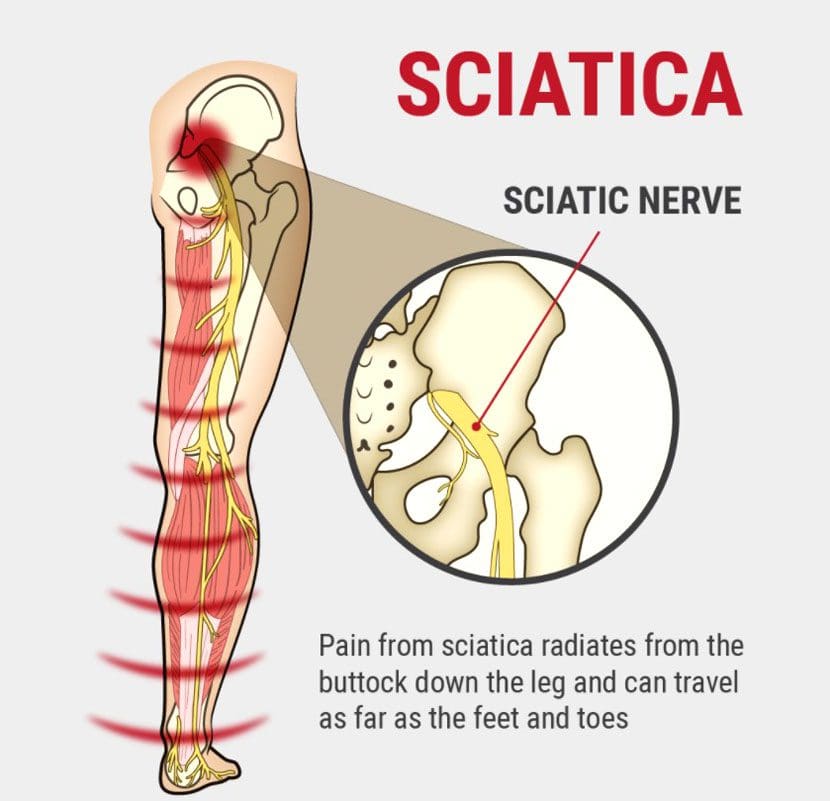
Sciatic nerve injury happens from trauma to the nerve and can cause numbness, tingling, loss of muscle power, and pain. The traumatic experience can be a muscle spasm that pulls and/or pinches the sciatic nerve, force/pressure impact injury, over-stretching injury, or a laceration/cutting injury. A slipped disk, or herniated disk, is the most common cause of irritation on the sciatic nerve. A slipped disk occurs when one becomes slightly dislodged, pushing out from the spine. This places pressure/compression on the sciatic nerve.
Trauma to the lower back, buttocks, or leg from an automobile accident, sports injury, work injury.
Medical treatment causes:
Direct surgical trauma.
Total hip replacement surgery can cause nerve compression and stretch during the procedure, causing damage to the sciatic nerve resulting in dysfunction.
Injection injuries via intramuscular injection in the gluteal region. This is a situation where there is a loss of movement and or lack of sensation at the affected lower extremity with or without pain.
Injection palsy can begin suddenly or hours following damage to the sciatic nerve.
A misplaced intramuscular injection at the gluteal region is the most common cause of injury. It is attributed to frequent injections or poor techniques resulting from inadequately trained or unqualified staff.
Complaints of radiating pain in the leg, which follows a sensory nerve pattern.
Pain radiates below the knee, into the foot.
Complaints of low back pain, which is often less severe than leg pain.
Report of electrical, burning, numbing sensations.
Diagnosis
A detailed subjective and objective physical examination is necessary to figure out the severity of the sciatic nerve injury. Diagnostic studies include:
Chiropractic and physical therapy exercises and stretches improve nerve regeneration after nerve damage.
Electrical Muscle Stimulation
TENS and Electroacupuncture have been shown to help enhance nerve regrowth.
Bio-laser stimulation can help with nerve nutrition and regeneration.
Joint or Soft Tissue mobilization
Helps to retain muscle, nerve, and soft tissue flexibility and prevent deformity.
Balance Training
Coordination, strength, and flexibility exercises help to restore balance.
Splinting
In the early stages after a sciatic nerve injury, bracing may be needed to prevent deformity and new injury or re-injury risks.
Ankle Foot Orthosis – AFO can help prevent foot drop, muscle damage, and falls risk.
Body Composition
Optimize Diet for Fat Loss
Individuals that want to lose fat need to create a calorie deficit. Individuals need to consistently eat less than they need for Total Daily Energy Expenditure – TDEE. The safest way to handle a caloric reduction is to reduce calorie intake in small doses like 200-300 calories, for example. After a week or two, perform a body composition analysis. If Fat Mass numbers begin to drop or not, adjust calorie needs accordingly. Restricting calories is the most common way, a deficit can also be created by increasing calorie needs through exercise.
References
Kline, D G et al. “Management and results of sciatic nerve injuries: a 24-year experience.” Journal of neurosurgery vol. 89,1 (1998): 13-23. doi:10.3171/jns.1998.89.1.0013
Schmalzried, TP et al. “Update on nerve palsy associated with total hip replacement.” Clinical Orthopedics and related research,344 (1997): 188-206.
Shim, Ho Yong et al. “Sciatic nerve injury caused by a stretching exercise in a trained dancer.” Annals of rehabilitation medicine vol. 37,6 (2013): 886-90. doi:10.5535/arm.2013.37.6.886
Suszyński, Krzysztof et al. “Physiotherapeutic techniques used in the management of patients with peripheral nerve injuries.” Neural regeneration research vol. 10,11 (2015): 1770-2. doi:10.4103/1673-5374.170299
IFM's Find A Practitioner tool is the largest referral network in Functional Medicine, created to help patients locate Functional Medicine practitioners anywhere in the world. IFM Certified Practitioners are listed first in the search results, given their extensive education in Functional Medicine



 Sacroiliac Joint Surgery