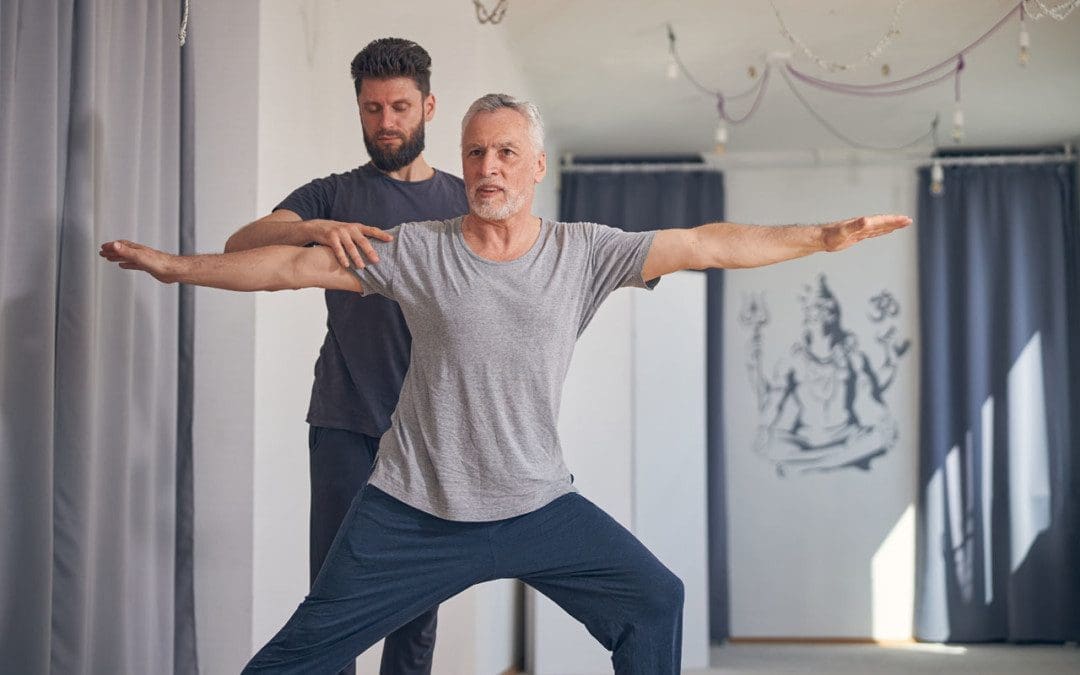
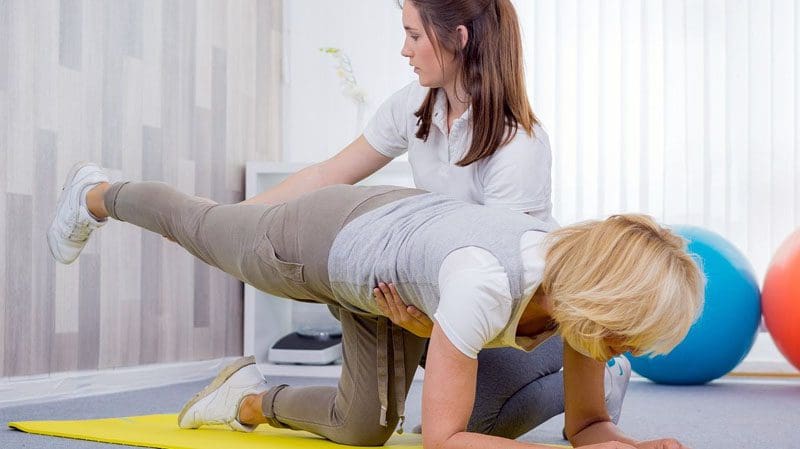
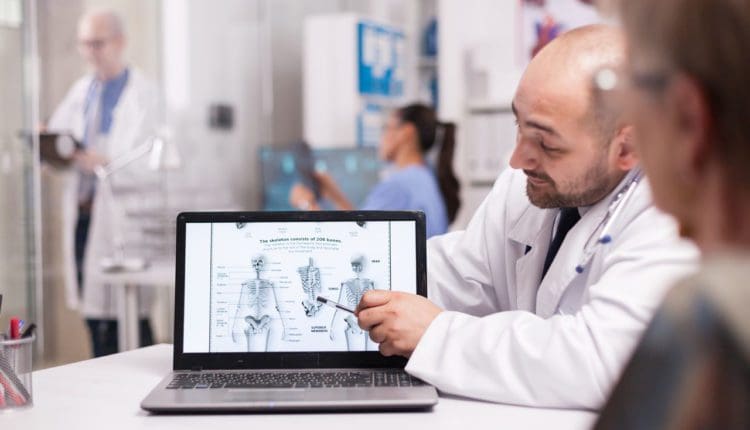
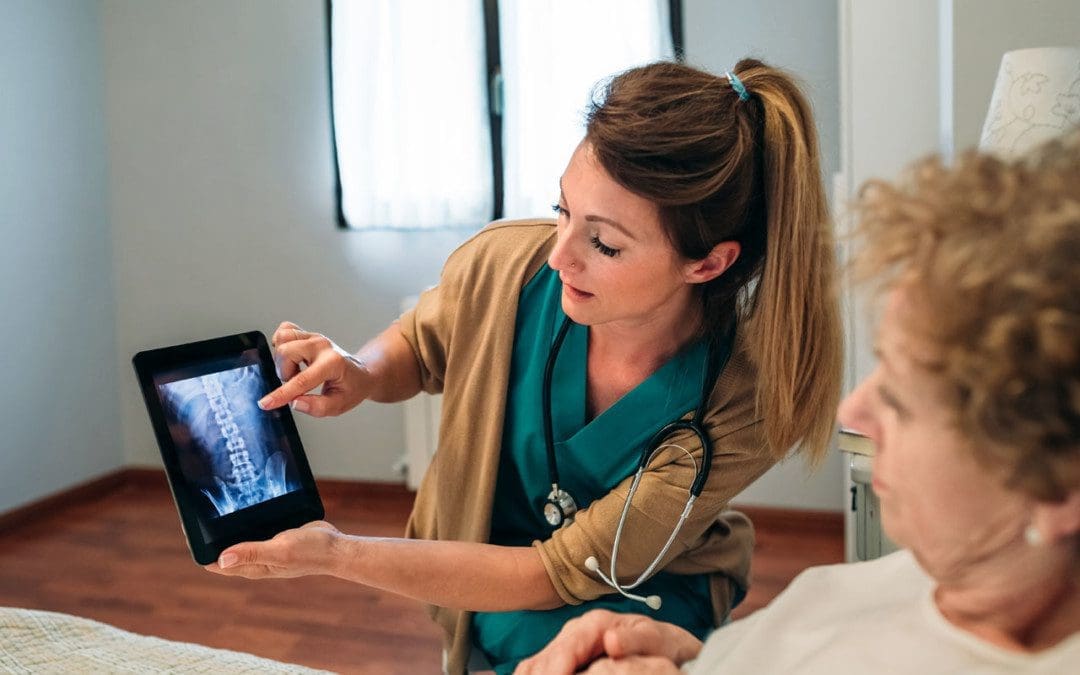
Recovery and rehabilitation after spinal fusion surgery take time. Gentle yoga poses can help expedite recovery from spinal fusion surgery and are recommended in a rehabilitation program. The spine is the body’s central support structure that allows the body to stand upright, bend, and stay balanced. However, an individual may need to have vertebrae fused to repair painful back problems. Spinal fusion is a surgical procedure that permanently connects/fuses two or more vertebrae into a single bone. The procedure is done to help:
Correct a deformity
Improve stability
Reduce pain
At the beginning of the recovery process, the doctor may recommend light physical activity like walking. As the spine continues to heal, moderate exercise is essential for optimal recovery. Doctors are recommending gentle yoga to increase mobility, flexibility and regain strength.
Gentle Yoga and Spine Surgery Recovery
Yoga has become a way to stretch the body, exercise, promote physical and mental well-being. There are different styles of yoga, ranging from gentle stretching to advanced poses. Yoga focuses on stretching, coordination, and balance. When stretching the body, the range of motion is improved. Yoga also helps improve balance and increases strength to reduce the risk of falls and injuries. Gentle yoga after spinal fusion benefits include:
Pain relief
Stress reduction
Improved mental health
Increased flexibility and strength
Improved balance
Increase in energy levels
Gentle yoga after surgery focuses on an improved range of motion/coordination of the arms and legs with the torso. This allows the spine to safely flex, not become stiff, and avoid strain, leading to fuller activity.
When To Begin Yoga After Spinal Fusion?
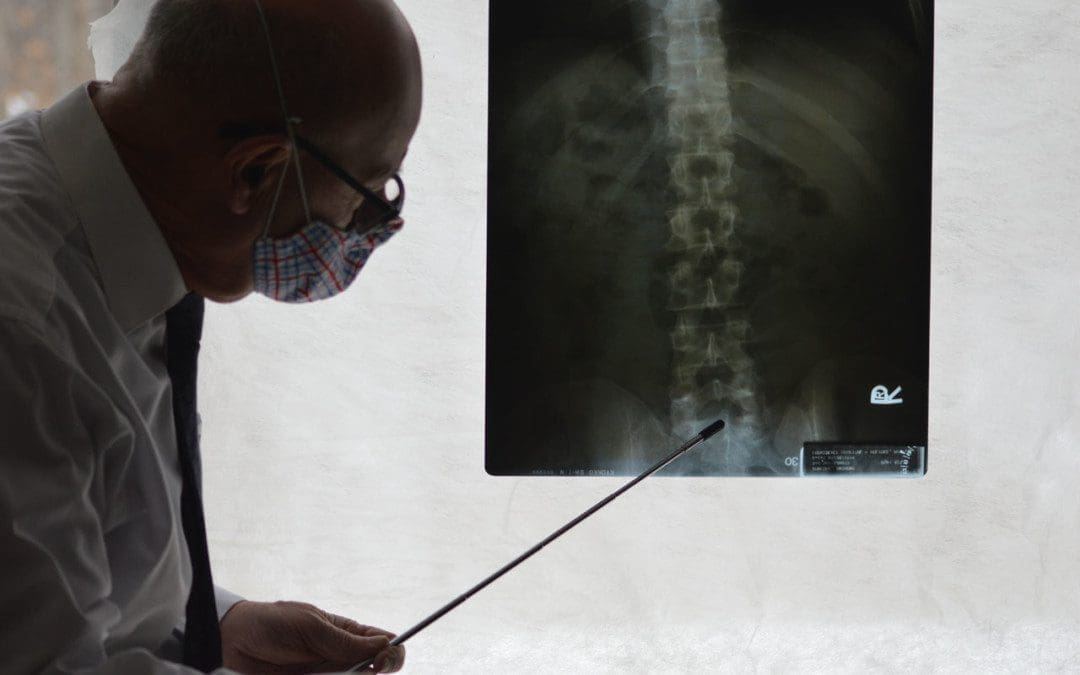
A reduced range of motion and loss of muscle mass is expected in the weeks and months following surgery. The healthcare/rehabilitation team will address this through exercise and physical therapy once the doctor clears the individual to begin rehabilitation training. The doctor will use some form of diagnostic imaging to determine if the vertebrae have fully fused before giving the ok for exercise. Most individuals can begin light physical activity four to six weeks after the procedure. If the fusion surgery was fused in only one place, individuals could start gentle yoga poses within two to three months. For a multi-level fusion surgery, individuals may need to wait four to six months after the procedure before they can safely begin.
Yoga Recovery Program
It’s essential to take it slow and steady when first beginning yoga after spinal fusion. As the body continues to heal, gradually add more challenging poses and stretches to the routine. This is a graduated recovery program separated into stages to help the individual build back strength and flexibility. In the first stages of recovery, gentle poses that have minimal effects on the spine are recommended. These include:
It’s crucial to listen to the body as a guide when moving through the poses, no matter what stage of recovery. The fusion needs time to heal and stabilize, so any poses that involve twisting movements and flexing should be avoided. Seek advice if there is confusion about how or whether or not to proceed. It is recommended to work with an experienced yoga teacher after spinal fusion. A knowledgeable instructor can guide with the poses, inform which poses to avoid and make modifications to get the most out of the gentle poses.
Body Composition
How Heat Affects Basal Metabolic Rate
Gender, height, and age influence Basal Metabolic Rate. These are factors individuals cannot control or change. However, individuals can increase the calories the body burns by regulating body temperature. Both the internal and external temperatures influence metabolic rate. The chemical reactions that contribute to metabolism happen more quickly if the temperature is higher, as the body works harder to restore normal temperature balance. For example, when a fever is present, the Basal Metabolic Rate will jump up to a much higher rate than usual to increase the speed of cellular metabolic reactions to combat the fever and get the body back to a healthy state. When it comes to external temperature, it’s only prolonged exposure to heat that raises the Basal Metabolic Rate.
References
American Academy of Orthopedic Surgeons. (June 2018). “Spinal Fusion.” https://orthoinfo.aaos.org/en/treatment/spinal-fusion/
Gillooly, James F, and Andrew P Allen. “Changes in body temperature influence the scaling of VO2max and aerobic scope in mammals.” Biology letters vol. 3,1 (2007): 99-102. doi:10.1098/rsbl.2006.0576
National Center for Complementary and Integrative Health. (February 2020) “Yoga for Health: What the Science Says.” https://www.nccih.nih.gov/health/providers/digest/yoga-for-health-science
National Center for Complementary and Integrative Health. (April 2021) “Yoga: What You Need to Know.” https://www.nccih.nih.gov/health/yoga-what-you-need-to-know
Nervousness, fear, anxiety, and discouragement are common and natural feelings to have while awaiting surgery. Preparing for spinal surgery can cause individuals to experience what is known as preoperative anxiety. A study suggests that preoperative anxiety affects from 60 to 80% of individuals. There can be a lot of unknowns going into spinal surgery. Individuals can experience preoperative anxiety:
Over the procedure itself.
By imagining what could go wrong?
How is the body going to recover?
The temporary changes in functioning post-surgery.
The post-surgical pain and discomfort.
What will the results be?
Learning how to decrease surgery stress will improve the procedure and recovery. There are ways to overcome this anxiety with tips from a pain psychologist.
Getting Educated and Informed
A pain psychologist recommends spending as much time as needed to discuss the surgery with the surgeon/provider. Ask the doctor if it is possible to speak with other patients who have gone through the same surgery to learn more about the procedure and what to expect with the recovery. Searching the internet is fine, but it is recommended not to get caught up searching non-reputable websites as there is a lot of misleading information that can lead to unnecessary stress. Ask the doctor to share statistics of positive outcomes versus complications to provide reassurance and to determine if surgery is the right option based on the specific condition.
Going In With The Right Mindset
Having a heightened level of anxiety or depression can contribute to poor surgical outcomes. Individuals that focus on the worst-case scenario are more likely to have higher levels of pain after surgery. Having the right mindset, staying calm and positive can decrease preoperative anxiety and can optimize recovery.
Preparation and Planning
Mental preparation and planning for surgery will set the mind and body at ease. This means:
Knowing the anticipated healing timeline.
The recovery phases the body will go through.
How long they will last?
What is needed for optimal recovery?
Support during each step.
Recommended medical follow-up.
Post-surgical treatment/rehabilitation plan.
Understand the Pros and Cons
Before surgery, it can be beneficial to understand the pros and cons of the surgery. Speaking with the surgeon to learn this information can create a clear, concise picture of what to expect and the recovery timeline.
Relaxation
It is important to learn relaxation skills to stay positive and calm before and after surgery. Relaxation exercises can be very effective at all stages of pre-and post-surgery. Learn how to:
Manage thinking positively.
Avoid catastrophizing.
These can be accomplished through:
Meditation
Slow walks
Gentle yoga as long as it is cleared by the doctor.
Understand the Time
Knowing what will go into post-surgery recovery and having realistic expectations will create a sense of confidence.
Support System
Having a healthy support system will increase positivity and can speed up recovery. This can include:
A partner.
Family members.
Close friends.
They can help before and after surgery with physical assistance or just to listen.
Consult a Professional Pain Psychologist
Help from a behavioral health specialist or a pain psychologist can be beneficial in reducing anxiety and promoting positive surgical outcomes. They help deal with the pain, pre, and post-surgery, rehabilitation, life moving forward, etc.
Body Composition
Carbohydrates Simple and Complex
Simple carbs are a quick, scattered source of energy, and complex carbs are a healthy source of steady energy. Complex carbs are not as readily available for immediate energy as simple carbs are, but they are more efficient and healthier. Complex carbs provide sustainable energy, meaning the energy is constant with no crash like simple carbs. Complex carbs release slowly and should be the most significant component of daily energy intake. When it comes to muscle gain, complex carbohydrates can help:
Prevent Muscle Weakness
Glycogen is stored in the muscles. When the muscles are used during physical activity or exercise, the body taps into the glycogen stores for that particular muscle. Athletes take advantage of glycogen by consuming carbs (carbo-loading) a day or more before a workout to maximize the muscle glycogen stores. This helps delay fatigue and improve performance, making for a better workout and stronger muscles.
Prevent Muscle Degradation
One concern about consuming a low-carb diet is muscle loss. A study compared a low-carb diet to other diets and found that restricting carbohydrates results in protein loss. This is because restricting carbohydrates causes an increase in the amount of nitrogen that gets excreted by the body. Nitrogen is a component of amino acids that forms muscle proteins, with a loss in nitrogen indicating that the muscles are breaking down.
References
Beck, Kathryn L et al. “Role of nutrition in performance enhancement and postexercise recovery.” Open access journal of sports medicine vol. 6 259-67. 11 Aug. 2015, doi:10.2147/OAJSM.S33605
First, Get Educated: The Spine Journal (July 2018) “Anxiety and depression in spine surgery—a systematic integrative review” https://www.sciencedirect.com/science/article/pii/S1529943018301281.
Hearris, Mark A, et al. “Regulation of Muscle Glycogen Metabolism during Exercise: Implications for Endurance Performance and Training Adaptations.” Nutrients vol. 10,3 298. 2 Mar. 2018, doi:10.3390/nu10030298
How Attitude Can Affect Recovery: Journal of Neurosurgery. (November 2017) “Influence of catastrophizing, anxiety, and depression on in-hospital opioid consumption, pain, and quality of recovery after adult spine surgery” https://thejns.org/spine/view/journals/j-neurosurg-spine/28/1/article-p119.xml
International Journal of Surgery Open. (2018) “Prevalence and factors associated with preoperative anxiety among elective surgical patients at University of Gondar Hospital. Gondar, Northwest Ethiopia, 2017. A cross-sectional study” https://www.sciencedirect.com/science/article/pii/S2405857217300475
Taking it slow after spinal surgery is recommended to optimize a full recovery. What usually happens is that an individual starts feeling normal/better, so they begin to engage in a few daily activities. Then pain presents, letting the individual know that they have done too much too soon. The pain does not necessarily signal re-injuring the area, but recovery should be treated seriously. More than 50% of patients have successful spine surgery, but repeat surgeries do not tend to be quite as effective. Doing too much too early during recovery can result in severe re-injury or creating new injuries. So when can an individual get back to everyday life?
Surgery Recovery
Recovery after back surgery is different for everyone. Low back lumbar fusion surgeries usually require more recovery time than lumbar non-fusion surgeries, like:
Laminectomy – when the lamina portion of a vertebra is removed.
Microdiscectomy – the removal of abnormal disc material
Cervical spine surgeries.
Individuals who have undergone a procedure where two or more vertebrae have been surgically fused should expect a longer recovery. A typical timeline for lumbar fusion usually involves around three months. What happens is individuals want to get up and move, doing household activities almost immediately because they feel so good, but this is because of the pain medications. Strong pain medication use ends by four to six weeks. It is not until after 12 weeks or three months with post-operative chiropractic rehabilitation and physical therapy that individuals are encouraged to engage in specific physical activities that will optimize the healing process.
Taking It Slow With Certain Activities
Specific activities should not be engaged in after lumbar fusion surgery, as it requires a higher level of caution during recovery.
No Bending, Lifting, and Twisting
Bending, lifting, and twisting all require the direct use of the back muscles. Performing these movements can cause serious damage and hinder proper healing. Therefore it is recommended not to bend, lift, or twist for six weeks.
No Taking Baths or Swimming
Taking showers can be done right away with protective plastic or a sponge bath for a few days after surgery, but it is advised not to take baths or go swimming for three weeks.
No Cardiovascular Exercise
While the back may be feeling better after the spine surgery, cardiovascular exercise is not recommended for at least six to 12 weeks as it is too strenuous on the back. Light walking is fine, but the doctor and a chiropractor and physical therapist will develop a controlled, progressive exercise program for the individual. The program usually starts between 6 weeks and three months after surgery. This can include working out on an elliptical machine, a stationary bike, or easy treadmill walking.
Listening to The Body
The doctor will be clear about what can and can’t be done immediately following back surgery. Therefore it is crucial to follow the instructions to avoid any complications and listen to the body. Don’t push through activity or try taking on too much. Give the body and spine time to heal, taking it slow. There is time to get back to normal activities, but if re-injury or new injuries occur, rehabilitation/recovery could become the regular activity.
Body Composition
Malnutrition
Malnutrition is defined as deficiencies, excesses, or imbalances in an individual’s energy intake and/or nutrients. Protein-energy deficiency is one of the most common forms of malnutrition, and this health condition has an immediate and negative impact on body composition. The deficit wreaks havoc on skeletal muscle mass as the body progressively goes into starvation mode, breaking down the protein stored in the muscle for fuel.
Micronutrient deficiency is a lack of minerals and vitamins that support vital bodily processes like cell regeneration, immune system health, and eyesight. Common examples include iron or calcium deficiencies. Micronutrient deficiency has the most significant impact on normal physiological functions, processes and can happen in conjunction with a lack of protein-energy. This is because most micronutrients are obtained from food. Nutritional deficiencies of specific micronutrients can affect processes like building and repairing muscle; protein deficiency has a more pronounced effect on body composition because lowered protein intake can lead to muscle mass loss. Malnutrition and nutritional deficiencies in adults include:
Physical function, including handgrip strength and physical performance, diminishes.
Serious medical conditions can result from fluid accumulation like edema.
References
Daniell, James R, and Orso L Osti. “Failed Back Surgery Syndrome: A Review Article.” Asian spine journal vol. 12,2 (2018): 372-379. doi:10.4184/asj.2018.12.2.372
Medical experts have seen how pain education and cognitive behavioral therapy or CBT classes effectively manage chronic back pain; even a one-time pain management class can help. Individuals experiencing back pain often try a variety of remedies to find relief. These include:
Eliminating activities
Over-the-counter medications
Prescription pain medications
Support devices and braces
Pain specialists
Surgery
All treatment options can help alleviate discomfort and pain, but sometimes taking a pain management class and getting educated on what is happening in the body has been shown to help individuals gain a better understanding helping them to find relief. A recent study suggests that a one-time class may be all that is needed. These quick classes can give more individuals immediate access to information and skill sets that can help reduce the pain and everything that comes with it.
Cognitive Behavioral Therapy Classes
Cognitive Behavioral Therapy for chronic pain provides individuals with information and pain management skills. Cognitive-behavioral therapy is handled by a therapist and can take multiple individual or group sessions that last one or two hours. A session can include:
Education on pain and how it works.
How thoughts and emotions influence pain.
How pain affects mood.
Sleep and pain.
Activity and action plan development.
Chronic lower back pain or CLBP is considered a physical ailment; cognitive behavioral therapy can provide mental health strategies to manage symptoms better. For example, individuals with chronic pain begin to fear doing activities that could increase their pain level and begin to constantly worry about worsening the injury or creating a new injury. This can lead to severe stress that exacerbates the chronic symptoms and can lead to other health issues.
Single Session Vs. Multiple
Doctors and medical experts are trying to make pain education and relief skills more accessible. They do not require multiple sessions and instead consist of single-session, two-hour management classes. A randomized clinical trial of adults with chronic low back pain was compared to:
2-hour back pain health education class with no skill set training.
16-hour, 8-session cognitive behavioral therapy group class.
The study found that three months after treatment, the Empowered Relief group showed positive results. In the randomized trial, a single-session pain relief class was found to be non-inferior to an eight-session cognitive behavioral therapy class to:
Reduce pain-related distress
Pain intensity
Pain interference
Benefits
The individuals that completed the one-time 2-hour class reported positive results after three months. They found that the course had significantly reduced:
Pain intensity
Pain interference
Sleep disturbance
Anxiety
Fatigue
Depression
However, doctors caution that the two-hour class does not replace comprehensive cognitive-behavioral therapy. This is to get individuals on a positive path of pain management that can further develop into a healthy lifestyle. The objective is to create a range of options that meets an individual’s needs. The most significant advantage of a two-hour class is the convenience. Individuals can participate in these classes in person or online.
Body Composition
Supplements That Can Help Improve Lean Body Mass
A few dietary supplements that directly support body composition improvement.
Protein Powders
Protein powders are common nutritional/dietary supplements. Protein powders come in a variety of sources:
Plant-based – rice, hemp, pea, pumpkin seed, and soy.
Rice Protein
Rice protein is a plant-based protein powder used by vegans, vegetarians, and individuals who can’t tolerate dairy products. Research has found that rice protein has similar effects on body composition as whey. Scientists found that individuals who took rice protein and individuals that took whey protein both experienced positive body composition changes.
References
Cochrane Database of Systematic Reviews. (Oct 2015) “Psychological therapies for the management of chronic neuropathic pain in adults.” https://www.ncbi.nlm.nih.gov/pmc/articles/PMC6485637/
Darnall BD, Roy A, Chen AL, et al. Comparison of a Single-Session Pain Management Skills Intervention With a Single-Session Health Education Intervention and 8 Sessions of Cognitive Behavioral Therapy in Adults With Chronic Low Back Pain: A Randomized Clinical Trial. JAMA Netw Open. 2021;4(8):e2113401. doi:10.1001/jamanetworkopen.2021.13401
Future Neurology. (Nov 2014) “Neuroimaging chronic pain: what have we learned and where are we going?” https://www.ncbi.nlm.nih.gov/pmc/articles/PMC5289824/
HRB Open Research. (Aug 2020) “The relative effectiveness of psychotherapeutic techniques and delivery modalities for chronic pain: a protocol for a systematic review and network meta-analysis” https://www.ncbi.nlm.nih.gov/pmc/articles/PMC7459872/
Journal of Psychosomatic Research. (Jan 2010) “Mindfulness-based stress reduction for chronic pain conditions: variation in treatment outcomes and role of home meditation practice.”
National Institutes of Health. (March 2016) “Meditation and cognitive-behavioral therapy ease low back pain.” https://www.nih.gov/news-events/nih-research-matters/meditation-cognitive-behavioral-therapy-ease-low-back-pain
Pain. (Feb 2008). “Mindfulness meditation for the treatment of chronic low back pain in older adults: A randomized controlled pilot study. https://www.ncbi.nlm.nih.gov/pmc/articles/PMC2254507/
Pain and Therapy. (Jun 2020) “Rehabilitation for Low Back Pain: A Narrative Review for Managing Pain and Improving Function in Acute and Chronic Conditions.” https://www.ncbi.nlm.nih.gov/pmc/articles/PMC7203283/
Anyone from young children, adults, and the elderly can get a spinal infection. Individuals can have an infection:
In vertebral bone tissue
An intervertebral disc
The spinal canal – space where the spinal cord runs through
The spinal cord’s protective lining
These types of infections can happen anywhere along the spine, from the atlas at the base of the neck to the coccyx all the way to the lowest part of the back. Individuals should expect unpredictability if dealing with a spinal infection. During testing, lab results could be misleading or inaccurate. What can happen is white blood cell counts are normal, X-rays might not show any abnormalities, and sensitive diagnostic tests like a CT or MRI scan might not show positivity of infection for a week or more. What to know about spinal infections.
Spinal Infection Types
They are classified according to the type of tissue they infect. The most common include:
Vertebral Osteomyelitis
This is a common infection type. Bacteria most often cause the cause. It can develop after trauma to the spine, post-surgery, or bacterial infections located in other body parts that travel via the blood to the vertebra. Symptoms include:
Persistent, chronic back pain that can become severe worsens at night and becomes aggravated from moving.
The pain radiates/spreads into the arms and legs
Tingling, numbness, and burning sensations
Inflammation
Fever
Weight loss
Vomiting
Post-surgery wound drainage, redness, and swelling near the surgical site
Treatment includes:
Intravenous antibiotics
Antibiotics
Over-the-counter analgesics like nonsteroidal anti-inflammatory meds for pain relief.
Prescription pain medications
Back brace
Surgery is recommended if antibiotic treatment fails, nerve damage develops, a spinal deformity develops, or to remove infected bone and/or soft tissues.
Discitis
This type of infection develops between the intervertebral discs. It is also rare, but it is more common in children and adolescents, but it can still happen in adults. Discitis can be potentially deadly, despite advanced treatment. The most common causes are bacterial and viral infections.
Symptoms
Individuals with discitis can present with minimal symptoms when the infection initializes, but it does worsen and can cause:
Abdominal pain and discomfort
Posture changes
Mobility issues
Difficulty performing everyday tasks
Fever
Severe back pain that worsens at night or by moving
Treatment options include:
Antibiotics
Anti-inflammatory medications
Supportive devices
Rest
Steroids to alleviate inflammation in chronic and severe cases
Severe cases could require surgery to restructure areas of the affected spine to improve function and mobility
Epidural Abscess
This is an infection that can develop in the spaces between the bones of the spine, the skull, or soft tissues surrounding the brain and spinal cord. This is a medical emergency that needs to be addressed immediately. The infection is often caused by a bacterial or fungal infection in or around the affected area. This is commonly a Staphylococcus aureus bacteria. In some cases, an abscess can develop from an infection in another part of the body. This could be a urinary tract infection that spreads out to the spine. Symptoms include:
Inflammation and swelling
Mid to low back pain
Headache
Fever
Nausea and/or vomiting
Neurological weakness, numbness in the arms and legs, bowel or bladder incontinence
Walking problems
Treatment consists of intravenous antibiotics to combat the infection that caused the abscess. In some cases, if there is difficulty moving around or are experiencing numbness, then surgery is required to drain the abscess or completely remove it.
Risk Factors
Spine infections can affect anyone. However, there are individuals with certain chronic health problems that have an increased risk. They include those with:
Kidney disease
Liver disease
Auto-immune diseases
Immune systems compromised like cancer and HIV
Individuals that have undergone a spinal surgical procedure are at greater risk post-surgery
Risk factors include:
Individuals that have had a spinal infection could be more susceptible to developing another.
Age – older adults
Malnutrition
Diabetes mellitus
Obesity
Smoking
Intravenous drug use
Certain areas of the back are more prone to infection. This includes the cervical/back of the neck and the lumbar/low back.
Surgical risk factors:
Long surgical procedure
Massive loss of blood
Multiple surgeries of the same area
Diagnosis
Early diagnosis can be the difference in treating the infection before damage to the spine develops or before the damage worsens. They are diagnosed through a variety of lab and imaging tests. These include:
Various lab tests
Blood work to examine white blood cell counts and markers for inflammation
X-Rays
CT scan
MRI
Outcome
These infections are rare, but they are serious and early treatment is recommended for optimal outcomes. Early diagnosis in the early stages can be successfully treated with antibiotics, rest, and spinal braces. Doctors, spine specialists, chiropractors, and physical therapists will work with the individual to provide a thorough diagnosis, personalized treatment plan, and long-term outcomes.
Body Composition
Practice Mindfulness
Practicing mindfulness can help identify triggers of negative thoughts and behavior. Mindfulness is unique to each individual. Sitting quietly and meditating for 20 minutes is not for everyone. Instead, try a five-minute guided meditation, writing, or music listening. The best time to meditate is in the morning after waking up. This helps set the day’s objectives, what’s important and what can wait in a clear fashion. Mindfulness practice has been shown to reduce stress and feelings of anxiety.
Journaling is a great way to find out about yourself. It can be done with pencil/pen and paper, on a computer, tablet, or phone. Take a few minutes to write some ideas, feelings, emotions that can help put things in perspective. Examples could be, writing something that makes you happy/proud, something that you want to improve, and a goal. There is also mindful listening that can help reduce stress by focusing attention. Instead of turning on the news or checking email first thing, listen to a favorite podcast or music. The same applies to over-phone use. During some downtime instead of scrolling through social media, etc, take a breath and listen to your mind and self.
References
American Association of Neurological Surgeons. Spinal Infections. http://www.aans.org/Patient%20Information/Conditions%20and%20Treatments/Spinal%20Infections.aspx. Published May 2016. Accessed December 29, 2016.
Stat Pearls. (2021). Diskitis. https://www.ncbi.nlm.nih.gov/books/NBK541047/
Stat Pearls. (2021). Spinal Epidural Abscess. https://www.ncbi.nlm.nih.gov/books/NBK441890/
Frontiers in Medicine. (2014). Surgical site infections following spine surgery: eliminating the controversies in the diagnosis. https://www.frontiersin.org/articles/10.3389/fmed.2014.00007/full
Microorganisms. (2020). Spinal Infections: An Update. https://www.ncbi.nlm.nih.gov/pmc/articles/PMC7232330/
The Spine Journal. (2021.) “Long term quality of life outcome after spondylodiscitis treatment.” https://www.thespinejournalonline.com/article/S1529-9430(21)00783-X/fulltext
Surgery options when back pain is becoming chronic or so severe that an individual cannot function normally and negatively affects their life. Pretty much everyone experiences back pain at some point. This is often from:
Lifting heavy/non-heavy objects incorrectly
Improper posture
Twisting in an awkward way
Overreaching
Muscle spasms
Physical activity the body is not used to doing
Most cases of backaches and pain go away by themselves or with conservative treatment. But sometimes, surgery is necessary.
When Surgery Is Necessary
Acute back pain can last for days or weeks and can often resolve with physical therapy, chiropractic, and self-care. Back pain that continues for 12 weeks or longer is considered chronic. Around twenty percent of individuals who experience acute low back pain after a year begin developing chronic back pain. Doctors try to treat most back pain cases with non-surgical approaches.
They usually begin with physical therapy/chiropractic.
If that doesn’t work, then medication is incorporated.
However, many individuals do not want to take long-term medication, which is when surgery may be recommended.
In most cases, surgery is a last resort.
When the pain radiates to the legs or if it is causing problems with bladder and/or bowel function, these are definite signs/symptoms that surgery is needed. If the pain/dysfunction continues after thorough and effective non-surgical treatment, surgery could be recommended to preserve the spine to improve spinal strength and function before the problem worsens, causing further injury and damage. Some of the most common and effective spine surgery options include.
Surgery Options
Microdiscectomy
Microdiscectomy is the most common back surgery in the United States. It is minimally invasive spine surgery. Microdiscectomy patients have low back pain combined with leg pain, tingling, numbness, and weakness. In between the vertebrae are the body’s shock-absorbing discs. The discs can begin to bulge out, a bulging or herniated disc, and press on the surrounding nerve roots, causing pain, tingling, numbness, or weakness. A microdiscectomy removes the portions of the disc pressing on the nerve.
It is called micro because the surgeon wears specialized glasses known as loupes that act as microscopes. This is so the surgeon can see the details when they’re operating. The surgery is performed through a small incision in the middle of the back or on the affected side. Patients can go home a few hours after the surgery and return to normal activities within two weeks. The success rate is 85 – 95%, especially if the surgery is done early before the damage begins to spread out.
Laminectomy
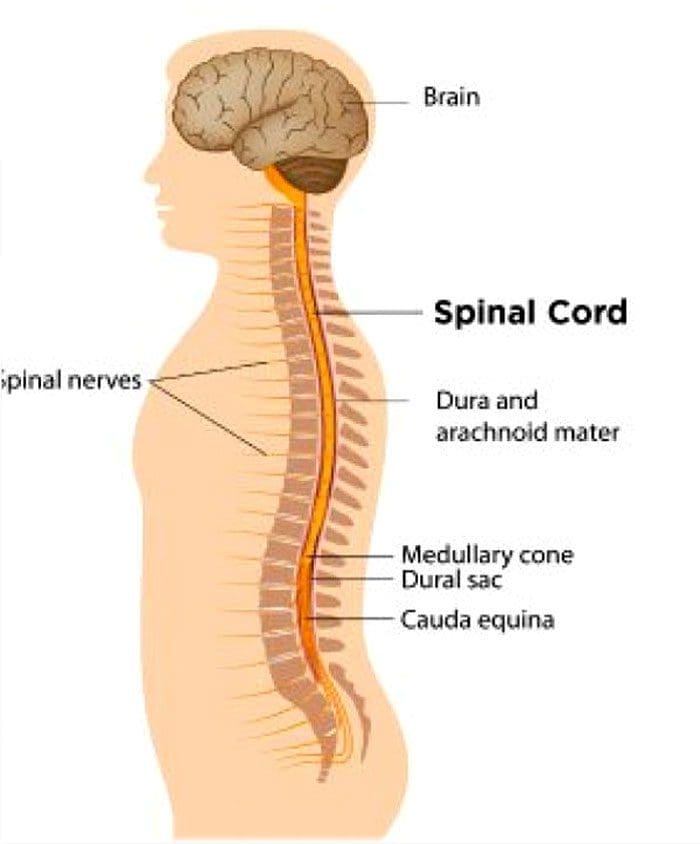
The spinal canal contains a special lining. This is where the nerves and ligaments run through. Age, along with normal wear and tear on the body, causes the ligaments to thicken. This is when bone spurs can develop from osteoarthritis, and the discs can begin to bulge or rupture/herniate. This clogs and impinges the space where the nerves should easily flow through. This narrowing is called spinal stenosis. A laminectomy opens up the space relieving the compression/pressure. The procedure requires removing part of the back of a vertebra called the lamina. This enlarges the spinal canal and relieves the pressure on the nerves. The procedure is done through a small incision in the middle of the back but can also be done through a minimal incision. Leg pain improves after surgery. A traditional incision full recovery takes 6 to 12 weeks. The success rate is around 85 percent.
Spinal Fusion
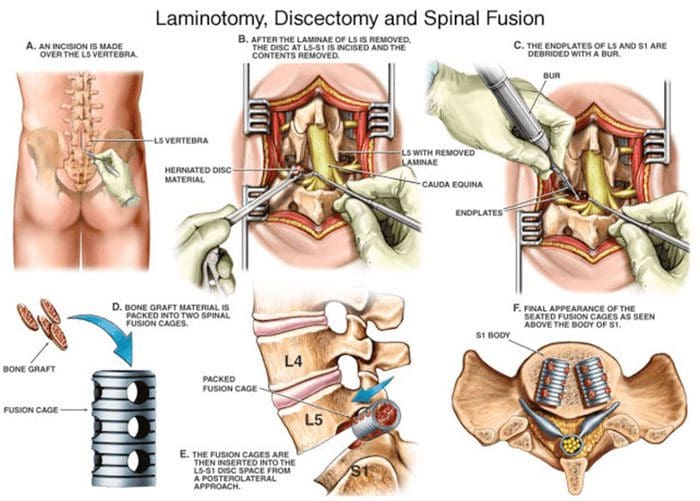
A spinal fusion joins/fuses two or more bones in the spine. This is done when an individual has severe compression of the nerves, severe instability, or spinal revision surgery. A fusion can help stabilize spinal fractures. Other reasons for a spinal fusion are spine deformity, cancer of the spine, and sometimes used for intractable pain. A fusion stabilizes the spine with screws and rods. The disc causing the compression is replaced with a fusion device and bone graft. The surgery is often performed in combination with a laminectomy. Recovery and returning to activities can take around 3-4 months after the procedure. The success rate is 85-90% with pain improvement.
Kyphoplasty
Spinal compression fractures are common in individuals with osteoporosis. When they happen, the pain can be so intense that braces and medication don’t help. Kyphoplasty can bring pain relief. It can be performed by a pain management doctor, interventional radiologist, or surgeon in an outpatient X-ray facility and operating room. The procedure involves conscious sedation, sometimes accompanied by general anesthesia. A small instrument is inserted into the vertebra, and a balloon is inflated to make room for bone cement. After the bone cement is injected, patients can go home within a few hours. The success rate is around 85%, and recovery time could be several days.
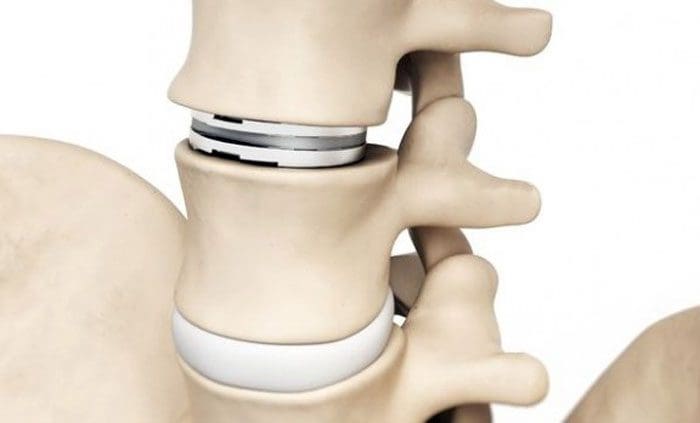
Disc Replacement
This is a procedure that can replace spinal fusion for certain cases. A disc replacement can be done in the lumbar/low back or the cervical/neck spine. This procedure is performed to treat a pinched nerve and/or spinal cord compression. The injured/damaged disc is removed and is replaced with an artificial disc. The device allows for motion, whereas fusion procedures fuse the bones to stabilize and immobilize the area. Disc replacement is recommended for younger patients that don’t have serious arthritis. This is because they still have mobility. If significant arthritis is present, the patient could experience more pain and require spinal fusion. Recovery takes around six weeks. Intense physical activity is off-limits for two or three weeks after the initial recovery period. The success rate is more than 90%.
Anterior Cervical Discectomy and Fusion – ACDF
This is a common neck/cervical spine procedure. This surgery is for pain relief, weakness, tingling, and numbness of the arms caused by a pinched nerve or stenosis. The damaged disc is removed through a small incision in the side of the front of the neck. The disc is replaced with a bone graft or specialized spacer and a small plate with screws. This is to stabilize the spine. It is highly effective in relieving pain and in preventing neurological decline from spinal cord compression. Recovery time is around 12 weeks before a full return to normal activities. However, individuals report feeling better after two weeks.
Back Surgery Options
The majority of cases involving back pain get better on their own or with conservative treatment. But if an individual cannot find relief, there are safe and effective surgery options that can help.
Body Composition
When The Immune System Activates
When the body gets sick from a bacterial infection, virus, etc., the body’s defense system activates, causing inflammation. This immune response serves as the first wave of defense against foreign invaders. The infected area becomes red and swollen from increased blood flow. For example, when the nose gets red from a cold, this is inflammation. The reaction is caused by white blood cells known as macrophages, and the proteins they emit called cytokines encourage inflammation. Inflammation that’s triggered by the immune system is normally a good thing. It means the body is releasing a proper amount of hormones and proteins. These activate the white blood cells to start the healing process and work to fight the infection.
References
Low Back Pain Fact Sheet. National Institute of Neurological Disorders and Stroke. https://www.ninds.nih.gov/Disorders/Patient-Caregiver-Education/Fact-Sheets/Low-Back-Pain-Fact-Sheet
A review of complication rates for Anterior Cervical Diskectomy and Fusion (ACDF). Surg Neurol Int. 2019. https://pubmed.ncbi.nlm.nih.gov/31528438/
Many doctors/surgeons rely on the widely adopted lumbar spinal fusion. However, experts have asserted that lumbar total disc replacement or TDR should be made available and increased for treating degenerative disc disease and other spinal conditions. Individuals interested in total disc replacement, the ability to have it done, and if insurance will pay? What to know about TDR and fusion before deciding and moving forward.
Total Disc Replacement
Spinal fusion has been the traditional approach for relieving lower back pain. In this procedure, a bone graft is inserted between two or more vertebrae. This eliminates movement that causes pain or could be dangerous to the individual. Total disc replacement demands more on a technical level than spinal fusion. However, the worn-out, injured, or damaged disc is fully replaced, even a completely degenerated disc, with a metal and/or plastic one. Benefits from lumbar TDR surgery include:
Shown to be a safe procedure with minimal complications
Significant improvement in health and quality of life
High rates of successful outcomes
Mobility is preserved
Who Needs Disc Replacement?
Low back problems affect more than a third of the population. This can come from:
Personal
Work
Sports
Automobile injuries
Aging
All are risk factors
Fusion or Total disc replacement
Fusion reduces and eliminates motion around the affected area which also changes with the spine’s mechanics. It can also place increased stress on the surrounding segments. However, the lack of motion is to eliminate the pain. Total disc replacement does increase mobility, but it can’t fully relieve the pain. It can relieve pain generated from the disc but not from other causes. TDR has been shown to:
Provides motion preservation
Reduces staying at the hospital
Provides long-term durability
Lower reoperation rates compared to fusion
Total disc replacement issues:
The procedure is more time-consuming
A lot of time making decisions
A lot of time preparing
An example could be the patient has a narrow disc space. Looking at the X-rays of the discs above and below, the surgeon has to make sure they choose the right size. Next, the narrow space needs to be mobilized back to a normal height that cannot be too high or too short. Finally, the surgeon has to make sure that the disc is anchored and fits properly.
Why Surgeons Still Choose Fusion?
Despite the benefits, there are reasons why surgeons still choose fusion.
There are strict rules as to when TDR can be used. This means insurers are prone only to approve fusion procedures.
The surgical technique is challenging. TDR surgery is a highly demanding procedure. As a result, many doctors specializing in fusion for 20 years or more can be reluctant to perform the procedure.
Complications and revision surgeries. Reoperations are sometimes necessary, but this happens in both fusion and TDR.
Individual Needs
Fortunately, most individuals with lower back problems never need total disc replacement. And those that do have severe pain/conditions are recommended to try non-invasive/surgical treatment. This ranges from:
Chiropractic
Physical therapy
Massage
Imaging and lab tests will be required. However, if an operation is necessary, ask questions about both procedures. For example, if a surgeon insists that fusion is the only option, ask why total disc replacement is not an option?
Body Composition Testing
Protein and Weight Loss
Protein is one of three basic macronutrients found in food. Proteins are made up of smaller units called amino acids. There are 22 amino acids, with 9 of these being essential. This means the body needs them, as the body cannot produce them. These essential amino acids can be obtained by eating protein-rich foods like:
Eggs
Meat
Fish
Vegetarian/vegan options include:
Nuts
Seeds
Beans
Tofu
Generally, all the essential amino acids cannot be obtained from just one food. Therefore it is recommended to eat a variety of animal and plant-based proteins. Protein is in almost every structure and function of the body.
Antibodies
These proteins fight off any infections, bacteria, etc.
Repair, maintenance, and structural
Proteins are the building blocks of the body’s muscles, bones, skin, and hair.
Hormones
Chemical messenger proteins are how cells and organs communicate. For example, Growth Hormone affects muscle gain and fat loss.
Enzymes
Not all proteins are enzymes; however, all enzymes are proteins. These proteins are catalysts or starters for chemical reactions in the body.
Transportation and storage
Some proteins carry molecules where they are needed. For example, hemoglobin or the red blood cells carry oxygen to cells, then transport carbon dioxide away.
Not getting enough protein in one’s diet can have serious consequences on the body’s health. Without enough protein, the muscles can begin to atrophy or waste away, taking Lean Body Mass, strength, and energy away as well.
The information herein is not intended to replace a one-on-one relationship with a qualified healthcare professional or licensed physician and is not medical advice. We encourage you to make your own health care decisions based on your research and partnership with a qualified health care professional. Our information scope is limited to chiropractic, musculoskeletal, physical medicines, wellness, sensitive health issues, functional medicine articles, topics, and discussions. We provide and present clinical collaboration with specialists from a wide array of disciplines. Each specialist is governed by their professional scope of practice and their jurisdiction of licensure. We use functional health & wellness protocols to treat and support care for the injuries or disorders of the musculoskeletal system. Our videos, posts, topics, subjects, and insights cover clinical matters, issues, and topics that relate to and support, directly or indirectly, our clinical scope of practice.* Our office has made a reasonable attempt to provide supportive citations and has identified the relevant research study or studies supporting our posts. In addition, we provide copies of supporting research studies available to regulatory boards and the public upon request.
We understand that we cover matters that require an additional explanation of how it may assist in a particular care plan or treatment protocol; therefore, to further discuss the subject matter above, please feel free to ask Dr. Alex Jimenez or contact us at 915-850-0900.
Salzmann, Stephan N et al. “Lumbar disc replacement surgery-successes and obstacles to widespread adoption.” Current reviews in musculoskeletal medicine vol. 10,2 (2017): 153-159. doi:10.1007/s12178-017-9397-4
Hopkins overview of Lumbar TDR (for consumers) https://www.hopkinsmedicine.org/health/treatment-tests-and-therapies/lumbar-disk-replacement
“Comparison of Lumbar Total Disc Replacement With Surgical Spinal Fusion for the Treatment of Single-Level Degenerative Disc Disease: A Meta-Analysis of 5-Year Outcomes From Randomized Controlled Trials”, Zigler J, et al., Global Spine Journal, June 2018, PMC602295 https://www.ncbi.nlm.nih.gov/pmc/articles/PMC6022955/
“Overview of Lumbar TDR” (for consumers); Johns Hopkins Medical Center https://www.hopkinsmedicine.org/health/treatment-tests-and-therapies/lumbar-disk-replacement
IFM's Find A Practitioner tool is the largest referral network in Functional Medicine, created to help patients locate Functional Medicine practitioners anywhere in the world. IFM Certified Practitioners are listed first in the search results, given their extensive education in Functional Medicine