Optimal Joint Movement: Enhancing Mobility and Stability at El Paso Back Clinic
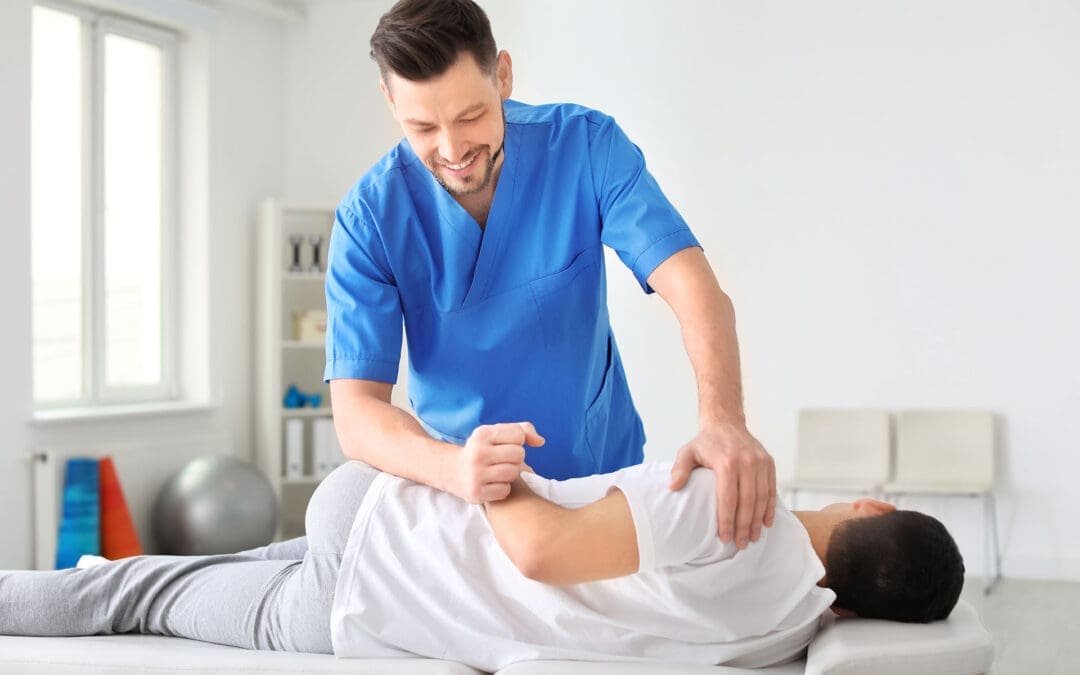
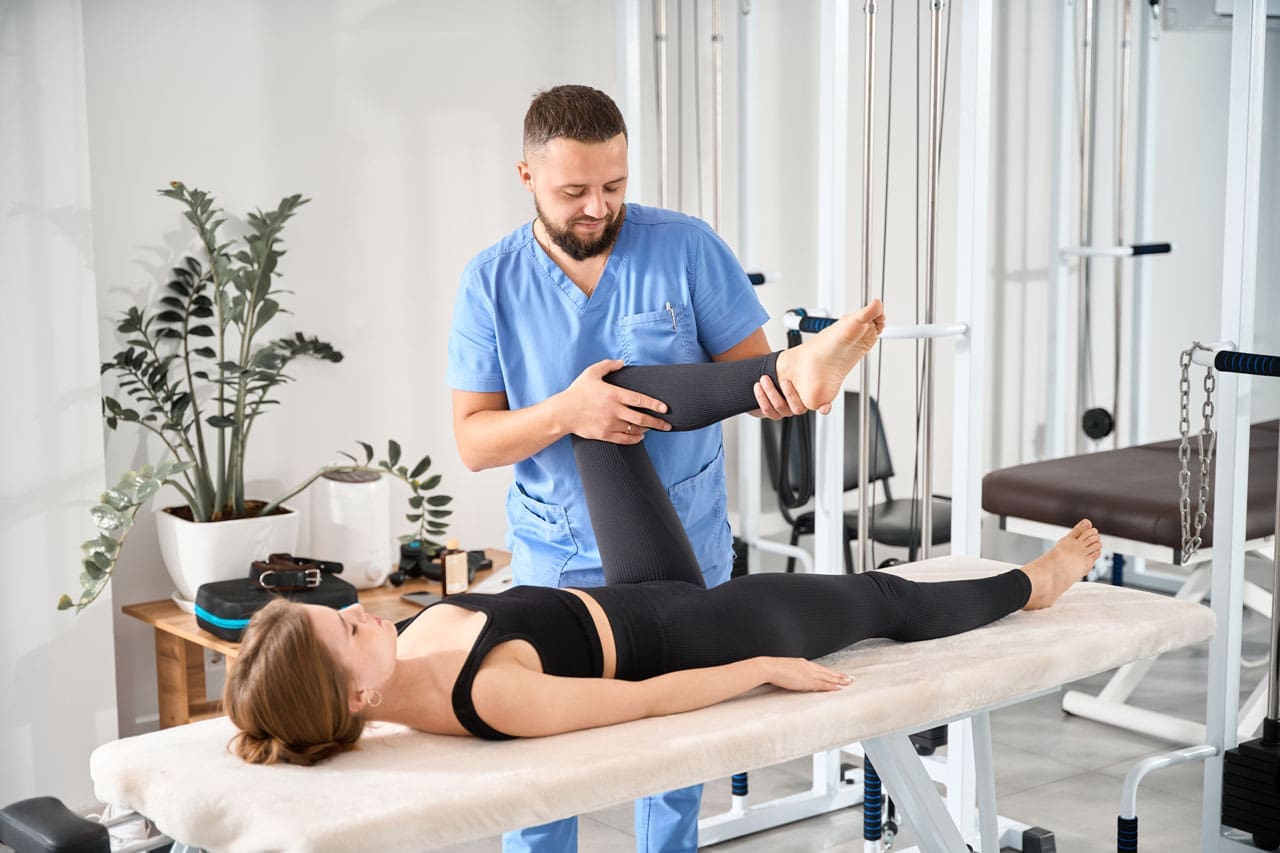
A chiropractor or Nurse Practitioner works with a patient in a rehabilitation center to improve joint mobility.
Optimal joint movement is essential for an active, pain-free life. At El Paso Back Clinic in El Paso, TX, we specialize in helping people achieve this through personalized chiropractic care. This article explains what optimal joint movement means, why it’s important, and how our clinic’s integrative approaches can restore it. Whether you’re dealing with back pain, sports injuries, or daily stiffness, our team, led by Dr. Alex Jimenez, DC, APRN, FNP-BC, uses spinal adjustments, rehabilitation, and functional medicine to get you moving better. Discover how we support joint health to improve function in everyday tasks and athletic pursuits.
Understanding Optimal Joint Movement
Optimal joint movement is the ability to move your joints through their full natural range of motion (ROM) smoothly, without pain, and with good control. It’s often referred to as high-quality mobility, blending flexibility with strength for daily activities and sports (University of Colorado Anschutz Medical Campus, n.d.).
At El Paso Back Clinic, we define it as moving joints efficiently while maintaining balance between mobility (active movement) and stability (joint control). This ensures muscles, ligaments, and tendons work together properly (National Academy of Sports Medicine, n.d.; Mainstay Medical, n.d.). For instance, a healthy shoulder should lift overhead to 180 degrees without strain, allowing you to reach shelves or throw a ball (Verywell Health, 2023a).
When injury or prolonged sitting disrupts this, mobility declines, leading to awkward movements elsewhere in the body (University of Colorado Anschutz Medical Campus, n.d.). Our clinic addresses this through holistic care, combining adjustments, soft-tissue therapy, and exercises to reduce inflammation and improve coordination.
Key Elements of Optimal Movement:
Full ROM: Joints reach their natural limits, like knee flexion to 140 degrees for squatting (The GO KNEE, n.d.).
Smooth Control: No jerking or pain, thanks to strong muscles and clear nerve signals.
Balance: Mobility for range, stability to prevent wobbles or injuries (ACE Fitness, n.d.a).
The Importance of Mobility and Stability Balance
At El Paso Back Clinic, we emphasize the balance between mobility and stability for peak performance. Mobility allows free movement, while stability keeps joints secure during activities (ACE Fitness, n.d.b). This synergy is key in our treatments.
Think of the body as a chain: Ankles and hips need mobility for steps, while knees and lower back provide stability (Motus Physiotherapy, n.d.; NASM, n.d.). If an ankle stiffens due to injury, the knee compensates, increasing the risk of pain (Physical Therapy at MJC, n.d.). Our chiropractic adjustments and rehab programs restore this chain, enhancing joint function.
Integrative care at our clinic—including spinal decompression and strength training—supports this balance, reducing the risk of injury and improving mobility (Peninsula Wellness Partners, n.d.).
Common Disruptions to Joint Mobility
Life factors can hinder optimal joint movement. Injuries cause swelling and tightness, limiting ROM (Frozen Shoulder Clinic, n.d.; Musculoskeletal Key, n.d.). A sedentary lifestyle, common in desk jobs, tightens muscles and stiffens joints (Dr. Ong Kee Leong, n.d.).
At El Paso Back Clinic, we see this in patients with back pain or sciatica, where poor posture leads to compensation and strain in other areas (OMassageT, n.d.). Aging, arthritis, or repetitive motions worsen it (Arthritis Foundation, n.d.; Chesapeake Regional, n.d.).
Typical Causes:
Trauma: Sprains create hard end-feels, stopping movement early (Physiopedia, n.d.c).
Inactivity: Shortens tissues, reducing flexibility (Dr Ong Kee Leong, n.d.).
Health Conditions: Arthritis limits ROM, causing bony sensations (Physiopedia, n.d.c).
Habits: Bad ergonomics unbalance the kinetic chain (OMassageT, n.d.).
Without correction, this increases fall risk and reduces quality of life. Our clinic’s diagnostic tools, such as digital X-rays, identify issues early.
Why Prioritize Optimal Joint Movement?
Good joint movement enhances everything from walking to sports. It prevents pain and boosts efficiency (OneStep, n.d.). At El Paso Back Clinic, we help athletes improve power and reduce injuries through better ROM (Activ Therapy, n.d.).
For daily life, it means easier tasks without fatigue (Baliston, n.d.). In walking, ankle flexion aids balance; poor ROM shortens strides (Baliston, n.d.). Our programs keep joints lubricated and muscles strong (Arthritis Foundation, n.d.).
At El Paso Back Clinic, maintenance starts with assessment. We measure ROM against norms using tools like goniometers (Physical Therapy at MJC, n.d.; Trainerize, n.d.). Then, we recommend exercises.
Regular activity, such as stretching, helps keep joints flexible (Arthritis Foundation, n.d.; Royal City Physiotherapy, n.d.). Our mobility drills focus on control for real-world use (Royal City Physiotherapy, n.d.).
Practical Tips:
Warm-Ups: Shoulder circles or ankle rolls (Chesapeake Regional, n.d.).
Stretching: Hold for 30 seconds on tight spots (Verywell Health, 2023a).
Strength Work: Squats for knee stability (ACE Fitness, n.d.b).
Activity: Low-impact, like swimming (Arthritis Foundation, n.d.).
Tools: Foam rollers for self-care (Muscle and Motion, n.d.).
Visit our East Side location for personalized plans.
Integrative Chiropractic Care at El Paso Back Clinic
Our clinic offers holistic chiropractic care to restore joint movement. Led by Dr. Alex Jimenez, we combine adjustments, therapy, and guidance (Peninsula Wellness Partners, n.d.; Evolved Health Chiropractic, n.d.).
Adjustments realign joints, easing inflammation and nerves (Rodgers Stein Chiropractic, n.d.a; Rodgers Stein Chiropractic, n.d.b). Soft tissue work and rehab build muscle support (Evolved Health Chiropractic, n.d.).
This approach enhances mobility, strengthens areas, and reduces risks (Core Integrative Health, n.d.; Duca Chiropractic, n.d.). Joint mobilization gently increases ROM (Smart Sports Medicine, n.d.).
Our Services:
Spinal Adjustments: Restore alignment for better ROM (Chiropractic Omaha, n.d.).
Functional Medicine: Addresses root causes, such as nutrition (TXMAC, n.d.).
Rehab: Exercises for long-term health (Duca Chiropractic, n.d.).
Clinical Insights from Dr. Alex Jimenez at El Paso Back Clinic
Dr. Alex Jimenez, DC, APRN, FNP-BC, heads El Paso Back Clinic, with over 30 years of experience in integrative care. At our facilities, he blends chiropractic, functional medicine, and rehab for joint issues (Jimenez, n.d.a; Jimenez, n.d.b).
His observations: Adjustments alleviate nerve-related issues, restoring ROM in cases of back pain or sciatica (Jimenez, n.d.a). Patients from accidents or sports regain mobility through tailored plans (Jimenez, n.d.a).
Dr. Jimenez focuses on root causes with nutrition and exercises, preventing surgery (Jimenez, n.d.b). For hips or knees, agility programs balance mobility and stability (Jimenez, n.d.a). Our holistic model empowers patients and aligns with evidence supporting better function (Jimenez, n.d.b).
At El Paso Back Clinic, optimal joint movement is achievable with our expert care. Balance mobility and stability to overcome disruptions. Visit elpasobackclinic.com or our El Paso locations for help from Dr. Jimenez’s team.
Is It Safe to Wear a Backpack? Expert Tips on Spinal Health and Back Pain Prevention in the US and El Paso, TX
A woman walking, wearing a backpack with the recommended weight, and maintaining correct posture to prevent back pain and problems.
Back pain is a big issue for many people in the United States
Up to 80% of adults face low back pain at some point in their lives. This is one of the top reasons for doctor visits and missed workdays. The cost is huge too, with over $100 billion spent on spine problems each year. In El Paso, Texas, where people often have active jobs like industrial work or lots of driving, back pain questions focus on things like sciatica, herniated discs, and spinal stenosis. A common concern across the country, including in places like El Paso, is whether wearing a backpack is safe for the spine. The good news is that it can be safe if you follow some simple rules. This article focuses on backpack safety and then addresses other key questions about managing back pain, treatment options, and daily habits to keep your spine healthy.
Understanding Backpack Safety and Spinal Health
Wearing a backpack is common for carrying things, but if it’s too heavy or worn incorrectly, it can hurt your back. Heavy backpacks can strain muscles and joints in your back, neck, and shoulders. This might lead to pain or bad posture over time. However, backpacks do not cause scoliosis, a spinal curvature that affects about 2% to 3% of people. Scoliosis often starts in teens and is more common in girls, but it’s not linked to backpacks.
Is it safe? Yes, as long as you distribute the weight right and follow the tips to avoid strain. Improper use can cause muscle fatigue, poor posture (such as slouching), and even chronic pain if left unaddressed. In El Paso, where people might carry tools or bags for work, this is especially important to prevent issues such as sciatica, where pain radiates down the leg due to nerve pressure.
Here are some key tips for safe backpack use:
Choose the right backpack: Pick one with wide, padded straps and a padded back. It should fit your body size and have a waist strap for heavy loads. Lightweight materials help too.
Limit the weight: Keep the backpack under 10-15% of your body weight. For example, if you weigh 150 pounds, aim for no more than 15-22.5 pounds.
Distribute weight evenly: Put heavier items at the bottom and close to your back. Use compartments to balance things and stop shifting.
Wear it correctly: Always use both straps. Adjust them so the pack sits in the middle of your back, not sagging low. Bend your knees to lift it.
Make smart choices: Remove extra items often. Use lockers or storage if possible. For very heavy loads, try a rolling backpack or crossbody bag.
These steps help distribute the load across your strong back muscles and keep your spine aligned. If you feel pain, stop and adjust. In places like El Paso, with busy lifestyles, following these can help prevent accidents from becoming long-term back issues.
Common Causes of Back Pain in the US
Back pain affects millions. In the US, about 26% of adults have it at any time, and it’s more common after age 45. Among adults aged 50 and older, up to 45.6% experience it. Causes include muscle strains, ligament injuries, herniated discs (where the disc’s soft center protrudes), arthritis, and spinal stenosis (where the spinal canal narrows). Stress can make it worse by causing muscle spasms. Even factors such as obesity or infections can play a role.
Chronic back pain lasts more than 3 months and affects 8% of adults. It often comes from wear and tear on discs or joints. Poor sleep makes it worse because pain disrupts rest, and lack of sleep raises inflammation. In the US, this results in high costs, such as lost work and medical bills.
Symptoms vary. You might feel an ache in your lower back or sharp pain if it’s sciatica. Numbness, tingling, or weakness in the legs are red flags. Scoliosis, which affects 7 million Americans, can cause symptoms such as uneven shoulders or back pain; most cases are mild.
Muscle or ligament strain: From lifting incorrectly or sudden moves.
Disc problems: Bulges or herniations press on nerves.
Arthritis: Joint wear is common in older people.
Stenosis: Narrowing squeezes nerves, causing leg pain.
Stress and lifestyle: Tension builds up, leading to spasms.
Knowing these helps prevent pain. For example, strengthening your core muscles supports your spine and reduces strain from daily activities like wearing a backpack.
Managing Chronic Back Pain
Chronic back pain needs long-term plans. First, see if it’s new or ongoing. Most cases improve with rest and simple fixes, but if it lasts, get checked. Avoid bed rest; gentle movement helps recovery faster.
Daily habits matter. Exercise like walking or swimming builds strength. Maintain a healthy weight to reduce spinal load. Quit smoking, as it negatively affects spinal tissues and raises surgery risk by up to 50%. Good posture and ergonomic setups at work prevent strain.
In El Paso, with industrial jobs and driving, pain from accidents is common. Recovery focuses on building habits to avoid re-injury.
Stay active: Low-impact exercises like yoga or Pilates.
Watch your diet: Healthy foods reduce inflammation.
Manage stress: Deep breathing or mindfulness helps.
Sleep well: Use pillows to maintain spinal alignment.
Stretch daily: Loosen tight muscles, such as the hamstrings.
These steps reduce pain and improve quality of life.
Treatment Options: Surgery vs. Conservative Care
When pain doesn’t go away, choices include conservative care or surgery. Conservative means non-surgical options such as physical therapy, medications, injections, chiropractic care, or massage. These are tried first for 8-12 weeks. Surgery is indicated for severe cases, such as nerve damage or instability.
Ask your doctor: What causes my pain? What tests do I need? What are the risks and benefits? For surgery, ask about the surgeon’s experience, recovery time, and whether you’ll need help at home. Alternatives like spinal decompression stretch the spine to ease disc pressure.
Chiropractic vs. orthopedic: Chiropractors focus on spinal adjustments to realign the spine and relieve pain without medication. Orthopedists may recommend surgery for significant issues. Both can help, but chiropractic care is well-suited to conservative care.
In El Paso, many choose chiropractic for herniated discs or sciatica. It’s safe and effective for back pain, reducing symptoms by fixing alignment and boosting blood flow.
Spinal Health in El Paso, TX
El Paso has unique needs. Active lives, work injuries, and car accidents lead to questions about sciatica, where nerve pain goes down the leg, or spinal stenosis with leg weakness. Herniated discs are common from lifting or falls.
Lumbar stenosis FAQs: It causes leg pain or numbness when walking. Avoid high-impact exercises like running; try swimming instead. Treatments include therapy or decompression.
Local care often combines chiropractic and orthopedic care. Dr. Alexander Jimenez, a chiropractor in El Paso with over 30 years of experience, notes that integrative care is most effective. He uses adjustments, nutrition, and therapy for root causes. For example, a worker’s back pain improved by 50% within weeks with his plan. He stresses non-surgical options for sciatica and injuries, helping people stay active in El Paso’s environment.
Sciatica: From disc pressure; chiropractic eases it.
Chiropractic: Aligns the spine, safe for all ages.
Dr. Jimenez’s work shows personalized plans reduce pain without surgery.
Daily Habits to Prevent Spinal Injury
Preventing pain starts with habits. Lift by bending knees, not back. Stand every 15 minutes if sitting for long. For driving in El Paso, take breaks to stretch.
Core strength is key. Exercises like planks support your spine. Avoid smoking for better healing. Ergonomics: Screen at eye level, chair with back support.
For backpacks, combine with these: Even weight helps posture.
Lift right: Knees bent, close to body.
Posture: Stand tall, no slouch.
Exercise: Core and back focus.
Weight control: Less strain on the spine.
Breaks: Move often.
These reduce the risk of injury and tie into backpack safety.
Conclusion
Wearing a backpack is safe when done properly, with proper weight distribution and habits. This fits into broader questions about spinal health in the US and El Paso. Manage chronic pain with conservative care first, like chiropractic, and build daily routines to prevent issues. Experts like Dr. Jimenez show that integrative approaches work. Stay active, ask questions, and protect your spine for a better life.
Healing After a Car Accident: How Chiropractic Care, Nurse Practitioners, and Integrative Medicine Promote Recovery from Sciatica and Musculoskeletal Injuries
Introduction
Motor vehicle accidents (MVAs) can turn your life upside down in an instant. The sudden jolt of a collision can lead to injuries that linger long after the crash, from nagging back pain to debilitating sciatica. Sciatica, caused by compression of the sciatic nerve, often stems from spinal misalignments or disc damage triggered by the trauma of an accident. The pain can radiate from your lower back down your leg, making everyday tasks feel impossible. Fortunately, a powerful combination of chiropractic care, nurse practitioner expertise, and integrative medicine offers a path to recovery. This blog post explores how these disciplines collaborate to treat MVA-related injuries, with a special focus on the groundbreaking work of Dr. Alexander Jimenez, a chiropractor and nurse practitioner in El Paso, Texas. This integrative approach addresses spinal health, nerve function, and overall wellness, promoting faster healing and improved long-term health. Whether you’re dealing with sciatica or chronic pain, this guide will show you how to reclaim your health.
Section 1: Understanding MVA-Related Injuries
Car accidents unleash tremendous force on your body, often causing injuries that aren’t immediately obvious. The spine, muscles, and nerves are particularly vulnerable, and damage to these structures can lead to chronic pain if left untreated. One of the most common issues following a motor vehicle accident (MVA) is sciatica, a condition in which the sciatic nerve becomes compressed, causing sharp, shooting pain that radiates from the lower back through the legs (Hurtado, 2024). Research suggests that up to 90% of sciatica cases are linked to spinal disc problems, which are frequently triggered by the trauma of a car crash (Jimenez, 2025a).
Common Injuries from MVAs
Whiplash: The rapid back-and-forth motion of the neck during a collision can strain muscles, ligaments, and vertebrae, leading to stiffness, headaches, and even chronic pain if not addressed (Jimenez, 2025b).
Herniated Discs: The force of an accident can cause spinal discs to bulge or rupture, pressing on nearby nerves and contributing to sciatica or other nerve-related pain (Portland Urgent Care, 2024).
Nerve Injuries: Compressed or irritated nerves, like the sciatic nerve, can cause tingling, numbness, or weakness in the affected area (Team Allied Physical Wellness, 2024).
Back and Neck Pain: Misaligned vertebrae or strained muscles often result in persistent discomfort that worsens without proper care (Versus Texas, 2024).
These injuries can be sneaky. You might feel fine right after the accident, only to wake up days later with pain or limited mobility. That’s why early evaluation is so important. Dr. Alexander Jimenez, a top expert in treating injuries from motor vehicle accidents, emphasizes that advanced tests, such as MRI and CT scans, are crucial for detecting hidden injuries, including soft tissue damage or subtle spinal misalignments, that regular X-rays may not reveal (Jimenez, 2024). His dual training as a chiropractor and nurse practitioner allows him to connect imaging results with patient symptoms, ensuring a precise diagnosis and a tailored treatment plan.
Why Early Detection Matters
Ignoring minor aches after an accident can lead to bigger problems down the road. For example, a small disc bulge might not cause pain initially but could worsen over time, compressing the sciatic nerve and triggering sciatica. Dr. Jimenez utilizes tools such as electromyography (EMG) to assess nerve function and identify issues like nerve compression, enabling him to detect problems early and prevent chronic pain (Jimenez, 2025a). By addressing injuries promptly, you can avoid long-term complications and return to your normal routine more quickly.
Section 2: The Power of Chiropractic Care in MVA Recovery
Chiropractic care is a cornerstone of MVA injury treatment because it targets the root cause of pain: spinal misalignments and nerve compression. When a car accident jolts your spine, vertebrae can shift out of place, creating subluxations that irritate nerves and cause pain. For sciatica, this scenario often happens in the lumbar spine, where a misaligned vertebra or herniated disc presses on the sciatic nerve (The Neck and Back Clinics, 2024). Chiropractors use precise, hands-on techniques to realign the spine, relieve nerve pressure, and restore mobility—all without the need for drugs or surgery.
Key Chiropractic Techniques for MVA Injuries
Spinal Manipulation: A controlled, high-velocity thrust to reposition vertebrae, reducing nerve irritation and improving joint function. This therapy is especially effective for sciatica and back pain (Mission Village Chiropractic, 2024).
Flexion-Distraction: A gentle, non-thrusting technique that stretches the spine to relieve pressure on herniated discs, making it ideal for sciatica patients (Charleston Chiropractic Studio, 2024).
Activator Method: A handheld device delivers low-force adjustments, making it ideal for patients with acute pain or sensitivity (OC Spinal Care, 2024).
Soft Tissue Therapy: Techniques like massage or myofascial release relax tight muscles, reduce inflammation, and improve blood flow to injured areas (Thrive VB, 2024).
How Chiropractic Care Helps
Chiropractic adjustments do more than just ease pain—they address the underlying issues that cause it. For example, realigning the lumbar spine can relieve pressure on the sciatic nerve, thereby reducing pain, tingling, and weakness in the legs. Adjustments also improve spinal mobility, which helps prevent scar tissue from forming and reduces the risk of chronic pain. Studies show that chiropractic care can significantly improve outcomes for MVA patients, with many reporting reduced pain and better function after just a few sessions (The Neck and Back Clinics, 2024).
Dr. Jimenez’s Chiropractic Approach
At his Injury Medical & Chiropractic Center in El Paso, Dr. Jimenez combines traditional chiropractic techniques with cutting-edge diagnostics. He uses functional movement screens to assess how injuries affect your body’s mechanics and EMG to pinpoint nerve damage. This data-driven approach allows him to create personalized treatment plans that target your specific injuries, whether it’s a herniated disc causing sciatica or whiplash-related neck pain (Jimenez, 2025a). Dr. Jimenez also emphasizes patient education, teaching you exercises and stretches to support your recovery at home.
Case Study: Sciatica Relief Through Chiropractic Care
Consider Maria, a 35-year-old teacher who was rear-ended at a stoplight. She developed lower back pain and a burning sensation down her right leg, classic signs of sciatica. After an MRI revealed a herniated disc at L5-S1, Dr. Jimenez designed a treatment plan that included spinal manipulation, flexion-distraction, and soft tissue therapy. Within six weeks, Maria’s pain dropped from an 8/10 to a 2/10, and she regained enough mobility to return to work. Her case highlights how chiropractic care can address the root cause of sciatica without relying on painkillers or invasive procedures.
Benefits of Chiropractic Care
Relieves pain naturally, reducing the need for medications.
Restores spinal alignment and nerve function.
Prevents chronic pain by addressing injuries early.
Section 3: The Role of Nurse Practitioners in MVA Injury Management
Nurse practitioners (NPs) are unsung heroes in MVA recovery, bringing a broad skill set that complements chiropractic care. NPs are trained to assess overall health, manage pain, and coordinate care across specialties, making them invaluable for patients dealing with complex injuries. They also play a critical role in documenting injuries for insurance claims or legal cases, ensuring patients get the support they need (Physicians Group LLC, 2024).
What NPs Bring to the Table
Pain Management: NPs can prescribe medications such as anti-inflammatories or muscle relaxants when needed, but they also recommend non-drug options, including transcutaneous electrical nerve stimulation (TENS) or acupuncture, to reduce reliance on pills (Versus Texas, 2024).
Diagnostic Expertise: NPs order and interpret imaging tests, such as MRIs or CT scans, to guide treatment decisions (Jimenez, 2024).
Patient Education: They educate patients on nutrition, exercise, and stress management to support healing and prevent future health issues (Physicians Group LLC, 2024).
Legal Documentation: NPs provide detailed medical records that link injuries to the accident, which is crucial for insurance or personal injury claims (Jimenez, 2025b).
Dr. Jimenez’s NP Expertise
As a board-certified Family Nurse Practitioner (FNP-C), Dr. Jimenez bridges the gap between medical and chiropractic care. He uses neurologic exams to assess reflexes and muscle strength, helping him identify nerve damage that might contribute to sciatica or radiculopathy. His training as a Nurse Practitioner also enables him to manage medications when necessary; however, he prioritizes non-invasive treatments such as chiropractic adjustments and physical therapy. This dual role ensures that patients get comprehensive care, from immediate pain relief to long-term recovery strategies (Jimenez, 2024).
Case Study: Coordinating Care for Whiplash
Take John, a 42-year-old construction worker who suffered whiplash in a side-impact collision. He experienced neck pain, headaches, and limited range of motion. Dr. Jimenez, acting as both a chiropractor and a nurse practitioner, ordered an MRI to rule out disc damage and used an EMG to confirm nerve irritation. He prescribed a short course of anti-inflammatories to manage acute pain while performing spinal adjustments to correct cervical misalignments. He also coordinated with a physical therapist to strengthen John’s neck muscles. Within eight weeks, John was back on the job, pain-free. This case demonstrates how nurse practitioners (NPs) can streamline care and improve outcomes.
Why NPs Are Essential
NPs bring a holistic perspective to MVA recovery, addressing not just physical injuries but also the emotional and logistical challenges patients face. They collaborate closely with chiropractors, physical therapists, and other healthcare providers to develop a comprehensive treatment plan, ensuring that no details are overlooked.
Section 4: Integrative Medicine for Holistic Healing
Integrative medicine elevates MVA recovery to the next level by combining conventional treatments with complementary therapies, including nutrition, health coaching, and physical therapy. This approach doesn’t just mask symptoms—it tackles the root causes of pain and promotes overall wellness. For sciatica and other MVA injuries, integrative medicine reduces inflammation, supports tissue repair, and helps prevent chronic issues. (Charleston Chiropractic Studio, 2024).
Key Components of Integrative Medicine
Nutrition: An anti-inflammatory diet rich in omega-3 fatty acids (found in fish and flaxseed), antioxidants (from berries and leafy greens), and lean proteins supports healing and reduces pain (Mission Village Chiropractic, 2024).
Health Coaching: Personalized guidance on stress management, sleep, and lifestyle changes helps patients cope with the emotional toll of an accident and stay committed to recovery (Thrive VB, 2024).
Physical Therapy: Targeted exercises strengthen muscles, improve flexibility, and complement chiropractic adjustments to ensure long-term spinal health (Jimenez, 2025b).
Acupuncture: This ancient technique stimulates nerve function and reduces pain, often used in conjunction with spinal decompression for sciatica relief (Versus Texas, 2024).
How Integrative Medicine Helps Sciatica
Sciatica often involves inflammation around the sciatic nerve, which can be worsened by poor diet or stress. Integrative medicine addresses these factors holistically. For example, eliminating processed foods and incorporating anti-inflammatory nutrients can help reduce swelling, while acupuncture and physical therapy can improve nerve function and mobility. Chiropractic adjustments then ensure the spine stays aligned, preventing further nerve compression. This multi-pronged approach leads to faster, more lasting relief (OC Spinal Care, 2024).
Dr. Jimenez’s Integrative Approach
Dr. Jimenez’s practice is a model of integrative medicine. He offers nutrition counseling to help patients adopt anti-inflammatory diets, reducing pain naturally. His health coaching sessions focus on stress reduction and goal setting, empowering patients to take charge of their recovery. He also incorporates functional medicine assessments to identify underlying imbalances, such as vitamin deficiencies or hormonal issues, that could slow healing. By addressing these factors, Dr. Jimenez helps patients not just recover from their injuries but also achieve better overall health (Jimenez, 2025a).
Case Study: Holistic Recovery from Back Pain
Sarah, a 29-year-old office worker, suffered lower back pain and sciatica after a fender-bender. Dr. Jimenez’s evaluation revealed a mild disc bulge and poor posture from long hours at a desk. He combined spinal adjustments with spinal decompression to relieve nerve pressure while prescribing an anti-inflammatory diet high in turmeric and salmon. Sarah also worked with a health coach to manage stress and started physical therapy to strengthen her core. Her pain disappeared after three months, and she experienced an increase in energy. This case illustrates the life-changing impact of integrative medicine on recovery.
Benefits of Integrative Medicine
Reduces inflammation and pain naturally.
Addresses emotional and physical aspects of recovery.
Section 5: Dr. Alexander Jimenez’s Unique Approach
Dr. Alexander Jimenez stands out as a leader in MVA injury treatment, thanks to his rare combination of credentials as a chiropractor (DC) and nurse practitioner (FNP-C). Based in El Paso, Texas, his clinic, Injury Medical & Chiropractic Center, serves as a hub for holistic healing, offering patients cutting-edge care for sciatica, back pain, and nerve injuries. Dr. Jimenez’s ability to integrate medical diagnostics, chiropractic techniques, and integrative medicine sets him apart, offering patients a one-stop recovery solution (Jimenez, 2025a).
Advanced Diagnostics for Precise Treatment
Dr. Jimenez relies on state-of-the-art tools to fully assess the extent of MVA injuries. His diagnostic approach includes:
MRI and CT Scans: These imaging techniques reveal soft tissue damage, disc herniations, and spinal misalignments that may not be visible on X-rays.
Electromyography (EMG): Measures nerve function to confirm conditions such as sciatica or radiculopathy, ensuring accurate treatment.
Neurologic Exams: Assesses reflexes, muscle strength, and coordination to identify nerve or spinal cord issues.
Functional Movement Screens: Evaluates how injuries affect mobility, guiding personalized treatment plans.
These diagnostics provide objective evidence of injuries, which is critical for both treatment and legal purposes. For example, an MRI might show a herniated disc pressing on the sciatic nerve, while an EMG confirms nerve dysfunction. This data allows Dr. Jimenez to design targeted interventions, such as spinal decompression for disc injuries or adjustments for subluxations (Jimenez, 2024).
Balancing Medical and Legal Needs
MVA patients often face not only physical challenges but also logistical ones, such as navigating insurance claims or personal injury lawsuits. As a nurse practitioner, Dr. Jimenez provides detailed medical records that link injuries to the accident, making it easier for patients to secure coverage or compensation. His reports include imaging results, clinical findings, and treatment progress, giving attorneys and insurers clear documentation. At the same time, his chiropractic expertise ensures patients get non-invasive, effective care that prioritizes healing over symptom management (Jimenez, 2025b).
Holistic Healing Philosophy
Dr. Jimenez’s practice is built on the belief that true recovery goes beyond pain relief—it’s about restoring overall health. He combines spinal adjustments with integrative therapies like nutrition counseling, health coaching, and physical therapy. For sciatica patients, he often uses spinal decompression, a non-surgical technique that gently stretches the spine to relieve disc pressure, in conjunction with adjustments to maintain proper alignment. His nutrition plans focus on anti-inflammatory foods to reduce swelling, while health coaching helps patients manage stress and adopt healthier habits (OC Spinal Care, 2024).
Case Study: Comprehensive Care for Nerve Damage
Michael, a 50-year-old truck driver, experienced numbness and weakness in his legs after a high-speed collision. Dr. Jimenez’s evaluation, including an MRI and EMG, revealed a pinched nerve in the lumbar spine. He used spinal decompression and adjustments to relieve nerve pressure while prescribing a diet rich in anti-inflammatory foods like walnuts and spinach. Michael also received health coaching to improve his posture and reduce stress. After 10 weeks, his symptoms resolved, and he returned to work with renewed energy. This case highlights Dr. Jimenez’s ability to integrate medical, chiropractic, and holistic care.
The combination of chiropractic care, nurse practitioner expertise, and integrative medicine offers a powerhouse approach to MVA recovery. Here’s why it works so well:
Comprehensive Care: Addresses physical injuries, nerve damage, and emotional stress, ensuring no aspect of recovery is overlooked.
Non-Invasive Solutions: Prioritizes natural treatments, such as adjustments and nutrition, over surgery or heavy medication.
Personalized Treatment: Tailors plans to your unique injuries and health needs, maximizing effectiveness.
Holistic Wellness: Promotes long-term health through a balanced diet, regular exercise, and effective stress management, helping you feel better than before the accident.
For sciatica, this approach is particularly effective. Chiropractic adjustments relieve nerve compression, nutrition reduces inflammation, and physical therapy strengthens supporting muscles. The result is faster pain relief and a lower risk of recurrence (The Neck and Back Clinics, 2024).
Real-World Impact
Patients who embrace this integrative model often report dramatic improvements. They not only recover from their injuries but also gain tools to live healthier lives. For example, adopting an anti-inflammatory diet can reduce pain from sciatica while lowering the risk of other chronic conditions, like heart disease. Similarly, learning stress management techniques can improve mental health and resilience, making it easier to cope with life’s challenges.
Recovering from an MVA takes time and effort, but these practical tips can help you get there faster:
Seek Care Immediately: Visit a chiropractor or nurse practitioner (NP) within 72 hours of the accident, even if you feel okay. Early treatment prevents minor injuries from developing into chronic conditions.
Stick to Your Treatment Plan: Attend all scheduled appointments and follow the recommendations for adjustments, exercises, and dietary changes.
Stay Active: Gentle stretches or physical therapy exercises keep your muscles flexible and prevent stiffness.
Report All Symptoms: Inform your healthcare provider about every symptom, no matter how minor. Tingling in your toes or mild headaches could signal nerve or soft tissue damage.
Keep Detailed Records: Document your treatments, symptoms, and medical bills for insurance or legal claims.
Dr. Jimenez’s clinic offers resources to support these steps, including patient education materials and access to a multidisciplinary team. His staff guides patients through the recovery process, from scheduling diagnostic tests to coordinating with insurers (Jimenez, 2025a).
References
Jimenez, A. (2025a). Auto accident-related nerve damage and treatment options. Chiropractic Scientist. https://chiropracticscientist.com/
Section 8: Overcoming Common Recovery Challenges
MVA recovery is not always a straightforward process. Patients often face hurdles like persistent pain, emotional stress, or insurance disputes. Here’s how an integrative approach helps overcome these challenges:
Persistent Pain: If pain persists, Dr. Jimenez may adjust your treatment plan by adding therapies such as acupuncture or spinal decompression to target stubborn issues.
Emotional Stress: Health coaching and stress management techniques, such as mindfulness or breathing exercises, help you cope with anxiety or frustration.
Insurance Issues: Dr. Jimenez’s detailed documentation simplifies the claims process, providing clear evidence of your injuries and treatments.
By addressing these challenges head-on, an integrative approach ensures you stay on track for a full recovery.
References
Jimenez, A. (2025a). Auto accident-related nerve damage and treatment options. Chiropractic Scientist. https://chiropracticscientist.com/
Section 9: The Long-Term Impact of Integrative Care
The benefits of integrative care extend far beyond immediate recovery. By addressing the root causes of MVA injuries, this approach helps you build a stronger, healthier body. For example, chiropractic adjustments keep your spine aligned, reducing the risk of future pain. Nutrition and exercise habits acquired during recovery can enhance your overall health, reducing the risk of chronic diseases. Plus, the stress management skills you gain can improve your mental well-being for years to come (Charleston Chiropractic Studio, 2024).
Preventing Future Injuries
Integrative care also teaches you how to protect your body from future injuries. Proper posture, regular exercise, and a balanced diet strengthen your musculoskeletal system, making it more resilient to stress. Dr. Jimenez’s patients often leave his clinic not just healed but empowered to live healthier lives.
A car accident can leave you with more than just a damaged vehicle—it can cause injuries like sciatica, back pain, and nerve damage that disrupt your life. But recovery is within reach. By combining chiropractic care’s focus on spinal health, nurse practitioners’ expertise in pain management, and integrative medicine’s holistic strategies, you can heal faster and feel better than ever. Dr. Alexander Jimenez, with his unique blend of chiropractic and medical training, leads the way in this integrative approach, offering personalized care that addresses both your injuries and your long-term health. This all-inclusive model can help you recover your mobility and flourish, regardless of whether you’re dealing with chronic pain or sciatica.
Doctor of Chiropractic, Dr. Alexander Jimenez looks at high heels at what they do to the back.
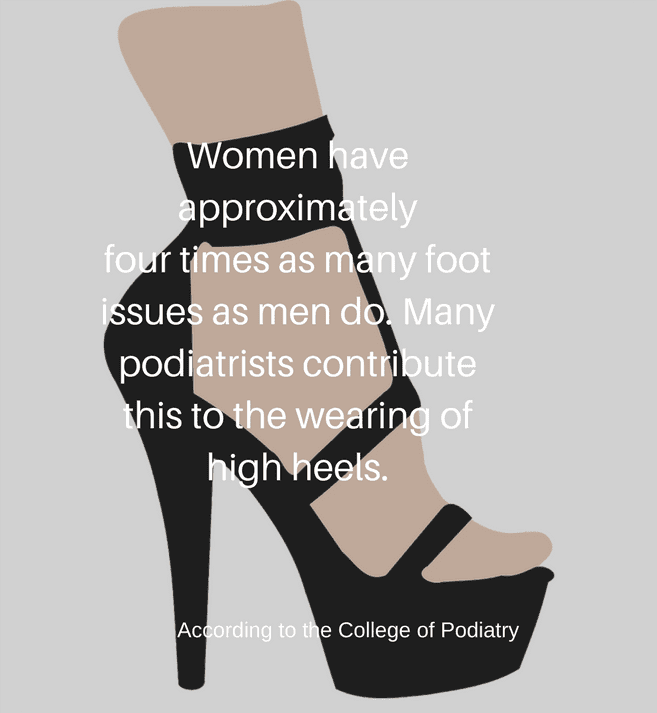
Ladies, ever wonder why you suffer from regular bouts of lower back pain?� Achy hips?� How about crazy tight leg muscles?� Don�t blame it on your cycling class, or too many squats or, the trainer you only see once or twice a week.� Look down.� Are you wearing high heels?� Bingo!� You�ve heard high heels are bad for you.� But it�s not just because they cause all kinds of pain and trauma to your feet.� High heels are also messing up your physical fitness. �They throw you out of proper postural alignment causing your joints and spine to take on more�wear and tear, which means aches and pains.
Is it possible to still look rockin� and save your joints? �My suggestion is more Athleisure-wear. �I know some fashion hard-liners say, no way will I walk around in yoga pants on a weekday!� But we�ve come a long way since those flare-leg, fold-over yoga pants.
Let�s chat for a moment about the evils of high heels.
First there�s the obvious.� They make your feet hurt.� Blisters, calluses and swelling are par for the course.� And pointy toes, fuhgeddaboutit!� I�m sure they were invented by someone on the Marquis de Sade�s payroll.� Second, they can lead to foot injuries like plantar fasciitis (usually from a bone spur that makes your heels hurt), hammertoes, bunions, and neuromas.� �Then there�s the domino effect.
Not only do high heels make your feet hurt, but problems with the feet can travel up the leg and cause injuries in the back, knees and hips. �Your knees take on extra pressure from the weight being pushed forward onto the balls of the feet. �Walking in this position makes your hip flexors and calf muscles short and tight. �And it doesn�t stop there.� Back problems are incredibly common in women who don�t give up their high heels.
Back Problems are incredibly common in women who don�t give up their high heels
Here�s why:
ext”>
Postural changes:�The S-curve of your spine has cushiony discs in between the vertebrae that act as a shock absorbers to protect them from stress. Like when you�re bending or jumping. �Wearing heels causes the lower back to arch more than normal because the body weight is pushed forward.� To compensate, the upper body has to lean back to maintain balance.� This puts extra stress on the discs. ��Spending hours with your body in funky alignment can lead to muscle spasms and back pain. �Tight hamstring muscles, which�attach to back of the pelvis and lower back, can also make your back ache.
Anatomical changes: Wearing high heels on a daily, or very regular basis, over years, can actually cause anatomical changes to your body.� In addition to the extra strain on your back and knees, the calf muscles can also shorten and the tendons can get tighter and thicker.
And It Can Get Even Nastier If You Get One Of These Spine Injuries:
Spondylolisthesis: it�s a mouthful, but is a common injury that can happen in the lower back from too much hyperextension (arching the back).� It�s when one vertebra slips forward over another.
Foraminal stenosis: I have this one congenitally and it sucks. This is a spine and nerve issue that occurs when anatomical abnormalities reduce the spaces the nerves travel through as they exit the spinal column.� The spaces are called foramina, and when they get blocked, the nerves get squeezed.� The pain can radiate through the buttocks and down the legs.� Symptoms are shooting pains, numbness, tingling, muscle weakness, spasms and, or cramping.
Sciatica:�The sciatic nerve is the longest one in the body. �It runs from the bottom of the lumbar spine all the ways down the legs. �When the sciatic nerve gets compressed it causes radiating pain, tingling, numbness and muscle weakness down the leg and can The pain can travel all the way to the bottom of the foot.
What Can You Do? �My Case for Athleisure-Wear To Combat Back Pain
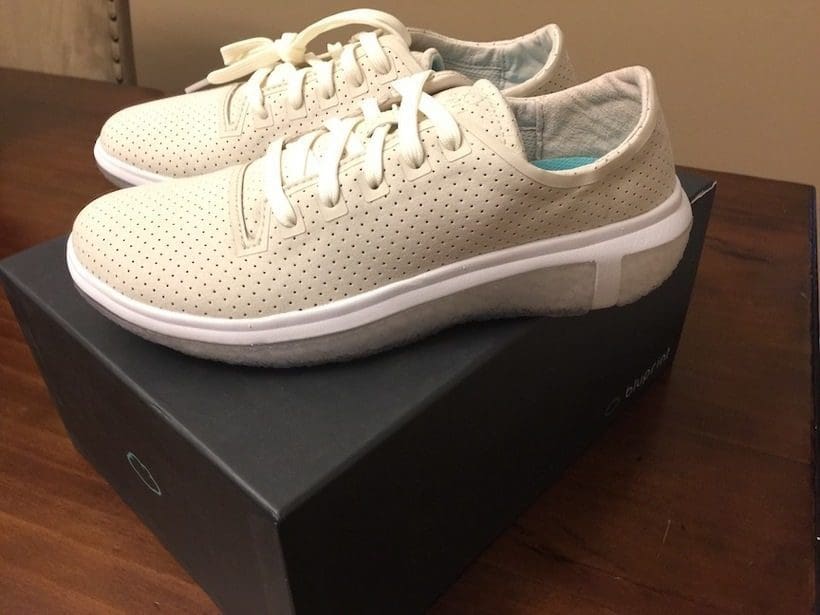
It�s time for stuffy office attire to retire. �Comfy clothes and flat shoes can be very chic. �Have you seen the boards on Pinterest?� Thanks to this hopefully permanent fashion style, my jeans and heels spend more time in my closet than on my body.� Leggings and cute kicks are my go to�s.� Night out?� No prob.� I reach for my sleek workout leggings, a ruched top or off the shoulder top with some high heel sneaks (they�re wedges so not nearly as bad for you). �I also discovered these by Bluprint which I put to the test at 2 huge conventions where I walking and standing for hours on end.� The soles made of memory foam � like those beds!
My podiatrist friend, Steven Rosenberg, DPM has been preaching the need for comfy shoes to his female clients for years. �(Fortunately for his practice, not everyone listens!) �Dr. Steve says, wearing shoes designed more for comfort can help you live more pain-free. ��Because comfort shoes are made of�soft cushiony materials�with soft foam innersoles, those are what you should turn to for shopping, walking or standing for long periods of time to avoid�blisters, muscle spasms or arch cramps.� � He also says to check for arch support in your shoes. �If there�s none, you can buy ones to put inside.
Even after reading this, you may still not be willing to give up high heels for good. �Me either.� I still get glammed up once in a while.
Here Are Some Tips For When You Must:
Wear them for as little time as possible.
Try to opt for heels around 2� high
Steer clear of pointy toes.
Buy shoes with leather insoles to so your foot doesn�t slide.
Buy arch inserts or use orthotics to support your arches.
Vary your footwear so you�re not wearing high heels every day.
Gradual or lower slopes are a little better, go for platforms or wedges instead of stilettos
Thicker heels are better than spiky heels
Stretch and strengthen the overworked muscles.
Here�s How:
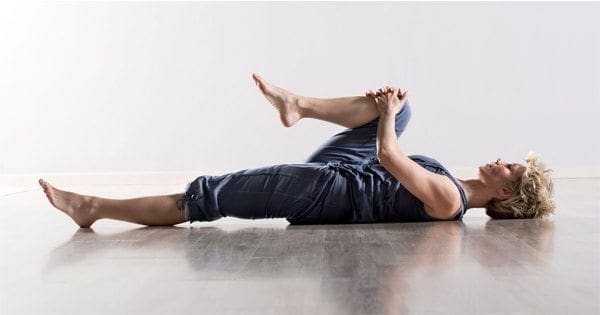
Stretch your leg muscles and hip flexors before and after wearing heels.� For the calves, stand on a step and let one heel hang down until you feel a stretch.
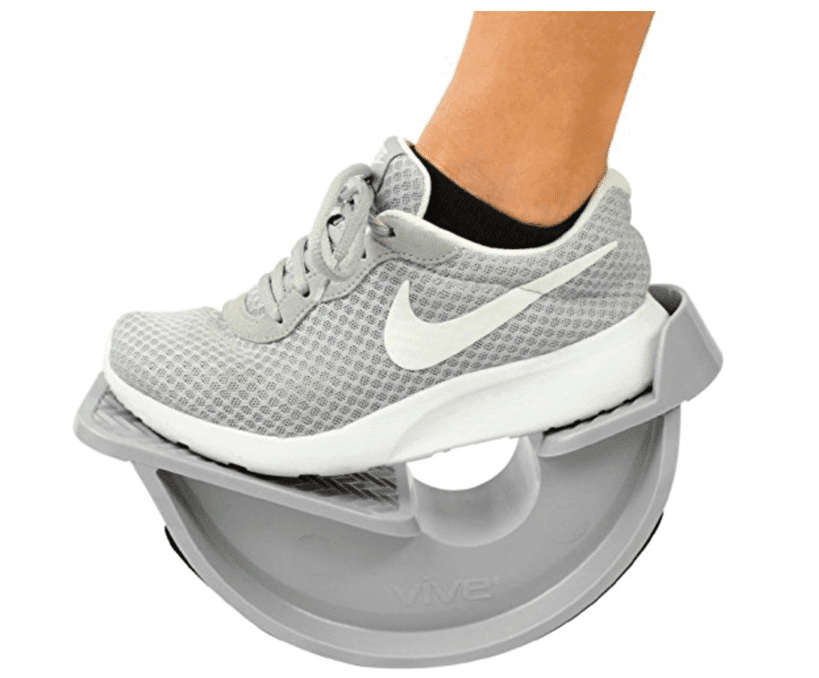
Try this convenient device, the foot rocker by Vive.� It stretches the calf and the sole of the foot relieving pain from plantar fasciitis.
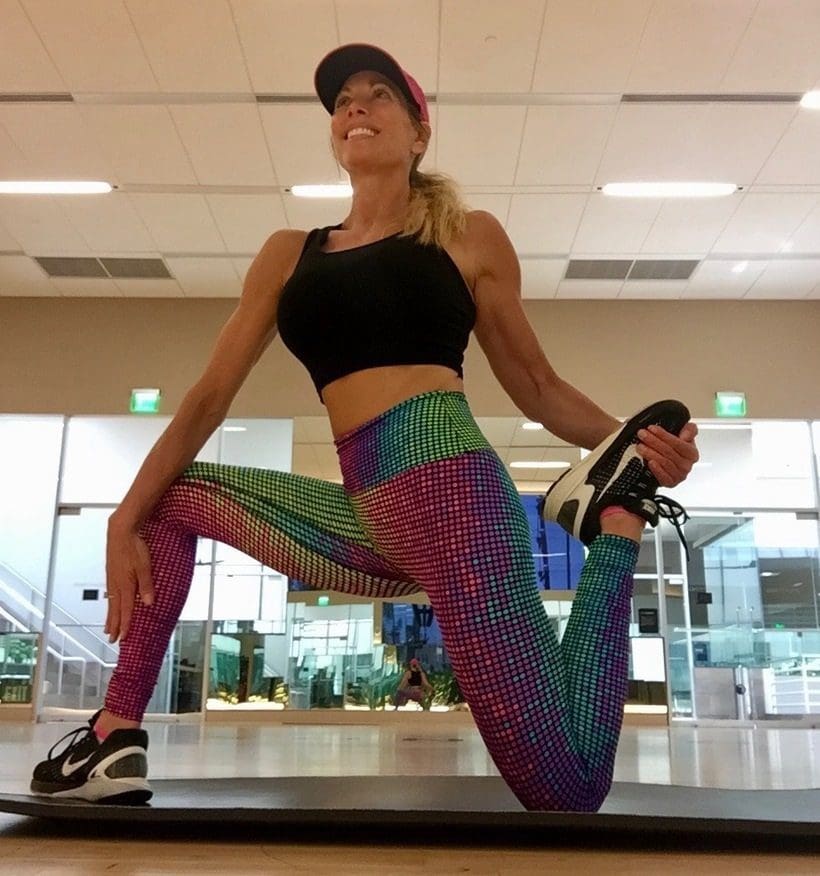
Front of the hip and thigh stretch for before and after wearing high heels
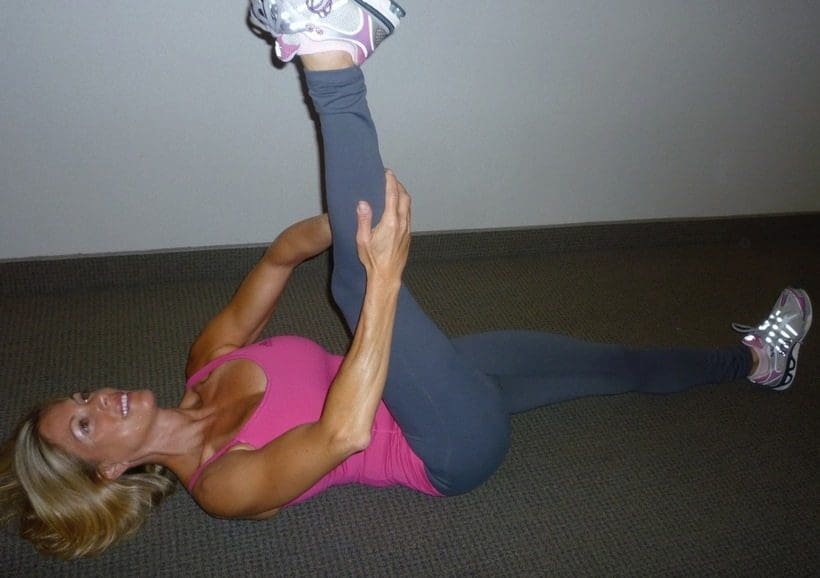
Hamstring stretch for before and after wearing high heels
Massage and stretch the muscles in the soles of your feet.� Roll your foot on a golf ball before and after wearing heels and, get regular foot massages.
Strengthen and increase the range of motion in your ankles and feet.� Put a rag on the floor.� Using your foot, write the letters of the alphabet.� Also put a bunch of marbles on the floor.� Pick one or a few of them up using just your foot.� Put them down about 6 inches away without lifting your foot off the floor.� Try that 10 times.� If you don�t have marbles, you can do it with a hand towel.
So next time you�re shopping for shoes, think about your foot fitness first. �Look for fashion that keeps you closer to the ground and that will hopefully keep you farther away from the doctor.
El Paso, TX. Chiropractor Dr. Alex Jimenez examines if sciatica can radiate to the arms.
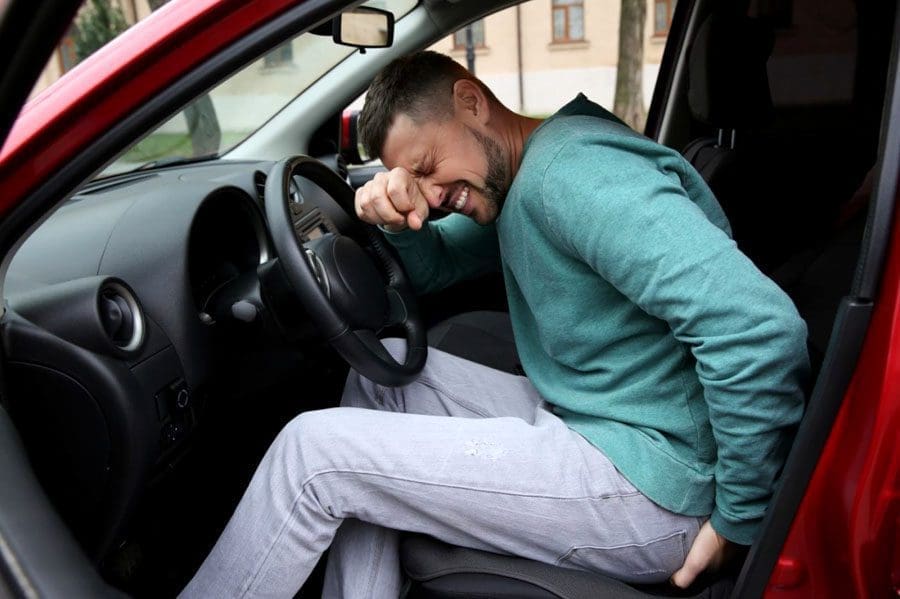
Muscular pain that comes on suddenly in your lower back is indicative of a muscle spasm. Your muscles will feel as though they have locked up, and the pain can be unbearable.
Sciatica
Several lumbar spine (lower back) disorders can cause sciatica � Sometimes doctors call sciatica a radiculopathy. Radiculopathy is a medical term used to describe pain, numbness, tingling, and weakness in the arms or legs caused �
No the sciatic nerve only affects the legs. No the sciatic nerve only affects the legs. Yes it can � a number of years ago i was in a car accident that left me with sever whiplash. as the years went on and i grew older the nerves between c6 �
Sciatica is defined as a severe pain in a leg along the course of the sciatic nerve. The pain is felt in the back of the leg running from the buttock down �
Another important stretch that I usually prescribe is a lumbar extension stretch. This one is especially important if the cause of your sciatic nerve pain is due to a �
Recovery time after back surgery for a herniated disc can take several weeks to months as the muscles and ligaments in the back heal. Most people who undergo such a surgery will find relief from their previous � There is also a danger of damaging the nerves of the back and spine.
Relief, Washington
Many people suffer from sciatica, a painful lower back condition caused by a pinched nerve. Sciatica can cause severe mobility problems and debilitating pain. In serious cases, the condition can lead to progressive lower extremity �
You can�t help but notice the biting, shooting pain that comes with sciatica. This condition affects the sciatic nerve that runs across the buttock and down the �
It is a widely accepted theory that a pinched nerve cause chest pain. These pinched nerves occur when exceeding amounts of pressure applied to surrounding bones �
Sciatica is a disabling condition characterised by pain in the leg along the distribution of the sciatic nerve. It can be accompanied by back pain, tingling, numbness, reduced strength and reflex changes in the leg.
Sciatica is most commonly caused by irritation of the nerve roots emerging from the lower spine. For this reason it is often considered a type of nerve pain.
It is estimated that around 5 to 10% of people with low back pain have sciatica, equating to around 200,000 to 400,000 Australians. It is notoriously difficult to treat sciatica with over-the-counter medications and complementary therapies.
Our study released today examines the commonly prescribed nerve pain treatment pregabalin for acute and chronic sciatica. The results show that pregabalin does not improve pain symptoms or function, but is associated with unwanted side effects such as dizziness when compared to a placebo.
Huge Uptake Of New Drug
Medicines that have shown to be effective for treating nerve pain were considered to be an exciting new treatment option for sciatica.
Pregabalin became subsidised by the Australian government for nerve pain in 2013 and quickly became widely prescribed for conditions such as sciatica. In its first year of listing, nearly 1.4 million prescriptions were written and in its second year, this figure increased to 2.4 million. This was 32% more than the government predicted.
Since its first approval in 2004 pregabalin has become the most widely prescribed medicine for nerve pain globally, with worldwide sales of between US$3-5 billion annually. The astonishing growth is likely to be a consequence of many factors but may partly be a reflection of the lack of effective treatments for sciatica.
But while pregabalin has been shown to be effective for other types of nerve pain, there was little evidence it helped patients with sciatica. There were also emerging concerns of increased harmful effects, including risk of suicidality and misuse.
We designed our study to examine whether pregabalin is effective and has tolerable side effects in patients with sciatica.
Pregabalin Does Not Work For Sciatica
The research compared the effects of pregabalin against placebo (identical inactive capsules) in 207 patients with sciatica.
Patients were randomly assigned to take up to eight weeks of pregabalin or placebo, prescribed and monitored by a general practitioner or a medical specialist. To keep the results as unbiased as possible, patients, doctors and study staff were kept blinded to who was treated with pregabalin and who received placebo capsules.
This study found after eight weeks there was no difference in the severity of leg pain between those who took pregabalin and those who took placebo capsules. The same result was seen at one year. There were also no differences in other relevant outcomes, such as back pain severity and function, at either eight weeks or one year.
However, people who took pregabalin reported more adverse effects. The most common adverse effect reported in the trial was dizziness.
The study shows that taking pregabalin does not improve your sciatic symptoms when compared with placebo, but you are more likely to have adverse effects when taking pregabalin.
Treatment Options For Sciatica
Few alternative treatment options exist for people suffering from sciatica.
There is limited data describing the effects of nonsurgical treatments such as exercise, spinal manipulation or acupuncture on sciatica.
There is also no convincing evidence to show medicines such as anti-inflammatory drugs, oral corticosteroids or opioid analgesic medicines are effective. Epidural corticosteroid injections have been shown to have a small benefit in the short-term only.
Surgery confers a short-term effect in selected patients with sciatica, but after a year people with sciatica who have not had surgery do just as well as people who�ve had the procedure.
The good news is that sciatica does get better with time. It�s important to stay as active as possible and to avoid prolonged bed rest (as this can delay recovery).
If you�re currently taking pregabalin, speak to a doctor about your condition, and mention any improvement or adverse effects you�ve experienced since starting pregabalin. It�s important not to stop pregabalin abruptly � usually doses should be reduced slowly over a few weeks. Abruptly stopping pregabalin can have some ill effects and should be done with care, close monitoring and advice from a doctor.
It�s unfortunate, but we do not currently have a lot of effective treatment options for people with sciatica. Speak to your doctor or treating clinician (such as a physiotherapist) about what may be appropriate for you, including specific advice on how you can stay as active as possible.
Sciatica specifically refers to pain, weakness, numbness, or tingling in the leg, along the distribution of the the sciatic nerve down the back of the leg. Most commonly however, people will refer to any condition that causes back pain in association with leg symptoms as sciatica.
Common Causes:
True sciatica occurs when there is pressure on, or damage to, the sciatic nerve. This nerve starts in the lower spine and runs down the back of each leg. This nerve controls the muscles of the back of the knee and lower leg and provides senation to the back of the thigh, part of the lower leg and the sole of the foot.
As previously mentioned, the term “sciatica” is often used by patients to describe any condition where there is back pain together with associated leg symptoms. This being the case, there are a number of other conditions that will actually mimic sciatic nerve pain. Sacroiliac joint irritation (sacroiliac joint syndrome), lumbar facet joint irritation (lumbar facet joint syndrome), and piriformis syndrome all frequently produce leg symptoms, and are therefore commonly mistaken for sciatica.
Common Symptoms:
Sciatica pain can vary widely. It may feel like a mild tingling, a dull ache, or even a burning sensation, while in other cases, the pain can be servere enough to make movement practically impossible. Most commonly, sciatica effects only one leg.
Treatment:
Treatment begins with first determining whether a patient is suffering from true sciatic nerve involvement, or if they are actually suffering from one of the other conditions that frequently mimics sciatica. From there treatment is directed towards reducing inflammation, pain, and spasm, while restoring movement and function to the effected spinal levels. Once normal spinal mechanics are restored, patients are given a simple home exercise program in order to help maintain normal function and to help prevent re-occurances.
What is sciatic nerve pain? Sciatic nerve pain is one of the most tough [ https://www.youtube.com/watch?v=FUcGA-BvmIQ dolore sciatica] problems for physicians, also those experienced in treating back pain as well as sciatica patients, to determine as well as treat. Sciatica usually presents itself as a prickling and/or numbness, like the sensation one may experience with a pulled hamstring muscle mass, the biceps femoris at the back of the leg. The experience could be plain, almost an ache, with durations of prickling and/or tingling happening throughout specific activities. The prickling and/or numbness experienced, if not dealt with, may develop into a full-on constantly [ https://www.youtube.com/watch?v=SrFQWAtJtZU click resources] severe phase with discomfort capturing throughout the butts and also radiating down the leg. Sciatic nerve pain might influence one or both legs, typically one, starting as a pain radiating from some point in the lower back, the lumbar spine, after that throughout the gluteal muscle mass (the buttocks), as well as ultimately down the rear of the leg. In innovative instances, sciatic nerve pain gets to right right into the feet as well as toes, triggering discomfort as well as an eventual loss of feeling.
Remarkably, sciatica is not a details condition, it is just a catch-all clinical term put on a constellation of symptoms in order to explain a state the back pain victim remains in. In this instance, sciatic nerve pain is utilized to define a patient’s complaint of pain radiating across the butts, down the leg, and also right into the feet and toes … along with the connected tingling and/or feeling numb. Sciatica could be brought on by a variety of conditions, from stress and anxiety and trauma at a particular area on the spinal column, the reduced back or back curvature, to a much more general condition such as obesity or pregnancy. There are a number of other problems associated with sciatica, all needing varying degrees of clinical intervention and also treatment. A few of the conditions likely to present with sciatica are:
1. Osteomyelitis: An infection of the bone or bone marrow. Osteomyelitis might be debilitating and also in severe cases may also create death. It is tough to identify as well as might go undetected for a long period of time unless appropriate blood examinations are purchased and also the doctor is well trained in contagious diseases influencing the bones.
2. Growths on or near the spine: Lumps, particularly tumors or abnormal growth (e.g., scar tissue) affecting the nerves or nerve roots as they exit the spinal canal and intervertebral foramen, will certainly sciatic nerve pain or sciatic nerve pain.
3. Degenerative Disc Disease: Again, degenerative disc condition is not an illness anymore than sciatic nerve pain, called sciatica, is a specific problem. Degenerative disc condition is a break down of the IVDs, the intervertebral discs, and also is generally an effect old combined with the any or every one of the 5 primary elements influencing the spine as we age.
o Excess weight and/or obesity
o Muscle weakness
o Muscle Imbalance
o Poor nourishment and also diet plan
o Poor hydration or dehydration
4. Herniated (i.e., burst) or protruding disc: This problem might be particularly bothersome if the herniated disc or bulging disc is extending posteriorly (to the back) and right into the spine canal, or impinging on the nerve origin at the intervertebral foramen, hence putting pressure on the spine and/or nerve root; and, sciatica is the result in lots of instances.
IFM's Find A Practitioner tool is the largest referral network in Functional Medicine, created to help patients locate Functional Medicine practitioners anywhere in the world. IFM Certified Practitioners are listed first in the search results, given their extensive education in Functional Medicine